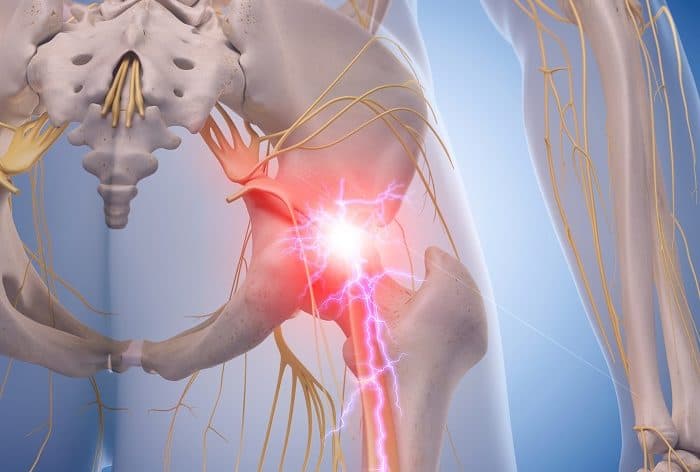
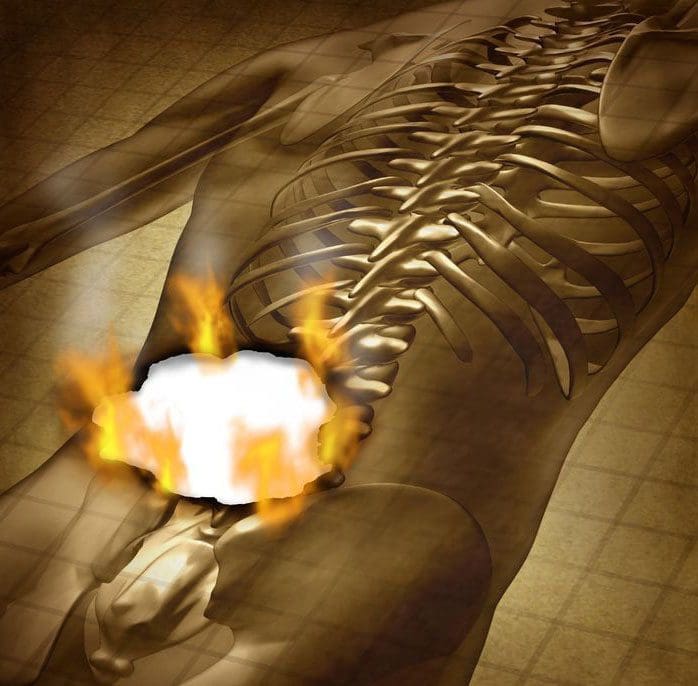
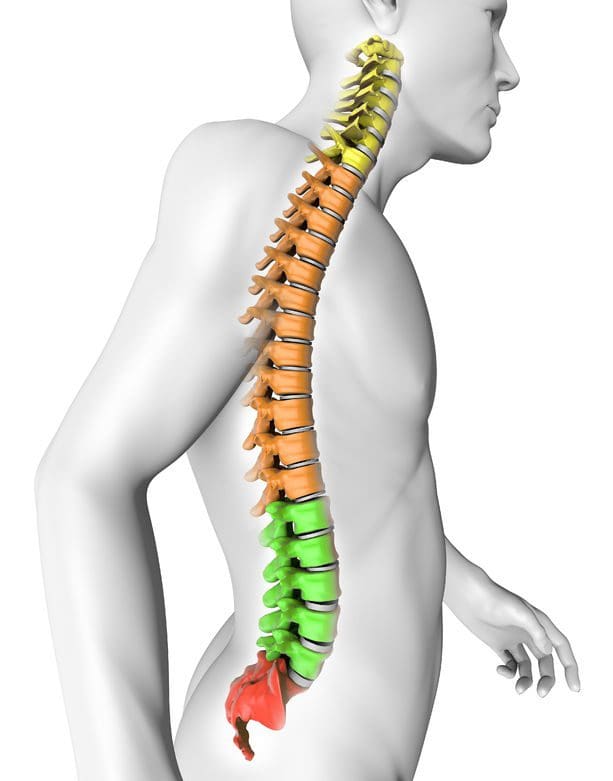
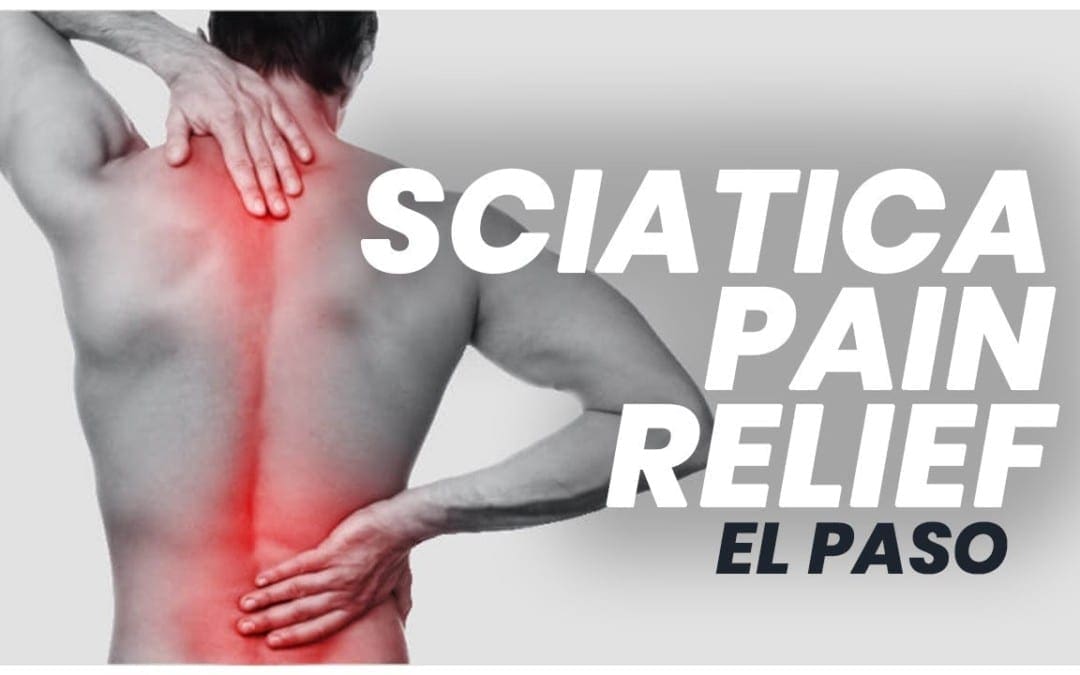
Sciatica is pain that can be accompanied by numbness, tingling and occasionally weakness along the course of the sciatic nerve. The sciatic nerve is the thickest in the body and is formed from nerve roots exiting the spine, and extend into the buttocks and down the back of the legs to the toes. Common causes of sciatica along with non-surgical treatment options are presented by a chiropractor and a physical therapist.
Causes of Sciatica and Non-Surgical Care
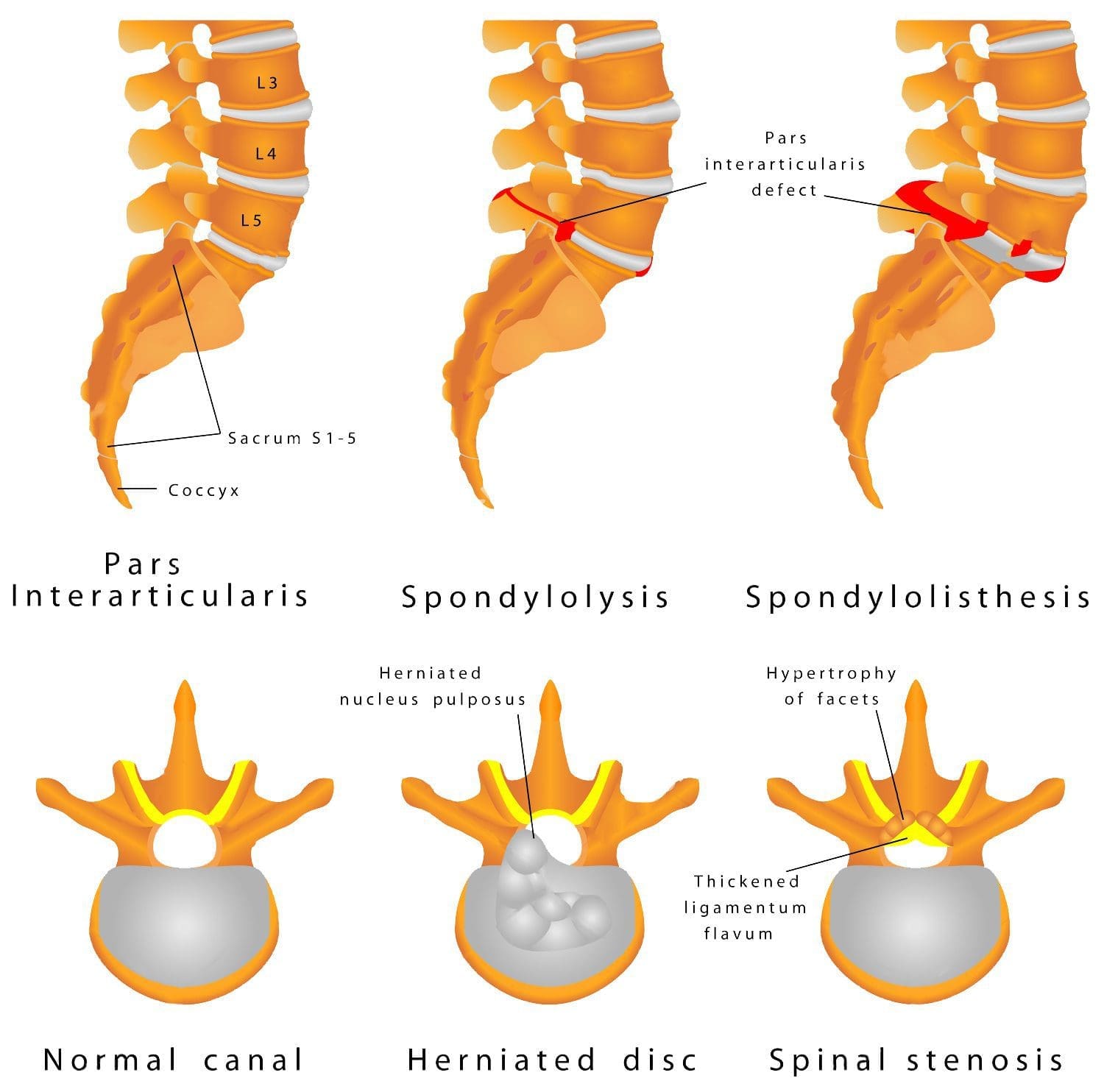
Compressed Lumbar Disc also called lumbar radiculopathy
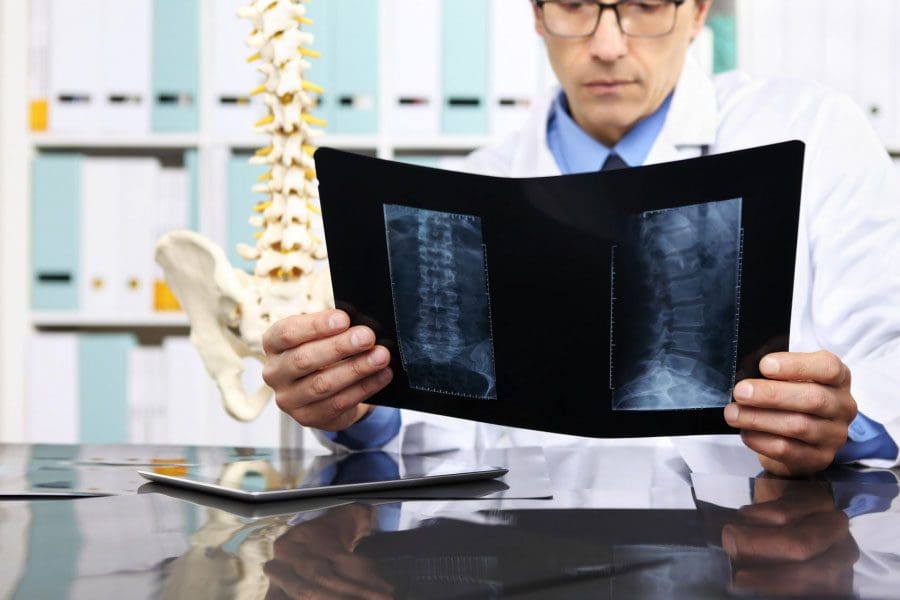
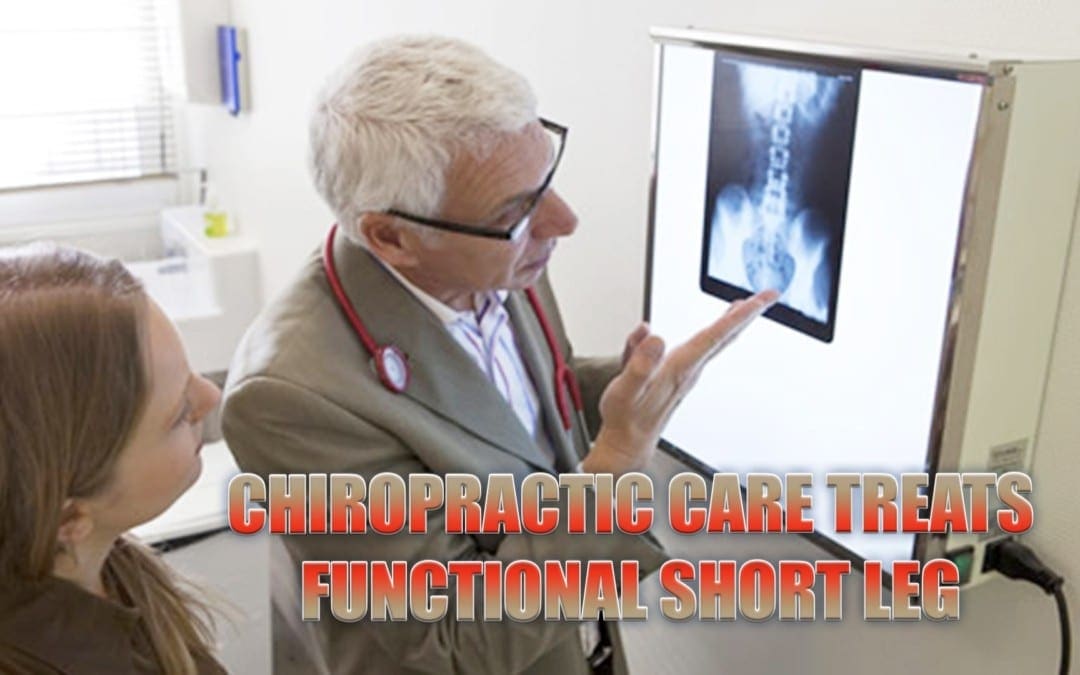
Probably one of the most common causes of sciatica that I treat. About 90% of patients have a positive response to alternative/conservative treatment. I use x-rays as a guide to follow where the nerve is compressed and where the best manipulation areas are for me to adjust. Spinal manipulation is a very safe procedure and most cases will heal without surgery.
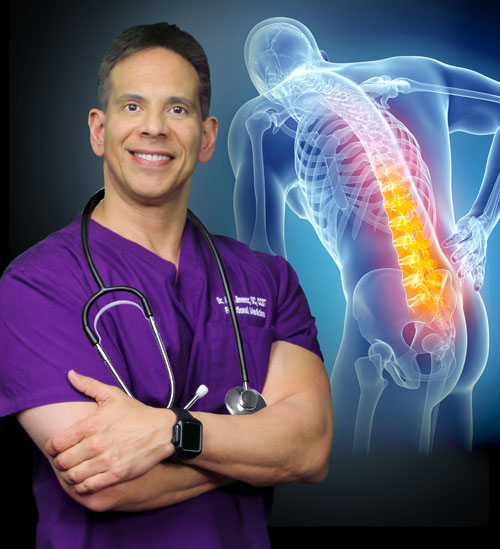
Dr. Alex Jimenez D.C. and a practicing physical therapist� �Combined with chiropractic treatment and massage, we may use a topical steroid combined with electric stimulation or ultrasound to adjust/release the area where the nerve is compressed.”
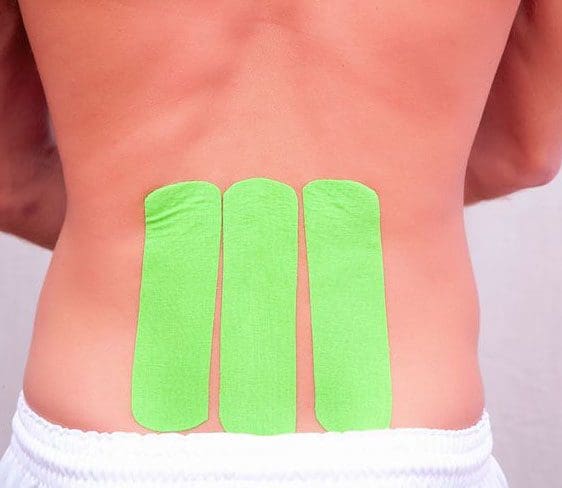
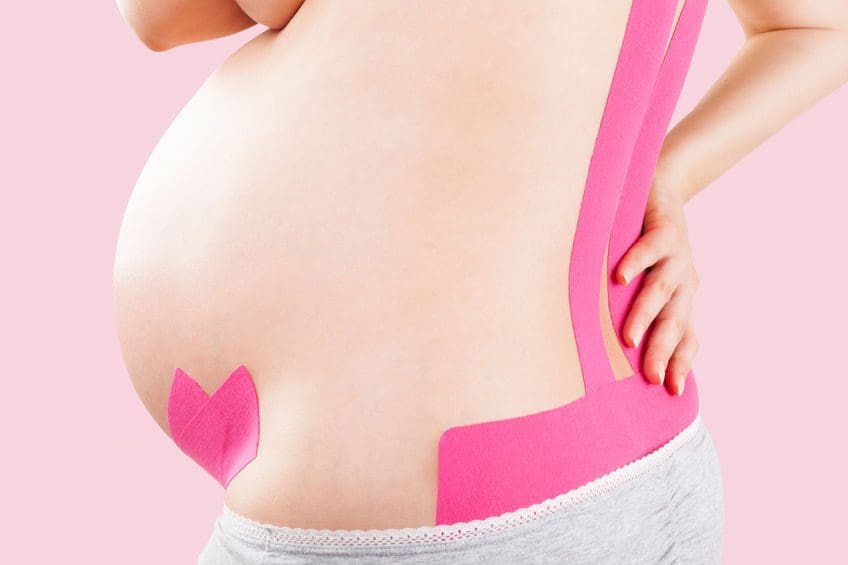
Lumbar traction is also used to reduce the size of the disc herniation and combine this with exercises, which are customized to the patient. Extending back and flexing exercises are also incorporated into the treatment plan and each is made specific to the patient. Patients may experience muscle spasms or joint stiffness, which is also relieved by massage therapy and joint mobilizations. Patients could also be trained on Kinesio tape application to relieve pressure and relax muscles.
Remember that strengthening the core is the key to reduce the risk of worsening the injury and getting new ones.
Lumbar Spinal Stenosis
This is a condition that can be difficult to treat because of the mechanical nature of the compression on the nerves. The cause is often a combination of osteoarthritis, disc bulging and spinal holes that have narrowed�called neuroforamen. Physical therapy consists of traction, stretching, exercises, and chiropractic to lessen pain and inflammation.
Spondylolisthesis
This condition can be caused by trauma or degeneration of the spine. Conservative care is highly beneficial.
Extending the spine can worsen symptoms, therefore flexion-based exercises are what we recommend. Therapeutic exercises are utilized for abdominal strengthening and core stabilization. We get the patient to increase hip extension to reduce stress on the lumbar spine.� Manual therapies can also be used to control inflammation and alleviate muscle tightness or spasms.
Piriformis Syndrome
Piriformis syndrome also responds positively to conservative treatment. We look for the main cause when we see piriformis syndrome. This type of injury happens when a patient has a job or play a sport where they shorten and overuse the muscle.
We create a custom treatment/exercise program based on what is found structurally. Most of the time the piriformis muscle gets over-used because the hips are weak, so strengthening the hips and the core is key. Sciatic nerve mobilization can also help increase�sciatic nerve mobility. This can be achieved with instrument-assisted soft tissue mobilization/Graston technique along with deep tissue massage will get optimal results.
Pregnancy
Sciatic symptoms often do present in pregnant women, which can make the pregnancy miserable. Our goal is to reduce symptoms and restore normal function with gentle exercise, massage, and hot/cold therapy.
The pelvic girdle is what we focus on, along with core stabilization, and Kinesio tape application to stabilize the girdle because of ligamentous laxity or loosening of the hips.
Trauma
Any kind of trauma that hits the gluteal area can become inflamed and spasm and bind around the sciatic nerve. We focus on relieving the pain and inflammation with manual therapies, and gentle exercises. These are based on what is found from the examination and how intense/extensive the trauma was.
Light spinal mobilization and massage have been proven to activate the body’s natural painkillers to alleviate and release the tight muscles. More rigorous exercises are brought in to the treatment plan as the patient gets stronger. These will strengthen their core and get them back to regular activities, job, and their sport.
*Effective Non-Surgical Treatment* for Sciatic Nerve Pain| El Paso, Tx
NCBI Resources
You may be suffering from�sciatica if you have ever experienced a shooting, nerve-like pain down one of your legs. The sciatic nerve can be impacted by a number of different things, including injury and degenerative diseases, that can lead to sciatica. Fortunately, chiropractic can be an effective non-surgical treatment for sciatica.
A car accident can easily damage the spine and soft tissues. An auto accident may cause a misalignment of the spine, a herniated disc, or other injuries that cause symptoms of sciatica.
Do you have lower back pain or pain literally in the rear that runs down into one thigh or below the knee into the leg and even the foot? A doctor may diagnose these symptoms as sciatica, which describes compression of the sciatic nerve.
Sensations include:
Numbness
Tingling
Pins and needles
Electric like shock running through the leg
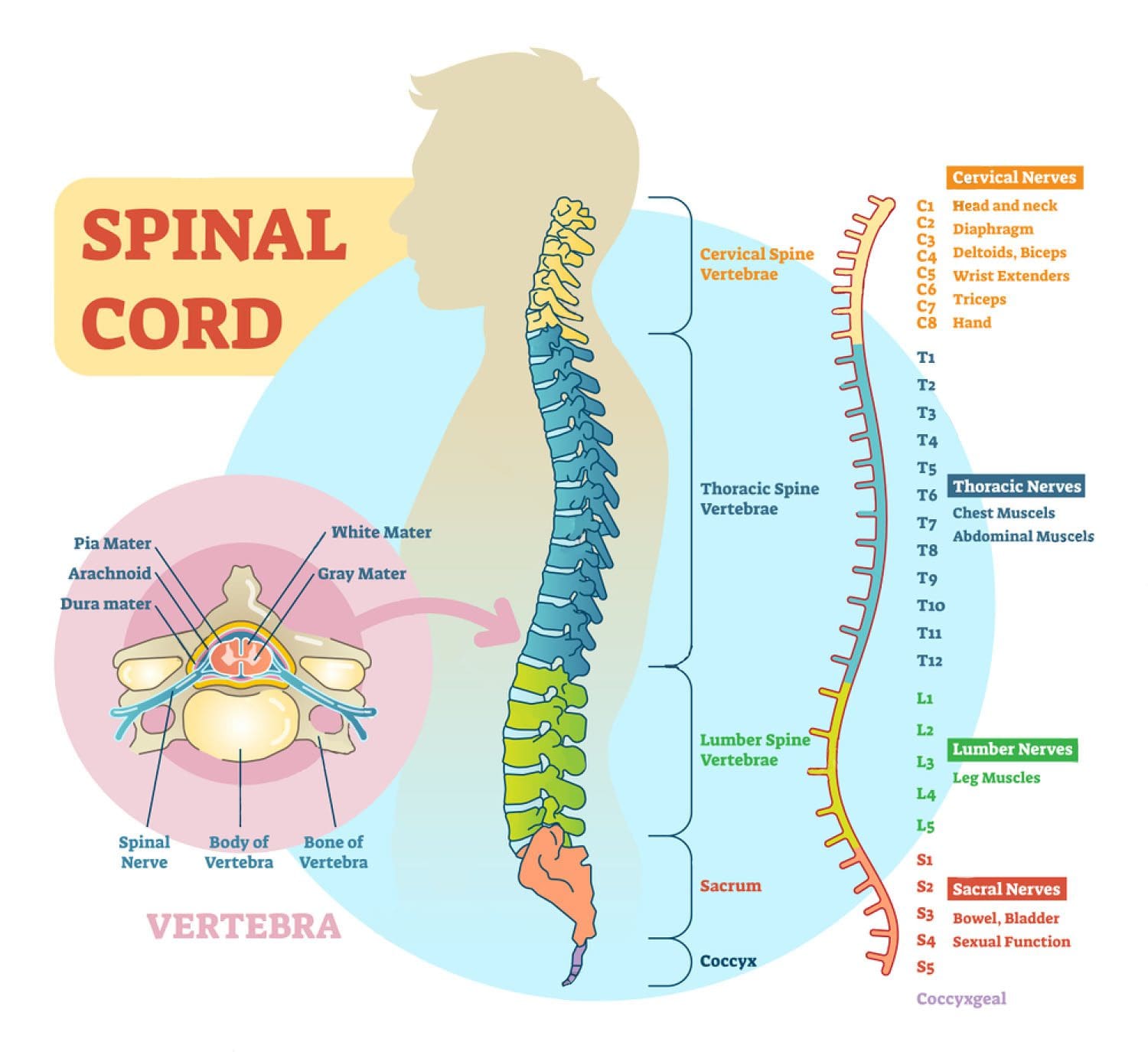
Depending on the nerve that is affected pain could radiate only into the buttock or all the way down to the foot. A common cause is a lumbar disc herniation or bone spur that presses down on the spinal nerve. Sciatic pain radiates along the nerve, usually from the low back, down the buttocks, into the thigh and leg, below the knee and sometimes into the foot and big toe.
Sciatica usually affects one side of the body.
Radicular Pain
A doctor may use the terms radicular pain or radiculopathy when talking about sciatica. Radiculopathy is pain/adverse sensation that travels along a nerve. When a spinal nerve root is compressed, pinched or injured, it becomes inflamed. Low back conditions that can contribute to this type of problem are spinal stenosis, foraminal stenosis or herniated disc.
Proper Diagnosis & Proper Treatment
The doctor will ask about your symptoms:
When did the pain begin?
Where is the pain most intense?
What activities worsen the pain?
What activities reduce pain?
Does the pain go all the way down the leg or stops at the knee?
Do you feel weakness or tingling in your legs or feet?
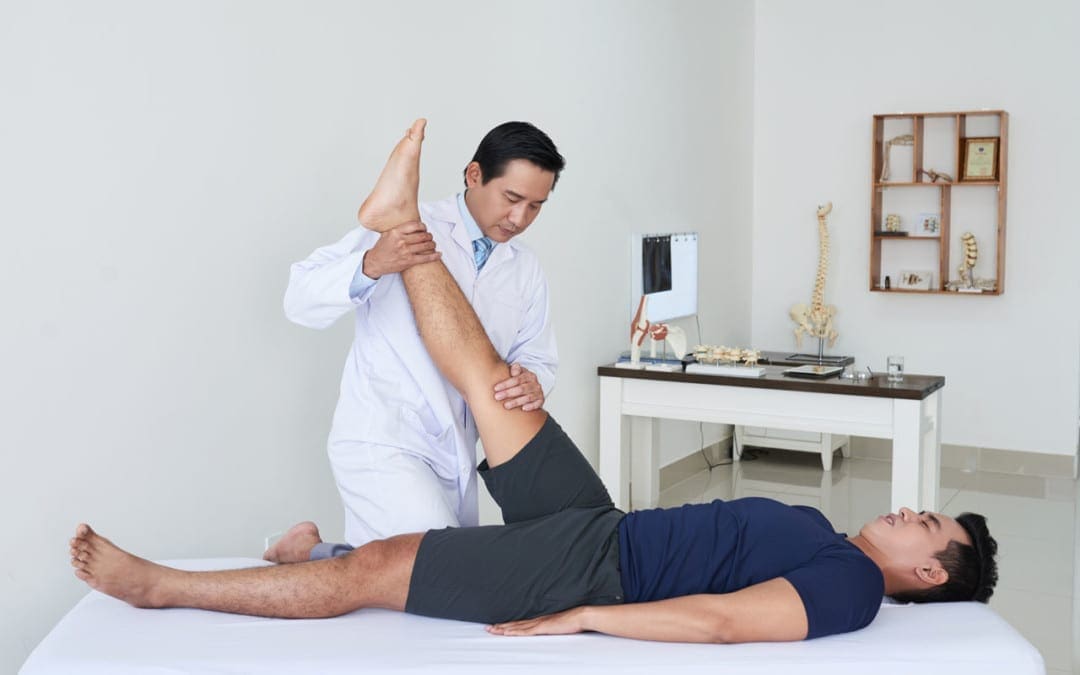
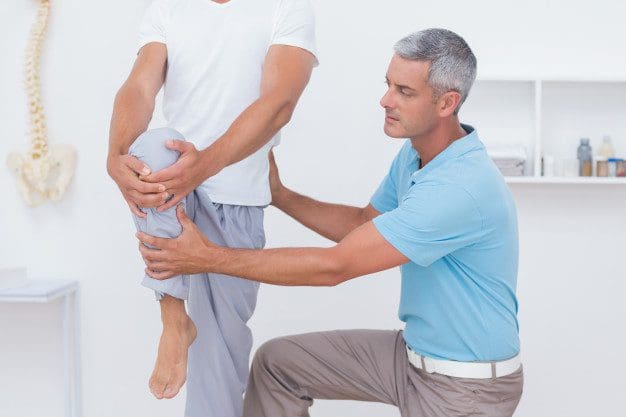
A doctor might perform a straight-leg test to see if there is an inflamed nerve. This is a simple exam where you lie on your back and the doctor lifts each leg. If this causes or produces pain and sensations, it can indicate there is a bulging/slipped or ruptured disc.
The compression of the nerve can also cause muscle weakness in the foot. Another exam may be to walk like you normally do, then on your heels and finally on your toes. This checks your balance and lower-body strength.
A doctor will:
Check your posture
Range of motion
Movements that cause pain
Check the curvature and alignment of your spine
Check for muscle spasms
Note your sensations
Test your reflexes and muscle strength
A doctor may order x-rays, CT scan or MRI.
The CT scan or MRI provides doctors with various images of your spine which can help in diagnosing whatever is causing your symptoms. These tests are then compared to what the doctor took note of during your medical history interview and the physical and neurological examinations. An accurate diagnosis is the first step in figuring out the best treatment plan.
Could something else be causing the nerve pain?
Only a doctor can tell if your symptoms are sciatica. There are other structures in the spine that can cause similar types of pain.
The sacroiliac joint between the pelvis and sacrum is the lowest part of the spine can cause sciatic pain.
The facet joint which connects the joints in the back of the spine gets sprained, it can also cause sciatica-like pain.
A tear in a spinal disc can cause pain down into the leg.
The hip joint can also cause pain in the thigh, that can radiate outward.
Sciatica Nerve Treatment
Sciatica can be treated non-surgically with:
Chiropractic care
Physical therapy
24 to 48 hours of bed rest
Over the counter pain relievers like ibuprofen or acetaminophen
Patients with sciatica feel better with time, usually a few weeks. If pain continues, other treatment modalities can be discussed. Muscle spasms can accompany sciatica symptoms and can be treated with heat or ice therapy. A doctor may advise light exercise like short walks and once recovery is established they may give you exercises to strengthen your back and core.
Severe *Sciatica”* Pain Relief | El Paso, Tx (2020)
NCBI Resources
A study cited by the health magazine�Prevention�found that sixty percent of sciatica sufferers who failed to get relief from other treatments found their symptoms improved after chiropractic care. In fact, they got the same level of relief as those who went through surgery � without any of the serious side effects that so often come with surgical procedures.
Chiropractic is effective for treating sciatica because it gets to the source of the problem � relieving pressure on the sciatic nerve.
Sciatica doesn�t have to prevent you from being able to travel.
Sometimes a journey can create a series of challenges for people with sciatic nerve pain in the low back and leg.
A common issue among individuals is to prevent sciatica from flaring up when on the road or in the air.
A solution for this is to find ways to keep moving. However, easier said than done, but it can be done!
Flying and driving often mean long periods of sitting and sitting in a position typically not friendly with sciatic pain.
“When we drive or fly for an extended trip, it means long sitting times, and sitting in a position that can cause sciatica to flare up at any time,” says Dr. Alexander Jimenez, D.C. in El Paso, Texas, and member of the American Chiropractic Association (ACA).
Dr. Jimenez shares some basic tips for keeping mobility up, all the while pain-free, when flying and driving with sciatica.
He also offers additional advice to keep radiating pain from starting, upon arrival.
Flying with Sciatica
Sciatica pain radiates through the lower body meaning:
The low back
Hips
Buttocks
Legs
So when a flight anchors you to a seat, this can aggravate the area and cause pain.
The first thing to consider is the seat choice.
An aisle seat allows you the easiest access out of the seat, allowing you to move more during the flight.
Also when flying with sciatica, tell the flight crew about your condition.
When the seatbelt off light comes on, get up, stretch your legs and move around anywhere you can find room.
With a good portion of the population suffering from sciatica, most crews have seen people with this condition, and will usually let you do some stretching if they’re not busy.
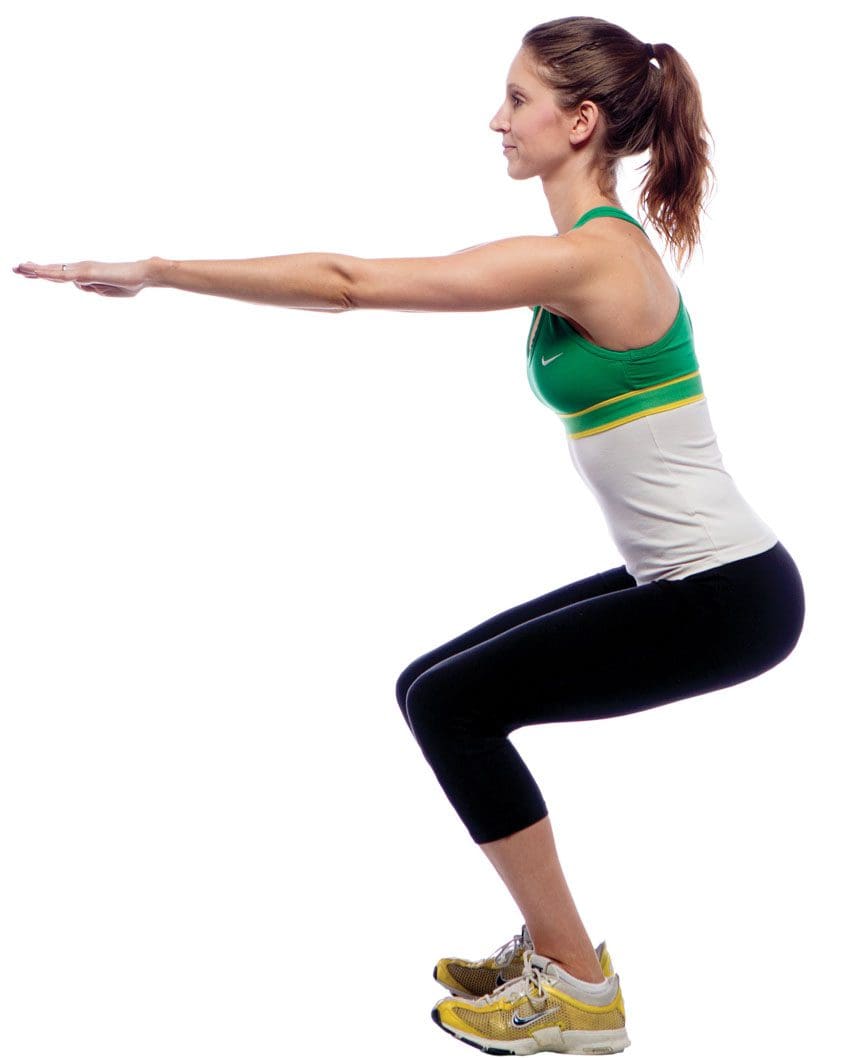
A good sciatica stretch is to put your hands on something stable and do some deep knee bends.
This will use the upper body weight to stretch the lumbar spine comfortably.
Do a few and make sure you feel and return to your seat stretched and refreshed.
When taking a long flight, do this every hour to feel better when landing.
Sciatica Road Trip
Road trips, on the other hand, are easier to stop and move around. However, it can also create over-concentration on the drive and forgetting how much you are hurting until the pain is unbearable.
Dr. Jimenez advises frequentstops, if possible every hour is best to prevent pain.
On the stops walk two or three laps around the car/Suv/truck.
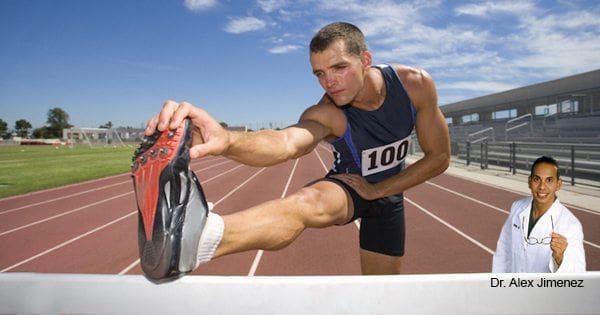
Rear bumper stretching prop
Place one foot on the bumper, and the other a few feet behind, lean into the bumper and square the hips with the lead foot.
This is like a hurdle stretch.
Stretch both legs on each break.
Regular stretching helps relieve the pressure on the low back so you can drive comfortably.
Arrival
Packing light is a healthy tip because hauling heavy luggage will aggravate sciatic nerve pain.
There are a few things that Dr. Jimenez recommends packing or getting upon arrival.
Gel ice pack you can keep in the refrigerator or freezer in a hotel.
Apply the cold pack to the low back for 20-minute increments will go a long way toward relieving pain.
Topical agent/cream/gel that has menthol or camphor, that you can apply to any area of tenderness or pain before the ice gel pack.
This increases the ice pack’s power by helping relax muscles and decreasing pain.
Supportive shoes or custom foot orthotics
People with sciatica should choose footwear or orthotics that support all three arches of the foot.
Leg length is usually not equal on each side, and proper arch supports can be custom made for you by your chiropractor to compensate for the difference.
Even a 5mm difference can cause chronic back pain.
And if possible, ask your chiropractor or primary physician if they can recommend a chiropractor, physical/massage therapist,� or acupuncturist that you can see in case you need emergency treatment.
This can give you some peace of mind.
Keep Your Exercise/Stretching Routine When Traveling
When we travel especially on vacations it can be easy to let healthy lifestyle habits you practice at home slide.
All are sciatica�s natural enemies make sure to bring these healthy practices with you to your destination.
Use the same good sense when you travel just like at home getting:
Get plenty of rest
Drink plenty of water
Don’t overeat
You will need more rest when you travel and don’t forget when you travel to:
Walk
Stretch
Stay mobile
Difference Foot Orthotics Make to *REDUCE FOOT PAIN* & Correct Posture | El Paso, TX (2019)
Custom made foot orthotics can help control foot motion and posture. Healthcare professionals prescribe custom foot orthotics to help patients focus on their foot posture and mobility control. Research studies have ascertained that using custom foot orthotics for posture and mobility control can help fix excessive foot pronation and supination to prevent a variety of foot health problems. The subsequent video describes how custom foot orthotics will help control foot posture and mobility to improve health and wellness.
NCBI Resources
Sciatica is generally caused by the compression of lumbar or sacral nerves or by compression of the sciatic nerve. When sciatica is caused by compression of a dorsal nerve root, it’s known as lumbar radiculopathy. This can occur because of a spinal disk bulge or spinal disk herniation (a herniated intervertebral disc), or by roughening, enlarging, or misalignment (spondylolisthesis) of the fascia, or as a consequence of degenerated discs which can reduce the diameter of the lateral foramen by which nerve roots exit the spine.
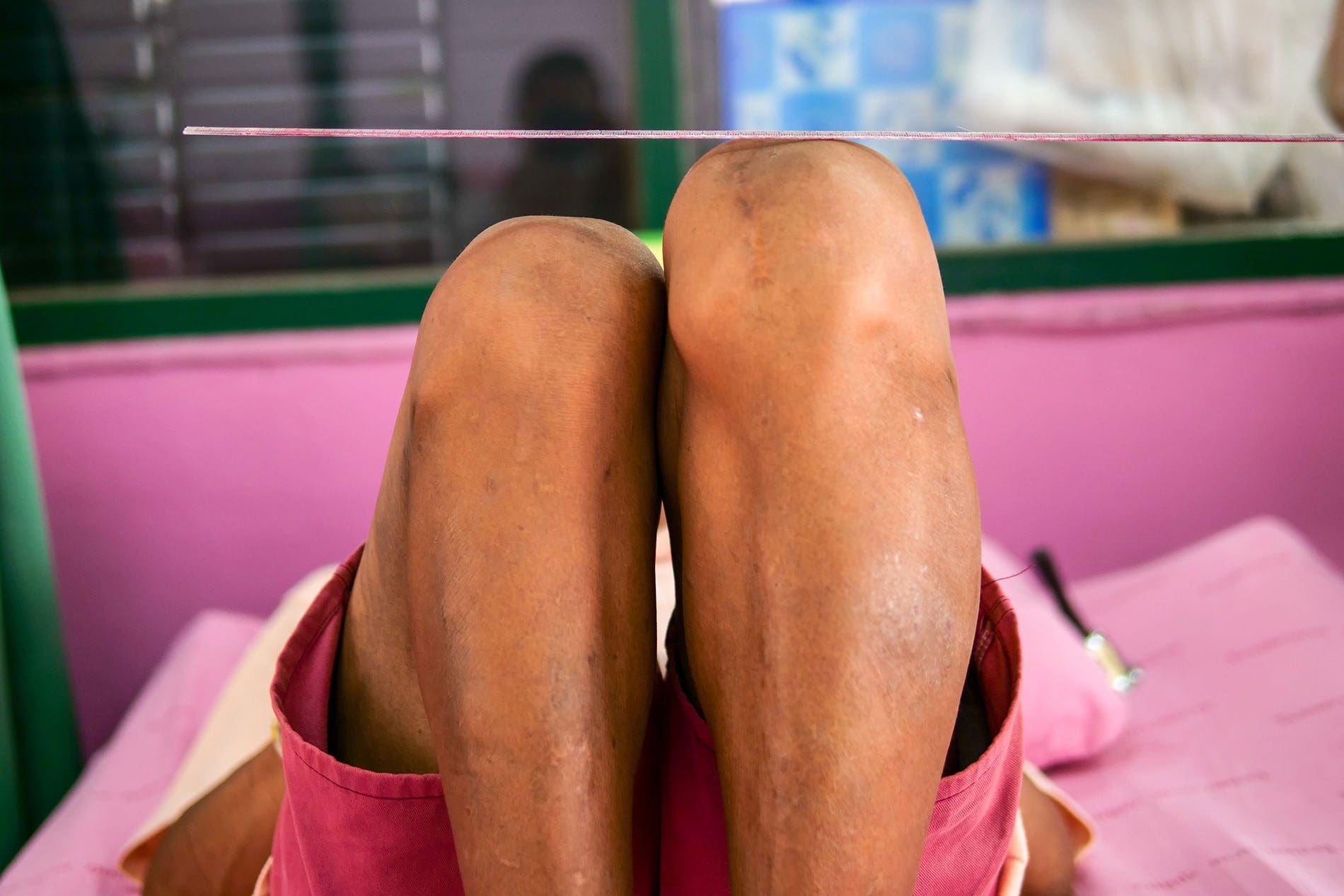
Leg Length Discrepancy (LLD) has profound effects on the body’s biomechanics, which can result in back pain and a number of other debilitating conditions.
Overview
Also known as Leg length inequality leg length discrepancy affects as many as 60 to 90% of the population.
It is categorized as functional or structural, but both have profound effects on the body’s biomechanics and result in back pain.
Other conditions include:
Arthritis of the knee
Psoasitis
Arthritis of the hip
Patellar tendinitis
Patellofemoral pain syndrome
Plantar fasciitis
Medial tibial stress syndrome
Iliotibial band syndrome
Lateral knee pain
Trochanteric bursitis
Sacroiliac discomfort
Achilles tendinitis
Cuboid syndrome
Functional Short Leg: Alignment�difference of the supporting structures between the ground and the top of the femur or thigh bone.
This is caused by excessive pronation or the natural rolling in of the foot as someone walks.
Anatomical Short Leg: A difference in the size or length of the thigh bone (femur).
This is most often caused by growth asymmetry that can be inherited/genetic condition�but can sometimes come from a fracture or surgery.
Our body can work with leg inequality for short a period but over time, biomechanical problems throughout the body can begin to happen.
Our body’s ability to adapt to abnormal stress eventually takes its toll and the surrounding soft tissues can’t take it anymore.
Even the simplest movements begin to require much more muscular effort and energy, which reduces endurance.
Excessive stress gets transmitted to the ligaments, which then creates:
The first goal of treatment is to improve alignment and restore symmetry.
This can be accomplished with:
Spinal adjustments focus on providing better spinal column alignment
Exercises to help the affected muscles
Proper orthotics with a pronation wedge under the heel for long-term correction
Sometimes LLI causes a profound gait (walk) disfunction, which means physical therapy might be necessary.
Prevention
Keep your bones and tissues strong and healthy with exercise and diet can help.
Avoid tobacco and excessive alcohol use, which weaken bones and can cause problems with the blood supply in the legs.
Reduce your risk of injury by adhering to safety measures (like wearing a seatbelt).
Custom orthotics provide support, stability, and shock absorption.
Recovery
The body�s foundation can be made level with custom orthotics, but it does take some time to adjust to proper and healthier alignment/posture.
Talk to your doctor or chiropractor to learn more.
Symptoms:
Back pain
Leg pain
Pelvic obliquity
Scoliotic deviations of the lumbar spine
Increased risk of injury, especially in athletes
Chiropractic care does wonders for helping individuals regain their spinal alignment and loosen the joints and muscles affected by leg length inequality, and the orthotic heel lifts balance out the legs, which balances the hips and pelvis.
Reduce *PLANTAR FASCIITIS PAIN* with Custom Foot Orthotics | El Paso, TX (2019)
Foot problems can affect the overall well-being of the human body. Many health issues which affect the foot can result in poor posture, low back pain, and sciatica. These imbalances can ultimately result in a variety of other health issues. Custom-made foot orthotics can help promote and support overall well-being by relieving foot problems. The following video discusses how many health issues which affect the foot can cause a variety of foot problems, including poor posture, low back pain, and sciatica. Dr. Alex Jimenez is the non-surgical choice for foot problems and other health issues. Dr. Alex Jimenez can help promote and support overall well-being with the use of custom-made foot orthotics and other treatments approaches.
What’s Afoot
According to the�American Chiropractic Association, a study found 75% of subjects who suffered from lower back pain had legs that were slightly different lengths (5 millimeters or more). This condition is called�Short Leg Syndrome�and causes a variety of issues for its sufferers. The symptoms can be quite severe, depending on the degree of difference in the leg length.
NCBI Resources
The premise of this condition is that the leg length inequality disrupts the�body�s entire balance, possibly resulting in issues in the knees, hips, and back. The spinal system is designed to bear weight evenly, and, when one leg is shorter than the other, this places additional weight and stress on one side. According to�The Back Pain Authority, common causes of Short Leg Syndrome are a past history of fractures, hip or knee issues, or the individual was simply born that way.
Approximately 8 out of 10 people will experience sciatica or a sharp electrical surge that painfully runs through the back down to the foot. It can then lead to having numbness in different areas of the back, leg, and foot. Here are two such cases that describe their back pain and their inability to engage in activities. �
Truide discusses how her pregnancy caused her back pain.
Dionicio discusses how truck driving triggered his back pain.
These patients utilized chiropractic care with Dr. Alex Jimenez, DC and are now back on their feet, pain-free and ready to get on with their lives. The El Paso Back Clinic is the place to go for sciatica back pain relief.
El Paso Back Clinic
We are blessed to present to you�El Paso�s Premier Wellness & Injury Care Clinic.
As El Paso�s Chiropractic Rehabilitation Clinic & Integrated Medicine Center,�we passionately are focused on treating patients after frustrating injuries and chronic pain syndromes. We focus on improving your ability through flexibility, mobility and agility programs tailored for all age groups and disabilities. �
We want you to live a life filled with more energy, positive attitude, better sleep, less pain, proper body weight and educated on how to maintain this way of life. �
Only the best for you�
If you have enjoyed this video and we have helped you in any way, please feel free to subscribe and recommend�us. �
Roberto Varela was always actively involved with chores at home before he started to experience neck, shoulder and leg pain. Due to his symptoms, Mr. Varela had difficulties engaging in regular physical activities, such as driving. However, after being recommended by his wife, he first received chiropractic care with Dr. Alex Jimenez, and Roberto Varela experienced tremendous relief from his neck, shoulder and leg pain, regaining his quality of life. Mr. Varela highly recommends Dr. Alex Jimenez and his staff for their services.
Shoulder Pain Treatment
Shoulder pain or leg pain is common; however, sometimes these problems don’t originate in the location of the symptoms. Shoulder and leg pain may also occur due to health issues in the neck or cervical spine. A variety of injuries and conditions can have their roots in improper posture, sports injuries or automobile accident injuries, causing misalignments, or subluxations, in the cervical spine or neck. Many healthcare professionals will discuss how damage to the cervical spine can be an underlying cause for shoulder pain and leg pain, among other symptoms.
We are blessed to present to you�El Paso�s Premier Wellness & Injury Care Clinic.
As El Paso�s Chiropractic Rehabilitation Clinic & Integrated Medicine Center,�we passionately are focused on treating patients after frustrating injuries and chronic pain syndromes. We focus on improving your ability through flexibility, mobility and agility programs tailored for all age groups and disabilities.
If you have enjoyed this video and we have helped you in any way, please feel free to subscribe and recommend�us.
Functional short leg is a fairly common condition that typically occurs due to inflexibility or muscle weakness at the pelvis, ankle, and foot complex. Runners sometimes experience the condition when running over certain surfaces that are unstable or not level. It can also occur due to inappropriate footwear.
This condition can cause pain in the lower spine, hips, buttock, and leg. If left untreated, it can lead to balance issues, neck and shoulder problems, and incorrect weight distribution. Chiropractic care has been proven to effectively treat functional leg syndrome.
What Is Functional Short Leg?
Patients with a functional short leg have an apparent short leg although structurally both legs are the same length when measured. The most common method for measuring leg length is from the medial malleolus (inside ankle bone) to the ASIS (front of the pelvis). When the legs are measured in the case of a functional short leg, they are equal in length.
Mothers who always carry a child on one hip or individuals who always sleep on the same side can experience functional short leg syndrome. In fact, any movement, posture, or activity that causes increased stresses on the joints, nerves, and muscles involved can create an imbalance.
Functional Short Leg vs Anatomical Short Leg
Where with functional short leg syndrome one leg is apparently shorter than the other but not structurally so, an anatomical short leg is structurally shorter. This can happen due to growth problems, structural issues, and curvature of the spine.
The differences between the two conditions are significant, particularly when it comes to treatment. Both conditions can be treated by chiropractic for pain. Functional short leg syndrome can greatly benefit from chiropractic care as it helps to realign the body.
Symptoms Of Functional Short Leg
Functional short leg syndrome symptoms can remain confined to the leg, lower back, and hip region, or it can affect the entire body. When walking it can affect the way your feet hit the ground, causing pain in the foot and ankle.
However, it can even affect how you chew your food and how your teeth come together. When a person has short leg syndrome, they will often adjust their body in order to compensate, but that is when the real problems start. Symptoms of functional short leg syndrome include:
Pain in the lower back
Pain in the knee of both the long and short legs
Pain in the leg and lower back due to inflammation or sciatica
The human body is a marvelous, mysterious machine. When part of the machine is not working properly, the body will naturally attempt to fix it. If it cannot fix the problem, it finds a work around to compensate for the problem. This can lead to misalignment of the spine and imbalance in the body.
Chiropractic Treatment For Functional Short Leg
When you go to a chiropractor for functional short leg, he or she will do a thorough exam on you including diagnostic tests like MRI and x-ray. Once a diagnosis has been confirmed, the chiropractor will begin what is usually a multi-faceted approach that incorporates spinal alignment, a heel lift, lifestyle change recommendations, and exercises that you can do at home.
The chiropractic adjustments will return the spine to its natural position and bring the body back into balance. Patients will usually experience a dramatic decrease in pain or the pain will go away completely. They will also enjoy increased mobility and flexibility as well and an overall sense of wellness.
Injury Medical Clinic: Athletic Recovery & Rehabilitation
IFM's Find A Practitioner tool is the largest referral network in Functional Medicine, created to help patients locate Functional Medicine practitioners anywhere in the world. IFM Certified Practitioners are listed first in the search results, given their extensive education in Functional Medicine