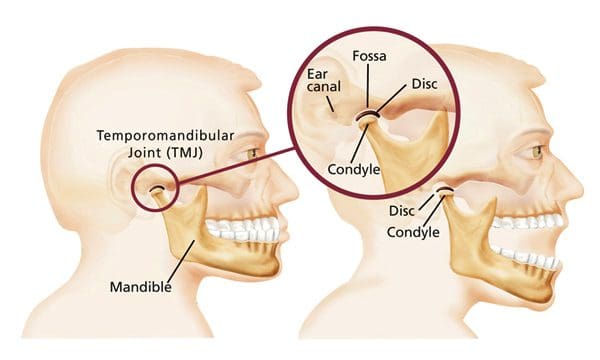
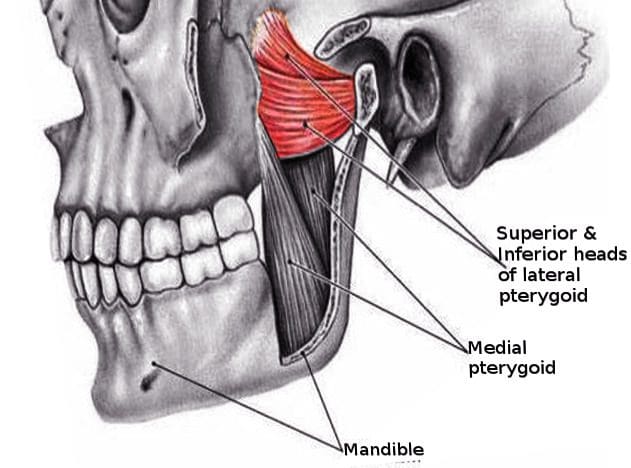
The lower jaw of the body has the mastication muscles surrounding the mandible and provides functionality to the jaw through chewing, moving the lower jaw up, down, left, and right, and speaking. The jaw also has joints known as the temporomandibular joints that slide back and forth to provide movement also. The jaw is also home to the teeth and tongue, which play a role in the mouth by consuming and grinding food into smaller bites to travel down to the gut system. Just like every joint and muscle in the body, common issues or injuries can affect the jaw and cause pain symptoms associated with the problem. Sometimes normal wear and tear can affect the joints in the jaw, or traumatic events can affect the surrounding muscles causing soreness in the jaw area. If the issue involving the jaw is not treated over time, it can lead to chronic disorders and overlap with other chronic disorders that can affect the whole body and the jaw. One of the jaw disorders is TMJ dysfunction, which can cause overlapping symptoms in the jaw and the body. Today’s article examines what TMJ dysfunction is, the signs and symptoms, and ways to manage TMJ dysfunction in the jaw. We refer patients to certified providers who specialize in musculoskeletal and oral treatments to aid individuals suffering from TMJ dysfunction affecting their jaws. We also guide our patients by referring them to our associated medical providers based on their examination when appropriate. We ensure to find that education is the solution to asking our providers insightful questions. Dr. Jimenez DC observes this information as an educational service only. Disclaimer
What Is TMJ Dysfunction?
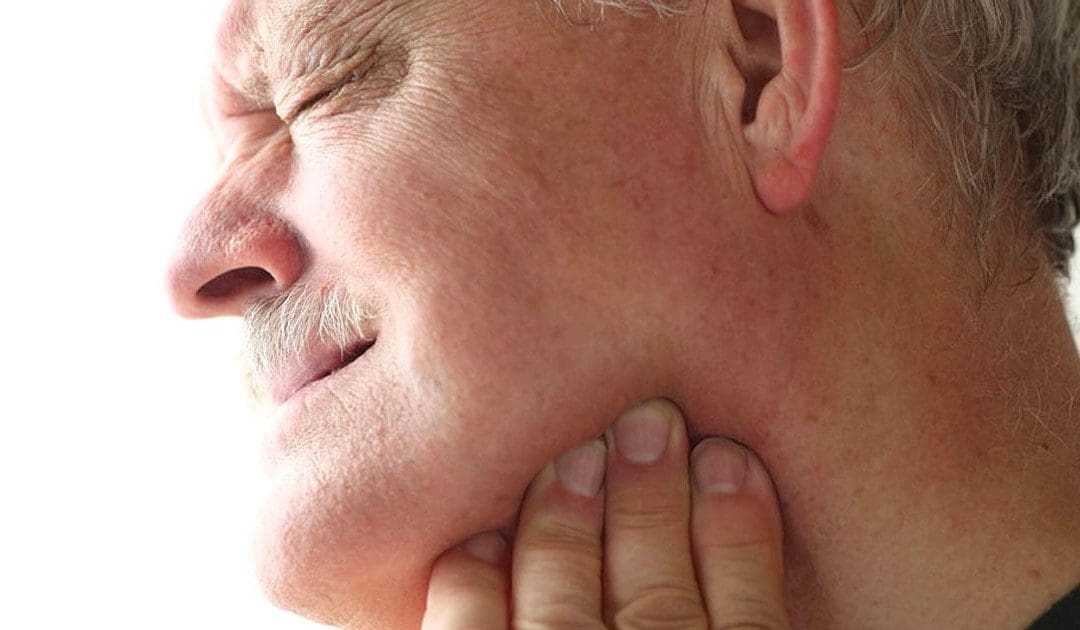
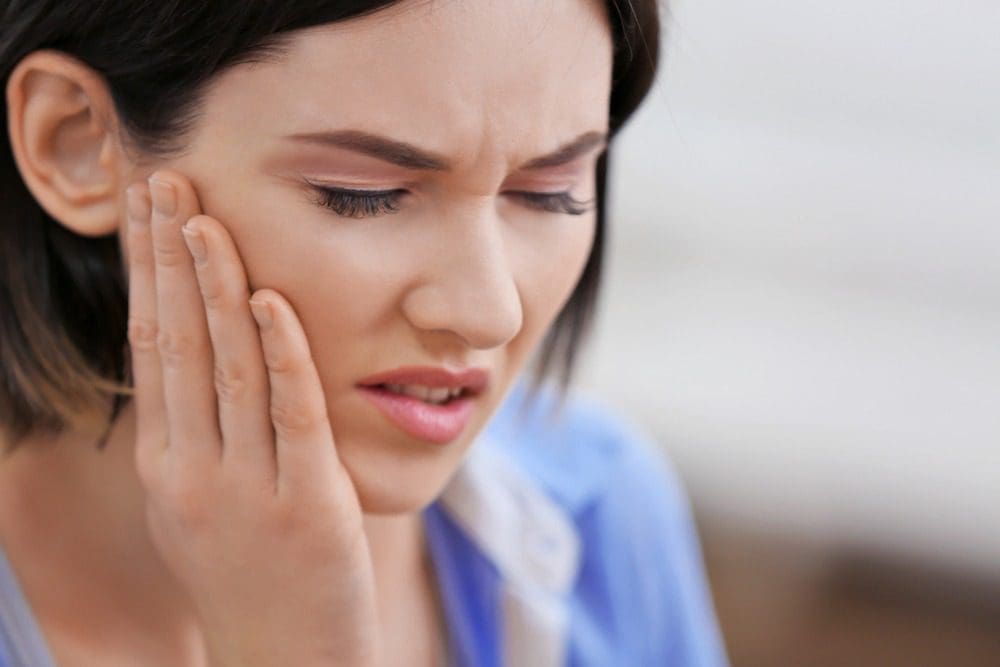
Have you been experiencing muscle pain in your neck, shoulders, and jaw? What about tenderness in your cheek when you lightly touched it? Or do you have difficulty chewing or moving your jaw when speaking? Many of these symptoms are signs that you could be experiencing TMJ dysfunction in your jaw. TMJ dysfunction, or temporomandibular dysfunction, is part of a group of orofacial pain conditions that affects the jaw joint and muscle, thus causing overlapping issues in the lower jaw. TMJ dysfunction also affects the mastication muscles that help move the jaw by making the muscles hyperactive and causing referred pain to the rest of the body. Studies reveal that about 25% of the population does get affected by TMJ dysfunction since it is a degenerative musculoskeletal condition associated with morphological and functional jaw deformities.
The Signs & Symptoms Of TMJ Dysfunction On The Jaw
TMJ dysfunction may potentially not only cause jaw pain but can also affect the neck and shoulders connected to the cervical spine. Studies reveal that TMJ dysfunction is correlated with neck disability, jaw dysfunction, and muscle tenderness in many individuals that suffer pain with or without TMJ dysfunction. TMJ dysfunction is associated with these issues because the jaw structures are affected by trigger points along the neck and jaw. To that point, TMJ dysfunction is often accompanied by back, joint, and abdominal pain. But how would TMJ dysfunction correlate with these pain issues? Studies reveal that disturbances in the upper body extremities may cause an increase in muscle tension associated with the whole-body imbalance that is potentially causing TMJ dysfunction. Some of the related symptoms of TMJ dysfunction in the jaw include:
Pain in neck and shoulders
The jaw becomes “locked” in an open or closed position
Headaches
Earaches
Muscle tenderness in the jaw
Having difficulty chewing
Swelling on the side of the face
Body imbalance
Exercises For TMJ Dysfunction- Video
Have you been experiencing muscle tenderness in your jaw? What about having some difficulty chewing or speaking? Do you hear popping sounds when your open or close your mouth? Some of these symptoms are associated with a musculoskeletal jaw disorder known as TMJ (temporomandibular joint) dysfunction. The video above shows the top 3 exercises for TMJ dysfunction that can help alleviate pain from the jaw, face, or ear. TMJ dysfunction is a musculoskeletal disorder that affects the mastication muscles and causes referred pain to the neck, head, and ear. TMJ dysfunction is tricky to diagnose since trigger points associated with TMJ may also affect the teeth, causing tooth pain in the oral-facial region. This is known as somato-visceral, where the affected muscle correlates with the corresponding organ. Thankfully, there are ways to manage TMJ dysfunction and its associated symptoms.
Ways To Manage TMJ Dysfunction In The Jaw
Many people can use various ways to manage TMJ dysfunction in the jaw to alleviate the pain. Some non-surgical treatments that individuals can incorporate include:
Heat or cold pack applied to the side of the face
Gentle stretching exercises for the jaw
Eating soft foods
Wearing a night guard while sleeping
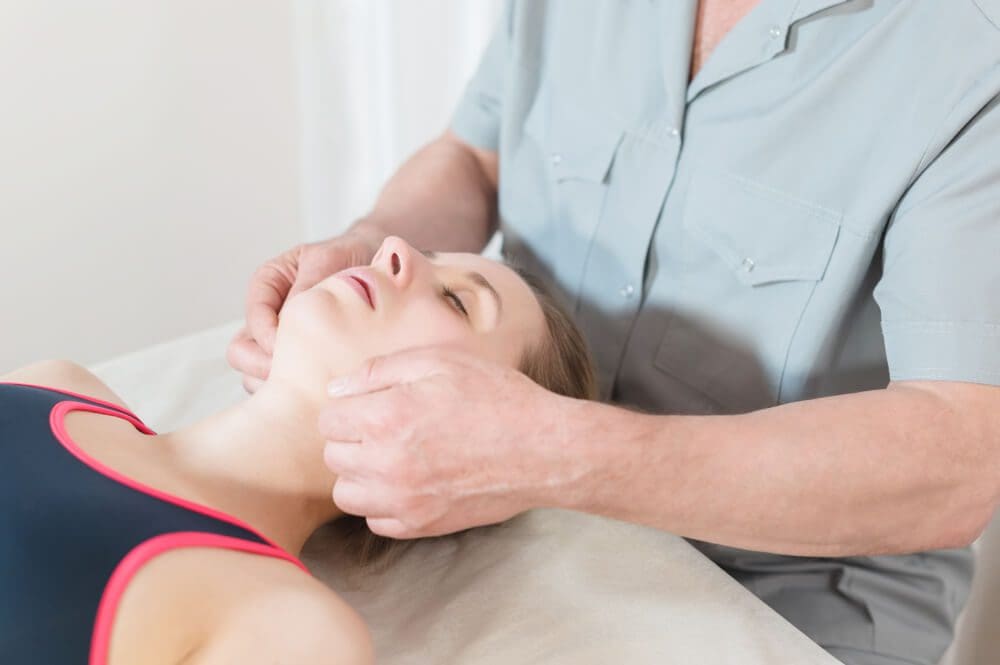
If the pain from TMJ dysfunction still affects the individual, therapies like chiropractic care can help manage the symptoms. Chiropractic care can effectively treat TMJ dysfunction, especially spinal subluxation or misalignment in the cervical region. Chiropractors will fully evaluate the patient’s temporomandibular joint and surrounding muscles, joints, and ligaments to identify the TMJ problem and the underlying causes. To that point, a chiropractor may suggest a range of treatments, which includes stretches and exercises to not only alleviate pain and stiffness in the jaw point but also to bring back balance to the body. This allows minimal rubbing and friction in the jaw joint.
Conclusion
Overall, TMJ dysfunction is a musculoskeletal jaw disorder that affects the mastication muscles and causes referred pain to different areas in the upper extremities of the body. Some of the symptoms of TMJ dysfunction can make it difficult for the jaw to open or close, causing pain, headaches, and muscle tenderness in the neck and shoulders. To that point, individuals suffering from TMJ dysfunction may potentially deal with pain-related symptoms. Various non-surgical treatments are available to manage TMJ dysfunction and reduce associated pain symptoms affecting the jaw.
References
Kim, Doori, et al. “The Relationship between Spinal Pain and Temporomandibular Joint Disorders in Korea: A Nationwide Propensity Score-Matched Study – BMC Musculoskeletal Disorders.” BioMed Central, BioMed Central, 29 Dec. 2019, https://bmcmusculoskeletdisord.biomedcentral.com/articles/10.1186/s12891-019-3003-4.
Murphy, Meghan K, et al. “Temporomandibular Disorders: A Review of Etiology, Clinical Management, and Tissue Engineering Strategies.” The International Journal of Oral & Maxillofacial Implants, U.S. National Library of Medicine, 2013, https://www.ncbi.nlm.nih.gov/pmc/articles/PMC4349514/.
Silveira, A, et al. “Jaw Dysfunction Is Associated with Neck Disability and Muscle Tenderness in Subjects with and without Chronic Temporomandibular Disorders.” BioMed Research International, Hindawi Publishing Corporation, 2015, https://www.ncbi.nlm.nih.gov/pmc/articles/PMC4391655/.
Walczyńska-Dragon, Karolina, et al. “Correlation between TMD and Cervical Spine Pain and Mobility: Is the Whole Body Balance TMJ Related?” BioMed Research International, Hindawi Publishing Corporation, 2014, https://www.ncbi.nlm.nih.gov/pmc/articles/PMC4090505/.
The jaw allows the host to chew, speak, and move while being stabilized by the surrounding muscles that help the jaw structure. The other surrounding muscles that support the jaw are the neck muscles when food is consumed and swallowed. The lower jaw has joints on each side that connect to the upper part of the skull, while the surrounding muscles provide the motor function to the jaw. To that point, normal wear and tear or various factors can not only affect the joints and the surrounding muscles, but they can cause overlapping pain profiles to the tendons, organs, and jaw muscles that may potentially affect a person’s quality of life. Today’s article examines the lateral pterygoid muscle, how TMJ dysfunction and trigger points affect this muscle, and ways to manage TMJ dysfunction and trigger points in the jaw. We refer patients to certified providers who specialize in musculoskeletal treatments to aid individuals suffering from trigger point pain associated with TMJ dysfunction affecting the lateral pterygoid muscle. We also guide our patients by referring them to our associated medical providers based on their examination when appropriate. We ensure to find that education is the solution to asking our providers insightful questions. Dr. Jimenez DC observes this information as an educational service only. Disclaimer
What Is The Lateral Pterygoid Muscle
Have you heard popping sounds in your jaw when you open or close your mouth? Does your jaw feel stiff, and the pain travels down the neck? Does your jaw lock up, causing difficulty for you to open or close your mouth? Some of these symptom overlap with pain associated with the lateral pterygoid muscle. As part of the mastication muscles, the lateral pterygoid muscle is also a craniomandibular muscle that has a crucial role in the inferior temporal region. The lateral pterygoid muscle works together with the medial pterygoid muscle to provide functionality to the mandible or the lower jaw. The lateral pterygoid muscle also has nerves that branch off the trigeminal nerve and sends information to the brain. This information causes the muscles to move and function when food is consumed; however, when injuries or traumatic events affect the lateral pterygoid, it can disrupt the lower jaw structure and the surrounding muscles.
How TMJ Dysfunction & Trigger Points Affect The Lateral Pterygoid
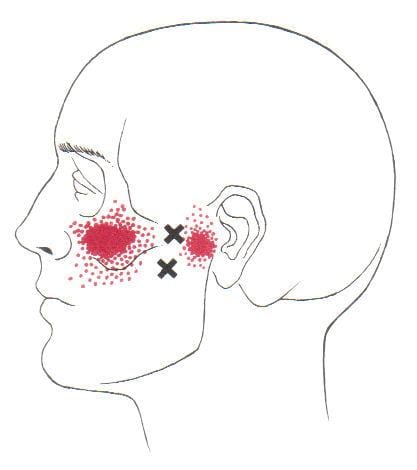
When the lateral pterygoid is affected by TMJ (temporomandibular joint) dysfunction, studies reveal that many individuals often experience pain around the jaw causing limited jaw movement and pain in the lateral pterygoid muscles. When the lateral pterygoid muscles become overused due to excessive chewing or by traumatic forces that affect the jaw, it can cause the muscle fibers of the lateral pterygoid to develop tiny knots known as trigger points to affect the jawline. Trigger points cause pain symptoms associated with other chronic issues that cause jaw pain. When trigger points affect the lateral pterygoid, it can develop discomfort and pain in TMJ dysfunction.
According to Dr. Janet G. Travell, M.D., many people with severe pain in their jaws may have myofascial pain syndrome from musculoskeletal disorders caused by active trigger points in the lateral pterygoid muscle. Since the lateral pterygoid is potentially involved with trigger points associated with TMJ dysfunction, studies reveal that the lateral pterygoid muscle may suffer from muscle atrophy while correlating with disc displacement associated with TMJ dysfunction. TMJ dysfunction is when the surrounding muscles and ligaments around the lower jaw are irritated from active trigger points. When a person suffers from TMJ dysfunction, the pterygoid muscles become stiff and cause pain-related symptoms affecting the jaw and the surrounding oral-facial region.
Jaw Pain & TMJ Dysfunction-Video
Have you been experiencing pain along your jawline? Do your jaw muscles feel stiff when your open or close your mouth? Have you heard popping sounds when you open your jaw, and it hurts? Many of these symptoms are associated with TMJ dysfunction affecting the lateral pterygoid muscle. The video above explains how TMJ disorder and jaw pain affect the body. Studies reveal that the activities of the lateral pterygoid muscle allow movement to the jaw for the host; however, when factors begin to affect the jaw and the lateral pterygoid muscle, it may lead to derangement and disc displacement in the TMJ. TMJ dysfunction associated with trigger points in the jaw may be combined with other factors that cause pain to the jaw and the rest of the body. This is known as somato-visceral pain, where the muscle affects the corresponding organ. TMJ dysfunction associated with trigger points is complex and challenging to diagnose since trigger points often mimic other chronic symptoms that may be potentially involved. Since the lateral pterygoid muscle has sensory-motor functions in the jaw, when the muscle becomes sensitive, those neuron signals become hypersensitive and cause disorganized muscular activation to the jaw; thus, determining factors in TMD (temporomandibular disorders) make an appearance. Luckily there are ways to manage TMJ dysfunction associated with trigger pain in the jaw from affecting anyone.
Managing TMJ Dysfunction & Trigger Pain In The Jaw
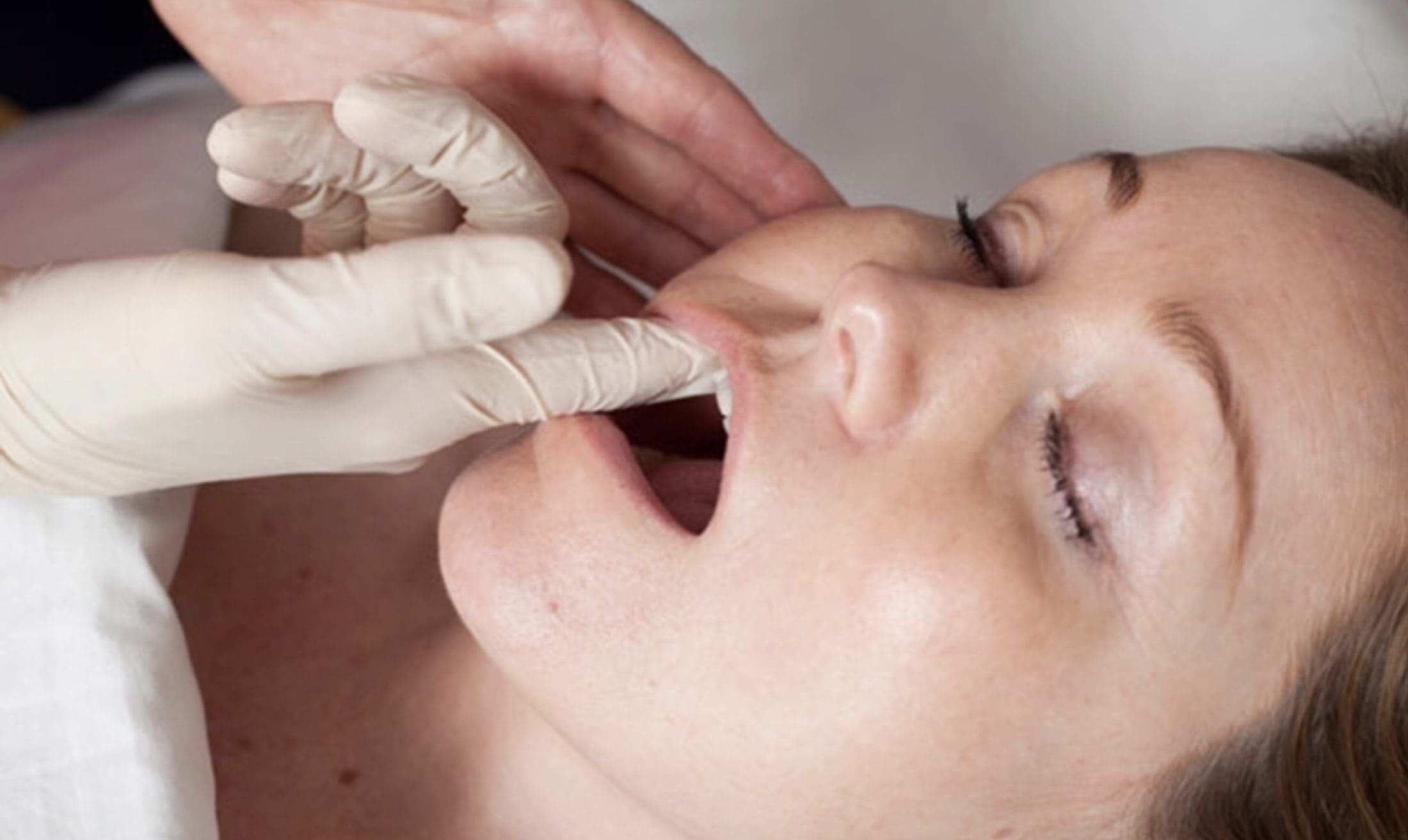
When a person is experiencing pain symptoms in the jaw from TMJ dysfunction associated with trigger point pain, many try to find various treatments to minimize the pain. Since trigger point pain in the jaw can cause referred pain associated with toothaches and tension-type headaches, the pain that a person is feeling can be confusing when there is no physical alteration. To that point, many people would take over-the-counter medicine to dull the pain. However, those who want to manage pain without medication can go to a musculoskeletal specialist that their primary doctor refers to, who can come up with a treatment plan catered to that person. Many musculoskeletal specialists, like chiropractors, can obtain the patient’s information on where they feel pain during the examination. Afterward, chiropractors can devise a solution through clinical thinking before applying the treatment to the patient’s pain. Some of the various techniques that a chiropractor utilizes for an individual dealing with jaw pain associated with trigger points include:
Stretch and spray: Where the lateral muscle is stretched and sprayed with a coolant to alleviate the trigger points.
Cervical spinal manipulation: Spinal adjustment to the cervical spine to loosen up stiff muscles surrounding the neck and lower jaw.
Heat compression: A hot pack is placed on the jaw to relax the muscles.
When chiropractors utilize these techniques on the trigger points affecting the lateral pterygoid, it may potentially alleviate TMJ dysfunction symptoms associated with trigger points.
Conclusion
The lateral pterygoid is part of the mastication muscles that work with the medial pterygoid muscle to stabilize the jaw and provide motor function when the host is chewing or speaking. When the lateral pterygoid muscle becomes overused through excessive chewing or being affected by traumatic factors can cause the development of pain symptoms associated with trigger points. Trigger points are tiny knots in the muscle that can cause referred pain to different locations in the body. When this happens, many individuals suffer from other chronic conditions associated with trigger points. One of them is TMJ dysfunction, where the surrounding muscles in the lower jaw become irritated and can make the jaw lock up. Fortunately, various treatments exist for many individuals to relieve trigger point pain associated with TMJ dysfunction affecting their jaws and help prevent the associated symptoms from progressing further.
References
Litko, Monika, et al. “Correlation between the Lateral Pterygoid Muscle Attachment Type and Temporomandibular Joint Disc Position in Magnetic Resonance Imaging.” Dento Maxillo Facial Radiology, The British Institute of Radiology., Oct. 2016, https://www.ncbi.nlm.nih.gov/pmc/articles/PMC5595028/.
Liu, Meng-Qi, et al. “Functional Changes of the Lateral Pterygoid Muscle in Patients with Temporomandibular Disorders: A Pilot Magnetic Resonance Images Texture Study.” Chinese Medical Journal, Wolters Kluwer Health, 5 Mar. 2020, https://www.ncbi.nlm.nih.gov/pmc/articles/PMC7065862/.
Lopes, Sérgio Lúcio Pereira de Castro, et al. “Lateral Pterygoid Muscle Volume and Migraine in Patients with Temporomandibular Disorders.” Imaging Science in Dentistry, Korean Academy of Oral and Maxillofacial Radiology, Mar. 2015, https://www.ncbi.nlm.nih.gov/pmc/articles/PMC4362986/.
Rathee, Manu, and Prachi Jain. “Anatomy, Head and Neck, Lateral Pterygoid Muscle.” In: StatPearls [Internet]. Treasure Island (FL), StatPearls Publishing, 29 Oct. 2021, https://www.ncbi.nlm.nih.gov/books/NBK549799/.
IFM's Find A Practitioner tool is the largest referral network in Functional Medicine, created to help patients locate Functional Medicine practitioners anywhere in the world. IFM Certified Practitioners are listed first in the search results, given their extensive education in Functional Medicine