Transform your well-being with chiropractic care for the gluteus medius. Experience targeted solutions for enhanced movement and relief.
Comprehensive Guide to Chiropractic Care for Gluteus Medius Injuries and Hip Pain
Key Points
Gluteus Medius Role: This muscle stabilizes your pelvis and keeps you upright during movement, preventing you from wobbling like a poorly balanced skeleton.
Hip Pain Causes: Environmental factors like prolonged sitting, poor posture, or a car accident can strain the gluteus medius, leading to pain that feels like a grim reminder of mortality.
Chiropractic Benefits: Chiropractic care, combined with non-surgical treatments, can reduce hip pain by realigning joints and strengthening muscles, offering relief without the scalpel’s cold embrace.
Dr. Jimenez’s Expertise: In El Paso, Dr. Alexander Jimenez utilizes advanced imaging and diagnostics to connect injuries to legal claims, serving as a bridge between pain and justice.
Lifestyle Adjustments: Small changes, like better posture or targeted exercises, can prevent hip pain from haunting your daily life.
Understanding Hip Pain and the Gluteus Medius
Hip pain can sneak up like a shadow in the night, turning simple tasks like walking or sitting into a grim ordeal. The gluteus medius, a key muscle in the hip, plays a crucial role in maintaining lower-body stability. When it’s injured—whether from a car accident, poor posture, or just life’s relentless grind—pain can radiate, making you feel like you’re starring in your own personal horror show. Chiropractic care, as practiced by experts like Dr. Alexander Jimenez in El Paso, offers a non-invasive way to tame this beast, restoring function and easing discomfort.
Why Chiropractic Care Matters
Chiropractic care isn’t just about cracking backs; it’s a calculated dance to restore balance to your body’s structure. For gluteus medius injuries, chiropractors use adjustments, soft tissue therapy, and targeted exercises to realign joints and strengthen muscles. This approach can reduce inflammation and pain, helping you move without feeling like you’re auditioning for a role as a creaky old gate.
Dr. Jimenez’s Role in Personal Injury Cases
In El Paso, Dr. Jimenez stands out as a beacon for personal injury victims, particularly those reeling from motor vehicle accidents (MVAs). His ability to connect clinical findings—through advanced imaging like MRI and dual-scope diagnostic procedures—to legal documentation makes him a vital ally. Whether it’s whiplash or a strained gluteus medius, his expertise ensures injuries are thoroughly assessed and properly reported for legal claims, offering a lifeline to those navigating the murky waters of recovery and justice.
Small Changes, Big Impact
Simple tweaks to your daily routine can keep hip pain at bay. From standing desks to targeted stretches, Dr. Jimenez’s insights, available through El Paso Back Clinic and his LinkedIn profile, guide patients toward lasting relief. These changes are like small wards against the creeping specter of chronic pain.
The Gluteus Medius: Your Hip’s Unsung Hero
Picture the gluteus medius as the grim, silent guardian of your hips. Nestled on the side of your pelvis, this muscle keeps you stable when you walk, run, or stand on one leg. Without it, you’d wobble like a poorly strung marionette, collapsing under the weight of your own existence. But when this muscle is injured, it’s like a betrayal from within, causing pain that can radiate from the hip to the lower back or even down the leg.
The Role of the Gluteus Medius in Lower Extremity Function
The gluteus medius is a key player in the lower extremities, acting as a stabilizer for the pelvis during movement. It abducts the hip (moves the leg away from the body) and assists in internal and external rotation. When you take a step, it prevents your pelvis from dropping on the opposite side, ensuring smooth, balanced motion. Studies show that a weak or injured gluteus medius can lead to issues such as Trendelenburg gait, where the pelvis tilts awkwardly, giving the appearance of an exaggerated posture, akin to auditioning for a role in a zombie flick (Mucha et al., 2019).
Weakness or tears in the gluteus medius can also contribute to lower back pain, knee issues, and even ankle instability. A systematic review found that individuals with low back pain often have impaired gluteus medius function, highlighting its role in the kinetic chain (Sadler et al., 2019). Essentially, if your gluteus medius is slacking, the rest of your lower body has to pick up the pieces, often with disastrous results.
References
Mucha, M. D., Caldwell, W., Schlueter, E. L., Walters, C., & Hassen, A. (2019). Gluteus medius tears of the hip: A comprehensive approach. Journal of the American Academy of Orthopaedic Surgeons, 27(3), 77–85. https://pubmed.ncbi.nlm.nih.gov/30278009/
Sadler, S., Cassidy, S., Peterson, B., Spink, M., & Chuter, V. (2019). Gluteus Medius Muscle Function in People with and without Low Back Pain: A Systematic Review. BMC Musculoskeletal Disorders, 20(1), 463. https://pubmed.ncbi.nlm.nih.gov/31640621/
Why Hip Pain Haunts: Environmental Culprits
Hip pain doesn’t just appear like a ghost in the night; the mundane horrors of daily life often summon it. Environmental factors—those sneaky, everyday villains—can wreak havoc on your gluteus medius and hips, turning your body into a creaky haunted house.
Prolonged Sitting: The Silent Killer
Sitting for hours, whether at a desk or in a car, is like sentencing your hips to a slow, torturous demise. It tightens the hip flexors and weakens the gluteus medius, creating an imbalance that screams for attention. Research shows that prolonged sedentary behavior is linked to musculoskeletal pain, including hip discomfort (Law et al., 2020). Imagine your gluteus medius, neglected and underused, plotting its revenge with every ache.
Poor Posture: The Slouch of Doom
Slouching isn’t just unflattering; it’s a biomechanical nightmare. Poor posture shifts your pelvis, overloading the gluteus medius and causing strain. Studies on posture and hip pain suggest that misaligned posture can exacerbate musculoskeletal issues, particularly in the hips and lower back (Smith et al., 2020).
Motor Vehicle Accidents: A Crash Course in Pain
Car accidents, even minor ones, can jolt the gluteus medius into dysfunction. The sudden force can strain or tear the muscle, leading to inflammation and pain. In El Paso, where rainy weather increases accident risks, the aftermath of MVAs often includes hip injuries (El Paso Back Clinic, n.d.). Whiplash-associated disorders (WAD) from accidents can also cascade into hip pain, as the body compensates for spinal misalignments (El Paso Back Clinic, n.d.).
Occupational Hazards: The Grind That Bites
Jobs requiring repetitive motions, heavy lifting, or prolonged standing can stress the gluteus medius. Construction workers, nurses, or even retail employees are at risk. A narrative review highlights that repetitive strain contributes to lateral hip pain, often tied to gluteus medius dysfunction (French et al., 2020).
Lifestyle Factors: The Everyday Terrors
Wearing high heels, carrying heavy bags on one shoulder, or even sleeping in awkward positions can damage your hips. These habits subtly strain the gluteus medius, leading to pain that feels like a cruel prank. Research on lifestyle and hip pain emphasizes the cumulative impact of these small stressors (French et al., 2020).
References
Law, D., Mark, J., & Smith, R. (2020). Hip Pain in Adults: Evaluation and Differential Diagnosis. American Family Physician, 101(2), 81–89. https://pubmed.ncbi.nlm.nih.gov/31939642/
Smith, J. A., Stabbert, H., & Bagwell, J. J. (2020). Posterior, lateral, and anterior hip pain due to musculoskeletal origin: A narrative literature review of history, physical examination, and diagnostic imaging. Journal of Chiropractic Medicine, 19(1), 1–14. https://pubmed.ncbi.nlm.nih.gov/33192189/
French, H. P., Woodley, S. J., & Schwank, A. (2020). Lateral hip pain: Relation to greater trochanteric pain syndrome. Current Reviews in Musculoskeletal Medicine, 13(5), 638–645. https://pubmed.ncbi.nlm.nih.gov/32748299/
El Paso Back Clinic. (n.d.). Auto accident insights for safe driving and recovering from WAD. Retrieved from https://elpasobackclinic.com/
Chiropractic Care: Banishing Hip Pain Without Surgery
Chiropractic care is like a well-aimed exorcism for hip pain, banishing discomfort without the need for invasive procedures. For gluteus medius injuries, chiropractors employ a multi-faceted approach that restores function and eases pain, all while keeping you out of the operating room’s cold embrace.
Why Chiropractic Works for Gluteus Medius Injuries
The gluteus medius thrives on proper alignment and balanced muscle function. Chiropractic adjustments realign the pelvis and spine, reducing stress on the muscles. According to a blog from El Paso Back Clinic, strengthening the gluteus medius post-injury involves targeted chiropractic interventions like spinal adjustments and soft tissue therapy, which improve blood flow and reduce inflammation (El Paso Chiropractor Blog, 2016). A randomized trial also found that core stability and hip exercises, often prescribed by chiropractors, improve function in patients with related pain (Jeong et al., 2020).
Non-Surgical Allies: A Team of Pain-Fighters
Chiropractic care doesn’t work alone; it’s backed by a grimly effective team of non-surgical treatments:
Massage Therapy: Loosens tight muscles and boosts circulation, like coaxing a grumpy ghost to leave. It’s particularly effective for post-MVA recovery (El Paso Back Clinic, n.d.).
Dry Needling: Targets trigger points in the gluteus medius, reducing pain with a precision that would make even Wednesday Addams nod approvingly (Gattie et al., 2021).
Rehabilitation Exercises: Progressive loading exercises strengthen the gluteus medius, preventing re-injury. A systematic review highlights their efficacy in restoring function (Moore et al., 2020).
Physical Therapy: Complements chiropractic care by improving mobility and strength, ensuring your hips don’t creak like an old coffin.
These treatments work together to address overlapping risk factors, like muscle imbalances or joint dysfunction, that amplify hip pain.
Dr. Jimenez’s Clinical Insights
Dr. Alexander Jimenez, DC, APRN, FNP-BC, brings a clinical rigor to hip pain treatment that’s as sharp as a guillotine. His approach, detailed at El Paso Back Clinic, emphasizes personalized treatment plans. Simple changes, such as using ergonomic chairs, correcting posture, or incorporating daily stretches, can help prevent hip pain from becoming a chronic issue. His LinkedIn profile showcases his expertise in integrating functional medicine with chiropractic care, providing patients with a holistic approach to recovery.
Jeong, U. C., Kim, J. S., Park, S. H., & Lee, J. H. (2020). Core stability and hip exercises improve physical function and activity in patients with non-specific low back pain: A randomized controlled trial. Journal of Back and Musculoskeletal Rehabilitation, 33(4), 581–589. https://pubmed.ncbi.nlm.nih.gov/31594203/
Gattie, E., Cleland, J. A., & Snodgrass, S. (2021). Effectiveness of dry needling and ischemic trigger point compression in the gluteus medius in patients with non-specific low back pain: A randomized short-term clinical trial. Journal of Bodywork and Movement Therapies, 27, 529–536. https://pubmed.ncbi.nlm.nih.gov/34391285/
Moore, D., Semciw, A. I., & Pizzari, T. (2020). A systematic review of rehabilitation exercises to progressively load the gluteus medius. Journal of Sport Rehabilitation, 29(2), 222–238. https://pubmed.ncbi.nlm.nih.gov/30676192/
El Paso Back Clinic. (n.d.). Trigger point therapy MVAs explained for patients. Retrieved from https://elpasobackclinic.com/
Chiropractic Care for Leg Instability- Video
Dr. Jimenez and Personal Injury Cases in El Paso
In El Paso, personal injury cases—especially those from MVAs—are as common as tumbleweeds in a desert storm. Dr. Alexander Jimenez stands out as a distinguished practitioner, offering hope to those who have been injured in accidents. His ability to connect the dots between injuries and legal claims is nothing short of macabre genius.
Advanced Diagnostics: Seeing the Invisible
Dr. Jimenez uses advanced imaging, like MRI and X-rays, to pinpoint gluteus medius injuries or other musculoskeletal damage. These tools reveal what the naked eye can’t, like a radiograph exposing a skeleton’s secrets. Dual-scope procedures, combining diagnostic and therapeutic techniques, allow him to assess and treat injuries with precision. This approach ensures that injuries are documented thoroughly, providing critical evidence for legal claims.
Bridging Medicine and Law
As a liaison between medical care and legal documentation, Dr. Jimenez ensures that personal injury victims receive comprehensive care while building a robust case. His detailed reports link clinical findings to accident-related injuries, helping attorneys secure fair compensation. This is especially vital in cases involving gluteus medius injuries, where pain can be debilitating but hard to prove without expert evaluation.
Why El Paso Needs Dr. Jimenez
El Paso’s busy roads and frequent accidents make practitioners like Dr. Jimenez invaluable. His work with MVA victims, detailed at El Paso Back Clinic, ensures that injuries like gluteus medius strains or tears are treated effectively while supporting legal outcomes. His reputation, reflected on LinkedIn, underscores his role as a trusted ally for those navigating the aftermath of personal injuries.
References
El Paso Back Clinic. (n.d.). Musculoskeletal injury treatment after car accidents. Retrieved from https://elpasobackclinic.com/
El Paso Back Clinic. (n.d.). Spinal injury rehabilitation tools for enhanced care. Retrieved from https://elpasobackclinic.com/
Small Changes, Big Relief: Practical Tips
Preventing hip pain doesn’t require a deal with the devil—just a few practical tweaks to your daily routine. Dr. Jimenez’s insights offer a roadmap to keep your gluteus medius happy and your hips pain-free.
Daily Adjustments
Ergonomic Seating: Use chairs that support proper posture to prevent hip strain. Think of it as giving your gluteus medius a comfy coffin to rest in.
Regular Movement: Stand and stretch every 30 minutes to prevent your hips from seizing up like a rusted gate.
Proper Footwear: Opt for supportive shoes instead of high heels to reduce stress on your hips and gluteus medius.
Targeted Exercises
Dr. Jimenez recommends exercises like side-lying leg lifts and clamshells to strengthen the gluteus medius. A systematic review supports progressive loading exercises to rebuild muscle strength (Moore et al., 2020). These moves are like training your hips to fend off pain’s ghostly grip.
Posture Correction
Stand tall and align your spine to reduce strain on the gluteus medius. Imagine you’re a gothic statue, poised and unyielding. Regular posture checks can prevent pain from creeping back.
Nutrition for Recovery
A diet rich in anti-inflammatory foods, like omega-3s and leafy greens, supports muscle healing. El Paso Back Clinic emphasizes nutrition’s role in MVA recovery, noting that a proper diet can reduce inflammation and speed recovery (El Paso Back Clinic, n.d.).
Table: Daily Tips for Hip Pain Prevention
Tip
Description
Benefit
Ergonomic Seating
Use chairs with lumbar support and proper height.
Reduces pelvic strain.
Regular Movement
Stand and stretch every 30 minutes during prolonged sitting.
Prevents muscle tightness.
Supportive Footwear
Wear flat, cushioned shoes instead of high heels.
Minimizes hip stress.
Gluteus Medius Exercises
Perform side-lying leg lifts and clamshells daily.
Strengthens stabilizing muscles.
Posture Correction
Maintain neutral spine alignment during sitting and standing.
Reduces biomechanical strain.
Anti-Inflammatory Diet
Include foods like salmon, walnuts, and spinach.
Supports muscle healing and reduces pain.
References
Moore, D., Semciw, A. I., & Pizzari, T. (2020). A systematic review of rehabilitation exercises to progressively load the gluteus medius. Journal of Sport Rehabilitation, 29(2), 222–238. https://pubmed.ncbi.nlm.nih.gov/30676192/
El Paso Back Clinic. (n.d.). Nutrition for accident injuries during recovery. Retrieved from https://elpasobackclinic.com/
The Bigger Picture: Chiropractic’s Role in Musculoskeletal Health
Chiropractic care isn’t just about fixing hips; it’s about restoring the body’s balance, like a grim ritual to banish chaos. For gluteus medius injuries, it addresses the root causes—misalignments, muscle imbalances, and inflammation—while preventing future issues.
Overlapping Risk Profiles
Hip pain often overlaps with other conditions, like low back pain or knee issues, due to the interconnected nature of the musculoskeletal system. A weak gluteus medius can destabilize the entire lower body, leading to a cascade of problems. Chiropractic care, combined with therapies like dry needling and massage, tackles these risks holistically, ensuring that one injury doesn’t summon a host of others (Gattie et al., 2021).
Long-Term Benefits
Regular chiropractic care can prevent chronic pain by maintaining proper alignment and muscle function. Studies show that core and hip exercises, often part of chiropractic plans, improve long-term physical function (Jeong et al., 2020). It’s like fortifying your body against the inevitable decay of time.
El Paso’s Unique Needs
In El Paso, where MVAs are a grim reality, chiropractic care is a lifeline. Dr. Jimenez’s integrative approach—combining adjustments, rehabilitation, and nutrition—addresses the unique needs of accident victims, ensuring they don’t just survive but thrive.
References
Gattie, E., Cleland, J. A., & Snodgrass, S. (2021). Effectiveness of dry needling and ischemic trigger point compression in the gluteus medius in patients with non-specific low back pain: A randomized short-term clinical trial. Journal of Bodywork and Movement Therapies, 27, 529–536. https://pubmed.ncbi.nlm.nih.gov/34391285/
Jeong, U. C., Kim, J. S., Park, S. H., & Lee, J. H. (2020). Core stability and hip exercises improve physical function and activity in patients with non-specific low back pain: A randomized controlled trial. Journal of Back and Musculoskeletal Rehabilitation, 33(4), 581–589. https://pubmed.ncbi.nlm.nih.gov/31594203/
Conclusion: A Serious Note
While we’ve danced with dark humor to lighten the mood, hip pain and gluteus medius injuries are no laughing matter. They can disrupt your life, limit your mobility, and cast a shadow over your daily routine. Chiropractic care, as championed by Dr. Alexander Jimenez in El Paso, offers a proven, non-invasive path to recovery. By addressing the root causes of pain, integrating advanced diagnostics, and supporting legal claims, Dr. Jimenez helps patients reclaim their lives. Whether you’re recovering from an MVA or battling chronic hip pain, his expertise—rooted in clinical precision and holistic care—provides a beacon of hope.
Disclaimer: This blog post is for informational purposes only and should not be taken as medical advice. Always consult a qualified healthcare provider, such as Dr. Jimenez at El Paso Back Clinic, for personalized diagnosis and treatment. Hip pain can have serious underlying causes, and professional evaluation is essential for effective care.
Mucha, M. D., Caldwell, W., Schlueter, E. L., Walters, C., & Hassen, A. (2019). Gluteus medius tears of the hip: A comprehensive approach. Journal of the American Academy of Orthopaedic Surgeons, 27(3), 77–85. https://pubmed.ncbi.nlm.nih.gov/30278009/
Sadler, S., Cassidy, S., Peterson, B., Spink, M., & Chuter, V. (2019). Gluteus Medius Muscle Function in People with and without Low Back Pain: A Systematic Review. BMC Musculoskeletal Disorders, 20(1), 463. https://pubmed.ncbi.nlm.nih.gov/31640621/
Law, D., Mark, J., & Smith, R. (2020). Hip Pain in Adults: Evaluation and Differential Diagnosis. American Family Physician, 101(2), 81–89. https://pubmed.ncbi.nlm.nih.gov/31939642/
Smith, J. A., Stabbert, H., & Bagwell, J. J. (2020). Posterior, lateral, and anterior hip pain due to musculoskeletal origin: A narrative literature review of history, physical examination, and diagnostic imaging. Journal of Chiropractic Medicine, 19(1), 1–14. https://pubmed.ncbi.nlm.nih.gov/33192189/
French, H. P., Woodley, S. J., & Schwank, A. (2020). Lateral hip pain: Relation to greater trochanteric pain syndrome. Current Reviews in Musculoskeletal Medicine, 13(5), 638–645. https://pubmed.ncbi.nlm.nih.gov/32748299/
Jeong, U. C., Kim, J. S., Park, S. H., & Lee, J. H. (2020). Core stability and hip exercises improve physical function and activity in patients with non-specific low back pain: A randomized controlled trial. Journal of Back and Musculoskeletal Rehabilitation, 33(4), 581–589. https://pubmed.ncbi.nlm.nih.gov/31594203/
Gattie, E., Cleland, J. A., & Snodgrass, S. (2021). Effectiveness of dry needling and ischemic trigger point compression in the gluteus medius in patients with non-specific low back pain: A randomized short-term clinical trial. Journal of Bodywork and Movement Therapies, 27, 529–536. https://pubmed.ncbi.nlm.nih.gov/34391285/
Moore, D., Semciw, A. I., & Pizzari, T. (2020). A systematic review of rehabilitation exercises to progressively load the gluteus medius. Journal of Sport Rehabilitation, 29(2), 222–238. https://pubmed.ncbi.nlm.nih.gov/30676192/
Understanding knee pain associated with ligament injuries is crucial. See how chiropractic care can help manage and treat these issues.
Chiropractic Care for Knee Pain and Ligament Injuries: A Comprehensive Guide
Introduction
Knee pain can be a real pain in the… well, knee. Whether you’re an athlete pushing your limits, a weekend warrior who tripped over your own ego, or just someone who took a wrong step while chasing the ice cream truck, knee pain can stop you in your tracks. Ligament injuries, in particular, are a common culprit, turning your once-sturdy knee into a wobbly traitor. But fear not—chiropractic care, as championed by experts like Dr. Alexander Jimenez, DC, APRN, FNP-BC, at El Paso Back Clinic, offers a beacon of hope for those in need of relief in El Paso and beyond.
This blog post dives deep into the musculoskeletal mayhem that is knee pain, focusing on ligament injuries in the lower extremities. We’ll explore how environmental factors—like slippery sidewalks or that one time you tried to “dance like nobody’s watching”—can lead to these injuries. We’ll also unpack the clinical rationale behind why chiropractic care is a game-changer for knee pain relief, drawing on insights from Dr. Jimenez’s practice (El Paso Back Clinic, n.d.; Jimenez, n.d.). Plus, we’ll highlight his role as a trusted practitioner for personal injury cases, bridging the gap between medical care and legal documentation with advanced diagnostics and a touch of humor to keep you from crying into your ice pack.
So, grab a seat (preferably one that doesn’t creak like your knees), and let’s get into why your ligaments are staging a revolt and how chiropractic care can negotiate a truce.
The Musculoskeletal System and Knee Ligaments: The Unsung Heroes of Stability
The Knee’s VIPs: Ligaments and Their Role
Your knee is a marvel of engineering, but like any overworked machine, it’s prone to breakdowns. The musculoskeletal system in the lower extremities—bones, muscles, tendons, and ligaments—works together to keep you moving, jumping, and occasionally tripping over nothing. Ligaments, the tough, fibrous bands that connect bones to bones, are the knee’s security team, ensuring stability while you sprint, pivot, or attempt a TikTok dance.
The knee has four major ligaments:
Anterior Cruciate Ligament (ACL): Prevents your shin from sliding too far forward and keeps your knee from collapsing like a bad joke.
Posterior Cruciate Ligament (PCL): Stops the shin from sliding backward, because nobody likes a knee that moonwalks without permission.
Medial Collateral Ligament (MCL): Provides stability on the inner side of the knee, protecting it from awkward side-to-side wobbles.
Lateral Collateral Ligament (LCL): Guards the outer side, ensuring your knee doesn’t give out during a dramatic twirl.
These ligaments work in harmony to keep your knee stable, but when they’re injured, it’s like your knee’s security team goes on strike. Ligament injuries can range from mild sprains (think of a ligament throwing a minor tantrum) to complete tears (a full-blown ligament meltdown). According to research, injuries to the ACL and MCL are particularly common in sports and accidents, often leading to pain, swelling, and instability (Chen et al., 2017).
Environmental Factors: The World’s Plot Against Your Knees
Your environment is out to get your knees. From uneven sidewalks to wet floors at the grocery store, the world is a minefield for your ligaments. Here’s how it happens:
Trauma from Accidents: Motor vehicle accidents (MVAs) or bicycle crashes can twist or hyperextend the knee, leading to ligament sprains or tears. Dr. Jimenez notes that MVAs often cause whiplash-associated disorders, but the lower extremities, including the knees, can also take a hit (El Paso Back Clinic, n.d.).
Sports and Overuse: Running, jumping, or sudden pivots in sports like soccer or basketball can overstress ligaments. Pre- and post-workout knee pain is a common issue for athletes who skip proper warm-ups or push too hard (El Paso Chiropractor Blog, 2016).
Slippery Surfaces: Rainy weather in El Paso might make you slip, leading to awkward landings that strain your ligaments. Rainy days are like nature’s way of saying, “Let’s see how your knees handle this!” (El Paso Back Clinic, n.d.).
Poor Footwear: Wearing flip-flops to hike or heels to chase a bus is a recipe for disaster. Improper footwear can misalign your lower extremities, putting extra stress on your knee ligaments.
Aging and Wear: As we age, ligaments lose elasticity, making them more prone to injury. Combine that with osteoarthritis, and your knees might start creaking louder than a haunted house (Logerstedt et al., 2018).
When these factors team up, they can cause ligament injuries that lead to pain, swelling, and a knee that feels like it’s auditioning for a horror movie. The good news? Chiropractic care can help.
References:
Chen, J., Kim, J., & Amendola, A. (2017). Varus-valgus instability in the anterior cruciate ligament-deficient knee: Effect of posterior tibial load. PubMed. Retrieved from https://pubmed.ncbi.nlm.nih.gov/28321424/
El Paso Back Clinic. (n.d.). Auto accident insights for safe driving and recovering from WAD. Retrieved from https://elpasobackclinic.com/
Logerstedt, D. S., Ebert, J. R., & Hewett, T. E. (2018). Subjective crepitus as a risk factor for incident symptomatic knee osteoarthritis: Data from the Osteoarthritis Initiative. PubMed. Retrieved from https://pubmed.ncbi.nlm.nih.gov/29426015/
Chiropractic Care: The Superhero Your Knees Need
Why Chiropractic Care Works for Knee Pain
Chiropractic care isn’t just for cracking backs—it’s a holistic approach that can save your knees from their own bad decisions. Dr. Alexander Jimenez, a leading chiropractor in El Paso, emphasizes that chiropractic care addresses the root causes of knee pain, not just the symptoms. Here’s why it’s effective for ligament injuries:
Restoring Alignment: Ligament injuries often cause joint misalignment, which puts extra stress on surrounding tissues. Chiropractic adjustments realign the knee and pelvis, reducing strain on ligaments and promoting healing (El Paso Chiropractor Blog, 2016).
Reducing Inflammation: Inflammation is the knee’s way of throwing a tantrum after an injury. Chiropractic techniques, like soft tissue therapy, reduce inflammation by improving blood flow and calming irritated tissues.
Improving Biomechanics: Poor biomechanics—like flat feet or an uneven gait—can exacerbate ligament injuries. Dr. Jimenez uses diagnostic evaluations to identify these issues and correct them through adjustments and exercises (Jimenez, n.d.).
Non-Invasive Approach: Unlike surgery, which is like sending your knee to a high-stakes drama, chiropractic care is non-invasive and focuses on natural healing. It’s like giving your knee a pep talk instead of a scalpel.
Complementary Therapies: Chiropractic care often includes massage therapy, stretching, and nutritional advice, all of which support ligament recovery. Post-exercise stretching, for example, can improve range of motion and reduce soreness (Afonso et al., 2021).
Research backs this up: chiropractic care has been shown to reduce pain and improve function in patients with knee osteoarthritis and ligament issues (Mayo Clinic Health System, n.d.). Bracing, while sometimes helpful, doesn’t address the underlying biomechanical issues that chiropractic care tackles (Thomas et al., 2021).
Dr. Jimenez’s Clinical Approach
Dr. Jimenez’s practice at El Paso Back Clinic is a one-stop shop for knee pain relief. His approach combines:
Advanced Imaging: X-rays and MRIs to pinpoint ligament damage and assess joint health.
Diagnostic Evaluations: Tests like McMurray’s test for meniscus tears or joint line tenderness assessments to confirm ligament injuries (Hegedus et al., 2015).
Dual-Scope Procedures: Combining chiropractic adjustments with therapies like massage or acupuncture to maximize recovery.
Exercise Protocols: Tailored exercises, like those recommended by OrthoInfo, to strengthen the muscles around the knee and support ligaments (American Academy of Orthopaedic Surgeons, n.d.).
Dr. Jimenez’s expertise makes him a go-to for personal injury cases in El Paso. Whether you’ve been in an MVA or wiped out on your bike, he connects the dots between your injury, medical care, and legal documentation, ensuring you get the care you need and the compensation you deserve.
References:
Afonso, J., Clemente, F. M., & Nakamura, F. Y. (2021). The effectiveness of post-exercise stretching in short-term and delayed recovery of strength, range of motion, and delayed onset muscle soreness: A systematic review and meta-analysis of randomized controlled trials. PubMed. Retrieved from https://pubmed.ncbi.nlm.nih.gov/34025459/
Hegedus, E. J., Cook, C., & Hasselblad, V. (2015). McMurray’s test and joint line tenderness for medial meniscus tear: Are they accurate? PubMed. Retrieved from https://pubmed.ncbi.nlm.nih.gov/26618057/
Thomas, A. C., Judd, D. L., & Davidson, B. S. (2021). Clinical and cost-effectiveness of bracing in symptomatic knee osteoarthritis management: Protocol for a multicentre, primary care, randomised, parallel-group, superiority trial. PubMed. Retrieved from https://pubmed.ncbi.nlm.nih.gov/33741642/
Personal Injury Cases in El Paso: Dr. Jimenez as Your Advocate
The Personal Injury Problem
El Paso’s busy streets and active lifestyle make personal injuries all too common. From 18-wheeler crashes to slip-and-falls at the local taco joint, accidents can leave your knees (and your life) in disarray. Ligament injuries from MVAs, for example, can cause long-term pain and disability if not properly treated (El Paso Back Clinic, n.d.).
Personal injury cases often require navigating a maze of medical and legal challenges. You need a doctor who can not only treat your injuries but also provide the documentation to support your claim. Enter Dr. Alexander Jimenez, El Paso’s chiropractic superhero.
Dr. Jimenez’s Role in Personal Injury Cases
Dr. Jimenez doesn’t just treat knee pain—he’s a liaison between your health and your legal case. His process includes:
Comprehensive Assessments: Using advanced imaging and diagnostic tools to document ligament injuries and their impact on your life.
Detailed Reports: Providing clear, legally admissible reports that connect your knee pain to the accident, crucial for insurance claims or lawsuits.
Holistic Care: Combining chiropractic adjustments, massage therapy, and nutritional advice to get you back on your feet (literally).
Collaboration with Legal Teams: Working with attorneys to ensure your medical records are accurate and compelling.
His expertise in musculoskeletal injuries, especially those involving the knee, makes him a trusted figure for El Paso’s accident victims. Whether it’s a torn ACL from a car crash or a sprained MCL from a bicycle mishap, Dr. Jimenez’s approach ensures you’re not just another case file.
References:
El Paso Back Clinic. (n.d.). 18-wheeler crash trauma: Healing musculoskeletal injuries. Retrieved from https://elpasobackclinic.com/
El Paso Back Clinic. (n.d.). Car accident GI injuries: Recovery and rehabilitation options. Retrieved from https://elpasobackclinic.com/
Knee Pain Rehabilitation- Video
Specific Chiropractic Techniques for Knee Ligament Injuries
Adjustments and Mobilizations
Chiropractic adjustments for the knee focus on restoring joint mobility and reducing stress on ligaments. For example, gentle manipulations can correct misalignments caused by an ACL or MCL sprain, improving stability and reducing pain (El Paso Chiropractor Blog, 2016).
Soft Tissue Therapy
Massage therapy and myofascial release target the muscles and fascia around the knee, reducing tension and promoting healing. This is especially helpful for ligament injuries, which often cause compensatory tightness in nearby muscles (El Paso Back Clinic, n.d.).
Rehabilitative Exercises
Dr. Jimenez prescribes exercises to strengthen the quadriceps, hamstrings, and calves, which support the knee ligaments. For example, straight-leg raises and wall sits can improve stability without stressing the injured ligament (American Academy of Orthopaedic Surgeons, n.d.).
Bracing and Support
In some cases, bracing can stabilize the knee during recovery, but Dr. Jimenez emphasizes that braces should complement, not replace, chiropractic care. Research suggests bracing alone doesn’t address biomechanical issues (Thomas et al., 2021).
Nutritional Support
Healing ligaments need proper nutrition. Dr. Jimenez often recommends anti-inflammatory diets rich in omega-3s, vitamin C, and collagen to support tissue repair (El Paso Back Clinic, n.d.).
Thomas, A. C., Judd, D. L., & Davidson, B. S. (2021). Clinical and cost-effectiveness of bracing in symptomatic knee osteoarthritis management: Protocol for a multicentre, primary care, randomised, parallel-group, superiority trial. PubMed. Retrieved from https://pubmed.ncbi.nlm.nih.gov/33741642/
Case Studies: Real-Life Knee Pain Relief
Case 1: The Soccer Star’s Comeback
A 25-year-old soccer player sprained his MCL during a game. Dr. Jimenez used a combination of adjustments, soft tissue therapy, and a tailored exercise program. Within six weeks, the patient was back on the field, no longer limping like a pirate with a peg leg.
Case 2: The MVA Survivor
A 40-year-old woman suffered a PCL injury in a rear-end collision. Dr. Jimenez’s advanced imaging confirmed the injury, and his chiropractic care, combined with legal documentation, helped her secure a fair settlement while restoring her knee function.
Case 3: The Weekend Warrior
A 35-year-old man tore his ACL trying to relive his high school basketball days. Dr. Jimenez’s non-invasive approach, including mobilizations and nutritional advice, helped him avoid surgery and return to light activity.
References:
El Paso Back Clinic. (n.d.). Musculoskeletal injury treatment after car accidents. Retrieved from https://elpasobackclinic.com/
Dark Humor Interlude: Laughing Through the Pain
Let’s face it—knee pain makes you feel like your leg is staging a mutiny. One minute you’re strutting like a runway model, the next you’re wincing like you just stepped on a Lego. Ligament injuries are the knee’s way of saying, “You thought you were in charge? Think again!” But don’t worry—while your knee might be plotting against you, Dr. Jimenez is like the knee-whisperer, calming it down before it starts a full-blown revolution. So, next time your knee creaks, just imagine it’s trying to tell you a bad joke. Laugh it off, then head to El Paso Back Clinic.
Conclusion and Disclaimer
Knee pain from ligament injuries can be debilitating, but chiropractic care offers a proven, non-invasive path to recovery. Dr. Alexander Jimenez at El Paso Back Clinic combines advanced diagnostics, holistic treatments, and legal expertise to help patients in El Paso regain their mobility and quality of life. From MVAs to sports injuries, his approach addresses the root causes of knee pain, ensuring long-term relief and support for personal injury cases.
Disclaimer: This blog post is for informational purposes only and should not be taken as medical advice. Always consult a qualified healthcare provider, such as Dr. Jimenez, for personalized diagnosis and treatment. The humor included is intended to make the content engaging, but the topic of knee pain and ligament injuries is serious and requires professional attention.
Chen, J., Kim, J., & Amendola, A. (2017). Varus-valgus instability in the anterior cruciate ligament-deficient knee: Effect of posterior tibial load. PubMed. Retrieved from https://pubmed.ncbi.nlm.nih.gov/28321424/
El Paso Back Clinic. (n.d.). Spinal injury rehabilitation tools for enhanced care. Retrieved from https://elpasobackclinic.com/
Logerstedt, D. S., Ebert, J. R., & Hewett, T. E. (2018). Subjective crepitus as a risk factor for incident symptomatic knee osteoarthritis: Data from the Osteoarthritis Initiative. PubMed. Retrieved from https://pubmed.ncbi.nlm.nih.gov/29426015/
Thomas, A. C., Judd, D. L., & Davidson, B. S. (2021). Clinical and cost-effectiveness of bracing in symptomatic knee osteoarthritis management: Protocol for a multicentre, primary care, randomised, parallel-group, superiority trial. PubMed. Retrieved from https://pubmed.ncbi.nlm.nih.gov/33741642/
Get insights into chiropractic care and see how it can facilitate recovery and help you regain your strength from ACL tears.
Introduction
Imagine twisting your knee during a soccer game, hearing a dreaded “pop,” and suddenly finding yourself unable to walk without pain. This is the reality for many who suffer an anterior cruciate ligament (ACL) injury, a common yet debilitating condition that can derail daily routines and athletic pursuits. With an estimated 150,000 ACL injuries annually in the United States, resulting in approximately $500 million in healthcare expenses, the impact is substantial (The Joint Chiropractic, 2017). While surgery and physical therapy are standard treatments, chiropractic care offers a complementary, non-invasive approach that may enhance recovery and restore function.
This comprehensive guide explores the clinical rationale for using chiropractic care to manage ACL injuries, drawing on evidence and insights from Dr. Alexander Jimenez, a distinguished chiropractor and family practice nurse practitioner in El Paso, Texas. We’ll explore how ACL injuries impact daily life, the role of chiropractic interventions, and Dr. Jimenez’s distinctive contributions, particularly in personal injury cases. With a touch of dark humor to lighten the mood—because who hasn’t felt like their knee is staging a mutiny?—this post aims to inform and engage readers at a high school reading level. However, the conclusion will adopt a serious tone, emphasizing the importance of professional care and including a disclaimer for clarity.
Understanding ACL Injuries
What Is the ACL?
The anterior cruciate ligament (ACL) is one of four major ligaments in the knee, connecting the femur (thigh bone) to the tibia (shin bone). It prevents excessive forward movement of the tibia and provides rotational stability, which is crucial for activities such as running, jumping, or pivoting (Vale Health Clinic, 2021). The knee joint also includes the patella (kneecap), the fibula, tendons, and cartilage (menisci), all of which work together to ensure smooth motion and stability.
Causes and Risk Factors
ACL injuries often result from sudden, high-stress movements, such as:
Sudden Stops or Changes in Direction: Common in sports like soccer, basketball, and skiing.
Jumping and Landing Incorrectly: A misstep can overstress the ligament.
Direct Trauma: Such as a collision in contact sports or accidents like car crashes.
Women are 7-8 times more likely to suffer ACL injuries due to anatomical differences, hormonal influences, and neuromuscular control variations (Vale Health Clinic, 2021). Everyday activities, like slipping on ice or tripping, can also cause ACL tears, making them relevant beyond athletics.
Symptoms and Diagnosis
An ACL tear typically presents with:
A popping sensation at the time of injury.
Severe pain and swelling within hours.
Instability or a feeling that the knee “gives out.”
Difficulty walking or bearing weight.
Diagnosis involves physical exams, such as the Lachman’s Test, Pivot Shift Test, and Anterior Drawer Test, which assess knee stability (Vale Health Clinic, 2021). Imaging, like X-rays to rule out fractures or an MRI to confirm ligament damage, is often used. Arthroscopy, a minimally invasive procedure, may provide a detailed view of the injury.
Impact on Daily Life
An ACL injury can turn simple tasks into Herculean challenges. Walking becomes a wobbly adventure, climbing stairs feels like scaling Everest, and sports may be sidelined indefinitely. For non-athletes, routine activities like carrying groceries or playing with kids become painful obstacles. Emotionally, the loss of mobility can lead to frustration or depression, especially for active individuals. Untreated, ACL injuries may lead to chronic instability, bone friction, and osteoarthritis, underscoring the need for effective treatment (Tri State Clinic North Chiropractic, 2018).
For complete ACL tears, particularly in active individuals or athletes, surgical reconstruction is often recommended. This involves replacing the torn ligament with a graft, typically from the patient’s patellar tendon, hamstring, or a donor. Surgery aims to restore knee stability and function but carries risks like infection, graft failure, or anesthesia complications. Recovery typically spans 6 to 12 months, requiring extensive rehabilitation (Physiopedia, n.d.).
Physical Therapy
For both post-surgical and non-surgical cases, physical therapy is crucial. It focuses on:
Restoring Range of Motion: Gentle exercises to regain flexibility.
Strengthening Muscles: Targeting quadriceps, hamstrings, and calves to support the knee.
Improving Proprioception: Balance and coordination training to prevent re-injury.
Physical therapy is effective but can be time-intensive, and some patients experience persistent pain or incomplete recovery.
Limitations of Traditional Approaches
While effective, traditional treatments have challenges:
Surgical Risks: Complications can delay recovery or affect outcomes.
Long Recovery Time: It may take up to a year to return to full activity.
Persistent Symptoms: Some patients report ongoing pain or instability.
Cost and Accessibility: Surgery and prolonged therapy can be expensive and inaccessible for some.
These limitations highlight the potential role of complementary therapies, such as chiropractic care, in enhancing recovery and addressing residual issues.
The Role of Chiropractic Care in ACL Injury Recovery
Chiropractic Techniques for ACL Injuries
Chiropractic care offers non-invasive methods to support ACL injury recovery, either as a standalone treatment for partial tears or as a complement to surgery. Key techniques include:
Chiropractic manipulation involves adjustments to the knee and surrounding joints (e.g., hip, ankle) to restore alignment and mobility, thereby reducing stiffness and improving function (Vale Health Clinic, 2021).
Therapeutic Ultrasound: Uses sound waves to generate heat, stimulating blood flow and promoting tissue healing.
Soft Tissue Therapy: Techniques such as massage or Active Release Technique help relieve muscle tension and break down scar tissue, thereby enhancing circulation (Kaizo Health, 2023).
Cold Laser Therapy: Reduces inflammation and accelerates tissue repair by stimulating cellular activity.
Enhancing Nervous System Function: Chiropractic adjustments optimize nervous system communication, which controls healing processes (The Joint Chiropractic, 2017).
For post-surgical patients, chiropractic care can accelerate recovery by addressing scar tissue and restoring joint mechanics, as demonstrated in a case study where a patient regained full function after completing a 12-week multimodal chiropractic program (Solecki & Herbst, 2011).
Benefits of Chiropractic Care
Non-Invasive: Avoids surgical risks and drug side effects.
Cost-Effective: Often covered by insurance with shorter wait times (Vale Health Clinic, 2021).
Holistic Approach: Addresses the whole body, not just the knee.
Prevention Focus: Reduces the risk of re-injury through biomechanical corrections.
However, the effectiveness of chiropractic care depends on the severity of the injury. Severe tears typically require surgical intervention, and chiropractic care is most beneficial as a complementary or preventative approach.
A notable case involved a 25-year-old man who suffered a complete ACL rupture, medial meniscus tear, and lateral meniscus tear after a basketball injury. Following surgical reconstruction, he underwent a 12-week chiropractic rehabilitation program including Active Release Technique, Graston Technique, and Kinesio Taping. Outcomes included:
Pain Relief: Numeric Pain Scale score dropped to 0/10.
Functional Recovery: Full restoration of range of motion and muscle strength.
Return to Activity: Resumed sports without complications.
Long-Term Success: No pain reported at one-year follow-up (Solecki & Herbst, 2011).
This case demonstrates the potential of chiropractic care in post-surgical recovery, particularly when a multimodal approach is employed.
Supporting Research
Knee Injury Management: A study in the Journal of Manipulative and Physiological Therapeutics found that chiropractic manipulation and soft tissue therapy reduced pain and improved function in patients with knee injuries, including ACL tears (Haldeman et al., 2008).
Muscle Activation: Research on gluteal muscle activation during walking suggests that strengthening supporting muscles, a common chiropractic focus, can enhance pelvic and knee stability, aiding recovery (Bullock-Saxton et al., 1993).
Preventative Benefits: Chiropractic care that addresses muscular imbalances and movement patterns may reduce the risk of ACL injuries (MSK Centre, 2023).
While the evidence is promising, more large-scale studies are needed to confirm the efficacy of chiropractic care for ACL injuries, particularly for non-surgical cases.
References
Bullock-Saxton, J. E., Janda, V., & Bullock, M. I. (1993). Reflex activation of gluteal muscles in walking: An approach to restoration of muscle function for patients with low-back pain. Spine, 18(6), 704-708. https://pubmed.ncbi.nlm.nih.gov/8516698/
Haldeman, S., Kohlbeck, F. J., & McGregor, M. (2008). Unpredictability of cerebrovascular ischemia associated with cervical spine manipulation therapy: A review of sixty-four cases after cervical spine manipulation. Journal of Manipulative and Physiological Therapeutics, 31(1), 1-12.
MSK Centre. (2023, September 18). Minimize risks: Proven ACL injury prevention. https://mskcentre.ca/treatments/chiropractic/acl-injury-prevention/
Solecki, T. J., & Herbst, E. M. (2011). Chiropractic management of a postoperative complete anterior cruciate ligament rupture using a multimodal approach: A case report. Journal of Chiropractic Medicine, 10(1), 47-53. https://www.ncbi.nlm.nih.gov/pmc/articles/PMC3110400/
Insights from Dr. Alexander Jimenez
Background and Expertise
Dr. Alexander Jimenez, DC, APRN, FNP-BC, is a dual-licensed chiropractor and family practice nurse practitioner based in El Paso, Texas, with over 25 years of experience. His clinic, Injury Medical & Chiropractic Clinic, specializes in treating musculoskeletal conditions, including sports injuries like ACL tears. Dr. Jimenez’s unique qualifications allow him to integrate chiropractic care with advanced medical diagnostics, offering a holistic approach to recovery (A4M, n.d.).
Approach to ACL Injuries
While specific protocols for ACL injuries are not detailed on his website, Dr. Jimenez’s practice emphasizes:
Advanced Diagnostics: Using imaging (e.g., MRI, X-rays) and dual-scope procedures to assess injury severity and tailor treatments.
Multimodal Treatments: Combining chiropractic adjustments, soft tissue therapies, and rehabilitative exercises to address pain, mobility, and stability.
Functional Medicine: Incorporating nutrition and lifestyle changes to support healing and reduce inflammation.
Patient-Centered Care: Creating individualized plans based on the patient’s activity level and goals.
His focus on sports injuries suggests that he applies techniques, such as those described earlier, including manipulation, ultrasound, and Kinesio Taping, to ACL cases (Dr. Alex Jimenez, 2020).
Patient Testimonials
Patients praise Dr. Jimenez for his transformative care. One testimonial noted, “After my ACL surgery, I was struggling with persistent pain and stiffness. Dr. Jimenez’s chiropractic care helped me regain my strength and get back to my normal activities much faster than I expected” (Dr. Alex Jimenez, 2023). His ability to address complex injuries makes him a trusted provider in El Paso.
In El Paso, personal injury cases, such as those from car accidents or workplace incidents, often involve musculoskeletal injuries like ACL tears. Chiropractic care is a valuable option for these patients, offering non-invasive pain relief and functional restoration. Dr. Jimenez’s clinic is a go-to resource for personal injury victims, providing comprehensive care that addresses both immediate symptoms and long-term recovery (Dr. Alex Jimenez, 2019).
Dr. Jimenez’s Role as a Liaison
Dr. Jimenez’s dual licensure enables him to:
Provide Accurate Diagnoses: Using advanced imaging and diagnostic evaluations to document injuries thoroughly.
Offer Comprehensive Treatment: Combining chiropractic care with medical management for optimal outcomes.
Support Legal Documentation: Providing detailed medical reports is crucial for insurance claims and legal proceedings.
This makes him an invaluable ally for personal injury victims navigating the complex interplay of medical and legal systems (A4M, n.d.).
Case Example
Consider a car accident victim with an ACL sprain. Dr. Jimenez might use diagnostic imaging to confirm the injury, apply chiropractic adjustments to restore knee alignment, and prescribe exercises to strengthen supporting muscles. Simultaneously, he provides detailed medical records to help the patient’s legal claim, ensuring they receive appropriate compensation and care.
Correcting Muscle Imbalances: Strengthening weaker muscles like hamstrings to balance quadriceps dominance.
Improving Biomechanics: Adjusting joints to ensure proper movement patterns during activities like jumping or pivoting.
Enhancing Flexibility: Increasing joint range of motion to reduce stress on the ACL (MSK Centre, 2023).
Dr. Jimenez emphasizes preventative strategies, offering education on proper techniques and regular check-ups to catch issues early (Dr. Alex Jimenez, 2016).
Long-Term Knee Health
Regular chiropractic care supports long-term knee health by:
Maintaining Joint Alignment: Preventing undue stress on ligaments.
Strengthening Supporting Muscles: Enhancing stability through targeted exercises.
Promoting Overall Wellness: Integrating nutrition and lifestyle changes to reduce inflammation and support joint function.
For athletes, these interventions can enhance performance and resilience, allowing them to stay active safely.
ACL injuries can be a major setback, turning everyday tasks into painful challenges and sidelining athletes from their passions. Chiropractic care offers a promising complement to traditional treatments, utilizing techniques such as joint manipulation, therapeutic ultrasound, and rehabilitative exercises to alleviate pain, restore function, and facilitate recovery. Dr. Alexander Jimenez, with his dual expertise and integrative approach, stands out as a leading practitioner in El Paso, Texas, helping patients navigate both medical and legal aspects of their injuries.
For those facing an ACL injury, whether from sports or an accident, consulting a chiropractor like Dr. Jimenez can be a game-changer. His clinic, Injury Medical & Chiropractic Clinic, is dedicated to holistic healing, offering personalized care plans that address the root causes of pain and dysfunction. Contact the clinic at 915-850-0900 to explore how chiropractic care can support your recovery journey.
Disclaimer: This blog post is for informational purposes only and is not a substitute for professional medical advice, diagnosis, or treatment. Always seek the advice of a qualified healthcare provider, such as an orthopedic specialist or chiropractor, for any questions regarding an ACL injury or other medical condition. Do not disregard professional medical advice or delay seeking it because of information in this post.
Can a knee brace relieve discomfort, provide support, and expedite recovery for individuals recovering from an injury or surgery?
Knee Brace
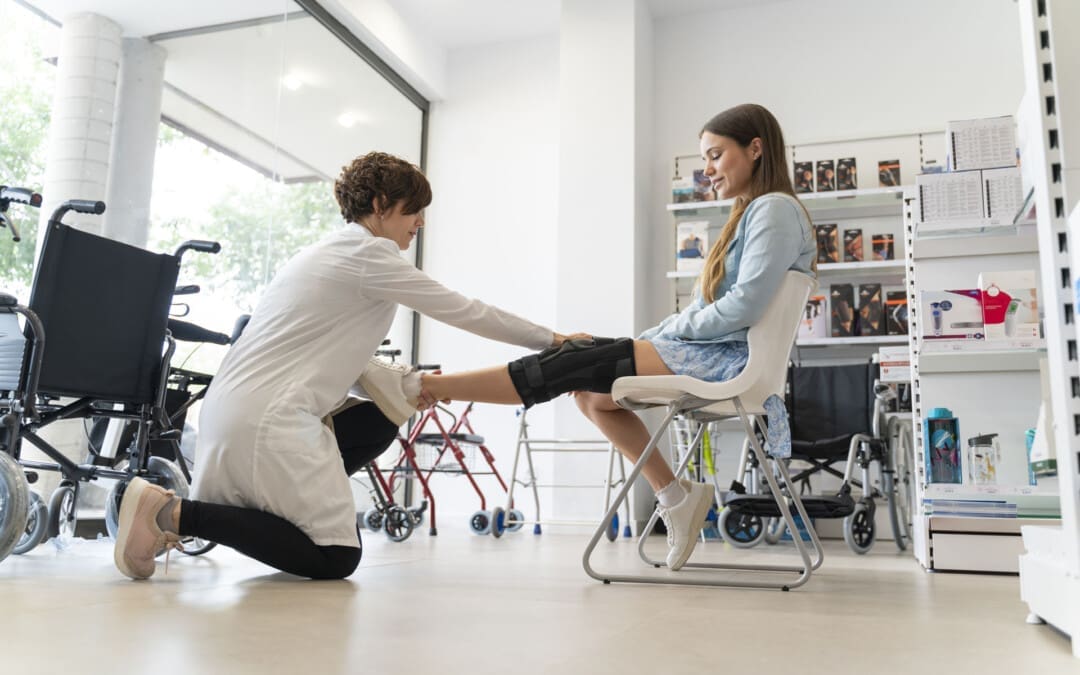
A knee brace is a medical device that supports and stabilizes the knee joint to help with pain and recovery after an injury or surgery. Many knee braces are made of various materials and offer a range of support levels. A healthcare provider or physical therapist can recommend the appropriate one for your condition and suggest the best one. Ask a healthcare provider if you’re unsure, as wearing a knee brace correctly and for the recommended time is important for healing. They are generally safe. However, individuals with health conditions such as poor circulation should be cautious when using them and consult their healthcare provider.
What They Do
The knee joint comprises bones, cartilage, ligaments, tendons, and muscles. A knee brace stabilizes these structures, preventing them from moving too much or too fast. Some braces redistribute the knee joint’s weight, decreasing the force the knee absorbs. (American Academy of Family Physicians, 2020)
Conditions
A knee brace is used after surgery to aid in healing and following an injury. This can be:
Knee braces differ in function and support level. Some stabilize the knee, while others completely immobilize the joint. A healthcare provider and/or physical therapist will explain what support is needed and how to use it. They can also check the brace’s fit and determine if adjustments or a different size are required.
Most Commonly Used
Prophylactic Brace
This is a protective knee pad that shields the kneecap from direct impact.
A knee unloader is typically used to control discomfort due to inflammatory conditions like tendonitis and osteoarthritis.
Functional
This brace limits motion in the joint after an injury or prevents dislocation.
Bledsoe Brace
This brace has straps to wrap around the thigh and shin and support brackets on the inside and outside of the knee joint.
A small mechanism locks the knee into full extension or allows the knee to bend a specific amount.
Knee Immobilizer
A knee immobilizer keeps the knee in one position.
It is a long cloth brace that runs the length of the shin and thigh.
Knee Brace vs Knee Support
A knee support or sleeve is usually a tight-fitting fabric garment. It provides compression to help reduce swelling and discomfort. A knee brace offers more support and can also be set to limit mobility.
Wearing The Brace
Individuals may need to wear a knee brace all day or only when performing specific tasks and operations. It depends on the individual and the condition the brace is being used for. Some may only need to wear a knee brace during certain activities or a flare-up of pain. (Mayo Clinic, 2022) Wearing a brace for unnecessarily long periods can cause skin abrasion, joint stiffness, and muscle atrophy. (American Academy of Family Physicians, 2020) Conversely, neglecting to wear it can cause more susceptibility to injury or extend and or impair healing time. Ask a healthcare provider when you should and should not wear the brace. This could be when:
Sitting
Walking
Driving
Sleeping
Stretching
Contraindications
Some medical conditions can make an individual susceptible to injury and adverse effects from wearing a knee brace. These include: (Holden, M. A. et al., 2021)
Poor circulation
Superficial wounds on the knee
Psoriasis
Eczema
Arterial insufficiency
Severe varicose veins
A history of thrombophlebitis
Injury Medical Chiropractic and Functional Medicine Clinic
If you have one of these conditions, a healthcare provider will decide if a knee brace is safe. Injury Medical Chiropractic and Functional Medicine Clinic works with primary healthcare providers and specialists to build optimal health and wellness solutions. We focus on what works for you to relieve pain, restore function, prevent injury, and help mitigate issues through adjustments that help the body realign itself. They can also work with other medical professionals to integrate a treatment plan to resolve musculoskeletal problems.
Best Knee Injury Chiropractor
References
American Academy of Family Physicians. (2020). Knee Bracing: What Works? https://familydoctor.org/knee-bracing-what-works/
Sprouse, R. A., McLaughlin, A. M., & Harris, G. D. (2018). Braces and Splints for Common Musculoskeletal Conditions. American family physician, 98(10), 570–576.
American Academy of Pediatrics. (2019). Knee pain: how to choose the right knee brace for your child. https://www.healthychildren.org/English/health-issues/injuries-emergencies/sports-injuries/Pages/Knee-Pain-and-braces.aspx
Mayo Clinic. (2022). To brace or not to brace: What’s the best answer? https://www.mayoclinichealthsystem.org/hometown-health/speaking-of-health/to-brace-or-not-to-brace#:~:text=If%20you%20have%20early%20onset%2C%20mild%20arthritis,below%20the%20knee%20for%20compression%20and%20comfort.
Holden, M. A., Callaghan, M., Felson, D., Birrell, F., Nicholls, E., Jowett, S., Kigozi, J., McBeth, J., Borrelli, B., Jinks, C., Foster, N. E., Dziedzic, K., Mallen, C., Ingram, C., Sutton, A., Lawton, S., Halliday, N., Hartshorne, L., Williams, H., Browell, R., … Peat, G. (2021). Clinical and cost-effectiveness of bracing in symptomatic knee osteoarthritis management: protocol for a multicentre, primary care, randomised, parallel-group, superiority trial. BMJ open, 11(3), e048196. https://doi.org/10.1136/bmjopen-2020-048196
Can understanding what knee tests are used help a healthcare provider diagnose the cause of individuals experiencing knee pain?
Knee Pain Tests
A knee examination is the first step in determining the cause of knee pain. Different knee tests may be performed during the exam to help the healthcare provider find the cause and develop an optimal treatment plan. These tests evaluate knee function and range of motion and look for conditions and injuries such as arthritis, meniscus tears, ACL tears, other ligament injuries, and kneecap issues.
Checking If There is Fluid in the Knee
Many individuals know if their knee is swollen, as they can see or feel the swelling. However, if there is excess fluid in the knee joint, the healthcare provider may compress the joint to feel for excess fluid. Fluid is often visible above the kneecap and can be compressed in this area. Fluid may also be detected in the back of the knee, referred to as a Baker’s cyst if the fluid has collected into a cluster. (Frush T. J., & Noyes F. R. 2015)
Arthritis Tests
Certain characteristic findings can detect knee arthritis:
Crepitus
Crepitus is the sensation when rough cartilage or exposed bone is rubbing when the knee is bent. (Lo G. H. et al., 2018)
The examiner will feel and listen for grinding as the knee is bent back and forth.
Deformity
As knee cartilage wears away, the knees can become progressively knock-kneed or bow-legged.
Limited Motion
If arthritis, bone spurs, and swelling prevent normal mobility, the knee’s range of motion often becomes limited.
Torn Meniscus Tests
Tests used to determine if there is a meniscus tear include:
Joint Line Tenderness
Joint line tenderness is a non-specific test in which the area of the meniscus is felt. It is considered a positive test when there is pain in this area.
McMurray’s test
This test is performed with the patient lying flat. The examiner bends the knee and rotates the shin bone.
This test is performed with the patient squatting.
The test is performed with the leg fully externally rotated or internally rotated, depending on whether the lateral or medial meniscus is being tested.
A click is heard or felt over the area of the tear.
ACL Tear Tests
These knee pain tests are for an anterior cruciate ligament (ACL) tear:
Lachman Test
The Lachman test is one of the most reliable to diagnose an ACL tear.
With the knee slightly bent, the examiner stabilizes the thigh while pulling the shin forward.
The shin shifts too far forward with a torn ACL.
Anterior Drawer Test
This test is performed with the patient lying flat.
The knee is bent 90 degrees, and then the shin is pulled forward to check the stability of the ACL.
Pivot Shift Test
The pivot shift test can be difficult, especially if the patient is experiencing discomfort and cannot relax the knee.
This test places stress on the knee joint and assesses the rotational stability of the ACL.
Other Ligament Injuries
For a suspected injury to other ligaments, including the posterior cruciate ligament (PCL), medial collateral ligament (MCL), and lateral collateral ligament (LCL), the following tests may be used:
Posterior Drawer Test
The posterior drawer is performed similarly to the anterior drawer test, in which the patient lies flat.
The knee is bent 90 degrees; the shin is pushed backward to check stability and function and detect if the posterior cruciate ligament (PCL) has been injured.
Collateral Ligament Stability
Side-to-side stability of the knee detects problems with the MCL and LCL.
The shin is shifted to each side, with the patient lying flat and the knee slightly bent.
The LCL or MCL damage causes the knee to open up too much, a condition known as varus (LCL) or valgus (MCL) instability. (Ohori T. et al., 2017)
Kneecap Tests
Tests for kneecap issues include:
Patellar Grind
In this test, also called Clarke’s sign, the patient lies on their back with the leg extended.
The examiner pushes the kneecap down to reproduce the knee pain while the patient flexes the thigh muscles.
Damaged cartilage can cause a grinding sensation/crepitus.
Patellar Tenderness
The examiner can slightly lift the kneecap and place direct pressure on parts of the underside.
The examiner looks for regions of sensitivity or pain.
Patellar Apprehension
This test indicates an unstable kneecap.
The examiner places pressure on the kneecap in a certain direction, and the patient may feel like the kneecap is going to pop out.
Injury Medical Chiropractic and Functional Medicine Clinic
Knee pain tests typically check the range of motion, discomfort symptoms, and sounds that could indicate a specific type of knee injury. Injury Medical Chiropractic and Functional Medicine Clinic works with primary healthcare providers and specialists to develop an optimal health and wellness solution. We focus on what works for you to relieve pain, restore function, and prevent injury. Regarding musculoskeletal pain, specialists like chiropractors, acupuncturists, and massage therapists can help mitigate the pain through spinal adjustments that help the body realign itself. They can also work with other medical professionals to integrate a treatment plan to resolve musculoskeletal issues.
Overcoming an ACL Injury
References
Frush, T. J., & Noyes, F. R. (2015). Baker’s Cyst: Diagnostic and Surgical Considerations. Sports health, 7(4), 359–365. https://doi.org/10.1177/1941738113520130
Lo, G. H., Strayhorn, M. T., Driban, J. B., Price, L. L., Eaton, C. B., & Mcalindon, T. E. (2018). Subjective Crepitus as a Risk Factor for Incident Symptomatic Knee Osteoarthritis: Data From the Osteoarthritis Initiative. Arthritis care & research, 70(1), 53–60. https://doi.org/10.1002/acr.23246
Gupta, Y., Mahara, D., & Lamichhane, A. (2016). McMurray’s Test and Joint Line Tenderness for Medial Meniscus Tear: Are They Accurate?. Ethiopian journal of health sciences, 26(6), 567–572. https://doi.org/10.4314/ejhs.v26i6.10
Ohori, T., Mae, T., Shino, K., Tachibana, Y., Fujie, H., Yoshikawa, H., & Nakata, K. (2017). Varus-valgus instability in the anterior cruciate ligament-deficient knee: effect of posterior tibial load. Journal of experimental orthopaedics, 4(1), 24. https://doi.org/10.1186/s40634-017-0087-3
The vastus lateralis is a muscle on the outside part of the thigh. Injuries to the muscle include strains, tendinitis, femoral nerve compression, and others. Can rehabilitation like heat and ice, massage, and strength and mobility exercises help individuals return to normal activities and function?
Vastus Lateralis Muscle
The vastus lateralis is the largest of the four quadriceps muscles on the thigh’s outer portion. The vastus lateralis helps extend the knee joint and maintain the knee position when walking or running. The vastus lateralis functions to work with the other quad muscles to help extend the knee joint.
Anatomy
Most muscles are attached to bone points of attachment, called the origin and insertion points. The vastus lateralis origin and insertion points are as follows (Vieira, EPL. 2017)
Origin
The origin is on the upper inter-trochanteric line of the femur or thigh bone.
It also arises from the base of the greater trochanter and the linea aspera, the supracondylar ridge, and the lateral intermuscular septum.
Insertion
From its origin, the muscle courses down the lateral thigh and inserts as part of the lateral quadriceps tendon on the tibial tubercle, an elevated portion of the upper shin.
The muscle is a large, flat structure with different attachments and a flat aponeurosis or sheath of connective tissue on the outer thigh.
The femoral nerve from lower back levels two, three, and four controls or innervates the muscle.
Blood supply to the muscle goes through the lateral circumflex femoral artery of the upper thigh.
Function
The muscle works with the other quadriceps muscles to extend or straighten the knee. The quads are responsible for functional activities like walking, running, climbing stairs, and getting up from a seated position. The vastus lateralis and the iliotibial band, which courses down the lateral thigh next to this muscle, form the lateral wall of the thigh. The vastus lateralis is on the opposite side of the vastus medialis muscle on the inner portion of the thigh. These muscles work together to maintain the appropriate position of the patella/kneecap in the femoral groove of the thigh bone. Malfunctioning these muscles properly can lead to knee pain from patellofemoral stress syndrome. (American Academy of Orthopaedic Surgeons, 2024)
Conditions
Many different injuries and conditions can affect the vastus lateralis and quad muscles, especially in athletes or active individuals. These injuries can cause vastus lateralis pain and other problems. (Timothy J. Von Fange, 2024) Some of the injuries and conditions include:
Patellofemoral Stress Syndrome – PFSS
This occurs when the kneecap tracks improperly in the femoral groove of the knee joint.
This leads to pain and difficulty when walking and running.
Vastus Lateralis Strain
A sudden force on the thigh can cause the quad muscle to be strained.
If the vastus lateralis suffers a pull injury, individuals may have pain, muscle swelling, thigh bruising, and walking difficulties.
Patellar Tendinitis
Irritation of the quad tendon that courses over the kneecap can cause patellar tendinitis.
Femoral Nerve Compression Weakness
The femoral nerve may become pinched or irritated from a herniated disc, lumbar stenosis, or arthritis.
Pain, numbness, tingling, or weakness in the thigh may result.
Iliotibial Band Friction Syndrome
Tight or weak muscles can irritate the IT band, and the vastus lateralis muscle can be affected.
Injury Rehabilitation
Injury to the vastus lateralis or quad muscles can cause pain, swelling of the thigh, or limited walking ability. Various treatments are available to help expedite recovery. A primary healthcare provider may recommend working with a physical therapy team. Self-care techniques can include:
Heat and Ice
Ice may be applied to the lateral thigh the first few days after injury to control pain and decrease swelling and inflammation.
Ice should be applied for 10 to 15 minutes.
Individuals may switch to heat two to three days after to promote circulation and improve tissue mobility.
Heat should be applied for 10 to 15 minutes.
Massage
Massage can help decrease pain and promote circulation.
Massage techniques can improve tissue mobility before stretching to help improve quadriceps motion.
Exercises and Stretching
A physical therapy team will prescribe certain exercises and stretches to help regain strength and range of motion. After an injury, quad stretching can improve the mobility and function of the muscle group.
Prone Towel Quad Stretch
Lie on your stomach and place a towel or strap around the ankle.
Bend the knee up, and gently pull on the towel to bend the knee fully.
A pulling sensation should be felt in the front of the thigh.
Hold the stretch for 30 seconds and release.
Repeat three times.
Half-kneeling Quad and Hip Flexor Stretch
Kneel on one knee.
Slowly move forward until a stretch is felt in the front of the hip and thigh.
Hold this position for 30 seconds.
Relax back to the starting position.
Repeat three times.
Back Exercises
If femoral nerve irritation coming from the lower back is causing thigh pain or weakness, exercises to release the nerve may be helpful and can include:
Prone press-ups
Supine lumbar flexion
Lumbar side glides
The exercises are designed to relieve pressure on the lumbar nerve, and postural correction exercises may be performed to maintain decompression.
Strengthening
Weakness to the vastus laterals and quads may be causing injury, and strengthening exercises may be prescribed during rehabilitation and can include:
Hip-strengthening exercises
Straight leg raises
Leg extension exercises
Lunges
Squats
Strengthening exercises should be done two to four times weekly with appropriate rest between sessions.
Balance exercises and sport-specific plyometric training may be recommended to ensure the quad functions normally.
Most quadriceps and vastus lateralis muscle injuries heal within six to eight weeks.
Recovery may be shorter or longer depending on the nature of the injury.
Injury Medical Chiropractic and Functional Medicine Clinic
By understanding the anatomy and function of the vastus lateralis muscle, a healthcare provider can help individuals understand their specific injury and develop a treatment program to rehabilitate the muscle properly. At Injury Medical Chiropractic and Functional Medicine Clinic, we focus on what works for you and strive to develop fitness and better the body through research methods and total wellness programs. These natural programs use the body’s ability to achieve improvement goals, and athletes can condition themselves to excel in their sport through proper fitness and nutrition. Our providers use an integrated approach to create personalized programs, often including Functional Medicine, Acupuncture, Electro-Acupuncture, and Sports Medicine principles.
Knee Injury Chiropractor
References
Vieira EPL. (2017). Anatomic study of the portions long and oblique of the vastus lateralis and vastus medialis muscles. J Morphol Sci., 28(4), 0-. http://www.jms.periodikos.com.br/article/587cb49f7f8c9d0d058b47a1/pdf/jms-28-4-587cb49f7f8c9d0d058b47a1.pdf
American Academy of Orthopaedic Surgeons. (2024). Patellofemoral pain syndrome. https://orthoinfo.aaos.org/en/diseases–conditions/patellofemoral-pain-syndrome/
Timothy J Von Fange. (2024). Quadriceps muscle and tendon injuries. UpToDate. https://www.uptodate.com/contents/quadriceps-muscle-and-tendon-injuries/print
Ramírez-delaCruz, M., Bravo-Sánchez, A., Esteban-García, P., Jiménez, F., & Abián-Vicén, J. (2022). Effects of Plyometric Training on Lower Body Muscle Architecture, Tendon Structure, Stiffness, and Physical Performance: A Systematic Review and Meta-analysis. Sports medicine – open, 8(1), 40. https://doi.org/10.1186/s40798-022-00431-0
Individuals dealing with symptoms like sudden pain, weakness, and tenderness in the back of the knee could have a hamstring injury. Can knowing the symptoms and performing self-care help bring relief?
Hamstring Pain Behind The Knee
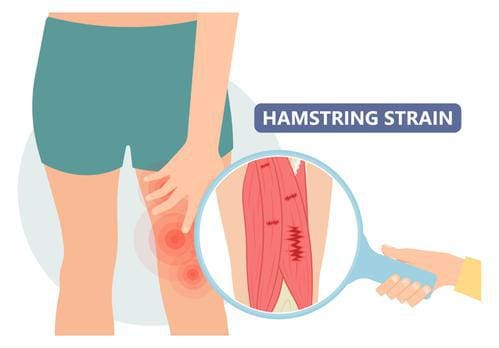
The hamstrings consist of three long muscles that run down the back of the thigh, cross over the back of the knee, and connect to bones in that area. A hamstring injury, such as a strain or tear, tendonitis, or biceps femoris tendinopathy, can cause pain in the back of the knee, difficulty bending the knee, swelling, and bruising. A hamstring strain occurs when the muscle is stretched too far or torn completely. This can happen from sudden, forceful movements or overstretching. Hamstring tendonitis develops over time, usually after a sudden increase in activity, when the hamstring tissue cannot recover from too much loading. Pain is often felt after physical activity and exercise and, in severe cases, during the activity or throughout the day. Biceps femoris tendinopathy can also cause pain in the back of the knee. Strains, tendonitis, bursitis, and muscle tears are all possible explanations for a hamstring injury that leads to pain behind the knee. Discussing pain symptoms with a healthcare provider is recommended, especially if it occurs suddenly during physical activity or exercise. They can help identify the exact cause and offer guidance for rehabilitation, including physical therapy referrals.
Causes and Triggers
Individuals may experience hamstring pain behind the knee when the muscles in that area are overworked, inflamed, or injured, such as from activities like running, walking, dancing, soccer, or basketball. Possible types of injuries and their causes.
A primary cause of muscle strain occurs when the muscle is stretched too far or has to handle a sudden force like sprinting or kicking. (American Academy of Orthopaedic Surgeons, 2021)
Severe Cases
Most causes of pain behind the knee are easily treatable at home with self-care and rest. However, it can be more severe, signaling a blood clot, infection, torn muscle or tendon/ligament. Hamstring knee pain may be serious if any of the following is experienced (American Academy of Orthopaedic Surgeons, 2021)
Sudden pain during physical activity, often during a full stride.
Feeling a pop or sharp pain that causes falling or limping.
Pain that worsens over time and prevents or hinders walking or exercising as normal.
If pain is severe and does not improve with rest and anti-inflammatory medications, evaluation by a healthcare professional is necessary.
Assesses Hamstring Pain
A healthcare provider will ask about symptoms and injury, including what happened when the pain began. They will perform a physical examination, which may include pressing on the back of the thigh to look for swelling, bruising, tenderness, or bunched-up muscles. (American Academy of Orthopaedic Surgeons, 2021) The healthcare provider will ask the patient to perform specific resisted movements, such as the manual muscle test, and measure the range of motion. Diagnostic testing includes an X-ray or MRI to determine the degree of the injury and which soft tissues or bones may be involved.
Self-Care
The first line of treating hamstring knee pain is the RICE protocol, which includes: (Mount Siani, 2024)
Rest
Stop any activity that causes symptoms and pain.
A healthcare provider may recommend crutches or a knee scooter in severe cases.
Ice
Apply cold packs to the swollen or painful area for 20 minutes throughout the day.
Compression
A knee brace, wrap, or bandage that applies gentle pressure to the injured area can help reduce and prevent swelling.
Elevation
Lifting the leg higher than the heart will help reduce swelling and blood accumulation.
Individuals may need to lie on a bed or sofa and elevate their legs with pillows.
Individuals can use at-home pain relievers like acetaminophen or NSAIDs like ibuprofen or naproxen. Over time, and depending on the severity of the injury, a healthcare provider will advise on gentle hamstring stretches and how to ease back into physical activity.
A healthcare provider will advise immobilizing the knee to help with muscle healing, which could involve wearing a knee brace or using crutches.
Physical therapy
A healthcare provider may refer the patient to a physical therapist, who will perform a personalized evaluation and prescribe targeted exercises to heal the injury and regain strength, flexibility, and movement.
Surgery
Tendon avulsion injuries are when the hamstring tendon completely tears away from the bone, and surgery is required to reattach the tendon.
Platelet-rich plasma – PRP
Platelet-rich plasma has become an additional treatment for hamstring muscle strain or tendonitis. (Seow D. et al., 2021)
The treatment involves injecting a solution from the patient’s blood into the muscle to heal the injury.
Recovery
Predicting how long a hamstring injury takes to heal and how long the pain will linger depends on the type, location, and severity. The most severe type is the hamstring coming unattached around the knee. This surgical repair and rehabilitation take at least three months before returning to sports and exercise (American Academy of Orthopaedic Surgeons, 2021). Lesser injuries like tendonitis or a mild strain can take less time to heal. However, it’s essential to avoid reinjuring the area so the condition does not become chronic. This includes: (American Academy of Orthopaedic Surgeons, 2021)
Stretching to encourage and maintain flexibility.
Fixing muscle imbalances between the quadriceps and hamstring.
Endurance and conditioning.
Avoiding overuse.
Injury Medical Chiropractic and Functional Medicine Clinic works with primary healthcare providers and specialists to develop personalized treatment programs. We focus on what works for you and use an integrated approach to treating injuries and chronic pain syndromes to improve flexibility, mobility, and agility, relieving pain and helping individuals return to normal activities. If other treatments are needed, Dr. Jimenez has teamed up with top surgeons, clinical specialists, medical researchers, and rehabilitation providers. Our providers use Functional Medicine, Acupuncture, Electro-Acupuncture, and Sports Medicine principles.
Chiropractic Care for Leg Instability
References
National Library of Medicine. (2017). Tendinitis Also called: Tendonitis. Retrieved from https://medlineplus.gov/tendinitis.html
American Academy of Orthopaedic Surgeons. OrthoInfo. (2020). Sprains, strains, and other soft tissue injuries. https://orthoinfo.aaos.org/en/diseases–conditions/sprains-strains-and-other-soft-tissue-injuries/
American Academy of Orthopaedic Surgeons. OrthoInfo. (2021). Hamstring muscle injuries. https://orthoinfo.aaos.org/en/diseases–conditions/hamstring-muscle-injuries/
American Academy of Orthopaedic Surgeons. OrthoInfo. (2021). Pes aserine (knee tendon) bursitis. https://orthoinfo.aaos.org/en/diseases–conditions/pes-anserine-knee-tendon-bursitis/
Mount Siani. (2024). Hamstring strain – aftercare. https://www.mountsinai.org/health-library/selfcare-instructions/hamstring-strain-aftercare
Seow, D., Shimozono, Y., Tengku Yusof, T. N. B., Yasui, Y., Massey, A., & Kennedy, J. G. (2021). Platelet-Rich Plasma Injection for the Treatment of Hamstring Injuries: A Systematic Review and Meta-analysis With Best-Worst Case Analysis. The American journal of sports medicine, 49(2), 529–537. https://doi.org/10.1177/0363546520916729
IFM's Find A Practitioner tool is the largest referral network in Functional Medicine, created to help patients locate Functional Medicine practitioners anywhere in the world. IFM Certified Practitioners are listed first in the search results, given their extensive education in Functional Medicine