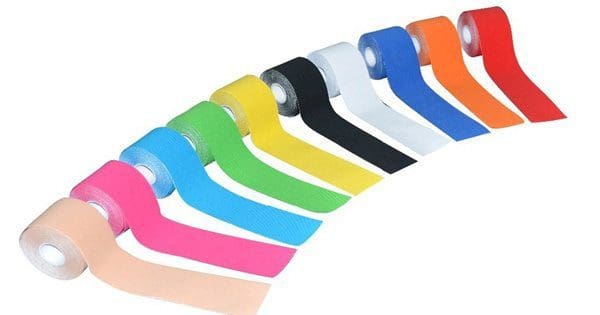
We see it on all types of athletes nowadays. They are wearing tape that looks like it’s for an injury. It is for injuries, but it can also be used as a preventative measure to avoid injuries. It is known as Kinesiology, Kinesio, KT, and elastic tape. It reduces swelling, increases mobility, and expedites recovery. It can be beneficial with back soreness/pain.
Tape
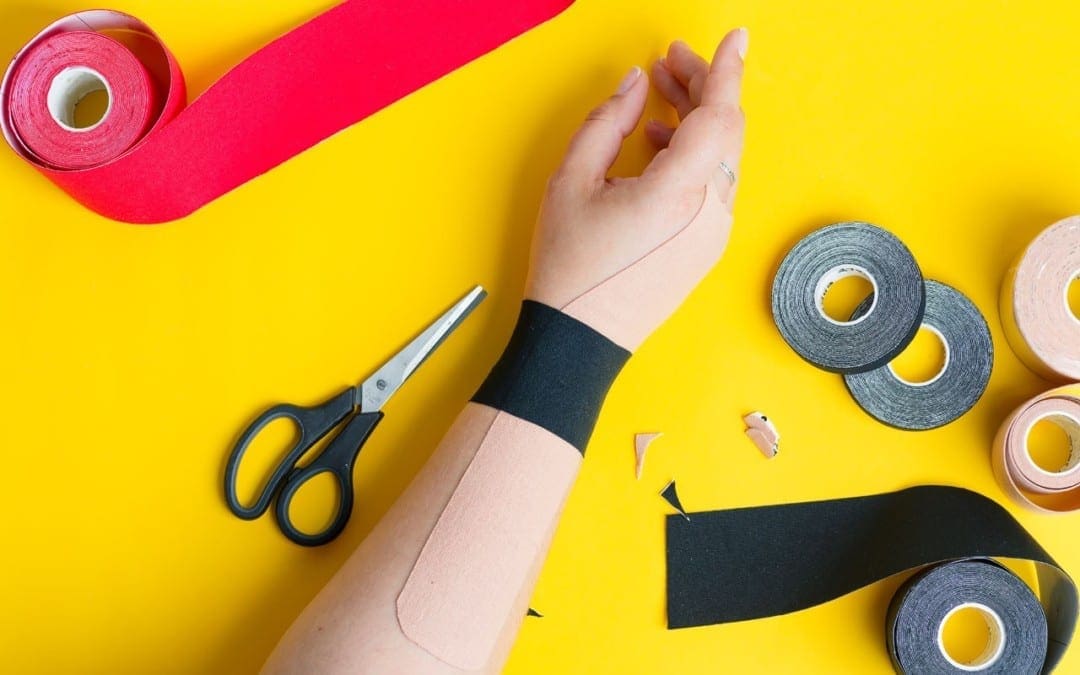
When it comes to Kinesio tape for back pain, medical professionals reported the tape is most effective when incorporated with other pain treatments. A study found that taping various areas of the body safely relieved knee pain and reduced the need for pharmacological treatment for knee osteoarthritis. It is applied to the body to support a joint, improve circulation, or provide proprioception feedback to the brain. The tape can help increase awareness of a specific painful area, reminding the individual to maintain proper posture and not move in a way that causes pain. Online videos can teach how to tape a particular area of the body. Examples include:
Each joint and muscle requires various tapings or different patterns and directions. Applying the tape to body areas that an individual can reach and access, like the knee and ankle, can be simple. But it can be a challenge to apply it to the shoulder or back. This is when a physical therapist, chiropractor, medical clinician, partner, family member, or friend can help with the application. Kinesiology tape is designed to adhere for an average of three to four days, even when bathing.
Benefits
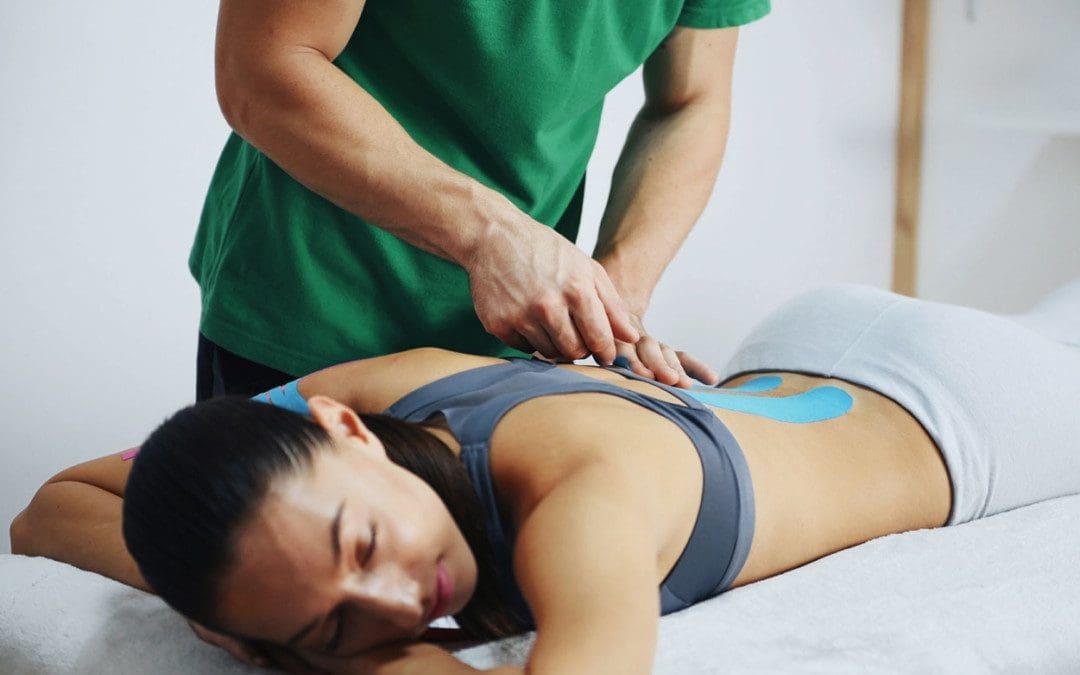
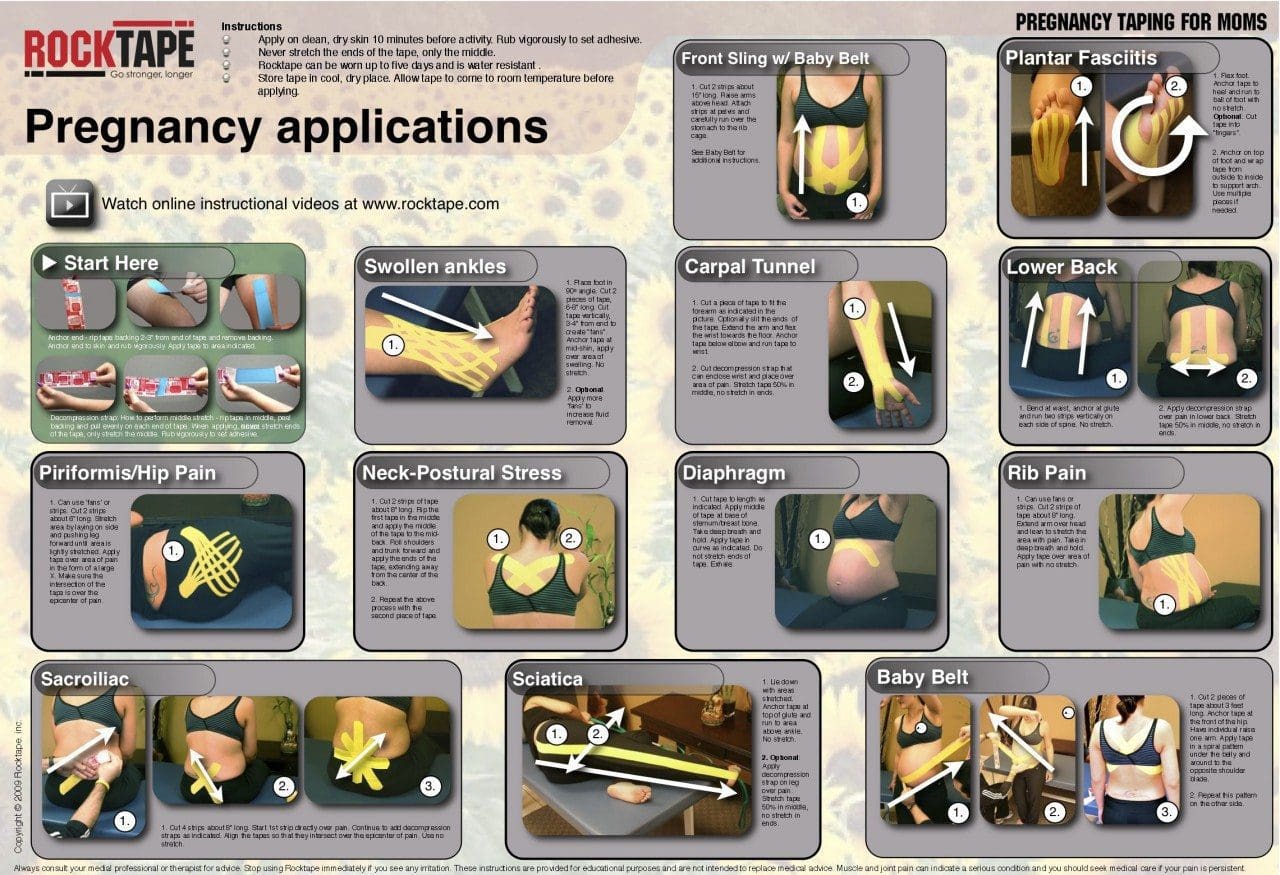
Kinesio taping for low back pain with help should be done in a shortened muscle position, meaning the person helping should apply the tape while the person experiencing back pain stands up straight. The taping can be two stripes going up and down, or it can be done with strips fanning out towards the buttocks. This gives support to the spine/back muscles and decreases pain.
Recovery and Prevention
Recovery from a spine condition or injury prevention, kinesiology tape can be used without any risk. It can help reduce pain, improve circulation, and provide muscle support. For a minor sprain or strain, the tape could help on its own. But for an individual experiencing severe back pain, it is recommended to seek professional medical care along with a stretching and strengthening regimen. The tape is recommended to be used as part of a complete treatment plan.
Body Composition
Five-Day Training Plan
The idea of training five times a week can be pretty intimidating. This is not about pushing yourself to your breaking point Monday through Friday. The objective of working out this frequently is about exercising normally, not like a professional athlete. That’s why many individuals divide up the areas they work out each day. Particular attention is given to one muscle group or system, letting the others rest and recover. This workout strategy is called a split and is favored by the bodybuilding community. Five-day splits are utilized to target different major muscle group/s every day. A standard training plan includes:
This is just one of the many programs that trainers, athletes, and fitness individuals have developed. Some individuals replace shoulders day with cardio; some do abs every day; it depends on what fitness goal the individual is going for.
References
Journal of Bodywork and Movement Therapies. (April 2016) “Kinesio taping for chronic low back pain: A systematic review” https://pubmed.ncbi.nlm.nih.gov/27634093/
Therapeutic Advances in Musculoskeletal Disease. (August 2019) “The effectiveness of Kinesio Taping® for pain management in knee osteoarthritis: a randomized, double-blind, controlled clinical trial” https://journals.sagepub.com/doi/full/10.1177/1759720X19869135
What are the potential benefits for back pain?: Asian Journal of Sports Medicine. (June 2015) “Low Back Pain in Athletes” https://www.ncbi.nlm.nih.gov/pmc/articles/PMC4592766/
Kinesio taping is common for injuries, but can also be effective for non-sports related injuries/ailments. Kinesio taping is a rehabilitative therapeutic taping method that facilitates the body�s ability to heal naturally. The tape provides support, and stability for muscles, and joints without restricting motion. Plus there is added soft tissue support prolonging the tape’s effectiveness. The technique can have added benefits when combined with chiropractic. This technique is the norm among athletes nowadays but can benefit everybody. As a chiropractic physician, I use the technique for:
Sports injuries
Sprains
Strains
Injury Prevention
Pregnancy
The taping involves applying the tape over and around muscles stimulating them to send neuromuscular signals that optimize performance and helps injuries heal naturally. This is a versatile treatment that can benefit everyone.
Pain Relief
We all get strained, overused muscles that can cause tension and soreness. Millions suffer from neck, upper, mid, and low back pain from poor posture or sitting all day. It reduces pain by relieving the pressure on the strained or injured area. According to a study, stroke patients with shoulder pain experienced relief and reduction in shoulder pain after three weeks of Kinesio Taping intervention. Another study published in the Journal of Back and Musculoskeletal Rehabilitation had similar results for reduced pain in patients with tennis elbow. Kinesio tape therapy can improve pain symptoms while continuing to heal the specific muscle/s.
Reduce Inflammation
It also reduces pressure on the lymphatic system, which removes fluid from the tissues. Reduced pressure allows the body to drain fluids like lactic acid that can build up in an injured area. This benefit goes beyond just healing injuries. It helps reduce inflammation and swelling after surgery and with inflammatory conditions like lymphedema. Kinesio could be beneficial for individuals with chronic inflammatory conditions.
Overused Muscle Recovery
Taping improves blood flow, the delivery of oxygen, and nutrients to the affected area, which helps overused muscles heal quickly. This added benefit is one of the reasons taping is now used in everyday practice to treat:
Taping helps improve overall function. This is a key factor for optimal healing. A study found elderly patients with degenerative knee arthritis tried the therapy and experienced reduced pain, stiffness, improved knee joint function, and increased overall motion. For improved function Kinesio is commonly used on the:
Ankles
Back
Feet
Knees
Shoulders
Overall Benefits
One of the most important benefits, it comes without side effects from prescription meds.
It provides support without restricting the muscle�s range of motion
Individuals can continue to be active and not worry about overstretching the injured muscle/s, as the tape will let them know.
The tape can be worn 24-hours a day for several days per application.
This Kinesio taping technique is currently used by thousands of:
Physical therapists
Occupational therapists
Chiropractors
Medical doctors
Certified athletic trainers
Massage therapists
Correct Bad Posture with Functional Foot Orthotics
Dr. Alex Jimenez�s Blog Post Disclaimer
The scope of our information is limited to chiropractic, musculoskeletal, physical medicines, wellness, and sensitive health issues and/or functional medicine articles, topics, and discussions. We use functional health & wellness protocols to treat and support care for injuries or disorders of the musculoskeletal system. Our posts, topics, subjects, and insights cover clinical matters, issues, and topics that relate and support directly or indirectly our clinical scope of practice.*
Our office has made a reasonable attempt to provide supportive citations and has identified the relevant research study or studies supporting our posts. We also make copies of supporting research studies available to the board and or the public upon request. We understand that we cover matters that require an additional explanation as to how it may assist in a particular care plan or treatment protocol; therefore, to further discuss the subject matter above, please feel free to ask Dr. Alex Jimenez or contact us at 915-850-0900. The provider(s) Licensed in Texas& New Mexico*
Kinesio taping method is a therapeutic technique that offers an approach of supporting the individual and rehabilitating the condition or affected area. Kinesio tape can stimulate or relax muscles, depending on the technique and type of tension that is put on the body. It raises the skin in microscopic increments that aid in lymphatic drainage.
It decreases inflammation and swelling reducing pressure in the area, allowing the blood and lymphatic fluid to flow naturally and more effectively in and out of the affected area.
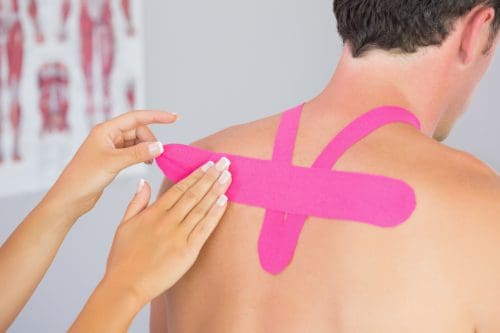
This helps the body return to homeostasis. It can be applied in a variety of different configurations, but usually, applications are single:
I
Y
X
Kinesio Taping
There are unique taping shapes specialized to address certain areas of the body and conditions.�Providing stability and support for the body�s joints and muscles, it does not restrict the body’s range of motion. The techniques are designed to address soft tissue injury/s by manipulating the area and promoting natural healing, alleviating pain, reducing swelling, and providing all-around relief.
Kinesio Taping can Treat
A variety of conditions benefit from Kinesio taping. Chiropractors and physical therapists use it for:
Athletes use it for additional support and injury prevention.
Taping and Chiropractic
The tape uses the body�s own natural healing process with many individuals finding it, as the preferred treatment for many conditions. When combined with chiropractic care, Kinesio Taping is highly effective. A chiropractor may use a variety of techniques, depending on the condition or injury.
They can use spinal manipulation, physical therapy, massage, electrical stimulation, ultrasound, heat, and ice, combining them with recommendations for lifestyle and diet modifications. As aforementioned it encourages the body to heal itself, thus eliminating the need for medication/s� their undesired and invasive surgery. Kinesio Taping is safe, natural, and a perfect complement to chiropractic treatment.
Foot Levelers Custom Orthotics Reduce Low Back Pain
You may have seen professional athletes, dancers, gymnasts, and others who engage in extremely physical activities using a type of tape on various points of their bodies. It is sometimes colored and does not seem to inhibit range of motion. While it looks like tape or maybe a very fancy bandage, it is a highly technical, specialized tape that is used to treat patients of all ages and activity levels. It is called Kinesio tape, and it is often used by chiropractors to help address specific injuries.
What is Kinesio Tape?
Also called Kinesio Tex Tape, Kinesio Tape is a special adhesive tape that has elastic properties. It was developed by Dr. Kenzo Kase, a chiropractor, and acupuncturist, in 1979. It is safe for all ages including pediatric and geriatric patients. The tape is comprised of a 100% cotton fiber strip with medical grade acrylic adhesive. It is soft and gentle, but it works.
The tape is hypoallergenic and latex free, so it is appropriate for a vast audience. It is also water resistant, making it wearable for many activities. When worn, the tape does not limit or inhibit range of motion, and the same tape can be worn for several days without losing its effectiveness.
How does Kinesio Tape Work?
The tape can stimulate or relax muscles, depending on the tension that it puts on the body when applied. When worn, it lifts the skin by microscopic increments which aids in lymphatic drainage.
It also helps to decrease inflammation and swelling which reduces pressure in the area. This allows the blood and lymphatic fluid to flow freer and more effectively in and out of the affected area.
When used correctly, Kinesio Tape can reduce inflammation, promote better circulation, prevent injury, facilitate healing, the re-educate the neuromuscular system. This helps the body return to homeostasis. It can be applied in many different configurations, but often the applications are a single �I,� �Y,� or �X.�
The Kinesio Taping Method
The Kinesio taping method is a systematic, therapeutic technique that offers a two-prong approach of supporting the patient and rehabilitating the condition or affected area. It can alleviate pain reduce swelling, providing relief to the patient. There are specific taping shapes that are specialized to address certain areas of the body as well as certain conditions. While it provides stability and support to the body�s joints and muscles, it does not restrict the range of motion. The technique is designed to address soft tissue injury by manipulating that area and facilitating healing.
What Conditions is Kinesio Taping used to Treat?
Many conditions throughout the body can benefit from Kinesio Taping. Chiropractors use it for:
Lower back strain
Plantar fasciitis
Back strain
Carpal tunnel syndrome
Rotator cuff injury
Ankle Sprains
Whiplash
Herniated disc
Post-surgery edema
Tennis elbow
Pre-surgery edema
Patella tracking
Athletes may also use it for additional support or to prevent injury. Because it relies on the body�s natural healing process, many people find it to be preferred treatment for many painful conditions. When combined with chiropractic care, Kinesio Tape is very effective.
When treating a condition with Kinesio Tape, the chiropractor may use a variety of techniques, depending on the illness or injury. They may use spinal manipulation, massage, and other treatments, combining them with recommendations for lifestyle changes and diet modifications.
The draw for this treatment is that it encourages the body to heal itself, eliminating the need for drugs with their undesired and unpleasant side effects, or more invasive procedures like surgery. Kinesio Taping is safe, natural, and a perfect complement to chiropractic care.
IFM's Find A Practitioner tool is the largest referral network in Functional Medicine, created to help patients locate Functional Medicine practitioners anywhere in the world. IFM Certified Practitioners are listed first in the search results, given their extensive education in Functional Medicine