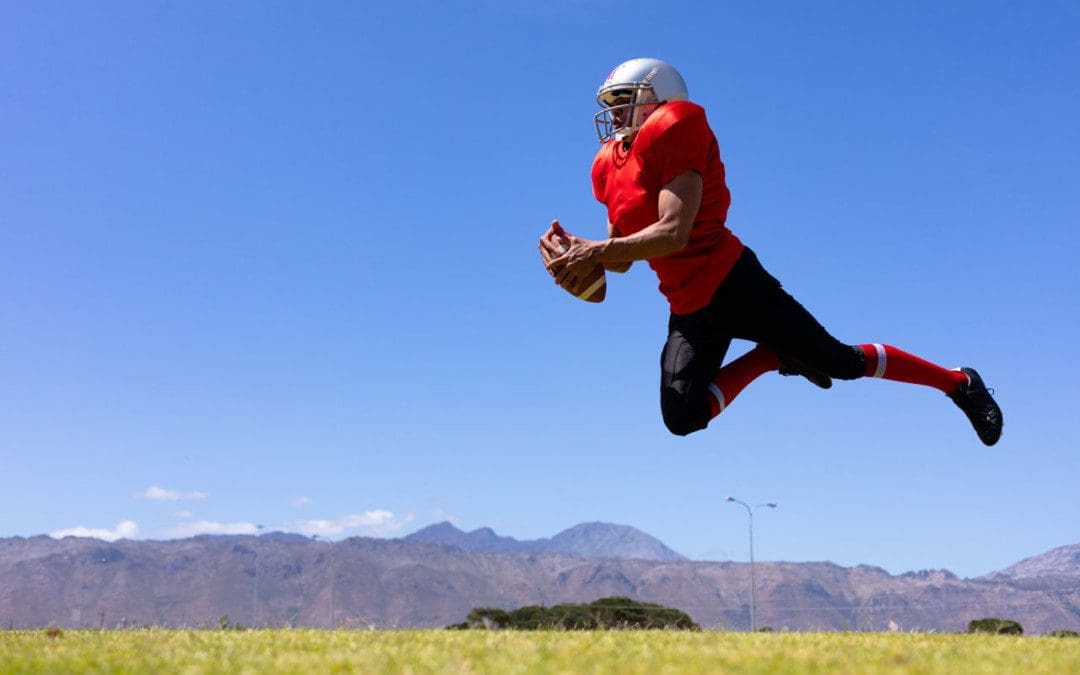
Individuals who engage in sports and physical activities that involve lunging forward while running or jumping can sustain a plantaris muscle injury. Can understanding the anatomy of the back of the leg and the symptoms help diagnose and treat plantar muscle injuries?
Plantaris Muscle
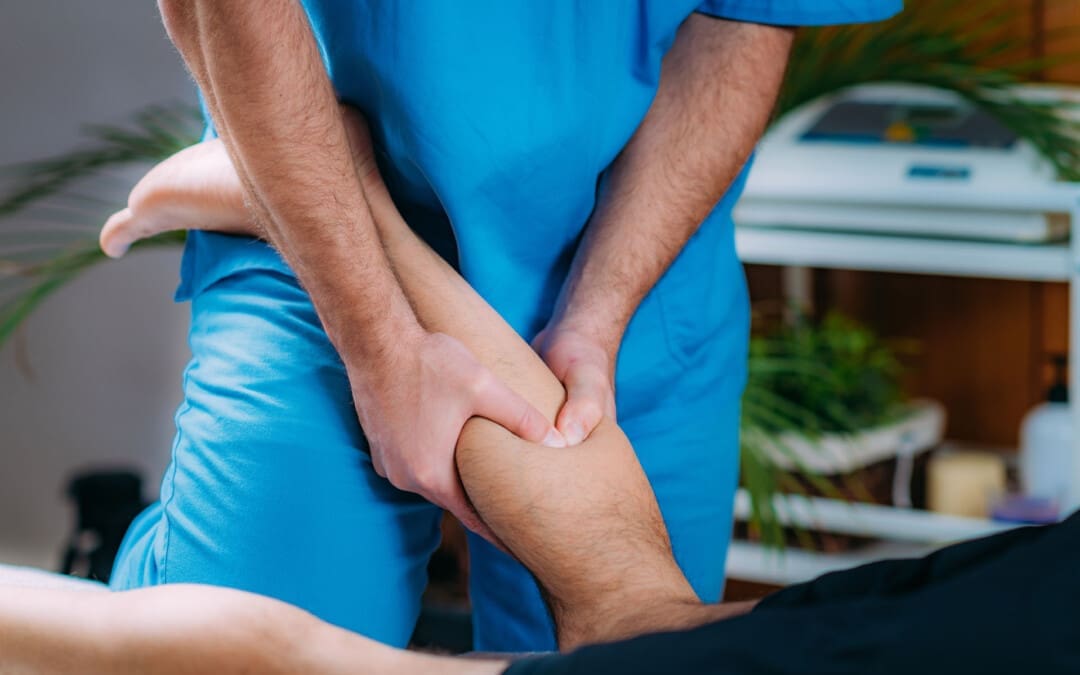
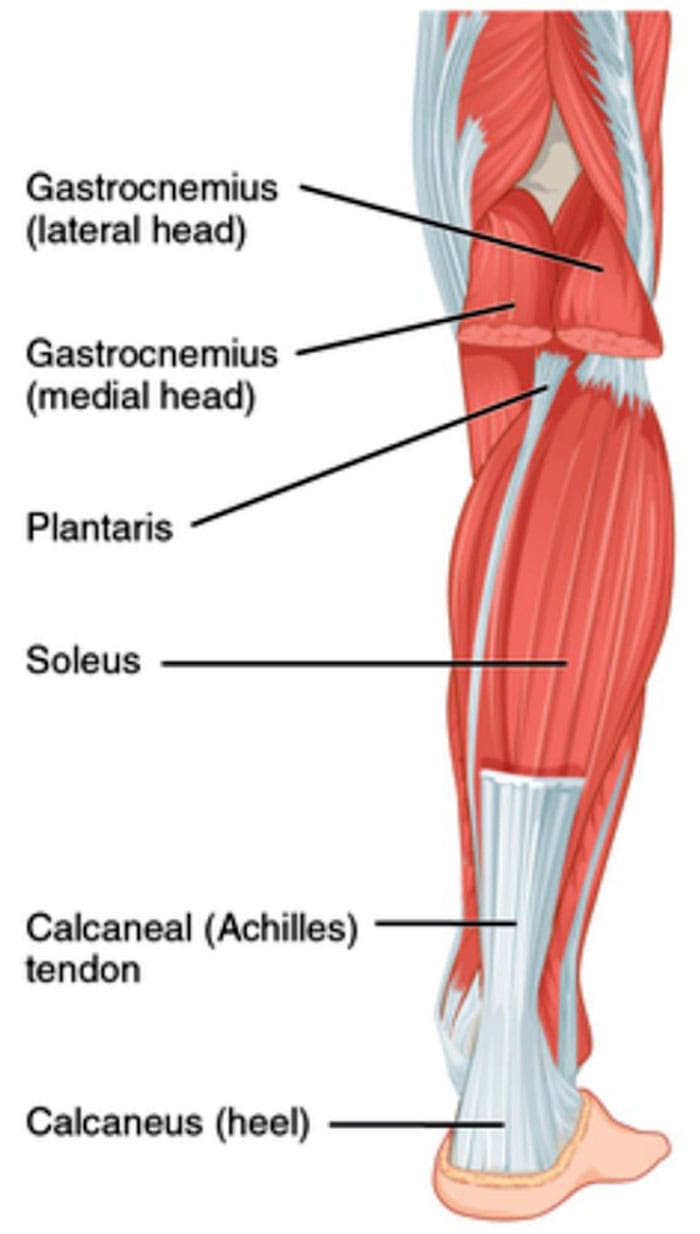
The plantaris muscle is a long, narrow muscle in the calf that runs along the back of the leg. It’s part of the Triceps Surae, a group of muscles in the calf that, along with the gastrocnemius and soleus muscles, makes up the bulk of the back of the leg. It is located in the superficial posterior compartment of the leg. Strains or tears of the plantaris muscle at the back of the leg can cause pain and swelling, similar to a calf strain or Achilles tendon tear. Individuals may feel immediate pain, cramping, and other symptoms.
Anatomy
The gastrocnemius and soleus muscles are the major muscles, with the soleus located deeper in the leg. Together, they form the Achilles tendon, which blends into a tendon in the back of the heel and attaches to the heel bone/calcaneus. When the calf muscles contract, they point the foot downward, propelling the body forward when walking, running, and sprinting. The plantaris muscle and tendon sit more or less in the center of the calf, between the two heads of the gastrocnemius. Around 7% to 20% of the population are born without plantaris muscles. There are variations, such as having a double- or triple-headed plantaris muscle. (Olewnik Ł. et al., 2020) However, individuals that do not have the muscle or have a variation have not been shown to affect long-term or short-term mobility.
Symptoms
Plantaris muscle ruptures are the most common injury and occur often during running or jumping. (Spang C. et al., 2016) Many who sustain this injury are athletes who have to lunge forward. Common symptoms include:
Swelling and bruising in the back of the calf area.
Cramping in the calf muscle.
Spasm sensations of the calf muscle.
Symptoms of a plantaris muscle strain are less severe, with the common signs being tightness and pain during and after physical activity.
Diagnosis
Plantaris muscle tears differ from Achilles tendon tears because the foot can be pointed downward following the rupture, whereas an Achilles tear cannot. Plantaris ruptures can also be confused with a blood clot in the large veins of the calf, called deep vein thrombosis/DVT. (Rohilla S. et al., 2013) Tests like MRI or ultrasound can be performed to confirm or exclude a plantaris rupture. Both can be useful for verifying whether the injury is a strain or tear and identifying other possible causes of calf pain.
Treatment
Treatment is typically non-surgical. While the injuries can cause pain and disability, the symptoms almost always resolve with conservative treatments and therapies. Rest, ice, compression, and elevation are the first line used and may be all that is needed for a muscle strain. Short-term use of NSAIDs may be recommended for a strain or tear to reduce pain and inflammation. (Morelli K. M. et al., 2018) If the pain is profound or there is a tear, patients may require short-term immobilization or the use of a crutch for the pain to subside. With the assistance of a physical therapist, sports chiropractor, and athletic trainer, gradual increases in mobility and strength can be obtained. Symptoms usually gradually resolve over several weeks. Full recovery may take up to eight weeks, depending on the severity of the injury.
Injury Medical Chiropractic and Functional Medicine Clinic works with primary healthcare providers and specialists to develop customized treatment programs through an integrated approach to treating injuries and chronic pain syndromes, improving flexibility, mobility, and agility, relieving pain, and helping individuals return to normal activities. If other treatments are needed, Dr. Jimenez has teamed up with top surgeons, clinical specialists, medical researchers, and rehabilitation providers to provide the most effective treatments.
Control Foot Motion with Custom Orthotics
References
Olewnik, Ł., Zielinska, N., Karauda, P., Tubbs, R. S., & Polguj, M. (2020). A three-headed plantaris muscle: evidence that the plantaris is not a vestigial muscle?. Surgical and radiologic anatomy : SRA, 42(10), 1189–1193. https://doi.org/10.1007/s00276-020-02478-8
Spang, C., Alfredson, H., Docking, S. I., Masci, L., & Andersson, G. (2016). The plantaris tendon: a narrative review focusing on anatomical features and clinical importance. The bone & joint journal, 98-B(10), 1312–1319. https://doi.org/10.1302/0301-620X.98B10.37939
Rohilla, S., Jain, N., & Yadav, R. (2013). Plantaris rupture: why is it important?. BMJ case reports, 2013, bcr2012007840. https://doi.org/10.1136/bcr-2012-007840
Morelli, K. M., Brown, L. B., & Warren, G. L. (2018). Effect of NSAIDs on Recovery From Acute Skeletal Muscle Injury: A Systematic Review and Meta-analysis. The American journal of sports medicine, 46(1), 224–233. https://doi.org/10.1177/0363546517697957
The low back is a common source of discomfort and soreness among volleyball players because of repetitive jumping, bending, and rotating of the trunk. Adolescents have an increased risk of this injury because their vertebral bones are still developing, which increases the risk for stress fractures. Chiropractic care, massage therapy, decompression, rest, and athletic training can help expedite pain relief and heal the injury.
Volley Back Pain
Muscle or ligament strains are the most common injury from repetitive jumping, bending, rotating movements, and hyperextension during serving, hitting and setting. This can lead to excessive compression forces on the discs and joints, causing reduced blood circulation, increasing the risk of overload injuries. One study reported that low back pain is experienced in 63% of players. However, if low-back pain is accompanied by pain that runs down the leg along with numbness or weakness in the foot or ankle, the issue could be a herniated disc.
Causes
One common reason is endurance imbalances in the muscles that stabilize the low back. The core muscles provide stability to the low back and spine for all movements. If imbalances are present, a player may spike or serve the ball with intense turning and arching. The added actions cause increased pressure in the joints and hip, gluteal, and leg muscles, affecting the spine’s stability.
The gluteals run from the back of the pelvis/hip bones down to the outside of the thigh.
The gluteal muscles prevent the trunk and hips from overbending forward when landing.
If the gluteal muscles do not have the strength and endurance to perform this motion, the upper body will bend too far forward, causing poor landing posture and decreased spine stability.
Anterior Pelvic Tilt
Studies have shown that players with low back pain tend to stand and land with an anterior pelvic tilt. This is an unhealthy posture when the front of the pelvis tilts forward, and the back of the pelvis raises. Landing hard with an anterior pelvic tilt causes increased arching and increases the pressure in the joints.
Chronic back pain
Warning signs of a more serious back problem include:
Pain that has lasted for more than 1 week and is not improving or getting worse.
Pain that prevents sleep or causes the individual to constantly wake up.
Difficulty sitting.
Back soreness when performing basic tasks and chores.
Significant pain on the court when jumping, landing, or rotating.
Chronic pain ranges from aches to shooting or throbbing pain that can run down the buttocks and legs.
Chiropractic Care
A chiropractor can alleviate volleyball back pain, rule out a more severe injury, such as a stress fracture or herniated disc, and provide a healthier and faster recovery. According to a study, athletes who received chiropractic care showed better speed and mobility. Quick reflexes and hand-eye coordination depend on an optimal functioning nervous system. 90% of the central nervous system travels through the spine. When one or more spinal segments are misaligned, the effect on the nervous system can seriously impact and disrupt nerve circulation, affecting speed, mobility, reflexes, and hand-eye coordination. Chiropractic adjustments will:
Relax and reset the back muscles.
Realign and decompress the spine.
Remove the pressure around the nerve roots.
Strengthen the core.
Improve and increase range of motion, strength, and overall endurance.
Anterior Pelvic Tilt
References
Haddas R, Sawyer SF, Sizer PS, Brooks T, Chyu MC, James CR. “Effects of Volitional Spine Stabilization and Lower-Extremity Fatigue on the Knee and Ankle During Landing Performance in a Population With Recurrent Low Back Pain.” J Sport Rehabil. 2017 Sep;26(5):329-338. doi: 10.1123/jsr.2015-0171.
Hangai M. et al., Relationship Between Low Back Pain and Competitive Sports Activities During Youth, Am J Sports Med 2010; 38: 791-796; published online before print January 5, 2010, doi:10.1177/0363546509350297.
Jadhav, K.G., Deshmukh, P.N., Tuppekar, R.P., Sinku, S.K.. A Survey of Injuries Prevalence in Varsity Volleyball Players. Journal of Exercise Science and Physiotherapy, Vol. 6, No. 2: 102-105, 2010 102
Mizoguchi, Yasuaki, et al. “Factors associated with low back pain in elite high school volleyball players.” Journal of physical therapy science vol. 31,8 (2019): 675-681. doi:10.1589/jpts.31.675
Movahed,Marziehet al. (2019). “Single leg landing kinematics in volleyball athletes: A comparison between athletes with and without active extension low back pain.”
Sheikhhoseiniet al. (2018). “Altered Lower Limb Kinematics during Jumping among Athletes with Persistent Low Back Pain”
Football season is here, and the sport demands healthy, strong bodies. It is explosive, with high-intensity plays lasting between 2-15 seconds. Strength and power are put out in a few moments then the player rests up and does it again. A football training chiropractor can take players to another level with therapeutic massage, body strengthening, and rehabilitation so that players can enjoy a healthy injury-free season.
Football Training
Stretching and Warm-Up
Stretching and a dynamic warm-up are essential to strengthening the body and preventing injury. Stretching is necessary to increase the range of motion in the muscles, especially when the body is in an awkward position; it can adapt. A dynamic warm-up increases the core temperature of the muscles and prepares the muscles, joints, and nervous system for the physical event. The critical muscles are the hip flexors, hamstrings, and calves. The warm-up consists of a series of progressive movement drills that include:
Proper stretching, followed by a dynamic warm-up, will maximize performance.
Cardio, Aerobic, and Anaerobic Fitness
Cardio training increases oxygen and blood circulation to play for a long time without getting tired.
Aerobic fitness increases oxygen and provides endurance to break through or enhance tackles, sustained effort, and strength.
Anaerobic fitness utilizes high-intensity exercises to challenge the body without using a lot of oxygen like cardio and aerobics do.
All are important, especially for players playing the whole or most of the game.
Core Strength
The core is where power and strength come from. It refers to the muscles around the trunk and pelvis, including the diaphragm, abdominal wall, low back, and hips. Reinforcing the core will enhance balance, stability, and efficiency and reduce the risk of injury. The core muscles under the washboard abs link upper-body power with lower-body torque. In-season strength training provides a progressive buildup to optimal fitness and performance. The focus is on the following:
Speed maintenance.
Aerobic and anaerobic fitness.
Strength and power.
Emphasis on injury prevention training stabilizer muscles for balance and agility.
It is recommended to allow at least two days between training sessions and games. Avoid strength training on the same day as working out on the field.
Rest entirely from strength training for one week in five.
Light workouts are fine.
Hydration
Football players have unique hydration needs due to the exposure to extreme heat or cold while wearing heavy equipment. Top-rated athletic trainers monitor weather conditions, length and time of day at practice and games, and the hydration levels of each player. Hydration recommendations include:
Hydrate before, during, and after practices and games.
Two to three hours before the game, drink 17 to 20 fluid ounces of water or a sports drink.
Ten to 20 minutes before the game, drink seven to 10 fluid ounces of water or a sports drink.
During practices, drink seven to 10 fluid ounces of water or sports drink every 10 to 20 minutes with the helmet off.
Post-practice/game, correct any fluid loss, ideally within two hours.
The hydration should contain water to restore hydration, carbohydrates to replenish glycogen stores, and electrolytes to speed the recovery process.
Football Training Chiropractic
Chiropractic care has become integral to NFL players’ health and training programs. All 32 teams have a chiropractor, and according to the Professional Football Chiropractic Society, the average NFL team chiropractor gives 30-50 treatments a week. Chiropractic treats conditions like neuromusculoskeletal strain injuries, neck pain, back pain, strains to the hamstring and quadriceps, and injuries caused by whiplash-like movements. Benefits include:
Iaia, F Marcello, et al. “High-intensity training in football.” International journal of sports physiology and performance vol. 4,3 (2009): 291-306. doi:10.1123/ijspp.4.3.291
Lorenz, Daniel, and Scot Morrison. “CURRENT CONCEPTS IN PERIODIZATION OF STRENGTH AND CONDITIONING FOR THE SPORTS PHYSICAL THERAPIST.” International journal of sports physical therapy vol. 10,6 (2015): 734-47.
Robbins, Daniel W. The Normalization of Explosive Functional Movements in a Diverse Population of Elite American Football Players. Journal of Strength and Conditioning Research: April 2012 – Volume 26 – Issue 4 – p 995-1000
doi: 10.1519/JSC.0b013e31822d53b7
Stump, John L, and Daniel Redwood. “The use and role of sports chiropractors in the national football league: a short report.” Journal of manipulative and physiological therapeutics vol. 25,3 (2002): E2. doi:10.1067/mmt.2002.122326
Zein MI, Saryono S, Laily I, Garcia-Jimenez JV. The effect of high-intensity circuit training-modified FIFA 11+ program on physical fitness among young football players. J Sports Med Phys Fitness 2020;60:11-6. DOI: 10.23736/S0022-4707.19.09813-X
IFM's Find A Practitioner tool is the largest referral network in Functional Medicine, created to help patients locate Functional Medicine practitioners anywhere in the world. IFM Certified Practitioners are listed first in the search results, given their extensive education in Functional Medicine