As the body grows older the ability to live life to the fullest can be difficult. Can using natural biologics help enhance the body’s natural ability to heal?
Natural Biologics
Though sometimes a necessary treatment option, surgical procedures can be the first line of treatment introduced to patients. Natural biologics is a less invasive alternative that can eliminate hospitalizations and expedite recovery. (Riham Mohamed Aly, 2020)
What Are They?
The body is born with components to initiate healing and recovery. These components include:
Cells
Cytokines
Proteins
Collagens
Elastin
Hyaluronic acid
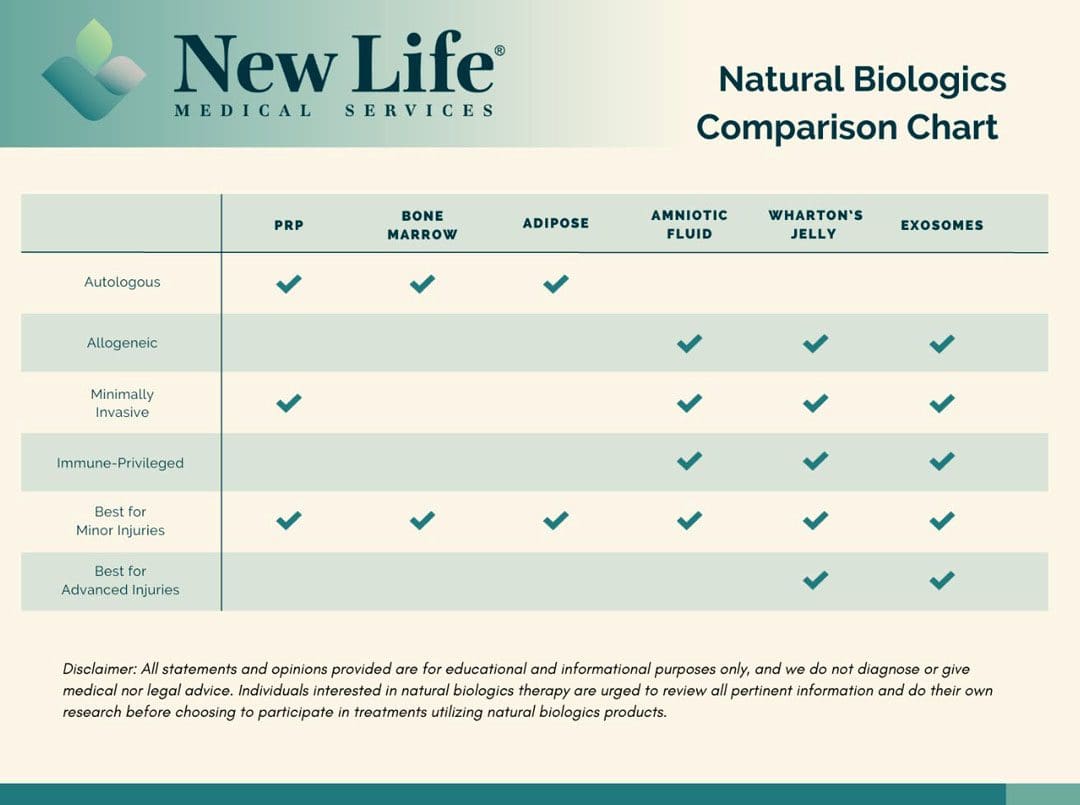
At the time of birth, these components are in abundance but decrease as the body ages. This is why children recover from injuries quicker than adults. Recovery for adults can be slower from a decrease in these natural healing components. The objective of natural biologics treatments is to increase the healing components by reintroducing the body’s own components – autologous – or by bringing in new components – allogeneic – from a donor. (National Institutes of Health 2016) Choosing between the two options depends on an individual’s age and health, as those who are older or in poor physical health may experience complications from inferior component amounts.
Healing components derived from donor sources can show more promise, as treatments are usually acquired from discarded birth tissues at delivery.
Birth tissues are rich in healing components, containing the most abundant collection of natural healing elements.
It’s important to note that there is no harm to the mother or the baby from the obtained tissue products.
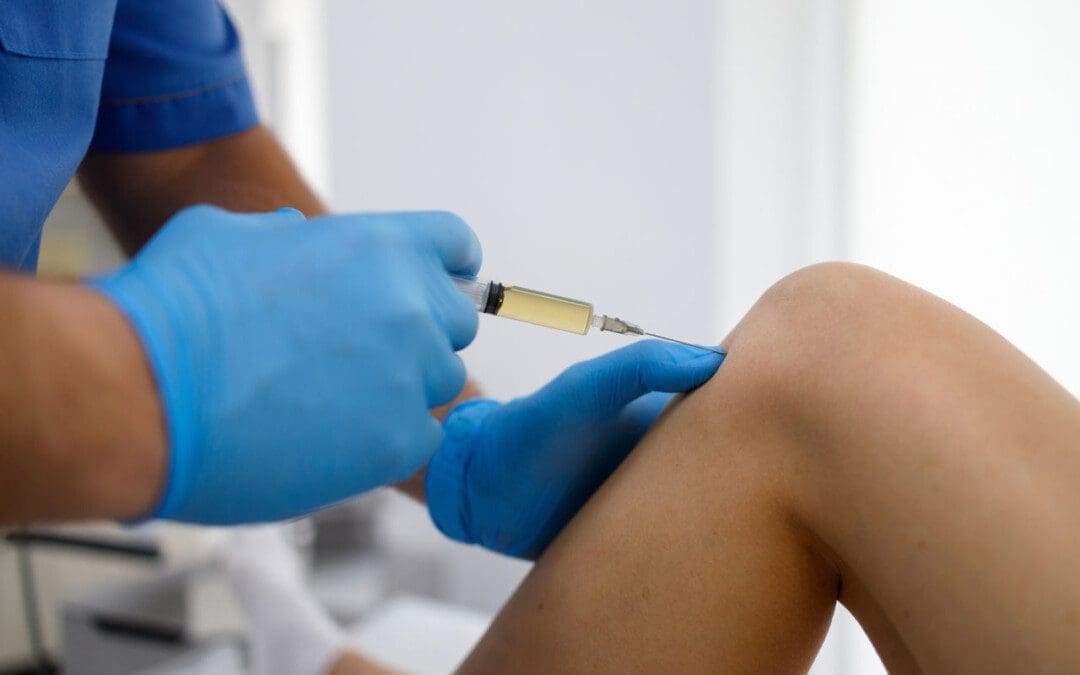
Platelet-rich plasma is cultivated by drawing an individual’s blood and spinning it in a centrifuge to separate the plasma.
The resulting liquid is reinjected into the injured area to generate a healing environment.
This form of natural biologics is effective for individuals with minor injuries that can be repaired easily.
This process is not as effective for older individuals who already have a reduction in natural healing components.
Lifestyle factors such as smoking, unhealthy diet, and alcohol/substance abuse can decrease the effectiveness of PRP treatments.
Bone Marrow Aspirate
This is an invasive, painful process that begins by putting a patient under anesthesia and drilling into the bone to extract the marrow. (American Cancer Society, 2023)
Like PRP, success depends on the individual’s age, health, and lifestyle.
Invasive procedures like this have a higher probability of infection and require a long-term recovery period.
Adipose-Derived Stem Cells
Adipose tissue/fat treatments are collected through a procedure that resembles the process of liposuction.
The procedure is done under general anesthesia and is an invasive process.
The treatment’s success depends on the individual’s health, age, and lifestyle.
There is more risk of infection when choosing this procedure and a long-term recovery period.
Allogeneic Treatment
Donor-based regenerative cells.
Amniotic Fluid Therapy
Amniotic fluid contains various growth factors, cytokines, and anti-inflammatory proteins that may promote tissue repair, reduce inflammation, and stimulate cellular regeneration. (Petra Klemmt. 2012)
Collected at the time of birth, this therapy is an ideal treatment for individuals who have sustained injuries that affect day-to-day functionality.
Physicians and clinicians are utilizing amniotic fluid therapy to treat many conditions, from orthopedic to wound care.
Amniotic fluid is collected at the time of birth and is abundant with increased healing components compared to autologous sources.
Amniotic fluid is immune-privileged (limits or suppresses immune response) and the risk of rejection is rare.
These therapies are usually done in a physician’s office with minimal downtime after treatment.
Wharton’s Jelly
Wharton’s jelly is derived from the umbilical cord at the time of birth and is primarily composed of a gel substance made up of hyaluronic acid and a network of collagen fibers.
Believed to contain a population of mesenchymal stem cells that have the capacity to differentiate into various cell types, and other secreted growth factors and cytokines. (F. Gao, et al., 2016)
It is considered the most valuable source to enhance the healing of various tissues, including bone, cartilage, skin, and nerve tissue.
It is immune-privileged with little risk of rejection and minimal if any, recovery time after an in-office treatment.
Exosomes
Exosomes are small, membrane-bound vesicles that play a role in intercellular communication within the body. (Carl Randall Harrell, et al., 2019)
They contain a variety of bioactive molecules, including proteins, lipids, nucleic acids (like RNA), and signaling molecules.
They serve as vehicles for transferring the signaling molecules from one cell to another, allowing cells to influence the behavior and function of neighboring or distant cells.
They can be collected or isolated from various biological fluids and cell cultures through specialized techniques but are most robust when collected at birth.
The exosomes within the umbilical cord are utilized for tissue repair and regeneration, signaling the cells to promote:
Proliferation – increase in the number of cells through cell division.
Differentiation – the transformation of unspecialized cells into specialized cells.
Tissue healing in damaged or injured areas.
Exosomes from the umbilical cord are immune-privileged with minimal risk of rejection.
Treatments are ideal for increasing cell communication and initiating repair when paired with another source of allogeneic therapy like amniotic fluid or Wharton’s Jelly.
Choosing which natural biologics therapy is the best is different for everyone. When selecting a treatment, it is essential for individuals to consult their primary healthcare provider to determine which application will have optimal results.
Is Motion Key To Healing?
References
Aly R. M. (2020). Current state of stem cell-based therapies: an overview. Stem cell investigation, 7, 8. https://doi.org/10.21037/sci-2020-001
Mazini, L., Rochette, L., Admou, B., Amal, S., & Malka, G. (2020). Hopes and Limits of Adipose-Derived Stem Cells (ADSCs) and Mesenchymal Stem Cells (MSCs) in Wound Healing. International journal of molecular sciences, 21(4), 1306. https://doi.org/10.3390/ijms21041306
Klemmt P. (2012). Application of amniotic fluid stem cells in basic science and tissue regeneration. Organogenesis, 8(3), 76. https://doi.org/10.4161/org.23023
Sabapathy, V., Sundaram, B., V M, S., Mankuzhy, P., & Kumar, S. (2014). Human Wharton’s Jelly Mesenchymal Stem Cells plasticity augments scar-free skin wound healing with hair growth. PloS one, 9(4), e93726. https://doi.org/10.1371/journal.pone.0093726
Gao, F., Chiu, S. M., Motan, D. A., Zhang, Z., Chen, L., Ji, H. L., Tse, H. F., Fu, Q. L., & Lian, Q. (2016). Mesenchymal stem cells and immunomodulation: current status and future prospects. Cell death & disease, 7(1), e2062. https://doi.org/10.1038/cddis.2015.327
Harrell, C. R., Jovicic, N., Djonov, V., Arsenijevic, N., & Volarevic, V. (2019). Mesenchymal Stem Cell-Derived Exosomes and Other Extracellular Vesicles as New Remedies in the Therapy of Inflammatory Diseases. Cells, 8(12), 1605. https://doi.org/10.3390/cells8121605
When individuals experience a neuromusculoskeletal injury strain, can following basic pulled muscle treatment protocols help in healing and a full recovery?
Pulled Muscle Treatment
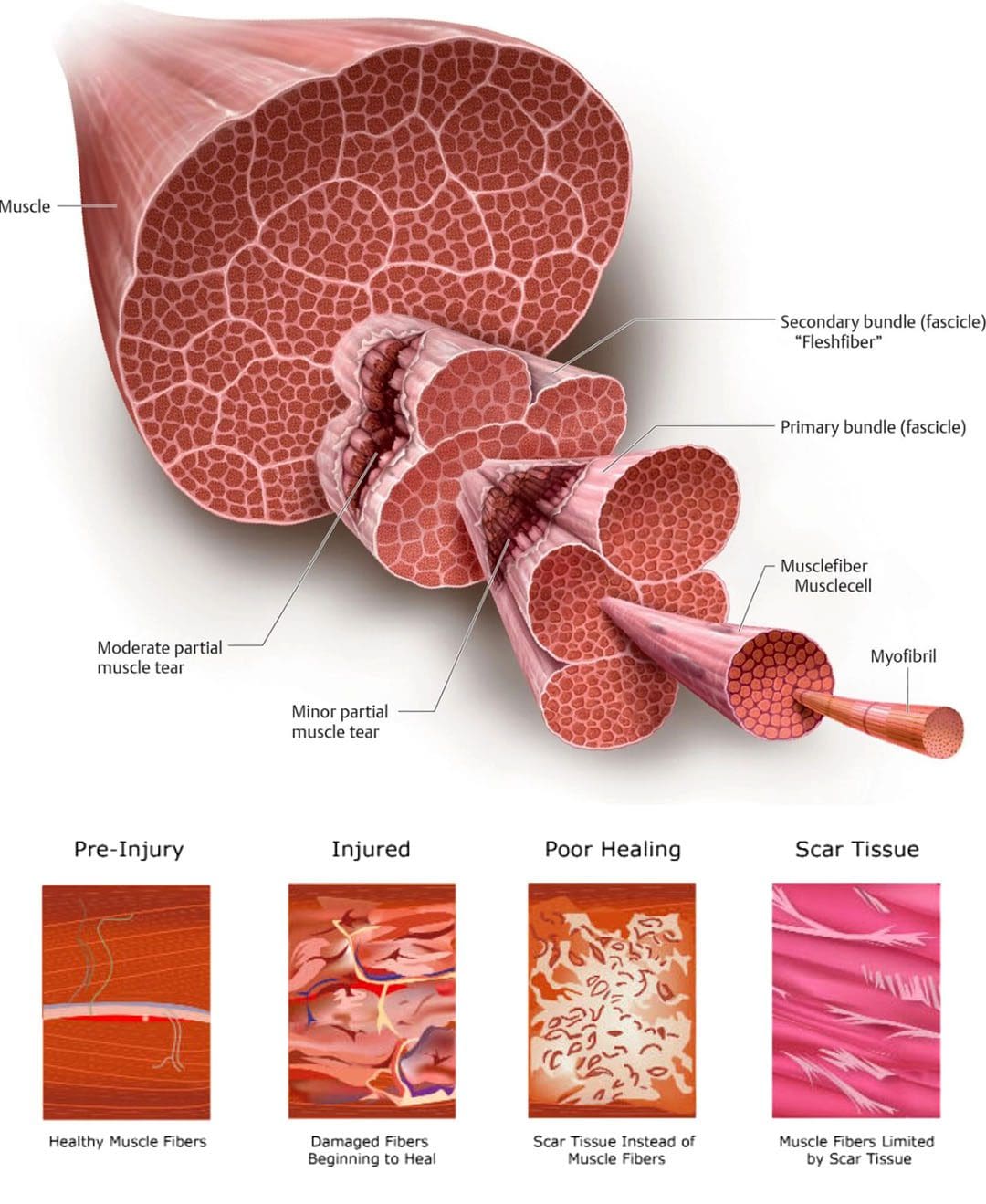
A pulled muscle or muscle strain occurs when a muscle is stretched beyond its ability resulting in discomfort symptoms and mobility issues. Microscopic tears can occur within the muscle fibers potentially worsening the injury. This type of injury usually causes mild to severe pain, bruising, and immobility, and nerve injuries can develop as well. Common muscle strains include:
Pulled hamstrings
Groin strains
Pulled abdominal muscles
Calf strains
Pulled muscle treatment requires patience to promote proper healing and restoration of optimal function.
Individuals need to focus on the different stages of healing.
Gradually increase activity levels as the body allows to prevent stiffness and atrophy which can cause complications.
Symptoms
The usual symptoms of this type of injury include:
Pain
Limited mobility
Muscle spasms
Swelling
Bruising
Often individuals will feel a sudden grabbing or tearing sensation and are then unable to continue the activity.
Can limit the ability to perform certain activities.
May have moderate swelling and bruising.
Grade III
Severe injury that can cause significant pain.
Muscle spasms.
Swelling.
Significant bruising.
Basic Treatment Protocols
Most pulled muscle strain injuries heal with simple treatment. Following the right steps can ensure an expedited recovery. In the early stages after the injury, there is a balance between doing too much or not enough. The amount of activity an individual will be able to do, and the time required for recovery depends on the severity of the injury. Here are some guidelines in the right direction.
Rest
Rest is recommended for the early recovery stage.
Depending on the severity of the injury this could last from one to five days.
Immobilization is usually not necessary, and not moving at all can lead to muscle and joint stiffness.
To avoid injuries make sure the muscles are not over-exerted.
Gradually increase activity levels when starting an exercise program to build endurance.
Properly Warming Up
Warming up before taking on physical activities will help loosen the muscles and prevent injuries.
Beginning work or exercise with stiff muscles can lead to an increased chance of strain.
Studies have shown that temperature can influence the stiffness of a muscle. (K. W. Ranatunga. 2018)
Maintaining body and muscle warmth helps prevent injury and re-injury.
Injuries and Chiropractic: The Road To Recovery
References
Hospital for Special Surgery, Muscle Strain: What You Need to Know About Pulled Muscles.
Kary J. M. (2010). Diagnosis and management of quadriceps strains and contusions. Current reviews in musculoskeletal medicine, 3(1-4), 26–31. https://doi.org/10.1007/s12178-010-9064-5
Malanga, G. A., Yan, N., & Stark, J. (2015). Mechanisms and efficacy of heat and cold therapies for musculoskeletal injury. Postgraduate medicine, 127(1), 57–65. https://doi.org/10.1080/00325481.2015.992719
Mair, S. D., Seaber, A. V., Glisson, R. R., & Garrett, W. E., Jr (1996). The role of fatigue in susceptibility to acute muscle strain injury. The American journal of sports medicine, 24(2), 137–143. https://doi.org/10.1177/036354659602400203
Ranatunga K. W. (2018). Temperature Effects on Force and Actin⁻Myosin Interaction in Muscle: A Look Back on Some Experimental Findings. International journal of molecular sciences, 19(5), 1538. https://doi.org/10.3390/ijms19051538
Can healthcare professionals provide the best non-surgical therapeutic options for individuals with chronic low back pain?
Introduction
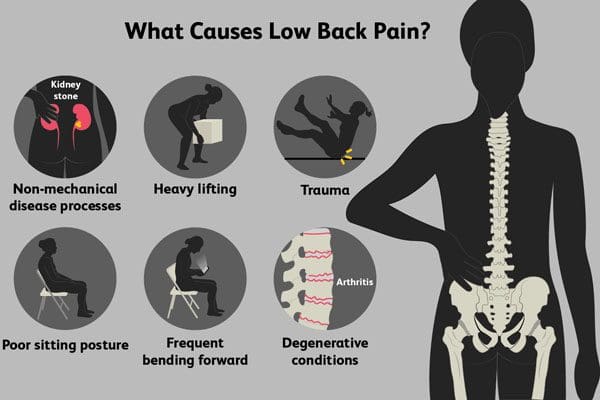
Chronic low back pain can happen to numerous individuals, affecting their daily routine and making them miss out on important life events. With the ever-changing world, many individuals, especially working individuals, will experience chronic low back pain at some point due to unbearable stress that seems to affect the surrounding muscles that protect the lumbar spine. This causes many individuals to overstretch or shorten the muscles that are contributing to lower back pain, which can be the causing factor in the development of lower back pain. At the same time, when individuals suffer from low back pain, it can be imposed as a grave economic cost to society. (Pai & Sundaram, 2004) This, in turn, causes many individuals to miss out on work and be financially burdened as the cost of chronic low back pain treatment is high. However, numerous therapeutic options are cost-effective, safe, and effective in reducing chronic low back pain. Today’s post looks at the effects of chronic low back pain and how many individuals can look at various non-surgical options that many individuals can utilize to reduce chronic low back pain. Coincidentally, we communicate with certified medical providers who incorporate our patients’ information to provide various treatment plans to reduce chronic low back pain. We also inform them that there are non-surgical options to reduce the pain-like symptoms associated with the factors that cause chronic lower back pain. We encourage our patients to ask amazing educational questions to our associated medical providers about their symptoms correlating with body pain in a safe and positive environment. Dr. Alex Jimenez, D.C., incorporates this information as an academic service. Disclaimer
The Effects Of Chronic Low Back Pain
Have you been dealing with chronic pain that flares up in your lower back after a hard workday? Do you feel muscle aches or pains that don’t relieve itself after a day of rest? Or do you and your loved ones take any medication to temporarily relieve your back pain, only to have it come back after a few hours? Many people with chronic low back pain will feel symptoms of stiffness, muscle aches, and radiating pain traveling to their lower extremities. When chronic low back pain is associated with musculoskeletal conditions, it can impact their daily routine. To that point, musculoskeletal disorders correlating with chronic low back pain can encompass a spectrum of conditions and increase naturally over time. (Woolf & Pfleger, 2003) When many individuals are dealing with chronic low back pain, it can become a socio-economic burden that leads to disability. (Andersson, 1999) However, there are numerous options for individuals with chronic lower back pain who can find the relief they need to reduce its effects and will be able to get back to their daily routine.
Understanding Long-Lasting Injuries- Video
Chronic low back pain is when back pain that lasts longer than a few weeks and is one of the most common problems many people experience. When finding relief for chronic low back pain, many individuals will try home remedies to alleviate the pain. However, it can temporarily relieve the issue and mask the symptoms. When individuals see their primary doctor for chronic low back pain, many will seek a personalized plan to reduce chronic low back pain and its associated symptoms. When relieving chronic low back pain, comprehensive pain management treatments often rely on physical therapy, multidisciplinary approaches, and non-surgical options to reduce chronic low back pain. (Grabois, 2005) When understanding how the individual has chronic low back pain, it is important to identify the causes and how it can cause lifelong injuries that can develop into disability. When primary doctors start to utilize non-surgical treatments in their practices, many individuals can find the benefits of non-surgical treatments as they are cost-effective, safe, and gentle on the spine and lumbar region and can be personalized with associated medical providers to reduce pain-like symptoms correlating with chronic low back pain. Check out the video above to learn more about how non-surgical treatments can help reduce chronic low back pain and help revitalize a person’s body through a personalized treatment plan.
Non-Surgical Options For Chronic Low Back Pain
When treating chronic low back pain, non-surgical treatments effectively relieve pain and restore mobility to the back. Non-surgical treatments can be customized to the individual’s pain severity while being cost-effective. When individuals are evaluated for chronic low back pain, they are provided with many healthcare providers to reduce the pain-like symptoms caused by chronic low back pain. (Atlas & Deyo, 2001) Many individuals will incorporate various treatment options like:
Exercises
Spinal Decompression
Chiropractic care
Massage Therapy
Acupuncture
Many of these treatments are non-surgical and incorporate various mechanical and manual manipulation techniques to stretch and strengthen the weak back muscles, elongate the spine through realignment, and help restore movement while reducing symptoms in the lower extremities. When individuals incorporate non-surgical treatments consecutively, they will have a positive experience and feel better in the long run. (Koes et al., 1996)
Koes, B. W., Assendelft, W. J., van der Heijden, G. J., & Bouter, L. M. (1996). Spinal manipulation for low back pain. An updated systematic review of randomized clinical trials. Spine (Phila Pa 1976), 21(24), 2860-2871; discussion 2872-2863. https://doi.org/10.1097/00007632-199612150-00013
As the body ages, individuals want to stay active and maintain a healthy pain free lifestyle. Can regenerative cells for arthritis and cartilage damage be the future of neuromusculoskeletal medicine and joint healing?
Regenerative Cells For Arthritis and Cartilage Damage
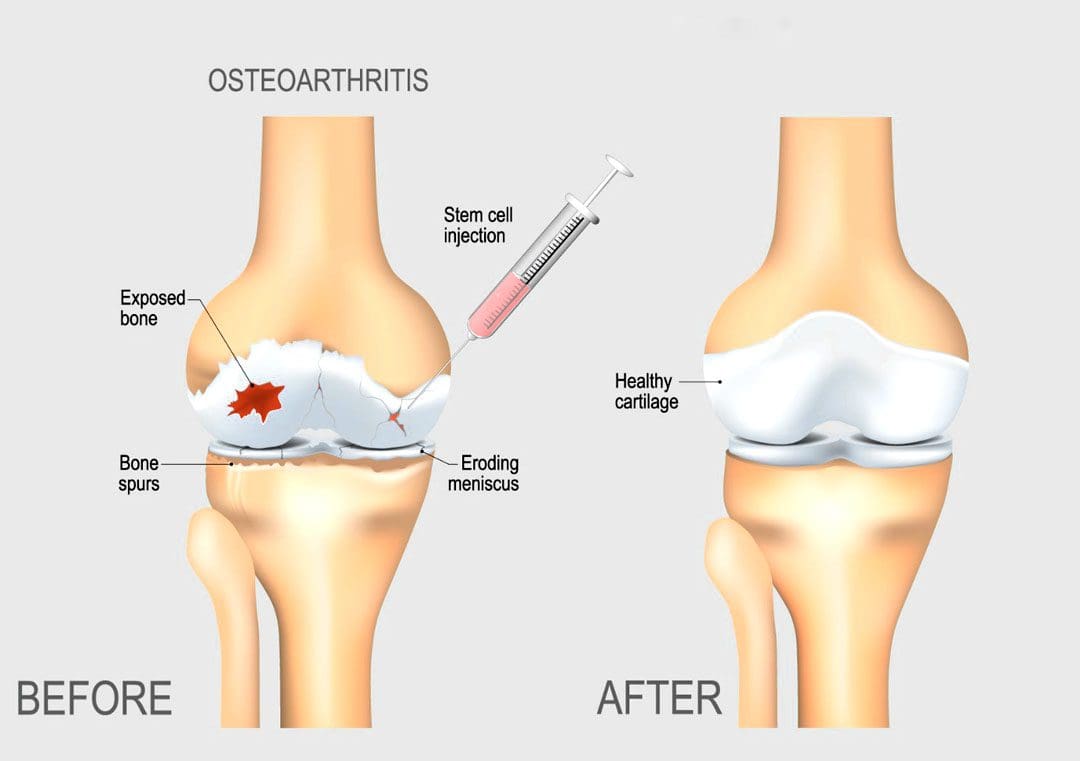
Individuals want to continue to do the physical activities they love, which require healthy joints. Scientists are learning how to harness the abilities of regenerative cells to repair and regrow damaged and deteriorated cartilage. Current stem cell treatment of cartilage problems has not been shown to reverse the effects of arthritis and while studies show clinical improvement, further research is necessary. (Bryan M. Saltzman, et al., 2016)
Cartilage and How It Gets Damaged
Cartilage is a type of connective tissue. In the joints, there are a few types of cartilage. The most commonly referred to is the smooth lining known as articular or hyaline cartilage. This type forms a smooth layer of cushion on the end of a bone at the joint. (Rocky S. Tuan, et al., 2013)
The tissue is very strong and has the ability to compress and absorb energy.
It is very smooth allowing a joint to glide effortlessly through a limb’s range of motion.
When joint cartilage is damaged, the cushioning can wear down.
In traumatic injuries, a sudden force can cause the cartilage to break off and/or suffer damage, that exposes the underlying bone.
In osteoarthritis – degenerative or wear-and-tear arthritis, the smooth layer can wear down thin and unevenly.
Eventually, the cushion wears away, the joints become inflamed and swollen and movements become stiff and painful.
There are treatments for arthritis and cartilage damage, but these treatments are usually focused on relieving symptoms by smoothing down the damaged cartilage or replacing the joint surface with an artificial implant, like knee replacement or hip replacement surgeries. (Robert F. LaPrade, et al., 2016)
Regenerative Cells
Regenerative stem cells are special cells that have the ability to multiply and develop into different types of tissue. In an orthopedic surgery setting for joint problems, stem cells are obtained from adult stem cell primary sources which are bone marrow and fatty tissue. These cells have the ability to develop into cartilage cells, called chondrocytes. (Rocky S. Tuan, et al., 2013)
They also help by stimulating the body to reduce inflammation, stimulate cell repair, and improve blood circulation.
This process is caused by cellular signals and growth factors to stimulate the body to activate the healing processes.
Once stem cells have been obtained, they need to be delivered to the area of cartilage damage.
Cartilage is a complex tissue that is described as a scaffold structure that is composed of collagen, proteoglycans, water, and cells. (Rocky S. Tuan, et al., 2013)
To regenerate cartilage, the complex tissues must also be reconstructed.
There are studies on types of tissue scaffolds engineered to recreate a similar type of cartilage structure.
The stem cells can then be injected into the scaffold, in hopes of restoring a normal type of cartilage.
Non-Surgical Arthritis Treatments
Standard treatments such as cortisone shots or physical therapies work as well and provide benefits that could be utilized in combination with regenerative cells for arthritis and cartilage damage in the near future. Data takes time and therefore how this impacts the long-term health of a joint needs continued research in terms of tissue engineering and cell delivery to determine the best approach to help individuals.
Arthritis
References
LaPrade, R. F., Dragoo, J. L., Koh, J. L., Murray, I. R., Geeslin, A. G., & Chu, C. R. (2016). AAOS Research Symposium Updates and Consensus: Biologic Treatment of Orthopaedic Injuries. The Journal of the American Academy of Orthopaedic Surgeons, 24(7), e62–e78. https://doi.org/10.5435/JAAOS-D-16-00086
Saltzman, B. M., Kuhns, B. D., Weber, A. E., Yanke, A., & Nho, S. J. (2016). Stem Cells in Orthopedics: A Comprehensive Guide for the General Orthopedist. American journal of orthopedics (Belle Mead, N.J.), 45(5), 280–326.
Tuan, R. S., Chen, A. F., & Klatt, B. A. (2013). Cartilage regeneration. The Journal of the American Academy of Orthopaedic Surgeons, 21(5), 303–311. https://doi.org/10.5435/JAAOS-21-05-303
Individuals striving to be healthy may not know where or how to start. Can hiring a health coach help individuals start their wellness journey and reach their goals?
Hiring A Health Coach
It’s easy to get caught up in the desire to make changes, but it is another thing to actually set a consistent plan in motion. Hiring a health coach can help individuals understand the information, develop an effective wellness routine that suits their lifestyle, and achieve health and wellness goals. A primary healthcare provider could be a resource and have referrals to reputable health coaches in the area.
What Do They Do?
Health coaches are experts in helping individuals reach health and wellness goals. This can be:
Reducing stress
Improving self-care
Focusing on nutrition
Starting exercise
Improving quality of life
A health coach helps create a plan and makes it happen.
Health and wellness coaches use motivational interviewing and evidence-based approaches to empower individuals in their wellness journey. (Adam I Perlman, Abd Moain Abu Dabrh. 2020)
They help identify areas that need improvement, develop a plan, and encourage the individual all the way like a personal fitness trainer.
Health coaches work with physicians and/or other health professionals in a clinical setting or as individual providers.
Their role is to provide a holistic approach to health and wellness.
A health coach is someone who helps organize and balance various aspects of an individual’s life so they can learn to maintain optimal health.
They will help overcome barriers when struggling.
A health coach listens and provides support for whatever an individual’s goals may be.
A health coach is there until the goal is reached.
Qualifications
It is important to ensure the providers being considered have the necessary qualifications. Because some certification programs offer a focus on specific areas like nutrition, it’s recommended to identify what is needed before choosing a health coach. Health coaches do not need a university degree, however, many certifications are affiliated with colleges and have educational partnerships that qualify coursework and award college credits. Training to become a health coach consists of: (Shivaun Conn, Sharon Curtain 2019)
Health
Fitness
Goal setting
Coaching concepts
Nutritional concepts
Motivational interviewing
Stress management
Changing behaviors
Health Goal Examples
Health coaching is not a one-size-fits-all approach. A primary healthcare provider or physician provides a diagnosis and medical plan, and a health coach helps guide and support the individual through the plan. However, hiring a health coach does not require a medical condition to employ services. A few examples of health goals that health coaches address include:
There are many types of health coaches and some may specialize, therefore try to determine the expertise needed to achieve the goals.
Budget
Determine how much money will be invested, as many insurance providers do not cover the cost of a health coach.
Health coaches may charge between $50 to $300 per session.
Some will offer packages, memberships, and/or discounts.
Certifications
Look into their certification.
Is it accredited?
This will ensure choosing a coach who has received the training and expertise needed to provide quality care.
Compatibility
Consult with potential coaches.
Ask questions and see if they are compatible with specific health goals.
Interview as many as needed.
Availability/Location
Virtual sessions, in-person meetings, and/or a combination?
How long are the sessions?
Frequency of meetings?
Finding a coach that is flexible and convenient will help maintain a healthy coach/client relationship.
Multidisciplinary Evaluation and Treatment
References
Perlman, A. I., & Abu Dabrh, A. M. (2020). Health and Wellness Coaching in Serving the Needs of Today’s Patients: A Primer for Healthcare Professionals. Global advances in health and medicine, 9, 2164956120959274. https://doi.org/10.1177/2164956120959274
Conn, S., & Curtain, S. (2019). Health coaching as a lifestyle medicine process in primary care. Australian journal of general practice, 48(10), 677–680. https://doi.org/10.31128/AJGP-07-19-4984
Individuals dealing with various conditions and diseases and ongoing research to find treatments, where do human regenerative cells come from?
Regenerative Cells
Regenerative cells are stem cells that are specialized to potentially develop into many different types of cells. They are unlike any other cell because:
Being unspecialized they have no specific function in the body.
They can become specialized cells like – brain, muscle, and blood cells.
They can divide and renew continually for a long period.
Blood stem cells are currently the only type that is regularly used in treatment.
For leukemia or lymphoma, only adult cells are used in a procedure known as a bone marrow transplant. (Cleveland Clinic. 2023)
For regenerative cell research, the cells can come from different sources, including adult donors, genetically altered human cells, or embryos.
Bone Marrow Transplants
Bone marrow cells produce all of the body’s blood cells, including red and white blood, and platelets.
Hematopoietic stem cells are those found in bone marrow that is the parent for the different types of cells.
Hematopoietic cells are transplanted in individuals with cancer to replenish bone marrow.
The procedure is often used during high-dose chemotherapy that destroys the existing cells in the bone marrow.
Donated stem cells are injected into a vein and settle in the bone marrow where they begin to produce new healthy blood cells. (Cleveland Clinic. 2023)
Peripheral Blood Transplants
For some time the only source to extract hematopoietic cells was from bone marrow.
Researchers found that many of these cells were freely circulating in the blood.
Scientists learned how to extract the cells from the blood and transplant them directly.
This type of transplant is a peripheral blood stem cell transplant/PBSCT and has become the more common procedure, however, both methods are still used. (Cleveland Clinic. 2023)
PBSCT is less invasive and does not require the removal of marrow from the hip bone.
Somatic Cells
Adult stem cells are called somatic and are acquired from a donor.
Embryonic stem cells were first grown in a laboratory in 1998 for reproductive research, which created controversy because they were extracted from human embryos that were destroyed or harvested for science. Today their primary use is for research into treatments and potential cures for:
Embryonic cells are pluripotent, which means they can grow into the three types of germ cell layers – ectoderm, mesoderm, and endoderm – that make up the human body and can develop into each of the more than 200 types of cells. (National Institutes of Health. 2016)
Induced Pluripotent Cells
Induced pluripotent stem cells/iPSCs are somatic cells that have been genetically reprogrammed to behave like embryonic cells.
Simara, P., Motl, J. A., & Kaufman, D. S. (2013). Pluripotent stem cells and gene therapy. Translational research : the journal of laboratory and clinical medicine, 161(4), 284–292. https://doi.org/10.1016/j.trsl.2013.01.001
Finkbeiner, S. R., & Spence, J. R. (2013). A gutsy task: generating intestinal tissue from human pluripotent stem cells. Digestive diseases and sciences, 58(5), 1176–1184. https://doi.org/10.1007/s10620-013-2620-2
Al-Shamekh, S., & Goldberg, J. L. (2014). Retinal repair with induced pluripotent stem cells. Translational research : the journal of laboratory and clinical medicine, 163(4), 377–386. https://doi.org/10.1016/j.trsl.2013.11.002
Back problems and discomfort symptoms are a common ailment that many types of healthcare providers diagnose and treat it. Can knowing a little about what each back pain specialist does and what they have to offer help in choosing a provider?
Back Pain Specialists
Nowadays individuals have options for treating back pain. Primary healthcare providers, general practitioners, pediatricians, and emergency room workers are usually the first to examine the injury or problem. If they are unable to properly diagnose or treat the injury, they will refer the individual to a specialist. Specialists include:
Osteopaths
Chiropractors
Orthopedists
Rheumatologists
Neurologists
Neurosurgeons.
They specialize in chronic conditions and diseases like arthritis or problems like herniated discs. Complementary and alternative providers treat individuals solely or with help from a care team. They look at the whole body and focus on improving overall function.
Family and General Practitioners
When neck or back pain begins a regular doctor that’s usually a family or general practitioner/GP or primary care provider PCP is a recommended place to start. They will:
Order diagnostic tests.
Recommend exercises and stretches.
Prescribe medication.
Refer the patient to a physical therapist or other back pain specialist.
However, studies suggest general providers can be uninformed and slow to adopt new back treatments. (Paul B. Bishop, Peter C. Wing. 2006) It is recommended to research possible treatment options, ask a lot of questions during an appointment, and ask or request a referral to a specialist.
Pediatricians
Pediatricians diagnose and treat children. They cover a wide range of issues including back problems and injuries. As with a general practitioner or primary care provider, a child’s pediatrician is the place to start. Depending on the child’s needs, they’ll refer them to the proper specialist.
Emergency Healthcare Providers
When there is serious neck or back trauma, individuals need to go to the emergency room. Trauma can include automobile collisions, sports accidents, work accidents, and/or personal home accidents. Someone with a possible spinal injury should not be moved. (W Yisheng, et al., 2007) Go to the ER if there is back pain with loss of bowel or bladder control, or the legs become progressively weaker. These are symptoms of an emergency condition known as cauda equina syndrome. (American Association of Neurological Surgeons. 2023)
Orthopedists
Orthopedists and orthopedic surgeons treat the musculoskeletal system, which includes:
Muscles
Bones
Joints
Connective tissues
Cartilage
Common orthopedic issues include:
Repetitive stress injuries
Sports injuries
Bursitis
Tendonitis
Ruptured discs
Nerve impingement
Scoliosis
Osteoporosis
Osteoarthritis
Orthopedics can overlap with other specialties. As orthopedists and rheumatologists both treat arthritis and orthopedic surgeons and neurosurgeons do some of the same procedures that include spinal fusions and discectomies.
Rheumatologists
A rheumatologist treats autoimmune, inflammatory, and musculoskeletal conditions that can include different types of arthritis, lupus, and Sjogren’s syndrome. A primary care provider may refer a patient to a rheumatologist if they have symptoms that include:
Sacroiliitis – inflammation of the sacroiliac joint at the base of the spine.
Axial spondylosis – a form of spinal arthritis.
Axial spondylosis – spinal arthritis that causes the bones to fuse together.
Rheumatologists can also treat spinal stenosis or advanced osteoarthritis as they overlap with orthopedists.
Neurologists
A neurologist specializes in the function of the nervous system. They treat disorders of the brain, spinal cord, and nerves that include:
Parkinson’s disease
Multiple sclerosis
Alzheimer’s disease
Chronic back or neck pain
They are experts in the origins of pain. (David Borsook. 2012) However, a neurologist does not perform spine surgery.
Neurosurgeons
A neurosurgeon specializes in nervous system surgical procedures that include the brain, spine, and spinal cord. However, neurosurgeons do not provide overall treatment for back pain because they are usually the last to be seen after exhausting all other treatment options.
Osteopaths
An osteopath is a licensed physician who practices medicine using conventional treatments and osteopathic manipulative medicine. They have the same education as an MD plus 500 hours of musculoskeletal system studies. (National Library of Medicine. 2022) They take the same exams and are licensed as an MD. Many osteopaths are primary care providers. For back pain, they will focus on:
Posture rehabilitation and training.
Stretching
Therapeutic massage
Spinal manipulation
The goal is to relieve pain and muscle tension, increase mobility, and improve musculoskeletal function.
Physiatrists
Physiatrists are holistic providers that focus on physical function. They can be thought of as a primary care provider plus a physical therapist. These back pain specialists provide rehabilitation for various types of conditions and injuries including:
Back pain
Sports injuries
Stroke
Often they will coordinate a team of specialists to develop a targeted treatment plan.
Chiropractor
Chiropractic is a hands-on alternative medicine. The goal is to restore neuromusculoskeletal function by realigning the spine to its proper form. They do this with spinal manipulations, non-surgical mechanical decompression, traction, and massage techniques. (Michael Schneider, et al., 2016)
The purpose of most chiropractic adjustments is to relax and retrain tight muscles and increase flexibility.
Chiropractic helps to relieve stiff muscles and restore range of motion.
Individuals may not be referred to a chiropractor if they:
Have loose-joints
Have connective tissue problems or conditions.
Have osteoporosis/thinning bones
All types of back pain specialists provide various forms of therapy that may be able to help.
Spinal Decompression in Depth
References
Bishop, P. B., & Wing, P. C. (2006). Knowledge transfer in family physicians managing patients with acute low back pain: a prospective randomized control trial. The spine journal : official journal of the North American Spine Society, 6(3), 282–288. https://doi.org/10.1016/j.spinee.2005.10.008
Yisheng, W., Fuying, Z., Limin, W., Junwei, L., Guofu, P., & Weidong, W. (2007). First aid and treatment for cervical spinal cord injury with fracture and dislocation. Indian journal of orthopaedics, 41(4), 300–304. https://doi.org/10.4103/0019-5413.36991
Schneider, M., Murphy, D., & Hartvigsen, J. (2016). Spine Care as a Framework for the Chiropractic Identity. Journal of chiropractic humanities, 23(1), 14–21. https://doi.org/10.1016/j.echu.2016.09.004
IFM's Find A Practitioner tool is the largest referral network in Functional Medicine, created to help patients locate Functional Medicine practitioners anywhere in the world. IFM Certified Practitioners are listed first in the search results, given their extensive education in Functional Medicine