Fans of almonds may have noticed that they can go stale and taste awful. Can knowing how to store almonds help extend their shelf life?
Almonds
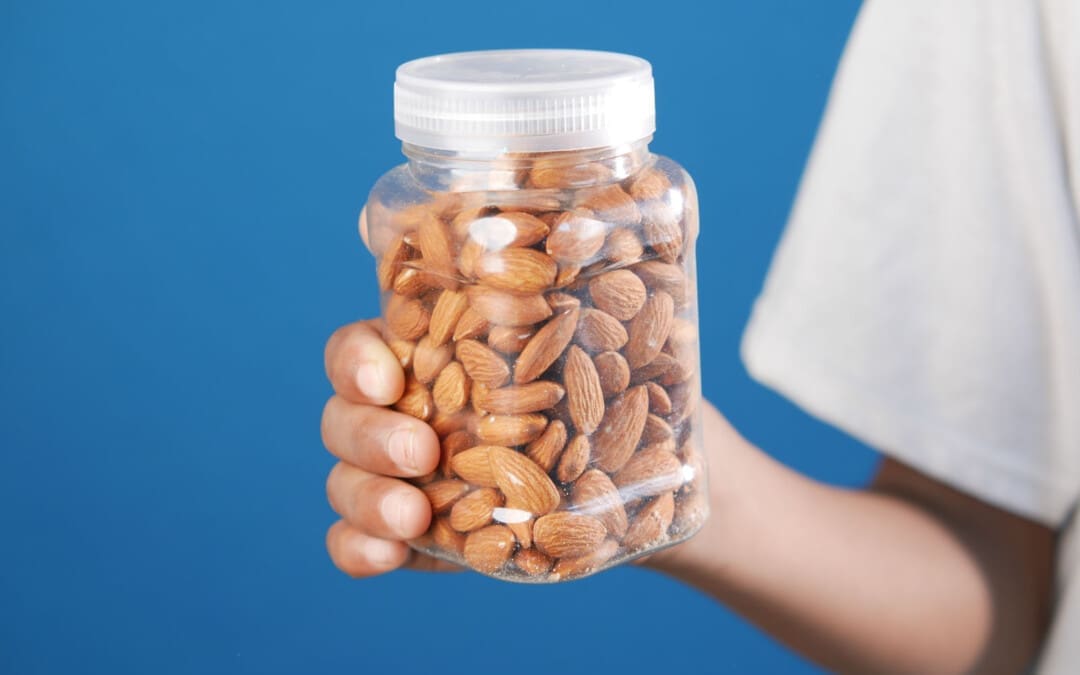
Almonds are a healthy, satisfying snack rich in nutrients, including fiber and protein. However, they can go stale and should not be eaten. Whole almonds stay fresh the longest because chopped, roasted, or ground almonds release their oils, which are exposed to more oxygen and go rancid more quickly.
Storage
They should be stored in an airtight container in the refrigerator or freezer for extended life. They are not recommended to be stored at room temperature for long periods, so storing them in the pantry is not recommended. However, enough for a snack can be taken from storage for a day or two while keeping the rest safe and fresh.
Natural almonds can be stored in the refrigerator or freezer for two years or more.
Roasted almonds can stay fresh for up to a year in an airtight container in the refrigerator or freezer.
Almond paste is recommended to be refrigerated and can stay fresh for 2 to 2 1/2 years.
Rancidity
Almonds are rich in omega-3 and monounsaturated fats, so they are recommended for heart health. (Cleveland Clinic, 2023) However, the fats become rancid if the almonds are exposed to oxygen, especially at room temperature. Rancid oil gives the stale almonds a bad taste. Spoiled almonds are not poisonous, but the fats no longer benefit health. It is possible that rancid fat could contribute to chronic health problems if consumed regularly. (Estévez M. et al., 2017) Almonds last longer than other nuts because they contain some phytochemical antioxidants that protect the nuts. So, if they taste bad, it’s time to throw them out. (University of California Agriculture and Natural Resources, 2010)
Salmonella
Salmonella is a bacteria that causes symptoms of food-borne illness, including upset stomach, vomiting, diarrhea, and fever. Almonds are generally safe from salmonella. However, raw almonds were responsible for two salmonella outbreaks in the United States and Canada. Salmonella outbreaks have also been reported in Australia. In response to those cases, the nuts now must be roasted, blanched, processed, steamed, or treated with a gas called propylene oxide. And none of these treatments remove the nutritional benefits.
Injury Medical Chiropractic and Functional Medicine Clinic
Injury Medical Chiropractic and Functional Medicine Clinic providers use an integrated approach to create customized care plans for each patient and restore health and function to the body through nutrition and wellness, chiropractic adjustments, functional medicine, acupuncture, Electroacupuncture, and sports medicine protocols. If the individual needs other treatment, they will be referred to a clinic or physician best suited for them. Dr. Jimenez has teamed up with top surgeons, clinical specialists, medical researchers, nutritionists, and health coaches to provide the most effective clinical treatments.
Functional Nutrition
References
Almond Board of California. (2024). Shelf Stability and Shelf Life. https://www.almonds.com/tools-and-resources/food-safety-and-quality/shelf-stability-and-shelf-life
Estévez, M., Li, Z., Soladoye, O. P., & Van-Hecke, T. (2017). Health Risks of Food Oxidation. Advances in food and nutrition research, 82, 45–81. https://doi.org/10.1016/bs.afnr.2016.12.005
University of California Agriculture and Natural Resources. (2010). Nuts: Safe Methods for Consumers to Handle, Store, and Enjoy. https://ucfoodsafety.ucdavis.edu/sites/g/files/dgvnsk7366/files/inline-files/44384_0.pdf
For individuals dealing with finger injuries, which can occur from various causes, including overuse, jobs, sports, and more, can knowing the cause of finger pain help healthcare providers determine what steps to take for treatment?
Finger Injuries
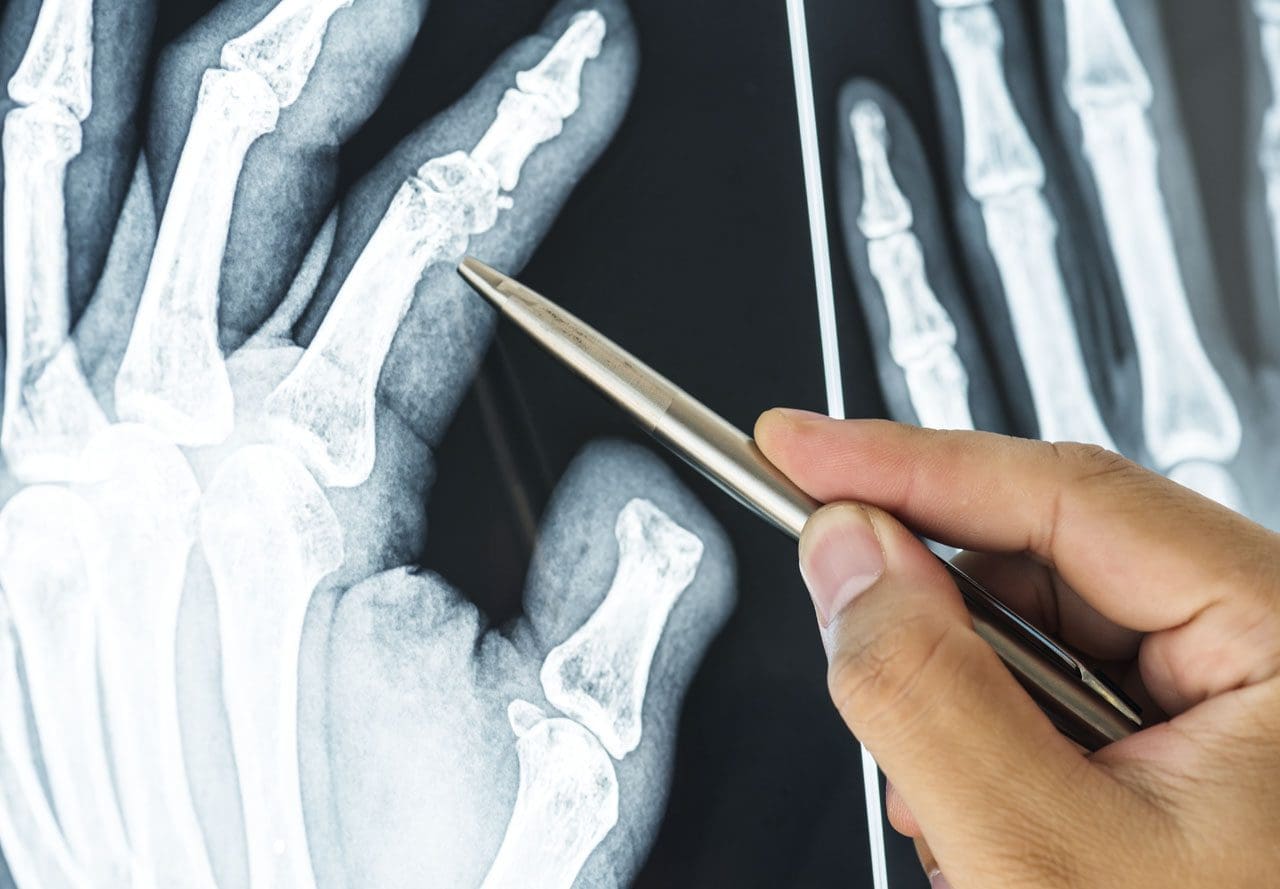
Finger injuries are common and can range from minor to serious. (van Veenendaal L. M. et al., 2014) Symptoms can result from an acute injury, including broken fingers and sprains, or chronic conditions like arthritis.
Fractures
Finger fractures can vary and can be serious and lead to permanent damage, deformity, and loss of function if not treated properly. What is important is that fractures are appropriately diagnosed so the proper treatment plan can be initiated. Most finger fractures can be addressed with simple treatments, while others may require surgery. (Oetgen M. E., and Dodds S. D. 2008)
Sprain and Dislocation
Sprains and dislocations are common finger injuries. (Prucz R. B. and Friedrich J. B. 2015) Both damage the ligaments that support the finger joints. In more severe injuries, a dislocation can occur, necessitating the finger to be put back into place or reduced. Individuals with a sprain or dislocation often notice finger swelling or stiffness for months after the injury.
Ligament Damage
Some call this injury skier’s or gamekeeper’s thumb, which results from a specific type of thumb dislocation. Here, the ulnar collateral ligament of the thumb is damaged. This ligament helps keep the thumb stable and supports grip and hand strength. However, this type of ligament injury often requires surgery. (Christensen T. et al., 2016)
Arthritis
Arthritis causes damage to normal joint surfaces where two bones come together. Fingers are one of the most common locations where arthritis occurs. (Spies C. K. et al., 2018) Two types of arthritis commonly affect the fingers: osteoarthritis and rheumatoid arthritis.
Arthritis of The Thumb
Arthritis of the thumb usually occurs at the joint where the thumb meets the wrist. This joint called the carpometacarpal/CMC joint, helps with gripping and pinching. Thumb arthritis is more common in women than men and increases in frequency over 40. (Deveza L. A. et al., 2017)
Trigger Finger
Trigger finger or stenosing tenosynovitis, is a common injury that causes pain and snapping of the fingers’ tendons, resulting in a sensation of locking or catching when bending and straightening the digits. (Makkouk A. H. et al., 2008) Other symptoms include pain and stiffness in the fingers and thumb. Treatments can vary from observation, rest, splinting, injections, and surgery.
Tendon Injuries
Mallet finger
A mallet finger is an injury to the tip of the finger. Usually, it occurs when the end of a straightened finger or thumb is hit, jamming the finger. After the injury, the individual may notice that they cannot fully straighten the tip of the finger. Treatment almost always uses a splint that has to stay on for about six weeks without removal. (Alla, S. R., Deal, N. D., and Dempsey, I. J. 2014) Very rarely is a surgical procedure necessary.
Jersey Finger
This is an injury to the finger flexor tendon. The flexor tendon pulls the finger into the palm when contracting the forearm flexor muscles. The injury occurs at the tip of the finger; typically, the tendon snaps back to the finger’s base or into the palm.
Ring Injuries
Injuries to the finger while wearing wedding bands or other finger jewelry can lead to serious complications. Even minor injuries can have devastating complications if the severity of the injury is not recognized and addressed. If an injury occurs while wearing the jewelry and there is soft tissue damage, including blood circulation being cut off, immediate medical attention is necessary.
Other Injuries
Bruises
The most common finger injury is caused by direct trauma to the skin and muscles. Symptoms include pain, swelling, tenderness, and discoloration of the skin.
Cuts and Scrapes
These can range from minor to more serious, such as injuries that cut through blood vessels, nerves, and tendons.
Injury Medical Chiropractic and Functional Medicine Clinic
After the initial inflammation and swelling have subsided, a doctor will recommend a treatment plan that usually involves physical therapy, self-performed physical rehabilitation, or supervision by a physical therapist or team. At Injury Medical Chiropractic and Functional Medicine Clinic, our areas of practice include Chronic Pain, Personal Injury, Auto Accident Care, Work Injuries, Back Injury, Low Back Pain, Neck Pain, Migraine Headaches, Sports Injuries, Severe Sciatica, Scoliosis, Complex Herniated Discs, Fibromyalgia, Chronic Pain, Complex Injuries, Stress Management, Wellness & Nutrition, Functional Medicine Treatments, and in-scope care protocols. We focus on what works for you to relieve pain and restore function. If other treatment is needed, individuals will be referred to a clinic or physician best suited to their injury, condition, and/or ailment.
Sports Injury Rehabilitation
References
van Veenendaal, L. M., de Klerk, G., & van der Velde, D. (2014). A painful finger as first sign of a malignancy. Geriatric orthopaedic surgery & rehabilitation, 5(1), 18–20. https://doi.org/10.1177/2151458514522125
Oetgen, M. E., & Dodds, S. D. (2008). Non-operative treatment of common finger injuries. Current reviews in musculoskeletal medicine, 1(2), 97–102. https://doi.org/10.1007/s12178-007-9014-z
Prucz, R. B., & Friedrich, J. B. (2015). Finger joint injuries. Clinics in sports medicine, 34(1), 99–116. https://doi.org/10.1016/j.csm.2014.09.002
Christensen, T., Sarfani, S., Shin, A. Y., & Kakar, S. (2016). Long-Term Outcomes of Primary Repair of Chronic Thumb Ulnar Collateral Ligament Injuries. Hand (New York, N.Y.), 11(3), 303–309. https://doi.org/10.1177/1558944716628482
Spies, C. K., Langer, M., Hahn, P., Müller, L. P., & Unglaub, F. (2018). The Treatment of Primary Arthritis of the Finger and Thumb Joint. Deutsches Arzteblatt international, 115(16), 269–275. https://doi.org/10.3238/arztebl.2018.0269
Deveza, L. A., Hunter, D. J., Wajon, A., Bennell, K. L., Vicenzino, B., Hodges, P., Eyles, J. P., Jongs, R., Riordan, E. A., Duong, V., Min Oo, W., O’Connell, R., & Meneses, S. R. (2017). Efficacy of combined conservative therapies on clinical outcomes in patients with thumb base osteoarthritis: protocol for a randomised, controlled trial (COMBO). BMJ open, 7(1), e014498. https://doi.org/10.1136/bmjopen-2016-014498
Makkouk, A. H., Oetgen, M. E., Swigart, C. R., & Dodds, S. D. (2008). Trigger finger: etiology, evaluation, and treatment. Current reviews in musculoskeletal medicine, 1(2), 92–96. https://doi.org/10.1007/s12178-007-9012-1
Alla, S. R., Deal, N. D., & Dempsey, I. J. (2014). Current concepts: mallet finger. Hand (New York, N.Y.), 9(2), 138–144. https://doi.org/10.1007/s11552-014-9609-y
Can individuals dealing with back pain find treatment to reduce gut pain associated with SIBO to improve body health?
Introduction
Many individuals have noticed that when it comes to improving their health and well-being, many will incorporate small changes into their daily routines. From exercising for at least 30 minutes to incorporating healthy nutritional foods into their diet, many people don’t realize that the best way to have a healthy style starts with the gut. The gut system helps the body digest food and nutrients to be transported to the body, helps regulate growth and metabolism, and provides immune support to all the organ systems. However, when harmful pathogens and environmental factors start to impact the gut, it can cause the development of harmful pathogens inside the gut system and, over time, cause overlapping risk profiles in the body. This leads to gut dysfunction and musculoskeletal issues in the individual and can cause pain and discomfort if not treated right away. Luckily, numerous ways exist to improve gut health and reduce musculoskeletal issues. Today’s article focuses on a gut issue known as SIBO, how SIBO is correlated with back pain, and what treatments can help reduce SIBO. We talk with certified associated medical providers who provide our patients’ information to assess and identify how SIBO is correlated with back pain. We also inform patients while asking their associated medical provider intricate questions to formulate customized treatment plans to reduce the effects of SIBO and help restore gut health. Dr. Alex Jimenez, D.C., includes this information as an academic service. Disclaimer.
What is SIBO?
How often do you feel general aches or pain in your gut or around your lower back? Do you constantly feel tired throughout the day, even after a full night’s rest? Or have you been constantly feeling constipated or bloated after eating a meal? Many of these scenarios are associated with a gut issue known as SIBO or small intestinal bacterial overgrowth. Before diving into what SIBO is, it is important to see the gut’s main function to the body. Known as the second brain of the body, the gut system is home to trillions of good bacteria that help with food digestion and protect the body from bad bacteria. When environmental factors like poor dieting, physical inactivity, or inflammatory effects affect the body, the gut’s delicate ecosystem is also affected. This can cause gut dysfunction to the body and, over time, when it is not being treated, lead to SIBO.
SIBO is the presence of excess bad bacteria in the small intestines, which causes protective barriers that help the small intestines weaken. (Sorathia et al., 2024) Additionally, SIBO can correlate with conditions as it can accompany other gut issues by stimulating the immune system. (Banaszak et al., 2023) When the immune system becomes hyperactively stimulated by SIBO, it can cause the inflammatory cytokines to mass produce and cause a ripple effect on the entire body. Since inflammation is the body’s natural response to remove harmful pathogens that cause issues, mass production of inflammatory cytokines in the gut can cause toxins and bad bacteria to enter the bloodstream and travel to different body areas to cause pain. At the same time, SIBO can disrupt the gut-brain axis, which leads to intestinal motility changes and secretion, thus causing overlapping risk profiles like back pain to affect the body. (Carter et al., 2023)
Eating Right to Feel Better- Video
How Does Back Pain Correlate With SIBO?
Now, many people are wondering how back pain is correlated with SIBO. Since SIBO causes the immune system to be hyperactive and mass-produce inflammatory cytokines to reduce the integrity and function of the gastrointestinal barrier, it can cause chronic inflammation and induce pain, which includes musculoskeletal conditions like back pain. (Hui et al., 2023) Additionally, the gut-brain axis being over-runed by SIBO and chronic inflammation being an overlapping risk factor can cause negative influences on the gut microbiome composition, and how the individual reacts to the changes can lead to abnormal bone growth and reabsorption due to the excess bacteria. (Geng et al., 2023) The excess bacteria produced by SIBO can affect intervertebral disc homeostasis and, when combined with environmental factors, can further enhance the inflammatory damage to the back muscles. (Yao et al., 2023) However, there are ways to not only reduce the back pain but also treat SIBO from causing more issues in the gut.
Treatments To Reduce SIBO
When it comes to treating SIBO, it depends on what treatment a person will be combined. The main goals for creating a treatment plan for SIBO are:
Reducing the bad bacteria
Bio-transform the gut
Preventing a relapse
Additionally, many individuals can make small changes in their routine by making dietary changes that can modify the intestinal microbiota. (Souza et al., 2022) This, in turn, helps promote gut health and replenish the nutrients while restoring the good bacteria to the gut. Regarding back pain associated with SIBO, chiropractic care can help individuals decrease or alleviate musculoskeletal symptoms by realigning the spine while massaging the muscles. This can help increase circulation while soothing the inflammatory effects caused by SIBO. Chiropractic care can be implemented as part of a person’s customizable treatment plan through a whole body approach by incorporating lifestyle changes and restoring gut health. By making these small changes with the right treatments to manage the overlapping symptoms caused by SIBO, many individuals can make these small changes to their routine to prevent SIBO from reappearing and causing issues in the body.
References
Banaszak, M., Gorna, I., Wozniak, D., Przyslawski, J., & Drzymala-Czyz, S. (2023). Association between Gut Dysbiosis and the Occurrence of SIBO, LIBO, SIFO and IMO. Microorganisms, 11(3). https://doi.org/10.3390/microorganisms11030573
Carter, J., Bettag, J., Morfin, S., Manithody, C., Nagarapu, A., Jain, A., Nazzal, H., Prem, S., Unes, M., McHale, M., Lin, C. J., Hutchinson, C., Trello, G., Jain, A., Portz, E., Verma, A., Swiderska-Syn, M., Goldenberg, D., & Kurashima, K. (2023). Gut Microbiota Modulation of Short Bowel Syndrome and the Gut-Brain Axis. Nutrients, 15(11). https://doi.org/10.3390/nu15112581
Geng, Z., Wang, J., Chen, G., Liu, J., Lan, J., Zhang, Z., & Miao, J. (2023). Gut microbiota and intervertebral disc degeneration: a bidirectional two-sample Mendelian randomization study. J Orthop Surg Res, 18(1), 601. https://doi.org/10.1186/s13018-023-04081-0
Hui, J., Chen, Y., Li, C., Gou, Y., Liu, Y., Zhou, R., Kang, M., Liu, C., Wang, B., Shi, P., Cheng, S., Yang, X., Pan, C., Jia, Y., Cheng, B., Liu, H., Wen, Y., & Zhang, F. (2023). Insight into the Causal Relationship between Gut Microbiota and Back Pain: A Two Sample Bidirectional Mendelian Randomization Study. Adv Genet (Hoboken), 4(4), 2300192. https://doi.org/10.1002/ggn2.202300192
Souza, C., Rocha, R., & Cotrim, H. P. (2022). Diet and intestinal bacterial overgrowth: Is there evidence? World J Clin Cases, 10(15), 4713-4716. https://doi.org/10.12998/wjcc.v10.i15.4713
Yao, B., Cai, Y., Wang, W., Deng, J., Zhao, L., Han, Z., & Wan, L. (2023). The Effect of Gut Microbiota on the Progression of Intervertebral Disc Degeneration. Orthopaedic Surgery, 15(3), 858-867. https://doi.org/10.1111/os.13626
Are there blood tests for individuals with chronic and severe back pain symptoms that can help healthcare providers diagnose?
Blood Tests To Help Diagnose Back Pain
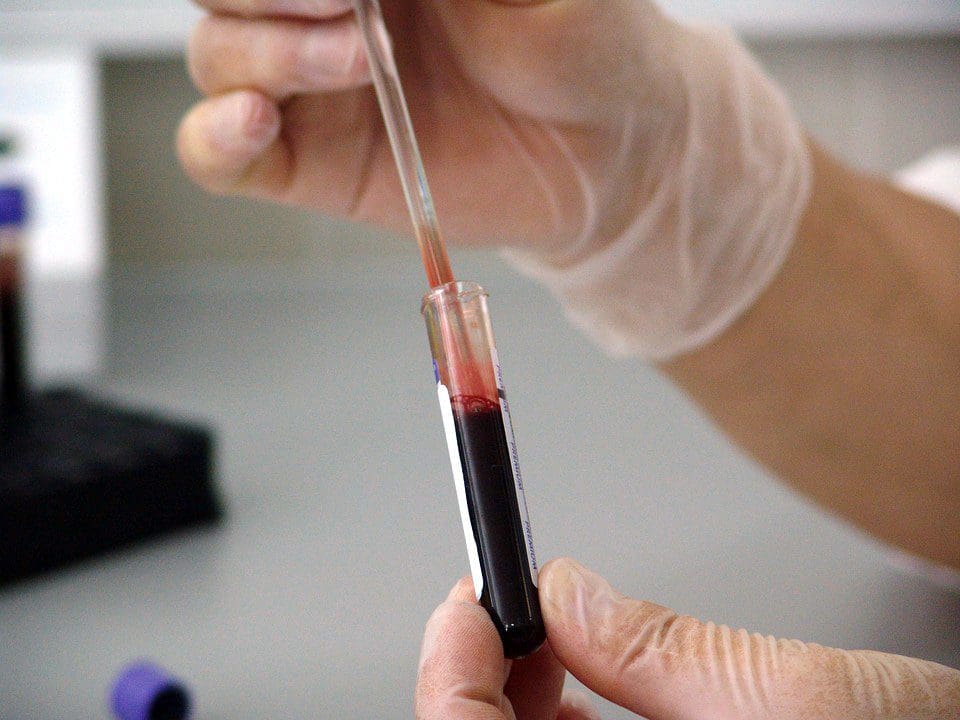
If a healthcare provider suspects an infection or inflammatory arthritis is the cause of back pain, blood tests may be used to diagnose. When trying to find the cause of back pain, a healthcare provider will examine the patient’s medical history, perform a physical examination, and, if necessary, order diagnostic tests. (Dansie E. J. and Turk D. C. 2013) For example, the National Institute of Arthritis and Musculoskeletal and Skin Diseases says that MRIs can reveal abnormalities in the spine. Still, a person may not feel pain or experience any other symptoms. The NIAMS also says healthy, pain-free individuals can have elevated SED levels. A high sedimentation rate or sed rate, also known as an erythrocyte sedimentation rate (ESR) test, can indicate inflammation in the body. (National Institute of Arthritis and Musculoskeletal and Skin Diseases, 2023)
Commonly Used Tests
Blood tests that can help diagnose back pain include:
Complete Blood Count – CBC
This test can indicate inflammation or infections.
Sed Rate or Erythrocyte Sedimentation Rate
This test measures inflammation by analyzing how red blood cells settle through plasma.
If the SED rate indicates that inflammation is present, the possibility of an underlying cause may be some form of arthritis or a tumor, which is rare.
A genetic marker in the blood that is more common in individuals with ankylosing spondylitis and reactive arthritis. (McMichael A. and Bowness P. 2002)
This marker may be tested if the healthcare provider suspects either disease.
Ankylosing spondylitis is an inflammatory arthritis affecting the sacroiliac joints, hips, and spine. (Sieper J. et al., 2002)
Injury Medical Chiropractic and Functional Medicine Clinic
At Injury Medical Chiropractic and Functional Medicine Clinic, we focus on what works for you to relieve pain and restore function. Regarding musculoskeletal pain, specialists like chiropractors, acupuncturists, and massage therapists can help mitigate the pain through spinal adjustments that help the body realign itself. Our areas of practice include Chronic Pain, Personal Injury, Auto Accident Care, Work Injuries, Back Injury, Low Back Pain, Neck Pain, Migraine Headaches, Sports Injuries, severe sciatica, Scoliosis, Complex Herniated Discs, Fibromyalgia, Chronic Pain, Complex Injuries, Stress Management, Wellness and nutrition, Functional Medicine Treatments, and in-scope care protocols. They can also work with other associated medical professionals to develop a personalized treatment plan to help relieve muscle pain, improve the body’s flexibility and mobility, resolve musculoskeletal issues, and prevent future pain symptoms from reoccurring.
Integrative Medicine Approach
References
Dansie, E. J., & Turk, D. C. (2013). Assessment of patients with chronic pain. British journal of anaesthesia, 111(1), 19–25. https://doi.org/10.1093/bja/aet124
National Institute of Arthritis and Musculoskeletal and Skin Diseases. (2023). Back Pain. Retrieved from https://www.niams.nih.gov/health-topics/back-pain
Harrison M. (2015). Erythrocyte sedimentation rate and C-reactive protein. Australian prescriber, 38(3), 93–94. https://doi.org/10.18773/austprescr.2015.034
Sproston, N. R., & Ashworth, J. J. (2018). Role of C-Reactive Protein at Sites of Inflammation and Infection. Frontiers in immunology, 9, 754. https://doi.org/10.3389/fimmu.2018.00754
McMichael, A., & Bowness, P. (2002). HLA-B27: natural function and pathogenic role in spondyloarthritis. Arthritis research, 4 Suppl 3(Suppl 3), S153–S158. https://doi.org/10.1186/ar571
Sieper, J., Braun, J., Rudwaleit, M., Boonen, A., & Zink, A. (2002). Ankylosing spondylitis: an overview. Annals of the rheumatic diseases, 61 Suppl 3(Suppl 3), iii8–iii18. https://doi.org/10.1136/ard.61.suppl_3.iii8
Hamdulay, S. S., Glynne, S. J., & Keat, A. (2006). When is arthritis reactive?. Postgraduate medical journal, 82(969), 446–453. https://doi.org/10.1136/pgmj.2005.044057
Can healthcare professionals implement H.E.A.R.T. protocols for trafficked individuals while providing a safe space?
Introduction
Across the world, many local media and organizations are paying close attention to a phenomenon that many people should be aware of. This phenomenon is known as trafficking, and it can be associated with numerous activities, from forced labor to sex labor, and can affect a person’s sense of self-worth. While many people will correlate that trafficking affects many women and children, it can affect many individuals regardless of age, gender, and background. While many survivors of trafficking are dealing with the psychological and physical injuries that they obtain from their traffickers, many medical professionals can implement protocols and roles through the implementation of H.E.A.R.T. to provide a safe space for individuals suffering from trafficking. Today’s article focuses on the definition of trafficking, what H.E.A.R.T. is, and how it is used in a clinical setting. We discuss with certified associated medical providers who consolidate our patients’ information to assess and identify trafficking in a clinical approach while providing a safe space. We also inform and guide patients while asking their associated medical provider intricate questions to formulate customized treatment plans for their pain and provide them with a safe space and positive experience. Dr. Jimenez, D.C., includes this information as an academic service. Disclaimer.
The Definition Of Trafficking
When it comes to defining trafficking, it can be challenging as it is frequently associated with other issues. However, the main definition for trafficking is “recruiting, transporting, transferring, or harboring many individuals or a person that are threatened or forced to achieve the consent of a person having control of the individuals for exploitation.” With human trafficking being a pressing public concern that affects all races, social classes, demographics, and genders, it can impact society and the individual who is being trafficked. (Toney-Butler et al., 2024) Additionally, many people often mistake trafficking and smuggling as they are completely different. Smuggling requires a person to be transported into a nation through voluntary illicit means. While trafficking can come in two forms, which are labor and commercial sex, it can happen within the person’s own home. (Rambhatla et al., 2021) This is because many survivors who are going to get healthcare services will feel various emotions of fear or shame that can prevent them from asking for help due to what they have been through with their trafficker. However, when many individuals who are trafficking survivors are suffering from significant physical, mental, and social health problems and are seeking healthcare services, many healthcare professionals play an important role by creating a safe and responsive space for them. (The Lancet Regional Health-Western, 2022)
Beyond the Surface: Understanding the Effects of Personal Injury- Video
What is H.E.A.R.T In A Clinical Setting
When it comes to creating a safe and positive space in a clinical setting, many healthcare professionals often miss the signs of trafficking due to a lack of training or confidence to identify and treat patients who are trafficking victims. (Lee et al., 2021) However, healthcare protocols should be implemented, and H.E.A.R.T. should be incorporated into a clinical approach to assess and develop a customized treatment plan for the patient. Healthcare professionals can engage with the patient in a one-on-one discussion away from their trafficker and can offer important medical and psychological care resources. (Exeni McAmis et al., 2022) By incorporating H.E.A.R.T. protocols in a healthcare clinic, many doctors and medical professionals can help many patients be in a safe environment. Below is what H.E.A.R.T. stands for.
H-Hearing
The “H” in H.E.A.R.T. is for hearing as many medical professionals not only to hear but to see what is going on in the clinic and to establish environmental awareness. This is due to looking at the patient and who is accompanied by them. With healthcare providers being at the front, they interact with patients and may not know what health concerns are affecting them. This could be due to the following:
By incorporating the hearing aspect in H.E.A.R.T., many healthcare professionals can provide a safe, thoughtful, and engaging approach to the patient and know what to look for when a patient is coming in for treatment.
E-Evaluating
The “E“ in H.E.A.R.T. is used to evaluate its importance in enhancing patient interactions in a trauma-informed care facility. This is highly important because the individual is seeking health care. For the patients being trafficked, it is important to notice the red flags the individual is experiencing. Some of the red flags that many healthcare providers should look for are:
Physical health
Behavioral Health
The patient is with a controlling person
The patient does not have possession of their I.D.
Additionally, it is always important to show compassion, be sensitive to the individual while addressing their needs and concerns, and use a non-judgmental approach during the interview process. This helps the individual ensure they are in a safe environment when discussing sensitive topics. At the same time, it is important not to let the patient be re-traumatized while avoiding the impulse to rescue and overpromise the patient to mental health as we want them to have their self-worth. At the same time, it is best to remember the four “Rs“ when doing a trauma-informed approach; they are:
Realize: Understanding how trauma can affect people.
Recognize: Recognizing the signs of trauma.
Respond: Have all staff trained, use evidence-based practices, and provide a safe environment.
Resist Re-trauma: Recognizing how some practices may trigger painful memories while avoiding re-traumatizing the patient.
By implementing the four “Rs“ and the “E“ in H.E.A.R.T., many healthcare professionals can provide valuable resources to trafficking survivors with a strong support system.
A-Activating
The “A“ in H.E.A.R.T. stands for activating, where healthcare professionals must have proper protocols to engage all employees. This allows the healthcare providers to understand how beneficial it is to develop a protocol for a person who is being trafficked, understand their state and federal reporting laws, and list key elements of effective trauma-informed screening procedures when assessing the patient. This allows a foundational structure to support a response for suspected patients who are being trafficked. At the same time, by following HIPAA laws and organization policies, many healthcare providers must explain the reporting process to the right officials. Additionally, the benefits of developing a protocol for trafficking are by:
Clarifying procedures
Enhance staff training
Optimize the interactions with the trafficking patients
Improve staff confidence
Prepare for any threatening situations
Maximizing preparedness to aid trafficking patients
Optimize support for patients
Develop collaborative outside resources
R-Resourcing
The “R“ in H.E.A.R.T. stands for resourcing, as many healthcare providers must identify the referral systems. This allows healthcare professionals to understand the important message to convey when assessing trafficking victims and the importance of responding to safety, emergency, and reporting requirements. When assessing and interviewing the patient, many will have to recognize that their patient may be a possible victim of trafficking, what their immediate needs are, and what long-term resources can help.
T-Training
The “T” in H.E.A.R.T. stands for training, as it is important that many healthcare providers continuously train to spot trafficking; this provides confidence to many healthcare workers and can help save a person’s life. By implementing H.E.A.R.T. protocols, the “T” allows the doctor to respect the individual’s decision to want help, providing a positive support system while encouraging them to come back, offering to help with a safety plan, and building a resource network. This is because if the patient is accompanied by someone who is controlling and answering for the patient, handing out information discreetly can provide a bit of hope to the individual to make the move. At the same time, providing local and immediate assistance resources can help the individual in the long run. This allows healthcare providers to build a trusting relationship and even help individuals to have a safe and positive experience on their health and wellness journey.
References
Exeni McAmis, N. E., Mirabella, A. C., McCarthy, E. M., Cama, C. A., Fogarasi, M. C., Thomas, L. A., Feinn, R. S., & Rivera-Godreau, I. (2022). Assessing healthcare provider knowledge of human trafficking. PLOS ONE, 17(3), e0264338. https://doi.org/10.1371/journal.pone.0264338
Gutfraind, A., Yagci Sokat, K., Muscioni, G., Alahmadi, S., Hudlow, J., Hershow, R., & Norgeot, B. (2023). Victims of human trafficking and exploitation in the healthcare system: a retrospective study using a large multi-state dataset and ICD-10 codes. Front Public Health, 11, 1243413. https://doi.org/10.3389/fpubh.2023.1243413
Lee, H., Geynisman-Tan, J., Hofer, S., Anderson, E., Caravan, S., & Titchen, K. (2021). The Impact of Human Trafficking Training on Healthcare Professionals’ Knowledge and Attitudes. J Med Educ Curric Dev, 8, 23821205211016523. https://doi.org/10.1177/23821205211016523
Rambhatla, R., Jamgochian, M., Ricco, C., Shah, R., Ghani, H., Silence, C., Rao, B., & Kourosh, A. S. (2021). Identification of skin signs in human-trafficking survivors. Int J Womens Dermatol, 7(5Part B), 677-682. https://doi.org/10.1016/j.ijwd.2021.09.011
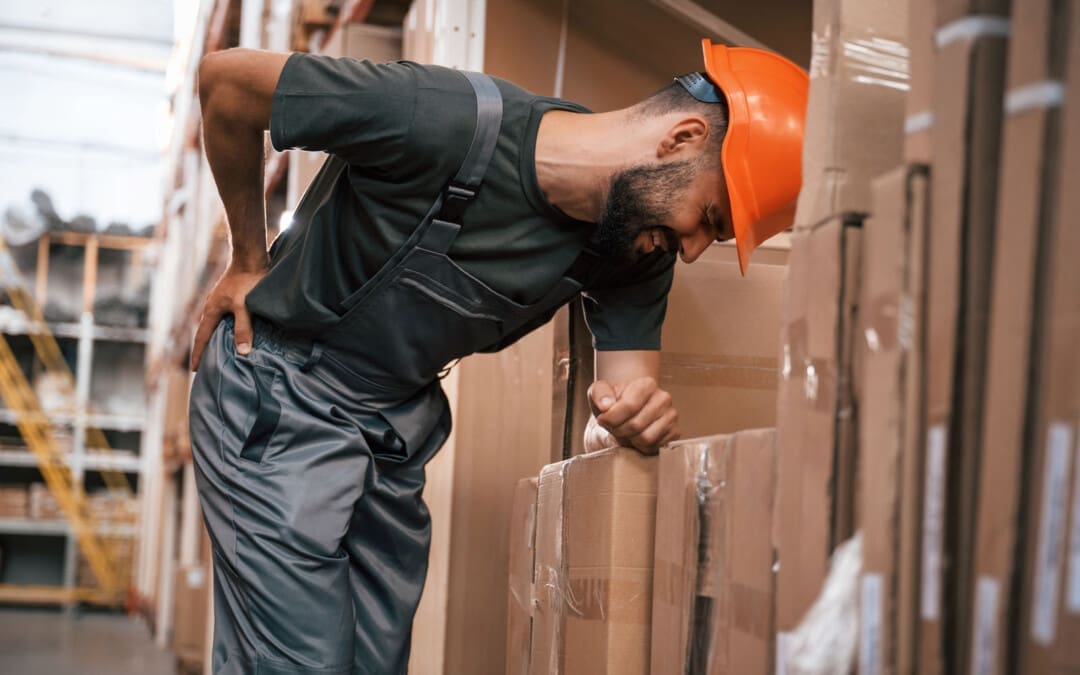
Individuals who have experienced spinal or back trauma, suffered fractures, are going through spinal degeneration, or are dealing with a spinal condition have an increased risk of anterolisthesis, where a vertebra slips forward relative to the vertebra below it. Can healthcare providers help prevent and treat the condition?
Anterolisthesis
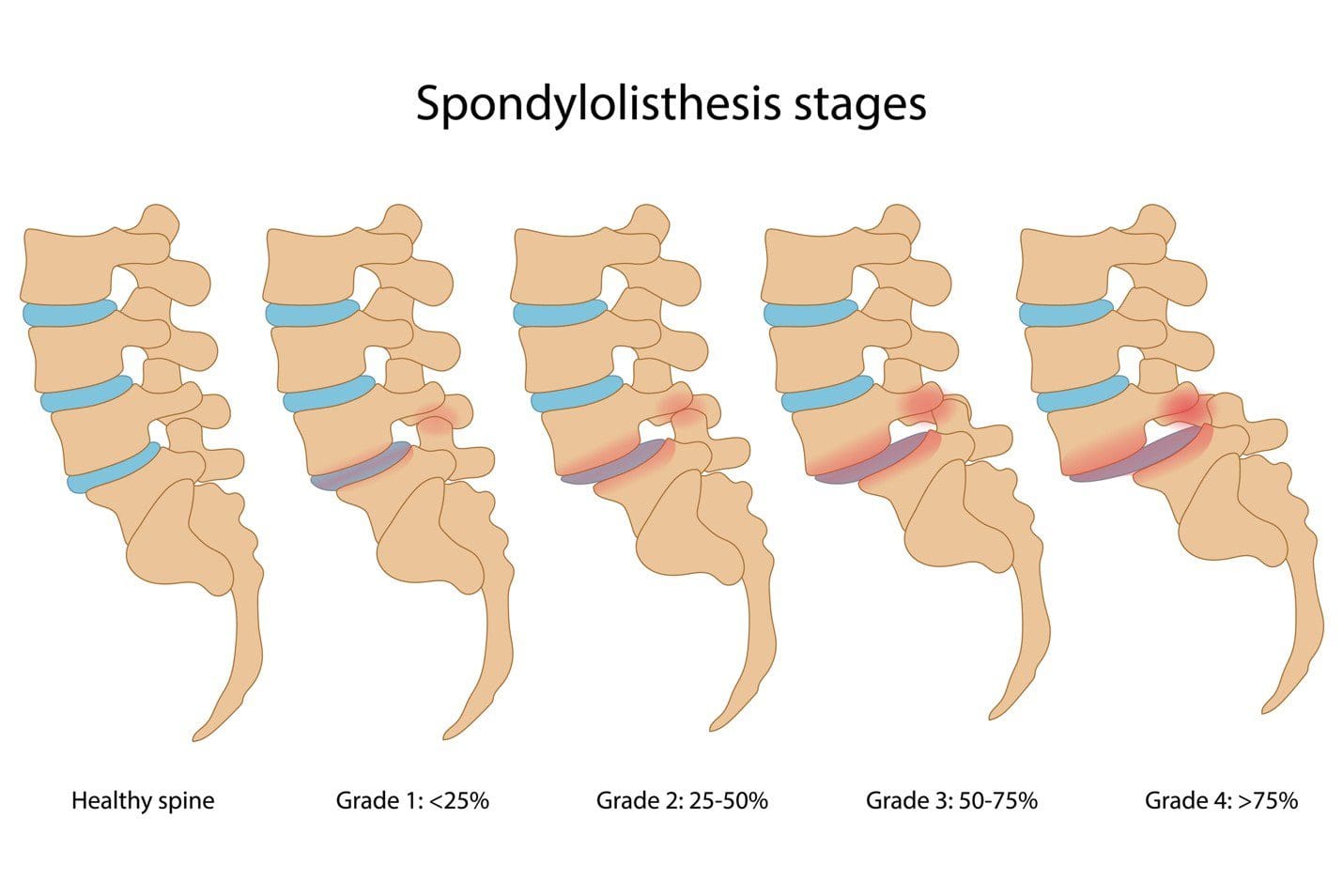
The spine consists of 33 individual bones or vertebrae stacked on one another. Anterolisthesis occurs when one vertebral segment slips forward over another. The condition can be mild, asymptomatic, or cause significant pain and neurological symptoms. Many different things, including osteoarthritis, osteoporosis, trauma, or a fracture, can cause this vertebral shifting. (Cedars Sinai, 2022) Spondylolisthesis is a general term for shifting a spinal vertebra over the one below it. It includes anterolisthesis, forward moving, and the less common retrolisthesis, or backward shifting.
Grades
Anterolisthesis is typically graded using the Meyerding scale, which assigns one of five grades according to how much slippage has occurred. These grades include:
Anterolisthesis can lead to various symptoms, depending on the severity and if the surrounding spinal nerves have been affected. The most common complaints include:
Diagnosis begins with a subjective evaluation and a physical examination. During these, the healthcare provider will assess sensation, strength, and reflexes and will order one of several diagnostic tests, including:
X-rays
Visualizes the vertebrae in the spine and their position relative to those above and below.
Also provides a clear picture of spinal arthritis or disc degeneration.
Magnetic Resonance Imaging – MRI
Allows the spinal cord, nerves, muscles, and discs to be assessed for compression or damage.
Several factors determine how the condition is treated, including:
The grade of the slippage.
The cause.
The symptoms.
The presence of instability on a diagnostic test such as an X-ray.
Stable and mildly symptomatic cases are usually treated with a combination that can involve:
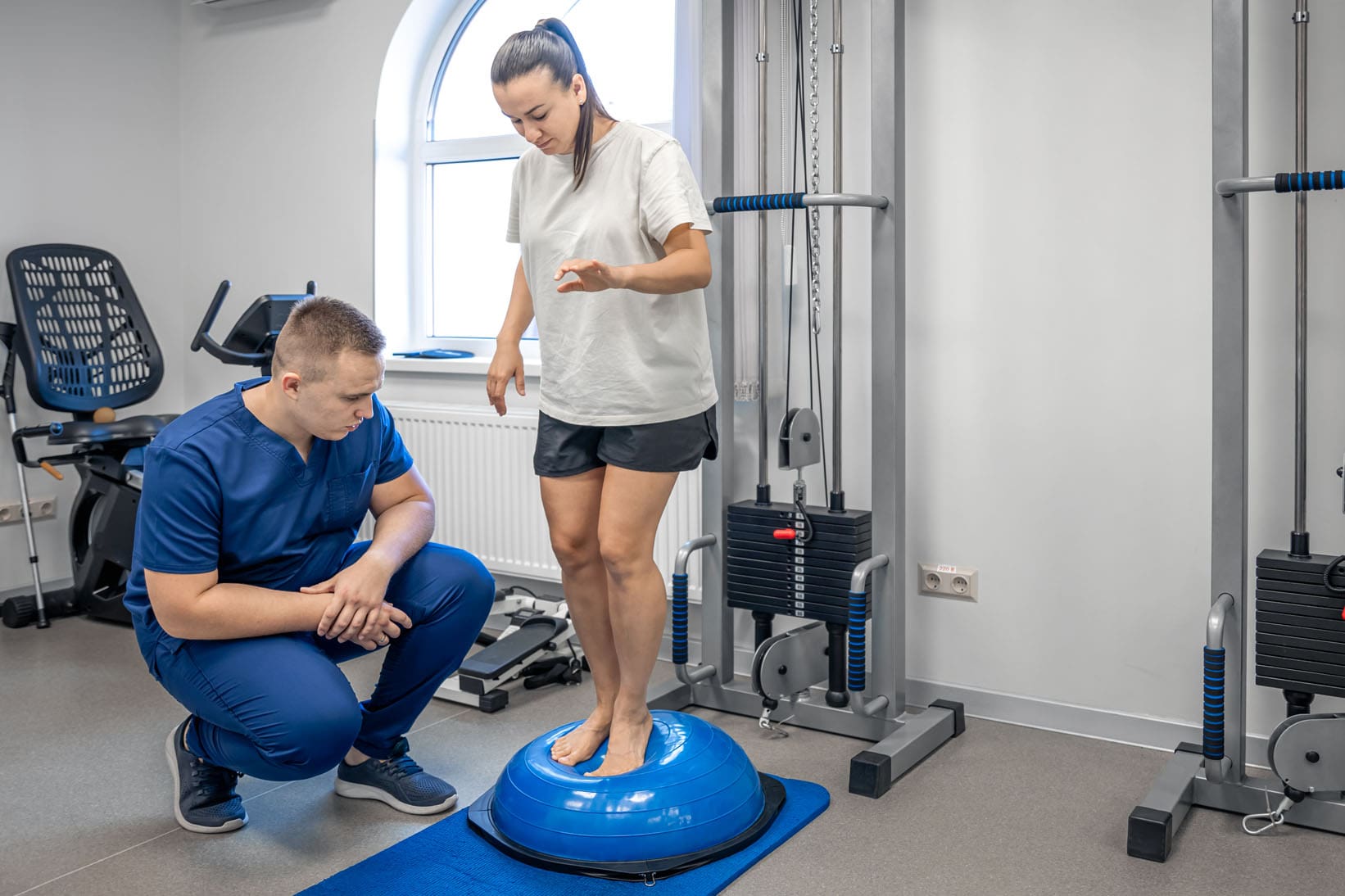
Physical therapy
Activity modification
Bracing
Nonsteroidal anti-inflammatory medications/NSAIDs like ibuprofen.
Spinal injections
In more severe cases in which spinal instability or significant neurological symptoms are present, surgery may be recommended. This commonly involves a spinal decompression or fusion procedure. The technique varies based on the surgeon’s preferences and anatomy. (Koslosky E., and Gendelberg D. 2020)
Prognosis
Most individuals with this condition don’t know they have it until it is found accidentally on an X-ray or an MRI for something else. Mild cases can cause minimal symptoms and can be well-managed with conservative treatments. Cases of unstable anterolisthesis or those with neurological compression often require surgical intervention. These surgeries restore stability to the spine and alleviate any pressure on the nerves. More than 85% of individuals who need surgery have a successful outcome. (American Academy of Orthopaedic Surgeons, 2021)
Self-Care and Management
For individuals experiencing pain, numbness, or tingling from anterolisthesis, getting symptoms evaluated by a healthcare provider is an important first step. The healthcare provider may suggest one of several management strategies, which include:
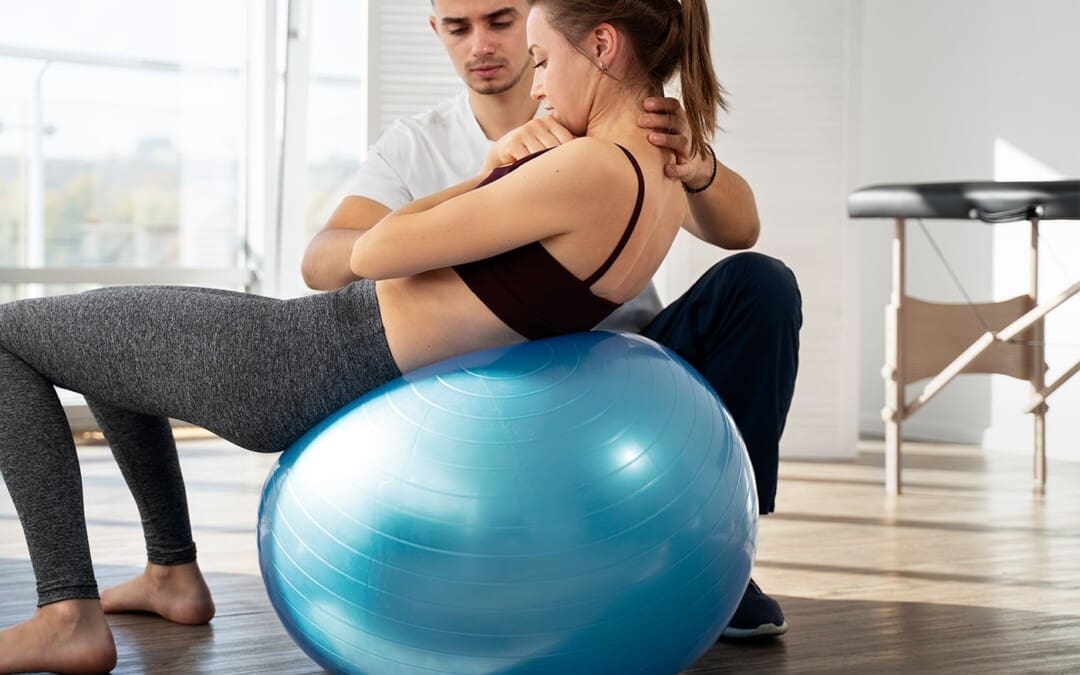
Core Strengthening
To alleviate symptoms, exercises targeting the core muscles in the hips, pelvis, abdomen, and lower back are recommended.
Formal physical therapy may also be recommended.
Over-the-counter Meds
A healthcare provider may suggest pain-relieving medications like ibuprofen or naproxen to reduce soreness.
Activity Modification
Sticking to gentle, pain-free activities and avoiding excessive or repetitive extension of the spine can help prevent symptom aggravation. (American Academy of Orthopaedic Surgeons, 2021)
Injury Medical Chiropractic and Functional Medicine Clinic
At Injury Medical Chiropractic and Functional Medicine Clinic, our areas of practice include Chronic Pain, Personal Injury, Auto Accident Care, Work Injuries, Back Injury, Low Back Pain, Neck Pain, Migraine Headaches, Sports Injuries, Severe Sciatica, Scoliosis, Complex Herniated Discs, Fibromyalgia, Chronic Pain, Complex Injuries, Stress Management, Wellness & Nutrition, Functional Medicine Treatments, and in-scope care protocols. We focus on what works for you to relieve pain and restore function. If other treatment is needed, individuals will be referred to a clinic or physician best suited to their injury, condition, and/or ailment.
Koslosky, E., & Gendelberg, D. (2020). Classification in Brief: The Meyerding Classification System of Spondylolisthesis. Clinical orthopaedics and related research, 478(5), 1125–1130. https://doi.org/10.1097/CORR.0000000000001153
American Academy of Orthopaedic Surgeons. (2021). Adult spondylolisthesis in the low back. https://orthoinfo.aaos.org/en/diseases–conditions/adult-spondylolisthesis-in-the-low-back
Hospital for Special Surgery. (2023). Spondylolisthesis. https://www.hss.edu/condition-list_spondylolisthesis.asp
Can individuals incorporate proper posture in their workouts to provide effective results and reduce muscle pain in their bodies?
Introduction
Many people have started participating in various physical activities to improve their health and wellness. Additionally, engaging in different physical activities can provide numerous beneficial properties for the body as it can help strengthen the various muscles, bones, and ligaments that have succumbed to multiple injuries, strains, or conditions that cause many individuals to be in pain. When many people with musculoskeletal conditions start incorporating exercises as part of their treatment, maintaining proper posture while doing each set of stretches or exercises for each muscle can help reduce any unwanted strain or pulls that can cause more harm than good. Today’s post focuses on how maintaining proper posture can help make any workouts more efficient, how adequate posture can provide stability and strength to weak muscles, and how incorporating proper posture in a customized treatment plan can prevent numerous injuries from reoccurring. We discuss with certified associated medical providers who consolidate our patients’ information to assess many individuals to understand the importance of proper posture. We also inform and guide patients while asking their associated medical provider intricate questions to integrate non-surgical treatments to reduce the overlapping symptoms correlating with poor posture and help create a customized treatment plan that utilizes proper posture during exercises. Dr. Jimenez, D.C., includes this information as an academic service. Disclaimer.
Maintaining Posture Is Important For Effective Workouts
How often do you feel muscle strain on your shoulders, neck, and lower back after a strenuous long day? Do you notice that you feel more hunched over that you feel muscle aches and discomfort? Or do you feel discomfort when stretching your muscles that it causes temporary relief? More often than not, when the world has been on its entire feet or sitting down all day from working, school, or commuting to different locations, many individuals will often slip into an unhealthy habit of slouching when relaxing after a hard day. This, in turn, can cause many individuals to develop neck and back issues that often correlate with an increased stress load in the neck and lower back area. (Hansraj, 2014) Hence, postural correction and its beneficial effects on the back and neck are limited. However, when manual and physical therapists incorporate a PSB (postural-structural-biomechanical) model, it can help ascertain the various causes of musculoskeletal conditions and play an important role in clinical assessment and managing multiple muscle pains. (Lederman, 2011)
So why is it important to exercise to maintain proper posture? Well, when many individuals are in a hunched position from looking at their phones or leaning a lot more while being on the computer or driving, itcan cause the muscles in the neck, shoulders, and upper back to be in a static position, causing the muscles to be overused. (Abd El-Azeim et al., 2022) Additionally, say a person is working out to relieve stress, they would have to maintain a proper posture to prevent injuries and use the equipment to achieve muscular activity. When doing an effective workout, many individuals can improve their posture through muscle stretching exercises that can help improve postural alignment, which plays a role in preventing and treating musculoskeletal pain disorders. (Matsutani et al., 2023) At the same time, maintaining proper posture while working out can provide effective, good-quality movement and neutral spinal alignment.(Katzman et al., 2021)
Discovering The Benefits Of Chiropractic Care- Video
Proper Posture Stabilizes Weak Muscles
At the same time, having proper posture can help stabilize weak muscles in the upper and lower body quadrants. This is because environmental factors like obesity, repetitive movements, andexcessive sitting or standing can cause the muscles to be overused and weak over time when a person is not taking a break. This causes strength imbalances between the muscle groups, causing the accessory muscles to take over the main muscle’s job function and causing the spine to compensate and exaggerate the body’s natural curve. Hence why, exercises, especially core exercises, can help distribute the weight of the overbearing load and can help many individuals reduce the forward lean motion while decreasing muscle strain and fatigue on the upper and lower quadrants. Core exercises can help induce muscular contractions while influencing neuromuscular potentiation. (Lyons et al., 2021) This can help strengthen the weak muscles and stabilize the other muscles so the body can be realigned to invoke proper posture. Also, poor posture can correlate with lumbar spine and pelvis instability as the muscles can become weak. (Kim & Yim, 2020) Incorporating stability exercises into the weak muscles can help many individuals improve their posture when performing exercises.
Incorporating Proper Posture In A Customed Treatment Plan
When it comes to musculoskeletal pain conditions, many individuals can seek out pain specialists like chiropractors, acupuncturists, massage therapists to ease the pain in the muscles from an initial visit. Visiting a chiropractic care office or going to a gym and being assigned to a personal trainer can help practice healthy habits in maintaining and incorporating proper posture in a customized treatment plan. A chiropractic team can help mitigate the pain through spinal adjustments that can help the body realign itself and can work with other associated medical professionals to come up with a customer treatment plan that can help relieve muscle pain, improve the body’s flexibility and mobility, resolve musculoskeletal issues and prevent future pain symptoms from reoccurring. Additionally, a physical therapist can work together with a chiropractor to incorporate targeted exercises to help improve posture while stretching and strengthening the targeted muscles. This, in turn, helps with improving neuromuscular improvement to maintain correct posture. When many individuals develop improper posture over time, it can lead to dire consequences, as muscle pain can cause overlapping risk profiles in the body. Making small adjustments to how people sit or stand can help maintain proper posture. That way, the body can realign itself over time, and many can have a pain-free, healthy lifestyle.
References
Abd El-Azeim, A. S., Mahmoud, A. G., Mohamed, M. T., & El-Khateeb, Y. S. (2022). Impact of adding scapular stabilization to postural correctional exercises on symptomatic forward head posture: a randomized controlled trial. Eur J Phys Rehabil Med, 58(5), 757-766. https://doi.org/10.23736/S1973-9087.22.07361-0
Hansraj, K. K. (2014). Assessment of stresses in the cervical spine caused by posture and position of the head. Surg Technol Int, 25, 277-279. https://www.ncbi.nlm.nih.gov/pubmed/25393825
Katzman, W. B., Parimi, N., Gladin, A., Wong, S., & Lane, N. E. (2021). Long-Term Efficacy of Treatment Effects After a Kyphosis Exercise and Posture Training Intervention in Older Community-Dwelling Adults: A Cohort Study. J Geriatr Phys Ther, 44(3), 127-138. https://doi.org/10.1519/JPT.0000000000000262
Kim, B., & Yim, J. (2020). Core Stability and Hip Exercises Improve Physical Function and Activity in Patients with Non-Specific Low Back Pain: A Randomized Controlled Trial. Tohoku J Exp Med, 251(3), 193-206. https://doi.org/10.1620/tjem.251.193
Lederman, E. (2011). The fall of the postural-structural-biomechanical model in manual and physical therapies: exemplified by lower back pain. J Bodyw Mov Ther, 15(2), 131-138. https://doi.org/10.1016/j.jbmt.2011.01.011
Lyons, K. D., Parks, A. G., Dadematthews, O., Zandieh, N., McHenry, P., Games, K. E., Goodlett, M. D., Murrah, W., Roper, J., & Sefton, J. M. (2021). Core and Whole Body Vibration Exercise Influences Muscle Sensitivity and Posture during a Military Foot March. Int J Environ Res Public Health, 18(9). https://doi.org/10.3390/ijerph18094966
Matsutani, L. A., Sousa do Espirito Santo, A., Ciscato, M., Yuan, S. L. K., & Marques, A. P. (2023). Global posture reeducation compared with segmental muscle stretching exercises in the treatment of fibromyalgia: a randomized controlled trial. Trials, 24(1), 384. https://doi.org/10.1186/s13063-023-07422-w
IFM's Find A Practitioner tool is the largest referral network in Functional Medicine, created to help patients locate Functional Medicine practitioners anywhere in the world. IFM Certified Practitioners are listed first in the search results, given their extensive education in Functional Medicine