It is difficult for individuals to achieve health and fitness goals when they don’t like to eat vegetables. Intermittent fasting, Paleo, vegan, Mediterranean, or New Nordic, almost all healthy nutrition plans require vegetable consumption to achieve optimal health. However, it is never too late to learn to enjoy vegetables. Injury Medical Chiropractic and Functional Medicine Clinic can recommend ways not just to eat vegetables because they are healthy but to truly enjoy them.
Training Oneself To Enjoy Vegetables
Everyone’s taste preferences are different.
Many individuals grew up in homes where vegetables were prepared in unappetizing ways.
Over boiling and steaming are common preparation methods that many had experience with, including broccoli, cauliflower, asparagus, and Brussels sprouts, which made them flavorless, mushy and is where many decided they were not going to eat these foods.
Vegetables are full of nutrients that are very beneficial to the body.
Vegetables contain antioxidants, vitamins, minerals, fiber, and phytonutrients.
These nutrients help keep the mind and body healthy and avoid deficiencies.
Vegetables add fiber that provides a feeling of fullness by giving volume to fill the stomach without added calories.
This controls energy balance/calories in vs. calories out, which helps shed body fat without feeling hungry and maintain body weight.
Vegetables feed the intestinal bacteria that help the digestive tract.
Vegetables provide hydration that helps the fiber eliminate waste products.
Vegetables add variety to help maintain healthy nutrition.
Branching Out
The key is to branch out incrementally. Most individuals will have a vegetable or two that they can tolerate. This could be a starting point by expanding on new variations on those tolerable vegetables that will lead to broadened taste preferences. This can be done through different cooking methods that include:
Regardless of where you’re starting, there are simple ways to make the vegetable bitterness less intense, more palatable, and more enjoyable that consists of:
Vegetable Challenge
Vegetable Complement
Vegetable Cushion
Vegetable Challenge
Pick a vegetable that you would not normally eat that requires effort to try.
Motivate yourself to try it – health reasons, children, family, friends, etc.
Take a small bite; you may hate it, like it, or it has no effect.
You at least tried it.
Research suggests that individuals may need to try new foods many times (prepared differently) before tolerating or liking them.
It means pairing food with a vegetable to activate various tastes and flavors pleasing to the palate simultaneously.
Vegetable Cushion
On the tongue are a variety of receptors that bind to the chemicals in food.
When these receptors are activated, they send a chemical signal to the brain about the taste.
Variations in the number and type of receptors help develop flavor preferences.
Basic tastes – sweet, sour, spicy, salty, bitter, and umami.
Pairingbitterness with other distinct flavors, like sweet and spicy, can develop and change the brain’s perception of bland or bitter vegetables to tasty and delicious.
Cushions for bitterness include honey, real maple syrup, sour cream, Mexican crema, hot sauce, oils, almonds, and butter used in balance to enhance and bring out flavors.
The objective is to start small and work your way to becoming more comfortable with experimenting and combining more flavors. Consultation with a professional nutritionist can help individuals get on a healthy nutrition plan that they can enjoy.
Tip From A Dietitian
References
Christoph, Mary J et al. “Intuitive Eating is Associated With Higher Fruit and Vegetable Intake Among Adults.” Journal of nutrition education and behavior vol. 53,3 (2021): 240-245. doi:10.1016/j.jneb.2020.11.015
Melis M, Yousaf NY, Mattes MZ, Cabras T, Messana I, Crnjar R, Tomassini Barbarossa I, Tepper BJ. Sensory perception of salivary protein response to astringency as a function of the 6-n-propylthioural (PROP) bitter-taste phenotype. Physiol Behav. 2017 Jan 24;173:163-173.
Mennella JA. Development of food preferences: Lessons learned from longitudinal and experimental studies. Food Qual Prefer. 2006 Oct;17(7-8):635-637.
Tordoff, Michael G, and Mari A Sandell. “Vegetable bitterness is related to calcium content.” Appetite vol. 52,2 (2009): 498-504. doi:10.1016/j.appet.2009.01.002
Wallace, Taylor C et al. “Fruits, vegetables, and health: A comprehensive narrative, umbrella review of the science and recommendations for enhanced public policy to improve intake.” Critical reviews in food science and nutrition vol. 60,13 (2020): 2174-2211. doi:10.1080/10408398.2019.1632258
Wieczorek, Martyna N et al. “Bitter taste of Brassica vegetables: The role of genetic factors, receptors, isothiocyanates, glucosinolates, and flavor context.” Critical reviews in food science and nutrition vol. 58,18 (2018): 3130-3140. doi:10.1080/10408398.2017.1353478
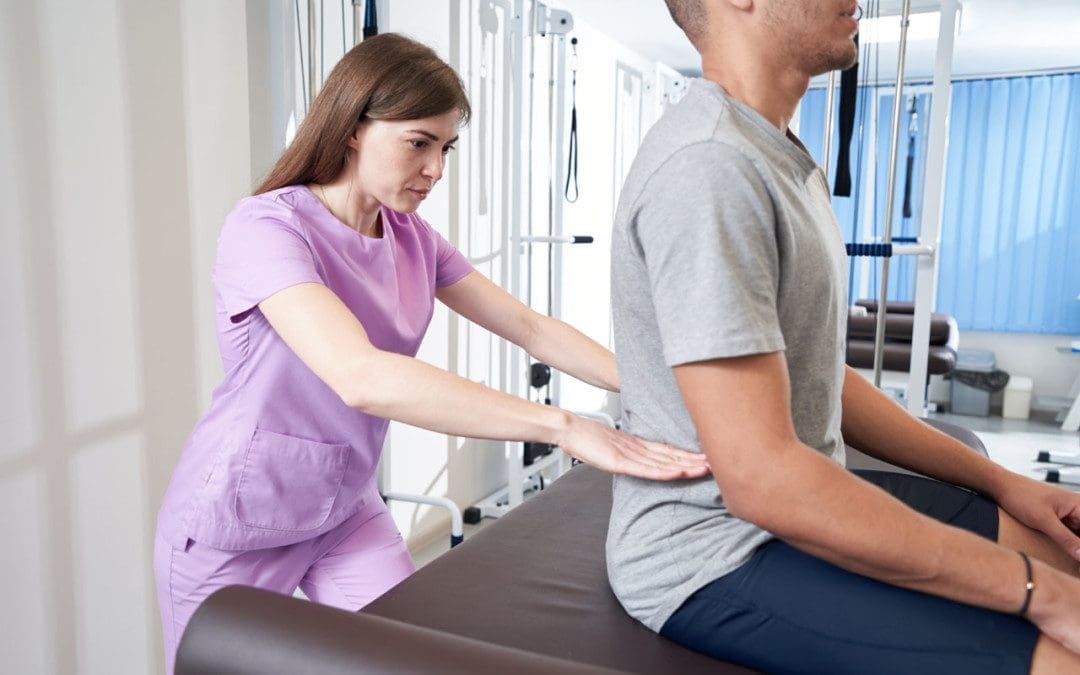
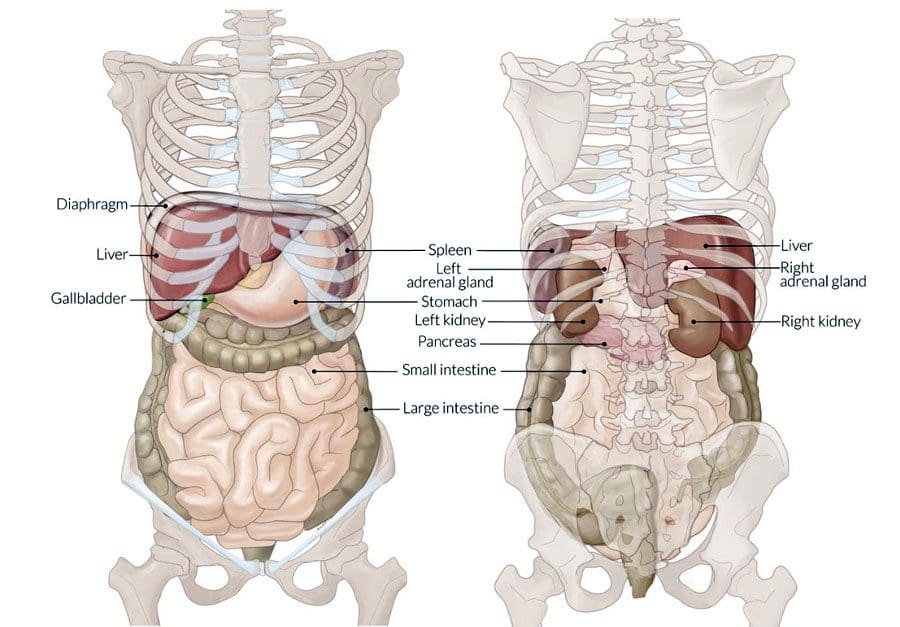
Back pain is one of the most common reasons individuals go to a doctor, massage therapist, physiotherapist, osteopath, and chiropractor. Various health conditions, some spine-related, others not, list back pain as a symptom. Many of these conditions begin in the stomach or abdominal cavity, which leads to stomach and back pain. Stomach and back pain happening simultaneously, independently, or in combination could be caused by gut problems, back issues, or something completely different. Understanding what causes these two types of pain simultaneously can help figure out a treatment plan.
Stomach Back Pain Causes
Problems in the abdominal cavity and stomach issues can cause back pain and vice versa. Symptoms can also include referred pain when the pain is felt in one part of the body but is caused by pain or injury in another area. Stomach back pain causes depend on the type of condition/s that can include:
Appendicitis
Inflammation in the appendix can cause sudden sharp pain in the abdomen.
It presents mostly in the lower right area of the abdomen but can appear in or spread to other sites, especially the back.
A chiropractic functional medicine team can work with an individual’s primary physician or specialist to develop a personalized treatment plan to alleviate back pain symptoms, re-balance the body, strengthen the musculoskeletal system and restore function.
Ford AC, Talley NJ. Chapter 122, Irritable Bowel Syndrome. Feldman M (ed.). Sleisenger and Fordtran’s Gastrointestinal and Liver Disease. 11th ed. Elsevier: 2021. 2008-2020. https://www.clinicalkey.com/#!/content/book/3-s2.0-B9780323609623001223?scrollTo=%23hl0001104
Inadomi JM, Bhattacharya R, Hwang JH, Ko C. Chapter 7, The Patient with Gas and Bloating. Yamada’s Handbook of Gastroenterology. 4th ed. John Wiley & Sons; 2019. https://doi.org/10.1002/9781119515777.ch7
Kliegman RM, St Geme JW, Blum NJ, et al. Chapter 378, Pancreatitis. Nelson Textbook of Pediatrics. 21st ed. Elsevier; 2020. 2074-2080. https://www.clinicalkey.com/#!/content/book/3-s2.0-B9780323529501003783
Krames E, Mousad DG. Spinal Cord Stimulation Reverses Pain and Diarrheal Episodes of Irritable Bowel Syndrome: A Case Report. Neuromodulation. 2004 Mar 22;7(2):82-88. https://doi.org/10.1111/j.1094-7159.2004.04011.x
Sifri CD, Madoff LC. Chapter 78, Appendicitis. Mandell, Douglas, and Bennett’s Principles and Practice of Infectious Diseases. 9th ed. Bennett JA (ed.). Elsevier; 2020. 1059-1063. https://www.clinicalkey.com/#!/content/book/3-s2.0-B9780323482554000783
Stephen Norman Sullivan, “Functional Abdominal Bloating with Distention,” International Scholarly Research Notices, vol. 2012, Article ID 721820, 5 pages, 2012. https://doi.org/10.5402/2012/721820
Wang DQH, Afdhal NH. Chapter 65, Gallstone Disease. Feldman M (ed.). Sleisenger and Fordtran’s Gastrointestinal and Liver Disease. 11th ed. Elsevier: 2021. 1016-1046. https://www.clinicalkey.com/#!/content/book/3-s2.0-B9780323609623000655?scrollTo=%23hl0001772
Weisman, Michael H et al. “Axial Pain and Arthritis in Diagnosed Inflammatory Bowel Disease: US National Health and Nutrition Examination Survey Data.” Mayo Clinic proceedings. Innovations, quality & outcomes vol. 6,5 443-449. 16 Sep. 2022, doi:10.1016/j.mayocpiqo.2022.04.007
Whorwell PJ. Chapter 13, Abdominal Bloating. Irritable Bowel Syndrome: Diagnosis and Clinical Management. Emmanuel A, Quigley EMM (eds.). John Wiley & Sons; 2013. https://doi.org/10.1002/9781118444689.ch13
Yarze JC, Friedman LS. Chapter 12, Chronic Abdominal Pain. Feldman M (ed.). Sleisenger and Fordtran’s Gastrointestinal and Liver Disease. 11th ed. Elsevier; 2021. 158-167. https://www.clinicalkey.com/#!/content/book/3-s2.0-B9780323609623000126?scrollTo=%23hl0000408
Workout recovery is as important as working out. Pushing muscle past its normal levels creates tiny tears in the muscle tissue. It is the repairing process that generates muscle growth. Muscles that aren’t allowed to recover will not grow or gain muscle mass, and muscle strength could be reduced, making working out a struggle and hindering health goal progress. The body needs time to repair the muscles to reduce the risk of injury. Allowing enough time for recovery reduces overuse-related muscle breakdown and injuries. Muscle recovery supplements can expedite the healing process.
Muscle Recovery Supplements
Reasons for taking supplements include their ability to heal damaged muscles faster, aid in injury recovery, reduce muscle soreness, reduce muscle fatigue, and provide the muscle cells with energy during recovery.
Some studies have found that taking a creatine supplement may aid muscle recovery and greater muscle strength during recovery.
Citrulline Malate
Citrulline is a non-essential amino acid found in watermelon that converts into nitric oxide.
Nitric oxide helps open blood vessels and improve blood circulation.
This allows oxygen and nutrients to reach the muscle faster, speeding the recovery process.
Citrulline also improves the bioavailability of L-arginine, another amino acid that aids protein synthesis.
Magnesium
Magnesium assists with muscle recovery by helping the muscles relax.
When the body doesn’t have enough magnesium, there is a greater chance of muscle cramps.
Magnesium helps support healthy muscle contraction.
Tart Cherry Juice Extract
This extract works by reducing inflammation in the muscle.
Inflammation is normal, but too much can increase muscle soreness and the risk of injury.
One study found that cherry juice helps minimize post-exercise muscle pain.
Supplement Plan
After selecting a supplement plan that is the most beneficial for the individual, the next step is to devise a schedule for taking them.
When using a muscle recovery supplement can either be a pre-workout supplement or a post-workout supplement.
The recommended time to take a specific supplement is based on the type.
Individuals should talk with their doctor and a nutritionist before starting any new supplement regimen.
This helps ensure the supplements are safe and minimize negative side effects given health and medical conditions.
Nutrition In Recovery
References
Cooke, M.B., Rybalka, E., Williams, A.D. et al. Creatine supplementation enhances muscle force recovery after eccentrically-induced muscle damage in healthy individuals. J Int Soc Sports Nutr 6, 13 (2009). https://doi.org/10.1186/1550-2783-6-13
DiNicolantonio, James J et al. “Subclinical magnesium deficiency: a principal driver of cardiovascular disease and a public health crisis.” Open heart vol. 5,1 e000668. 13 Jan. 2018, doi:10.1136/openhrt-2017-000668
Gough, Lewis A et al. “A critical review of citrulline malate supplementation and exercise performance.” European journal of applied physiology vol. 121,12 (2021): 3283-3295. doi:10.1007/s00421-021-04774-6
Kuehl, Kerry S et al. “Efficacy of tart cherry juice in reducing muscle pain during running: a randomized controlled trial.” Journal of the International Society of Sports Nutrition vol. 7 17. 7 May. 2010, doi:10.1186/1550-2783-7-17
Vitale, Kenneth C et al. “Tart Cherry Juice in Athletes: A Literature Review and Commentary.” Current sports medicine reports vol. 16,4 (2017): 230-239. doi:10.1249/JSR.0000000000000385
Weinert, Dan J. “Nutrition and muscle protein synthesis: a descriptive review.” The Journal of the Canadian Chiropractic Association vol. 53,3 (2009): 186-93.
Wolfe, Robert R. “Branched-chain amino acids and muscle protein synthesis in humans: myth or reality?.” Journal of the International Society of Sports Nutrition vol. 14 30. 22 Aug. 2017, doi:10.1186/s12970-017-0184-9
Zhang, Shihai, et al. “Novel metabolic and physiological functions of branched-chain amino acids: a review.” Journal of animal science and biotechnology vol. 8 10. 23 Jan. 2017, doi:10.1186/s40104-016-0139-z
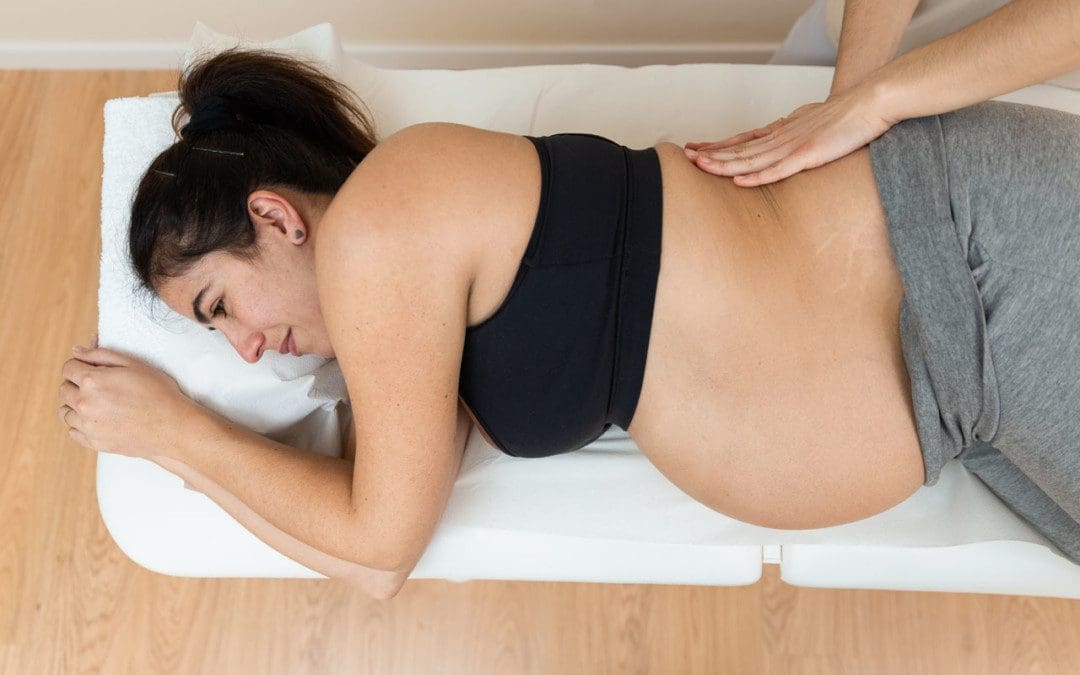
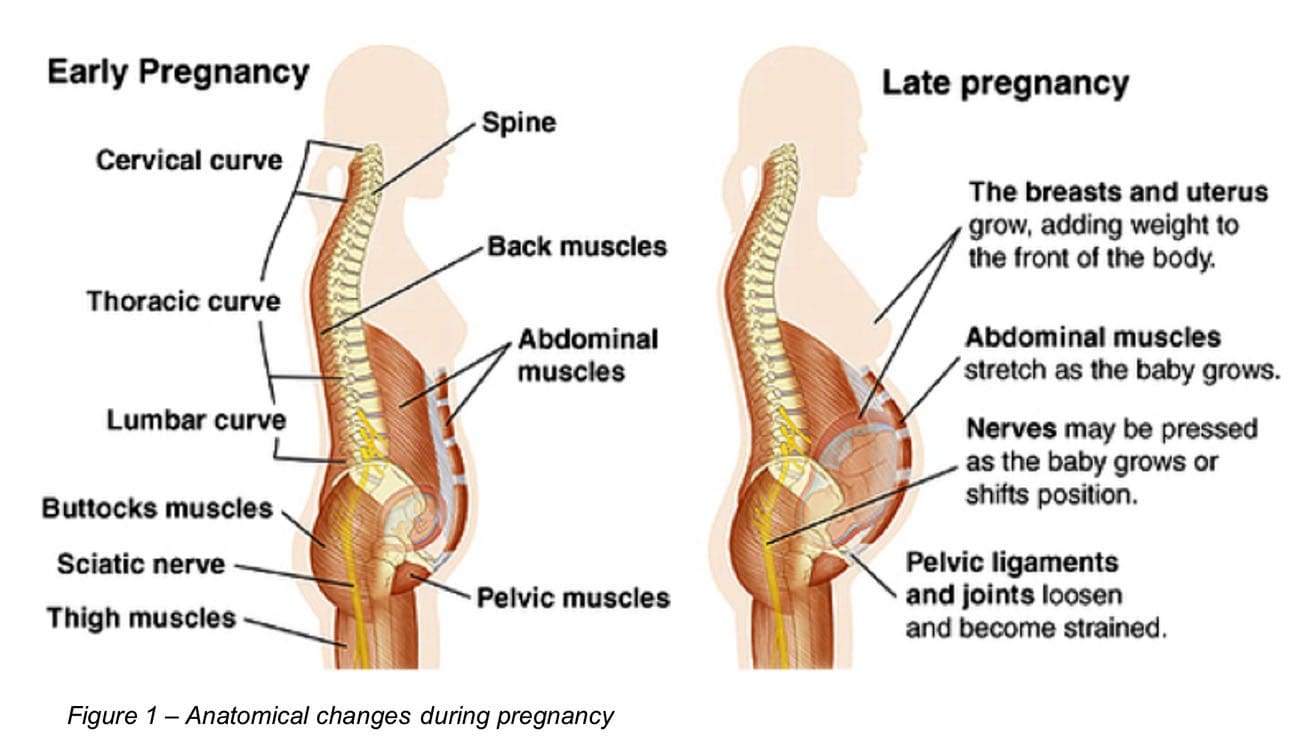
The body experiences physical changes during pregnancy. As the baby grows, the body has to adjust, which can cause unfamiliar aches and pains. A common issue for pregnant women is sciatica symptoms or lumbar radiculopathy, which radiates discomfort sensations that travel down the lower spine, down the back of the thigh, and into the foot. Chiropractic care and massage therapy can realign the spine and hips, therapeutically massage circulation through the body, relieve symptoms, and restore function.
Pregnancy Sciatica
The sciatic nerve is the largest in the body and the main nerve in the legs. In most cases, sciatica happens when this nerve gets compressed by bulging, slipped, or ruptured spinal discs, arthritis, or spinal stenosis.
Symptoms
Aches and pains that result from sciatica range from mild to severe sensations. Symptoms include:
Pain that travels from the pelvis down the back of the leg.
A burning sensation in the low back and buttocks.
Jolting pain that feels like an electric shock.
Numbness, muscle weakness, or tingling in one leg or foot.
Tingling sensation in one part of the body and pain in another.
Pain that worsens when coughing, sneezing or sitting for long periods.
Causes
Sciatica during pregnancy can be caused by:
Weight gain is going to pull the spine and muscles down.
Increased fluid retention can place added pressure on the nerve as it passes through the pelvis.
The expanding uterus can press down on the nerve in the lower part of the spine.
The growing belly and breasts shift the center of gravity forward and stretch the lordotic curve causing the muscles in the:
Buttocks and pelvis to tighten up and compress the sciatic nerve.
The baby’s head can rest directly on the nerve when settling into the proper birth position in the third trimester.
A herniated or slipped disc caused by the extra pressure of the growing uterus can be the cause, although this is less common.
Pregnancy also causes the body to release a hormone called relaxin, designed to relax the ligaments and prepare the pelvis for childbirth.
Loose ligaments can cause spinal compression and affect the sciatic nerve.
Sciatica will most likely occur during the third trimester when mother and baby are bulking up, but it can develop earlier, although this is less common. Most women experience symptoms on one side, though it can affect both legs. The condition can be constant or intermittent, depending on the amount of pressure placed on the nerve, and can remain for a few months after giving birth when the excess weight and fluid are gone.
Treatment Techniques
Simple home remedies and treatment to help ease the symptoms. These include:
Sleep on Your Side
Rest on the side of the body that does not present symptoms when lying down.
Prenatal massage can reduce stress, improve blood circulation, and regulate hormones.
Chiropractic and Physical Therapy
Chiropractic is non-invasive and drug-free, making it a safe and gentle option for mom and baby.
A professional chiropractor can evaluate the condition.
Identify and remove interferences in the nervous system from the source.
Realign the bones.
Provide a personalized treatment plan to alleviate symptoms and stretches and strength-building exercises.
Sciatica In Pregnancy
References
American Pregnancy Association: “Prenatal Massage Therapy.
American Pregnancy Association: “Sciatic Nerve Pain During Pregnancy: Causes and Treatment.”
FRIEDMANN, E. “Narrowing of the spinal canal due to thickened lamina a cause of low-back pain and sciatica.” Clinical orthopedics vol. 21 (1961): 190-7.
Goldsmith, Laura T, and Gerson Weiss. “Relaxin in human pregnancy.” Annals of the New York Academy of Sciences vol. 1160 (2009): 130-5. doi:10.1111/j.1749-6632.2008.03800.x
KULOWSKI, J. “Unusual causes of low back pain and sciatica during pregnancy.” American journal of obstetrics and gynecology vol. 84 (1962): 627-30. doi:10.1016/0002-9378(62)90156-4
Trager, Robert J et al. “Ischial osteochondroma as an unusual source of pregnancy-related sciatic pain: a case report.” Chiropractic & manual therapies vol. 30,1 45. 17 Oct. 2022, doi:10.1186/s12998-022-00451-3
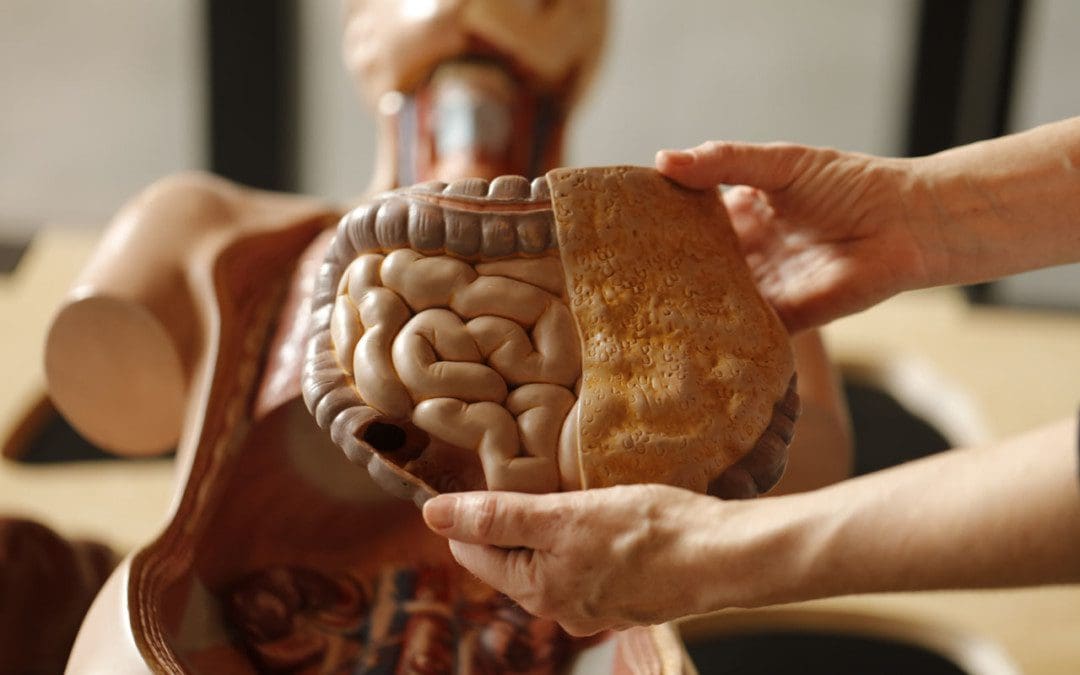
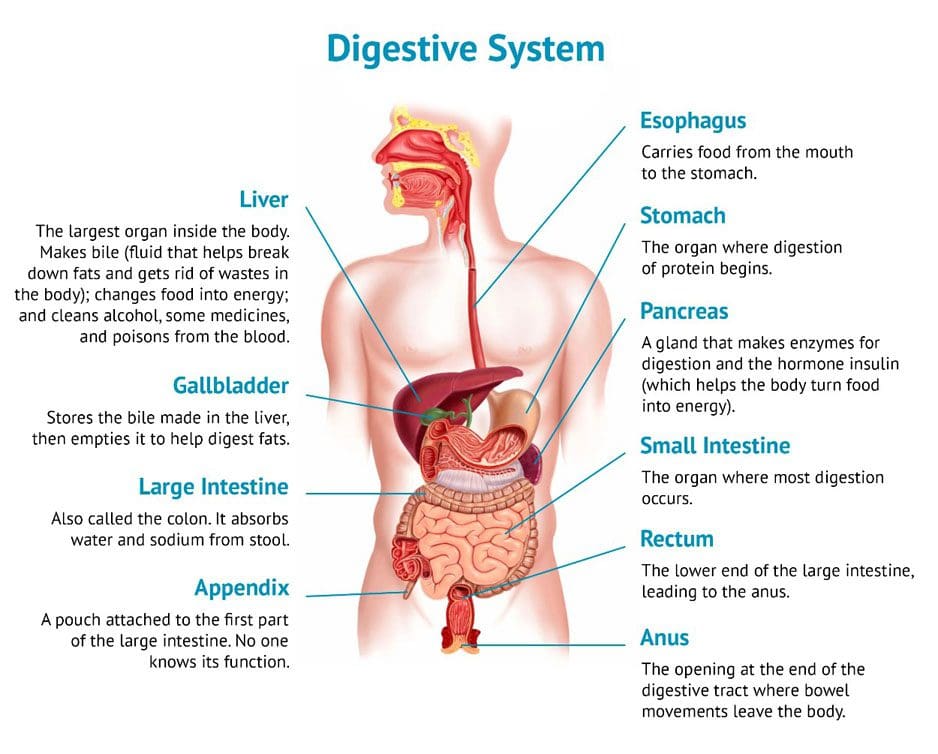
The body needs food for fuel, energy, growth, and repair. The digestive process breaks down food into a form the body can absorb and use for fuel. The broken-down food gets absorbed into the bloodstream from the small intestine, and the nutrients are carried to the cells throughout the body. Understanding how the organs work together to digest food can help with health goals and overall health.
The Digestive Process
The organs of the digestive system are the following:
The digestive process starts with the anticipation of eating, stimulating the glands in the mouth to produce saliva. The digestive system’s primary functions include:
Mixing food
Moving food through the digestive tract – peristalsis
The chemical breakdown of food into smaller absorbable components.
The digestive system converts food into its simplest forms, which include:
Glucose – sugars
Amino acids – protein
Fatty acids – fats
Proper digestion extracts nutrients from food and liquids to maintain health and function properly. Nutrients include:
Carbohydrates
Proteins
Fats
Vitamins
Minerals
Water
Mouth and Esophagus
The food is ground up by the teeth and moistened with saliva to swallow easily.
Saliva also has a special chemical enzyme that starts breaking down carbohydrates into sugars.
Muscular contractions of the esophagus massage the food into the stomach.
Stomach
The food passes through a small muscle ring into the stomach.
It gets mixed with gastric chemicals.
The stomach churns the food to break it down further.
The food is then squeezed into the first part of the small intestine, the duodenum.
Small Intestine
Once in the duodenum, the food mixes with more digestive enzymes from the pancreas and bilefrom the liver.
The food passes into the lower parts of the small intestine, called the jejunum and the ileum.
Nutrients are absorbed from the ileum, lined with millions of villi or thread-like fingers that facilitate the absorption.
Each villus is connected to a mesh of capillaries, which is how nutrients get absorbed into the bloodstream.
Pancreas
The pancreas is one of the largest glands.
It secretes digestive juices and a hormone called insulin.
Insulin helps regulate the amount of sugar in the blood.
The liver has several different roles that include:
Breaks down fats using bile stored in the gallbladder.
Processes proteins and carbohydrates.
Filters and processes impurities, medications, and toxins.
Generates glucose for short-term energy from compounds like lactate and amino acids.
Large Intestine
A large reservoir of microbes and healthy bacteria live in the large intestine and play an important role in healthy digestion.
Once the nutrients have been absorbed, the waste is passed into the large intestine or bowel.
Water is removed, and the waste gets stored in the rectum.
It is then passed out of the body through the anus.
Digestive System Health
Ways to keep the digestive system and the digestive process healthy include:
Drink More Water
Water helps the food flow more easily through the digestive system.
Low amounts of water/dehydration are common causes of constipation.
Add More Fiber
Fiber is beneficial to digestion and helps with regular bowel movements.
Incorporate both soluble and insoluble fiber.
Soluble fiber dissolves in water.
As soluble fiber dissolves, it creates a gel that can improve digestion.
Soluble fiber may reduce blood cholesterol and sugar.
It helps your body improve blood glucose control, which can aid in reducing your risk for diabetes.
Insoluble fiber does not dissolve in water.
Insoluble fiber attracts water into the stool, making it softer and easier to pass with less strain on the bowels.
Insoluble fiber can help promote bowel health and regularity and supports insulin sensitivity which can help reduce the risk of diabetes.
Balanced Nutrition
Eat fruit and vegetables daily.
Choose whole grains over processed grains.
Avoid processed foods in general.
Choose poultry and fish more than red meat and limit processed meats.
Cut down on sugar.
Eat Foods with Probiotics or Use Probiotic Supplements
Probiotics are healthy bacteria that help combat unhealthy bacteria in the gut.
They also generate healthy substances that nourish the gut.
Consume probiotics after taking antibiotics that often kill all the bacteria in the gut.
Eat Mindfully and Chew Food Slowly
Chewing food thoroughly helps to ensure the body has enough saliva for digestion.
Chewing food thoroughly also makes it easier for nutritional absorption.
Eating slowly gives the body time to digest thoroughly.
It also allows the body to send cues that it is full.
How The Digestive System Works
References
GREENGARD, H. “Digestive system.” Annual review of physiology vol. 9 (1947): 191-224. doi:10.1146/annurev.ph.09.030147.001203
Hoyle, T. “The digestive system: linking theory and practice.” British journal of nursing (Mark Allen Publishing) vol. 6,22 (1997): 1285-91. doi:10.12968/bjon.1997.6.22.1285
Martinsen, Tom C et al. “The Phylogeny and Biological Function of Gastric Juice-Microbiological Consequences of Removing Gastric Acid.” International journal of molecular sciences vol. 20,23 6031. 29 Nov. 2019, doi:10.3390/ijms20236031
Ramsay, Philip T, and Aaron Carr. “Gastric acid and digestive physiology.” The Surgical clinics of North America vol. 91,5 (2011): 977-82. doi:10.1016/j.suc.2011.06.010
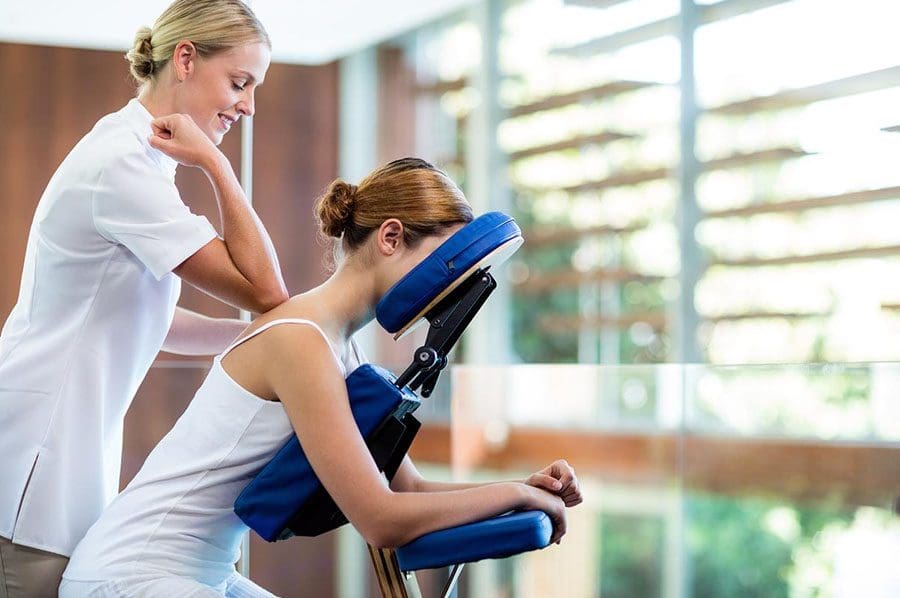
Neuropathy therapeutic massage is a system of structured palpations or movements of the body’s soft tissues. When the nerves don’t get enough oxygen and nutrients from blood circulation, symptoms like tenderness, tingling, numbness, and pain can present. The best way to move the blood is by massaging the circulation in and around the numb and sore areas and throughout the body. Many types of massage therapy are available for various health-related issues. This includes:
Pain alleviation and management
Injury rehabilitation and prevention
Stress alleviation
Anxiety and depression therapy
Immune system restoration
Increasing relaxation
Facilitating overall wellness
Neuropathy Therapeutic Massage
Neuropathy therapeutic massage: The objective is to stimulate blood flow throughout the body. This is because the more muscles move, the better they can maintain blood circulation to nourish the nerves and the body, which is why physical activity/exercise/movement is encouraged. Benefits include:
De-stressing the nerves that are causing tingling, numbness, and burning.
The discomfort eases as the muscles are lengthened and loosened, releasing the tightness and pressure.
Endorphins (natural painkillers) are released, minimizing the pain.
Increase in circulation
Reduced spasms and cramping
Increased joint flexibility
Mobility restoration
Symptom relief
Decreased anxiety
Improved sleep quality
Increased energy levels
Improved concentration
Reduced fatigue
Massage Techniques
Massaging techniques include:
Kneading
Stroking
Gliding
Percussion
Vibration
Friction
Compression
Passive stretching
Active stretching
Effleurage
This can be firm or light soothing, stroking movements without dragging the skin, using the fingertips or the palms.
Petrissage
Lifting or picking up muscles and rolling the skin.
Tapotement
Striking with the side of the hand, usually with slightly flexed fingers, rhythmic finger movements, or short rapid movements with the sides of the hand.
There are different types of massage, those that are for comfort and those for specific conditions or diseases. A few include:
Swedish Massage
Generally regarded as the most common form of massage, this technique involves a combination of five basic strokes and concentrates on the muscles and connective tissues.
Used to improve circulation, relaxation, pain relief, and overall maintenance and well-being.
Sports Massage
Sports massage therapies are used in preventative and therapeutic settings.
Athletes use the technique during warm-ups, training, and competition to treat and/or help in:
Injury prevention
Improved flexibility
Full range of motion
Improved performance
Helps to focus and mental clarity.
Reflexology
This technique uses a system of points on the hands, feet, and ears that correspond to or reflex other body areas.
Reflexologists apply appropriate pressure to these points to stimulate energy flow, to relieve pain or blockages throughout the body.
Reflexology is also used to ease stress and promote relaxation.
Aromatherapy
Various essential oils derived from plants, herbs, flowers, and roots have therapeutic qualities.
Aromatherapy involves essential oils to produce a certain effect; for example, lavender is used to induce calmness and relaxation.
When combined with body massage, aromatherapy can enrich the experience immensely.
A few drops can be added to massage cream or oil and applied to the skin.
Connective tissue massage is similar to myofascial release in that it involves working with the fascia, or soft tissue, to relieve pain, tightness, and discomfort.
The theory of connective tissue massage is that tight, restricted body areas negatively affect other body areas.
Practitioners/therapists hook their fingers into the connective tissue and use pulling strokes to lengthen the tissues.
This releases tension, improves mobility and reduces stress.
Deep-Tissue Massage
Deep-tissue massage utilizes slow strokes, direct pressure, and/or friction across the grain of the muscles with the fingers, thumbs, and/or elbows.
Its purpose is to reach the fascia beneath the muscles going deep into the muscles and connective tissue to release aches and pains.
Therapists thoroughly understand the human body and have been trained to administer deep-tissue massage.
The technique is used in treating chronic pain, inflammation, and injury.
Geriatric Massage
Geriatric massage involves treating the elderly and addressing specific needs related to age, conditions, and illness.
The sessions are usually shorter and involve gentle techniques to facilitate pain relief, relaxation, and overall wellness.
Lymph Drainage Therapy
This technique involves the application of light, rhythmic strokes to alleviate various conditions related to the body’s lymph system.
The lymph system supports the immune system and is responsible for flushing toxins and draining fluid.
When lymph circulation slows down or stops, fluid can build up and cause physical problems like inflammation, edema, and neuropathies.
Therapists restore lymph flow by using a mapping system to assess problem areas, then apply gentle pressure using the fingers and hands to reactivate circulation.
Neuromuscular Therapy
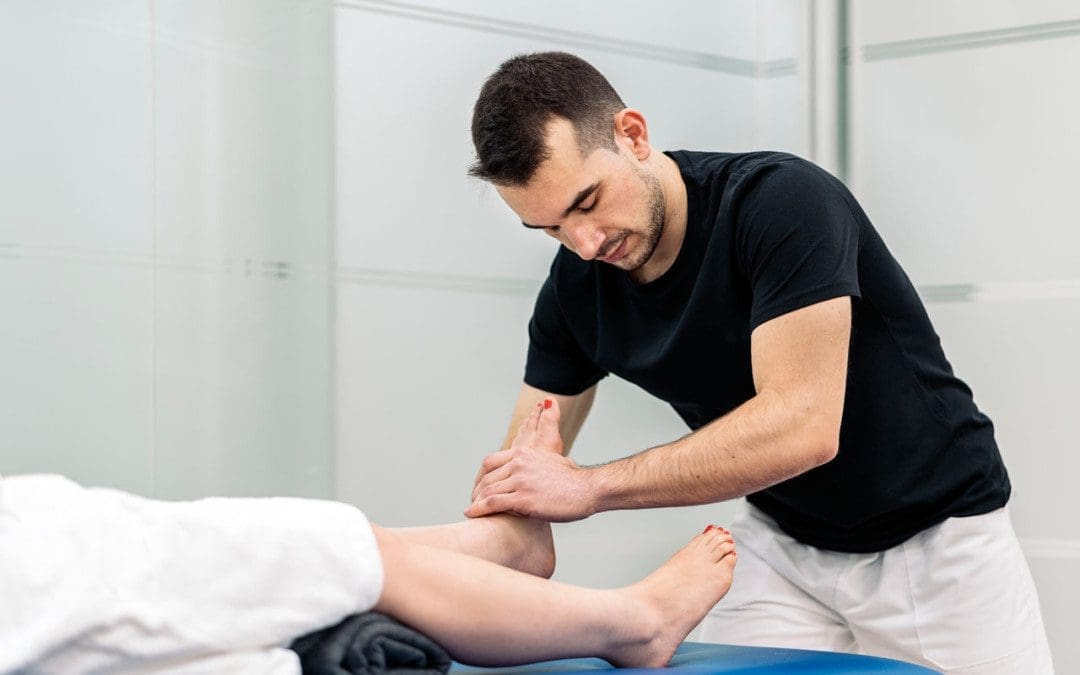
Neuromuscular therapy is massage applied to specific muscles, often used to increase blood circulation, release muscle tension knots/trigger points, and/or release pain/pressure on nerves.
This therapy is also known as trigger-point therapy in that concentrated finger pressure is applied to specific points to alleviate muscular pain.
HealthCare
Neuropathy therapeutic massage is used in combination to enhance regular medical care. Let a doctor know when trying massage therapies, and follow any standard treatment plans. Some forms of massage can cause soreness the next day but should be combined with a sense of improvement and being healthier. If any part of the massage doesn’t feel right or is painful, let the therapist know immediately. Most serious issues come from too much pressure during the massage or sensitivity or allergy to massage oils. Massage therapy caution includes the following:
Vigorous massage should be avoided by individuals with bleeding disorders or low blood platelet counts and taking blood-thinning medications.
Massage therapy should not be done in areas with blood clots, fractures, healing wounds, skin infections, weakened bones from osteoporosis or cancer, or after recent surgery.
Cancer patients should discuss any concerns about massage therapy with their oncologist.
Pregnant women should consult their healthcare provider before using massage therapy.
Peripheral Neuropathy Recovery
References
American Massage Therapy Association defines massage therapy and basic massage therapy terms. www.amtamassage.org
Complementary and alternative methods: types of bodywork. Available at www.cancer.org
Gok Metin, Zehra, et al. “Aromatherapy Massage for Neuropathic Pain and Quality of Life in Diabetic Patients.” Journal of nursing scholarship: an official publication of Sigma Theta Tau International Honor Society of Nursing vol. 49,4 (2017): 379-388. doi:10.1111/jnu.12300
MassageTherapy.com. www.massagetherapy.com
National Institutes of Health, National Center for Complementary and Alternative Medicine
Samuels, Noah, and Eran Ben-Arye. “Integrative Approaches to Chemotherapy-Induced Peripheral Neuropathy.” Current oncology reports vol. 22,3 23. 11 Feb. 2020, doi:10.1007/s11912-020-0891-2
Sarısoy, Pınar, and Ozlem Ovayolu. “The Effect of Foot Massage on Peripheral Neuropathy-Related Pain and Sleep Quality in Patients With Non-Hodgkin’s Lymphoma.” Holistic nursing practice vol. 34,6 (2020): 345-355. doi:10.1097/HNP.0000000000000412
Thomas, Ewan, et al. “Peripheral Nerve Responses to Muscle Stretching: A Systematic Review.” Journal of sports science & medicine vol. 20,2 258-267. 8 Mar. 2021, doi:10.52082/jssm.2021.258
Zhang, Yong-Hui, et al. “Exercise for Neuropathic Pain: A Systematic Review and Expert Consensus.” Frontiers in medicine vol. 8 756940. 24 Nov. 2021, doi:10.3389/fmed.2021.756940
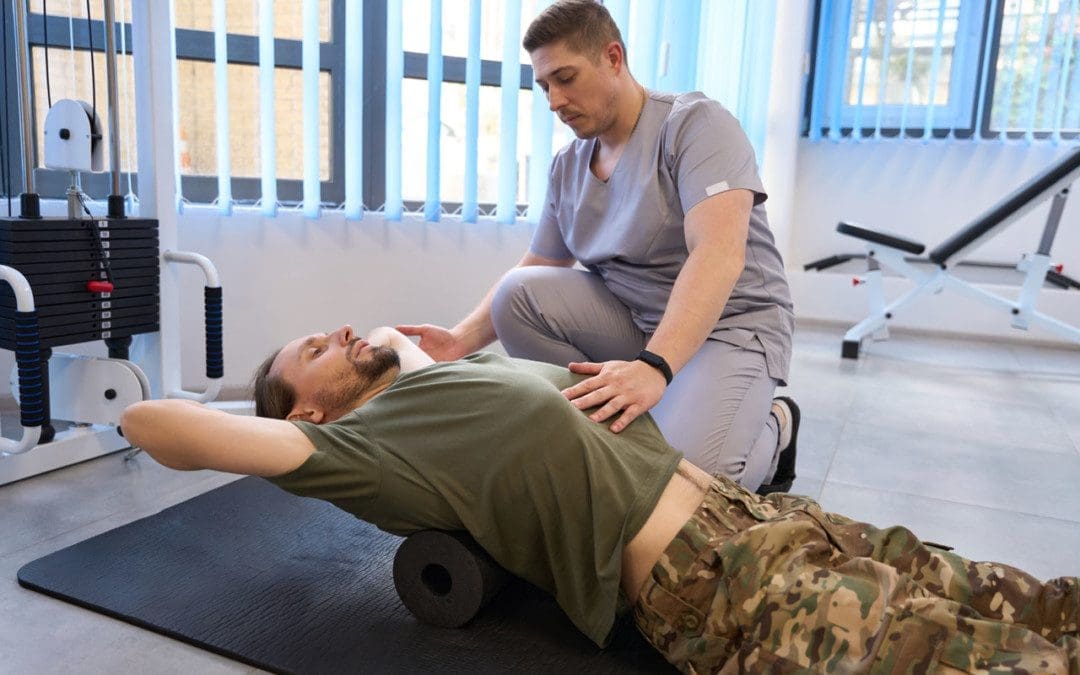
The body’s ability to heal itself is quite remarkable. When injury or illness presents, the body’s systems activate to deal with the problem and restore itself to health. The spine’s bones protect the communication pathways of the spinal cord and nerve roots. If the nervous system suffers injury or is damaged in some way, causing impairment, it can cause malfunctioning of the tissues and organs throughout the body. Chiropractic care combined with functional medicine can restore and enhance the body’s self-healing abilities to optimal levels.
The Body’s Ability To Heal Itself
A healthy body regenerates, fights infection, heals wounds, and repairs damage. The body is in a constant state of removing damage and producing new, healthy tissues.
Cells can heal themselves when they become unhealthy and replicate to replace injured or damaged cells.
The body produces new cells to heal the damage if a bone gets fractured or broken.
When the skin gets cut, the blood clots, stopping the bleeding, white blood cells remove the injured and dead cells, and new healthy cells repair the damaged tissue.
The immune system deals with viruses, bacteria, and toxins.
Natural destroyer cells recognize when the body’s cells have been invaded by a virus and destroy the infected cell.
Inflammation
Inflammation is the body’s reaction to an injury or infection, activating the immune system to restore the injured or infected area to health.
A fever is the body’s raising its temperature to levels that will kill viruses and bacteria.
The elevation in temperature also triggers certain cellular mechanisms which help the body fight the infection.
Stem Cells
The body heals and regenerates itself through stem cells.
Once the body is formed, embryonic stem cells disappear, and adult stem cells take over.
The adult stem cells divide, producing an identical stem cell and a healthy, mature cell of a specific type.
Each type of adult stem cell only can become certain types of tissue.
For example, Mesenchymal Stem Cells can regenerate bone, fat, muscle, and cartilage cells.
Neural Stem Cells help regenerate nerve tissue in the brain and spinal cord.
Epithelial Stem Cells regenerate skin.
Adult stem cells can reproduce for a long time but eventually stop reproducing as efficiently.
Nervous System
The nervous system assists the whole body in maintaining communication, using electrical and chemical impulses to send and receive messages. The system reacts to changes inside and outside the body. Infections, injuries, disorders, and conditions can cause imbalances causing communication problems that can lead to health issues. Common problems of the nervous system include:
Sciatica – Pressure on a nerve/s caused by a slipped, bulging, or herniated disc in the spine or arthritis of the spine and, sometimes, other factors.
Parkinson’s disease – The death of neurons in a part of the brain called the midbrain. Symptoms include shaking and mobility problems.
Epilepsy – Abnormal electrical activity in the brain causing seizures.
Meningitis – Inflammation of the membrane covering the brain.
Multiple sclerosis – The myelin sheaths protecting the nerves of the central nervous system become damaged and deteriorates.
Chiropractic Care
Subluxations are misaligned or damaged joints that are not functioning correctly. These joints can place pressure on a nerve, which interferes with the normal nervous system function. Chiropractic care can realign, restore and maintain neuromusculoskeletal system health to reactivate the body’s natural healing abilities.
Cerebral Palsy Chiropractic Treatment
References
Haavik, Heidi, et al. “Effects of 12 Weeks of Chiropractic Care on Central Integration of Dual Somatosensory Input in Chronic Pain Patients: A Preliminary Study.” Journal of manipulative and physiological therapeutics vol. 40,3 (2017): 127-138. doi:10.1016/j.jmpt.2016.10.002
Lee, Courtney, et al. “Mind-body therapies for the self-management of chronic pain symptoms.” Pain medicine (Malden, Mass.) vol. 15 Suppl 1 (2014): S21-39. doi:10.1111/pme.12383
Maltese PE, Michelini S, Baronio M, Bertelli M. Molecular foundations of chiropractic therapy. Acta Biomed. 2019 Sep 30;90(10-S):93-102. doi: 10.23750/abm.v90i10-S.8768. PMID: 31577263; PMCID: PMC7233649.
McSwan, Joyce, et al. “Self-Healing: A Concept for Musculoskeletal Body Pain Management – Scientific Evidence and Mode of Action.” Journal of pain research vol. 14 2943-2958. 21 Sep. 2021, doi:10.2147/JPR.S321037
Navid, Muhammad Samran et al. “The effects of chiropractic spinal manipulation on central processing of tonic pain – a pilot study using standardized low-resolution brain electromagnetic tomography (sLORETA).” Scientific reports vol. 9,1 6925. 6 May. 2019, doi:10.1038/s41598-019-42984-3
IFM's Find A Practitioner tool is the largest referral network in Functional Medicine, created to help patients locate Functional Medicine practitioners anywhere in the world. IFM Certified Practitioners are listed first in the search results, given their extensive education in Functional Medicine



 Stomach Back Pain Causes

 Neuropathy Therapeutic Massage