It’s not unusual for runners to experience tingling, pins and needles, and numbness in their feet while running. Running foot numbness is a relatively common problem for runners and can be easily remedied. Numbness will present in one part of the foot or just the toes. Sometimes it can spread throughout the whole foot. Different causes, most of which are not serious, can be easily dealt with. Serious causes can be treated with chiropractic, massage, decompression therapy, and functional medicine.
Running Foot Numbness
Reasons, why the feet experience numbing sensations when running, include:
Improper footwear.
Laces that are tied too tightly.
Foot strike pattern.
Foot structure.
Training schedule.
Muscle tightness.
Compressed nerve.
Medical conditions like neuromas or peripheral neuropathy.
Footwear
A common cause of running foot numbness is having overly tight shoes that place added pressure on nerves.
If this could be the reason, the remedy is to get new shoes.
Try to find a store that specializes in running shoes and ask for help.
Footwear professionals look at the size of the foot, the shape, and running gait.
For example, individuals with a wide foot may need a style with a wider/larger toebox or the front of the shoe that houses the forefoot.
Get a pair that’s one-half to a full size larger than a regular everyday shoe size.
This is because when running, the feet swell, especially in hot and humid weather.
Going up a half or whole size will also accommodate thicker socks for individuals that run in cold weather.
Sometimes numbness can result from biomechanical issues that can be corrected with the proper shoe.
Tight Laces
Sometimes it’s not the shoes but the laces that are too tight.
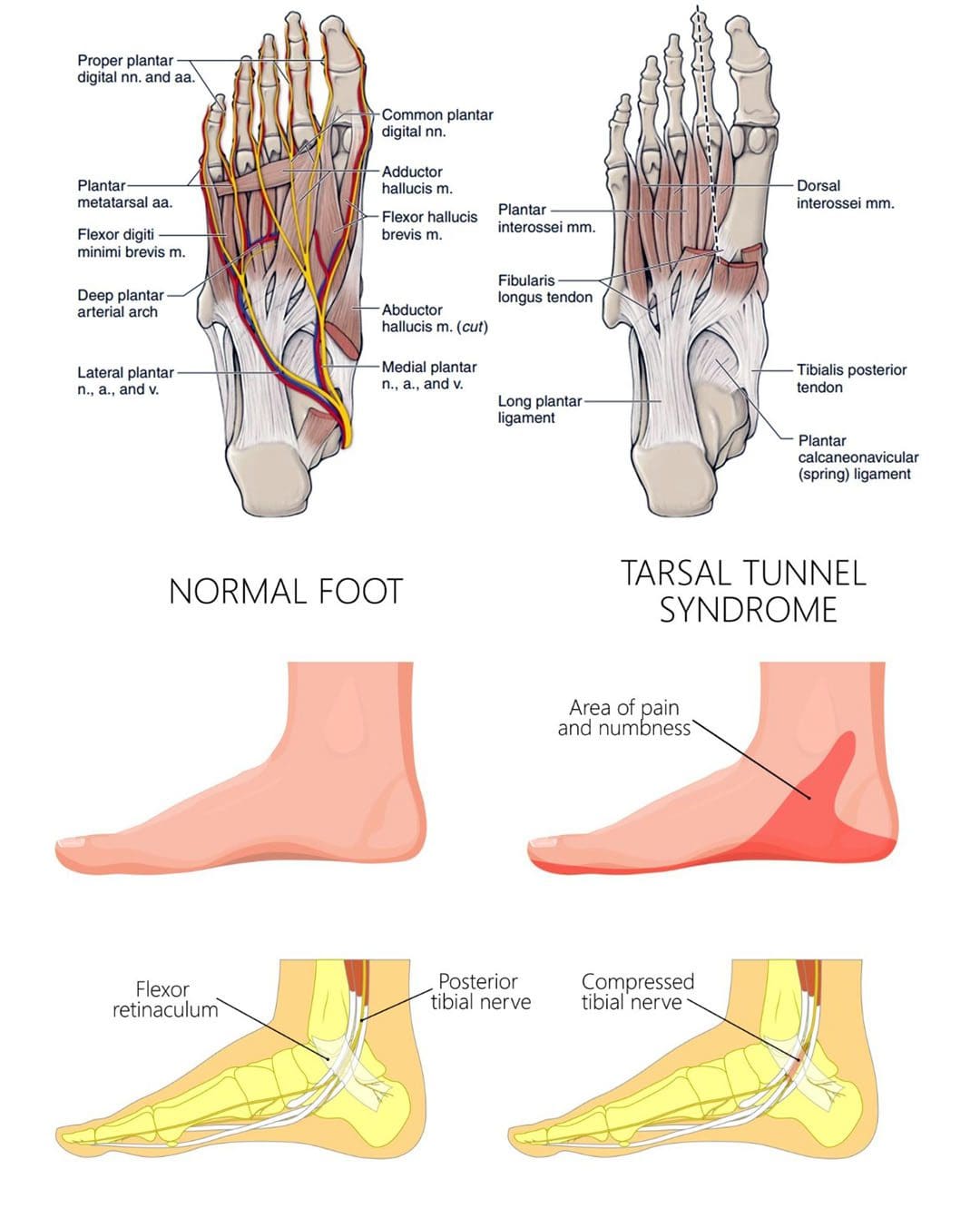
Pulling a little tighter to get a firm fit around the ankle is common, but this can entrap nerves on top of the foot at the ankle/anterior tarsal tunnel, similar to the carpal tunnel in the wrist.
This can be problematic for individuals with high arches.
Loosening the laces are recommended.
However, runners may feel insecure with looser laces.
Experimenting with different lacing techniques is recommended to find one that keeps the shoes comfortable without creating undue pressure over the top of the foot.
Using padding under the tongue of the shoe can help.
Foot Fall Pattern
Sometimes running form can put pressure on nerves that, lead to numbness.
Overstriding– Landing heel first with the foot ahead of the body’s center of gravity places the feet on the ground for too long.
Correcting this issue can be achieved by shortening the stride and focusing on landing on the midsole.
This way, the feet will land directly under the body.
Running like stepping on hot coals is recommended, keeping the movements light and quick.
Correcting overstriding saves energy and lowers the risk of shin splints.
A sports chiropractor, physical therapist, or running coach can help fine-tune form for specific guidance.
Foot Structure
The anatomy of the feet, specifically the arches, can contribute to running foot numbness.
Flat feet mean the entire bottom of each foot is in contact with the floor when barefoot.
Overly flexible feet are more likely to experience nerve compression.
This can be corrected with shoe orthotic inserts.
Over-the-counter orthotics may work, but custom orthotics are another option if they don’t.
Muscle Tightness
Stiff, inflexible muscles can lead to anatomical conditions that generate nerve pressure.
Warm-up exercises before running will get the muscles loose and ready.
Stretching is very important before and after running.
Individuals prone to muscle tightness should include flexibility exercises.
Yoga can improve flexibility and body alignment.
Foam rollers and other massage tools will work out kinks in areas where tightness forms and affects nerves, like the quadriceps, calves, hamstrings, and I.T. band.
Regular sports massage and chiropractic can help keep the body pliable.
Sciatic Nerve Issues
A compressed nerve causes a decrease in the sensation to the areas the nerve supplies.
Foot numbness, especially around the heel or the sole, can be caused by sciatic nerve compression.
The pain from sciatica might originate in the back but can end up causing numbness in the feet and/or toes.
Poor posture, tight piriformis muscles, or other back injuries can also cause sciatica.
A chiropractor or physical therapist can prescribe decompression therapy, MET stretches, and rehabilitative exercises.
Prevention
Most of the time, running foot numbness can be treated by adjusting footwear or technique. Here are a few tips for injury prevention:
Evaluate Shoes
First, make sure the shoelaces are not overly tight.
If the shoes are uncomfortable when running, look for another set and get a custom fitting.
Running Form
Avoid overstriding by focusing on landing on the midsole instead of the heel.
This will take the pressure off of the feet.
Foot Orthotics
Individuals with flat feet, high arches, or overly flexible feet should consider orthotics.
Avoid Overtraining
Work rest days into the training schedule and gradually build up to avoid overuse injuries.
Stretch to prevent muscle imbalances, keep muscles loose, and improve the range of motion.
Chiropractic and Physical Therapy
If symptoms don’t improve, see a doctor, podiatrist, or chiropractor so they can rule out conditions and develop a personalized treatment plan.
Benefits of Custom Foot Orthotics
References
Aldridge, Tracy. “Diagnosing heel pain in adults.” American family physician vol. 70,2 (2004): 332-8.
Atik, Aziz, and Selahattin Ozyurek. “Flexible flatfoot.” Northern Clinics of Istanbul vol. 1,1 57-64. 3 Aug. 2014, doi:10.14744/nci.2014.29292
Jackson, D L, and B L Haglund. “Tarsal tunnel syndrome in runners.” Sports medicine (Auckland, N.Z.) vol. 13,2 (1992): 146-9. doi:10.2165/00007256-199213020-00010
Souza, Richard B. “An Evidence-Based Videotaped Running Biomechanics Analysis.” Physical Medicine and rehabilitation clinics of North America vol. 27,1 (2016): 217-36. doi:10.1016/j.pmr.2015.08.006
Sridhara, C R, and K L Izzo. “Terminal sensory branches of the superficial peroneal nerve: an entrapment syndrome.” Archives of physical medicine and Rehabilitation vol. 66,11 (1985): 789-91.
Supplements To Ease Headaches: Individuals dealing with headaches or migraines should consider incorporating supplements to ease headaches’ severity and frequency. Nutrition and food habits affect all systems in the body. Although slower to take effect than medications, if a diet is used correctly to heal the body and maintain health, other treatments may not be necessary or require less. Many health providers understand that food is a medicine that can assist healing therapies like massage and chiropractic care, which makes the treatment more effective when used with dietary adjustments.
Supplements To Ease Headaches
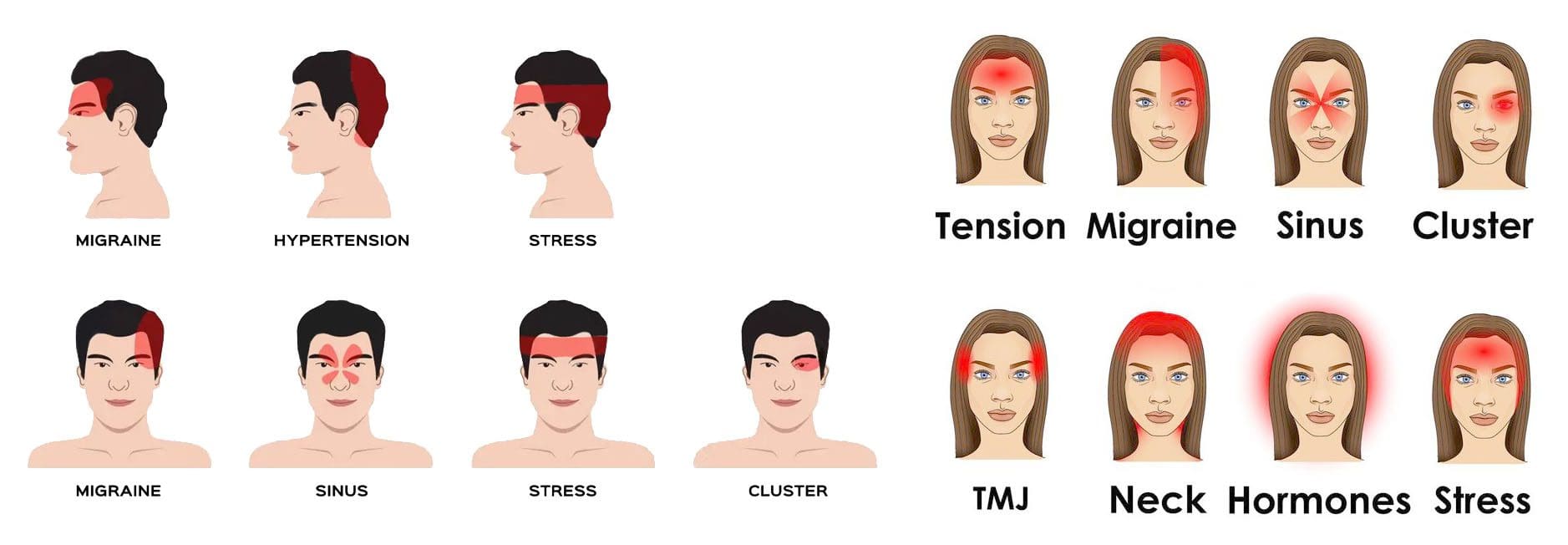
An unhealthy lifestyle and diet are not the only contributing factor to headaches. Others include:
The goal of functional medicine is to help individuals reach their health and wellness goals that, include:
Regularly active lifestyle.
Optimal breathing patterns.
Quality sleep patterns.
Thorough hydration.
Healthy nutrition.
Improved digestive health.
Improved mental health.
Improved musculoskeletal health.
Pain Receptors – Headache
Pain and discomfort symptoms present when various head structures become inflamed or irritated. These structures include:
Nerves of the head and neck.
Muscles of the neck and head.
The skin of the head.
Arteries that lead to the brain.
Membranes of the ear, nose, and throat.
Sinuses that form part of the respiratory system.
The pain can also be referred, meaning that pain in one area can spread to nearby areas. An example is headache pain developed from neck stiffness and tightness.
Causes
Foods
Determining whether food sensitivities cause or contribute to headaches or migraines can be challenging. Nutritionists and dieticians recommend keeping a food journal to keep track of foods, snacks, drinks, alcohol intake, how the body reacts, and how the individual feels.
This process can help recognize foods or eating patterns that may contribute to headaches.
An integrative health practitioner can support this process and help identify sensitivities.
By eliminating and avoiding processed foods, headaches may be alleviated. This includes limited exposure to artificial colors, sweeteners, flavors, and other unnatural additives.
Foods naturally high in magnesium include legumes, almonds, broccoli, spinach, avocados, dried figs, and bananas.
Ginger Root
Ginger root is a natural remedy for nausea, diarrhea, upset stomach, and indigestion.
Ginger root extract can be taken in supplement form or fresh ginger added to meals and teas.
Coriander Seeds
Coriander syrup is effective against migraine pain.
A method to relieve a headache is to pour hot water over fresh seeds and inhale the steam.
To increase the effectiveness, place a towel over your head.
Celery or Celery Seed Oil
Celery can reduce inflammation and lower blood pressure.
However, pregnant women or individuals with kidney conditions, low blood pressure, taking thyroid medication, blood thinners, lithium, or diuretics should not use celery seed.
Peppermint and Lavender Essential Oils
Both have a natural numbing and cooling effect that helps relieve headache pain.
Peppermint oil has also been found to be a natural antibacterial, antiviral, antifungal, antiparasitic, and pain reliever.
Lavender oil can eliminate nervous tension, enhance blood circulation, and relieve pain.
Both are effective pain relief tools for headache and migraine sufferers.
Butterbur
This shrub grows in Europe, some parts of Asia, and North America.
A study found that individuals who consumed 75 mg of the extract twice daily reduced migraine attacks’ frequency.
Feverfew
A herb plant whose dried leaves have been found to relieve symptoms associated with headaches, migraines, menstrual cramps, asthma, dizziness, and arthritis.
Feverfew can be found in supplements.
It can alter the effects of certain prescription and non-prescription medications.
There is plenty of evidence to support the benefits of healthy nutrition. Combined with a healthy diet and lifestyle, these supplements can help relieve headaches. As with any supplement, talk to a doctor before starting a supplement regimen.
Chiropractic Care For Migraines
References
Ariyanfar, Shadi, et al. “Review on Headache Related to Dietary Supplements.” Current Pain and headache report vol. 26,3 (2022): 193-218. doi:10.1007/s11916-022-01019-9
Bryans, Roland, et al. “Evidence-based guidelines for the chiropractic treatment of adults with headache.” Journal of Manipulative and physiological therapeutics vol. 34,5 (2011): 274-89. doi:10.1016/j.jmpt.2011.04.008
Diener, H C et al. “The first placebo-controlled trial of a special butterbur root extract for the prevention of migraine: reanalysis of efficacy criteria.” European Neurology vol. 51,2 (2004): 89-97. doi:10.1159/000076535
Kajjari, Shweta, et al. “The Effects of Lavender Essential Oil and its Clinical Implications in Dentistry: A Review.” International Journal of clinical pediatric dentistry vol. 15,3 (2022): 385-388. doi:10.5005/jp-journals-10005-2378
Maier, Jeanette A et al. “Headaches and Magnesium: Mechanisms, Bioavailability, Therapeutic Efficacy and Potential Advantage of Magnesium Pidolate.” Nutrients vol. 12,9 2660. 31 Aug. 2020, doi:10.3390/nu12092660
Mansouri, Samaneh, et al. “Evaluating the effect of Coriandrum sativum syrup on being migraine-free using mixture models.” Medical Journal of the Islamic Republic of Iran vol. 34 44. 6 May. 2020, doi:10.34171/mjiri.34.44
Pareek, Anil, et al. “Feverfew (Tanacetum parthenium L.): A systematic review.” Pharmacognosy Reviews vol. 5,9 (2011): 103-10. doi:10.4103/0973-7847.79105
Skypala, Isabel J et al. “Sensitivity to food additives, vaso-active amines and salicylates: a review of the evidence.” Clinical and translational allergy vol. 5 34. 13 Oct. 2015, doi:10.1186/s13601-015-0078-3
Gelatin is a stabilizer and thickener used to make desserts like fruit gelatin, pudding, mousse, marshmallows, candy, cakes, ice cream, and certain yogurts. It is also used in some shampoos and skincare products. Because animal products are used to make gelatin, it is not a vegan-friendly food, and even some non-vegans choose not to eat it. However, there are gelatin alternatives that are made from non-animal sources. The use of gelatin may provide certain health benefits, and there are some medical uses for pharmaceutical-grade gelatin.
Gelatin Health
Gelatin is affirmed as generally recognized as safe/GRAS by the U.S. Food and Drug Administration. Gelatin is made by boiling the skin, tendons, ligaments, or bones of animals – cows or pigs in water. This process releases collagen, a protein that provides structure and is the most abundant in the human body. Once the collagen is extracted, it is:
Concentrated
Filtered
Cooled
Extruded
Dried
Alternatives
Thickening agents can be made from different ingredients. These include:
Agar-agar
Also called agar, this thickener is made from cooked and pressed seaweed.
This gelling agent is available online and in some supermarkets in powdered, flaked, and bar form.
When cooking with it, substitute agar for gelatin using equal amounts if using the powder.
If using flakes, a tablespoon equals about a teaspoon of the powder.
Certain citrus fruits require more agar when substituting.
Agar does not gel well for recipes that include uncooked mangoes, papaya, and pineapple.
Pectin
Pectin is a gelling agent found naturally in apples and citrus fruits.
Food manufacturers use pectin to make some yogurts and candies and enhance fruit-based beverages.
It can also thicken jams, jellies, and other foods.
This thickener is usually for making softer gels and puddings.
Benefits
Improved Bone Health
A benefit of gelatin is the protection of bones; however, evidence supporting its use is limited.
An early study found that hydrolyzed gelatin, such as pharmaceutical grade, may help reduce pain symptoms in individuals with knee or hip osteoarthritis.
Researchers thought that it could have a beneficial effect on cartilage metabolism.
A study found that adding gelatin to an intermittent exercise program improved collagen synthesis and could aid in injury prevention and tissue repair.
Treatment of Diarrhea
Some studies have suggested that gelatin tannate, which contains tannic acid, can reduce chronic diarrhea.
One study found that using gelatin tannate and other products like probiotics could be effective.
However, further research is needed.
Recipe Alternative
Individuals following specific diets or nutritional plans can use gelatin to thicken foods instead of ingredients that they are avoiding or removing from their eating plan.
It can be used by those following low or no – carb or grain-free diets.
Individuals with wheat allergies, celiac disease, non-celiac gluten sensitivity, or who follow a gluten-free diet can use gelatin or other thickeners instead of flour.
Adding flour to foods like soups and stews can increase the carbohydrate count.
Cornstarch is one replacement that thickens when food is heated, like flour; however, gelatin thickens when food is cooled.
For example, some chefs use 1 ½ teaspoons of gelatin per cup of stock to thicken soups.
Nutrition
The USDA provides the following nutrition information for a single envelope or around one tablespoon/7 grams of gelatin.
Carbohydrates
There are about 30 calories per tablespoon, and none of the calories are from carbohydrates.
There are 0 grams of total carbohydrates, 0 grams of sugar, and 0 grams of fiber.
Because there are no carbohydrates, it will not impact blood sugar levels.
However, it is not usually consumed by itself.
It is commonly used to thicken desserts with sugar and carbohydrates that can elevate blood sugar levels.
Fats
There is no fat in a tablespoon serving of gelatin.
A 100-gram serving contains less than a gram of fat.
Protein
Gelatin provides about 6 grams of protein in one tablespoon serving.
It should not be considered a high-protein food.
Vitamins and Minerals
The powder does not contribute any significant micronutrients.
Does not provide vitamins or minerals.
Storage and Safety
It should be kept in a sealed container and stored in a cool, dry place.
It should stay fresh for about three years when unopened and stored correctly.
It should not be frozen.
Chiropractic Success Story
References
Blanco, Francisco J, and Ronald K June 2nd. “Cartilage Metabolism, Mitochondria, and Osteoarthritis.” The Journal of the American Academy of Orthopaedic Surgeons vol. 28,6 (2020): e242-e244. doi:10.5435/JAAOS-D-19-00442
Daneault, Audrey, et al. “Biological effect of hydrolyzed collagen on bone metabolism.” Critical Reviews in food science and Nutrition vol. 57,9 (2017): 1922-1937. doi:10.1080/10408398.2015.1038377
Florez, Ivan D et al. “Gelatin tannate for acute diarrhea and gastroenteritis in children: a systematic review and meta-analysis.” Archives of Disease in Childhood vol. 105,2 (2020): 141-146. doi:10.1136/arch dis child-2018-316385
Hölzl, Katja, et al. “Gelatin methacryloyl as an environment for chondrocytes and cell delivery to superficial cartilage defects.” Journal of tissue engineering and regenerative medicine vol. 16,2 (2022): 207-222. doi:10.1002/term.3273
Lopetuso, L et al. “Gelatin tannate and tyndallized probiotics: a novel approach for the treatment of diarrhea.” European Review for Medical and pharmacological sciences vol. 21,4 (2017): 873-883.
Shaw, Gregory, et al. “Vitamin C-enriched gelatin supplementation before intermittent activity augments collagen synthesis.” The American Journal of clinical nutrition vol. 105,1 (2017): 136-143. doi:10.3945/ajcn.116.138594
Tehranzadeh, J et al. “Cartilage metabolism in osteoarthritis and the influence of viscosupplementation and steroid: a review.” Acta radiologica (Stockholm, Sweden : 1987) vol. 46,3 (2005): 288-96. doi:10.1080/02841850510016027
As humans, there are a variety of stressors experienced daily. Stress collects in various body areas, most commonly the upper back, jaw, and neck muscles. Stress leads to tension in the muscles. The built-up tension can cause the spinal bones to shift out of alignment, irritating the nerves between the spinal bones. A cycle begins as increased nerve tension causes the muscles to continue to contract/tighten. The extra muscle tension continues to pull the spinal bones out of alignment, making the spine stiff and less flexible affecting posture, balance, coordination, and mobility, causing the spine to become further unstable. Chiropractic treatment at regular intervals is recommended to help realign and maintain proper position.
Why The Spine Goes Out of Alignment
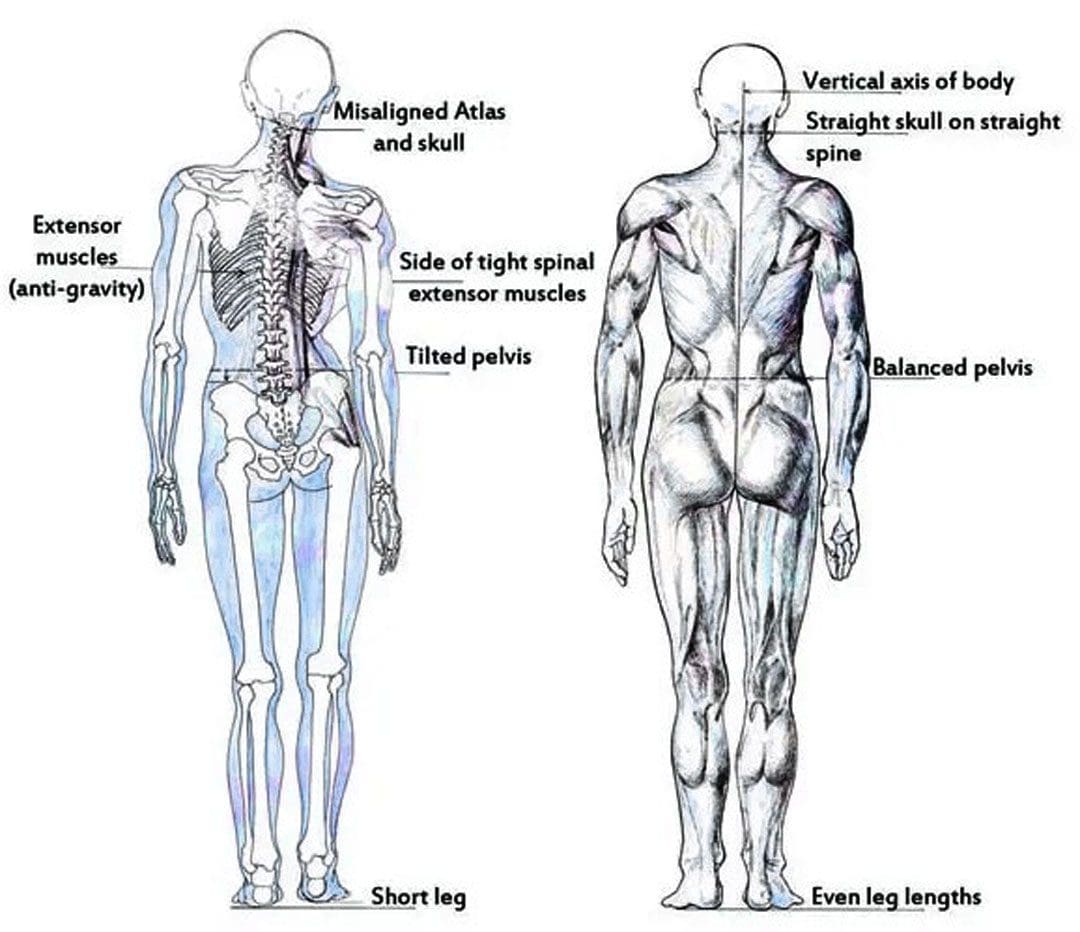
The nerves in the body are intricately linked to the spinal cord, and small distortions in the alignment can cause nerves to misfire and malfunction. When the spine goes out of alignment, the nervous system/brain and nerves get stuck in a stressed or tense state. Even a minor misalignment can cause a series of discomfort symptoms to travel throughout the body.
Causes
Causes of misalignment that creates tension in the nerves and muscles include:
A chiropractor will feel/palpate the spine to see if the bones are in alignment, move well, or are out of alignment and not moving correctly or moving at all.
Posture Exam
If the head, shoulders, and hips are uneven or the shoulders and head are pulling forward, the spinal bones are out of alignment/subluxations.
Balance and Coordination
Unhealthy balance and coordination can indicate the brain, nerves, and muscles are malfunctioning by spinal misalignment.
Range of Motion
A loss of spinal movement flexibility can show tension in the nerves, muscles, and misalignments.
Muscle Test
Loss of strength in a muscle can indicate the nerve signals are weak.
Orthopedic Tests
Tests that put the body in stressful positions focus on what tissue/s may be injured and the causes.
X-rays
X-rays look for abnormalities, dislocations, bone density, fractures, hidden/invisible injuries, and infections.
Injury Medical Chiropractic and Functional Medicine Clinic provide personalized treatment plans. These specific therapies are made to generate long-term spine benefits. Spinal manipulation, deep tissue massage, MET, and other manual therapy techniques, combined with exercise, help get the bones moving properly, the muscles functioning correctly, and the spine back into proper form. Treatment relieves muscle spasms, tension, and joint dysfunction, increases circulation, and retrains the muscles to remain relaxed.
The Natural Way to Heal
References
Ando, Kei et al. “Poor spinal alignment in females with obesity: The Yakumo study.” Journal of Orthopaedics vol. 21 512-516. 16 Sep. 2020, doi:10.1016/j.jor.2020.09.006
Le Huec, J C et al. “Sagittal balance of the spine.” The European spine journal: official publication of the European Spine Society, the European Spinal Deformity Society, and the European Section of the Cervical Spine Research Society vol. 28,9 (2019): 1889-1905. doi:10.1007/s00586-019-06083-1
Meeker, William C, and Scott Haldeman. “Chiropractic: a profession at the crossroads of mainstream and alternative medicine.” Annals of internal medicine vol. 136,3 (2002): 216-27. doi:10.7326/0003-4819-136-3-200202050-00010
Oakley, Paul A et al. “X-Ray Imaging is Essential for Contemporary Chiropractic and Manual Therapy Spinal Rehabilitation: Radiography Increases Benefits and Reduces Risks.” Dose-response: a publication of International Hormesis Society vol. 16,2 1559325818781437. 19 Jun. 2018, doi:10.1177/1559325818781437
Shah, Anoli A, et al. “Spinal Balance/Alignment – Clinical Relevance and Biomechanics.” Journal of biomechanical engineering, 10.1115/1.4043650. 2 May. 2019, doi:10.1115/1.4043650
Learning how to stay active with busy lives and schedules takes practice. There are daily ways to incorporate physical movement into the everyday routine and shed sedentary habits in favor of more active ones resulting in improved overall health, elevated mood, and better energy levels. Regular movement lowers body weight and reduces the risk of medical conditions like cardiovascular disease, diabetes, and arthritis. And regularly incorporating small physical activities throughout the day can make the exercise more fun and not like a chore that begins to become second nature.
Daily Ways To Stay Active
Like most individuals, much time is spent sitting in the car, workstation/desk, or couch. Research has found that maintaining physical activity can reduce the risk of colon and breast cancer.
Movement
Everyone is different, and there is no one-size-fits-all daily or weekly movement plan. The Centers for Disease Control and Prevention recommends that adults ages 18 to 64 get around 150 minutes of moderate-intensity weekly exercise combined with functional strength training. This can seem like a lot, but still, some activity is better than none. Wherever an individual is in physical fitness, it is never too late to make incremental adjustments and rebuild health one step at a time.
Brisk walking is an example of moderate-intensity exercise.
Individuals with busy schedules can break up their daily movement into smaller chunks.
5 or 10 minutes here and there add up to significant health benefits.
Start With Stretching
A quick morning stretch of 10 minutes can help limber up the muscles, get circulation pumping, and reduce stress.
A study found that a regular 10-minute stretching plan helped reduce anxiety and physical pain and increase flexibility.
Stand Up and Walking Around More
Standing up every 20-30 minutes at home or work is recommended during seated activities.
Walking and thinking increases creative output.
Mobility gets the blood pumping and increases caloric output.
With regular practice, individuals learn to feel their muscles tensing from too much sitting and know it’s time to get up and move.
One way to stand and move is to pace the room during a phone call.
Take the Long Way
Take the stairs or park farther from the store to increase walking steps.
Physical activity in small bursts creates a mindset of an added challenge.
Choosing to go the long way does make a difference and can significantly affect other areas of life.
Move to Music
Research shows that music has amazing effects on physical activity.
It distracts from pain and fatigue.
It increases endurance.
Makes physical activity and exercise feel like less of an effort.
Playing moving music around the office, if possible/headphones and house can get the body naturally moving more.
This could be washing dishes after dinner, using the whole body
Vacuuming the house can work the muscles and elevate the heart rate.
A 150-pound person can burn serious calories from a full hour of cleaning and chores.
Added mental health benefits from the work reduce anxiety, depression, and negative mood.
Get Up When Commercials Come On
Get up and move during commercial breaks.
But with streaming services, commercials aren’t the same.
When watching shows or movies without built-in commercials, make a habit of getting up.
For shows or movies with no commercials, pause and take a quick stretch, do a quick round of jumping jacks, or walk to the other end of the house or twice in an apartment and back.
A brief break is not an actual workout, but it will get the heart pumping more than staying sedentary.
The more you do it, the more natural it will become.
Military Training and Chiropractic Care
References
Habay, Jelle, et al. “Interindividual Variability in Mental Fatigue-Related Impairments in Endurance Performance: A Systematic Review and Multiple Meta-regression.” Sports medicine – open vol. 9,1 14. 20 Feb. 2023, doi:10.1186/s40798-023-00559-7
Hotta, Kazuki, et al. “Daily muscle stretching enhances blood flow, endothelial function, capillarity, vascular volume and connectivity in aged skeletal muscle.” The Journal of Physiology vol. 596,10 (2018): 1903-1917. doi:10.1113/JP275459
Kruse, Nicholas T, and Barry W Scheuermann. “Cardiovascular Responses to Skeletal Muscle Stretching: “Stretching” the Truth or a New Exercise Paradigm for Cardiovascular Medicine?.” Sports medicine (Auckland, N.Z.) vol. 47,12 (2017): 2507-2520. doi:10.1007/s40279-017-0768-1
Maltese, Paolo Enrico et al. “Molecular foundations of chiropractic therapy.” Acta bio-medica : Atenei Parmensis vol. 90,10-S 93-102. 30 Sep. 2019, doi:10.23750/abm.v90i10-S.8768
Ma, Peng, et al. “Daily sedentary time and its association with risk for colorectal cancer in adults: A dose-response meta-analysis of prospective cohort studies.” Medicine vol. 96,22 (2017): e7049. doi:10.1097/MD.0000000000007049
Rangul, Vegar, et al. “The associations of sitting time and physical activity on total and site-specific cancer incidence: Results from the HUNT study, Norway.” PloS one vol. 13,10 e0206015. 23 Oct. 2018, doi:10.1371/journal.pone.0206015
Shen, Dong, et al. “Sedentary behavior and incident cancer: a meta-analysis of prospective studies.” PloS one vol. 9,8 e105709. 25 Aug. 2014, doi:10.1371/journal.pone.0105709
Pretty much everyone experiences a muscle cramp at some point. A muscle cramp is an involuntarily contracted muscle that does not relax, similar to a spasm, but a cramp lasts longer and is usually a forcible contraction. During a cramp, the muscles tighten without voluntary input from the brain and over-tighten. They can last anywhere from a few seconds to an hour or longer. They can be prevented through adequate nutrition and hydration, attention to safety when engaged in physical activity or exercise, and attention to posture and ergonomics. Injury Medical Chiropractic and Functional Medicine Clinic can develop personalized treatment plans for individuals experiencing musculoskeletal issues.
Muscle Cramp
Muscle cramps can occur in any muscle. The cramp may involve a portion of a muscle, the entire muscle, or several muscles that function together. A muscle or a few tissue fibers that involuntarily contracts is in a spasm. If the spasm is forcefully sustained, it turns into a cramp. They can cause a noticeable and/or hardening of the involved muscle/s. They can be experienced as mild twitches or can be excruciatingly painful. Some can involve the simultaneous contraction of muscles that normally move body parts in opposite directions. It is not uncommon for a cramp to flare up multiple times until it finally stops.
Causes
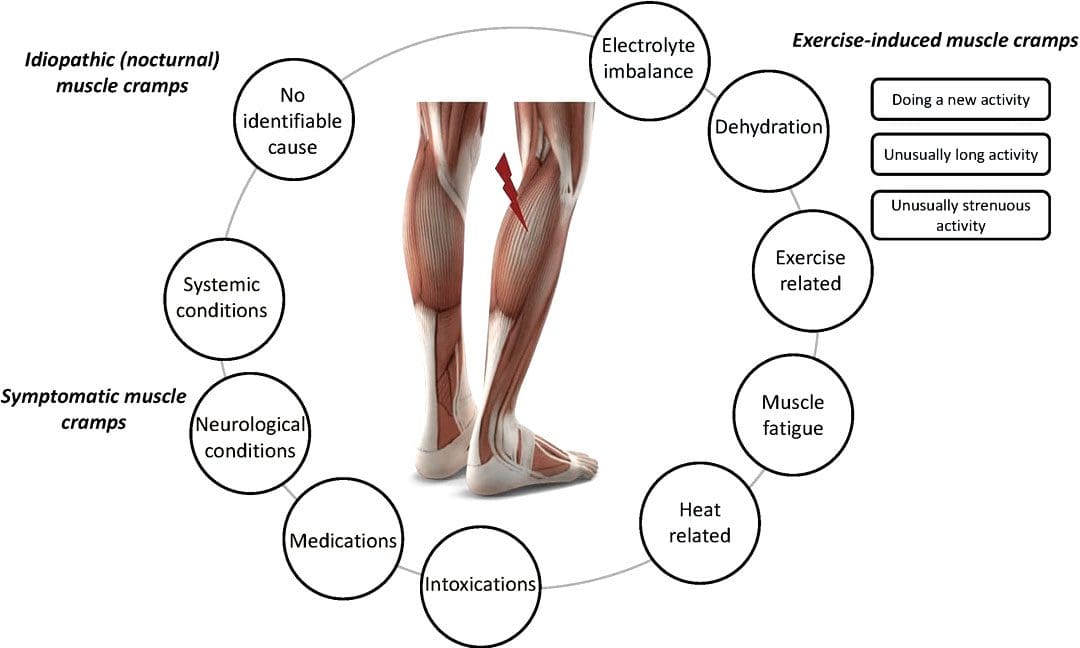
They can occur during physical activity, exercise, rest, or night, depending on the cause. There are various causes that, include:
Most times, they are not a cause for alarm; however, depending on the individual, their age, type of physical activity, and medical history, cramps could indicate a more serious underlying problem such as a thyroid disorder, liver cirrhosis, atherosclerosis, ALS, or a problem or condition of the spine or spinal nerves.
Muscles Involved
The muscles involved can indicate the mechanism and cause.
If the cramp is triggered by fatigue, a drop in muscle glycogen, dehydration, or an electrolyte imbalance, it’s most frequently to the calf muscles, feet, or back of the thigh/hamstring muscles.
This is typically due to a combination of fatigue and dehydration.
If it is triggered by nerve irritation, like a spinal disc injury, cramps tend to present in the forearm, hand, calf, and foot, depending on whether the disc injury is in the neck or lower back.
If there is a joint sprain in the neck, mid-back, or lower back, the cramp will present where the injury is and around the surrounding muscles.
A calf cramp happens when lying down because the foot points down, shortening the calf muscles.
A shortened muscle is more likely to go into spasm, especially if it is exhausted from activities and if the body is dehydrated, which is pretty common.
For two muscles that work together performing the same movement, called agonists, and the one muscle is weaker, the secondary muscle has to work harder, often going into a spasm or cramp from the added stress.
For example, if the buttock/gluteal muscles are weak, the hamstrings eventually spasm when exhausted.
Chiropractic
First, the cause needs to be identified through medical history and examination. There can be an underlying nerve irritation and interference, restricting the muscle or muscle group, which needs to be dealt with for the therapy to be effective. Chiropractic care, combined with therapeutic stretching and massage therapy, can:
Relieve muscle cramping
Improve blood circulation
Increase muscle movement
Improve musculoskeletal function
All help to diminish and prevent muscle cramping.
Adjustments will restore proper alignment and restore nerve communication. These treatments help to release toxins, loosen and relax the muscle tissues, and provide relief.
Say Goodbye to Pain With Chiropractic
References
Blyton, Fiona, et al. “Non-drug therapies for lower limb muscle cramps.” The Cochrane Database of systematic reviews vol. 1,1 CD008496. 18 Jan. 2012, doi:10.1002/14651858.CD008496.pub2
FIELDS, A. “Leg cramps.” California Medicine vol. 92,3 (1960): 204-6.
Garrison, Scott R et al. “Magnesium for skeletal muscle cramps.” The Cochrane Database of systematic reviews vol. 9,9 CD009402. 21 Sep. 2020, doi:10.1002/14651858.CD009402.pub3
Katzberg, Hans D. “Case Studies in Management of Muscle Cramps.” Neurologic clinics vol. 38,3 (2020): 679-696. doi:10.1016/j.ncl.2020.03.011
Miller, Kevin C et al. “An Evidence-Based Review of the Pathophysiology, Treatment, and Prevention of Exercise-Associated Muscle Cramps.” Journal of athletic training vol. 57,1 (2022): 5-15. doi:10.4085/1062-6050-0696.20
Miller, Timothy M, and Robert B Layzer. “Muscle cramps.” Muscle & nerve vol. 32,4 (2005): 431-42. doi:10.1002/mus.20341
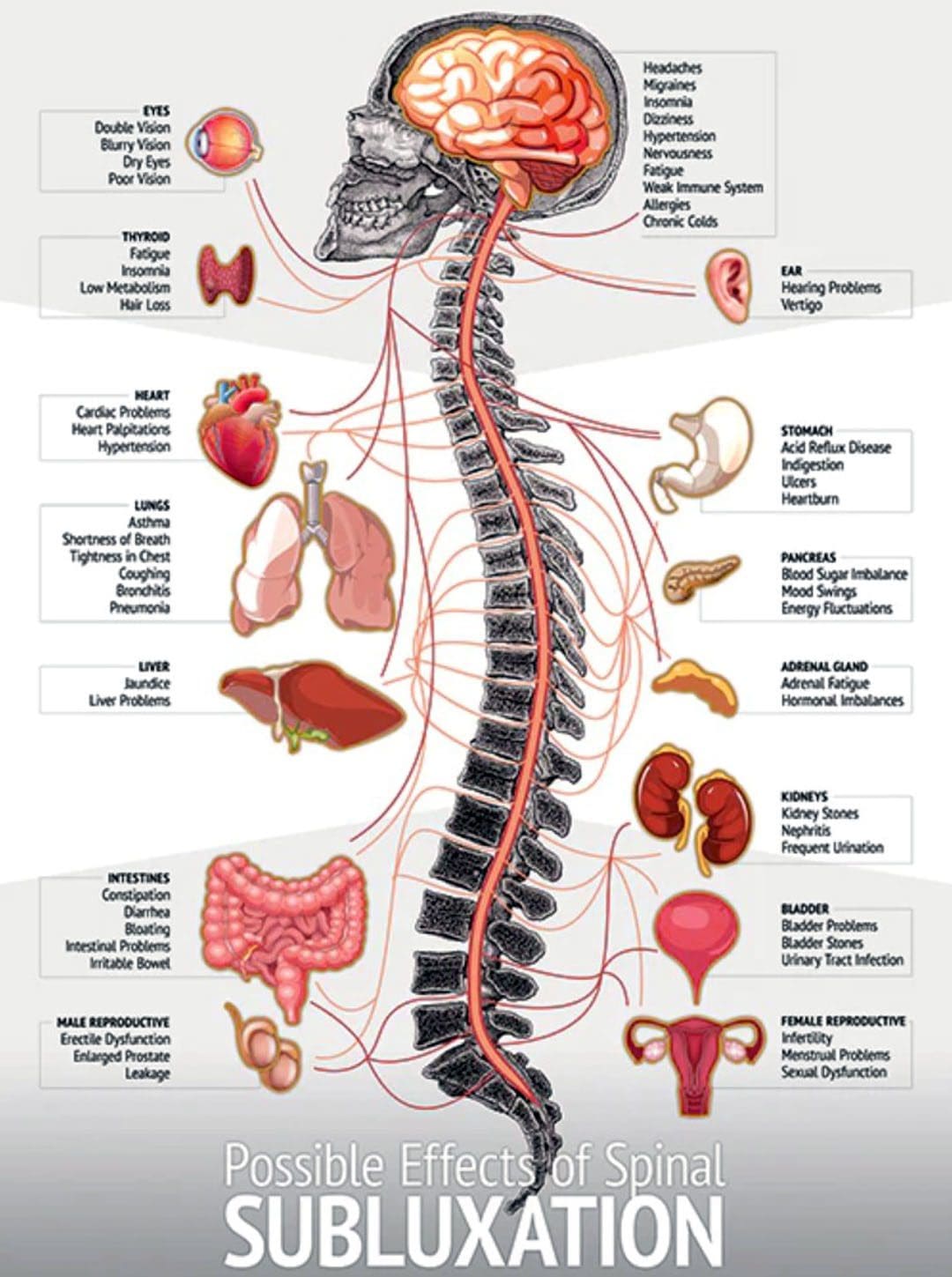
Body misalignment can cause various symptoms to be experienced, ranging from headaches, neck and back pain, sore feet, discomfort in the joints, muscles, or nerves, and digestive problems. Improperly aligned vertebrae can press against nerves, pinching or compressing them, causing the nerve signals of the digestive system, including those in the stomach and intestines, to misfire or fail to transmit at the appropriate moment. This can cause the organs to malfunction, resulting in heartburn, gas, constipation, cramping, diarrhea, and other symptoms. Chiropractic realignment adjustments are an effective treatment option for frequent stomachaches, reflux, constipation, and other gastrointestinal conditions.
Body Misalignment Digestive Problems
There are over a million nerve cells within the digestive system. A collection of nerves branch out from the lower part of the spinal cord and travels to the stomach and intestines. Nerve transmission plays an essential role in the following:
Digestion.
Movement of food through the gastrointestinal system.
Absorption of nutrients and minerals.
Removal of waste products.
Misalignments of the vertebrae are known as subluxations. Pressure on nerve roots caused by misalignment can interfere with the function of the bowel and other organs, which can lead to gastrointestinal issues. Muscle tension in the abdomen can also contribute to digestive problems, whether because of stress or sitting for long hours daily.
Misalignment Symptoms
When the body is out of alignment, symptoms of discomfort begin to appear. The most common include:
Fatigue.
Stiff neck.
Sore shoulders.
Chronic headaches.
Sore muscles.
Pain throughout the back.
Joint pain throughout the body.
Chronic aches.
Tight hips.
Difficulty walking.
Tingling, pins and needles, and numbness nerve sensations – sciatica.
Constantly getting sick.
Healthy Gut
A balanced healthy gut will have less difficulty processing food and eliminating waste, leading to reduced and eventually alleviated symptoms. The following show healthy gut function:
Regular, consistent energy levels.
Increased mental clarity.
Regular and healthy bowel movements.
No pain or discomfort symptoms.
A normal amount of gas and bloating.
Healthy stress levels.
Chiropractic
Chiropractic care will realign the body to its proper form, improving gastrointestinal issues. The chiropractic team will use various tools and techniques to guide and correct any subluxations, relax the muscles, and increase nerve and blood circulation.
Healthy Diet and Chiropractic
References
Ernst, Edzard. “Chiropractic treatment for gastrointestinal problems: a systematic review of clinical trials.” Canadian Journal of Gastroenterology = Journal canadien de Gastroenterologie vol. 25,1 (2011): 39-40. doi:10.1155/2011/910469
Hills, Ronald D Jr, et al. “Gut Microbiome: Profound Implications for Diet and Disease.” Nutrients vol. 11,7 1613. 16 Jul. 2019, doi:10.3390/nu11071613
Hornbuckle, William E., et al. “Gastrointestinal Function.” Clinical Biochemistry of Domestic Animals (2008): 413–457. doi:10.1016/B978-0-12-370491-7.00014-3
Leeming, Emily R et al. “Effect of Diet on the Gut Microbiota: Rethinking Intervention Duration.” Nutrients vol. 11,12 2862. 22 Nov. 2019, doi:10.3390/nu11122862
Li, Yuanyuan, et al. “The Role of Microbiome in Insomnia, Circadian Disturbance, and Depression.” Frontiers in psychiatry vol. 9 669. 5 Dec. 2018, doi:10.3389/fpsyt.2018.00669
Redwood, Daniel. “Chiropractic and visceral disorders.” Journal of Alternative and complementary medicine (New York, N.Y.) vol. 13,5 (2007): 479-80. doi:10.1089/acm.2007.7146
Valdes, Ana M et al. “Role of the gut microbiota in nutrition and health.” BMJ (Clinical research ed.) vol. 361 k2179. 13 Jun. 2018, doi:10.1136/bmj.k2179
IFM's Find A Practitioner tool is the largest referral network in Functional Medicine, created to help patients locate Functional Medicine practitioners anywhere in the world. IFM Certified Practitioners are listed first in the search results, given their extensive education in Functional Medicine






 Why The Spine Goes Out of Alignment