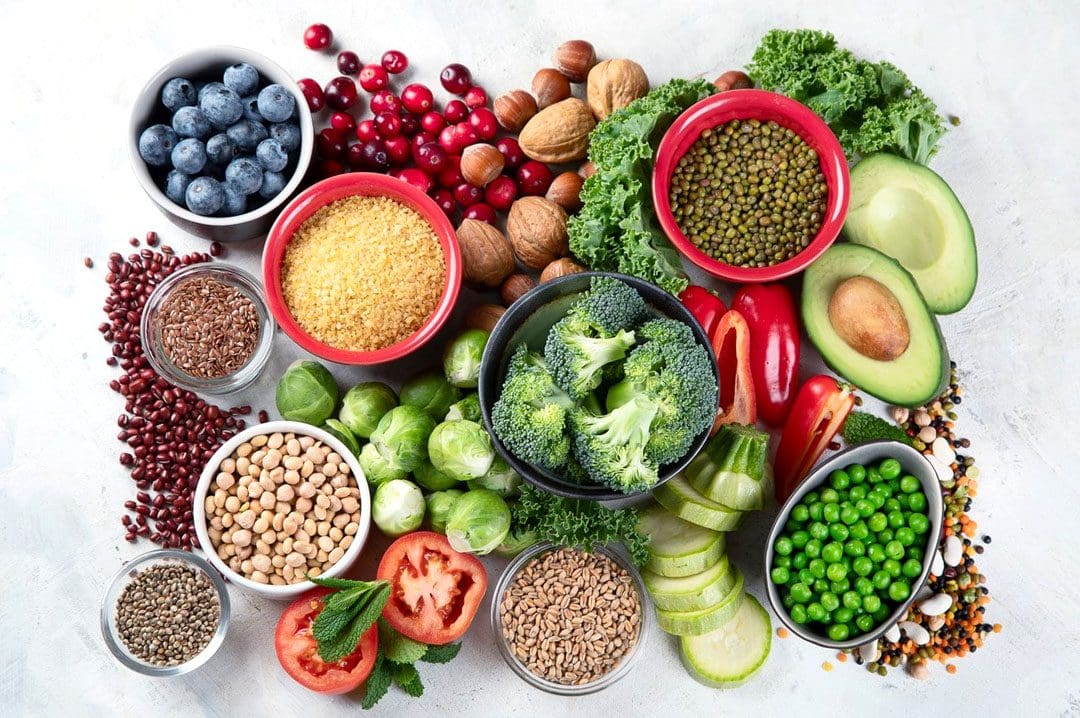
Can understanding antinutrients and the importance of a balanced diet help individuals get the most out of their foods?
Antinutrients
Antinutrients are compounds in some plant foods that can reduce the body’s ability to absorb and use certain nutrients. (Petroski W., & Minich D. M. 2020) The purpose of these compounds is to protect the plants from infections and insects, which benefits the plant. It can also lower the human body’s ability to absorb nutrients properly. They are found in many grains, legumes, seeds, nuts, fruits, and vegetables. Plant-based foods high in antinutrients have beneficial nutrients, such as antioxidants, fiber, and other vitamins and minerals, and have been associated with a lower risk of chronic disease. The antinutrients may prevent the digestion and absorption of some minerals and have other negative effects that include:
Altered gut function
Increased inflammation
Endocrine disruption
Increased risk of calcium kidney stones
Common Types
Some of the main antinutrients of concern include phytates, lectins, oxalates, tannins, and phytoestrogens.
Phytates (phytic acid)
They are found in grains, legumes, nuts, and seeds.
They are found in various plant foods, including fruits, vegetables, nuts, and grains. (Mitchell T. et al., 2019)
Oxalates bind to certain minerals, such as calcium-forming calcium oxalate.
Tannins
They are found in many plant foods, such as legumes, cereal grains, nuts, cacao, leafy and green vegetables, coffee, and tea. (Ojo M. A. 2022)
Tannins are antioxidant-phenolic compounds that can reduce the absorption of some minerals and proteins in the body.
Phytoestrogens
They are found in various plant foods, such as fruits, vegetables, legumes, nuts, and seeds.
These estrogen-like compounds have many health benefits but may also act as endocrine disruptors (interfering with hormones). (Petroski W., & Minich D. M. 2020)
Effects on the Body
Antinutrient compounds typically bind to minerals or other nutrients, which inhibits digestion and absorption. For example,
How these foods containing antinutrient compounds are prepared and consumed can influence their impact on the body and the quantity consumed.
Advantages and Disadvantages
Plant foods have long been associated with improved health and a decreased risk of some chronic diseases, such as heart disease, diabetes, cancer, stroke, and others. (Craig W. J. et al., 2021) For most, the effects of antinutrients are not of major concern after processing and cooking. The benefits and drawbacks of consuming foods high in antinutrients include: (Petroski W., & Minich D. M. 2020)
Benefits
Some antinutrients act as antioxidants.
Some have cancer-fighting abilities.
Some may increase immune system function.
They are often sources of dietary fiber and other beneficial nutrients.
Drawbacks
It may be difficult for some individuals to digest.
Phytoestrogens may behave like endocrine disruptors.
High amounts of oxalates can contribute to kidney stones.
Cooking methods to minimize antinutrient content, like boiling, steaming
Autoclaving – a cooking process that uses high pressure and heat to cook and sterilize food.
Peeling the skins of fruits and nuts is effective for reducing tannins.
Combining foods to enhance nutrient absorption.
For example, pairing high-oxalate foods with high-calcium foods.
Combining different cooking and processing methods can completely degrade and reduce many antinutrient compounds. The exception is phytoestrogens, where boiling, steaming, and fermentation can increase antinutrients. (Petroski W. & Minich D. M., 2020)
Injury Medical Chiropractic & Functional Medicine Clinic
Individuals concerned about antinutrients in their diet and who want individualized advice on how to get the most out of the food they eat should consider consulting with a registered dietitian nutritionist or another healthcare professional. Injury Medical Chiropractic and Functional Medicine Clinic works with primary healthcare providers and specialists to develop an optimal health and wellness solution.
Smart Choices, Better Health
References
Petroski, W., & Minich, D. M. (2020). Is There Such a Thing as “Anti-Nutrients”? A Narrative Review of Perceived Problematic Plant Compounds. Nutrients, 12(10), 2929. https://doi.org/10.3390/nu12102929
Gupta, R. K., Gangoliya, S. S., & Singh, N. K. (2015). Reduction of phytic acid and enhancement of bioavailable micronutrients in food grains. Journal of food science and technology, 52(2), 676–684. https://doi.org/10.1007/s13197-013-0978-y
Adamcová, A., Laursen, K. H., & Ballin, N. Z. (2021). Lectin Activity in Commonly Consumed Plant-Based Foods: Calling for Method Harmonization and Risk Assessment. Foods (Basel, Switzerland), 10(11), 2796. https://doi.org/10.3390/foods10112796
Mitchell, T., Kumar, P., Reddy, T., Wood, K. D., Knight, J., Assimos, D. G., & Holmes, R. P. (2019). Dietary oxalate and kidney stone formation. American journal of physiology. Renal physiology, 316(3), F409–F413. https://doi.org/10.1152/ajprenal.00373.2018
Ojo, M. A. (2022). Tannins in Foods: Nutritional Implications and Processing Effects of Hydrothermal Techniques on Underutilized Hard-to-Cook Legume Seeds-A Review. Preventive nutrition and food science, 27(1), 14–19. https://doi.org/10.3746/pnf.2022.27.1.14
Craig, W. J., Mangels, A. R., Fresán, U., Marsh, K., Miles, F. L., Saunders, A. V., Haddad, E. H., Heskey, C. E., Johnston, P., Larson-Meyer, E., & Orlich, M. (2021). The Safe and Effective Use of Plant-Based Diets with Guidelines for Health Professionals. Nutrients, 13(11), 4144. https://doi.org/10.3390/nu13114144
Harvard T.H. Chan School of Public Health. (2022). Are anti-nutrients harmful? https://nutritionsource.hsph.harvard.edu/anti-nutrients/
U.S. Department of Agriculture. (2020). Dietary Guidelines for Americans, 2020-2025. Retrieved from https://www.dietaryguidelines.gov/sites/default/files/2021-03/Dietary_Guidelines_for_Americans-2020-2025.pdf
National Institutes of Health Office of Dietary Supplements. (2024). Iron. Retrieved from https://ods.od.nih.gov/factsheets/Iron-HealthProfessional/
Can understanding the philosophy of intuitive eating help individuals achieve and maintain health goals by breaking free from diets and getting healthy by improving their relationship with food and exercise?
Intuitive Eating
Intuitive eating is a non-diet approach to eating that focuses on listening to the body with internal body cues. Strict food rules are the main reason diets don’t work and negatively impact overall health and well-being. (Linardon, J., & Mitchell, S. 2017) Intuitive eating is characterized by eating in response to physiological hunger and satiety cues rather than emotional cues. The body was born to eat when hungry and stop when full. However, this natural way of eating can get lost in emotions, food rules, and restrictions. Fortunately, getting back to intuitive eating is possible for everyone.
How Does It Work?
Intuitive eating is a non-diet approach that steps away from a diet mentality and applies healthy behaviors around food. It focuses on unlearning external rules, like diet rules and expectations of what and how much to eat, and emphasizes internal cues like hunger, fullness, and how foods make you feel. It is based on principles that help build a healthier relationship with food. Individuals become aware of what to eat, how much to eat, and when to eat naturally, without worry or guilt.
Mindful Eating
Mindful eating is not the same thing as intuitive eating. Individuals can think of mindful eating as a skill or practice, while intuitive eating is a philosophy.
Principles
Understanding the ten core principles and how they work together is important.
Remove The Diet Mentality
Let go of the quick fixes and gimmick diets. These offer false hope that weight loss is easy, quick, and permanent and can make individuals feel like failures for losing and regaining weight.
Honor Hunger
Hunger is a normal, biological process. The body requires adequate amounts of energy and carbohydrates to function properly. Ignoring these cues and hunger can lead to cravings, overeating, and binges. Learning to honor hunger cues sets the stage for rebuilding trust with food. A food scale can help determine proper portions.
Make Friends With Food
Allow yourself unconditional permission to eat what you want. This means including all foods without labeling them as good or bad. Once an individual tells themself they can’t have a certain food, they can feel deprived, and intense cravings can build that often lead to overeating, binges, and extreme food guilt.
Get the Food Police Out Of Your Head
Learn to say no to self-induced thoughts of good or bad based on what is being eaten or how many calories are involved. Diets often say eating too many calories or enjoying a cookie is bad. These rules and restrictions can lower self-esteem and cause feelings of guilt. Removing negative food thoughts, guilt, and other rules is critical to intuitive eating.
Respect The Body’s Fullness
Listen for body cues that say you are full. This means your body is no longer hungry and should stop eating. Enjoy the flavors, stay aware of satiety signals throughout meals, and always be aware of your fullness level.
Satisfaction Factor
Learn to find joy and satisfaction in the eating experience. Eating what they want in an inviting environment promotes happiness and satisfaction, and a positive eating experience has been shown to promote satisfaction with even less food.
Honor Feelings Without Using Food
Don’t fix problems with food. Learn healthy ways to cope with emotions like stress, anxiety, anger, or boredom without turning to food. Feeding emotional hunger only makes feelings worse and adds guilt to the mix.
Respect Your Body
Body size and shape are unique for each person. Acceptance is an important part of self-respect and love. Instead of being critical, embrace individual genetic blueprints.
Being unrealistic and critical about one’s body makes it difficult to reject the diet mentality.
Exercise
Exercise doesn’t have to be intense or extreme to be effective. Individuals should focus on how good it feels to be active and moving their bodies rather than how many calories are burned during the workout sessions. Feeling great and motivated about exercise is easy when there is increased energy, better sleep, and improved quality of life.
Honor Health
Individuals don’t have to be perfect eaters. Infrequently eating a certain snack or meal won’t make you gain weight or cause health problems.
It’s what is eaten consistently over time that matters. Making food choices that taste good and nourish the body is what counts.
Weight Loss Benefits
Intuitive eating is not designed for weight loss. It aims to improve an individual’s relationship with food, including building healthier food behaviors and not focusing on the weight scale. However, learning to be an intuitive eater can help individuals lose weight by allowing the body to break the diet cycle and settle into its natural set point weight range.
Overall Health Benefits
Intuitive eating has been shown to have both physical and emotional health benefits that include:
Higher levels of contentment and satisfaction
Reduced stress
Increased self-esteem
Better body image outlook
Improved cholesterol levels
Improved metabolism
Lower rates of emotional and disordered eating
In a 24-study review that examined the psychosocial effect intuitive eating had on adult women was associated with the following positive results (Bruce, L. J., and Ricciardelli, L. A. 2016)
Decreased eating disorders
Improved positive outlook on body image
Higher emotional functioning
Another study compared restrictive diets and intuitive eating among men and women. The study found that intuitive eating uniquely and consistently presented lower levels of disordered eating and body image concerns. (Linardon, J., & Mitchell, S. 2017) Participants using intuitive eating expressed high levels of body appreciation, and researchers suggested promoting the practice within public health approaches to eating disorder prevention. The study also supported intuitive eating by promoting body acceptance and removing unhealthy thinking about food and eating.
Injury Medical Chiropractic and Functional Medicine Clinic works with primary healthcare providers and specialists to develop a personalized treatment plan through an integrated approach to create personalized care plans for each patient and restore health and function to the body through nutrition and wellness, functional medicine, acupuncture, Electroacupuncture, and sports medicine protocols. If the individual needs other treatment, they will be referred to a clinic or physician best suited for them. Dr. Jimenez has teamed up with top surgeons, clinical specialists, medical researchers, nutritionists, and health coaches to provide the most effective clinical treatments.
Eating Smart To Feel Better
References
Linardon, J., & Mitchell, S. (2017). Rigid dietary control, flexible dietary control, and intuitive eating: Evidence for their differential relationship to disordered eating and body image concerns. Eating behaviors, 26, 16–22. https://doi.org/10.1016/j.eatbeh.2017.01.008
Bruce, L. J., & Ricciardelli, L. A. (2016). A systematic review of the psychosocial correlates of intuitive eating among adult women. Appetite, 96, 454–472. https://doi.org/10.1016/j.appet.2015.10.012
Of this, 0.7 grams come from fiber, and 1.3 grams are natural sugars.
Fats
Tomatillos contain less than half a gram in one medium-sized tomatillo.
Protein
There is less than half a gram of protein per tomatillo.
Vitamins and Minerals
Tomatillos provide:
Vitamin A
Vitamin C
Potassium
And provide several other micronutrients in smaller doses.
Benefits
Tomatillo’s health benefits include the following.
Cardiovascular Health
Tomatillos provide a heart-healthy dietary addition. They are naturally low in sodium and rich in potassium, which could help regulate blood pressure. They provide vitamins A and C and antioxidants against free radicals.
The American Heart Association recommends the consumption of a variety of fruits and vegetables daily for various benefits. One of them is their fiber content. Fiber is the indigestible part of carbohydrates that can help decrease cholesterol by binding and removing cholesterol from the body. Tomatillos contain about one gram of fiber, a recommended addition to a heart-healthy diet. (American Heart Association. 2023)
Potentially Help Reduce Cancer Risk
Tomatillos have several antioxidants with cancer-preventing properties. They are a source of phytochemicals known as withanolides. These natural plant compounds have been shown to induce apoptosis/cell death in colon cancer cells. (Peter T. White et al., 2016) Diets high in fruits and vegetables have been associated with lower risks of cancer, making tomatillos a welcome addition to a high-antioxidant nutrition plan focused on cancer prevention.
Arthritis Symptoms Improvement
The withanolide antioxidants are also anti-inflammatory. Research on withanolides demonstrates clinical benefits in the alleviation of symptoms of osteoarthritis and rheumatoid arthritis. (Peter T. White et al., 2016) Tomatillos may help reduce inflammation, which can make arthritis more manageable.
Vision Loss Prevention
Tomatillos provide a healthy source of key nutrients for eye health. Lutein and zeaxanthin are antioxidants that concentrate in the retina and help protect against environmental deterioration. Tomatillos provide:
Tomatillos are a low-calorie whole food ingredient. Because of their high water content, it’s possible to fill up without adding excess calories. Fresh salsa made with tomatoes or tomatillos is a healthy, flavorful choice that is virtually free of added sugars. (The National Kidney Foundation. 2014)
Adverse Effects
Tomatillos are part of the nightshade family. While there is no conclusive evidence confirming any harmful effects, some individuals report experiencing sensitivity to them. (Cleveland Clinic. 2019) Individuals who believe they may be sensitive to tomatillos should consult a registered dietitian to determine the root cause and ways to improve tolerance.
Allergies
Although rare, serious reactions, including anaphylaxis, are possible even if the individual shows no signs of a tomato allergy.
Individuals unsure about an allergy to tomatillos should see an allergist for testing.
Varieties
Different varieties include yellow, green, and purple. (MacKenzie J. 2018)
Rendidora is a green variety that grows upright with a high yield.
Gulliver Hybrid, Tamayo, Gigante, and Toma Verde are also green but grow in a sprawling pattern.
Choose tomatillos that are firm and green but large enough that they fill up the husks.
When they ripen too long, their flavor becomes bland. (MacKenzie J. 2018)
Storage and Safety
Tomatillos can last months in their husks, spread out in a well-ventilated area. (MacKenzie J. 2018)
Keep them in a paper bag in the refrigerator for no longer than 2 weeks if using sooner.
Do not store in plastic, as this can cause spoilage.
For extended storage, tomatillos may be frozen or canned.
Remove the husks, wash them, and dry them before eating or preparing them for long-term storage.
Preparation
Tomatillos have a distinct flavor and firm texture. They can be eaten whole with no need to seed or core them. (Drost D, Pedersen K. 2020) Use tomatillos for:
The Healing Diet: Combat Inflammation, Embrace Wellness
References
FoodData Central. U.S. Department of Agriculture. (2018). Tomatillos, raw. Retrieved from https://fdc.nal.usda.gov/fdc-app.html#/food-details/168566/nutrients
American Heart Association. (2023). How to Eat More Fruit and Vegetables (Healthy Living, Issue. https://www.heart.org/en/healthy-living/healthy-eating/add-color/how-to-eat-more-fruits-and-vegetables
White, P. T., Subramanian, C., Motiwala, H. F., & Cohen, M. S. (2016). Natural Withanolides in the Treatment of Chronic Diseases. Advances in experimental medicine and biology, 928, 329–373. https://doi.org/10.1007/978-3-319-41334-1_14
National Institutes of Health, Office of Dietary Supplements. (2023). Vitamin A: Fact Sheet for Health Professionals. Retrieved from https://ods.od.nih.gov/factsheets/VitaminA-HealthProfessional/
The National Kidney Foundation. (2014). 6 of the Best and Worst Condiments for Health (Kidney Basics, Issue. https://www.kidney.org/news/ekidney/july14/7_Best_and_Worst_Condiments_for_Health
Cleveland Clinic. (2019). What’s the Deal With Nightshade Vegetables? (healthessentials, Issue. https://health.clevelandclinic.org/whats-the-deal-with-nightshade-vegetables/
Jill, M. (2018). Growing Tomatillos and Ground Cherries in Home Gardens. https://extension.umn.edu/vegetables/growing-tomatillos-and-ground-cherries#harvest-and-storage-570315
Drost D, P. K. (2020). Tomatillos in the Garden (Horticulture, Issue. https://digitalcommons.usu.edu/cgi/viewcontent.cgi?article=2658&context=extension_curall
For individuals experiencing frequent bloating or constipation, could performing a colon cleanse help alleviate your symptoms?
Colon Cleanse
Individuals can clean out their bowels, colon, or large intestine by drinking more water and adding certain foods to their diet, like whole grains, fruits, and vegetables. Some may find that the practice helps decrease bloating or other digestive issues. While a colon cleanse is safe for most, the practice can cause side effects, like nausea or dehydration.
Benefits
Natural colon cleanses can provide various benefits that include:
Reducing bloating.
Improving the immune system.
Removing toxins from the body.
Helping with weight loss.
Decreasing the risk of colon cancer.
While individuals may feel better after a natural colon cleanse, there is currently no research to support the medical benefits. (Cedars Sinai. 2019)
Another type is known as hydrotherapy of the colon or irrigation.
A healthcare provider performs this type of cleansing and sends water into the colon with instrumentation.
This type of cleanse is not used to prepare individuals for a colonoscopy.
Cleansing
Cleansing the body safely can be done with ingredients from the local grocery store.
Thorough Hydration
Water will improve body function, including digestion and elimination.
Use the color of urine as a guide.
If it’s pale yellow, the body is getting enough water.
If it’s darker, the body needs more.
Increasing Fiber Consumption
Fiber is a type of carbohydrate that the body cannot digest but influences:
Fiber can be found in fruits, vegetables, oats, lentils, peas, and almonds.
Increasing fiber intake will help regulate the bowels and maintain overall colon health. (Cornell University. 2012)
Probiotics
Probiotics are live bacteria and yeasts that have health and digestion benefits.
Researchers believe they help to replace healthy bacteria and balance the healthy and unhealthy bacteria in the body, which maintains smooth digestion. (Mount Sinai. 2024)
Fermented foods like yogurt, kimchi, sauerkraut, and pickles are healthy sources of probiotics.
They also come as supplements.
Apple Cider Vinegar and Honey
Both ingredients contain probiotics, and mixing them can help improve gut health.
Individuals also believe that this concoction can help remove toxins from the body, but there’s no scientific evidence to support this.
Individuals can try 1 tablespoon of raw honey and 2 tablespoons of apple cider vinegar in a warm glass of water.
Juice and Smoothies
Adding more fruits, including juice and smoothies, is a healthy way to stay hydrated.
It also adds fiber and other nutrients to improve gut health.
Bananas and apples are a healthy source of probiotics.
Individuals can also add yogurt to the smoothies for extra probiotics.
These elements can help improve the gut microbiome and regulate bowel movements.
Precautions
Doing a colon cleanse should be safe for most, as long as the individual is not fasting at the same time or performing them too frequently. However, it’s recommended to consult a healthcare provider before changing eating patterns or trying new treatments or supplements, including a colon cleanse, especially for individuals who have an underlying condition.
Side Effects
Colon cleansing can come with risks that can include: (Cedars Sinai. 2019)
Dehydration
Cramping
Nausea
Electrolyte imbalance
Doing occasional colon cleanses may not result in side effects, but the chances of side effects increase the longer or more often cleanses are performed. It’s recommended to consult a healthcare provider if experiencing any symptoms.
Improving Colon Health
The best way to improve colon health is by drinking enough water and eating foods that promote a healthy digestive system. Healthy approaches include:
Increasing fruit and vegetable intake.
Increasing whole grain intake provides fiber and more nutrients.
Eating ground flaxseed improves digestion and elimination.
Integrative Medicine
References
Rosenblum, C. S. K. (2019). Ask a doc: Are colon cleanses healthy? (Cedars-Sinai Blog, Issue. https://www.cedars-sinai.org/blog/colon-cleansing.html
University., C. (2012). Fiber, digestion, and health. (Health Services, Issue. https://health.cornell.edu/sites/health/files/pdf-library/fiber-digestion-health.pdf
Sinai., M. (2024). Lactobacillus acidophilus. (Health Library, Issue. https://www.mountsinai.org/health-library/supplement/lactobacillus-acidophilus
For individuals with digestive and other health issues, could resistant starch provide health benefits?
Resistant Starch
Typical starchy foods are simple starches that are rapidly digested. This sends their sugars into the bloodstream, contributing to weight gain and increasing the risk of diabetes and heart disease. (Erik E. J. G. Aller, et al., 2011) Resistant starch is a food component that is a type resistant to digestion. This means that it passes into the large intestine and interacts with the gut flora. Foods that contain resistant starch pass through the stomach and small intestine without being absorbed. In the large intestine, they are fermented by the gut bacteria which releases substances that are beneficial to health.
Health Benefits
Studies on the health benefits are ongoing. Scientists are researching how it can help with weight management and colon health:
Weight Management
Research is beginning to show indications that foods with resistant starch can help with weight loss and the ability to help offset the diseases associated with weight gain that include: (Janine A. Higgins. 2014)
High cholesterol
Diabetes
Metabolic syndrome
Cardiovascular disease
Colon Health
In addition, researchers are finding preliminary evidence indicating that resistant starch might possibly help with: (Diane F. Birt, et al., 2013)
A prebiotic that encourages a healthy balance of gut flora.
Inflammatory bowel disease symptom improvement.
Prevention of colon cancer.
Protection against diverticulitis.
However, more research is needed.
Consumption Amount
Estimates on how much should be consumed range from a minimum of 6 grams to a maximum of 30 grams. It is estimated that most individuals consume less than 5 grams per day, (Mary M. Murphy, et al., 2008). As individuals increase their intake, it is recommended to do so slowly, to minimize unwanted gas and bloating.
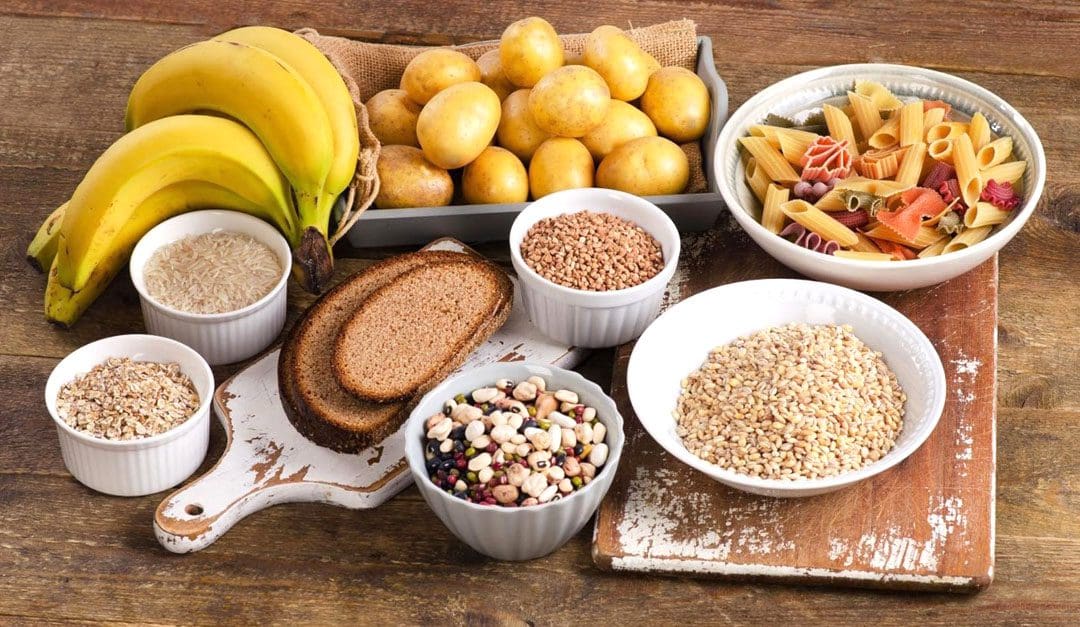
Bananas
Bananas are a healthy source of resistant starch.
They have the maximum amount when they are unripe.
The resistant starch content reduces as the banana ripens.
If green/unripe bananas are not appealing, making a smoothie can help with the taste.
Potatoes
Potatoes have their highest level of resistant starch when raw.
However, individuals can maximize their intake by allowing the potatoes to cool before eating.
Rice
Levels of resistant starch depend on whether the rice is white or brown.
Similar to potatoes, intake can be maximized from rice by allowing the rice to cool.
Oats
Cooking oats in water, as most are accustomed to making oatmeal, diminishes the resistant starch content.
Rolled or steel-cut oats are recommended as dependable sources of resistant starch.
Chickpeas
Chickpeas, also known as garbanzo beans, are nutritional powerhouses.
They are a healthy source of dietary fiber, along with many vitamins and minerals, and resistant starch.
Cooked and/or canned chickpeas contain high levels of resistant starch.
They go with salads or as a side dish or snack.
For individuals with IBS, well-rinsed canned chickpeas are considered to be low in FODMAPs or carbohydrates that can contribute to symptoms. (Anamaria Cozma-Petruţ, et al., 2017)
It is recommended to keep the serving size to a 1/4 cup.
Lentils
Lentils serve as a healthy source of plant-based protein.
Cooked they can provide resistant starch.
They can be prepared in soups or side dishes.
From a can, they can be IBS-friendly by being well-rinsed and limited to a 1/2 cup serving.
Bread
Various breads offer varying levels of resistant starch.
Pumpernickel bread contains high levels.
Breadsticks and pizza crusts have high levels.
Individuals with IBS may be reactive to the FODMAP fructan or the gluten protein.
Other recommended high-resistant starch options are corn tortillas or artisanal sourdough bread that is traditionally prepared.
Green Peas
Green peas, even when cooked, are a healthy source of resistant starch.
They can be prepared in soups or as a side dish.
However, green peas have been found to be high in the FODMAP GOS and could be problematic for individuals with IBS. (Anamaria Cozma-Petruţ, et al., 2017)
Beans
Most types of cooked and/or canned beans are recommended sources of resistant starch.
The highest levels are found in white and kidney beans.
They can be served in soups, as a side dish, or mixed with rice.
Beans are a high-FODMAP food and could contribute to digestive symptoms in individuals with IBS.
Body In Balance: Chiropractic Fitness and Nutrition
References
Aller, E. E., Abete, I., Astrup, A., Martinez, J. A., & van Baak, M. A. (2011). Starches, sugars and obesity. Nutrients, 3(3), 341–369. https://doi.org/10.3390/nu3030341
Higgins J. A. (2014). Resistant starch and energy balance: impact on weight loss and maintenance. Critical reviews in food science and nutrition, 54(9), 1158–1166. https://doi.org/10.1080/10408398.2011.629352
Birt, D. F., Boylston, T., Hendrich, S., Jane, J. L., Hollis, J., Li, L., McClelland, J., Moore, S., Phillips, G. J., Rowling, M., Schalinske, K., Scott, M. P., & Whitley, E. M. (2013). Resistant starch: promise for improving human health. Advances in nutrition (Bethesda, Md.), 4(6), 587–601. https://doi.org/10.3945/an.113.004325
Murphy, M. M., Douglass, J. S., & Birkett, A. (2008). Resistant starch intakes in the United States. Journal of the American Dietetic Association, 108(1), 67–78. https://doi.org/10.1016/j.jada.2007.10.012
Cozma-Petruţ, A., Loghin, F., Miere, D., & Dumitraşcu, D. L. (2017). Diet in irritable bowel syndrome: What to recommend, not what to forbid to patients!. World journal of gastroenterology, 23(21), 3771–3783. https://doi.org/10.3748/wjg.v23.i21.3771
For individuals with peanut allergies, can finding a peanut alternative be as satisfying as a real creamy or crunchy peanut butter sandwich?
Peanut Butter Sandwich Alternatives
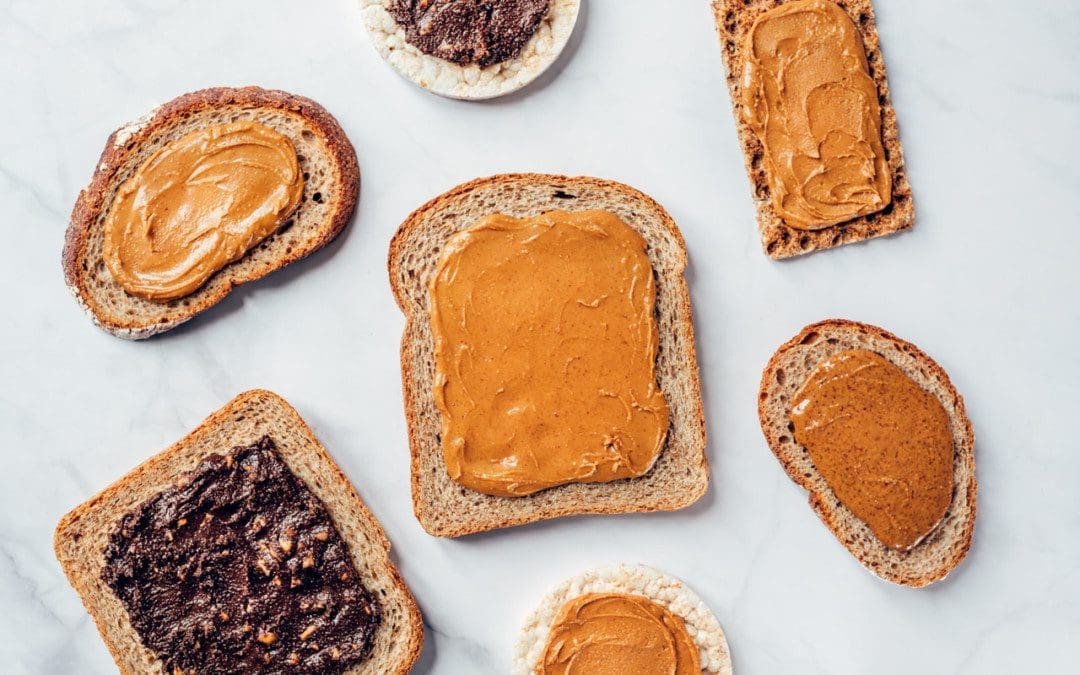
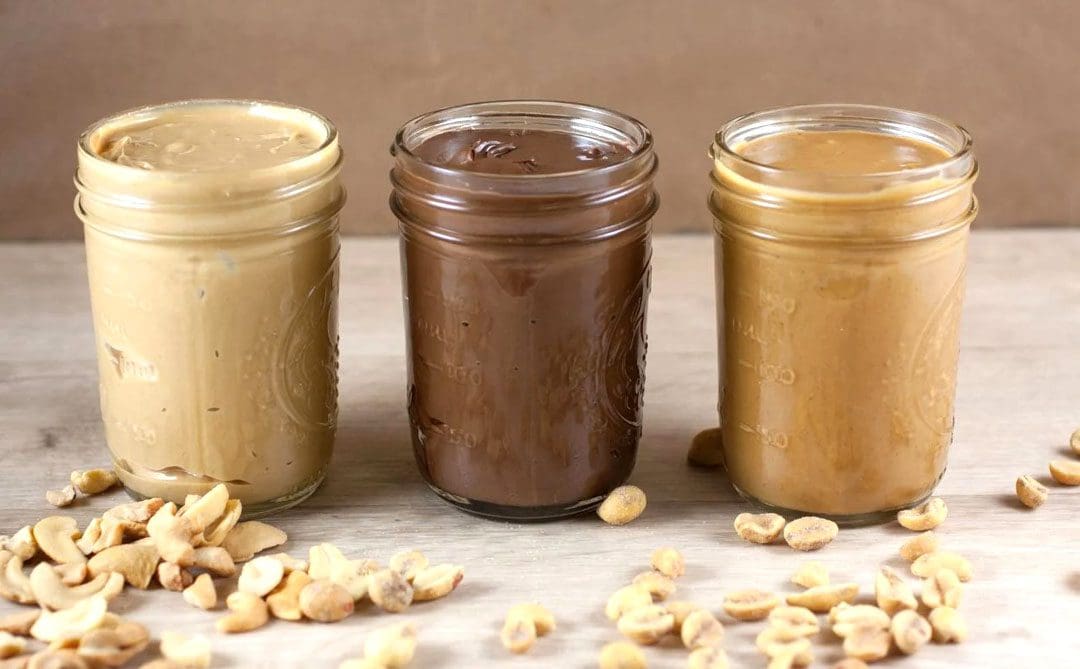
For individuals who are unable to have a peanut butter sandwich due to an allergy, there are healthy satisfying alternatives. Tree nut butter, seed butter, and deli meats can all satisfy sandwich cravings and provide nutrition. Here are a few healthy, nutritious alternatives to try out:
Sunflower Seed Butter and Jam, Jelly, or Preserves
It can be substituted for a PBJ with jam, jelly, and preserves.
Ham and Cheese, Grainy Mustard on Rye Bread
Getting ham and cheese from the deli can potentially have cross-contamination with allergens during slicing and packaging.
Prepackaged and sliced ham and cheese is a safer bet in terms of allergens.
It is recommended to read the ingredient label for potential allergens, as processing in facilities can have cross-contamination issues. (William J. Sheehan, et al., 2018)
Turkey, Tomato, Lettuce, and Hummus on Whole Grain Bread
The same is true for turkey and is recommended to buy prepackaged and sliced.
Check the ingredients for possible allergens.
Hummus is made from chickpeas/garbanzo beans and tahini/ground sesame seeds.
Hummus comes in a variety of flavors that can be used as a dip or spread.
Although chick peas’ are a member of the legume family, hummus can be tolerated with peanut allergies. (Mathias Cousin, et al., 2017)
Check with a healthcare provider if unsure.
Pita Pocket with Salad and Hummus
Pita pockets are great with hummus stuffed with vegetables.
This is a delicious crunchy pocket sandwich loaded with protein, fiber vitamins, and minerals.
Cashew butter on a hot English muffin with raisins on top for a boost of iron is reminiscent of a cinnamon roll.
Pumpkin Seed Butter and Honey Sandwich
Pumpkin butter is made from the orange flesh of the pumpkin.
Pumpkin seed butter is made by roasting pumpkin seeds and grinding them to a butter consistency.
The seed butter can be spread on bread and drizzled with some honey on top for a nutritious and delicious snack.
There are tasty healthy peanut butter alternatives that can be mixed, matched, and reinvented into various satisfying sandwiches. Individuals are recommended to consult their healthcare provider or a dietician or nutritionist to find what works for them.
Smart Choices, Better Health
References
Lavine, E., & Ben-Shoshan, M. (2015). Allergy to sunflower seed and sunflower butter as a proposed vehicle for sensitization. Allergy, asthma, and clinical immunology: Official Journal of the Canadian Society of Allergy and Clinical Immunology, 11(1), 2. https://doi.org/10.1186/s13223-014-0065-6
U.S. Department of Agriculture: FoodData Central. Seeds, sunflower seed butter, with salt added (Includes foods for USDA’s Food Distribution Program).
Sheehan, W. J., Taylor, S. L., Phipatanakul, W., & Brough, H. A. (2018). Environmental Food Exposure: What Is the Risk of Clinical Reactivity From Cross-Contact and What Is the Risk of Sensitization. The journal of allergy and clinical immunology. In practice, 6(6), 1825–1832. https://doi.org/10.1016/j.jaip.2018.08.001
Gorrepati, K., Balasubramanian, S., & Chandra, P. (2015). Plant-based butters. Journal of food science and technology, 52(7), 3965–3976. https://doi.org/10.1007/s13197-014-1572-7
Cousin, M., Verdun, S., Seynave, M., Vilain, A. C., Lansiaux, A., Decoster, A., & Sauvage, C. (2017). Phenotypical characterization of peanut-allergic children with differences in cross-allergy to tree nuts and other legumes. Pediatric allergy and immunology: Official publication of the European Society of Pediatric Allergy and Immunology, 28(3), 245–250. https://doi.org/10.1111/pai.12698
Almond Board of California. Nutrient comparison chart for tree nuts.
American Academy of Allergy, Asthma and Immunology. Everything you need to know about a tree nut allergy.
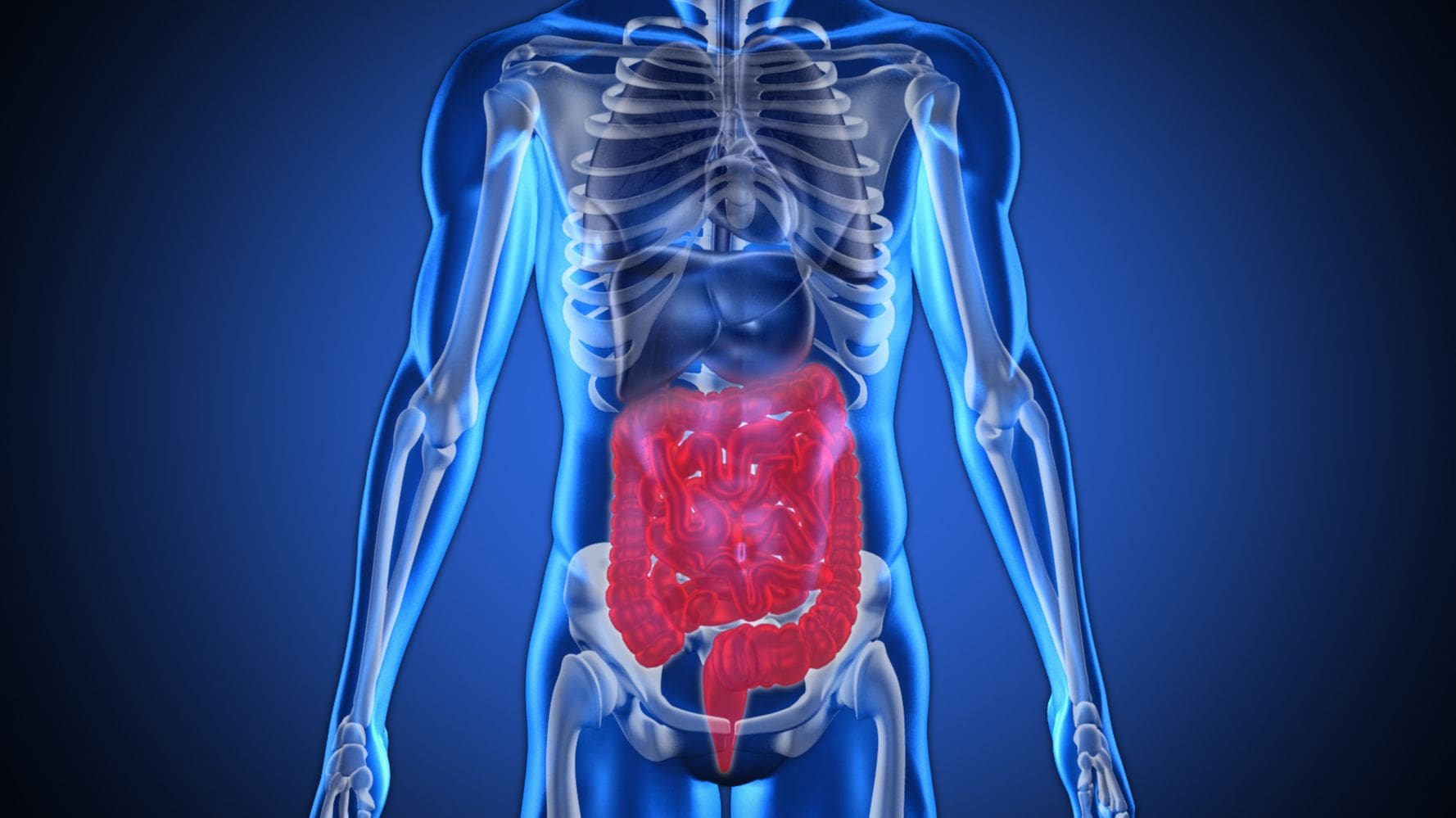
The digestive system breaks down the foods eaten so the body can absorb the nutrients. During digestion, the unnecessary parts of these foods are turned into waste/stool, which is evacuated during a bowel movement. When the digestive system stops functioning properly due to factors such as diet change, eating unhealthy foods, lack of physical activity/exercise, medications, and certain health conditions, can cause constipation. Constipation occurs when the body cannot have a regular bowel movement. The distention, gas, bloating and not being able to have a bowel movement cause irritability and stress, which can worsen constipation. Incorporating recommended nutrition can help restore regular bowel movements and gut function.
Recommended Nutrition For Constipation
Symptoms like abdominal pain, bloating, and difficult bowel movements are common. Diet and proper hydration have a significant role in digestive health, especially in relieving and preventing constipation. High-fiber foods, prebiotics, and adequate hydration from foods and beverages are essential for healthy bowel movements.
Fiber is found in whole grains, starches, fruits, and vegetables.
Soluble and insoluble fiber are important for digestive health.
Focusing on incorporating high-fiber fruits, vegetables, and whole grains.
Foods rich in prebiotics like fermented foods are recommended when constipated.
The recommended nutrition for constipation, according to a dietitian includes.
Avocados
Avocados can be paired with just about anything and are full of nutrients and fiber.
One avocado contains around 13.5 grams of fiber.
One avocado will provide almost half daily fiber needs.
Other high-fiber fruits: pomegranates, guava, raspberries, blackberries, and passionfruit.
Figs
Figs can be eaten fresh and dried.
Figs are considered a laxative and have been shown to treat and reduce constipation.
They contain antioxidants, polyphenols, polyunsaturated fatty acids, and vitamins.
Other fruits similar to a fig: dried apricots, prunes, and plums.
Plums
Plums, prunes dried plums are packed with fiber and prebiotics that have a natural laxative effect.
The added H2O makes the stools softer and easier to pass.
Natural fruit juices, like pear, apple, or prune are often prescribed for constipation.
Other fruits that aid in bowel movements: peaches, pears, and apples.
Kefir
Fermented foods like kefir are rich in beneficial bacteria that work to maintain digestive system health.
It can be consumed on its own or used in smoothies, cooking, and baking recipes.
Other fermented foods: kombucha, yogurt, sauerkraut, kimchi, miso, and tempeh.
Oat Bran
Oat bran is oatmeal that has not had the bran removed.
The bran contains beneficial nutrients including fiber, antioxidants, vitamins, and minerals.
Oat bran contains soluble and insoluble fiber, as well as beta-glucan/non-starchy polysaccharides.
All improve the composition of gut bacteria and promote healthy bowel movements.
Other beneficial grains: oatmeal, wheat bran, rye, and barley.
Incorporating Gut-Beneficial Foods
How to incorporate recommended nutrition gut-beneficial foods into a regular menu:
Smoothie
Use kefir or yogurt as a base then balance it out with fiber-rich fruits like mango, blueberries, and kiwi.
Snacks
Diversify snacks with a plate of fiber and prebiotics.
Nuts, cheese, crackers, fruit, and a yogurt or avocado dip.
Oatmeal
Try oat bran to increase fiber.
Sprinkle a serving of flaxseeds, chia seeds, or hemp seeds for added fiber and healthy fats.
Parfait
Yogurt parfaits can maximize nutrients, flavor, and textures in a bowl.
Layer up on a favorite yogurt with granola, nuts, fruit, and seeds.
Grain Bowl
Fiber found in whole grains and seeds like barley, farro, and quinoa, helps promote healthy digestion.
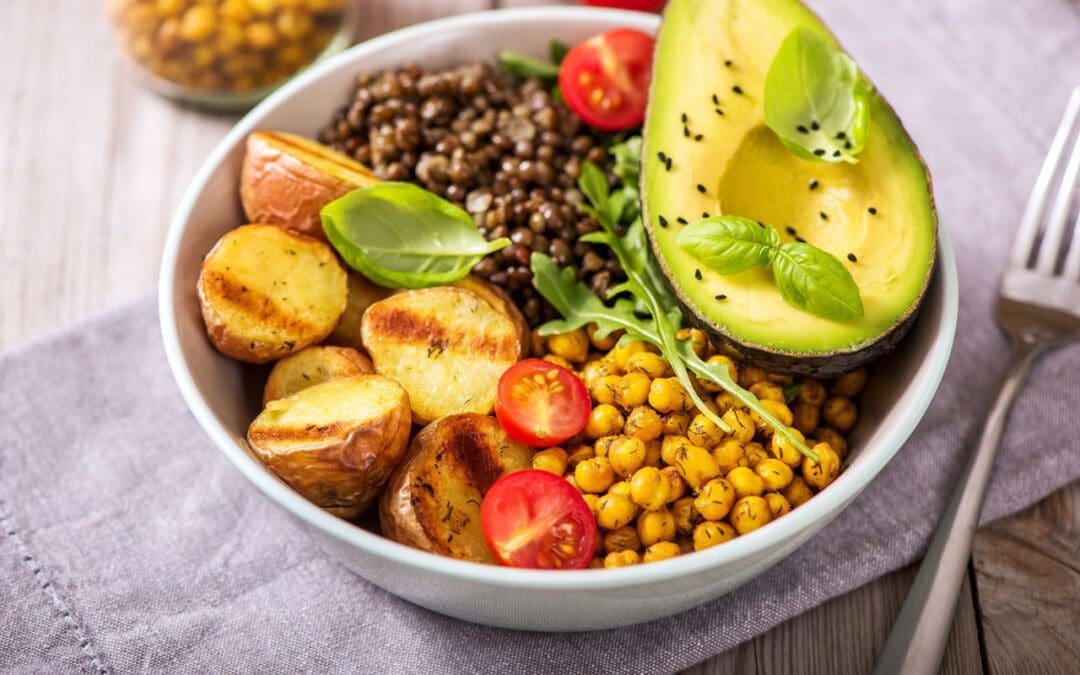
Make a bowl with a grain base, then top with a protein, fresh or grilled veggies, avocado, and dressing.
Talk with a registered nutritionist or other healthcare provider to discuss recommended nutrition plan options.
Balancing Body and Metabolism
References
Arce, Daisy A et al. “Evaluation of constipation.” American family physician vol. 65,11 (2002): 2283-90.
Bharucha, Adil E. “Constipation.” Best practice & research. Clinical gastroenterology vol. 21,4 (2007): 709-31. doi:10.1016/j.bpg.2007.07.001
Gray, James R. “What is chronic constipation? Definition and diagnosis.” Canadian Journal of Gastroenterology = Journal Canadien de Gastroenterology vol. 25 Suppl B, Suppl B (2011): 7B-10B.
Jani, Bhairvi, and Elizabeth Marsicano. “Constipation: Evaluation and Management.” Missouri medicine vol. 115,3 (2018): 236-240.
Naseer, Maliha, et al. “Therapeutic Effects of Prebiotics on Constipation: A Schematic Review.” Current clinical pharmacology vol. 15,3 (2020): 207-215. doi:10.2174/1574884715666200212125035
National Institute of Diabetes and Digestive and Kidney Diseases. Symptoms and Causes of Constipation.
National Institute of Diabetes and Digestive and Kidney Disease. Your Digestive System and How It Works.
Sinclair, Marybetts. “The use of abdominal massage to treat chronic constipation.” Journal of bodywork and movement therapies vol. 15,4 (2011): 436-45. doi:10.1016/j.jbmt.2010.07.007
IFM's Find A Practitioner tool is the largest referral network in Functional Medicine, created to help patients locate Functional Medicine practitioners anywhere in the world. IFM Certified Practitioners are listed first in the search results, given their extensive education in Functional Medicine