Exercise is crucial if you have arthritis. But knowing just how much activity to do when you�re hurting can be tricky. After all, research has shown that moderate activity can help prevent the progression of arthritis and improve overall function.
But while mild muscle soreness after a workout is normal, sharp pain during or immediately after can signal injury. And sometimes simply the fear of pain can keep you from wanting to do any kind of exercise at all.According to a new study, however, just a little physical activity seems to go a long way toward helping older adults with arthritis remain able to do daily tasks.
Arthritis Symptom Relief with Exercise
Scientific studies have shown that participation in moderate-intensity, low-impact physical activity improves pain, function, mood, and quality of life without worsening symptoms or disease severity. Being physically active can also delay the onset of disability if you have arthritis. But people with arthritis may have a difficult time being physically active because of symptoms (e.g., pain, stiffness), their lack of confidence in knowing how much and what to do, and unclear expectations of when they will see benefits. Both aerobic and muscle strengthening activities are proven to work well, and both are recommended for people with arthritis.
Older adults with arthritis-related joint pain and stiffness need to keep moving to remain functionally independent. But only 10 percent of older Americans with arthritis in their knees meet federal guidelines of at least 150 minutes of moderate activity a week, the researchers said. This Northwestern University study found that doing even about one-third of that amount is still beneficial. The study involved more than 1,600 adults 49 or older who had arthritic pain or stiffness in their hips, knees or feet.
Those who did a minimum of 45 minutes of moderate activity — such as brisk walking — a week were 80 percent more likely to improve or sustain physical function and gait speed over two years, compared with those who did less activity, the researchers found.
“Even a little activity is better than none,” said study first author Dorothy Dunlop. “For those older people suffering from arthritis who are minimally active, a 45-minute minimum might feel more realistic,” said Dunlop, a professor of rheumatology and preventive medicine at Northwestern’s School of Medicine in Chicago.
She said the federal guidelines are important because the more you do, the better you’ll feel and the greater the health benefits. “But even achieving this less rigorous goal will promote the ability to function and may be a feasible starting point for older adults dealing with discomfort in their joints,” Dunlop said in a university news release.
Some mild pain or discomfort is typical when you first start to move, but after a few minutes you�ll usually start to feel better, says A. Lynn Millar, PhD, a professor of physical therapy at Winston Salem State University in Winston-Salem, N.C. �Our joints and muscles get nutrition through movement,� she explains. �Once you start to move around a little you�ll improve the lubrication and circulation around that joint.� Start with some gentle, active range of motion movements and if that feels OK, progress to some low-impact activity like walking, she advises.
Stretches and Physical Activity for Arthritis
In addition to the activities recommended above, flexibility exercises are also important. Many people with arthritis have joint stiffness that makes daily tasks such as bathing and fixing meals difficult. Doing daily flexibility exercises for all upper (e.g., neck, shoulder, elbow, wrist, and finger) and lower (e.g., low back, hip, knee, ankle, and toes) joints of the body helps maintain essential range of motion. Some activities take more effort for older adults and those with low fitness or poor function. For example, walking at a brisk pace for a 23-year-old healthy male is moderate intensity, but the same activity may be vigorous activity for a 77-year-old male with diabetes. You should adjust the level of effort during activity so that it is comfortable for you.
Talk to your doctor. If you have arthritis or another chronic health condition, you should already be under the care of a doctor or other health care provider. Health care providers and certified exercise professionals can answer your questions about how much and what types of activity are right for you.
For more information, please feel free to ask Dr. Jimenez or contact us at 915-850-0900 .
Whole Body Wellness
Overall health and wellness can be achieved by following a proper nutrition and engaging in regular exercise and/or physical activities. While these are some of the most common ways to ensure whole body health and wellness, visiting a qualified and experienced healthcare professional can also grant your body additional benefits. Chiropractic care, for instance, is a safe and effective alternative treatment option utilized by people to maintain well-being.
For people experiencing low back pain, the thought of exercise often seems daunting. But yoga may be a natural fit in the quest to relieve an aching back, a new review indicates.
The findings come from an analysis of 12 studies that included more than 1,000 participants with lower back pain. The studies compared yoga to physical therapy or patient education.
There was some evidence that yoga led to small improvements in pain, and small to moderate improvements in back function at three and six months.
“We found that the practice of yoga was linked to pain relief and improvement in function,” said review author L. Susan Wieland. She is an assistant professor of family and community medicine at the University of Maryland.
“For some patients suffering from chronic non-specific low back pain, yoga may be worth considering as a form of treatment,” Wieland added in a university news release.
About 80 percent of Americans will have back pain at some point in their lives, but treatment can be a challenge. For millions of people, chronic back pain affects their sleep, and their ability to do daily tasks and exercise.
Yoga has become increasingly popular in the United States in recent years. It typically involves a combination of physical movements, controlled breathing, and relaxation or meditation.
The review was published online recently in the journal Cochrane Library.
SOURCE: University of Maryland, news release, Feb. 6, 2017
For more information, please feel free to ask Dr. Jimenez or contact us at 915-850-0900 .
Whole Body Wellness
Overall health and wellness can be achieved by following a proper nutrition and engaging in regular exercise and/or physical activities. While these are some of the most common ways to ensure whole body health and wellness, visiting a qualified and experienced healthcare professional can also grant your body additional benefits. Chiropractic care, for instance, is a safe and effective alternative treatment option utilized by people to maintain well-being.
Whether from the disease itself or the treatment, cancer can be exhausting, but a new review says there are ways to beat back cancer-related fatigue.
The review included a look at 113 past studies that included more than 11,000 adult cancer patients. The researchers found that exercise and/or behavioral and educational therapy seemed to be more effective than prescription drugs for dealing with fatigue.
“Exercise and psychological treatment, and the combination of these two interventions, work the best for treating cancer-related fatigue — better than any pharmaceuticals we have tested,” noted study lead author Karen Mustian. She’s an associate professor with the University of Rochester Medical Center’s Wilmot Cancer Institute in Rochester, N.Y.
The upshot, said Mustian, is that doctors should consider exercise and psychological interventions as the “first-line therapy” instead of more medications when it comes to tackling cancer-related fatigue. The study team noted that cancer-related fatigue is a very common problem among cancer patients, both during and following treatment. The American Cancer Society describes the phenomenon as distinct from routine tiredness. Even if you get rest, you’re still tired. Your arms and legs may feel heavy. You may feel too tired to do even the simplest tasks, such as eating a meal, according to the ACS.
Beyond affecting overall quality of life, cancer-related fatigue can also interfere with a patient’s ability to continue cancer treatment itself. That may result in a poorer prognosis and, in some cases, a reduced chance for long-term survival, the study authors said.
For the study, Mustian and colleagues looked at cancer-related fatigue triggered by the onset of cancer itself, rather than as a side effect of treatment.
Almost half of the patients included in the review were women battling breast cancer. Ten studies focused solely on male patients. In all, almost 80 percent of study participants were women. Their average age was 54. The analysis excluded studies that looked at so-called complementary therapies, with an exception made for alternative exercise treatments, such as yoga or tai chi.
In addition, the research team didn’t include studies that had assessed drug treatments involving erythropoietin medications (such as epoetin alpha, brand names Procrit and Epogen). These drugs are designed to stimulate red blood cell production, and are “used primarily for treating anemia and are not recommended as a stand-alone treatment for [cancer-related fatigue] due to adverse effects,” the study authors stated.
Studies included looked at the impact of four different treatment approaches: exercise alone (including aerobic, such as walking or swimming or anaerobic, such as weight-lifting); mental health interventions aimed at providing information and/or helping patients understand and adapt to their current situation; a combination of both exercise and psychological treatment; and prescription drugs, including stimulant medications (such as modafinil, brand name Provigil) and ADHD meds (such as methylphenidate, brand name Ritalin).
All four interventions led to improvement in fatigue. But the researchers found that exercise therapy led to the best outcomes. But psychological therapies produced similarly positive results, as did treatments that integrated exercise with mental health efforts.
The team concluded that when it came to controlling cancer-related fatigue, the exercise and/or psychological therapy approaches appeared to outperform prescription drugs. Colleen Doyle is managing director of nutrition and physical activity for the ACS. She said exercise has many benefits, not just helping to ease fatigue.
“But because many people undergoing treatment do experience fatigue, it’s nice to know that there is something an individual can do to help reduce that fatigue and gain some of the many other benefits of exercise [both during and after treatment]: reduced stress, less anxiety, [and] benefits to physical functioning,” Doyle said.
But can the typical cancer patient actually handle an exercise regime? Mustian says yes.
“These are not your elite athletes or fitness buffs,” she said. Almost all of the studies focused on people who had been sedentary and were placed on a low-to-moderate intensity exercise regimen, involving activities such as yoga or resistance training. “So they are normal people who were not regular exercisers, and who were able to complete these interventions and have relief from their fatigue,” Mustian said.
Doyle said that for patients who weren’t previously active, it’s important to start slowly.
“Our recommendation for survivors is essentially avoid inactivity as best you can. There will be days when you feel like not doing much of anything, and that’s okay, but strive to do something. Even if it is gentle stretching exercises, or a five-minute walk down the block,” she advised.
Mustian stressed that relatively few studies looked at combining exercise and psychological therapy.
“So it is not as clear what the best way to combine them would be,” she noted. The researchers said more studies need to be done to explore the ideal way to integrate exercise and psychological interventions.
The study was published March 2 in JAMA Oncology.
SOURCES: Karen M. Mustian, Ph.D., M.P.H., associate professor, Wilmot Cancer Institute, department of surgery, University of Rochester Medical Center, Rochester, N.Y.; Colleen Doyle, M.S., R.D., managing director, Nutrition and Physical Activity, American Cancer Society; March 2, 2017, JAMA Oncology
The scope of our information is limited to chiropractic and spinal injuries and conditions. To discuss options on the subject matter, please feel free to ask Dr. Jimenez or contact us at 915-850-0900 .
Additional Topics: What is Chiropractic?
Chiropractic care is an well-known, alternative treatment option utilized to prevent, diagnose and treat a variety of injuries and conditions associated with the spine, primarily subluxations or spinal misalignments. Chiropractic focuses on restoring and maintaining the overall health and wellness of the musculoskeletal and nervous systems. Through the use of spinal adjustments and manual manipulations, a chiropractor, or doctor of chiropractic, can carefully re-align the spine, improving a patient�s strength, mobility and flexibility.
Getting regular exercise and staying slim can lower the risk for an especially hard-to-treat type of heart failure, new research shows.
This specific type of disease is called heart failure with preserved ejection fraction (HFpEF). Ejection fraction is the amount of blood that’s pumped out of the heart. In many people with heart failure, the heart is so weak that it doesn’t pump enough blood out of the heart to meet the body’s demands.
In HFpEF, the heart muscle becomes stiff and doesn’t fill up with enough blood. This causes fluid to build up in the lungs and the body, the researchers explained in a news release from the American College of Cardiology.
“We consistently found an association between physical activity, BMI [body mass index] and overall heart failure risk,” said study senior author Dr. Jarett Berry. BMI is a measurement of body fat based on height and weight. “This was not unexpected,” Berry said, “however, the impact of these lifestyle factors on heart failure subtypes was quite different.”
Berry, of the University of Texas Southwestern Medical Center in Dallas, is an associate professor in the department of internal medicine and clinical sciences, and director of cardiac rehabilitation. HFpEF accounts for up to 50 percent of heart failure cases. Treatment for the condition often doesn’t work well, which increases the importance of prevention strategies, the study authors said. For the report, Berry and his colleagues reviewed information from three previous studies that included more than 51,000 people. The researchers excluded anyone who had heart disease when the studies began.
The investigators looked for information on how much exercise the participants got, as well as their weight. In addition, the researchers reviewed participants’ medical records to see if people had been admitted to the hospital for heart failure over the several years of the study.
The study authors found that traditional risk factors for heart failure — such as high blood pressure, diabetes, smoking and obesity — were less common among those who were more active. People who exercised more tended to be white, male and have higher levels of education and income, the findings showed.
Meanwhile, people who carried more excess weight were younger, less active and were more likely to have risk factors for heart disease, according to the report. Overall, the researchers identified almost 3,200 cases of heart failure. Almost 40 percent were HFpEF. Nearly 29 percent were heart failure with reduced ejection fraction (HFrEF), which is associated with weak heart muscle that doesn’t pump properly. And just under 32 percent were unclassified.
The study doesn’t prove a cause-and-effect relationship, but low levels of physical activity were associated with a 6 percent lower risk of heart failure than no physical activity. Those who got the recommended amounts of exercise had an 11 percent lower risk of heart failure.
In people who got more than the recommended amounts of exercise, the risk of HFpEF was reduced by 19 percent. In addition, the incidence of HFpEF was significantly higher among those with excess weight, the findings showed.
According to the study’s first author, Dr. Ambarish Pandey, “These data suggest the importance of modifying lifestyle patterns to help prevent HFpEF in the general population.” Pandey is a cardiology fellow at the University of Texas Southwestern Medical Center.
The study was published Feb. 27 in the Journal of the American College of Cardiology.
SOURCE: American College of Cardiology, news release, Feb. 27, 2017
For more information, please feel free to ask Dr. Jimenez or contact us at 915-850-0900 .
Additional Topics: Chiropractic Care for Older Adults
With the progression of age, it�s common for the human body to naturally begin to degenerate. Although degenerative changes in the body are normal, it�s also common for complications associated with aging to develop. Chiropractic care is a safe and effective, alternative treatment option utilized by many individuals to prevent, diagnose and treat injuries and conditions associated with the structures of the spine. Research studies have demonstrated that chiropractic treatment can help older adults find relief from their neck pain and back pain.
High level performers are always looking for strategies that will give them an edge in their field of endeavor. Athletes want to run a split second faster and jump an inch higher while business executives want to have sharper mental clarity and improved working efficiency. Specific meal timing and superfood strategies have been shown to optimize performance and recovery.
We all want to perform at our peak no matter whether we are a teacher, stay at home mom, doctor or athlete. It is also integral that we recover fast and effectively. The goal is peak performance and quick and effective recovery so we can get up the next day and do it all over again.
Optimize Your Performance:
Performance in any field depends upon high level mental activity and often kinesthetic activity whether that be running or jumping or eye-hand coordination. The keys for healthy function include good fats, anti-oxidants and clean protein sources.
Providing lots of clean healthy foods and meal timing properly can make a huge difference in your overall energy and daily performance. Use the principles in this article to help guide you in preparing your body for great energy and daily performance in your daily life.
Coconut:
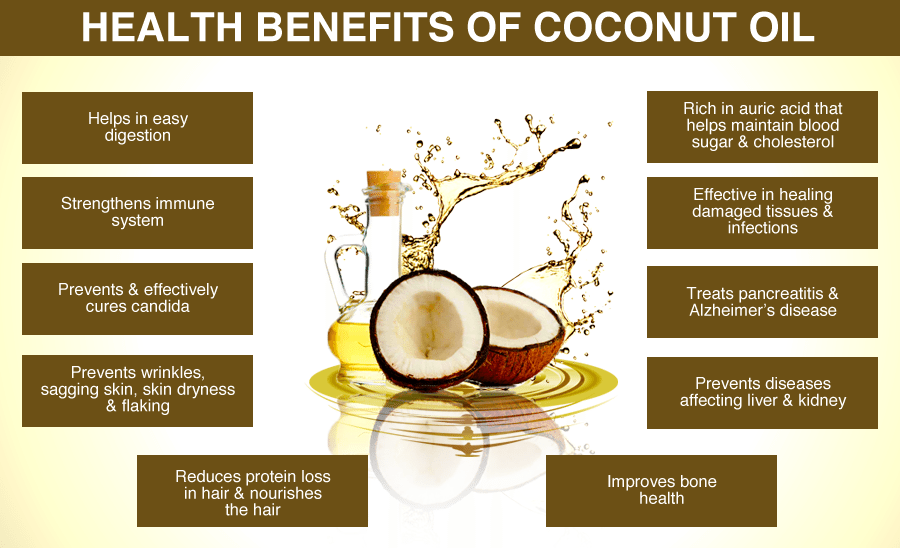
This superfood is loaded with medium chain triglycerides (MCT�s) that break down for energy very easily. Unlike most fat sources which consist of long chain fatty acids these MCT�s do not depend upon bile and instead go right to the liver and are metabolized immediately for energy.
Muscle cells are also able to store MCT�s and use them immediately for energy during exercise sessions.
Bone Broth Protein:
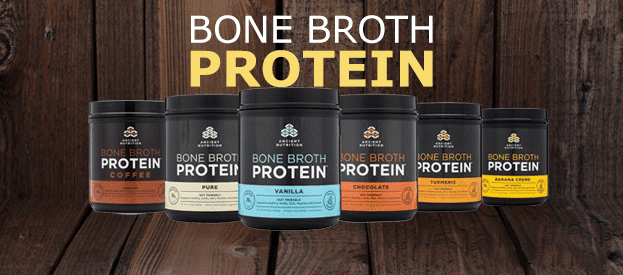
Bone broth contains a wide variety of valuable nutrients including collagen, gelatin, hyaluronic acid, chondroitin sulfate, glycosamino glycans, proline, glycine, calcium, phosphorus, magnesium and potassium. These all help with the development of healthy joints, bones, ligaments and tendons as well as hair and skin.
These nutrients are considered beauty foods because they help the body with proper structural alignment and beautiful skin and hair. They also help to prevent against injuries by strengthening joints, tendons and ligaments. Additionally, bone broth is great for the immune system.
If you are unable to make your own bone broth, than you can try our Bone Broth Protein which comes with the same benefits as homemade broth, but it�s even more versatile in so many recipes. Bone Broth Protein begins as a true bone broth liquid. It�s then dehydrated, making it into a concentrated source of high-quality, tasty powder.
Berries:
Berries are loaded with anti-oxidants and are low in sugar. Berries contain unique phytonutrients called anthocyanin�s that give them their strong pigments and allow them to handle intense sunlight. Consuming these anthocyanin�s helps our bodies adapt to stress effectively.
Be sure to get your berries organic as the thin skin makes them susceptible to pesticides and they are highly contaminated with dangerous pesticides when produced on conventional farms.
Spinach:
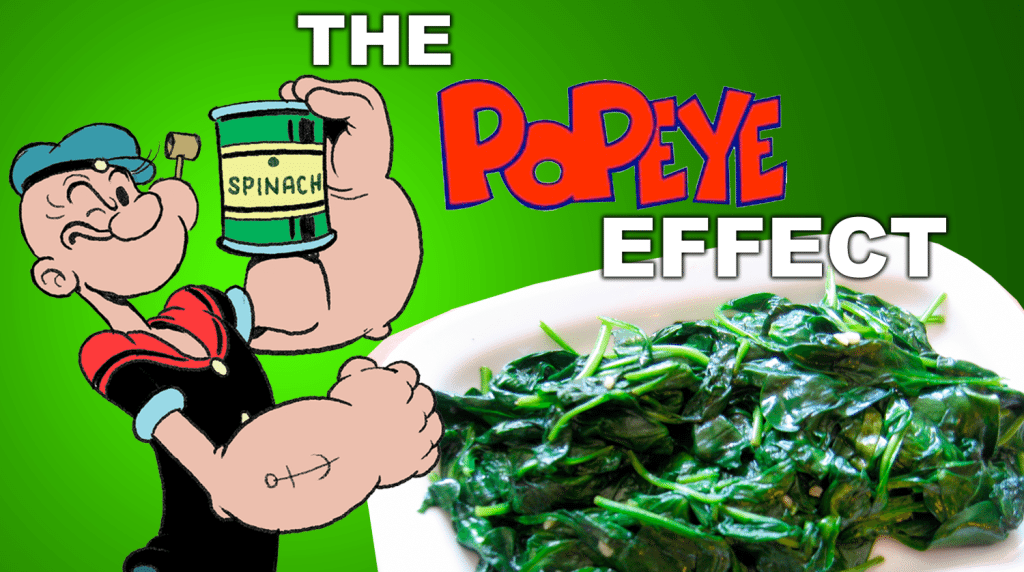
This superfood is loaded with blood purifying chlorophyll and the anti-oxidants lutein and zeaxanthin. Spinach also contains its own plant based steroids called phyoecdysteroids that boost the bodies ability to adapt to stress. Phytoecdysteroids are similar to insect molting hormones and have been shown to dramatically increase glucose metabolism.
This keeps blood sugar levels stable and minimizes the need for the critical fat-storage hormone insulin. Additionally, phytoecdysteroids increase human muscle tissue growth rates by 20% when applied in a culture medium.
Rice & Pea Proteins
For sensitive cases where people have pronounced sensitivities I prefer to use either a brown rice or pea protein. Pea protein appears to be the most hypoallergenic of all protein powders and has a 98% absorption rate. This combination of 1% brown rice and 99% pea protein has a great blend of branched chain amino acids, lysine and arginine for lean body tissue development and good circulation
Pea & brown rice protein has also been shown to be very easy on the digestive system and the protein is fairly quickly assimilated into muscle tissue. This is important because slower digesting and assimilating proteins have a greater chance of producing gas and making one feel bloated. Most plant proteins have poor assimilation rates but pea, brown rice and hemp proteins are the rare exceptions.
These are loaded with sulfur containing amino acids like methionine and cysteine which are critical for glutathione production. They are also a rich vegetarian source of branched chain amino acids. They contain essential fatty acids and edestin and albumin which are similar to the makeup of human blood and these help with critical functions like DNA repair.
Grass-Fed Butter:
Dairy from grass-fed cows is extraordinarily rich in essential fats and critical nutrients like vitamin K2 and magnesium. The best foods from this group include grass-fed butter and ghee which are loaded with anti-inflammatory fats and anti-oxidants.
Grass-fed butter and ghee are also rich in conjugated linoleic acid, which helps burn fat and is anti-carcinogenic. It is the best food source of the anti-inflammatory short chain fatty acid butyrate. Finally, it is full of choline which supports healthy brain and neurotransmitter production. I use butter and ghee generously each day. Look for Kerry Gold grass-fed butter.
Red Onions:
These are loaded with the flavonoid anti-oxidant quercetin. They also contain sulfur containing amino acids that boost cysteine and glutathione production within the body. They also have chromium which helps to regulate blood sugar levels.
Grass-Fed Beef:
Cows that are fed a 100% green diet are loaded with anti-oxidants like carnosine and essential fatty acids. Because cows have multiple stomachs and are able to fully digest grass (humans cannot) we are getting the benefits of this fully digested super-greens in a high protein food.
A fantastic source for grass-fed beef and pastured poultry is US Wellness Meats.
Avocados:
Avocados are loaded with good fats and carotenoid anti-oxidants like lutein and zeaxanthin. It is very easy on the digestive system and helps support optimal hormone function, muscle development and exercise recovery.
Raw Chocolate:
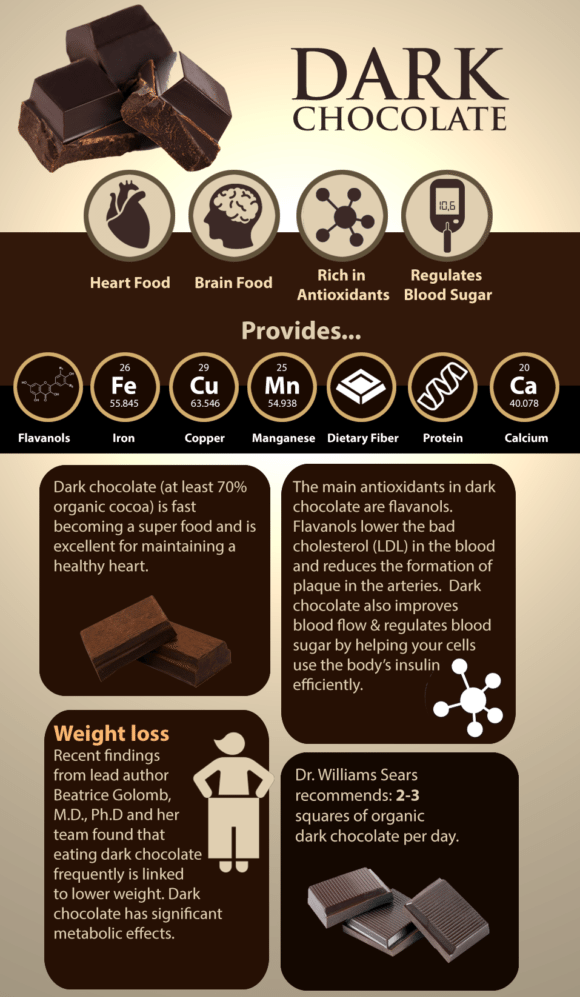
This is rich in good fats and polyphenol anti-oxidants for fuel and recovery. Chocolate contains theobromine which is a natural cardiovascular stimulant that helps improve circulation throughout the body.
Proper Meal Timing:
It is best to eat light before our times of performance to keep as much energy focused on the specific performance rather than on digestion. Instead of food, turn to water, as optimal hydration correlates very strongly with great performance. I try to stay super hydrated throughout the day and notice that as my water intake drops, my energy and mental acuity declines.
After the performance we want to have our largest meal to replenish our system with nutrients. Ideally, you have your largest meal at the end of your day as opposed to the beginning of your day. This helps your body to recover from the stresses of the day. You are in a relaxed position at this point, as you no longer have to work hard and perform, so it allows you to digest and absorb the nutrients you need more effectively.
This helps to take stress off of your gut lining and improves the integrity of your digestive system. When you eat in a hurry or have a large meal before a stressful event or a busy day, you compromise your digestive system and cause more inflammation in the body.
These ideas and much more I teach in our Navigating the Ketogenic diet program. Opt-in here for more details and a FREE video training series I give you on advanced strategies to improve your performance.
Fat Burning Foods Video
Food: Diet and Nutrition for a Healthy Back
As most patients are well aware, good nutrition and a balanced diet are important components of overall health. What may surprise people with back problems is that diet, nutrition and maintaining a healthy weight also play a major role in the back – including preventing many problems and healing from injuries.
The bones, muscles and other structures in the spine need good nutrition and vitamins so that they are strong enough to support the body and to perform their other functions. Using these nutritional guidelines, patients can integrate back-friendly vitamins and nutrients into their diets.
Eating a balanced diet that includes the right amount and variety of vitamins and nutrients will reduce back problems by nourishing the bones, muscles, discs and other structures in the spine. Particular importance is given to calcium, which can be obtained through a variety of healthy food choices as well as nutritional supplements.
While a healthy diet calls for many vitamins and nutrients, this partial list highlights a number of healthy choices that can be directly beneficial for helping back patients.
Role of Vitamin or Nutrient Food Sources
Vitamin A:
An antioxidant that assists the immune system in fighting off diseases. It is good for the back because it helps repair tissue and in the formation of bone. It also helps the body use protein effectively.
Additionally, the body can convert beta-carotene into vitamin A. Beta-carotene can be found in dark green leafy vegetables and most orange vegetables and fruits.
It’s important not to get more then the recommended daily allowance of vitamin A, as too much can promote bone fractures. Beta-carotene does not increase the risk of fracture.
Vitamin A can be found in beef, calf and chicken liver; dairy products like milk, butter, cheese and eggs; orange fruits such as apricots, nectarines and cantaloupe; orange or green vegetables such as carrots, sweet potatoes and spinach.
Vitamin B12:
Necessary for healthy bone marrow and for the body – and the spine – to grow and function normally. Vitamin B12 can be found in meat products, such as liver, fish, red meat and poultry; dairy products, such as milk, yogurt and cheese; and eggs.
Vitamin C:
Necessary for the development of collagen, which is an important part of the process that allows cells to be able to form into tissue. This is extremely important for healing problems caused by injured tendons, ligaments and vertebral discs, as well as for keeping bones and other tissues strong.
Vitamin C can be found in fruits, such as strawberries, kiwi fruit and citrus fruits (e.g. oranges, guavas, grapefruits) and tomatoes; many vegetables, such as broccoli, spinach, red and green peppers, sweet potatoes and white potatoes.
Vitamin D:
Improves calcium absorption, which is important for the development of strong and healthy bones. Adequate calcium absorption is particularly important to help prevent development of osteoporosis, a disorder characterized by weak and brittle bones in the spine that can results in painful vertebral fractures. Vitamin D is naturally occurring in egg yolks and fish oils; also found in most brands of fortified milk in the US; can also be obtained by spending time in the sunlight.
Vitamin K:
Needed for the bones to properly use calcium. The combination of vitamin K and calcium works to help bones throughout the body stay strong and healthy. Vitamin K is found in liver, pork, green leafy vegetables such as spinach, kale and broccoli, and dairy products.
Iron:
Needed for cells to remain healthy as it helps them receive oxygen and get rid of carbon dioxide. It also aids in the production of myoglobin, an important element of healthy muscles that are needed to support the spine. Iron is found in meat products such as liver, pork, fish, shellfish, red meat and poultry; lentils, beans, soy, eggs, grains, and green leafy vegetables such as spinach, kale and broccoli.
Magnesium:
Important for the relaxing and contracting of muscles. It also helps maintain muscle tone and bone density, which in turn can help prevent back problems. Further, it assists in the body’s use of protein. Magnesium is found in whole grains and whole-grain breads, beans, seeds, nuts, potatoes, avocados, bananas, kiwi fruit, shrimp, and green leafy vegetables such as spinach, kale and broccoli.
Calcium:
Essential for bone health and helps maintain the necessary level of bone mass throughout the lifespan and especially in old age. Adequate calcium intake is particularly important to help prevent development of osteoporosis, which results in weak and brittle bones in the spine that can results in painful vertebral fractures. Calcium is found in dairy products such as yogurt, cheese and especially milk; dark green leafy vegetables such as spinach, broccoli and kale; tofu, peanuts, peas, black beans and baked beans; some types of fish (salmon and sardines); a variety of other foods such as sesame seeds, blackstrap molasses, corn tortillas, almonds and brown sugar.
Specific meal timing and superfood strategies have been shown to optimize performance and recovery. As most patients are well aware, good nutrition and a balanced diet are important components of overall health. What may surprise people with back problems is that diet, nutrition and maintaining a healthy weight also play a major role in�spine health.�For Answers to any questions you may have please call Dr. Jimenez at�915-850-0900
CHIROPRACTORS HAVE CLAIMED FOR YEARS THAT WE CAN BE MORE COST-EFFECTIVE. BCBS HAS THE DATABASE THAT WOULD PROVE OUR THESIS, BUT THERE SEEMS TO BE A RELUCTANCE TO ALLOW OUR PROFESSION TO ACCESS THE DATA THAT WOULD PROVE US RIGHT.
In August 1999, Blue Cross/Blue Shield (BCBS) of Kansas presented a study titled �Lumbago Treatment.� This data was made available from a new program installed by BCBS called the McKesson Episode Profiler.
This program gave BCBS the ability to sort data according to specific diagnoses and compared the costs, frequency, and other factors between peer groups.
The data revealed that while less than eight percent of the study group were chiropractors, 38 percent of the patients chose to seek chiropractic care rather that allopathic medicine. This fact indicates that patients desire and are satisfied with the management techniques of the chiropractor.
The study did not include any hospitalization costs for surgery or any fees paid to orthopedists or neurosurgeons for costs associated with surgery. If the data included costs for these procedures, the savings for chiropractic would have been much greater.
When sorted by the average cost per episode, chiropractic is more cost-effective than anesthesiology; neurosurgery; neurology; registered physical therapy; orthopedic reconstructive surgery; physical medicine and rehabilitation; and rheumatology.
The greatest cost-effectiveness of chiropractic is demonstrated when one considers the global cost of allopathic care. The physical therapist can only receive referrals from an allopathic provider. An allopath can only write prescriptions. The allopathic provider primarily orders surgeries, nerve conduction tests MRIs, and CT scans. Hospitalization charges are totally allopathic charges that cannot be associated with chiropractic. When these charges are considered, the tremendous economy of chiropractic management becomes indelibly clear.
The majority of chiropractic charges were associated with the basic office-treatment-related services performed. Eighty-nine percent of the chiropractic charges were for services related to the treatment, while only 45 percent of the family practice costs were related to treatment of the condition. The remainder of the costs were for expensive diagnostics.
Patients who visit the family practice provider have about a 15 percent chance that they will have a MRI or CAT scan. These services cost an average of over $1,000 and provide no treatment, only a diagnosis.
For each 100 episodes, the chiropractor provided 265 modalities. For each 100 episodes, the registered physical therapist provided 885 modalities: over three times as many units of physical therapy provided by RPTs than chiropractors. This is a cost that has to be globally charged to the family practice providers, since patients cannot access RPTs without a referral from a medical doctor.
Registered physical therapists provided 303 office visits per 100 episodes, compared to 255 by the chiropractor. When RPTs are combined with the other allopathic portals, there are 598 office visits per 100 episodes. Therefore, the myth claiming chiropractors treat the patient more than the allopathic portals is obviously just diversionary, and not based on facts.
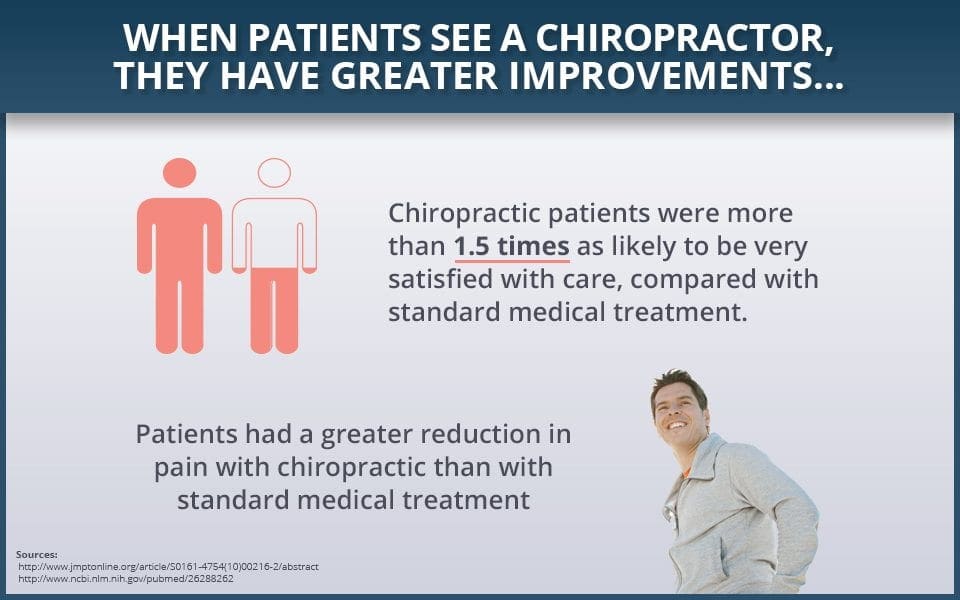
Patients had a willingness to return to the chiropractor that was 22 percent greater than the combined totals of allopathic portals. This indicates a level of satisfaction that is demonstrated by the patient�s willingness to return, based on results and confidence.
The BCBS lumbago study demonstrates that chiropractic is not only cost-effective but also quality effective. Adding chiropractic services would only decrease the cost to the plan. What is hard to explain is the prejudice against chiropractic in the design of BCBS plans, and their reluctance to push the study and analysis of the data to the next level. It almost seems as though there is a fear that exists in the minds of those in positions of power, preventing them from presenting the cost comparisons with the global cost of allopathic portals to chiropractic. Chiropractors have claimed for years that we can be more cost-effective. BCBS has the database that would prove our thesis, but there seems to be a reluctance to allow our profession to access the data that would prove us right.
I guess the million-dollar questions are �Why?� and �What are they afraid of?� Perhaps it is the fear of knowing how to handle the data once it proved that chiropractic was more cost-effective. Perhaps it is getting past the mindset that adding chiropractic benefits is going to increase reimbursement levels. Perhaps they cannot see that there would not be a cost increase but a cost savings from directing patients to more cost-effective portals. Allowing osteopaths to treat broken arms did not increase the number of fractures; it simply shifted the point of access to treatment. Likewise, allowing patients to freely access chiropractic services would not increase the number of spinal related injuries; it would simply allow the patient access to desired and more cost-effective services.
I imagine that BCBS of Kansas regrets releasing the amount of information they already have. There seems to be a reluctance to push the analysis of the data to the next level. It is now up to the profession to �hold their feet to the fire� and push for more data to support the fact that chiropractic can be more cost-effective.
“Lumbago Study”�reveals 38 percent of patients chose to seek chiropractic care rather that allopathic medicine. This fact shows�that patients desire and are satisfied with management techniques of chiropractic care.
Chiropractic is the third largest healing profession in the country. Doctors of Chiropractic (DCs) are well-trained health care professionals. They are experts in the diagnosis, treatment, and prevention of disorders of the musculoskeletal system. This system includes your muscles and bones. Above all, these doctors are experts in the structure and function of the spine (backbone).
Selecting a chiropractic doctor is a personal choice. You may want to ask a few friends or loved ones if they know a chiropractor they like. You may also want to ask your family doctor or other health care providers for names of chiropractors or centers that offer high quality chiropractic services.
Asking questions can help you make an informed choice. You may want to meet with more than one chiropractor before you make your choice.
Questions You Can Ask
What training, licensure, and experience do you have?
Before you ask any questions, make sure that the chiropractor is licensed to practice in your state. Then find out if the DC chiropractor has an area of specialty and what that is. Also ask the chiropractor how many years of experience he or she has.
What is treatment like for people with a health problem like my own? How often would I come in for treatment? How long should I expect treatment to last?
Chiropractors will outline a course of treatment and goals for your health problem. The chiropractor will talk to you about how long it should take for treatment to work for you. Your chiropractor will change your treatment as needed to help you reach your treatment goals.
What treatment would you suggest for my health problem or health goals?
Chiropractors do not prescribe drugs. They do not perform surgery either. Most chiropractors will suggest an adjustment/manipulative treatment. This treatment is used to:
Bring back normal joint function
Decrease pain and nerve irritation
Increase blood flow
Reduce muscle spasms
Improve range of motion
Chiropractors may also use other treatments, such as:
Exercise therapy
Massage and other soft tissue methods
Ultrasound
Electrical muscle stimulation
Appliances (such as lower back supports)
Whichever treatment the chiropractor suggests, he or she should also tell you about the benefits and risks.
What if I need treatment beyond your scope of care? Will you refer me to one of your contacts if needed?
You may need to get non-chiropractic treatment for your health problem. In this case, you will want your doctor to be able to refer you to other health care professionals.
Chiropractic Cuts Costs
Will I need to have an X-ray taken?
An X-ray is not always needed to start treatment. After going through your health history and an exam, the doctor may take an X-ray to confirm or rule out a larger health problem. An X-ray can check for conditions, such as:
Bone disease
Fracture
Dislocation
Will you suggest exercises or other steps I can take to help my health problem?
It�s key that you take an active part in your treatment and healing process. You should expect your chiropractor to give you guidelines and training. This training may include an overview of proper exercises needed to take care of your health problem. Your chiropractor may suggest that you use other home-based treatments as well. This might include putting ice or heat on a certain part of your body.
Other Points to Consider
You should expect the chiropractor�s office staff to treat you with courtesy. When you call, are they prompt and professional? Do they answer all your questions? Do they help schedule future appointments? Be sure to pay attention to how the office staff treats you. Will you be comfortable working with the chiropractor and their staff?
After asking the questions listed above and meeting the chiropractor and office staff, think about the answers you were given. Does the chiropractor�s personality and approach seem like they will work for you? If so, you should feel comfortable that you have made an informed choice.
Your Checklist
Look for a Doctor of Chiropractic that:
Is licensed in your state
Treats you with respect and professionalism
Listens to your health concerns
Answers your questions in a way that you can understand
Makes every effort to help you improve your health
Gives you advice about exercise, body mechanics, stretching, and posture to help avoid future problems
Takes X-rays only when needed and explains why they are being taken
Refers you to specialists or back to your primary doctor as needed
As you can see, there are plenty of things to think about when choosing a chiropractor. You deserve the best care possible. So do some research. And be sure to talk to different doctors. Most of all, take the time you need to make a choice you feel good about.
[prisna-wp-translate-show-hide behavior=”hide”][/prisna-wp-translate-show-hide]By Dr. Alex Jimenez
Chiropractic is the third largest healing profession in the country. Selecting a chiropractor can be a bit daunting, and discouraging. But there’s no need�to be scared. Here are some tips on choosing a chiropractor for you.
IFM's Find A Practitioner tool is the largest referral network in Functional Medicine, created to help patients locate Functional Medicine practitioners anywhere in the world. IFM Certified Practitioners are listed first in the search results, given their extensive education in Functional Medicine



 “Even a little activity is better than none,” said study first author Dorothy Dunlop. “For those older people suffering from arthritis who are minimally active, a 45-minute minimum might feel more realistic,” said Dunlop, a professor of rheumatology and preventive medicine at Northwestern’s School of Medicine in Chicago.