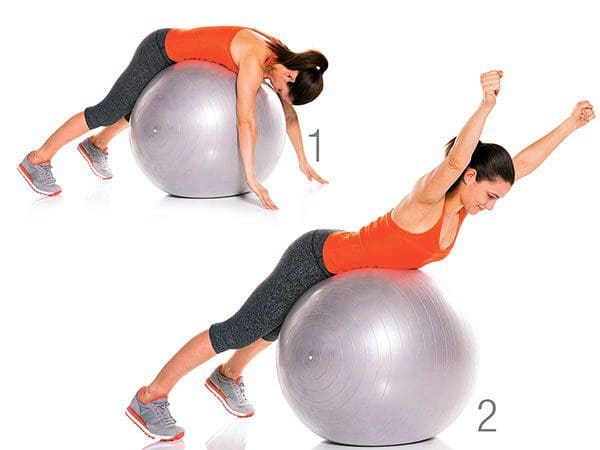
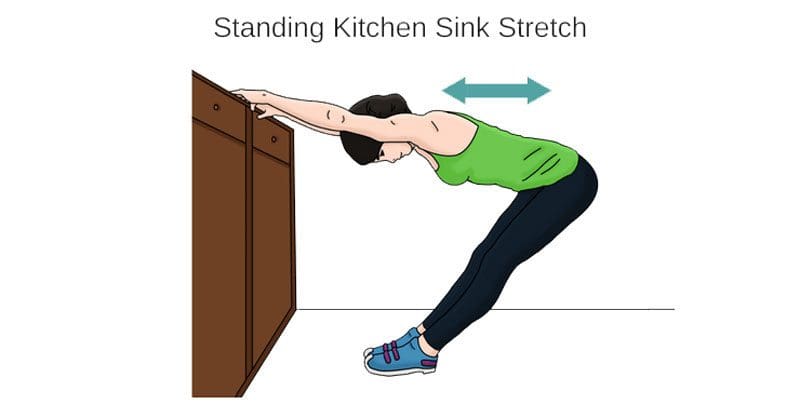
Keeping an individual’s spine in top form equals less pain and more mobility, flexibility, and freedom. The body wears down and is a natural effect of aging that happens to every single one of us. Spinal issues related to aging can become serious if not addressed and enacted upon with exercises, stretching, and chiropractic maintenance.
Aging and The Back
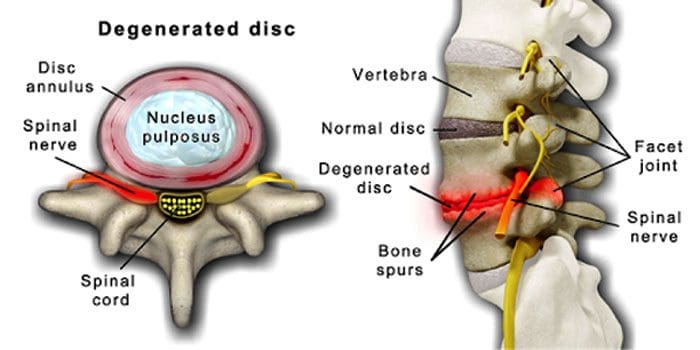
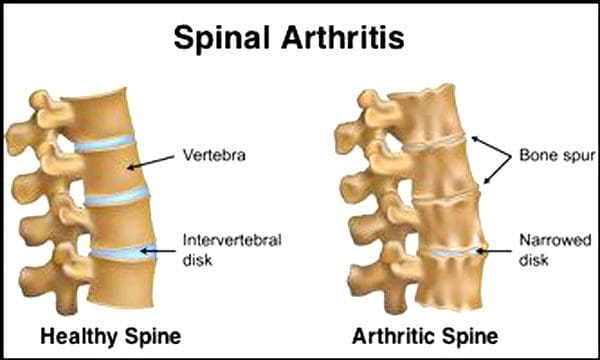
It is normal for the spinal discs and joints to deteriorate with age. Spinal stenosis or the narrowing of the spinal canal can also be part of the aging process. Two conditions brought on by aging are degenerative disc disease and arthritis that can also include stiffening of the spinal ligaments and osteoporosis.
Degenerative disc disease is experienced by 40% of individuals 40 years of age
Increases to 80% for individuals 80 years of age and older.
It centers around discs that gradually change from being mostly water to mostly fat.
When it is fat, the discs become narrowed and lose elasticity.
The Centers for Disease Control and Prevention say that 23% of American adults have arthritis. This is a condition that mainly affects the facet joints. The joints become swollen, which reduces the range of motion and can impinge on the spinal nerves, causing pain, weakness, and sciatica. With time the ligaments around and in the spine stiffen, reducing the range of motion, causing stenosis. Bone loss, or osteoporosis, is brought on by changes in hormones and other factors like nutrition. Aging is a natural process, but individuals can help their spines stay in top form no matter how old they are.
Practicing Healthy Posture
Right off the bat proper healthy body mechanics is a must. Staying aware and mindful of body posture maintains alignment and keeps the body balanced. Healthy posture will help reduce the effects of:
Spinal stenosis
Degenerative disc disease
Herniation
Risk of spinal fractures
Practicing proper posture includes:
Reduce slouching
Make sure the workstation is in top form and ergonomically sound
Make sure to bend the knees when lifting and keep the spine as vertical as possible.
Yoga
Yoga can be highly beneficial for a healthier, more youthful spine. Yoga fulfills three areas for keeping the spine in top form. This includes:
Regular exercise
Maintains flexibility
Achieves ideal body weight
Yoga is an age-defying activity for the spine. Because it:
Maintains strength
Flexibility
Posture
Balance
Can be helpful for a variety of spinal conditions, specifically arthritis pain
Falls can cause serious injuries. Yoga can also help work on balance as well.
See a Chiropractor
Preventive medicine is key to keeping the body healthy, youthful, and as strong as possible. A chiropractic examination can determine if there are any spinal problems and a diagnosis to develop an optimal treatment plan. If body function is limited because of pain in the back and/or legs, contact Injury Medical Chiropractic and Functional Medicine Clinic and get the spine back in top form.
Body Composition
Exercise/Stability Ball Curls
This exercise works muscle groups specific to spinal strength and includes the:
Hamstrings
Glutes
Deep abdominals
Hip abductors and rotators
Exercises like this are one of the most effective ways to build functional strength and endurance in the hamstrings, hips and prevent injuries. To do this workout:
Lie on your back with the knees bent
Lift legs up so the bottom of the feet rests on top of an exercise ball
Roll your legs out until they are straight
Hold the position for a second or two
Return to the top of the movement while squeezing the hamstrings
Working these muscles will help make squatting, lunging, or bending motions easier on the spine.
Dr. Alex Jimenez�s Blog Post Disclaimer
The scope of our information is limited to chiropractic, musculoskeletal, physical medicines, wellness, and sensitive health issues and/or functional medicine articles, topics, and discussions. We use functional health & wellness protocols to treat and support care for injuries or disorders of the musculoskeletal system. Our posts, topics, subjects, and insights cover clinical matters, issues, and topics that relate and support directly or indirectly our clinical scope of practice.*
Our office has made a reasonable attempt to provide supportive citations and has identified the relevant research study or studies supporting our posts. We also make copies of supporting research studies available to the board and or the public upon request. We understand that we cover matters that require an additional explanation as to how it may assist in a particular care plan or treatment protocol; therefore, to further discuss the subject matter above, please feel free to ask Dr. Alex Jimenez or contact us at 915-850-0900. The provider(s) Licensed in Texas& New Mexico*
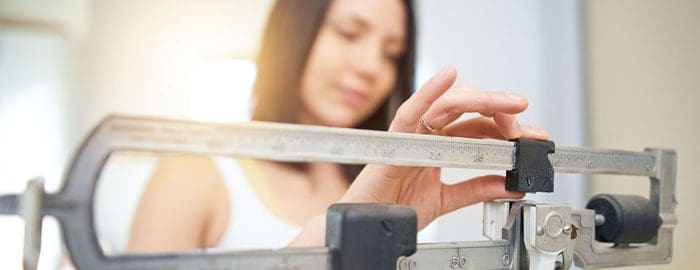
The human body is a complex system, that requires consistent development in all areas. When it comes to weight loss being too strict can cause the body to rebel. Examples are individuals that have lost weight, then put it right back on, or get stuck in a plateau. The objective is to step off the weight loss rollercoaster and embrace weight-loss strategies that work. Here, we explore a few evidence-based weight loss strategies that focus on long-lasting success.
Improve insulin sensitivity
When consuming carbohydrates, it is broken down into sugar.
The body needs a certain amount of sugar to function. However, it is a narrow safety range. If the level gets too high for too long, cellular damage happens. The role of insulin is to guide the excess sugar/glucose into the cells. However, more individuals are experiencing high blood insulin levels, called hyperinsulinemia. Possible symptoms can include:
Sugar cravings
Unusual weight gain
Frequent hunger
Excessive hunger
Unable to concentrate
Anxiety or feelings of panic
Lack of focus
Extreme fatigue
Insulin rises because the blood sugar does. It�s dangerous to let glucose levels stay elevated, which is why more insulin gets produced to bring the blood sugar down. Given enough time constant hyperinsulinemia can result in a condition called insulin resistance, where the cells become resistant to the effects of insulin and are less effective.
Insulin sensitivity and weight loss
A high level of insulin in the blood can trigger weight gain and make losing it difficult. Results of high insulin:
Stress and stress eating could be contributing to an expanding waistline. Examples could be eating a favorite meal while barely being conscious of the process or the inability to resist a chocolate bar after a long, distressing day. Research published in the Journal of Health Psychology found that stress-related eating has a preference for calorie-dense and highly tasty foods. And when stress levels rise, food cravings rise, triggering fat gain.
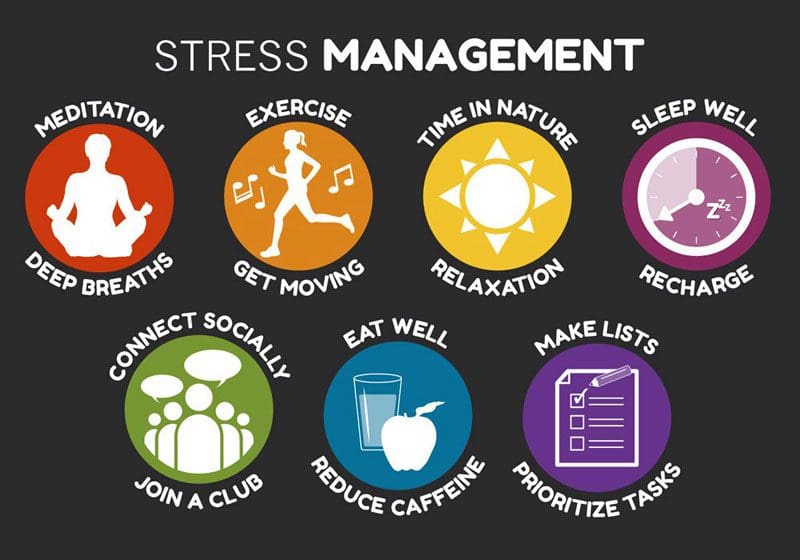
Reducing stress
There are a variety of techniques that can help the mind and body relax turning off the stress response. Here are some science-based favorites:
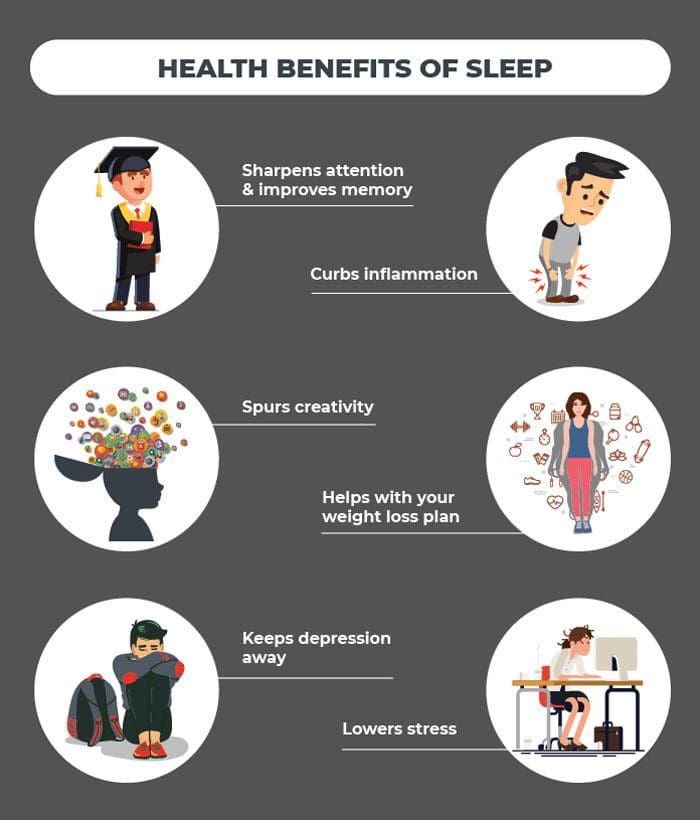
Proper sleep means sound sleep eight hours each night. Many individuals have convinced themselves that five or six hours is enough. Unfortunately, research shows otherwise. In a study published in PLOS Medicine, researchers studied the effects of short sleep duration on hormones that lessen or increase hunger, and on body mass index or BMI. They found the participants with short sleep had reduced leptin and elevated ghrelin which increases appetite and can contribute to weight gain.
Improving sleep quality
Developing a healthy sleep routine
Have the same sleep and waking time
Time to wind down
Meditate a little before sleep
Take a warm bath 90 minutes before bed
Avoid blue light at least 90 minutes before going to sleep
Limit caffeine intake as it can negatively affect sleep even when taken six hours before sleep
Avoid/limit alcohol in the evenings
Regular physical activity can help release stress and tension, tiring the body out so sleep comes naturally
30 to 40-minute endurance sessions a week are plenty. However, for some individuals, exercising too close to bedtime can have the opposite effect. Therefore, take note of whether this would be a problem.
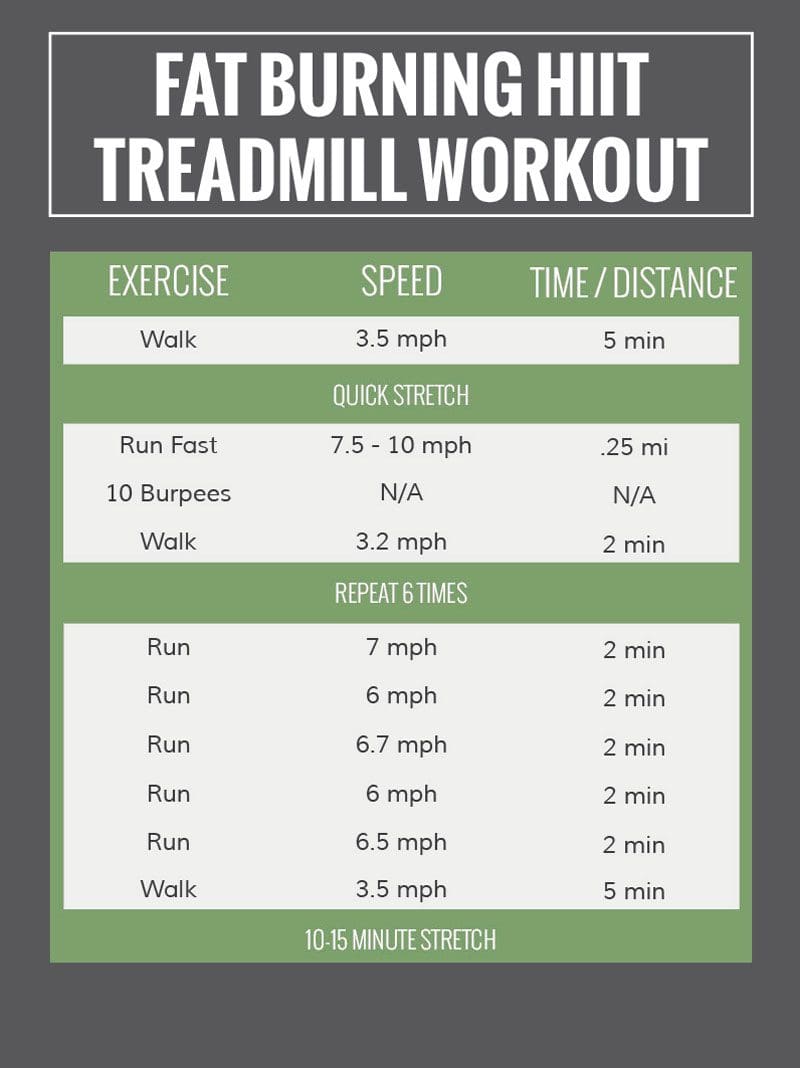
High-Intensity Interval Training
There are a variety of approaches to exercising. But there is one evidence-based approach that has been proven to:
An increased amount of muscle increases the basal metabolic rate or BMR. This increases the body’s ability to burn fat and lose weight. A loss of lean body mass lowers resting energy expenditure and increases fatigue and injury risk. For individuals trying to lose weight the metabolic decline triggered by a loss of lean body mass can cause regaining the fat previously lost. What this means is that when muscle mass drops so does metabolism along with the ability to keep the weight off.
When muscle mass increases the body can easily burn fat, making it possible to achieve and maintain a healthy weight. It�s important to remember that as the body’s muscle mass increases the body needs more energy to nourish and support this new tissue. This means that higher calories are allowed, as not having enough calories becomes counterproductive. Muscle mass increase can be achieved by:
A healthy diet will help build muscle
Strength and resistance training
Taking protein supplements
Weight loss strategies takeaway
With the right approaches, permanent weight loss is possible. Instead of deprivation, focus on science-backed approaches that work:
This will make sticking to the weight loss strategies easier and will contribute to a happy, healthy life.
Body Composition
Dr. Alex Jimenez�s Blog Post Disclaimer
The scope of our information is limited to chiropractic, musculoskeletal, physical medicines, wellness, and sensitive health issues and/or functional medicine articles, topics, and discussions. We use functional health & wellness protocols to treat and support care for injuries or disorders of the musculoskeletal system. Our posts, topics, subjects, and insights cover clinical matters, issues, and topics that relate and support directly or indirectly our clinical scope of practice.*
Our office has made a reasonable attempt to provide supportive citations and has identified the relevant research study or studies supporting our posts. We also make copies of supporting research studies available to the board and or the public upon request. We understand that we cover matters that require an additional explanation as to how it may assist in a particular care plan or treatment protocol; therefore, to further discuss the subject matter above, please feel free to ask Dr. Alex Jimenez or contact us at 915-850-0900. The provider(s) Licensed in Texas& New Mexico*
References
Chao, Ariana et al. �Food cravings mediate the relationship between chronic stress and body mass index.��Journal of health psychology�vol. 20,6 (2015): 721-9. doi:10.1177/1359105315573448
Taheri, Shahrad et al. �Short sleep duration is associated with reduced leptin, elevated ghrelin, and increased body mass index.��PLoS medicine�vol. 1,3 (2004): e62. doi:10.1371/journal.pmed.0010062
The world of health and fitness has evolved with all kinds of technical jargon and terminology that can require a guide to get a handle on things. It can become confusing and terms like Lean Body Mass and Lean muscle can get mixed up. Body composition analysis allows an individual to understand their body in a much clearer way with insight into the body’s health. Here we break down this technical terminology to get a basic understanding of how it is relevant to the body’s health. Think of this as a combination glossary, and action guide. �
�
Guide to Basic Body Composition
Percent Body Fat Body/Fat Percentage
Percent Body Fat is a reflection of how much of the body’s weight is made up of fat.
It is calculated by dividing the weight of body fat mass by total weight.
It helps to track progress whether trying to lose weight or gain muscle.
�
Takeaway
This percentage can be applied to set percent body fat ranges.
The healthy ranges are around 10-20% percent body fat for men and 18-28% for women.
�
Lean Body Mass/Fat-Free Mass Guide
Lean Body Mass is sometimes used interchangeably with Fat-Free Mass.
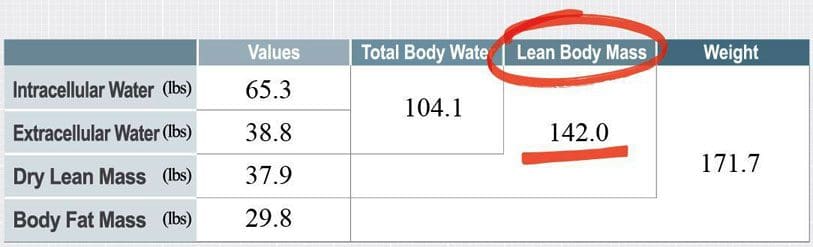
Lean Body Mass is the weight of everything in the body that is not fat.
This includes muscles, organs, bones, and body water.
Lean Body Mass plus Body Fat Mass make up entire body weight.
If the Lean Body Mass value is in pounds subtract this number from total body weight to get an approximation of Body Fat Mass.
Divide this number by body weight, results are percent body fat.
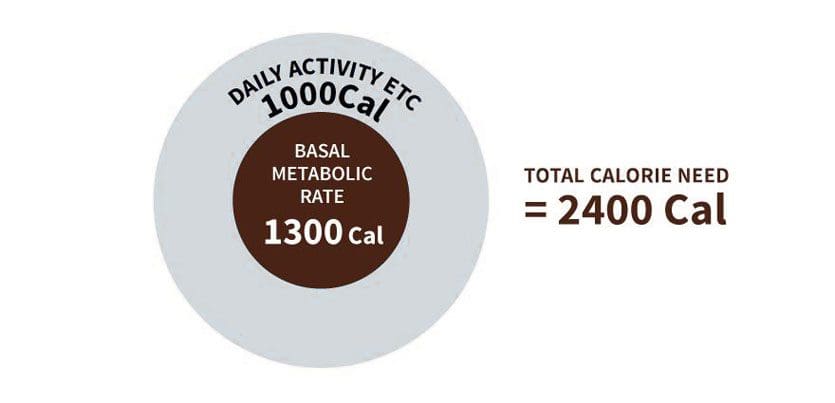
Lean Body Mass is closely related to the total number of calories the body needs every day.
The Lean Body Massforms the core of the body’s metabolism, and this number can be used to help determine unique dietary needs.
No more basing nutrition off the 2,000-calorie diet. This is a poor one-size-fits-all approach to food intake.
�
Skeletal Muscle Mass Guide
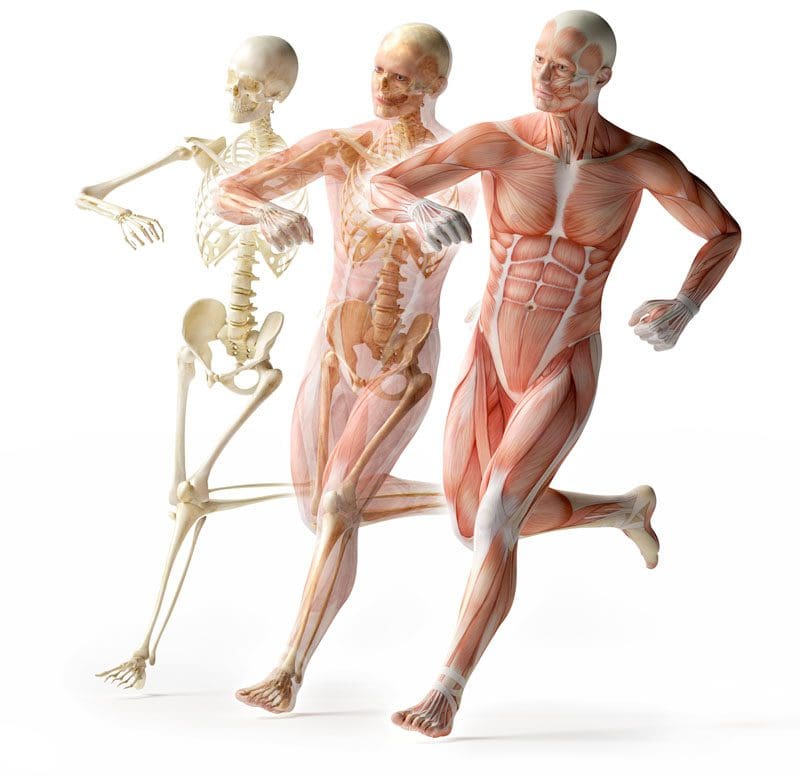
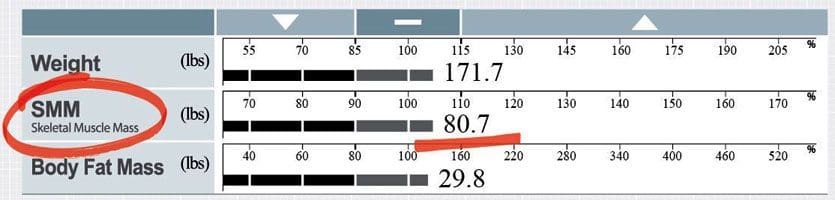
Skeletal muscle is one of four major muscle typesand governs all the movements that are consciously controlled. Everything from texting to deadlifting a barbell.
It is the muscle group that grows/builds when exercising.
Increased Skeletal Muscle Mass translates into increased strength.
When trying to build up the body and grow in size, this is the value to track and watch increase over time.
�
However, muscle is not just for strength.
Muscle is made up primarily of protein and can act as protein storage.
When the body is under severe stress like a traumatic injury, the recovery process is triggered and needs added protein, up to four times the amount.
When the body is not able to get the proper amount of protein from a normal diet, the body begins to get what it needs from the protein storage/muscles.
�
Basal Metabolic Rate/BMR
The Basal Metabolic Rate, or BMR, is the number of calories that the body needs to maintain Lean Body Mass. It is a significant component of overall metabolism.
An individual with more Lean Body Mass will have a higher Basal Metabolic Rate.
This is the reason why a 250-pound athlete needs to eat more than a 150-pound sedentary adult. Because the athlete has more Lean Body Mass.
�
BMR can help make a healthy diet plan designed for fat loss or muscle gain by helping understand how much energy/calories from food the body needs.
Using the TDEE as a baseline an individual can develop a nutritional plan based on body composition goals.
�
Body Water Guide
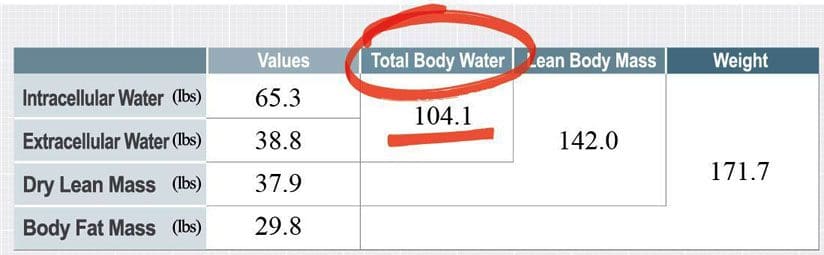
Body Water includes all the water in the body. This means everything from:
The water in the blood
Water in the organs
The water inside the bones
Body water can be subdivided into two types:
Intracellular
Extracellular
Intracellular means inside the cells and includes the water in the organs, muscles, composing 2/3 of total body water.
The remaining 1/3 is extracellular outside the cells and includes the water in the blood.
�
Takeaway
When the body is generally healthy it maintains a healthy balance of intracellular to extracellular water with a ratio of around 3:2.
When the balance becomes unbalanced or falls apart water monitoring becomes important.
For example, individuals with severe health problems, like kidney ailments/failure, are unable to rid the body of extracellular water. This causes a buildup of water and requires removal through procedures like dialysis.
�
Dry Lean Mass
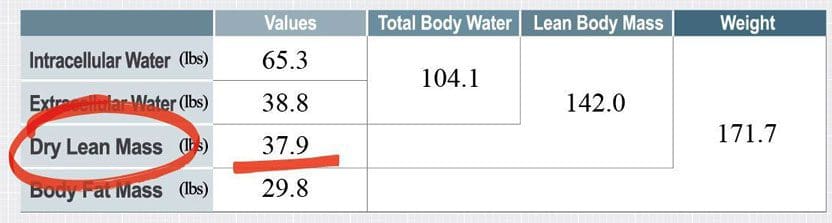
Lean Body Mass includes everything that�s not body fat and includes body water.
When all the water has been taken out what remains is known as Dry Lean Mass.
�
Lean Body Mass – Body Water = Dry Lean Mass
This amounts to the protein content of the muscles and the mineral content of the bones.
Most Dry Lean Mass will be found in these areas.
�
Takeaway
Water monitoring can help track real, physical changes in the body.
Lean Body Mass contains body water, and body water levels can be influenced by different factors like a recent workout or being low on carbohydrates.
Changes in body water are considered technical changes in Lean Body Mass.
When building muscle, the body is actually building new physical protein stores and reflects in Dry Lean Mass.
An increase in Lean Body Mass can signal muscle growth, or not.
However, an increase in Dry Lean Mass is a more favorable indicator that there is muscle growth.
�
Visceral Fat
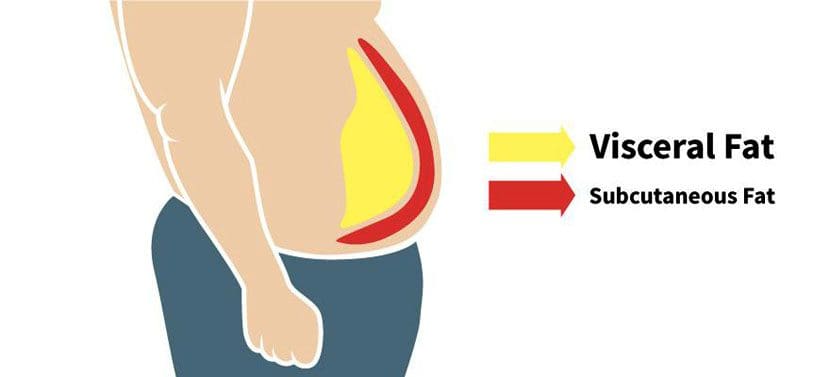
Two major categories of body fat.
Subcutaneous fat is the fat under the skin and is the type that can be seen.
The second type is called visceral fat.
This fat collects inside the abdomen and wraps around the internal organs.
�
Takeaway
Just because it cannot be seen does not mean it is not there.
If it is there it is something definitely worth knowing about.
This is because visceral fat is not just extra pounds but an active organ that secretes harmful hormones into the body that triggers never-ending inflammation.
The more visceral fat, the greater risk of inflammation.
Inflammation over time places added stress on the heart that can lead to cardiovascular problems.
�
Get Tested Today
Hopefully, this guide has clarified some of the common body composition terminology. This is a basic overview designed to provide essential information about body composition and how it applies. A general understanding can help in making healthy lifestyle choices, like deciding to lose weight or dietary adjustments.
Body Health
Dr. Alex Jimenez�s Blog Post Disclaimer
The scope of our information is limited to chiropractic, musculoskeletal, physical medicines, wellness, and sensitive health issues and/or functional medicine articles, topics, and discussions. We use functional health & wellness protocols to treat and support care for injuries or disorders of the musculoskeletal system. Our posts, topics, subjects, and insights cover clinical matters, issues, and topics that relate and support directly or indirectly our clinical scope of practice.*
Our office has made a reasonable attempt to provide supportive citations and has identified the relevant research study or studies supporting our posts. We also make copies of supporting research studies available to the board and or the public upon request. We understand that we cover matters that require an additional explanation as to how it may assist in a particular care plan or treatment protocol; therefore, to further discuss the subject matter above, please feel free to ask Dr. Alex Jimenez or contact us at 915-850-0900. The provider(s) Licensed in Texas& New Mexico*
References
Westerterp, Klaas R. �Exercise, energy balance, and body composition.� European journal of clinical nutrition�vol. 72,9 (2018): 1246-1250. doi:10.1038/s41430-018-0180-4
Borga, Magnus et al. �Advanced body composition assessment: from body mass index to body composition profiling.��Journal of investigative medicine: the official publication of the American Federation for Clinical Research�vol. 66,5 (2018): 1-9. doi:10.1136/jim-2018-000722
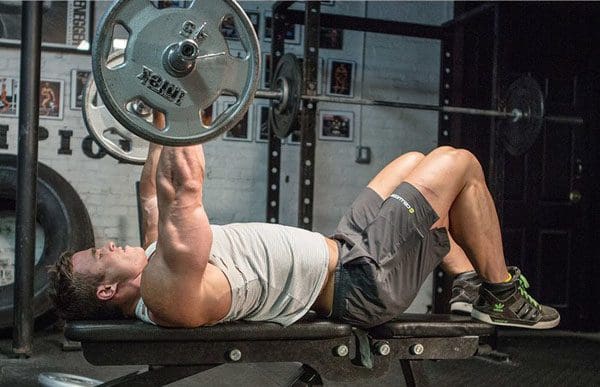
High-intensity interval training or bodybuilding? Getting to the gym, choosing a strength-training method, and figuring out which method is right for you can be frustrating and confusing. With all of the options available, there�s just no easy way to figure out which training regimen is right.
Here are two of the most popular training methods broken down. The principles behind each training method and how they influence body composition. The journey to getting healthy goes a lot smoother when knowing which training program will help reach optimal fitness goals.
Not all training programs are the same
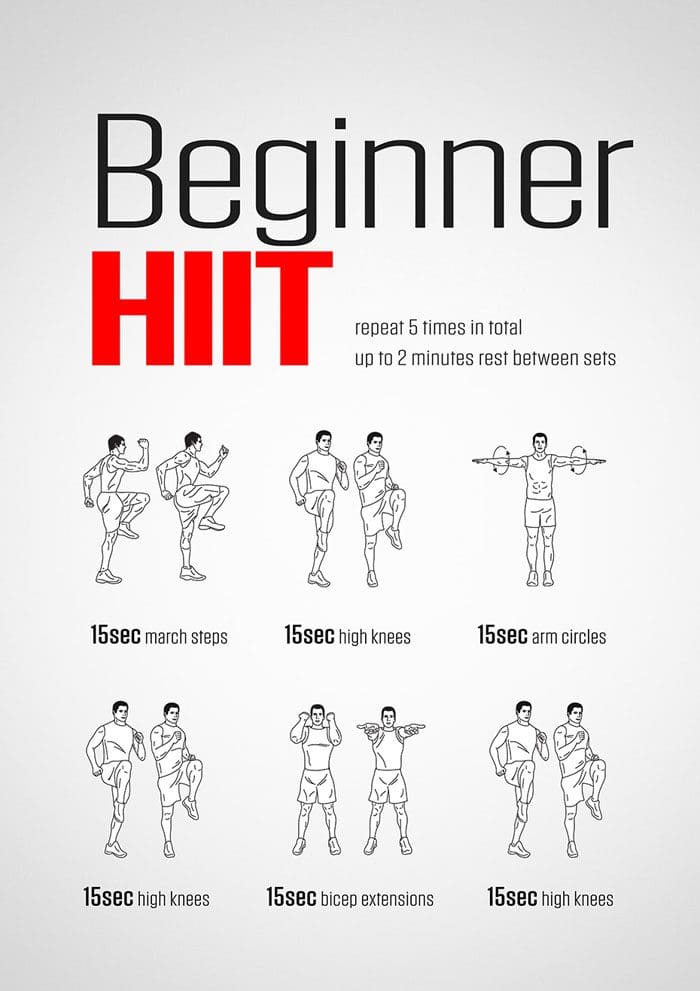
Bodybuilding is about physical appearance. This means big muscles and low body fat which is accomplished by heavyweight training workouts. High-Intensity Interval Training/HIIT workouts focus on performing high-intensity exercises in large volume repetitions quickly to raise an individual’s heart rate, cycling between high intensity and rest. This is accomplished by using:
Light weights
Bodyweight
Cardio exercises
It�s important to understand that different training methods will affect body composition differently. Body composition is about painting an accurate picture of what�s going on in the body. The key is to break down:
What each training program looks like
What it does
How to choose the program that�s best for the individual
Gaining Lean Body Mass
Losing Fat Mass
Bodybuilding
Bodybuilding at its core is about gaining muscle while minimizing body fat. Minimizing fat is a key to building a muscular-defined physique, and requires a detailed focus on protein and calorie intake. It is the emphasis on aesthetically increasing muscle size and reducing body fat. Bodybuilders focus on higher reps and lighter-weight workouts. This encourages muscle hypertrophy. Other factors in bodybuilding are:
Adequate cardio
Consistent protein intake
Calorie restrictions
These are important aspects of this type of regimen and building visually impressive musculature.
This impressive musculature is not only for looks, as it can help with fat loss as well. This is because resistance training/weight training can burn a lot of calories and lose a substantial amount of fat. A study by the Department of Exercise Science showed that 10 weeks of resistance training can reduce fat weight by 1.8kg and increase resting metabolic rate by 7%.
Body Composition
For the average person, if the focus is on building visible muscle while keeping a low body fat percentage, bodybuilding is a great choice. Ideal body composition focuses on keeping fat content to a minimum without compromise.
High-Intensity Interval Training/HIIT
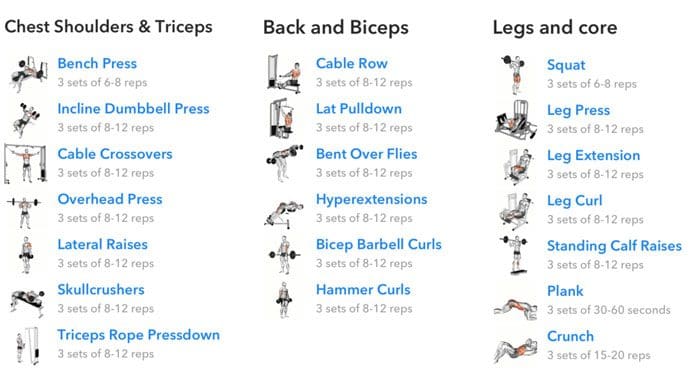
Modern training programs like CrossFit utilize HIIT-style workouts. HIIT burns calories through workouts that significantly increase heart rate. The exercises are short, loaded with mini-breaks in between high-intensity sets designed to test cardio. The focus is on high repetitions. However, HIIT workouts are so intense that professional trainers recommend individuals only train 2-3 times a week, to avoid overstressing the body. There are bodybuilding exercises included like:
However, they are done with different goals in mind. The priority of a HIIT workout is to reduce fat, improve cardio, and developing some muscle.
Body Composition
Scientists from Ohio State University observed more than 40 subjects at all levels of cardio fitness. Over the next 10 weeks, the subjects completed a variety of HIIT workouts. The scientists realized that the individuals were developing a more capable cardio system, and their body fat percentages were dropping significantly.
If the goal is to get stronger and lose weight, then bodybuilding is the best option.
If the goal is to have stronger cardio and lose serious weight then HIIT workouts are the best option.
No matter what training program is chosen. Remember that achieving a healthy body composition that the individual feels comfortable with is the most important thing. Making positive changes and achieving optimal health is the objective. Both workout strategies can be incorporated into a regular strength training regimen. Both training methods can be challenging, but the health benefits are absolutely worth it. Contact us today to help figure out which training regimen will achieve optimal health.
InBody
Dr. Alex Jimenez�s Blog Post Disclaimer
The scope of our information is limited to chiropractic, musculoskeletal, physical medicines, wellness, and sensitive health issues and/or functional medicine articles, topics, and discussions. We use functional health & wellness protocols to treat and support care for injuries or disorders of the musculoskeletal system. Our posts, topics, subjects, and insights cover clinical matters, issues, and topics that relate and support directly or indirectly our clinical scope of practice.*
Our office has made a reasonable attempt to provide supportive citations and has identified the relevant research study or studies supporting our posts. We also make copies of supporting research studies available to the board and or the public upon request. We understand that we cover matters that require an additional explanation as to how it may assist in a particular care plan or treatment protocol; therefore, to further discuss the subject matter above, please feel free to ask Dr. Alex Jimenez or contact us at 915-850-0900. The provider(s) Licensed in Texas& New Mexico*
References
Ross, Leanna M et al. �High-intensity interval training (HIIT) for patients with chronic diseases.��Journal of sport and health science�vol. 5,2 (2016): 139-144. doi:10.1016/j.jshs.2016.04.005
Westcott, Wayne L. �Resistance training is medicine: effects of strength training on health.��Current sports medicine reports�vol. 11,4 (2012): 209-16. doi:10.1249/JSR.0b013e31825dabb8
Individuals are tired of feeling sick. Many doctors prescribe medications to just control the symptoms of the various ailments.
Headaches
Migraines
Nausea
Fatigue
Acid reflux
Asthma
Allergies
Chiropractic care combined with Health coaching will:
Bring the body back into balance
Restore optimal circulation
Detox the body
Increase immune system response
Tired Nervous System
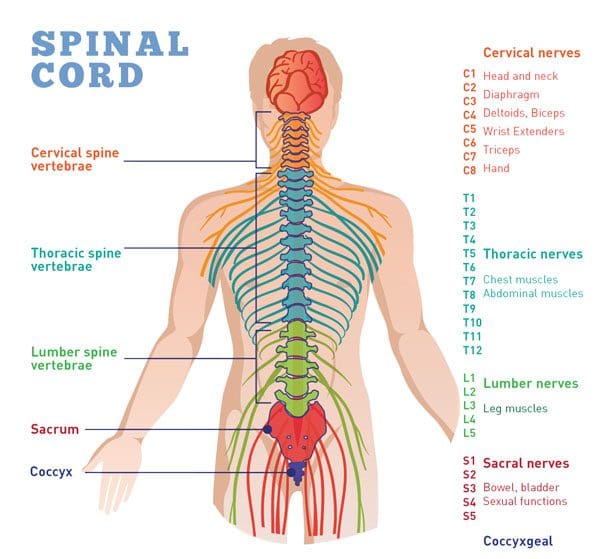
Many of these problems are rooted deep within the nervous system. This system controls pain, movement, organ function, and action/reaction in the body and needs consistent maintenance to continue to operate at an optimal level. Chiropractors are trained to detect nerve interference brought on from spinal misalignment. Chiropractic along with body scanning/imaging can detect nerve interference, and help identify any issues.
Nerve Interference
Nerve interference along the spine can lead to being tired, weakness, pain, discomfort, organ dysfunction, and disease if it is not addressed by a professional chiropractor. The interference can be a result of poor postural habits that have caused the spine to misalign. This places added and dangerous pressure on the delicate nerves flowing throughout the spine.
Chiropractors can determine the root cause back to the region of the spine that is causing any type of impediments. Spinal rehabilitation and realignment will restore the spine back to health eliminating nerve interference. As the body is realigned health coaching recommendations that include diet, supplements, and learning healthy habits will enhance chiropractic maintenance. The end result is a healthy energetic body free of disease, dysfunction, and pain.
Body Composition
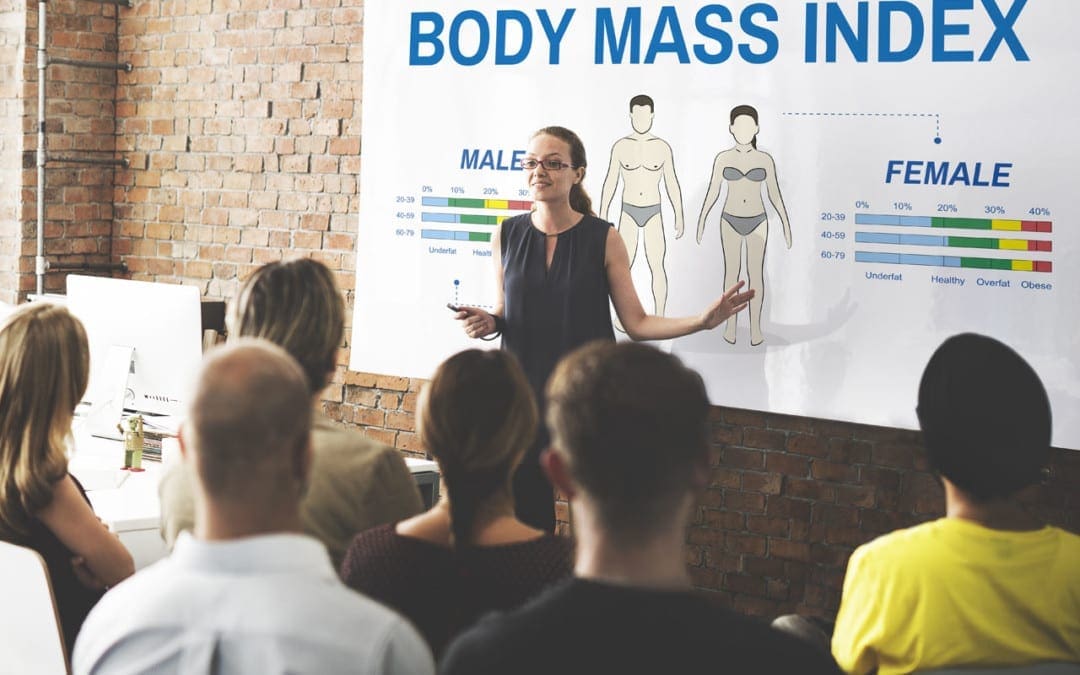
Body composition is a way of breaking down the body into components, which are: fat, protein, minerals, and body water. It describes an individual’s accurate weight and provides a new perspective on overall health than traditional methods. Proper body composition analysis will show changes in fat mass, muscle mass, and body fat percentage.
The scope of our information is limited to chiropractic, musculoskeletal, physical medicines, wellness, and sensitive health issues and/or functional medicine articles, topics, and discussions. We use functional health & wellness protocols to treat and support care for injuries or disorders of the musculoskeletal system. Our posts, topics, subjects, and insights cover clinical matters, issues, and topics that relate and support directly or indirectly our clinical scope of practice.*
Our office has made a reasonable attempt to provide supportive citations and has identified the relevant research study or studies supporting our posts. We also make copies of supporting research studies available to the board and or the public upon request. We understand that we cover matters that require an additional explanation as to how it may assist in a particular care plan or treatment protocol; therefore, to further discuss the subject matter above, please feel free to ask Dr. Alex Jimenez or contact us at 915-850-0900. The provider(s) Licensed in Texas& New Mexico*
References
Stochkendahl, Mette Jensen, et al. �Can chiropractors contribute to work disability prevention through sickness absence management for musculoskeletal disorders? – a comparative qualitative case study in the Scandinavian context.� Chiropractic & manual therapies�vol. 26 15. 26 Apr. 2018, doi:10.1186/s12998-018-0184-0
Westerterp, Klaas R. �Exercise, energy balance, and body composition.��European journal of clinical nutrition�vol. 72,9 (2018): 1246-1250. doi:10.1038/s41430-018-0180-4
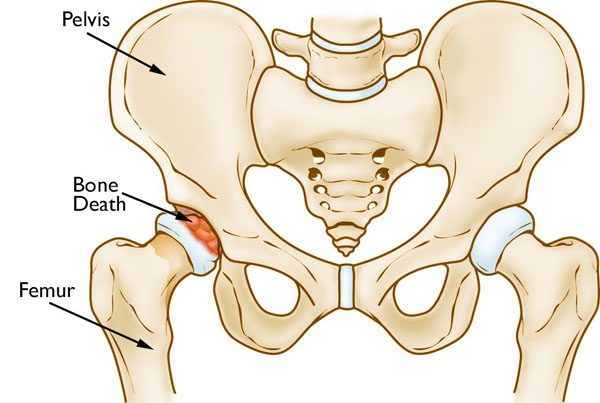
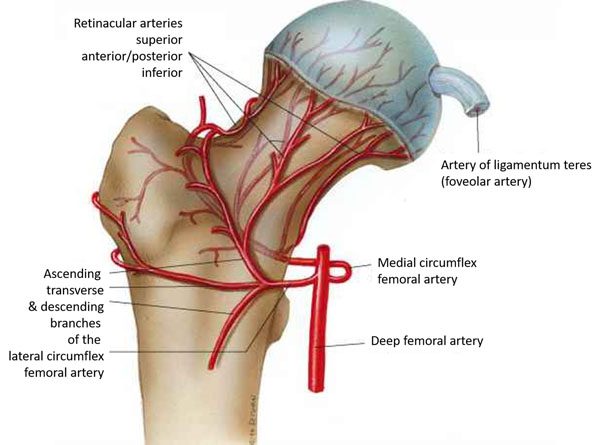
Osteonecrosis is a condition that causes the death of bone tissue from temporary or permanent loss of blood supply to the affected area. It is commonly known asAvascular necrosis and can lead to miniature/tiny breaks in the bone and the bone/s eventually collapsing. Specifically, it affects the upper part of the femur or femoral head and surrounding joints.
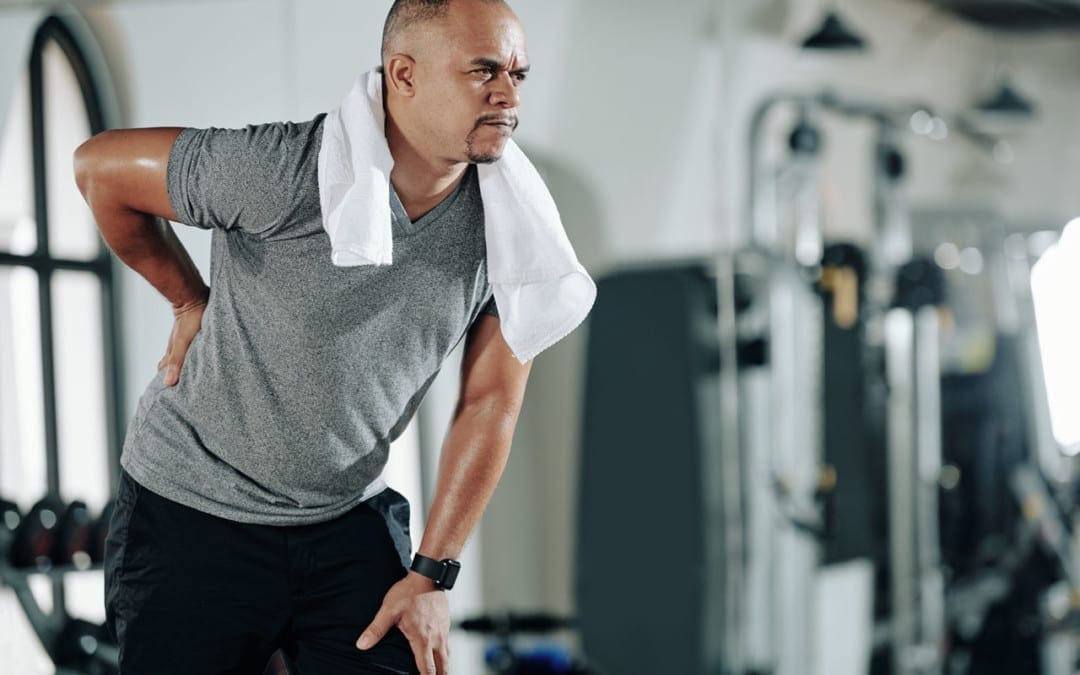
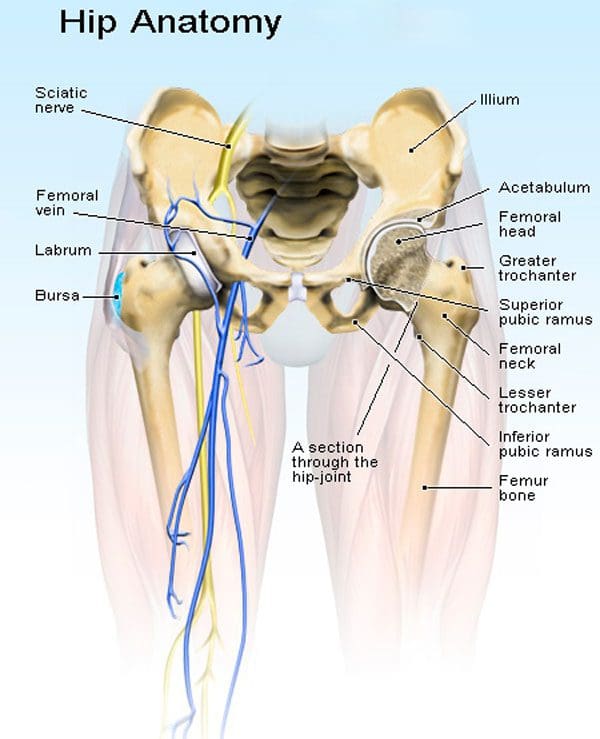
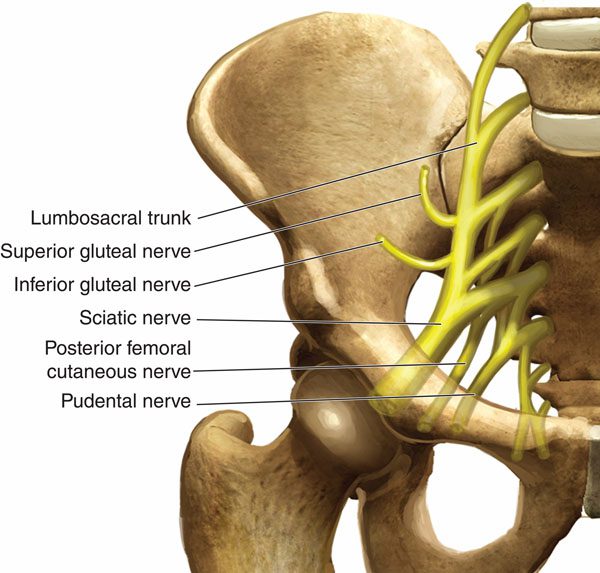
It can occur in any bone however, osteonecrosis typically affects the hip/s. Pain associated with osteonecrosis of the hip can be localized to the center of the groin, thigh, or buttock. Because of the hip joint’s close proximity to the sciatic nerve, misdiagnosis for sciatica is common.
Mimicking Sciatica Symptoms
Unfortunately, many health care providers can misdiagnose osteonecrosis hip pain as sciatica. Whatever the cause of the hip injury, most individuals with hip pathology report pain in the groin, upper thigh, and buttocks.
That is why a trained medical professional that knows the differences in the symptoms of each condition can make all the difference in making a proper diagnosis. And a proper diagnosis leads to proper and complete treatment of whichever condition it may be. With osteonecrosis, misdiagnosis often delays the proper treatment and continues to progress. Common symptoms of sciatica:
Leg pain is the primary symptom can be mild to severe
Low back pain is secondary can be mild to severe
Nerve-related symptoms
Numbness
Tingling
Shooting pain
Pins-and-needles sensation
Muscle weakness
Hip pain especially flexion and internal rotation of the hip.
Leg or foot weakness
Osteonecrosis Symptoms and Similarities
For many, there are no symptoms in the early stages of osteonecrosis. As the condition worsens, the affected joint could present pain symptoms only when weight is placed on it. Eventually, individuals begin to feel the pain even when lying down. Pain can be mild to severe with a gradual development. Other symptoms that mimick sciatica:
Walking Inability
Walking gait is complicated with both conditions which is a major cause behind the misdiagnosis.
Limping
Individuals often limp with osteonecrosis of the hip and spinal disc problems. This is another reason that the condition is misdiagnosed as a spinal disc problem or nerve root compression of the sciatic nerve.
Hip Pain
The tributaries/veins of the sciatic nerve also supply the hip area and often cause confusion between the two conditions.
Differences
Despite all of the similarities. There are differences in both conditions.
Nature of The Pain
With sciatica, the pain is related to the nervous system. Movement can complicate the pain. While rest helps to reduce the pain.
With Osteonecrosis the pain is geared toward the muscular. Rest does not help reduce the pain. In fact, the pain increases at night.
Location
Sciatica pain can radiate through the whole leg from the low back to the toe.
Osteonecrosis pain is confined to the hip joint, groin, and radiates to the knee joint only. Osteonecrosis pain does not radiate below the knee joint.
Restricted Movement
Osteonecrosis of the hip joint, means the movements involving the hip joint are restricted. Individuals cannot rotate the leg to the right and left. Individuals cannot bend or fold from the hip.
With sciatica, the rotation of the leg is not affected. Movements involving stretching the sciatic nerve can cause relief or pain.
Walking Gait Differences
Gait is the way an individual stands and walks.
Osteonecrosis of the hip joint causes individuals to not be able to open the hip joint properly or to step properly.
With sciatica, an individual tends to lean on their side to relax the compression on the nerve.
Risk Factors
More than 20,000 people enter hospitals for the treatment of osteonecrosis of the hip yearly. Other than the hip, areas of the body likely to be affected are the shoulder, knee, hand, and foot. The condition can occur for a variety of reasons. A few of these include:
Fracture – a broken bone can interrupt the blood flow to other sections of the bone.
Dislocation of bone or joint/s
Alcoholism
Trauma
Radiation damage
Steroid use
Some individuals can have more than one condition or injury that contributes to hip flexor pain. An example is that it is possible to have both hip osteoarthritis and hip impingement. Without proper treatment, the condition can worsen, causing joint or hip pain from the degradation of the bone.
Anyone can be affected, but osteonecrosis is most common in individuals aged 30 to 50. Treatment options include a total replacement of the hip known as arthroplasty. And if it is sciatica then chiropractic treatment is a first-line treatment protocol. However, a chiropractor can make the distinction between the two and treat sciatica or refer the patient to the proper specialist.
Lower Back Pain Relief
Dr. Alex Jimenez�s Blog Post Disclaimer
The scope of our information is limited to chiropractic, musculoskeletal, physical medicines, wellness, and sensitive health issues and/or functional medicine articles, topics, and discussions. We use functional health & wellness protocols to treat and support care for injuries or disorders of the musculoskeletal system. Our posts, topics, subjects, and insights cover clinical matters, issues, and topics that relate and support directly or indirectly our clinical scope of practice.*
Our office has made a reasonable attempt to provide supportive citations and has identified the relevant research study or studies supporting our posts. We also make copies of supporting research studies available to the board and or the public upon request. We understand that we cover matters that require an additional explanation as to how it may assist in a particular care plan or treatment protocol; therefore, to further discuss the subject matter above, please feel free to ask Dr. Alex Jimenez or contact us at 915-850-0900. The provider(s) Licensed in Texas& New Mexico*
References
Li, Wen-Long et al. �Exploring the Risk Factors for the Misdiagnosis of Osteonecrosis of Femoral Head: A Case-Control Study.��Orthopaedic surgery, 10.1111/os.12821. 16 Oct. 2020, doi:10.1111/os.12821
Belly dancing has been found to be an effective way to help individuals managing low back pain. It could be utilized as a part of a chiropractic treatment plan. The dancing is beneficial for improving posture and allows an individual to improve their fitness with a light form of aerobic exercise.
Regular physical activity/exercise and a healthy lifestyle go hand in hand. For individuals with spinal issues, the right stretches and exercises can make a difference in their quality of life. It increases:
Strength
Flexibility
Helps with pain management
Improves posture
Maintains spinal alignment
Belly dancing can help with injury recovery, as well as overall health. For most the trouble with exercising regularly is that it becomes routine and boring. Individuals want to live healthily, but it can be a challenge to maintain interest and motivation. An alternative form of physical activity that qualifies as exercise could be the answer.
Dancing has grown in popularity because of its fitness, flexibility, and spinal benefits. This form of belly dancing exercise does not require any special outfit or plenty of space. This utilizes the movements as a form of stretching and keeping the body moving in an aerobic fashion. They can be done at home with video instruction or an online class. Although the majority are women, men can and do belly dance.
Belly Dance
Information on the history of belly dancing. The dance has gone through various transformations since its inception. It was once considered burlesque entertainment, is now recognized as an important cultural expression, and today has been found to be a respected form of dance exercise.
Isometric exercises are contract specific muscles or groups of muscles. These types of exercise help with strength and stability enhancement. Both are vital for individuals recovering from back injuries or back pain management.
Posture
Dance posture is different than normal standing or sitting posture. Dance posture refers to the way an individual prepares/maintains their body to perform specific movements so that the motions are fluid, graceful, and with no presentation of pain. Belly dance posture maintains proper spinal alignment, which encourages reduced stress/pressure on the joints. This is beneficial for individuals managing back problems. The keys to spinal success are:
The knees should be slightly bent and not stiff so as not to pull/strain the lower back muscles
When the abdominal and back muscles maintain/support a straight spine, this alleviates stress on the low back. Lower back issues have shown a positive response to a belly dance exercise therapy program. A study looked at the effects of belly dancing on pain and function in women with chronic lower back pain. The study found that belly dancing made movements of the trunk and pelvis that are known to influence low back pain much easier.
A belly dance program in conjunction with a chiropractic or physical therapy treatment plan can help alleviate pain and improve function. A 45-minute belly dance routine/session promotes aerobic benefits, improves flexibility and core strength.
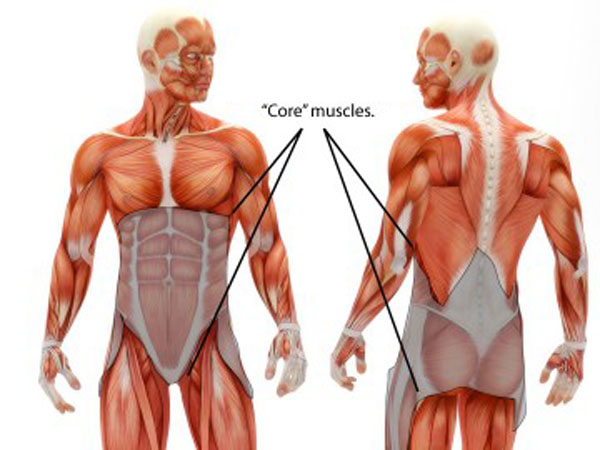
Core Strength
These are movements that train the muscles in the:
Pelvis
Abdomen
Hips
Low back
They help build strength, generate stability, protect against back pain, poor posture, and muscle injuries. Having core strength is crucial for individuals with back issues, as it increases the stabilization of the spine. Core strengthening is highly recommended and often prescribed for individuals recovering from lumbar issues.
Depression/Anxiety Improvement
Individuals with back pain also tend to experience psychological issues like depression and anxiety. Back pain can affect:
Mood
Tiredness
Sleep problems
Self-esteem problems
Belly dancing as part of a treatment/therapy program can help an individual experience benefits that improve mental health and well-being. These include:
Regaining mobility
Having a positive body image
Social interaction is enhanced
For All Ages
Belly dancing is a fantastic creative outlet and a great way to exercise. Anyone that is able can participate. Children, seniors, and everyone in between can get into belly dancing. It enhances health and strengthens the body and mind. When the body is in the proper position/posture there are no joint issues or pain. In-person classes, at home with online instruction, DVDs, or video meeting apps can benefit the body and especially the spine.
Life-Changing Orthotics
Dr. Alex Jimenez�s Blog Post Disclaimer
The scope of our information is limited to chiropractic, musculoskeletal, physical medicines, wellness, and sensitive health issues and/or functional medicine articles, topics, and discussions. We use functional health & wellness protocols to treat and support care for injuries or disorders of the musculoskeletal system. Our posts, topics, subjects, and insights cover clinical matters, issues, and topics that relate and support directly or indirectly our clinical scope of practice.*
Our office has made a reasonable attempt to provide supportive citations and has identified the relevant research study or studies supporting our posts. We also make copies of supporting research studies available to the board and or the public upon request. We understand that we cover matters that require an additional explanation as to how it may assist in a particular care plan or treatment protocol; therefore, to further discuss the subject matter above, please feel free to ask Dr. Alex Jimenez or contact us at 915-850-0900. The provider(s) Licensed in Texas& New Mexico*
IFM's Find A Practitioner tool is the largest referral network in Functional Medicine, created to help patients locate Functional Medicine practitioners anywhere in the world. IFM Certified Practitioners are listed first in the search results, given their extensive education in Functional Medicine