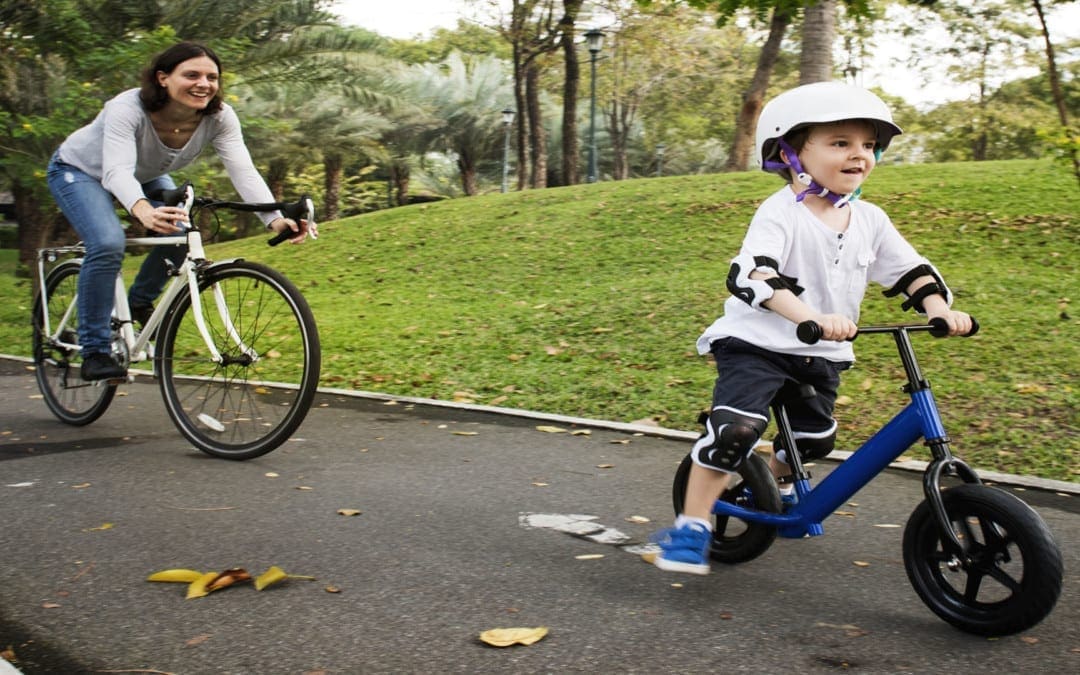
Cycling is a great cardiovascular workout, building strength, stamina, and balance. However, it can be tough on the body, especially if you put in a lot of miles. This is true of any activity that is repetitive, though. Certain muscles can become tense and others that aren�t used become weaker. This can cause your spine to become misaligned. Bending over the handlebars can also cause back pain as well as wrist, neck and shoulder pain and affect your posture if you remain in that position for long stretches or are not using proper form. Chiropractic for cyclists can help combat these effects and keep your body in alignment.
Hip and Knee Pain
Cycling puts a lot of strain on your lower body, particularly the hips and legs. The more developed these muscles get, the tighter they can become if you aren�t stretching before and after your ride (and getting regular chiropractic care).
Inflammation and stiffness of the sacroiliac joint are very common with cyclists. It can cause a significant decrease in range of motion and flexibility, not to mention cause pain. This issue can really affect your ride. The stress that occurs in this area can affect nearby large joints, such as the knees. Chiropractic can release those joints and address any issues associated with it.
Lower Back Out of Alignment
Spending a lot of time hunched over your handlebars can cause your back muscles to become stretched out. When you combine that with hunching over a desk or computer all day, it can leave you with a misaligned spine.
The tight muscles of the lower body, including hip flexors and hamstrings, work against the stretched out back muscles to weaken the spinal support. Once your spine is misaligned, it can lead to back pain, hip pain, and make it difficult for you to ride effectively or comfortably.
Getting good, regular chiropractic adjustments, along with some core strength exercises, stretching and exercises to increase the range of motion, you can get your spine aligned � and keep it that way. It is also worth mentioning that proper bike fit is absolutely integral to keeping your spine and body healthy and aligned.
Numb, Tingling Hands
Numb, tingling hands are very common among cyclists. There are several reasons that this can occur, but the most common culprits are stress on the upper back from riding in a hunched position, or wrist issues that come from the stress of supporting your upper body as you are hunched over, and from holding the handlebars.
Proper bike fit can go a long way in preventing this, as does maintaining proper form and technique while riding. This will help you avoid compression, undue stress, and overreaching so that your arms are in a more natural, comfortable position. Your chiropractor can help alleviate the pain and correct the condition with spinal manipulation and other techniques applied to the joints.
Chiropractic is exceptional for cyclists because it not only addresses structural issues in the body, it also provides whole body care. Your chiropractor may recommend certain exercises and stretches, supplements, and lifestyle changes to help improve your ride and help you live a healthier life. You will combat the strain that the sport puts on your body and learn powerful techniques for avoiding injury.
If you are a regular cyclist, whether you ride competitively, ride with a group, or bike to work, you will find that your body will respond very well to chiropractic treatments. When performed regularly, you will find that your body will get stronger and your posture will be better. You will feel better too.
Labrum Tear Hip Treatment El Paso, TX Chiropractor
Cyclists: Now that summer is upon us and the chilly winds of winter are gone for at least a few months, more people are taking their fitness and recreational activities outside. Cycling is popular activity that fits both bills. It is a great way to unwind and enjoy the great outdoors, but it is also an excellent form of exercise.
Cyclists
Chiropractic provides excellent benefits for the cycler, whether you hit the trails on the weekend, incorporate cycling as part of your fitness regimen, or commute to work on your bike every day.
Relief from Pain
Faster Healing from Injuries
Better Muscle Tone and Balance
Improved Range of Motion
Enriched Cycling Biomechanics
In short, chiropractic can help make you a better cyclist and help you get the most out of your cycling. It will help keep your body aligned and balanced physically, but it also treats the whole body.
That means that your chiropractor will also make nutritional recommendations and even recommend various supplements if necessary. This will give your energy a boost and improve your performance, while helping you stay healthy and fit. This is how chiropractic helps you have more stamina and endurance.
Chiropractic For Cycling Injuries
As with any type of physical activity, there is always a chance that injuries will occur. Chiropractic helps keep your body balanced and improves your flexibility. This, in turn, decreases your chance for injury.
However, if you are injured, chiropractic can help you recover and heal much faster. You start with a healthy, balanced body through regular chiropractic care, and that helps you bounce back faster if you sustain an injury.
Chiropractic care can also be used to treat injuries. Cycling can cause pain and injury in the ligaments, muscles, knees, ankles, hips, hands, wrists, feet, neck, back, and shoulders.
Regular adjustments can help decrease the likelihood of pain in these areas, but sometimes the soreness can creep in anyway. When that happens, chiropractic treatments have been shown to be very effective in treating pain without pain medication and associated harmful side effects.
Spinal alignment is one of the most common chiropractic techniques, but it goes much farther than that. Adjustments to the legs and feet can help with ankle, knee, hip, and foot pain. Adjustments to the arms and shoulders can help relieve pain in those areas. Special attention to the joints help keep them flexible and functioning as they should.
Chiropractic Allows The Body�s Natural Ability To Heal
Chiropractic is completely natural and does not rely on invasive treatments or surgeries. It does not use medications of any kind. It uses nutrition and supplements that rely on the body�s natural ability to heal. It simply realigns the body so that the neural pathways are unobstructed. This allows blood flow to be more efficient and reach the organs much easier.
Chiropractic involves gentle spinal manipulations that realign the body and restore movement in the joints as well as muscle trigger points and soft tissue. It may include electrical muscular current therapies, massage, cold laser therapy, ultrasonic waves, and other therapies in addition to the spinal manipulations.
A chiropractic patient may be advised to rest, ice an area, elevate it, or be given specific exercises to work that area. Chiropractic is not a rote therapy as many traditional medical practices tend to be. It adjusts to each patient, taking into account their unique lifestyle, activity level, nutritional needs, and other elements that influence that particular patient�s healing process.
Chiropractic sees each patient as individual and treat them as such. This is what makes it such an effective treatment for cyclists. The benefits it offers them can not only keep them pain free and participating in their activity; it can also make them better at it.
Injury Medical Clinic: Back Pain Care & Treatments
IT Iliotibial band syndrome is a very common injury among runners. If it is diagnosed early and treatment commences immediately the chances of it becoming a chronic condition are reduced. It responds very well to chiropractic since it involves the pelvis and related muscles. When pelvic mechanics are not functioning properly the muscle don�t work efficiently which hinders flexibility and mobility. This can lead to tight muscles which may inhibit motion and cause pain. Chiropractic adjustments have been proven to help with the condition.
What Is The Iliotibial Band?
The Iliotibial Band, or fasciae latae, is the outer casing of muscle that extends along the outer thigh, from the top of the hip to the outside of the knee. IT Iliotibial band syndrome occurs when that casing becomes thickened. It is flexed or tight when you stand; it is what keeps your let straight, allowing the larger thigh muscle to rest.
There are two primary muscles that are involved in iliotibial band syndrome, the buttock muscle, or gluteus maximus, and the tensor fasciae latae muscles. Sometimes Iliotibial Band Syndrome is referred to Tensor Fasciae Latae Syndrome and the two terms can be used interchangeably.
IT Iliotibial Band Syndrome Defined
As the iliotibial band thickens it pulls in the area where it connects to the knee. This results in knee pain due to the application of too much pressure on the bursa. The bursa then becomes swollen, inflamed, and painful. During activity, such as running on an incline, the glutes are heavily involved.
The other end of the iliotibial band is inserted at the glutes so as the band tightens from this activity, it can trigger iliotibial band syndrome pain. Repeated activity further aggravates it, as does running on tight indoor tracks or uneven roads as well as having collapsed arches or running it inferior or worn out running shoes.
Symptoms Of Iliotibial Band Syndrome
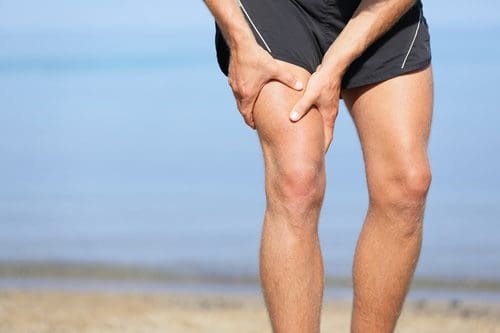
There are several symptoms that can be used to diagnose iliotibial band syndrome. Lateral knee pain (pain on the outside of the knee) is a primary symptom and often used as a key diagnostic tool. Few conditions involve lateral knee pain. Other symptoms include:
Pain that worsens after running, particularly after running on an incline, climbing stairs, or climbing hills
There may not be any pain until you do something that aggravates it like climbing a hill.
The pain may not begin until you are mid-way through a run.
The pain can be intense and debilitating.
It can accompany a snapping hip, which occurs when the muscles that cross the outer hip may click or snap while running or walking.
The pain may be present along the lateral thigh without incorporating the knee, but it is only in very rare instances that it is concentrated on the gluteal or hip muscles.
Iliotibial band syndrome is often attributed to over training. This can mean suddenly increasing hill repeats or doubling your mileage.
Treatments For IT Iliotibial Band Syndrome
If your iliotibial band syndrome is caused by a problem with pelvic function, relieving the pain from the condition can be difficult. Stretching is not likely to bring relief � and if it does it won�t last long. If the pain from iliotibial band syndrome lasts for more than two weeks even if you are only stretching, your regular exercise routine, and ice and you don�t see much improvement, a chiropractor can help.
Even if the pain is located in the knee, the problem could originate in the pelvis. A chiropractor can assess your condition, check to see that your pelvis is functioning properly. If it isn�t, spinal adjustments and other chiropractic treatments can bring the body back into alignment and make the pelvis more functional.
Chiropractic Clinic Extra: Sport Injury Treatments
IFM's Find A Practitioner tool is the largest referral network in Functional Medicine, created to help patients locate Functional Medicine practitioners anywhere in the world. IFM Certified Practitioners are listed first in the search results, given their extensive education in Functional Medicine





 Chiropractic For Cycling Injuries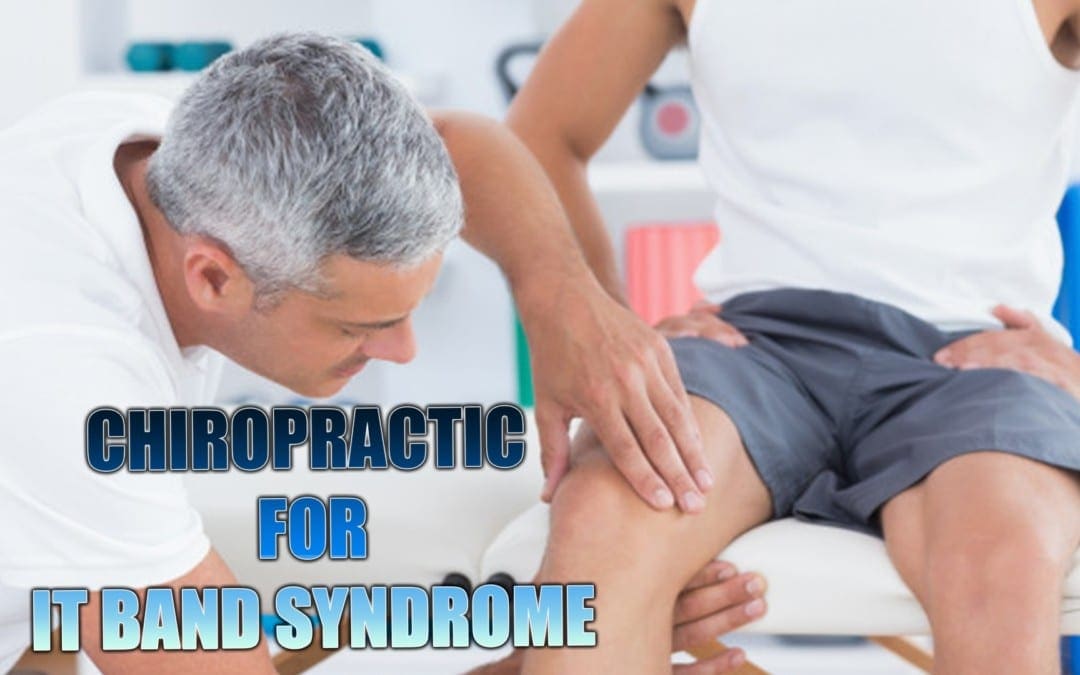
 Symptoms Of Iliotibial Band Syndrome






