
Cross Training For Runners: El Paso Back Clinic
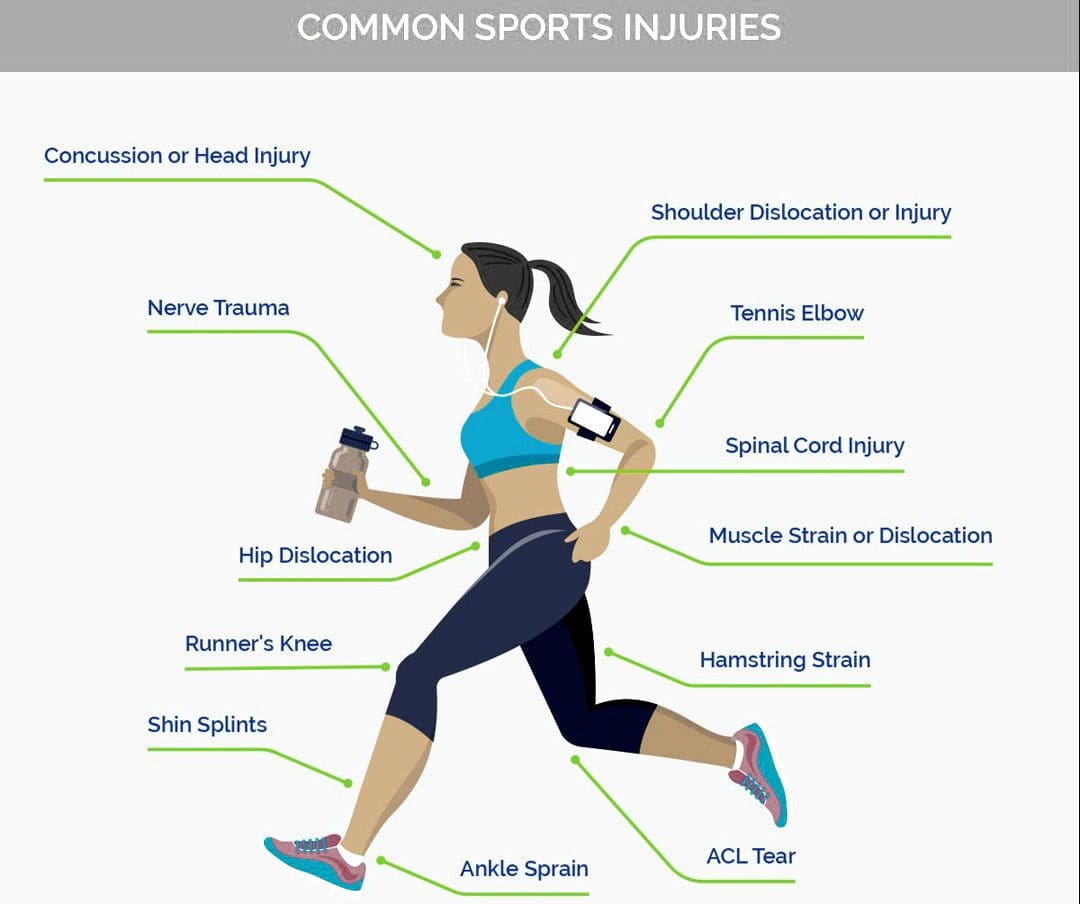
Too much running can lead to burnout and injuries for even the most hard-core runners and running enthusiasts. Cross-training can be a great way to work through unmotivated phases. Beginners and experienced runners will hit periods when they become bored or uninspired to run. Individuals dealing with injuries need to take time off from running during recovery. Once they are healed enough to engage in physical activity, doctors, trainers, physical therapists, and sports chiropractors recommend low-impact cross-training activities, like swimming or water running/aqua jogging, to lessen the stress on the muscles and joints and help injured athletes maintain their fitness and cope with the frustration of not being able to participate.
 Cross Training
Cross-training is any sport or physical activity/exercise that supplements an athlete’s main sport. Whether a beginner or veteran, it balances the muscle groups because it strengthens muscles that don’t get worked out and/or are used less during running. This decreases the chances of worsening the injury and prevents future injuries. Added benefits:
- Improves other areas of the body.
- Improves cardiovascular fitness.
- Cross-training can help avoid getting bored with running.
- Gives runners a mental break.
- Individuals can continue to train while letting injuries heal.
Individuals dealing with an injury may need to train more frequently as part of a rehabilitation and strength training treatment plan. A doctor, chiropractor, or physical therapist will recommend how much cross-training and type of activities will be the most beneficial for the specific injury.
Activities
Swimming
Swimming is an excellent cross-training activity because it’s not weight-bearing, giving the leg muscles and joints a break.
- It builds strength and endurance and improves flexibility.
- It balances working the upper body while giving the legs a break.
- Swimming is a good way to recover after a long run.
- Helps individuals prone to running injuries or are healing from an injury.
- Relaxing and meditative.
Water Running
- Water running can help with injuries and/or be used in strength training.
- It’s also a great way to run during hot and humid weather.
Cycling or Spinning
- Cycling and spin classes are low-impact.
- Provide increased cardiovascular fitness and strength.
- Exercises other muscle groups, especially the quads, and glutes.
Elliptical Training
An elliptical machine provides a whole-body cardiovascular workout with the feel of cross-country skiing, stair climbing, and walking.
- The machine can be programmed to move forward or backward to work all the major muscles in the legs.
- The muscles used are similar to those used when running.
- It is a low-impact alternative when injured.
Pilates
- Pilates is a form of exercise that emphasizes core strength and flexibility.
- Pilates can help increase flexibility, reduce tight muscles, and be recommended for active recovery.
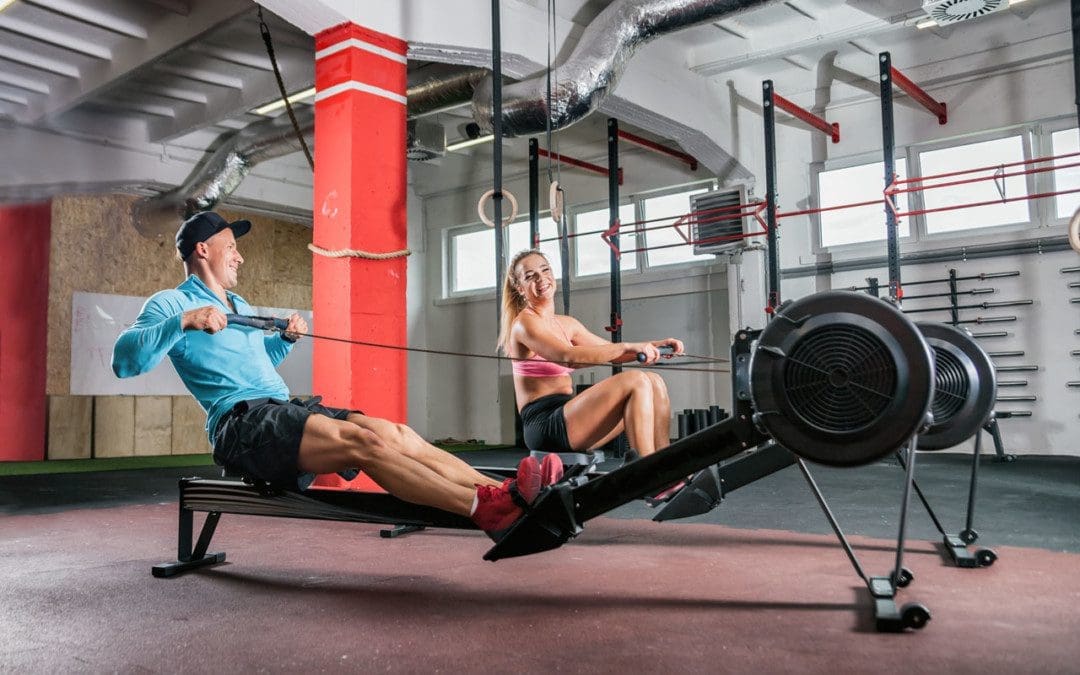
Rowing
Rowing is an excellent cardiovascular, low-impact activity.
- Strengthens the upper body, hips, and buttocks.
- Proper technique will maximize the benefits and prevent injury.
Yoga
Yoga provides some of the same benefits as strength training.
- Uses body weight as resistance to strengthen and stretch muscles.
- Improves flexibility and mobility.
- Way to relax after an intense run or workout.
Taking Time Off
Taking days off from running each week to participate in cross-training activities can help maintain motivation.
- Recreational runners can supplement three to four days of running with two to three days of cross-training.
- Competitive runners who run four to six days a week can substitute low-intensity cross-training for a light run or a rest day one to two days a week.
- It helps runners add more exercise without risking overuse injuries.
- Increases muscle strength and flexibility, and core stability.
Fitness Health
References
Alves de Araújo, Maria Erivânia, et al. “The effectiveness of the Pilates method: reducing the degree of non-structural scoliosis, and improving flexibility and pain in female college students.” Journal of bodywork and movement therapies vol. 16,2 (2012): 191-8. doi:10.1016/j.jbmt.2011.04.002
Baltich, Jennifer, et al. “The effects of isolated ankle strengthening and functional balance training on strength, running mechanics, postural control and injury prevention in novice runners: design of a randomized controlled trial.” BMC musculoskeletal disorders vol. 15 407. 4 Dec. 2014, doi:10.1186/1471-2474-15-407
Casado, Arturo, et al. “Training Periodization, Methods, Intensity Distribution, and Volume in Highly Trained and Elite Distance Runners: A Systematic Review.” International journal of sports physiology and performance vol. 17,6 (2022): 820-833. doi:10.1123/ijspp.2021-0435
Claudino, João Gustavo, et al. “CrossFit Overview: Systematic Review and Meta-analysis.” Sports medicine – open vol. 4,1 11. 26 Feb. 2018, doi:10.1186/s40798-018-0124-5
Schlegel, Petr. “CrossFit® Training Strategies from the Perspective of Concurrent Training: A Systematic Review.” Journal of sports science & medicine vol. 19,4 670-680. 19 Nov. 2020
Tanaka, H, and T Swensen. “Impact of resistance training on endurance performance. A new form of cross-training?.” Sports medicine (Auckland, N.Z.) vol. 25,3 (1998): 191-200. doi:10.2165/00007256-199825030-00005







