Yips are involuntary wrist muscle spasms that affect athletes. They are often associated with golf, baseball, and sports that involve swinging and throwing motions, such as bowling, darts, cricket, and others. Can understanding the information and causes help diagnose and find the right therapy or training?
Yips
Yips are involuntary wrist spasms that athletes experience. The term is also used to refer to performance anxiety without physical spasms. Researchers believe they are caused by muscle overuse that leads to dystonia (a condition that causes muscles to contract involuntarily), and combined with psychological factors like performance anxiety and overthinking, can make them worse. (Beacon Health Systems, 2024)
The most common symptom is muscle spasms, often in the hands and wrists. That’s why it is the most common among athletes who play sports that require precision hand and wrist movements. Yips affect fine motor skills. (Aoyama, T. et al., 2021) In addition to muscle spasms, symptoms can also include: (Beacon Health Systems, 2024)
Twitching
Tremors
Freezing up
Psychological distress
Causes
Healthcare providers, trainers, coaches, and researchers know that psychological and physical factors cause yips. Underlying physical causes include overusing wrist muscles, which leads to dystonia or involuntary muscle movements. Also known as task-specific dystonia, it can also affect individuals who engage in repetitive muscle movements, like factory and assembly line workers, store check-out clerks, musicians, etc. (Clarke P., Sheffield D., and Akehurst S. 2020). Performance anxiety and psychological stress can worsen dystonia. (Aoyama, T. et al., 2021) Athletes can become so focused on their movements that they overthink their actions and perform worse. Individuals who have anxiety, self-consciousness, or stress about a game or performance often find that their involuntary wrist spasms are worse. (Clarke P., Sheffield D. and Akehurst S. 2020)
Increased Risk
Yips are most common in athletes who use their hands and wrists for their sport and are likely to impact more experienced, competing, and older athletes. (Beacon Health Systems, 2024) They are more common in athletes focused on smaller movements or shorter distances. For example, golfers commonly experience involuntary wrist spasms when putting, and baseball players are likelier to experience them when throwing less than 20 meters. (Clarke P., Sheffield D. and Akehurst S. 2020)
Diagnosis
There is no official diagnosis for yips. However, a coach, athletic trainer, sports doctors, and others can observe the pattern of symptoms and behavior and provide an informed diagnosis.
Once trigger/s are identified, they can be addressed. Treatments that can help include: (Beacon Health Systems, 2024)
Alternate Hand Positions
This can provide relief from dystonia and overthinking.
Using Different Equipment or Stabilizers
This allows the immobilization of certain muscles and the activation of different muscles.
Mindfulness
Reducing anxiety and distress can help relax the body.
Practicing mindfulness before games or tournaments can help reduce psychological triggers.
Botox Injections
Botox injections can treat certain types of dystonia.
Sports Psychology
A sports psychologist is a healthcare provider who studies individual athletes’ sports performance and how it affects their minds and skills.
A sports psychologist can help individuals create a program that reduces stress or anxiety around games and performance.
Injury Medical Chiropractic and Functional Medicine Clinic
Yips are common among athletes. It is important to address the physical and psychological components to treat the condition. Talking with a coach or a sports psychologist, other athletes, and supporting staff like trainers can help you find a solution. Injury Medical Chiropractic and Functional Medicine Clinic works with primary healthcare providers and specialists to develop an optimal health and wellness solution. We focus on what works for you to relieve pain, restore function, and prevent injury. Regarding musculoskeletal pain, specialists like chiropractors, acupuncturists, and massage therapists can help mitigate the pain through spinal adjustments that help the body realign itself. They can also work with other medical professionals to integrate a treatment plan to resolve musculoskeletal issues.
Sports Injuries
References
Beacon Health Systems. (2024). Yips. https://www.beaconhealthsystem.org/library/diseases-and-conditions/yips/
Clarke, P., Sheffield, D., & Akehurst, S. (2020). Personality Predictors of Yips and Choking Susceptibility. Frontiers in psychology, 10, 2784. https://doi.org/10.3389/fpsyg.2019.02784
Aoyama, T., Ae, K., Souma, H., Miyata, K., Kajita, K., Kawamura, T., & Iwai, K. (2021). Difference in Personality Traits and Symptom Intensity According to the Trigger-Based Classification of Throwing Yips in Baseball Players. Frontiers in sports and active living, 3, 652792. https://doi.org/10.3389/fspor.2021.652792
Individuals can experience back muscle rigidity for years and not realize it. This is because the muscles tighten incrementally, and slowly the body begins to acclimate to the feeling and positioning that it becomes normal. And it continues with gradually increased aches and pains. Not until an individual has experienced a therapeutic massage and chiropractic adjustment do they realize just how tight and stiff they were. This is when individuals realize how their musculoskeletal system works and need to maintain loose, flexible muscle tissue for mobility and function. Injury Medical Chiropractic and Functional Medicine Clinic can treat, rehabilitate, educate, and improve an individual’s overall health.
Muscle Rigidity
When the body needs to move, the brain sends a nerve signal to the muscles in that region, causing the muscles to tighten or contract. Muscles can contract a little or a lot, depending on the activity. After contracting, the muscles relax until the next time they are needed. Muscle rigidity happens when a muscle or a group of muscles stays fully or partly contracted for an extended period. The nerve signals keep telling the muscle to contract even when the muscle is no longer needed. This can last for several hours or days.
The longer the muscle remains contracted, the more symptoms present and persist. Muscle rigidity is often triggered by stress. Stress affects the body’s nervous system, including nerves and their function. The nervous system can respond to stress by generating additional pressure on the blood vessels, reducing blood circulation, and causing tension and pain.
Causes
Certain medications, such as statins, can cause muscle rigidity, and several conditions can also contribute to it. These include:
Dehydration is a condition as a result of not drinking enough water.
A repetitive strain injury is an injury to the muscles or nerves due to muscle overuse.
Pinched nerves.
Delayed-onset muscle soreness is stiffness and pain that develops hours or days after strenuous physical activity and exercise.
Chronic fatigue syndrome is a condition that causes extreme fatigue, sleep problems, and pain.
Myofascial pain syndrome is a chronic disorder where pressure on sensitive muscle points causes pain.
Rheumatoid arthritis is a chronic inflammatory disorder affecting the joints.
Fibromyalgia is a chronic disorder that can cause muscle soreness, pain, and rigidity.
Claudication is a condition in which cramping occurs due to a lack of blood flow to the muscles, usually in the legs.
Lyme disease and Rocky Mountain spotted fever wick-borne illnesses that can cause nerve damage.
Amyotrophic lateral sclerosis is a neurodegenerative disease that causes nerve problems and a loss of voluntary muscle control.
Chronic exertional compartment syndrome is a muscle and nerve condition that causes pain and swelling.
Dystonia is a condition that causes random/involuntary muscle contractions.
Lupus is a chronic inflammatory disease that can cause joint pain and stiffness.
Parkinson’s disease is a neurological disease that affects movement.
Polymyalgia rheumatica is a chronic inflammatory disease that can cause muscle pain and stiffness.
Bacterial and Viral infections.
Treatment
The objective of treatment is to train the muscles to relax completely. The specific treatment used can vary depending on the cause and severity.
Chiropractic
Chiropractic treatment will address the condition or injury and then the muscle rigidity. Treatment involves massaging (manually and percussively) the areas to relax and stretch the tight tissues. Chiropractic releases and realigns the misaligned joints and bones to their proper position. The central nervous system recognizes the new positioning as naturally energy efficient. However, there will still be aches and soreness as the body adjusts until it becomes more consistent and normal for the individual.
Home Therapy
Home therapy is recommended with physical therapy and/or chiropractic to maintain flexibility and make necessary changes/adjustments to a treatment plan as the patient progresses and the muscles start to adhere to the massaging, manipulation, and training. They can include the following:
Applying a warm compress or heating pad to the affected area increases circulation.
Targeted gentle stretches.
Avoiding certain activities that could trigger the muscle to become rigid again until the body is ready.
Chandwani D, Varacallo M. Exertional Compartment Syndrome. [Updated 2022 Sep 4]. In: StatPearls [Internet]. Treasure Island (FL): StatPearls Publishing; 2022 Jan-. Available from: https://www.ncbi.nlm.nih.gov/books/NBK544284/
Chu, Eric Chun-Pu et al. “Chiropractic care of Parkinson’s disease and deformity.” Journal of medicine and life vol. 15,5 (2022): 717-722. doi:10.25122/jml-2021-0418
Joshi, Aditi et al. “Effectiveness of Myofascial Release (MFR) vs. High-Frequency Transcutaneous Electrical Nerve Stimulation (TENS) for Pain Relief and Functional Improvement in College Students With Trapezius Myalgia.” Cureus vol. 14,10 e29898. 4 Oct. 2022, doi:10.7759/cureus.29898
Tan, Xueli, et al. “The efficacy of music therapy protocols for decreasing pain, anxiety, and muscle tension levels during burn dressing changes: a prospective randomized crossover trial.” Journal of burn care & research: official publication of the American Burn Association vol. 31,4 (2010): 590-7. doi:10.1097/BCR.0b013e3181e4d71b
Nerves control muscle fibers. Muscle twitching is an involuntary contraction of the muscle fibers. When individuals play sports/work out vigorously or for a long time, they may experience muscle twitching and can often see and/or feel the twitches happening. The most worked-out muscles are likely to twitch, which includes the biceps, thighs, and calves, but twitches can occur in any muscle. Chiropractic care, massage therapy, and functional medicine can help relax the muscles, improve circulation, restore function, and train individuals to prevent future episodes.
Muscle Twitching
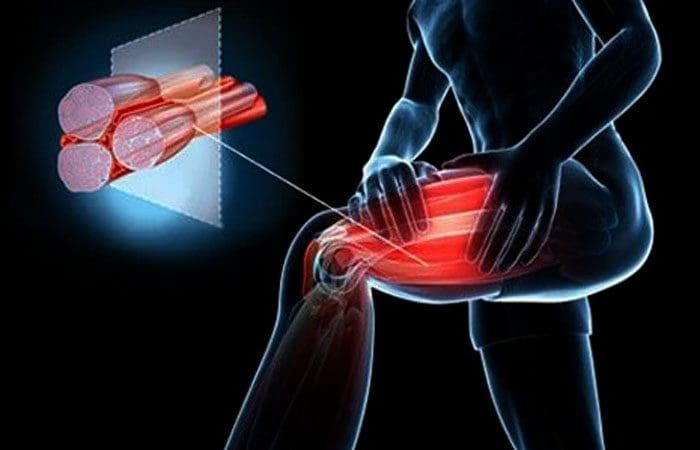
A muscle twitch often occurs after intense physical activity or a hard workout because the muscle or muscles have been overworked, and there is hyper-excitability of the nerve/s that makes the muscle/s continue to contract.
A muscle twitch that can be seen is called fasciculation.
A muscle twitch that cannot be seen is called fibrillation.
If there is pain or the twitching is prolonged, it is a muscle spasm.
Causes
The most common causes include the following:
Intense exercise and rigorous physical activity build up lactic acid in the muscles.
Dehydration is a very common factor for shaky muscles.
Vitamin D and calcium deficiencies could cause muscle spasms in the hand, calves, and eyelids.
Using caffeinated products to increase physical performance.
Not enough or a lack of healthy sleep.
Anxiety or stress.
Certain medications like estrogen and corticosteroids.
Nicotine and tobacco use.
Physical Activity/Exercise
Intense exercise and physical activity can cause muscle fatigue.
Muscle fatigue triggers twitching and cramping in overworked muscle fibers.
Electrolytes play a role in muscle contraction.
Electrolyte loss and imbalances within muscle fibers through sweating can lead to twitching.
Dehydration
Muscle mass comprises 75% water.
Water carries nutrients and minerals to muscles to support function.
Not being properly hydrated can cause twitching and cramping.
Vitamin D Deficiency
Nerves need vitamin D to relay messages to and from the brain to the body’s muscles.
A vitamin D deficiency can cause muscle weakness and twitching.
Lack of sleep can affect neurotransmitter function.
A common site of fasciculation tiredness occurs in the eyelids.
Anxiety and Stress
Experiencing psychological stress or high anxiety levels can cause excess muscle tension.
This can lead to muscle twitching.
Muscle fasciculation caused by stress can occur anywhere in the body.
Certain Medications
Certain medications can lead to involuntary muscle twitching.
The reaction can be a side effect due to interactions with other medications.
Individuals should discuss side effects and medication interactions with their doctor when taking a new medication.
Chiropractic Care
Chiropractors are experts on the musculoskeletal system and have many techniques to treat muscle fasciculation and spasms. It often depends on the cause/s, and specific treatment varies on a case-by-case basis. Common chiropractic treatments include:
Massage therapy
Heat and ice therapy
Manual manipulation
Joint adjustments
Ultrasound
Stretches to keep the muscles flexible
Exercises to strengthen the muscles
Nutritional recommendations
Fasciculation
References
Bergeron, Michael F.. Muscle Cramps during Exercise-Is It Fatigue or Electrolyte Deficit?. Current Sports Medicine Reports July 2008 – Volume 7 – Issue 4 – p S50-S55 doi: 10.1249/JSR.0b013e31817f476a
Gragossian A, Bashir K, Friede R. Hypomagnesemia. [Updated 2022 May 15]. In: StatPearls [Internet]. Treasure Island (F.L.): StatPearls Publishing; 2022 Jan-. Available from: https://www.ncbi.nlm.nih.gov/books/NBK500003/
Küçükali, Cem Ismail, et al. “Peripheral nerve hyperexcitability syndromes.” Reviews in the neurosciences vol. 26,2 (2015): 239-51. doi:10.1515/revneuro-2014-0066
Maughan, Ronald J, and Susan M Shirreffs. “Muscle Cramping During Exercise: Causes, Solutions, and Questions Remaining.” Sports medicine (Auckland, N.Z.) vol. 49, Suppl 2 (2019): 115-124. doi:10.1007/s40279-019-01162-1
Miller, Kevin C et al. “Exercise-associated muscle cramps: causes, treatment, and prevention.” Sports health vol. 2,4 (2010): 279-83. doi:10.1177/1941738109357299
Riebl, Shaun K, and Brenda M Davy. “The Hydration Equation: Update on Water Balance and Cognitive Performance.” ACSM’s health & fitness journal vol. 17,6 (2013): 21-28. doi:10.1249/FIT.0b013e3182a9570f
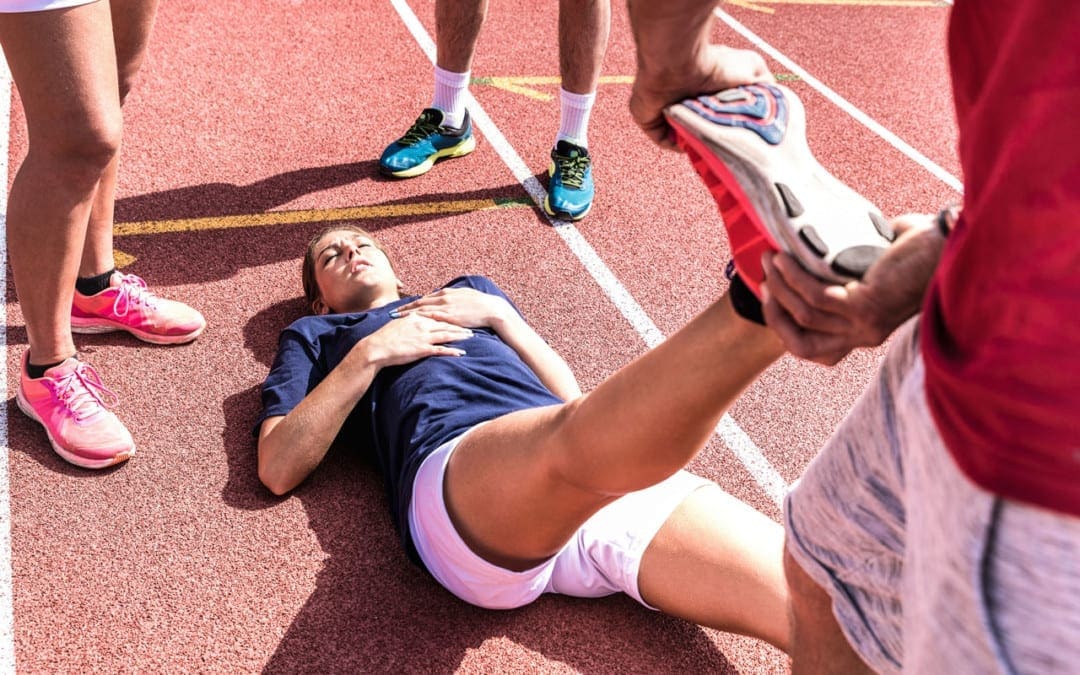
Muscle cramps are sudden and involuntary contractions of one or more of the body’s muscles. They often occur at night or at any moment stopped by a sudden Charley horse. These cramps can cause severe pain, making it impossible to move and use the affected muscle/s. They are usually brought on from:
Muscle cramps are common and can happen to anyone, but often occur to:
Indoor/outdoor physical work employees
Pregnant women
The elderly
Infants
Individuals that are overweight
Athletes
Cramping Up
Muscle cramps can be a symptom of a variety of medical issues. It is typically dehydration and muscle strain from overworking/exercising the muscles, but it can also be a sign of medical conditions like:
Poor circulation
Mineral depletion low levels of magnesium, calcium, potassium, and choline
Nerve disorders are rare cases, but a pinched nerve or spinal cord injury can cause nerve compression that can lead to cramping
Tight muscles, this comes from inactivity and not stretching the body causes the muscles to contract involuntarily
Hypothyroidism, a thyroid gland that is less active than normal can cause cramps
Liver disease
Muscle cramps can make daily activities difficult if not impossible to perform. They often happen at night affecting proper sleep. This can lead to:
Pain hangover
Grogginess
Fogginess
Cautious body behavior – as an individual wants to avoid pain and more cramping they begin to watch how they:
Step
Reach
Bend
Move
So as not to cause discomfort, pain, and further cramping, they develop awkward body positions that create more health problems from improper body posture.
Muscle cramps can happen to any muscle of the body. However, they present most often in the:
This is usually sudden, sharp pain. Individuals can also feel or see a lump of muscle tissue under the skin.
When to see a professional
They usually go away on their own not requiring medical care. However, seek medical attention if the cramps:
Are causing severe discomfort and pain
Severe swelling, redness, or changes in skin tone
Muscle weakness is present
They are occurring frequently
They do not improve with self-care
There is no connection with an obvious cause, like intense physical activity/exercise
Mineral Depletion
Choline is a nutrient that just as important but not as well known as B vitamins. Choline has a fundamental role in muscle physiology and low levels could be a cause/contributor of muscle cramping. Choline is well-known for its function as part of the neurotransmitter acetylcholine. This is a chemical messenger that transmits signals between nerve cells and muscles. Acetylcholine is the physiological link that tells the muscles to contract. This is where medications can interfere with the messaging system.
Most believe that muscle cramps are caused by magnesium deficiency. This is true, but magnesium is not the only nutrient that could present with muscle issues. Choline regulates intracellular calcium and muscle contraction. This is what helps bind calcium proteins to muscle receptors. Choline keeps minerals like calcium available to the muscles so they can use it instantly when they need to contract. For individuals with skeletal muscle issues, which can be muscle cramping, general soreness, or another type of issue, testing for choline status could be the key.
Prevention and Relief
Home self-care for prevention and relief includes:
Heat or ice application to the muscle/s and affected areas
Avoiding caffeine
Drink plenty of water before and during physical activities, indoor/outdoor work, exercise
The information herein is not intended to replace a one-on-one relationship with a qualified health care professional, licensed physician, and is not medical advice. We encourage you to make your own health care decisions based on your research and partnership with a qualified health care professional. Our information scope is limited to chiropractic, musculoskeletal, physical medicines, wellness, sensitive health issues, functional medicine articles, topics, and discussions. We provide and present clinical collaboration with specialists from a wide array of disciplines. Each specialist is governed by their professional scope of practice and their jurisdiction of licensure. We use functional health & wellness protocols to treat and support care for the musculoskeletal system’s injuries or disorders. Our videos, posts, topics, subjects, and insights cover clinical matters, issues, and topics that relate to and support, directly or indirectly, our clinical scope of practice.* Our office has made a reasonable attempt to provide supportive citations and has identified the relevant research study or studies supporting our posts. We provide copies of supporting research studies available to regulatory boards and the public upon request. We understand that we cover matters that require an additional explanation of how it may assist in a particular care plan or treatment protocol; therefore, to further discuss the subject matter above, please feel free to ask Dr. Alex Jimenez or contact us at 915-850-0900.
Dr. Alex Jimenez DC, MSACP, CCST, IFMCP*, CIFM*, CTG*
email: [email protected]
phone: 915-850-0900
Licensed in Texas & New Mexico
References
American Osteopathic Association. Muscle Cramp. Accessed 12/10/2019.
Merck Manual. Muscle Cramps. Accessed 12/10/2019.
Miller, Timothy M, and Robert B Layzer. “Muscle cramps.” Muscle & nerve vol. 32,4 (2005): 431-42. doi:10.1002/mus.20341
Back spasms can be compared to a Charley horse in the back. These are a common complaint in doctors’ clinics throughout the country. Spasms can accompany back pain and neck pain, they can be the result of a traumatic event, like a slip and fall accident or an automobile accident. Here is why they occur and what to do about them. �
Back Spasms
A back spasm is an involuntary and sustained contraction of one or more muscles of the spine. Spasms can occur without pain when the muscle/s shift, and pulse. But it’s when pain accompanies the spasm that it can become an issue that can lead to a chronic condition.
Example: Runners get the feeling of having a Charley horse in the calf muscle. Having a back spasm is the same. Spinal muscle spasms could be an indication of something serious, like a micro tear around a spinal disc that can generate inflammation to cause the muscles to tense up.
However, with most cases, a back muscle spasm is a symptom of a mild muscle injury, like a sprain. It can be hard to diagnose the pathology of a muscle spasm. One theory is that if there is a noxious stimulus coursing through the body, specifically the back, it can disrupt/disturb the muscles. When this happens the muscles brace/bunch up together to protect the spine. Here’s are five muscle spasm types that can cause back and neck pain.
�
Cervical Spine
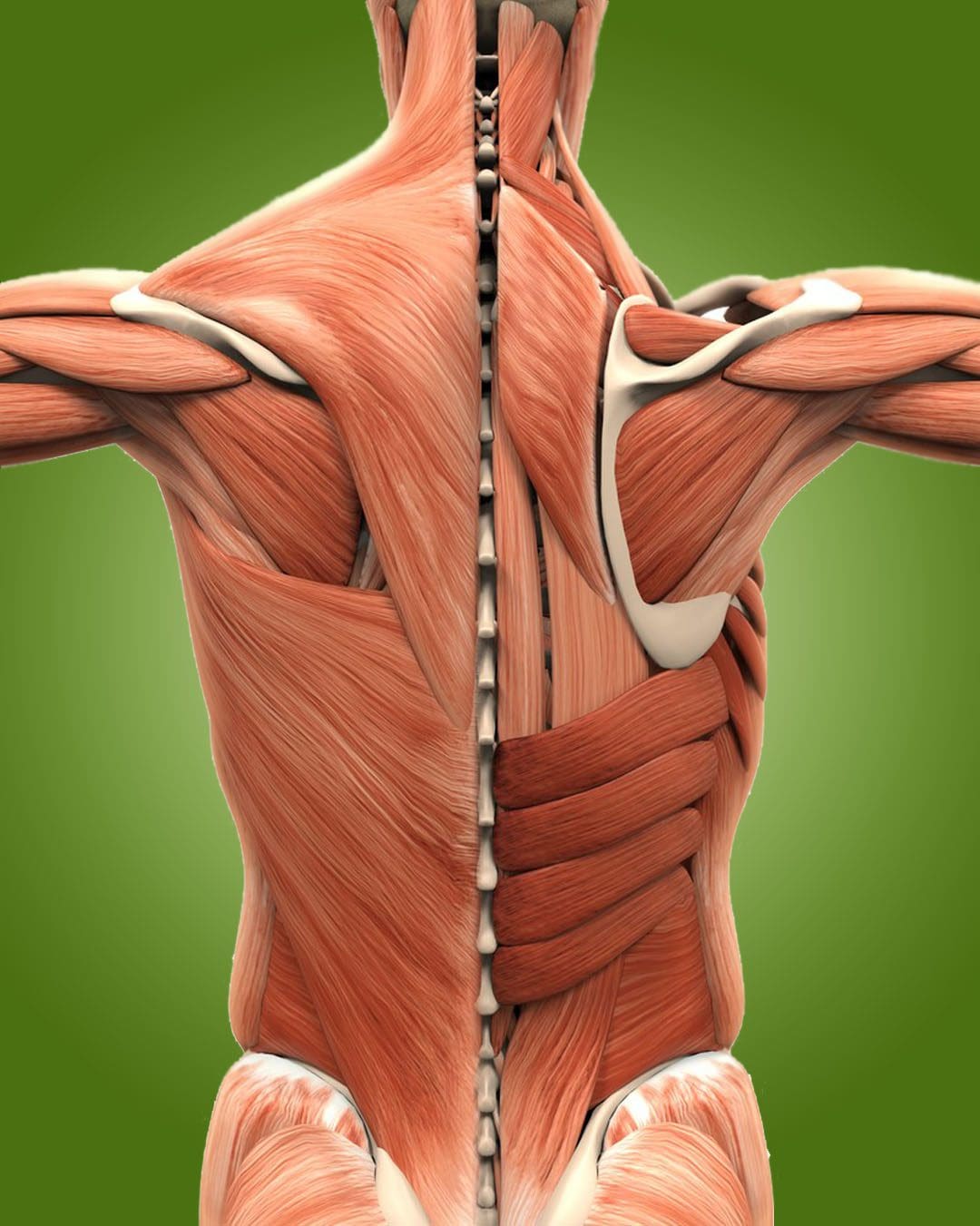
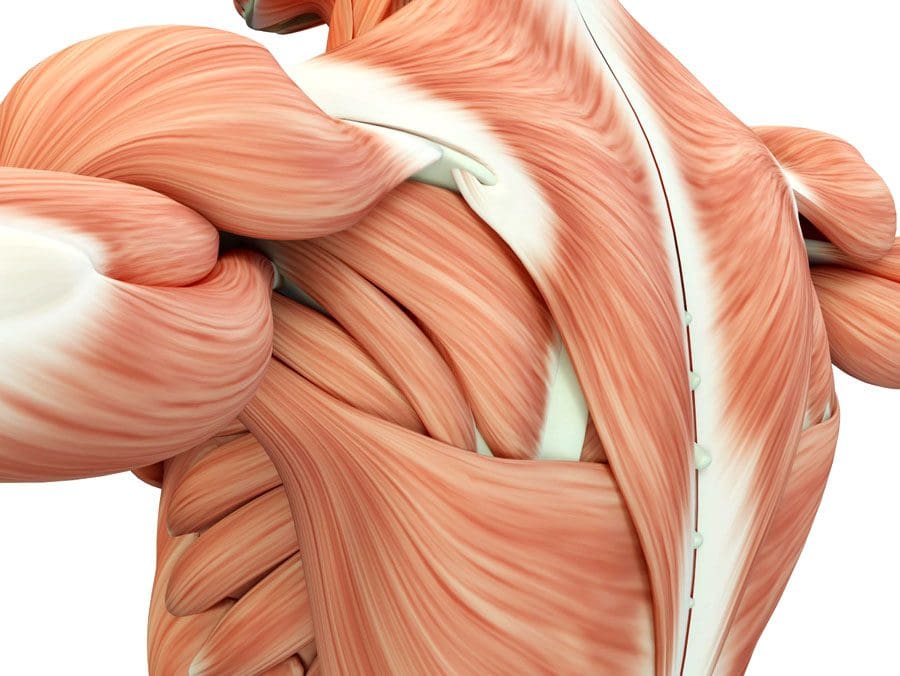
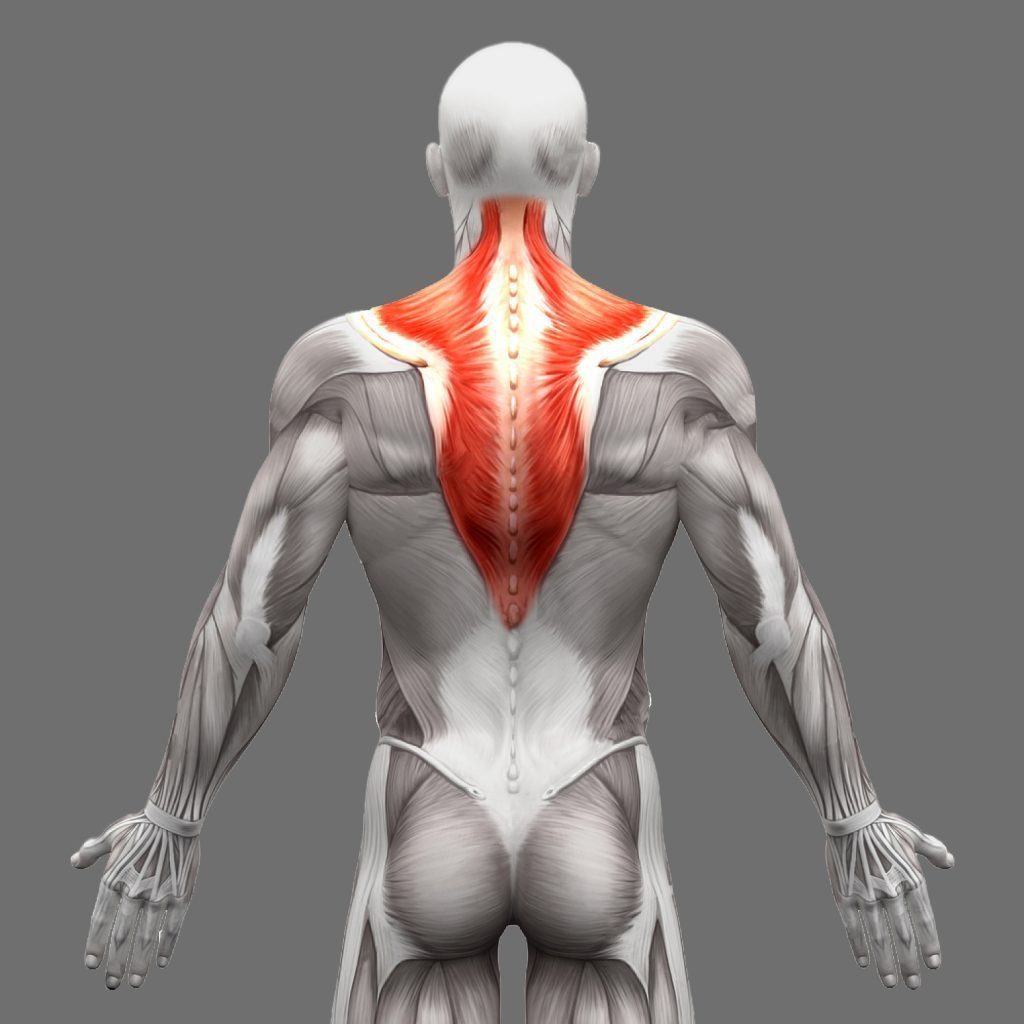
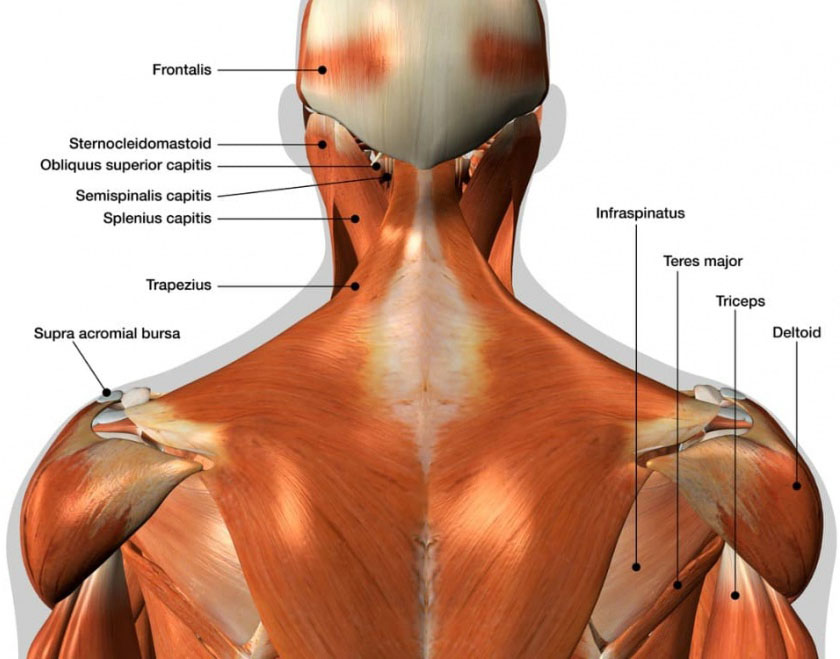
If there is a spasm in the neck, it’s more than likely a contraction of the trapezius muscle. This is the muscle group that runs down the neck into the middle or thoracic spine/back.
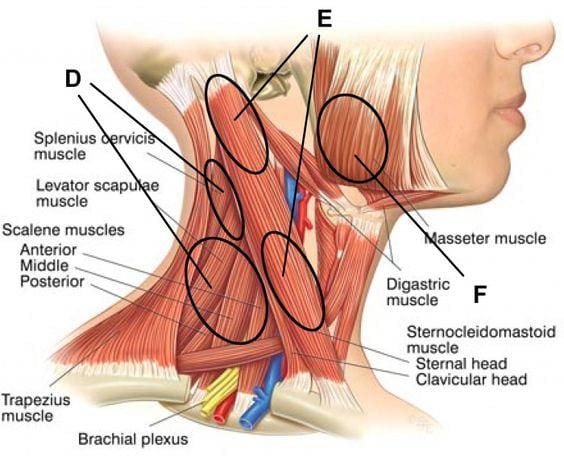
Back spasms in the cervical spine could indicate a contraction of the sternocleidomastoid. This is located at the base of the skull on both sides of the head. When these muscles spasm, the pain is usually localized or in one area that leads to muscle irritation. However, if the spasm is a symptom of underlying inflammation or nerve irritation, then the pain could radiate and spread down.
�
Thoracic Spine
The trapezius starts at the neck to the last vertebra of the thoracic spine or the middle-back. Therefore, a back spasm can affect the neck as well as the middle of the back as well. Spasms in the midback can also result from a contraction of the rhomboid muscle. These connect the shoulder blades to the rib cage and spine.
Because there is less movement in the middle-back, the muscles in this area are less likely to spasm, compared to the cervical/neck area and the lumbar/low area.
�
Lumbar Spine
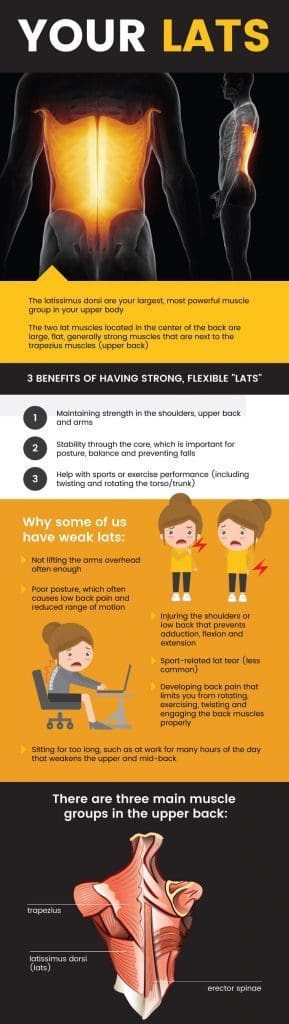
Spasms in the lower back occur from a contraction of the erector spinae muscles. These are the large group of stabilizing muscles that are on either side of the spine or the latissimus dorsi. These muscles are commonly referred to as lats. They are one of the largest muscle groups in the body and cover the middle and lower back.
Relieving Spasms
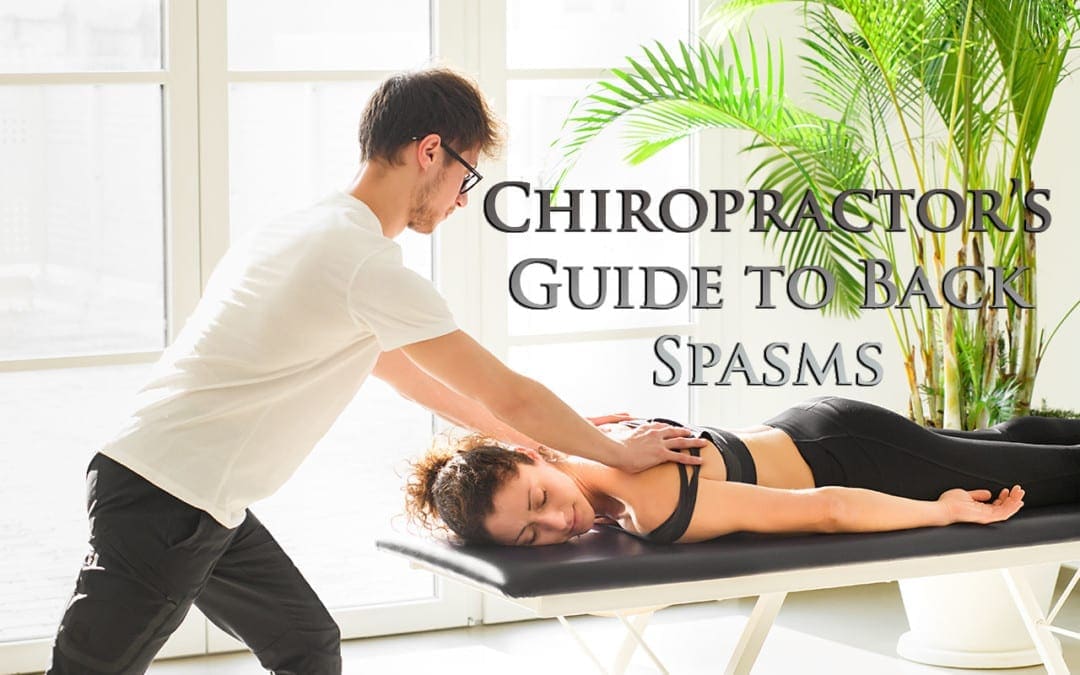
Treatment for muscle spasms depends on how the injury originated. A full medical history is crucial for a doctor, spine specialist, or chiropractor to be able to look at all the angles in determining and diagnosing the root cause.
It could be from just leaning over and picking up a box to sleeping in an improper/uncomfortable position. This type of pain is less concerning as it is more than likely a sprain or strain, and can be treated rather quickly.
However, if the spasms started after being involved in an automobile accident or falling pretty hard, then there could be serious damage to the area. Back spasms that occur after these types of situations require an immediate full neurologic and muscular examination. This along with advanced imaging, like an MRI.
�
Specialists
A spine specialist or chiropractor wants to make sure they’re not missing any underlying injuries or instabilities of the spine that would require extensive and possible invasive treatment. Red flag situations include osteoporosis, which is the loss of bone mass or ankylosing spondylitis, which is a form of arthritis that mainly affects the spine.
Osteoporosis can cause an underlying compression fracture.
Ankylosing spondylitis can cause parts of the spine to fuse together.
Both underlying conditions can cause muscle spasms. However, conservative treatment for most cases is all that is usually needed to relieve muscle spasms of the spine. These include:
Anti-inflammation medications and creams
Chiropractic manipulation to improve spinal muscles range of motion
Heat and ice application
Light activities/exercises like walking that don’t include any bending, twisting, and lifting
If results do not improve within four to six weeks of conservative treatment, then an MRI or other type of scan of the area will be needed.
All that said preventing back spasms is the way to go. We’ve all heard the phrase to be heart-healthy, which concerns cardiovascular health. Now it’s about being spine healthy. Keeping the abdominal muscles, lumbar extensors, and the erector spinae muscles fit is the key. This can be accomplished with regular stretching and core exercises. Also doing yoga and Pilates will go a long way in minimizing muscle spasms and preventing injuries.
IFM's Find A Practitioner tool is the largest referral network in Functional Medicine, created to help patients locate Functional Medicine practitioners anywhere in the world. IFM Certified Practitioners are listed first in the search results, given their extensive education in Functional Medicine