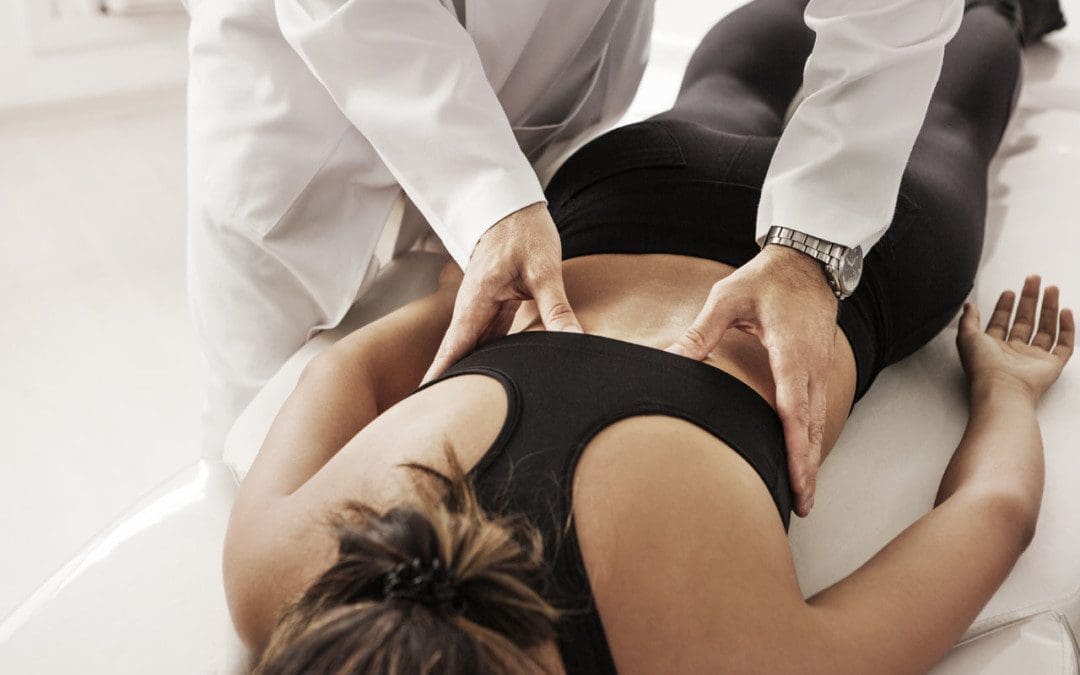
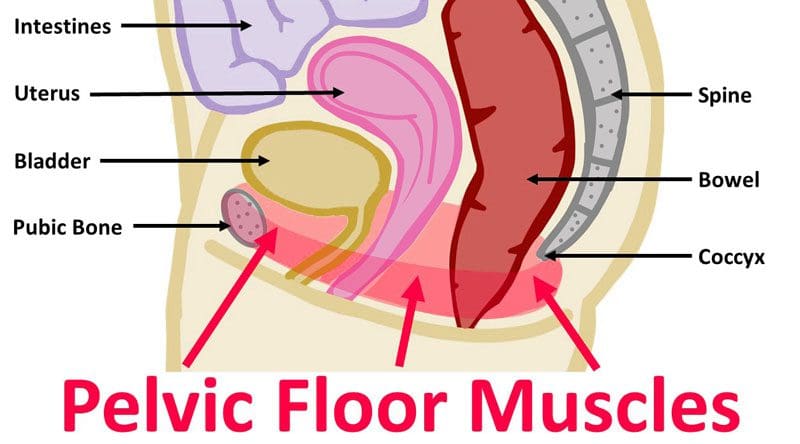
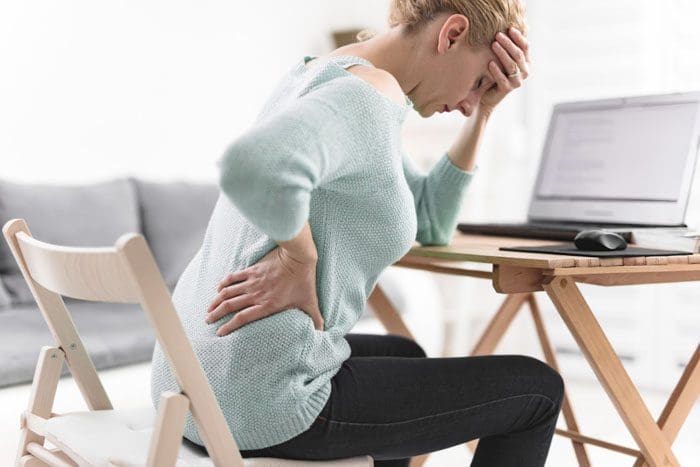
The pelvic floor is essentially the spine, and when pain presents, it can be mistaken for back pain. However, these two conditions are frequently linked. The National Institutes of Health- NIH reported that a quarter of women are impacted by pelvic floor disorders and up to 16% of men. The pelvic floor is made up of muscles. If the muscles begin to spasm, they can spread pain upwards and even downwards. This is where the misdiagnosis of lower back pain comes in.
The Pelvic Floor
The pelvic floor is comprised of muscles and connective tissue, known as fascia. The muscles and fascia intertwine, creating a support system for the pelvic organs. The pelvic floor muscles act as a spring system that supports the organs. When downward pressure is applied, and the spring system is working correctly, they push back up to support the muscles. These muscles create the base known as the core. The core muscles support the abdomen, diaphragm, and back muscles, supporting the spine. This is why back, pelvic pain is prevalent as these muscles are interconnected.
Pelvic Floor Dysfunction and Back Pain
If there is pelvic floor dysfunction, there is an inability to control the muscles. There can be too much or insufficient tension, resulting in urinary incontinence or inability to complete bowel movements. It can also be mistaken for back pain or contributes to pelvic and low back pain. The core muscles support the torso and promote stabilization during movement. If they are not working correctly, the torso and pelvis become unstable. The SI – sacroiliac joints linked with the pelvis and the lower spine can begin to present with posterior pelvic and back pain.
Symptoms
Dysfunction can present in several ways, including:
Vaginal dryness by a lack of estrogen during menopause.
Tight inner thigh muscles.
Back pain itself can cause dysfunction.
Women make up the majority of cases that result from:
Pregnancy
Childbirth
Endometriosis – a condition in which uterine tissue grows outside the uterus.
Men can also develop problems. As a man’s body ages, prostate problems can cause urinary leakage and frequency problems. It can develop from activities like bicycling. The seat can compress the pudendal nerve, causing pain and dysfunction.
Retraining the Muscles
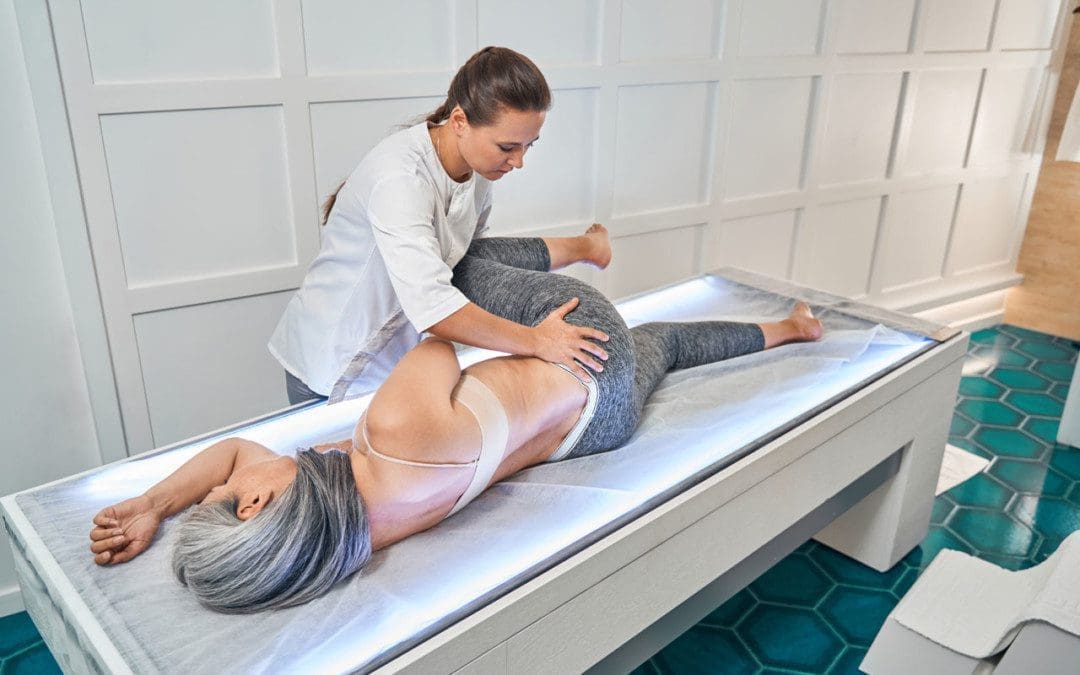
The dysfunction can be helped by reactivating and strengthening the pelvic and core muscles. Training the pelvic floor and the core muscles will help boost support for the spine and alleviate discomfort and pain. First, it is recommended to get a physical evaluation by a chiropractor or physical therapist to determine if the pelvic floor muscles are too tight or weak. The objective is to improve the strength of the pelvic floor muscles or relax them if they are too tight. A chiropractor and physical therapist can work on the muscles, educate on stretches, exercises, nutrition, and offer additional help and support.
Body Composition
Muscle Adaptation
The point of resistance training is to get the muscles to function more effectively. It begins with the contractile proteins that control muscle shortening and lengthening. Resistance exercise can cause some of the proteins to get pulled apart. The stress the muscles experience is the stimulus for the muscles to rebuild bigger, stronger, or more powerful. After resistance exercise, the muscle synthesizes proteins helped by nutritional stimuli and protein consumption. Satellite cellsalso activate to help build up the broken-down muscle. Resistance exercise causes activation.
National Institutes of Health. (September 2008) “Roughly One-Quarter of U.S. Women Affected by Pelvic Floor Disorders” https://www.nih.gov/news-events/news-releases/roughly-one-quarter-us-women-affected-pelvic-floor-disorders
Smith, Christopher P. “Male chronic pelvic pain: An update.” Indian journal of urology: IJU: journal of the Urological Society of India vol. 32,1 (2016): 34-9. doi:10.4103/0970-1591.173105
World Health Organization. (2013) “Low back pain” https://www.who.int/medicines/areas/priority_medicines/Ch6_24LBP.pdf
As the weather gets colder, individuals may feel like their muscles and joints are frequently stiff and experience more aches and pains. This is even more evident for individuals that work outside in the winter or with specific ailments/conditions. Colder weather can increase the risk of suffering musculoskeletal injuries and intensify the condition.
How Colder Weather Impacts The Muscles
Individuals with arthritic conditions might find that symptoms become exacerbated. This can keep individuals away from regular activities. Conditions like rheumatoid arthritis and osteoarthritis tend not to react well to weather sudden atmospheric changes, worsening symptoms. However, individuals are well aware of how their body feels and moves when colder weather is present with or without existing conditions. Movement slows down, and when trying to move, the muscles can contract involuntarily, causing tension and stiffness. This usually results in soreness and pain. Feeling warm, safe, and comfortable is essential for the body’s overall health. Overuse and overexertion can increase the risk of injury in colder temperatures.
Barometric Pressure
When the weather gets colder, barometric pressure drops. The Body’s tissues like the muscles, tendons, and ligaments expand. This places pressure on nerves near the joints, causing discomfort and pain.
In cold weather, the fluid density in the joints lessens, causing the bones to rub against each other harder because the fluid is not thick enough to allow for proper lubrication.
The cold makes the muscles shiver, contract, and tighten. This can compress the nerves in the joints and increase pain symptoms.
Prevent Stiffness and Musculoskeletal-Related Injuries
Maintain an active lifestyle
It is recommended to engage in physical activity to exercise the muscles and joints.
A chiropractor can also help manage musculoskeletal condition-related pain during the winter months and help prevent musculoskeletal conditions for individuals that work outdoors.
This can be split into 30 minutes a day on at least five days a week or in shorter sessions of 10 minutes several times a day throughout the week.
Aerobic exercise can include:
Running
Cycling
Hiking
Dancing
Walking
Resistance Training
Research has shown that resistance training with bands or weights can supplement aerobic exercise to reduce blood pressure.
It is recommended to complete 2 to 4 sets of 8 to 12 repetitions for each major muscle group during workout sessions.
Resistance training sessions should be spaced out throughout the week to limit muscle soreness and injury.
Resistance training can include:
Resistance bands with freehand movements, squats, push-ups, bicep curls
Free weights dumbbells, barbells
Gym weight machines like the chest press and shoulder press
References
https://www.cdc.gov/niosh/topics/coldstress/
Heil, Kieran et al. “Freezing and non-freezing cold-weather injuries: a systematic review.” British medical bulletin vol. 117,1 (2016): 79-93. doi:10.1093/bmb/ldw001
Kowtoniuk, Robert A et al. “Cutaneous Cold Weather Injuries in the US Military.” Cutis vol. 108,4 (2021): 181-184. doi:10.12788/cutis.0363
Long, William B 3rd et al. “Cold injuries.” Journal of long-term effects of medical implants vol. 15,1 (2005): 67-78. doi:10.1615/jlongtermeffmedimplants.v15.i1.80
Back pain usually comes from lifting an object the wrong way or awkwardly moving the body, injuring the spinal structures or muscles. However, sometimes it could be signs/symptoms of a more serious medical condition. The back pain could be caused by:
How to know when the root cause of back pain is from something else in the body? There are two types of pain that pain specialists look at. These are visceral pain and somatic pain. Visceral pain comes from damage or injury to the organs or organ tissues. This internal pain can radiate to the spine from conditions like:
Pancreatitis
Ulcerative colitis
Crohn’s disease
Gall stones
Cancers
Kidney pain
Urinary tract infections
Somatic pain is injury or damage to the muscles, skin, and soft tissues. It can be caused by:
Regular wear and tear
Aging
Injury
Sedentary lifestyle
However, visceral pain can cause somatic/bodily pain to flare up. The stress the body is going through because of the medical condition can cause inflammation.
Kidney Infections and Stones
The kidneys are located in the rear of the body toward the middle of the back. The kidneys:
Filter waste products from the body
Regulate bodily fluids
Perform other vital functions.
Kidney infections and kidney stones can easily mimic a sprain or strain in the back. Infections or stones can also present with other symptoms like:
Side and groin pain could accompany the back pain.
The pain does not go away after shifting positions or lying down.
Urinary Tract Infection UTI
Upper urinary tract infections in the kidneys or ureters can cause back pain. Upper UTIs happen when a lower UTI in the bladder or urethra goes unnoticed or does not respond to antibiotic treatment. Infections can occur at any age, with women and older men being more susceptible. The pain usually presents in the lower back and groin area. Other possible symptoms include:
Pain in the back, sides of the lower abdomen between the lower ribs and hips.
Fever
Vomiting
Frequent urination in small amounts
Burning during urination
Strong urge to urinate
Foul-smelling urine
Cloudy urine
Fatigue.
The pain can feel like:
Cramping pain
Pressure
Soreness
Pancreatitis
Pancreatitis is inflammation of the pancreas, the long flat organ located in the upper abdomen behind the stomach. It assists digestion and sugar management. The American Pancreatic Associationreports acute pancreatitis can make individuals feel sick with moderate to severe abdominal pain that can radiate to the back and often worsens after eating. The pain is felt in the upper to middle back. Other possible symptoms include:
Abdominal pain that radiates to the back
Abdominal pain after eating
Fever
Nausea
Vomiting
Tenderness in the abdomen
The pain can feel like a pulled muscle or joint pain that increases and decreases at first and then strengthens after eating or lying down.
Inflammatory Bowel Diseases IBD
Ulcerative colitis and Crohn’s disease are inflammatory bowel diseases not to be confused with irritable bowel syndrome.
Ulcerative colitis affects the colon.
Inflamed intestinal areas characterize Crohn’s disease.
Both can cause spreading back pain.
A study found 25% of individuals with IBD have chronic back pain. Other possible symptoms include:
The pain can feel mild or severe, like a cramp in the lower abdomen around the low back. It can present in cycles as a flare-up, then goes away. It’s essential to read the body’s warning signs and not push through the pain or ignore it. If any back pain goes on for more than a week, consult a doctor or chiropractor for a thorough examination. A pain specialist could be recommended if there is chronic back pain from a severe medical condition. A primary doctor or specialist helps keep the medical condition in check, while a pain specialist and/or chiropractor can alleviate chronic musculoskeletal pain from inflammation, irritation, and overstimulated nerves.
Body Composition
Personalized Lifestyle Medicine
Personalized lifestyle medicine develops customized treatment/health plans to fit the individual. It includes:
Research on how the body works as an integrated system.
Combines new technology approaches in medicine.
The relationship between nutrients and gene expression.
Life and behavioral sciences.
Nutrigenomics testing helps individuals understand the influence of dietary components on their genes, which can help prevent the development of certain chronic diseases.
References
American Pancreatic Association (Pancreapedia). (2015). Pathogenesis and Treatment of Pain in Chronic Pancreatitis. https://pancreapedia.org/reviews/pathogenesis-and-treatment-of-pain-in-chronic-pancreatitis
American College of Rheumatology. (2019). The U.S. Prevalence of Inflammatory Bowel Disease and Associated Axial Pain: Data from the National Health & Nutrition Examination Survey (NHANES). https://acrabstracts.org/abstract/the-us-prevalence-of-inflammatory-bowel-disease-and-associated-axial-pain-data-from-the-national-health-nutrition-examination-survey-nhanes/
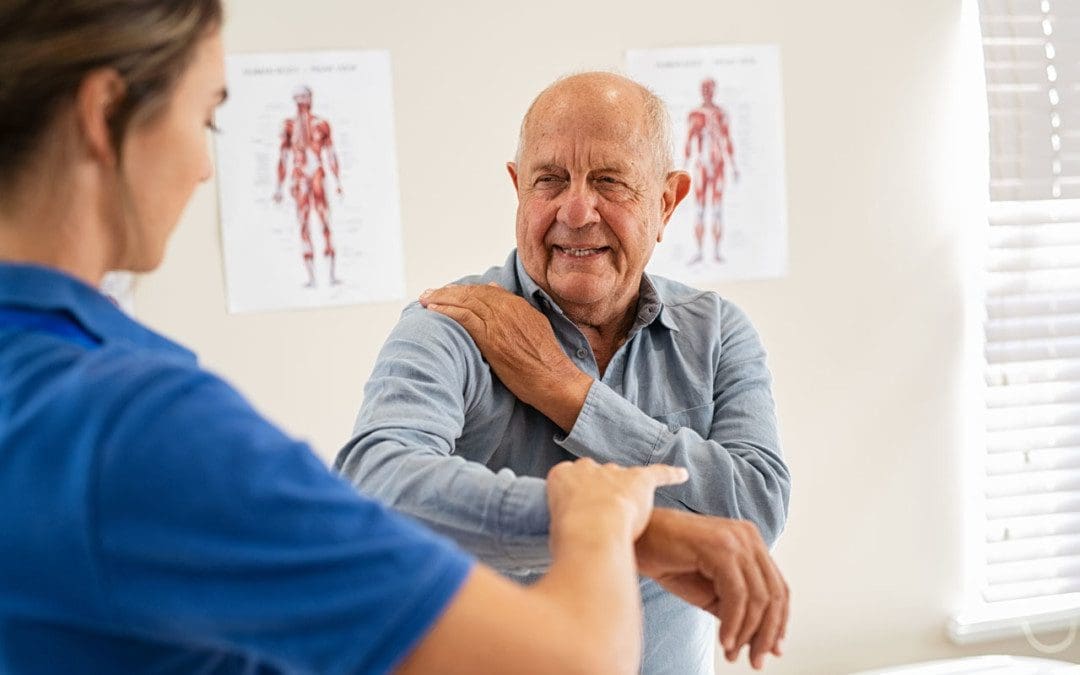
Optimal joint health is vital to keeping the body moving. They allow us to function throughout the day and perform various tasks. When healthy joints become injured or damaged, the body loses mobility. Joint issues/pain primarily present in the shoulders, wrists, hands, knees, ankles, and spine. Healthy joints are necessary for the full range of motion and comfortable movement. To keep joints healthy and fully functioning, chiropractic treatment is recommended to alleviate joint pain and improve joint health.
Joint Health
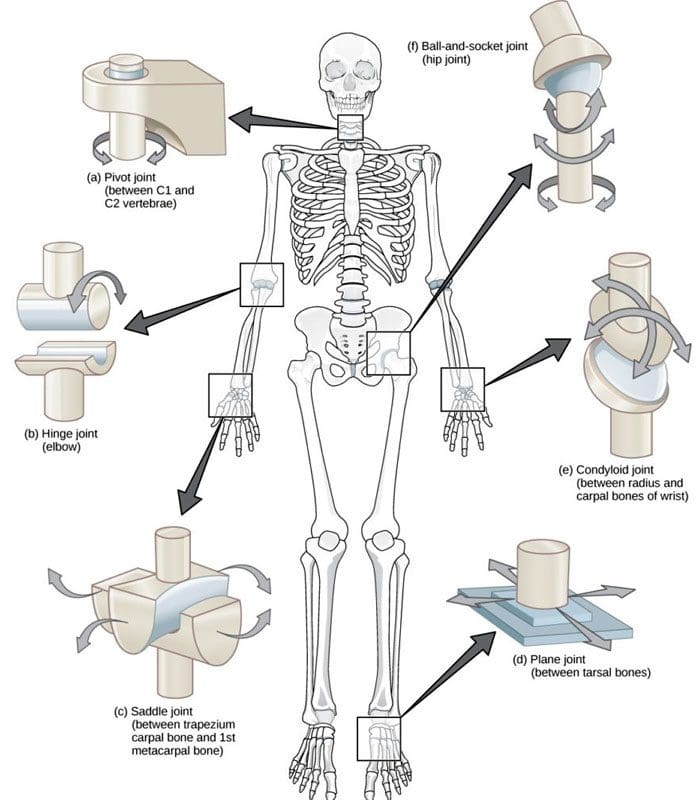
Joints are designed to provide a full range of motion for the body parts they affect.
Joints are made to be able to endure weight and forces applied to them.
Every joint consists of two surfaces that make contact.
The bones that make up the joint allow for movement, but the actual muscles pull the bones that generate movement.
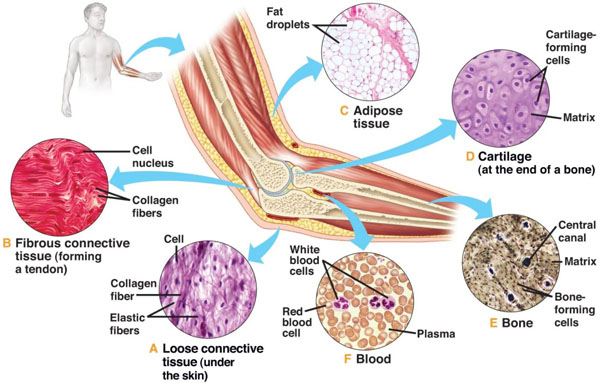
The muscles are attached to bones by tendons.
Tendons are strong enough to facilitate movement and flexible to prevent damage to the muscle tissues.
Ligaments connect the bones and help to prevent uncontrolled movement.
The muscles, tendons, and ligaments are attached around each joint at specific positions and shaped to exact dimensions.
Synovial fluid lines the joints and lubricates the surfaces to reduce friction.
Injury and Conditions
Most injuries to joints occur from added and abnormal stresses placed on a joint.
A joint can become injured from a basic trauma accident. An ankle sprain, for example.
The ankle joint is protected by ligaments on the inside and outside.
When the ankle moves too far inward, the ligaments on the outside can tear.
The ankle swells, leading to pain.
In some instances, small pieces of bone and cartilage can also tear away.
Other injuries
Overuse/Repetitive stress injuries, also known as cumulative trauma disorders, can cause joint pain symptoms.
These injuries happen when stress is repeatedly placed on the joints.
The stress can come from:
Poor posture
Awkward/unusual positioning while working.
Little to no workstation ergonomics.
Arthritis
The most common cause of joint pain is arthritis.
Rheumatoid arthritis causes inflammation of the joints causing swollen and stiff joints, limiting mobility.
Osteoarthritis can also cause joint pain. This is when the joint cartilage breaks down from regular wear and tear.
The aging body becomes stiff, swollen and decreases the range of motion.
Other conditions
Pregnancy can place an incredible amount of pressure on the spine, knees, and hips as the body tries to balance itself with the added weight, causing joint pain.
Obesity can also lead to joint pain from the added weight and pressure.
Health conditions that cause inflammation can lead to joint pain, including Lyme disease and Lupus.
The jawbone is also a joint; Temporomandibular Joint Dysfunction causes jaw pain, difficulty chewing and clicking, or locking.
Chiropractic can restore joint health.
Chiropractic can keep the joints in optimal health and functioning to the fullest. The objective is to activate the body’s natural ability to heal itself by improving the function of the central nervous system. Our team is dedicated to utilizing science-based chiropractic approaches to reduce pain and reverse painful conditions. It is also a natural method for relieving arthritis pain, slowing down the degenerative process, and helping to relubricate the joints. Contact us today to learn more about chiropractic and joint health.
Body Composition
Mediterranean Diet Can Be a Great Starting Point
There’s no perfect diet. Although human bodies are basically the same, individuals respond differently to certain diets. Diets can only go so far. The individual still has to put in the work of following the diet, exercising, developing new healthy habits, and maintaining them. The Mediterranean diet was reviewed by a panel of nationally recognized experts in:
Nutrition
Food psychology
Diabetes
Heart disease
They reviewed the diet profile to analyze certain categories. They included:
Ease of taking on the diet.
Weight loss effectiveness. This includes short-term and long-term.
The diet’s potential for preventing and managing diabetes.
The diet’s potential for preventing and managing cardiovascular disease.
The findings found the Mediterranean diet to be one of the best because of the many health benefits that come from the dietary changes.
References
Clark, Kristine L. “Nutritional considerations in joint health.” Clinics in sports medicine vol. 26,1 (2007): 101-18. doi:10.1016/j.csm.2006.11.006
Hui, Alexander Y, et al. “A systems biology approach to synovial joint lubrication in health, injury, and disease.” Wiley interdisciplinary reviews. Systems biology and medicine vol. 4,1 (2012): 15-37. doi:10.1002/wsbm.157
Keep Moving: Preventing Joint Injuries. American Chiropractic Association. https://www.acatoday.org/Patients/Health-Wellness-Information/Joint-Health.
What to Know About Joint Pain. Healthline. https://www.healthline.com/health/joint-pain#symptoms
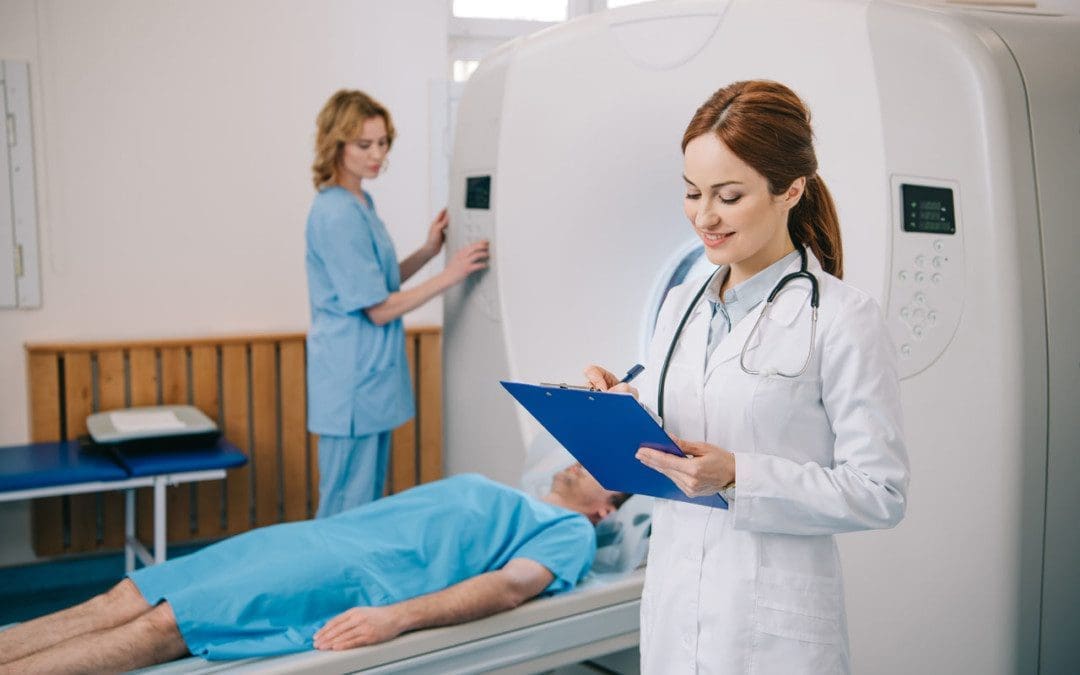
Chiropractors and spine specialists utilize spinal imaging through X-rays, MRIs, or CT scans to figure out what is causing back problems and pain. Imaging is common. Whether chiropractic or spinal surgery, they help immensely discover back issues and allow the individual to see what is happening. Types of cases include back pain that:
X-rays for back pain can be quite helpful. An X-ray is radiation-based and is used to examine the conditions of the bone structures. X-rays are optimal for bone tissue or tissues that are ossified or calcified. They work the best with hard tissues, specifically bones. Soft tissues like muscles, ligaments, or intravertebral discs do not present as well.
Individuals undergoing a back X-ray will be scanned by a machine that generates a beam. A receiver picks registers the beam after it passes through the body and generates an image. It takes around five minutes to complete but could be longer depending on the doctor’s number of images. X-rays are helpful for insurance purposes and rule out bone conditions like compression fractures and/or bone spurs. X-rays are ordered for specific reasons and are often part of a whole-body diagnostic study. This includes MRI and/or CT scan.
CT Scan
CT stands for computed tomography. It is a series of X-rays that are digitized into images using a computer. The advantage of a CT scan to standard X-rays is that it offers different views/angles of the body and can be in 3D. CT scans are most often used in trauma cases or individuals who have had surgery. They take around five minutes. For X-rays, individuals stand up or lay under the X-ray machine as it scans the body. A CT scan has the individual lie down in a circular donut-looking machine that scans while rotating during the imaging. Individuals are recommended to wear casual loose, comfortable clothing. Sometimes a dye, or intravenous contrast, is used to get the vascular tissues to stand out, generating clearer images.
MRI
MRI is short for magnetic resonance imaging. MRIs use magnets to generate images. MRI imaging is often used in individuals that have undergone surgery. They take longer, usually around 30 to 45 minutes. No metallic objects are allowed in the MRI. Patients are asked to remove items like belts, jewelry, etc. Contrast dye can be a part of an MRI. The machine is like a tunnel. This can become challenging for individuals that have claustrophobia. Consult with a doctor and find out how to get comfortable during the process.
Other Forms of Spinal Imaging
Other forms of imaging include:
CT navigation
CT navigation shows real-time CT scans during the procedure.
Fluoroscopy
Fluoroscopy involves an X-ray beam that passes directly through the body that shows live, moving images.
Both of these types of spinal imaging are utilized during surgeries. For some cases, intraoperative imaging is used. This type of imaging uses high-tech robotics to help surgeons navigate through tight spaces during the procedure. This increases the surgeon’s accuracy and reduces the size of the incision.
Ultrasound
Ultrasound can be used for spinal conditions. This is an imaging test that uses sound waves to generate images. However, the imaging tests which are used in spinal imaging are primarily X-rays and MRIs.
Imaging Appointment
Talk with your doctor or chiropractor ahead of time to understand what to expect during the imaging process. They will let you know how to prepare and any special instructions before the appointment. Along with medical history and a physical examination, spinal imaging is an important part of the diagnostic process to find what is causing the pain and to develop the best treatment plan.
Body Composition
Short-term Effects of Coffee and Blood Pressure
The caffeine in coffee is a stimulant or substance that excites the body’s systems. When caffeine is ingested, individuals experience an increase in excitement, specifically in the cardiovascular system. This excitement causes the heart rate and blood pressure to rise and then lower back to a baseline level for healthy individuals. Coffee slightly increases short-term blood pressure. Moderate coffee consumption is safe for individuals that do not have pre-existing cardiovascular conditions.
References
United States Nuclear Regulatory Commission. (May 2021) “Doses in Our Daily Lives” https://www.nrc.gov/about-nrc/radiation/around-us/doses-daily-lives.html
X-Ray for Back Pain: Current Reviews in Musculoskeletal Medicine. (April 2009) “What is the role of imaging in acute low back pain?” https://www.ncbi.nlm.nih.gov/pmc/articles/PMC2697333/
If dealing with chronic disease, condition, or just poor overall health, detox support combined with chiropractic/health coaching is definitely an option that will help. Toxicity in the body can initiate or worsen existing health conditions.
A detox is not about a massive diet overhaul or spending a lot of time at some clinic. Detox support involves making small changes/adjustments that will help support the body�s natural detoxing process without radical changes. One way that a detox is supported is with chiropractic.
Detoxing the Body
The body is exposed to chemicals/toxins every day from food, air, and other particles that the body comes in contact with. However, the body has a natural ability for managing exposure to toxins to maintain overall health. If the toxins become too much to handle it can lead to a range of symptoms. Symptoms can range from:
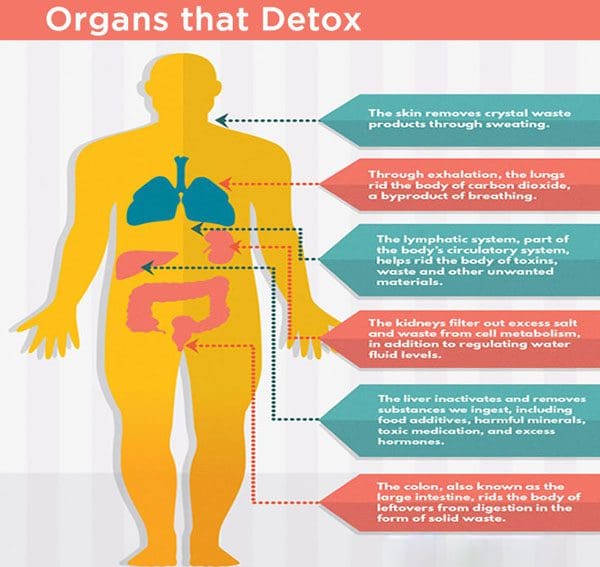
Reducing the toxic load can be accomplished by supporting the body�s natural detox pathways. The body has organs/systems that detoxify and keep the body in balance. These support detoxification and include:
Reducing toxin exposure is a long term strategy for improved health. Detox options include:
Increased water intake
Nutritional adjustments that focus on increased nutrient whole foods and reduced processed chemical foods
Regular exercise
More sleep
Improved stress management skills/techniques
Reducing environmental exposure with hygiene and cleaning product awareness
Cleansing supplements
Lifestyle changes
Fasting, intermittent or longer with nutritionist/health coach supervision
Chiropractic Can Help
When the body struggles with toxin overload, the body can begin storing some of these toxins. Common areas include visceral fat and joints, like the spine. If toxins buildup in the spine, spinal misalignment can be exacerbated as it affects blood and nerve circulation. Spinal alignment restoration will help open and support the body’s natural detox abilities and prevent unnecessary storage of toxins.
A chiropractic practitioner specializes in naturally restoring spinal alignment and the body’s balance. This supplies the body with the energy it needs to process and rid itself of toxins. When the body is optimally supported and its detox pathways cleared overall optimal health can be achieved. Contact Injury Medical Chiropractic Clinic and experience what chiropractic support can do.
Body Composition Support
Food
Neutralizing oxidative stress, lowering inflammation, and boosting metallothionein expression, food can support the body when detoxifying and countering the effects like brain fog, and neurodegenerative disorders. However, foods and nutrients that detoxify can be a part of a healthy diet and lifestyle that includes a regular fitness routine.
References
Klein, A V, and H Kiat. �Detox diets for toxin elimination and weight management: a critical review of the evidence.��Journal of human nutrition and dietetics: the official journal of the British Dietetic Association�vol. 28,6 (2015): 675-86. doi:10.1111/jhn.12286
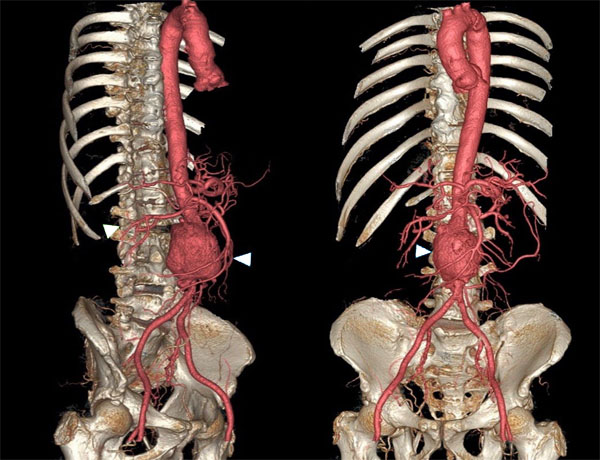
Underlying causes for an abdominal aortic aneurysm can be challenging to diagnose and identify. Combined with sciatica symptoms, doctors could misdiagnose the ailment and prescribe the wrong treatment protocol. Then an individual has to deal with two conditions that were not properly diagnosed, continue to develop, and worsen. This is why finding the right sciatica specialist that can also identify an abdominal aneurysm is so crucial to developing the right treatment plan. There can be a variety of factors that can lead to the development of an abdominal aneurysm. They include:
Health conditions associated with an increased risk for an abdominal aneurysm include:
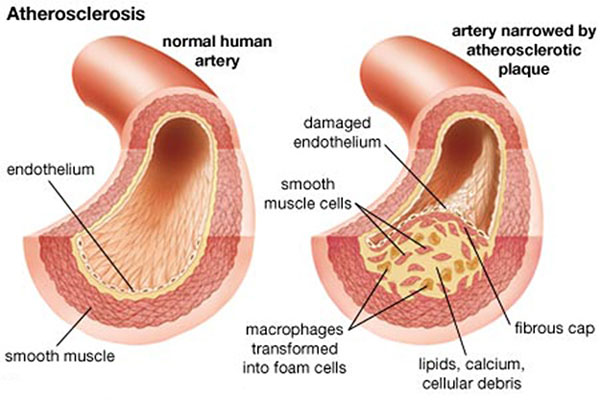
Atherosclerosis
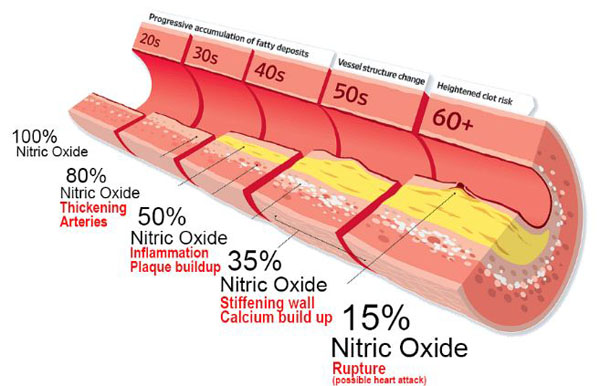
This condition occurs when there is a buildup of fats, cholesterol, and other substances that create plaque buildup in the bloodstream. This causes vessels to harden and narrow. Atherosclerosis can develop during the young adult stage and becomes an issue later in life.
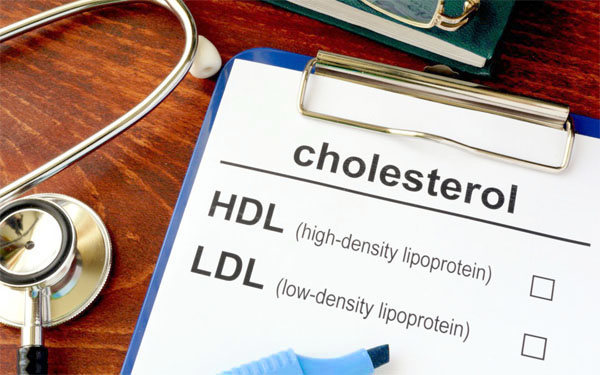
High Cholesterol
Cholesterol is a waxy, fat-type substance that is found in all the cells in the body. The body needs some cholesterol for the production of hormones, vitamin D, and substances to help digest foods. The body makes all the cholesterol it needs. Too much can build up in the blood vessels, which narrows the bloodstream and hardens the arterial walls.
High Blood Pressure
High blood pressure or hypertension refers to a sustained increased force of blood moving through the aorta that can weaken artery walls. It is a common condition that is widespread among individuals that are older, those that smoke, and those that are overweight. There is an estimated 60-70% of individuals over 60 that are diagnosed with high blood pressure.
Inflamed Arteries
When the arteries become inflamed, it can cause blood flow constriction and cause the arterial walls to weaken. This increases the risk of an aneurysm. Arteries can get inflamed through:
There are hereditary conditions that can weaken the body�s connective tissues. This can lead to degeneration of the aortic walls and raise an individual�s risk for an aneurysm. Two of the most common connective tissue disorders are Ehlers-Danlos syndrome, which affects collagen production, and Marfan Syndrome. This condition increases the production of fibrillin, which is a protein that helps to build the elastic fibers in connective tissue.
Other Risk Factors
Additional health factors can strain the cardiovascular system. This increases the risk of weakening or damaging blood vessels. This significantly raises the chances of developing an abdominal aortic aneurysm. Risk factors include:
Smoking and Tobacco
All types of tobacco use can contribute to diminished cardiovascular health. Individuals that smoke or use some tobacco product pose a significantly higher risk of developing an abdominal aneurysm.
Age
Aneurysms occur most often in older adults. This is because they are more likely to have cardiovascular issues and are more likely to have higher levels of plaque buildup.
Genetics and Family History
Immediate relatives of an individual with an abdominal aneurysm often have a 12-19% chance of developing the condition.
Lack of Physical Activity
Not getting adequate physical activity puts an individual at a higher risk for heart and cardiovascular disease. Aerobic activity done on a regular basis increases the heart rate and blood flow through the body. This keeps the tissues and blood vessels strong and flowing properly.
Gender
Both men and women can develop an abdominal aortic aneurysm. However, the majority of those that do develop the condition are men. This is because men are more likely to go through the heart and cardiovascular issues.
Diagnosis
Underlying conditions that can cause sciatic pain can vary or be a combination of several conditions. The most important action to take is to consult a doctor or chiropractic sciatica specialist for a clinical diagnosis. While rare, sciatica-type pain could be caused by medical conditions like:
Spinal tumor
Spinal infection
Cauda equina syndrome
These factors can contribute to an increased chance of developing an abdominal aortic aneurysm. However, individuals can have unknown risk factors and still develop the condition. Treatments may range from regular monitoring, lifestyle changes, and physical therapy/chiropractic to urgent or emergency surgery. If you feel symptoms of pain in the buttocks, leg, numbness, tingling, or other neurological symptoms in the back and/or leg, it is very important to see a doctor or chiropractor for clinical diagnosis that identifies the cause of the symptoms.
Sciatic Nerve Treatment
Dr. Alex Jimenez�s Blog Post Disclaimer
The scope of our information is limited to chiropractic, musculoskeletal, physical medicines, wellness, and sensitive health issues and/or functional medicine articles, topics, and discussions. We use functional health & wellness protocols to treat and support care for injuries or disorders of the musculoskeletal system. Our posts, topics, subjects, and insights cover clinical matters, issues, and topics that relate and support directly or indirectly our clinical scope of practice.*
Our office has made a reasonable attempt to provide supportive citations and has identified the relevant research study or studies supporting our posts. We also make copies of supporting research studies available to the board and or the public upon request. We understand that we cover matters that require an additional explanation as to how it may assist in a particular care plan or treatment protocol; therefore, to further discuss the subject matter above, please feel free to ask Dr. Alex Jimenez or contact us at 915-850-0900. The provider(s) Licensed in Texas& New Mexico*
IFM's Find A Practitioner tool is the largest referral network in Functional Medicine, created to help patients locate Functional Medicine practitioners anywhere in the world. IFM Certified Practitioners are listed first in the search results, given their extensive education in Functional Medicine