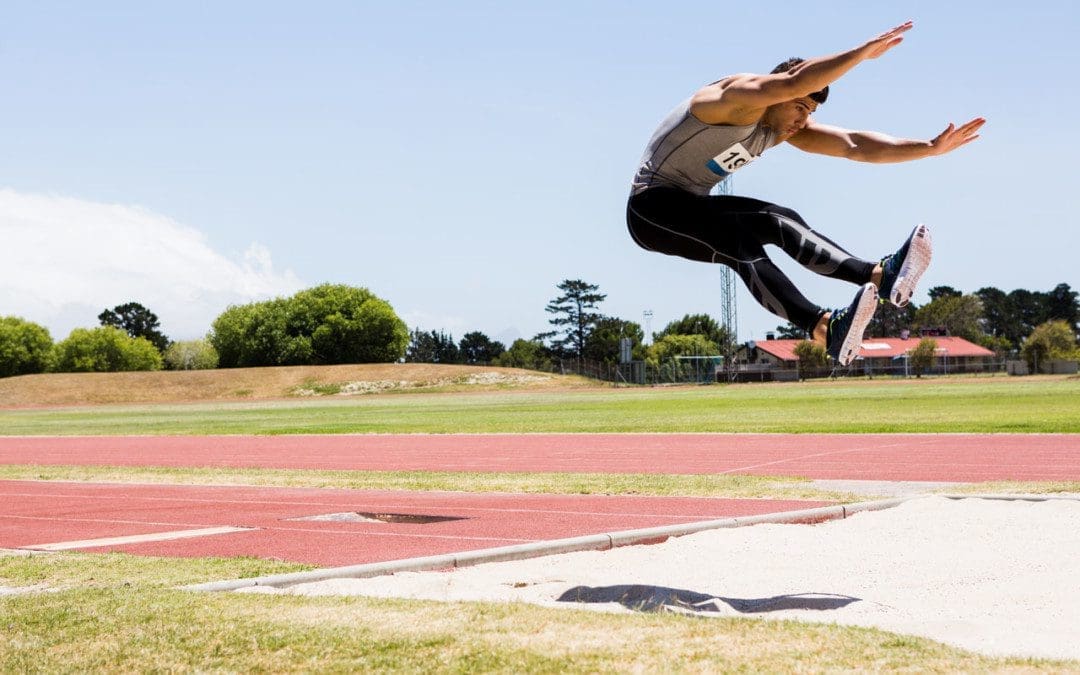
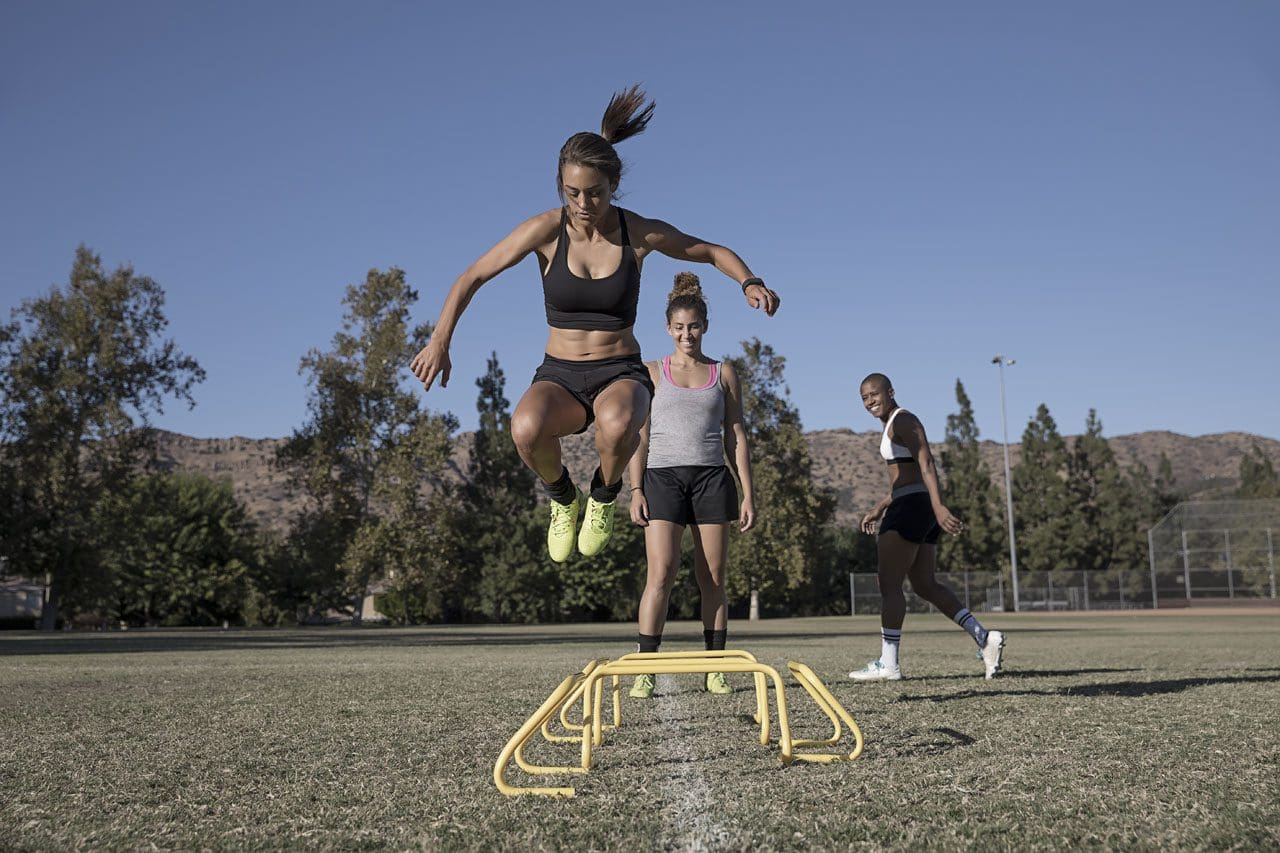
For athletes, the vertical jump is a skill that can be increased and improved with proper training. To improve jumping abilities for sports like basketball, tennis, volleyball, or track and field events such as the high jump it is necessary to do both strength and power training. Research has found certain key components can help athletes become better at jumping. There are different ways to improve an individual’s vertical jump. Here we go over some of the most effective exercises including plyometrics, and exercises that build strength and power.
Vertical Jump Increase and Improvement
Jumping is an explosive movement.
To jump well, an individual needs a consistent powerful spring.
This is achieved by training the explosive/fast-twitch muscle fibers with the ability to shorten and stretch dynamically.
Upper body strength is important for creating upward momentum.
Strength exercises involve slow, controlled movements like squats, lunges, and step-ups with weights.
Power exercises involve explosive, quick movements.
Plyometrics involve explosive hopping, bounding, and jumping drills that combine strength and speed.
Exercises
Plyometrics
Common plyometric exercises include hops, jumps, and bounding movements.
A popular exercise is jumping off a box and rebounding off the floor then jumping onto another, higher box.
Box jumps provide practice for jumping.
Single-Leg Squats
Single-leg squats can be done almost anywhere, without equipment.
They work the hips, hamstrings, quadriceps, gluteus maximus, and calves.
They strengthen the core and increase flexibility.
Full Squats
This is a barbell exercise to build strength and power.
It is considered one of the best total body exercises.
Weighted Step-Ups
The step-up is a recommended all-around exercise that can be done almost anywhere.
Not only will it build strength in your quadriceps, but you can also use it as part of a cardio workout.
It has a low risk of injury.
Overhead Walking Lunges
All that is needed is a weight and room to walk.
This exercise builds power, strength, and speed in the legs.
Improves core strength.
Stair Running
This is a high-intensity workout that builds speed, power, and cardiovascular fitness.
It targets the glutes, quads, and calves.
Agility Drills
Agility drills can include jumping to improve coordination, speed, power, and specific skills.
Sprints
Sprints are quick intense exercises to build muscle and increase performance.
Sprints use more muscle groups.
Practice
Build strength by performing basic weight training exercises using slow, controlled movements.
Build power with faster dynamic movements.
Improve movement speed to create power with explosive, quick exercises.
Work on form, by incorporating the lead-up to the jump, arm motion, and safe landing technique.
Include time to practice maximum jumping and bring it all together.
Always warm up before jumping or performing drills to keep the joints and body safe.
Athletes jump rope to get the blood circulating and warm up their muscles.
Do several slow, controlled toe raises to prepare the feet and ankles for jumping and landing.
Gradually work up to a full vertical jump, by doing box and squat jumps.
Jumping
When finally working on the vertical jump, start with the feet hips-distance apart.
If measuring jump height, stand about a foot away from the measuring tape or measuring bar on the side.
Start with arms overhead.
As you drop into a squat position swing the arms behind the hips.
Swing back up to the starting position before going for the full jump.
The pre-swing helps build momentum.
Land with the knees bent to minimize the impact.
Jumping is a high-impact activity that can take a toll on the knees, hips, ankles, and feet. Be sure to rest the body between hard workouts so the muscles have time to recover, repair, and build up.
Improving Athletic Performance
References
Barnes, Jacque L et al. “Relationship of jumping and agility performance in female volleyball athletes.” Journal of Strength and conditioning research vol. 21,4 (2007): 1192-6. doi:10.1519/R-22416.1
Bezerra, Ewertton DE S et al. “Influence of Trunk Position during Three Lunge Exercises on Muscular Activation in Trained Women.” International journal of exercise science vol. 14,1 202-210. 1 Apr. 2021
Hedlund, Sofia, et al. “Effect of chiropractic manipulation on vertical jump height in young female athletes with talocrural joint dysfunction: a single-blind randomized clinical pilot trial.” Journal of Manipulative and physiological therapeutics vol. 37,2 (2014): 116-23. doi:10.1016/j.jmpt.2013.11.004
Hernández, Sebastian, et al. “Effects of Plyometric Training on Neuromuscular Performance in Youth Basketball Players: A Pilot Study on the Influence of Drill Randomization.” Journal of sports science & medicine vol. 17,3 372-378. 14 Aug. 2018
Karatrantou, Konstantina, et al. “Can sport-specific training affect vertical jumping ability during puberty?.” Biology of sport vol. 36,3 (2019): 217-224. doi:10.5114/biolsport.2019.85455
Markovic, Goran. “Does plyometric training improve vertical jump height? A meta-analytical review.” British Journal of sports medicine vol. 41,6 (2007): 349-55; discussion 355. doi:10.1136/bjsm.2007.035113
McLellan, Christopher P et al. “The role of rate of force development on vertical jump performance.” Journal of Strength and conditioning research vol. 25,2 (2011): 379-85. doi:10.1519/JSC.0b013e3181be305c
Rodríguez-Rosell, David, et al. “Traditional vs. Sport-Specific Vertical Jump Tests: Reliability, Validity, and Relationship With the Legs Strength and Sprint Performance in Adult and Teen Soccer and Basketball Players.” Journal of Strength and conditioning research vol. 31,1 (2017): 196-206. doi:10.1519/JSC.0000000000001476
Vanezis, Athanasios, and Adrian Lees. “A biomechanical analysis of good and poor performers of the vertical jump.” Ergonomics vol. 48,11-14 (2005): 1594-603. doi:10.1080/00140130500101262
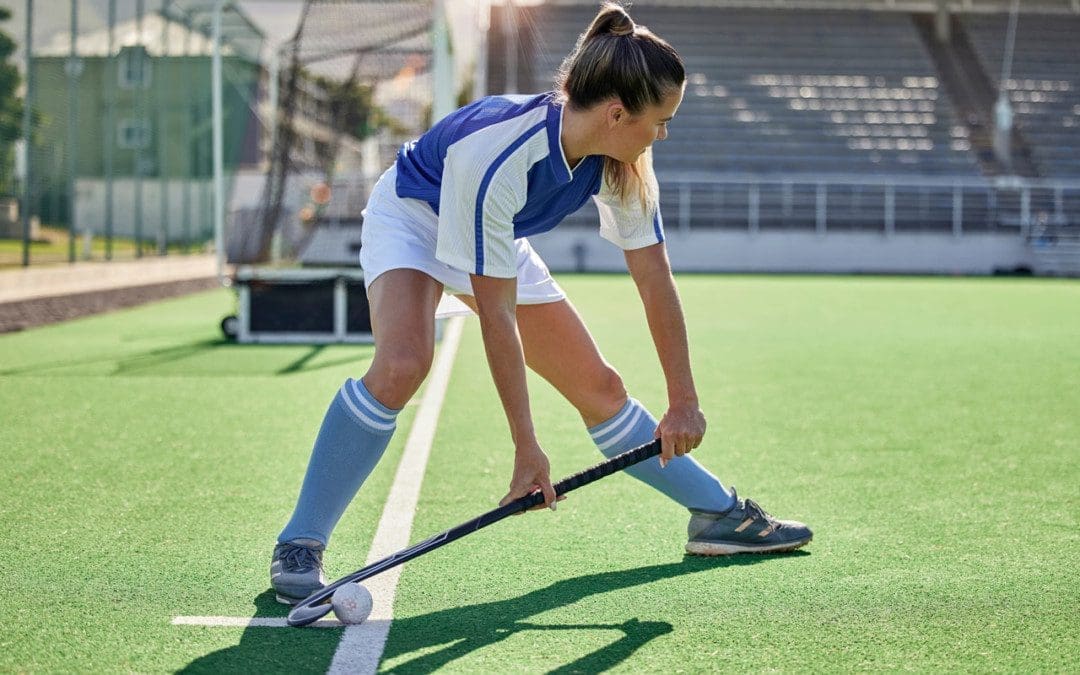
Field hockey is one of the world’s oldest team sports, dating back to the classical Greek era. It also is recognized as one of the oldest college sports in America. It is a game where teams composed of 11 players, including one goalkeeper, come together on a field and use hockey sticks to drive a ball into a net to score points. The winner is determined by whoever has the most points at the end of the game. The sport requires high aerobic and anaerobic fitness to provide endurance, strength to position, trap, pass, and hit the ball, push and flick the ball, and acceleration/speed and agility. Here we look at the basic fitness components and chiropractic care benefits.
Field Hockey
Aerobic Fitness
Field hockey players need to have high levels of endurance to perform. The game consists of 2 35 – minute halves, with a 10-minute break, plus stoppages. This consistent use of energy and muscular strength requires the cardiovascular system to supply oxygen through the blood.
A conditioning workout should include long-distance and interval training.
Long-distance running or biking is a great way to build up the endurance to run back and forth on the field.
To keep workouts fun, alternate between long-distance and interval.
Strength and Power
Players need to be physically strong to power through an opponent, drive the ball, or push the ball out from another player’s stick. Incorporating exercises that strengthen the entire body will help.
Body-weight workouts will work if you don’t have access to a gym or weights.
Squats, glute bridges, and lunges can help build a strong lower body.
Push-ups and tricep dips are great for the upper body.
Lower body injuries are common. The risk can be reduced by 50% through regular participation in a strength training program with a resistance component, such as neuromuscular training.
Agility
The ability to change direction quickly is important, as players will change direction at least every 5 seconds during a game.
Players should include interval training to increase quickness and agility.
Common agility drills are ladder drills, lateral sprints, and hill climbs.
Flexibility
Healthy hamstring and lower back flexibility maintain stability and balance, which is also important for injury prevention.
Field hockey fitness is about perfecting moves to become an automatic reaction.
Chiropractic Benefits
After putting their body through intense training, players can benefit from sports massage and chiropractic. Benefits include:
Increased Range of Motion
The sport requires a wide range of motion. A misaligned area like the spine and hips causes weakness in the muscles and tendons near the joints causing the player to take on awkward positioning that can lead to various neuromusculoskeletal issues and injuries. Chiropractic reset and realignment maintain body flexibility, muscle relaxation, optimal circulation and strengthen the areas causing weakness.
Enhanced Balance and Coordination
Balance and coordination are critical as the players sprint, shift, twist, and turn. The eyes and ears are the main balance components, but the nervous system plays a role. Chiropractic spinal alignment increases the nervous system’s function of sending signals to the rest of the body.
Speeds up Recovery From Injury
Chiropractic helps heal injury quicker because fluids and nutrients released after an adjustment will move toward the damage expediting healing. Chiropractic breaks up scar tissue and trigger points to rebuild that strength and stamina without the risk of worsening or further injury.
Chiropractic care will improve how the central nervous system communicates with the rest of the body.
Strength Training
References
Espí-López, Gemma V et al. “Effect of manual therapy versus proprioceptive neuromuscular facilitation in dynamic balance, mobility and flexibility in field hockey players. A randomized controlled trial.” Physical therapy in sport: official journal of the Association of Chartered Physiotherapists in Sports Medicine vol. 32 (2018): 173-179. doi:10.1016/j.ptsp.2018.04.017
Krzykała, M et al. “Does field hockey increase morphofunctional asymmetry? A pilot study.” Homo : internationale Zeitschrift fur die vergleichende Forschung am Menschen vol. 69,1-2 (2018): 43-49. doi:10.1016/j.jchb.2018.03.003
Reilly, T, and A Borrie. “Physiology applied to field hockey.” Sports medicine (Auckland, N.Z.) vol. 14,1 (1992): 10-26. doi:10.2165/00007256-199214010-00002
Tapsell, Liam C et al. “Validity and Reliability of a Field Hockey-Specific Dribbling Speed Test.” Journal of strength and conditioning research vol. 36,6 (2022): 1720-1725. doi:10.1519/JSC.0000000000003700
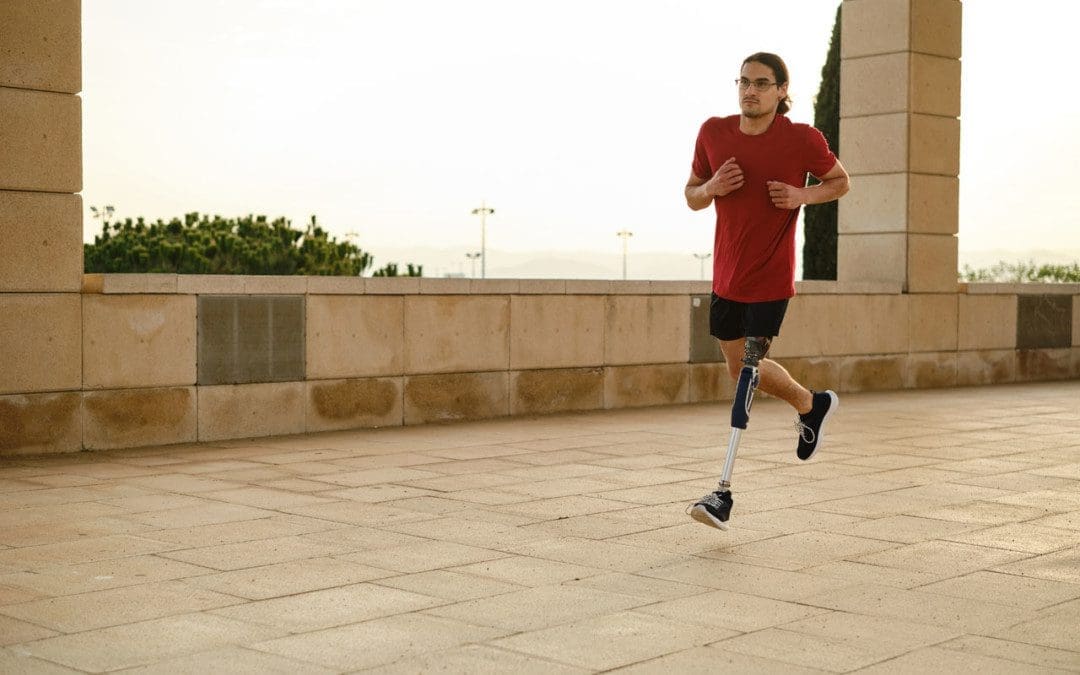
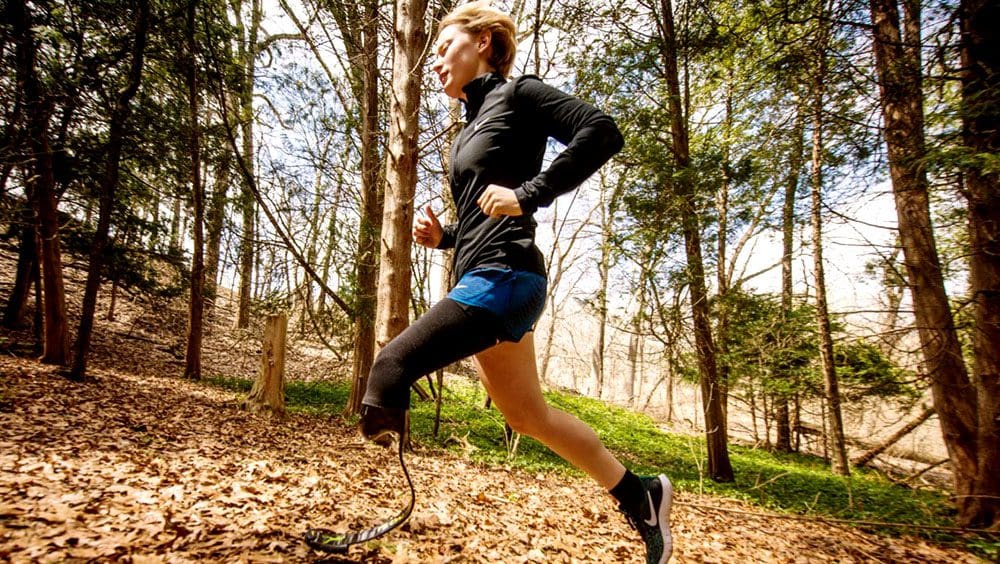
Before you begin running, talk with your physician, prosthetist, and other clinicians involved in your rehabilitation/health care treatment. Learning to use a prosthetic takes time and practice. Individuals that meet the minimum recommendations for running and have mastered walking on a prosthesis can begin running. The world of sports prosthetics has realized technological advancements to become highly refined and targeted for all levels of competition.
Before Running Recommendations
Every individual has specific healthcare needs, and guidelines should be considered to prevent injuries.
To become a runner and progress to a good runner, individuals need to focus on strengthening their legs to build endurance levels to meet the energy demands.
Working with a sports chiropractic and physical therapy team is recommended to build, strengthen, and condition the muscles and develop healthy posture and walking habits.
Skin Health
Talk with your healthcare team to ensure the skin can withstand the forces while running. If limb skin quality is insufficient, running can result in sores and blisters that prevent wearing a prosthesis until they heal. Other considerations include the following:
The incision should be healed.
All stitches and staples have been removed.
There should be no drainage.
Ensure there are no open wounds or blisters.
Bone Health
Research suggests in some cases that a decrease in bone density/osteopenia or osteoporosis of the residual limb can occur after amputation.
This can result in pain when applying weight through the residual limb.
Some amputations can result in heterotopic ossification – bone growth in the soft tissues outside the normal skeleton.
If heterotopic ossification is causing symptoms, it is not recommended to run and talk to your physician and prosthetist about options.
Proper Fitting of Prosthetic
Suboptimal socket fit can result in an altered gait.
If there is any compensation when walking, the gait deviations will be exacerbated when running.
Gait deviations can result in abnormal loading, resulting in injuries.
Talk to your prosthetist about the fit if it is less than optimal.
It is recommended to participate in gait training with a chiropractic physical therapy team to learn to walk with proper form.
Balance and Agility
Agility drills are recommended to transition from walking to running.
They help coordinate the limbs and can be done with a regular prosthesis.
Agility and balance exercises promote stability in the socket to become more stabilized during quick movements.
They can help to prevent balance-related falls.
When working on balance, do it in a safe environment with a friend, family, or something to hold on to.
Strength Training
The unaffected leg will now be the main powerhouse, so the focus needs to be on strengthening all the muscles in that leg.
If you have bilateral amputations or both legs, the hips will be the powerhouse for running. It needs to generate all the force to propel the body forward.
Individuals with a below-knee amputation will also have the hamstrings to help out.
Hip musculature needs to be strong to meet running demands.
Without proper strength, the body will compensate in various ways, which can lead to injuries.
Endurance
Endurance training is essential.
A high level of endurance is required before training to run to meet the energy demands.
Running on a prosthesis requires more energy. It could be recommended to use a running prosthesis instead of the everyday prosthesis. The energy needed to run is:
Greater for individuals with amputations above the knee than those below the knee.
Even greater for those with amputations on both sides.
Asymmetry
Asymmetrical loading is a common problem when running with a prosthesis. Runners want to use the unaffected limb more than maintain balance for reasons that include:
Not trusting the prosthetic.
Discomfort when loading the residual limb.
Not enough strength in the residual limb.
Unbalanced amounts of force from impact can result in injuries.
Practice Schedule
In the first week, asses how the socket fits and if there is any discomfort.
If something does not feel correct, check with your prosthetist.
Don’t run for more than 10 minutes in the beginning without stopping to check the skin to see if any red spots appear.
The pressure will be increased, so be aware of anything irritating or rubbing the skin.
Individuals who had their amputations some time ago may be able to tolerate the load more easily at the beginning than individuals who recently had an amputation.
Too much too soon can result in injuries.
Slowly ease into running and give the limbs and body time to adapt to the physical and mental stress.
Running With A Prosthetic Limb
References
Beck, Owen N et al. “Reduced prosthetic stiffness lowers the metabolic cost of running for athletes with bilateral transtibial amputations.” Journal of applied physiology (Bethesda, Md.: 1985) vol. 122,4 (2017): 976-984. doi:10.1152/japplphysiol.00587.2016
Bragaru, Mihai, et al. “Sport prostheses and prosthetic adaptations for the upper and lower limb amputees: an overview of peer-reviewed literature.” Prosthetics and orthotics international vol. 36,3 (2012): 290-6. doi:10.1177/0309364612447093
Kanas, Joanne L, and Mark Holowka. “Adaptive upper extremity prostheses for recreation and play.” Journal of pediatric rehabilitation medicine vol. 2,3 (2009): 181-7. doi:10.3233/PRM-2009-0082
Matthews, D et al. “Return to sport following amputation.” The Journal of sports medicine and physical fitness vol. 54,4 (2014): 481-6.
Meyers, Carolyn, et al. “Heterotopic Ossification: A Comprehensive Review.” JBMR plus vol. 3,4 e10172. 27 Feb. 2019, doi:10.1002/jbm4.10172
Morgan, Sara J et al. “Mobility with a lower limb prosthesis: experiences of users with high levels of functional ability.” Disability and rehabilitation vol. 44,13 (2022): 3236-3244. doi:10.1080/09638288.2020.1851400
The most common causes of golf injuries are playing and practicing too excessively, improper swinging mechanics, and little or no physical conditioning. Pain meds either over-the-counter or prescribed, bracing, and surgical procedures are how symptoms are treated instead of the root cause/s. If the cause/s are addressed then injury prevention comes naturally.
�
Overuse
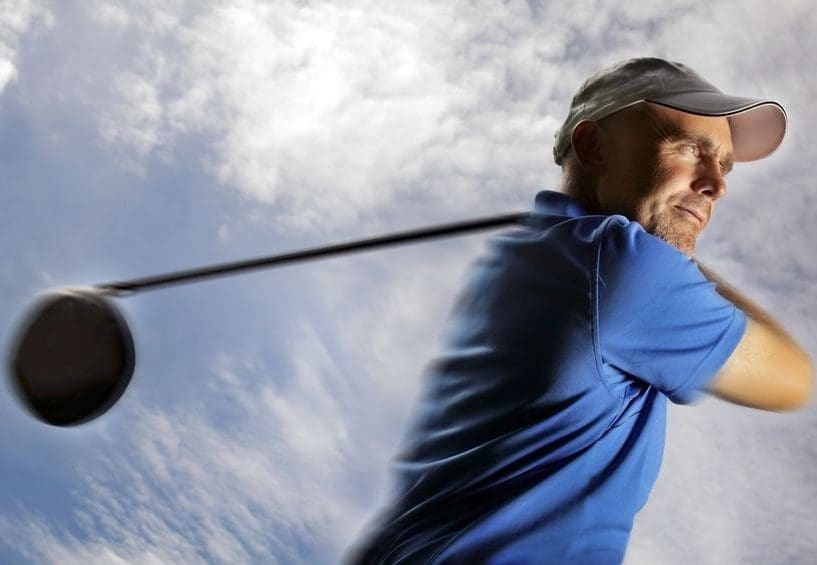
Driving requires a great deal of effort and power that puts tremendous stress on the body. When done too frequently, injuries can result. The body can take all kinds of forces thrown at it. But there is a limit as to how much it can take before an injury occurs.
Too many swinging reps while playing and practicing could cause trauma to the muscles and connective tissues, which leads to inflammation and pain. Swinging and hitting with bucket after bucket of balls to improve performance will raise the risk of injury. Try practicing swinging without hitting any balls through imagery/imagination. This has become a standard tool utilized by athletes. Practice the perfect swing mentally without the risk/threat of overusing your arms and back.
�
Mechanics
Improper body and swinging mechanics can lead to injury. The constant swinging, bending, squatting, and walking places added stress on muscles that can lead to a shoulder sprain/strain, elbow pain, and rib fractures. Back injuries can happen when bending far too forward while in swinging motion. Common swing mistakes that can contribute to low back pain.
�
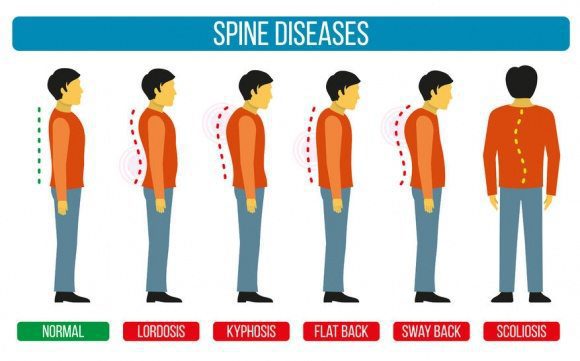
S-Posture
This can happen when golfers are told to stick out their rear but what happens is that they over arch their lower backs which cause hyperlordosis. This is known as an S-Posture and it inhibits the abs and glutes. Or this also happens with a lower crossed syndrome. �
�
Early Extension
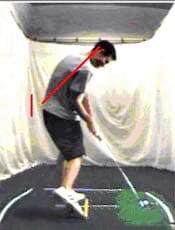
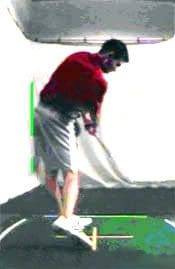
This is a term that comes from a forward swinging movement where the lower body does not rotate from the top of the backswing to follow-through. The hips and pelvis do not turn with the body. Spinal posture is extended, the head rises up and the pelvis moves toward the ball's position. When this happens the spine's muscles over-activate and force the spine into a fast extension. Forward movement of the lower body toward the golf ball can be a sign of early extension. �
Early Extension
Ideal Position
�
Reverse C
This happens at the swing's finish being in a full hyperextension position. It places added compression on the lower back right facet joints. �
� Overextending, Flexing, and twistingexcessively, awkwardly, and improperly increases chances of injury. A bit of advice is to have your swing analyzed by a golf pro/instructor to make sure you have proper form and technique. Preventing back injuries can be achieved through proper body mechanics by properly lifting the golf bag and properly teeing the ball.
�
Conditioning
Muscles will be weak and inflexible when there is no conditioning. This causes them to become highly susceptible to injury. The spine is exceptionally vulnerable to increased pressure during a golf swing. This happens from rotating while leaning forward. When the low back and abdominal muscles do not have adequate strength or flexibility the high reps of swinging will eventually cause pain.
With a golf-specific strength and flexibility program, the risk of injury is lessened along with improved performance. Programs like these don't have to be complicated or take a long time. Stop potential golf injuries from happening by avoiding excessive practice sessions, swinging correctly, and regularly practicing golf-oriented strength and flexibility exercises.
�
Sports Injury Chiropractic Treatment
Dr. Alex Jimenez�s Blog Post Disclaimer
The scope of our information is limited to chiropractic, musculoskeletal, physical medicines, wellness, and sensitive health issues and/or functional medicine articles, topics, and discussions. We use functional health & wellness protocols to treat and support care for injuries or disorders of the musculoskeletal system. Our posts, topics, subjects, and insights cover clinical matters, issues, and topics that relate and support directly or indirectly our clinical scope of practice.*
Our office has made a reasonable attempt to provide supportive citations and has identified the relevant research study or studies supporting our posts. We also make copies of supporting research studies available to the board and or the public upon request. We understand that we cover matters that require an additional explanation as to how it may assist in a particular care plan or treatment protocol; therefore, to further discuss the subject matter above, please feel free to ask Dr. Alex Jimenez or contact us at 915-850-0900. The provider(s) Licensed in Texas& New Mexico*
IFM's Find A Practitioner tool is the largest referral network in Functional Medicine, created to help patients locate Functional Medicine practitioners anywhere in the world. IFM Certified Practitioners are listed first in the search results, given their extensive education in Functional Medicine