What type of concussion tests are there to help establish the extent of head injuries and help assess improvement during recovery?
Concussion Tests
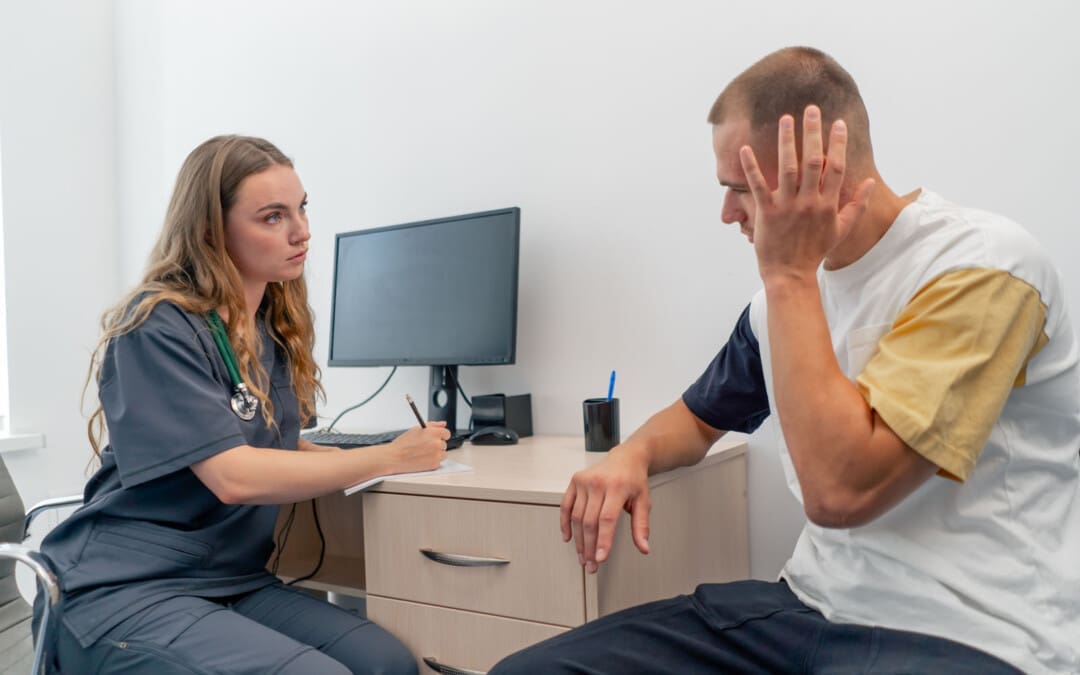
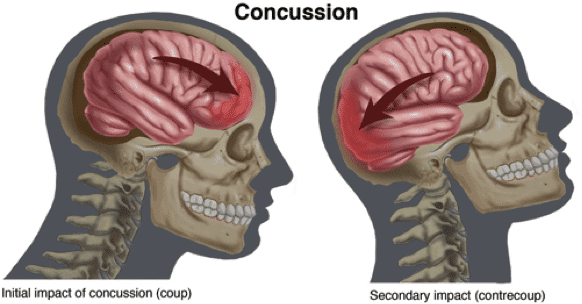
A concussion is a temporary change in brain function that occurs from a traumatic brain injury or TBI. It can cause problems with thinking and mood and can take weeks to years to heal. Concussion tests are done after a suspected head injury and are also used after diagnosis to assess healing progress. They are noninvasive tests that measure brain functions. Several tests vary in how they are given and what they measure.
Tests
A mild or moderate traumatic brain injury can cause damage to the brain that is not detectable with brain imaging tests. However, the damage can cause serious symptoms, including headaches, emotional changes, difficulty concentrating, and memory problems. (Haider M. N. et al., 2021) The effects of a concussion can be hard to describe, but concussion testing can help identify and quantify these changes. For individuals who don’t have time to heal or experience further brain injuries while recovering, the effects can be prolonged and worsen. This is one reason why concussion testing is vital to get a diagnosis and follow medical recommendations to avoid further injury to the brain. Diagnosis can help set goals, adjust, and assess how the effects improve over time. With improvement, individuals can participate in rehabilitation and follow their doctor’s instructions for gradually returning to work, school, and other activities.
Measurements
Concussion tests can measure subtle aspects of brain function, like visual or auditory perception and response speed (Joyce A. S. et al., 2015). The damage sustained can impair these abilities, like slow decision-making. A traumatic brain injury can be associated with serious injuries, like a skull fracture, swelling, bruise, or bleeding in the brain. These injuries can be detected with imaging tests and often require surgery or other interventions. Brain damage from bleeding or swelling would cause focal neurological symptoms and signs, including partial vision loss, numbness, and weakness. Individuals can have a concussion along with detectable brain injuries or in the absence of detectable brain injuries.
Types of Tests
There are several types of concussion tests. Individuals may have one or more of these, depending on the standard test that is used in their school, sports league, or by their doctor. These can include:
Online Checklists
Several different online checklists are available for concussion screening.
These tests may include questions about symptoms and are often used as self-tests but are not intended to replace an evaluation by a medical professional.
Baseline and Post-Injury Tests
Many schools and sports leagues conduct preseason skill measurements, including memory tests or tests of speed and accuracy, either in an interview form or with computer testing.
Individuals might be asked to retake the test that is used as a comparison if they have experienced a traumatic brain injury.
Standardized Assessment of Concussion – SAC
This five-minute test can be done on the sidelines after a sports injury or later.
It evaluates orientation, immediate memory, neurologic function, concentration, and delayed recall. (Kaufman M. W. et al., 2021)
King-Devick Concussion Test
This two-minute test can be performed on the sidelines after a sports injury or later to assess language, eye movement, and attention. (Krause D. A. et al., 2022)
Post-Concussion Symptom Scale
This test includes 22 questions involving neurocognitive factors, including difficulty concentrating or remembering, physical symptoms like headaches and dizziness, and emotional symptoms like sadness or irritability. (Langevin P. et al., 2022)
Sport Concussion Assessment Tool – SCAT
This test includes an on-field assessment noting concussion symptoms, memory assessment using Maddocks questions (a short list of specific questions), Glasgow Coma Scale (GCS), and cervical spine assessment.
An off-field assessment involves the evaluation of cognitive, neurological, balance, and delayed recall. (Kaufman M. W. et al., 2021)
Buffalo Concussion Physical Examination – BCPE
A modified physical examination that assesses neck tenderness and range of motion, head, jaw, and face abnormalities, eye movements examination, and coordination. (Haider M. N. et al., 2021)
After a concussion, individuals will also have a physical examination, including a full neurological examination, in a doctor’s office.
Results
A doctor will diagnose based on symptoms, physical examination, and concussion test results. For example, for individuals who have broken several bones and are taking powerful pain medications, concussion test results can be abnormal even if they did not experience a concussion. The results of concussion testing can be compared with results before the head injury. Often, baseline testing is required for participation in certain sports leagues at professional and amateur levels. A low score can indicate that head injury has impaired brain function. Sometimes, testing can be done within a few hours of the head trauma and then again a few days later. Responses of individuals who did not have measurements taken before a head injury can be compared with the average results of people their age.
Injury Medical Chiropractic and Functional Medicine Clinic
Injury Medical Chiropractic and Functional Medicine Clinic works with primary healthcare providers and specialists to develop an optimal health and wellness solution. We focus on what works for you to relieve pain, restore function, and prevent injury. Regarding musculoskeletal pain, specialists like chiropractors, acupuncturists, and massage therapists can help mitigate the pain through spinal adjustments that help the body realign itself. They can also work with other medical professionals to integrate a treatment plan to resolve musculoskeletal issues.
Lumbar Spine Injuries in Sports: Chiropractic Healing
References
Haider, M. N., Cunningham, A., Darling, S., Suffoletto, H. N., Freitas, M. S., Jain, R. K., Willer, B., & Leddy, J. J. (2021). Derivation of the Buffalo Concussion Physical Examination risk of delayed recovery (RDR) score to identify children at risk for persistent postconcussive symptoms. British journal of sports medicine, 55(24), 1427–1433. https://doi.org/10.1136/bjsports-2020-103690
Joyce, A. S., Labella, C. R., Carl, R. L., Lai, J. S., & Zelko, F. A. (2015). The Postconcussion Symptom Scale: utility of a three-factor structure. Medicine and science in sports and exercise, 47(6), 1119–1123. https://doi.org/10.1249/MSS.0000000000000534
Kaufman, M. W., Su, C. A., Trivedi, N. N., Lee, M. K., Nelson, G. B., Cupp, S. A., & Voos, J. E. (2021). The Current Status of Concussion Assessment Scales: A Critical Analysis Review. JBJS reviews, 9(6), e20.00108. https://doi.org/10.2106/JBJS.RVW.20.00108
Krause, D. A., Hollman, J. H., Breuer, L. T., & Stuart, M. J. (2022). Validity Indices of the King-Devick Concussion Test in Hockey Players. Clinical journal of sport medicine: official journal of the Canadian Academy of Sport Medicine, 32(3), e313–e315. https://doi.org/10.1097/JSM.0000000000000938
Langevin, P., Frémont, P., Fait, P., & Roy, J. S. (2022). Responsiveness of the Post-Concussion Symptom Scale to Monitor Clinical Recovery After Concussion or Mild Traumatic Brain Injury. Orthopaedic journal of sports medicine, 10(10), 23259671221127049. https://doi.org/10.1177/23259671221127049
Concussions, or head injuries, are considered to be some of the most common sports injuries. Athletes can experience head trauma due to a variety of injuries and accidents related to their specific sport. While there are various symptoms which can characterize the presence of a concussion, recent research studies have found that certain markers in the blood can predict an athlete’s recovery from a head injury.
Researchers at the National Institutes of Health found that the blood protein tau could be an important new clinical biomarker to better identify athletes who need more recovery time before safely returning to play after a sports-related concussion. The research study, supported by the National Institute of Nursing Research or NINR, with additional funding from the Eunice Kennedy Shriver National Institute of Child Health and Human Development, or NICHD, published online in the Jan. 6, 2017 issue of Neurology, the medical journal of the American Academy of Neurology.
How Blood Markers Can Help Athletes with Concussions
Despite the millions of sports-related concussions that occur annually in the United States, there is no reliable blood-based test to predict recovery and an athlete’s readiness to return to play. The new study shows that measuring tau levels could potentially be an unbiased tool to help prevent athletes from returning to action too soon and risking further neurological injury.
“Keeping athletes safer from long-term consequences of concussions is important to players, coaches, parents and fans. In the future, this research may help to develop a reliable and fast clinical lab test that can identify athletes at higher risk for chronic post-concussion symptoms,” said NINR Director Patricia A. Grady Ph.D., R.N.�
Athletes who return to play before full recovery are at high risk for long-term symptoms like headaches, dizziness, and cognitive deficits with subsequent concussions. About half of college athletes see their post-concussive symptoms resolve within 10 days, but in others, the symptoms become chronic.
Tau is also connected to development of Alzheimer’s and Parkinson’s diseases, and is a marker of neuronal injury following severe traumatic brain injuries.
In the study, led by Dr. Jessica Gill, NIH Lasker Clinical Research Scholar and chief of the NINR Division of Intramural Research’s Brain Injury Unit, researchers evaluated changes in tau following a sports-related concussion in male and female collegiate athletes to determine if higher levels of tau relate to longer recovery durations.
“Incorporating objective biomarkers like tau into return-to-play decisions could ultimately reduce the neurological risks related to multiple concussions in athletes,” said Gill.
To measure tau levels, a group of 632 soccer, football, basketball, hockey, and lacrosse athletes from the University of Rochester first underwent pre-season blood plasma sampling and cognitive testing to establish a baseline. They were then followed during the season for any diagnosis of a concussion, with 43 of them developing concussions during the study. For comparison, a control group of 37 teammate athletes without concussions was also included in the study, as well as a group of 21 healthy non-athletes.
Following a sports-related concussion, blood was sampled from both the concussed and control athletes at six hours, 24 hours, 72 hours, and seven days post-concussion.
Concussed athletes who needed a longer amount of recovery time before returning to play, (more than 10 days post-concussion) had higher tau concentrations overall at six, 24, and 72-hours post-concussion compared to athletes who were able to return to play in 10 days or less. These observed changes in tau levels occurred in both male and female athletes, as well as across the various sports studied.
Together, these findings indicate that changes in tau measured in as short a time as within six hours of a sports-related concussion may provide objective clinical information to better inform athletes, trainers, and team physicians’ decision-making about predicted recovery times and safe return to play.
Further research will test additional protein biomarkers and examine other post-concussion outcomes.
Preventing Sports Injuries with Chiropractic
Chiropractic care is frequently utilized by athletes to treat common sports injuries. Aside from treating the side effects associated with concussions, chiropractic can help relieve neck pain and back pain caused by an injury or accident. Chiropractic care can also help prevent sports injuries from occurring as the spinal adjustments and manual manipulations can help improve the strength, flexibility and mobility of the structures surrounding the spine, particularly improving the health and wellness of the neck and head.
Organization Information
About the National Institute of Nursing Research (NINR): NINR supports basic and clinical research that develops the knowledge to build the scientific foundation for clinical practice, prevent disease and disability, manage and eliminate symptoms caused by illness, and enhance end-of-life and palliative care. For more information about NINR, visit the website at www.ninr.nih.gov.
About the Eunice Kennedy Shriver National Institute of Child Health and Human Development (NICHD): NICHD conducts and supports research in the United States and throughout the world on fetal, infant and child development; maternal, child and family health; reproductive biology and population issues; and medical rehabilitation. For more information, visit NICHD’s website.
About the National Institutes of Health (NIH): NIH, the nation’s medical research agency, includes 27 Institutes and Centers and is a component of the U.S. Department of Health and Human Services. NIH is the primary federal agency conducting and supporting basic, clinical, and translational medical research, and is investigating the causes, treatments, and cures for both common and rare diseases. For more information about NIH and its programs, visit www.nih.gov.
For more information, ask Dr. Jimenez or contact us at 915-850-0900�. �
By Dr. Alex Jimenez D.C.,C.C.S.T
Spinal Trauma Specialist
Additional Topics: Neck Pain and Auto Injury
Neck pain is characterized as the most prevalent symptom after being involved in an automobile accident. During an auto collision, the body is exposed to a sheer amount of force due to the high speed impact, causing the head and neck to jolt abruptly back-and-forth as the rest of the body remains in place. This often results in the damage or injury of the cervical spine and its surrounding tissues, leading to neck pain and other common symptoms associated with whiplash-related disorders.
Chiropractic adjustment has various applications. From the treatment of chronic pain and pre-existing conditions to early or sudden onset pain. Perhaps most frequently cited, sufferers of back and neck pain, sciatica, migraines and more have found relief from chiropractic medicine.
In fact, many medical doctors recommend that their patients seek chiropractic care for a variety of conditions before seeking more invasive measures such as surgery. This sentiment was (echoed by the American Medical Association) as recently as 2013.
Relieving Back & Neck Pain
Roughly 80% of adults have experienced back pain at some point. (In a study by Consumer Reports), �14,000 sufferers were surveyed. None of these individuals had undergone back surgery of any type. By the end of the study, Chiropractic adjustment was rated as the #1 treatment option.
At the conclusion of the twelve-week study, patients who underwent regular chiropractic adjustments were twice as likely to be pain free as those who were treated with medication. (Further research demonstrates) the validity of chiropractic adjustments as easily seen via magnetic resonance imaging (MRI).
Patients with lower back pain often experience limited mobility in the lumbar spine region that produces degeneration as well as adhesions within the joints of the vertebrae. When patients received an MRI scan following a chiropractic adjustment, the imaging showed an increase in spinal gapping. This breaks up the adhesions, allows the joints to move freely, and lead to a reduction in pain.
Headaches and Migraines
Chronic head pain, including migraines is another common condition that chiropractic adjustment can provide relief for. Through manipulation, chiropractic medicine is able to relieve pressure off of the nerves and provide relief. Headache and migraine sufferers may find long-term relief with continued adjustments, resulting in lessening the severity of symptoms or the frequency of onset.
There is also published research showing the validity of these treatment options. In an (Australian study that tracked 127 migraine sufferers), those who received regular chiropractic adjustments reported a decrease in migraine attacks as well as the need to take less medication.
Considering the rising costs of healthcare, specifically prescription medication, mitigating pharmaceutical costs can provide extra benefits.
Foundation for Chiropractic Progress
In Support of Chiropractic Care
Chiropractic care is becoming increasingly more widespread. Support from medical research and organizations such as The American Medical Association, as well as high profile supporters such as Tiger Woods, Jerry Rice, Aaron Rodgers have helped bring the treatments into the mainstream.
Today, Chiropractic medicine is practiced all over the world, and is an increasingly popular as well as effective form of treatment for a variety of conditions, including but not limited to the ones mentioned above.
(Some more statistics)
Utilizing chiropractic adjustments for treatment of back pain may help save Medicare costs by more than $80 million per year.
Back pain sufferers whose first point of treatment included a medical doctor or surgeon, went on to receive surgery 42.7% of the time. For sufferers who sought chiropractic adjustment first, surgery only occurred 1.5% of the time.
Chronic pain sufferers who sought treatment through chiropractic adjustment experienced a 20% reduction in overall care costs.
Is Chiropractic Adjustment Right for You?
The effectiveness of chiropractic adjustment in treating chronic and recent onset conditions is supported through research, scientific study, as well as patients just like you. If you are suffering from pain or discomfort in your neck, back, joints, or elsewhere,�contact a well qualified Chiropractor near you.
About the Author:
Dr. Alec�with Proactive Chiropractic and Rehab Centre extensively studied human anatomy, physiology, radiology, kinesiology and post graduate seminars in topics such as herniated disc, whiplash, functional movement, car accident rehabilitation. With over 10 years of experience, Dr. Alec helps care for patients with back pain, neck pain, headaches, knee pain, shoulder pain, foot pain, whiplash, etc. Treatment services include: spinal decompression therapy, functional rehabilitation, active release technique, gua sha, electro-stimulation, intersegmental traction, hands-on chiropractic adjustment, instrument assisted chiropractic adjustment and rehabilitation. Dr. Alec takes pride in providing individualized treatment for each patient, with lasting results.
Some People don’t believe in Chiropractic Treatment. However, chiropractic care is becoming increasingly widespread through�medical research. And�top supporters, such as Tiger Woods, Jerry Rice, and Aaron Rodgers have helped to bring�chiropractic�treatment into the mainstream.
A new, unique test has been designed where it has the ability to search for more than 100 markers which could indicate the presence of a concussion, according to the authors of the research. In previous years, researchers looked for a single marker in the blood to indicate whether an individual had suffered a concussion or not.
“We were pleasantly surprised when we looked at the pattern of metabolites (or markers) and we could identify people who were injured with no other information at a greater than 90 percent certainty,” stated lead researcher Dr. Douglas Fraser, a consultant in pediatric critical care medicine at the Children’s Health Research Institute in London, Ontario.
During the research study, Dr. Fraser and his colleagues examined 29 teen hockey players for markers of concussion. Of these individuals, some had experienced head injuries while others had not. Regardless, everyone involved in the study was convinced of the test’s abilities.
“It might have potential for diagnosis of concussion but these are preliminary results with only 29 patients,” stated Dr. John Kuluz, director of traumatic brain injury and neuro-rehabilitation at Nicklaus Children’s Hospital in Miami. According to Dr. Kuluz, the test must first be validated in a lot more patients before its effectiveness can be determined.
Additionally, he stated how this type of testing isn’t necessary to utilize often. “There are only a small number of patients where the diagnosis is in doubt,” declared Dr. Kuluz. “However, in those cases, such a test could be helpful,” he noted.
Because properly diagnosing the presence of a concussion heavily relies on the observation of specific symptoms,such as dizziness, headaches, blurred vision, nausea and other overt complications, it can often be challenging to distinguish an individual’s cause of injury. In the same manner, it is similarly difficult to accurately determine when an individual has fully recovered from a concussion and if they can return to their regular activities.
“People have been searching for one or two proteins floating around in the blood which are released from the brains after experiencing an injury,” stated Dr. Fraser. “But that approach hasn’t yielded great results, probably because every patient is different and every injury is different. Therefore, it’s probably a little naive to believe one or two proteins are going to give us the answer we need,” he concluded.
The team of researchers narrowed down 174 markers to approximately between 20 to 40 specific ones which could diagnose a concussion with an accuracy of more than 90 percent.
Foremost, to accurately diagnose a concussion through this process, the blood must be tested within 72 hours after the individual has experienced a head injury. The report was published in the October 2016 issue of the journal Metabolomics.
The test was developed in hopes that it could be a widely available and inexpensive procedure to be utilized in emergency rooms. Furthermore, the test could be used to evaluate the individual’s healing process. According to Dr. Fraser, he quoted, “It looks like these patterns remain abnormal for up to three months at a time. There is a potential that following the profile for a period of time can reveal accurate information pertaining to the healing process.”
The researchers have tested the accuracy of the test in other groups, such as the military, to determine whether it functions equally in adults as it does in teens. They have also developed a machine which can run the test quickly using a single drop of blood.
The research study was funded by the Children�s Health Foundation in Canada. The authors have filed a patent application for their test.
A concussion can occur as a result of a traumatic sports injury or due to any other blow to the head. While several symptoms could indicate the presence of a concussion, symptoms can manifest differently for each individual, making it difficult to accurately determine the presence of a head injury. With the development of a new test, a concussion could be diagnosed using a single drop of blood.
For more information, please feel free to ask Dr. Jimenez or contact us at 915-850-0900 .
A concussion is a traumatic brain injury that may alter the normal function of the brain. Concussions aren�t only caused by a direct impact to the head but occasionally, sudden acceleration or deceleration of the head, such as that during an automobile accident, or violent shaking of the head and upper body can also cause a head injury. The level of severity of a concussion can range from minor�
IFM's Find A Practitioner tool is the largest referral network in Functional Medicine, created to help patients locate Functional Medicine practitioners anywhere in the world. IFM Certified Practitioners are listed first in the search results, given their extensive education in Functional Medicine