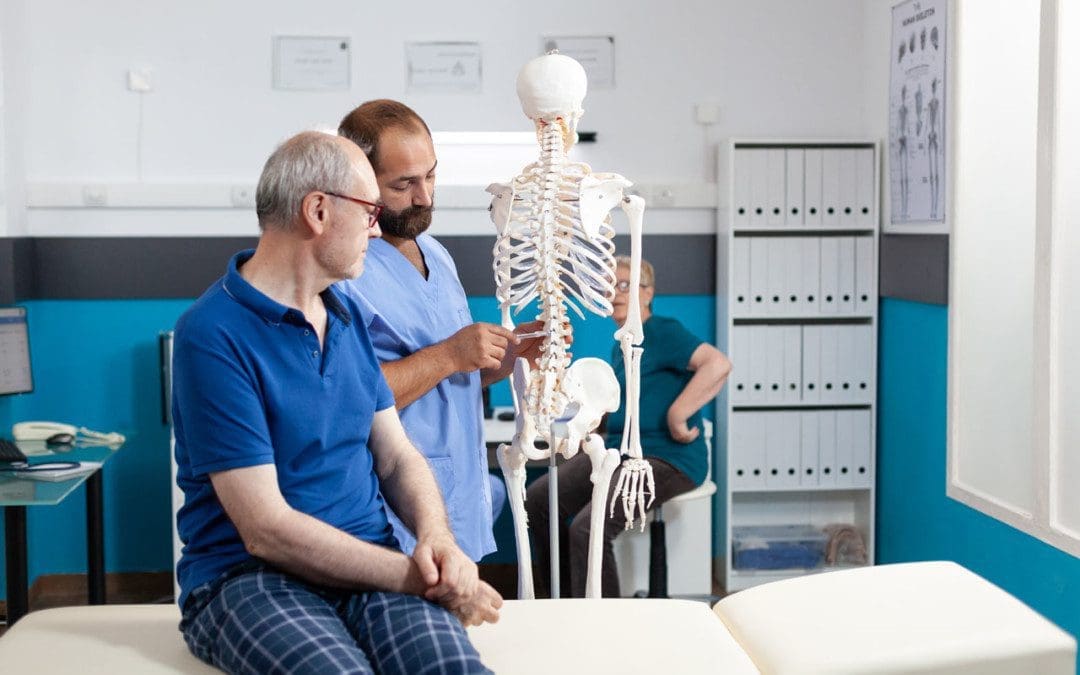
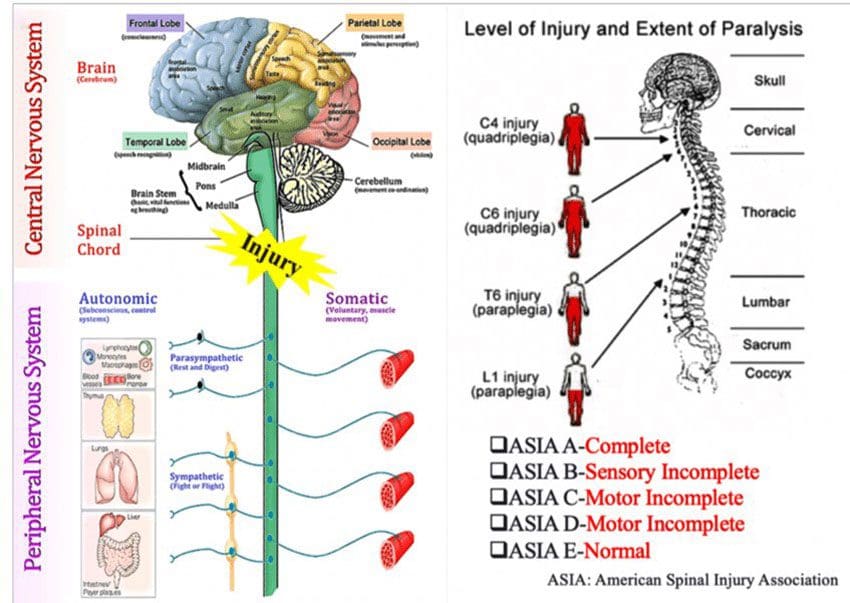
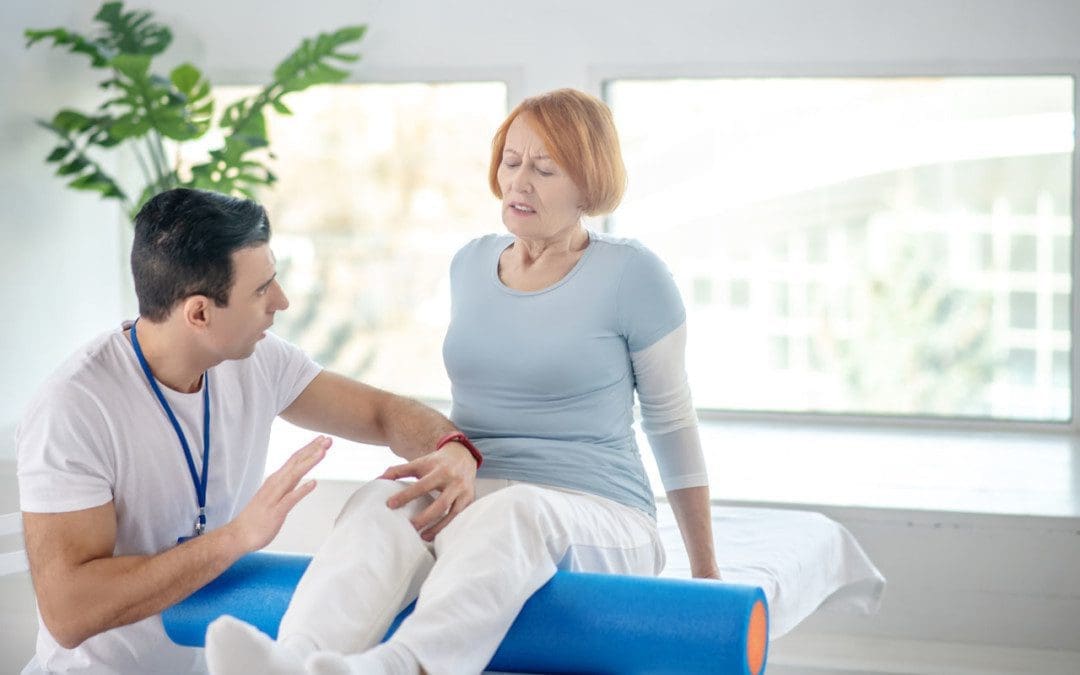
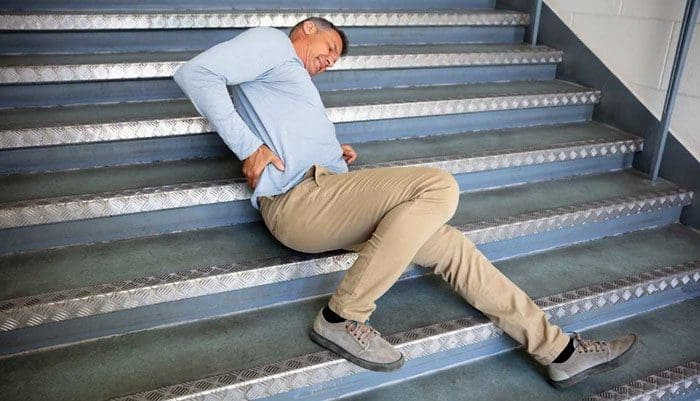
Spinal cord injuries or SCI’s don’t just happen from intense force/high-energy trauma like hard falls or auto accidents. Non-traumatic spinal cord injuries are more common. However, traumatic spinal cord injuries tend to get the most attention. This can cause problems as it can delay treatment for individuals with a non-traumatic injury. Awareness is vital because spinal cord disorders tend to not get recognized for their impact on overall health.
Non-traumatic Spinal Cord Injury
Non-traumatic spinal cord injuries is an umbrella term that includes several disorders, like:
Understanding these disorders helps determine a correct diagnosis. Degenerative cervical myelopathy or DCM is the most common form of a non-traumatic spinal cord injury. It is a slow progressive injury that causes continued compression usually brought on by spondylosis or osteoarthritis of the spine’s joints. DCM can have a devastating effect on the quality of life if not diagnosed and treated as it can have a ripple effect by raising the risk of falls, leading to a traumatic spinal cord injury. Being aware can help in preventing the damage.
Other Causes and Complications
Other causes for non-traumatic spinal cord injury include:
One of the most significant risk factors is age. This is due to an increased risk of conditions like osteoarthritis and hypertension as individuals get older, which is why individuals with a non-traumatic spinal cord injury are, on average, older than individuals that suffer a traumatic spinal cord injury. Weakness, instability, and loss of muscle control are common complications that can develop as the non-traumatic spinal cord injury progresses. Other complications that can present include:
Chronic pain
Sleep disturbance
Constipation
Urinary incontinence
Urinary tract infections
Impotence
Pressure ulcers/bed sores if immobilized
Possible blood clots that can lead to deep vein thrombosis
Depression and anxiety
Treatment
With a traumatic spinal cord injury, treatment depends on the severity of the injury. With non-traumatic spinal cord injuries, treatment depends on what type of condition is involved. The primary treatment for non-traumatic spinal cord injuries typically involves various forms of rehabilitation to minimize further damage to the spinal cord. Surgery may be necessary if the spine needs to be decompressed.
Body Composition
Extracellular Water and Intracellular Water
Extracellular Water – ECW
Extracellular is the water located outside the body’s cells.
Allows molecules to be transported to the different organelles inside the cell.
Picks up where the extracellular water leaves off by continuing the pathway for fuel/energy to be transported to the cells.
References
Badhiwala, Jetan H et al. “Degenerative cervical myelopathy – update and future directions.” Nature reviews. Neurology vol. 16,2 (2020): 108-124. doi:10.1038/s41582-019-0303-0
Handbook of Clinical Neurology (2012) “Spinal Cord Injury.” https://www.sciencedirect.com/topics/medicine-and-dentistry/non-traumatic-spinal-cord-injury
Milligan, James et al. “Degenerative cervical myelopathy: Diagnosis and management in primary care.” Canadian family physician Medecin de famille canadien vol. 65,9 (2019): 619-624.
Physical Management in Neurological Rehabilitation (2004) “Spinal cord injury.” https://www.sciencedirect.com/topics/medicine-and-dentistry/non-traumatic-spinal-cord-injury
Individuals involved in slip and fall accidents lead to around 9 million emergency room visits a year. Recovering from a severe injury suffered in a slip and fall accident requires extensive medical care and physical rehabilitation. Older adults are susceptible to slip and fall injuries. According to the CDC, falls are the leading cause of nonfatal injuries of older adults and are a common hazard in nursing homes, where between half of the residents fall each year. The most common injuries sustained include:
Cuts and Abrasions
Cuts and abrasions can be minor to severe. Leg and arm abrasions are the most common, followed by wounds to the head and hips. These injuries require superficial treatment and possibly stitches. However, if the impact of the fall is severe, cuts and abrasions can overlap more severe injuries like concussions and broken bones.
Soft Tissue Injuries
Soft tissue injuries often do not get noticed, so individuals don’t realize they have a mild tissue injury until days or weeks after the fall.Soft tissue injuries can range from minor ankle and/or wrist sprains to severe tears in tendons and ligaments.Left untreated, these injuries can lead to chronic pain conditions making the body more vulnerable to further injuries.Even when individuals feel fine after a slip and fall accident, they are recommended to seek medical care or consult an injury specialist as soft tissue injuries don’t often produce immediate symptoms.
Sprains and Strains
A slip and fall accidents often happen as a result of taking an uneven or awkward step. Individuals also often react with their hands in front to try to cushion the fall. Both the awkward step and pushing the hands out can cause the wrist or ankle to tear, causing a sprain or a strain. The ligaments do not circulate a lot of blood, meaning that healing and recovery can take a significant amount of time.
Broken Bones
A fall can result in stressful forces on the bones of the body. In slip and fall accidents, hip, wrist, and ankle fractures are the most common bones that get broken. The older an individual is, the more likely they will break a bone from a slip and fall accident.
Hip Fractures
More than 95% of broken hips are caused by falls, according to the CDC.Hip fractures often require surgery that can include implantation of an artificial hip and hospitalization for about a week, followed by extensive physical therapy and rehabilitation.
Knee Injuries
Knee injuries can result from a slip and fall, especially if the knee gets rotated the wrong way or twisted. Knees are made up of bone and ligaments, meaning it could take a long to heal and recover. Dislocation of the patella is also a possibility that could require knee reconstruction.
Neck and Shoulder Injuries
Shoulder and neck injuries can be the result of landing on the shoulder or neck. They can also occur from overexertion when trying to right oneself during a fall. Neck injuries can range from:
Muscle sprains
Spinal injuries
Paralysis
Shoulder injuries can result in:
Shoulder dislocation
Torn nerves
Collarbone breaks
Even the most minor neck and shoulder injuries can require surgery and rehabilitation.
Back and Spinal Cord Injuries
Severe impact on the body in a slip and fall accident can cause slipped or herniated discs and fractured vertebrae, causing significant pain and limiting mobility. An injury to the spinal cord can lead to temporary paralysis, permanent paralysis, neurologic and sensory impairments. According to the Mayo Clinic, falls cause more than a quarter of spinal cord injuries and the majority of spinal injuries among adults 65 and older.
Traumatic Brain Injuries
Traumatic brain injuries occur when an individual hits their head on a hard surface during a fall. Traumatic brain injuries can range from:
A chiropractor will review imaging scans, medical history, and current symptoms to determine the best form of treatment. Inflammation is common and is the body’s defense to protect the injured area by slowing down the blood flow in that area to allow the body’s internal defenses to repair the injury. Sometimes the body overreacts to the problem and produces far more inflammation than is needed. Depending on the severity of the injury, various massage, manipulation techniques, and tools will be utilized to help the body heal itself.
Body Composition
Recovery and Swelling
Recovery is an essential part of individuals involved in physical training programs and after injury. A significant sign that the body has undergone intense physical exertion and requires recovery is swelling. Swelling occurs for several reasons and is the body’s response to tiny, microscopic muscle tears that arise from intense use. It is possible to see this swelling in body composition results. Recovery is about giving the body a chance to:
Relax
Recuperate
Recover from the swelling to resume normal physical activities.
References
Courtney, T K et al. “Occupational slip, trip, and fall-related injuries–can the contribution of slipperiness be isolated?.” Ergonomics vol. 44,13 (2001): 1118-37. doi:10.1080/00140130110085538
Kannus, Pekka et al. “Prevention of falls and consequent injuries in elderly people.” Lancet (London, England) vol. 366,9500 (2005): 1885-93. doi:10.1016/S0140-6736(05)67604-0
Reuben, David B et al. “The Strategies to Reduce Injuries and Develop Confidence in Elders Intervention: Falls Risk Factor Assessment and Management, Patient Engagement, and Nurse Co-management.” Journal of the American Geriatrics Society vol. 65,12 (2017): 2733-2739. doi:10.1111/jgs.15121
Rosen, Tony et al. “Slipping and tripping: fall injuries in adults associated with rugs and carpets.” Journal of injury & violence research vol. 5,1 (2013): 61-9. doi:10.5249/jivr.v5i1.177
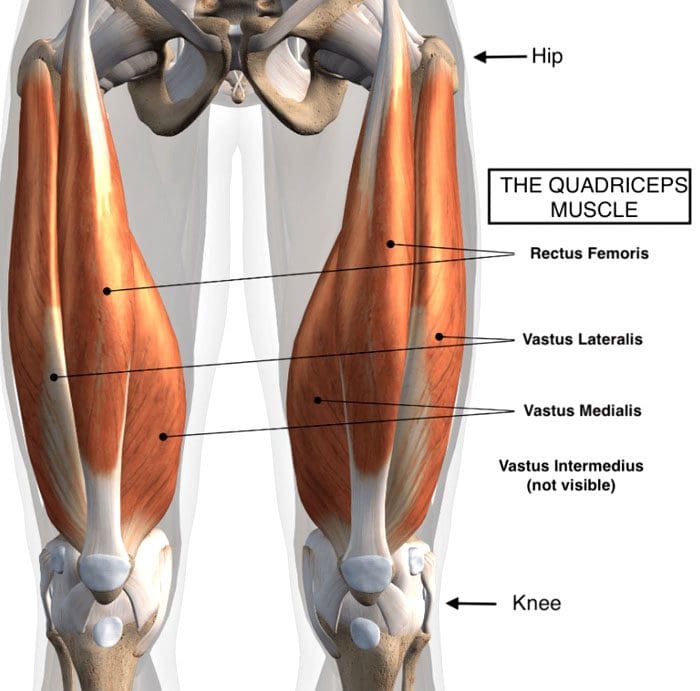
The quadriceps muscle consists of four muscles in front of the thigh that connects to the knee right below the knee cap. These muscles straighten the knee for walking, running, and jumping. They also help bend the knee for squatting. They move the leg forward when running and fire/transmit electrical impulses when the foot hits the ground to absorb shock. When jumping, the muscles provide stability coming down as well as when standing on one leg.
Quadriceps Strain
Thigh strains are common in sports. Most players are sidelined because of this injury when compared to strains in the hamstrings or groin. Factors that can increase the risk of injury include:
Exhaustion
Muscle weakness
The strength of the quadriceps to the hamstrings is uneven, causing one set to get overused.
Consistent sprinting and/or kicking
Previous strain and/or injury
The quadriceps is made up of four muscles. One is the rectus femoris, which gets injured the most. It’s the only muscle that crosses two joints – the hip joint and the knee joint.
Symptoms and Injury Grades
Individuals commonly report a pulling/stretching sensation in the front of the thigh. Common symptoms include:
Pain
Swelling
Bruising
Muscle tenderness
For minor quadriceps strains or tears, moderate to dull pain presents along with stiff movement.
Grades categorize the severity of the strain:
Grade 1 presents with mild discomfort in the thigh with no loss of strength.
Grade 2 presents with moderate pain, swelling, and some loss of strength.
Grade 3 is a complete rupture of the fibers. Individuals are in severe pain and unable to walk.
Grade 3 is where surgery is required.
Symptoms can vary depending on the type of injury that has been sustained and the severity. There is pain and localized swelling for both strains and contusions. If a muscle rupture has happened, there could be a bump/lump within the muscle or a gap in the muscle. If rupture of the Quadriceps Tendon has occurred, individuals often report hearing a pop when the injury happens. The swelling often makes straightening the leg difficult or impossible.
Injury causes
Thigh strains usually happen when slowing down/decelerating after a sprint. This can be because the individual takes too small or too large steps causing the muscles to overstretch, much like a rubber band that, if overstretched, tears, and if under stretched, it bunches up, which can cause spasms and tears.
Treatment
In the initial stages after a quadriceps strain, it is recommended to follow the RICE Procedure for 24 hours: This includes:
Rest
Ice
Compression
Elevate
The leg needs to be rested every 2-3 hours in 20-minute sessions.
A bandage can provide added support.
For slight tears and strains, it is recommended to stretch the quadriceps gently.
This helps prevent the muscles from experiencing shortening. This happens by the formation of scar tissue that pulls the muscle/s, making them shorter.
Gentle stretches allow the muscles to heal with minimal shortening. This helps prevent further and/or re-injury.
Chiropractic Physical Therapy Rehabilitation
After the acute stage of the injury, receiving regular chiropractic sports adjustments, physical therapy massage, coupled with strength training exercises will speed up recovery.
Physical therapy massage will remove scar tissue and keep the muscle/s loose and flexible.
Exercises for strengthening the muscles after injury will be recommended according to the individual’s condition/case.
Following correct post-injury-care, exercises, and physical therapy.
Healing time can be 4- 6 weeks.
Body Composition
Strength Training: The Inverted Row
This workout targets the back muscles, spine and scapular stabilizers, deep abdominals, and arms. Everyday activities that require various types of pulling motion, lifting, etc., become easier. To perform:
Lie flat on your back.
Grab a stable barbell or set of straps that are above you.
Pull your upper body up as high as possible while keeping the back straight.
Squeeze the shoulder blades together at the top.
Complete as many reps as possible.
Once enough strength and endurance have been built, try a pullup.
References
Kary, Joel M. “Diagnosis and management of quadriceps strains and contusions.” Current reviews in musculoskeletal medicine vol. 3,1-4 26-31. 30 Jul. 2010, doi:10.1007/s12178-010-9064-5
Hillermann, Bernd, et al. “A pilot study comparing the effects of spinal manipulative therapy with those of extra-spinal manipulative therapy on quadriceps muscle strength.” Journal of manipulative and physiological therapeutics vol. 29,2 (2006): 145-9. doi:10.1016/j.jmpt.2005.12.003
Wenban, Adrian B. “Influence of active release technique on quadriceps inhibition and strength: a pilot study.” Journal of manipulative and physiological therapeutics vol. 28,1 (2005): 73. doi:10.1016/j.jmpt.2004.12.015
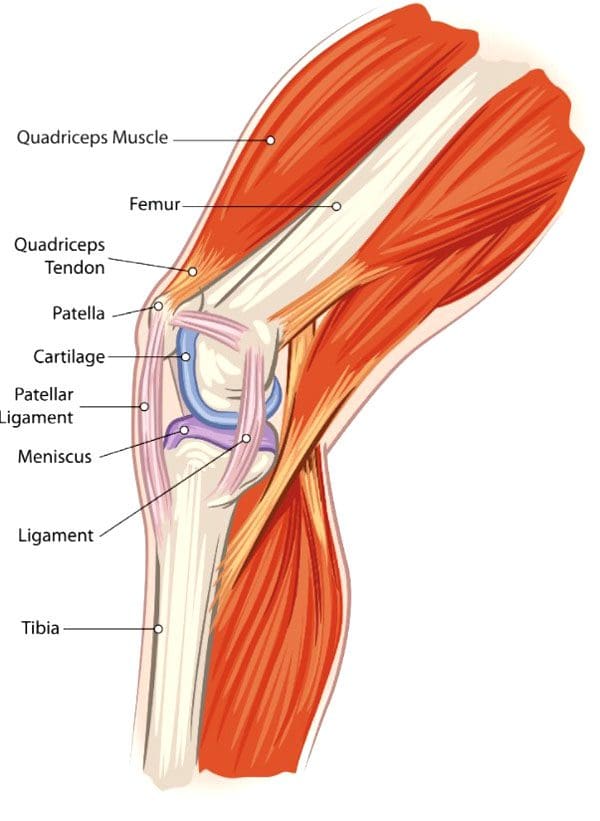
Knee Injuries, Surgeries, and Vitamin D Status. The knee joint is one of the largest and complex joints. It connects the thigh bone to the shinbone, which has a very important role in:
Supporting the body’s weight
Facilitating movement
Allowing the ability to bend the knee
Because of the complexity of the knee joint, it is highly susceptible to injuries. The most common injuries include tears in the:
Ligaments
Tendons
Cartilage
The kneecap itself can be fractured and/or dislocated.
Tears
Meniscal Tears
The meniscus is the cartilage between the knee joint that absorbs the impact/shock when running, playing sports, yard work, hiking, bicycling, etc. It cushions the joint and maintains stability.
Meniscus tears are common in sports that have a lot of jumping, starting/stopping quickly, changing direction suddenly, like volleyball, basketball, tennis, soccer, football. This is when the meniscus tears. Surgery can be required, depending on the severity/extent of the injury and tear.
Tendon Tears
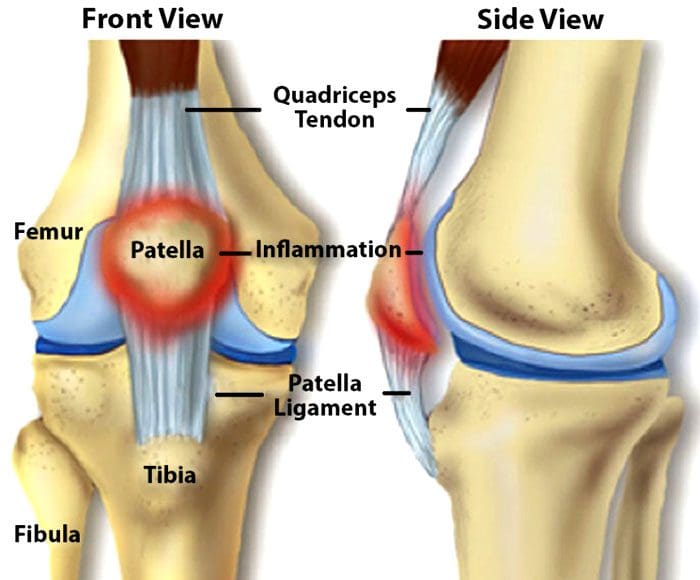
The patellar tendon works with the knee muscles in the front of the thigh to straighten the leg. Tears in the patellar tendon are common among middle-aged individuals and those that participate in running or jumping sports.
A complete tear is considered a disabling injury that requires surgery for full functional recovery.
Fortunately, most tears are partial and require rest and chiropractic/physical therapy to heal.
Dislocation
Knee dislocations happen when the knee bones shift out of position. This can happen after a fall, car crash, or high-speed impact. It can also be caused by twisting the knee while the foot stays planted. Dislocations require relocation. However, sometimes a dislocated kneecap corrects itself and returns to the proper position. Other cases can require a mild sedative to allow a doctor to relocate the knee. Dislocations generally take around six weeks to fully heal.
Anterior Cruciate Ligament – ACL Injury
The anterior cruciate ligament or ACL is knee tissue that joins the upper and lower leg bones and maintains the knees’ stability. The ACL can be torn if the lower leg over-extends forward or if the leg gets twisted. ACL injuries are common knee injuries and account for around 40% of sports-related injuries. These injuries can range from a small tear in the ligament to a severe injury where the ligament tears completely or gets separated from the bone. Treatment depends on the severity of the injury. Depending on various factors including the severity of the tear, surgery could be required.
Knee Surgery
For most cases, surgery is done using arthroscopytechnology. This procedure uses small incisions to insert a camera and surgical instruments into the joint. Usually, two or three incisions are needed with recovery time being quicker than large incision surgery where the whole knee is opened. Minimally invasive arthroscopic surgery is preferred by sports medicine experts. With this procedure:
There is no need to cut the tendons or muscles
Bleeding is reduced
Small incisions decrease scarring
Recovery time is shorter
However, sometimes a large incision is required for complex surgical techniques. Common knee surgery procedures include:
Arthroscopy Surgery
This method allows the ability to see inside the knee joint. The procedure is often recommended for:
Diagnosis
Minor repairs to ligaments and/or tendons
Cartilage or bone that needs to be removed
Total Knee Replacement
A full knee replacement is known as arthroplasty. When the joint is damaged beyond repair from injury or disease, an implant is placed in the knee joint restoring function. A small amount of cartilage and bone from the shinbone and thigh bone gets removed for perfect placement of the new knee joint.
Revision Knee Replacement
Most knee replacements last around 15 – 20 years. For individuals that have knee replacement early, then a new operation for new implants could be required. Here, the surgeon removes the original prosthesis and replaces it with a new one.
Partial Knee Replacement
Some knee injuries do not require complete replacement. Here, only the worn-out portion of the joint is replaced. As an example, the cartilage that has been lost in an area of the knee can be repaired with a partial replacement.
Vitamin D Status
A study on athletes that underwent ACL surgery looked at their vitamin d status and how it affected their recovery.
The research concluded that vitamin D status had no effect on surgery outcomes.
However, those with the lowest vitamin D status had three times the failure rate than those with higher vitamin D
The average age of the individuals was around twenty-four and were healthy athletes.
Each of the patients in this study had their vitamin levels measured before the operation and were grouped based on their vitamin D status:
Group 1 vitamin D below 20 ng/mL – considered deficient
Group 2 vitamin D between 20-30 ng/mL – considered low but in a technical range
Group 3 vitamin D above 30 ng/mL – considered sufficient, but not optimal
All were followed for two years with their surgery recovery being measured with two systems.
The Lysholm score, which is a 100 point scoring system that looks at an individual’s knee functions that include:
Mechanical locking
Instability
Pain
Swelling
Stair climbing
Squatting
The WOMAC score is a scoring system that measures:
After 2 years, the Lysholm score and the WOMAC scores were similar.
However, there was a difference in the graft failure rate which was about 6% in group 1 with the lowest vitamin D and around 2% in groups 2 and 3. This shows that the lowest vitamin D status has three times the failure rate compared with those that had increased vitamin D levels. Vitamin D is a known anti-inflammatory with metabolic functions that are documented. Therefore, vitamin D does improve surgical success and recovery in healthy athletes.
Body Composition
Disclaimer
The information herein is not intended to replace a one-on-one relationship with a qualified health care professional, licensed physician, and is not medical advice. We encourage you to make your own health care decisions based on your research and partnership with a qualified health care professional. Our information scope is limited to chiropractic, musculoskeletal, physical medicines, wellness, sensitive health issues, functional medicine articles, topics, and discussions. We provide and present clinical collaboration with specialists from a wide array of disciplines. Each specialist is governed by their professional scope of practice and their jurisdiction of licensure. We use functional health & wellness protocols to treat and support care for the musculoskeletal system’s injuries or disorders. Our videos, posts, topics, subjects, and insights cover clinical matters, issues, and topics that relate to and support, directly or indirectly, our clinical scope of practice.* Our office has made a reasonable attempt to provide supportive citations and has identified the relevant research study or studies supporting our posts. We provide copies of supporting research studies available to regulatory boards and the public upon request. We understand that we cover matters that require an additional explanation of how it may assist in a particular care plan or treatment protocol; therefore, to further discuss the subject matter above, please feel free to ask Dr. Alex Jimenez or contact us at 915-850-0900.
Dr. Alex Jimenez DC, MSACP, CCST, IFMCP*, CIFM*, CTG*
email: [email protected]
phone: 915-850-0900
Licensed in Texas & New Mexico
References
Brambilla, Lorenzo, et al. “Outcome of total hip and total knee arthroplasty and vitamin D homeostasis.” British medical bulletin vol. 135,1 (2020): 50-61. doi:10.1093/bmb/ldaa018
European Journal of Orthopedic Surgery and Traumatology, January 2021
Zhang, Hao et al. “Vitamin D Status and Patient Outcomes after Knee or Hip Surgery: A Meta-Analysis.” Annals of nutrition & metabolism vol. 73,2 (2018): 121-130. doi:10.1159/000490670
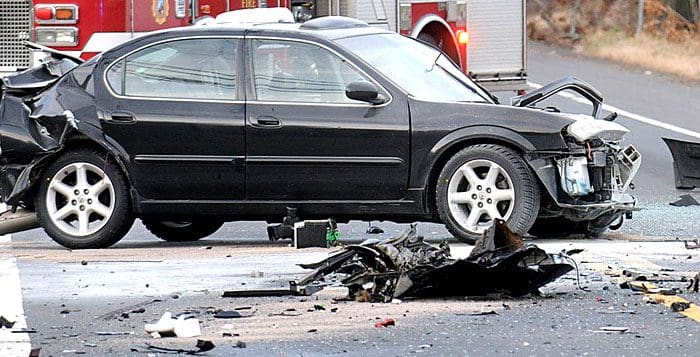
With the number of individuals/vehicles on the road today, automobile accidents are frequent and even minor ones can cause damage. The most obvious is the destruction of the vehicle during and after the collision. But these crashes and accidents also cause serious damage to the body that is not immediately visible or felt. Almost every accident and crash results in injuries to one or more of the individuals involved. Vehicle collisions both great and small involve force being applied as two or more vehicles collide. The direction and amount of force can cause damage to the body from twisting, bending, slamming, and jolting in ways the body was not meant to do. There is a 1 in 5 chance of being involved in an automobile accident that causes bodily injury.
The most frequent injuries include:
Frequent Soft Tissue Injuries
Bruising/Contusions
Even a minor automobile accident can cause bruising. A collision can jerk/jolt the body from the seat belt, while it is doing its job of keeping the individual from flying out the window, it can leave bruises for days afterward. Bruises are rarely serious injuries that require medical attention and usually heal within a week or two.
Whiplash
The physical force from an accident can cause the head to move at speeds that it should not move at. Pain or discomfort in the neck and back after a collision can indicate a sustained whiplash strain to the muscles and ligaments. These strains can be painful and take weeks for a full recovery and if left untreated could result in chronic pain.
Neck and Spinal injuries
The intense force that the body endures from a collision can cause serious damage to the body that is not immediately apparent or present with inflammation/pain letting the individual know that something is not right. Herniations or ruptures of the discs in the spine can occur. This can lead to serious injuries that cause intense pain and limit mobility and flexibility. If pain continues after several days, or there is a history of neck/back injury/s and/or condition/s, consult with an accident chiropractic specialist or spine specialist to see if there is an injury to the spine or surrounding muscles, tendons, and ligaments. Chiropractic treatment and physical therapy are important to return the body to optimal health. Surgery could be an option if there is sustained serious neck or spinal injury.
Frequent Head Injuries
Concussions
During a collision, hitting the head on the steering wheel, window, or roof is frequent and can cause a concussion. Individuals can experience problems with memory, like not remembering what happened before the collision, or feeling like brain function is not as quick. Treatment for any kind of head injury is crucial. Treatment will help alleviate headaches and help restore the brain to a healthy state.
Traumatic Brain Injuries
These injuries can cause life-altering effects. A traumatic brain injury can change:
The way the brain functions
Handles information
Processes emotions
Recovery from a brain injury is possible but can take time, depending on the type and severity of the damage.
Frequent Mental and Emotional Injuries
Post-traumatic Stress Disorder
When the body goes through extreme stress like an automobile accident there is the potential to develop emotional and mental conditions like post-traumatic stress disorder or PTSD. Symptoms can include:
Avoiding or responding fearfully to certain sounds or images that are associated with auto accidents
Sleeping problems brought on by anxiety and/or nightmares
Treatment is vital and psychologists and therapists can help individuals express their feelings, and educate individuals on techniques to deal with stresses, anxieties, and fears to get them to a healthy life.
Internal Injuries
Broken Bones
The impact of a collision can cause the body to hit various areas of the vehicle, stressing the musculoskeletal system that it can’t take. This can occur in a variety of ways, with the torso, arms, or legs getting pinned by a part of the vehicle causing fracture/s. Also, depending on the speed of the collision, the seatbelt could stop the body suddenly causing a fracture of the ribs. Broken bones are frequent in auto accidents/crashes, however, some fractures could require surgery and hardware to reset the bones to allow proper healing. Depending on the type of break, individuals could require a month or more of rest. Chiropractic care and physical therapy could help expedite recovery.
Internal Bleeding
The body’s organs are delicate and fragile. The impact forces from an auto accident can cause all kinds of damage, causing them to bleed. These are serious injuries and are quite common in high-speed collisions.
Auto Accident Doctors & Chiropractic Treatment
Body Positivity
Body positivity is about every individual having a psychological representation of their body or body image. This includes:
How an individual thinks about their body shape
Size
Emotions attached to their perception
Fitness and fashion industries used to promote what the perfect body should look like and those with a body image that did not fit these criteria could develop a sense of inferiority. In response to this, body positivity has become a rapidly growing movement on social media. The movement’s objective is to challenge society to focus on an individual’s overall health, and not their body. It encourages acceptance of all body types, no matter the size or shape. The movement has a companion known as the Healthy at Every Size or HAES movement that focuses on health indicators other than weight. It encourages the focus on developing healthy habits that lead to improved health. HAES involves three components:
Intuitive eating
Encourages body acceptance
Promotes physical activity through movement and health instead of a structured exercise regimen
These movements offer realistic and encouraging ways to recognize and achieve optimal health. They accept body and health at every stage of an individual’s fitness and health journey.
Disclaimer
The information herein is not intended to replace a one-on-one relationship with a qualified health care professional, licensed physician, and is not medical advice. We encourage you to make your own health care decisions based on your research and partnership with a qualified health care professional. Our information scope is limited to chiropractic, musculoskeletal, physical medicines, wellness, sensitive health issues, functional medicine articles, topics, and discussions. We provide and present clinical collaboration with specialists from a wide array of disciplines. Each specialist is governed by their professional scope of practice and their jurisdiction of licensure. We use functional health & wellness protocols to treat and support care for the musculoskeletal system’s injuries or disorders. Our videos, posts, topics, subjects, and insights cover clinical matters, issues, and topics that relate to and support, directly or indirectly, our clinical scope of practice.* Our office has made a reasonable attempt to provide supportive citations and has identified the relevant research study or studies supporting our posts. We provide copies of supporting research studies available to regulatory boards and the public upon request. We understand that we cover matters that require an additional explanation of how it may assist in a particular care plan or treatment protocol; therefore, to further discuss the subject matter above, please feel free to ask Dr. Alex Jimenez or contact us at 915-850-0900.
Dr. Alex Jimenez DC, MSACP, CCST, IFMCP*, CIFM*, CTG*
email: [email protected]
phone: 915-850-0900
Licensed in Texas & New Mexico
References
Duncan, G J, and R Meals. “One hundred years of automobile-induced orthopedic injuries.” Orthopedics vol. 18,2 (1995): 165-70.
Hamilton JB. Seat-belt injuries. Br Med J. 1968 Nov 23;4(5629):485-6. doi: 10.1136/bmj.4.5629.485. PMID: 5697665; PMCID: PMC1912721.
Sims, J K et al. “Automobile accident occupant injuries.” JACEP vol. 5,10 (1976): 796-808. doi:10.1016/s0361-1124(76)80313-9
Chronic pain, depending on the cause, can last up to six months or even longer. Individuals with chronic pain can have physical effects that generate added stress on the body. This includes:
Neurogenic pain comes from nerve damage to the brain or other areas of the body
Psychogenic pain comes from processing errors of pain signals in the brain.
�
�
Common Complaint
Chronic pain is a common complaint nowadays, especially from older individuals. And it is possible for an individual to have more than one chronic pain condition at a time. Some conditions that can cause chronic pain include:
Chronic Fatigue Syndrome
This causes extreme fatigue and pain that comes out of nowhere.
Endometriosis
This is a painful condition in females, where the cells that line the inside of the uterus, instead grow outside.
Fibromyalgia
This causes widespread pain throughout the body. �
�
Inflammatory Bowel Disease
This is a long-term disorder that can cause inflammation in the digestive tract.
Interstitial Cystitis
This causes mild to severe pain in the bladder.
Temporomandibular Joint Dysfunction
This causes severe pain and stiffness in the jaw.
�
Effects: Physical and Mental
Long-term pain can severely affect work, everyday activities, and social life. It’s common for individuals to have problems with sleep, appetite, concentration, and mobility. These individuals are more likely to be depressed, anxious, and irritable. Chronic pain increases the risk of anxiety and mood disorders. �
�
Chronic pain syndrome is both physical and mental
Around twenty-five percent of individuals with chronic pain will continue with a condition known as chronic pain syndrome. Emotional effects that accompany chronic pain often include depression, anger, anxiety, and a fear of re-injury. This type of fear can limit an individual’s ability to return to regular work and activities.
Experts believe that there is a problem with the nerve/s system and glands used to handle stress. This makes them feel pain differently. Other experts believe that chronic pain syndrome is a learned response. This is because when in pain, individuals have a tendency to repeat bad behaviors even after the pain is gone or has reduced.
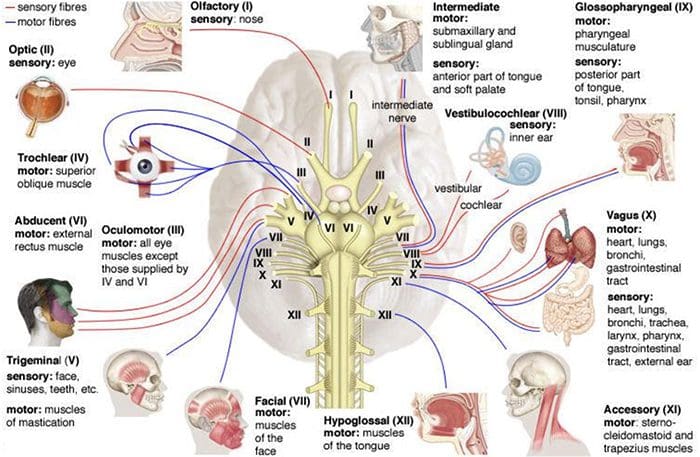
Research suggests that psychological problems on their own are not behind chronic pain syndrome. It appears to be linked to abnormalities between specific glands including the hypothalamus, pituitary, adrenal glands, and the nervous system. The abnormalities control reactions to stress, injury, and trauma. This could explain why people experience pain differently. Understanding chronic pain means understanding the anatomy of the nervous system, which is highly complex. Through the nerves, the nervous system transmits messages to and from the brain. �
�
It can affect people of all ages and sexes, but it’s most common in women. Interference in an individuals’ daily life can take a tremendous toll. Chronic pain syndrome can be challenging to treat, but it is possible.
Optimally, this will be a combination of treatments like psychological counseling for anxiety, depression, etc. Physical therapy combined with chiropractic treatments to realign the spine and work out tight and tense muscles, joints, ligaments and keep them loose, along with relaxation techniques will help relieve the pain and the other symptoms.
The scope of our information is limited to chiropractic, musculoskeletal, physical medicines, wellness, and sensitive health issues and/or functional medicine articles, topics, and discussions. We use functional health & wellness protocols to treat and support care for injuries or disorders of the musculoskeletal system. Our posts, topics, subjects, and insights cover clinical matters, issues, and topics that relate and support directly or indirectly our clinical scope of practice.*
Our office has made a reasonable attempt to provide supportive citations and has identified the relevant research study or studies supporting our posts. We also make copies of supporting research studies available to the board and or the public upon request. We understand that we cover matters that require an additional explanation as to how it may assist in a particular care plan or treatment protocol; therefore, to further discuss the subject matter above, please feel free to ask Dr. Alex Jimenez or contact us at 915-850-0900. The provider(s) Licensed in Texas& New Mexico*
IFM's Find A Practitioner tool is the largest referral network in Functional Medicine, created to help patients locate Functional Medicine practitioners anywhere in the world. IFM Certified Practitioners are listed first in the search results, given their extensive education in Functional Medicine