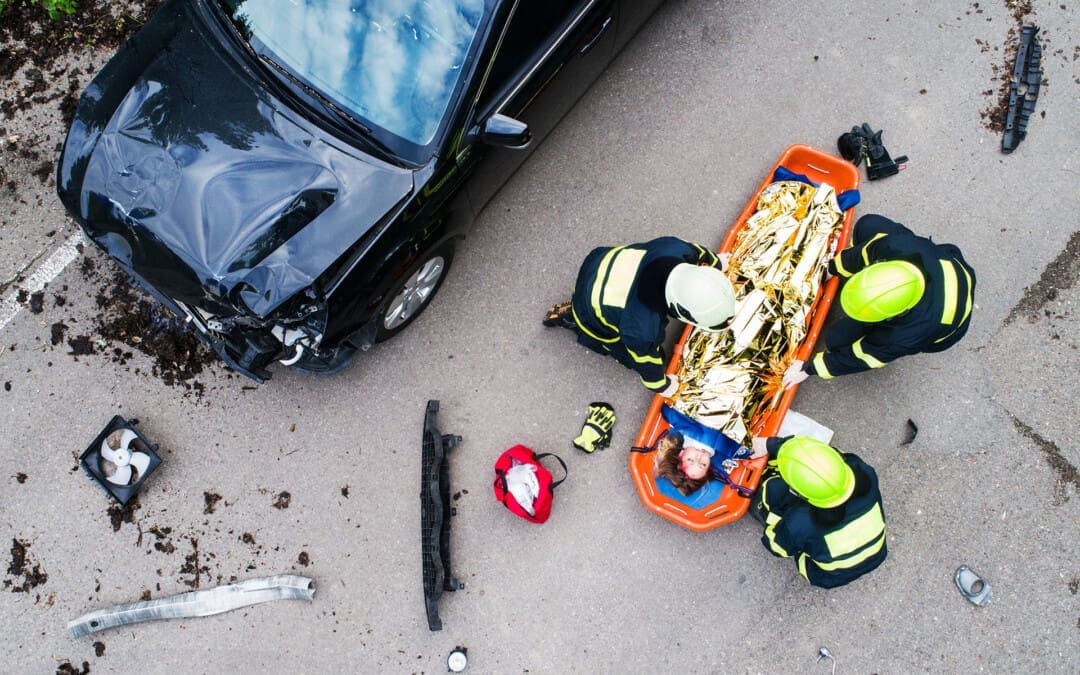
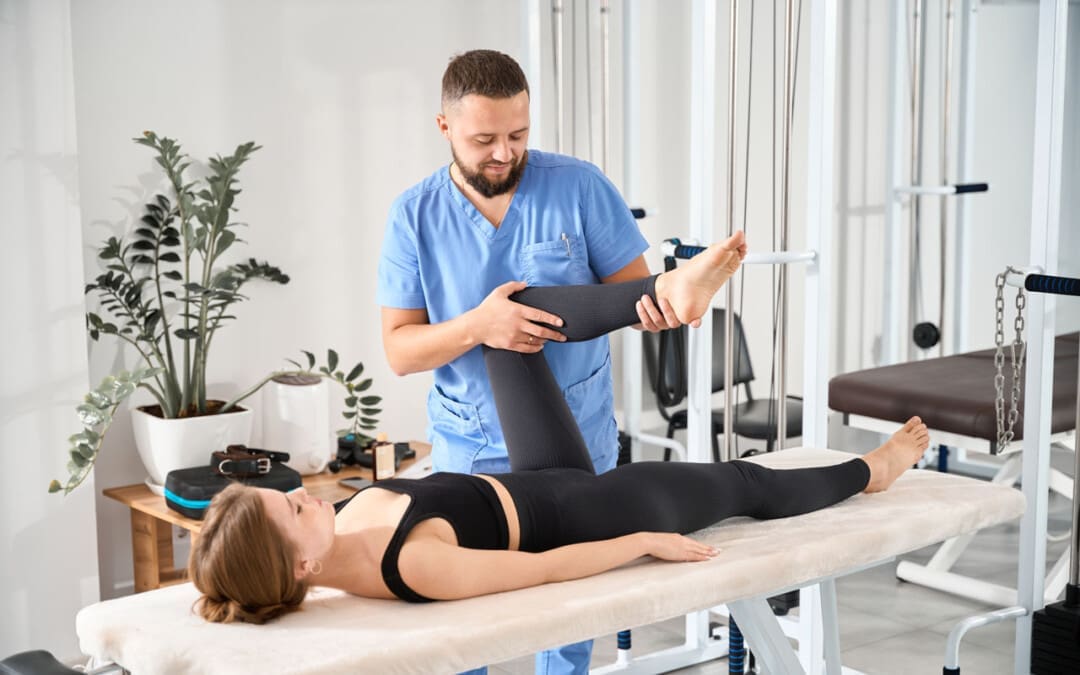
What are the advantages of having a team of nurse practitioners and chiropractors help maintain the health of your spine after a car accident?
Benefits of Chiropractic and Nurse Practitioners for Motor Vehicle Collisions
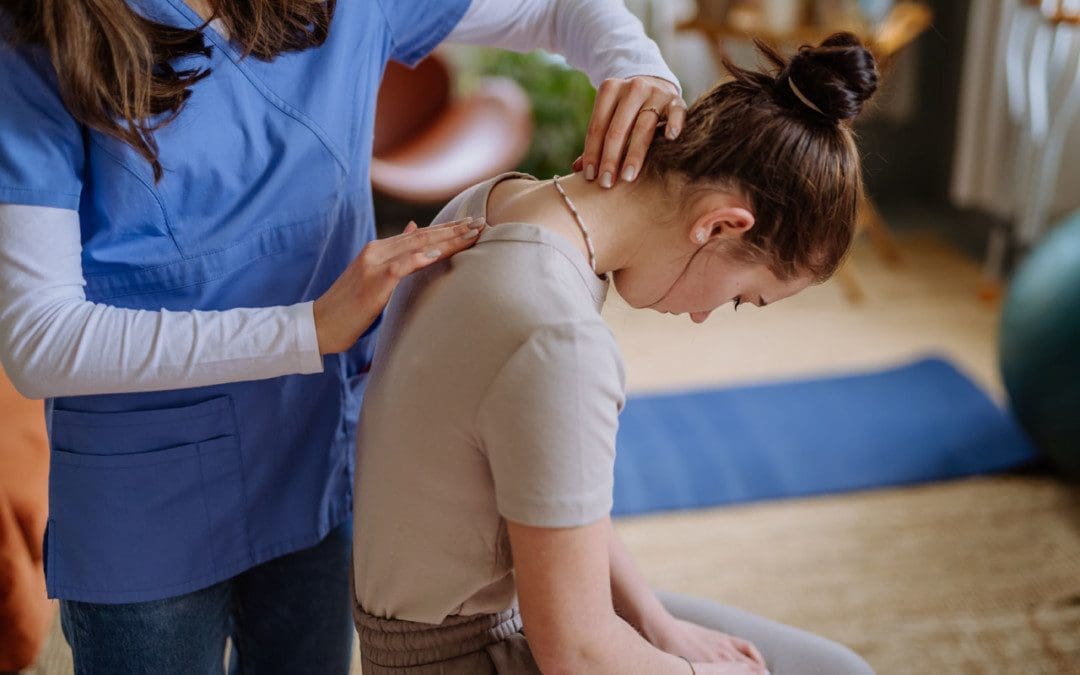
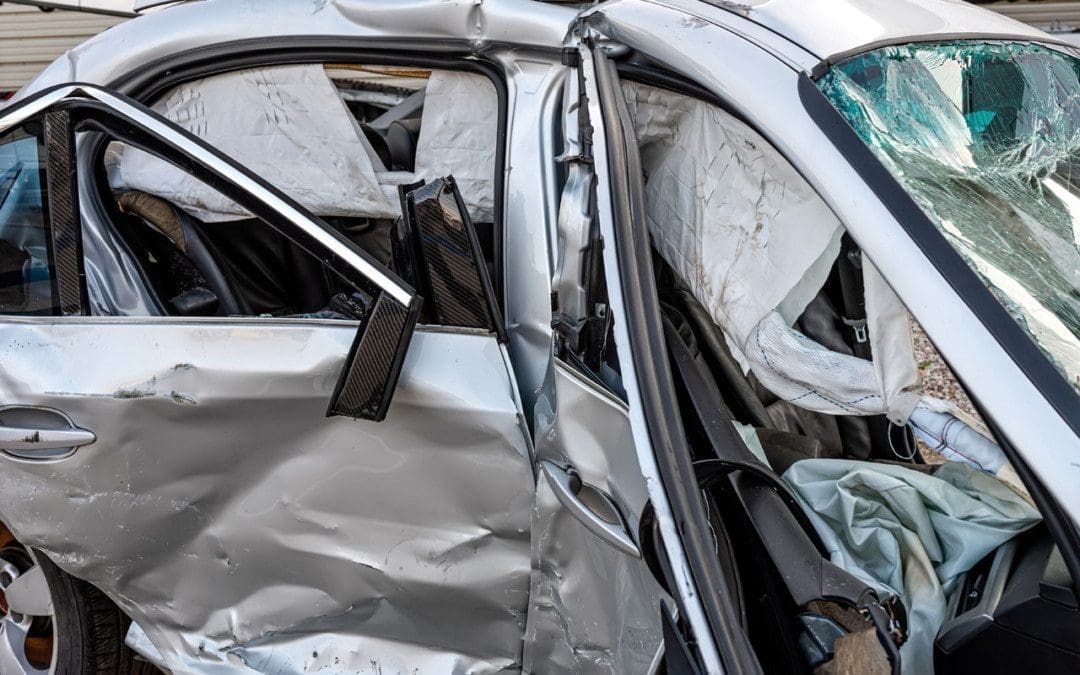
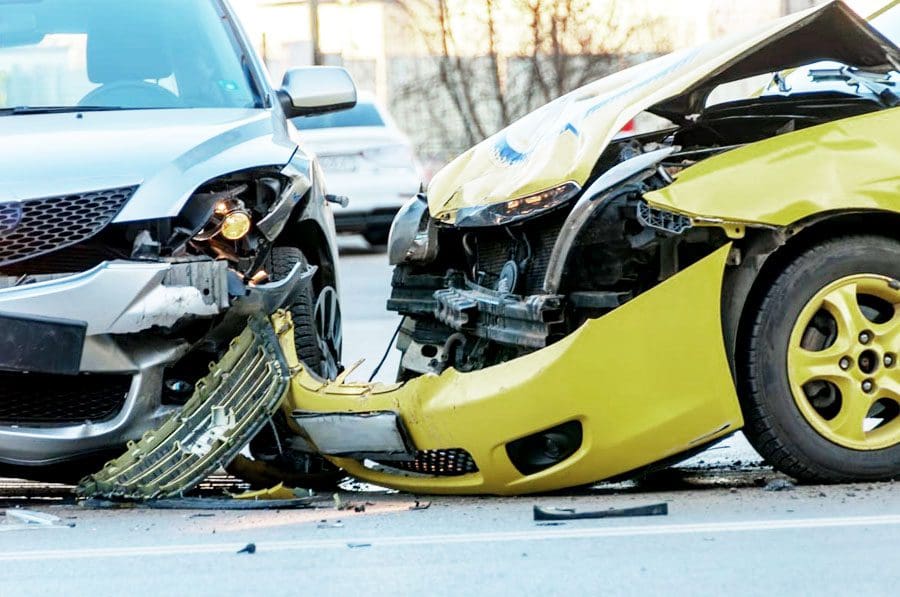
One of the main causes of spinal injuries, such as whiplash, herniated discs, and soft tissue injury, which can cause severe pain and impair movement, is motor vehicle collisions (MVCs). For both short-term symptoms and long-term rehabilitation, these injuries frequently necessitate a multimodal therapy strategy. While nurse practitioners, as advanced practice registered nurses, conduct medical evaluations, write prescriptions, and oversee overall health management, chiropractors focus on musculoskeletal care, including spine adjustments and manual therapies. These professionals’ collaboration aims to provide a comprehensive, patient-centered strategy for spine health following MVC. (Kent, R., et al., 2023)
For those recuperating from auto accident injuries, a chiropractic and nurse practitioner team can offer thorough spinal health care with an emphasis on pain management and increased mobility.
A chiropractic and nurse practitioner team can offer a comprehensive approach to spinal health after a car accident by addressing pain, improving mobility, and facilitating faster recovery.
Chiropractors focus on spinal alignment and joint mobility.
Nurse practitioners provide broader medical oversight and patient education.
The team approach can lead to more effective and personalized care for individuals recovering from car accident injuries. (Riva, J. J., et al., 2010)
Key advantages of this collaborative approach
A chiropractor and nurse practitioner (NP) therapy team can combine their skills to provide comprehensive care for spine health following a motor vehicle collision (MVC) and address acute and long-term requirements.
Care that is multidisciplinary and holistic
Collaboration between chiropractors and NPs to address structural and systemic issues enhances treatment outcomes, particularly for spine injuries related to motor vehicle collisions (MVC), as well as for chronic headaches and neck discomfort. (Riva, J. J., et al., 2010)
Plans for Treatment That Are Unique to You
Chiropractors and NPs create personalized patient treatment plans, focusing on their specific injuries and overall health, including pre-existing conditions and medication needs. This approach enhances outcomes by tailoring care to the patient’s unique circumstances.
Managing Pain Without Relying Too Much on Drugs
By using non-invasive methods to alleviate pain, chiropractic therapy may help reduce the use of opioids. NPs can prescribe short-term pain relief and monitor side effects, ensuring safe use and reducing dependency risks. Natural pain management combined with medical supervision lessens dependence and side effects. (Prater, C., Tepe, M., & Battaglia, P. 2020)
Quicker Recuperation and Rehabilitation
As demonstrated in the treatment of auto accidents, chiropractic adjustments can lessen muscle spasms and restore joint function. By referring patients to physical therapy and tracking their progress, NPs can hasten recovery and reduce the likelihood of developing persistent back pain. This integrated therapy not only reduces chronic back pain and other long-term problems, but it also accelerates healing.
Help with Insurance and the Law
Chiropractic and medical providers must carefully record injuries and treatments for insurance claims or legal cases after an MVC to ensure just reimbursement and coverage for care.
Why It Works After MVC
Following a motor vehicle collision (MVC), a chiropractor and nurse practitioner team offers a patient-centered approach to spine health. This team enhances recovery, lowers chronic risks, and improves patient outcomes by fusing NP’s medical management with chiropractic knowledge. This method ensures rapid alleviation and long-term health, especially helpful for complex spine injuries due to MVC.
Injury, Chiropractic, and Functional Medicine Clinic
Dr. Jimenez, a nurse practitioner, uses medical knowledge and chiropractic care to treat various conditions. The clinic provides tailored care programs incorporating functional medicine, acupuncture, electroacupuncture, and sports medicine. The clinic focuses on strength, agility, and flexibility for treating chronic pain syndromes and injuries. Patients of all ages and abilities benefit from comprehensive care plans and in-person and virtual health coaching, ensuring tailored treatment and wellness outcomes.
Personal Injury Rehabilitation
References
Kent, R., Cormier, J., McMurry, T. L., Johan Ivarsson, B., Funk, J., Hartka, T., & Sochor, M. (2023). Spinal injury rates and specific causation in motor vehicle collisions. Accident; analysis and prevention, 186, 107047. https://doi.org/10.1016/j.aap.2023.107047
Riva, J. J., Muller, G. D., Hornich, A. A., Mior, S. A., Gupta, A., & Burnie, S. J. (2010). Chiropractors and collaborative care: An overview illustrated with a case report. The Journal of the Canadian Chiropractic Association, 54(3), 147–154.
Prater, C., Tepe, M., & Battaglia, P. (2020). Integrating a Multidisciplinary Pain Team and Chiropractic Care in a Community Health Center: An Observational Study of Managing Chronic Spinal Pain. Journal of primary care & community health, 11, 2150132720953680. https://doi.org/10.1177/2150132720953680
Can learning about comminuted fracture symptoms and repair help individuals and healthcare providers develop effective treatment and rehabilitation programs?
Comminuted Fractures
A comminuted fracture is a severe break in which the bone splits into at least three pieces. Comminuted fractures typically happen in the long bones like those in the arms and legs. But they can also happen in other places, including the ribs. (Corinne Tarantino, 2022) They are usually caused by intense impact, like an automobile collision/accident or a severe fall. Depending on the location of the fracture, recovery from a comminuted fracture can take months and often involves:
Surgery – A surgeon will place screws and rods to hold the pieces of the bone in position. Sometimes, the hardware is left in permanently. (American Academy of Orthopaedic Surgeons, 2021)
Wearing a cast for several months.
Physical therapy.
Types
In these types of fractures, the bone is completely broken, not just cracked. The break is a highly comminuted fracture if the bone is broken into four or more pieces. (Corinne Tarantino, 2022)
Symptoms
The symptoms are the same as those of other broken bones, but they can be more intense because the bone is broken in multiple areas, which means there may also be more soft tissue injuries than with a simple fracture. Broken bone symptoms include: (MedlinePlus, 2024)
Persistent pain
Swelling
Bruising
Deformity – the bone looks out of place or is at an odd angle.
Tingling
Numbness
Difficulty moving the limb.
Causes
An intense force causes a comminuted fracture, often a car accident or a hard fall, but it can also result from sports injuries. (Corinne Tarantino, 2022)
Diagnosis
A comminuted fracture is diagnosed by X-ray, which shows where the bone has broken and how many pieces it has split into (MedlinePlus, 2024). Healthcare providers will diagnose any broken bones but also look for other injuries.
Treatment
Typically, broken bones can be treated with casts, braces, or a boot to keep them immobilized. (MedlinePlus, 2024) Because comminuted fractures are more severe, they often need other treatments, including surgery. Sometimes, the bone can be reset instead of surgery using a closed reduction technique, where the healthcare provider resets the bone manually. Surgery may be recommended if that’s not possible or doesn’t work.
Types of Surgery
Surgery allows the healthcare provider to correctly position all the pieces of the bone to heal in a strong, stable formation. The two types commonly used to treat comminuted fractures are: (American Academy of Orthopaedic Surgeons, 2021)
External Fixation
This surgery uses rods and screws outside the body to stabilize the bone.
This external frame is placed during surgery and later removed.
Open Reduction Internal Fixation – ORIF
During this surgery, the bone is stabilized with metal plates, screws, rods, and/or wires placed inside your body.
Sometimes, these are permanent, but in other cases, they are removed later.
An orthopedic surgeon performs these surgeries.
Casting
After surgery, a cast is usually needed to prevent the bone from moving and allow healing. Typically, the cast is worn for six to eight weeks, but it may need to be worn longer with comminuted fractures. Some need a cast for several months (American Academy of Orthopaedic Surgeons, 2021). Sometimes, those with an external fixation must continue wearing a cast after removing the pins and rods, giving the bone more time to stabilize. The healthcare provider will inform the patient how long the cast will need to be worn and which sports activities should be avoided even after the cast comes off.
Physical Therapy
The healthcare provider may recommend physical therapy to help treat the fracture. Usually, when the cast is removed, physical therapy is activated to help rebuild strength and range of motion. (Corinne Tarantino, 2022)
Prognosis
Although these fractures are severe, they are treatable. The prognosis is good for individuals who follow their healthcare provider’s treatment plan. Most don’t have lingering pain after the initial injury and can eventually return to regular activities. (American Academy of Orthopaedic Surgeons, 2021)
Recovery
Healing a comminuted fracture can take months. During that time, it’s helpful to focus on tasks that can be accomplished, like new hobbies that don’t involve physical injury. Talk to the healthcare provider about any problems with the cast or ongoing pain and what to expect during recovery.
Injury Medical Chiropractic and Functional Medicine Clinic works with primary healthcare providers and specialists to develop an optimal health and wellness solution through an integrated approach to treating injuries and chronic pain syndromes, improving flexibility, mobility, and agility programs to relieve pain and help individuals return to normal. Our providers create personalized care plans for each patient. If other treatments are needed, Dr. Jimenez has teamed up with top surgeons, clinical specialists, medical researchers, and rehabilitation providers to provide the most effective treatments.
The Path to Healing Personal Injury
References
Corinne Tarantino, MPH. Osmosis. (2022). Comminuted Fracture: What is it, Examples and More. https://www.osmosis.org/answers/comminuted-fracture
Throckmorton T.W. American Academy of Orthopaedic Surgeons. (2021). Fractures (broken bones). https://orthoinfo.aaos.org/en/diseases–conditions/fractures-broken-bones/
MedlinePlus. National Library of Medicine. (2024). Fractures Also called: Broken bone. Retrieved from https://medlineplus.gov/fractures.html
Can knowing treatment options for a dislocated hip help individuals expedite rehabilitation and recovery?
Dislocated Hip
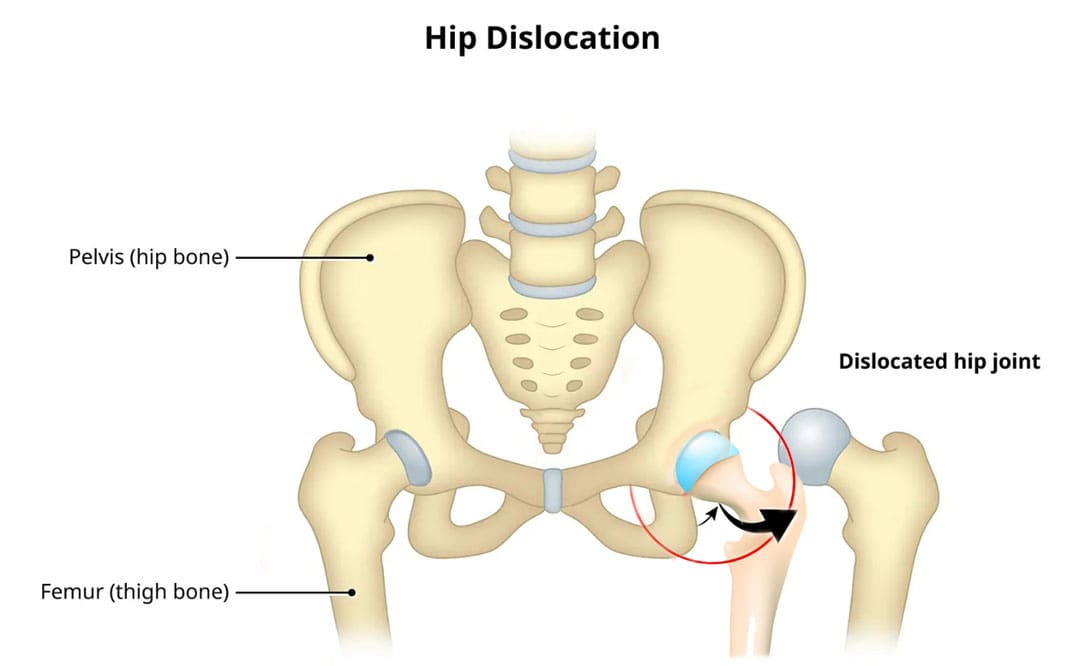
A dislocated hip is an uncommon injury but can happen due to trauma or following hip replacement surgery. It usually occurs after severe trauma, including motor vehicle collisions, falls, and sometimes sports injuries. (Caylyne Arnold et al., 2017) A dislocated hip can also occur after hip replacement surgery. Other injuries like ligament tears, cartilage damage, and bone fractures can occur alongside the dislocation. Most hip dislocations are treated with a joint reduction procedure that resets the ball into the socket. It is usually done with sedation or general anesthesia. Rehabilitation takes time and could be a few months before full recovery. Physical therapy can help restore motion and strength in the hip.
What Is It?
If the hip is only partially dislocated, it’s called a hip subluxation. When this happens, the hip joint head only partially emerges from the socket. A dislocated hip is when the head or ball of the joint shifts or pops out of the socket. Because an artificial hip differs from a normal hip joint, the risk of dislocation increases after joint replacement. A study found that around 2% of individuals who undergo total hip replacement will experience hip dislocation within a year, with the cumulative risk increasing by approximately 1% over five years. (Jens Dargel et al., 2014) However, new technological prosthetics and surgical techniques are making this less common.
Hip Anatomy
The hip ball-and-socket joint is called the femoroacetabular joint.
The socket is called the acetabulum.
The ball is called the femoral head.
The bony anatomy and strong ligaments, muscles, and tendons help to create a stable joint. Significant force must be applied to the joint for a hip dislocation to occur. Some individuals report feeling a snapping sensation of the hip. This usually is not a hip dislocation but indicates a different disorder known as snapping hip syndrome. (Paul Walker et al., 2021)
Posterior Hip Dislocation
Around 90% of hip dislocations are posterior.
In this type, the ball is pushed backward from the socket.
A hip dislocation increases the risk of developing joint arthritis following the injury and can raise the risk of needing a hip replacement later in life. (Hsuan-Hsiao Ma et al., 2020)
Developmental Dislocation of the Hip
Some children are born with developmental dislocation of the hip or DDH.
Children with DDH have hip joints that did not form correctly during development.
This causes a loose fit in the socket.
In some cases, the hip joint is completely dislocated.
Joint reduction is the most common way to treat a dislocated hip. The procedure repositions the ball back into the socket and is usually done with sedation or under general anesthesia. Repositioning a hip requires significant force. A hip dislocation is considered an emergency, and reduction should be performed immediately after the dislocation to prevent permanent complications and invasive treatment. (Caylyne Arnold et al., 2017)
Once the ball is back in the socket, the healthcare provider will look for bone, cartilage, and ligament injuries.
Depending on what the healthcare provider finds, further treatment may be necessary.
Fractured or broken bones may need to be repaired to keep the ball within the socket.
Damaged cartilage may have to be removed.
Surgery
Surgery could be necessary to return the joint to its normal position. Hip arthroscopy can minimize the invasiveness of certain procedures. A surgeon inserts a microscopic camera into the hip joint to help the surgeon repair the injury using instruments inserted through other small incisions.
Hip replacement surgery replaces the ball and socket, a common and successful orthopedic surgical procedure. This surgery may be performed for various reasons, including trauma or arthritis, as it is common to develop early arthritis of the hip after this type of trauma. This is why many who have a dislocation ultimately need hip replacement surgery. As a major surgical procedure, it is not without risks. Possible complications include:
Infection
Aseptic loosening (the loosening of the joint without infection)
Hip dislocation
Recovery
Recovering from a hip dislocation is a long process. Individuals will need to walk with crutches or other devices early in recovery. Physical therapy will improve the range of motion and strengthen the muscles around the hip. Recovery time will depend on whether other injuries, such as fractures or tears, are present. If the hip joint was reduced and there were no other injuries, it may take six to ten weeks to recover to the point where weight can be placed on the leg. It could be between two and three months for a full recovery. Keeping weight off the leg is important until the surgeon or physical therapist gives the all-clear. Injury Medical Chiropractic and Functional Medicine Clinic will work with an individual’s primary healthcare provider and other surgeons or specialists to develop an optimal personalized treatment plan.
Chiropractic Solutions for Osteoarthritis
References
Arnold, C., Fayos, Z., Bruner, D., Arnold, D., Gupta, N., & Nusbaum, J. (2017). Managing dislocations of the hip, knee, and ankle in the emergency department [digest]. Emergency medicine practice, 19(12 Suppl Points & Pearls), 1–2.
Dargel, J., Oppermann, J., Brüggemann, G. P., & Eysel, P. (2014). Dislocation following total hip replacement. Deutsches Arzteblatt international, 111(51-52), 884–890. https://doi.org/10.3238/arztebl.2014.0884
Walker, P., Ellis, E., Scofield, J., Kongchum, T., Sherman, W. F., & Kaye, A. D. (2021). Snapping Hip Syndrome: A Comprehensive Update. Orthopedic reviews, 13(2), 25088. https://doi.org/10.52965/001c.25088
Cornwall, R., & Radomisli, T. E. (2000). Nerve injury in traumatic dislocation of the hip. Clinical orthopaedics and related research, (377), 84–91. https://doi.org/10.1097/00003086-200008000-00012
American Academy of Orthopaedic Surgeons. (2021). Hip dislocation. https://orthoinfo.aaos.org/en/diseases–conditions/hip-dislocation
Kellam, P., & Ostrum, R. F. (2016). Systematic Review and Meta-Analysis of Avascular Necrosis and Posttraumatic Arthritis After Traumatic Hip Dislocation. Journal of orthopaedic trauma, 30(1), 10–16. https://doi.org/10.1097/BOT.0000000000000419
Ma, H. H., Huang, C. C., Pai, F. Y., Chang, M. C., Chen, W. M., & Huang, T. F. (2020). Long-term results in the patients with traumatic hip fracture-dislocation: Important prognostic factors. Journal of the Chinese Medical Association : JCMA, 83(7), 686–689. https://doi.org/10.1097/JCMA.0000000000000366
American Academy of Orthopaedic Surgeons. (2022). Developmental dislocation (dysplasia) of the hip (DDH). https://orthoinfo.aaos.org/en/diseases–conditions/developmental-dislocation-dysplasia-of-the-hip-ddh/
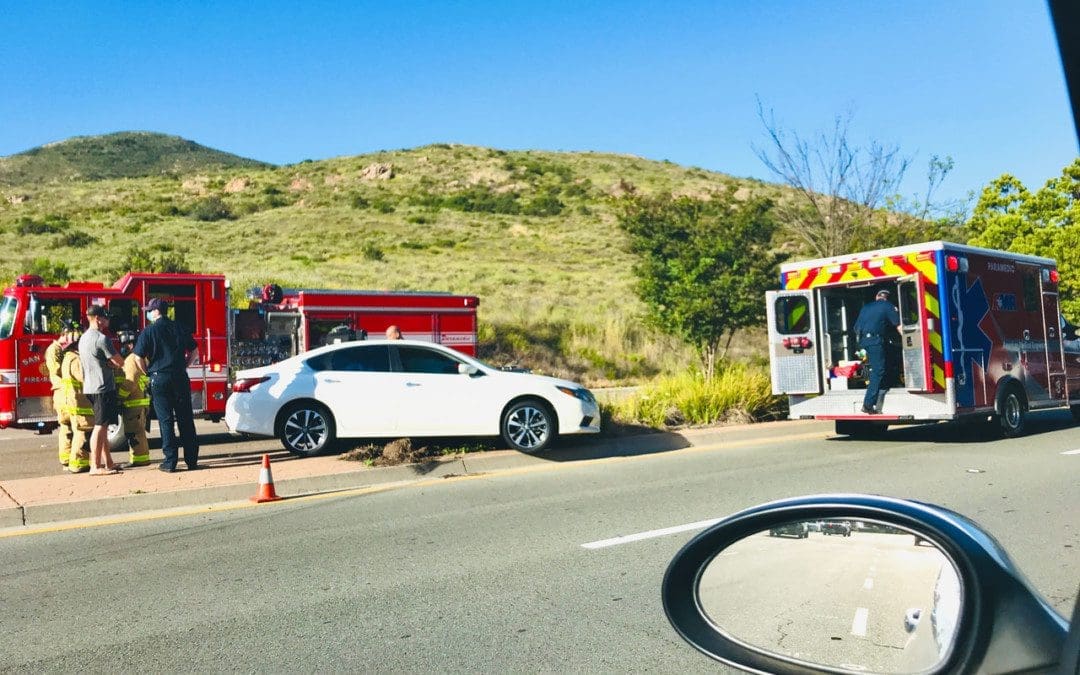
Automobile accidents and collisions can cause knee and ankle injuries in various ways. Automobile crashes are considered high-energy collisions versus slip and fall traumas which are generally low-energy. However, a 30mph or under-collision can have serious and detrimental effects on the knees and ankles. The sudden forces can cause the knees to collide with the dashboard or push the feet and legs into the body, generating intense pressure and compressing the bones, muscles, and ligaments damaging soft tissues and bone structures from the impact. The Injury Medical Chiropractic and Functional Medicine Clinic Team can rehabilitate, realign, strengthen, and restore function to individuals with minor to severe auto collision injuries.
Knee and Ankle Injuries
Musculoskeletal motor vehicle crash/collision injuries affect the body’s movement. The impact can pull, tear, crush, and smash bones, muscles, tendons, ligaments, discs, and nerves. These injuries restrict the range of motion and can cause pain and sensation symptoms. The National Accident Sampling System reports 33% of injuries sustained during vehicle collisions are to the lower extremities.
Despite the knees and ankles having soft tissues that absorb and distribute the energy’s impact, the forces from the collision often happen instantly and unexpectedly, causing the individual to tense up, which overwhelms the structures.
Even panic stepping on the brake pedal can cause injury to the ankle and foot.
A passenger’s reflex of trying to resist forces can experience foot, ankle, and knee injuries from bracing off the vehicle’s floorboard.
Automobile collisions can cause strains, sprains, fractures, and dislocations.
Torn, Strained, or Sprained Knee
If the foot becomes planted on the floorboard while the body continues to move forward or sideways, the force can travel into the knee, causing twisting or shearing.
Depending on the injury type, the impact strength can damage different ligaments.
The ligaments resist forces that push the knee inwards/medially and outwards/laterally and slightly resist rotational forces.
When any of these ligaments are damaged, swelling, pain, and limited ranges of motion can result.
Putting weight on the affected leg can be difficult.
In some cases, the ligaments tear completely, necessitating surgical repair.
Once the individual can engage in mild activity, they can begin a rehabilitation program to restore function.
Recovery times vary based on the location and severity of the injury.
Fractured Knee or Ankle
When a fracture occurs in a joint, like the knees or ankles, surgical procedures may be necessary to repair the broken bone/s.
Broken bones can result in simultaneous damage and/or inflammation of the connective tissues that can cause the muscles to contract/tighten or atrophy during the recovery and healing phases.
Joints and bones are kept healthy with moderate movement and weight-bearing.
Fractures require immobilization of the affected area.
A physical therapy rehabilitation program can begin when the brace or cast comes off.
Targeted exercises and resistance will strengthen and stretch the joint to improve flexibility and promote healing through improved circulation.
Torn Meniscus
The meniscus is a C-shaped area of cartilage that rests between the thigh and shin bones.
It acts as a shock absorber.
The meniscus can become torn, resulting in pain, stiffness, and loss of motion.
This injury can heal independently with the right rest and therapeutic exercises.
A chiropractic auto collision specialist can diagnose the severity of the tear and provide the recommendations needed to rehabilitate and strengthen the knee.
If the tear is severe enough, surgery may be required.
Strained or Sprained Ankle
Strained tendons and sprained ligaments can result from the ankle being subject to tremendous force.
Strains and sprains vary in severity.
Both indicate that the connective tissue has been damaged or stretched beyond normal limits.
They can present with pain, inflammation, and problems moving the affected area.
With proper medical attention and rehabilitation, recovery is possible.
Torn Achilles Tendon
The Achilles tendon connects the calf muscle to the heel and is necessary for walking, running, physical activity, and bearing weight.
If the tendon gets torn, surgery will be required to reattach the muscle and tendon.
After recovery, the individual can begin physical therapy to work the tendon and muscle, slowly building strength and range of motion.
It is critical to do this with the supervision of an expert in musculoskeletal rehabilitation to avoid re-injury or developing new injuries.
Chiropractic Treatment
Any musculoskeletal motor vehicle injuries can result in intense pain that worsens with activity, inflammation, swelling, redness, and/or heat in the affected area. This is why correctly diagnosing the injury is essential if the condition is to be properly and thoroughly treated. A physical examination will vary based on the individual’s state and can include:
Strength assessment
Range of motion
Reflexes
Other variables to determine the underlying issues.
Diagnostic imaging such as X-rays, MRIs, and CT scans can help identify and clarify injuries’ extent, nature, and location and rule out problems.
A qualified healthcare professional will combine the data with medical history to develop an accurate diagnosis. Our ability to effectively treat accident individuals is based on applying clinical expertise in musculoskeletal diagnosis and care. Our medical team takes a practical approach to help individuals quickly heal from musculoskeletal injuries using the latest treatments possible. When you meet with one of our professionals, you will feel relaxed and confident that you have come to the right place.
From Injury To Recovery
References
Dischinger, P C et al. “Consequences and costs of lower extremity injuries.” Annual proceedings. Association for the Advancement of Automotive Medicine vol. 48 (2004): 339-53.
Fildes, B et al. “Lower limb injuries to passenger car occupants.” Accident; analysis and prevention vol. 29,6 (1997): 785-91. doi:10.1016/s0001-4575(97)00047-x
Gane, Elise M et al. “The impact of musculoskeletal injuries sustained in road traffic crashes on work-related outcomes: a protocol for a systematic review.” Systematic reviews vol. 7,1 202. 20 Nov. 2018, doi:10.1186/s13643-018-0869-4
Hardin, E C et al. “Foot and ankle forces during an automobile collision: the influence of muscles.” Journal of biomechanics vol. 37,5 (2004): 637-44. doi:10.1016/j.jbiomech.2003.09.030
Li, Wen-Wei, and Cheng-Chang Lu. “Knee deformity following a motor vehicle accident.” Emergency medicine journal: EMJ vol. 38,6 (2021): 449-473. doi:10.1136/emermed-2020-210054
M, Asgari, and Keyvanian Sh S. “Crash Injury Analysis of Knee Joint Considering Pedestrian Safety.” Journal of biomedical physics & Engineering vol. 9,5 569-578. 1 Oct. 2019, doi:10.31661/jbpe.v0i0.424
Torry, Michael R et al. “Relationship of knee shear force and extensor moment on knee translations in females performing drop landings: a biplane fluoroscopy study.” Clinical biomechanics (Bristol, Avon) vol. 26,10 (2011): 1019-24. doi:10.1016/j.clinbiomech.2011.06.010
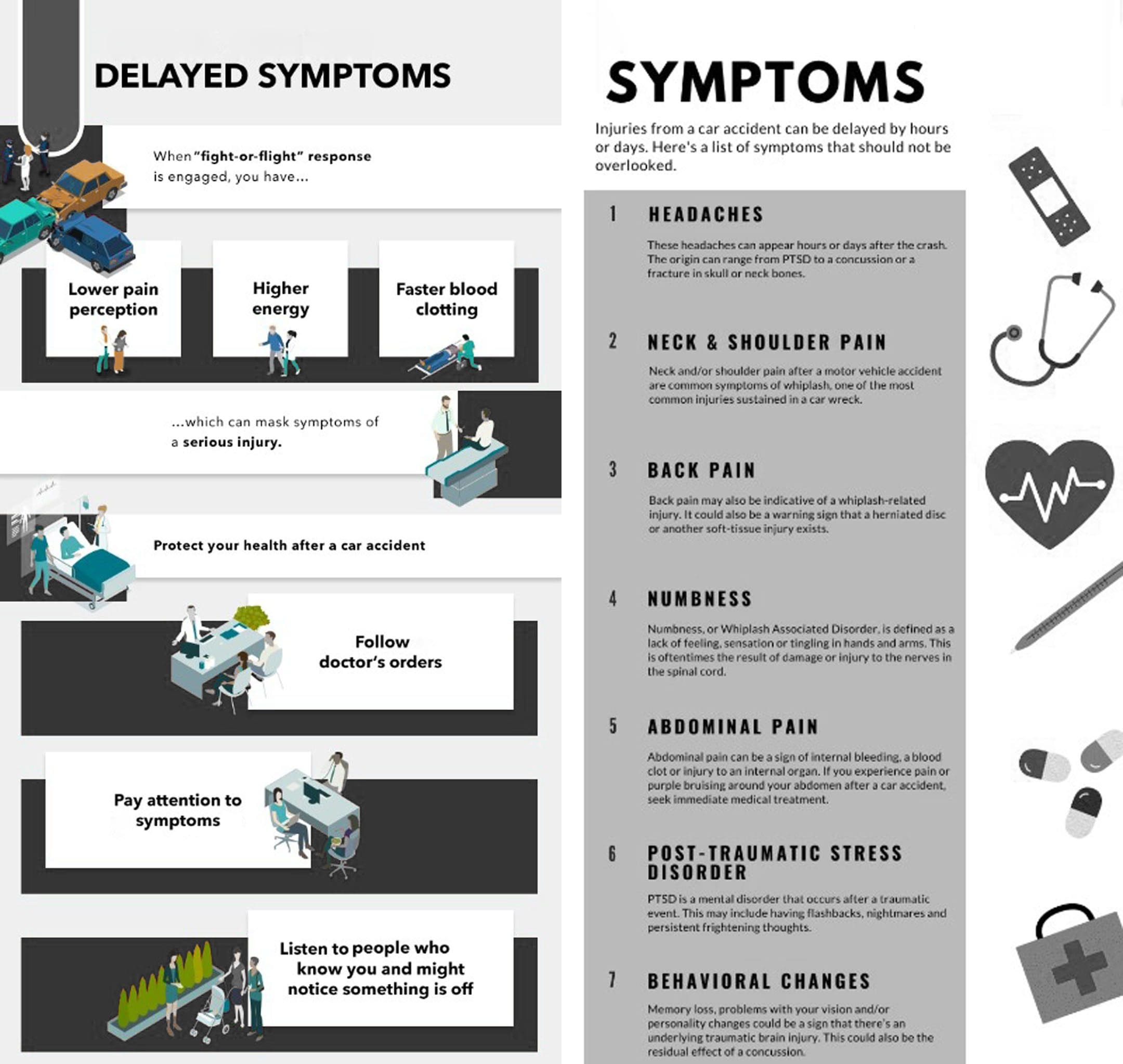
Automobile accidents are emotionally and physically traumatic events. After an accident, individuals assume that they are okay if they don’t have any broken bones or gashing cuts. However, even minor accidents can lead to significant damage, but the individual doesn’t know it. An invisible/delayed injury is any injury that is not immediately obvious or is not experienced by the individual until hours, days, or weeks later. The most common are soft tissue injuries, back injuries, whiplash, concussions, and internal bleeding. This is why it is imperative to see a doctor or chiropractic accident specialist as soon as possible after an accident.
Invisible Injuries Auto Accidents
The body goes into a fight or flight mode in a vehicle accident. That means a massive adrenaline surge makes anything happening to the body go unnoticed and unfelt. The individual does not feel pain and discomfort symptoms until later or much later.
Soft Tissue
A soft tissue injury affects muscles, tendons, ligaments, and body parts other than bone.
Even at low speeds, accidents, and collisions generate a significant force on the body.
Drivers and passengers often come to a sudden stop along with the vehicle or get thrown around.
This places intense stress on joints and other areas of the body.
Whiplash
The most common invisible soft-tissue injury is whiplash.
Where the neck muscles are suddenly and forcefully thrown forward and then back, causing the muscles and ligaments to stretch beyond their normal range of motion.
The injury typically results in pain, swelling, reduced mobility, and headaches.
Symptoms may not present right away.
Left untreated, whiplash can lead to long-term chronic pain.
Head Injuries
Head injuries are another common invisible injury.
Even if the head did not hit/impact anything, the force and momentum can cause the brain to collide with the inside of the skull.
This can lead to a concussion or even more serious brain injuries.
Concussion
A concussion is a traumatic brain injury. Individuals can have a concussion without losing consciousness, depending on the accident’s severity. Symptoms may be delayed or not experienced, but delayed treatment can lead to a longer recovery. Symptoms can include:
Fatigue.
Headache.
Confusion.
Inability to remember the accident.
Nausea.
Ringing in the ears.
Dizziness.
Back Muscles or Spine Injuries
Back muscles and spinal cord injuries are invisible injuries that can happen after an automobile accident. Signs of a back injury include:
The back muscles can be strained due to the impact and tension build-up.
Sore muscles or pain may not present until a day or two later.
Body stiffness.
Reduced mobility.
Muscle spasms.
Trouble walking, standing, or sitting.
Headaches.
Numbness and tingling.
Injuries to the spine, even serious ones, may not be apparent immediately.
The impact can cause the spine to shift out of alignment profoundly.
Swelling and bleeding in or around the spinal cord can cause numbness or paralysis that can gradually progress.
This invisible injury can have long-term consequences, including paralysis.
Chiropractic Care
Chiropractic is an effective treatment for neuromusculoskeletal injuries. The chiropractor will assess the damage and its severity to determine the best treatment for the individual. It relieves pain and discomfort symptoms, loosens and relaxes the muscles, and restores alignment, mobility, and a full range of motion. Chiropractic uses several tools and techniques to restore the spine and body balance. Results include:
Barach, P, and E Richter. “Injury prevention.” The New England Journal of Medicine vol. 338,2 (1998): 132-3; author reply 133. doi:10.1056/NEJM199801083380215
Binder, Allan I. “Neck pain.” BMJ clinical evidence vol. 2008 1103. 4 Aug. 2008
Duncan, G J, and R Meals. “One hundred years of automobile-induced orthopedic injuries.” Orthopedics vol. 18,2 (1995): 165-70. doi:10.3928/0147-7447-19950201-15
“Motor Vehicle Safety.” Annals of emergency medicine vol. 68,1 (2016): 146-7. doi:10.1016/j.annemergmed.2016.04.045
Sims, J K et al. “Automobile accident occupant injuries.” JACEP vol. 5,10 (1976): 796-808. doi:10.1016/s0361-1124(76)80313-9
Vassiliou, Timon, et al. “Physical therapy and active exercises–an adequate treatment for prevention of late whiplash syndrome? Randomized controlled trial in 200 patients.” Pain vol. 124,1-2 (2006): 69-76. doi:10.1016/j.pain.2006.03.017
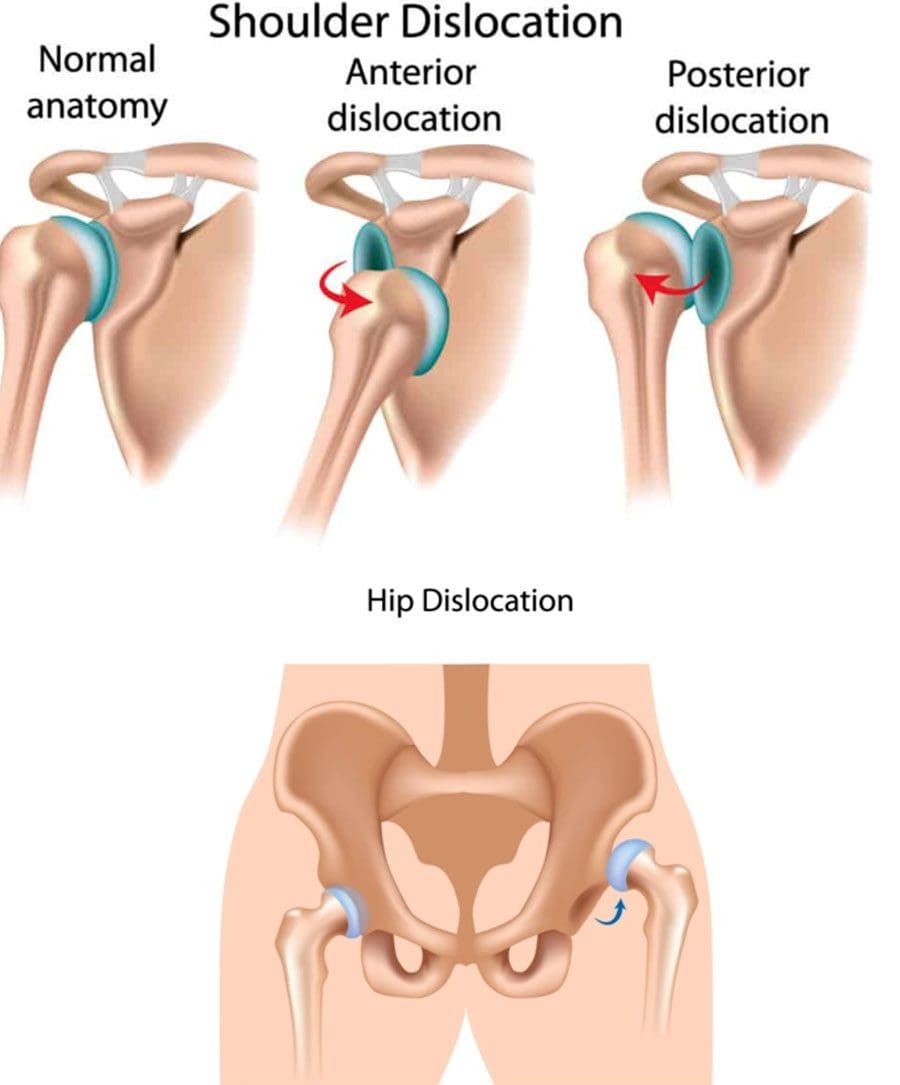
Dislocations impact the joint and are injuries that force/knock the bones out of position. Dislocations can be caused by a motor vehicle collision, falls, sports trauma, or weakened muscles and tendons. However, less impact/force is needed to dislocate smaller joints. Dislocations commonly occur at the shoulders, ankles, knees, hips, elbows, fingers and toes, and the jaw. The experience causes swelling, inability to move, and pain. A joint dislocation chiropractor can manipulate, reset, rehabilitate and strengthen the affected area and rebalance the body.
Joint Dislocation
The region where two or more bones come together is a joint. Each has a primary function, but their functions overlap. The joints allow the bones to move/articulate the skeletal system. Maintaining the body’s balance requires mobility and stability.
Mobility is the ability to move the body without restriction.
Stability is maintaining equilibrium, healthy posture, and support during movement.
The stable joints do not dislocate easily because their structures are not as flexible.
Mobile joints are at an increased risk, as they can move in almost any direction.
The kinetic chain is a sequence of joints forming an alternating pattern of stability and mobility that create a solid platform for dynamic movement. However, any joint can become dislocated, causing the affected area to become unsteady or immobile, strain or tear the surrounding muscles, nerves, and tendons which are the tissues that connect the bones to a joint.
A joint can be partially dislocated/subluxation or fully dislocated.
Joints dislocated previously have an increased risk of re-dislocating because the surrounding tissues that hold the joint have been torn or overly stretched.
Symptoms
Symptoms vary depending on the severity and location of the injury. Common symptoms include:
Instability
Loss of ability to move
Swelling
Bruising
Pain
Visible deformation
Increased Risk
Various factors can lead to joint dislocation, including:
Weakness of the supporting ligaments and muscles from natural wear and tear/age or lack of physical conditioning.
Older individuals with poor balance are more vulnerable to falls that can knock joints out of place.
Young children developing have more elastic supporting ligaments and are prone to falls, collisions, and other injuries.
Previous dislocations with overstretched or torn supporting tissues.
Repeated dislocations are likely to follow the shoulder, knee, and hip.
Physical activities like extreme sports, contact sports, or sports that involve quick body shifts, twists, and turns on the feet.
Physically demanding job.
Operating heavy machinery/equipment.
Joint hypermobility is common in children and around 5% of adults. It can be caused by weak or loose ligaments, weak or loose muscles, and/or shallow joint sockets.
Joint Dislocation Chiropractic
Treatment will vary based on the severity of the injury and the dislocated joint. Depending on the location and severity, a chiropractor will perform different movements/manipulations to realign the joint and strengthen the area.
Significant force could be necessary to pull the bones apart to realign them back into their proper position.
The joint may need to be pulled out and rotated slightly before being put back.
The focus is on increasing ligament strength.
Once the joint is back in place, it may need to remain immobile, possibly using a sling or splint to help fully heal the injury.
Physical therapy exercises will be recommended to strengthen the muscles and ligaments around the joint to support it optimally.
Shoulder Pain Chiropractic
References
Dizdarevic, Ismar, et al. “Epidemiology of Elbow Dislocations in High School Athletes.” The American journal of sports medicine vol. 44,1 (2016): 202-8. doi:10.1177/0363546515610527
Hodge, Duncan K, and Marc R Safran. “Sideline management of common dislocations.” Current sports medicine reports vol. 1,3 (2002): 149-55. doi:10.1249/00149619-200206000-00005
Prechel, Ulla et al. “The Treatment of Temporomandibular Joint Dislocation.” Deutsches Arzteblatt international vol. 115,5 (2018): 59-64. doi:10.3238/arztebl.2018.0059
Skelley, Nathan W et al. “In-game Management of Common Joint Dislocations.” Sports health vol. 6,3 (2014): 246-55. doi:10.1177/1941738113499721
T-bone accidents/collisions, also known as side-impact or broadside collisions where the front end of one car slams into the side of another, can result in severe injuries and tend to have a more devastating effect on the body. Side impact collisions account for 24% of driver or passenger deaths; even at 30 mph, side-impacts regularly cause injuries to the occupants of the struck car. Modern vehicles have many safety features, including safety belt features, airbags, and collision avoidance systems that protect drivers and passengers from front and rear collisions; however, when it comes to side-impact, occupants tend to remain unprotected.
T-Bone Side Collision Causes
T-bone accidents usually happen at intersections. Usual Causes of T-bone accidents involve someone failing to yield the right of way. The most common causes include:
A driver makes a risky left turn at an intersection, believing the other car/s will stop.
A driver decides to run a red light crashing into a vehicle making a left turn.
A driver runs through a stop sign, slams into a vehicle, or gets slammed.
Back injuries can damage the spinal cord causing herniated discs, sciatica, and chronic pain that can radiate to the rest of the body.
Treatment and Recovery
Individuals have different recovery times and depend on the severity of the injury and on any pre-existing conditions. Brain injuries and spinal issues can take months to recover fully. Fractures placed in a hard or soft cast to heal for weeks or months can lead to muscle atrophy. Chiropractic therapeutic massage and decompression strengthens muscle weakness, resets and realigns the spinal column, improves range of motion/movement, strengthens grip, and relieves pain.
Neurosurgeon Explains DRX9000
References
Gierczycka, Donata, and Duane Cronin. “Importance of impact boundary conditions and pre-crash arm position for the prediction of thoracic response to pendulum, side sled, and near side vehicle impacts.” Computer methods in biomechanics and biomedical engineering vol. 24,14 (2021): 1531-1544. doi:10.1080/10255842.2021.1900132
Hu, JunMei, et al. “Chronic widespread pain after motor vehicle collision typically occurs through immediate development and nonrecovery: results of an emergency department-based cohort study.” Pain vol. 157,2 (2016): 438-444. doi:10.1097/j.pain.0000000000000388
Lidbe, Abhay, et al. “Do NHTSA vehicle safety ratings affect side impact crash outcomes?.” Journal of safety research vol. 73 (2020): 1-7. doi:10.1016/j.jsr.2020.02.001
Mikhail, J N. “Side impact motor vehicular crashes: patterns of injury.” International journal of trauma nursing vol. 1,3 (1995): 64-9. doi:10.1016/s1075-4210(05)80041-0
Shaw, Greg et al. “Side impact PMHS thoracic response with a large-volume airbag.” Traffic injury prevention vol. 15,1 (2014): 40-7. doi:10.1080/15389588.2013.792109
IFM's Find A Practitioner tool is the largest referral network in Functional Medicine, created to help patients locate Functional Medicine practitioners anywhere in the world. IFM Certified Practitioners are listed first in the search results, given their extensive education in Functional Medicine