Having the right attitude about weight loss can go a long way in being successful. Being overweight contributes to poor health, sleep problems, increased risk for disease/s, and back pain. Weight problems can result from:
Eating the wrong food/s
Limited or no regular physical activity/exercise
Stress eating
Age
Genetics
These can all be overcome by setting sensible goals and realistic expectations. The first step is to discuss weight loss and general health with your healthcare provider. A doctor, health coach, or fitness chiropractor can help develop a fully customized weight loss treatment plan along with exercise, diet, and lifestyle changes/adjustments. Weight loss plans can include:
Surgical modification of the digestive system if necessary
A realistic properly developed and safe weight loss plan has a greater rate of success. If your doctor isn't quite sure which is the best approach, they could reference a health coach, weight loss, or metabolic specialist. Assessing one's body weight is now a more involved process than just stepping on a scale. The assessment usually involves measuring the Body Mass Index or BMI, waist circumference, and medical history. This information is analyzed to determine if there are any risks due to excess weight like high blood pressure, diabetes, heart disease, and cancer.
Nutrition Feeding The Body
A weight-loss treatment program does require a reduction in calories. An optimal treatment plan means changing/adjusting lifestyle bad habits and turning them into good/positive habits. This can include nutritional education, relearning to eat, manage stress, and adapting.
It is important to feed the body the proper nutrients it needs to maintain optimum health. No one food has all these essential nutrients. Therefore, it takes a combination of a variety of foods to help meet the body's needs. If an individual has been overweight or obese for an extended amount of time, the body could be starving for these vital nutrients.
Nutrients
Sources
Functions
Proteins
Meat, Fish, Poultry, Eggs, Dairy, Legumes, Nuts
Formation of muscles, bone, blood, enzymes, specific hormones, cell membranes, tissue repair, regulates water/acid-base balance
Carbohydrates
Grains, Fruits, Vegetables
Supplies energy to brain cells, nervous system, blood, and muscles during physical activity and exercise
Fats
Meat, Fish, Poultry, Supplements
Supplies energy, insulates/cushions organs, helps in vitamin absorption
Vitamins
Fruits, Vegetables, Grains, Meat, Dairy
Promotes chemical reactions in the body's cells
Minerals
Contained in most food groups
Regulates body functions, assists with growth, a catalyst for energy release
Water
Water, Liquids, Fruits, Vegetables
Medium for transporting chemicals, assists in chemical reactions, regulates temperature, removes waste, accounts for 50-70% of body weight
Types of Fats
Fats are essential in absorbingfat-solublevitamins A, D, E, and K.
Saturated Fat is known to increase blood cholesterol levels. This type of fat is found primarily in meat and dairy products. For example butter.
Polyunsaturated Fathas been shown to lower blood cholesterol levels. It is found in plant sources like cottonseed, corn, safflower, sunflower, and soybean.
Monounsaturated Fat has been shown to lower thelow-density cholesterol or LDL, which is unhealthy cholesterol. It can be found in avocados, olive, canola, and peanut oil.
A healthy diet should not exceed 30% of fat per day. An easy way to cut back is to:
Go for lean cuts of meat
Trim the visible fat
Remove the skin from poultry
Select water-packed tuna
Choose dairy products made from skim or low-fat milk
Eating and Losing Weight Recommendations
These recommendations could be redundant, but it is a start.
Drink at least eight glasses of water every day. This does not include tea, coffee or other beverages
Eat only when hungry
Stop when full
Eat and chew slowly - It takes 20 minutes for the stomach to tell the brain the body is full
Select foods that take a lot of chewing, which will satisfy the body with less food
Drinking a warm beverage with a meal helps promote the feeling of fullness and satisfaction
Serve food on a smaller plate - This fools the eyes, fooling the brain into believing that the meal is the same amount
Have a piece of fruit or a small fruit smoothie in between meals to keep hunger in check
Keep the kitchen stocked with healthy ready to eat snacks
It's the small thorough steps that add up to achieve goals
Physical Activity Benefits
Healthy food combined with healthy eating habits and regular physical activity can help weight loss goals be met. Building and preserving muscle mass helps the body burn calories. Plus it decreases the risk of:
The scope of our information is limited to chiropractic, musculoskeletal, physical medicines, wellness, and sensitive health issues and/or functional medicine articles, topics, and discussions. We use functional health & wellness protocols to treat and support care for injuries or disorders of the musculoskeletal system. Our posts, topics, subjects, and insights cover clinical matters, issues, and topics that relate and support directly or indirectly our clinical scope of practice.*
Our office has made a reasonable attempt to provide supportive citations and has identified the relevant research study or studies supporting our posts. We also make copies of supporting research studies available to the board and or the public upon request. We understand that we cover matters that require an additional explanation as to how it may assist in a particular care plan or treatment protocol; therefore, to further discuss the subject matter above, please feel free to ask Dr. Alex Jimenez or contact us at 915-850-0900. The provider(s) Licensed in Texas& New Mexico*
A February 2020 study explored the relationship between low back pain and menopause. Hormones and vitamin D play a role. Vitamin D deficiency is related to increased lower back pain and degenerative disc disease in postmenopausal women. Decreasing estrogen levels can also drop levels of vitamin D, which can be downright painful if left unaddressed.
Menopause:
Hot flashes
Mood swings
Sleep issues
Libido changes
A drop in�estrogen levels can cause these symptoms.
Degenerative Disc Disease
In between the vertebra are fibrous discs that are the shock absorbers for the spine. These discs also support and stabilize the spine, which allows you to move freely pain-free. The health of the spine is a vital part of well-being and provides the ability to bend, lift, twist, and perform normal activities without pain.
With the passage of time, the discs start to dry out and lose their flexibility and elasticity. When the discs dry out, known as desiccation is a natural process that happens as we age and does not always cause pain symptoms. The discs become thinner and less able to absorb shock that can lead to pain and stiff movement. The loss of elasticity and height in the discs is known as degenerative disc disease.
Stenosis/Compression
With degenerative disc disease, sometimes the body tries to compensate for the loss of stability by producing more bone to stabilize the spine.
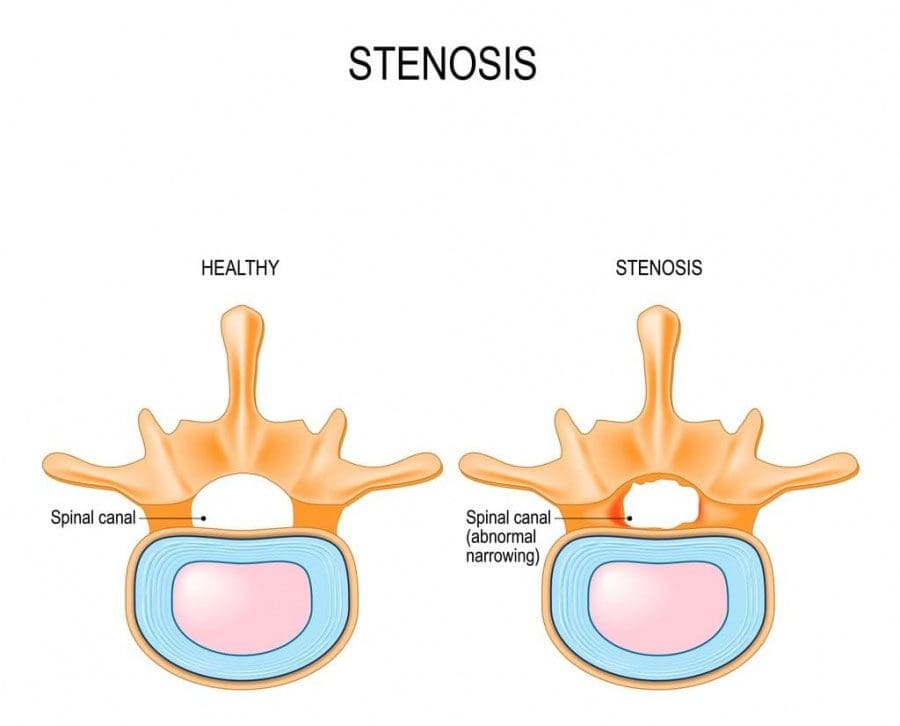
This causes bone growth/s, called bone spurs or osteophytes. These can crowd the spinal canal, which is a condition called stenosis.
Stenosis places pressure on the nerve roots that branch off the spinal cord.
The symptoms of this compression can present with:
Pins and needles sensations
Muscle spasms
Decreased sensation to touch
Weakness and pain in the back or that radiate down the arms or legs.
Treatments for degenerative disc disease include physical therapies and surgery. Most cases are treatable without surgery by utilizing physical therapy, occupational therapy, strength/flexibility exercises, injections, and supplements. Surgery could be considered to make more room in the spinal canal, relieve nerve compression, and reduce pain.
Vitamin D and Bone Health
Vitamin D has multiple functions in the body. It’s produced by the body when exposed to sunlight and is also found in certain foods and supplements. One function of vitamin D involves bone health support. The body needs vitamin D to absorb calcium and phosphorus, which are essential for bone production. Calcium is stored inside the bones.
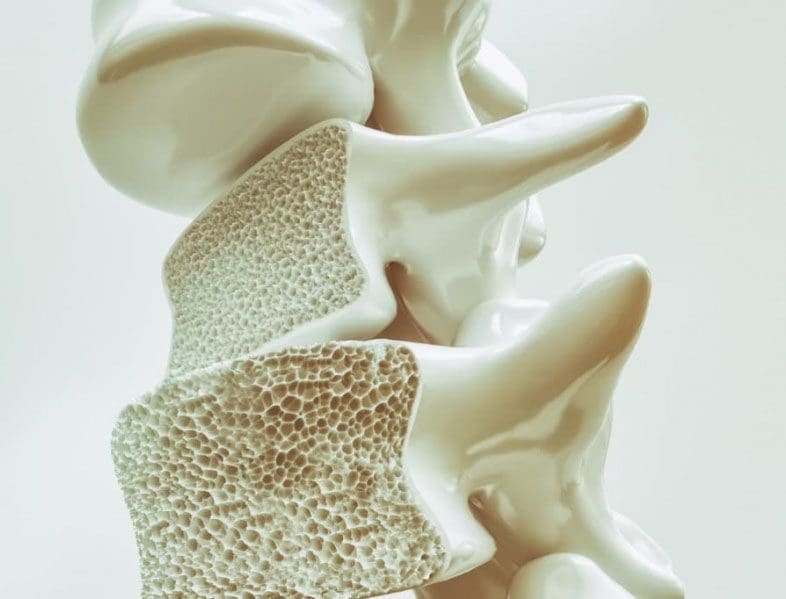
When there is a deficiency in calcium, the body breaks down the bone/s and takes/pulls the calcium back into the blood. Inadequate vitamin D means the body is not able to absorb enough calcium and cannot prevent the bones from being broken down. Vitamin D deficiency at an early age can cause low bone density along with diseases like rickets, osteopenia, and osteoporosis. Osteoporosis is a condition where the bone gradually weakens and breaks easily.
It can cause vertebral compression fractures, where the vertebrae crack because the bone tissue is not strong enough to support the body�s weight and resist gravity.
Two causes of osteoporosis are nutritional deficiencies and hormonal imbalances, like low estrogen production after menopause. Proper vitamin D/calcium intake is essential for preventing and reducing bone loss that can lead to these conditions and increased lower back pain.
Estrogen and Bone/Spine Health
Estrogen plays a role in male and female bone health. Cells called osteoblasts help in the production of bone are highly active. Estrogen helps slow the breakdown of bones and promotes bone growth. A drop in estrogen over time compromises the health of bones. Individuals with chronic hormone imbalances and postmenopausal women are frequently affected by bone disease/s and the loss of bone density over time.�Studies reveal the risk of developing osteoporosis is higher in postmenopausal women.
Estrogen helps maintain tissues that contain collagen, which is found in intervertebral discs. Lower estrogen levels following menopause have shown to lead to more severe lumbar disc degeneration and increased lower back pain in women when compared to men. This demonstrates the importance of monitoring changes in lower back pain for women after menopause.
Vitamin D and the Spinal Discs
The relationship between increased low back pain in postmenopausal women and vitamin D deficiency is real. Supplements can help correct these deficiencies, can help reduce low back pain and promote bone health.
Postmenopausal women are especially at risk for vitamin D deficiency. Vitamin D and calcium supplements can be used in combination.The bone/s breakdown is stopped, while the bone tissue is strengthened thus reducing back pain. Low back pain brought on by degenerative disc disease is pretty much present in patients over age 65.
These health concerns can be helped through:
Vitamin supplementation
Exercise
Healthy diet
Slowing down bone loss can be achieved with strategies that range from diet change to prescription medication.
Keeping hormones in balance can be a tough challenge. There are many individuals with hormonal imbalances and they don’t even know it. Despite�tests for abnormal thyroid function, they don’t always acknowledge a thyroid that isn�t functioning properly. The same can be said for the adrenals. When they are overtaxed, the imbalance that follows can be quite challenging. There are top-quality natural remedies for hormonal imbalance.
How to tell
Under-producing glands will have some symptoms that are different from glands that are over-producing. But there are some symptoms that are shared across the board.
If you notice that you experience several of these symptoms, it could point to a hormonal imbalance:
Weight loss or gain without doing anything new/different
A chiropractor, naturopath, or specialist can help you determine if you have a hormonal imbalance. Medical doctors often prescribe medications, but in most cases, the imbalance can be corrected with a natural treatment. These treatments are highly beneficial in treating hormonal imbalances. They can be done separately or combined.
Herbs & Oils
There are several herbs and essential oils that work wonders when it comes to balancing hormones. Ashwagandha is at the top of the list for treating overactive or sluggish thyroid as well as overtaxed adrenals. It’s available as a tablet, capsule, in powder form, or as a liquid. Mixing � to � teaspoons of powder into some milk with honey and drinking it just before bed can help sleep, calm stress and balance the hormones. Various oils like clary sage, lavender, and sandalwood help reduce stress and promote wellbeing. Hormonal balance comes as a natural result. Put 3 to 5 drops in a diffuser and breathe in.
Nutritional Balance
Hormonal imbalance can often be the result of stress, whether emotional stress from everyday life or physical stress from poor habits like not getting the proper amount of sleep and not maintaining a proper diet. Omega 3 and 6 fatty acids are vital for heart health, vibrant skin and hormonal balance.
Other nutrients include vitamin D, B complex, and magnesium. If not getting enough in the foods you eat, then consider supplements. Give the body a great boost by taking probiotics and reaping the healing properties of bone broth. Bone broth is available in powder or liquid or you can make your own. There is intense nutrition in broth so incorporating it into your diet is a very wise decision.
Natural Balance
Chiropractic is a powerful treatment for hormonal imbalance. It focuses on the heart of factors that cause the body to go out of balance and treats the problem at the root. It can relieve stress in the body and reduce and eliminate pain, which can contribute to hormonal imbalances. It is considered one of the best natural treatments for hormonal imbalance because it brings the body back into balance.
The whole-body approach that chiropractic offers means that you get recommendations on:
Healthy diet
Exercise
Lifestyle changes
All of these work together to balance your body and balance hormones for a healthier, happier you.
In today’s busy world individuals need a little help when it comes to letting go of bad/negative behaviors and adopting/embracing positive behaviors to sustain optimal health and lifestyle. This is where a health coach�comes in.
More adults in the United States have a chronic disease and around thirty percent have two or more.
Many healthcare professionals do not know how to counsel patients on healthy living and, if they do, the information is limited to very basic knowledge like exercise and eat healthily. With this type of info and not a lot of enthusiasm, patients are not going to listen or make lasting changes.
Many providers do not listen to what’s going on and just tell patients what to do, instead of discussing the best options they have for their health. People being told what to do are not likely to listen or act upon the recommendations.
A health coach creates a custom getting healthy plan with you that fits your life, gets you going, sets up a strategy for the challenges and sees you through! This is what a health coach does.
Health coaching Involves
Communication
Motivation
Continued Support
This allows individuals to make meaningful behavior changes that will last forever.
Coaching centers on:
Thorough conversation
Listening
Clinical Intervention
Strategies
These are aimed to actively engage patients in positive behavior change.
Health coaches take on patients wherever they are in their health. An individual can be healthy and just want some advice to individuals that are extremely unhealthy with weight issues, chronic illness, disease or all of the above.
The point is to help individuals learn self-management techniques. The coach teaches, motivates and strategizes with the individual to make educated/informed decisions that will turn into regular healthy habits.
Coaching comes in the form of:
Setting�goals that are achievable�
A Patient’s Values
Strengths
Motivation
Encouraging the patient
This is how healthy attitudes and behaviors are developed.
The Health Journey Begins
The patient’s health history is taken into account. Then the coach asks:
Where they want to be in their health
What Values they hold close
What Goals they have in mind
The plan is Created
Progress is Tracked
Challenges are met
The long-term plan is Created
Patients oftentimes do not know where they are from a health perspective and might not be sure how to explain. This is where health coaches and their training can breakdown any questions/issues a patient may have.
A health coach will look at where a patient is healthwise based on:
Emotional factors
Environmental factors
Financial factors
Psychological factors
Physical factors
Recreational factors
Spiritual factors
Social factors
This health inventory is for the patient to reflect on where they are in their health and where they want to be.
Patients are welcome and encouraged to ask questions about the plan, make changes, reset goals, etc.
Motivating the Patient
Motivation can come in various forms. As people learn in various ways, so too are the motivational strategies to get patients to exercise the positive behavior outlined in their treatment plan. Some ways coaches motivate are:
They collaborate with patients and don’t approach the plan with an all-knowing mindset.
Understand the motivation of the individual to change.
Motivational Principles:
Empathy
Discrepancy
Support patient’s ability
Six stages of behavioral change:
Precontemplation – Patients do not see any problems and do not consider their behavior as negative, and do not see the problems their behavior is causing.
Contemplation – Patients start to think about healthy behaviors.
Preparation/Determination�– Patients are ready to take action toward behavior change and believe the new behavior will lead to a healthy life.
Action�– Change begins and the intention is to keep going.
Maintenance – Behavior change has been for more than six months and continuing on the right track.
Termination�– Negative behaviors are eliminated.
There are different strategies to get through each stage and on to the next until the positive behavior is achieved.
Helping the patient find the coaching plan that is right for them.
Patients are helped by figuring out what they want to change about their health based on what they see and
the most important changes for them. There is no correct answer, as it is different for everyone.
Understanding Your Values
Coaches encourage the patient to identify their values, and what is most important for each individual.
These include:
Family
Friendship
Health
Love
Values begin early in childhood and become reevaluated as life goes on, and can change.
Clarity is important to help the patient build self-awareness to make intelligent decisions and staying balanced.
A coach might ask questions like:
What made you choose the unhealthy product versus the healthy version?
How much stress do you think you have to deal with on a daily basis?
Do you make time for yourself?
For some, identifying negative behavior can help, as the patient grows and realizes how their health is changing, their values start to change.
This information helps to create a plan of action along with steps to help the patient’s decision making.
While working with the patient to determine goals and create steps, tools and methods are created help to ensure the patient understands their role in getting healthy.
Asking Questions
Coaches ask patients what they know and what they would like to know?�There are no incorrect questions, aks away, as the more an individual knows, as well as the more that the coach knows about the patient, the better the treatment plan will be.
Teaching
If the patient doesn�t understand, the process is repeated until the patient is able to explain the treatment plan back to the coach so everything is clear.
This technique is recognized by various associations, including the:
American Academy of Family Physicians
American Hospital Association
Primary Areas of Improvement
Before setting goals the patients go over the primary areas of their life that they want to improve/change.
These primary areas may be very similar to the patient�s values.
Examples include:
Health
Family
Career
Finances
Recreation
Social Relationships
Once a patient has identified what they would like to focus on, brainstorming sessions are put into action, as to what they want to change or improve for each primary area.
They are then broken down into smaller goals in the creation of the main plan of action.
As the patient moves forward they are more motivated and encouraged to take on bigger challenges.
Couple making a healthy smoothie
Goals
Patients understand what areas of their life they want to improve/change.
With the primary areas known, the patient begins the challenge of changing their current unhealthy status to healthy.
Areas to consider:
What exactly do I want to achieve?
How will I achieve this goal?
Timeframe to achieve this goal?
Why is this goal important to me?
Where to go to next once the goal is achieved?
SMART Goals
When the patient is ready, the coach will assist in developing:
Specific
Measurable
Attainable
Relevant
Timely
SMART goals that allow for structure and trackability and create clear milestones for the individual.
Planning
Once a health coach understands where the patient wants to go, the next phase is planning.
Patients help in creating their treatment plan.
This plan is an agreement between the patient and the health coach that describes the behavior change that the patient wants to make, how they’re going to go about it, and their commitment to the final result.
Example of goals a patient will follow to lose weight:
Try new fruits and vegetables
Find creative ways to incorporate exercise at work.
Stay hydrated by keeping a water bottle and refilling it every two hours.
Cooking healthy meals at first twice a week then three times and so on.
Walking after meals.
These small tasks make it easier for the patient to see their progress.
The coach will check with the patient regularly to make sure they are sticking to the plan.
Health Coach
Goal Progress
Health coaches can ensure a patient has consistent motivational support by creating a follow-up plan that works in conjunction with their primary treatment plan.
Follow-up care may include schedules for physical exams or tests, referrals, and recommendations to keep positive behavior development.
Coaches and patients work together to create realistic goals for the future.
As the patient progresses, the health coach may make additional recommendations or work with the patient to adjust their plan or making sure the patient knows where to turn to if they have questions.
Continued Support
Once goals are being achieved it is important to have support to continue the positive behavior. Traditional sources of support include:
Family
Friends
Colleagues
Community
Patients may not always have access to external support, coaches also teach the patients how to find positive support in various activities around town that can help patients and their overall health.
At Injury Medical Chiropractic & Functional Wellness clinic we have the best-rated team of health practitioners to get you to your best optimal health.
*Detox Your Body* | Detox Doctor | El Paso, TX (2019)
Fred Foreman is a basketball coach who depends on his overall health and wellness to be able to engage in his everyday responsibilities. As a result, coach Foreman started the 6 Day Detox Program, designed to help renew and enhance the human body’s cleansing and detoxification capabilities.
NCBI Resources
Good health is built on diet and exercise. The goal is to continually improve by maintaining healthy habits that develop more healthy behaviors. You do not have to do anything drastic. You will have an easier time making changes if you start small and gradually shift towards a lifestyle that is best for you. A health coach can get you operating and performing at the highest level!
Back Pain Treatment: Louie Martinez is a business owner in El Paso, TX. After experiencing a variety of injuries which affected his ability to perform his everyday activities, Mr. Martinez chose Dr. Alex Jimenez to treat his pain. Dr. Alex Jimenez restored Louie Martinez back to his original state of health and wellness. After receiving care for over 10 years, Mr. Martinez gained his range of motion and mobility through Dr. Alex Jimenez’s thorough chiropractic care.
Back pain can affect any area of the back, including neck pain (cervical), middle back pain (thoracic), lower back pain (lumbar) or coccydynia (tailbone or sacral pain) dependent on the segment affected. The lumbar region of the back is the most common place for pain, as it supports the majority of the body’s weight. Episodes of back pain can be intense, sub-acute, or chronic depending on the duration. The pain might be characterized as a dull ache, piercing or shooting pain, or a burning sensation. Pain can radiate into the arms and hands as well as the legs or feet, and may include tingling, or weakness in the arms and legs.
Please Recommend Us: If you have enjoyed this video and/or we have helped you in any way please feel free to recommend us. Thank You.
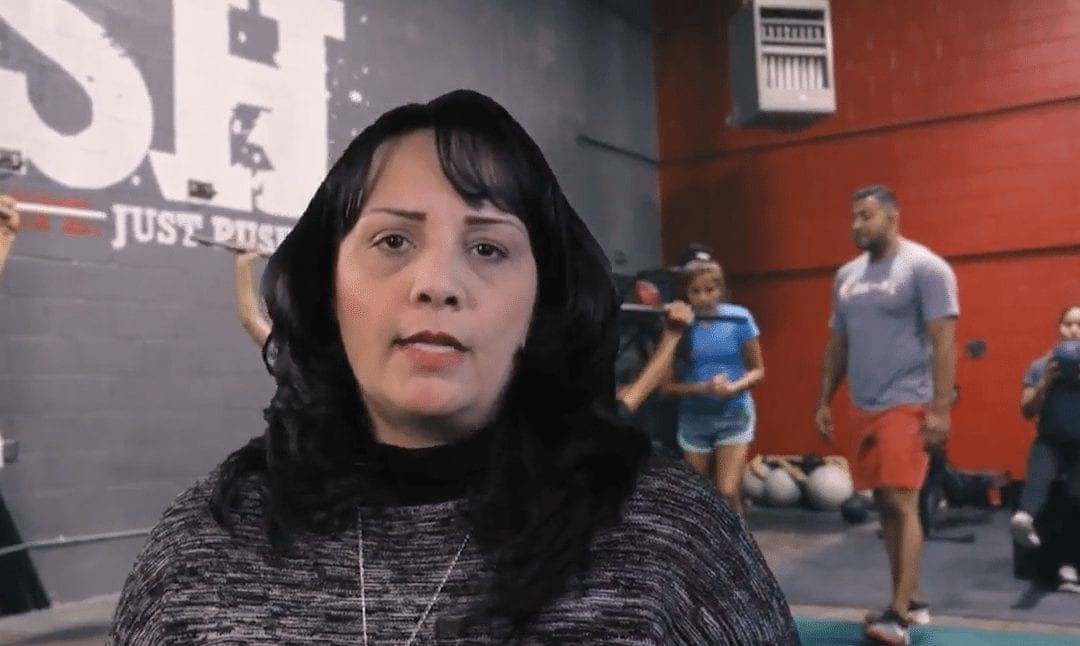
Tracy Lutich, coach and club director of the El Paso Diggers volleyball club, has seen a phenomenal difference in her athletes. Coach Lutich has seen the trainers at Push-as-Rx � work to better her athletes, not only in strength and conditioning, but also mentally. Tracy Lutich continues to see enhanced results and she greatly contributes the improvement of her athletes to Push-as-Rx �. She recommends the exceptional work of the trainers at Push as Rx, to others willing to take the challenge.
PUSH-as-Rx � is leading the field with laser focus supporting our youth sport programs.� The�PUSH-as-Rx � System is a sport specific athletic program designed by a strength-agility coach and physiology doctor with a combined 40 years of experience working with extreme athletes. At its core, the program is the multidisciplinary study of reactive agility, body mechanics and extreme motion dynamics. Through continuous and detailed assessments of the athletes in motion and while under direct supervised stress loads, a clear quantitative picture of body dynamics emerges. Exposure to the biomechanical vulnerabilities are presented to our team. �Immediately,�we adjust our methods for our athletes in order to optimize performance.� This highly adaptive system with continual�dynamic adjustments has helped many of our athletes come back faster, stronger, and ready post injury while safely minimizing recovery times. Results demonstrate clear improved agility, speed, decreased reaction time with greatly improved postural-torque mechanics.��PUSH-as-Rx � offers specialized extreme performance enhancements to our athletes no matter the age.
Please Recommend Us: If you have enjoyed this video and/or we have helped you in any way please feel free to recommend us. Thank You.
IFM's Find A Practitioner tool is the largest referral network in Functional Medicine, created to help patients locate Functional Medicine practitioners anywhere in the world. IFM Certified Practitioners are listed first in the search results, given their extensive education in Functional Medicine