Healthy sleep plays a vital role in the body’s overall health, as it ensures muscle growth, recovery, and illness prevention. This is especially true for home D.I. Yers’ fitness enthusiasts, weekend warriors, athletes, and physically active individuals. When sleeping, the body goes into recovery mode, releasing hormones and other chemicals to repair and restore muscle. A healthy night’s sleep provides the rest the mind and body need to perform at optimal levels.
Healthy Sleep
Sleep is vital for recovering from workouts. This could be construction work, exercise, gardening, sports, landscaping, any activity that uses bodyweight or works against some form of resistance. The muscles cannot repair themselves properly without proper sleep. Sleep aids the muscles in releasing protein-building amino acids, helping them grow in size and strength.
Growth hormone is released during non-REM sleep that stimulates tissue growth and repairs muscle.
During REM or rapid eye movement sleep, blood pressure drops, breathing slows and deepens, the brain relaxes, and blood supply to the muscles increases, feeding them oxygen and nutrients.
Unhealthy Sleep
Sleep maintains the muscles’ sharpness, coordination, function, and muscle movement patterns that improve physical performance. The body needs to sleep for at least 7 hours a night for muscles to grow properly. Not getting healthy sleep decreases protein synthesis activity and increases the activity of degradation that leads to muscle loss.
Less Sleep Leads To Eating More
Hormonal changes occur when the body sleeps less, causing individuals to feel hungry more often, increasing the amount of food taken in because after eating, the body does not feel full right away, so the individual continues to eat. Without sleep, the body decreases the production of a hormone that indicates when the body is full and activates a hormone that causes hunger. Insufficient sleep also lowers the body’s sensitivity to insulin. Because of this, the muscle fuel glycogen is not adequately replenished. Without the regular restoration of glycogen, individuals have less energy, insulin sensitivity decreases, increasing the risk of diabetes.
Physical Health
Unhealthy sleep also impacts overall physical health. Individuals that do not get healthy sleep have an increased risk of developing:
Sugar raises blood sugar, which triggers the pancreas to release insulin, fueling the cells causing overstimulation.
Eliminating sugar after dinner can help the body fall asleep.
References
Dattilo, M et al. “Sleep and muscle recovery: endocrinological and molecular basis for a new and promising hypothesis.” Medical hypotheses vol. 77,2 (2011): 220-2. doi:10.1016/j.mehy.2011.04.017
Morselli, Lisa et al. “Role of sleep duration in the regulation of glucose metabolism and appetite.” Best practice & research. Clinical endocrinology & metabolism vol. 24,5 (2010): 687-702. doi:10.1016/j.beem.2010.07.005
Murray, Bob, and Christine Rosenbloom. “Fundamentals of glycogen metabolism for coaches and athletes.” Nutrition reviews vol. 76,4 (2018): 243-259. doi:10.1093/nutrit/nuy001
With a growing belly and changes in connective tissue, many pregnant women are unable to stay comfortable. A pregnancy chiropractor is safe and effective in helping manage pain in the back, hips, legs, joints and establish pelvic balance. This can provide the baby with space to grow and move throughout the pregnancy and lead to faster, easier labor and delivery. Relief and better symptom management are possible with a pregnancy chiropractor.
Chiropractic Is Safe During Pregnancy
Before engaging in any treatment during pregnancy, consult a doctor. For the most part, non-invasive chiropractic is considered safe for healthy, low-risk pregnancies and even higher-risk pregnancies once cleared by a doctor. Because pregnant women cannot take medications or undergo other invasive treatment options for pain, chiropractic treatment is recommended for sore, tight muscles, irritability, and pain management.
How A Pregnancy Chiropractor Can Help
What a chiropractor can offer includes:
Restore pelvic balance.
Improve mechanics for standing, sitting, and walking that could otherwise cause pain.
Pain management through therapeutic massage and adjustments.
Optimize the pelvic position to allow for an easier birth; evidence indicates a shorter labor time thanks to an optimal pelvic position.
Clinic Appointment
The pregnancy chiropractor begins with an initial consultation. Here the patient asks questions, discusses any concerns, along with a full assessment of medical history. They will suggest various treatment options to restore the body to its optimal balance. The chiropractor will continually monitor the patient to tailor the treatments to their specific needs and achieve the most relief.
Body Composition
Impact of Breastfeeding and Body Composition
It turns out that breastfeeding and weight loss are showing that there could be a relationship. A study suggested that breastfeeding could eliminate weight gain during six months. These findings are corroborated by another study comparing body fat loss between exclusively breastfeeding and mixed feeding mothers. The researchers found that exclusively breastfeeding promotes more significant body fat loss than mixed feeding among mothers during the first 12 weeks after childbirth. A weight loss of approximately about a pound per week between 4 and 14 weeks after delivery in overweight, lactating women who were exclusively breastfeeding showed no adverse effect on the growth and development of their newborns.
References
Bernard, Maria, and Peter Tuchin. “Chiropractic Management of Pregnancy-Related Lumbopelvic Pain: A Case Study.” Journal of chiropractic medicine vol. 15,2 (2016): 129-33. doi:10.1016/j.jcm.2016.04.003
Borggren, Cara L. “Pregnancy and chiropractic: a narrative review of the literature.” Journal of chiropractic medicine vol. 6,2 (2007): 70-4. doi:10.1016/j.jcme.2007.04.004
Weis, Carol Ann et al. “Chiropractic Care for Adults With Pregnancy-Related Low Back, Pelvic Girdle Pain, or Combination Pain: A Systematic Review.” Journal of manipulative and physiological therapeutics vol. 43,7 (2020): 714-731. doi:10.1016/j.jmpt.2020.05.005
Low-back, neck, shoulder, hip, leg, and foot pain are all causes of everyday discomfort and a bad mood. Chronic pain exacerbates the discomfort and bad mood times 10. Chiropractic treatment can help realign the spine and alleviate the pain. However, to maintain pain relief, individuals need to make healthy lifestyle adjustments. One of the most important adjustments is eating habits. Those dealing with chronic pain may not realize their diet is contributing to the pain.
At Injury Medical Chiropractic and Functional Medicine Clinic, we have a combined team of chiropractors, physical therapists, a health coach, and a nutritionist to help educate, develop, and support a personalized treatment plan on spinal health, posture, physical activity/exercise, balance, and eating habits.
Salt, Sugar, and Fat Affects the Body
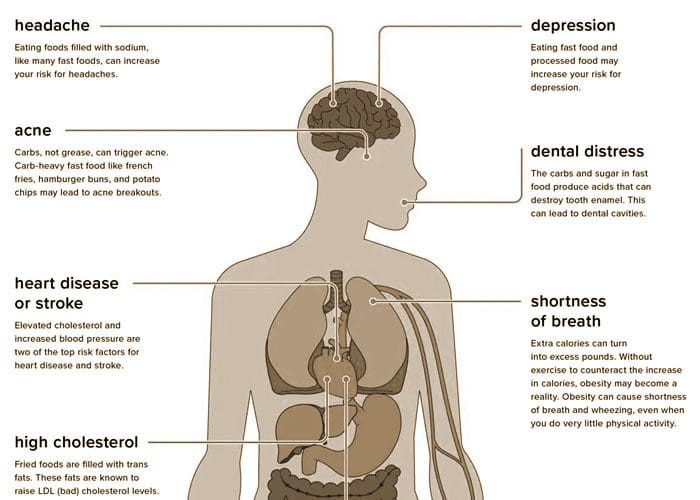
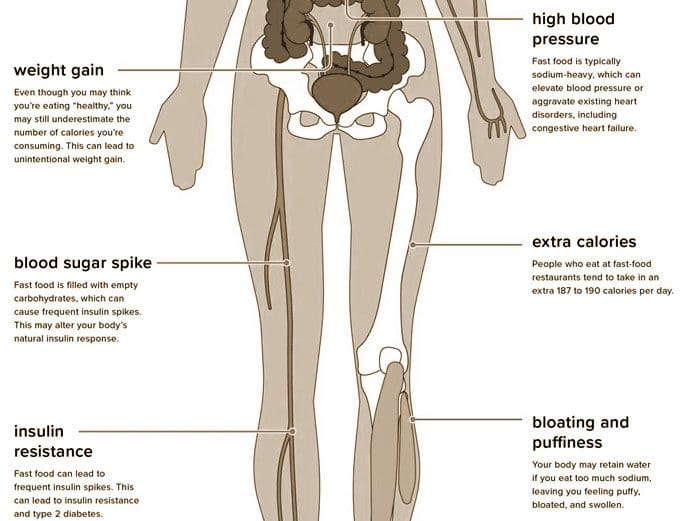
A sedentary lifestyle is a significant contributor to chronic pain, but unhealthy eating habits also play a role. Poor diet adds weight to the body. This stresses the body’s biomechanical structure. It also aggravates inflammation. Too much salt, sugar, and fats ingested through processed foods, fast food, and unhealthy habits affect the body’s regulating systems. They can affect everything from the nervous system, nerves, proper circulation, even the limbic system. The inflammation and stress generate and exacerbate chronic pain symptoms.
Changing unhealthy eating habits is up to the individual.
Individuals can be advised to cut back or cut out unhealthy diet choices; however, it is easier said than done. A doctor, health coach, and nutritionist have no control over what individuals do when they leave the clinic. Individuals themselves can have little control over their own eating habits. Many have an addiction to unhealthy food, which is a disease in itself. To help change poor eating habits, individuals need to be educated on how their eating habits affect the total body and mental health.
Nutrition Discussion
Chronic pain associated with inflammation linked to a poor diet is the first step in the diagnosis and developing an optimal treatment plan. It could be as simple as informing an individual that eating cheeseburgers are causing the inflammation that is hurting their back. However, there is more to it, but individuals are more inclined to avoid the foods causing the inflammation upon hearing a full explanation. Targeting specific foods is the first step in alleviating pain.
The temptation is always there, especially when stress comes into the picture. This is why it is important to have ready-to-go adjustments/alternatives that keep the individual eating healthy, despite the chaos going on around them. A treatment plan will include quick alternatives that can happen instages. An example could be:
Having one cheeseburger and not two.
Having a burger without cheese.
Eating a burger without the buns.
Switching to a plant-based burger.
There are many options to be explored to improve eating habits in small steps.
Willpower also has to be addressed in a controlled and supportive setting. This is where the whole team comes in. Many individuals’ eating habits are part of who they and adjusting them can be an uphill challenge. To educate on:
Having the family or friends eat healthy with them
These are techniques and methods to increase willpower to make healthy changes.
Body Composition
Foods Can Support Body Detoxing
The proper foods can support the body in detoxifying toxins and counter the negative effects like brain fog, neurodegenerative disorders, and chronic pain. The foods help to:
Neutralize oxidative stress
Lower inflammation
Increase immunity
Strengthen the musculoskeletal system
Foods and nutrients that detoxify can be a part of a healthy lifestyle.
References
Bjørklund, Geir et al. “Insights on Nutrients as Analgesics in Chronic Pain.” Current medicinal chemistry vol. 27,37 (2020): 6407-6423. doi:10.2174/0929867326666190712172015
Elma, Ömer et al. “Chronic Musculoskeletal Pain, and Nutrition: Where Are We and Where Are We Heading?.” PM & R: the journal of injury, function, and rehabilitation vol. 12,12 (2020): 1268-1278. doi:10.1002/pmrj.12346
Gómez-Pinilla, Fernando. “Brain foods: the effects of nutrients on brain function.” Nature reviews. Neuroscience vol. 9,7 (2008): 568-78. doi:10.1038/nrn2421
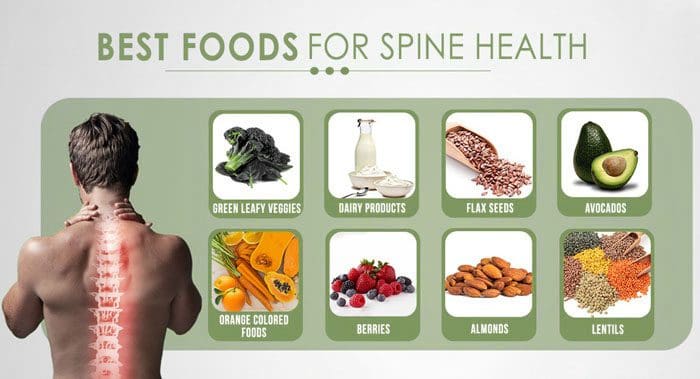
Eating healthy and spinal health are interconnected. Eating healthier will help to lose weight, and provide a healthier body mass index. This means more muscle mass, especially when integrated with more protein. The spine sustains and supports the whole torso and upper body. When weight increases in these areas it can cause an array of issues like subluxations, curvature problems, sciatica, and more. The extra muscle mass takes the added stress from any extra weight off of the spine. Strong muscles can carry the weight of the body, taking the pressure off the spine and keeping it healthy and operating in top form.
Making Healthy Adjustments
No matter where an individual is on their healthy eating plan, there are common practices that work for many and helps improve their diet. This involves integrating healthy food groups into the diet in different ways, and not giving up when mistakes are made, but learning from them. When developing new healthy habits it takes time, diligence, practice, and research to eat the right foods.
Fruits and Veggies
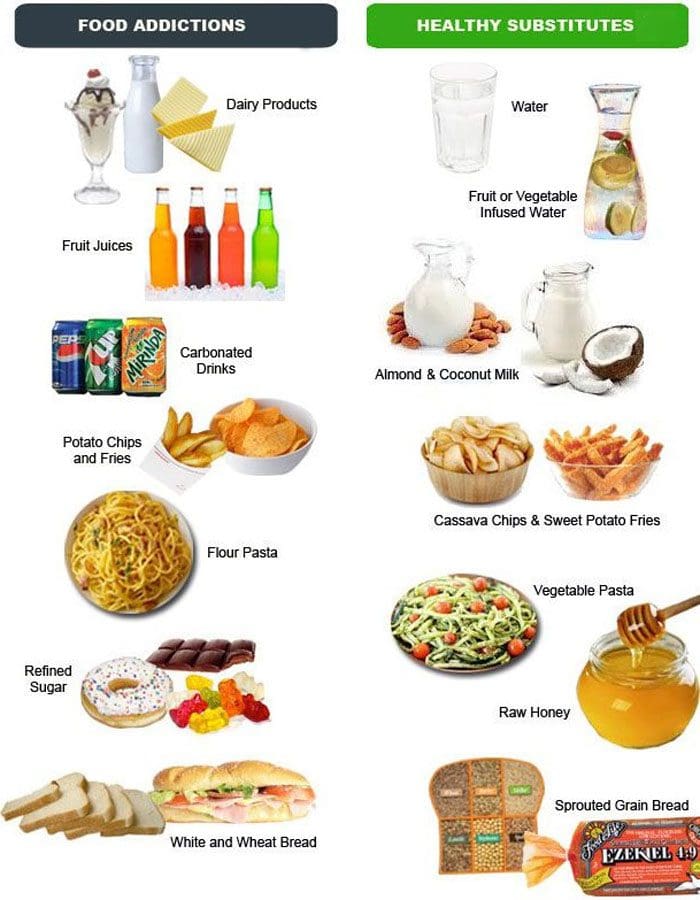
It is easier and tastier to forget the nutritious foods and go for the carbs, fats, etc. Rather than trying to add more vegetables, or eating fruit as a snack every day can be tough. An easier, and better way to integrate fruits and vegetables into one’s diet is to substitute the carbs and fats for fruits and veggies in the main meals every day.
This could be spiralized zucchini, squash, or no-carb spaghetti instead of pasta spaghetti.
Instead of ice cream try real fruit sorbet.
Mashed cauliflower instead of white rice or mashed potatoes.
There are plenty of substitutes that are healthier and just as tasty and as the real thing.
Healthy recipes out there that can give you ideas on how to do this.
The benefit of substituting fruits and vegetables, rather than just adding them to a diet is individuals increase their health by reducing unhealthy dietary elements and adding healthy new ones at the same time. However, this does not mean doing it all at once. The goal is to gradually substitute these nutritious foods into everyday dishes for maximum health benefits.
More Fiber and Protein
It is important that the body gets enough fiber and protein as a healthy energy source. Many individuals can become dependent on:
Ingesting unhealthy foods all day every day takes a significant toll on the body. This includes:
Blood sugar
Weight
Energy
Mood
Fiber and protein are important because the two regulate the body’s systems to promote healthy bodily functions.Fiber helps the digestive system and regulates carbohydrate breakdown. This means the energy obtained from any carb will last longer and will not increase blood sugar when integrated with fiber. Most individuals know that protein builds muscle. But it also makes the body feel full much longer than carbs or sugars do. This allows for natural regulation of how much is eaten during the day so an individual does not eat more than the body needs. Carbs and sugars are not filling and can become addictive. This means that they can be eaten all day long without feeling full and just load up with empty calories. A few ways to integrate fiber and protein into a diet:
Breakfast
Eggs
Turkey bacon
Whole wheat/multigrain toast
Lunch
Whole wheat wrap or sandwich
Dinner
Brown rice and beans are loaded with protein and fiber.
A great substitution for vegetarians/vegans for more protein or fiber
Reduce Sugar Intake
Reducing sugar intake or switching to balanced sugars from fruits, yogurt, etc. A diet high in sugar can wreck the body, causing:
Weight gain
Mood swings
Overeating
Other unhealthy effects
Sugar is fine when practiced in moderation. But when it becomes a daily habit, that’s when it can start affecting the body. The objective is to drink more water, and use substitutions when cravings present. Try:
Yogurt instead of ice cream
Healthy fruit drinks instead of soda
Tea instead of wine
Keep the indulgences to once or twice a week if possible.
Eating Healthy Benefits
A few of the benefits from eating healthy that will improve quality of life:
Improved digestive health
Weight loss
Reduced to no back pain
Reduced to no foot pain
Healthy sleep patterns
Less fatigue
Improved focus
Improved brain health
Clear skin
Reduced to no irritability
Body Composition
New Health Issues
Steady weight gain throughout life can lead to adult diabetes. This is brought on by more body fat and muscle loss. Loss of skeletal muscle mass is linked to insulin resistance. The less muscle is available, the less insulin sensitive the body becomes. Loss of muscle can cause other problems with age. One damaging condition, especially for women, is osteoporosis. This happens when old bone is reabsorbed rather than new bone being created. Both men and women can have decreased muscle mass with thinner, weaker bones. This increases the risk of osteoporosis and the risk of serious injury from falls. Prevention includes
Eat sufficient protein throughout the day. It is often best to space out protein intake across meals and not consume all at once to ensure the proper amount is being met daily. Regular body composition monitoring can help. The goal is to minimize muscle mass loss and fat mass gain as the body ages.
Disclaimer
The information herein is not intended to replace a one-on-one relationship with a qualified health care professional, licensed physician, and is not medical advice. We encourage you to make your own health care decisions based on your research and partnership with a qualified health care professional. Our information scope is limited to chiropractic, musculoskeletal, physical medicines, wellness, sensitive health issues, functional medicine articles, topics, and discussions. We provide and present clinical collaboration with specialists from a wide array of disciplines. Each specialist is governed by their professional scope of practice and their jurisdiction of licensure. We use functional health & wellness protocols to treat and support care for the musculoskeletal system’s injuries or disorders. Our videos, posts, topics, subjects, and insights cover clinical matters, issues, and topics that relate to and support, directly or indirectly, our clinical scope of practice.* Our office has made a reasonable attempt to provide supportive citations and has identified the relevant research study or studies supporting our posts. We provide copies of supporting research studies available to regulatory boards and the public upon request. We understand that we cover matters that require an additional explanation of how it may assist in a particular care plan or treatment protocol; therefore, to further discuss the subject matter above, please feel free to ask Dr. Alex Jimenez or contact us at 915-850-0900.
Dr. Alex Jimenez DC, MSACP, CCST, IFMCP, CIFM, CTG*
email: [email protected]
phone: 915-850-0900
Licensed in Texas & New Mexico
References
Cena, Hellas, and Philip C Calder. “Defining a Healthy Diet: Evidence for The Role of Contemporary Dietary Patterns in Health and Disease.” Nutrients vol. 12,2 334. 27 Jan. 2020, doi:10.3390/nu12020334
Locke, Amy et al. “Diets for Health: Goals and Guidelines.” American family physician vol. 97,11 (2018): 721-728.
Warensjö Lemming, Eva, and Liisa Byberg. “Is a Healthy Diet Also Suitable for the Prevention of Fragility Fractures?.” Nutrients vol. 12,9 2642. 30 Aug. 2020, doi:10.3390/nu12092642
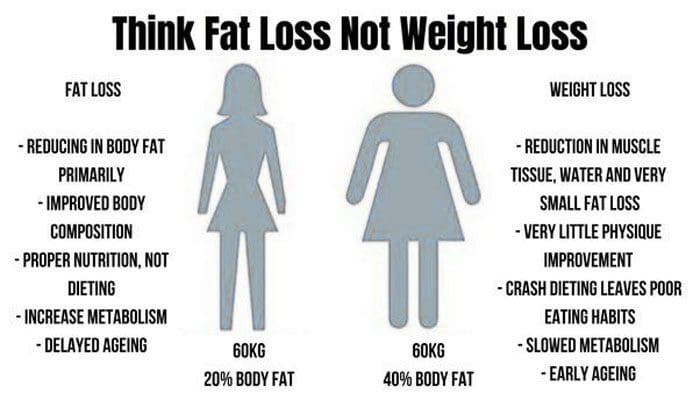
Understanding the difference between weight loss and fat loss will help promote a healthy change and improve an individual’s wellbeing. Fat loss can be a part of losing weight. However, individuals lose more than just fat. Fat loss is the goal for most individuals, so taking a deliberate, focused approach will generate the best results. Here we discuss how individuals can optimize for fat loss.
Understanding The Difference
Weight loss is the overall reduction in body weight
Fat loss is a reduction in body fat
When losing weight, the body is not just losing body fat, and changes are being made to each component of body composition. This includes:
Body fat
Lean Body Mass
Body Water
This is also true for weight gain. An individual cannot control how much is lost but can influence what is lost.
Weight Loss
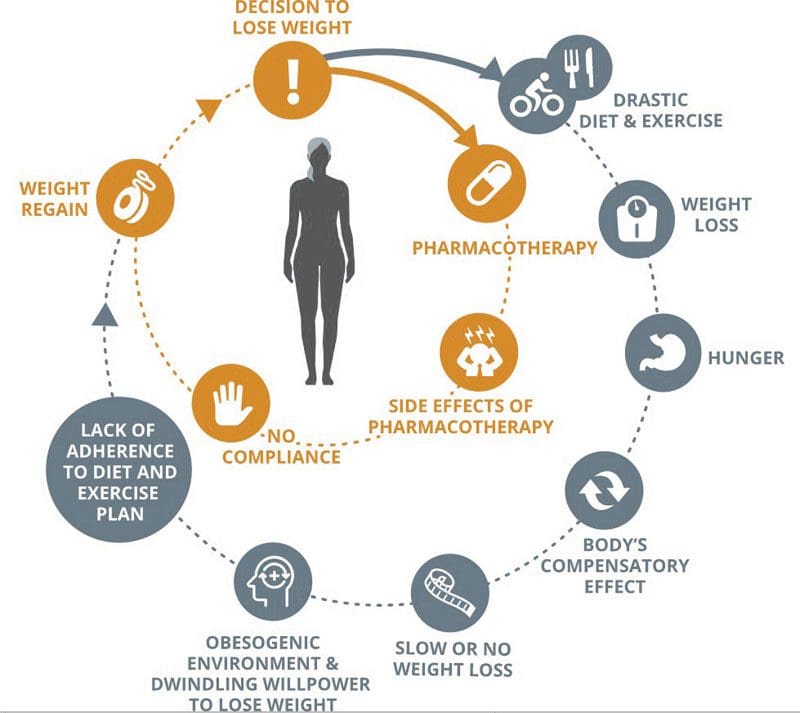
Hundreds of diet and exercise programs can help achieve fat loss, some better than others. The ones that tend to work better focus on the same thing: reducing energy intake from food/diet while increasing energy output through exercise and regular physical activity. This forces the body to compensate for the missing energy by breaking down the body’s tissues, including fat and muscle. As an individual loses weight, they will also lose some muscle in the form of Lean Body Mass in addition to body fat.
Fat Loss
Body fat is a combination of essential fat and storage fat. Storage fat is adipose tissue that has accumulated for reserved energy. This type of fat changes with diet modification and regular exercise. Too much storage fat can negatively impact physical and mental wellbeing, so this should be the focus for better health.
Focus on fat loss and not weight loss
There is a clear association between obesity and chronic disease. Focusing on weight loss can lead to unintended consequences like eating disorders. This is why focusing on weight loss, and healthy body composition is critical. This is the recommended approach because it encourages the individual to move more and eat healthily.
Understanding health benefits of losing fat
Body fat percentage works better as a gauge of health than weight.
Weight is composed of lean body mass, body fat, and water, so any changes in these areas can lead to weight gain and not just fat loss. Excess body fat, specifically storage fat, has a close association with chronic diseases like:
Type 2 Diabetes
Hypertension
Heart Disease
Various Cancers
The key is understanding that a healthy body fat percentage will help reduce the risk of these diseases and improve mental health and overall health.
Different ways to measure fat loss
Tracking body fat loss means having body composition tracked and monitored. There are devices and methods for determining body composition, including:
For genuinely accurate results, get tested by a highly skilled professional who uses medical-grade tools for assessment. Cheap plastic calipers and at-home scales don’t tend to be the best options.
Metabolism changes with weight loss
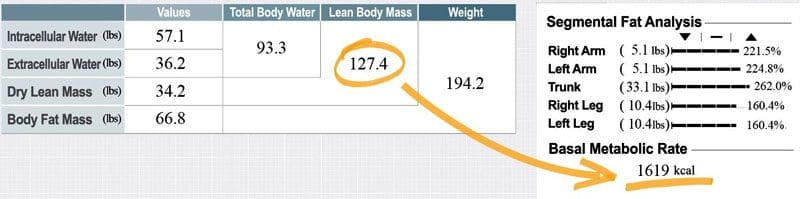
When losing weight, there is more loss than fat. One loss can be Lean Body Mass, which is critical because the amount of Lean Body Mass has directly influenced Basal Metabolic Rate or the body’s metabolism. The Basal Metabolic Rate (BMR) is the number of calories the body naturally burns when resting. When focusing on weight loss and not making changes to minimize lean body mass loss, the individual decrease the size of their metabolism. However, if an individual continues with the same eating habits, this could be a setup for weight regain.
Weight loss can slow down metabolism.
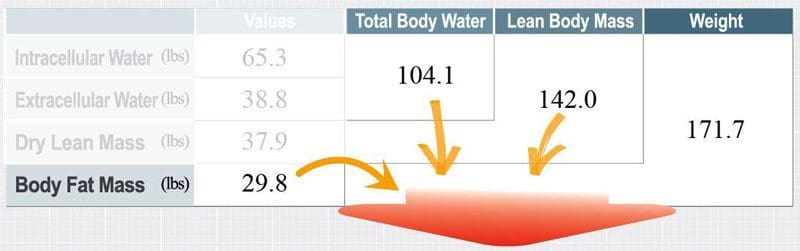
Here is an example of a typical set of body composition results of someone who would be clinically diagnosed as obese.
Along with weight and body fat mass measurements, the individual naturally developed muscles by carrying their body weight. This means that individuals that are obese also have relatively large metabolisms. Dramatic changes to Lean Body Mass and metabolism are not ideal, especially when the goal is maintaining a healthy body weight.
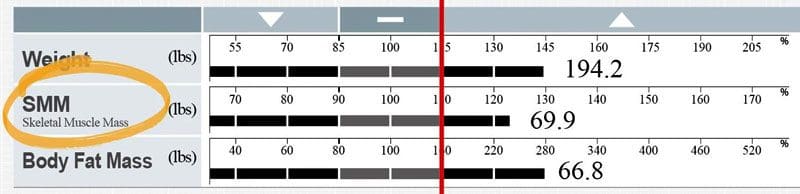
The weight and body fat bars on the above chart are significantly over average, and the Skeletal Muscle Mass bar. This is common for individuals that are obese. Individuals that are obese have developed this muscle by carrying a large amount of weight. Large amounts of muscle begin to build to move the heavy body. This is why it is essential to come up with a focused/customized approach for gaining strength, losing fat, and body recomposition, rather than just weight loss.
Stopping weight regain
Focusing on body composition, developing muscle, and Lean Body Mass is crucial. With weight loss, there will be some Lean Body Mass loss. This means a low metabolism and non-regulated eating habits can lead to regaining weight. With no development of Lean Body Mass and skeletal muscle to help grow the metabolism, there is an increased chance of weight retrieval. Along with continued changing eating habits after an individual reaches their target weight.
Building muscle, losing fat for healthy body composition
The main areas to focus on to change body composition, overall health, and wellbeing.
Focus on body composition, not on weight loss
Instead, track changes in body composition. This means optimizing programs for fat loss while minimizing Lean Body Mass loss. Weight loss will occur, but proper nutrition and strength training can reduce Lean Body Mass loss.
Develop new eating habits
An important step is understanding how to improve eating habits by choosing a diet plan that will be enjoyable. When optimizing for fat loss, it will take longer than weight loss. Effective dietary strategies go for half to one pound of fat loss per week. This is a manageable and sustainable goal that will not cause adverse effects on metabolism. Slow and steady is the better option and will lead to long-term changes.
Start strength training to increase metabolism.
Strength training/weight lifting is a great way to increase metabolism. Increased muscle benefits range from:
High ability to recover from disease/s
Reducing insulin resistance
Keeps the body mobile
Helps combat obesity by increasing BMR and metabolism
Body composition in the long-term
Fat loss is more important than weight loss and will lead to long-term changes. Understanding that working out smarter and finding out body composition numbers will promote getting fit while keeping the fat off. It will take longer than expected, but dropping 30 pounds in less than a year and then regaining it all back is counterproductive.Take the time to make minor, impactful adjustments that will lead to a lifetime of optimal health.
InBody
Dr. Alex Jimenez’s Blog Post Disclaimer
The scope of our information is limited to chiropractic, musculoskeletal, physical medicines, wellness, and sensitive health issues and/or functional medicine articles, topics, and discussions. We use public health & wellness protocols to treat and support care for injuries or disorders of the musculoskeletal system. Our posts, topics, subjects, and insights cover clinical matters, issues, and topics that relate to and support directly or indirectly our clinical scope of practice.*
Our office has reasonably attempted to provide supportive citations and identified the relevant research study or studies supporting our posts. We also make copies of supporting research studies available to the board and or the public upon request. We understand that we cover matters that require an additional explanation as to how it may assist in a particular care plan or treatment protocol; therefore, to further discuss the subject matter above, please feel free to ask Dr. Alex Jimenez or contact us at 915-850-0900. The provider(s) Licensed in Texas& New Mexico*
References
Hall, Kevin D et al. Calorie for Calorie, Dietary Fat Restriction Results in More Body Fat Loss than Carbohydrate Restriction in People with Obesity. Cell metabolism vol. 22,3 (2015): 427-36. doi:10.1016/j.cmet.2015.07.021
Merlotti, C et al. Subcutaneous fat loss is more significant than visceral fat loss with diet and exercise, weight-loss promoting drugs and bariatric surgery: a critical review and meta-analysis. International journal of obesity (2005) vol. 41,5 (2017): 672-682. doi:10.1038/ijo.2017.31
Tobias, Deirdre K et al. Effect of low-fat diet interventions versus other diet interventions on long-term weight change in adults: a systematic review and meta-analysis. The Lancet. Diabetes & endocrinology vol. 3,12 (2015): 968-79. doi:10.1016/S2213-8587(15)00367-8
Making small adjustments to achieve a healthy lifestyle is not as difficult/complex as some may think. Here are some golden nutritional recommendations for longevity, and a healthy lifestyle. Understanding these golden suggestions is a first step towards developing and maintaining sustainable changes. Our health coach and nutritionist can develop an optimal customized nutritional program that is focused on teaching individuals how to promote lifelong transformations and become more connected with mind and body.
Vitamins
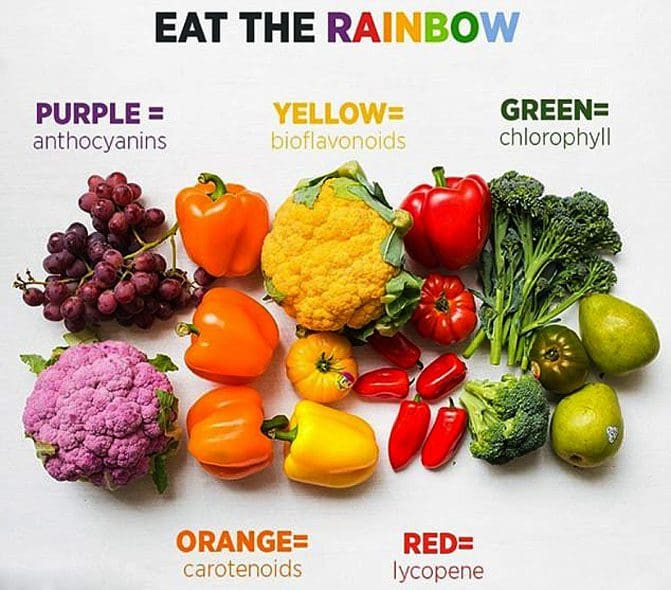
Consume plenty of fruits and vegetables at least six+ portions every day to ensure the body absorbs essential micronutrients, vitamins, minerals, phytochemicals, and fiber. A golden recommendation is to count the fruit and vegetable colors instead of calories. Eating the food rainbow is an ideal way to get a variety of vitamins.
Red foods
These foods contain phytochemicals and help reduce the risk of diabetes and heart disease. These include:
Tomatoes
Red peppers
Red onions
Strawberries
Cherries
Watermelon
Orange and yellow foods
These are packed with Vitamin A and Vitamin C to promote healthy skin and vision.
Pumpkin
Sweet potatoes
Carrots
Lemons
Are all ways to obtain orange and yellow nutrients.
Green foods
These are high in Vitamin K, antioxidants, and folates highly beneficial to bone health. These include:
Kale
Broccoli
Peas
Kiwi
Green grapes
Brussels sprouts
Blue and purple foods
These contain antioxidants that help with heart disease and protect the body’s cells. Included are:
Added sugars and refined flour have none of the essential fiber and micronutrients the body needs to feel full. Whole grains are fiber-rich. This helps increase feeling full and satisfied, which helps block sugar cravings. Go for whole wheat flour instead of refined flour. Limit sugar intake by using the natural sweetness of fruits. Add fruits to meals to increase the sweetness if necessary.
Plenty of Water
Drinking half of an individual’s body weight is essential each day. 10-12 ounces of water before a meal will help increase full satisfaction and make an individual more aware of the body�s hunger cues. Golden suggestion, use a reusable water bottle can help keep track of water intake throughout the day.
12/12 Meal Schedule
Schedule the three main meals within a 12-hour window to avoid snacking throughout the day. The body needs to rest, digest, and reset between meals and overnight.
Stop Eating 3 Hours Before Sleeping
The body’s metabolism starts to slow down around 7-8 p.m. Research shows this timeframe falls in line when the body starts to tire and wind down. Allow the body to rejuvenate cells instead of wasting energy on digesting calories that don’t get burned for energy while sleeping.
Daily Physical Activity
Daily exercise contributes to overall health and longevity. Regular exercise can help in the treatment of chronic illnesses and the prevention of cardiovascular diseases. Every day try to complete 50-60 minutes of low-impact physical activity, and 15-20 minutes of moderate-high intensity cardio. Each week make two of the 20-minute workouts to strength training.
After Workout Snacks
Recovery snacks 15-minutes after a workout will help keep cravings down. These include a healthy carbohydrate, lean protein, and healthy fat. 1-2 hours after a workout have the next balanced meal.
No Devices With Meals
Electronic devices distract from the body’s natural hunger cues. Screens should be put away during meals to pay attention to the food and proper consumption. Watching TV or scrolling through social media has been shown to increase calorie intake.
Plenty of Sleep
Sleep deprivation alters the body’s hormones that control/regulate hunger cues. When the body loses sleep, the body begins to crave more food more often. Even after the body has had the necessary nutrients. A golden recommendation is to develop a relaxing nighttime routine that will enhance the length and quality of sleep. The goal is for 8-10 hours of sleep a night.
Stress Reduction
Incorporate stress-reducing activities into a regular routine. Constant stress on the body can contribute to cardiovascular disease. Activities help take the mind off thoughts, memories, and events that cause stress and worry. These include:
The scope of our information is limited to chiropractic, musculoskeletal, physical medicines, wellness, and sensitive health issues and/or functional medicine articles, topics, and discussions. We use functional health & wellness protocols to treat and support care for injuries or disorders of the musculoskeletal system. Our posts, topics, subjects, and insights cover clinical matters, issues, and topics that relate and support directly or indirectly our clinical scope of practice.*
Our office has made a reasonable attempt to provide supportive citations and has identified the relevant research study or studies supporting our posts. We also make copies of supporting research studies available to the board and or the public upon request. We understand that we cover matters that require an additional explanation as to how it may assist in a particular care plan or treatment protocol; therefore, to further discuss the subject matter above, please feel free to ask Dr. Alex Jimenez or contact us at 915-850-0900. The provider(s) Licensed in Texas& New Mexico*
References
Braude L, Stevenson RJ. Watching television while eating increases energy intake. Examining the mechanisms in female participants. Appetite. 2014;76:9-16. doi:10.1016/j.appet.2014.01.005
Dimsdale JE. Psychological stress and cardiovascular disease. J Am Coll Cardiol. 2008;51(13):1237-1246. doi:10.1016/j.jacc.2007.12.024
Eckel-Mahan K, Sassone-Corsi P. Metabolism, and the circadian clock converge. Physiol Rev. 2013;93(1):107-135. doi:10.1152/physrev.00016.2012
Vina J, Sanchis-Gomar F, Martinez-Bello V, Gomez-Cabrera MC. Exercise acts as a drug; the pharmacological benefits of exercise. Br J Pharmacol. 2012;167(1):1-12. doi:10.1111/j.1476-5381.2012.01970.x
If dealing with chronic disease, condition, or just poor overall health, detox support combined with chiropractic/health coaching is definitely an option that will help. Toxicity in the body can initiate or worsen existing health conditions.
A detox is not about a massive diet overhaul or spending a lot of time at some clinic. Detox support involves making small changes/adjustments that will help support the body�s natural detoxing process without radical changes. One way that a detox is supported is with chiropractic.
Detoxing the Body
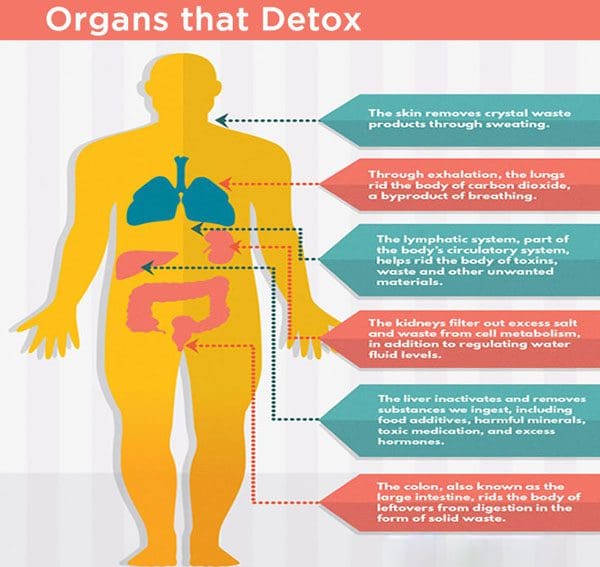
The body is exposed to chemicals/toxins every day from food, air, and other particles that the body comes in contact with. However, the body has a natural ability for managing exposure to toxins to maintain overall health. If the toxins become too much to handle it can lead to a range of symptoms. Symptoms can range from:
Reducing the toxic load can be accomplished by supporting the body�s natural detox pathways. The body has organs/systems that detoxify and keep the body in balance. These support detoxification and include:
Reducing toxin exposure is a long term strategy for improved health. Detox options include:
Increased water intake
Nutritional adjustments that focus on increased nutrient whole foods and reduced processed chemical foods
Regular exercise
More sleep
Improved stress management skills/techniques
Reducing environmental exposure with hygiene and cleaning product awareness
Cleansing supplements
Lifestyle changes
Fasting, intermittent or longer with nutritionist/health coach supervision
Chiropractic Can Help
When the body struggles with toxin overload, the body can begin storing some of these toxins. Common areas include visceral fat and joints, like the spine. If toxins buildup in the spine, spinal misalignment can be exacerbated as it affects blood and nerve circulation. Spinal alignment restoration will help open and support the body’s natural detox abilities and prevent unnecessary storage of toxins.
A chiropractic practitioner specializes in naturally restoring spinal alignment and the body’s balance. This supplies the body with the energy it needs to process and rid itself of toxins. When the body is optimally supported and its detox pathways cleared overall optimal health can be achieved. Contact Injury Medical Chiropractic Clinic and experience what chiropractic support can do.
Body Composition Support
Food
Neutralizing oxidative stress, lowering inflammation, and boosting metallothionein expression, food can support the body when detoxifying and countering the effects like brain fog, and neurodegenerative disorders. However, foods and nutrients that detoxify can be a part of a healthy diet and lifestyle that includes a regular fitness routine.
References
Klein, A V, and H Kiat. �Detox diets for toxin elimination and weight management: a critical review of the evidence.��Journal of human nutrition and dietetics: the official journal of the British Dietetic Association�vol. 28,6 (2015): 675-86. doi:10.1111/jhn.12286
IFM's Find A Practitioner tool is the largest referral network in Functional Medicine, created to help patients locate Functional Medicine practitioners anywhere in the world. IFM Certified Practitioners are listed first in the search results, given their extensive education in Functional Medicine