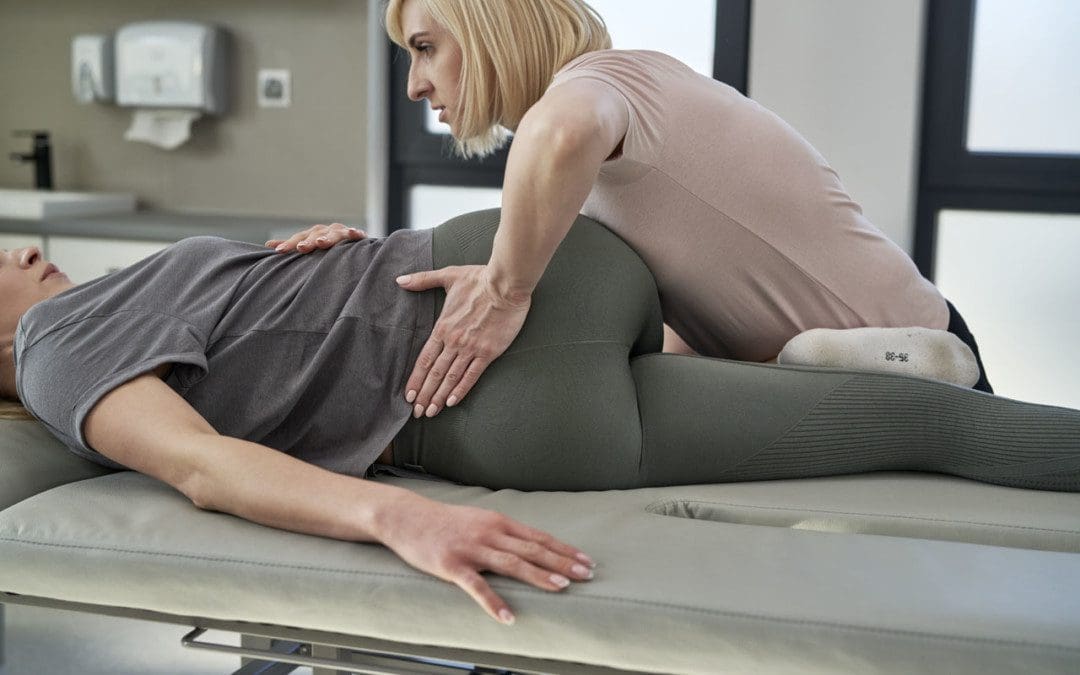
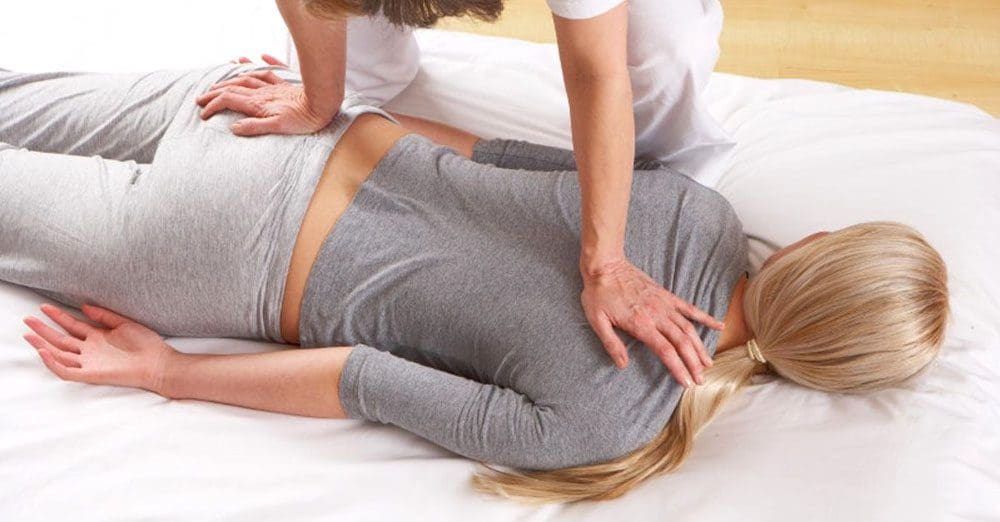
A certified/licensed massage therapist performs chiropractic therapeutic massage under the direction of a chiropractor to soothe tense muscles, release pressure on the nerve/s, break up scar tissue, and stimulate the release of endorphins. Studies have shown that a therapeutic chiropractic massage is as effective as nonsteroidal anti-inflammatory medications for pain relief caused by various musculoskeletal conditions, including sciatica. Although medications can work for a time, they do not deal with the underlying cause of sciatica.
Sciatica Massage
A sciatica massage offers several benefits that include the following:
Improved and increased blood circulation.
Lowered blood pressure.
Release of hormones that help reduce anxiety, depression, and pain.
Relieves body discomfort and soreness by decreasing the activation of pain receptors in the spine and muscles.
Inflammation alleviation.
Muscle stress relief.
Muscle relaxation.
Flare-up relief and prevention.
Improves sleep.
Massage Types
Each type of massage is designed for a different purpose.
Manual Manipulation
Improves mobility and reduces pain.
Stretches tendons, ligaments, and muscles.
Mobilization
Focuses on the musculoskeletal system to improve mobility.
Connective Tissue
A deeper massage that targets connective tissues like ligaments and tendons.
Deep Tissue Massage
Designed to reach the deep layers to realign the muscles and fascia.
Myofascial Massage
Releases trigger points, adhesions, and nerve endings.
Healing Phases
Most cases of sciatica resolve in less than 4 to 6 weeks with conservative treatment. More severe cases with neurologic symptoms can have a longer recovery period.
Phase One
Alleviates discomfort, numbness, tingling, pain, and other symptoms.
The pain is reduced so the chiropractor and therapists can begin to address the cause, although the other symptoms and sensations could still be experienced.
If muscle spasms are present, they will be less frequent and with less intensity.
Phase Two
The individual can focus on functioning within their normal environment.
The chiropractor and therapists examine if they can get up and stand from a chair without problems, get in and out of a car, sit for longer periods, and walk with less discomfort.
A reflex test will be performed to analyze how the healing process is coming along.
If there is significant nerve damage, reflexes could be lessened.
For example, if sciatic inflammation is present, and the Achilles tendon is tapped with a reflex hammer, there could be little or no movement of the calf muscles.
If there is an improvement, there will be a healthy reflex.
The straight leg test will show if the individual can lift their leg with little or no pain.
Phase Three
The final healing phase provides the ability of normal movements and full strength.
This is when the individual can resume normal activities, specifically, those stopped because of the pain.
This can include walking, driving, house chores, sports, or working out.
Contact our office for treatment options customized to the individual and their injury.
Sciatica?
References
Camino Willhuber GO, Piuzzi NS. Straight Leg Raise Test. [Updated 2022 June 22]. In: StatPearls [Internet]. Treasure Island (FL): StatPearls Publishing; 2022 Jan-. Available from: https://www.ncbi.nlm.nih.gov/books/NBK539717/
Chang C, Jeno SH, Varacallo M. Anatomy, Bony Pelvis, and Lower Limb, Piriformis Muscle. [Updated 2022 October 3]. In: StatPearls [Internet]. Treasure Island (FL): StatPearls Publishing; 2022 Jan-. Available from: https://www.ncbi.nlm.nih.gov/books/NBK519497/
Davis D, Maini K, Vasudevan A. Sciatica. [Updated 2022 May 6]. In: StatPearls [Internet]. Treasure Island (FL): StatPearls Publishing; 2022 Jan-. Available from: https://www.ncbi.nlm.nih.gov/books/NBK507908/
Marian Majchrzycki, Piotr Kocur, Tomasz Kotwicki, “Deep Tissue Massage and Nonsteroidal Anti-Inflammatory Drugs for Low Back Pain: A Prospective Randomized Trial,” The Scientific World Journal, vol. 2014, Article ID 287597, 7 pages, 2014. https://doi.org/10.1155/2014/287597
Miller, Kenneth Jeffrey. “Physical assessment of lower extremity radiculopathy and sciatica.” Journal of chiropractic medicine vol. 6,2 (2007): 75-82. doi:10.1016/j.jcme.2007.04.001
The Centralization Phenomenon in Chiropractic Spinal Manipulation of Discogenic Low Back Pain and Sciatica. https://chiro.org/Low_Back_Pain/The_Centralization_Phenomenon.shtml. Accessed October 22, 2022.
The holidays are a wonderful time to gather with family and friends and celebrate. However, it can be a time of overindulgence and overeating. Managing holiday eating habits is achievable by having options to help you make better choices so you can indulge and enjoy the festive food and drinks without overdoing it. Here are a few techniques to be successful.
Managing Holiday Eating
Many individuals overeat during the holidays. It’s understandable as the holiday season means letting loose, relaxing with friends and family, and enjoying the moment are major factors in overeating as auto-pilot is engaged. The next thing you know, the plate is clean, and more food is being added. It’s all about maintaining a healthy balance. Here are a few ways to manage holiday eating.
Adding superfoods to your holiday nutrition plan to help balance food indulgences. These are foods with high levels of vitamins and nutrients, dietary fiber that helps reduce cholesterol, and antioxidants that fight free radicals.
Nutrients
Vitamin A – Protects against infections and promotes eye and skin health.
Vitamin C – Helps heal wounds and aids in iron absorption.
Vitamin K – Supports healthy digestion and blood clotting.
Superfoods include dark leafy greens, nuts, fruits, dark chocolate, olive oil, and oily/fatty fish. Here are a few superfoods you can enjoy:
Sweet Potatoes
Rich in vitamins A and C, fiber, and potassium.
Beans
They are high in fiber and protein, magnesium, and potassium.
Pumpkins
High in fiber and vitamin A.
Pomegranates
Rich in flavonoids and tannins are a healthy source of folate, potassium, and vitamin K.
Cranberries
Contain antioxidants with anti-inflammatory properties that help reduce the risk of cardiovascular disease.
Kale
Low in calories.
High in vitamins A, C, and K, manganese, potassium, and fiber.
From the Injury Medical Chiropractic and Functional Medicine Team, have a happy, safe, and healthy Thanksgiving!
Functional Nutrition
References
Seven tips for reining in holiday overeating https://www.mayoclinichealthsystem.org/hometown-health/speaking-of-health/7-tips-for-reining-in-holiday-overeating
Brown, Tanya, et al. “Have a Food-Safe Holiday Season.” Journal of the Academy of Nutrition and Dietetics vol. 117,11 (2017): 1722-1723. doi:10.1016/j.jand.2017.08.123
Díaz-Zavala, Rolando G et al. “Effect of the Holiday Season on Weight Gain: A Narrative Review.” Journal of obesity vol. 2017 (2017): 2085136. doi:10.1155/2017/2085136
Get Your Superfood Nutrition for Good Health https://www.scripps.org/news_items/4431-get-your-superfood-nutrition-for-good-health.
Healthline, 2019; Ruled by Food? 5 Strategies to Break the Cycle of Overeating https://health.clevelandclinic.org/ruled-by-food-5-strategies-to-break-the-cycle-of-overeating/
Healthline, 2019; 23 Simple Things You Can Do to Stop Overeating https://www.healthline.com/nutrition/how-to-stop-overeating.
Lobo, V et al. “Free radicals, antioxidants, and functional foods: Impact on human health.” Pharmacognosy reviews vol. 4,8 (2010): 118-26. doi:10.4103/0973-7847.70902
What Is a Superfood, Anyway? https://health.clevelandclinic.org/what-is-a-superfood/
Back pain after eating is often the result of conditions and/or disorders in other areas of the body that radiate to the back. These problems range from unhealthy posture, digestive issues, bowel problems, ulcers, allergies, etc. This is because the nerves of the back and the abdominal area run through areas of the spine. In addition to the classic symptoms like bloating and gas, individuals can develop symptoms beyond the gut, including sleep problems, fatigue, headaches, urinating problems, muscle aches, pelvic discomfort, and back pain. Chiropractic care and functional medicine can realign the body, alleviate symptoms, and restore function.
Back Discomfort
Back pain after eating can be linked to the body’s digestive process.
Individuals in this group can experience inflammation after consuming specific foods.
Inflammation could worsen existing back problems.
Individuals with food intolerance will have uncomfortable but usually not dangerous symptoms.
Individuals with food allergies can experience life-threatening allergic reactions.
Heartburn
Heartburn results from acid reflux, when stomach contents and acid flow back into the esophagus. Heartburn’s key symptom is a burning sensation in the chest. However, heartburn and indigestion do not directly cause back pain. But for individuals with back problems, heartburn can worsen back discomfort.
GERD
Gastroesophageal reflux disease, or GERD, could cause back pain in individuals with more than two weekly heartburn episodes.
The digestive system condition results from the chronic backflow of stomach acid.
Over time, the powerful acid can inflame the esophageal lining.
A stomach or esophageal ulcer can develop if GERD is not managed.
Pain could be felt in the lower to middle back around the stomach and lower intestines.
Ulcers
Ulcers can also result from a bacterial infection of Helicobacter pylori (or H. pylori).
Long-term use of nonsteroidal anti-inflammatory drugs (or NSAIDs) can also enable ulcer formation.
A peptic ulcer (or open sore) can develop on your stomach’s interior lining.
The small intestine’s upper portion can also be affected.
Peptic ulcers cause burning pain in the stomach. These flare-ups can worsen existing back problems and pain. Spicy foods and stress don’t cause peptic ulcers but can worsen their effects. In severe cases, a peptic ulcer can cause referred back pain felt in another location than where the pain originates. This means pain could be felt in the lower to middle back adjacent to the stomach and lower intestines.
Kidney Infection
Back pain could result from a bacterial kidney infection.
Kidney dysfunction infections, kidney stones, and chronic kidney diseases can be mistaken for general back and side pain.
Other symptoms can include chills, fever, nausea, and vomiting.
Pancreatitis
Pancreatitiscan develop if the pancreas becomes inflamed, brought on by excess alcohol consumption or gallstones. This definitely can cause back discomfort and pain.
Pancreatitis is the inflammation of the pancreas.
After eating, individuals can experience worsening abdominal pain that can refer to the back.
The body’s network of interconnecting sensory nerves causes the pain to be felt in other areas.
Most individuals will experience pain in the upper left or middle abdomen.
When individuals with celiac disease consume foods with gluten, the small intestine gets damaged, and their bodies cannot properly absorb the necessary nutrients.
Besides the back discomfort, there could be a burning sensation during urination or other urinary tract symptoms. Stools could be dark or black, a possible ulcer symptom. To reduce the chances of back discomfort after eating, avoid sugary, spicy, fatty foods or anything that triggers heartburn and reduce alcohol consumption. If you are experiencing frequent episodes of back pain after eating or the pain worsens, contact your physician, healthcare provider, or a chiropractor.
Hormonal Dysfunction In Men
References
Celiac Disease Foundation. (n.d.) “What is celiac disease?” https://celiac.org/about-celiac-disease/what-is-celiac-disease/
Mayo Clinic. (n.d.) “Celiac disease.” https://www.mayoclinic.org/diseases-conditions/celiac-disease/symptoms-causes/syc-20352220#:~:text=Celiac%20disease%2C%20sometimes%20called%20celiac,response%20in%20your%20small%20intestine
Pfizer. (April 25, 2022) “Heartburn, acid reflux, or GERD: what’s the difference?” https://www.pfizer.com/news/articles/heartburn_acid_reflux_or_gerd_what_s_the_difference#:~:text=The%20terms%20acid%20reflux%2C%20heartburn,meals%20or%20when%20lying%20down
Prairie Spine & Pain Institute. (n.d.) “What may cause back pain after eating: symptoms & prevention.” https://prairiespine.com/spine-care/5-things-that-may-cause-back-pain-after-eating-symptoms-and prevention/#:~:text=Exercises%20practiced%20in%20yoga%2C%20Pilates,chi%20may%20be%20particularly%20beneficial.&text=If%20a%20doctor%20cannot%20identify,ice%2C%20and%20taking%20pain%20relievers.
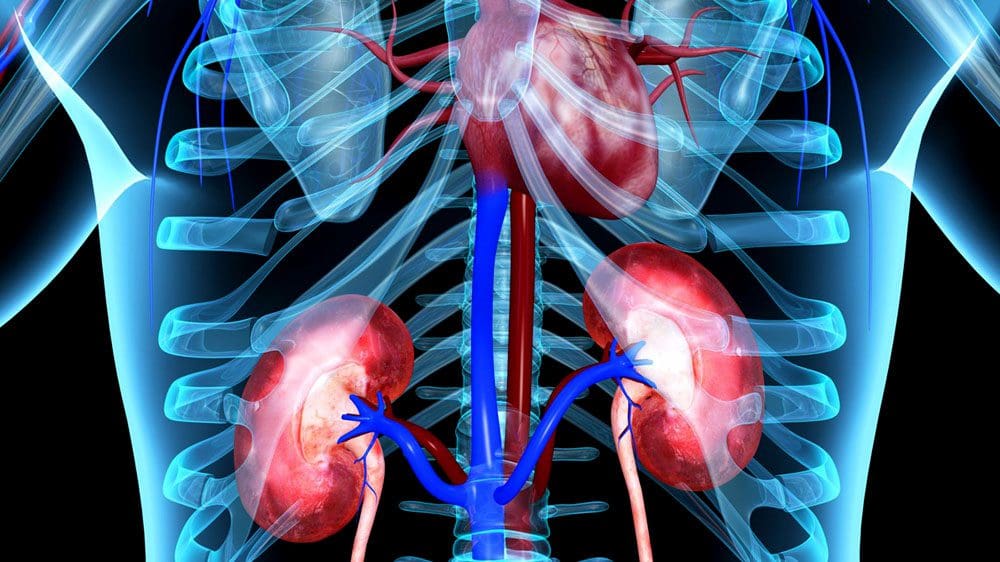
Maintaining kidney health is important to the body’s overall health and well-being. The kidneys are fist-sized organs located beneath the rib cage on both sides of the spine. A kidney detox maintains health allowing the body to filter and expel waste properly and produce hormones to help the body function at its full potential.
Kidney Health
The kidneys perform several functions that include:
Filters and cleanses out impurities from the blood.
Produces hormones that regulate blood pressure and control the production of red blood cells.
Filter’s waste products stored in the bladder and expelled through urine.
Activates vitamin D to support body absorption of calcium for bone repair and regulating muscle function.
Kidney Detox
A key measure of keeping the kidneys clean and healthy is to engage in a healthy nutrition plan. Doctors recommend implementing lifestyle changes to help the kidneys filter at full capacity. Certain foods can help detox the kidneys and promote their health.
Pumpkin seeds
Pumpkin seeds can help prevent the accumulation of uric acid, one of the compounds that cause kidney stones.
Grapes
These fruits contain a compound called resveratrol to reduce kidney inflammation.
Lemons
Lemons help with digestion.
They have vitamin C, which enhances the immune system and supports white blood cells to fight infections.
Citrate binds with calcium in the urine to stop the growth of calcium crystals, preventing kidney stones.
Carrots
Carrots have beta-carotene, alpha-carotene, and vitamin A.
Antioxidants for inflammation.
Ginger
Ginger can help in the dissolving process of kidney stones and prevents them from reforming.
Beets
Improves blood circulation to the kidneys.
Celery
Celery has alkaline and diuretic properties to help expel excess fluids.
It has coumarins which can help to increase vascular flow.
It is rich in vitamins D, C, and K.
Apples
Apples contain fiber to unclog the arteries, specifically the kidney arteries will improve filtration.
Maintain Hydration
The human body is almost 60 percent water, with every organ requiring water.
The kidneys (body filtration system) require water to secrete urine.
Urine is the primary waste product that allows the body to eliminate unwanted and unnecessary substances.
Low water intake means low urine volume.
Low urine output can lead to kidney dysfunction, like kidney stones.
Maintaining the body’s hydration is crucial so the kidneys can thoroughly flush out excess waste materials.
This is an example of a two-day kidney cleanse to help strengthen the kidneys and detoxify the body.
Day 1
Breakfast
Smoothie made with:
8 ounces of fresh lemon, ginger, and beet juice
1/4 cup of sweetened dried cranberries
Lunch
Smoothie made with:
1 cup almond milk
1/2 cup tofu
1/2 cup spinach
1/4 cup berries
1/2 apple
Two tablespoons of pumpkin seeds
Dinner
Large mixed-greens salad
4 ounces of lean protein – chicken, fish, or tofu
Top with 1/2 cup of grapes
1/4 cup peanuts
Day 2
Breakfast
Smoothie made with:
1 cup soy milk
One frozen banana
1/2 cup spinach
1/2 cup blueberries
One teaspoon spirulina
Lunch
A bowl of:
1 cup orzo rice
1 cup fresh fruit
Two tablespoons of pumpkin seeds
Dinner
Large mixed-greens salad
4 ounces of lean protein – chicken, fish, or tofu
Top with 1/2 cup of cooked barley
Add fresh lemon juice
4 ounces each of unsweetened cherry juice and orange juice
Consult a healthcare provider, nutritionist, or dietitian to ensure it is safe.
Dietary Prescription
References
Chen, Teresa K et al. “Chronic Kidney Disease Diagnosis and Management: A Review.” JAMA vol. 322,13 (2019): 1294-1304. doi:10.1001/jama.2019.14745
Den Hartogh, Danja J, and Evangelia Tsiani. “Health Benefits of Resveratrol in Kidney Disease: Evidence from In Vitro and In Vivo Studies.” Nutrients vol. 11,7 1624. 17 Jul. 2019, doi:10.3390/nu11071624
Pizzorno, Joseph. “The Kidney Dysfunction Epidemic, Part 1: Causes.” Integrative medicine (Encinitas, Calif.) vol. 14,6 (2015): 8-13.
Saldanha, Juliana F et al. “Resveratrol: why is it a promising therapy for chronic kidney disease patients?.” Oxidative medicine and cellular longevity vol. 2013 (2013): 963217. doi:10.1155/2013/963217
Tack, Ivan MD, Ph.D. Effects of Water Consumption on Kidney Function and Excretion. Nutrition Today: November 2010 – Volume 45 – Issue 6 – p S37-S40
doi: 10.1097/NT.0b013e3181fe4376
Back discomfort symptoms include stiffness, spasms, tenderness, and headaches often caused by unhealthy posture and overuse muscle strain. Breathing back discomfort can be caused by injuries to the spinal musculoskeletal system, conditions and/or disease in the back, lungs, or heart, and other conditions unrelated to the back. When taking a breath, the intercostal muscles surrounding the rib cage contract, expanding the chest and allowing the lungs to fill with air. These muscles directly affect the spine, which is why back issues can present when breathing. Chiropractic care, decompression, and massage therapy, combined with a functional medicine approach, can realign the spine, release tight muscles, and restore function.
Breathing Back Discomfort
A problem in the back could be a root cause for discomfort and back problems while breathing.
Spinal Conditions
Scoliosis
Scoliosis causes the spine to curve sideways, either in one direction, creating a C shape, or generating an S shape in two directions.
The curvature can be so minimal that it cannot be seen or so severe that it can be life-threatening. Most scoliosis cases fall in between.
Taking deep breaths can cause discomfort and pain because the spine curvature puts extra strain on certain muscles meant to support the body’s weight in tandem with other muscles that have limited function or are no longer functioning.
The condition normally begins in adolescence but can start later in life.
Scoliosis treatment varies depending on the severity.
Monitor
A spinal physician will monitor the individual for mild curvature, as sometimes the process stops before it becomes serious. This is known as the wait-and-see, what-happens approach.
Kyphosis is another curve in the back that is supposed to be there.
Instead of curving like scoliosis, kyphosis causes a curve forward in the thoracic spine/upper back.
Problems arise when the curve is too pronounced.
This curve can come from unhealthy posture, Scheuermann’s disease, or being born with it.
Kyphosis causes breathing back discomfort by straining the muscles in the upper back, which are used for each breath.
Treatment often involves chiropractic and/or physical therapy to restore proper curvature and reduce inflammation.
A back brace could be prescribed if discomfort and pain continue.
Spinal fusion could be recommended for severe cases.
Lungs
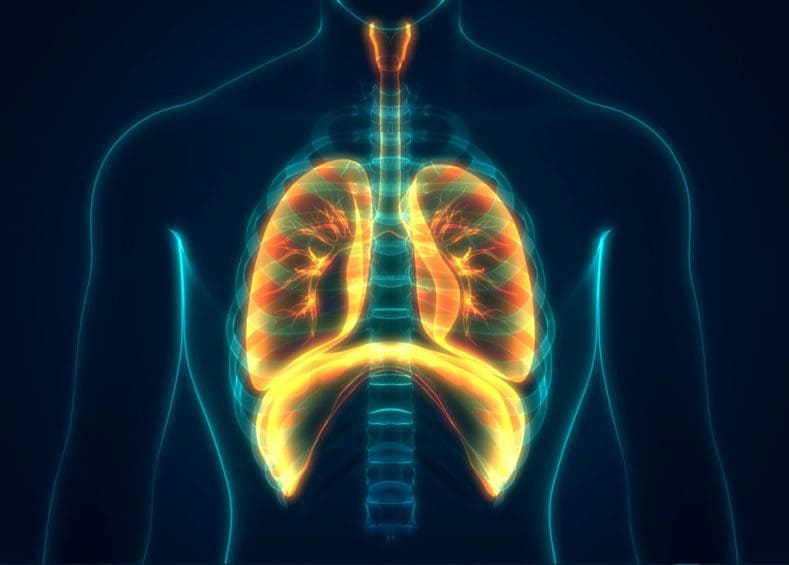
The lungs and the spine are close to each other, which is why back discomfort and problems with breathing are connected.
Pneumonia
Pneumonia is an infection in the lungs that causes the tiny sacks known as alveoli to fill with fluid.
This is where the body takes oxygen from the inhaled air to the bloodstream.
The infection causes inflammation and discomfort symptoms in and around the chest and back while taking deep breaths.
Lung Cancer
Lung cancer can cause back issues and pain.
Frequently coughing causes the muscles around the ribs and back to become overused and strained from the jerking and heaving.
The strained muscles cause discomfort and pain when taking a breath.
Tumors can push on sensitive nerves in the back, causing inflammation and pain.
Pleurisy
There is a thin layer of protective tissue surrounding the lungs called pleura.
Pleurisy describes the layer becoming infected and/or inflamed, which causes discomfort symptoms in the back when breathing.
Pleurisy can be caused by injury, infection, or cancer.
Individuals with autoimmune disorders are more at risk of developing the condition.
Pneumothorax
Pneumothorax describes a full or partial lung collapse, usually on one side.
The lung can collapse as a result of severe illness or injury.
The lung collapses because air gets between the pleura and the lung and not allowing the lung to expand.
Pain with breathing is a common indicator of pneumothorax.
Individuals with this condition also experience severe shortness of breath and chest pain on one side.
Pulmonary Embolism
A pulmonary embolism occurs when a blood clot gets stuck in an artery, blocking blood flow to part of the lung.
The lungs will display signs of distress through back pain when trying to take a deep breath.
This is a life-threatening condition that causes chest pain, coughing up blood, a heart rate over 100 beats per minute, dizziness or leg swelling, and painful breathing; get to an emergency room immediately.
Heart
Heart Attack
The nerves associated with pain in the muscles and bones differ from those surrounding the organs, including the heart.
However, a heart attack can cause back pain as the nerves of the heart travel along the same path as spinal nerves, specifically in the upper back.
The brain can misinterpret pain signals from the same roots that supply peripheral nerves in the chest, arm, jaw, and back.
Because they share nerve pathways, the upper back can present with pain during a heart attack.
Aortic Dissection
The largest artery in the body is called the aorta.
It comes off the top of the heart and then drops to supply blood to the rest of the body.
Sometimes, the vessel can get a small tear in the chest area, which grows from the blood circulation pressure.
Aortic dissection can cause intense back pain while breathing.
Chiropractic care, decompression, and massage therapy combined with functional medicine can help realign the spine, stretch and loosen the overused and strained muscles, and provide postural training and nutritional planning to help alleviate symptoms and restore function.
Deep Breathing Back Pain
References
Costumbrado J, Ghassemzadeh S. Spontaneous Pneumothorax. [Updated 2022 Jul 25]. In: StatPearls [Internet]. Treasure Island (FL): StatPearls Publishing; 2022 Jan-. Available from: https://www.ncbi.nlm.nih.gov/books/NBK459302/
Floman, Y., Burnei, G., Gavriliu, S. et al. Surgical management of moderate adolescent idiopathic scoliosis with ApiFix®: a short peri- apical fixation followed by post-operative curve reduction with exercises. Scoliosis 10, 4 (2015). https://doi.org/10.1186/s13013-015-0028-9
Hunter MP, Regunath H. Pleurisy. [Updated 2022 Jul 4]. In: StatPearls [Internet]. Treasure Island (FL): StatPearls Publishing; 2022 Jan-. Available from: https://www.ncbi.nlm.nih.gov/books/NBK558958/
Mansfield JT, Bennett M. Scheuermann Disease. [Updated 2022 Aug 21]. In: StatPearls [Internet]. Treasure Island (FL): StatPearls Publishing; 2022 Jan-. Available from: https://www.ncbi.nlm.nih.gov/books/NBK499966/
Raitio A, Syvänen J, Helenius I. Vertebral Body Tethering: Indications, Surgical Technique, and a Systematic Review of Published Results. Journal of Clinical Medicine. 2022; 11(9):2576. https://doi.org/10.3390/jcm11092576
It is difficult for individuals to achieve health and fitness goals when they don’t like to eat vegetables. Intermittent fasting, Paleo, vegan, Mediterranean, or New Nordic, almost all healthy nutrition plans require vegetable consumption to achieve optimal health. However, it is never too late to learn to enjoy vegetables. Injury Medical Chiropractic and Functional Medicine Clinic can recommend ways not just to eat vegetables because they are healthy but to truly enjoy them.
Training Oneself To Enjoy Vegetables
Everyone’s taste preferences are different.
Many individuals grew up in homes where vegetables were prepared in unappetizing ways.
Over boiling and steaming are common preparation methods that many had experience with, including broccoli, cauliflower, asparagus, and Brussels sprouts, which made them flavorless, mushy and is where many decided they were not going to eat these foods.
Vegetables are full of nutrients that are very beneficial to the body.
Vegetables contain antioxidants, vitamins, minerals, fiber, and phytonutrients.
These nutrients help keep the mind and body healthy and avoid deficiencies.
Vegetables add fiber that provides a feeling of fullness by giving volume to fill the stomach without added calories.
This controls energy balance/calories in vs. calories out, which helps shed body fat without feeling hungry and maintain body weight.
Vegetables feed the intestinal bacteria that help the digestive tract.
Vegetables provide hydration that helps the fiber eliminate waste products.
Vegetables add variety to help maintain healthy nutrition.
Branching Out
The key is to branch out incrementally. Most individuals will have a vegetable or two that they can tolerate. This could be a starting point by expanding on new variations on those tolerable vegetables that will lead to broadened taste preferences. This can be done through different cooking methods that include:
Regardless of where you’re starting, there are simple ways to make the vegetable bitterness less intense, more palatable, and more enjoyable that consists of:
Vegetable Challenge
Vegetable Complement
Vegetable Cushion
Vegetable Challenge
Pick a vegetable that you would not normally eat that requires effort to try.
Motivate yourself to try it – health reasons, children, family, friends, etc.
Take a small bite; you may hate it, like it, or it has no effect.
You at least tried it.
Research suggests that individuals may need to try new foods many times (prepared differently) before tolerating or liking them.
It means pairing food with a vegetable to activate various tastes and flavors pleasing to the palate simultaneously.
Vegetable Cushion
On the tongue are a variety of receptors that bind to the chemicals in food.
When these receptors are activated, they send a chemical signal to the brain about the taste.
Variations in the number and type of receptors help develop flavor preferences.
Basic tastes – sweet, sour, spicy, salty, bitter, and umami.
Pairingbitterness with other distinct flavors, like sweet and spicy, can develop and change the brain’s perception of bland or bitter vegetables to tasty and delicious.
Cushions for bitterness include honey, real maple syrup, sour cream, Mexican crema, hot sauce, oils, almonds, and butter used in balance to enhance and bring out flavors.
The objective is to start small and work your way to becoming more comfortable with experimenting and combining more flavors. Consultation with a professional nutritionist can help individuals get on a healthy nutrition plan that they can enjoy.
Tip From A Dietitian
References
Christoph, Mary J et al. “Intuitive Eating is Associated With Higher Fruit and Vegetable Intake Among Adults.” Journal of nutrition education and behavior vol. 53,3 (2021): 240-245. doi:10.1016/j.jneb.2020.11.015
Melis M, Yousaf NY, Mattes MZ, Cabras T, Messana I, Crnjar R, Tomassini Barbarossa I, Tepper BJ. Sensory perception of salivary protein response to astringency as a function of the 6-n-propylthioural (PROP) bitter-taste phenotype. Physiol Behav. 2017 Jan 24;173:163-173.
Mennella JA. Development of food preferences: Lessons learned from longitudinal and experimental studies. Food Qual Prefer. 2006 Oct;17(7-8):635-637.
Tordoff, Michael G, and Mari A Sandell. “Vegetable bitterness is related to calcium content.” Appetite vol. 52,2 (2009): 498-504. doi:10.1016/j.appet.2009.01.002
Wallace, Taylor C et al. “Fruits, vegetables, and health: A comprehensive narrative, umbrella review of the science and recommendations for enhanced public policy to improve intake.” Critical reviews in food science and nutrition vol. 60,13 (2020): 2174-2211. doi:10.1080/10408398.2019.1632258
Wieczorek, Martyna N et al. “Bitter taste of Brassica vegetables: The role of genetic factors, receptors, isothiocyanates, glucosinolates, and flavor context.” Critical reviews in food science and nutrition vol. 58,18 (2018): 3130-3140. doi:10.1080/10408398.2017.1353478
Back pain is one of the most common reasons individuals go to a doctor, massage therapist, physiotherapist, osteopath, and chiropractor. Various health conditions, some spine-related, others not, list back pain as a symptom. Many of these conditions begin in the stomach or abdominal cavity, which leads to stomach and back pain. Stomach and back pain happening simultaneously, independently, or in combination could be caused by gut problems, back issues, or something completely different. Understanding what causes these two types of pain simultaneously can help figure out a treatment plan.
Stomach Back Pain Causes
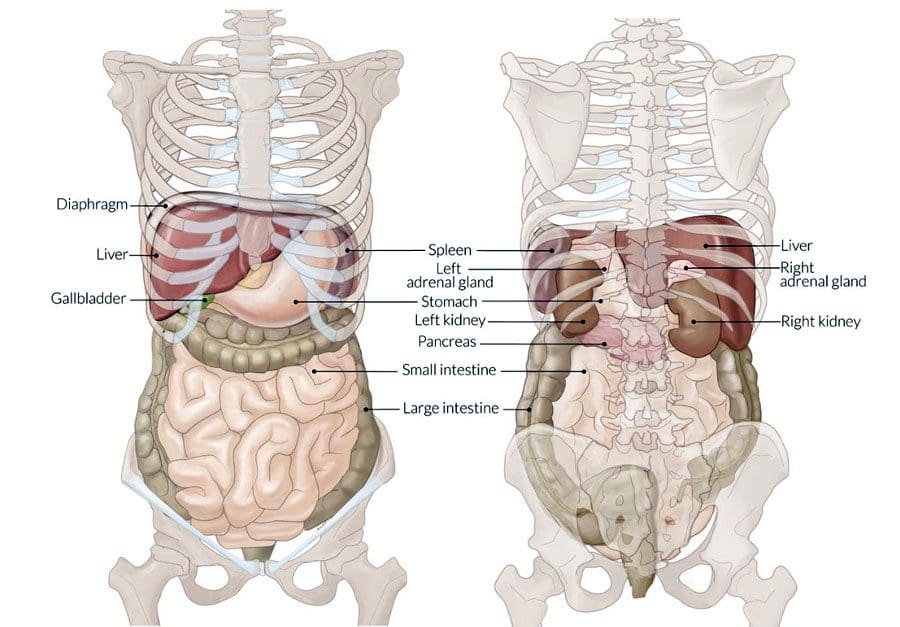
Problems in the abdominal cavity and stomach issues can cause back pain and vice versa. Symptoms can also include referred pain when the pain is felt in one part of the body but is caused by pain or injury in another area. Stomach back pain causes depend on the type of condition/s that can include:
Appendicitis
Inflammation in the appendix can cause sudden sharp pain in the abdomen.
It presents mostly in the lower right area of the abdomen but can appear in or spread to other sites, especially the back.
A chiropractic functional medicine team can work with an individual’s primary physician or specialist to develop a personalized treatment plan to alleviate back pain symptoms, re-balance the body, strengthen the musculoskeletal system and restore function.
Ford AC, Talley NJ. Chapter 122, Irritable Bowel Syndrome. Feldman M (ed.). Sleisenger and Fordtran’s Gastrointestinal and Liver Disease. 11th ed. Elsevier: 2021. 2008-2020. https://www.clinicalkey.com/#!/content/book/3-s2.0-B9780323609623001223?scrollTo=%23hl0001104
Inadomi JM, Bhattacharya R, Hwang JH, Ko C. Chapter 7, The Patient with Gas and Bloating. Yamada’s Handbook of Gastroenterology. 4th ed. John Wiley & Sons; 2019. https://doi.org/10.1002/9781119515777.ch7
Kliegman RM, St Geme JW, Blum NJ, et al. Chapter 378, Pancreatitis. Nelson Textbook of Pediatrics. 21st ed. Elsevier; 2020. 2074-2080. https://www.clinicalkey.com/#!/content/book/3-s2.0-B9780323529501003783
Krames E, Mousad DG. Spinal Cord Stimulation Reverses Pain and Diarrheal Episodes of Irritable Bowel Syndrome: A Case Report. Neuromodulation. 2004 Mar 22;7(2):82-88. https://doi.org/10.1111/j.1094-7159.2004.04011.x
Sifri CD, Madoff LC. Chapter 78, Appendicitis. Mandell, Douglas, and Bennett’s Principles and Practice of Infectious Diseases. 9th ed. Bennett JA (ed.). Elsevier; 2020. 1059-1063. https://www.clinicalkey.com/#!/content/book/3-s2.0-B9780323482554000783
Stephen Norman Sullivan, “Functional Abdominal Bloating with Distention,” International Scholarly Research Notices, vol. 2012, Article ID 721820, 5 pages, 2012. https://doi.org/10.5402/2012/721820
Wang DQH, Afdhal NH. Chapter 65, Gallstone Disease. Feldman M (ed.). Sleisenger and Fordtran’s Gastrointestinal and Liver Disease. 11th ed. Elsevier: 2021. 1016-1046. https://www.clinicalkey.com/#!/content/book/3-s2.0-B9780323609623000655?scrollTo=%23hl0001772
Weisman, Michael H et al. “Axial Pain and Arthritis in Diagnosed Inflammatory Bowel Disease: US National Health and Nutrition Examination Survey Data.” Mayo Clinic proceedings. Innovations, quality & outcomes vol. 6,5 443-449. 16 Sep. 2022, doi:10.1016/j.mayocpiqo.2022.04.007
Whorwell PJ. Chapter 13, Abdominal Bloating. Irritable Bowel Syndrome: Diagnosis and Clinical Management. Emmanuel A, Quigley EMM (eds.). John Wiley & Sons; 2013. https://doi.org/10.1002/9781118444689.ch13
Yarze JC, Friedman LS. Chapter 12, Chronic Abdominal Pain. Feldman M (ed.). Sleisenger and Fordtran’s Gastrointestinal and Liver Disease. 11th ed. Elsevier; 2021. 158-167. https://www.clinicalkey.com/#!/content/book/3-s2.0-B9780323609623000126?scrollTo=%23hl0000408
IFM's Find A Practitioner tool is the largest referral network in Functional Medicine, created to help patients locate Functional Medicine practitioners anywhere in the world. IFM Certified Practitioners are listed first in the search results, given their extensive education in Functional Medicine








 Stomach Back Pain Causes






