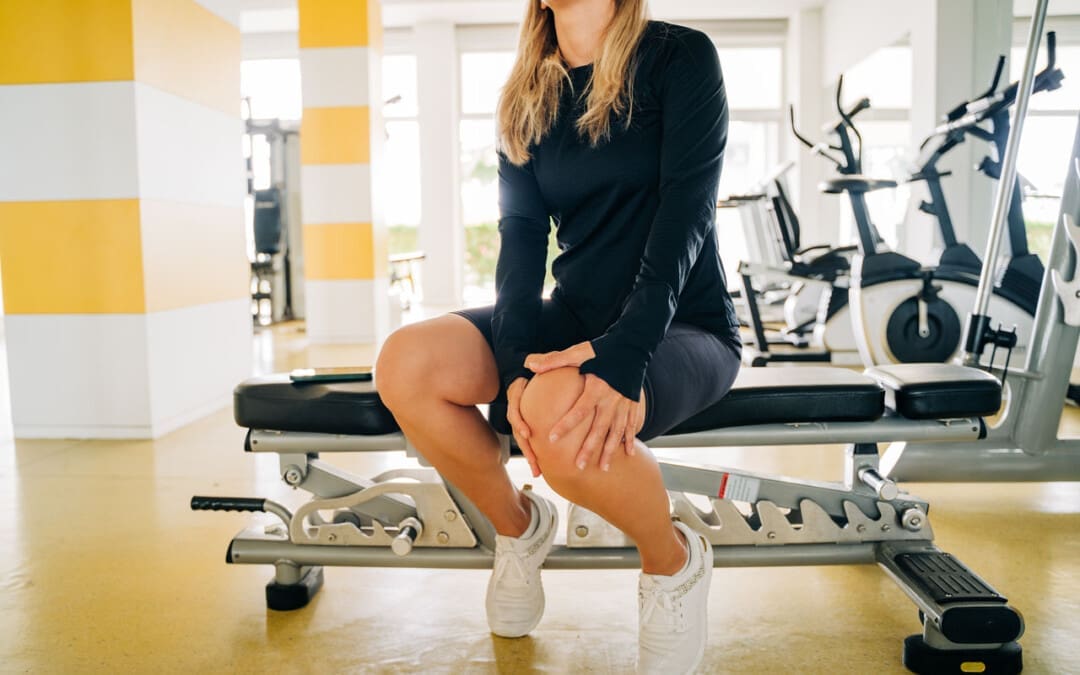
Knee injuries can present in physically active individuals that lift weights. Can understanding the types of weightlifting knee injuries help in prevention?
Weightlifting Knee Injuries
Weight training is very safe for the knees as regular weight training can improve knee strength and prevent injury as long as the correct form is followed. For Individuals with knee injuries from other activities, incorrect weight-training exercises could worsen the injury. (Ulrika Aasa et al., 2017) As well as, sudden twisting movements, poor alignment, and pre-existing injuries can increase the risk of worsening or creating further injuries. (Hagen Hartmann et al, 2013) The body and the knees are designed to support vertical forces on the joints.
Common Injuries
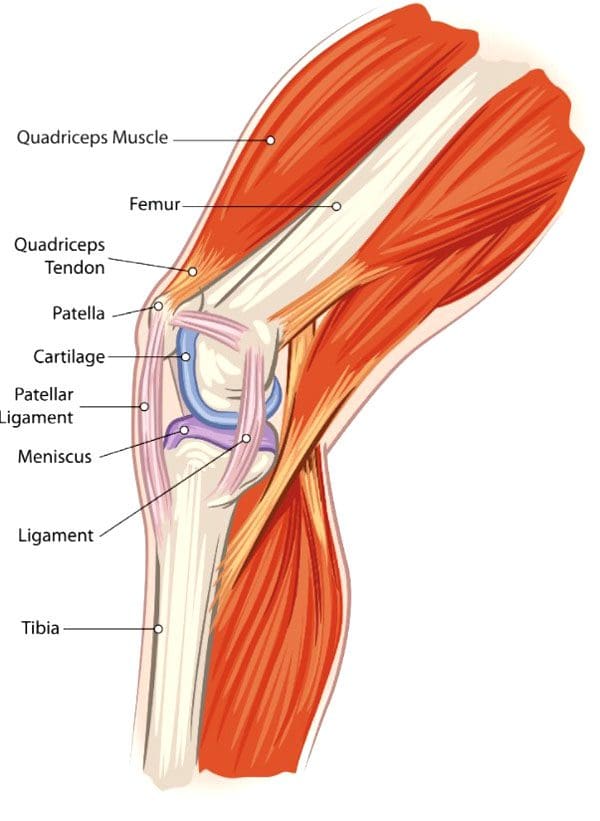
Weightlifting knee injuries occur as the knee joints endure a wide range of stresses and strains. In weight training, the ligaments that attach to the complex bone system of the knee joint can be damaged by incorrect movements, overloading the weight, and increasing the weight too soon. These injuries can result in pain, swelling, and immobility that can range from minor to severe, from a sprain or a slight tear to a complete tear in serious cases.
Anterior Cruciate Ligament – ACL – Injury
This ligament attaches the thigh’s femur bone to the lower leg’s shin bone/tibia and controls excessive rotation or extension of the knee joint. (American Academy of Family Physicians. 2024)
Anterior means front.
ACL injuries are seen mostly in athletes but can happen to anybody.
Severe damage to the ACL usually means surgical reconstruction and up to 12 months of rehabilitation.
When weightlifting, try to avoid twisting knee movements, intentionally or accidentally, under excessive load.
Posterior Cruciate Ligament – PCL – Injury
The PCL connects the femur and tibia at different points to the ACL.
It controls any backward motion of the tibia at the joint.
Injuries occur most with high-impact forces as a result of accidents and sometimes in activities where forceful trauma to the knee occurs.
Medial Collateral Ligament – MCL – Injury
This ligament maintains the knee from bending too far to the inside/medially.
Injuries mostly occur from impact to the outside of the knee or from accidental bodyweight force on the leg that bends at an unusual angle.
Lateral Collateral Ligament – LCL – Injury
This ligament connects the smaller bone of the lower leg/fibula to the femur.
It is opposite to the MCL.
It maintains excessive outward movement.
LCL injuries occur when a force pushes the knee out.
Cartilage Injury
Cartilage prevents bones from rubbing together and cushions impact forces.
Knee menisci are cartilage that cushions the knee joints inside and outside.
Other types of cartilage protect the thigh and shin bones.
When cartilage gets torn or damaged, surgery may be required.
Tendonitis
Aggravated and overused knee tendons can lead to weightlifting knee injuries.
A related injury known as iliotibial band syndrome/ITB causes pain to the outside of the knee, usually in runners, but it can occur from overuse.
Rest, stretching, physical therapy, and anti-inflammatory medication are a common treatment plan.
The condition causes the cartilage to deteriorate and bones to rub together, resulting in pain and stiffness.
Prevention
Individuals can minimize their risk of weightlifting knee injuries and pain by following their doctor’s and personal trainers’ recommendations.
Individuals with an existing knee injury should follow their doctor’s or physical therapist’s recommendations.
A knee sleeve can keep the muscles and joints secure, providing protection and support.
Stretching the leg and knee muscles can maintain joint flexibility.
Avoid sudden lateral movements.
Possible recommendations can include:
Avoiding Certain Exercises
Isolation exercises like leg curls, standing, or on a bench, as well as using the leg extension machine, can stress the knee.
Deep Squat Training
Research shows that the deep squat can protect against lower leg injury if the knee is healthy. However, this is when done with proper technique, under expert supervision, and with a gradual progressive load. (Hagen Hartmann et al, 2013)
Individuals should talk to their doctor before beginning a new exercise routine. A personal trainer can provide training in learning the proper technique and weightlifting form.
How I Tore my ACL Part 2
References
Aasa, U., Svartholm, I., Andersson, F., & Berglund, L. (2017). Injuries among weightlifters and powerlifters: a systematic review. British journal of sports medicine, 51(4), 211–219. https://doi.org/10.1136/bjsports-2016-096037
Hartmann, H., Wirth, K., & Klusemann, M. (2013). Analysis of the load on the knee joint and vertebral column with changes in squatting depth and weight load. Sports medicine (Auckland, N.Z.), 43(10), 993–1008. https://doi.org/10.1007/s40279-013-0073-6
American Academy of Family Physicians. ACL injury. (2024). ACL injury (Diseases and Conditions, Issue. https://familydoctor.org/condition/acl-injuries/
Mellinger, S., & Neurohr, G. A. (2019). Evidence based treatment options for common knee injuries in runners. Annals of translational medicine, 7(Suppl 7), S249. https://doi.org/10.21037/atm.2019.04.08
Driban, J. B., Hootman, J. M., Sitler, M. R., Harris, K. P., & Cattano, N. M. (2017). Is Participation in Certain Sports Associated With Knee Osteoarthritis? A Systematic Review. Journal of athletic training, 52(6), 497–506. https://doi.org/10.4085/1062-6050-50.2.08
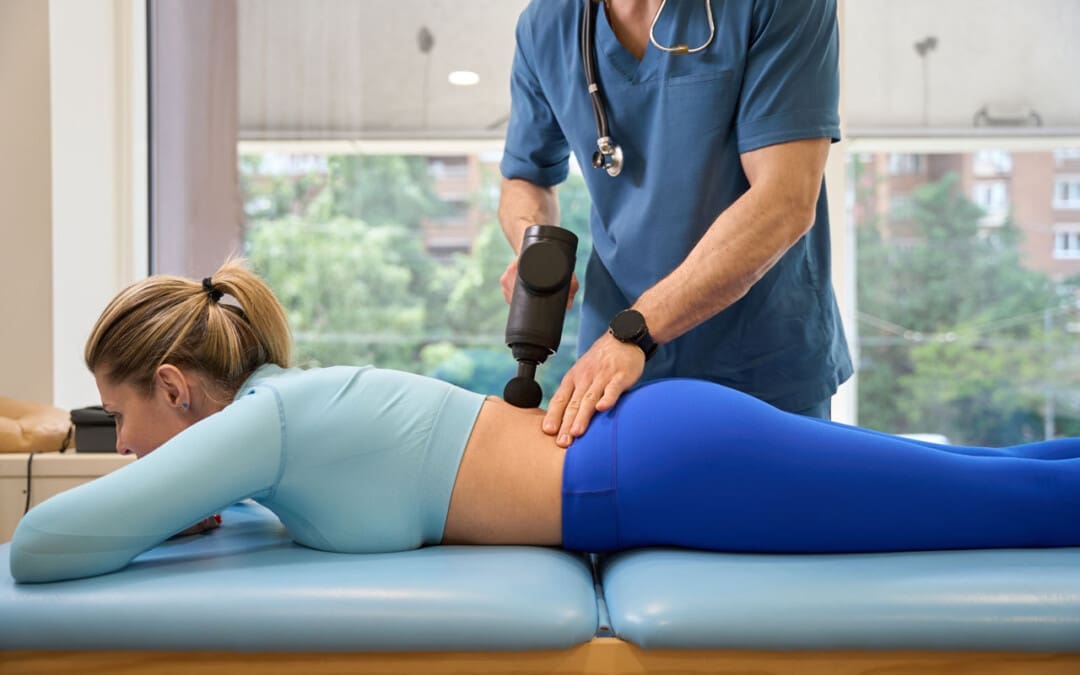
For individuals experiencing lower back pain can understanding the anatomy and function of the multifidus muscle help in injury prevention and in the development of a highly effective treatment plan?
Multifidus Muscle
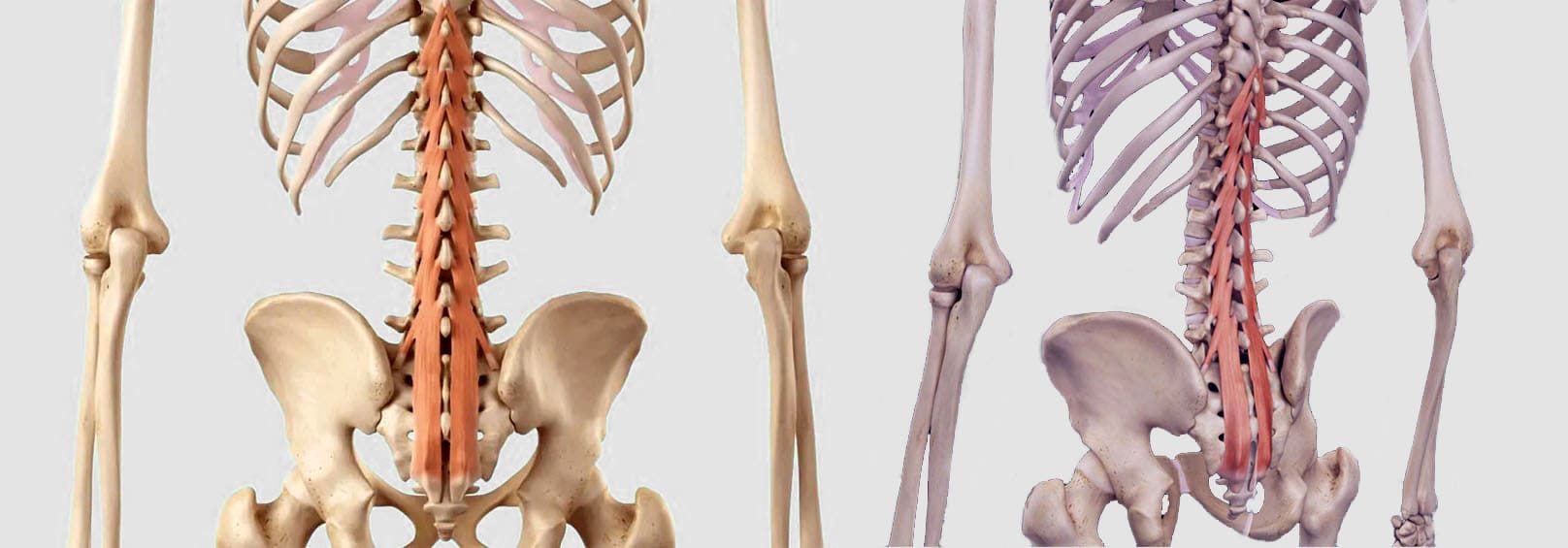
The multifidus muscles are long and narrow on either side of the spinal column, which helps stabilize the lower region of the spine or lumbar spine. (Maryse Fortin, Luciana Gazzi Macedo 2013) Sitting too much, practicing unhealthy postures, and lack of movement can progress to the multifidus muscle weakening or atrophy, which can lead to spinal instability, vertebral compression, and back pain. (Paul W. Hodges, Lieven Danneels 2019)
Anatomy
Known as the deep layer, it is the innermost layer of the three muscle layers of the back and controls the movement of the spine. The other two layers, known as the intrinsic and superficial, are responsible for the thoracic cage/rib cage and shoulder movement. (Anouk Agten et al., 2020) The multifidus has attachment points at:
The thoracic spine of the middle back.
The lumbar spine of the lower back.
The iliac spine – the base of the wing-shaped iliac bone of the pelvis.
Sacrum – series of bones at the base of the spine connected to the tailbone.
When standing or moving, the multifidus muscle works with the transversus abdominus and pelvic floor muscles to stabilize the lumbar spine. (Christine Lynders 2019)
Muscle Function
The main function is to stabilize the lower back, but it also helps extend the lower spine whenever reaching or stretching. (Jennifer Padwal et al., 2020) Because the muscle has numerous attachment points and is serviced by a specific branch of nerves known as the posterior rami, it allows each vertebra to work individually and more efficiently.
The multifidus muscle works with two other deep muscle groups to stabilize and move the spine. (Jeffrey J Hebert et al., 2015)
The rotatores muscle enables unilateral rotation, turning from side to side, and bilateral extension or bending backward and forward.
The semispinalis muscle above the multifidus allows extension and rotation of the head, neck, and upper back.
The multifidus muscle ensures spinal strength because it has more attachment points to the spine than the other layers, which reduces spinal flexibility and rotation but increases strength and stability. (Anouk Agten et al., 2020)
Lower Back Pain
A weak multifidus muscle destabilizes the spine and provides less support to the vertebra. This adds pressure on muscles and connective tissues between and adjacent to the spinal column, increasing the risk of lower back pain symptoms. (Paul W. Hodges, Lieven Danneels 2019) The loss of muscle strength and stability can cause atrophy or wasting away. This can cause compression and other back problems. (Paul W. Hodges et al., 2015) Back problems associated with multifidus muscle deterioration include (Paul W. Hodges, Lieven Danneels 2019)
Herniated discs – also bulging or slipped discs.
Nerve entrapment or compression pinched nerve.
Sciatica
Referred pain – nerve pain originating from the spine felt in other areas.
Osteoarthritis – wear-and-tear arthritis
Spinal osteophytes – bone spurs
Weak abdominal or pelvic floor muscles can compromise the core, increasing the risk of chronic lower back pain and injury.
Individuals are recommended to consult a physical therapist and chiropractor who can help develop the appropriate treatment, rehabilitation, and strengthening plan based on age, injury, underlying conditions, and physical abilities.
Can Core Exercises Help with Back Pain?
References
Fortin, M., & Macedo, L. G. (2013). Multifidus and paraspinal muscle group cross-sectional areas of patients with low back pain and control patients: a systematic review with a focus on blinding. Physical therapy, 93(7), 873–888. https://doi.org/10.2522/ptj.20120457
Hodges, P. W., & Danneels, L. (2019). Changes in Structure and Function of the Back Muscles in Low Back Pain: Different Time Points, Observations, and Mechanisms. The Journal of orthopaedic and sports physical therapy, 49(6), 464–476. https://doi.org/10.2519/jospt.2019.8827
Agten, A., Stevens, S., Verbrugghe, J., Eijnde, B. O., Timmermans, A., & Vandenabeele, F. (2020). The lumbar multifidus is characterised by larger type I muscle fibres compared to the erector spinae. Anatomy & cell biology, 53(2), 143–150. https://doi.org/10.5115/acb.20.009
Lynders C. (2019). The Critical Role of Development of the Transversus Abdominis in the Prevention and Treatment of Low Back Pain. HSS journal : the musculoskeletal journal of Hospital for Special Surgery, 15(3), 214–220. https://doi.org/10.1007/s11420-019-09717-8
Padwal, J., Berry, D. B., Hubbard, J. C., Zlomislic, V., Allen, R. T., Garfin, S. R., Ward, S. R., & Shahidi, B. (2020). Regional differences between superficial and deep lumbar multifidus in patients with chronic lumbar spine pathology. BMC musculoskeletal disorders, 21(1), 764. https://doi.org/10.1186/s12891-020-03791-4
Hebert, J. J., Koppenhaver, S. L., Teyhen, D. S., Walker, B. F., & Fritz, J. M. (2015). The evaluation of lumbar multifidus muscle function via palpation: reliability and validity of a new clinical test. The spine journal : official journal of the North American Spine Society, 15(6), 1196–1202. https://doi.org/10.1016/j.spinee.2013.08.056
Hodges, P. W., James, G., Blomster, L., Hall, L., Schmid, A., Shu, C., Little, C., & Melrose, J. (2015). Multifidus Muscle Changes After Back Injury Are Characterized by Structural Remodeling of Muscle, Adipose and Connective Tissue, but Not Muscle Atrophy: Molecular and Morphological Evidence. Spine, 40(14), 1057–1071. https://doi.org/10.1097/BRS.0000000000000972
For individuals dealing with lower back pain, it could be quadricep muscle tightness causing the symptoms and posture problems. Can knowing the signs of quadricep tightness help prevent pain and avoid injury?
Quadriceps Tightness
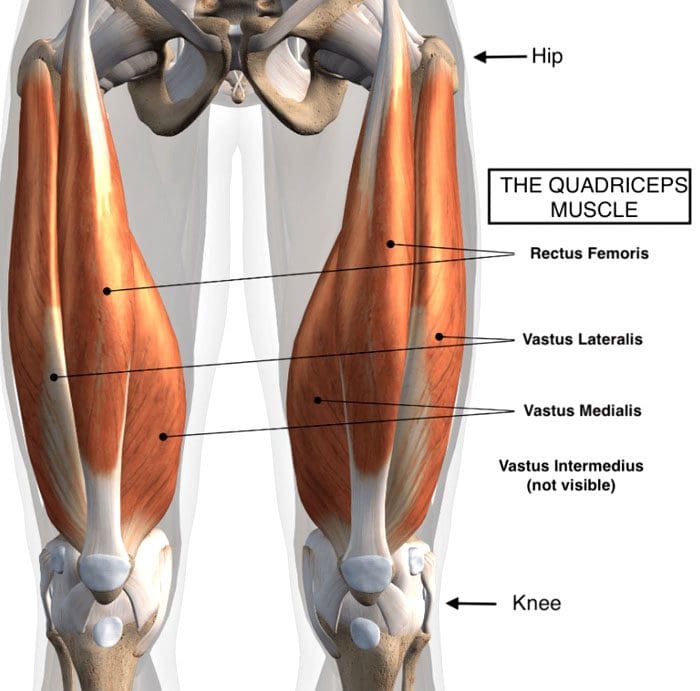
Quadriceps muscles are in the front of the thigh. Forces that could be creating chronic pain and posture problems could be happening at the same time are:
Quadricep tightness causes lower back pain as the pelvis gets pulled down.
Tight quadriceps lead to weakened hamstring muscles.
These are the opposing muscles behind the thigh.
Stress and pressure on the hamstrings can cause back pain and problems.
The rectus femoris attaches to the pelvis at the anterior superior iliac spine, which is the front part of the hip bone.
The rectus femoris is the only muscle in the group that crosses over the hip joint, which also affects movement.
When the quadriceps, especially the rectus femoris, become tight, they pull down on the hips.
The pelvis tilts downward or forward, technically referred to as the anterior tilt of the pelvis. (Anita Król et al., 2017)
The spine is between the pelvis, and if the pelvis tilts forward, the lumbar spine compensates by arching.
A larger arch in the lower back is referred to as excessive lordosis and often causes tightness and pain in the back muscles. (Sean G. Sadler et al., 2017)
Hamstring Compensation
When the quadriceps tighten and the pelvis gets pulled down, the back has an abnormal lift. This puts the hamstring on a consistent stretch that can cause pain symptoms.
Healthy posture and hamstring muscle tone help maintain correct pelvic positioning in the back.
This is correct because it helps maintain a comfortable position.
Quadricep tightness can set off a reaction as the pelvis tilts down in front and up in the back while overly stretching the hamstrings.
Pain and soreness are the usual result
Lack of hamstring strength and quadriceps stretching can cause the hamstrings to lose their ability to support correct pelvic and spinal positions. (American Council on Exercise. 2015)
Knowing When Quads Are Tightening
Individuals often don’t realize their quadriceps are tight, especially those who spend most of the day sitting.
The more time spent in a chair can cause the quadriceps and lower back muscles to tighten steadily.
Individuals can try a few tests at home:
Standing Up
Push the hips forward.
Push from the sitting bones so you’re at the correct level.
How far forward do the hips go?
What is felt?
Pain could indicate tight quadriceps.
In A Lunge Position
With one leg forward and bent in front of the other.
The back leg is straight.
How far forward does the leg go?
What is felt?
How does the front of the hip on the back leg feel?
Standing Bent Leg
Stand with the front leg bent and the back leg straight.
Discomfort in the back leg could mean tight quadriceps.
In A Kneeling Position
Arch the back
Grab the ankles
Modify the position to adjust for any pain or joint issues.
If you have to prop yourself up or modify the pose to reduce pain, it could be tight quadriceps.
Helping to understand the condition can help in communication with a healthcare provider.
A healthcare provider and/or physical therapist can conduct a posture evaluation examination to test the quadriceps.
Understanding Academic Low Back Pain: Impact and Chiropractic Solutions
References
Kripa, S., Kaur, H. (2021). Identifying relations between posture and pain in lower back pain patients: a narrative review. Bulletin of Faculty of Physical Therapy, 26(34). https://doi.org/doi: 10.1186/s43161-021-00052-w
Król, A., Polak, M., Szczygieł, E., Wójcik, P., & Gleb, K. (2017). Relationship between mechanical factors and pelvic tilt in adults with and without low back pain. Journal of back and musculoskeletal rehabilitation, 30(4), 699–705. https://doi.org/10.3233/BMR-140177
Sadler, S. G., Spink, M. J., Ho, A., De Jonge, X. J., & Chuter, V. H. (2017). Restriction in lateral bending range of motion, lumbar lordosis, and hamstring flexibility predicts the development of low back pain: a systematic review of prospective cohort studies. BMC musculoskeletal disorders, 18(1), 179. https://doi.org/10.1186/s12891-017-1534-0
American Council on Exercise. (2015). 3 Stretches for Opening Up Tight Hips (Fitness, Issue. https://www.acefitness.org/resources/everyone/blog/5681/3-stretches-for-opening-up-tight-hips/
Of this, 0.7 grams come from fiber, and 1.3 grams are natural sugars.
Fats
Tomatillos contain less than half a gram in one medium-sized tomatillo.
Protein
There is less than half a gram of protein per tomatillo.
Vitamins and Minerals
Tomatillos provide:
Vitamin A
Vitamin C
Potassium
And provide several other micronutrients in smaller doses.
Benefits
Tomatillo’s health benefits include the following.
Cardiovascular Health
Tomatillos provide a heart-healthy dietary addition. They are naturally low in sodium and rich in potassium, which could help regulate blood pressure. They provide vitamins A and C and antioxidants against free radicals.
The American Heart Association recommends the consumption of a variety of fruits and vegetables daily for various benefits. One of them is their fiber content. Fiber is the indigestible part of carbohydrates that can help decrease cholesterol by binding and removing cholesterol from the body. Tomatillos contain about one gram of fiber, a recommended addition to a heart-healthy diet. (American Heart Association. 2023)
Potentially Help Reduce Cancer Risk
Tomatillos have several antioxidants with cancer-preventing properties. They are a source of phytochemicals known as withanolides. These natural plant compounds have been shown to induce apoptosis/cell death in colon cancer cells. (Peter T. White et al., 2016) Diets high in fruits and vegetables have been associated with lower risks of cancer, making tomatillos a welcome addition to a high-antioxidant nutrition plan focused on cancer prevention.
Arthritis Symptoms Improvement
The withanolide antioxidants are also anti-inflammatory. Research on withanolides demonstrates clinical benefits in the alleviation of symptoms of osteoarthritis and rheumatoid arthritis. (Peter T. White et al., 2016) Tomatillos may help reduce inflammation, which can make arthritis more manageable.
Vision Loss Prevention
Tomatillos provide a healthy source of key nutrients for eye health. Lutein and zeaxanthin are antioxidants that concentrate in the retina and help protect against environmental deterioration. Tomatillos provide:
Tomatillos are a low-calorie whole food ingredient. Because of their high water content, it’s possible to fill up without adding excess calories. Fresh salsa made with tomatoes or tomatillos is a healthy, flavorful choice that is virtually free of added sugars. (The National Kidney Foundation. 2014)
Adverse Effects
Tomatillos are part of the nightshade family. While there is no conclusive evidence confirming any harmful effects, some individuals report experiencing sensitivity to them. (Cleveland Clinic. 2019) Individuals who believe they may be sensitive to tomatillos should consult a registered dietitian to determine the root cause and ways to improve tolerance.
Allergies
Although rare, serious reactions, including anaphylaxis, are possible even if the individual shows no signs of a tomato allergy.
Individuals unsure about an allergy to tomatillos should see an allergist for testing.
Varieties
Different varieties include yellow, green, and purple. (MacKenzie J. 2018)
Rendidora is a green variety that grows upright with a high yield.
Gulliver Hybrid, Tamayo, Gigante, and Toma Verde are also green but grow in a sprawling pattern.
Choose tomatillos that are firm and green but large enough that they fill up the husks.
When they ripen too long, their flavor becomes bland. (MacKenzie J. 2018)
Storage and Safety
Tomatillos can last months in their husks, spread out in a well-ventilated area. (MacKenzie J. 2018)
Keep them in a paper bag in the refrigerator for no longer than 2 weeks if using sooner.
Do not store in plastic, as this can cause spoilage.
For extended storage, tomatillos may be frozen or canned.
Remove the husks, wash them, and dry them before eating or preparing them for long-term storage.
Preparation
Tomatillos have a distinct flavor and firm texture. They can be eaten whole with no need to seed or core them. (Drost D, Pedersen K. 2020) Use tomatillos for:
The Healing Diet: Combat Inflammation, Embrace Wellness
References
FoodData Central. U.S. Department of Agriculture. (2018). Tomatillos, raw. Retrieved from https://fdc.nal.usda.gov/fdc-app.html#/food-details/168566/nutrients
American Heart Association. (2023). How to Eat More Fruit and Vegetables (Healthy Living, Issue. https://www.heart.org/en/healthy-living/healthy-eating/add-color/how-to-eat-more-fruits-and-vegetables
White, P. T., Subramanian, C., Motiwala, H. F., & Cohen, M. S. (2016). Natural Withanolides in the Treatment of Chronic Diseases. Advances in experimental medicine and biology, 928, 329–373. https://doi.org/10.1007/978-3-319-41334-1_14
National Institutes of Health, Office of Dietary Supplements. (2023). Vitamin A: Fact Sheet for Health Professionals. Retrieved from https://ods.od.nih.gov/factsheets/VitaminA-HealthProfessional/
The National Kidney Foundation. (2014). 6 of the Best and Worst Condiments for Health (Kidney Basics, Issue. https://www.kidney.org/news/ekidney/july14/7_Best_and_Worst_Condiments_for_Health
Cleveland Clinic. (2019). What’s the Deal With Nightshade Vegetables? (healthessentials, Issue. https://health.clevelandclinic.org/whats-the-deal-with-nightshade-vegetables/
Jill, M. (2018). Growing Tomatillos and Ground Cherries in Home Gardens. https://extension.umn.edu/vegetables/growing-tomatillos-and-ground-cherries#harvest-and-storage-570315
Drost D, P. K. (2020). Tomatillos in the Garden (Horticulture, Issue. https://digitalcommons.usu.edu/cgi/viewcontent.cgi?article=2658&context=extension_curall
For individuals wanting to improve and/or maintain health research shows evidence that acupuncture may help promote weight loss. Can incorporating acupuncture into an overall health plan help achieve this goal?
Acupuncture Weight Loss
Acupuncture is a traditional medical therapy that inserts thin, flexible needles into the body at specific points. It has been around for more than 2,500 years. The practice is believed to stimulate the body’s energy/circulation, and research suggests that it could improve various factors known to contribute to weight gain and obesity. (Kepei Zhang et al., 2018)
Acupuncture regulates energy flow and helps restore the body’s balance, which is believed to promote homeostasis and self-healing. (Ning-Cen Li et al., 2019)
Acupuncture stimulates connective tissue, which affects blood circulation, nerves, and the immune system.
It has been used to help manage conditions like migraines, infertility, pain management, and weight loss.
At the first appointment, the acupuncturist will take a general medical history and identify weight loss goals.
They will help identify the root causes contributing to weight gain, e.g., slow metabolism, thyroid issues, and overeating, to develop an effective personalized treatment plan.
A trained and licensed practitioner may also be able to provide nutritional and health coaching in addition to acupuncture treatments.
Procedure
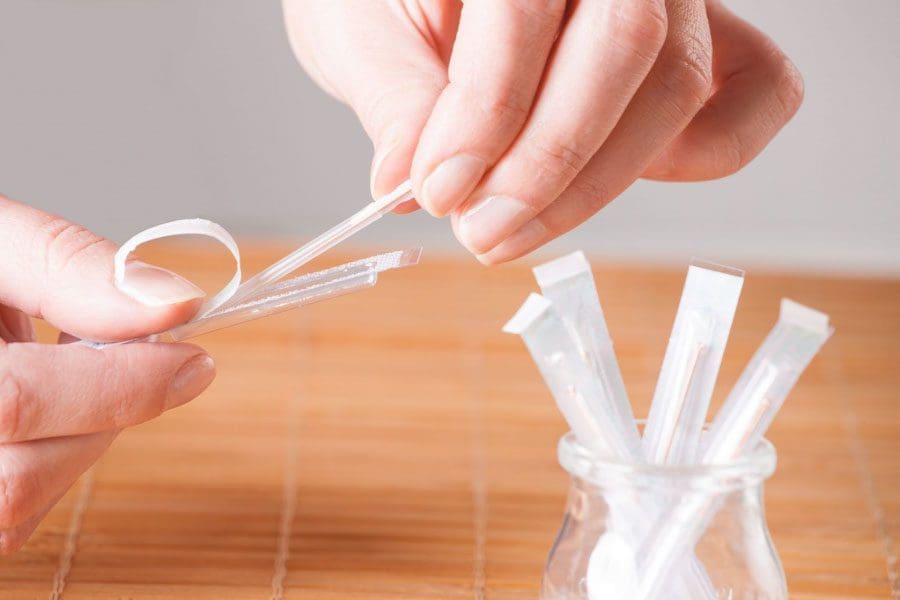
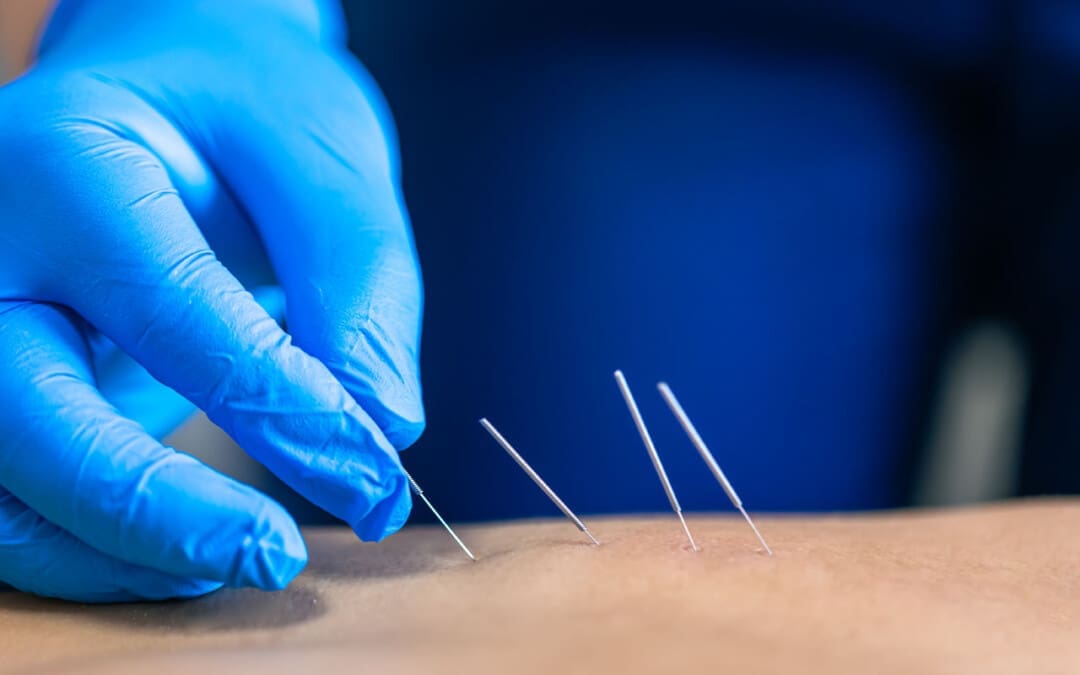
The needles are thin and designed to work effectively without causing pain or bleeding.
The needles are left in for 15 to 30 minutes per session, depending on the treatment stage.
The practitioner may lift or rotate the needles as part of the technique during a session.
Many individuals report that acupuncture treatments are relaxing and pain-free.
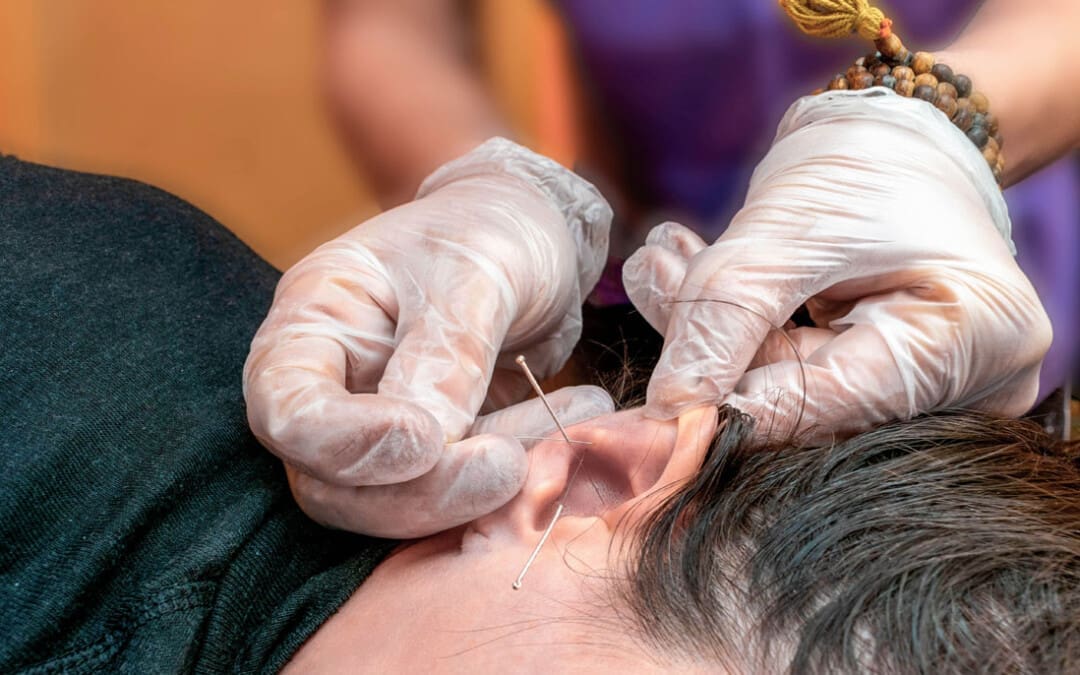
For weight loss, the ear points will be the focus.
Research suggests that stimulating certain outer ear points may help balance hormones that help decrease cravings and suppress appetite. (Li-Hua Wang et al.,2019)
Two hormones that help in weight loss and acupuncture may help rebalance include: (Li-Hua Wang et al.,2019)
Ghrelin
Controls appetite and meal stimulation.
Leptin
Regulates fat storage and metabolism.
Acupuncture Weight Loss can help:
Decrease food cravings
Suppress appetite
Improve digestion
Increase metabolism
Research
Acupuncture weight loss recent research:
One study compared the effectiveness of auricular/ear acupuncture to body acupuncture in obese women and found that those who received ear acupuncture lost more weight than the individuals who received acupuncture in other body areas. (Cayir Yasemin et al., 2017)
Another study found that overweight females between 20 and 30 years of age who received six weekly treatments of ear acupuncture experienced a reduction in waist circumference. (Felicity Lillingston et al., 2019)
Many individuals gain weight as a result of stress.
Research suggests that acupuncture therapy helps stimulate the release of endorphins or the body’s natural pain-relieving hormones.
This helps create calming, relaxing effects that counteract stress eating caused by tension, frustration, and anxiety. (Laila Ahmed Abou Ismail et al., 2015)
When incorporated with lifestyle adjustments, like regular exercise, improved sleep, stress management, and a balanced diet, a review of studies concluded that acupuncture is effective for weight loss. (S-Y Kim et al, 2018)
Safety
The risks of acupuncture are low when performed by a licensed and certified practitioner. The most common side effects include:
Soreness
Bruising
Minor bleeding where the needles were inserted
Fatigue
Before seeking acupuncture treatment, consult your healthcare provider about consideration. They may recommend a reputable practitioner if the treatment is right for you.
Chiropractic Care and Metabolism
References
Zhang, K., Zhou, S., Wang, C., Xu, H., & Zhang, L. (2018). Acupuncture on Obesity: Clinical Evidence and Possible Neuroendocrine Mechanisms. Evidence-based complementary and alternative medicine : eCAM, 2018, 6409389. https://doi.org/10.1155/2018/6409389
Li, N. C., Li, M. Y., Chen, B., & Guo, Y. (2019). A New Perspective of Acupuncture: The Interaction among Three Networks Leads to Neutralization. Evidence-based complementary and alternative medicine : eCAM, 2019, 2326867. https://doi.org/10.1155/2019/2326867
Wang, L. H., Huang, W., Wei, D., Ding, D. G., Liu, Y. R., Wang, J. J., & Zhou, Z. Y. (2019). Mechanisms of Acupuncture Therapy for Simple Obesity: An Evidence-Based Review of Clinical and Animal Studies on Simple Obesity. Evidence-based complementary and alternative medicine : eCAM, 2019, 5796381. https://doi.org/10.1155/2019/5796381
Yasemin, C., Turan, S., & Kosan, Z. (2017). The Effects of Auricular and Body Acupuncture in Turkish Obese Female Patients: A Randomized Controlled Trial Indicated Both Methods Lost Body Weight But Auricular Acupuncture Was Better Than Body Acupuncture. Acupuncture & electro-therapeutics research, 42(1), 1–10. https://doi.org/10.3727/036012917×14908026364990
Lillingston, F., Fields, P., & Waechter, R. (2019). Auricular Acupuncture Associated with Reduced Waist Circumference in Overweight Women-A Randomized Controlled Trial. Evidence-based complementary and alternative medicine : eCAM, 2019, 6471560. https://doi.org/10.1155/2019/6471560
Ismail, L. A., Ibrahim, A. A., Abdel-Latif, G. A., El-Haleem, D. A., Helmy, G., Labib, L. M., & El-Masry, M. K. (2015). Effect of Acupuncture on Body Weight Reduction and Inflammatory Mediators in Egyptian Obese Patients. Open access Macedonian journal of medical sciences, 3(1), 85–90. https://doi.org/10.3889/oamjms.2015.010
Kim, S. Y., Shin, I. S., & Park, Y. J. (2018). Effect of acupuncture and intervention types on weight loss: a systematic review and meta-analysis. Obesity reviews : an official journal of the International Association for the Study of Obesity, 19(11), 1585–1596. https://doi.org/10.1111/obr.12747
For individuals who have decided to start exercising for fitness and health, walking is a great place to start. Can planning a walking exercise schedule help individuals maintain a fitness routine and improve endurance and speed quicker?
Walking Exercise Planning Schedule
While any amount of walking benefits health, individuals can increase the benefits by walking more per week or by increasing the pace. Brisk walking for 30 minutes per day, totaling 150 minutes per week, is recommended by health experts to decrease risks for heart disease, stroke, diabetes, and other conditions. (Centers for Disease Control and Prevention. 2022)
Individuals with ongoing health conditions should talk to their doctor before starting any new exercise program.
Beginners are encouraged to focus on using proper walking posture and technique to steadily improve strength and endurance.
The increased duration or intensity can help if weight loss is a goal.
Improving diet is also necessary for the best results.
Individuals can build healthy walking habits by tracking walks.
Schedule
Checklist
Individuals can walk outdoors, indoors, or on a treadmill.
Wear proper athletic shoes and clothing.
Check walking posture.
Walk at an easy pace for a couple of minutes before picking up speed.
First Week
An example of what a walking exercise schedule can look like, but it’s advised to consult a professional trainer to develop a personalized fitness plan.
Start with a 15-minute walk at an easy pace.
Walk five days the first week.
Building a healthy habit is the goal, so consistency is important.
Spread out rest days, like making days 3 and 6 rest days.
Weekly goal – 60 to 75 minutes
Second Week
Add five minutes, so the walk time increases gradually.
Or, individuals can extend more on some days, followed by a rest day.
Weekly goal – 80 to 100 minutes
Third Week
Add five more minutes with each session, so the walk increases to 25 minutes.
Weekly goal – 100 to 125 minutes
Fourth Week
Add another five minutes to increase the walk to 30 minutes.
Weekly goal – 120 to 150 minutes
Individuals who find any week to be difficult are suggested to repeat that week instead of adding time until they are able to progress naturally. Once able to walk for 30 minutes at a time comfortably, individuals are ready for a variety of different walking exercise workouts to add intensity and endurance. A weekly walking plan can include:
Longer walks
Higher-intensity walks
Speed-building walks
Beginner Walking Speed
An individual’s objective should be brisk walking to achieve a moderate-intensity workout. This is the intensity that is associated with the most health benefits.
If the speed is slower and the heart rate is lower during the initial weeks, this is normal.
The first goal is to walk for 30 to 60 minutes a day without injury.
Adding speed and intensity gradually.
Staying consistent in regularly walking before trying to walk faster and longer.
Using proper walking posture and arm motion will help in faster walking.
To reduce the risk of injury, gradually increase the length of the walk or pace, only changing one component at a time.
Individuals may consider joining a walking group or club to have others to walk with and an incentive to maintain regular walking.
Home Exercises for Pain Relief
References
Centers for Disease Control and Prevention. (2022). How Much Physical Activity Do Adults Need? Retrieved from https://www.cdc.gov/physicalactivity/basics/adults/index.htm
Centers for Disease Control and Prevention. (2022). Measuring Physical Activity Intensity. Retrieved from https://www.cdc.gov/physicalactivity/basics/measuring/index.html
Centers for Disease Control and Prevention. (2022). Target Heart Rate and Estimated Maximum Heart Rate. Retrieved from https://www.cdc.gov/physicalactivity/basics/measuring/heartrate.htm
Mahmod, S. R., Narayanan, L. T., & Supriyanto, E. (2018). Effects of incremental cardiorespiratory exercise on the speech rate and the estimated exercise intensity using the counting talk test. Journal of physical therapy science, 30(7), 933–937. https://doi.org/10.1589/jpts.30.933
For individuals with arthritis, can incorporating acupuncture with other therapies help manage pain and other symptoms?
Acupuncture For Arthritis
Acupuncture has been around for thousands of years and is a form of traditional Chinese medicine that utilizes needles inserted into various parts of the body to relieve pain and inflammation. The practice is based on the concept of life energy that flows throughout the body along pathways called meridians. When the energy flow becomes disrupted, blocked, or injured, pain or illness can present. (Arthritis Foundation. N.D.) Further research is needed to determine how the acupuncture therapeutic mechanisms work and the overall effectiveness. However, there is emerging evidence suggesting that acupuncture can provide symptom relief for individuals with joint pain, especially those with osteoarthritis and rheumatoid arthritis. (Pei-Chi Chou, Heng-Yi Chu. 2018)
Benefits
The actual method that reduces the pain and inflammation is still unclear. Theories include that the needles suppress inflammatory responses, improve blood flow, and relax muscles. Although acupuncture cannot cure or reverse arthritis, it may be useful for managing pain and decreasing associated symptoms, especially in combination with other therapies. (Pei-Chi Chou, Heng-Yi Chu. 2018)
Rheumatoid Arthritis
A systematic review of 43 studies, including humans and animals with rheumatoid arthritis, demonstrated varied results. Several studies showed improvement in symptoms and decreased biological markers of rheumatoid arthritis following one to three sessions of acupuncture for four weeks or more. (Sharon L. Kolasinski et al., 2020) Beneficial outcomes following acupuncture treatment for rheumatoid arthritis include:
Reduced pain
Reduced joint stiffness
Improved physical function
The results of the human and animal studies suggested that acupuncture has the potential to down-regulate:
Levels of interleukins
Levels of tumor necrosis factor
Specific cell signaling proteins/cytokines involved in the inflammatory response, which become elevated in autoimmune conditions like rheumatoid arthritis. (Pei-Chi Chou, Heng-Yi Chu. 2018)
Most of the study subjects were also receiving other forms of treatment, especially medication. Therefore, it is difficult to conclude how beneficial acupuncture is alone or as a supplemental addition to other medical treatments. (Pei-Chi Chou, Heng-Yi Chu. 2018)
Osteoarthritis
Acupuncture for osteoarthritis of the hand, hip, and knee is recommended, according to the American College of Rheumatology and Arthritis Foundation, meaning that it may be worth trying, although more research is needed to confirm its effectiveness. However, since the risk is relatively minor, acupuncture is generally considered a safe alternative treatment option for managing the symptoms. (Sharon L. Kolasinski et al., 2020)
Chronic Pain
As clinical trials suggest that acupuncture may be effective in providing pain relief, it may be a recommended option for individuals suffering from chronic pain. A recent systematic review of 20,827 patients and 39 trials concluded that acupuncture is effective for the treatment of chronic musculoskeletal pain, headache, and osteoarthritis pain. (Andrew J. Vickers et al., 2018)
Triggering the release of endorphins/hormones that help reduce pain.
Safety
Acupuncture is considered a safe procedure by a licensed and certified professional.
To practice acupuncture in the United States, an acupuncturist needs a minimum of a master’s degree from a program accredited by the American Academy of Acupuncture and Oriental Medicine and a license in the state where they received their acupuncture treatment.
Doctors with an MD or DO degree licensed in the United States to practice medicine can also be licensed by the American Academy of Medical Acupuncture after additional training.
Risks
Risks associated with acupuncture are bleeding and bruising, especially for individuals who have a bleeding disorder like hemophilia or take a blood thinning medication. Individuals are recommended to talk to their healthcare provider to determine if acupuncture is a safe option.
Side Effects
Most individuals do not experience any side effects, although possible reactions can include: (Shifen Xu et al., 2013)
Soreness
Bruising
Scarring
Needle shock: a vasovagal response that presents as feeling faint, clammy hands, chills, and slight nausea.
Acupuncture Session
During the initial treatment, individuals will discuss their medical history and what joints and areas of their bodies are presenting with symptoms.
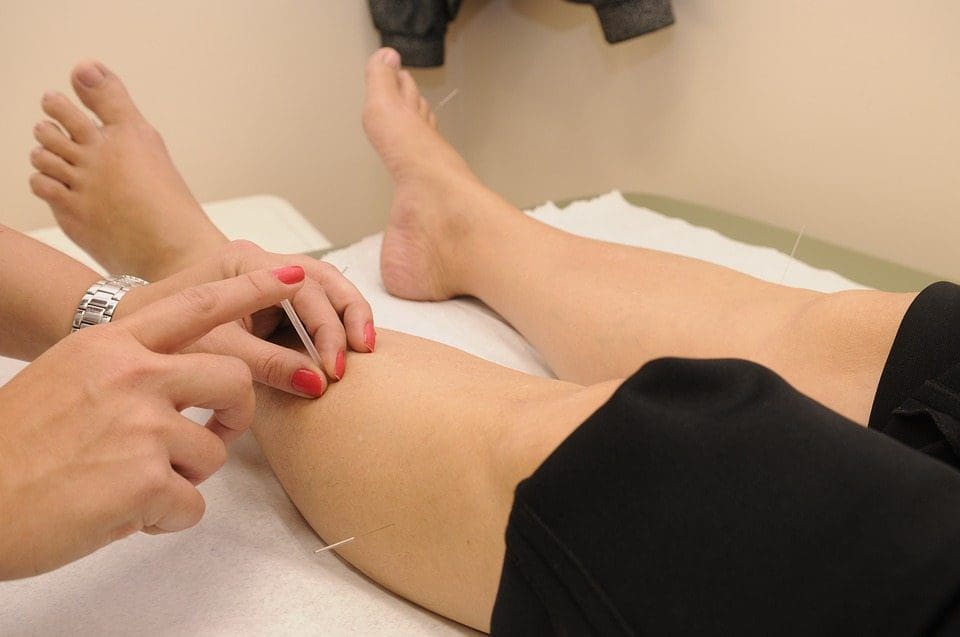
After a physical exam, the individual will lie on a treatment table.
Individuals may be face up or down depending on what areas of the body the acupuncturist needs to access.
It is recommended to wear loose clothing that can be rolled up or moved out of the way to access different areas easily.
Depending on what areas need to be accessed, individuals may be asked to change into a medical gown.
The acupuncturist will use alcohol swabs to disinfect the area before inserting the needles.
The needles are made of stainless steel and are extremely thin.
Individuals may feel a slight pinch in sensitive areas like the hands and feet, but needle insertion should be comfortable and well-tolerated without significant discomfort.
For electroacupuncture, the acupuncturist will pass a mild electric current through the needles, typically 40 to 80 volts.
The needles stay in place for 20 to 30 minutes.
After the treatment is finished, the acupuncturist will remove the needles and dispose of them.
Frequency
The frequency of acupuncture sessions will vary depending on the severity of the symptoms and whether the visits are approved and reimbursed by the health insurance company.
Cost and Insurance
Costs for acupuncture can vary from $75 to $200 per session.
The first session, which involves an initial assessment and evaluation, usually costs more than follow-up visits.
Whether the health insurance will cover some or all of the costs of acupuncture sessions depends on the individual insurance company and the condition being treated.
Medicare currently covers acupuncture services up to 12 visits within a 90-day period for chronic low back pain only.
Medicare will not cover acupuncture for other conditions. (Medicare.gov. N.D.)
Acupuncture is not a cure for arthritis, but it may be a useful tool to help manage pain and other symptoms. Make sure to consult a healthcare provider if acupuncture is safe to try based on medical history.
Chou, P. C., & Chu, H. Y. (2018). Clinical Efficacy of Acupuncture on Rheumatoid Arthritis and Associated Mechanisms: A Systemic Review. Evidence-based complementary and alternative medicine : eCAM, 2018, 8596918. https://doi.org/10.1155/2018/8596918
Kolasinski, S. L., Neogi, T., Hochberg, M. C., Oatis, C., Guyatt, G., Block, J., Callahan, L., Copenhaver, C., Dodge, C., Felson, D., Gellar, K., Harvey, W. F., Hawker, G., Herzig, E., Kwoh, C. K., Nelson, A. E., Samuels, J., Scanzello, C., White, D., Wise, B., … Reston, J. (2020). 2019 American College of Rheumatology/Arthritis Foundation Guideline for the Management of Osteoarthritis of the Hand, Hip, and Knee. Arthritis care & research, 72(2), 149–162. https://doi.org/10.1002/acr.24131
Vickers, A. J., Vertosick, E. A., Lewith, G., MacPherson, H., Foster, N. E., Sherman, K. J., Irnich, D., Witt, C. M., Linde, K., & Acupuncture Trialists’ Collaboration (2018). Acupuncture for Chronic Pain: Update of an Individual Patient Data Meta-Analysis. The journal of pain, 19(5), 455–474. https://doi.org/10.1016/j.jpain.2017.11.005
Xu, S., Wang, L., Cooper, E., Zhang, M., Manheimer, E., Berman, B., Shen, X., & Lao, L. (2013). Adverse events of acupuncture: a systematic review of case reports. Evidence-based complementary and alternative medicine : eCAM, 2013, 581203. https://doi.org/10.1155/2013/581203
Medicare.gov. (N.D.). Acupuncture. Retrieved from https://www.medicare.gov/coverage/acupuncture
IFM's Find A Practitioner tool is the largest referral network in Functional Medicine, created to help patients locate Functional Medicine practitioners anywhere in the world. IFM Certified Practitioners are listed first in the search results, given their extensive education in Functional Medicine