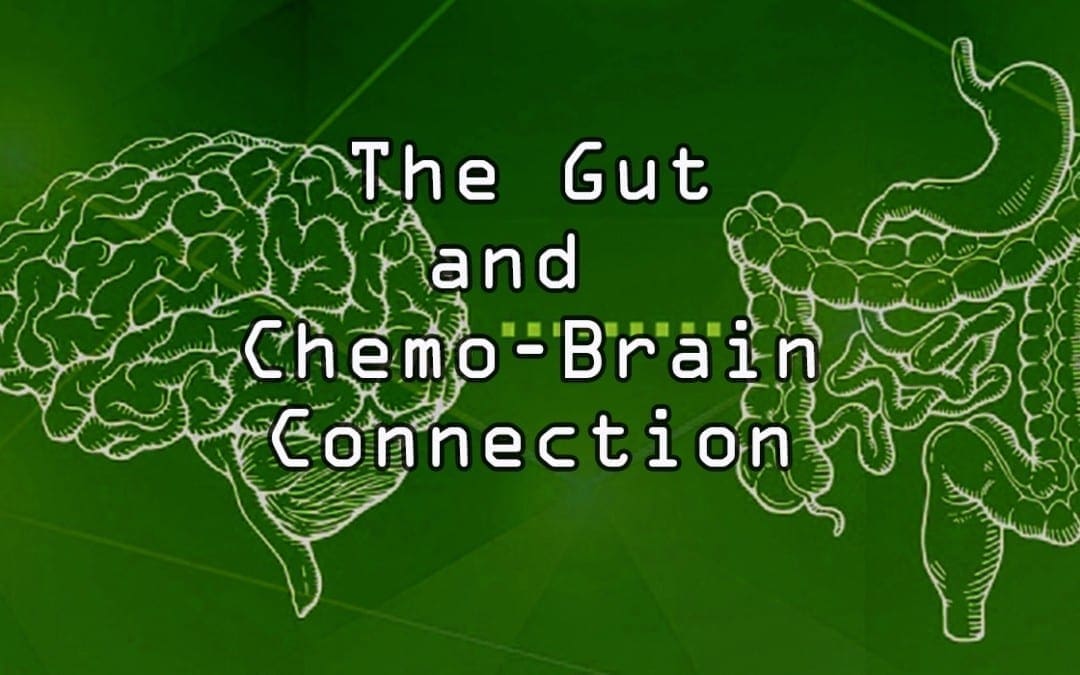
If you are experiencing any of these situations, then something might be wrong with your gut and brain connection in your body.
Gut-Brain Connection
The gut and brain connection go hand in hand as they send signals back and forth to make sure that that human body starts functioning correctly. The gut makes sure that its entire gastrointestinal system, the endocrine system, and the hepatic system is functioning correctly. While the brain makes sure that its neurological system is working but also sending out signals to the entire body as well as making sure that the hormones are distributed to the essential organs.
Chemo-Brain and Gut Connection
Even though the gut and brain connection is vital for a healthy body, however, when it comes to a person who has cancer may have a �chemo-brain� and gut connection when they are getting treatments from chemotherapy. Since chemotherapy is the conventional standard of care for treating cancer by consistently combining particular drugs that kills cancer cells. Throughout the world, there are over 100 types of cancer that can attack the cells and then spread out through the different organs and tissues in the human body. According to research from the CDC, it stated that cancer is the second leading cause of death in the US.
There is more information about what chemotherapy does to the body since chemotherapy works by putting a stop on cancer cells from proliferating or even slowing down the rate of cancer cell growth. Sadly though, even though chemotherapy can target fast-growing cancer cells, it can also kill the body’s healthy cells as well. When the healthy cells are being attacked by chemotherapy, the cells can cause a long list of painful side effects. For example, the epithelial cells in the GI tract can be damaged, and it can cause many cancer patients to stop the chemo treatment prematurely.
In a recent study that was published in Frontier in Pharmacology, it showed that scientists had discovered a new method to deliver chemotherapy that can attack the malignant cells in the body while leaving the healthy cells alone. With this technique, it can provide a little bit of hope by allowing doctors to lower the dosages of the chemo treatment to reduce the patients� suffering from any of the harsher adverse effects of chemo, which can increase compliance and improve the overall prognosis for the patients.
In a recent journal study, a research scientist from Ohio State University has discovered a possible solution to help improve the undesirable gastrointestinal and cognitive side effects that were caused by chemotherapy. According to the research, the model showed how the link between the gut and brain symptoms perform in chemotherapy treatment. The results showed how the chemo drugs entirely altered the human gut microbiome. They stated that the gut bacteria and the body tissue changed while the blood and brain in the body show signs of inflammation-causing fatigue and cognitive impairment. When chemo treatments cause inflammation is in the neurological system, it can make the entire system be correlated with disruptive colonic and bacterial homeostasis in the body.
With chemotherapy, it can cause intestinal permeability. It can trigger the immune system in the body to over activating and signaling the brain’s immune cells to be inflamed while also be the culprit to “chemo brain.” Chemo-brain is defined as cognitive impairment and causing the person to have mental fogginess that can linger for months or even years after the cancer is gone. Surprisingly with this new phenomenon, chemo-brain has affected more than half of the cancer survivors while becoming a common thing as cancer therapies can extend the patient�s lifespan.
With this type of research, it can shed some light on how the gut microbiome’s health can be more affected than the digestive tract, since the gut plays a hugely critical role in all the other systems in the body, especially in the immune and nervous system. By looking at the existing evidence, they show how the health and wellbeing of the body’s gut and brain are connected. It can lead to better interventions for many cancer patients by promoting a beneficial bacterial composition for the gut and can protect against any neuroinflammation to reduce any symptoms of chemo-brain.
Probiotics and Prebiotics Benefits
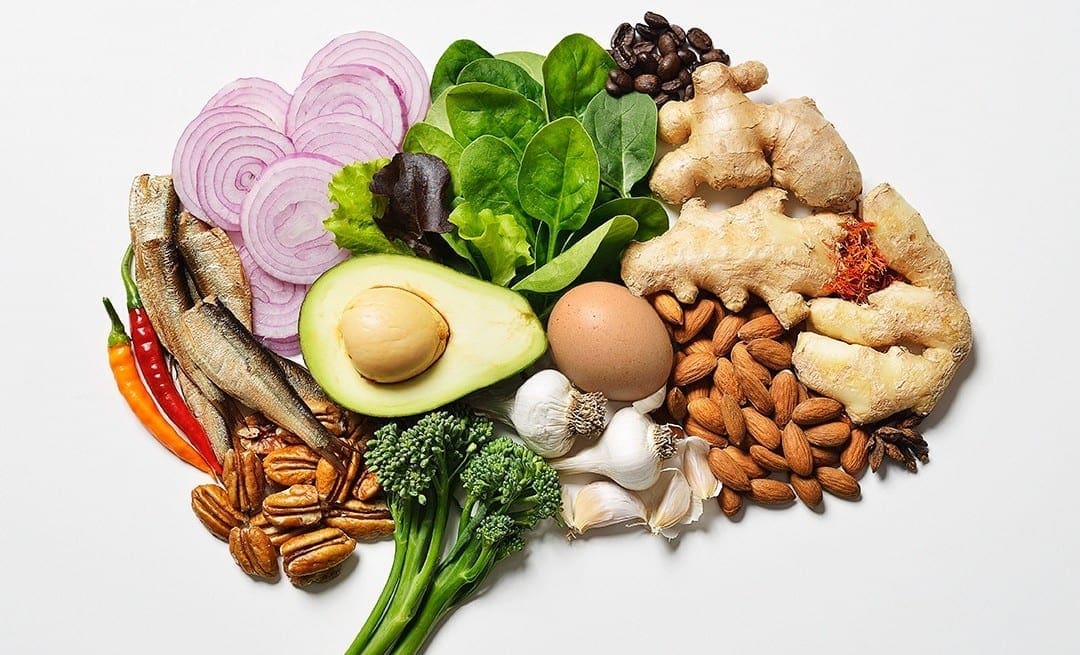
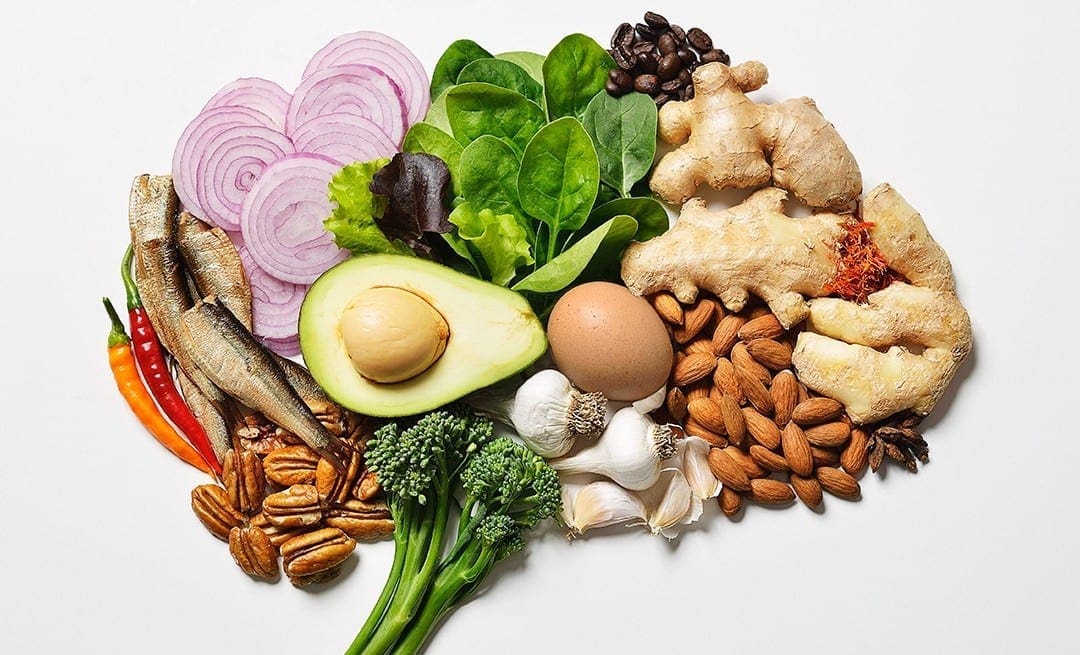
Hippocrates was right when he stated that “all diseases begin in the gut.” The information paved the way for many functional medicine practitioners to help many cancer patients. By adding any anti-inflammatory foods in a person’s diet like the Mediterranean diet or even a plant-based ketogenic diet is excellent for cancer patients. It is recommended for cancer patients to increase their intake of prebiotics and probiotic-rich food. It is proven that probiotics and prebiotics can help reduce the negative side effect that most patients go through during their chemotherapy experience. With prebiotics and probiotics, they are fiber-rich foods that can be fermented and be consumed so people can get the beneficial and commensal bacteria that are residing in the gut and can improve the gut microbiome composition.
Conclusion
With the gut and brain connection, they work together by making sure the body is functioning correctly. When it is chemo-brain, however, it can cause dysfunction in the body by impairing the body’s entire system through chemotherapy. By adding probiotics and prebiotics to a cancer patient’s diet can help them at least get their body the nutrition and beneficial properties they need. Some products are beneficial to the body by supporting not only the gut but also making sure that the brain is being supported as well.
The scope of our information is limited to chiropractic, musculoskeletal, and nervous health issues or functional medicine articles, topics, and discussions. We use functional health protocols to treat injuries or disorders of the musculoskeletal system. Our office has made a reasonable attempt to provide supportive citations and has identified the relevant research study or studies supporting our posts. We also make copies of supporting research studies available to the board and or the public upon request. To further discuss the subject matter above, please feel free to ask Dr. Alex Jimenez or contact us at 915-850-0900.
References:
Arora, Malika, et al. �Impact of Probiotics and Prebiotics on Colon Cancer: Mechanistic Insights and Future Approaches.� Latest TOC RSS, Bentham Science Publishers, 1 Jan. 1970, www.ingentaconnect.com/content/ben/cctr/2019/00000015/00000001/art00005.
Caldwell, Emily. �A Possible Gut-Brain Connection to ‘Chemo Brain’.� Medical Xpress – Medical Research Advances and Health News, Medical Xpress, 23 Oct. 2019, medicalxpress.com/news/2019-10-gut-brain-chemo-brain.html.
Caldwell, Emily. �The Gut May Be the Ticket to Reducing Chemo’s Side Effects.� Medical Xpress – Medical Research Advances and Health News, Medical Xpress, 11 Nov. 2019, medicalxpress.com/news/2019-11-gut-ticket-chemo-side-effects.html?utm_source=nwletter&utm_medium=email&utm_campaign=daily-nwletter.
Loman, B. R., et al. �Chemotherapy-Induced Neuroinflammation Is Associated with Disrupted Colonic and Bacterial Homeostasis in Female Mice.� Nature News, Nature Publishing Group, 11 Nov. 2019, www.nature.com/articles/s41598-019-52893-0.
Neumann-Raizel, Hagit, et al. �2-APB and CBD-Mediated Targeting of Charged Cytotoxic Compounds Into Tumor Cells Suggests the Involvement of TRPV2 Channels.� Frontiers, Frontiers, 17 Sept. 2019, www.frontiersin.org/articles/10.3389/fphar.2019.01198/full.
staff, Science X. �’Chemo Brain’ Caused by Malfunction in Three Types of Brain Cells, Study Finds.� Medical Xpress – Medical Research Advances and Health News, Medical Xpress, 6 Dec. 2018, medicalxpress.com/news/2018-12-chemo-brain-malfunction-cells.html.
staff, Science X. �Technique Targets Cancer Cells and Leaves Healthy Ones Alone.� Medical Xpress – Medical Research Advances and Health News, Medical Xpress, 27 Nov. 2019, medicalxpress.com/news/2019-11-technique-cancer-cells-healthy.html.
Team, DFH. �New Research – Gut Solutions to Chemotherapy.� Designs for Health, 2 Jan. 2020, blog.designsforhealth.com/node/1179.
The University offers a wide variety of medical professions for functional and integrative medicine. Their goal is to inform individuals who want to make a difference in the functional medical fields with knowledgeable information that they can provide.
Serotonin is a well-known neurotransmitter that plays an essential role in various functions of the brain and body, including mood and digestion. This chemical messenger helps promote positive feelings and social behavior, control appetite, support learning and memory as well as regulate our circadian rhythm or sleep-wake cycle. However, serotonin deficiencies can also cause several health issues, including anxiety, depression, sleep problems, fatigue, abnormal appetite and cravings as well as nausea and digestive problems. In the following article, we will discuss natural ways to increase serotonin.
Eat Tryptophan-rich Foods
Although serotonin isn’t directly found in food, you can eat tryptophan-rich foods. Tryptophan is an essential amino acid that the brain and body use to turn it into serotonin. Tryptophan is found in high-protein foods, such as turkey and salmon. However, simply eating plenty of tryptophan-rich foods isn’t enough to help naturally increase serotonin levels. Tryptophan-rich foods are generally even higher in other essential amino acids and these other substances are more likely than tryptophan to cross the blood-brain barrier (BBB) or the protective shield that controls what compounds enter the brain from the bloodstream. Healthcare professionals believe that eating carbohydrates with tryptophan-rich foods can help more of this essential amino acid enter the brain.
Take Probiotics
Healthcare professionals recommend adding more probiotics into your diet as another natural way to increase serotonin. Taking probiotic supplements or eating probiotic-rich foods, such as yogurt and fermented foods like kimchi or sauerkraut, can trigger the release of tryptophan into the bloodstream.
Get Enough Sunlight
Several research studies have demonstrated that serotonin can typically be lower during winter and higher during summer. Scientists have also found that, because serotonin can affect our mood, changes in serotonin levels during different seasons may actually be associated with seasonal affective disorders as well as other brain and mental health issues also associated with the seasons. Scientists suggest that the skin may be able to synthesize serotonin.
Do Exercise and Physical Activity
Exercise and physical activity can also trigger the release of tryptophan into the bloodstream from the brain. It can also reduce the number of other essential amino acids. This can ultimately help create an excellent scenario for more tryptophan to penetrate the BBB and enter the brain from the bloodstream.
Take Supplements
According to healthcare professionals, taking dietary supplements can help trigger the release of serotonin by increasing tryptophan. However, make sure to talk to your healthcare professional before taking any new supplements to prevent further health issues. Also, make sure to tell them if you are taking any over-the-counter or prescription drugs/medications, vitamins, and minerals, as well as any herbal remedies. Choose supplements made by a well-known manufacturer that can be researched for reports on the quality of their products. Supplements can naturally help increase serotonin levels, including: �
Pure Tryptophan
Tryptophan supplements have more tryptophan than food which can make it more possible to penetrate the BBB and enter the brain from the bloodstream. A 2006 research study suggests that tryptophan supplements can also have an antidepressant effect in women but further evidence is still required.
SAMe (S-adenosyl-L-methionine)
Taking SAMe supplements also seems to help increase serotonin levels which can help improve symptoms, such as depression. However, it’s not recommended to take it with any other supplements or drugs/medications that increase serotonin, including certain antidepressants and antipsychotics.
5-HTP
The substance 5-HTP can penetrate the BBB and enter the brain from the bloodstream to trigger the release of serotonin. A 2013 research study demonstrated that 5-HTP supplements were as effective as antidepressants in people with early symptoms like depression. Other research studies on taking 5-HTP supplements to help naturally increase serotonin and reduce symptoms of depression have ultimately demonstrated mixed results.
Get a Massage
Massage therapy can also help naturally increase serotonin as well as dopamine neurotransmitter or chemical messenger that controls mood and various other functions in the brain and body. Getting a massage can also help decrease cortisol, a hormone that is released by the brain with stress. Although you can visit a licensed massage therapist, this may not always be necessary. A 2004 research study evaluated 84 pregnant women with depression. The women who received massage therapy twice a week reported feeling decreased symptoms of depression and had increased serotonin levels.
Serotonin is a neurotransmitter, or chemical messenger, associated with mood and a variety of other functions in the human brain and body. Serotonin helps promote positive feelings and social behavior, control appetite, support learning and memory as well as regulate our circadian rhythm or sleep-wake cycle. Serotonin deficiencies can cause a variety of brain and mental health issues, including anxiety, depression, sleep problems, fatigue, abnormal appetite and cravings as well as nausea and digestive problems. In the following article, we will discuss natural ways to increase serotonin, including eating tryptophan-rich foods, taking probiotics, doing exercise/physical activities, and taking supplements, among several others.�- Dr. Alex Jimenez D.C., C.C.S.T. Insight
Serotonin is a well-known neurotransmitter that plays an essential role in various functions of the brain and body, including mood and digestion. This chemical messenger helps promote positive feelings and social behavior, control appetite, support learning and memory as well as regulate our circadian rhythm or sleep-wake cycle. However, serotonin deficiencies can also cause several health issues, including anxiety, depression, sleep problems, fatigue, abnormal appetite and cravings as well as nausea and digestive problems. In the article above, we discussed natural ways to increase serotonin.
The scope of our information is limited to chiropractic, musculoskeletal, and nervous health issues or functional medicine articles, topics, and discussions. We use functional health protocols to treat injuries or disorders of the musculoskeletal system. Our office has made a reasonable attempt to provide supportive citations and has identified the relevant research study or studies supporting our posts. We also make copies of supporting research studies available to the board and or the public upon request. To further discuss the subject matter above, please feel free to ask Dr. Alex Jimenez or contact us at 915-850-0900.�
Curated by Dr. Alex Jimenez
References:
Raypole, Crystal. �6 Ways to Boost Serotonin Without Medication.� Healthline, Healthline Media, 22 Apr. 2019, www.healthline.com/health/how-to-increase-serotonin.
[wp-embedder-pack width=”100%” height=”1050px” download=”all” download-text=”” attachment_id=”52657″ /]
The following Neurotransmitter Assessment Form can be filled out and presented to Dr. Alex Jimenez. The following symptoms listed on this form are not intended to be utilized as a diagnosis of any type of disease, condition, or any other type of health issue.
Additional Topic Discussion: Chronic Pain
Sudden pain is a natural response of the nervous system which helps to demonstrate possible injury. By way of instance, pain signals travel from an injured region through the nerves and spinal cord to the brain. Pain is generally less severe as the injury heals, however, chronic pain is different than the average type of pain. With chronic pain, the human body will continue sending pain signals to the brain, regardless if the injury has healed. Chronic pain can last for several weeks to even several years. Chronic pain can tremendously affect a patient’s mobility and it can reduce flexibility, strength, and endurance.
Neural Zoomer Plus for Neurological Disease
Dr. Alex Jimenez utilizes a series of tests to help evaluate neurological diseases. The Neural ZoomerTM Plus is an array of neurological autoantibodies which offers specific antibody-to-antigen recognition. The Vibrant Neural ZoomerTM Plus is designed to assess an individual�s reactivity to 48 neurological antigens with connections to a variety of neurologically related diseases. The Vibrant Neural ZoomerTM Plus aims to reduce neurological conditions by empowering patients and physicians with a vital resource for early risk detection and an enhanced focus on personalized primary prevention.
Food Sensitivity for the IgG & IgA Immune Response
Dr. Alex Jimenez utilizes a series of tests to help evaluate health issues associated with a variety of food sensitivities and intolerances. The Food Sensitivity ZoomerTM is an array of 180 commonly consumed food antigens that offers very specific antibody-to-antigen recognition. This panel measures an individual�s IgG and IgA sensitivity to food antigens. Being able to test IgA antibodies provides additional information to foods that may be causing mucosal damage. Additionally, this test is ideal for patients who might be suffering from delayed reactions to certain foods. Utilizing an antibody-based food sensitivity test can help prioritize the necessary foods to eliminate and create a customized diet plan around the patient�s specific needs.
Gut Zoomer for Small Intestinal Bacterial Overgrowth (SIBO)
Dr. Alex Jimenez utilizes a series of tests to help evaluate gut health associated with small intestinal bacterial overgrowth (SIBO). The Vibrant Gut ZoomerTM offers a report that includes dietary recommendations and other natural supplementation like prebiotics, probiotics, and polyphenols. The gut microbiome is mainly found in the large intestine and it has more than 1000 species of bacteria that play a fundamental role in the human body, from shaping the immune system and affecting the metabolism of nutrients to strengthening the intestinal mucosal barrier (gut-barrier). It is essential to understand how the number of bacteria that symbiotically live in the human gastrointestinal (GI) tract influences gut health because imbalances in the gut microbiome may ultimately lead to gastrointestinal (GI) tract symptoms, skin conditions, autoimmune disorders, immune system imbalances, and multiple inflammatory disorders.
Formulas for Methylation Support
XYMOGEN�s Exclusive Professional Formulas are available through select licensed health care professionals. The internet sale and discounting of XYMOGEN formulas are strictly prohibited.
Proudly,�Dr. Alexander Jimenez makes XYMOGEN formulas available only to patients under our care.
Please call our office in order for us to assign a doctor consultation for immediate access.
If you are a patient of Injury Medical & Chiropractic�Clinic, you may inquire about XYMOGEN by calling 915-850-0900.
For your convenience and review of the XYMOGEN products please review the following link. *XYMOGEN-Catalog-Download* All of the above XYMOGEN policies remain strictly in force.
Modern Integrated Medicine
The National University of Health Sciences is an institution that offers a variety of rewarding professions to attendees. Students can practice their passion for helping other people achieve overall health and wellness through the institution’s mission. The National University of Health Sciences prepares students to become leaders in the forefront of modern integrated medicine, including chiropractic care. Students have an opportunity to gain unparalleled experience at the National University of Health Sciences to help restore the natural integrity of the patient and define the future of modern integrated medicine.
Serotonin, also known as the “happy chemical”, is a substance associated with mood, happiness, and well-being as well as a variety of other structures and functions in the human body. Scientifically referred to as 5-hydroxytryptamine or 5-HT, this essential substance is commonly found in the brain, blood platelets, and gastrointestinal (GI) tract. Serotonin is another “chemical messenger” that controls mood and movement. It also helps to regulate and manage our circadian rhythm, or the human body’s sleep-and-wake cycle. Serotonin also controls appetite, cognitive, autonomic, and motor functions.
Serotonin is produced by a biochemical conversion process in the brain that involves several components of proteins, including tryptophan and its chemical reactor, known as tryptophan hydroxylase. Most scientists believe that this essential substance is a neurotransmitter while some scientists believe that serotonin is a hormone. The “happy chemical”, As previously mentioned above, is produced in the gastrointestinal (GI) tract, blood platelets, and brain as well as in the central nervous system (CNS). In the following article, we will discuss the role of serotonin and its effect on overall brain and mental health.
What is the Role of Serotonin?
According to research studies, serotonin may play a fundamental role in a variety of brain and mental health issues, including anxiety, depression, obsessive-compulsive disorder (OCD), post-traumatic stress disorder (PTSD), phobias, and even epilepsy. Moreover, this substance is produced by the brain and body for appetite and digestion, including bowel movements, bone health, sex, and sleep. Serotonin is also a precursor to melatonin, another important chemical that helps regulate and manage our circadian rhythm, or sleep-and-wake cycle. Abnormal “happy chemical” levels can cause various other health issues.
Abnormal serotonin levels have been associated with other health issues, such as heart disease, irritable bowel syndrome (IBS), and osteoporosis, a disease that weakens the bones. This essential substance ultimately plays a much bigger role in the central nervous system (CNS) and in the general structure and function of the human body, including the gastrointestinal (GI) tract. Serotonin is also associated with cell division, bone metabolism, liver regeneration, and breast milk production. As a neurotransmitter, serotonin sends signals between brain cells or neurons. Serotonin affects the brain and body in several ways.
Mood: Serotonin affects mood, anxiety, depression, and happiness. Certain drugs and/or medications can considerably increase serotonin.
Bone density: Scientists have associated excess serotonin in the bones with osteoporosis. But, further research studies are still required.
Clotting: Serotonin causes blood clots, which are released by blood platelets after an open wound. Then, the essential substance will send signals between the brain cells, or neurons, to cause vasoconstriction, or narrowing of the blood vessels, to reduce blood flow and produce blood clots.
Nausea: If we consume something harmful, the gut produces serotonin to increase bowel functions and movements, often in diarrhea. When serotonin is produced in the brain after consuming something harmful, it can stimulate a certain region in the brain which causes nausea.
Bowel function: Serotonin regulates and manages bowel functions and movements. It also helps control our appetite while we are eating.
Sexual function: Serotonin seems to affect sexual function. Selective serotonin reuptake inhibitors (SSRIs) increase serotonin levels in people with depression, but between 20 and 70 percent of people who take them experience a range of symptoms associated with sexual dysfunction.
Serotonin and Mental Health
Serotonin, also known as the “happy chemical” ultimately helps naturally control your mood. According to a research study in 2007, people with depression as well as other brain and mental health issues generally have abnormal serotonin levels. Serotonin deficiencies have also been associated with anxiety and insomnia. Another research study in 2016 evaluated how a group of mice lacking serotonin autoreceptors inhibited serotonin secretion. Without these autoreceptors, the group of mice had increased serotonin levels. Scientists found that this group of mice also demonstrated less anxiety and depression.
It is not yet clear what exactly causes depression and other brain and mental health issues, but scientists believe that it may be associated with an imbalance of neurotransmitters or hormones in the brain and body. Normally, once a neurotransmitter has transmitted its neural impulse is reabsorbed into the body. SSRIs prevent the serotonin from being reabsorbed, leading to higher levels of serotonin in the synapses. In recent research studies, scientists have also found that gut bacteria may help produce serotonin and that most serotonin can actually be found in the gastrointestinal (GI) tract. Furthermore, scientists believe that most serotonin in the gastrointestinal (GI) tract may stimulate the vagus nerve, the long nerve that connects the gut and brain.
Serotonin, also known as the “happy chemical”, is a substance associated with mood, happiness, and a variety of other structures and functions in the human body. Scientifically referred to as 5-hydroxytryptamine or 5-HT, this essential substance is commonly found in the brain, blood platelets, and gastrointestinal (GI) tract. It ultimately helps to regulate and manage our circadian rhythm, or the human body’s sleep-and-wake cycle. Serotonin also controls appetite, cognitive, autonomic, and motor functions. Most scientists believe that this essential substance is a neurotransmitter while some scientists believe that serotonin is a hormone. In the following article, we will discuss the role of serotonin and its effect on overall brain and mental health.�- Dr. Alex Jimenez D.C., C.C.S.T. Insight
Serotonin, also known as the “happy chemical”, is a substance associated with mood, happiness, and well-being as well as a variety of other structures and functions in the human body. Scientifically referred to as 5-hydroxytryptamine or 5-HT, this essential substance is commonly found in the brain, blood platelets, and gastrointestinal (GI) tract. Serotonin is another “chemical messenger” that controls mood and movement. It also helps to regulate and manage our circadian rhythm, or the human body’s sleep-and-wake cycle. Serotonin also controls appetite, cognitive, autonomic, and motor functions.
Serotonin is produced by a biochemical conversion process in the brain that involves several components of proteins, including tryptophan and its chemical reactor, known as tryptophan hydroxylase. Most scientists believe that this essential substance is a neurotransmitter while some scientists believe that serotonin is a hormone. The “happy chemical”, As previously mentioned above, is produced in the gastrointestinal (GI) tract, blood platelets, and brain as well as in the central nervous system (CNS). In the following article, we discussed the role of serotonin and its effect on overall brain and mental health.
The scope of our information is limited to chiropractic, musculoskeletal, and nervous health issues or functional medicine articles, topics, and discussions. We use functional health protocols to treat injuries or disorders of the musculoskeletal system. Our office has made a reasonable attempt to provide supportive citations and has identified the relevant research study or studies supporting our posts. We also make copies of supporting research studies available to the board and or the public upon request. To further discuss the subject matter above, please feel free to ask Dr. Alex Jimenez or contact us at 915-850-0900.�
Curated by Dr. Alex Jimenez
References:
McIntosh, James. �Serotonin: Facts, Uses, SSRIs, and Sources.� Medical News Today, MediLexicon International, 2 Feb. 2018, www.medicalnewstoday.com/articles/232248.php.
Konkel, Lindsey. �Serotonin: What to Know: Everyday Health.� EverydayHealth.com, Everyday Health Media, 15 Aug. 2018, www.everydayhealth.com/serotonin/guide/.
Scaccia, Annamarya. �Serotonin: Functions, Normal Range, Side Effects, and More.� Healthline, Healthline Media, 26 Mar. 2019, www.healthline.com/health/mental-health/serotonin.
Neurotransmitter Assessment Form
[wp-embedder-pack width=”100%” height=”1050px” download=”all” download-text=”” attachment_id=”52657″ /]
The following Neurotransmitter Assessment Form can be filled out and presented to Dr. Alex Jimenez. The following symptoms listed on this form are not intended to be utilized as a diagnosis of any type of disease, condition, or any other type of health issue.
Additional Topic Discussion: Chronic Pain
Sudden pain is a natural response of the nervous system which helps to demonstrate possible injury. By way of instance, pain signals travel from an injured region through the nerves and spinal cord to the brain. Pain is generally less severe as the injury heals, however, chronic pain is different than the average type of pain. With chronic pain, the human body will continue sending pain signals to the brain, regardless if the injury has healed. Chronic pain can last for several weeks to even several years. Chronic pain can tremendously affect a patient’s mobility and it can reduce flexibility, strength, and endurance.
Neural Zoomer Plus for Neurological Disease
Dr. Alex Jimenez utilizes a series of tests to help evaluate neurological diseases. The Neural ZoomerTM Plus is an array of neurological autoantibodies which offers specific antibody-to-antigen recognition. The Vibrant Neural ZoomerTM Plus is designed to assess an individual�s reactivity to 48 neurological antigens with connections to a variety of neurologically related diseases. The Vibrant Neural ZoomerTM Plus aims to reduce neurological conditions by empowering patients and physicians with a vital resource for early risk detection and an enhanced focus on personalized primary prevention.
Food Sensitivity for the IgG & IgA Immune Response
Dr. Alex Jimenez utilizes a series of tests to help evaluate health issues associated with a variety of food sensitivities and intolerances. The Food Sensitivity ZoomerTM is an array of 180 commonly consumed food antigens that offers very specific antibody-to-antigen recognition. This panel measures an individual�s IgG and IgA sensitivity to food antigens. Being able to test IgA antibodies provides additional information to foods that may be causing mucosal damage. Additionally, this test is ideal for patients who might be suffering from delayed reactions to certain foods. Utilizing an antibody-based food sensitivity test can help prioritize the necessary foods to eliminate and create a customized diet plan around the patient�s specific needs.
Gut Zoomer for Small Intestinal Bacterial Overgrowth (SIBO)
Dr. Alex Jimenez utilizes a series of tests to help evaluate gut health associated with small intestinal bacterial overgrowth (SIBO). The Vibrant Gut ZoomerTM offers a report that includes dietary recommendations and other natural supplementation like prebiotics, probiotics, and polyphenols. The gut microbiome is mainly found in the large intestine and it has more than 1000 species of bacteria that play a fundamental role in the human body, from shaping the immune system and affecting the metabolism of nutrients to strengthening the intestinal mucosal barrier (gut-barrier). It is essential to understand how the number of bacteria that symbiotically live in the human gastrointestinal (GI) tract influences gut health because imbalances in the gut microbiome may ultimately lead to gastrointestinal (GI) tract symptoms, skin conditions, autoimmune disorders, immune system imbalances, and multiple inflammatory disorders.
Formulas for Methylation Support
XYMOGEN�s Exclusive Professional Formulas are available through select licensed health care professionals. The internet sale and discounting of XYMOGEN formulas are strictly prohibited.
Proudly,�Dr. Alexander Jimenez makes XYMOGEN formulas available only to patients under our care.
Please call our office in order for us to assign a doctor consultation for immediate access.
If you are a patient of Injury Medical & Chiropractic�Clinic, you may inquire about XYMOGEN by calling 915-850-0900.
For your convenience and review of the XYMOGEN products please review the following link. *XYMOGEN-Catalog-Download* All of the above XYMOGEN policies remain strictly in force.
Modern Integrated Medicine
The National University of Health Sciences is an institution that offers a variety of rewarding professions to attendees. Students can practice their passion for helping other people achieve overall health and wellness through the institution’s mission. The National University of Health Sciences prepares students to become leaders in the forefront of modern integrated medicine, including chiropractic care. Students have an opportunity to gain unparalleled experience at the National University of Health Sciences to help restore the natural integrity of the patient and define the future of modern integrated medicine.
Dopamine is an essential neurotransmitter that is associated with the pleasure and reward center of the brain. This chemical messenger also helps with a variety of other brain functions, including attention, memory, motivation, and movement. When the brain releases dopamine, it can stimulate us to do certain actions. Meanwhile, when there’s not enough dopamine in the brain, we can feel less encouraged to do the things we love doing. The nervous system generally regulates this essential neurotransmitter in the brain, however, there are several steps you can take to naturally increase your dopamine levels.
Eat More Protein
Proteins consist of amino acids, organic compounds that can be consumed from the foods we eat or synthesized on their own by the body. Out of the 23 amino acids available, the amino acid, tyrosine, plays a fundamental role in the release of dopamine in the brain. Enzymes can ultimately turn tyrosine into dopamine. Another amino acid, phenylalanine, can also produce tyrosine. These organic compounds can be naturally found in protein-rich foods, including legumes like soy, dairy, eggs, turkey, and beef. Research studies have found that increasing tyrosine and phenylalanine can increase dopamine levels.
Eat Less Saturated Fats
Several research studies have found that eating too many saturated fats, including those naturally found in animal fats like full-fat dairy and butter as well as coconut oil and palm oil, can affect the release of dopamine in the brain. Further research studies are still required. Scientists also found that in a group of rats, 50 percent of those that consumed their calories from saturated fats had decreased dopamine levels. Scientists believe that eating too many saturated fats can increase oxidative stress and inflammation. Several other research studies have found a link between saturated fats and brain health issues.
Take Supplements
The body needs to have a variety of vitamins and minerals to produce dopamine in the brain, including iron, niacin, folate, and vitamin B6. Nutrient deficiencies can ultimately make it difficult for dopamine to be released in the brain. Blood tests can determine the presence of nutrient deficiencies. Taking supplements can help control nutrient deficiencies.�Together with a balanced diet, taking certain supplements has been found to help increase dopamine levels, including magnesium, vitamin D, curcumin, oregano extract, and green tea. However, further research studies are still required in humans.
Take Probiotics
Scientists recently found a connection between the gut and brain. As a matter of fact, the gut is occasionally referred to as the “second brain” because it has numerous nerve cells that produce various neurotransmitters, including dopamine. Certain bacteria cultures in the gut can also produce dopamine. Research studies have also demonstrated that probiotics can help reduce anxiety and depression. Although several research studies have found a clear connection between gut and brain health, scientists still don’t fully understand how probiotics play a role in the production of dopamine in the brain.
Do Exercise and/or Physical Activity
Exercise and/or physical activity can ultimately help improve mood. Although several research studies in a group of rats have found that exercise and/or physical activity can increase dopamine levels, further research studies are still required. In one research study, however, scientists found that doing one hour of yoga, six days a week, considerably increased the production of dopamine in the brain. Several other research studies have demonstrated that exercise and/or physical activity considerably improved symptoms in Parkinson’s disease patients. However, further research studies are still required.
Get Enough Sunlight
According to scientists, when we don’t get enough sunlight, we can experience reduced levels of mood-boosting neurotransmitters, including dopamine. One research study found that adults who had enough sunlight had increased dopamine levels in their brains. However, make sure you follow the safety guidelines as getting too much sunlight can be harmful and it can cause skin damage and increase the risk of skin cancer. Furthermore, it�s generally recommended to limit sun exposure during peak hours, typically between 10 am and 2 pm, and to apply sunscreen whenever the UV index is above 3.
Get Enough Sleep
The brain releases dopamine in the morning to promote feelings of alertness and wakefulness when it’s time to wake up. Meanwhile, dopamine levels decrease in the evening when it’s time to go to sleep. However, not getting enough sleep can affect these dopamine fluctuations. Decreased dopamine levels caused by a lack of sleep can also cause poor concentration and coordination. Getting enough sleep can help balance dopamine in the brain and it can make you feel more alert and awake throughout the day. According to the National Sleep Foundation, adults should sleep 7 to 9 hours every night.
Practice Mindfulness Meditation
Mindfulness meditation is the practice of being fully “present” by becoming aware of where we are and what we�re doing, not by what�s going on around us. Recent research studies have found that mindfulness meditation can naturally increase dopamine levels in the brain as well as improve mental and physical health. One research study demonstrated that experienced meditation teachers experienced a 64 percent increase in dopamine levels after meditating for one hour. However, it�s unclear whether dopamine levels only increase in experienced meditators or in people who are new to meditation as well.
Dopamine is a neurotransmitter that plays a fundamental role in a variety of brain functions. Dopamine ultimately affects motivation and movement because it is most commonly associated with the pleasure and reward center of the brain. Enough dopamine levels can stimulate us to do certain actions while dopamine deficiencies can make us feel less interested to do the things we love doing. The nervous system generally regulates this essential neurotransmitter in the brain, however, there are several steps you can take to naturally increase your dopamine levels, such as eating more protein and exercising. – Dr. Alex Jimenez D.C., C.C.S.T. Insight
Dopamine is an essential neurotransmitter that is associated with the pleasure and reward center of the brain. This chemical messenger also helps with a variety of other brain functions, including attention, memory, motivation, and movement. When the brain releases dopamine, it can stimulate us to do certain actions. Meanwhile, when there’s not enough dopamine in the brain, we can feel less encouraged to do the things we love doing. The nervous system generally regulates this essential neurotransmitter in the brain, however, there are several steps you can take to naturally increase your dopamine levels.
The scope of our information is limited to chiropractic, musculoskeletal, and nervous health issues or functional medicine articles, topics, and discussions. We use functional health protocols to treat injuries or disorders of the musculoskeletal system. Our office has made a reasonable attempt to provide supportive citations and has identified the relevant research study or studies supporting our posts. We also make copies of supporting research studies available to the board and or the public upon request. To further discuss the subject matter above, please feel free to ask Dr. Alex Jimenez or contact us at 915-850-0900.�
Curated by Dr. Alex Jimenez
References:
Julson, Erica. �10 Best Ways to Increase Dopamine Levels Naturally.� Healthline, Healthline Media, 10 May 2018, www.healthline.com/nutrition/how-to-increase-dopamine.
MedlinePlus. �Amino Acids: MedlinePlus Medical Encyclopedia.� MedlinePlus, U.S. National Library of Medicine, medlineplus.gov/ency/article/002222.htm.
Jaehnig, Jon. �What Is Dopamine And How Does It Affect The Brain And The Body?� Betterhelp, BetterHelp, 24 July 2018, www.betterhelp.com/advice/medication/what-does-dopamine-do-in-the-brain-and-what-is-its-function/.
Neurotransmitter Assessment Form
[wp-embedder-pack width=”100%” height=”1050px” download=”all” download-text=”” attachment_id=”52657″ /]
The following Neurotransmitter Assessment Form can be filled out and presented to Dr. Alex Jimenez. The following symptoms listed on this form are not intended to be utilized as a diagnosis of any type of disease, condition, or any other type of health issue.
Additional Topic Discussion: Chronic Pain
Sudden pain is a natural response of the nervous system which helps to demonstrate possible injury. By way of instance, pain signals travel from an injured region through the nerves and spinal cord to the brain. Pain is generally less severe as the injury heals, however, chronic pain is different than the average type of pain. With chronic pain, the human body will continue sending pain signals to the brain, regardless if the injury has healed. Chronic pain can last for several weeks to even several years. Chronic pain can tremendously affect a patient’s mobility and it can reduce flexibility, strength, and endurance.
Neural Zoomer Plus for Neurological Disease
Dr. Alex Jimenez utilizes a series of tests to help evaluate neurological diseases. The Neural ZoomerTM Plus is an array of neurological autoantibodies which offers specific antibody-to-antigen recognition. The Vibrant Neural ZoomerTM Plus is designed to assess an individual�s reactivity to 48 neurological antigens with connections to a variety of neurologically related diseases. The Vibrant Neural ZoomerTM Plus aims to reduce neurological conditions by empowering patients and physicians with a vital resource for early risk detection and an enhanced focus on personalized primary prevention.
Food Sensitivity for the IgG & IgA Immune Response
Dr. Alex Jimenez utilizes a series of tests to help evaluate health issues associated with a variety of food sensitivities and intolerances. The Food Sensitivity ZoomerTM is an array of 180 commonly consumed food antigens that offers very specific antibody-to-antigen recognition. This panel measures an individual�s IgG and IgA sensitivity to food antigens. Being able to test IgA antibodies provides additional information to foods that may be causing mucosal damage. Additionally, this test is ideal for patients who might be suffering from delayed reactions to certain foods. Utilizing an antibody-based food sensitivity test can help prioritize the necessary foods to eliminate and create a customized diet plan around the patient�s specific needs.
Gut Zoomer for Small Intestinal Bacterial Overgrowth (SIBO)
Dr. Alex Jimenez utilizes a series of tests to help evaluate gut health associated with small intestinal bacterial overgrowth (SIBO). The Vibrant Gut ZoomerTM offers a report that includes dietary recommendations and other natural supplementation like prebiotics, probiotics, and polyphenols. The gut microbiome is mainly found in the large intestine and it has more than 1000 species of bacteria that play a fundamental role in the human body, from shaping the immune system and affecting the metabolism of nutrients to strengthening the intestinal mucosal barrier (gut-barrier). It is essential to understand how the number of bacteria that symbiotically live in the human gastrointestinal (GI) tract influences gut health because imbalances in the gut microbiome may ultimately lead to gastrointestinal (GI) tract symptoms, skin conditions, autoimmune disorders, immune system imbalances, and multiple inflammatory disorders.
Formulas for Methylation Support
XYMOGEN�s Exclusive Professional Formulas are available through select licensed health care professionals. The internet sale and discounting of XYMOGEN formulas are strictly prohibited.
Proudly,�Dr. Alexander Jimenez makes XYMOGEN formulas available only to patients under our care.
Please call our office in order for us to assign a doctor consultation for immediate access.
If you are a patient of Injury Medical & Chiropractic�Clinic, you may inquire about XYMOGEN by calling 915-850-0900.
For your convenience and review of the XYMOGEN products please review the following link. *XYMOGEN-Catalog-Download* All of the above XYMOGEN policies remain strictly in force.
Modern Integrated Medicine
The National University of Health Sciences is an institution that offers a variety of rewarding professions to attendees. Students can practice their passion for helping other people achieve overall health and wellness through the institution’s mission. The National University of Health Sciences prepares students to become leaders in the forefront of modern integrated medicine, including chiropractic care. Students have an opportunity to gain unparalleled experience at the National University of Health Sciences to help restore the natural integrity of the patient and define the future of modern integrated medicine.
Dopamine is a well-known neurotransmitter that plays a fundamental role in sending information between brain cells or neurons. As many of you may already know, neurons are the basic units that make up the nervous system, including the brain, spinal cord, nerves, and sensory organs, such as the eyes and ears. Dopamine also plays a role in motivation and movement, as it is most commonly associated with the pleasure and reward center of the brain. This chemical messenger can ultimately help us strive and find things interesting but, too much or too little of it can cause a variety of brain health issues. �
What is Dopamine?
Dopamine is the “feel-good” neurotransmitter or chemical messenger that is released by the pleasure and reward center of the brain. Dopamine is found in several different regions of the brain. The first area is the substantia nigra, which plays a role in both rewards and movement. Dopamine can first be found in the substantia nigra, another area of the brain that plays an important role in motivation and movement. The substantia nigra is made up of the brain cells that die off in people with Parkinson’s disease (PD) which then results in tremors and various other symptoms associated with the movement disorder. �
Most dopamine in the brain is released in the ventral tegmental area (VTA) of the brain, which plays the most fundamental role in the pleasure and reward center of the brain. Dopamine is produced in the VTA and then released into various other regions of the brain when a person engages or participates in a mental or physical activity that starts a pleasure and reward response, even when a person simply anticipates this reaction. Although most people associate the pleasure and reward response with behaviors like sex or drug/medication use, dopamine also responds to behaviors like eating or drinking water. �
The human brain requires us to experience some type of pleasure and reward response by releasing dopamine in order to support the motivation and movement we require to keep us doing these survival behaviors. When dopamine is released, the pleasure and reward center of the brain ensures that we continue to engage and participate in the necessary mental and physical activities to promote overall health and wellness. The main purpose of dopamine is motivation and movement. However, dopamine also plays a fundamental role in other cognitive functions, such as memory, focus, and mood. �
Dopamine is a neurotransmitter that also plays a fundamental role in a variety of mental, physical, and behavioral functions, including:
Attention
Learning
Mood
Motivation
Movement
Heart rate
Blood vessel function
Kidney function
Pain processing
Control of nausea and vomiting
Lactation
Sleep
When dopamine is released in the brain, it can produce temporary feelings of euphoria. Dopamine can also cause various other feelings, including:
alertness
motivation
focus
happiness
Low dopamine is one reason why you may not be in the best mood. Dopamine deficiencies may also cause various feelings, including:
reduced alertness
decreased motivation
difficulty concentrating
poor coordination
movement difficulties
Excess levels of dopamine can ultimately cause the brain to go into serious overdrive. Excess dopamine may be a contributing factor in:
hallucinations
delusions
mania
According to research studies, scientists believe that too much dopamine released in the brain may play a role in various health issues, including:
schizophrenia
ADHD
Parkinson’s disease
obesity
drug/medication misuse and addiction
Dopamine and Brain Health Issues
It’s difficult to determine a single cause of brain health issues. But, many of these have been associated with dopamine levels in the brain, including:
Schizophrenia. Scientists believed that symptoms were caused by a hyperactive dopamine system. Now we understand that excess dopamine levels in several regions of the brain can cause hallucinations and delusions. Dopamine deficiencies cause other symptoms, such as lack of motivation.
ADHD. No one knows for sure what causes attention deficit hyperactivity disorder (ADHD). Several research studies have shown that it may be due to a dopamine deficiency. ADHD may also occur due to your genes. The ADHD drug/medication methylphenidate (Ritalin) helps boost dopamine.
Parkinson�s disease. Dopamine allows brain cells or neurons to communicate and control movement. In Parkinson�s disease, however, one type of neuron will gradually start to deteriorate. Because the brain doesn�t have to send a signal to that neuron anymore, the brain will make less dopamine. This chemical imbalance can ultimately cause mental and physical symptoms. These can include tremors, slowed movement, stiffness as well as poor balance and coordination. Healthcare professionals can treat PD symptoms with medicines that can help increase dopamine levels in the brain.
Dopamine and Other Health Issues
Just like in the brain health issues previously mentioned above, abnormal dopamine levels can also play a role in various other health issues, including:
Obesity. According to scientists, people with obesity may have problems with the pleasure and reward center of the brain. This can affect the amount of food they eat before they feel satisfied. Research studies suggest that the brain may not release enough dopamine in people with obesity.
Drug/medication misuse and addiction. Drugs, such as cocaine, can cause a tremendous increase in dopamine levels which can also greatly satisfy a person’s pleasure and reward center in the brain. But, repeated drug use also raises the threshold for this type of satisfaction. This can cause people to need to take more to get the same satisfaction. Meanwhile, medications can make the brain less capable to naturally produce dopamine in the brain.
Dopamine is a well-known, “feel good” neurotransmitter that plays a fundamental role in sending information between neurons or brain cells. Dopamine ultimately plays a fundamental role in motivation and movement, as it is most commonly associated with the pleasure and reward center of the brain, as well as in a variety of other mental, physical, and behavioral functions. Moreover, scientists believe that too much dopamine released in the brain may also play a fundamental role in the development of a variety of health issues, including schizophrenia and Parkinson’s disease. Understanding how dopamine can affect brain health is important to determine the best treatment for a variety of brain health issues and other health issues. – Dr. Alex Jimenez D.C., C.C.S.T. Insight
Dopamine is a well-known neurotransmitter which plays a fundamental role in sending information between neurons or brain cells. As many of you may have already learned, neurons are the basic units that make up the nervous system, including the brain, spinal cord, nerves, and sensory organs, such as the eyes and ears. Dopamine also plays a role in motivation and movement, as it is most commonly associated with the pleasure and reward center of the brain. This chemical messenger can ultimately help us strive and find things interesting but, too much or too little of it can result in various brain health issues. �
The scope of our information is limited to chiropractic, musculoskeletal, and nervous health issues or functional medicine articles, topics, and discussions. We use functional health protocols to treat injuries or disorders of the musculoskeletal system. Our office has made a reasonable attempt to provide supportive citations and has identified the relevant research study or studies supporting our posts. We also make copies of supporting research studies available to the board and or the public upon request. To further discuss the subject matter above, please feel free to ask Dr. Alex Jimenez or contact us at 915-850-0900.�
Curated by Dr. Alex Jimenez � References:
Jaehnig, Jon. �What Is Dopamine And How Does It Affect The Brain And The Body?� Betterhelp, BetterHelp, 24 July 2018, www.betterhelp.com/advice/medication/what-does-dopamine-do-in-the-brain-and-what-is-its-function/.
Pietrangelo, Ann. �Dopamine Effects on the Body, Plus Drug and Hormone Interactions.� Healthline, Healthline Media, 5 Nov. 2019, www.healthline.com/health/dopamine-effects#hormones-dopamine.
Bhandari, Smitha. �Dopamine: What It Is & What It Does.� WebMD, WebMD, 19 June 2019, www.webmd.com/mental-health/what-is-dopamine#1.
Neurotransmitter Assessment Form
The following Neurotransmitter Assessment Form can be filled out and presented to Dr. Alex Jimenez. The following symptoms listed on this form are not intended to be utilized as a diagnosis of any type of disease, condition, or any other type of health issue. �
Additional Topic Discussion: Chronic Pain
Sudden pain is a natural response of the nervous system which helps to demonstrate possible injury. By way of instance, pain signals travel from an injured region through the nerves and spinal cord to the brain. Pain is generally less severe as the injury heals, however, chronic pain is different than the average type of pain. With chronic pain, the human body will continue sending pain signals to the brain, regardless if the injury has healed. Chronic pain can last for several weeks to even several years. Chronic pain can tremendously affect a patient’s mobility and it can reduce flexibility, strength, and endurance. �
Neural Zoomer Plus for Neurological Disease
Dr. Alex Jimenez utilizes a series of tests to help evaluate neurological diseases. The Neural ZoomerTM Plus is an array of neurological autoantibodies which offers specific antibody-to-antigen recognition. The Vibrant Neural ZoomerTM Plus is designed to assess an individual�s reactivity to 48 neurological antigens with connections to a variety of neurologically related diseases. The Vibrant Neural ZoomerTM Plus aims to reduce neurological conditions by empowering patients and physicians with a vital resource for early risk detection and an enhanced focus on personalized primary prevention. �
Food Sensitivity for the IgG & IgA Immune Response
Dr. Alex Jimenez utilizes a series of tests to help evaluate health issues associated with a variety of food sensitivities and intolerances. The Food Sensitivity ZoomerTM is an array of 180 commonly consumed food antigens that offers very specific antibody-to-antigen recognition. This panel measures an individual�s IgG and IgA sensitivity to food antigens. Being able to test IgA antibodies provides additional information to foods that may be causing mucosal damage. Additionally, this test is ideal for patients who might be suffering from delayed reactions to certain foods. Utilizing an antibody-based food sensitivity test can help prioritize the necessary foods to eliminate and create a customized diet plan around the patient�s specific needs. �
Gut Zoomer for Small Intestinal Bacterial Overgrowth (SIBO)
Dr. Alex Jimenez utilizes a series of tests to help evaluate gut health associated with small intestinal bacterial overgrowth (SIBO). The Vibrant Gut ZoomerTM offers a report that includes dietary recommendations and other natural supplementation like prebiotics, probiotics, and polyphenols. The gut microbiome is mainly found in the large intestine and it has more than 1000 species of bacteria that play a fundamental role in the human body, from shaping the immune system and affecting the metabolism of nutrients to strengthening the intestinal mucosal barrier (gut-barrier). It is essential to understand how the number of bacteria that symbiotically live in the human gastrointestinal (GI) tract influences gut health because imbalances in the gut microbiome may ultimately lead to gastrointestinal (GI) tract symptoms, skin conditions, autoimmune disorders, immune system imbalances, and multiple inflammatory disorders. �
Formulas for Methylation Support
XYMOGEN�s Exclusive Professional Formulas are available through select licensed health care professionals. The internet sale and discounting of XYMOGEN formulas are strictly prohibited.
Proudly,�Dr. Alexander Jimenez makes XYMOGEN formulas available only to patients under our care.
Please call our office in order for us to assign a doctor consultation for immediate access.
If you are a patient of Injury Medical & Chiropractic�Clinic, you may inquire about XYMOGEN by calling 915-850-0900.
�
�
For your convenience and review of the XYMOGEN products please review the following link. *XYMOGEN-Catalog-Download �
* All of the above XYMOGEN policies remain strictly in force. �
� �
Modern Integrated Medicine
The National University of Health Sciences is an institution that offers a variety of rewarding professions to attendees. Students can practice their passion for helping other people achieve overall health and wellness through the institution’s mission. The National University of Health Sciences prepares students to become leaders in the forefront of modern integrated medicine, including chiropractic care. Students have an opportunity to gain unparalleled experience at the National University of Health Sciences to help restore the natural integrity of the patient and define the future of modern integrated medicine. �
The blood-brain barrier is a protective shield that allows nutrients to enter the brain while keeping harmful components in the bloodstream from passing into the brain. However, many factors can cause a leaky blood-brain barrier. This can allow harmful components to penetrate the blood-brain brain, ultimately causing inflammation and brain health issues. A leaky blood-brain barrier is associated with many mental health issues and neurological diseases, including anxiety, depression, brain fog, fatigue, Alzheimer’s disease, Parkinson’s disease, attention deficit hyperactivity disorder (ADHD), and schizophrenia. In the article below, we will discuss natural ways which have been demonstrated to help fix a leaky blood-brain barrier and improve overall brain health.
Take Berberine
A variety of plants have an alkaloid known as berberine. This extracted substance has anti-inflammatory properties and it can ultimately promote brain health by protecting neurons. Scientists have also found that taking berberine can help lower “bad” cholesterol, improve gut health, and many others believe it may even have possible antidepressant properties. Other research studies have shown that it can reduce inflammation, improve blood-brain barrier permeability and decrease damage following a traumatic brain injury. However, further research studies are still required to demonstrate these effects.
Avoid Exposure to Mold
Mold and mycotoxins, or toxic metabolites released by mold, can cause severe brain health issues in people with certain sensitivities and intolerances. Exposure to these can also cause a leaky blood-brain barrier. In 2010, scientists demonstrated that exposure to mold and mycotoxins can increase BBB permeability by breaking down the blood-brain barrier. Moreover, low amounts of mold and mycotoxins can also be found in the foods we eat, including nuts, tea, coffee, and chocolate. Charcoal or bentonite clay supplements are powerful remedies that can capture toxins and release them out of the body.
Take B Vitamins
According to healthcare professionals, B vitamins have been found to help improve a leaky blood-brain barrier. B vitamin deficiencies can ultimately affect brain health. Taking vitamin B1 (thiamine) supplements can help fix BBB permeability. Research studies have also shown that vitamins B6, B9, and B12 can help improve brain health in older adults with increased homocysteine and moderate cognitive impairment. Homocysteine is an inflammatory component that can breakdown the blood-brain barrier. Fortunately, healthcare professionals have found that taking B vitamins can balance the blood-brain barrier.
Take Magnesium
Magnesium is a fundamental mineral that plays a vital role in a variety of structures and functions in the body, including enzyme, hormonal, and neurotransmitter activity. Magnesium is also one of the nutrients that people are most deficient in. This important mineral can increase growth hormones in the brain, support mitochondria, protect the brain from alcohol and help people overcome addiction and withdrawal. Research studies have also shown that taking magnesium can improve BBB permeability. Bananas, avocado, spinach, chard, almonds, pumpkin seeds, and dark chocolate have magnesium.
Take R-Lipoic Acid (RLA) and Acetyl-Carnitine (ALCAR)
R-Lipoic Acid (RLA) is a fat-soluble and stable, bioavailable form of lipoic acid or an antioxidant created by the body, that can pass through the blood-brain barrier and enter the brain. This essential antioxidant can also protect the brain from alcohol and support mitochondria. Research studies have found that RLA can decrease oxidative stress and inflammation as well as improve BBB permeability and. Acetyl-Carnitine (ALCAR) is an acetylated form of the amino acid carnitine that is synergistic with RLA. ALCAR is neuroprotective and it can help people improve brain fog as well as addiction and withdrawal.
Eat or Take Turmeric or Curcumin
Turmeric or curcumin, the spice that gives curry its yellowish color, is another fundamental ingredient for brain health that can help reduce stress and increase growth hormones in the brain. Turmeric or curcumin can also improve BBB permeability and promote overall brain health by maintaining and regulating the integrity of the blood-brain barrier. Research studies have also found that eating or taking turmeric or curcumin can help prevent damage to the blood-brain barrier due to glucose and oxygen deprivation by considerably decreasing oxidative stress and inflammation in the brain and body.
Take Vitamin D
Vitamin D is another fat-soluble vitamin that the skin produces when exposed to the sun. The brain, heart, muscles, and immune system, among other cells and tissues in the body, have vitamin D receptors. This fat-soluble vitamin is fundamental for a variety of structures and functions. Vitamin D deficiencies can also cause a variety of brain health issues and neurological diseases. Scientists have shown that vitamin D can decrease inflammation and improve BBB permeability. Vitamin D has also been demonstrated to help protect endothelial cells and improve BBB permeability in patients with multiple sclerosis.
Take Citicoline or Alpha GPC
Citicoline or CDP-Choline is another essential B vitamin and bioavailable form of choline. This substance can help improve brain fog. Research studies have also found that citicoline or CDP-Choline can prevent the breakdown of the blood-brain barrier following a stroke or traumatic brain injury and brain ischemia. Alpha GPC is another form of choline that has been shown to help support the blood-brain barrier. Scientists have also found that it can fix damage to the blood-brain barrier following a stroke or TBI, restoring cognitive function. You can also find some choline in egg yolks and beef liver.
Avoid Exposure to EMFs
According to a variety of research studies, radiofrequency electromagnetic fields or EMFs emitted from smartphones, laptops, and WiFi can affect the brain and mental health. Radiofrequency electromagnetic fields or EMFs can cause a leaky blood-brain barrier.��Several other research studies have found that radiofrequency electromagnetic fields or EMFs can increase BBB permeability. Increased blood-brain barrier permeability may ultimately result in the accumulation of brain cell and tissue damage as well as cognitive impairment. It’s important to be aware of the effects of being exposed to these devices.
Many factors can cause a leaky blood-brain barrier, ultimately causing increased BBB permeability, oxidative stress, inflammation and a variety of brain and mental health issues, including neurodegenerative diseases. The blood-brain barrier is a protective shield which allows nutrients to enter the brain while keeping harmful components in the bloodstream from passing into the brain. A leaky blood-brain barrier is associated with anxiety, depression, brain fog, fatigue, Alzheimer’s disease, Parkinson’s disease, attention deficit hyperactivity disorder (ADHD), and schizophrenia. Fortunately, several natural ways have been demonstrated to help improve overall brain health and wellness as well as help fix a leaky blood-brain barrier. – Dr. Alex Jimenez D.C., C.C.S.T. Insight
The blood-brain barrier is a protective shield that allows nutrients to enter the brain while keeping harmful components in the bloodstream from passing into the brain. However, many factors can cause a leaky blood-brain barrier. This can allow harmful components to penetrate the blood-brain brain, ultimately causing inflammation and brain health issues. A leaky blood-brain barrier is associated with many mental health issues and neurological diseases, including anxiety, depression, brain fog, fatigue, Alzheimer’s disease, Parkinson’s disease, attention deficit hyperactivity disorder (ADHD), and schizophrenia. In the article above, we discussed more natural ways which have been demonstrated to help fix a leaky blood-brain barrier and improve overall brain health.
The scope of our information is limited to chiropractic, musculoskeletal, and nervous health issues or functional medicine articles, topics, and discussions. We use functional health protocols to treat injuries or disorders of the musculoskeletal system. Our office has made a reasonable attempt to provide supportive citations and has identified the relevant research study or studies supporting our posts. We also make copies of supporting research studies available to the board and or the public upon request. To further discuss the subject matter above, please feel free to ask Dr. Alex Jimenez or contact us at 915-850-0900.�
Curated by Dr. Alex Jimenez
References:
The Star Academy. �How to Repair a Leaky Blood-Brain Barrier.� The Star Academy, The Star Academy, 16 Oct. 2018, thestaracademy.co.za/repair-leaky-blood-brain-barrier/.
Neurotransmitter Assessment Form
[wp-embedder-pack width=”100%” height=”1050px” download=”all” download-text=”” attachment_id=”52657″ /]
The following Neurotransmitter Assessment Form can be filled out and presented to Dr. Alex Jimenez. The following symptoms listed on this form are not intended to be utilized as a diagnosis of any type of disease, condition, or any other type of health issue.
Additional Topic Discussion: Chronic Pain
Sudden pain is a natural response of the nervous system which helps to demonstrate possible injury. By way of instance, pain signals travel from an injured region through the nerves and spinal cord to the brain. Pain is generally less severe as the injury heals, however, chronic pain is different than the average type of pain. With chronic pain, the human body will continue sending pain signals to the brain, regardless if the injury has healed. Chronic pain can last for several weeks to even several years. Chronic pain can tremendously affect a patient’s mobility and it can reduce flexibility, strength, and endurance.
Neural Zoomer Plus for Neurological Disease
Dr. Alex Jimenez utilizes a series of tests to help evaluate neurological diseases. The Neural ZoomerTM Plus is an array of neurological autoantibodies which offers specific antibody-to-antigen recognition. The Vibrant Neural ZoomerTM Plus is designed to assess an individual�s reactivity to 48 neurological antigens with connections to a variety of neurologically related diseases. The Vibrant Neural ZoomerTM Plus aims to reduce neurological conditions by empowering patients and physicians with a vital resource for early risk detection and an enhanced focus on personalized primary prevention.
Food Sensitivity for the IgG & IgA Immune Response
Dr. Alex Jimenez utilizes a series of tests to help evaluate health issues associated with food sensitivities. The Food Sensitivity ZoomerTM is an array of 180 commonly consumed food antigens that offers very specific antibody-to-antigen recognition. This panel measures an individual�s IgG and IgA sensitivity to food antigens. Being able to test IgA antibodies provides additional information to foods that may be causing mucosal damage. Additionally, this test is ideal for patients who might be suffering from delayed reactions to certain foods. Utilizing an antibody-based food sensitivity test can help prioritize the necessary foods to eliminate and create a customized diet plan around the patient�s specific needs.
Gut Zoomer for Small Intestinal Bacterial Overgrowth (SIBO)
Dr. Alex Jimenez utilizes a series of tests to help evaluate gut health associated with small intestinal bacterial overgrowth (SIBO). The Vibrant Gut ZoomerTM offers a report that includes dietary recommendations and other natural supplementation like prebiotics, probiotics, and polyphenols. The gut microbiome is mainly found in the large intestine and it has more than 1000 species of bacteria that play a fundamental role in the human body, from shaping the immune system and affecting the metabolism of nutrients to strengthening the intestinal mucosal barrier (gut-barrier). It is essential to understand how the number of bacteria that symbiotically live in the human gastrointestinal (GI) tract influences gut health because imbalances in the gut microbiome may ultimately lead to gastrointestinal (GI) tract symptoms, skin conditions, autoimmune disorders, immune system imbalances, and multiple inflammatory disorders.
Formulas for Methylation Support
XYMOGEN�s Exclusive Professional Formulas are available through select licensed health care professionals. The internet sale and discounting of XYMOGEN formulas are strictly prohibited.
Proudly,�Dr. Alexander Jimenez makes XYMOGEN formulas available only to patients under our care.
Please call our office in order for us to assign a doctor consultation for immediate access.
If you are a patient of Injury Medical & Chiropractic�Clinic, you may inquire about XYMOGEN by calling 915-850-0900.
For your convenience and review of the XYMOGEN products please review the following link. *XYMOGEN-Catalog-Download* All of the above XYMOGEN policies remain strictly in force.
The blood-brain barrier is a protective shield that allows nutrients to enter the brain while keeping harmful components in the bloodstream from passing into the brain. However, many factors can cause a leaky blood-brain barrier. This can allow harmful components to penetrate the blood-brain brain, ultimately causing inflammation and brain health issues. A leaky blood-brain barrier is associated with many mental health issues and neurological diseases, including anxiety, depression, brain fog, fatigue, Alzheimer’s disease, Parkinson’s disease, attention deficit hyperactivity disorder (ADHD), and schizophrenia. In the article below, we will discuss natural ways which have been demonstrated to help fix a leaky blood-brain barrier and improve overall brain health.
Improve Gut Health
Understanding the connection between the brain and the gut is important to treat a leaky blood-brain barrier. In 2014, scientists found that a group of mice that didn’t have bacteria in their gastrointestinal tract had very leaky blood-brain barriers. However, when the scientists of the research study introduced bacteria into the intestines of the unhealthy mice through a fecal transfer, their BBB permeability considerably improved. Increasing good bacteria in your gut can ultimately help improve a leaky blood-brain barrier. Eating probiotics, prebiotic fiber, and fermented foods can increase good bacteria in your GI tract.
Avoid Eating Gluten
According to many healthcare professionals, we should avoid eating gluten to promote brain health. In 2006, scientists found that gluten can cause a leaky blood-brain barrier because it increases zonulin, a protein that affects BBB permeability and results in neuroinflammation. Gluten sensitivity or intolerance can also cause visible changes in the white matter of the brain. Dr. David Perlmutter, MD, author of Grain Brain and Brain Maker states that gliadin, another protein found in gluten, can also affect BBB permeability. Moreover, other food sensitivities or intolerances can also cause a leaky blood-brain barrier.
Eat Food with Sulforaphane
Cruciferous vegetables, including Brussels sprouts, cabbage, and broccoli, among others, have sulforaphane, a phytochemical and well-known antioxidant with powerful anti-inflammatory properties, similar to turmeric or curcumin. Many research studies have shown that sulforaphane can help improve a leaky blood-brain barrier by decreasing BBB permeability, preventing the breakdown of the BBB, and improving cognitive functions after stroke and traumatic brain injuries. Sulforaphane in myrosinase-activated supplement form can also be taken. Myrosinase is an enzyme in broccoli that helps metabolize sulforaphane.
Eat Food with Resveratrol or Pterostilbene
Foods like raspberries, grapes, red wine, and dark chocolate have resveratrol, another powerful antioxidant with potent anti-inflammatory properties that can help prevent the development of neurodegenerative diseases caused by a leaky blood-brain barrier. Scientists have found that eating food with resveratrol can ultimately help promote growth hormones in the brain and support mitochondria function. According to research studies, resveratrol can also protect the blood-brain barrier. Numerous other research studies have also found that eating foods with resveratrol can have other health benefits, including:
Decreasing a leaky blood-brain barrier
Protecting the blood-brain barrier
Improving blood-brain barrier permeability
Research studies have also shown that resveratrol can help protect the blood-brain barrier against oxidized LDL-induced damage. Furthermore, scientists believe that eating food with resveratrol may be a safe and effective way to naturally reduce the severity of multiple sclerosis.�Foods like blueberries have pterostilbene, a substance similar to resveratrol, that can also help protect the blood-brain barrier by decreasing oxidative stress and inflammation. Many healthcare professionals also refer to pterostilbene as the “better resveratrol” because it is often believed to be best absorbed by the body than resveratrol.
Drink More Coffee
Caffeine can help promote overall brain health and support the blood-brain barrier. Research studies have shown that drinking coffee can help prevent the development of dementia, Alzheimer’s disease, and Parkinson’s disease, among other health issues, by protecting the BBB. Scientists have also found that caffeine blocks blood-brain barrier permeability. Other research studies have also shown that drinking coffee can help prevent neurodegeneration by balancing the BBB. Because drinking coffee and caffeine can commonly affect sleep, however, make sure to consume these early in the morning.
Take Omega-3 Fatty Acids
Omega-3 fatty acids are essential fats that are primarily found in fish. Although the body can’t produce these by itself, they are necessary for overall brain health. Omega-3 fatty acids can also help increase the growth hormones in the brain, help support mitochondria function, or help people overcome addiction and withdrawal, as well as help protect the blood-brain barrier. Scientists have found that taking omega-3 fatty acids can decrease damage to the BBB following a stroke or TBI and improve BBB permeability in people with multiple sclerosis. Omega-3 fatty acids can also be taken in supplement form.
Take Melatonin and Improve Sleep
Sleep is fundamental for brain health. Poor sleep has also been shown to increase blood-brain barrier permeability. Taking melatonin supplements can also help improve sleep.�Melatonin is a hormone that is released by a small gland in the brain, known as the pineal gland. Melatonin helps regulate the circadian rhythm, or sleep and wake cycles. Enough melatonin is necessary to fall asleep quickly and sleep deeply throughout the night. Research studies have also shown that taking melatonin can help balance the blood-brain barrier and prevent further damage following a stroke and/or traumatic brain injury.
Manage and Reduce Stress
According to research studies, stress can ultimately damage the blood-brain barrier. Chronic stress has also been found to increase inflammation and BBB permeability. Fortunately, managing and reducing stress can help fix the blood-brain barrier. Massage, acupuncture, eye movement desensitization and reprocessing (EMDR), emotional freedom techniques (EFT), heart-rate variability (HRV) training, and mindfulness meditation can also help manage and reduce stress. Taking supplements to help improve stress can also include, zinc, magnesium, ashwagandha, and phosphatidylserine, among others.
Avoid Drinking Alcohol
According to healthcare professionals, drinking too much alcohol can cause a leaky blood-brain barrier. Research studies have shown that acetaldehyde, a byproduct of alcohol metabolism, can increase oxidative stress and affect the blood-brain barrier, resulting in inflammation and a variety of neurological diseases and brain health issues. Although some types of alcohol are better than others, it’s best to considerably decrease or avoid drinking alcohol. If you suspect that you may have a leaky blood-brain barrier, make sure to talk to your doctor about how drinking too much alcohol may cause a leaky BBB.
Many factors can cause a leaky blood-brain barrier, ultimately causing increased BBB permeability, oxidative stress, inflammation and a variety of brain and mental health issues, including neurodegenerative diseases. The blood-brain barrier is a protective shield which allows nutrients to enter the brain while keeping harmful components in the bloodstream from passing into the brain. A leaky blood-brain barrier is associated with anxiety, depression, brain fog, fatigue, Alzheimer’s disease, Parkinson’s disease, attention deficit hyperactivity disorder (ADHD), and schizophrenia. Fortunately, several natural ways have been demonstrated to help improve overall brain health and wellness as well as help fix a leaky blood-brain barrier. – Dr. Alex Jimenez D.C., C.C.S.T. Insight
The blood-brain barrier is a protective shield that allows nutrients to enter the brain while keeping harmful components in the bloodstream from passing into the brain. However, many factors can cause a leaky blood-brain barrier. This can allow harmful components to penetrate the blood-brain brain, ultimately causing inflammation and brain health issues. A leaky blood-brain barrier is associated with many mental health issues and neurological diseases, including anxiety, depression, brain fog, fatigue, Alzheimer’s disease, Parkinson’s disease, attention deficit hyperactivity disorder (ADHD), and schizophrenia. In the next article, we will discuss more natural ways which have been demonstrated to help fix a leaky blood-brain barrier and improve overall brain health.
The scope of our information is limited to chiropractic, musculoskeletal, and nervous health issues or functional medicine articles, topics, and discussions. We use functional health protocols to treat injuries or disorders of the musculoskeletal system. Our office has made a reasonable attempt to provide supportive citations and has identified the relevant research study or studies supporting our posts. We also make copies of supporting research studies available to the board and or the public upon request. To further discuss the subject matter above, please feel free to ask Dr. Alex Jimenez or contact us at 915-850-0900.�
Curated by Dr. Alex Jimenez
References:
The Star Academy. �How to Repair a Leaky Blood-Brain Barrier.� The Star Academy, The Star Academy, 16 Oct. 2018, thestaracademy.co.za/repair-leaky-blood-brain-barrier/.
Neurotransmitter Assessment Form
[wp-embedder-pack width=”100%” height=”1050px” download=”all” download-text=”” attachment_id=”52657″ /]
The following Neurotransmitter Assessment Form can be filled out and presented to Dr. Alex Jimenez. The following symptoms listed on this form are not intended to be utilized as a diagnosis of any type of disease, condition, or any other type of health issue.
Additional Topic Discussion: Chronic Pain
Sudden pain is a natural response of the nervous system which helps to demonstrate possible injury. By way of instance, pain signals travel from an injured region through the nerves and spinal cord to the brain. Pain is generally less severe as the injury heals, however, chronic pain is different than the average type of pain. With chronic pain, the human body will continue sending pain signals to the brain, regardless if the injury has healed. Chronic pain can last for several weeks to even several years. Chronic pain can tremendously affect a patient’s mobility and it can reduce flexibility, strength, and endurance.
Neural Zoomer Plus for Neurological Disease
Dr. Alex Jimenez utilizes a series of tests to help evaluate neurological diseases. The Neural ZoomerTM Plus is an array of neurological autoantibodies which offers specific antibody-to-antigen recognition. The Vibrant Neural ZoomerTM Plus is designed to assess an individual�s reactivity to 48 neurological antigens with connections to a variety of neurologically related diseases. The Vibrant Neural ZoomerTM Plus aims to reduce neurological conditions by empowering patients and physicians with a vital resource for early risk detection and an enhanced focus on personalized primary prevention.
Food Sensitivity for the IgG & IgA Immune Response
Dr. Alex Jimenez utilizes a series of tests to help evaluate health issues associated with food sensitivities. The Food Sensitivity ZoomerTM is an array of 180 commonly consumed food antigens that offers very specific antibody-to-antigen recognition. This panel measures an individual�s IgG and IgA sensitivity to food antigens. Being able to test IgA antibodies provides additional information to foods that may be causing mucosal damage. Additionally, this test is ideal for patients who might be suffering from delayed reactions to certain foods. Utilizing an antibody-based food sensitivity test can help prioritize the necessary foods to eliminate and create a customized diet plan around the patient�s specific needs.
Gut Zoomer for Small Intestinal Bacterial Overgrowth (SIBO)
Dr. Alex Jimenez utilizes a series of tests to help evaluate gut health associated with small intestinal bacterial overgrowth (SIBO). The Vibrant Gut ZoomerTM offers a report that includes dietary recommendations and other natural supplementation like prebiotics, probiotics, and polyphenols. The gut microbiome is mainly found in the large intestine and it has more than 1000 species of bacteria that play a fundamental role in the human body, from shaping the immune system and affecting the metabolism of nutrients to strengthening the intestinal mucosal barrier (gut-barrier). It is essential to understand how the number of bacteria that symbiotically live in the human gastrointestinal (GI) tract influences gut health because imbalances in the gut microbiome may ultimately lead to gastrointestinal (GI) tract symptoms, skin conditions, autoimmune disorders, immune system imbalances, and multiple inflammatory disorders.
Formulas for Methylation Support
XYMOGEN�s Exclusive Professional Formulas are available through select licensed health care professionals. The internet sale and discounting of XYMOGEN formulas are strictly prohibited.
Proudly,�Dr. Alexander Jimenez makes XYMOGEN formulas available only to patients under our care.
Please call our office in order for us to assign a doctor consultation for immediate access.
If you are a patient of Injury Medical & Chiropractic�Clinic, you may inquire about XYMOGEN by calling 915-850-0900.
For your convenience and review of the XYMOGEN products please review the following link. *XYMOGEN-Catalog-Download* All of the above XYMOGEN policies remain strictly in force.
IFM's Find A Practitioner tool is the largest referral network in Functional Medicine, created to help patients locate Functional Medicine practitioners anywhere in the world. IFM Certified Practitioners are listed first in the search results, given their extensive education in Functional Medicine