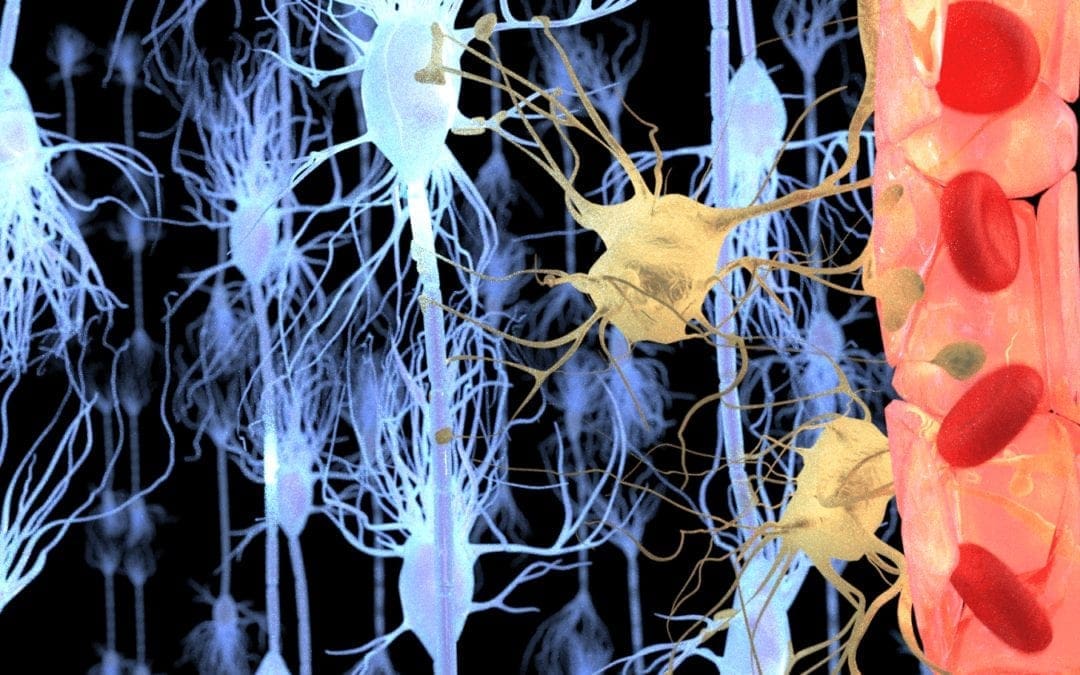
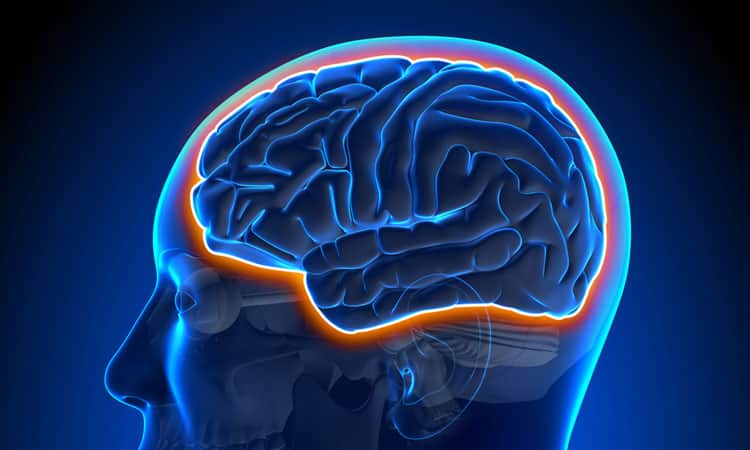
Blood vessels in the brain protect us from “harmful” components in the bloodstream. This is known as the blood-brain barrier. A Science Translational Medicine research study demonstrated how inflammation and cognitive impairment in a group of aging mice may be associated with the breakdown of the blood-brain barrier. In the following article, we will discuss how restoring the breakdown of the blood-brain barrier may improve overall brain health. �
What is a Leaky Blood-Brain Barrier?
Scientists determined that the breakdown of the blood-brain barrier can ultimately trigger a signaling protein in brain cells, known as astrocytes. They then created and evaluated a drug/medication that blocked the activation of the astrocytes, or the signaling protein known as the transforming growth factor-beta (TGF-beta). Following the treatment, the group of aging mice demonstrated reduced brain inflammation and improved cognitive function. �
“Our team of scientists associates the aging brain in the same way we associate neurodegeneration. The aging brain is characterized by loss of cognitive function and dead brain cells,” stated Daniela Kaufer, co-senior author and professor of integrative biology at the University of California, Berkeley. “However, our research study determined a different story about why the aging brain doesn’t function properly: It is because of brain fog,” she concluded. �
According to the research study, reducing inflammation and brain fog by restoring the breakdown of the blood-brain barrier can help improve the overall health and wellness of the aging brain. The results may also help scientists understand how cognitive impairment associated with inflammation and brain fog can accompany the aging brain and neurodegeneration as well as how the blood-brain barrier may be associated with improved brain function. �
Inflammation, Brain Fog, and Cognitive Impairment
A variety of research studies, including imaging research studies performed by Alon Friedman, co-senior author of Ben-Gurion University of the Negev in Israel and Dalhousie University in Canada, discussed the breakdown of the blood-brain barrier and how it can ultimately become less effective with age. A “leaky” blood-brain barrier can make it easier for “harmful” compounds to penetrate the brain and damage cells and tissue from the bloodstream. �
Kaufer and Friedman are also co-senior authors of another Science Translational Medicine research study that evaluated inflammation and brain fog in leaky blood-brain barriers. By way of instance, patients with Alzheimer’s disease may experience epileptic episodes, however, they may not be aware of them. Aging is a risk factor for Alzheimer’s disease and epilepsy where research studies have associated a connection between the two brain health issues. �
For the second research study, the team of scientists evaluated EEG readings from patients with Alzheimer’s disease and determined an EEG signature for what is ultimately known as paroxysmal slow wave events (PSWEs). From the EEGs, the scientists demonstrated how the rate of PSWEs appeared to match the level of cognitive impairment of the patients. In EEGs of patients with epilepsy, they demonstrated that PSWEs that happened between seizures matched cases of leaky blood-brain barriers. They determined the same match in aging mice, mice prone to Alzheimer’s disease, and rats with induced epilepsy. �
Further research studies in young rats also demonstrated that the blood-brain barrier can start to breakdown by introducing the protein albumin to the brain. According to the results, this ultimately caused an increased rate of PSWEs. Friedman and Kaufer also demonstrated that the protein albumin can penetrate the blood-brain barrier following trauma. The protein albumin can attach itself to the TGF-beta receptor of astrocytes and cause brain health issues. The team of scientists also concluded that a leaky blood-brain barrier may ultimately be a cause of inflammation, brain fog, and cognitive impairment. �
Leaky Blood-Brain Barrier Biomarkers
The scientists suggest that the results of the various research studies on leaky blood-brain barriers and brain health ultimately help offer a variety of biomarkers that could possibly help healthcare professionals recognize these type of problems by using MRI, which can detect leaky blood-brain barriers, and using EEG, which can detect abnormal brain rhythms. The outcome measures may also help develop the treatment that they may use as a way to restore a leaky blood-brain barrier to reduce and even reverse several of the brain health issues it may ultimately cause, including neurodegeneration. �
“Our team of scientists now use several biomarkers that demonstrate leaky blood-brain barriers, so healthcare professionals can choose patients for treatment,” stated professor Daniela Kaufer. “These research studies ultimately support the effects of leaky blood-brain barriers on a variety of brain health issues, including dementia and Alzheimer’s disease, associated with inflammation, brain fog, and cognitive impairment as well as offer possible results for future research studies,” stated Diego Gomez-Nicola, an associate professor of neuroscience at the University of Southampton in the United Kingdom, �
After the discoveries of the German scientist Paul Ehrlich during the late 1800s, a collection of experiments on a group of mice demonstrated how the brain regulates what to permit passage to and what to block from entering its blood vessels through the blood-brain barrier. The brain is ultimately protected by the blood-brain barrier, however, this security system can frequently prevent drugs and/or medications from being able to effectively treat brain health issues. Scientists have started working towards developing successful ways to allow treatments to penetrate the blood-brain barrier. Other research studies have demonstrated that by the aging brain, as well as neurodegeneration, can cause the breakdown of the blood-brain barrier. A leaky blood-brain barrier can ultimately cause inflammation, brain fog, and cognitive impairment. However, research studies have demonstrated ways to restore and even reverse leaky blood-brain barriers and several brain health issues. – Dr. Alex Jimenez D.C., C.C.S.T. Insight
Neurotransmitter Assessment Form
The following Neurotransmitter Assessment Form can be filled out and presented to Dr. Alex Jimenez. The following symptoms listed on this form are not intended to be utilized as a diagnosis of any type of disease, condition, or any other type of health issue. �
Blood vessels in the brain protect us from “harmful” components in the bloodstream. This is known as the blood-brain barrier. A Science Translational Medicine research study demonstrated how inflammation and cognitive impairment in a group of aging mice may be associated with the breakdown of the blood-brain barrier. In the following article, we will discuss how restoring the breakdown of the blood-brain barrier may improve overall brain health. �
The scope of our information is limited to chiropractic, musculoskeletal, and nervous health issues or functional medicine articles, topics, and discussions. We use functional health protocols to treat injuries or disorders of the musculoskeletal system. Our office has made a reasonable attempt to provide supportive citations and has identified the relevant research study or studies supporting our posts. We also make copies of supporting research studies available to the board and or the public upon request. To further discuss the subject matter above, please feel free to ask Dr. Alex Jimenez or contact us at 915-850-0900.�
Curated by Dr. Alex Jimenez �
References:
Catharine Paddock, Ph.D. �Repairing Leaky Blood-Brain Barrier May Rejuvenate Brain Function.� Medical News Today, MediLexicon International, 6 Dec. 2019, www.medicalnewstoday.com/articles/327248.php#1.
Additional Topic Discussion: Chronic Pain
Sudden pain is a natural response of the nervous system which helps to demonstrate possible injury. By way of instance, pain signals travel from an injured region through the nerves and spinal cord to the brain. Pain is generally less severe as the injury heals, however, chronic pain is different than the average type of pain. With chronic pain, the human body will continue sending pain signals to the brain, regardless if the injury has healed. Chronic pain can last for several weeks to even several years. Chronic pain can tremendously affect a patient’s mobility and it can reduce flexibility, strength, and endurance. �
Neural Zoomer Plus for Neurological Disease
�
Dr. Alex Jimenez utilizes a series of tests to help evaluate neurological diseases. The Neural ZoomerTM Plus is an array of neurological autoantibodies which offers specific antibody-to-antigen recognition. The Vibrant Neural ZoomerTM Plus is designed to assess an individual�s reactivity to 48 neurological antigens with connections to a variety of neurologically related diseases. The Vibrant Neural ZoomerTM Plus aims to reduce neurological conditions by empowering patients and physicians with a vital resource for early risk detection and an enhanced focus on personalized primary prevention. �
Food Sensitivity for the IgG & IgA Immune Response
�
Dr. Alex Jimenez utilizes a series of tests to help evaluate health issues associated with food sensitivities. The Food Sensitivity ZoomerTM is an array of 180 commonly consumed food antigens that offers very specific antibody-to-antigen recognition. This panel measures an individual�s IgG and IgA sensitivity to food antigens. Being able to test IgA antibodies provides additional information to foods that may be causing mucosal damage. Additionally, this test is ideal for patients who might be suffering from delayed reactions to certain foods. Utilizing an antibody-based food sensitivity test can help prioritize the necessary foods to eliminate and create a customized diet plan around the patient�s specific needs. �
Gut Zoomer for Small Intestinal Bacterial Overgrowth (SIBO)
�
Dr. Alex Jimenez utilizes a series of tests to help evaluate gut health associated with small intestinal bacterial overgrowth (SIBO). The Vibrant Gut ZoomerTM offers a report that includes dietary recommendations and other natural supplementation like prebiotics, probiotics, and polyphenols. The gut microbiome is mainly found in the large intestine and it has more than 1000 species of bacteria that play a fundamental role in the human body, from shaping the immune system and affecting the metabolism of nutrients to strengthening the intestinal mucosal barrier (gut-barrier). It is essential to understand how the number of bacteria that symbiotically live in the human gastrointestinal (GI) tract influences gut health because imbalances in the gut microbiome may ultimately lead to gastrointestinal (GI) tract symptoms, skin conditions, autoimmune disorders, immune system imbalances, and multiple inflammatory disorders. �
Formulas for Methylation Support
XYMOGEN�s Exclusive Professional Formulas are available through select licensed health care professionals. The internet sale and discounting of XYMOGEN formulas are strictly prohibited.
Proudly,�Dr. Alexander Jimenez makes XYMOGEN formulas available only to patients under our care.
Please call our office in order for us to assign a doctor consultation for immediate access.
If you are a patient of Injury Medical & Chiropractic�Clinic, you may inquire about XYMOGEN by calling 915-850-0900.
�
�
For your convenience and review of the XYMOGEN products please review the following link. *XYMOGEN-Catalog-Download �
* All of the above XYMOGEN policies remain strictly in force. �
Our brain is a complex organ protected by our 7mm thick skull, a protective membrane, known as the meninges, and cerebrospinal fluid. These essential brain structures help protect the brain against physical damage or injury. Another brain structure that protects the brain from harm is the blood-brain barrier. The blood-brain barrier is the shield between the brain’s blood vessels and the cells in the brain’s tissue. While the skull, meninges, and cerebrospinal fluid protect the brain from physical damage or injury, the blood-brain barrier protects the brain from toxins and pathogens in the bloodstream. �
Moreover, the presence of the blood-brain barrier in the human brain was first discovered in the late 1800s by the German scientist Paul Ehrlich when he injected blue dye in the bloodstream of a group of mice during an experiment. The blue dye strained all of the animals’ tissues and organs with the exception of the brain and spinal cord. Although the outcome measures of the research study demonstrated the existence of the blood-brain barrier, it wasn’t until the 1960s that researchers were able to use much more powerful technologies to ultimately prove the presence of the blood-brain barrier in the human brain. �
Anatomy of the Blood-Brain Barrier
The main structure of the blood-brain barrier that helps protect the brain from toxins and pathogens in the bloodstream is known as the endothelial tight junction. The endothelial cells cover the inside of the blood vessels in the brain. The blood-brain barrier is such an effective security system because these endothelial cells in the blood vessels in the brain are connected extremely close to each other in “tight junctions”. The blood-brain barrier only permits small, fat-soluble molecules and several types of gases to pass freely between the blood vessels and the brain. Furthermore, bigger molecules, such as glucose and insulin, are only permitted passage through transporter proteins which act like “bouncers” that only open the doors for certain necessary molecules. �
The purpose of the blood-brain barrier is to protect the brain against toxins and pathogens circulating in the bloodstream that could cause brain health issues while also permitting passage to fundamental nutrients that are necessary for the brain. Other functions of the blood-brain barrier include regulating and managing consistent levels of nutrients, hormones, and water in the human brain. Changes in these may affect the homeostasis of the brain. �
The homeostasis of the brain can commonly be affected by bacterial infections, such as meningococcal disease. Meningococcal bacteria can attach to the endothelial cells of the blood vessels in the brain and cause the tight junctions to slightly open. This causes the blood-brain barrier to become more porous which can then permit passage to toxins and pathogens that can infect the brain tissue, leading to inflammation and sometimes even death. It�s also believed that the blood-brain barrier can decrease in a variety of other brain health issues. In multiple sclerosis, by way of instance, decreased blood-brain barrier function may permit white blood cells to pass into the brain and attack the structures that transmit messages from one neuron to another. �
Blood-Brain Barrier Treatment
The blood-brain barrier is so effective at protecting the brain from toxins and pathogens that it can even block necessary treatments from reaching the brain. The vast majority of potential drugs and/or medications that could help treat a variety of brain health issues aren’t able to readily penetrate the blood-brain barrier which may become a tremendous problem in treating neurological diseases. However, one possible way to penetrate the blood-brain barrier is to �trick� the security system into permitting passage to certain medicines. The blood-brain barrier can also be temporarily opened using ultrasound. �
One research study demonstrated that using ultrasound to temporarily open the blood-brain barrier in a mouse with Alzheimer�s disease can improve cognition and decrease toxic plaques in the brain. But most importantly, using ultrasound to temporarily open the blood-brain barrier didn�t damage or injure the brain. In another research study, researchers demonstrated that by temporarily opening the blood-brain barrier, ultrasound can permit the passage of drugs and/or medications into the brain, improving cognition and Alzheimer’s disease more than when using ultrasound or medicines alone. �
After the discoveries of the German scientist Paul Ehrlich during the late 1800s, a collection of experiments on a group of mice demonstrated how the brain regulates what to permit passage to and what to block from entering its blood vessels through the blood-brain barrier. The brain is ultimately protected by the blood-brain barrier, however, this security system can frequently prevent drugs and/or medications from being able to effectively treat brain health issues. Scientists have started working towards developing successful ways to allow treatments to penetrate the blood-brain barrier. Other research studies have demonstrated that by using ultrasound, the blood-brain barrier can be temporarily opened to permit passage for medicines to help treat a variety of brain health issues and neurological diseases, among other problems.�- Dr. Alex Jimenez D.C., C.C.S.T. Insight
Neurotransmitter Assessment Form
The following Neurotransmitter Assessment Form can be filled out and presented to Dr. Alex Jimenez. The following symptoms listed on this form are not intended to be utilized as a diagnosis of any type of disease, condition, or any other type of health issue. �
Our brain is a complex organ that is protected by our 7mm thick skull, a protective membrane, known as the meninges, and cerebrospinal fluid. These essential brain structures ultimately help protect the brain against physical damage or injury. Another brain structure that protects the brain from harm is the blood-brain barrier. The blood-brain barrier is the shield between the brain’s blood vessels and the cells in the brain’s tissue. While the skull, meninges, and cerebrospinal fluid protect the brain from physical damage or injury, the blood-brain barrier protects the brain from toxins and pathogens in the bloodstream. �
Moreover, the presence of the blood-brain barrier in the human brain was first discovered in the late 1800s by the German scientist Paul Ehrlich when he injected blue dye in the bloodstream of a group of mice during an experiment. The blue dye strained all of the animals’ tissues and organs with the exception of the brain and spinal cord. Although the outcome measures of the research study demonstrated the existence of the blood-brain barrier, it wasn’t until the 1960s that researchers were able to use much more powerful technologies to ultimately prove the presence of the blood-brain barrier in the human brain. �
The scope of our information is limited to chiropractic, musculoskeletal, and nervous health issues or functional medicine articles, topics, and discussions. We use functional health protocols to treat injuries or disorders of the musculoskeletal system. Our office has made a reasonable attempt to provide supportive citations and has identified the relevant research study or studies supporting our posts. We also make copies of supporting research studies available to the board and or the public upon request. To further discuss the subject matter above, please feel free to ask Dr. Alex Jimenez or contact us at 915-850-0900.�
Curated by Dr. Alex Jimenez �
References:
Woodruff, Alan. �What Is the Blood-Brain Barrier?� Queensland Brain Institute, 11 Jan. 2018, qbi.uq.edu.au/brain/brain-anatomy/what-blood-brain-barrier.
Additional Topic Discussion: Chronic Pain
Sudden pain is a natural response of the nervous system which helps to demonstrate possible injury. By way of instance, pain signals travel from an injured region through the nerves and spinal cord to the brain. Pain is generally less severe as the injury heals, however, chronic pain is different than the average type of pain. With chronic pain, the human body will continue sending pain signals to the brain, regardless if the injury has healed. Chronic pain can last for several weeks to even several years. Chronic pain can tremendously affect a patient’s mobility and it can reduce flexibility, strength, and endurance. �
Neural Zoomer Plus for Neurological Disease
Dr. Alex Jimenez utilizes a series of tests to help evaluate neurological diseases. The Neural ZoomerTM Plus is an array of neurological autoantibodies which offers specific antibody-to-antigen recognition. The Vibrant Neural ZoomerTM Plus is designed to assess an individual�s reactivity to 48 neurological antigens with connections to a variety of neurologically related diseases. The Vibrant Neural ZoomerTM Plus aims to reduce neurological conditions by empowering patients and physicians with a vital resource for early risk detection and an enhanced focus on personalized primary prevention. �
Food Sensitivity for the IgG & IgA Immune Response
Dr. Alex Jimenez utilizes a series of tests to help evaluate health issues associated with food sensitivities. The Food Sensitivity ZoomerTM is an array of 180 commonly consumed food antigens that offers very specific antibody-to-antigen recognition. This panel measures an individual�s IgG and IgA sensitivity to food antigens. Being able to test IgA antibodies provides additional information to foods that may be causing mucosal damage. Additionally, this test is ideal for patients who might be suffering from delayed reactions to certain foods. Utilizing an antibody-based food sensitivity test can help prioritize the necessary foods to eliminate and create a customized diet plan around the patient�s specific needs. �
Gut Zoomer for Small Intestinal Bacterial Overgrowth (SIBO)
Dr. Alex Jimenez utilizes a series of tests to help evaluate gut health associated with small intestinal bacterial overgrowth (SIBO). The Vibrant Gut ZoomerTM offers a report that includes dietary recommendations and other natural supplementation like prebiotics, probiotics, and polyphenols. The gut microbiome is mainly found in the large intestine and it has more than 1000 species of bacteria that play a fundamental role in the human body, from shaping the immune system and affecting the metabolism of nutrients to strengthening the intestinal mucosal barrier (gut-barrier). It is essential to understand how the number of bacteria that symbiotically live in the human gastrointestinal (GI) tract influences gut health because imbalances in the gut microbiome may ultimately lead to gastrointestinal (GI) tract symptoms, skin conditions, autoimmune disorders, immune system imbalances, and multiple inflammatory disorders. �
Formulas for Methylation Support
� XYMOGEN�s Exclusive Professional Formulas are available through select licensed health care professionals. The internet sale and discounting of XYMOGEN formulas are strictly prohibited.
Proudly,�Dr. Alexander Jimenez makes XYMOGEN formulas available only to patients under our care.
Please call our office in order for us to assign a doctor consultation for immediate access.
If you are a patient of Injury Medical & Chiropractic�Clinic, you may inquire about XYMOGEN by calling 915-850-0900.
�
For your convenience and review of the XYMOGEN products please review the following link. *XYMOGEN-Catalog-Download �
* All of the above XYMOGEN policies remain strictly in force. �
Our brain is protected by the blood-brain barrier, a connection of blood vessels that permits the passage of important nutrients while blocking other compounds. However, this security system is so efficient at guarding the brain that it can frequently prevent many drugs and/or medications from being able to effectively treat a variety of brain health issues. Scientists are working towards developing ways to allow treatments to penetrate the blood-brain barrier. �
The brain depends on a variety of precise communication signals from the nerve cells to perform many fundamental functions. And it’s surrounding environment must remain stable to successfully send and receive transmissions. During the late 1800s, the outcome measures of a research study on the brain started a collection of experiments that demonstrated how the brain ultimately protects itself from the natural changes that happen in the body. �
Understanding the Blood-Brain Barrier
Paul Ehrlich, a German scientist that later earned a Nobel Prize for developing a cure for syphilis, was first interested in the way that several different types of cells and tissues absorb various chemical dyes. The purpose of Ehrlich’s experiments was to discover new components that could protect the brain from other “harmful” compounds. However, Paul Ehrlich made an unexpectedly strange discovery throughout the course of his research studies. �
During a research study in 1885, Ehrlich injected blue dye into the bloodstream of a group of mice. The dye stained all of the animals’ organs blue with the exception of one essential organ: their brains. During a follow-up research study in 1913, the same blue dye previously used for the last experiment was directly injected into the brains of another group of mice. But this time, the animals’ brains turned blue while the other organs did not change color. �
While these experiments discovered the blood-brain barrier, there was no such equipment at the time that could have demonstrated the existence of this security system. As a matter of fact, it wasn’t until the 1960s that scientists detected the actual blood-brain barrier for the first time.� Scientists were able to see the detailed connection of blood vessels in the brain using a microscope that was about 5,000 times more powerful than the one Paul Ehrlich used. �
Scientists also discovered that, much like all of the other blood vessels in the body, the blood vessels in the brain are filled with endothelial cells which function as a sort of connection between the blood and vessel wall. Unlike all of the other blood vessels in the body, however, the endothelial cells in the brain are closely attached together which forms an almost impermeable barrier between the brain and the bloodstream: the blood-brain barrier. �
The blood-brain barrier permits the passage of nutrients and hormones, such as glucose and amino acids, while blocking “harmful” components, such as bacteria and toxins, from entering the brain. In order to demonstrate how the brain’s security system determines which molecules to permit passage to and which molecules to block, scientists injected certain compounds into the bloodstream of animals and then measured the amounts that arrived in the brain. �
Blood-Brain Barrier and Brain Health Issues
Over the course of several research studies, scientists demonstrated that certain compounds that are very small and/or fat-soluble, including anti-anxiety medicines, antidepressants, cocaine, alcohol, and many different types of hormones can slip through the endothelial cells of the blood-brain barrier. Bigger, more desirable molecules, including glucose and/or insulin, must be selectively carried across the blood-brain barrier by transporter proteins. �
Nerve cells found on either side of the blood-brain barrier are constantly communicating with one another regarding which molecules they should permit passage to and which components to block. By way of instance, nerve cells working hard within the brain may ultimately transmit signals to the blood vessels on either side of the blood-brain barrier for them dilate and allow nutrients to rapidly travel from the bloodstream to the nerve cells in need. �
However, several brain health issues, including injuries, underlying conditions, infections, and certain types of cancers, can cause the blood-brain barrier to become damaged and break down, resulting in tiny ruptures to the blood vessels in the brain. A variety of components that would normally be blocked by the blood-brain barrier can then be permitted passage, causing various problems for the brain, including a variety of neurological diseases. �
Moreover, outcome measures from several research studies suggest that the weakening of the blood-brain barrier may even be associated with a number of neurodegenerative disorders. For example, scientists suggest that a leaky blood-brain barrier permits the passage of too many white blood cells into the brains of patients with multiple sclerosis (MS). These cells attack the myelin sheath between the nerve cells, causing multiple sclerosis (MS) symptoms. �
Through new treatment technologies, scientists are starting to create new ways to open up the blood-brain barrier to allow drugs and/or medications to reach the brain without interfering with its functions. Although numerous challenges probably still lie ahead, many scientists are becoming hopeful that new knowledge on the structure of the blood-brain barrier will one day lead to better treatments for several of the most challenging brain health issues. �
After the discoveries Paul Ehrlich during the late 1800s, a collection of experiments started to help demonstrated how the brain regulates what to permit passage to and what to block from entering its blood vessels. The brain is protected by the blood-brain barrier, however, this security system can frequently prevent drugs and/or medications from being able to effectively treat brain health issues. Scientists have started working towards developing successful ways to allow treatments to penetrate the blood-brain barrier.�- Dr. Alex Jimenez D.C., C.C.S.T. Insight
Neurotransmitter Assessment Form
The following Neurotransmitter Assessment Form can be filled out and presented to Dr. Alex Jimenez. The following symptoms listed on this form are not intended to be utilized as a diagnosis of any type of disease, condition, or any other type of health issue. �
Our brain is protected by the blood-brain barrier, a connection of blood vessels that permits the passage of important nutrients while blocking other compounds. However, this security system is so efficient at guarding the brain that it can frequently prevent many drugs and/or medications from being able to effectively treat a variety of brain health issues. Scientists are working towards developing ways to allow treatments to penetrate the blood-brain barrier. �
The brain depends on a variety of precise communication signals from the nerve cells to perform many fundamental functions. And it’s surrounding environment must remain stable to successfully send and receive transmissions. During the late 1800s, the outcome measures of a research study on the brain started a collection of experiments that demonstrated how the brain ultimately protects itself from the natural changes that happen in the body. �
The scope of our information is limited to chiropractic, musculoskeletal, and nervous health issues or functional medicine articles, topics, and discussions. We use functional health protocols to treat injuries or disorders of the musculoskeletal system. Our office has made a reasonable attempt to provide supportive citations and has identified the relevant research study or studies supporting our posts. We also make copies of supporting research studies available to the board and or the public upon request. To further discuss the subject matter above, please feel free to ask Dr. Alex Jimenez or contact us at 915-850-0900.�
Curated by Dr. Alex Jimenez �
References:
Bates, Mary. �The Blood-Brain Barrier.� BrainFacts.org, 2 July 2014, www.brainfacts.org/brain-anatomy-and-function/anatomy/2014/blood-brain-barrier.
Additional Topic Discussion: Chronic Pain
Sudden pain is a natural response of the nervous system which helps to demonstrate possible injury. By way of instance, pain signals travel from an injured region through the nerves and spinal cord to the brain. Pain is generally less severe as the injury heals, however, chronic pain is different than the average type of pain. With chronic pain, the human body will continue sending pain signals to the brain, regardless if the injury has healed. Chronic pain can last for several weeks to even several years. Chronic pain can tremendously affect a patient’s mobility and it can reduce flexibility, strength, and endurance. �
Neural Zoomer Plus for Neurological Disease
�
Dr. Alex Jimenez utilizes a series of tests to help evaluate neurological diseases. The Neural ZoomerTM Plus is an array of neurological autoantibodies which offers specific antibody-to-antigen recognition. The Vibrant Neural ZoomerTM Plus is designed to assess an individual�s reactivity to 48 neurological antigens with connections to a variety of neurologically related diseases. The Vibrant Neural ZoomerTM Plus aims to reduce neurological conditions by empowering patients and physicians with a vital resource for early risk detection and an enhanced focus on personalized primary prevention. �
Food Sensitivity for the IgG & IgA Immune Response
�
Dr. Alex Jimenez utilizes a series of tests to help evaluate health issues associated with food sensitivities. The Food Sensitivity ZoomerTM is an array of 180 commonly consumed food antigens that offers very specific antibody-to-antigen recognition. This panel measures an individual�s IgG and IgA sensitivity to food antigens. Being able to test IgA antibodies provides additional information to foods that may be causing mucosal damage. Additionally, this test is ideal for patients who might be suffering from delayed reactions to certain foods. Utilizing an antibody-based food sensitivity test can help prioritize the necessary foods to eliminate and create a customized diet plan around the patient�s specific needs. �
Gut Zoomer for Small Intestinal Bacterial Overgrowth (SIBO)
Dr. Alex Jimenez utilizes a series of tests to help evaluate gut health associated with small intestinal bacterial overgrowth (SIBO). The Vibrant Gut ZoomerTM offers a report that includes dietary recommendations and other natural supplementation like prebiotics, probiotics, and polyphenols. The gut microbiome is mainly found in the large intestine and it has more than 1000 species of bacteria that play a fundamental role in the human body, from shaping the immune system and affecting the metabolism of nutrients to strengthening the intestinal mucosal barrier (gut-barrier). It is essential to understand how the number of bacteria that symbiotically live in the human gastrointestinal (GI) tract influences gut health because imbalances in the gut microbiome may ultimately lead to gastrointestinal (GI) tract symptoms, skin conditions, autoimmune disorders, immune system imbalances, and multiple inflammatory disorders. �
Formulas for Methylation Support
XYMOGEN�s Exclusive Professional Formulas are available through select licensed health care professionals. The internet sale and discounting of XYMOGEN formulas are strictly prohibited.
Proudly,�Dr. Alexander Jimenez makes XYMOGEN formulas available only to patients under our care.
Please call our office in order for us to assign a doctor consultation for immediate access.
If you are a patient of Injury Medical & Chiropractic�Clinic, you may inquire about XYMOGEN by calling 915-850-0900.
�
For your convenience and review of the XYMOGEN products please review the following link. *XYMOGEN-Catalog-Download �
* All of the above XYMOGEN policies remain strictly in force. �
Biomarkers are molecules that can help diagnose a health issue. These have become important for verifying investigations, choosing the best remedies, and monitoring disease progression. One exception, however, includes biomarkers for neurological diseases. Neurological biomarkers are found in the cerebral spinal fluid (CSF) or, in undetectable amounts, in the blood vessels. The human brain is closely guarded by the blood-brain barrier which protects it from damaging compounds circulating throughout the blood vessels. The blood-brain barrier has made it inaccessible to use these biomarkers. �
Biomarkers may be analyzed using the CSF but this also needs an invasive lumbar puncture process. Biomarker signatures, or recent improvements in discovery, in addition to the ability of clusters of biomarkers, are currently helping to make neurological disorders more treatable and more reachable. Treating and preventing neurological disorders, such as chronic traumatic encephalopathy (CTE), Alzheimer’s disease, Parkinson’s disease, autism, and major depressive disorder, is very likely to become less difficult to diagnose with the recent arrival of neurological biomarkers found in the blood. �
Biomarker for Brain Health Issues
Biomarker signatures, found with panels of high-quality antibodies, are yet another safe and effective tool for evaluating neurological disorders and diseases. Assistant professor of neurology and immunobiology at the University of Arizona College of Medicine at Tucson, Kristian Doyle, utilizes biomarkers to examine how the immune system deals with dead brain tissue. The system eliminates brain tissue with a procedure called liquefactive necrosis following a stroke but the pathophysiology of the procedure is unknown. This information is essential because liquefactive necrosis may be neurotoxic. �
“We utilize multiplex immunoassays to describe inflammation within chronic stroke infarcts in the point of liquefactive necrosis, and to describe changes by ordinary stroke comorbidities,” says Doyle. Because over 10 million individuals survive a stroke every year, Doyle expects that biomarkers may help them monitor the development of liquefactive necrosis and start to tailor remedies that mitigate the secondary harm due to this procedure,” he states. Another connection between inflammation and neurotoxicity is analyzed by Alysson Muotri, professor of molecular and cellular medicine and director of the Stem Cell Program at the University of California, San Diego School of Medicine. The Muotri laboratory uses induced pluripotent stem cells (iPSCs) from individuals with schizophrenia and autism to search for biomarkers of those ailments. �
Muotri’s laboratory started analyzing the cytokine interleukin-6 (IL-6) as a biomarker because evidence indicates that chronic exposure to elevated cytokines might be neurotoxic together with elevated levels associated with depression, autism, and schizophrenia. “The gap of one of the many brain disorders could function as cytokines act on particular types or subtypes of nerves, or within a particular brain area,” states Muotri. His laboratory differentiates iPSCs to cells, which they suspect might be releasing cytokines from patients. Also, because IL-6 can also be involved in immune-inflammatory pathways, Muotri supposes a connection between autism and in utero exposure to infection, such as the Zika virus. �
“Our forecast is that the inflammation caused by Zika vulnerability is sufficient to make a neurotoxic environment which could rewire how the human brain is shaped,” he states. “We see that in mice, therefore, we believe some Zika-exposed children are going to develop autism or have intellectual disabilities” Larger biomarker signatures are available with technologies from CDI Laboratories, which provides microarrays of practical human proteins, including over 20,000 to a single variety, to check the antibodies within human liquid biopsy samples, including blood, serum, plasma, CSF, or tissue lysates. The consequent “autoantibody profile” is a helpful tool for study and for diagnoses or prognoses of individuals. �
“We have worked in the area of biomarker discovery for various neurodegenerative diseases like multiple sclerosis, neuropsychiatric lupus, Alzheimer’s disease, and Parkinson’s disease,” states George Dorfman, director of business development in CDI Laboratories, a spin-off firm located in Baltimore, Maryland, and Mayaguez, Puerto Rico which was created from research in the High Throughput Biology Center at Johns Hopkins University. CDI’s stage is particularly beneficial in building panels for biomarker discovery because researchers can start by utilizing patient samples or banked trials to evaluate resistant profiles of cohorts that reveal specific symptoms or no indications in the event of control trials. �
“This provides us with an inherent candidate biomarker panel that offers advice on the following clinical outcome or curative efficacy, which is confirmed to yield the last panel, then interpreted into the state an ELISA-based kit or any other immunodiagnostic format at the clinical setting,” says Dorfman. “In the event of multiple sclerosis, as a patient grows through measures of this disease, their entire body creates novel antibodies or greater present antibody titers against specific proteins, such as myelination proteins. Our panels may discover these, to provide a notion about exactly what patients’ disease development might seem like, and supply a signature which may be interpreted into another evaluation or an FDA-approved diagnostic” CDI’s technologies have also been utilized to create an autoantibody profile for neuropsychiatric lupus, a beneficial diagnostic tool to ultimately help diagnose a neurological disorder that typically lacks obvious clinical signs. �
Understanding Biomarkers for Brain Health
The amount and types of biomarkers, as well as the quantity of information which researchers have to arrange, can help provide better remedies and prevention methods and techniques. “It ought to be no surprise that researchers spend around 80 percent of the time handling and not assessing statistics,” states Scott Marshall, managing director of translational informatics and diagnostic sciences in Precision for Medicine in Frederick, Maryland. The biomarker data management system, PATH, was made to incorporate any sort of biomarker information for further neurological disease diagnosis. �
“The true power of biomarkers comes if you connect this data to clinical information,” states Marshall. Their biomarker information management system supports translational research and biomarker-guided medicine development and puts no limitation on the number of biomarkers that may be tracked. “It can manage multiple biomarker technologies concurrently, such as complicated flow cytometry, next-generation sequencing, immuno-sequencing, epigenetic profiling, and other varieties of assays measuring biological variant too,” states Marshall. Their kind of “translational informatics” instrument is much more efficient than generating reams of information” with no strategy to acquire actionable insights out of these.” �
Research teams utilize Precision to Medicine’s platform for neuro-related programs that vary from illness pathogenesis to creating complicated signatures that are predictive of treatment response. By way of instance, the system was utilized in a research study including the evaluation of transcriptomic and genomic data in the treatment of major depressive disorder. The outcome is a genomically defined subset of individuals utilizing a probability of improvement. “This type of signature can now be evaluated by means of an assay, which may subsequently be developed to accompany diagnostic or free diagnostic to successfully target the correct individual group,” states Marshall. Biomarker data management systems become more fundamental as distinct kinds of biomarkers are examined collectively, ultimately including proteins and miRNAs. �
Combining kinds of biomarkers will very likely boost their usefulness. “Diagnostics is becoming increasingly more important as we know that the interplay between microRNAs, proteins, DNA, and messenger RNA is necessary,” states Pregibon. Clinical decision-making may profit particularly in which the human brain has been blocked by the blood-brain barrier until lately. “The chance to leverage biomarker-driven targeted treatments means that the sufferers that are more inclined to react to treatments are getting them quicker,” states Marshall. “For researchers, that’s the energy of biomarkers.” �
�
The recent ability to be able to detect neurological biomarkers in the blood, despite the blood-brain barries, is largely due in part to new technological advances in diagnosis and detection. Several of these technologies can ultimately increase sensitivity, however, increased sensitivity can help improve earlier detection or diagnosis of biomarkers for neurological diseases and disorders. Researchers and healthcare professionals currently believe that the presence of these biomarkers may be present earlier than we currently understand, which can help improve health issue diagnosis and treatment. – Dr. Alex Jimenez D.C., C.C.S.T. Insight
Neurotransmitter Assessment Form
The following Neurotransmitter Assessment Form can be filled out and presented to Dr. Alex Jimenez. Symptoms listed on this form are not intended to be utilized as a diagnosis of any type of disease, condition, or any other type of health issue.
Biomarkers are molecules that can help diagnose a health issue. These have become important for verifying investigations, choosing the best remedies, and monitoring disease progression. One exception, however, includes biomarkers for neurological diseases. Neurological biomarkers are found in the cerebral spinal fluid (CSF) or, in undetectable amounts, in the blood vessels. The human brain is closely guarded by the blood-brain barrier which protects it from damaging compounds circulating throughout the blood vessels. The blood-brain barrier has made it inaccessible to use these biomarkers. �
Biomarkers may be analyzed using the CSF but this also needs an invasive lumbar puncture process. Biomarker signatures, or recent improvements in discovery, in addition to the ability of clusters of biomarkers, are currently helping to make neurological disorders more treatable and more reachable. Treating and preventing neurological disorders, such as chronic traumatic encephalopathy (CTE), Alzheimer’s disease, Parkinson’s disease, autism, and major depressive disorder, is very likely to become less difficult to diagnose with the recent arrival of neurological biomarkers found in the blood. �
The scope of our information is limited to chiropractic, musculoskeletal, and nervous health issues or functional medicine articles, topics, and discussions. We use functional health protocols to treat injuries or disorders of the musculoskeletal system. Our office has made a reasonable attempt to provide supportive citations and has identified the relevant research study or studies supporting our posts. We also make copies of supporting research studies available to the board and or the public upon request. To further discuss the subject matter above, please feel free to ask Dr. Alex Jimenez or contact us at 915-850-0900.�
Curated by Dr. Alex Jimenez �
References:
Smith, Caitlin. �Biomarkers on the Brain: Putting Biomarkers Together for a Better Understanding of the Nervous System.� Science, 15 Mar. 2018, www.sciencemag.org/features/2017/12/biomarkers-brain-putting-biomarkers-together-better-understanding-nervous-system.
Additional Topic Discussion: Chronic Pain
Sudden pain is a natural response of the nervous system which helps to demonstrate possible injury. By way of instance, pain signals travel from an injured region through the nerves and spinal cord to the brain. Pain is generally less severe as the injury heals, however, chronic pain is different than the average type of pain. With chronic pain, the human body will continue sending pain signals to the brain, regardless if the injury has healed. Chronic pain can last for several weeks to even several years. Chronic pain can tremendously affect a patient’s mobility and it can reduce flexibility, strength, and endurance.
Neural Zoomer Plus for Neurological Disease
�
Dr. Alex Jimenez utilizes a series of tests to help evaluate neurological diseases. The Neural ZoomerTM Plus is an array of neurological autoantibodies which offers specific antibody-to-antigen recognition. The Vibrant Neural ZoomerTM Plus is designed to assess an individual�s reactivity to 48 neurological antigens with connections to a variety of neurologically related diseases. The Vibrant Neural ZoomerTM Plus aims to reduce neurological conditions by empowering patients and physicians with a vital resource for early risk detection and an enhanced focus on personalized primary prevention. �
Food Sensitivity for the IgG & IgA Immune Response
�
Dr. Alex Jimenez utilizes a series of tests to help evaluate health issues associated with food sensitivities. The Food Sensitivity ZoomerTM is an array of 180 commonly consumed food antigens that offers very specific antibody-to-antigen recognition. This panel measures an individual�s IgG and IgA sensitivity to food antigens. Being able to test IgA antibodies provides additional information to foods that may be causing mucosal damage. Additionally, this test is ideal for patients who might be suffering from delayed reactions to certain foods. Utilizing an antibody-based food sensitivity test can help prioritize the necessary foods to eliminate and create a customized diet plan around the patient�s specific needs. �
Formulas for Methylation Support
XYMOGEN�s Exclusive Professional Formulas are available through select licensed health care professionals. The internet sale and discounting of XYMOGEN formulas are strictly prohibited.
Proudly,�Dr. Alexander Jimenez makes XYMOGEN formulas available only to patients under our care.
Please call our office in order for us to assign a doctor consultation for immediate access.
If you are a patient of Injury Medical & Chiropractic�Clinic, you may inquire about XYMOGEN by calling 915-850-0900.
�
For your convenience and review of the XYMOGEN products please review the following link. *XYMOGEN-Catalog-Download �
* All of the above XYMOGEN policies remain strictly in force.
Do you often feel that your energy levels drop in the afternoons? Do you often feel brain fog or have unclear thoughts and poor concentration? Do you often experience brain fatigue with chronic pain and inflammation? Diet and supplements are essential for overall well-being. However, fish oil omega-3s are a common supplement with a variety of health benefits. �
Fish oil is a well-known supplement that comes from fatty fish, such as sardines, anchovies, mackerel, and salmon. Fish oil has two types of omega-3 fatty acids, known as eicosapentaenoic acid (EPA) and docosahexaenoic acid (DHA), both of which are commonly used to support skin and heart health. Fish oil supplements can also promote brain health, especially when it comes to improving memory and mood problems like depression, as well as a variety of other health issues. The purpose of the following article is to discuss how the omega-3 fatty acids in fish oil may support and promote brain health. �
What Are Fish Oil Omega-3s?
Omega-3 fatty acids, best known as omega-3s, are polyunsaturated fats that offer most of the brain health benefits of fish oil. Fish oil has two main types of omega-3 fatty acids, EPA and DHA. These two omega-3s are found in cell membranes and these also have anti-inflammatory effects in the human body. They are also well-known for their fundamental roles in human development and heart health. EPA and DHA are found in fatty fish and fish oil. Because the majority of people do not eat the recommended amounts of fish, many people probably aren’t getting enough EPA and DHA in their regular diets. �
The human body can make EPA and DHA from another type of omega-3 fatty acid, known as alpha-linolenic acid (ALA). ALA is commonly found in a variety of foods, including walnuts, flaxseeds, chia seeds, canola oil, soybeans, and soybean oil. However, the human body can’t properly turn ALA into EPA and DHA, where healthcare professionals and researchers estimate that approximately less than 10 percent of the amount of ALA you eat is properly turned into EPA or DHA. Fish oil is a good option for people who don�t eat a lot of fish but are still looking to gain the health benefits of omega-3 fatty acids. �
How Do Omega-3s Improve Brain Health?
The omega-3 fatty acids EPA and DHA are essential for normal brain function during all stages of life. EPA and DHA play a fundamental role in the development of a baby�s brain. Several research studies have associated pregnant women�s fish intake or fish oil use with higher scores for their children on brain function and intelligence tests in early childhood. �
These omega-3s are also essential for the regulation of normal brain function throughout life. They are commonly found in the cell membranes of brain cells, preserving cell membrane health and facilitating communication between brain cells. �
When animals are fed diets without omega-3 fatty acids, the amount of DHA in their brains decreases, and they often demonstrate deficits in learning and memory. In older adults, decreased levels of DHA in the blood have ultimately been associated with smaller brain size, a prevalent symptom of accelerated brain aging. Clearly, it is essential to make sure that you get enough omega-3 fatty acids in order to avoid these detrimental effects on brain function and development. �
Fish Oil for Memory
The omega-3s found in fish oil play important roles in brain function and development. There are also claims that fish oil can improve brain function in people with memory problems, such as dementia and Alzheimer�s disease. Alzheimer�s disease affects brain function and quality of life in millions of elderly adults. That’s why finding a supplement or natural remedy that can help improve brain function in this population of individuals would be a major, if not a life-changing discovery. �
Unfortunately, a review of the research study found no compelling evidence that omega-3 supplements like fish oil can improve brain function in people with dementia and Alzheimer�s disease. However, several research studies suggest that fish oil supplements may improve brain function in people with more mild types of brain health issues, including mild cognitive impairment (MCI) or age-related cognitive decline. Although these types of brain conditions aren�t as severe as dementia and Alzheimer�s disease, they can still result in memory loss and sometimes other types of impaired brain function. �
One research study gave 485 older adults with age-related cognitive decline either 900 mg of DHA or a placebo every day. After 24 weeks, those taking DHA performed better on memory and learning tests. Similarly, another research study investigated the effects of taking 1.8 grams of omega-3 fatty acids from fish oil supplements daily for 24 weeks. The researchers found improvements in brain function in people with MCI but there were no benefits for those with dementia and Alzheimer�s disease. According to the research study, fish oil supplements may be most beneficial when people start taking them in the early stages of brain function decline. If you wait too long, fish oil may be of little benefit to brain health. �
Fish Oil for Depression
Finding treatments for depression and other mental health issues is still a public health priority. A recent review of several research studies concluded that taking fish oil supplements improved symptoms in people with depression. However, the greatest improvements in depressive symptoms seemed to occur in people who were also taking antidepressants. In addition, people seemed to experience greater effects when the fish oil supplement also had higher doses of EPA. �
It is still unclear how EPA and omega-3s help improve depressive symptoms. Researchers suggest that it may be associated with their effects on serotonin and serotonin receptors in the brain. Others have proposed that omega-3s from fish oil can improve depressive symptoms through their anti-inflammatory effects. Additional evidence suggests that fish oil may also help improve other mental health issues like borderline personality disorder and bipolar disorder. However, more high-quality research studies are required before the medical community can make definitive recommendations. �
Should You Take Fish Oil for Your Brain Health?
According to the evidence gathered from a variety of research studies, you may want to consider taking fish oil omega-3 fatty acids if you are experiencing mild memory loss, depression, or if you want to improve your overall brain health.�There are no official recommendations regarding how much omega-3s from fish oil you need to take to see benefits in brain function and mental health. The amounts of fish oil omega-3 fatty acids used in the research studies varied from each clinical trial. �
The US Food and Drug Administration has set a safe and effective limit for the intake of omega-3 fatty acid supplements to be at 3,000 mg per day. The European Food Safety Authority has set their recommendation a little higher, at no more than 5,000 mg per day. Taking 1,000 to 2,000 mg of omega-3 fatty acids from fish oil daily is likely a good starting point, which is under the recommended limit. People with depression should choose fish oil supplements with higher amounts of EPA. �
It is essential to read labels carefully when evaluating fish oil supplements. A 1,000-mg capsule of fish oil may have less than 500 mg of actual omega-3 fatty acids but this can vary for each brand. In general, fish oil supplements are considered to be safe and effective at dosages under those that were previously mentioned. Make sure you talk with a healthcare professional before taking fish oil omega-3 fatty acid supplements. Because research studies have reviewed their potential effects on blood clotting, this is especially important if you are taking blood-thinning medications or have an upcoming surgery. �
EPA and DHA are omega-3 fatty acids in fish oil that are fundamental for normal brain function and development. People with mild decline in memory or brain function and mood changes like depression may consider taking omega-3s from fish oil because these can improve symptoms and overall brain health. Although fish oil is typically praised for its benefits for heart health, it also has incredible effects on brain and mental health that are worth mentioning.�- Dr. Alex Jimenez D.C., C.C.S.T. Insight
Neurotransmitter Assessment Form
The following Neurotransmitter Assessment Form can be filled out and presented to Dr. Alex Jimenez. Symptoms listed on this form are not intended to be utilized as a diagnosis of any type of disease, condition, or any other type of health issue. �
Do you often feel that your energy levels drop in the afternoons? Do you often feel brain fog or have unclear thoughts and poor concentration? Do you often experience brain fatigue with chronic pain and inflammation? Diet and supplements are essential for overall well-being. However, fish oil omega-3s are a common supplement with a variety of health benefits. �
Fish oil is a well-known supplement that comes from fatty fish, such as sardines, anchovies, mackerel, and salmon. Fish oil has two types of omega-3 fatty acids, known as eicosapentaenoic acid (EPA) and docosahexaenoic acid (DHA), both of which are commonly used to support skin and heart health. Fish oil supplements can also promote brain health, especially when it comes to improving memory, mood problems like depression, as well as neurological diseases and other health issues. The purpose of the article above was to discuss how the omega-3 fatty acids in fish oil support and promote brain health. �
The scope of our information is limited to chiropractic, musculoskeletal, and nervous health issues or functional medicine articles, topics, and discussions. We use functional health protocols to treat injuries or disorders of the musculoskeletal system. Our office has made a reasonable attempt to provide supportive citations and has identified the relevant research study or studies supporting our posts. We also make copies of supporting research studies available to the board and or the public upon request. To further discuss the subject matter above, please feel free to ask Dr. Alex Jimenez or contact us at 915-850-0900.�
Sudden pain is a natural response of the nervous system which helps to demonstrate possible injury. By way of instance, pain signals travel from an injured region through the nerves and spinal cord to the brain. Pain is generally less severe as the injury heals, however, chronic pain is different than the average type of pain. With chronic pain, the human body will continue sending pain signals to the brain, regardless if the injury has healed. Chronic pain can last for several weeks to even several years. Chronic pain can tremendously affect a patient’s mobility and it can reduce flexibility, strength, and endurance.
Neural Zoomer Plus for Neurological Disease
Dr. Alex Jimenez utilizes a series of tests to help evaluate neurological diseases. The Neural ZoomerTM Plus is an array of neurological autoantibodies which offers specific antibody-to-antigen recognition. The Vibrant Neural ZoomerTM Plus is designed to assess an individual�s reactivity to 48 neurological antigens with connections to a variety of neurologically related diseases. The Vibrant Neural ZoomerTM Plus aims to reduce neurological conditions by empowering patients and physicians with a vital resource for early risk detection and an enhanced focus on personalized primary prevention. �
Food Sensitivity for the IgG & IgA Immune Response
Dr. Alex Jimenez utilizes a series of tests to help evaluate health issues associated with food sensitivities. The Food Sensitivity ZoomerTM is an array of 180 commonly consumed food antigens that offers very specific antibody-to-antigen recognition. This panel measures an individual�s IgG and IgA sensitivity to food antigens. Being able to test IgA antibodies provides additional information to foods that may be causing mucosal damage. Additionally, this test is ideal for patients who might be suffering from delayed reactions to certain foods. Utilizing an antibody-based food sensitivity test can help prioritize the necessary foods to eliminate and create a customized diet plan around the patient�s specific needs. �
Formulas for Methylation Support
XYMOGEN�s Exclusive Professional Formulas are available through select licensed health care professionals. The internet sale and discounting of XYMOGEN formulas are strictly prohibited.
Proudly,�Dr. Alexander Jimenez makes XYMOGEN formulas available only to patients under our care.
Please call our office in order for us to assign a doctor consultation for immediate access.
If you are a patient of Injury Medical & Chiropractic�Clinic, you may inquire about XYMOGEN by calling 915-850-0900.
�
For your convenience and review of the XYMOGEN products please review the following link. *XYMOGEN-Catalog-Download �
* All of the above XYMOGEN policies remain strictly in force.
How often do you get fatigued after meals? How often do you have difficulty falling into deep, restful sleep? How often do you feel more susceptible to pain? Chronic brain inflammation can cause numerous symptoms which are commonly associated with a wide variety of neurological diseases. Fortunately, researchers and healthcare professionals have found a natural remedy that can help improve chronic brain inflammation and it can provide many more health benefits: turmeric. �
For centuries, researchers and healthcare professionals alike have been studying the many health benefits of turmeric. In recent decades, however, research studies are attempting to verify the claims of our ancestors by testing turmeric in numerous clinical trials. Curcumin has been shown to have a wide variety of healing properties and practical uses. However, can turmeric improve chronic brain inflammation? In this article, we will discuss the benefits of turmeric for brain health. �
Turmeric and Brain Health
Turmeric, or curcumin, supplements have shown tremendous potential towards the safe and effective treatment of a variety of health issues. Research studies show that turmeric can help relieve arthritis and joint pain, lower blood pressure, and even enhance skincare. Turmeric may also ultimately help improve allergy symptoms and it may also help promote weight loss. �
New evidence from several research studies also suggests that turmeric may provide considerable health benefits for overall brain health, including the prevention of neurological diseases. Curcumin contains neuroprotective properties that can help preserve mental acuity. Therefore, turmeric may have the ability to boost memory function, reduce brain fog, and enhance overall cognition. Before we evaluate the research studies, we will discuss memory and brain fog in a bit more detail. �
Understanding Memory and Brain Fog
The lack of mental clarity is commonly associated with the inability to focus, poor levels of concentration, and memory problems. Best known as brain fog, or mental fatigue, this is a collection of symptoms related to reduced brain function rather than a single health issue.�The brain is an extremely complex organ. The extent with which turmeric can help depends on the cause of your brain fog, which we will discuss shortly. First, let�s review several core functions of the human brain. �
The brain acquires knowledge by using the senses as well as by experiences and thinking in what we know as cognition. Cognition ultimately includes memory, problem-solving, and decision making, among other brain functions.�
The brain is also capable of storing and recalling information. Memory is the collection of this data saved over time by neural connections in the brain. Information in the brain is made up of short-term memory and long-term memory.
The brain also other functions that work together with memory. The way we learn mainly includes how we acquire knowledge as well as how this information is remembered in the future. Learning can include changing these skills.
Brain plasticity, also known as neuroplasticity, is the way a person’s brain will change throughout their life. This helps make synapses stronger and/or weaker and it can ultimately help improve a person’s learning and memory capabilities.�
Turmeric and Brain Health: Benefits of Curcumin
One research study evaluated the effects of turmeric, or curcumin, on cognition and mood in a group of healthy, elderly individuals. The clinical trial included 60 subjects ranging between the ages of 60 and 85 years old, which consumed a 400 mg dose of curcumin. The research study was a double-blinded, placebo-controlled, and randomized clinical trial. �
One hour post-administration, researchers found considerable performance improvements in working memory tasks and sustained attention span compared to the placebo group. After four additional weeks of treatment, the turmeric, or curcumin, group experienced reduced psychological stress-induced fatigue, enhanced mood, and a better sense of calmness. �
Finally, the research study showed improvements in overall alertness and contentedness. Turmeric ultimately appears that it can also help enhance memory, focus, and concentration as well as cognition in elderly populations, among others. �
There are several mechanisms of action that turmeric takes on the human body to help prevent cognitive impairment. Turmeric reduces chronic low-grade systemic inflammation, enhances antioxidant activity, and reduces oxidative stress. �
By fighting free radicals in the human body, turmeric has also shown the potential to preserve neuronal integrity, which can inhibit the progression of cognitive decline. Furthermore, these processes demonstrate an innate ability to slow down brain aging and reduce brain fog symptomology caused by aging and disease, decreasing the risk or neurological diseases. �
Turmeric may also improve DHA, or docosahexaenoic acid, synthesis. DHA is the fatty acid most closely associated with brain health, brain development, and neuroprotection. If you have a DHA deficiency, you leave yourself at risk of developing several cognitive disorders, including anxiety, memory problems, inability to focus, etc. Researchers have found that turmeric increases multiple enzymes responsible for the synthesis of DHA from its precursor, alpha-lipoic acid, or ALA. �
According to research studies, another way in which curcumin can help improve brain health is by reducing the neurotoxicity caused by fluoride. It�s well-known that fluoride may have adverse effects on mental health and other core biological functions. Researchers performed a clinical trial testing curcumin�s neuroprotective health benefits on a group of mice. �
The results of the research study showed that fluoride increased lipid peroxidation, or LPO, a major cause of damage to cell membranes. In addition, fluoride also increased the number of neurodegenerative cells present in the hippocampus. With 30 days of curcumin administration from the research study, there was a considerable decrease in neurodegeneration and LPO. �
A second animal research study utilized curcumin to evaluate its effects on cognition and neurogenesis in a group of aged rats. Neurogenesis refers to the process of developing new neurons in the brain. Following the 12-week treatment period, researchers in the research study were ultimately able to demonstrate increased cognition and neurogenesis in the rats. �
The treated group also experienced enhanced spatial and non-spatial memory. These results suggest that turmeric may affect neuronal development, neurotransmission, synaptic plasticity, and signal transduction, among other brain functions. �
Additionally, another fundamental protein for cognition is the brain-derived neurotrophic factor, or BDNF, which promotes the growth and maturation of brain cells or, neurons. According to research studies, turmeric has shown that it can considerably help improve BDNF levels in people with premenstrual syndrome or PMS, diabetes, and obesity. �
The last research study we will look at further supports the hypothesis of utilizing turmeric to improve memory and reduce brain fog. A group of chronically stressed rats were given turmeric throughout a 20-day treatment period. �
Following turmeric administration, there was a notable reversal of impaired hippocampal neurogenesis, followed by increases in serotonin receptors and BDNF. The results of the research study ultimately suggest that turmeric, or curcumin, may overcome stress-induced abnormalities in the brain that can inhibit cognitive function, among other brain functions. �
Turmeric, or curcumin, is a powerful, natural remedy which has been demonstrated to have many health benefits, especially for brain health. Regarded as an antioxidant with anti-cancer, antidepressant, and anti-aging properties, turmeric can do much more than improve memory and brain fog. According to many research studies, turmeric or curcumin can help reduce brain inflammation or neuroinflammation by blocking the production of proinflammatory cytokines. – Dr. Alex Jimenez D.C., C.C.S.T. Insight
Neurotransmitter Assessment Form
The following Neurotransmitter Assessment Form can be filled out and presented to Dr. Alex Jimenez. Symptoms listed on this form are not intended to be utilized as a diagnosis of any type of disease, condition, or any other type of health issue. �
In honor of Governor Abbott’s proclamation, October is Chiropractic Health Month. Learn more about the proposal. �
How often do you get fatigued after meals? How often do you have difficulty falling into deep, restful sleep? How often do you feel more susceptible to pain? Chronic brain inflammation can cause numerous symptoms which are commonly associated with a wide variety of neurological diseases. Fortunately, researchers and healthcare professionals have found a natural remedy that can help improve chronic brain inflammation and it can provide many more health benefits: turmeric. �
For centuries, researchers and healthcare professionals alike have been studying the many health benefits of turmeric. In recent decades, however, research studies are attempting to verify the claims of our ancestors by testing turmeric in numerous clinical trials. Curcumin has been shown to have a wide variety of healing properties and practical uses. However, can turmeric improve chronic brain inflammation? In this article, we will discuss the benefits of turmeric for brain health. �
The scope of our information is limited to chiropractic, musculoskeletal and nervous health issues or functional medicine articles, topics, and discussions. We use functional health protocols to treat injuries or disorders of the musculoskeletal system. To further discuss the subject matter above, please feel free to ask Dr. Alex Jimenez or contact us at 915-850-0900 . �
Curated by Dr. Alex Jimenez �
Additional Topic Discussion: Chronic Pain
Sudden pain is a natural response of the nervous system which helps to demonstrate possible injury. By way of instance, pain signals travel from an injured region through the nerves and spinal cord to the brain. Pain is generally less severe as the injury heals, however, chronic pain is different than the average type of pain. With chronic pain, the human body will continue sending pain signals to the brain, regardless if the injury has healed. Chronic pain can last for several weeks to even several years. Chronic pain can tremendously affect a patient’s mobility and it can reduce flexibility, strength, and endurance.
Neural Zoomer Plus for Neurological Disease
Dr. Alex Jimenez utilizes a series of tests to help evaluate neurological diseases. The Neural ZoomerTM Plus is an array of neurological autoantibodies which offers specific antibody-to-antigen recognition. The Vibrant Neural ZoomerTM Plus is designed to assess an individual�s reactivity to 48 neurological antigens with connections to a variety of neurologically related diseases. The Vibrant Neural ZoomerTM Plus aims to reduce neurological conditions by empowering patients and physicians with a vital resource for early risk detection and an enhanced focus on personalized primary prevention. �
Formulas for Methylation Support
XYMOGEN�s Exclusive Professional Formulas are available through select licensed health care professionals. The internet sale and discounting of XYMOGEN formulas are strictly prohibited.
Proudly,�Dr. Alexander Jimenez makes XYMOGEN formulas available only to patients under our care.
Please call our office in order for us to assign a doctor consultation for immediate access.
If you are a patient of Injury Medical & Chiropractic�Clinic, you may inquire about XYMOGEN by calling 915-850-0900.
�
For your convenience and review of the XYMOGEN products please review the following link. *XYMOGEN-Catalog-Download
* All of the above XYMOGEN policies remain strictly in force.
There is plenty of controversies associated with MSG. Researchers believe that the excess consumption of monosodium glutamate can cause asthma, headaches, and even brain health issues. On the other hand, the majority of official sources, including the FDA, claim that MSG is a safe food ingredient. The following article discusses what is monosodium glutamate, or MSG, and its effects on overall health and wellness, exploring both sides of the argument on the food ingredient. �
What is Monosodium Glutamate (MSG)?
MSG is known as monosodium glutamate. It is a common food ingredient that is utilized to enhance flavor in foods. MSG comes from the amino acid, glutamate or glutamic acid, which is one of the most common amino acids found in nature. Glutamate is a non-essential amino acid, which ultimately means that the human body can naturally produce it. Monosodium glutamate also serves a variety of functions in the human body and it is commonly found in almost all types of foods. �
MSG is a white crystalline powder that looks similar to sugar or table salt. It is also made up of a combination of sodium and glutamic acid, known as sodium salt. The glutamic acid in MSG is created by fermenting starches, however, there is no chemical difference between the glutamic acid in monosodium glutamate and that found in natural foods. The glutamic acid in MSG can be easier to absorb because it isn’t bound inside big protein molecules which the body breaks down. �
Glutamate in the Human Body
Our stomach and gut lining have many glutamate receptors. MSG and other types of glutamate are absorbed through these receptors. Once in the gastrointestinal, or GI, tract, glutamate is broken down as energy or incorporated into other molecules. Glutamate is also an essential neurotransmitter in the brain. However, researchers believe that dietary glutamate is unable to cross the blood-brain barrier, which ultimately suggests that all glutamate from the brain is created there. �
Evidence from research studies in mice showed that the blood-brain barrier in newborns is immature and that glutamate can pass into the brain. Increased levels of glutamate injected into newborn mice caused considerable brain damage. A research study showed that increased levels of MSG also cause severe effects in fruit flies, causing premature death. While the levels utilized in these research studies exceeded average daily consumption reported among humans, it is essential to mention that restaurants and food manufacturers are not required to declare the levels of MSG added to their foods. �
Is MSG Good or Bad for You?
Glutamate, or glutamic acid, functions as a neurotransmitter in the human brain. It is also considered an excitatory neurotransmitter, which means that it stimulates nerve cells to transmit signals. Several people believe that MSG causes excess glutamate in the brain and excess stimulation of the nerve cells. Therefore, MSG has been labeled as an excitotoxin. �
Concerns associated with the effects of MSG date as far back as 1969, when a research study found that injecting large doses of MSG into newborn mice caused harmful neurological effects. Since then, a variety of other sources have continued to have this concern with MSG. Another research study showed that increased glutamate activity in the brain can cause harm and large doses of MSG can raise blood levels of glutamate. Aa megadose of MSG increased blood levels by 556%. �
However, dietary glutamate should have little to no effect on the human brain because it can’t cross the blood-brain barrier in large amounts. There is not enough evidence to show that MSG acts as an excitotoxin when consumed in normal amounts. �
Monosodium Glutamate (MSG) Sensitivity
Several people may also experience adverse effects from consuming MSG. This health issue is known as Chinese restaurant syndrome or MSG symptom complex. In one research study, people with self-reported MSG sensitivity consumed either 5 grams of MSG or a placebo where 36.1% reported reactions with MSG compared to 24.6% with placebo. Common symptoms included headaches, flushing, muscle tightness, tingling sensations, numbness, and weakness, among other symptoms. �
The threshold dose that causes symptoms seems to be around 3 grams per meal. However, keep in mind that 3 grams is a very high dose, approximately six times the average daily intake of MSG in the United States. It is still unclear why this happens, however, some researchers hypothesize that such large doses of MSG allow trace amounts of glutamic acid to cross the blood-brain barrier and interact with neurons which can cause brain damage, swelling, and injury. Several believe that MSG also causes asthma in susceptible people. In one 32-person research study, 40% of participants experienced an asthma attack with MSG. However, other research studies did not find any relationship between MSG intake and asthma. �
Conclusion
Depending on who you ask, MSG is either perfectly safe or a dangerous neurotoxin. The truth lies somewhere in between. Evidence indicates that MSG is safe in moderate amounts. However, megadoses may cause harm. If you react adversely to MSG, you shouldn�t eat it. That said, if you don�t experience side effects, there�s no compelling reason to avoid it. Keep in mind that MSG is generally found in processed, low-quality foods � which you should avoid or limit anyway. If you already eat a balanced diet with plenty of whole foods, you shouldn�t have to worry about high MSG intake. �
The controversy between MSG and brain health has been determined by a variety of research studies. Monosodium glutamate, or MSG, has been utilized as a food ingredient and it is largely consumed by many people in the US on a regular basis today. Although the FDA, or the Food and Drug Administration, categorizes MSG as a safe food ingredient, many research studies have determined that it can cause a variety of brain health issues, including neurological diseases, among other well-known health issues. – Dr. Alex Jimenez D.C., C.C.S.T. Insight
Metabolic Assessment Form
The following Metabolic Assessment Form can be filled out and presented to Dr. Alex Jimenez. Symptom groups listed on this form are not intended to be utilized as a diagnosis of any type of disease, condition, or any other type of health issue. �
In honor of Governor Abbott’s proclamation, October is Chiropractic Health Month. Learn more about the proposal. � There is plenty of controversies associated with MSG. Researchers believe that the excess consumption of monosodium glutamate can cause asthma, headaches, and even brain health issues. On the other hand, the majority of official sources, including the FDA, claim that MSG is a safe food ingredient. The article discusses what is monosodium glutamate, or MSG, and its effects on overall health and wellness, exploring both sides of the argument on the food ingredient. The scope of our information is limited to chiropractic, musculoskeletal and nervous health issues as well as functional medicine articles, topics, and discussions. We use functional health protocols to treat injuries or chronic disorders of the musculoskeletal system. To further discuss the subject matter above, please feel free to ask Dr. Alex Jimenez or contact us at 915-850-0900 . �
Curated by Dr. Alex Jimenez �
Additional Topic Discussion: Chronic Pain
Sudden pain is a natural response of the nervous system which helps to demonstrate possible injury. By way of instance, pain signals travel from an injured region through the nerves and spinal cord to the brain. Pain is generally less severe as the injury heals, however, chronic pain is different than the average type of pain. With chronic pain, the human body will continue sending pain signals to the brain, regardless if the injury has healed. Chronic pain can last for several weeks to even several years. Chronic pain can tremendously affect a patient’s mobility and it can reduce flexibility, strength, and endurance.
Neural Zoomer Plus for Neurological Disease
Dr. Alex Jimenez utilizes a series of tests to help evaluate neurological diseases. The Neural ZoomerTM Plus is an array of neurological autoantibodies which offers specific antibody-to-antigen recognition. The Vibrant Neural ZoomerTM Plus is designed to assess an individual�s reactivity to 48 neurological antigens with connections to a variety of neurologically related diseases. The Vibrant Neural ZoomerTM Plus aims to reduce neurological conditions by empowering patients and physicians with a vital resource for early risk detection and an enhanced focus on personalized primary prevention. �
Formulas for Methylation Support
XYMOGEN�s Exclusive Professional Formulas are available through select licensed health care professionals. The internet sale and discounting of XYMOGEN formulas are strictly prohibited.
Proudly,�Dr. Alexander Jimenez makes XYMOGEN formulas available only to patients under our care.
Please call our office in order for us to assign a doctor consultation for immediate access.
If you are a patient of Injury Medical & Chiropractic�Clinic, you may inquire about XYMOGEN by calling 915-850-0900.
�
For your convenience and review of the XYMOGEN products please review the following link.*XYMOGEN-Catalog-Download �
* All of the above XYMOGEN policies remain strictly in force.
IFM's Find A Practitioner tool is the largest referral network in Functional Medicine, created to help patients locate Functional Medicine practitioners anywhere in the world. IFM Certified Practitioners are listed first in the search results, given their extensive education in Functional Medicine


 �
� �
� �
�


 �
�