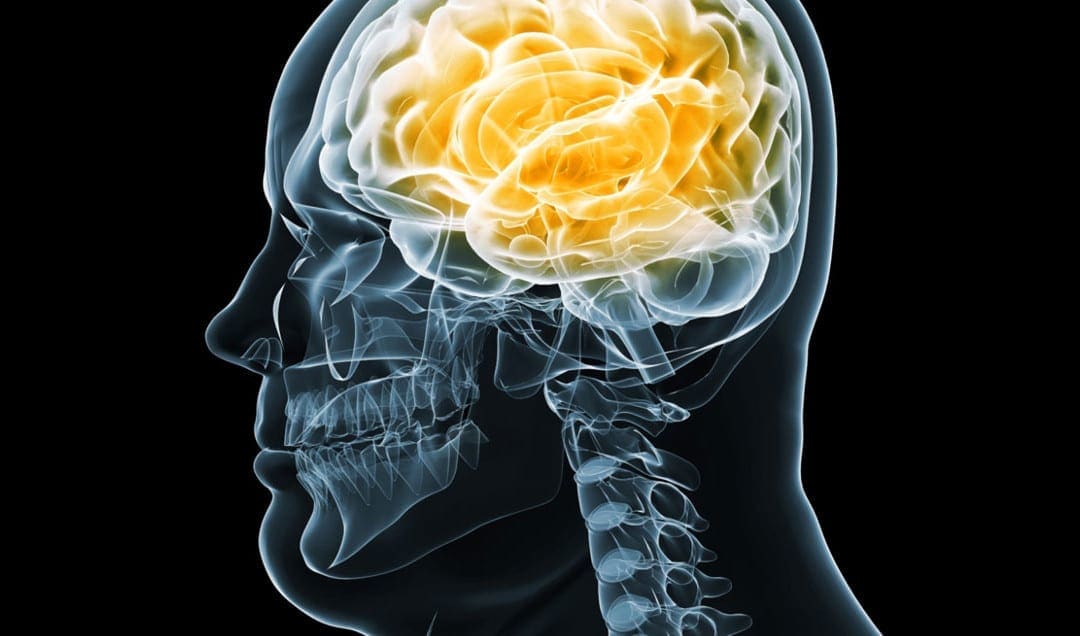
Our brain is constantly working to help us make decisions, speak, read, and perform many other important functions. It’s also responsible for several involuntary processes, including breathing, regulating body temperature, and secreting hormones. The brain needs a consistent supply of energy in order to perform these essential functions. It mainly uses glucose as fuel for energy, however, does the brain really need glucose from carbohydrates to function properly?
What Happens When You Don’t Eat Carbohydrates?
According to healthcare professionals, the brain needs between 110 to 145 grams of glucose per day to function properly. Most people who follow a high-carb diet provide their brains with an abundant supply of glucose. However, what happens when you eat less than 110 grams of carbohydrates per day or even no carbs at all? Does your brain starve? Absolutely not! Our muscles and liver store glucose in the form of glycogen, a polysaccharide of glucose.
When you don’t eat carbs, glycogen in the liver is broken down into glucose and released into the bloodstream to prevent low blood glucose levels. While more glycogen is stored in the muscles than in the liver, it stays in the muscles to meet their demand for energy and it can’t be broken down and released into the bloodstream to prevent low blood glucose levels. After about 24 to 48 hours without eating carbohydrates, glycogen in the liver is depleted and insulin decreases.
The liver will then produce ketones, water-soluble compounds produced by the breakdown of fatty acids. Ketones are produced from the fats you eat or the movement of stored body fat. Ketones can penetrate the blood-brain barrier (BBB) and enter the bloodstream in order to reach the brain and provide additional energy. This ultimately means that ketones can also be used as fuel for energy when our body is running low on glucose from carbohydrates.
Can Your Brain Use Ketones Alone for Energy?
Our brain always needs some glucose for energy. However, healthcare professionals have shown that for several people following a ketogenic diet, ketones can be used to meet up to 70 percent of the brain�s energy needs. As for the rest of the brain�s energy needs, your liver can produce the glucose it needs through a process known as gluconeogenesis. Thus, the liver can meet the brain’s energy needs through stored glucose, the production of ketones, or gluconeogenesis.
Glucose Alone vs Glucose and Ketones for Energy
If you follow a moderate-carb to a high-carb diet, your brain may not be properly adapted to use ketones as fuel for energy. Therefore, glucose will be the main source of energy for your brain. However, when your body has adapted to following a low-carb or carb-free diet, the brain can easily use ketones to meet the brain’s energy needs and the liver can make as much glucose as it needs to meet the rest of the brain’s energy needs in order to function properly.
What are the Low-Carb and Ketogenic Diet?
While there is a lot of similarities between the low-carb and ketogenic diet, there are also several important differences. The differences between the low-carb and the ketogenic diet may include but are not limited to the following:
Ketogenic Diet
Carbohydrates are limited to 50 grams or less per day.
Protein is generally limited or restricted.
The main goal is to increase the production of ketones.
Low-Carb Diet
Carbohydrates can vary from 25 to 150 grams per day.
Protein is typically not limited or restricted.
Production of etones may or may not increase.
In conclusion, eating carbohydrates to use as fuel for the brain’s energy needs is an option, not a requirement. It�s true that the brain can�t depend on ketones alone as it always needs some glucose as well. It’s important to understand that your brain isn�t in any danger if you follow a low-carb or a ketogenic diet. However, before following any particular diet, always make sure to talk to a healthcare professional to determine if these nutritional guidelines are right for you.
For information regarding the effects of carbohydrates on the brain, please review the following article:
Our brain is constantly working to perform many important functions. The brain needs a consistent supply of energy in order to perform these essential functions and while it mainly uses glucose as fuel for energy,� the brain doesn’t really need glucose from carbohydrates to function properly. Glycogen in the liver is broken down into glucose. The liver will then produce ketones, water-soluble compounds produced by the breakdown of fatty acids. Ketones are produced from the fats you eat or the movement of stored body fat. Ketones can penetrate the blood-brain barrier (BBB) and provide additional energy for the brain. However, our brain always needs some glucose for energy. Your liver can also produce the glucose it needs through a process known as gluconeogenesis. Thus, the liver can meet the brain’s energy needs through stored glucose, the production of ketones, or gluconeogenesis. A low-carb or a ketogenic diet can provide a variety of benefits. Always make sure to talk to a healthcare professional to determine if these nutritional guidelines are right for you.�- Dr. Alex Jimenez D.C., C.C.S.T. Insight
Zesty Beet Juice
Servings: 1 Cook time: 5-10 minutes
� 1 grapefruit, peeled and sliced
� 1 apple, washed and sliced
� 1 whole beet, and leaves if you have them, washed and sliced
� 1-inch knob of ginger, rinsed, peeled and chopped
Juice all ingredients in a high-quality juicer. Best served immediately.
Just one carrot gives you all of your daily vitamin A intake
Yes, eating just one boiled 80g (2�oz) carrot gives you enough beta carotene for your body to produce 1,480 micrograms (mcg) of vitamin A (necessary for skin cell renewal). That’s more than the recommended daily intake of vitamin A in the United States, which is about 900mcg. It’s best to eat carrots cooked, as this softens the cell walls allowing more beta carotene to be absorbed. Adding healthier foods into your diet is a great way to improve your overall health.
The scope of our information is limited to chiropractic, musculoskeletal, physical medicines, wellness, and sensitive health issues and/or functional medicine articles, topics, and discussions. We use functional health & wellness protocols to treat and support care for injuries or disorders of the musculoskeletal system. Our posts, topics, subjects, and insights cover clinical matters, issues, and topics that relate and support directly or indirectly our clinical scope of practice.* Our office has made a reasonable attempt to provide supportive citations and has identified the relevant research study or studies supporting our posts. We also make copies of supporting research studies available to the board and or the public upon request. We understand that we cover matters that require an additional explanation as to how it may assist in a particular care plan or treatment protocol; therefore, to further discuss the subject matter above, please feel free to ask Dr. Alex Jimenez or contact us at 915-850-0900. The provider(s) Licensed in Texas*& New Mexico*�
Curated by Dr. Alex Jimenez D.C., C.C.S.T.
References:
Spritzler, Franziska. �Food for Thought: Does the Brain Need Carbs?� Diet Doctor, Diet Doctor Media, 17 Jan. 2019, www.dietdoctor.com/low-carb/does-the-brain-need-carbs.
Spritzler, Franziska. �How Low-Carb and Ketogenic Diets Boost Brain Health.� Healthline, Healthline Media, 26 Mar. 2016, www.healthline.com/nutrition/low-carb-ketogenic-diet-brain#section1.
Dowden, Angela. �Coffee Is a Fruit and Other Unbelievably True Food Facts.� MSN Lifestyle, 4 June 2020, www.msn.com/en-us/foodanddrink/did-you-know/coffee-is-a-fruit-and-other-unbelievably-true-food-facts/ss-BB152Q5q?li=BBnb7Kz&ocid=mailsignout#image=24.
Approximately 5 million people in the United States have been diagnosed with Alzheimer’s disease (AD), one of the most common types of dementia, worldwide. A variety of factors can increase the risk of developing other types of dementia and AD, including poor diet and lifestyle habits. Research studies have also shown that treating the body as a whole may help prevent and, in several cases, even reverse cognitive decline. The goal is to start treatment immediately. In the following article, we will ultimately discuss how a functional medicine approach can help improve AD and other types of dementia.
Dementia and Alzheimer�s Disease Overview
Our brain is a complex organ made-up of about 100 billion neurons that are constantly communicating with each other. Also known as brain cells or nerve cells, neurons play a fundamental role in our cognitive function, including memory, thinking, and learning. Neurons are constantly repairing themselves, especially during sleep, but when brain cells or nerve cells can’t repair themselves, due to a variety of factors, it can ultimately affect cognition. Alzheimer’s disease is associated with a build-up of compounds, such as active microglial cells, tau proteins, and beta-amyloid plaques, among several others.
Because the body can’t break down these compounds, they can start to block the synapses where brain cells or nerve cells communicate with each other. This is believed to be one of the most common causes of AD and other types of dementia. Dr. Dale Bredesen, a renowned expert and neurologist, developed a breakthrough, alternative treatment option for dementia and AD that focuses on reducing glial cells, protein, and plaque build-up in the brain. According to Dr. Bredesen’s research studies, a build-up of these compounds can occur due to toxins, infections, inflammatory biomarkers, and genetics.
Bredesen RECODE Protocol� for Dementia and AD
A variety of factors can increase the risk of developing other types of dementia and Alzheimer’s disease because these can affect the neuron’s ability to repair themselves, ultimately causing brain cell or nerve cell death. As previously mentioned above, they may also cause an excessive build-up of compounds, including microglial cells, tau protein, and beta-amyloid plaque in the brain. Cognitive decline plays a critical role in changing the way the brain creates synapses and preserves memory. Fortunately, a functional medicine approach can help improve Alzheimer’s disease and other types of dementia.
Dr. Bredesen’s RECODE Protocol� is an alternative treatment option that can help prevent and, in several cases, even reverse cognitive decline in people with other types of dementia and Alzheimer’s disease. According to the research studies, Dr. Bredesen’s RECODE Protocol� returned many participants to pre-diagnosis levels of cognition. In other participants, the volume of the hippocampus, the main region of the brain which shrinks in AD and dementia, returned to normal on MRI. By following diet and lifestyle modifications with the RECODE Protocol�, the research study participants recovered their quality of life.
Dr. Bredesen�s RECODE Protocol � is an organized, multifactorial approach which shows that prevention and reversal of cognitive decline are possible by:
Addressing several underlying sources simultaneously
Optimizing essential lifestyle factors like diet, exercise, and sleep
Designing treatment based on each patient’s personal needs
Dr. Bredesen�s RECODE Protocol � follows a functional medicine treatment approach for AD and other types of dementia. Healthcare practitioners trained through the Institute for Functional Medicine (IFM) are seeing positive results in people with dementia and Alzheimer�s disease. IFM healthcare practitioners use functional medicine treatment approaches to identify and address the underlying source of a variety of health issues. IFM healthcare practitioners may be properly suited to apply, and even expand, Dr. Bredesen�s RECODE Protocol � for AD and other types of dementia, among other health issues.
Furthermore, several diet and lifestyle modifications may ultimately help prevent and, in several cases, even reverse dementia and AD, including:
Eating a whole-food low glycemic diet, made-up of predominately plant-based foods with 10-15 servings of non-starchy vegetables per day. Moreover, eat lean proteins, such as legumes and cold-water, low-mercury fish. Eat healthy fats, such as nuts, seeds, and olive oil.
Getting plenty of sleep. When you sleep at night, your body can also heal damaged cells and ultimately boost your immune system.
Getting plenty of exercise and physical activity boosts your metabolism, improves mood, promotes better sleep and much more.
Limiting exposure to toxins. Toxins, such as heavy metals, chemicals, mycotoxins, and even some medications, can cause cognitive decline.
Avoiding stress. Chronic stress can cause hormonal and neurotransmitter changes in the body, causing brain degeneration and atrophy.
Avoiding alcohol. Alcohol is a toxin that affects the liver�s ability to metabolize toxins and it is also commonly associated with brain atrophy.
Approximately 5 million people in the United States have been diagnosed with Alzheimer’s disease (AD), one of the most common types of dementia, worldwide. A variety of factors can increase the risk of developing other types of dementia and AD, including poor diet and lifestyle habits. Research studies have also shown that treating the body as a whole may help prevent and, in several cases, even reverse cognitive decline. The goal is to start treatment immediately. In the following article, we will ultimately discuss how a functional medicine approach can help improve AD and other types of dementia. – Dr. Alex Jimenez D.C., C.C.S.T. Insight
Approximately 5 million people in the United States have been diagnosed with Alzheimer’s disease (AD) or one of the most common types of dementia. According to researchers, a variety of factors can ultimately increase the risk of developing AD and other types of dementia, including poor diet and lifestyle habits. Research studies demonstrated that treating the body as a whole may prevent and, in several cases, even reverse cognitive decline. The goal is to start treatment early. In the article above, we discussed how a functional medicine approach can help with dementia and Alzheimer’s disease (AD).
The scope of our information is limited to chiropractic, musculoskeletal, and nervous health issues or functional medicine articles, topics, and discussions. We use functional health protocols to treat injuries or disorders of the musculoskeletal system. Our office has made a reasonable attempt to provide supportive citations and has identified the relevant research study or studies supporting our posts. We also make copies of supporting research studies available to the board and or the public upon request. To further discuss the subject matter above, please feel free to ask Dr. Alex Jimenez or contact us at 915-850-0900.�
Curated by Dr. Alex Jimenez
References:
Parke, Emily. �The Functional Medicine Approach to Cognitive Decline.� Dr. Emily Parke – Arizona Wellness Medicine, LLC, 6 Dec. 2018, www.dremilyparke.com/2018/12/06/functional-medicine-cognitive-decline/.
Litwin, Ken A., et al. �The Bredesen Protocol� & Functional Medicine � A Powerful Combination to Prevent & Treat Cognitive Decline.� Kara Fitzgerald ND Naturopathic Doctor, 29 Mar. 2019, www.drkarafitzgerald.com/2018/06/20/the-bredesen-protocol-functional-medicine-a-powerful-combination-to-prevent-treat-cognitive-decline/.
Carpathia Collaborative Staff. �Preventing and Reversing Cognitive Decline.� Carpathia Collaborative, 29 July 2019, carpathiacollaborative.com/blogposts/cognitivedecline.
Additional Topic Discussion: Chronic Pain
Sudden pain is a natural response of the nervous system which helps to demonstrate possible injury. By way of instance, pain signals travel from an injured region through the nerves and spinal cord to the brain. Pain is generally less severe as the injury heals, however, chronic pain is different than the average type of pain. With chronic pain, the human body will continue sending pain signals to the brain, regardless if the injury has healed. Chronic pain can last for several weeks to even several years. Chronic pain can tremendously affect a patient’s mobility and it can reduce flexibility, strength, and endurance.
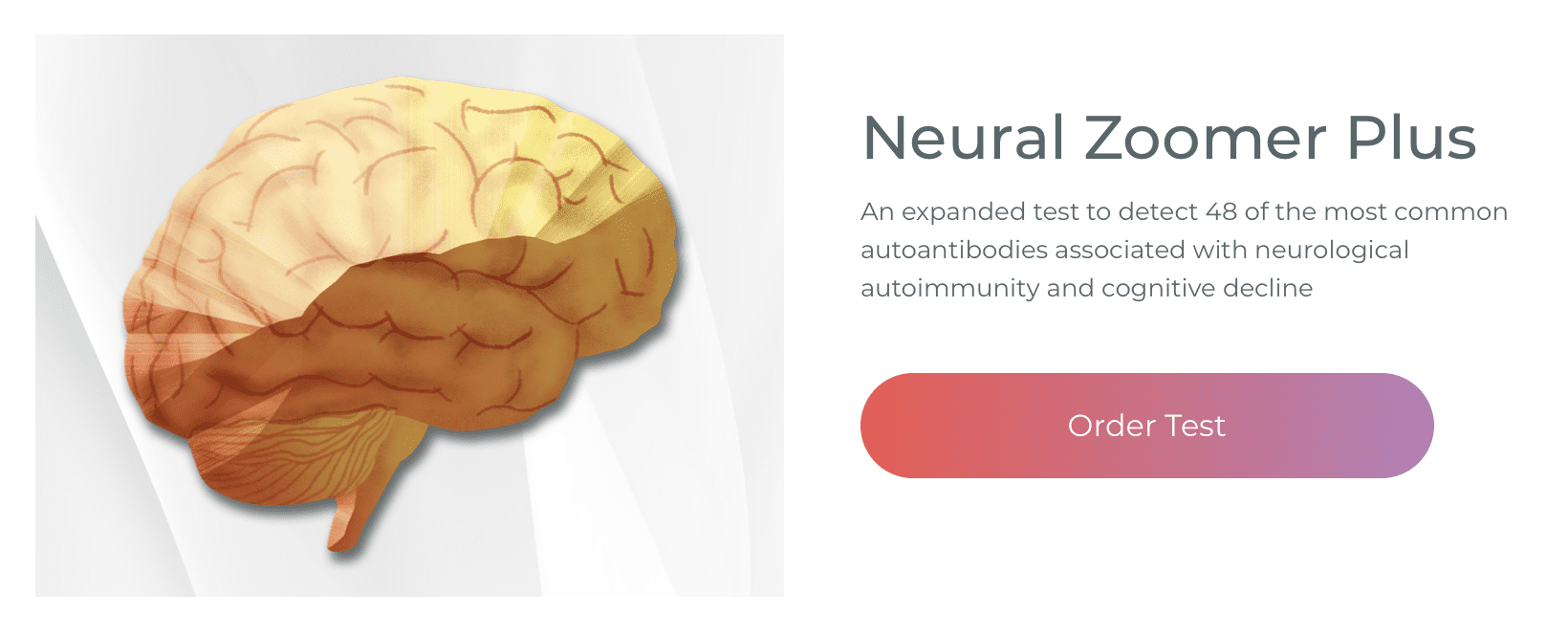
Neural Zoomer Plus for Neurological Disease
Dr. Alex Jimenez utilizes a series of tests to help evaluate neurological diseases. The Neural ZoomerTM Plus is an array of neurological autoantibodies which offers specific antibody-to-antigen recognition. The Vibrant Neural ZoomerTM Plus is designed to assess an individual�s reactivity to 48 neurological antigens with connections to a variety of neurologically related diseases. The Vibrant Neural ZoomerTM Plus aims to reduce neurological conditions by empowering patients and physicians with a vital resource for early risk detection and an enhanced focus on personalized primary prevention.
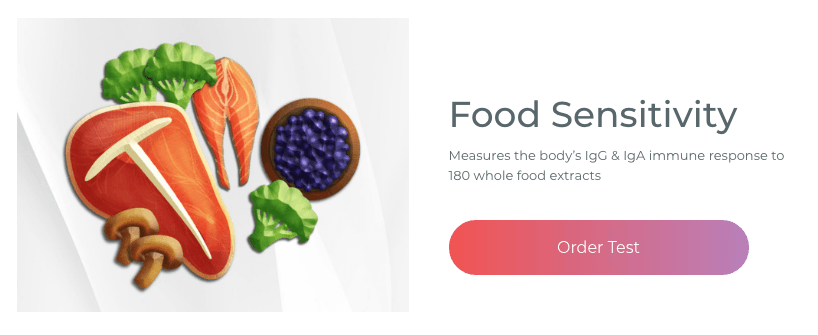
Food Sensitivity for the IgG & IgA Immune Response
Dr. Alex Jimenez utilizes a series of tests to help evaluate health issues associated with a variety of food sensitivities and intolerances. The Food Sensitivity ZoomerTM is an array of 180 commonly consumed food antigens that offers very specific antibody-to-antigen recognition. This panel measures an individual�s IgG and IgA sensitivity to food antigens. Being able to test IgA antibodies provides additional information to foods that may be causing mucosal damage. Additionally, this test is ideal for patients who might be suffering from delayed reactions to certain foods. Utilizing an antibody-based food sensitivity test can help prioritize the necessary foods to eliminate and create a customized diet plan around the patient�s specific needs.
Gut Zoomer for Small Intestinal Bacterial Overgrowth (SIBO)
Dr. Alex Jimenez utilizes a series of tests to help evaluate gut health associated with small intestinal bacterial overgrowth (SIBO). The Vibrant Gut ZoomerTM offers a report that includes dietary recommendations and other natural supplementation like prebiotics, probiotics, and polyphenols. The gut microbiome is mainly found in the large intestine and it has more than 1000 species of bacteria that play a fundamental role in the human body, from shaping the immune system and affecting the metabolism of nutrients to strengthening the intestinal mucosal barrier (gut-barrier). It is essential to understand how the number of bacteria that symbiotically live in the human gastrointestinal (GI) tract influences gut health because imbalances in the gut microbiome may ultimately lead to gastrointestinal (GI) tract symptoms, skin conditions, autoimmune disorders, immune system imbalances, and multiple inflammatory disorders.
Formulas for Methylation Support
XYMOGEN�s Exclusive Professional Formulas are available through select licensed health care professionals. The internet sale and discounting of XYMOGEN formulas are strictly prohibited.
Proudly,�Dr. Alexander Jimenez makes XYMOGEN formulas available only to patients under our care.
Please call our office in order for us to assign a doctor consultation for immediate access.
If you are a patient of Injury Medical & Chiropractic�Clinic, you may inquire about XYMOGEN by calling 915-850-0900.
For your convenience and review of the XYMOGEN products please review the following link. *XYMOGEN-Catalog-Download
* All of the above XYMOGEN policies remain strictly in force.
Modern Integrated Medicine
The National University of Health Sciences is an institution that offers a variety of rewarding professions to attendees. Students can practice their passion for helping other people achieve overall health and wellness through the institution’s mission. The National University of Health Sciences prepares students to become leaders in the forefront of modern integrated medicine, including chiropractic care. Students have an opportunity to gain unparalleled experience at the National University of Health Sciences to help restore the natural integrity of the patient and define the future of modern integrated medicine.
Doctors understand that people with depression can experience weight gain and over time, it may eventually lead to obesity if left untreated. Depression is also associated with poor eating habits, overeating, and a more sedentary lifestyle. According to the Centers for Disease Control and Prevention (CDC), approximately 43 percent of people with depression have excess weight or obesity. In a 2002 research study, scientists found that children with depression had an increased risk of suffering from obesity. In the following article, we will discuss what you need to know about obesity and depression. �
Understanding Obesity and Depression
Mental health issues, such as anxiety and depression, are associated with obesity. A 2010 research study found that about 55 percent of people with obesity had an increased risk of developing depression and other mental health issues compared to “healthy” people. Moreover, obesity can also cause a variety of other health issues, including joint pain, hypertension, and diabetes, among others. Anxiety, by way of instance, can also ultimately cause depression and obesity. Scientists believe that stress can make people turn to food as a coping mechanism. This can eventually lead to excess weight gain and obesity. �
Scientists were once hesitant to connect obesity and depression, however, further evidence from numerous research studies has demonstrated that excess weight or obesity can cause a variety of mental health issues like anxiety and depression. Many doctors utilize a multi-pronged treatment approach to help improve a patient’s mental and physical health. Scientists still don’t quite understand how obesity is closely associated with depression but it is clear that there’s a connection between obesity and depression. Furthermore, research studies demonstrated that mental health issues may also cause obesity. �
The Connection Between Obesity and Depression
Obesity and depression, as well as any other mental health issues, are can also cause a variety of other health issues if left untreated, including chronic pain, coronary heart disease, hypertension, sleep problems, and diabetes. Fortunately, all of these health issues can be properly diagnosed, treated, and prevented by following a proper treatment program. Treating the underlying source of a patient’s depression, by way of instance, may help restore their energy in order to help them participate in exercise and physical activities. Engaging in exercise and physical activities may, in turn, help patients lose weight. �
Dietary and lifestyle modifications can also be utilized to help treat a variety of mental and physical health issues, including obesity and depression. It’s essential to seek immediate medical attention from qualified and experienced doctors who can help guide patients in the right direction. If you’ve ever experienced any of the following red-flags, symptoms, or side-effects, including loss of all interest in regular activities that you used to enjoy, an inability to get up from bed or leave your house, abnormal sleep patterns, feeling tired or fatigued, and weight gain, talk to your doctor about what you can do. �
Dealing with Obesity and Depression
A strategic treatment plan for obesity and depression can ultimately be different, however, several methods and techniques can also help improve the underlying source of the other health issue. You can reduce your risk of developing obesity and depression by following proper nutritional or dietary guidelines and engaging in exercise or physical activities. Participating in exercise or physical activities is a great way to naturally help boost endorphins as well as neurotransmitters like dopamine and serotonin that help boost and balance mood, ultimately helping you lose weight and feel better. �
Research studies demonstrated that engaging in exercise or physical activities at least once per week can have a considerable effect on symptoms of depression. Doctors also understand that when you have depression, finding the motivation to participate in exercise or physical activities can be challenging. Doctors recommend taking small steps, such as engaging in 10 minutes of exercise or physical activities every day, may help people get in the habit of participating in exercise or physical activities. Talk to your doctor about the right amount of exercise or physical activity that you should do. �
Talking to a therapist or psychologist is a well-known treatment approach for a variety of mental and physical health issues. From anxiety and depression to excess weight and obesity, a therapist or psychiatrist can help you process the emotional factors that may be causing the underlying source of your health issues. They can also help you embrace changes that will help you improve your quality of life. Following a strategic treatment plan and always being honest with your healthcare professional may ultimately help improve obesity and depression as well as any symptoms, side-effects, and complications. �
Obesity and depression are well-known health issues that need long-term care and attention. It�s essential to talk to your doctor regardless of whether you�re following your strategic treatment plan. Being honest about what you are and aren�t doing is the only way for your doctor to understand and help with your underlying health issues. Your doctor is your best resource for information and they�ll work with you to find the best treatment for your needs, help you create a healthier lifestyle, and hold you accountable for the changes you seek. People with obesity and depression can ultimately restore their wellness. �
Research studies demonstrated that obesity is associated with mental health issues like anxiety and depression. Doctors understand that people with depression can experience weight gain and over time, it may eventually lead to obesity if left untreated. Depression is also associated with poor eating habits, overeating, and a more sedentary lifestyle. According to the Centers for Disease Control and Prevention (CDC), approximately 43 percent of people with depression have excess weight or obesity. In a 2002 research study, scientists found that children with depression had an increased risk of suffering from obesity. In the following article, we will discuss what you need to know about obesity and depression, including the connection between obesity and depression as well as dealing with these mental and physical health issues, among others. – Dr. Alex Jimenez D.C., C.C.S.T. Insight
Doctors understand that people with depression can experience weight gain and over time, it may eventually lead to obesity if left untreated. Depression is also associated with poor eating habits, overeating, and a more sedentary lifestyle. According to the Centers for Disease Control and Prevention (CDC), approximately 43 percent of people with depression have excess weight or obesity. In a 2002 research study, scientists found that children with depression had an increased risk of suffering from obesity. In the article above, we will ultimately discuss what you need to know about obesity and depression. �
The scope of our information is limited to chiropractic, musculoskeletal, and nervous health issues or functional medicine articles, topics, and discussions. We use functional health protocols to treat injuries or disorders of the musculoskeletal system. Our office has made a reasonable attempt to provide supportive citations and has identified the relevant research study or studies supporting our posts. We also make copies of supporting research studies available to the board and or the public upon request. To further discuss the subject matter above, please feel free to ask Dr. Alex Jimenez or contact us at 915-850-0900.�
Curated by Dr. Alex Jimenez �
References:
Holland, Kimberly. �Are Obesity and Depression Related? And 9 Other FAQs.� Healthline, Healthline Media, 11 May 2018, www.healthline.com/health/depression/obesity-and-depression.
Neurotransmitter Assessment Form
The following Neurotransmitter Assessment Form can be filled out and presented to Dr. Alex Jimenez. The following symptoms listed on this form are not intended to be utilized as a diagnosis of any type of disease, condition, or any other type of health issue. �
Additional Topic Discussion: Chronic Pain
Sudden pain is a natural response of the nervous system which helps to demonstrate possible injury. By way of instance, pain signals travel from an injured region through the nerves and spinal cord to the brain. Pain is generally less severe as the injury heals, however, chronic pain is different than the average type of pain. With chronic pain, the human body will continue sending pain signals to the brain, regardless if the injury has healed. Chronic pain can last for several weeks to even several years. Chronic pain can tremendously affect a patient’s mobility and it can reduce flexibility, strength, and endurance. �
Neural Zoomer Plus for Neurological Disease
Dr. Alex Jimenez utilizes a series of tests to help evaluate neurological diseases. The Neural ZoomerTM Plus is an array of neurological autoantibodies which offers specific antibody-to-antigen recognition. The Vibrant Neural ZoomerTM Plus is designed to assess an individual�s reactivity to 48 neurological antigens with connections to a variety of neurologically related diseases. The Vibrant Neural ZoomerTM Plus aims to reduce neurological conditions by empowering patients and physicians with a vital resource for early risk detection and an enhanced focus on personalized primary prevention. �
Food Sensitivity for the IgG & IgA Immune Response
Dr. Alex Jimenez utilizes a series of tests to help evaluate health issues associated with a variety of food sensitivities and intolerances. The Food Sensitivity ZoomerTM is an array of 180 commonly consumed food antigens that offers very specific antibody-to-antigen recognition. This panel measures an individual�s IgG and IgA sensitivity to food antigens. Being able to test IgA antibodies provides additional information to foods that may be causing mucosal damage. Additionally, this test is ideal for patients who might be suffering from delayed reactions to certain foods. Utilizing an antibody-based food sensitivity test can help prioritize the necessary foods to eliminate and create a customized diet plan around the patient�s specific needs. �
Gut Zoomer for Small Intestinal Bacterial Overgrowth (SIBO)
Dr. Alex Jimenez utilizes a series of tests to help evaluate gut health associated with small intestinal bacterial overgrowth (SIBO). The Vibrant Gut ZoomerTM offers a report that includes dietary recommendations and other natural supplementation like prebiotics, probiotics, and polyphenols. The gut microbiome is mainly found in the large intestine and it has more than 1000 species of bacteria that play a fundamental role in the human body, from shaping the immune system and affecting the metabolism of nutrients to strengthening the intestinal mucosal barrier (gut-barrier). It is essential to understand how the number of bacteria that symbiotically live in the human gastrointestinal (GI) tract influences gut health because imbalances in the gut microbiome may ultimately lead to gastrointestinal (GI) tract symptoms, skin conditions, autoimmune disorders, immune system imbalances, and multiple inflammatory disorders. �
Formulas for Methylation Support
� XYMOGEN�s Exclusive Professional Formulas are available through select licensed health care professionals. The internet sale and discounting of XYMOGEN formulas are strictly prohibited.
Proudly,�Dr. Alexander Jimenez makes XYMOGEN formulas available only to patients under our care.
Please call our office in order for us to assign a doctor consultation for immediate access.
If you are a patient of Injury Medical & Chiropractic�Clinic, you may inquire about XYMOGEN by calling 915-850-0900.
�
�
For your convenience and review of the XYMOGEN products please review the following link. *XYMOGEN-Catalog-Download �
* All of the above XYMOGEN policies remain strictly in force. �
� �
Modern Integrated Medicine
The National University of Health Sciences is an institution that offers a variety of rewarding professions to attendees. Students can practice their passion for helping other people achieve overall health and wellness through the institution’s mission. The National University of Health Sciences prepares students to become leaders in the forefront of modern integrated medicine, including chiropractic care. Students have an opportunity to gain unparalleled experience at the National University of Health Sciences to help restore the natural integrity of the patient and define the future of modern integrated medicine. �
Research studies demonstrated that brain health may ultimately be associated with obesity. Scientists also reported that obesity affects the overall size and function of the brain, as well as specifically altering certain neuronal circuits. By way of instance, a recent research study found a connection between smaller brain size and lower gray matter volume associated with obesity around the stomach region. Another research study also found that the prefrontal cortex, an essential area in the brain that plays a fundamental role in thinking, planning, and self-control, is less active in people with obesity.
Several other research studies have also found further evidence showing the connection between brain health and obesity. Dr. Ilona A. Dekkers, from the Leiden University Medical Center in the Netherlands, utilized MRI scans in several recent research studies to understand how obesity can affect the size and function of the brain. Dr. Dekkers reported lower gray matter volume in people with obesity. According to the research studies, people with obesity also had white matter volume changes in a variety of brain regions. In the following article, we will ultimately discuss how obesity can affect brain health.
Obesity Can Change How You Look and Feel
Recent research studies demonstrated that obesity can affect brain health. Ranjana Mehta, an assistant professor of environmental and occupational health at the Texas A&M Health Science Center School of Public Health in College Station, Texas discussed how obesity doesn’t simply affect how you look and feel, it can affect your mental and physical health as well as cause a variety of brain health issues. Ranjana Mehta, who received funding from the National Institute on Aging to evaluate how obesity can affect brain health in older adults determined that obesity can affect brain structure and cause atrophy.
Obesity Can Alter the Way You Move
People with obesity have to carry extra weight that can add stress and pressure on the joints, ultimately altering movement. Scientists utilized imaging methods and techniques to demonstrate how people with obesity often have to utilize more mental resources when walking, although they were still able to walk as well as healthy people. Moreover, research studies found that stress and pressure from carrying extra weight affected brain activity in people with obesity compared to healthy people. The additional mental burden associated with obesity may also cause individuals to become tired more quickly.
Obesity Can Influence Your Memory
Obesity is associated with poor memory, often making it difficult to remember past events in young adults between 18 to 35 years of age, according to a research study published in the Quarterly Journal of Experimental Psychology. Further evidence also suggests that people with obesity experience memories in slightly less detail and/or less vividly compared to healthy people. Lucy Cheke, lead researcher and a lecturer in the department of psychology at the University of Cambridge in England discussed that memory can play a fundamental role in regulating what we eat and how we lose weight.
Obesity Can Lead to Dementia and Alzheimer’s Disease
Other research studies demonstrated that obesity in people during their 40s, 50s, and even early 60s is associated with an increased risk of developing dementia and Alzheimer’s disease. According to Heather Snyder, senior director of medical and scientific operations at the Alzheimer’s Association, mid-life obesity is connected with an increased risk of developing dementia and Alzheimer’s disease over time with age. Scientists still don’t understand how obesity can cause dementia and Alzheimer’s disease, however, obesity can ultimately affect heart health which can play a fundamental role in brain health.
Obesity Can Cause Depression
As previously mentioned, obesity can ultimately affect mental and physical health. Dr. Susan McElroy, chief research officer at the Lindner Center of HOPE, a private psychiatric facility in Mason, Ohio, who has also evaluated the connection between obesity and mental health issues described that obesity can cause depression. Scientists believe that just like obesity can cause major depression, it may also cause bipolar disorder. Furthermore, scientists believe that depression itself may, in turn, also cause obesity. McElroy suggests that obesity and depression both need to be addressed to make progress.
Obesity Can Rewire the Pleasure-and-Reward Center
In a research study published in the Journal of Neuroscience, a region of the brain, known as the striatum, was demonstrated to be less active in people with obesity. The striatum plays a fundamental role in controlling the pleasure-and-reward center in the brain associated with the release of the neurotransmitter or chemical messenger known as dopamine. The release of dopamine we get from eating certain foods, such as foods that are high in sugars and fats, can have a dulling effect in people with obesity which scientists believe can cause a person to overeat to regain that fleeting sense of pleasure.
Research studies demonstrated that obesity may ultimately affect the brain. By way of instance, a recent research study found a connection between smaller brain size and lower gray matter volume associated with obesity. According to the research studies, people with obesity also had white matter volume changes in various brain regions. Several other research studies have also found further evidence showing the connection between obesity and brain health. In the following article, we will ultimately discuss how obesity can affect brain health, from changing how you look and feel to causing depression. – Dr. Alex Jimenez D.C., C.C.S.T. Insight
The scope of our information is limited to chiropractic, musculoskeletal, and nervous health issues or functional medicine articles, topics, and discussions. We use functional health protocols to treat injuries or disorders of the musculoskeletal system. Our office has made a reasonable attempt to provide supportive citations and has identified the relevant research study or studies supporting our posts. We also make copies of supporting research studies available to the board and or the public upon request. To further discuss the subject matter above, please feel free to ask Dr. Alex Jimenez or contact us at 915-850-0900.�
Curated by Dr. Alex Jimenez
References:
Sandoiu, Ana. �How Might Obesity Affect the Brain?� Medical News Today, MediLexicon International, 27 Apr. 2019, www.medicalnewstoday.com/articles/325054.php#1.
Wlassoff, Viatcheslav. �How Obesity Affects the Human Brain.� World of Psychology, World of Psychology Media, 8 July 2018, psychcentral.com/blog/how-obesity-affects-the-human-brain/.
Schroeder, Michael O. �6 Ways Obesity Can Weigh on the Brain.� U.S. News & World Report, U.S. News & World Report, 12 May 2016, health.usnews.com/wellness/slideshows/6-ways-obesity-can-weigh-on-the-brain.
Neurotransmitter Assessment Form
[wp-embedder-pack width=”100%” height=”1050px” download=”all” download-text=”” attachment_id=”52657″ /]
The following Neurotransmitter Assessment Form can be filled out and presented to Dr. Alex Jimenez. The following symptoms listed on this form are not intended to be utilized as a diagnosis of any type of disease, condition, or any other type of health issue.
Additional Topic Discussion: Chronic Pain
Sudden pain is a natural response of the nervous system which helps to demonstrate possible injury. By way of instance, pain signals travel from an injured region through the nerves and spinal cord to the brain. Pain is generally less severe as the injury heals, however, chronic pain is different than the average type of pain. With chronic pain, the human body will continue sending pain signals to the brain, regardless if the injury has healed. Chronic pain can last for several weeks to even several years. Chronic pain can tremendously affect a patient’s mobility and it can reduce flexibility, strength, and endurance.
Neural Zoomer Plus for Neurological Disease
Dr. Alex Jimenez utilizes a series of tests to help evaluate neurological diseases. The Neural ZoomerTM Plus is an array of neurological autoantibodies which offers specific antibody-to-antigen recognition. The Vibrant Neural ZoomerTM Plus is designed to assess an individual�s reactivity to 48 neurological antigens with connections to a variety of neurologically related diseases. The Vibrant Neural ZoomerTM Plus aims to reduce neurological conditions by empowering patients and physicians with a vital resource for early risk detection and an enhanced focus on personalized primary prevention.
Food Sensitivity for the IgG & IgA Immune Response
Dr. Alex Jimenez utilizes a series of tests to help evaluate health issues associated with a variety of food sensitivities and intolerances. The Food Sensitivity ZoomerTM is an array of 180 commonly consumed food antigens that offers very specific antibody-to-antigen recognition. This panel measures an individual�s IgG and IgA sensitivity to food antigens. Being able to test IgA antibodies provides additional information to foods that may be causing mucosal damage. Additionally, this test is ideal for patients who might be suffering from delayed reactions to certain foods. Utilizing an antibody-based food sensitivity test can help prioritize the necessary foods to eliminate and create a customized diet plan around the patient�s specific needs.
Gut Zoomer for Small Intestinal Bacterial Overgrowth (SIBO)
Dr. Alex Jimenez utilizes a series of tests to help evaluate gut health associated with small intestinal bacterial overgrowth (SIBO). The Vibrant Gut ZoomerTM offers a report that includes dietary recommendations and other natural supplementation like prebiotics, probiotics, and polyphenols. The gut microbiome is mainly found in the large intestine and it has more than 1000 species of bacteria that play a fundamental role in the human body, from shaping the immune system and affecting the metabolism of nutrients to strengthening the intestinal mucosal barrier (gut-barrier). It is essential to understand how the number of bacteria that symbiotically live in the human gastrointestinal (GI) tract influences gut health because imbalances in the gut microbiome may ultimately lead to gastrointestinal (GI) tract symptoms, skin conditions, autoimmune disorders, immune system imbalances, and multiple inflammatory disorders.
Formulas for Methylation Support
XYMOGEN�s Exclusive Professional Formulas are available through select licensed health care professionals. The internet sale and discounting of XYMOGEN formulas are strictly prohibited.
Proudly,�Dr. Alexander Jimenez makes XYMOGEN formulas available only to patients under our care.
Please call our office in order for us to assign a doctor consultation for immediate access.
If you are a patient of Injury Medical & Chiropractic�Clinic, you may inquire about XYMOGEN by calling 915-850-0900.
For your convenience and review of the XYMOGEN products please review the following link. *XYMOGEN-Catalog-Download* All of the above XYMOGEN policies remain strictly in force.
Modern Integrated Medicine
The National University of Health Sciences is an institution that offers a variety of rewarding professions to attendees. Students can practice their passion for helping other people achieve overall health and wellness through the institution’s mission. The National University of Health Sciences prepares students to become leaders in the forefront of modern integrated medicine, including chiropractic care. Students have an opportunity to gain unparalleled experience at the National University of Health Sciences to help restore the natural integrity of the patient and define the future of modern integrated medicine.
Research studies demonstrated that brain health may ultimately be associated with obesity. Scientists also reported that obesity affects the overall size and function of the brain, as well as specifically altering certain neuronal circuits. By way of instance, a recent research study found a connection between smaller brain size and lower gray matter volume associated with obesity around the stomach region. Another research study also found that the prefrontal cortex, an essential area in the brain that plays a fundamental role in thinking, planning, and self-control, is less active in people with obesity. �
Scientists also demonstrated that a variety of specific brain cells or neuron can alter overeating habits in people with obesity. Several other research studies have also found further evidence showing the connection between brain health and obesity.�Dr. Ilona A. Dekkers, from the Leiden University Medical Center in the Netherlands, utilized MRI scans to understand how obesity can affect the size and function of the brain. Dr. Dekkers reported lower gray matter volume in people with obesity. Dr. Ilona A. Dekkers also found evidence between the structure of the brain and obesity, known as morphology. �
How Obesity Can Affect Brain Health
Dr. Dekkers and her group of colleagues demonstrated in a series of research studies how obesity can affect the size and function of the brain because previous research studies found an increased risk of cognitive problems and dementia in people with obesity. Scientists evaluated brain scans from more than 12,000 people who participated in the United Kingdom Biobank Imaging research study. The brain imaging methods and techniques that Dr. Dekkers and her group of colleagues utilized in the research study demonstrated additional insights into the participants’ gray and white matter volume. �
In another recent research study, Dr. Ilona A. Dekkers and her group of colleagues found that obesity is associated with smaller volumes of essential structures in the brain, including gray matter structures that are found in the center of the brain. Scientists also demonstrated that gender can affect the connection between fat percentage and specific brain structures. According to the research studies, men with obesity had lower gray matter volume in brain regions associated with movement while women with obesity had lower gray matter volume in the globus pallidus, a brain region associated with voluntary movement. According to the research studies, both men and women with obesity had white matter volume changes in a variety of brain regions. �
Obesity and Inflammation
Dr. Dekkers stated that information from MRI scans may ultimately help improve insights into which brain structures are affected by obesity. Scientists believe that lower gray matter volumes can reduce the number of brain cells or neurons and white matter volume changes could affect the signals between the remaining brain cells or neurons. Other research studies suggest that gray matter volume changes may also affect the “food-reward circuitry” in the brain, which could make it difficult for people with obesity to control their eating behaviors. However, further research studies are still required. �
Dr. Dekkers also demonstrated that, according to previous research studies, inflammation caused by obesity can affect brain health. Further evidence on how inflammation caused by obesity could affect brain health may explain the recent research study’s findings. “For future research studies, it would be of great interest to understand if differences in body fat distribution are associated with differences in brain morphological structure, as visceral fat is a known risk factor for metabolic disease and is connected to systemic low-grade inflammation,” stated Hildo Lamb, Ph.D., the research study’s senior author. �
Obesity and Neurodegeneration
The brain changes as a normal part of the aging process, often losing white matter and shrinking. However, the aging process is different for every person. A variety of factors may cause slower or faster brain changes as a normal part of the aging process. One research study concluded that people with obesity have lower white matter volume compared to people with “healthy” weights. The research study also evaluated the brain structure of 473 participants. The information ultimately showed that the brain of people with obesity appears to be up to ten years older compared to people with healthy weights. �
Another research study on 733 middle-aged participants demonstrated that obesity is also connected with the loss of brain mass. Scientists evaluated body mass index (BMI), waist circumference (WC), and waist-to-hip ratio (WHR) of participants and utilized MRI scans to find symptoms of neurodegeneration or brain degeneration. The results demonstrated that neurodegeneration or brain degeneration occurs faster in people with higher BMI, WC, and WHR compared to people with healthy weights. Scientists believe that loss of brain mass may cause dementia but further research studies are still required. �
Obesity and Mental Health Issues
Obesity can also affect the way our brain functions. Dopamine is a neurotransmitter associated with the pleasure-and-reward center in the brain. One research study found that dopamine released in the brain is associated with BMI. People with higher BMI have lower dopamine levels that may cause a lack of pleasure after eating normal-sized portions as well as the urge to eat more to feel satisfied. Moreover, another research study ultimately demonstrated that people with obesity feel less satisfaction when eating compared to people with healthy weights due to lower dopamine levels in the brain. �
In conclusion, scientists found that obesity affects the overall size and function of the brain. Recent research studies demonstrated a connection between smaller brain size and lower gray matter volume associated with obesity. Dr. Ilona A. Dekkers, from the Leiden University Medical Center in the Netherlands, utilized MRI scans in a variety of recent research studies to understand how obesity can affect the size and function of the brain. According to these same recent research studies, obesity can ultimately affect brain health by causing inflammation, neurodegeneration, and various mental health issues. – Dr. Alex Jimenez D.C., C.C.S.T. Insight
The scope of our information is limited to chiropractic, musculoskeletal, and nervous health issues or functional medicine articles, topics, and discussions. We use functional health protocols to treat injuries or disorders of the musculoskeletal system. Our office has made a reasonable attempt to provide supportive citations and has identified the relevant research study or studies supporting our posts. We also make copies of supporting research studies available to the board and or the public upon request. To further discuss the subject matter above, please feel free to ask Dr. Alex Jimenez or contact us at 915-850-0900.�
Curated by Dr. Alex Jimenez �
References:
Sandoiu, Ana. �How Might Obesity Affect the Brain?� Medical News Today, MediLexicon International, 27 Apr. 2019, www.medicalnewstoday.com/articles/325054.php#1.
Wlassoff, Viatcheslav. �How Obesity Affects the Human Brain.� World of Psychology, World of Psychology Media, 8 July 2018, psychcentral.com/blog/how-obesity-affects-the-human-brain/.
Neurotransmitter Assessment Form
The following Neurotransmitter Assessment Form can be filled out and presented to Dr. Alex Jimenez. The following symptoms listed on this form are not intended to be utilized as a diagnosis of any type of disease, condition, or any other type of health issue. �
Additional Topic Discussion: Chronic Pain
Sudden pain is a natural response of the nervous system which helps to demonstrate possible injury. By way of instance, pain signals travel from an injured region through the nerves and spinal cord to the brain. Pain is generally less severe as the injury heals, however, chronic pain is different than the average type of pain. With chronic pain, the human body will continue sending pain signals to the brain, regardless if the injury has healed. Chronic pain can last for several weeks to even several years. Chronic pain can tremendously affect a patient’s mobility and it can reduce flexibility, strength, and endurance. �
Neural Zoomer Plus for Neurological Disease
Dr. Alex Jimenez utilizes a series of tests to help evaluate neurological diseases. The Neural ZoomerTM Plus is an array of neurological autoantibodies which offers specific antibody-to-antigen recognition. The Vibrant Neural ZoomerTM Plus is designed to assess an individual�s reactivity to 48 neurological antigens with connections to a variety of neurologically related diseases. The Vibrant Neural ZoomerTM Plus aims to reduce neurological conditions by empowering patients and physicians with a vital resource for early risk detection and an enhanced focus on personalized primary prevention. �
Food Sensitivity for the IgG & IgA Immune Response
Dr. Alex Jimenez utilizes a series of tests to help evaluate health issues associated with a variety of food sensitivities and intolerances. The Food Sensitivity ZoomerTM is an array of 180 commonly consumed food antigens that offers very specific antibody-to-antigen recognition. This panel measures an individual�s IgG and IgA sensitivity to food antigens. Being able to test IgA antibodies provides additional information to foods that may be causing mucosal damage. Additionally, this test is ideal for patients who might be suffering from delayed reactions to certain foods. Utilizing an antibody-based food sensitivity test can help prioritize the necessary foods to eliminate and create a customized diet plan around the patient�s specific needs. �
Gut Zoomer for Small Intestinal Bacterial Overgrowth (SIBO)
Dr. Alex Jimenez utilizes a series of tests to help evaluate gut health associated with small intestinal bacterial overgrowth (SIBO). The Vibrant Gut ZoomerTM offers a report that includes dietary recommendations and other natural supplementation like prebiotics, probiotics, and polyphenols. The gut microbiome is mainly found in the large intestine and it has more than 1000 species of bacteria that play a fundamental role in the human body, from shaping the immune system and affecting the metabolism of nutrients to strengthening the intestinal mucosal barrier (gut-barrier). It is essential to understand how the number of bacteria that symbiotically live in the human gastrointestinal (GI) tract influences gut health because imbalances in the gut microbiome may ultimately lead to gastrointestinal (GI) tract symptoms, skin conditions, autoimmune disorders, immune system imbalances, and multiple inflammatory disorders. �
Formulas for Methylation Support
� XYMOGEN�s Exclusive Professional Formulas are available through select licensed health care professionals. The internet sale and discounting of XYMOGEN formulas are strictly prohibited.
Proudly,�Dr. Alexander Jimenez makes XYMOGEN formulas available only to patients under our care.
Please call our office in order for us to assign a doctor consultation for immediate access.
If you are a patient of Injury Medical & Chiropractic�Clinic, you may inquire about XYMOGEN by calling 915-850-0900.
�
�
For your convenience and review of the XYMOGEN products please review the following link. *XYMOGEN-Catalog-Download �
* All of the above XYMOGEN policies remain strictly in force. �
� �
Modern Integrated Medicine
The National University of Health Sciences is an institution that offers a variety of rewarding professions to attendees. Students can practice their passion for helping other people achieve overall health and wellness through the institution’s mission. The National University of Health Sciences prepares students to become leaders in the forefront of modern integrated medicine, including chiropractic care. Students have an opportunity to gain unparalleled experience at the National University of Health Sciences to help restore the natural integrity of the patient and define the future of modern integrated medicine. �
Dopamine and serotonin are known as the “happy chemicals” because they play a fundamental role in regulating our mood. These two neurotransmitters or chemical messengers control a variety of functions in the brain and body, including digestion and sleep. Although dopamine and serotonin are in charge of many of the same things, these happy chemicals do so in slightly different ways. Dopamine and serotonin deficiencies can also cause a variety of health issues, including mood changes and depression. In the following article, we will ultimately discuss the differences between dopamine and serotonin. �
What is a Neurotransmitter?
As previously mentioned, a neurotransmitter is a chemical messenger in the brain that sends signals to other areas of the body. Dopamine and serotonin are two of the many different types of neurotransmitters in the brain and body. Below is a list of some of the most well-known neurotransmitters, including: �
Dopamine
Serotonin
Norepinephrine
Acetylcholine
Glycine
Glutamate
GABA
Understanding Neurotransmitters
Our brain is one of the most complex organs in the human body. The nervous system contains more than 100 billion nerves which are continuously sending signals from the brain to the rest of the body, ultimately regulating our mental and physical health. However, various factors can cause many problems. Dopamine and serotonin deficiencies, by way of instance, can cause a variety of mental and physical health issues, such as depression. While these two neurotransmitters are both commonly referred to as “happy chemicals”, it’s important to understand that dopamine and serotonin also play different roles. �
What is Dopamine?
Dopamine is a well-known neurotransmitter released in the brain to send signals between nerve cells. Our brain and body use dopamine to produce other compounds known as norepinephrine and epinephrine. Dopamine plays a fundamental role in the “pleasure and reward center” in the brain, or a collection of functions in the brain that control mood, motivation, and movement. Healthy dopamine levels can also affect a variety of other functions, including: �
alertness
learning
mood
motivation
movement
blood circulation
urine output
sleep
What is Serotonin?
Serotonin is another neurotransmitter used to send signals between nerve cells. However, about 90 percent of the human body’s serotonin can be found in the gut, where it helps control a variety of functions in the digestive system. Healthy serotonin levels can also affect a variety of other functions, including: �
focus and concentration
mood, emotions, and feelings
appetite and digestion
hormonal activity
circadian rhythm or sleep-wake cycle
blood clotting
body temperature
Dopamine, Serotonin, and Depression
Depression is one of the most common and well-known mental health issues which is ultimately caused by a variety of factors, such as dopamine and serotonin deficiencies. Both of these neurotransmitters or chemical messengers can also play a fundamental role in depression, however, many healthcare professionals are still trying to understand the true cause of depression. Research studies have demonstrated that dopamine and serotonin deficiencies caused by other underlying health issues may be associated with depression. Several common symptoms of depression can ultimately include: �
decreased or reduced motivation
feelings of helplessness
loss of interest in things that used to interest you
Dopamine, Serotonin, and Other Health Issues
Because dopamine and serotonin play a fundamental role in a variety of functions in the brain and body, it is no surprise that these “happy chemicals” are also essential in our mental and physical health. When both of these neurotransmitters are functioning accordingly, they can ultimately help us feel happy and more emotionally balanced. As previously mentioned, however, dopamine and serotonin deficiencies can also cause various other health issues. � Doing anything that we find enjoyable, from eating a good meal to having sex, can trigger the release of dopamine in the brain and body. That release is what makes several things addicting like drugs and gambling. Scientists have determined that it doesn’t take long for the brain to associate several of these things with a release of dopamine. Research studies have also found that dopamine deficiencies may be associated with other health issues, such as: �
Parkinson’s disease
attention deficit hyperactivity disorder (ADHD)
schizophrenia
bipolar disorder
Furthermore, according to several research studies in 2014, serotonin deficiencies were also associated with a variety of other health issues, including: �
anxiety disorders
obsessive-compulsive disorder (OCD)
autism
bipolar disorder
What are the Differences Between Dopamine and Serotonin?
Dopamine and serotonin are both neurotransmitters or chemical messengers that send signals between the brain and body. However, the primary functions of these well-known “happy chemicals” are very different. Dopamine is associated with the pleasure and reward center in the brain while serotonin is associated with our mood and it is more of a stabilizer than a booster. Also, dopamine controls movement while serotonin controls digestion and sleep. �
Dopamine and serotonin are two well-known neurotransmitters, or chemical messengers, that play a fundamental role in our mood and a variety of other functions in the brain and body. Dopamine helps control mood, motivation, and movement while serotonin helps control positive feelings and social behavior, learning and memory, appetite as well as our circadian rhythm or sleep-wake cycle. Dopamine and serotonin deficiencies can cause a variety of mental and physical health issues, including anxiety, depression, Parkinson’s disease, schizophrenia, obsessive-compulsive disorder (OCD), and bipolar disorder. In this article, we will discuss the differences between the release of dopamine and serotonin in the brain and body.�- Dr. Alex Jimenez D.C., C.C.S.T. Insight
Dopamine and serotonin are known as the “happy chemicals” because they play a fundamental role in regulating our mood. These two neurotransmitters or chemical messengers control a variety of functions in the brain and body, including digestion and sleep. Although dopamine and serotonin are in charge of many of the same things, these happy chemicals do so in slightly different ways. Dopamine and serotonin deficiencies can also cause a variety of health issues, including mood changes and depression. In the article above, we ultimately discussed the differences between dopamine and serotonin. �
The scope of our information is limited to chiropractic, musculoskeletal, and nervous health issues or functional medicine articles, topics, and discussions. We use functional health protocols to treat injuries or disorders of the musculoskeletal system. Our office has made a reasonable attempt to provide supportive citations and has identified the relevant research study or studies supporting our posts. We also make copies of supporting research studies available to the board and or the public upon request. To further discuss the subject matter above, please feel free to ask Dr. Alex Jimenez or contact us at 915-850-0900.�
Curated by Dr. Alex Jimenez �
References:
Eske, Jamie. �Dopamine vs. Serotonin: Similarities, Differences, and Relationship.� Medical News Today, MediLexicon International, 19 Aug. 2019, www.medicalnewstoday.com/articles/326090.php.
Vandergriendt, Carly. �What’s the Difference Between Dopamine and Serotonin?� Healthline, Healthline Media, 5 Dec. 2018, www.healthline.com/health/dopamine-vs-serotonin.
Puskar, Michael. �What Is The Difference Between Serotonin And Dopamine?� Betterhelp, BetterHelp, 6 May 2018, www.betterhelp.com/advice/medication/what-is-the-difference-between-serotonin-and-dopamine/.
Neurotransmitter Assessment Form
The following Neurotransmitter Assessment Form can be filled out and presented to Dr. Alex Jimenez. The following symptoms listed on this form are not intended to be utilized as a diagnosis of any type of disease, condition, or any other type of health issue. �
Additional Topic Discussion: Chronic Pain
Sudden pain is a natural response of the nervous system which helps to demonstrate possible injury. By way of instance, pain signals travel from an injured region through the nerves and spinal cord to the brain. Pain is generally less severe as the injury heals, however, chronic pain is different than the average type of pain. With chronic pain, the human body will continue sending pain signals to the brain, regardless if the injury has healed. Chronic pain can last for several weeks to even several years. Chronic pain can tremendously affect a patient’s mobility and it can reduce flexibility, strength, and endurance. �
Neural Zoomer Plus for Neurological Disease
�
Dr. Alex Jimenez utilizes a series of tests to help evaluate neurological diseases. The Neural ZoomerTM Plus is an array of neurological autoantibodies which offers specific antibody-to-antigen recognition. The Vibrant Neural ZoomerTM Plus is designed to assess an individual�s reactivity to 48 neurological antigens with connections to a variety of neurologically related diseases. The Vibrant Neural ZoomerTM Plus aims to reduce neurological conditions by empowering patients and physicians with a vital resource for early risk detection and an enhanced focus on personalized primary prevention. �
Food Sensitivity for the IgG & IgA Immune Response
�
Dr. Alex Jimenez utilizes a series of tests to help evaluate health issues associated with a variety of food sensitivities and intolerances. The Food Sensitivity ZoomerTM is an array of 180 commonly consumed food antigens that offers very specific antibody-to-antigen recognition. This panel measures an individual�s IgG and IgA sensitivity to food antigens. Being able to test IgA antibodies provides additional information to foods that may be causing mucosal damage. Additionally, this test is ideal for patients who might be suffering from delayed reactions to certain foods. Utilizing an antibody-based food sensitivity test can help prioritize the necessary foods to eliminate and create a customized diet plan around the patient�s specific needs. �
Gut Zoomer for Small Intestinal Bacterial Overgrowth (SIBO)
�
Dr. Alex Jimenez utilizes a series of tests to help evaluate gut health associated with small intestinal bacterial overgrowth (SIBO). The Vibrant Gut ZoomerTM offers a report that includes dietary recommendations and other natural supplementation like prebiotics, probiotics, and polyphenols. The gut microbiome is mainly found in the large intestine and it has more than 1000 species of bacteria that play a fundamental role in the human body, from shaping the immune system and affecting the metabolism of nutrients to strengthening the intestinal mucosal barrier (gut-barrier). It is essential to understand how the number of bacteria that symbiotically live in the human gastrointestinal (GI) tract influences gut health because imbalances in the gut microbiome may ultimately lead to gastrointestinal (GI) tract symptoms, skin conditions, autoimmune disorders, immune system imbalances, and multiple inflammatory disorders. �
Formulas for Methylation Support
� XYMOGEN�s Exclusive Professional Formulas are available through select licensed health care professionals. The internet sale and discounting of XYMOGEN formulas are strictly prohibited.
Proudly,�Dr. Alexander Jimenez makes XYMOGEN formulas available only to patients under our care.
Please call our office in order for us to assign a doctor consultation for immediate access.
If you are a patient of Injury Medical & Chiropractic�Clinic, you may inquire about XYMOGEN by calling 915-850-0900.
For your convenience and review of the XYMOGEN products please review the following link. *XYMOGEN-Catalog-Download �
* All of the above XYMOGEN policies remain strictly in force. �
� �
Modern Integrated Medicine
The National University of Health Sciences is an institution that offers a variety of rewarding professions to attendees. Students can practice their passion for helping other people achieve overall health and wellness through the institution’s mission. The National University of Health Sciences prepares students to become leaders in the forefront of modern integrated medicine, including chiropractic care. Students have an opportunity to gain unparalleled experience at the National University of Health Sciences to help restore the natural integrity of the patient and define the future of modern integrated medicine. �
Serotonin is a neurotransmitter that plays a fundamental role in a variety of brain and bodily functions. This chemical messenger helps regulate mood and social behavior as well as support our circadian rhythm or sleep-wake cycle. Research studies demonstrated that “healthy” serotonin levels are associated with positive feelings and longevity. We can naturally increase our serotonin levels by eating tryptophan-rich foods or taking tryptophan supplements. This essential amino acid is used to synthesize serotonin. In the following article, we will discuss foods that can help naturally increase serotonin. �
Pineapple
According to several research studies, eating pineapple may boost bromelain, a well-known protein that can help suppress coughs as well as reduce the side-effects of chemotherapy in the brain and body. Combine pineapple with other tryptophan-rich foods to also naturally increase your serotonin levels. �
Nuts and Seeds
All nuts and seeds are excellent sources of tryptophan. Research studies demonstrate that eating a handful of nuts and/or seeds every day can ultimately help lower your risk for respiratory health issues, heart disease, and cancer. Nuts and seeds are also excellent sources of vitamins, antioxidants, and fiber. �
Salmon
Salmon is a well-known tryptophan-rich food that also has a variety of other nutritional benefits, including being another tremendous source of omega-3 fatty acids as well as helping to lower blood pressure and regulate cholesterol. Combine salmon with other tryptophan-rich foods to boost serotonin. �
Turkey
There’s a good reason why many people take a relaxing nap on the couch after their Thanksgiving day meal. Turkey is basically filled with a lot of tryptophan. �
Eggs
According to research studies, the amount of protein that is found in eggs can considerably help naturally increase tryptophan levels in your blood plasma, leading to the production of serotonin. And always make sure to never leave out the egg yolks. Egg yolks contain omega-3 fatty acids, biotin, choline, tyrosine, tryptophan, and a variety of other nutrients, many of which can provide you with many health benefits. Eggs also have antioxidant properties. �
Cheese
Cheese is yet another tryptophan-rich food that you can eat to help naturally increase serotonin. Although you can eat many different types of cheese in a variety of ways, a popular meal you could make is mac and cheese which combines cheddar cheese with eggs and milk, other tryptophan-rich foods. �
Tofu
Eating plenty of soy products like tofu can also help naturally increase serotonin because these are also full of tryptophan. Substitute tofu for any protein source as an excellent source of tryptophan for vegetarians and vegans. Tofu or soy products are also calcium-set and can provide us with calcium. �
Nutrition and Serotonin
Because serotonin isn’t found in food, eating foods that have tryptophan, the amino acid used to synthesize serotonin, is fundamental to help naturally increase this neurotransmitter or chemical messenger in the brain and body. Eating foods that are also excellent sources of protein, iron, riboflavin, and vitamin B-6 generally have great amounts of this essential amino acid. However, eating tryptophan-rich foods alone won’t boost serotonin levels. Eating carbohydrates triggers the release of insulin which can promote the absorption of other amino acids while leaving more tryptophan in the bloodstream. �
Combining tryptophan-rich foods with carbs can help naturally increase serotonin in the brain and body. Tryptophan has to compete with many other amino acids in order to penetrate the BBB and enter the brain from the bloodstream which is why the tryptophan in the foods we eat may ultimately have a minor effect on serotonin levels. However, this effect is different from tryptophan supplements that have pure tryptophan which can considerably boost serotonin. Always make sure to talk to your healthcare professional before taking any supplements. Eating tryptophan-rich foods can safely help increase serotonin. �
Other Ways to Naturally Increase Serotonin
Eating tryptophan-rich foods and taking tryptophan supplements aren�t the only ways to naturally increase serotonin in the brain and body. �
Take probiotics. Eating fiber can support gut bacteria that play a fundamental role in serotonin levels through the gut-brain connection.
Do Exercise. Research studies have shown that doing regular exercise and physical activity can help balance your mood.
Get Sunlight. Getting plenty of sunlight is a common remedy for seasonal depression. Research studies have shown a connection between being exposed to sunlight and serotonin levels in the brain and body. To boost your mood, try getting enough (but not too much) sunlight.
Be Positive. Research studies have also shown that simply being more positive can naturally help increase serotonin levels.
Serotonin is a well-known neurotransmitter, or chemical messenger, that is associated with mood and a variety of other important functions in the human brain and body. Serotonin helps promote positive feelings and social behavior, control appetite, support learning and memory as well as regulate our circadian rhythm or sleep-wake cycle. Serotonin deficiencies can cause a variety of brain and mental health issues, including anxiety, depression, sleep problems, fatigue, abnormal appetite and cravings as well as nausea and digestive problems. Fortunately, eating tryptophan-rich foods can help naturally increase serotonin levels in the human brain and body. In the following article, we will discuss how eating certain well-known tryptophan-rich foods can help naturally increase serotonin as well as promote overall health and wellness.�- Dr. Alex Jimenez D.C., C.C.S.T. Insight
Serotonin is a neurotransmitter that plays a fundamental role in a variety of brain and bodily functions. This chemical messenger helps regulate mood and social behavior as well as support our circadian rhythm or sleep-wake cycle. Research studies demonstrated that “healthy” serotonin levels are associated with positive feelings and longevity. We can naturally increase our serotonin levels by eating tryptophan-rich foods or taking tryptophan supplements. This essential amino acid is ultimately used to synthesize serotonin. In the article, we discussed foods that can ultimately help naturally increase serotonin. �
The scope of our information is limited to chiropractic, musculoskeletal, and nervous health issues or functional medicine articles, topics, and discussions. We use functional health protocols to treat injuries or disorders of the musculoskeletal system. Our office has made a reasonable attempt to provide supportive citations and has identified the relevant research study or studies supporting our posts. We also make copies of supporting research studies available to the board and or the public upon request. To further discuss the subject matter above, please feel free to ask Dr. Alex Jimenez or contact us at 915-850-0900.�
Curated by Dr. Alex Jimenez �
References:
Healthline Editorial Team. �7 Foods That Could Boost Your Serotonin: The Serotonin Diet.� Healthline, Healthline Media, 29 Aug. 2018, www.healthline.com/health/healthy-sleep/foods-that-could-boost-your-serotonin.
Raypole, Crystal. �6 Ways to Boost Serotonin Without Medication.� Healthline, Healthline Media, 22 Apr. 2019, www.healthline.com/health/how-to-increase-serotonin.
The following Neurotransmitter Assessment Form can be filled out and presented to Dr. Alex Jimenez. The following symptoms listed on this form are not intended to be utilized as a diagnosis of any type of disease, condition, or any other type of health issue. �
Additional Topic Discussion: Chronic Pain
Sudden pain is a natural response of the nervous system which helps to demonstrate possible injury. By way of instance, pain signals travel from an injured region through the nerves and spinal cord to the brain. Pain is generally less severe as the injury heals, however, chronic pain is different than the average type of pain. With chronic pain, the human body will continue sending pain signals to the brain, regardless if the injury has healed. Chronic pain can last for several weeks to even several years. Chronic pain can tremendously affect a patient’s mobility and it can reduce flexibility, strength, and endurance. �
Neural Zoomer Plus for Neurological Disease
Dr. Alex Jimenez utilizes a series of tests to help evaluate neurological diseases. The Neural ZoomerTM Plus is an array of neurological autoantibodies which offers specific antibody-to-antigen recognition. The Vibrant Neural ZoomerTM Plus is designed to assess an individual�s reactivity to 48 neurological antigens with connections to a variety of neurologically related diseases. The Vibrant Neural ZoomerTM Plus aims to reduce neurological conditions by empowering patients and physicians with a vital resource for early risk detection and an enhanced focus on personalized primary prevention. �
Food Sensitivity for the IgG & IgA Immune Response
Dr. Alex Jimenez utilizes a series of tests to help evaluate health issues associated with a variety of food sensitivities and intolerances. The Food Sensitivity ZoomerTM is an array of 180 commonly consumed food antigens that offers very specific antibody-to-antigen recognition. This panel measures an individual�s IgG and IgA sensitivity to food antigens. Being able to test IgA antibodies provides additional information to foods that may be causing mucosal damage. Additionally, this test is ideal for patients who might be suffering from delayed reactions to certain foods. Utilizing an antibody-based food sensitivity test can help prioritize the necessary foods to eliminate and create a customized diet plan around the patient�s specific needs. �
Gut Zoomer for Small Intestinal Bacterial Overgrowth (SIBO)
Dr. Alex Jimenez utilizes a series of tests to help evaluate gut health associated with small intestinal bacterial overgrowth (SIBO). The Vibrant Gut ZoomerTM offers a report that includes dietary recommendations and other natural supplementation like prebiotics, probiotics, and polyphenols. The gut microbiome is mainly found in the large intestine and it has more than 1000 species of bacteria that play a fundamental role in the human body, from shaping the immune system and affecting the metabolism of nutrients to strengthening the intestinal mucosal barrier (gut-barrier). It is essential to understand how the number of bacteria that symbiotically live in the human gastrointestinal (GI) tract influences gut health because imbalances in the gut microbiome may ultimately lead to gastrointestinal (GI) tract symptoms, skin conditions, autoimmune disorders, immune system imbalances, and multiple inflammatory disorders. �
Formulas for Methylation Support
XYMOGEN�s Exclusive Professional Formulas are available through select licensed health care professionals. The internet sale and discounting of XYMOGEN formulas are strictly prohibited.
Proudly,�Dr. Alexander Jimenez makes XYMOGEN formulas available only to patients under our care.
Please call our office in order for us to assign a doctor consultation for immediate access.
If you are a patient of Injury Medical & Chiropractic�Clinic, you may inquire about XYMOGEN by calling 915-850-0900.
�
For your convenience and review of the XYMOGEN products please review the following link. *XYMOGEN-Catalog-Download �
* All of the above XYMOGEN policies remain strictly in force. �
� �
Modern Integrated Medicine
The National University of Health Sciences is an institution that offers a variety of rewarding professions to attendees. Students can practice their passion for helping other people achieve overall health and wellness through the institution’s mission. The National University of Health Sciences prepares students to become leaders in the forefront of modern integrated medicine, including chiropractic care. Students have an opportunity to gain unparalleled experience at the National University of Health Sciences to help restore the natural integrity of the patient and define the future of modern integrated medicine.
IFM's Find A Practitioner tool is the largest referral network in Functional Medicine, created to help patients locate Functional Medicine practitioners anywhere in the world. IFM Certified Practitioners are listed first in the search results, given their extensive education in Functional Medicine