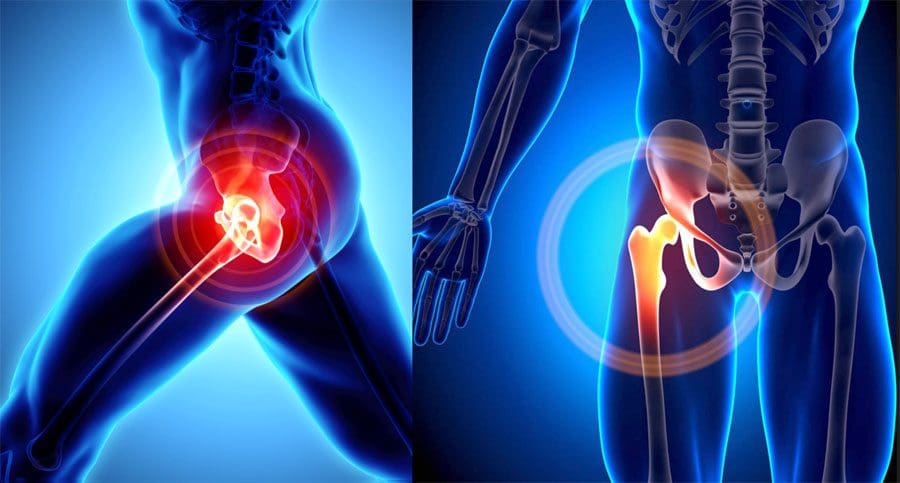
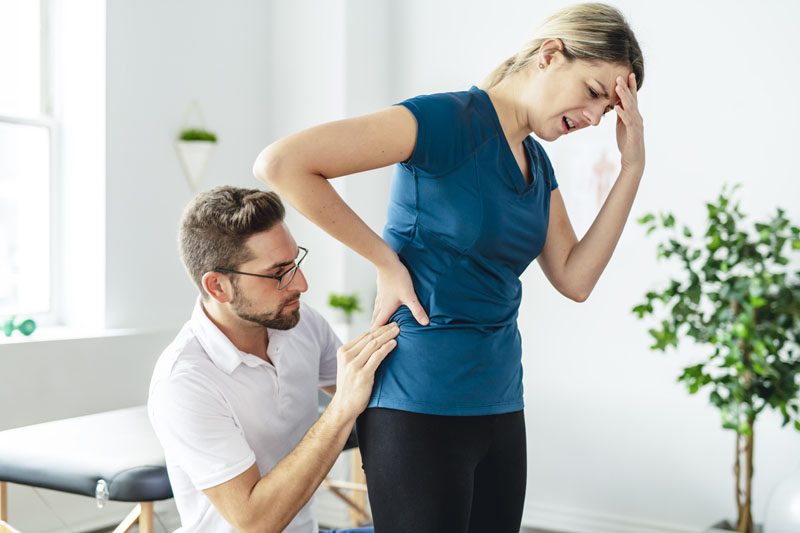
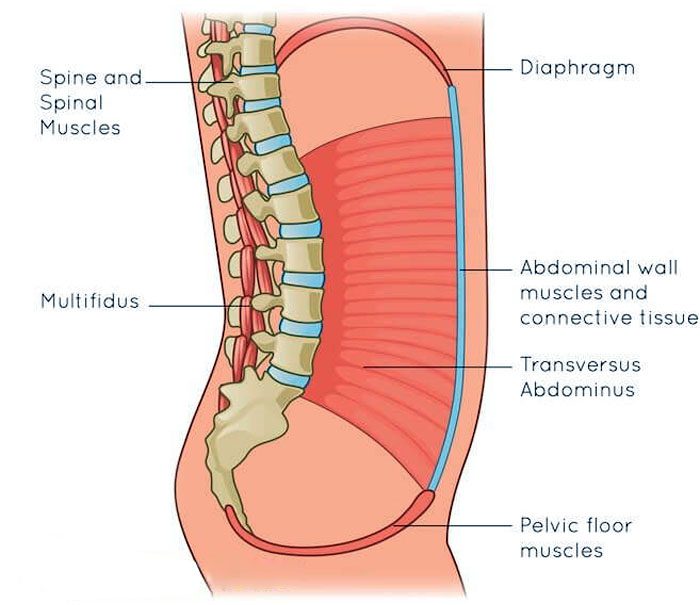
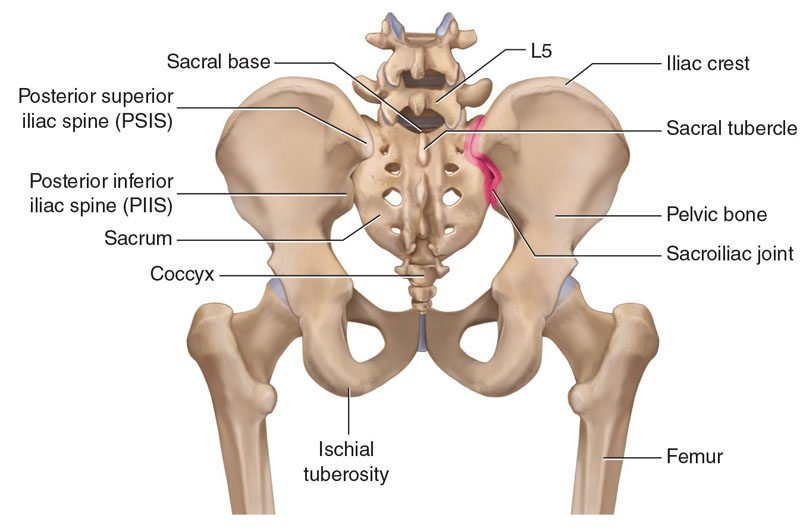
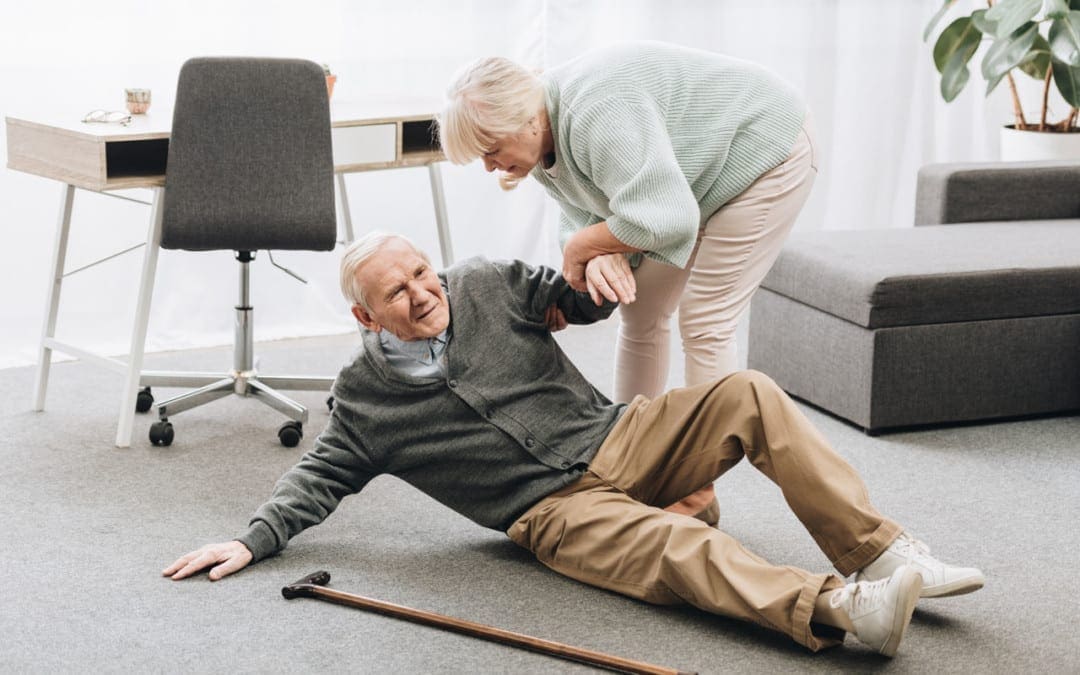
The hips are highly active joints. Hip sprains are rare but do occur. A hip sprain is caused by tearing or stretching the ligaments that surround the hip and join the bones to each other. This is different from a hip strain, which is an injury to the muscles and is generally caused by over-use of the hip flexor muscles and tendons, causing them to tear. Hip sprains usually happen after a fall or a sudden twisting motion, which can occur during sports or an accident.
Individuals involved in sports that require quick stops, body shifting, and sudden direction changes, like soccer, football, basketball, tennis, volleyball, etc., have an increased risk. Most hip sprains can be effectively treated with conservative treatments like self-massage, rest, ice, and nonsteroid anti-inflammatory medications. For more severe cases, physical therapy and chiropractic can treat the condition.
Hip Sprain Symptoms
Tenderness in the hip increases when lifting the thigh.
Cramping sensation/s in the muscles of the upper leg.
Swelling in the hip or thigh
Bruising in the hip or thigh.
Sudden pain in the hip or pelvis.
Sharp pain in the hip or pelvis.
Pain that worsens when walking, running, or stretching the hip muscles.
Loss of strength in the front of the groin.
Tugging or pulling sensation.
Limping.
Diagnosis
The doctor or chiropractor will:
Look into medical history.
Inquire about symptoms.
Inquire about activities that could cause symptoms.
Perform a physical examination.
Ask the individual to perform a variety of movements to determine what type of injury has been sustained.
Pain in one or both hips might not have anything to do with the hips but a pinched nerve root in the lower back.
Sciatica can develop when certain nerve roots in the lower back are irritated or compressed, causing symptoms to travel down the sciatic nerve and radiate around the pelvis and leg.
X-rays can help rule out hip stress fractures, which can have similar symptoms.
MRI or CT scans are used to see if any soft tissue damage has occurred.
Hip Sprain Treatment
Treatment usually begins with over-the-counter pain medications and anti-inflammatories to reduce swelling and relieve pain.
Resting the hip will help prevent further damage.
Applying ice will help prevent tissue damage and reduce swelling.
It is recommended to use an ice pack several times a day for the first 48 hours after an injury.
Once the swelling goes down, a chiropractor and physical therapy team will create a personalized treatment plan that includes:
Adjustments.
Exercise therapy.
Posture training.
Stretching.
Massage.
Treatment/Rehabilitation Objectives
Reduce inflammation.
Relax muscle spasms.
Strengthen weakened muscles.
Improve joint mobility.
Individuals will be shown how to prevent the risk of sprains in the future. This includes:
Avoiding exercising when the body is tired
Wearing proper footwear and protective equipment
Warming up properly before exercise/physical activities.
Depending on the severity of the sprain, surgery could be the last resort to repair the ruptured or torn ligaments.
Body Composition
Realistic Goals
Not seeing results after putting in the work through exercise and diet can be frustrating. Setting realistic goals can help when results are not showing.
Realistic Fat Loss
Do not expect actual fat loss without being in a caloric deficit.
The body needs to use more energy than the amount of food/energy taken in; otherwise, excess energy/food gets stored, primarily as adipose tissue.
There are caloric deficit variations, but most doctors, dieticians, trainers, and fitness experts agree that a caloric deficit of around 500 calories a day that equals to about 3,500 calories a week will result in a pound of fat loss per week.
One pound of fat a week lost might seem slow, but the one pound of fat is a real pound removed.
The long-term goal is not to fall back into unhealthy habits and develop and maintain new healthy ones.
References
Brantingham JW, Globe GA, Cassa TK, et al. A single-group pretest posttest design using full kinetic chain manipulative therapy with rehabilitation in the treatment of 18 patients with hip osteoarthritis. Journal of Manipulative and Physiological Therapy 2012; 33(6): 445-57.
Kamali, Fahimeh and Esmaeil Shokri. The effect of two manipulative therapy techniques and their outcome in patients with the sacroiliac joint syndrome. Journal of Bodywork and Movement Therapies. 2012; 16: 29-35.
McMorland G, Suter E, Casha S, du Plessis SJ, Hurlbert RJ. Manipulation or microdiscectomy for sciatica? A prospective randomized clinical study. Journal of Manipulative and Physiological Therapeutics. 2010; 33(8): 576-584.
Tibor, Lisa M, and Jon K Sekiya. “Differential diagnosis of pain around the hip joint.” Arthroscopy: the journal of arthroscopic & related surgery: official publication of the Arthroscopy Association of North America and the International Arthroscopy Association vol. 24,12 (2008): 1407-21. doi:10.1016/j.arthro.2008.06.019
Wedro, Benjamin. “Hip Pain: Causes, Symptoms, Treatment Information and Diagnosis-eMedicineHealth.” http://www.emedicinehealth.com/hip_pain/article_em.htm.
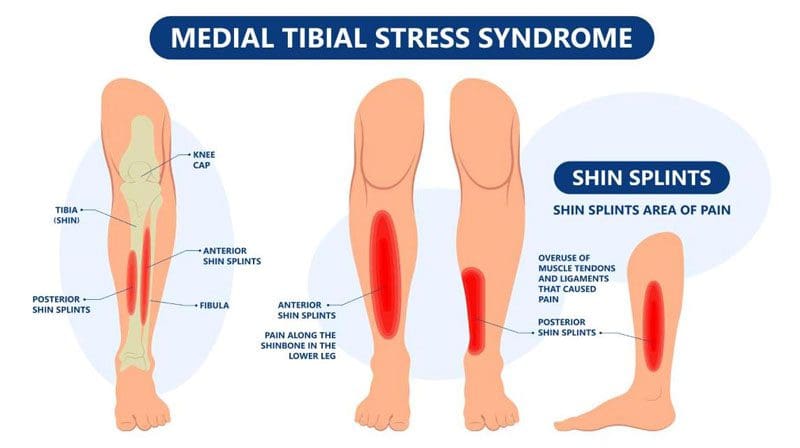
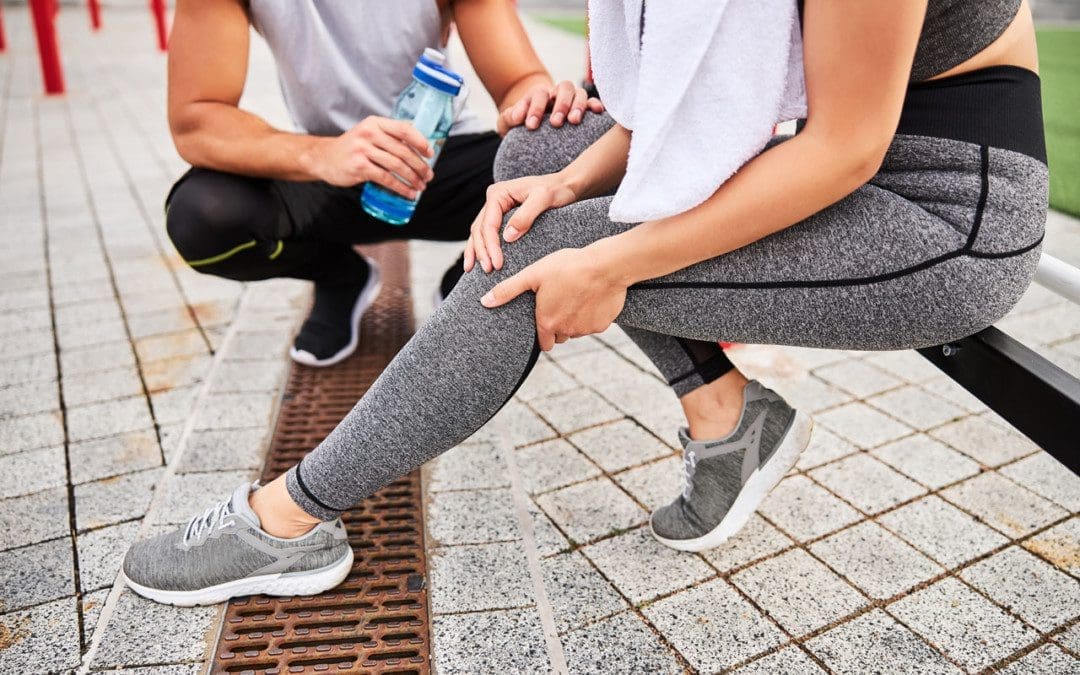
When stress is placed on the shins with physical activity from walking, running, or exercise, the connective tissues attaching the leg muscles to the tibia can become inflamed, causing medial tibial stress syndrome, more commonly known as shin splints. This inflammation is caused by tiny tears in the muscles and tendons of the shin. Chronic shin pain could be related to foot arch problems, underlying issues with the muscles, or shoes that don’t support the feet properly. Although it usually goes away within a few days, it’s important to monitor to ensure that it does not progress into a stress fracture. A chiropractor can offer treatments to relieve the pain and help prevent shin splints from recurring.
Medial Tibial Stress Syndrome
Medial tibial stress syndrome can impact anyone. It can come from walking far distances or in awkward positions like going downstairs with small steps, jumping rope, and playing with the kids on the playground can all cause burning, tightness, and pain in the shins. Shin splints affect individuals differently. For some, the pain recedes when the triggering activity is stopped. For others, the pain can become a chronic condition that results in continuous pain, even when at rest.
The Shin
The shin is a part of the tibia bone in the lower leg.
This bone absorbs the shocks when moving through daily activities.
The muscles that run along the shin support the foot’s arch and raise the toes during movement.
Medial tibial stress syndrome is caused by excessive force on the shinbone and the tissue around it, which causes the muscles to swell and increases pressure around the bone.
If left untreated, small tears in the muscle and the bone can form, leading to chronic pain and stress fractures.
Medial tibial stress syndrome is more likely to happen from:
Not stretching before physical activity or exercise.
Constantly walking or running on hard surfaces.
Wearing the wrong shoes that don’t provide enough cushioning or arch support.
Over-exertion on the body with activity and movement.
The body is not given the proper amount of time to recover.
Athletes often experience shin splints when they’ve intensified their training routine or changed it up.
Symptoms
Pain during exercise or activity.
Pain in the front of the lower leg.
Soreness in the lower leg.
Swelling in the lower leg.
Shin is hot to the touch.
Treatment
Whenever pain is being experienced, some muscles will either get tight or weak in response. By identifying the weak and/or tight muscles, a chiropractor can prescribe stretches and exercises that will help alleviate the pain and prevent it. One of the main principles of chiropractic is to treat the body as an interconnected system. A chiropractor may work on an unrelated part of the body to treat the symptomatic area. For example, they may work to align the spine and pelvis to lessen the impact on the lower legs.
Part of a treatment plan may include:
Soft Tissue Mobilization
A handheld instrument loosens tight tissues during soft tissue mobilization therapy and breaks scar tissue around the tibia.
Massaging tight muscles in the leg keeps them loose and alleviates the pain.
Percussion massage can be added to reduce muscle knots, improve blood flow, and loosen up scar tissue.
The treatment relieves pain and can help avoid shin splints when returning to normal activities.
Ultrasound and Low Laser Therapy
Ultrasound and low laser therapy use heat to warm the deep tissues in the lower leg gently.
The treatment eases pain, reduces inflammation, swelling, and increases blood flow.
Kinesio Taping
Applying flexible Kinesio tape to the foot and lower leg can reduce stress on the shins.
The chiropractor or physical therapist will show how to apply the tape correctly.
Foot Orthotics
Individuals may be more likely to develop shin splints if they have high or low arches or their feet tend to roll inward or outward when walking.
Prescription foot orthotics can be made to keep the feet properly balanced and supported.
Stretching Exercises
Shin splints could be related to tight muscles in the back of the calf and weak muscles in the front of the lower leg.
A chiropractor or physical therapist will show stretching and strengthening exercises to maintain muscle balance.
Body Composition
Retaining Water Due To Salt Intake
Salt/sodium is everywhere and hard to avoid.
It might not be a surprise that a single patty cheeseburger contains over 500 mg of sodium – almost a quarter of the daily recommended level, but it is a surprise to know that the ranch dressing on a salad contains as much as 270 mg or a tablespoon of soy sauce on a healthy, vegetable-only stir-fry has 879 mg of sodium. The Mayo Clinic estimates that the average individual consumes about 3,400 mg of sodium a day: close to double what is recommended. Sodium is linked with water retention, and it is the kidneys’ job to expel unneeded sodium out of the body. Until the kidneys activate, an individual will temporarily be retaining extra water. If daily water and sodium intake habits change daily, this can contribute to water retention, causing fluctuations in daily weight. So, if an individual was on a diet but flooded the body with more salt than usual, expect to see a temporary increase in weight.
References
Bates, P. “Shin splints–a literature review.” British journal of sports medicine vol. 19,3 (1985): 132-7. doi:10.1136/bjsm.19.3.132
Chiropractic Economics: The Science Behind Percussion Massage.
Gross, ML et al. “Effectiveness of orthotic shoe inserts in the long-distance runner.” The American journal of sports medicine vol. 19,4 (1991): 409-12. doi:10.1177/036354659101900416
Heer, Martina et al. “Increasing sodium intake from a previous low or high intake affects water, electrolyte and acid-base balance differently.” The British journal of nutrition vol. 101,9 (2009): 1286-94. doi:10.1017/S0007114508088041
McClure, Charles J. and Robert Oh. “Medial Tibial Stress Syndrome.” StatPearls, StatPearls Publishing, 11 August 2021.
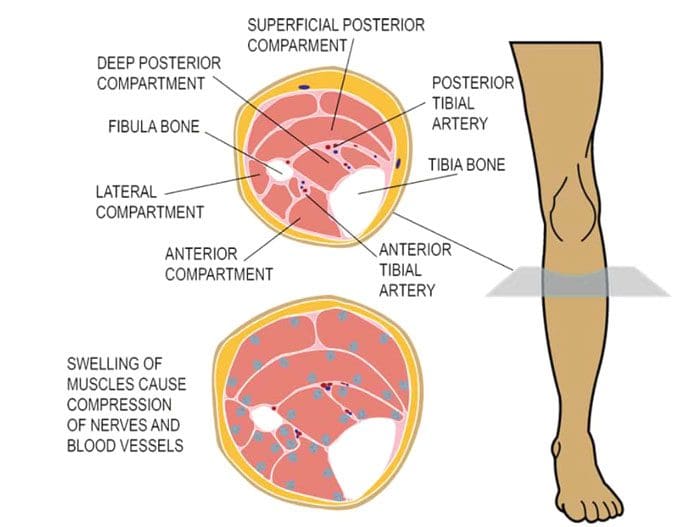
Compartment syndrome is a condition that causes pressure within a group of muscles to build up to dangerous levels. This pressure build-up begins to decrease blood flow, not allowing proper circulation, nutrients, and oxygen from getting to the nerves and muscle cells. The syndrome can be acute or chronic, and surgery can be required. Acute compartment syndrome is considered a medical emergency, usually caused by a severe injury and requires immediate treatment; otherwise, it can lead to permanent muscle damage. Chronic compartment syndrome or exertional compartment syndrome is usually not a medical emergency and is often caused by physical exertion.
The fascia does not stretch or expand because its job is to keep the tissues in place. If compartmental pressure builds up, swelling and bleeding may occur. When the tissues don’t have enough blood to provide the proper amount of oxygen and nutrients, the tissues begin to die, leading to permanent damage. Because the fascia does not stretch if there is swelling or bleeding within a compartment, this increases pressure on the:
Capillaries
Nerves
Muscles in that compartment.
Blood circulation does not reach the compartment to supply oxygen and nutrients.
Nerve and muscle cells get damaged.
Compartment syndrome most often takes place in the lower leg’s anterior/front calf compartment.
However, it can also develop in other areas like the:
Legs
Arms
Hands
Feet
Buttocks
Acute
The typical symptom is pain, specifically when the muscle in the compartment is stretched.
The pain is more intense than the injury itself.
Flexing, contracting, or stretching the muscles increases the pain.
Tingling or burning sensations may present.
Muscle tightness or fullness sensation like bloating.
Numbness or paralysis are late symptoms that usually indicate severe to permanent tissue injury.
The acute syndrome develops after a severe injury, like an automobile accident or from a broken bone. Injuries and conditions that can cause acute compartment syndrome include:
Fractures
Muscle contusion/bruise that goes beyond just a bump. Two examples include a motorcycle falling on the rider’s leg or a football player getting hit in the leg intensely.
Constricting bandages – Casts and bandages that are too tight can cause the blockage of blood. If symptoms develop, remove or loosen any constricting bandages. If it is from a cast, contact the doctor immediately.
Anabolic steroids – Taking steroids is a possible factor in compartment syndrome.
Blood circulation restoration after a blockage.
When sleeping, a blood vessel can get blocked. Lying for a long time in a position that causes a limb to go to sleep, then shifting, moving, or getting up can contribute to the condition. This type of development can happen in individuals with neurological damage or who do not realize what is occurring. This can happen after intense intoxication with alcohol and/or drugs.
Surgical repair of a damaged blood vessel that was blocked can result in compartment swelling.
Permanent disability and tissue death can result unless the pressure is relieved.
Chronic Physical Exertion
The pain and swelling from the chronic condition are caused by vigorous physical activity/exercise. It most often occurs in the leg. Individuals that participate in activities with repetitive motions have an increased risk. Physical activities/sports include:
Running
Biking
Swimming
This is usually not dangerous and is often relieved by discontinuing the specific exercise/s or physical activity for a while. Symptoms include:
Pain during exercise.
Cramping during exercise.
Numbness
Moving the foot is difficult.
Muscle bulge can be seen.
Chiropractic Treatment
Leg pain should not be ignored for long as the problems could escalate into severe/dangerous territory. Chiropractic treatment is highly effective in the detection and treatment of leg pain. Chiropractors are experts in the neuromusculoskeletal system. Their expertise in promoting physical function applies to the whole body’s systems, including the:
Muscles
Bones
Ligaments
Nerves
Tendons
They are trained to diagnose and treat developing and chronic musculoskeletal problems and know when to seek specialized medical care when necessary.
Body Composition
Can’t Individuals Just Exercise More and Eat Whatever They Want?
No individuals cannot just exercise/move more and eat whatever they want if they are serious about losing excess weight. A healthy diet and exercise are essential parts of the formula for effective weight loss. One study shows that being aware of diet in quality and quantity overtakes just exercising when achieving and maintaining healthy body composition changes as a vital part of maintaining a healthy lifestyle. Evaluating the effects of diet, exercise, or a combination of both revealed that long-term success was most significant in the mix of diet and exercise. Individuals can exercise vigorously, but losing weight can be very difficult if they have unhealthy eating habits or cannot stick to a healthy diet. The individual can develop other health problems from an unhealthy diet.
References
Braver, Richard T. “Chronic Exertional Compartment Syndrome.” Clinics in podiatric medicine and surgery vol. 33,2 (2016): 219-33. doi:10.1016/j.cpm.2015.12.002
Joubert, Sonia V, and Manuel A Duarte. “Chronic Exertional Compartment Syndrome in a Healthy Young Man.” Journal of chiropractic medicine vol. 15,2 (2016): 139-44. doi:10.1016/j.jcm.2016.04.007
Schmidt, Andrew H. “Acute compartment syndrome.” Injury vol. 48 Suppl 1 (2017): S22-S25. doi:10.1016/j.injury.2017.04.024
Vajapey, Sravya, and Timothy L Miller. “Evaluation, diagnosis, and treatment of chronic exertional compartment syndrome: a review of current literature.” The Physician and sportsmedicine vol. 45,4 (2017): 391-398. doi:10.1080/00913847.2017.1384289
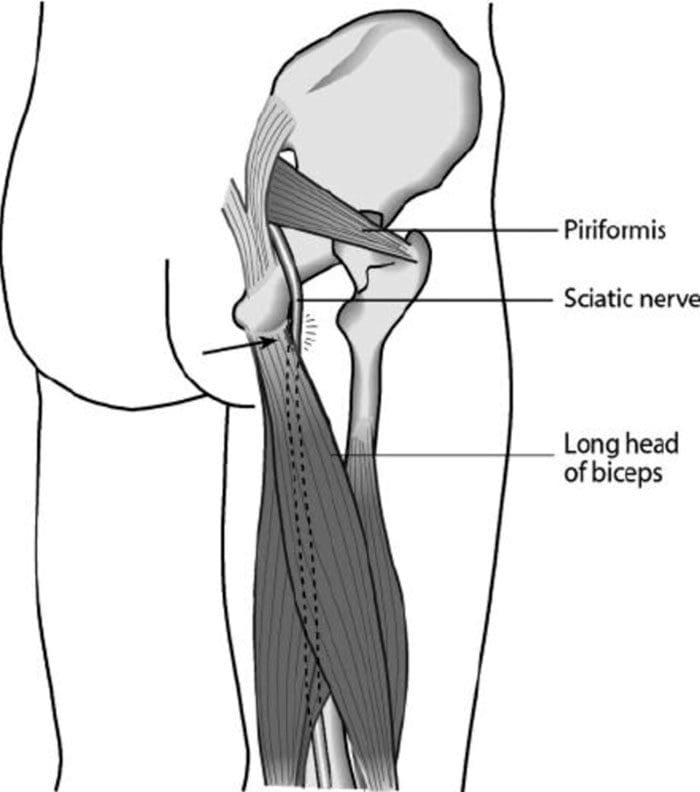
The hamstring muscles are three muscles in the back of the thigh. The sciatic nerve goes through or around and down the legs into the feet. Hamstring syndrome is a condition where injury or spasm apply pressure compressing the sciatic nerve.
The nerve can become pinched between the hamstring muscles and the pelvic bone or the band of tissue that connects the hamstring muscles.
This can cause discomfort, tingling, numbness, and pain down the back of the leg, hip, buttock, and into the foot.
Pain can present when sitting down or stretching the hamstrings.
Pain reduces when lying flat on the back.
Hamstring syndrome
This condition could be the result of wearing and tearing to the back muscles and hamstring muscles. It is often seen in individuals that play sports involving running, kicking, and/or jumping. But it can happen to anyone from some awkward leg motion causing the muscles to spasm that can twist around the sciatic nerve or pull on it, causing various symptoms. A doctor or chiropractor will diagnose the condition by examining the symptoms, physical activities, and leg. Most individuals diagnosed with hamstring syndrome report discomfort or pain where they sit down. The pain gradually worsens when performing physical activities, regularly sitting, and when flexing the knee. Hamstring syndrome usually gets better within a few weeks with proper rest and home care. A doctor or chiropractor will recommend exercises and stretches to strengthen the muscles.
Home care
Ask the doctor or chiropractor about taking over-the-counter pain medication:
Acetaminophen – Tylenol
Ibuprofen – Advil, Motrin
Naproxen – Aleve
Read and follow all label instructions.
Use an ice pack on the pain area for 10 to 20 minutes at a time.
Try to do this every 1 to 2 hours for 3 days or until the swelling goes down.
After 2 or 3 days, if the swelling is gone, apply heat.
Use a warm water bottle, heating pad, or warm cloth over the area.
Avoid sitting if possible, unless it feels better than standing.
Take short walks to keep the muscles stretched.
Don’t do anything that causes symptoms to worsen.
Return to normal physical activities slowly.
If symptoms do not improve, then contact a doctor or chiropractor.
Caffeine falls under stimulants, or substances that excite the systems throughout the body.
Ingesting caffeine can cause the body to experience increased excitement, especially in the cardiovascular system.
This excitement causes the heart rate and blood pressure to rise
Then it lowers back down to baseline levels for most healthy individuals.
It is recommended to drink coffee in moderation, safe for individuals with pre-existing cardiovascular conditions.
References
de Ridder, Roel et al. “Neurodynamic sliders promote flexibility in tight hamstring syndrome.” European journal of sports science vol. 20,7 (2020): 973-980. doi:10.1080/17461391.2019.1675770
Matsuda, Dean K. “Editorial Commentary: Proximal Hamstring Syndrome: Another Pain in the Buttock.” Arthroscopy: the journal of arthroscopic & related surgery: official publication of the Arthroscopy Association of North America and the International Arthroscopy Association vol. 34,1 (2018): 122-125. doi:10.1016/j.arthro.2017.08.260
Park, Jung Wee et al. “Deep gluteal syndrome as a cause of posterior hip pain and sciatica-like pain.” The bone & joint journal vol. 102-B,5 (2020): 556-567. doi:10.1302/0301-620X.102B5.BJJ-2019-1212.R1
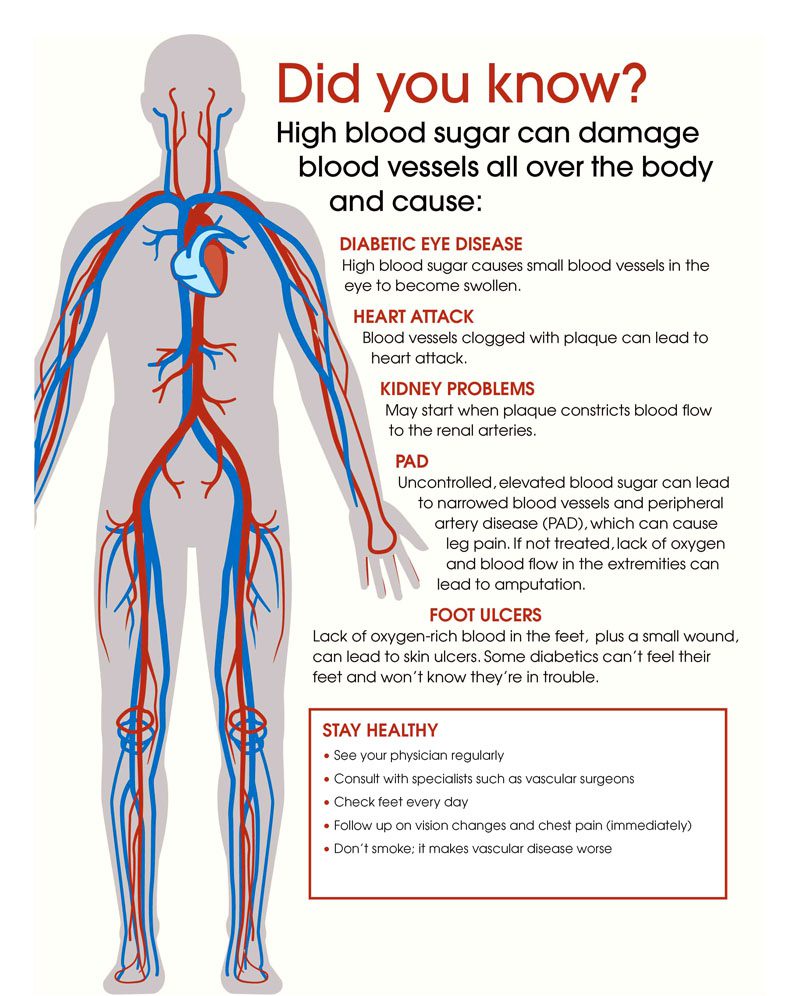
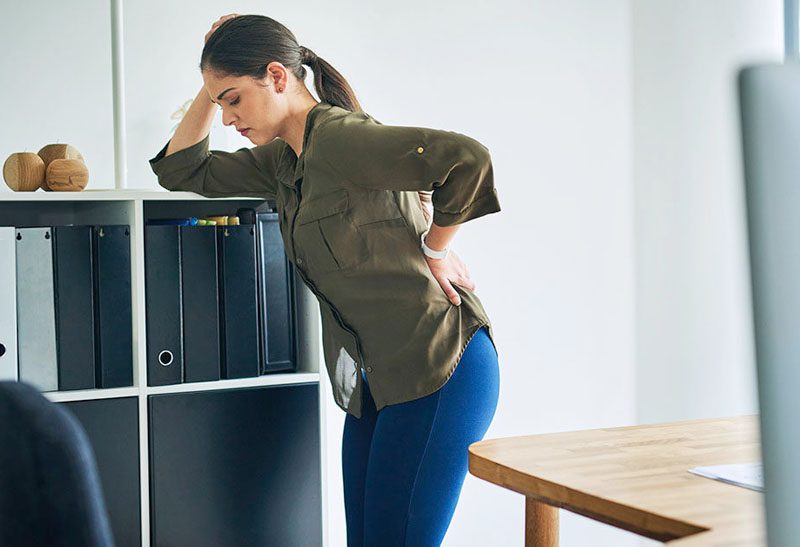
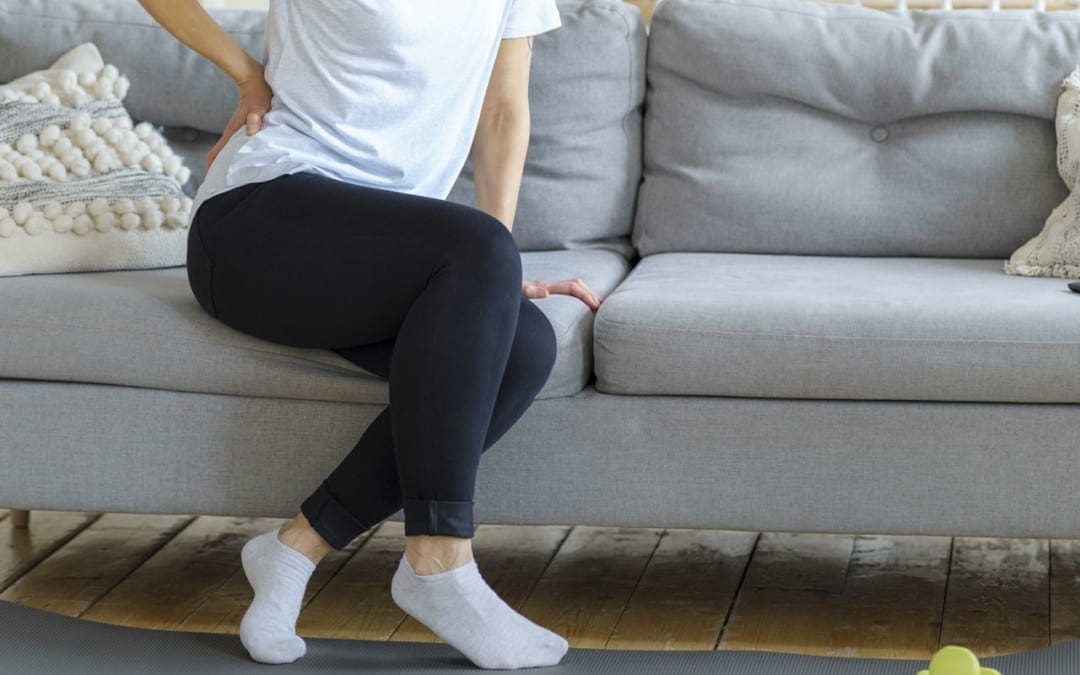
The diabetic disease processes can be a contributor to chronic back pain. Diabetes can damage the human body from the eyes to the feet if left untreated, and the spine/back is a prime target. Data from 11 studies consisted of individuals over 18 years of age diagnosed with type 1 or type 2 diabetes. The results showed individuals with diabetes had a 35% increased risk of experiencing lower back pain. According to the Centers for Disease Control and Prevention, around 34 million people were found to have diabetes in 2021. Diabetes primarily impacts blood sugar/glucose levels. However, the disease can affect several of the body’s systems. It is a state of chronic inflammation.
Diabetic Back Pain Connection
The connection between diabetes and back pain include:
Neuropathy
Diabetic neuropathy happens when constant high glucose levels damage/injure the nerves. The result is symptoms like pain, tingling, and numbness. It affects up to 50% of individuals with diabetes and can lead to severe chronic back pain. High sugar levels damage various organ systems including the nervous system that results in neuropathy that causes pain/discomfort.
Bone Health
A complication that diabetes can cause is compromised bone health.High glucose levels can damage the collagen that makes up bone. This creates an increased risk of vertebral and other types of fractures. The high-risk compounds fractures that do not heal properly or correctly. Diabetics have an increased risk of fracture because of the accumulation increase of advanced glycation products. This substance forms when proteins or lipids combine with sugar. With time these products can cause damage to various tissues that include bone.
Obesity
Obesity contributes to the development of type 2 diabetes and is also a complication that results from incorrect glucose level management. Regardless of which came first, the added weight is a major contributor to back pain because of the added pressure/load on the spine. Excess weight and physical inactivity can result in serious issues of the musculoskeletal system.
Additional Factors
Poorly controlled diabetes also reduces muscle blood flow and increases cartilage inflammation. Other types of tissue damage can occur like degeneration of intervertebral discs and spinal canal stenosis. Disc degeneration and spinal stenosis are common causes of back and neck pain. Diabetics are prone to infection/s. This can cause back pain if it is in the bone known as osteomyelitis.
Diabetic Back Pain Management
There are steps that can help ease pain and discomfort.
Getting Involved In Physical Activity
Exercising/physical activity is a must. The body needs to move to get all the systems flowing improving diabetes and back pain. A sedentary lifestyle can take back pain to new levels with time. Even though when pain presents the first instinct is to stop and rest. Simple ways to get moving include:
Walks
Stretches
Gentle laps in a pool
All can help with:
Improved blood flow
Aids in weight loss
Recommended for both conditions
Exercising releases endorphins, which are the pain relief chemicals that the body produces naturally.
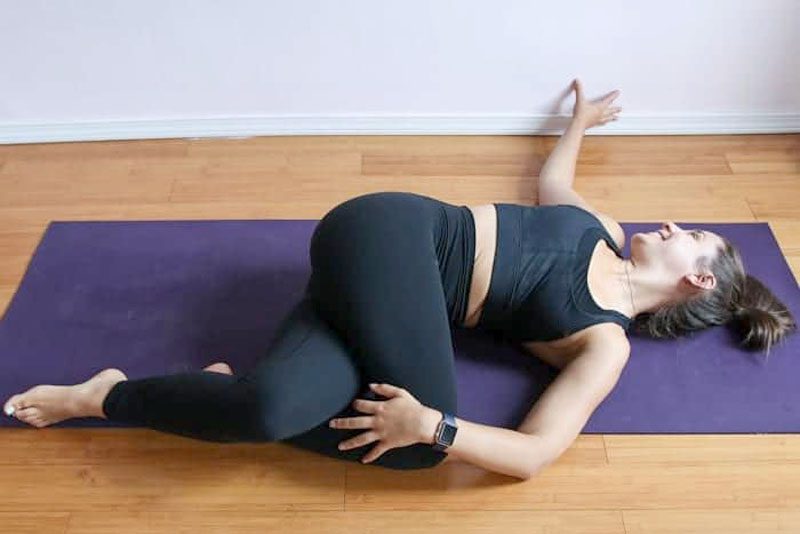
Yoga can reduce physical pain and discomfort throughout the body
Quitting Bad Habits
Smokers have a significantly higher risk for low back pain compared to non-smokers. Nicotine can alleviate pain short term, but over time the nerves become more sensitive and can increase the pain. Alcohol use can help numb the pain short term, but it can cause muscle spasms and dehydration intensifying the pain. Complications can arise if taking pain medication. The most important thing is managing diabetes effectively.Injury Medical Chiropractic and Functional Medicine Clinic will help the individual feel better, move better, and keep back pain away.
Body Composition
Vitamin D and Healthy Blood Sugar Levels
Vitamin D benefits muscle health, muscle mass, and blood sugar. Insulin is the hormone that lets blood sugar into the muscles. Individuals with adequate blood vitamin D levels significantly lower the risk of hyperglycemia than those with below-recommended levels. Research shows daily vitamin D supplements used in combination with calcium decelerate the gradual rise in blood sugar in those with prediabetes. Adequate vitamin D levels can prevent the progression of hyperglycemia. Supplementation is beneficial for individuals going through a deficiency. Adults should aim for a dietary intake of 600 – 800 IU per day. However, supplements are never a substitute for a healthy and diverse diet.
Disclaimer
The information herein is not intended to replace a one-on-one relationship with a qualified health care professional, licensed physician, and is not medical advice. We encourage you to make your own health care decisions based on your research and partnership with a qualified health care professional. Our information scope is limited to chiropractic, musculoskeletal, physical medicines, wellness, sensitive health issues, functional medicine articles, topics, and discussions. We provide and present clinical collaboration with specialists from a wide array of disciplines. Each specialist is governed by their professional scope of practice and their jurisdiction of licensure. We use functional health & wellness protocols to treat and support care for the musculoskeletal system’s injuries or disorders. Our videos, posts, topics, subjects, and insights cover clinical matters, issues, and topics that relate to and support, directly or indirectly, our clinical scope of practice.* Our office has made a reasonable attempt to provide supportive citations and has identified the relevant research study or studies supporting our posts. We provide copies of supporting research studies available to regulatory boards and the public upon request. We understand that we cover matters that require an additional explanation of how it may assist in a particular care plan or treatment protocol; therefore, to further discuss the subject matter above, please feel free to ask Dr. Alex Jimenez or contact us at 915-850-0900.
Dr. Alex Jimenez DC, MSACP, CCST, IFMCP, CIFM, CTG* email: [email protected] phone: 915-850-0900 Licensed in Texas & New Mexico
References
Pozzobon, Daniel, et al. “Is There an Association between Diabetes and Neck and Back Pain? A Systematic Review with Meta-Analyses.” PLOS ONE, vol. 14, no. 2, 2019, doi:10.1371/journal.pone .0212030.
Murray, Cliodhna E, and Cynthia M Coleman. “Impact of Diabetes Mellitus on Bone Health.” International Journal of Molecular Sciences, MDPI, 30 Sept. 2019, www.ncbi.nlm.nih.gov/pmc/articles/PMC6801685/.
Groen BBL, Hamer HM, Snijders T, van Kranenburg J, Frijns D, Vink H, et al. Skeletal muscle capillary density and microvascular function are compromised with aging and type 2 diabetes. Journal of Applied Physiology. 2014;116(8):998–1005. pmid:24577061
Eivazi M, Abadi L. Low Back Pain in Diabetes Mellitus and Importance of Preventive Approach. Health Promotion Perspectives. 2012;2(1):80–8. pmid:24688921
The pelvis is designed to bear and distribute the weight of the body along with regular everyday movement. It is built to properly distribute weight between the upper and lower body that utilizes the core muscles, ligaments, and joints creating a complex pelvic girdle that helps the body function properly. The bones of the pelvis house and protect organs like the:
Reproductive system
Bladder
Below the digestive tract
When pain in the pelvis presents, daily physical activities can become difficult to get through. Chiropractic treatment combined with lifestyle adjustments can bring pain relief and strengthen the pelvis muscles/bones to maintain optimal function.
Causes of Pelvic Pain
When pain presents there can be a variety of underlying causes contributing to it. Certain causes are more serious than others. This is why seeking professional medical guidance is highly recommended for the best outcomes. Possible causes include:
These are a few causes that can contribute to mechanical changes and imbalances within the pelvis anatomy. If the pain is thought to be caused by an internal organ issue with nausea, fever, vomiting, or severe pain contact a healthcare provider immediately.
Chiropractic Relief
The pelvis can be thought of as a direct continuation of the spine. The lowest fused five vertebrae are known as the sacrum and are part of the pelvic girdle complex. Individuals dealing with pelvic pain typically experience the sensation within the joints themselves. These are the pubic symphysis and/or sacroiliac joints. These joints interact with the entire skeletal system. Learning how they operate can help bring relief and recovery. This is where a chiropractor can help.
Chiropractors are experts in total body alignment, restoring balance to the pelvis and spine. Plus through the treatment, they help increase the body’s natural ability to heal itself. When the lower back or pelvis is out of alignment the entire body along with its systems can be thrown off balance causing dysfunction. Chiropractic promotes and increases balance with pelvic adjustments and diverse therapies that include:
A professional chiropractor is one of the best options for the management and alleviation of pelvis pain. Pelvis misalignment can impede nerve energy and adequate blood flow. Chiropractic restoration strengthens and maintains optimal long-lasting results. Whether the pelvic pain comes from an injury, pregnancy, or pelvic shift/imbalance, a chiropractic provider can help address and alleviate the pain.
Body Composition
Lifestyle Adjustments for Optimal Kidney Health
The kidneys are small organs that work twenty-four-seven to filter blood and flush waste. In one day the kidneys pump more than 400 gallons of recycled blood throughout the body. When the kidneys do not function properly the body can be engulfed with waste. This is why it is vital to keep them healthy. Individuals usually don’t realize how an unhealthy lifestyle can harm/injure the kidneys. Chronic kidney disease slowly progresses over years, and it is not reversible. Incorporating some basic healthy lifestyle adjustments can lower the risk of developing kidney-related diseases. Here are a few lifestyle adjustments that can keep the kidneys healthy.
Drinking plenty of water
An adequate supply of water in the kidneys flushes out sodium, urea, and toxins helping avoid kidney stones. The goal is to drink eight 8-ounce glasses of water every day. Everyone’s water levels are different but body composition analysis can calculate what a normal level should be.
Healthy foods maintain a healthy body
Poor diet and visceral fat gain have been linked to chronic kidney disease. Reducing visceral fat can be achieved by eating a restricted caloric diet of vegetables, fruit, and lean protein, as well as cutting back on processed foods.
Be cautious consuming supplements, antibiotics, and over the counter medications
Regular use of common medications and supplements can cause kidney damage and disease. Consult with a doctor before taking medications and supplements if there is kidney function impairment.
Fitness and activity
Individuals need to participate in regular cardiovascular and weight-resistance physical activity/exercise. High blood sugar levels have been shown to stress the kidneys. Building adequate muscle mass helps control blood sugar.
Smoking and kidney health issues
Smoking narrows the blood vessels in the kidneys. This reduces proper blood flow and accelerates kidney malfunction.
Disclaimer
The information herein is not intended to replace a one-on-one relationship with a qualified health care professional, licensed physician, and is not medical advice. We encourage you to make your own health care decisions based on your research and partnership with a qualified health care professional. Our information scope is limited to chiropractic, musculoskeletal, physical medicines, wellness, sensitive health issues, functional medicine articles, topics, and discussions. We provide and present clinical collaboration with specialists from a wide array of disciplines. Each specialist is governed by their professional scope of practice and their jurisdiction of licensure. We use functional health & wellness protocols to treat and support care for the musculoskeletal system’s injuries or disorders. Our videos, posts, topics, subjects, and insights cover clinical matters, issues, and topics that relate to and support, directly or indirectly, our clinical scope of practice.* Our office has made a reasonable attempt to provide supportive citations and has identified the relevant research study or studies supporting our posts. We provide copies of supporting research studies available to regulatory boards and the public upon request. We understand that we cover matters that require an additional explanation of how it may assist in a particular care plan or treatment protocol; therefore, to further discuss the subject matter above, please feel free to ask Dr. Alex Jimenez or contact us at 915-850-0900.
Dr. Alex Jimenez DC, MSACP, CCST, IFMCP, CIFM, CTG* email: [email protected] phone: 915-850-0900 Licensed in Texas & New Mexico
Kim DH, Cho D, Dickman CA, Kim I, et al. Surgical Anatomy & Techniques to the Spine. 2nd Ed. Saunders, Elsevier, Inc. Philadelphia, PA.
Lirette LS, Chaiban G, Tolba R, Eissa H. Coccydynia: An Overview of the Anatomy, Etiology, and Treatment of Coccyx Pain. Ochsner J. 2014 Spring;14(1): 84-87.
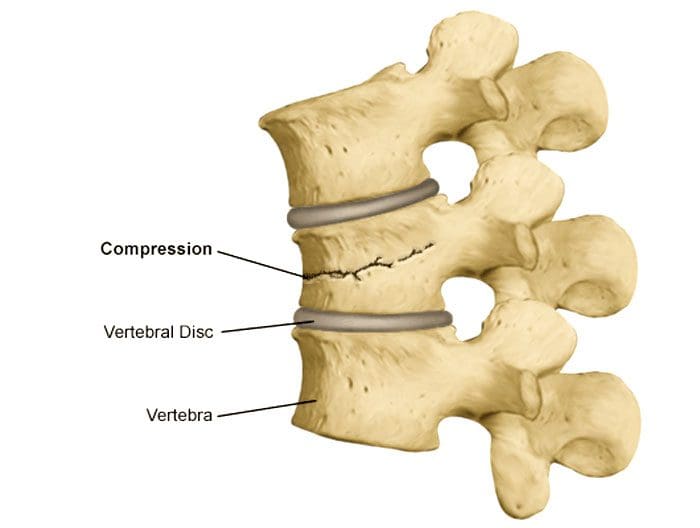
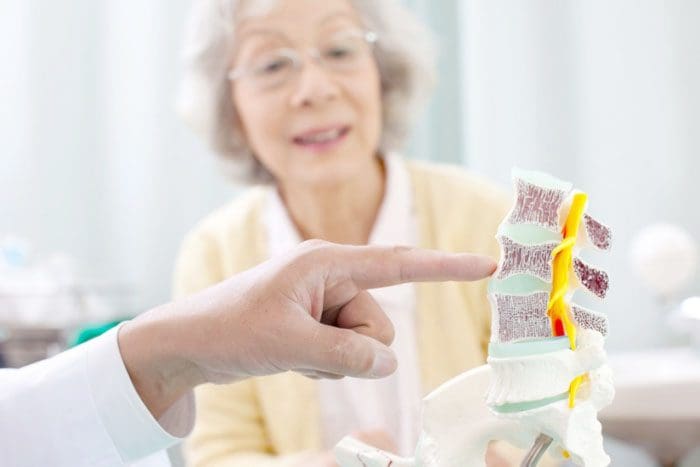
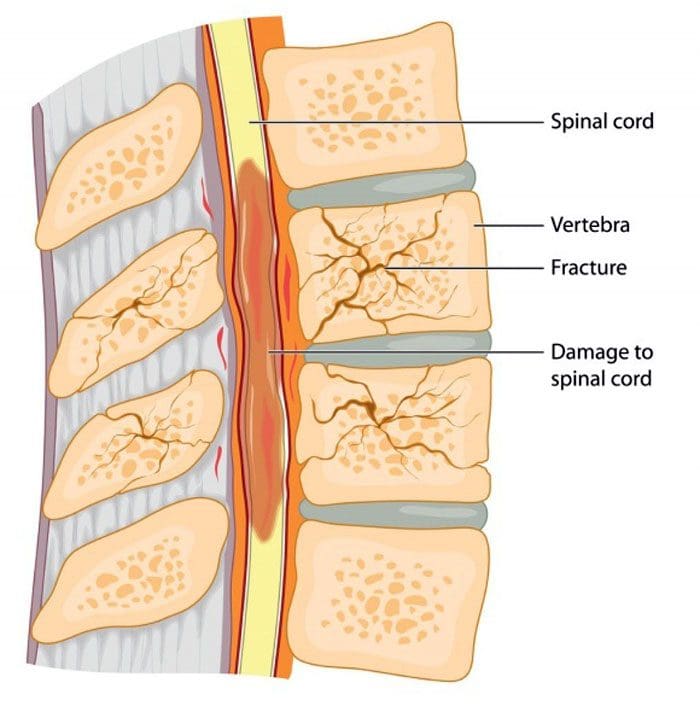
Spinal vertebral compression fractures are a common injury in older individuals brought on from a lowered bone density. Hip and wrist fractures get most of the attention when it comes to osteoporosis. However, spinal fractures happen almost twice as often and affect around 700,000 individuals yearly. This is according to the American Academy of Orthopaedic Surgeons or the AAOS. These types of fractures are also known as:
Fragility fractures
Vertebral compression fractures
Osteoporotic compression fractures. These usually happen as a result of thinning and weakening bones caused by osteoporosis.
The Academy of Orthopedic Surgeons notes that changes in the body’s musculoskeletal bone structure can go unnoticed for years. This leads to the vertebrae narrowing and flattening, rounding the spine as a result, creating compression. Because of the weakened bone, the pressure, even from everyday low-impact movements like reaching, bending or twisting. There are strategies that can help prevent osteoporosis and osteoporotic compression fractures.
More Movement and Physical Activity
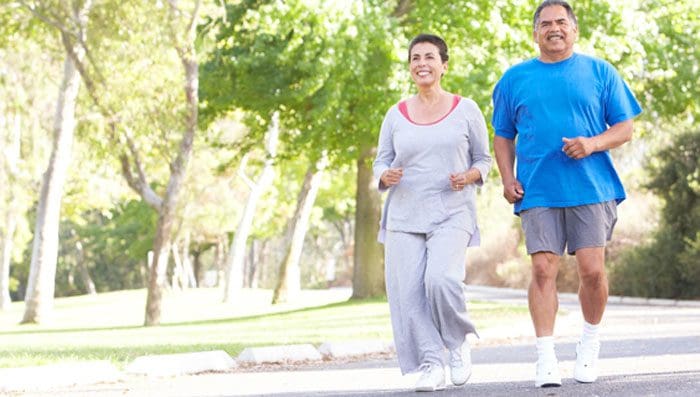
One prevention strategy that is highly recommended is more movement and physical activity. This does not include occasional gentle movements like taking a break from sitting. Improving the spine’s health means using the full range of motion and loading the bones so they can get build strength. This could be walking more, which creates spinal resistance. Also using light weights with high repetitions with five to ten pounds of a load is enough to challenge the spine without generating muscle stress.
Individuals think they need to rest more as they get older, but to build and maintain bone density to prevent osteoporotic compression fractures more physical activity is needed. Moving around for 10 to 15 minutes every hour is a good way to start. Incorporating more activity, and focusing on healthy diet changes will help shed excess weight. This will decrease pressure on the spine, reducing the risk of fractures. For individuals with osteoporosis of the spine, it is important to review any exercise plans with a physician or doctor of chiropractic to ensure that they are safe. The wrong types of movement or too much stress on a fragile spine can definitely cause a fracture.
Medications and Other Conditions
There are medications that can help build bone density, but there are also medications for conditions that can actually cause faster bone density loss. Individuals could be taking a medication that’s good for one issue/condition, but not realize it may be associated with a reduction in bone density. This is why it is important to review prescriptions with a doctor with bone density loss side effects in mind. Medications that can cause bone loss include:
Anti-seizure drugs like carbamazepine and phenytoin
Diuretics like furosemide
Also, review any underlying conditions that could affect osteoporosis. As an example, the National Institutes of Health or NIH note that individuals with diabetes, specifically type 1, can have poor bone quality increasing their risk of fractures.
Adding Calcium To The Diet
An adequate intake of calcium is essential for osteoporosis prevention and helps lower the risk of fragility fractures. A low calcium intake contributes significantly to lower bone density and faster bone loss with age. Vitamin D also helps in bone injury prevention.
Treatment
Compression fracture/s diagnosis are confirmed through imaging tests like:
X-rays
Magnetic resonance imaging MRI scan
Bone scan
Computed tomography CT scan
Bone density testing with dual-energy x-ray absorptiometry DEXA will determine bone mineral density. If a scan reveals there is a vertebral compression fracture, the most common approach is no treatment. According to the Academy of Orthopedic Surgeons, most individuals with this type of injury improve within three months with a combined rest period and limited pain medication use.
Some individuals are recommended to wear braces to restrict movement so the fracture can heal without any added compression or stress. For those that do not respond to non-surgical treatment, minimally invasive surgery could become an option. In both cases, a doctor will suggest similar aforementioned strategies to help strengthen the bones and prevent worsening or creating new issues.
More flab on the middle that gets harder to burn off
Performance at work, the gym, or on the road slows down or begins to reverse
Workouts, sporting events, physical activity that the body was able to bounce back from quite easily now take twice as long to recover from
Things start to change when the body enters its 30’s. Whether light exercise, playing weekend games, local sports, etc, the key is to just stay active. By paying close attention to nutrition and making minor adjustments, individuals can maintain and improve body composition, stay strong and healthy in their 30s and be ready for the future.
Disclaimer
The information herein is not intended to replace a one-on-one relationship with a qualified health care professional, licensed physician, and is not medical advice. We encourage you to make your own health care decisions based on your research and partnership with a qualified health care professional. Our information scope is limited to chiropractic, musculoskeletal, physical medicines, wellness, sensitive health issues, functional medicine articles, topics, and discussions. We provide and present clinical collaboration with specialists from a wide array of disciplines. Each specialist is governed by their professional scope of practice and their jurisdiction of licensure. We use functional health & wellness protocols to treat and support care for the musculoskeletal system’s injuries or disorders. Our videos, posts, topics, subjects, and insights cover clinical matters, issues, and topics that relate to and support, directly or indirectly, our clinical scope of practice.* Our office has made a reasonable attempt to provide supportive citations and has identified the relevant research study or studies supporting our posts. We provide copies of supporting research studies available to regulatory boards and the public upon request. We understand that we cover matters that require an additional explanation of how it may assist in a particular care plan or treatment protocol; therefore, to further discuss the subject matter above, please feel free to ask Dr. Alex Jimenez or contact us at 915-850-0900.
Dr. Alex Jimenez DC, MSACP, CCST, IFMCP, CIFM, CTG* email: [email protected] phone: 915-850-0900 Licensed in Texas & New Mexico
IFM's Find A Practitioner tool is the largest referral network in Functional Medicine, created to help patients locate Functional Medicine practitioners anywhere in the world. IFM Certified Practitioners are listed first in the search results, given their extensive education in Functional Medicine