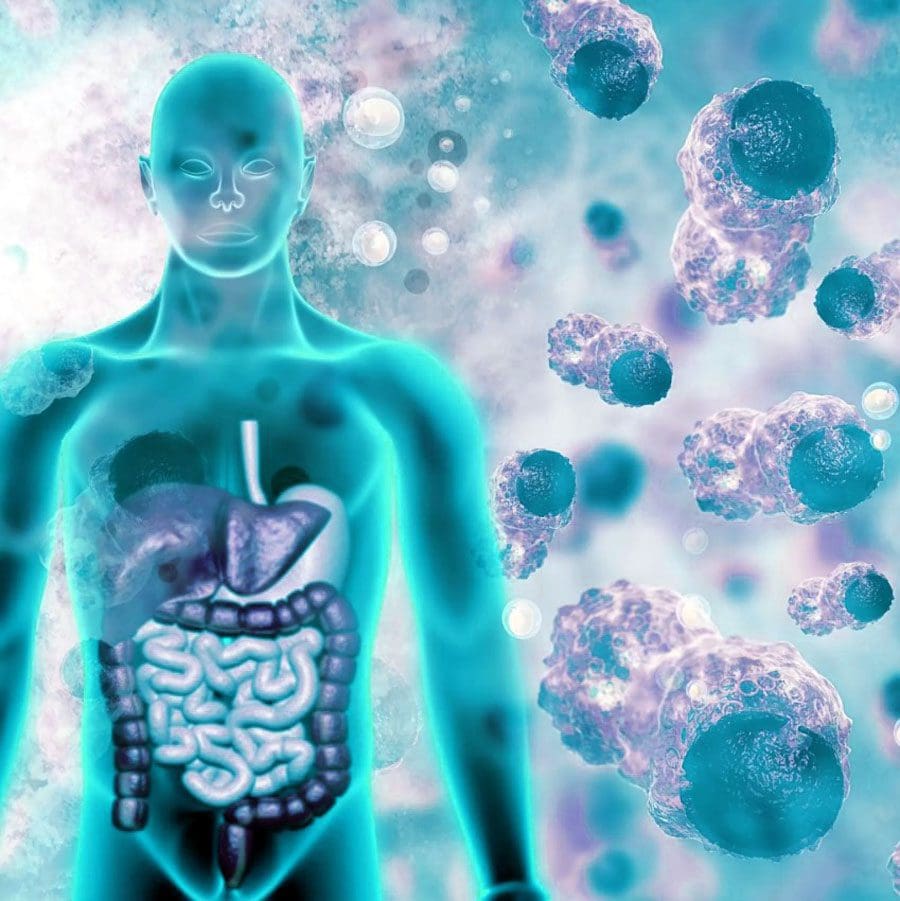
Toxin overload is the condition of having an excessive amount of toxins in the body. Harmful substances can come from water, food, cleaning products, and environmental sources that individuals are exposed to regularly. Toxins are also produced in the body by poor gut health through autointoxication. Considering the number of toxins from food additives, preservatives, and perfumes to cleaning products, cosmetic products, and plastic water bottles, much of everyday life include exposure to chemicals that are not healthy. That’s why it’s recommended to undergo regular detoxes to ensure optimal body function and disease prevention.
Toxin Overload
One of the main ways toxins damage the body is they poison the enzymes, which prevents the body from functioning correctly. The body relies on enzymes for every physiological function. When toxins damage the enzymes, the production of hemoglobin in the blood is prevented, which can accelerate aging and lead to the failure of energy production and lower protection against oxidated stress. The failure of normal body functions increases the risk of diseases that include:
Proper waste elimination is essential to optimal health.
80% of the immune system is in the gut, and with a compromised digestive system, toxins can begin to accumulate.
Fatigue
When the body efficiently delivers nutrients to the cells and eliminates waste, there should be balanced energy throughout the day.
Toxin overload can cause individuals to experience fatigue, even in individuals that eat healthily and exercise, which could be an indicator of accumulation.
Chronic fatigue and viral infections could present from a weakened immune system.
Muscle Joint Aches and Pains
When gut health is compromised, undigested food particles can cause tears in the lining of the intestinal wall leading to a leaky gut.
The food particles enter the bloodstream and can cause an inflammatory response.
They can lodge themselves in weak areas of the joints, causing pain and increased muscle soreness.
Proper digestion and detoxification help eliminate toxins from the joints and muscles and heal the damaged lining.
Insomnia
Sleep is when the body detoxes, repairs, and rejuvenates itself.
Sleep problems could be a sign that the body is struggling to detoxify.
Chronic Headaches
Chronic headaches often result from imbalances in the body resulting from toxin overload and obstructed/blocked detoxification pathways.
Fluid Retention and Congestion
The lymphatic system is part of the circulatory system. The primary function is to transport lymph, a clear fluid that contains white blood cells essential for regulating inflammation.
Diet, hormone imbalances, sedentary lifestyle, medications, and genetics can contribute to fluid retention and congestion, causing stagnation of the lymphatic system.
If the system becomes congested, it can cause pain and swelling.
Unusual Weight Loss or Gain
Increased belly/visceral fat is the fat stored within the abdominal cavity. This is the most dangerous fat because of its proximity to vital organs like the liver, pancreas, and stomach.
Visceral fat or active fat influences how hormones function in the body. Stress, lack of exercise, and an unhealthy diet contribute to excess visceral fat.
Individuals trying to lose weight unsuccessfully could be a sign of having excessive toxins in the body.
Skin Problems
The skin reveals what’s happening inside the body.
Acne, rosacea, eczema, or other chronic skin issues, could indicate toxins are traveling through the skin.
When waste is not eliminated thoroughly through sweat, urine, and feces, the body could try to expel it through the skin.
Improving the body’s digestive and detoxification processes can help heal the root problem.
Giannini, Edoardo G et al. “Liver enzyme alteration: a guide for clinicians.” CMAJ : Canadian Medical Association journal = journal de l’Association medicale canadienne vol. 172,3 (2005): 367-79. doi:10.1503/cmaj.1040752
Grant, D M. “Detoxification pathways in the liver.” Journal of inherited metabolic disease vol. 14,4 (1991): 421-30. doi:10.1007/BF01797915
Lala V, Goyal A, Minter DA. Liver Function Tests. [Updated 2022 Mar 19]. In: StatPearls [Internet]. Treasure Island (FL): StatPearls Publishing; 2022 Jan-. Available from: https://www.ncbi.nlm.nih.gov/books/NBK482489/
Mattick, R P, and W Hall. “Are detoxification programmes effective?.” Lancet (London, England) vol. 347,8994 (1996): 97-100. doi:10.1016/s0140-6736(96)90215-9
Seaman, David R. “Toxins, Toxicity, and Endotoxemia: A Historical and Clinical Perspective for Chiropractors.” Journal of chiropractic humanities vol. 23,1 68-76. 3 Sep. 2016, doi:10.1016/j.echu.2016.07.003
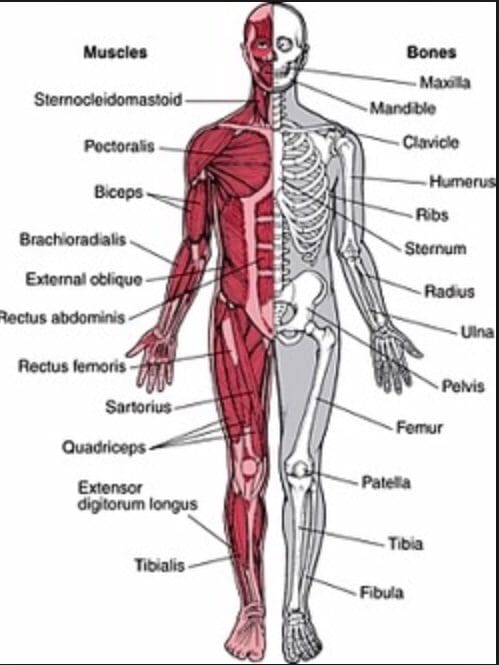
The body is a functional machine that consists of muscles, organs, and skeletal joints that play different parts in making the body healthy as possible. Each section has a casual relationship as they work together and do their jobs separately. The muscles provide protection and movement from daily activities. The organs supply hormones, oxygen, and nutrients, so the body’s internal functions work correctly. And finally, the skeletal joints help with mobility and stabilization for the body to stay upright. When environmental factors or traumatic injuries affect the body, many issues over time may cause damage, and the body may develop pain-related symptoms. Today’s article examines how the musculoskeletal system works in the body, how trigger points affect the musculoskeletal system, and how chiropractic care can help alleviate trigger point pain. We refer patients to certified providers specializing in musculoskeletal treatments to aid individuals suffering from muscle pain associated with trigger points. We also guide our patients by referring them to our associated medical providers based on their examination when it’s appropriate. We find that education is the solution to asking our providers insightful questions. Dr. Alex Jimenez DC provides this information as an educational service only. Disclaimer
How Does The Musculoskeletal System Works?
Have you been experiencing muscle stiffness in specific areas located in your body? Do you feel tenderness in your neck, shoulders, or back? Or do you feel knots along your muscles that are causing you pain? Some of these symptoms are associated with muscle pain in the musculoskeletal system. The musculoskeletal system in the body has muscles, ligaments, and connective tissues surrounding the skeletal joints. Studies reveal that the structure of the musculoskeletal system shows how the surrounding muscles protect the joints and help provide the body functionality. The various muscles in the body offer a range of motion, sensory-motor functions, reflexes, and strength when functioning normally. However, when environmental factors begin to affect the body over time, it can lead to musculoskeletal disorders associated with pain. Studies reveal that when the body succumbs to pain related to musculoskeletal disorders. Musculoskeletal disorders are a common issue that has affected many individuals worldwide and causes various disabilities and symptoms that affect the body. Some of the musculoskeletal disorder symptoms that affect the body include:
Burning sensations
Muscle twitches
Fatigue
Stiffness and aching
Myofascial trigger pain
How Do Trigger Points Affect The Body?
One of the musculoskeletal symptoms associated with muscle pain is trigger points or myofascial pain. Myofascial pain is a common condition involving the muscles and surrounding connective tissues that may be acute or chronic depending on where the pain is located. While trigger points refer to hard palpable nodules in the taut bands of the skeletal muscle that can be active (causes spontaneous pain or abnormal sensory symptoms) or latent (causes no spontaneous pain but shows operational myofascial trigger points characteristics). Studies reveal that myofascial pain can be associated with muscle dysfunction, weakness, and limited range of motion that affects the body. A knot in the muscle in certain body areas can make the muscle hyperirritable, causing painful compression while invoking characteristic referred pain and autonomic phenomena in the body. To that point, it can be difficult for doctors to diagnose since trigger points are caused by traumatic events in the body and can occur in different spots in different people. Trigger points can form all over the body, including:
Neck
Mid-back
Low back
One common characteristic when trigger points affect the body is that they can travel or even spread to the surrounding muscles.
Myofascial Pain Syndrome & Trigger Points- Video
Have you been feeling pain located in your neck, back, or particular areas in your body? What about feeling pain in a different location of your body? Or have you experienced muscle stiffness or tenderness in certain areas of your body? If you have been experiencing these symptoms associated with muscle pain, you could be dealing with trigger point pain or myofascial pain in your musculoskeletal system. The video above explains myofascial pain and trigger points and how they affect the body. Studies reveal that myofascial pain is caused by myofascial trigger points that produce exquisitely tender spots in the taut bands of hardened muscles. To that point, it stimulates local and referred pain amongst other sensory, motor, and autonomic symptoms. Myofascial trigger points can cause stiffness and weakness in the involved muscle, making it difficult to diagnose since it can cause pain in different body areas. Fortunately, there are ways to alleviate trigger point pain associated with myofascial pain syndrome from the body.
How Chiropractic Care Alleviates Trigger Point Pain
Since myofascial trigger point pain can be challenging to diagnose, it can range from neck to low back pain in different locations and mimic other pain conditions that affect the body. It can affect the body to become hypersensitive and hyperirritable while decreasing a person’s overall sense of well-being. Luckily, treatments like chiropractic care can help alleviate trigger point pain and help manage myofascial pain syndrome. Chiropractic care is not just for the skeletal system but can help relieve muscle pain associated with myofascial pain. Since the muscles are layered and interwoven around the joints, they play an integral part in supporting the body. Studies reveal that chiropractors are great at finding trigger points and utilize specific exercises and physical modalities to treat myofascial pain syndrome symptoms. Some of the benefits chiropractic care use include:
Breaking up scar tissue
Applying pressure on the trigger point
Aligning the spine to reduce the spinal subluxation
Ease muscle pain
Conclusion
The body consists of muscles, organs, and joints in a casual relationship that helps function and stabilizes the host. The musculoskeletal system has muscles, tissues, and ligaments that are interwoven and layered, surrounding the skeletal joints to prevent injuries or traumatic events from affecting the body. When the body does suffer from damages caused by traumatic events, it can lead to a musculoskeletal disorder known as myofascial pain or trigger pain. Trigger pain is when the muscles have knots along taut bands of the muscle that can cause muscle stiffness and pain. Trigger point pain can be challenging to diagnose since the pain can travel from one location to another section of the body. This is referred pain, and myofascial trigger pain can mimic other chronic musculoskeletal symptoms. Treatments like chiropractic care can help alleviate myofascial trigger pain through spinal manipulation and trigger point therapy, thus relieving the stiff muscle causing pain. Incorporating treatments like chiropractic care can help loosen stiff muscles, increase joint range of motion and bring a person’s wellness back.
References
Bron, Carel, and Jan D Dommerholt. “Etiology of Myofascial Trigger Points.” Current Pain and Headache Reports, Current Science Inc., Oct. 2012, https://www.ncbi.nlm.nih.gov/pmc/articles/PMC3440564/.
Murphy, Andrew C, et al. “Structure, Function, and Control of the Human Musculoskeletal Network.” PLoS Biology, Public Library of Science, 18 Jan. 2018, https://www.ncbi.nlm.nih.gov/pmc/articles/PMC5773011/.
Shah, Jay P, et al. “Myofascial Trigger Points Then and Now: A Historical and Scientific Perspective.” PM & R : the Journal of Injury, Function, and Rehabilitation, U.S. National Library of Medicine, July 2015, https://www.ncbi.nlm.nih.gov/pmc/articles/PMC4508225/.
Functional fitness conditioning exercises train the muscles for everyday activities safely and efficiently. It refers to exercises that simulate daily movements like standing, bending, reaching, jumping, twisting, pushing, pulling, squatting, lunging, turning, walking, and running. These exercises improve functional body strength to train the muscles to work together and prepare for daily tasks and chores that individuals do at home, at work, or in sports activities. Strengthening the muscles the same way they are needed for everyday tasks reduces the risk of injury, allowing individuals to go through the day without worrying about straining or pulling something.
Functional Fitness Conditioning
Functional fitness conditioning exercises can be done at home, park, or gym and is an excellent way to combat restlessness and keep the body moving. Training the muscles to work the way they do daily prepares the body to move optimally and efficiently in various situations. Functional fitness exercises simultaneously utilize upper and lower body muscles to increase core stability and train the whole body. Examples include:
Combining strength training with exercises that mirror the movements of daily life increase overall strength and improves:
Balance
Endurance
Flexibility
Mobility
Various gyms or fitness centers may offer functional fitness conditioning classes or incorporate functional fitness into their exercise courses. Exercise equipment can include:
Primarily using body weight makes this strength training simple and safe for almost anybody. Functional fitness conditioning is laidback, requiring less equipment and intensity. The objective is to develop and strengthen the entire body to handle daily life while minimizing the risk of injury, making it suitable for individuals of all ages and fitness levels.
Benefits
These include benefits for overall health and physical performance.
Everyday life
Quality of life improves because of the stress relief factor.
This type of training has been reported to be more enjoyable because the training is for everyday life.
Increased muscle memory
Builds muscle and core strength and exercises the brain to increase memory.
Increased mobility
Improves balance
Coordination
Flexibility
Muscle strength
Agility
Improves balance and posture
Training and strengthening the muscles to manage/balance weight correctly reduces stress on the body.
Faster injury recovery
A strengthened body operates at optimal levels that improve repairing and healing capabilities.
It is recommended to check with your doctor before starting any new exercise program, and pregnant women should check with their doctors. A personal trainer, functional medicine, or sports chiropractor can discuss available conditioning options specific to the individual.
Functional Fitness
References
Fahlman, Mariane M et al. “Effects of resistance training on functional ability in elderly individuals.” American Journal of health promotion: AJHP vol. 25,4 (2011): 237-43. doi:10.4278/ajhp.081125-QUAN-292
Gerards, Marissa H G, et al. “Perturbation-based balance training to improve balance control and reduce falls in older adults – study protocol for a randomized controlled trial.” BMC geriatrics vol. 21,1 9. 6 Jan. 2021, doi:10.1186/s12877-020-01944-7
Pacheco, Matheus Maia, et al. “Functional vs. Strength training in adults: specific needs define the best intervention.” International Journal of sports physical therapy vol. 8,1 (2013): 34-43.
Pullyblank, Kristin, et al. “Effects of the Strong Hearts, Healthy Communities Intervention on Functional Fitness of Rural Women.” The Journal of rural health: official Journal of the American Rural Health Association and the National Rural Health Care Association vol. 36,1 (2020): 104-110. doi:10.1111/jrh.12361
In many situations, stress or cortisol in the body allows the host to go into a “fight or flight” response that works together with the sympathetic nervous system. In its acute form, stress enables the individual to experience various symptoms quickly and doesn’t last very long. However, when there is residual stress still in the body over an extended period can cause havoc to the body and affect a person’s well-being is known as chronic stress. To that point, when the body is dealing with chronic stress, over time can become at risk of developing chronic disorders associated with chronic issues affecting the endocrine system. One of the endocrine disorders that correlate with chronic stress is Cushing syndrome. Today’s article examines Cushing syndrome, its symptoms, and ways to manage Cushing syndrome in the body. We refer patients to certified providers specializing in endocrinology treatments to aid individuals suffering from Cushing syndrome. We also guide our patients by referring them to our associated medical providers based on their examination when it’s appropriate. We find that education is the solution to asking our providers insightful questions. Dr. Alex Jimenez DC provides this information as an educational service only. Disclaimer
What Is Cushing Syndrome?
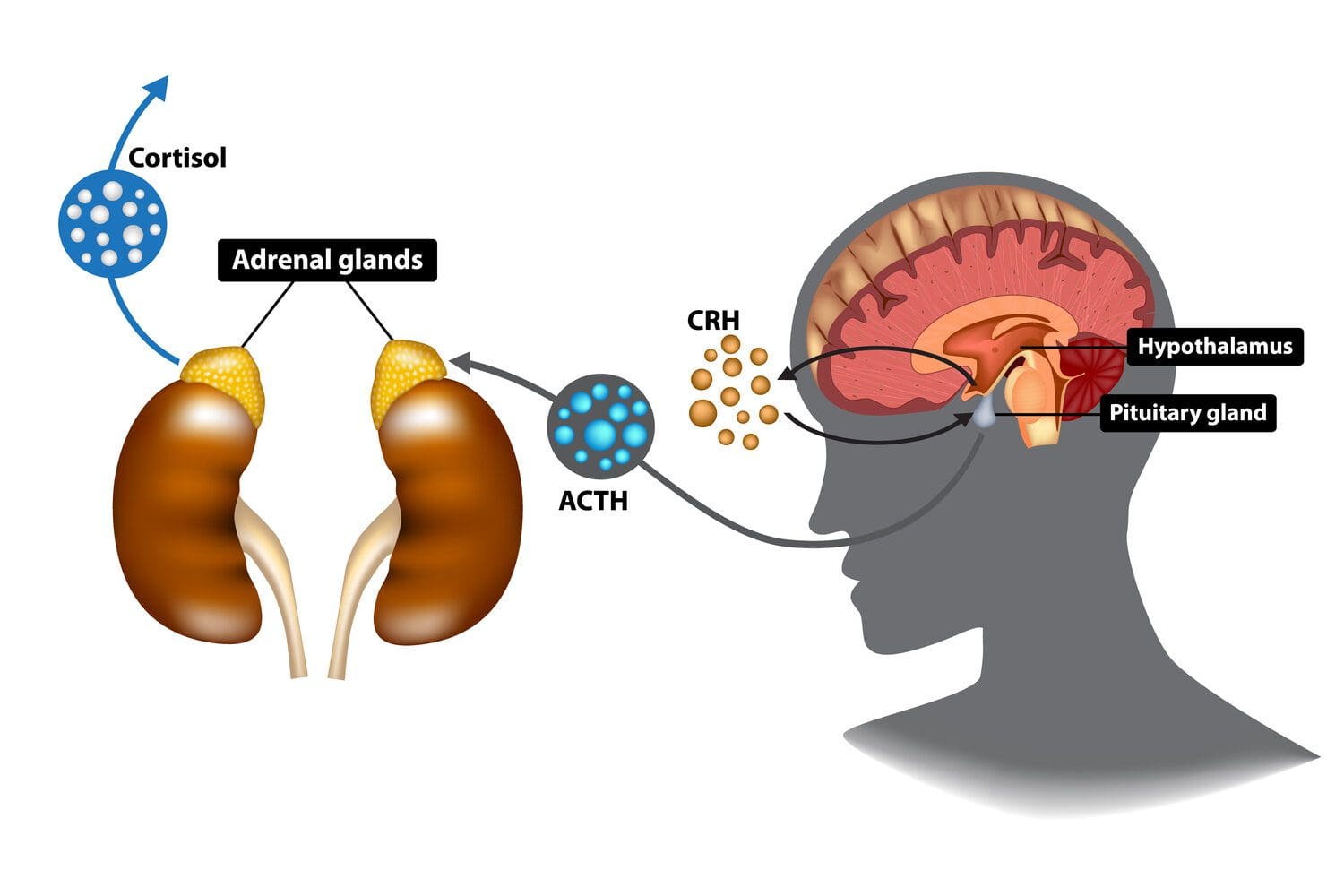
Have you been experiencing abnormal weight gain around your midsection? What about feeling tired throughout the entire day? Or has your mood been changing all day? Many of these symptoms that you are experiencing could potentially make you at risk of developing Cushing syndrome. Cushing syndrome is an endocrine disorder that causes the brain’s anterior pituitary to produce excessive ACTH (adrenocorticotropic hormone), leading to excess cortisol release from the adrenal glands. In the endocrine system, cortisol is a hormone produced in the adrenal glands above the kidneys. These hormones help the body by:
Maintaining blood pressure
Regulates glucose levels
Reduces inflammation in the body
Converts food into energy
Manages respiration
When the adrenal glands overproduce cortisol, it causes the body to be on high alert and can become a risk of developing chronic symptoms associated with Cushing syndrome. Studies reveal that Cushing’s disease (a condition where the pituitary glands overproduce ACTH and turn into cortisol) becomes associated with an increased risk of cardiovascular and metabolic disorders that overlaps chronic symptoms, thus affecting the body.
The Symptoms
When the body is dealing with Cushing syndrome, studies reveal that chronic exposure to excess cortisol could potentially be involved with its associated comorbidities that contribute to decreasing a person’s quality of life. When a person has the signs of Cushing syndrome, the symptoms are unmistakable as the symptoms vary in different people. One of the prominent symptoms of Cushing’s syndrome is rapid weight gain along the face, abdomen, back of the neck, and chest. Some other symptoms associated with Cushing’s syndrome include:
High blood pressure
Purple/red stretch marks along the abdomen
Fatigue
Weak, thin muscles along the arms and legs
Excessive hair growth in some regions of the body
Cognitive difficulties
An Overview Of Cushing Syndrome-Video
Have you been experiencing rapid weight gain along your face, neck, and abdomen? What about feeling stressed constantly? Or have you noticed that your memory is declining? Many of these symptoms are associated with an endocrine disorder called Cushing syndrome. The video above explains what Cushing’s syndrome is, its causes and symptoms, and how to treat Cushing’s syndrome. Cushing syndrome is developed when the adrenal glands produce an excessive amount of cortisol in the body. When the body is suffering from too much cortisol caused by Cushing syndrome, one of the symptoms is bone fractures associated with Cushing syndrome. Studies reveal that the skeletal system is one of the common targets that cause glucocorticoids to attach themselves to the skeletal joints. To that point, Cushing syndrome causes structural and functional impairment to the skeletal system associated with morbidity and disability to many individuals. Fortunately, there are many ways to manage Cushing syndrome and lower cortisol levels in the body.
How To Manage Cushing Syndrome
Since stress/cortisol is beneficial and harmful to the body, it has a causal relationship with the organs and tissues in the body. The body needs cortisol to regulate the metabolism and functionality of the endocrine organs. Too much cortisol causes the development of Cushing syndrome, and fortunately, there are ways many individuals can manage this endocrine disorder while keeping an eye on their cortisol levels. Many individuals suffering from weight gain from Cushing syndrome should try to find an exercise regime that their primary physician recommends to lose weight and improve their muscle strength little by a little. Other ways that individuals can manage Cushing syndrome are by:
Eating nutritious foods that are anti-inflammatory and taking supplements that have calcium and vitamin D.
Meditation or yoga can help calm the mind, and taking deep breaths can help relax the body while lowering cortisol levels.
Incorporating massages and chiropractic care to alleviate muscle and joint pain caused by Cushing syndrome. Chiropractic care and massages can help loosen stiff muscles and support the joints to regain their range of motion in the body.
Slowly incorporating these lifestyle changes can lower cortisol levels and help prevent Cushing’s syndrome from progressing further in the body while helping the individual get back on their health journey.
Conclusion
The body needs cortisol or stress to get through stressful situations that a person is going through. Cortisol is a hormone formed from the adrenal glands that help regulate the body’s metabolism and provide the functionality to the organs and tissues. In its acute and chronic form, cortisol can range from mild to severe depending on the body’s situation. The body risks developing Cushing’s syndrome when the adrenal glands overproduce cortisol. Cushing syndrome is an endocrine disorder that causes an increased risk of metabolic disorders associated with chronic symptoms like weight gain around the face, neck, and abdomen. Luckily, there are ways to manage Cushing’s syndrome and lower cortisol levels by incorporating an exercise regime, eating anti-inflammatory foods filled with calcium and vitamin D, meditation to calm the mind, and incorporating deep breaths to lower cortisol levels. Utilizing these small changes can significantly impact the body while helping the individual better manage their cortisol levels.
References
Buliman, A, et al. “Cushing’s Disease: A Multidisciplinary Overview of the Clinical Features, Diagnosis, and Treatment.” Journal of Medicine and Life, Carol Davila University Press, 2016, https://www.ncbi.nlm.nih.gov/pmc/articles/PMC5152600/.
Faggiano, A, et al. “Spine Abnormalities and Damage in Patients Cured from Cushing’s Disease.” Pituitary, U.S. National Library of Medicine, Aug. 2001, https://pubmed.ncbi.nlm.nih.gov/12138988/.
Kairys, Norah, and Ari Schwell. “Cushing Disease.” In: StatPearls [Internet]. Treasure Island (FL), StatPearls Publishing, 2 Feb. 2022, https://www.ncbi.nlm.nih.gov/books/NBK448184/.
Nieman, Lynnette K. “Cushing’s Syndrome: Update on Signs, Symptoms and Biochemical Screening.” European Journal of Endocrinology, U.S. National Library of Medicine, Oct. 2015, https://www.ncbi.nlm.nih.gov/pmc/articles/PMC4553096/.
When the body encounters a foreign element that can include a chemical, plant pollen, an invading microbe, or some other form of infection, it activates the immune system that triggers inflammation to protect the body and fight the illness. Heat and swelling are the body’s repair mechanisms to heal an injury, or if there is an infection, cells are activated to the location to combat the invading pathogens. However, Following an anti-inflammatory diet is important and part of the diet includes anti-inflammatory drinks.
Immune System
The immune system markers in the blood and tissue are above normal levels in response to continual low-level inflammation. The white blood cells that help heal an injury are working against a threat of injury/infection that does not exist. Tissues, organs, and cells can become affected by an influx of white blood cells that should not be there. Studies have proven that inflammation leads to chronic disease, but there are ways to avoid the damaging progression that include:
Traditional homemade chai tea is a blend of herbs with anti-inflammatory benefits.
Herbs include cinnamon, star anise, clove, ginger, and cardamom.
They help improve digestion, alleviate nausea, and increase immune system health.
These are just a few examples, but there are a variety of anti-inflammatory drinks that can benefit body and mental health.
Healthy and Refreshing
References
Alghadir, Ahmad H et al. “Green tea and exercise interventions as nondrug remedies in geriatric patients with rheumatoid arthritis.” Journal of physical therapy science vol. 28,10 (2016): 2820-2829. doi:10.1589/jpts.28.2820
Crozier, Stephen J et al. “Cacao seeds are a “Super Fruit”: A comparative analysis of various fruit powders and products.” Chemistry Central journal vol. 5 5. 7 Feb. 2011, doi:10.1186/1752-153X-5-5
Hunter, Philip. “The inflammation theory of disease. The growing realization that chronic inflammation is crucial in many diseases opens new avenues for treatment.” EMBO reports vol. 13,11 (2012): 968-70. doi:10.1038/embor.2012.142
Panche, A N et al. “Flavonoids: an overview.” Journal of nutritional science vol. 5 e47. 29 Dec. 2016, doi:10.1017/jns.2016.41
Teodorczyk-Injeyan, Julita A. PhD*; Triano, John J. DC, PhD*; Injeyan, H. Stephen DC, PhD†. Nonspecific Low Back Pain: Inflammatory Profiles of Patients With Acute and Chronic Pain. The Clinical Journal of Pain: October 2019 – Volume 35 – Issue 10 – p 818-825
doi: 10.1097/AJP.0000000000000745
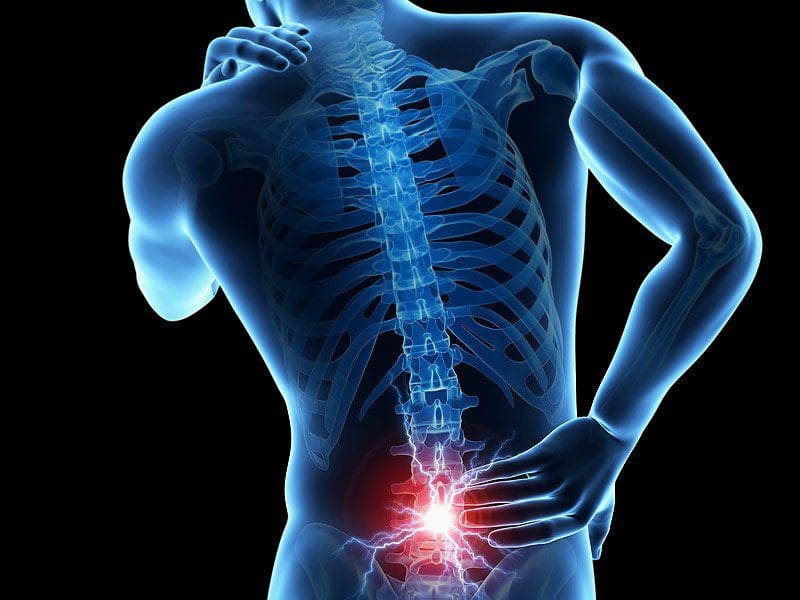
When it comes to the body, many factors can cause low back pain without a person knowing they encounter it. Simple actions like sitting, standing, and walking can be difficult or helpful, depending on the person’s actions. Since low back pain tends to vary from person to person and the possible factors that can cause low back pain make diagnosing a bit difficult. Fortunately, there are available treatments that can help manage low back pain symptoms and can help alleviate its associated symptoms in the body. Today’s article examines the causes and symptoms of low back pain, aqua therapy for low back pain, and how chiropractic care goes hand in hand with aqua therapy. We refer patients to certified providers specializing in musculoskeletal treatments and hydrotherapy to help many individuals with low back pain. We also guide our patients by referring to our associated medical providers based on their examination when it’s appropriate. We find that education is the solution to asking our providers insightful questions. Dr. Alex Jimenez DC provides this information as an educational service only. Disclaimer
The Causes Of Low Back Pain
Have you been feeling aches along the sides of your back? Do you feel stiff when hunched over for an extended period? Or does sitting down make the pain go away or worsen? Many of these factors are associated with signs that you could be suffering from low back pain. Low back pain is considered the leading disability causes worldwide, as studies reveal, which can be influenced by many factors that a person is going through. Anyone can risk developing low back pain as it can derive from different sources that overlap many potential issues. Some of the causes associated with low back pain vary depending on how severely the factors affect the individual, which includes:
Muscle and ligament sprain (Overused muscles and ligaments from injuries, poor posture, or lifting heavy objects)
When it comes to the symptoms of low back pain, many individuals will experience pain ranging from a dull ache to a sudden shooting burning pain that travels down the legs. Many individuals often feel pain from one location of the lower half of the body; instead, it is located on the other side, known as referred pain. Low back pain can potentially mean that another issue is affecting the body. Some of the symptoms associated with low back pain include:
Muscle stiffness
Sciatica
Muscle spasms
Limited mobility on the hips and pelvis
Inflammation
Muscle tenderness
All is not lost, as treatments are available to manage low back pain symptoms and alleviate the body’s pain.
Aqua Therapy For Spine Health-Video
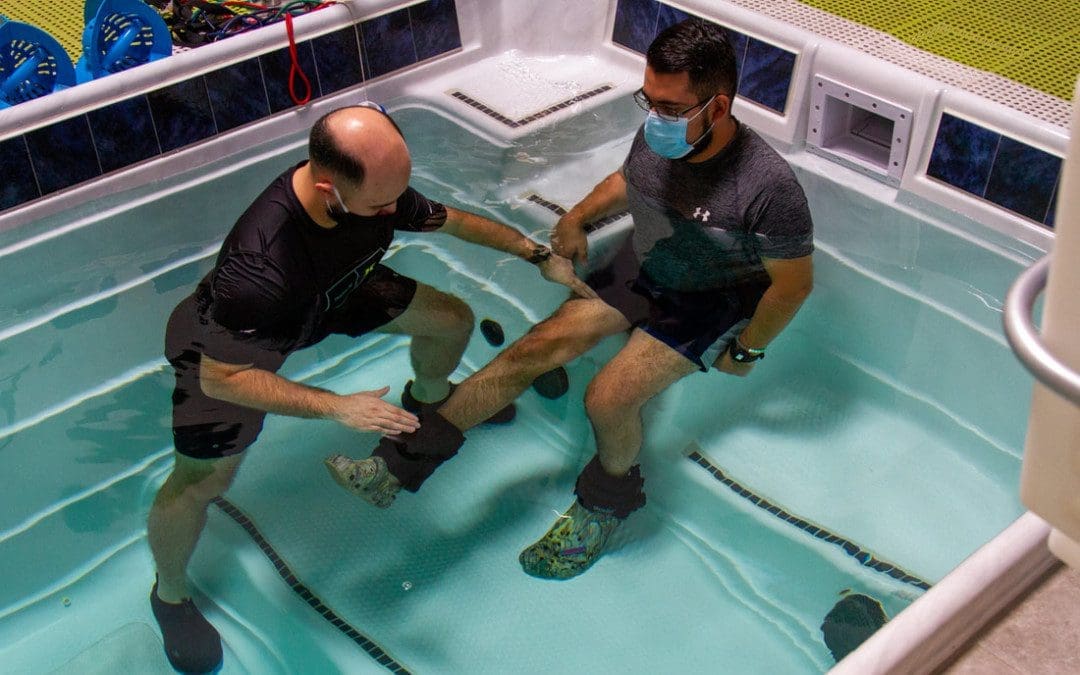
Have you been experiencing muscle stiffness in your lower back? Do hip pain and sciatic symptoms cause mobility issues in your legs? Or does it hurt when you are bending down to pick something up? You could be dealing with low back pain associated with chronic symptoms affecting the body, so why not try aqua therapy? The video above demonstrates what aqua therapy does to the body and the exercises used to relieve low back pain. Studies reveal that the therapeutic purposes of water have dated back to ancient Egypt, Greek, and Roman civilization; that helps cleanse the body from ailments. Many physical therapists utilize aqua therapy to enable individuals with low back pain. Aqua therapy engages the waters, buoyancy, resistance, and hydrostatic pressure that helps rehabilitate injuries and maintain health.
Aqua Therapy For Low Back Pain
Many individuals that suffer from low back pain will try to find ways to alleviate the pain. Aqua therapy is one available treatment that doesn’t strain the lower back and has therapeutic properties. Studies reveal that the beneficial properties of aqua therapy allow the body to improve muscle strength and range of motion while reducing muscle fatigue by using water buoyancy to take the pressure off the spine. Since low back pain is a common health issue associated with environmental factors for many individuals, studies reveal that water buoyancy can eliminate the gravitational forces impacting the body weight by counteracting it. To that point, this reduces joint stress on the body to perform the water aerobic exercises with ease. Individuals who incorporate aqua therapy in their health and wellness journey may be more motivated to exercise in the water without worrying about constant pain.
Aqua Therapy Goes Hand In Hand With Chiropractic Care
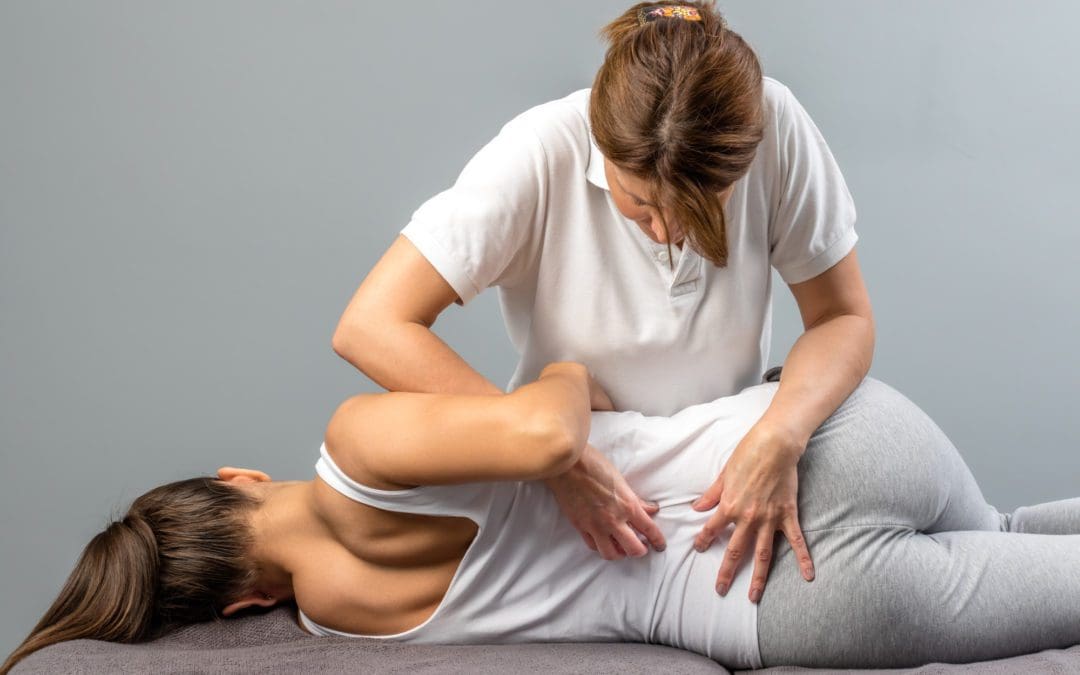
Like any treatment, chiropractic care and aqua therapy have an excellent relationship as they work together to assess and analyze the individual’s problem and devise a plan for them. Chiropractors utilize spinal manipulation to determine where the pain is located. So when a person is dealing with low back pain due to spinal subluxation or misalignment, a chiropractor can help the individual by loosening the stiff muscles and increasing the range of motion back to the spine. At the same time, aqua therapy incorporates the same benefits associated with land-based physical therapy, including a treatment plan tailored to the individual. Chiropractors and physical therapists work together to determine the best possible action to speed up the recovery process when it comes to a person’s pain, giving them the best chance to get back their quality of life.
Conclusion
Low back pain is one of many individuals’ most common complaints worldwide. The many factors associated with low back pain vary and range from a dull ache to a sharp pain radiating down the legs as part of the symptoms of low back pain. Treatments like aqua therapy can help take the load off the spine through water buoyancy and can help reduce the stress on the joints in the lumbar spine while reducing muscle fatigue. Combined with chiropractic care, many individuals can recover faster from their low back pain and bring back their quality of life without being in so much pain.
References
Abadi, Fariba Hossein, et al. “The Effect of Aquatic Exercise Program on Low-Back Pain Disability in Obese Women.” Journal of Exercise Rehabilitation, Korean Society of Exercise Rehabilitation, 31 Dec. 2019, https://www.ncbi.nlm.nih.gov/pmc/articles/PMC6944883/.
Allegri, Massimo, et al. “Mechanisms of Low Back Pain: A Guide for Diagnosis and Therapy.” F1000Research, F1000Research, 28 June 2016, https://www.ncbi.nlm.nih.gov/pmc/articles/PMC4926733/.
Carayannopoulos, Alexios G, et al. “The Benefits of Combining Water and Land-Based Therapy.” Journal of Exercise Rehabilitation, Korean Society of Exercise Rehabilitation, 26 Feb. 2020, https://www.ncbi.nlm.nih.gov/pmc/articles/PMC7056478/.
Cole, Andrew, and Bruce Becker. “Water Therapy Exercise Program.” Spine, Spine-Health, 26 Feb. 2010, https://www.spine-health.com/wellness/exercise/water-therapy-exercise-program.
The skeletal joints can keep the body upright and stabilized while protecting the internal organs. The skeletal joints also are at risk of factors (normal and traumatic) that can impact the body, thus potentially causing painful symptoms to affect different body areas. Hip pain is among the most common complaints for many individuals, especially the elderly. To that point, when the body suffers from hip pain, it may involve pelvic pain and associated symptoms that mimic other issues within the body. Today’s article examines the causes of hip and pelvic pain, the symptoms related to hip and pelvic pain, and how chiropractic care may relieve hip and pelvic pain. We refer patients to certified providers specializing in osteopathic treatments to help many individuals with hip and pelvic pain. We also guide our patients by referring to our associated medical providers based on their examination when it’s appropriate. We find that education is the solution to asking our providers insightful questions. Dr. Alex Jimenez DC provides this information as an educational service only. Disclaimer
The Causes Of Hip & Pelvic Pain
Do you experience stiffness located on your low back or hips? What about sciatic nerve pain that travels down your legs? Or have you been experiencing cramping around the pelvic regions of your body? Experiencing these symptoms may be the potential cause that you might be dealing with hip and pelvic pain. Even though hip pain is often associated with older individuals, it can affect many individuals of different ages. Studies reveal that the pathologies outside the hips may be the cause and referred pain, making diagnosing hip pain difficult. Hip pain causes could be overused joints and soft tissues that support the hips due to repetitive motions, strain from the multiple muscles that support the hips, or arthritic symptoms. Studies reveal that individuals who work in a desk job will potentially develop low back pain due to prolonged sitting, thus becoming associated with excessive mobility of the lumbar spine and decreased hip joint mobility.
Individuals with hip pain could risk developing pelvic pain associated with the overuse of joints and soft tissues. Now how pelvic pain correlates with hip pain, and what’s the causation? Studies reveal that the stabilizing muscles (iliopsoas, pectineus, obturator externus, gluteus minimus, and piriformis muscles) are overworked and become consequent hip and joint destabilization. This causes the affected muscles to become tired and weak and triggers sciatic nerve compression along the piriformis muscle. Pelvic pain associated with hip pain may cause dysfunctional musculoskeletal symptoms along the lower abdominals, hips, and lumbosacral back.
The Associated Symptoms Of Hip & Pelvic Pain
The factors involved with hip and pelvic pain could potentially have associated symptoms that might affect the body’s lower extremities. One of the most prominent symptoms of hip pain is groin pain, which could possibly be involved with pelvic pain since the ligaments and muscles that encompass the hips and groin may be weak and overused. Sometimes various underlying causes do contribute to hip and pelvic pain, causing associated symptoms that may confuse the individual in pain. Hip and pelvic pain may refer to low back and sciatic nerve pain since the lower spine and hips are close together; thus, pinpointing where the true source of pain is in the body’s lower half makes it confusing. Some of the symptoms associated with hip and pelvic pain include:
Low back pain
Muscle weakness
Sacroiliac joint dysfunction
Bladder issues
Sciatic nerve pain
Piriformis syndrome
The 3 Common Causes Of Hip Pain-Video
Have you been dealing with muscle stiffness around or along your hips and lower back? Do you have bladder issues? Or have you experienced muscle weakness in the lower extremities of your body? Some of these symptoms could be associated with hip and pelvic pain. The video above explains the three common causes of hip pain, and interestingly, one of the causes of hip pain could potentially involve the lower back. Studies reveal that since the low back and hips are close to each other, alterations in the lumbopelvic region could potentially be involved with low back pain. Some of the issues associated with the alterations in the lumbopelvic area include:
Limited range of motion on hip rotation
Tissue injury
Stiff joint capsules
Micro/macro trauma
Fortunately, hip and pelvic pain management may help alleviate referred pain issues through chiropractic care.
Chiropractic Relief For Hip & Pelvic Pain
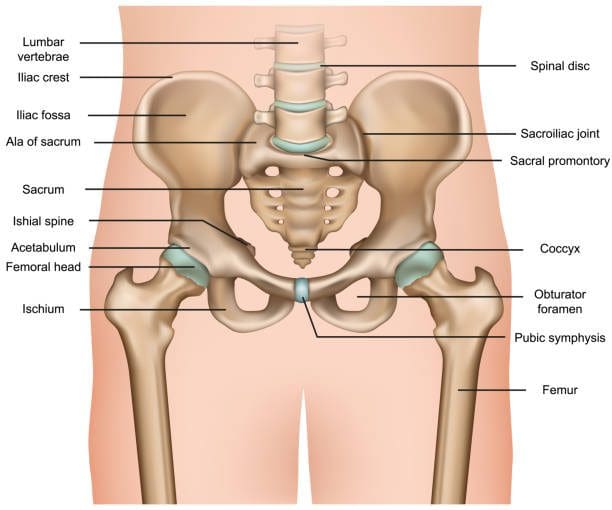
Individuals dealing with hip and pelvic pain may find relief through chiropractic care. The pelvis is a direct continuation of the spine as the sacrum (the five lowest fused vertebrae) and the pelvic girdle complex interact with the joints from the lower skeletal system. If there is pain in the lower body and the individual is unsure whether it is their back or hips, their first course of action is to visit their primary doctor or a chiropractor. Afterward, they will review the individual’s medical history while performing a series of physical exams like various movements to make an accurate diagnosis. Once the pain diagnosis is identified, chiropractors utilize total body alignment by restoring balance in the pelvis and the spine through manipulation. When the spine and hips suffer from a subluxation, it can cause unnecessary strain on the surrounding muscles around the spine and hips. To that point, realigning the spine from a chiropractic adjustment could reduce or eliminate the excessive stress affecting the surrounding muscles. Chiropractic care can also promote various therapies that increase balance along the hips and pelvic region, which include:
Stretching
Therapeutic massage
Physical activities/Exercise therapy
Nutrition
Whether the pain is located in the hips, low back, or pelvic regions, chiropractic care can help restore, address, and alleviate the pain while maintaining optimal long-lasting results.
Conclusion
The skeletal joints can help keep the body upright and stabilized while protecting the internal organs from normal and traumatic factors. When these factors begin to cause an impact on the body, the skeletal joints are at risk of developing pain along the musculoskeletal structure. Hip and pelvic pain have an overlapping relationship as they are amongst the most common complaints for many individuals. To that point, pain from the hips or the pelvic may mimic other issues associated with chronic disorders. Incorporating treatments like chiropractic care can help alleviate, address, and restore the body through spinal manipulation. This allows individuals to be pain-free and help restore balance in their joints.
References
Harris-Hayes, Marcie, et al. “Relationship between the Hip and Low Back Pain in Athletes Who Participate in Rotation-Related Sports.” Journal of Sport Rehabilitation, U.S. National Library of Medicine, Feb. 2009, https://www.ncbi.nlm.nih.gov/pmc/articles/PMC2699456/.
Lee, Dae Wook, et al. “Chronic Pelvic Pain Arising from Dysfunctional Stabilizing Muscles of the Hip Joint and Pelvis.” The Korean Journal of Pain, The Korean Pain Society, Oct. 2016, https://www.ncbi.nlm.nih.gov/pmc/articles/PMC5061646/.
Luthra, Jatinder Singh, et al. “Understanding Painful Hip in Young Adults: A Review Article.” Hip & Pelvis, Korean Hip Society, Sept. 2019, https://www.ncbi.nlm.nih.gov/pmc/articles/PMC6726866/.
Nishimura, Takaaki, and Ryo Miyachi. “Relationship between Low Back Pain and Lumbar and Hip Joint Movement in Desk Workers.” Journal of Physical Therapy Science, The Society of Physical Therapy Science, Oct. 2020, https://www.ncbi.nlm.nih.gov/pmc/articles/PMC7590845/.
IFM's Find A Practitioner tool is the largest referral network in Functional Medicine, created to help patients locate Functional Medicine practitioners anywhere in the world. IFM Certified Practitioners are listed first in the search results, given their extensive education in Functional Medicine