Winter is when most children and adults are prone to catching colds, the flu, etc. The excitement of the holiday season can also take a toll on the body’s neuromusculoskeletal system, leaving the individual more susceptible to illness. Digestive issues such as bloating, cramping, and constipation are also common. Certain supplements can help maintain body, gut, and brain holiday health. Here are a few recommended supplements to take during the holidays.
Holiday Health
To help fill in the gaps from the holiday foods and increase energy, holiday health supplements to consider adding include:
Probiotics
Probiotics are healthy bacteria and microbes that populate the gut or microbiome.
They help digest nutrients, support proper digestion and elimination, and manage appetite and mood.
A quality probiotic supplement supports healthy digestion and immune health.
It can help reduce diarrhea, constipation, gas, and bloating while protecting the immune system against pathogens.
For the most benefits, it is recommended to take a supplement with a high CFU count, diverse probiotic strains, and a delivery method that ensures the probiotics will survive once consumed.
The body produces melatonin naturally, especially at night, since this promotes sleep.
Melatonin is a hormone that helps regulate the body’s circadian rhythm, which makes you feel tired or alert at the right times of the day.
Taking melatonin can help decrease jet lag symptoms.
Consider taking melatonin to help promote healthy sleep.
However, it’s usually only recommended for short-term use, so consult your doctor.
Vitamin D
During the winter, when less sunlight is available, low vitamin D levels are very common among adults.
The body naturally makes vitamin D when the skin is exposed to the sun’s UV light rays; however, most spend nearly all their time indoors once the weather becomes cold.
Vitamin D is responsible for hundreds of reactions related to brain function, hormone production, and immune defenses.
A vitamin D supplement can help maintain healthy levels, which is important for maintaining a strong immune system, cardiovascular and bone health, and mood.
Magnesium
Magnesium is a mineral and electrolyte providing cardiovascular and bone support, improved sleep, healthy muscle and nerve function, and healthy digestion.
A magnesium supplement can help with aches and pains, restlessness, headaches, and constipation.
Vitamin C
Vitamin C intake protects against colds and other illnesses.
It supports healthy immune defenses, healthy nervous system function, antioxidant activity, neuron function, and skin health.
A vitamin C supplement combined with probiotics further helps support healthy gastrointestinal function and absorption.
Chiropractic For Digestive Health
Chiropractic care supports the healthy functioning of the nervous system.
The vagus nerve extends from the brain stem and innervates digestive system organs.
Sympathetic nerves in the thoracic and lumbar regions and the parasympathetic nerves near the sacrum also support digestion.
Decompressing the spine and correcting posture allow room for the muscles to contract, open up the spine to circulate fluids throughout the body, and expand and properly circulate food and waste.
Ernst, Edzard. “Chiropractic treatment for gastrointestinal problems: a systematic review of clinical trials.” Canadian journal of gastroenterology = Journal canadien de gastroenterology vol. 25,1 (2011): 39-40. doi:10.1155/2011/910469
Govender, Mershen et al. “A review of the advancements in probiotic delivery: Conventional vs. non-conventional formulations for intestinal flora supplementation.” AAPS PharmSciTech vol. 15,1 (2014): 29-43. doi:10.1208/s12249-013-0027-1
Leboeuf-Yde, Charlotte, et al. “Self-reported nonmusculoskeletal responses to chiropractic intervention: a multination survey.” Journal of manipulative and physiological therapeutics vol. 28,5 (2005): 294-302; discussion 365-6. doi:10.1016/j.jmpt.2005.04.010
Peterson, Caroline. “A case study of chiropractic management of pregnancy-related heartburn with postulated fetal epigenome implications.” Explore (New York, N.Y.) vol. 8,5 (2012): 304-8. doi:10.1016/j.explore.2012.06.001
Qu, Liuxin, et al. “Irritable bowel syndrome treated by traditional Chinese spinal orthopedic manipulation.” Journal of traditional Chinese medicine = Chung i tsa chih ying wen pan vol. 32,4 (2012): 565-70. doi:10.1016/s0254-6272(13)60072-2
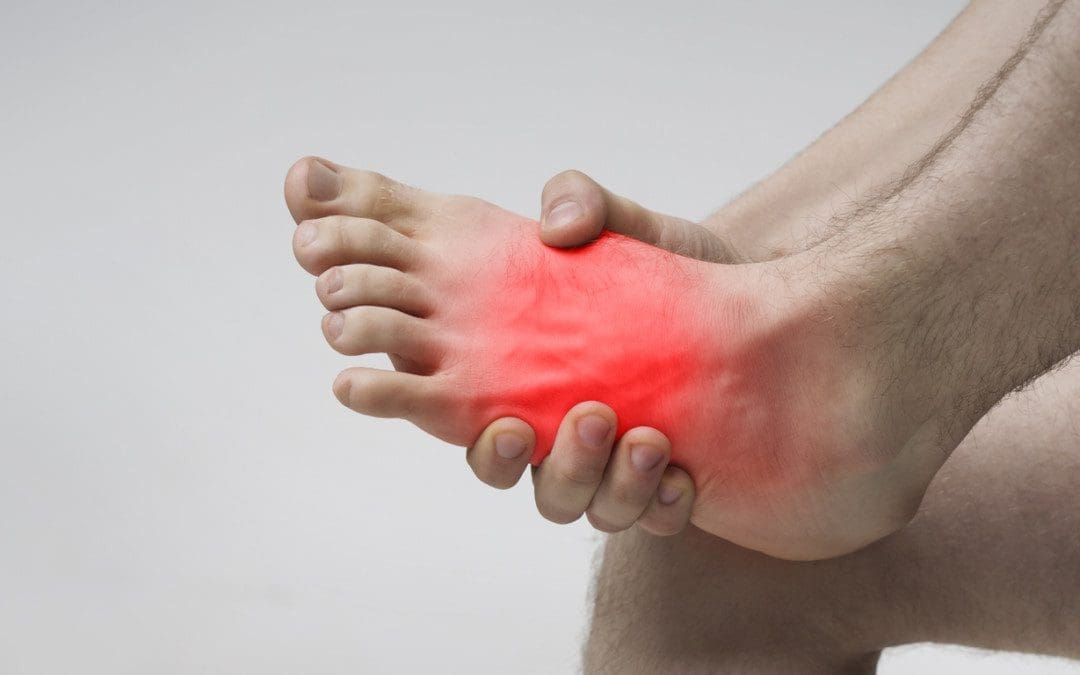
The feet allow movement to make the host do various actions when it comes to the body. Whether running, walking, or stretching, the feet allow stability with help from the legs and lower limbs of the lower body to support the upper body’s weight and allow mobility and functionality to the hips. The feet have various extensor muscles that start at the head where the tibia and in the front of the shin and spreads out to the front of the foot and allow movement to each of the toes. Injuries like ankle sprains, objects landing on the foot, or muscle cramps can cause the various muscles to become injured and soon develop tiny nodules that can cause referred pain to the lower portion of the legs and cause mobility issues. To that point, trigger point pain can affect how a person functions and cause many to deal with unquestionable foot pain. Today’s article looks at the extensor muscles of the toes, how trigger points can affect the foot and toes, and how chiropractic care can help treat trigger points along the extensor muscles of the toes. We refer patients to certified providers that incorporate various techniques in the lower body extremities, like lower legs, calves, and foot pain therapies correlating to trigger points. This helps aid many people with pain symptoms along the extensor toe muscles, causing pain when doing everyday actions like stepping or walking. We encourage and appreciate each patient by referring them to associated medical providers based on their diagnosis when it is appropriate. We understand that education is a terrific way when asking our providers intricated questions at the patient’s request and understanding. Dr. Alex Jimenez, D.C., only utilizes this information as an educational service. Disclaimer
The Extensor Muscles Of The Toes
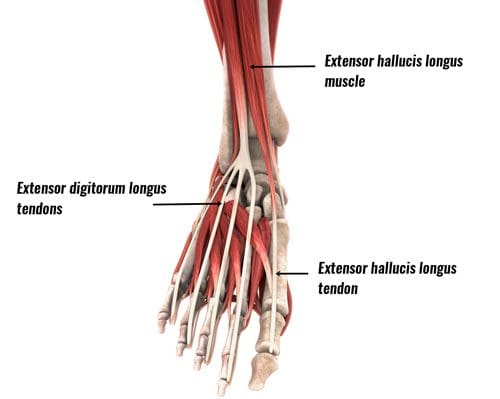
Have you been having issues walking for long periods? Do your feet constantly ache, so you have to take off your shoes to rub them? Or have you been having mobility issues that start at the hips and then travel down to the feet? Many of these issues are associated with pain that can affect the extensor muscles of the toes. The feet have various superficial muscles that allow movement to each toe. Today, we will look at the extensor muscles that enable movement to the toes and help with lower limb functionality. The extensor toe muscles include the extensor digitorum and the extensor hallucis longus. Studies reveal that the extensor muscles are the anterior compartment of the lower limbs that can allow extension and dorsiflex of the foot at the ankle. The extensor hallucis provides movement to the big toe, independently moving it up and down. At the same time, the extensor digitorum forms into four tendons to the other toe joints.
These muscles work together to control the foot when descending and allow the heel to land first and then the toes after to prevent foot slaps or hard stepping. To that point, during this gait action, the extensor digitorum helps provide pure dorsiflex of the foot through balance on the tibial muscle. In contrast, the extensor hallucis allows the foot to adapt when the host is walking. Now, what happens when the extensor muscles suffer from injuries that cause mobility issues to the individual?
Trigger Points Affecting The Foot & Toes
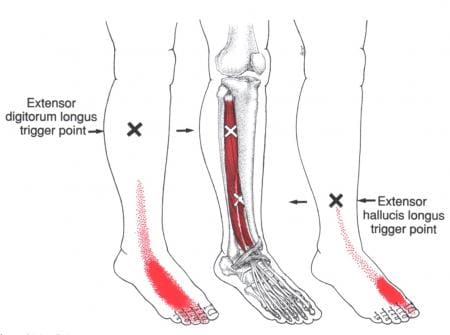
When issues affect mobility and prevent many people from walking, it could be due to trigger points associated with the extensor muscles affecting the foot and toes. Trigger points or myofascial pain syndrome is where sensitive points or pressure in the muscles or muscle groups can cause referred pain in different body areas. This means that, for example, someone is dealing with pain in their elbows; however, they are complaining about shoulder pain. Studies reveal that when the legs’ lower limbs have trigger points in the feet musculature, it can lead to hypersensitivity in the extensor muscles and tendons. According to Dr. Janet G. Travell, M.D., she explained in her book, “Myofascial Pain and Dysfunction,” when the extensor muscles of the toes are being affected by trigger points, it could potentially be associated with anterior compartment syndrome and ischemia along the lower limbs. To that point, trigger points could affect a person’s ability to walk and cause them to shift their weight around to compensate for the pain from affecting them. When this happens, it can lead to hip issues.
Trigger Points Of The Week: The Extensor Toe Muscles- Video
Have you been dealing with foot pain affecting your ability to walk? Does it hurt when you are stepping? Do you have mobility issues in your hips or legs associated with foot pain? Suppose you have been experiencing any of these issues in the lower extremities of your body. In that case, you could be dealing with trigger points associated with the toe extensor muscles correlating with foot pain. Studies reveal that trigger points associated with the extensor muscles can be characterized by pain and cause a limited range of joint motion. What that does is that trigger points in the extensor hallucis muscle can cause the lower portion of the legs to have intense sensitivity and hyper-irritability to the legs, which can affect how a person walks. The video above explains where the extensor muscles are located in the lower portions of the legs and where the trigger points cause referred pain to the foot and legs. When trigger points affect the extensor muscles, they can cause referred pain to the entire lower half of the body, including the hips. How would trigger points be associated with the hips when it affects the extensor muscles? Well, when the extensor muscles succumb to pain, it causes the individual to shift their weight and can cause the hips to become unstable, and that instability can affect not only the hips but the legs, knees, calves, and feet. Fortunately, treatments can reduce trigger point pain in the extensor muscles.
Chiropractic Care For Trigger Points
So when a person is dealing with mobility issues along the extensor muscles that are causing them pain, they don’t realize that their hips, legs, and knees are being affected. By going to chiropractic treatment, they can get the relief they are looking for and regain their ability to walk. A chiropractor will thoroughly examine and assess the individual dealing with trigger points along the extensor muscles. Chiropractors can pinpoint where the trigger points are located in the affected muscle and dramatically decrease pain through manipulation. Using mechanical and manual manipulation can help realign the spine out of subluxation, and chiropractors can provide a personalized treatment plan to the individual to incorporate to prevent trigger points from returning after a few treatments. Since chiropractic care is a whole-body approach, many patients can learn healthy habits, which include using a tennis ball under the feet, light stretching on the feet, and walking correctly with good posture can prevent future injuries from coming.
Conclusion
The feet allow movement to allow the host to walk from one location to another. The extensor muscles of the toes allow mobility and stability as they work together with the legs and hips to support the upper body’s weight and stability. When injuries like ankle sprains or heavy objects landing on foot affect the extensor muscles, it can lead to trigger points associated with foot pain that can affect the hips. When trigger points affect the extensor muscles, it can cause a person to be unable to walk properly and cause more issues in the hips. When this happens, treatments like chiropractic care can manually manipulate the spine and release trigger points from the extensor muscles. With chiropractic care, many individuals will be pain-free and can walk again.
References
Lezak, Bradley, and Spencer Summers. “Anatomy, Bony Pelvis and Lower Limb, Extensor Hallucis Longus Muscle.” In: StatPearls [Internet]. Treasure Island (FL), StatPearls Publishing, 26 Sept. 2022, https://www.ncbi.nlm.nih.gov/books/NBK539875/.
Tornero-Caballero, Maria, et al. “Muscle Trigger Points and Pressure Pain Sensitivity Maps of the Feet in Women with Fibromyalgia Syndrome.” Pain Medicine (Malden, Mass.), U.S. National Library of Medicine, 1 June 2016, https://pubmed.ncbi.nlm.nih.gov/27257287/.
Travell, J. G., et al. Myofascial Pain and Dysfunction: The Trigger Point Manual: Vol. 2:the Lower Extremities. Williams & Wilkins, 1999.
Wada, Juliano T, et al. “An Anatomical Basis for the Myofascial Trigger Points of the Abductor Hallucis Muscle.” BioMed Research International, U.S. National Library of Medicine, 22 Jan. 2020, https://www.ncbi.nlm.nih.gov/pmc/articles/PMC6998759/.
Dr. Jimenez, D.C., presents how to prevent atherosclerosis through various therapies that can help reduce the effects of cardiovascular diseases. By understanding the risk factors causing these issues, many specialists associated with cardiovascular disorders can develop a solution to minimize these symptoms that correlate with the vital organs and muscles with a personalized treatment plan. We acknowledge patients to certified providers that provide treatment options for cardiovascular disorders that can restore body functionality and improve a person’s health. We assess each individual and their symptoms by entrusting them to our associated medical providers based on their diagnosis results for a better understanding. We recognize that education is a tremendous way to ask our providers questions about the patient’s knowledge and symptoms. Dr. Jimenez, D.C., implements this information as an educational service. Disclaimer
The Cardiovascular System & Atherosclerosis
Dr. Alex Jimenez, D.C., presents: When the body deals with various issues causing muscle and joint pain, it could be due to overlapping risk profiles affecting the cardiovascular system. In a normal functioning body, the cardiovascular system works with different systems, including the musculoskeletal system, the pulmonary system, the endocrine system, the central nervous system, and the gut system. The heart is one of the main vital organs in the cardiovascular system that supplies oxygen-riched blood to the different muscles, tissues, and organs to function properly. The oxygen-rich blood also carries other items to circulate in the body, like hormones, protein, and nutrients, to be used later. However, when environmental factors start to disrupt the body, they can affect the cardiovascular system and can do serious damage. To that point, it can develop cardiovascular diseases over time and cause body pain. Many studies and research have shown cardiovascular diseases are still the number one in the world that causes mortality and morbidity in the body. They can cause other issues that can affect the body.
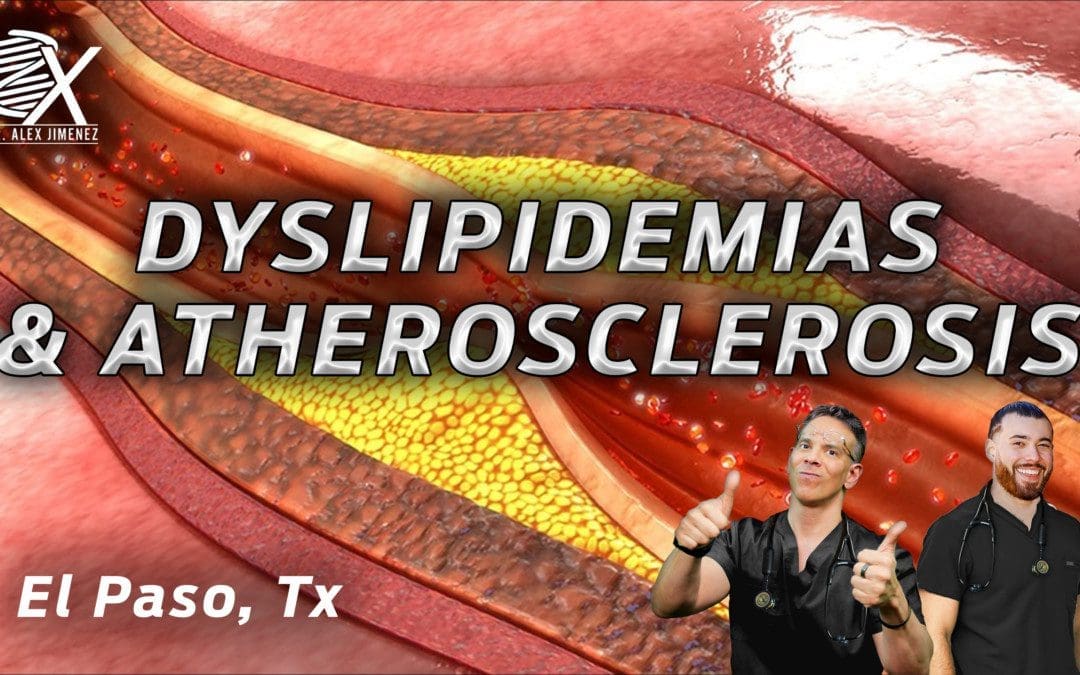
One of the cardiovascular diseases that can lead to heart dysfunction is atherosclerosis. Atherosclerosis is a buildup of plaque (fats, cholesterol, and other hard, sticky substances) that builds up over time along the artery walls that can slow down the blood flow, causing less circulation in the arteries. When the circulation becomes obstructed, it can lead to ischemia associated with a blood clot due to the different body areas not getting enough blood and oxygen to function properly.
Inflammation Associated With Atherosclerosis
Dr. Alex Jimenez, D.C., presents: When this happens, there can be an imbalance of LDLs (low-density lipoproteins) which can then develop various symptoms over time that can lead to muscle and joint pain. Some of the most common underlying reasons that can cause LDL imbalances associated with atherosclerosis could include the following:
Chronic inflammation
Immune dysfunction
Oxidative stress in the vascular system
Poor diet
Tobacco exposure
Genetics
Pre-existing cardiovascular disease
When various disruptors can damage LDL, it can become oxidized over time, damage the cardiovascular endothelium wall, and cause macrophage and platelet activation. To that point, once the macrophages start to eat, they form into foam cells and then explode and release peroxidation, which means that they damage the lining of the blood vessel.
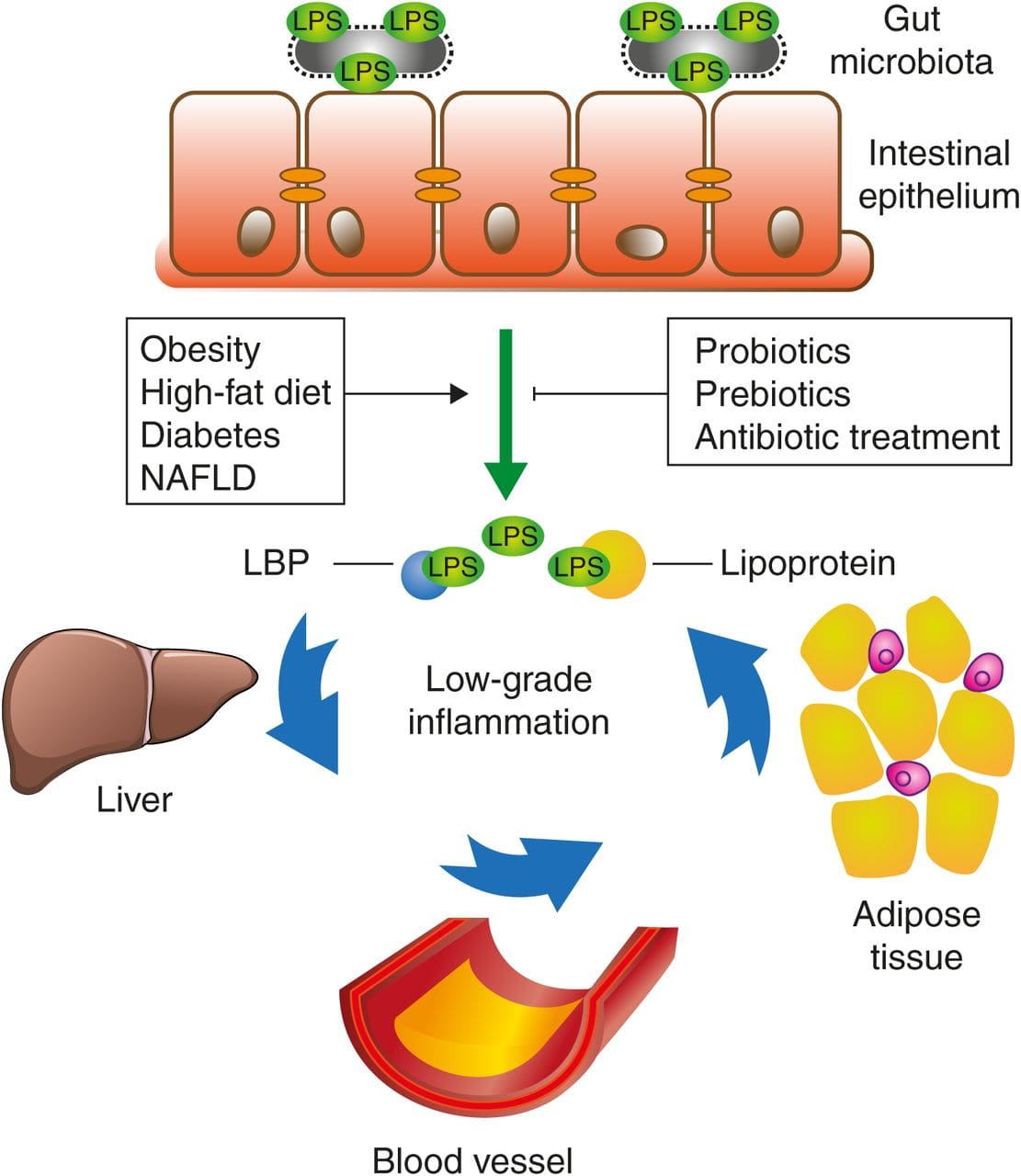
Looking closer at the oxidized LDL, it can biotransform into pro-inflammatory markers and is correlated with vascular inflammation. When dealing with vascular inflammation, the body can develop metabolic endotoxemia. Metabolic endotoxemia is where LPS (lipopolysaccharides) levels elevate even though there is a presence of infections in the body. To that point, it can correlate to gut dysbiosis and chronic inflammatory diseases to stimulate the immune system to increase NFkB inflammatory cytokines and cause muscle and joint pain.
When there is an increase in inflammation due to atherosclerosis or any cardiovascular disease an individual may have, the signs and symptoms can vary depending on their environment. Excessive weight gain, hypertension, increased oxidative stress, high triglycerides, low HDLs, etc., can affect the body and make it dysfunctional. These mechanic factors can influence dysbiosis in the cardiovascular and gut systems, leading to chronic conditions like IBS, metabolic syndrome, and cardiovascular diseases.
Treatments To Lower Inflammation
Dr. Alex Jimenez, D.C., presents: So what can we do to reduce the inflammation associated with atherosclerosis causing muscle and joint pain? Well, one of the ways that many people can do this is by eating less refined carbohydrates, and high sugar can lower high glycemic levels in the body can reduce the risk of cardiovascular diseases. Another way is to try the Mediterranean diet, which includes lean proteins, nuts, extra virgin olive oil, heart-healthy vegetables, fresh fruits, and whole grains to reduce inflammatory markers from proceeding further to causing issues in the body. Even supplements and nutraceuticals like glutathione and omega-3s can reduce chronic inflammation and cardiovascular disease complications by enhancing their antioxidant properties to preserve redox homeostasis while regulating oxidative stress in the body.
Another way people can prevent atherosclerosis is by exercising regularly. An exercise routine is an excellent way to keep the heart pumping and allow the muscles to move. Any exercise like yoga, Crossfit, dancing, swimming, walking, and running will allow more oxygen intake to the lungs, allowing the heart to pump out more blood to allow more circulation to the various organs, muscles, and tissues. Plus, any exercise can reduce plaque buildup in the arteries and reduce inflammation in the muscles and joints affecting the body.
Chiropractic Care & Inflammation
Dr. Alex Jimenez, D.C., presents: And finally, treatments like chiropractic care can help restore functionality to the body through spinal manipulation. Now, how does chiropractic care correlate with cardiovascular diseases like atherosclerosis? When the body is dealing with inflammation and chronic stress associated with atherosclerosis, the decrease in blood circulation can cause internal organ dysfunction and disrupt the transmitted signals to reach the brain. So when the transmitted signals become blocked, it can cause spinal subluxation to the spine and invokes pain in the upper, middle, and lower sections of the back, neck, hips, and shoulders. To that point, a chiropractor incorporates mechanical and manual manipulation to realign the spine and allow joint and muscle function back to the body. At the same time, chiropractic care can work with other associated medical providers to develop a personal treatment plan that allows the body to begin its recovery process.
Conclusion
Our goal is to reduce inflammation and oxidative stress in the body to dampen the effects of cardiovascular diseases associated with pain. Covering some of the different ways to prevent atherosclerosis from affecting the cardiovascular system in the body can help the vital organs and muscles from producing more inflammation associated with pain. Incorporating heart-healthy and anti-inflammatory food, taking supplements, exercising, and going to treatments can make big changes to the body. The process may be tedious, but the results will slowly improve the body’s functionality and help the individual stay on the path of health and wellness.
Dr. Jimenez, D.C., presents how to reverse dyslipidemia and atherosclerosis through various therapies that can help the body function. By understanding the risk factors causing these issues, many specialists associated with these cardiovascular risk factors can develop a solution to reduce these and other pre-existing symptoms that correlate with the vital organs and muscles. We acknowledge patients to certified providers that provide treatment options for cardiovascular disorders that can restore body functionality and improve a person’s health. We assess each individual and their symptoms by entrusting them to our associated medical providers based on their diagnosis results for a better understanding. We recognize that education is a tremendous way to ask our providers questions that apply to the patient’s knowledge and symptoms. Dr. Jimenez, D.C., implements this information as an educational service. Disclaimer
Coming Up With A Treatment Plan
Dr. Alex Jimenez, D.C., presents: Today, we will look at how to reverse dyslipidemia and atherosclerosis functionally. In the previous article, we observed the risk factors of dyslipidemia and how it is associated with metabolic syndrome. Today’s objective looks at the emerging biomarkers that could lead to dyslipidemia and atherosclerosis. Looking at the fundamental guidelines from lifestyle, nutrition, physical activity, stress response, and incorporating supplements and nutraceuticals can help many individuals transform their health from a personal perspective. To that point, everyone is different, and their treatment plans are unique as they cater to each individual regarding health and wellness.
When it comes to functional medicine, tools like the Living Matrix and the IFM allow doctors to look at results that are being presented to the patient allowing them to see their cholesterol and the history that could lead to these cardiovascular disorders. Some of the earlier studies would enable doctors to prescribe their patients to go through nutrient depletion from statin therapy to reduce the effects of cardiovascular diseases. Supplements like CoQ10, vitamin K2, omega-3 fatty acids, vitamin D, zinc, and copper are all heart-healthy supplements that can give an insight into what the individual is missing to prevent dyslipidemia and atherosclerosis. Another thing is that statin therapies could also note how the hormone levels are also being affected in the body as these cardiovascular risk factors can cause hormone levels to be lower than they are and can affect both men and women.
Cardiovascular Risk Factors & Treatments
Dr. Alex Jimenez, D.C., presents: Now, this can be a double edge sword because we know that erectile dysfunction is a vascular issue, and it allows blood flow to the reproductive system. So say, for example, if someone has poor endothelial function reduction in nitric oxide vascular disease, they will have erectile dysfunction. So when this happens, statin therapy can help the individual and improve endothelial function. Utilizing these therapies is important when dysfunction in the body can cause overlapping risk profiles to the cardiovascular system and disrupt hormone reproduction. Without these various treatments, it can lead to pain associated with these symptoms that make the body have an imbalance of hormones, high cholesterol, and other issues that affect the body. As stated earlier, everybody is different, and the treatment plans are unique as they cater to each individual.
How can we tell when a person is dealing with dyslipidemia and atherosclerosis? After the examination and listening to how the patient is doing, many doctors would combine the AAPIER and SBAR protocol to come up with a diagnosis and look at the risk factors that correlate with these disorders. When the body is dealing with various environmental factors like poor sleep quality, being under constant stress, eating food high in saturated fats, and not getting enough exercise, it can cause the body to develop high cholesterol that can lead to building up plaque in the artery walls, causing chest pain associated with the heart. This is known as somato-visceral referred pain, where the affected muscle is causing issues to the corresponding organs related to pain. Another thing is that these environmental risk factors could overlap with inflammation and cause muscle and joint pain, which can cause complaints of limited mobility and stiffness that can cause a person to feel tight and miserable.
Inflammation Is A Key Factor
Dr. Alex Jimenez, D.C., presents: Factoring inflammation as a key player affecting the body is the first step in functional medicine. When it comes to the body being in constant pain due to inflammation, chronic stress, dyslipidemia, or atherosclerosis, it can cause the brain to transmit signals through the spinal cord and cause the surrounding muscles to be sensitive. The inflammatory markers can cause many individuals to be easily confused as they think they are dealing with back pain instead of somato-visceral pain. This is because inflammation can be good or bad, depending on the severity. When the immune system begins to release inflammatory cytokines, despite no infections, bacteria, or viruses, into the cardiovascular, gut, and musculoskeletal systems, it can cause symptoms of swelling, pain, redness, and heat that can affect the corresponding organs. So inflammation affects the heart; it can cause overlapping symptoms of shortness of breath, fluid buildup, and mimic chest pains. At the same time, inflammation in the gut can lead to unwanted factors that can cause harmful changes that can impair the homeostatic mechanism and activate multiple pathways that can trigger cardiovascular disease risk factors like atherosclerosis and dyslipidemia.
Now how would atherosclerosis be correlated with the heart? When the body deals with factors that can correlate with inflammation, many factors like high blood pressure or plaque buildup cause a blockage in the arteries, which can cause blood flow reduction to the heart for circulation. When this happens, it can lead to cardiovascular disease associated with chest pains. In functional medicine, figuring out where the inflammatory effects are coming from, which is most likely in the gut, can help many individuals to reduce and reverse dyslipidemia and atherosclerosis.
Reducing Cardiovascular Risk Factors
Dr. Alex Jimenez, D.C., presents: When it comes to reducing the development of dyslipidemia and atherosclerosis, various ways can help protect vital organs and reduce the inflammatory effects in the musculoskeletal system. One of the treatments that functional medicine corresponds with is chiropractic treatment. When it comes to the organs and spinal nerves in the body, there is a connection, as all internal organs are connected through the spinal cord that sends signals to the brain. When the transmitted signals are blocked or interrupted by risk factors that have entered the body, the vital organs can not function properly. So how would chiropractic treatment help with this? A chiropractor would use manual and mechanized manipulation to realign the spine from subluxation. This will allow the blockage to interrupt the transmitted signals to function properly and restore joint function while preventing degeneration, slowing the disease’s progress in the bones, muscles, and organs.
Another way to reduce inflammatory effects in the body is by incorporating heart and gut-healthy foods that can lower inflammation and improve gut microbiome health. Eating nutritious foods that are rich in prebiotics, have anti-inflammatory properties, and have soluble fibers can help the body turn them into SCFAs (short-chain fatty acids) that allow the large intestines to create more energy for the body. Incorporating these various ways as part of the treatment plan for individuals dealing with dyslipidemia or atherosclerosis can help reverse the effects slowly.
Conclusion
Combining heart-healthy foods, exercising regularly, and changing lifestyle habits can provide amazing results when these small changes are gradually incorporated. This will allow the person to see what works and what doesn’t while constantly communicating with their medical providers to ensure they get the amazing benefits that will improve their health and wellness.
Dr. Jimenez, D.C., presents how dyslipidemia can increase the chances of various issues associated with multiple risk factors that can cause muscle and joint pain. By understanding where these issues affect the body, many specialists associated with dyslipidemia can come up with a solution to reduce dyslipidemia symptoms and other pre-existing symptoms that correlate with high cholesterol. We acknowledge patients to certified providers that provide treatment options for dyslipidemia that can restore body functionality and improve a person’s health. We assess each individual and their symptoms by entrusting them to our associated medical providers based on their diagnosis results for a better understanding. We recognize that education is a tremendous way to ask our providers questions that apply to the patient’s knowledge and symptoms. Dr. Jimenez, D.C., implements this information as an educational service. Disclaimer
The Risk Factors Of Dyslipidemia
Dr. Alex Jimenez, D.C., presents: Today we will look at the guidelines and the risk factors of dyslipidemia. When specialists utilize these guidelines that involve lipid production in the patient’s body, they use these guidelines to emphasize lifestyle therapies that can encourage more patient involvement and decision-making regarding their health. When an issue involves an increase or decrease in lipid production in the body, it can be due to lifestyle choices that can affect anyone and correlate to metabolic syndrome. In functional medicine, it is important to look, follow, and know these guidelines to understand better what is going on with the patients and come up with a treatment plan that can help reduce the risk factors of dyslipidemia and treat the symptoms associated with these risk factors.
Regarding these guidelines, doctors work with associated medical specialists that look into lipid production and develop a personalized list for the patients that shows the risk-enhancing factors causing dyslipidemia associated with cardiovascular diseases causing metabolic syndrome. Dyslipidemia is when an imbalance of lipid production in the body causes an increase in high cholesterol due to various factors that can lead to cardiovascular diseases. To that point, when a patient is dealing with high cholesterol due to a sedentary lifestyle or being constantly stressed, it can lead to an imbalance of lipid production and cause doctors to not just look at the standard lipid panels but also figure out how to come up with a treatment plan for their patients to regulate their lipid production.
How To Look For The Risk Factors Of Dyslipidemia?
Dr. Alex Jimenez, D.C., presents: So when it comes to looking at the risk factors that are developing dyslipidemia, functional medicine allows doctors to look at advanced lipid tests and evaluate the risk factors causing dyslipidemia. The evaluations of these tests find various risk factors that conventional medicine would not see, and it shows patients the importance of these results and gets their attention. To that point, many risk factors can enhance the progress of dyslipidemia. Risk factors include:
Having a family history of premature atherosclerotic cardiovascular diseases (ASCVD).
High levels of lipoprotein and triglycerides.
Excessive sedentary lifestyle.
Lack of physical activity.
Having pre-existing chronic inflammatory disorders that can cause hypersensitivity to the body.
All these risk factors can cause dyslipidemia to develop and can even overlap risk factors related to metabolic syndrome that can cause muscle and joint pain. Now how is metabolic syndrome associated with dyslipidemia?
Metabolic Syndrome & Dyslipidemia
Dr. Alex Jimenez, D.C., presents: Metabolic syndrome is a cluster of disorders that could be associated with dyslipidemia, as it can cause a person to feel miserable and affect their quality of life. When individuals have high cholesterol due to physical inactivity, not consuming lots of healthy fruits, vegetables, protein, and whole grains, smoking, or being in constant stress, it can affect the body both inside and out as it can cause a person to have imbalances of lipid and hormone function. When these imbalances affect the body, they can affect the individual’s mentality, bring down their energy to feel sluggish, and cause inflammatory issues in their joints and muscles that can lead to various injuries and diseases.
An example would be an individual who comes in dealing with back pain associated with obesity and has been dealing with high blood pressure and high cholesterol. When that person is being examined by their doctor, their results show an imbalance of how much their body produces lipids. To that point, many individuals are unaware that they have dyslipidemia unless they have a routine blood test and if it has gone severe. Other symptoms that dyslipidemia can cause in the body include:
Leg pain
Chest pain and tightness
Pain in the neck, jaw, shoulders, and back
Heart palpitations
Sleep problems
Leg swelling
If it is not treated right away, it can lead to more issues that can cause pain to the body and leave them feeling hopeless. When these unwanted symptoms and pathogens start to affect the body, it can cause the vital organs that monitor lipid production to be dysfunctional and cause chronic symptoms to rise over time.
Treatments & Guidelines For Dyslipidemia
Dr. Alex Jimenez, D.C., presents: By looking at the guidelines, we can assess the situation that the patient is dealing with, come up with an evaluation of how to reduce these risk factors that are causing dysfunction in the patient’s body, and come up with a personalized treatment plan that encourages the patient to participate in and work with other associated medical providers to ensure health and wellness to the person. All is not lost, as there are ways to reduce dyslipidemia associated with metabolic syndrome.
Treatments like chiropractic care can help restore the body’s systems through spinal manipulation in the cervical, thoracic, and lumbar regions to reduce stiffness and restore mobility to the person. An anti-inflammatory diet and exercise can help lower inflammatory effects and lower the high cholesterol the person is dealing with. And finally, exercise can help reduce stress and improve the range of motion of the body’s joints and muscles. All these treatments work together regarding a person’s health and wellness, as the body is a complex machine. The combination of functional medicine and chiropractic care can allow individuals to start making small changes in their lives to restore their health and become pain-free from metabolic syndrome associated with dyslipidemia. Remembering that it takes time for these treatments to show results of feeling good can make the journey to a healthier version of yourself worth it.
Healthy Posture Guidelines: Posture is how an individual holds their body. Healthy posture is when minimal stress is applied to the joints. Maintaining and holding your body correctly can prevent pain, injuries, and other health problems. Faulty postures and musculoskeletal imbalances often precipitate painful conditions in the spine and extremities. However, unhealthy postures do not always present with discomfort and pain symptoms that can go unnoticed for years. This leads to chronic stress and advanced wear of the joints. Injury Medical Chiropractic and Functional Medicine Clinic can realign the spine, relieve symptoms, and restore flexibility, mobility, and function.
Healthy Posture Guidelines
There are two types of posture:
Dynamic Posture
This posture is when the body moves, like walking, running, or bending to pick up something.
Static Posture
This posture is when the body is not moving, like sitting, standing, or sleeping.
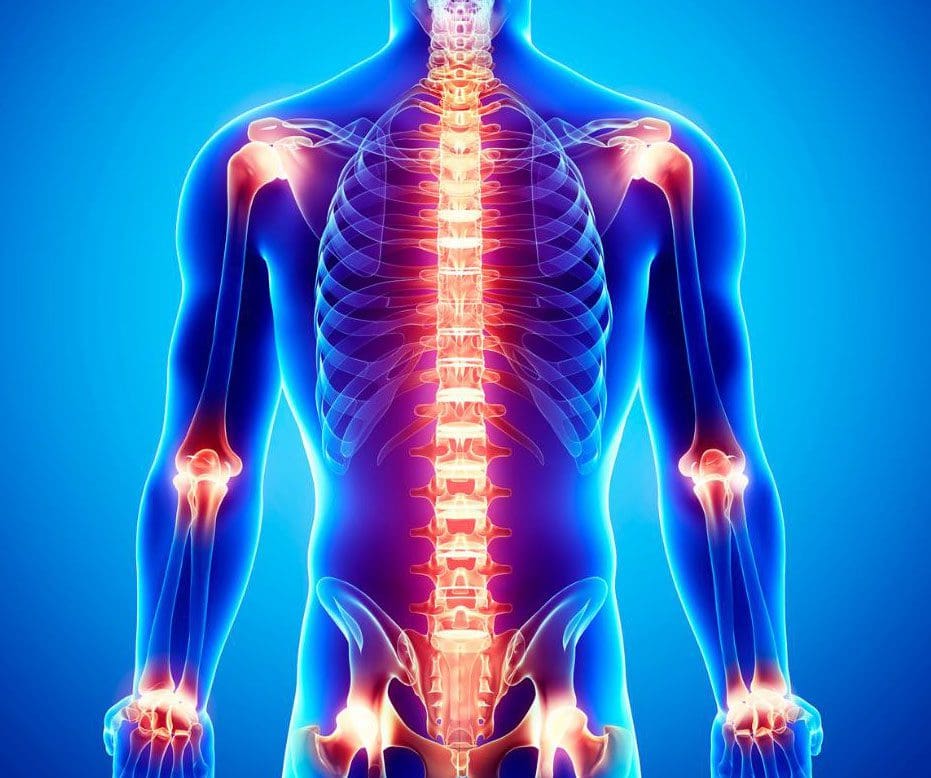
Both are important, and the key is the spine’s position. The spine has three natural curves: neck, mid, and low back. Correct posture maintains the curves with the head above the shoulders, and the top of the shoulder should be over the hips.
Unhealthy Positioning
Postural faults include:
Forward head positioning
Rounded shoulders
Loss of the normal lordosis curve in the lower back.
Early warning signs of postural problems may include:
The inability to sit or stand for a prolonged period.
Stiffness when getting up from a chair after sitting.
Feeling of physical exhaustion at the end of the day.
Muscle imbalances.
Loss of normal flexibility.
Symptoms of discomfort.
Affected Health
Unhealthy posture can affect overall health and includes:
Misaligned musculoskeletal system.
Decreased flexibility.
Neck, shoulder, and back pain.
The advanced wearing down of the spine making it more fragile and susceptible to injury.
Affected joint movement.
Affected balance.
Increased risk of falling.
Digestion problems.
Potential breathing problems.
Improvements
Be mindful of your posture during everyday activities, like walking, watching tv, washing dishes, etc.
Maintain Physical Activity
Certain exercises like yoga, tai chi, and other classes focusing on body awareness can help develop healthy posture habits.
Exercises that strengthen the core muscles around the back, abdomen, and pelvis.
Maintain Healthy Weight
Extra weight can weaken the abdominal muscles, cause problems for the pelvis and spine, and contribute to back pain.
Wear Comfortable Shoes
High heels, for example, can throw off the body’s balance and force unhealthy walking movements.
This puts added stress on the muscles and affects posture.
Proper Height
Make sure workstations are at a comfortable height, whether sitting in front of a computer, making dinner, or eating.
Chiropractic Care
Chiropractors and physical massage therapists specialize in evaluating and treating musculoskeletal dysfunction and identifying and screening for postural dysfunction. Healthy posture can have an immediate effect on health that include:
Proper alignment of bones and joints.
Reduced wear on the muscles and joints.
Reduced stress on ligaments.
Decreased risk of back injury.
Increased energy.
Improved digestion.
A chiropractic team will massage and relax the muscles reducing tension, adjust and realign the spine, increase joint movement, and ease the individual into a healthy posture. The team will also provide careful rehabilitation exercises and nutritional recommendations to maintain a healthy posture.
Custom Foot Orthotics
References
Carini, Francesco, et al. “posture and posturology, anatomical and physiological profiles: overview and current state of the art.”Acta bio-medica : Atenei Parmensis vol. 88,1 11-16. 28 Apr. 2017, doi:10.23750/abm.v88i1.5309
Creze, Maud, et al. “posture-related stiffness mapping of paraspinal muscles.”Journal of anatomy vol. 234,6 (2019): 787-799. doi:10.1111/joa.12978
Korakakis, Vasileios, et al. “physiotherapist perceptions of optimal sitting and standing posture.”Musculoskeletal science & practice vol. 39 (2019): 24-31. doi:10.1016/j.msksp.2018.11.004
Dr. Alex Jimenez, D.C., presents the effects of metabolic syndrome that can disrupt the body’s functionality. Metabolic syndrome is a common disorder that can range from insulin resistance to inflammation and muscle pain. Considering how every person is different, we look at how metabolic syndrome is associated with insulin dysfunction and correlated with inflammation. We direct patients to certified providers that provide functional medicine treatments related to metabolic syndrome to restore body functionality. We acknowledge each patient and their symptoms by referring them to our associated medical providers based on their diagnosis for a better understanding of what they are dealing with. We understand that education is a tremendous way to ask our providers various questions that apply to the patient’s knowledge. Dr. Jimenez, D.C., applies this information as an educational service. Disclaimer
The Effects Of Metabolic Syndrome
Dr. Alex Jimenez, D.C., presents: Metabolic syndrome is a cluster of disorders that can affect the body and cause other issues to vital organs and muscle and joint functionality. Metabolic syndrome can also correlate with other conditions like diabetes and insulin resistance, which can cause referred pain in different body locations. For example, back pain associated with metabolic syndrome could overlap with obesity. So in the last article, we looked at how to recognize the causes of metabolic syndrome. In trying to understand how many people are prone to develop metabolic syndrome, we need to look at what they are eating, what kind of lifestyle they have, and if they have any pre-existing conditions. All these matters when they undergo an examination with their primary doctor.
Another thing to look into when diagnosing patients for metabolic syndrome is by looking at their genes. Whether it is a person’s lifestyle or environment, looking at a person’s genes, you will get a certain phenotype in the DNA sequence. To that point, if someone has an inflammatory lifestyle combined with a unique genetic code, functional medicine doctors can identify a bunch of comorbidities affecting the individual. With this information, doctors can inform their patients that if they don’t make small lifestyle changes, they could be at risk of developing overlapping conditions that can affect their bodies and invoke pain in the muscles, organs, and joints.
Functional Medicine & Metabolic Syndrome
Dr. Alex Jimenez, D.C., presents: That’s what the functional medicine conversation is about because we are trying to catch the issue before microvascular and macrovascular complications even set in the body. Since metabolic syndrome is a cluster of disorders, can it potentially correlate with other problems like insulin dysfunction?
Well, it can. When the body doesn’t produce enough insulin to provide energy to the body, it can lead to chronic inflammation. So whether it’s a poor lifestyle, microbiome dysfunction, visceral adiposity, or constant stress, inflammation associated with insulin dysfunction can drive the HPA axis into overdrive. Sometimes it could be not inflammation based. It could be related to mitochondrial dysfunction. So by looking at the analysis of the person dealing with metabolic syndrome, you look at their timeline, lifestyle, and the clinical imbalances driving the inflammatory markers to affect the body. The data can also look for signs of mitochondrial insults and comorbidities that could create insulin dysfunction that can lead to the development of the metabolic syndrome. This information will give functional medicine doctors a sense of what they are genetically predisposed to in their bodies.
Everyone is different, and catering to unique treatment plans for them can provide lasting results in the future. So when it comes to the functional and conventional approaches to metabolic syndrome associated with other various disorders, it is important to compare and contrast both methods to determine what the patient should consider doing to regain their health and wellness. This could be from the treatments that can work for the individual, what kind of foods can reduce the inflammatory markers and regulate hormone production, or their physical activity level. To that point, we will treat the cause through various techniques beyond pharmaceuticals and surgery as much as possible and, simultaneously, meet the patients where they are because sometimes people do well with lifestyle intervention. In contrast, others with more risks need more screening time and diagnostic tests.
Insulin Dysfunction Associated With Inflammation
Dr. Alex Jimenez, D.C., presents: Our main goal is to detect insulin dysfunction associated with inflammation that correlates with early metabolic syndrome. The lab results from our associated medical providers can tell us a story of what the patient is going through and determine whether we need to either put in nutrients that the body needs to correct or take out toxins, let’s say, that are interfering with the ability of the body to self-correct insulin dysfunction. Because preventing these comorbidities associated with metabolic syndrome can help many individuals regain their health and wellness.
Since we all have different microbiomes, the beautiful thing about functional medicine is that it brings awareness that needs to be addressed when our bodies are dealing with inflammation and insulin dysfunction that causes us to respond and use that response as an understanding of our microbiome. It allows us to reduce the effects of many issues and symptoms associated with metabolic syndrome that we may not even know about if we left it untreated. By being aware of what is causing problems in our bodies, we can make small changes in our daily life to better ourselves and our health.
Conclusion
Dr. Alex Jimenez, D.C., presents: With that being said, as stated earlier, metabolic syndrome can be a cluster of conditions that includes inflammation, insulin resistance, obesity, and hormonal dysfunction that can develop into somato-visceral or visceral-somatic issues that affect the organs and muscle groups. When all these issues begin to affect the body, they can lead to pre-existing conditions that can lead to joint and muscle pain. Regarding health and wellness, treating the effects of metabolic syndrome can do wonders for the body, mind, and soul. Making small changes to a lifestyle can provide numerous positive results and can restore functionality to the body.
IFM's Find A Practitioner tool is the largest referral network in Functional Medicine, created to help patients locate Functional Medicine practitioners anywhere in the world. IFM Certified Practitioners are listed first in the search results, given their extensive education in Functional Medicine





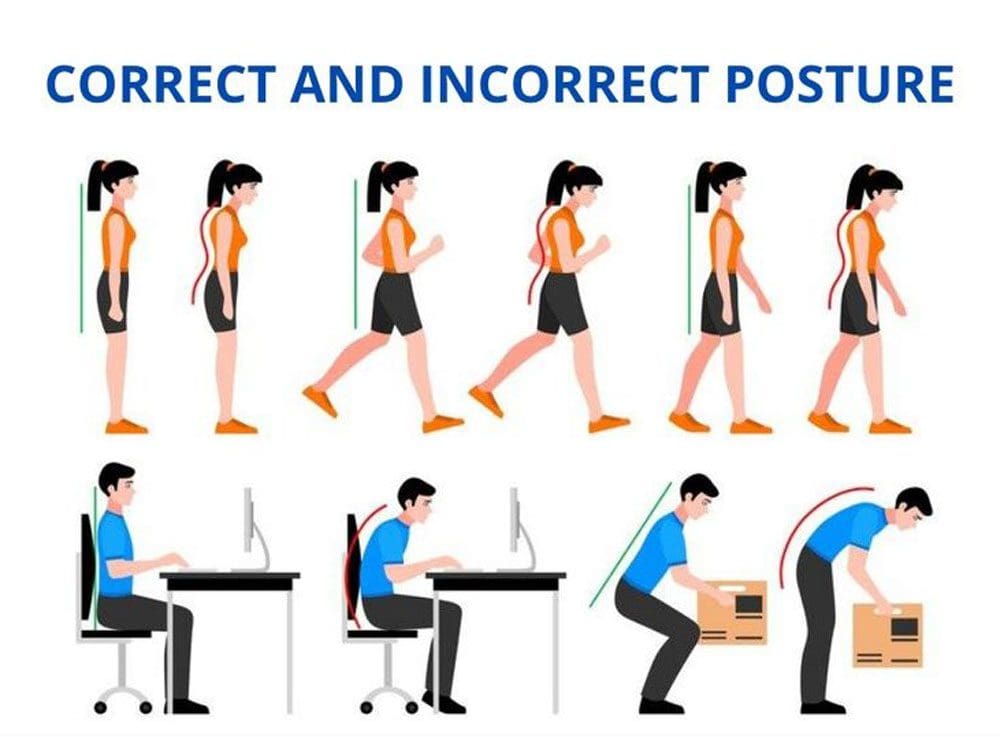 Healthy Posture Guidelines