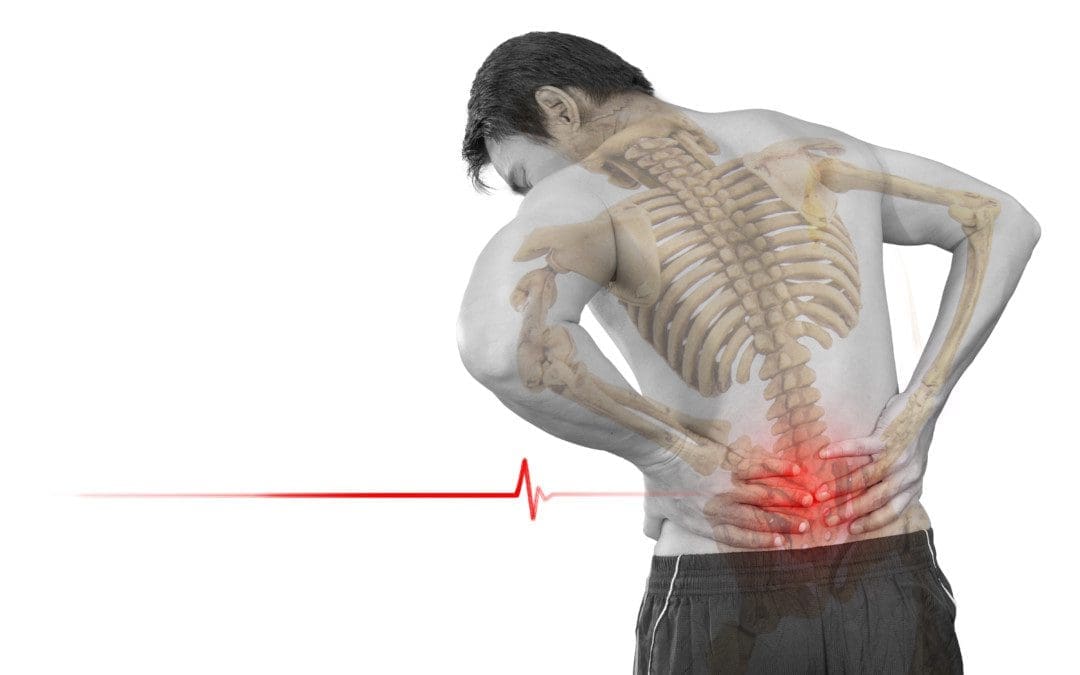
For individuals with aches and pains throughout their body, can a foot detox help bring relief?
Foot Detox
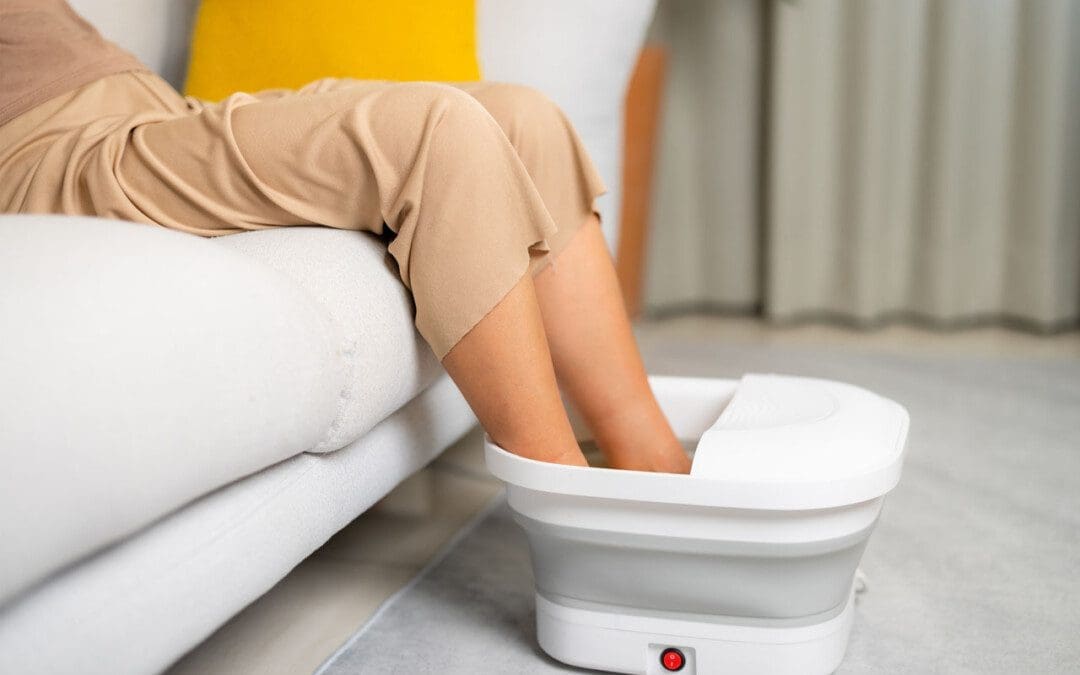
A foot detox involves soaking the feet in an ionic bath to help remove toxins from the body. They can also be performed using acupressure, scrubs, foot masks, and pads. Combined with eliminating toxins, detox is also believed to help enhance blood circulation and provide body pain and discomfort relief. However, current evidence is limited and there has been no evidence to support that toxins can be released from the feet using an ionic bath. However, they have been found to provide other benefits, which include:
Relaxation
Lower stress levels
Enhanced skin health and hydration.
Reduced inflammation in individuals with skin disorders.
Foot detoxes are considered generally safe, but individuals are recommended to speak to their healthcare provider.
Potential Benefits
The potential health benefits include:
Reduces inflammation and swelling.
Improves stress levels and mood.
Can help with weight management.
Can help with heart health and increased blood circulation.
However, most reports surrounding the benefits of foot detox are not proven by research investigating whether the health claims are scientifically accurate. One study in 2012 found that foot detoxes did not produce the intended results and could not help remove toxins from the body. (Deborah A. Kennedy, et al., 2012) Other research surrounding foot baths and massages showed that they could help reduce symptoms of mood disorders like schizophrenia because of the relaxing effect they produce. (Kazuko Kito, Keiko Suzuki. 2016)
Ways Toxins are Removed From the Body
Toxins are filtered out of the body in a variety of ways. Breathing out expels carbon dioxide from the body. Another way is through the body’s natural processes. The body has organs and other systems to filter out and release toxins.
Specific organs, such as the liver, kidneys, and lymph nodes, filter and remove harmful and unneeded substances. (UW Integrative Health. 2021)
The health claims surrounding toxin removal through the feet are currently insubstantial because no evidence supports the effectiveness and the anecdotal evidence is not based on science.
Foot detoxes can be an enjoyable experience that can help relieve sore feet, relax the body, and offer relief for certain foot ailments. They could be an excellent addition to a self-care routine. Some of the most commonly used natural foot detoxes include the following.
Epsom Salt Foot Bath
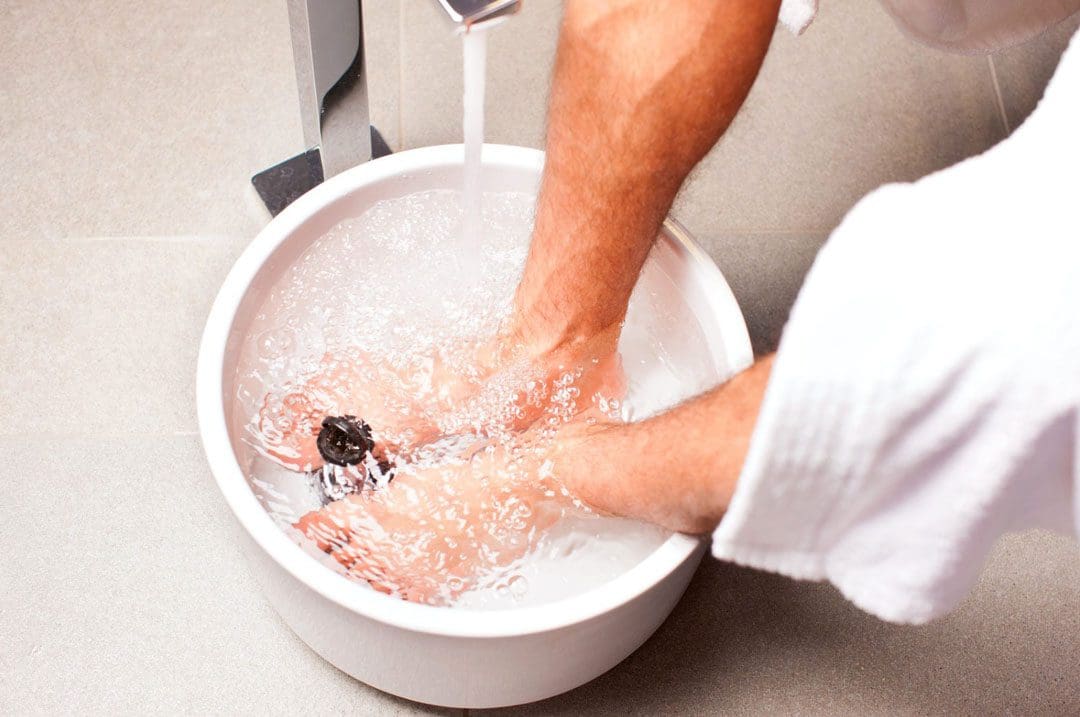
Combining Epsom salts with warm water and soaking the feet for 20–30 minutes can help promote relaxation.
Apple cider vinegar foot baths are made by diluting 1 cup of vinegar in warm water and soaking the feet for 20–30 minutes.
There is limited research available to confirm the health claims.
The studies that have been done have found the reverse effect, that bathing the feet in apple cider vinegar and water can irritate the skin. (Lydia A Luu, et al., 2021)
Baking Soda and Sea Salt
Sea salt combined with baking soda dissolved in a bath and soak the feet for up to 30 minutes. While research is limited, some evidence supports the health benefits associated with sea salt that include: (Ehrhardt Proksch, et al., 2005)
Reduces inflammation in skin conditions, like atopic dermatitis.
Foot baths should be avoided for the following:
There are open sores on the feet that could be irritated by salt and other foot bath ingredients.
Individuals with a pacemaker or any electrical body implant.
Pregnant women.
Consult a healthcare provider before trying any new health protocols.
Foot Orthotics Benefits
References
Kennedy, D. A., Cooley, K., Einarson, T. R., & Seely, D. (2012). Objective assessment of an ionic footbath (IonCleanse): testing its ability to remove potentially toxic elements from the body. Journal of environmental and public health, 2012, 258968. https://doi.org/10.1155/2012/258968
Kito, K., & Suzuki, K. (2016). Research on the Effect of the Foot Bath and Foot Massage on Residual Schizophrenia Patients. Archives of psychiatric nursing, 30(3), 375–381. https://doi.org/10.1016/j.apnu.2016.01.002
UW Integrative Health. Improving your health by removing toxins from your body.
Akyuz Ozdemir, F., & Can, G. (2021). The effect of warm salt water foot bath on the management of chemotherapy-induced fatigue. European journal of oncology nursing: the official journal of European Oncology Nursing Society, 52, 101954. https://doi.org/10.1016/j.ejon.2021.101954
Vakilinia, S. R., Vaghasloo, M. A., Aliasl, F., Mohammadbeigi, A., Bitarafan, B., Etripoor, G., & Asghari, M. (2020). Evaluation of the efficacy of warm salt water foot-bath on patients with painful diabetic peripheral neuropathy: A randomized clinical trial. Complementary therapies in medicine, 49, 102325. https://doi.org/10.1016/j.ctim.2020.102325
Luu, L. A., Flowers, R. H., Gao, Y., Wu, M., Gasperino, S., Kellams, A. L., Preston, D. C., Zlotoff, B. J., Wisniewski, J. A., & Zeichner, S. L. (2021). Apple cider vinegar soaks do not alter the skin bacterial microbiome in atopic dermatitis. PloS one, 16(6), e0252272. https://doi.org/10.1371/journal.pone.0252272
Proksch, E., Nissen, H. P., Bremgartner, M., & Urquhart, C. (2005). Bathing in a magnesium-rich Dead Sea salt solution improves skin barrier function, enhances skin hydration, and reduces inflammation in atopic dry skin. International journal of dermatology, 44(2), 151–157. https://doi.org/10.1111/j.1365-4632.2005.02079.x
Kanwar A. J. (2018). Skin barrier function. The Indian Journal of Medical Research, 147(1), 117–118. https://doi.org/10.4103/0971-5916.232013
For individuals with stomach issues, can maintaining gut flora balance promote and improve gut health?
Gut Flora Balance
Maintaining gut flora balance is part of optimal digestive health. Gut microbiota, gut microbiome, or gut flora, are the microorganisms, including bacteria, archaea, fungi, and viruses that live in the digestive tract. The type and amount of bacteria present depend on their location in the body which could be the small intestine and colon. This is the storage housing for waste/stool, and the colon comprises hundreds of different types of bacteria, which have specific jobs and functions.
Unhealthy Flora
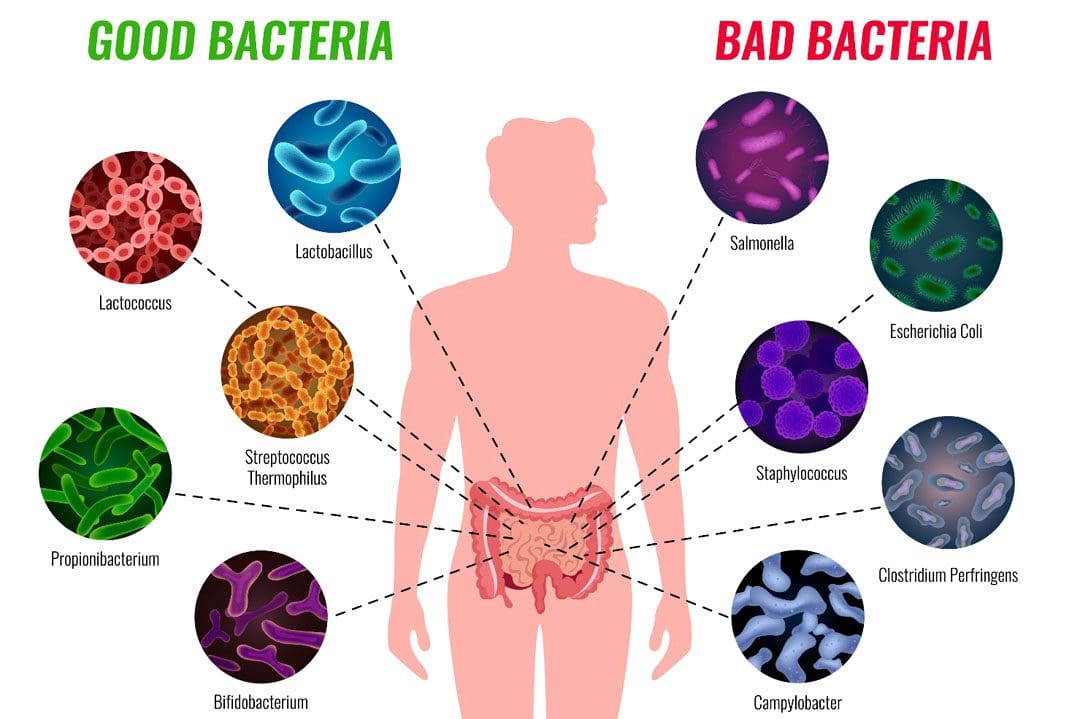
The more common pathogens are bacteria that can cause illness if left unchecked, including germs like streptococcus/strep throat or E. coli/urinary tract infections and diarrhea. Other common germs found in the colon include: (Elizabeth Thursby, Nathalie Juge. 2017)
Clostridioides Difficile
C. diff overgrowth can cause watery foul-smelling stools daily, and abdominal pain and tenderness.
Enterococcus Faecalis
Enterococcus faecalis is a cause of post-surgical abdominal and urinary tract infections.
Escherichia Coli
E. coli is the most common cause of diarrhea in adults.
This bacteria is present in almost every healthy adult’s colon.
Klebsiella
Klebsiella overgrowth is associated with a Western diet that consists of various meat and animal products.
Bacteroides
Bacteroide overgrowth is associated with colitis, which causes painful inflammation of the colon.
Healthy Flora
Healthy bacteria like Bifidobacteria and Lactobacillus, help maintain gut flora balance and keep the unhealthy bacteria in check. Without healthy flora, the entire colon can become overrun by bad flora, which can result in symptoms like diarrhea and/or illness. (Yu-Jie Zhang, et al., 2015) These protective, microscopic germs have important functions that include:
Assisting with vitamin synthesis – vitamins B and K in the small intestine.
Increases immune system function.
Maintaining regular bowel movements.
Maintaining a clean colon naturally without the need for colon cleansers.
Destroying the unhealthy bacteria.
Preventing unhealthy bacteria overgrowth.
Breaking up gas bubbles from food fermentation.
Bacterial Dismantling
Whether labeled as healthy bacteria or unhealthy, they are both single-celled organisms that can be destroyed quite easily. Sometimes, it is necessary, like when having to take antibiotics to kill a strep throat infection. However, the antibiotics also kill the beneficial bacteria, which can lead to compounding problems that can include: (Mi Young Yoon, Sang Sun Yoon. 2018)
Bowel irregularity – diarrhea and constipation.
Yeast overgrowth – can cause itching, burning around the anus and lead to vaginal and oral yeast infections.
Dysbiosis – the technical name for a lack of healthy bacteria or a bacterial imbalance.
Complications for individuals suffering from irritable bowel syndrome.
There are different ways to destroy bacteria including.
Prolonged diarrhea – can flush out the bad and good bacteria.
Stress
Completing a bowel prep, like those required for a colonoscopy.
Diagnosing Gut Flora Issues
Many times, problems with gut flora will correct themselves, and no action is required. However, individuals facing chronic bowel problems, like colitis or inflammatory bowel disease, may require medical intervention of their colon’s bacteria.
Comprehensive Digestive Stool Analysis/CDSA is a stool test that checks what type and amount of bacteria are present, nutrient absorption rates/digestion speed, and how well food is digested.
If there is a significant difference in the proportion of unhealthy versus beneficial bacteria, a healthcare provider may suggest taking a probiotic or a live microbial supplement to help repopulate and maintain gut flora balance.
Gut Dysfunction
References
Thursby, E., & Juge, N. (2017). Introduction to the human gut microbiota. The Biochemical journal, 474(11), 1823–1836. https://doi.org/10.1042/BCJ20160510
Zhang, Y. J., Li, S., Gan, R. Y., Zhou, T., Xu, D. P., & Li, H. B. (2015). Impacts of gut bacteria on human health and diseases. International journal of molecular sciences, 16(4), 7493–7519. https://doi.org/10.3390/ijms16047493
Yoon, M. Y., & Yoon, S. S. (2018). Disruption of the Gut Ecosystem by Antibiotics. Yonsei medical journal, 59(1), 4–12. https://doi.org/10.3349/ymj.2018.59.1.4
Quigley E. M. (2013). Gut bacteria in health and disease. Gastroenterology & hepatology, 9(9), 560–569.
Can non-surgical options be beneficial for many working individuals with low back pain than surgical therapeutic options?
Introduction
Many working individuals will experience pain in their lower backs due to their demanding workloads that are causing unwanted pressure load on the lumbar region of the spine. With the spine’s main job to support the body’s upper and lower quadrants, many individuals with demanding jobs are either constantly sitting down at their desks or carrying heavy objects to different locations. With low back pain being a normal problem for everyone at some point, many individuals find temporary solutions to relieve the pain, only to repeat the factors. To that point, this leads to chronic musculoskeletal disorders that can cause referred pain to the lower and upper extremities and can be pricey when going into treatment. However, there are numerous options for working individuals that are cost-effective and safe on their lower backs. Today’s article examines how low back pain affects the working individual and how non-surgical treatment options vary with surgical possibilities when dealing with low back pain. Coincidentally, we communicate with certified medical providers who incorporate our patients’ information to ease low back pain associated with musculoskeletal disorders. We also inform them that there are non-surgical options to reduce the effects of low back pain and restore their quality of life. We encourage our patients to ask amazing educational questions to our associated medical providers about their musculoskeletal symptoms correlating with low back pain. Dr. Alex Jimenez, D.C., incorporates this information as an academic service. Disclaimer
How Does Low Back Pain Affect The Working Individual?
Have you been dealing with constant radiating pain in your lower back, legs, or feet after a long workday? Do you feel pain when moving around, only to find relief when resting? Or do you and your loved ones feel muscle aches and strains when stretching in the morning? Many individuals, especially working individuals, deal with low back pain daily when dealing with these musculoskeletal issues. Low back pain is extremely common for working individuals as it can affect their job performance and be an economic burden when treated. Low back pain is a multifactorial problem that has an increased rate of affecting individuals and contributes to the growth of numerous health problems. Low back pain can cause many individuals to miss work due to the lack of clarity on the causes, treatments, and factors contributing to this musculoskeletal disorder. (Pai & Sundaram, 2004)
So, how would low back pain affect the working individual? Since many people have demanding jobs, it can cause the surrounding muscles, ligaments, and tissues in the lumbar region to be overworked, and the spinal discs degenerate over time. When there are unrelenting changes within the spine, it can be associated with affecting the lumbar structures of the spine to degenerate over time. This, in turn, causes the lumbar spine to go through biochemical changes that can generate pain-like symptoms in the lumbar region and cause structural changes to the spine, leading to lower back pain. (Benoist, 2003)
Additionally, there are many causes and factors that many working individuals will do that lead to low back pain. Normal factors like improper lifting, stepping wrong, or sitting down excessively can contribute to lower back pain. At the same time, traumatic factors like accidents, injuries, or playing sports can also lead to lower back pain. When musculoskeletal conditions like low back pain become an issue, it can become a major burden to health and social care systems for many individuals, with indirect costs that can be pricey when treated. (Woolf & Pfleger, 2003)
Chiropractic Care After Accidents & Injuries-Video
Now, with low back pain being a nuisance to many, individuals will seek out treatment to reduce the pain they are experiencing in their lower back and mitigate the residual symptoms they have been dealing with in the other body extremities. Sadly, low back pain, especially in its chronic state, can become a diagnosis of convenience for many people, affecting their socioeconomic, work, and psychosocial lifestyles. (Andersson, 1999) Many individuals will seek out numerous treatment opportunities to reduce low back pain. Surgical treatments for low back pain are great for individuals when regular home therapies don’t work but can be pricey. Many will opt for non-surgical therapies when it comes to finding cost-effective treatments for treating low back pain. Non-surgical treatments, including chiropractic care and spinal decompression, are excellent for treating low back pain. Pain specialists like chiropractors and massage therapists utilize various techniques (mechanical and manual) to realign the body and stretch out the affected muscles that are affected by low back pain. The video explains how these treatments can reduce low back pain associated with accidents and injuries.
Non-Surgical Options For Low Back Pain
As stated earlier, non-surgical treatments can help reduce low back pain and can be combined with other therapies to manage the pain. Non-surgical treatments can be personalized to the person’s pain and can provide pain relief to the body. When individuals undergo a non-surgical treatment, pain specialists incorporate mechanical and manual manipulation to restore joint and spinal motion to the lower back. (Park et al., 2023) Additionally, individuals with low back pain include an exercise regime to effectively increase the person’s range of motion while increasing the person’s chances to return to normal daily activities and work. (van Tulder et al., 2000)
Non-Surgical Options Vs. Surgical Options
There is a vast difference between non-surgical and surgical options for treating low back pain. Anyone can personalized non-surgical options to provide more effective improvement in reducing pain, restoring lumbar range of motion, and improving back muscle endurance within a few sessions. (Amjad et al., 2022) Now, when home remedies and non-surgical options do not reduce pain, surgical options are only effective for low back pain. This is due to the psychological component that causes individuals to have persistent back pain that is not causing the relief that the person needs. (Corp et al., 2021) But both options are excellent when reducing low back pain as many doctors tell their patients to be more mindful about how they are using the muscles in their bodies and make small changes to reduce the chances of the pain from returning. When many working individuals start to think more about their pain and how to minimize its chances of returning, they can continue to live life to the fullest pain-free.
References
Amjad, F., Mohseni-Bandpei, M. A., Gilani, S. A., Ahmad, A., & Hanif, A. (2022). Effects of non-surgical decompression therapy in addition to routine physical therapy on pain, range of motion, endurance, functional disability and quality of life versus routine physical therapy alone in patients with lumbar radiculopathy; a randomized controlled trial. BMC Musculoskelet Disord, 23(1), 255. https://doi.org/10.1186/s12891-022-05196-x
Corp, N., Mansell, G., Stynes, S., Wynne-Jones, G., Morso, L., Hill, J. C., & van der Windt, D. A. (2021). Evidence-based treatment recommendations for neck and low back pain across Europe: A systematic review of guidelines. Eur J Pain, 25(2), 275-295. https://doi.org/10.1002/ejp.1679
Park, S. C., Kang, M. S., Yang, J. H., & Kim, T. H. (2023). Assessment and nonsurgical management of low back pain: a narrative review. Korean J Intern Med, 38(1), 16-26. https://doi.org/10.3904/kjim.2022.250
van Tulder, M., Malmivaara, A., Esmail, R., & Koes, B. (2000). Exercise therapy for low back pain: a systematic review within the framework of the cochrane collaboration back review group. Spine (Phila Pa 1976), 25(21), 2784-2796. https://doi.org/10.1097/00007632-200011010-00011
Can traction therapy help many individuals dealing with low back pain reduce inflammation and improve quality of life?
Introduction
When many individuals do everyday activities, if they are not careful, they can cause pain-like issues such as muscle strain, stiffness, and aches in different locations in the upper and lower portions of their bodies. When this happens, it can lead to the body’s natural defense, known as inflammation. Inflammation is the immune system’s natural defense to heal the affected area in the body naturally. However, depending on the severity of the issue causing the person to be in pain, inflammation can be beneficial or harmful. When many individuals start to make repetitive motions to their bodies, it can cause the muscle and tissue fibers to be overstretched and ache. To that point, these repetitive motions to the body could potentially lead to low back pain. Have you or your loved ones experienced inflammatory effects that lead to low back pain? When this happens, many individuals seek non-surgical treatments to reduce inflammation in the lower back, which can help restore their quality of life. Today’s article post looks at the correlation between inflammation and low back pain and how non-surgical treatments like traction therapy can reduce inflammation and restore a person’s quality of life. Coincidentally, we communicate with certified medical providers who incorporate our patients’ information to ease low back pain associated with inflammation that leads to the development of musculoskeletal disorders. We also inform them that non-surgical treatments like traction therapy can help reduce the chronic inflammatory effects in the body. We encourage our patients to ask amazing educational questions to our associated medical providers about their symptoms correlating with low back pain. Dr. Jimenez, D.C., incorporates this information as an academic service. Disclaimer
Inflammation Correlating With Low Back Pain
Do you often experience muscle aches in your lower back after a long, hard workday? Do you feel your skin is so hot to the touch that it is causing your muscles to ache constantly? Or did you injure your back due to improper lifting, so the pain is unbearable? Many individuals don’t often realize that the scenarios they are doing in their daily lives correspond to the development of low back pain. Low back pain is a multifactorial musculoskeletal disorder with many symptoms that are often correlated with inflammation. Inflammation is the body’s immune defense that starts to heal the affected area where the body has succumbed to injuries. Inflammation can be beneficial and harmful in its acute and chronic form while correlating with low back pain. When it comes to low back pain, its factors can lead to lumbar disc herniation, which then can be highly associated with inflammation. (Cunha et al., 2018) This is due to the surrounding nerve roots being entrapped, and the adverse symptoms of the lower back start to stimulate the nerve fibers to evoke inflammation, leading to pain-like issues in the lower extremities. When the lower extremities are associated with lower back pain, the lumbar components will start to degenerate over time, activating the inflammatory cytokine pathways that can directly damage the nerves and lower nociceptors, causing pain to the legs and lower back. (Li et al., 2021) When inflammation correlates with low back pain, it is a recurrent condition that many individuals seek treatment from their primary doctors. (Von Korff & Saunders, 1996) When this happens, many individuals incorporate these treatments to reduce inflammation and restore their quality of life.
Fighting Inflammation Naturally-Video
When inflammation is correlated with low back pain, many individuals will seek affordable treatment that works with their hectic schedules. Non-surgical treatments can work around a person’s schedule and are cost-effective. Treatments like traction therapy, massage therapy, chiropractic care, physical therapy, and spinal decompression are all non-surgical treatments that utilize manual and mechanical manipulation to relieve people suffering from low back pain and reduce the effects of inflammation affecting the lower extremities. These non-surgical treatments can relieve many individuals after a few consecutive sessions and slowly reduce the inflammatory effects. The video above shows how non-surgical treatment can help restore the body while naturally reducing inflammatory outcomes in a personalized treatment plan.
How Traction Reduces Inflammation
When it comes to treating low back pain correlating with inflammation, traction therapy, a form of non-surgical treatment, can be beneficial in reducing these pain-like issues. The pain specialist first assesses individuals with inflammation correlating with low back pain as they note where the pain affects them in their bodies. Afterward, they will be strapped into a traction machine, gently pulling their spines to reduce pain involving the aggravated nerves and muscles. The intervertebral discs will also be increased during traction to improve the spinal disc height. (Andersson, Schultz, & Nachemson, 1983) This allows the affected nerve roots to stop pain signals from affecting the lower extremities and promote healing. Traction therapy can even decompress the nucleus pulposus, one of the effects of low back pain, by pulling it back to its original position. (Ramos & Martin, 1994) This, in turn, reduces the inflammatory effects and allows the body to heal itself naturally.
Traction Therapy Restoring Quality Of Life
When many individuals incorporate traction therapy, it can restore their quality of life. Traction therapy can help reduce the symptoms of inflammation and pain by minimizing the chances of needing surgery. (Wang et al., 2022) Traction therapy can also be combined with manual therapy to stretch and strengthen the surrounding weak muscles and help restore the joint’s mobility. (Kuligowski, Skrzek, & Cieslik, 2021) To that point, many individuals dealing with inflammation correlating with low back pain can notice their pain being diminished and be more mindful of what habits are the root causes of their pain and how to reduce them from causing the pain to return.
References
Andersson, G. B., Schultz, A. B., & Nachemson, A. L. (1983). Intervertebral disc pressures during traction. Scand J Rehabil Med Suppl, 9, 88-91. https://www.ncbi.nlm.nih.gov/pubmed/6585945
Cunha, C., Silva, A. J., Pereira, P., Vaz, R., Goncalves, R. M., & Barbosa, M. A. (2018). The inflammatory response in the regression of lumbar disc herniation. Arthritis Res Ther, 20(1), 251. https://doi.org/10.1186/s13075-018-1743-4
Kuligowski, T., Skrzek, A., & Cieslik, B. (2021). Manual Therapy in Cervical and Lumbar Radiculopathy: A Systematic Review of the Literature. Int J Environ Res Public Health, 18(11). https://doi.org/10.3390/ijerph18116176
Li, W., Gong, Y., Liu, J., Guo, Y., Tang, H., Qin, S., Zhao, Y., Wang, S., Xu, Z., & Chen, B. (2021). Peripheral and Central Pathological Mechanisms of Chronic Low Back Pain: A Narrative Review. J Pain Res, 14, 1483-1494. https://doi.org/10.2147/JPR.S306280
Ramos, G., & Martin, W. (1994). Effects of vertebral axial decompression on intradiscal pressure. J Neurosurg, 81(3), 350-353. https://doi.org/10.3171/jns.1994.81.3.0350
Wang, W., Long, F., Wu, X., Li, S., & Lin, J. (2022). Clinical Efficacy of Mechanical Traction as Physical Therapy for Lumbar Disc Herniation: A Meta-Analysis. Comput Math Methods Med, 2022, 5670303. https://doi.org/10.1155/2022/5670303
How does innovated non-surgical treatment help assist individuals with cervical spinal pain to reduce headaches?
Introduction
Do you or your loved ones often experience headaches that don’t disappear? Do you often feel your shoulder and neck muscles ache after looking down at your cell phone? Or do you feel aches after being slouched for an extended period? Many of these scenarios correlate with referred pain in the cervical spinal region, which can develop into neck pain. The neck region is located in the upper body portion and provides mobility for the head without pain and discomfort. The neck region also has surrounding muscles and ligaments that support the spine and protects the thyroid and spinal cord. However, just like the back region, it is susceptible to pain as many individuals can overstretch the neck muscles, and it can cause referred pain to the shoulders and head, leading to pain-like symptoms that can lead to a life of disability. However, non-surgical treatments can minimize the pain and help strengthen the surrounding muscles in the neck region. Today’s article focuses on how cervical spinal pain connects with headaches and how decompression can reduce headaches while relieving neck pain. Additionally, we communicate with certified medical providers who incorporate our patients’ information to reduce cervical spinal pain associated with headaches, causing many musculoskeletal issues in the upper body portion. We also inform them that non-surgical treatments can help relieve headaches and provide relief to the neck region. We encourage our patients to ask amazing educational questions for our associated medical providers about their symptoms correlating with cervical spinal pain. Dr. Jimenez, D.C., incorporates this information as an academic service. Disclaimer
Cervical Spinal Pain & Headache Connection
Throughout the world, neck pain (cervical spinal pain) is the second most common problem that can affect many individuals throughout their lives. It can lead to a life of disability and pain if not treated immediately. Many individuals often experience non-specific neck pain, as it can be through a postural or mechanical basis that can cause muscle strain in the surrounding muscles or compress the spinal canal to cause headaches that can last throughout the entire day. (Binder, 2008) Additionally, neck pain, like back pain, is a multifactorial disease with common risk factors like lack of physical activity, duration of computer usage, and perceived stress. (Kazeminasab et al., 2022) Many of these risk factors are normal as they can also affect the surrounding muscles in the lower back region and shoulder region, as many people often do repetitive motions that can naturally be overstretched and cause pain-like issues to the neck region. With neck pain connected with headaches, it can cause overlapping risk profiles and be costly. Neck pain associated with headaches can be a frequent and expensive occupational health problem as symptoms of pain, disability, reduced life quality, and, for adults, time lost for work. (Ben Ayed et al., 2019)
The correlation between headaches and neck pain is that the spinal canal is compressed from traumatic forces that can lead to cervicogenic headaches. Cervicogenic headaches usually aggravate neck mobility, thus reducing the ROM of the neck. (Verma, Tripathi, & Chandra, 2021) This can lead to many individuals suffering from migraine-like headaches and muscle stiffness in the upper regions of the body. When many individuals are dealing with headaches associated with cervical spinal pain, many will find treatments to mitigate the pain-like symptoms affecting the upper body region.
The Benefits Of Stretching-Video
When it comes to neck pain, it can be either acute or chronic depending the factors that cause it or the severity of the pain. Many individuals sought treatment that can alleviate the pain in the upper regions that are non-surgical and beneficial to their health and well-being. Non-surgical treatments can help stretch the tight and short muscles in the neck region and can reduce headaches affecting the person. Additionally, having the neck muscles professionally stretched by a massage therapist can relieve the neck and reduce headaches. The video above explains the benefits of stretching and describes how many people don’t stretch their bodies often to prevent pain-like issues from reoccurring in the future.
Spinal Decompression For Cervical Pain
Non-surgical treatments are excellent when it comes to reducing neck pain. When relieving neck pain, healthcare professionals must use the best available evidence to enhance clinical decision-making and improve the quality of care for people with neck pain. (Misailidou et al., 2010) Spinal decompression can help many people with neck pain by reducing the issues through gentle spinal traction. What spinal decompression does for the cervical spine is that it can realign the disc that is aggravating the neck region and causing headaches by stretching the surrounding muscles. This causes muscle improvement for the neck as it can change the patient’s pain outcome. (Youssef et al., 2019) Additionally, spinal decompression is safe, cost-effective, and gentle on the spine as it can be combined with other therapies to mitigate any residual pain that can relieve the neck and back. (Flynn, 2020) Many people who incorporate spinal decompression as part of their routine can benefit from their outcome as they return to their routine.
References
Ben Ayed, H., Yaich, S., Trigui, M., Ben Hmida, M., Ben Jemaa, M., Ammar, A., Jedidi, J., Karray, R., Feki, H., Mejdoub, Y., Kassis, M., & Damak, J. (2019). Prevalence, Risk Factors and Outcomes of Neck, Shoulders and Low-Back Pain in Secondary-School Children. J Res Health Sci, 19(1), e00440. https://www.ncbi.nlm.nih.gov/pubmed/31133629
Flynn, D. M. (2020). Chronic Musculoskeletal Pain: Nonpharmacologic, Noninvasive Treatments. American Family Physician, 102(8), 465-477. https://www.ncbi.nlm.nih.gov/pubmed/33064421
Kazeminasab, S., Nejadghaderi, S. A., Amiri, P., Pourfathi, H., Araj-Khodaei, M., Sullman, M. J. M., Kolahi, A. A., & Safiri, S. (2022). Neck pain: global epidemiology, trends and risk factors. BMC Musculoskelet Disord, 23(1), 26. https://doi.org/10.1186/s12891-021-04957-4
Misailidou, V., Malliou, P., Beneka, A., Karagiannidis, A., & Godolias, G. (2010). Assessment of patients with neck pain: a review of definitions, selection criteria, and measurement tools. J Chiropr Med, 9(2), 49-59. https://doi.org/10.1016/j.jcm.2010.03.002
Verma, S., Tripathi, M., & Chandra, P. S. (2021). Cervicogenic Headache: Current Perspectives. Neurol India, 69(Supplement), S194-S198. https://doi.org/10.4103/0028-3886.315992
Youssef, J. A., Heiner, A. D., Montgomery, J. R., Tender, G. C., Lorio, M. P., Morreale, J. M., & Phillips, F. M. (2019). Outcomes of posterior cervical fusion and decompression: a systematic review and meta-analysis. Spine J, 19(10), 1714-1729. https://doi.org/10.1016/j.spinee.2019.04.019
For individuals with pelvic pain, how does MET treatment strategies reduce muscle weakness in the hips region?
Introduction
The pelvis’s main job is to ensure that the person’s body weight is distributed evenly for everyday movement within the upper and lower body. At the same time, the core muscles, ligaments, and joints surround the skeletal structure of the pelvis, which provides normal function while protecting the vital organ systems within the pelvic region. When normal or traumatic factors start to affect the body’s pelvic area, many individuals will often mistake the pain for low back pain, and the core muscles surrounding the pelvic bone can become weak and lead to pelvic pain. At the same time, normal factors like improper posture can cause anterior pelvic tilt and develop into other musculoskeletal disorders with overlapping risk profiles. When pelvic pain affects the lower extremities, it can also lead to reproductive issues that can cause even more stress to the individual. Luckily, many people opt for non-surgical treatments to reduce pelvic pain and its associated musculoskeletal condition by strengthening the weakened core muscles and reducing muscle weakness. Today’s article examines how referred pain symptoms affect the pelvis and how non-surgical treatments like MET therapy can reduce muscle weakness correlating with pelvic pain. Additionally, we communicate with certified medical providers who incorporate our patient’s information to reduce muscle weakness associated with pelvic pain. We also inform them that MET therapy can help mitigate the referred pain-like symptoms related to pelvic pain. We encourage our patients to ask amazing educational questions for our associated medical providers about their pelvic pain. Dr. Jimenez, D.C., incorporates this information as an educational service. Disclaimer
Referred Pain Symptoms Affecting The Pelvis
Have you noticed that you are taking more frequent trips to the bathroom and that your bladder still feels full? Do you experience muscle stiffness within your lower back or pelvic region from excessive sitting at your desk during work? Or do you notice that you are experiencing weak core muscles affecting your workout routine? These scenarios are associated with pelvic pain and can cause issues within the lower body extremities, affecting the person’s performance when doing normal activities. Pelvic pain is a multifactorial musculoskeletal disorder that can affect the corresponding body systems to induce referred pain. (Grinberg, Sela, & Nissanholtz-Gannot, 2020) Pelvic pain can cause referred pain to the gastrointestinal, pelvic musculoskeletal, and nervous systems, which then causes anatomic malfunction to the pelvic floor muscles. Pelvic pain can easily be mistaken for low back pain since the lumbar spine creates stressors for the muscles surrounding the pelvis.
When the pelvis is affected by mechanical stressors associated with the lumbar spine, it can cause pelvic dysfunction and causes the individual to be unbalanced when in motion. At the same time, the pelvic muscle structures will be overworked, leading to hip and joint destabilization, causing them to be weak. (Lee et al., 2016) When the pelvic muscle structures begin to destabilize, it can lead to sciatic nerve entrapment to the lower extremities, which leads to overlapping risk profiles for musculoskeletal disorders. When the surrounding pelvic muscles begin to entrap the pelvic nerve roots causing radiating pain down the legs. (Kale et al., 2021) However, there are ways to reduce referred pain affecting the pelvic region and restore muscle strength.
Sciatica, Causes, Symptoms, & Tips- Video
Since pelvic pain is a multifactorial musculoskeletal disorder that can lead to the development of referred pain to the lower body extremities, many individuals often think it is low back pain or sciatica. Referred pain is when pain affects a body location instead of where the source originated. Not treated immediately causes nerve entrapment, muscle weakness, and chronic pain within the reproductive and urinary organs. Many individuals seek non-surgical treatments to alleviate the pain and restore muscle strength to the body’s pelvic region. Non-surgical treatments like MET(muscle energy techniques) can help restore muscle strength to the pelvis through soft tissue stretching. Pain specialists specializing in MET therapy, like chiropractors and massage therapists, use hands-on maneuvers to relax, elongate, stretch, and massage the affected tight muscles and reduce any tender points that may have developed over time. (Grinberg et al., 2019) MET therapy can help stretch the pelvic stabilizing muscles. It can be combined with physical therapy and chiropractic care to realign the body and reduce nerve entrapment caused by pelvic pain. Check out the video above to learn more about the causes of sciatica and how non-surgical treatments may be the answer to alleviate pain.
MET Treatment Strategies For Pelvic Pain
MET therapy can reduce the effects of pelvic pain by including soft tissue manipulation methods to use controlled isometric and isotonic contraction to improve the normal physiologic function of the surrounding pelvic muscles and decrease pain and help stabilize the alternating structures within the pelvic region. (Sarkar, Goyal, & Samuel, 2021) MET therapy can also encourage self-regulating influences to reduce pain within the pelvic area, resulting in a greater range of motion. (Chaitow, 2009)
MET Treatment Reducing Muscle Weakness
MET therapy can also be part of a personalized health plan that can help restore muscle strength in the core and stabilize muscle within the pelvis. The positive effects of the combination of MET therapy and exercise, it can be more effective in reducing pain while improving physical function. (Hu et al., 2020) This allows the pelvis to realign itself and help stretch the shortened muscles. MET therapy can help restore low extremity function and improve a person’s quality of life. (Danazumi et al., 2021) MET therapy is an excellent way to stretch out tired muscles and restore pelvic function, as it can make individuals more mindful of their bodies while reducing the chances of pelvic pain associated with musculoskeletal disorders reoccurring again in the lower extremities.
Danazumi, M. S., Yakasai, A. M., Ibrahim, A. A., Shehu, U. T., & Ibrahim, S. U. (2021). Effect of integrated neuromuscular inhibition technique compared with positional release technique in the management of piriformis syndrome. J Osteopath Med, 121(8), 693-703. https://doi.org/10.1515/jom-2020-0327
Grinberg, K., Sela, Y., & Nissanholtz-Gannot, R. (2020). New Insights about Chronic Pelvic Pain Syndrome (CPPS). Int J Environ Res Public Health, 17(9). https://doi.org/10.3390/ijerph17093005
Grinberg, K., Weissman-Fogel, I., Lowenstein, L., Abramov, L., & Granot, M. (2019). How Does Myofascial Physical Therapy Attenuate Pain in Chronic Pelvic Pain Syndrome? Pain Res Manag, 2019, 6091257. https://doi.org/10.1155/2019/6091257
Hu, X., Ma, M., Zhao, X., Sun, W., Liu, Y., Zheng, Z., & Xu, L. (2020). Effects of exercise therapy for pregnancy-related low back pain and pelvic pain: A protocol for systematic review and meta-analysis. Medicine (Baltimore), 99(3), e17318. https://doi.org/10.1097/MD.0000000000017318
Kale, A., Basol, G., Topcu, A. C., Gundogdu, E. C., Usta, T., & Demirhan, R. (2021). Intrapelvic Nerve Entrapment Syndrome Caused by a Variation of the Intrapelvic Piriformis Muscle and Abnormal Varicose Vessels: A Case Report. Int Neurourol J, 25(2), 177-180. https://doi.org/10.5213/inj.2040232.116
Lee, D. W., Lim, C. H., Han, J. Y., & Kim, W. M. (2016). Chronic pelvic pain arising from dysfunctional stabilizing muscles of the hip joint and pelvis. The Korean Journal of Pain, 29(4), 274-276. https://doi.org/10.3344/kjp.2016.29.4.274
Sarkar, M., Goyal, M., & Samuel, A. J. (2021). Comparing the Effectiveness of the Muscle Energy Technique and Kinesiotaping in Mechanical Sacroiliac Joint Dysfunction: A Non-blinded, Two-Group, Pretest-Posttest Randomized Clinical Trial Protocol. Asian Spine Journal, 15(1), 54-63. https://doi.org/10.31616/asj.2019.0300
In individuals with discogenic low back pain, how does incorporating decompression reduce muscle strain in the back?
Introduction
When it comes to low back pain, many people often complain that the surrounding muscles will ache constantly, and there is no relief from their primary doctors. Muscle strain associated with low back pain is one of the pain-like symptoms that many individuals experience when normal or traumatic factors start to cause issues in the lower back region of the body. When people begin to make constant repetitive motions correlating with normal daily activities like heavy lifting objects, poor posture, or stepping wrong, it can cause micro-tears to the surrounding muscles and the spinal discs in the lumbar region. When the spinal discs degenerate over time and have been under constant pressure, it can aggravate the surrounding nerve roots causing pain-like problems to the surrounding muscles, ligaments, and tissues, leading to musculoskeletal disorders corresponding with discogenic low back pain. Pain affecting the lower back can lead to a life of disability and make a person feel miserable. To that point, many individuals will seek non-surgical treatment to reduce discogenic pain associated with the low back and can find the relief they have sought. Today’s article examines how discogenic low back pain causes low back pain and how non-surgical treatments like decompression reduce discogenic low back pain and restore muscle strength. Additionally, we communicate with certified medical providers who incorporate our patient’s information to reduce muscle strain correlating with discogenic low back pain. We also inform them that decompression can help mitigate the pain-like symptoms associated with degenerated discs affecting the lower back region. We encourage our patients to ask amazing questions while looking for education from our associated medical providers about their low back issues. Dr. Jimenez, D.C., incorporates this information as an educational service. Disclaimer
Discogenic Low Back Pain Causing Muscle Strain
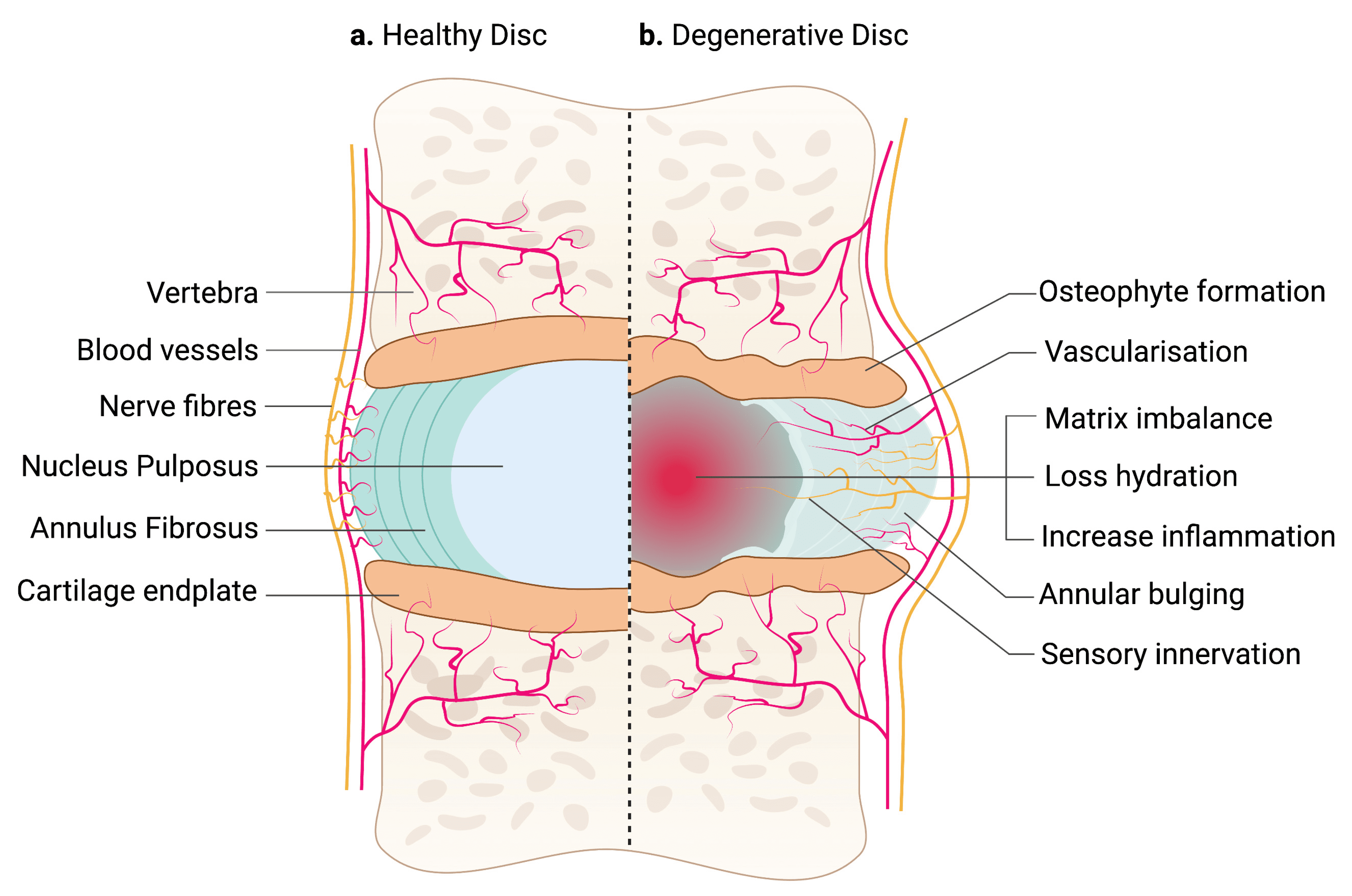
Do you often experience a pinched nerve or muscle strain in your lower back that hurts when standing? Do you feel symptoms of muscle spasms in your lower back or behind your legs? Or do you and your loved ones feel numbness or tingling sensations in your back, legs, and feet after sitting down excessively? These pain-like issues are associated with discogenic low back pain, which can lead to the development of disability in many people. Discogenic low back pain is developed when the intervertebral (spinal) disc degenerates over time and can contribute to disability. (Mohd Isa et al., 2022) When there are structural changes to the spinal disc that causes the degeneration to progress, it can lead to dysfunction and instability in the lumbar spine. The spinal discs in the spine have the primary job of absorbing the unwanted pressure load that the body is experiencing. Over time though, the spinal disc can degenerate and crack under pressure, leading to discogenic low back pain. Discogenic low back pain can lead to increased pain in the lower back region’s paraspinal muscles and muscle atrophy, inflammation, and muscle strain in the lower back muscles and lumbar spinal discs. (Huang et al., 2022) When the spinal disc is under constant pressure, the inflammatory cytokines can induce nerve ingrowth, structural and biomechanical changes, and a release of pain factors to contribute to the effects of discogenic low back pain. (Lyu et al., 2021) When people are dealing with discogenic low back pain associated with muscle strain, it can make them miss out on their daily activities.
From Injury To Recovery With Chiropractic-Video
When many individuals are experiencing discogenic low back pain, it can be difficult for pain specialists and doctors to identify the underlying source of pain since it is a multifactorial musculoskeletal disorder. (Fujii et al., 2019) However, numerous ways exist to reduce the pain and allow the individual to return to their daily routines. Non-surgical treatments are an excellent way to minimize the pain-like symptoms associated with discogenic low back pain. Treatments like decompression therapy and chiropractic care can create a happy experience for many individuals dealing with discogenic low back pain as it is safe, cost-effective, and gentle on the spine. Decompression can help reduce the pain in the posterior segment of the lumbar spine while relaxing the surrounding muscles and ligaments and pulling the affected disc back to its original position. (Choi et al., 2022) This creates negative pressure on the spinal column and increases disc height on the spine, which allows the fluids and nutrients to flood back into the spine and rehydrate the disc. Decompression therapy can also be combined with chiropractic care, as the spine can be manipulated mechanically or manually to allow the body to realign itself. This, in turn, promotes the body’s natural healing properties to work its magic and provide relief. The video explains how these treatments can positively impact many suffering individuals and help them regain their health.
Decompression Reducing Discogenic Low Back Pain
Decompression therapy allows the individuals to be strapped into a traction machine in a supine position and gently pulls the spine to enable the affected disc to return to the spine and lay off the pressure on the aggravating nerve root that is causing muscle strain. This causes the intervertebral disc space to change through negative pressure, which allows the height to increase in the intervertebral height without stimulating the surrounding fibers around the disc. (Oh et al., 2019) This allows the facet joints in the spine to be realigned, allowing them to be in their moveable location back to the spine to alleviate pain, thus restoring normal posture and activating body functions. When individuals incorporate decompression therapy consecutively, it can minimize the pain caused by discogenic low back pain and allows the individual to have a personalized plan to ensure the pain doesn’t return. (Macario et al., 2008)
Restoring Muscle Strength In The Low Back
Decompression therapy allows the affected muscle to be stretched gently, which can be strengthened through other treatments like physical therapy. This can effectively reduce discogenic low back pain associated with the affected discs and positively influence spinal mobility and muscle strength. (Wang et al., 2022) Even though degeneration in the spinal disc is a natural process, it is important to be mindful of the body to prevent pain-like symptoms from occurring and causing issues to the back. Decompression therapy can positively influence many individuals looking to regain their health and reduce the pain they are experiencing from discogenic low back pain so they can return to their daily activities.
References
Choi, E., Gil, H. Y., Ju, J., Han, W. K., Nahm, F. S., & Lee, P. B. (2022). Effect of Nonsurgical Spinal Decompression on Intensity of Pain and Herniated Disc Volume in Subacute Lumbar Herniated Disc. International Journal of Clinical Practice, 2022, 6343837. https://doi.org/10.1155/2022/6343837
Fujii, K., Yamazaki, M., Kang, J. D., Risbud, M. V., Cho, S. K., Qureshi, S. A., Hecht, A. C., & Iatridis, J. C. (2019). Discogenic Back Pain: Literature Review of Definition, Diagnosis, and Treatment. JBMR Plus, 3(5), e10180. https://doi.org/10.1002/jbm4.10180
Huang, Y., Wang, L., Luo, B., Yang, K., Zeng, X., Chen, J., Zhang, Z., Li, Y., Cheng, X., & He, B. (2022). Associations of Lumber Disc Degeneration With Paraspinal Muscles Myosteatosis in Discogenic Low Back Pain. Front Endocrinol (Lausanne), 13, 891088. https://doi.org/10.3389/fendo.2022.891088
Lyu, F. J., Cui, H., Pan, H., Mc Cheung, K., Cao, X., Iatridis, J. C., & Zheng, Z. (2021). Painful intervertebral disc degeneration and inflammation: from laboratory evidence to clinical interventions. Bone Res, 9(1), 7. https://doi.org/10.1038/s41413-020-00125-x
Macario, A., Richmond, C., Auster, M., & Pergolizzi, J. V. (2008). Treatment of 94 outpatients with chronic discogenic low back pain with the DRX9000: a retrospective chart review. Pain Pract, 8(1), 11-17. https://doi.org/10.1111/j.1533-2500.2007.00167.x
Mohd Isa, I. L., Teoh, S. L., Mohd Nor, N. H., & Mokhtar, S. A. (2022). Discogenic Low Back Pain: Anatomy, Pathophysiology and Treatments of Intervertebral Disc Degeneration. Int J Mol Sci, 24(1). https://doi.org/10.3390/ijms24010208
Oh, H., Choi, S., Lee, S., Choi, J., & Lee, K. (2019). Effects of the flexion-distraction technique and drop technique on straight leg raising angle and intervertebral disc height of patients with an intervertebral disc herniation. Journal of Physical Therapy Science, 31(8), 666-669. https://doi.org/10.1589/jpts.31.666
Wang, W., Long, F., Wu, X., Li, S., & Lin, J. (2022). Clinical Efficacy of Mechanical Traction as Physical Therapy for Lumbar Disc Herniation: A Meta-Analysis. Comput Math Methods Med, 2022, 5670303. https://doi.org/10.1155/2022/5670303
IFM's Find A Practitioner tool is the largest referral network in Functional Medicine, created to help patients locate Functional Medicine practitioners anywhere in the world. IFM Certified Practitioners are listed first in the search results, given their extensive education in Functional Medicine