Can eating white rice as a primary carbohydrate source provide quick energy and glycogen replenishment for athletes and bodybuilders who require high volumes of carbohydrates for fuel and muscle recovery?
Sports Nutrition White Rice
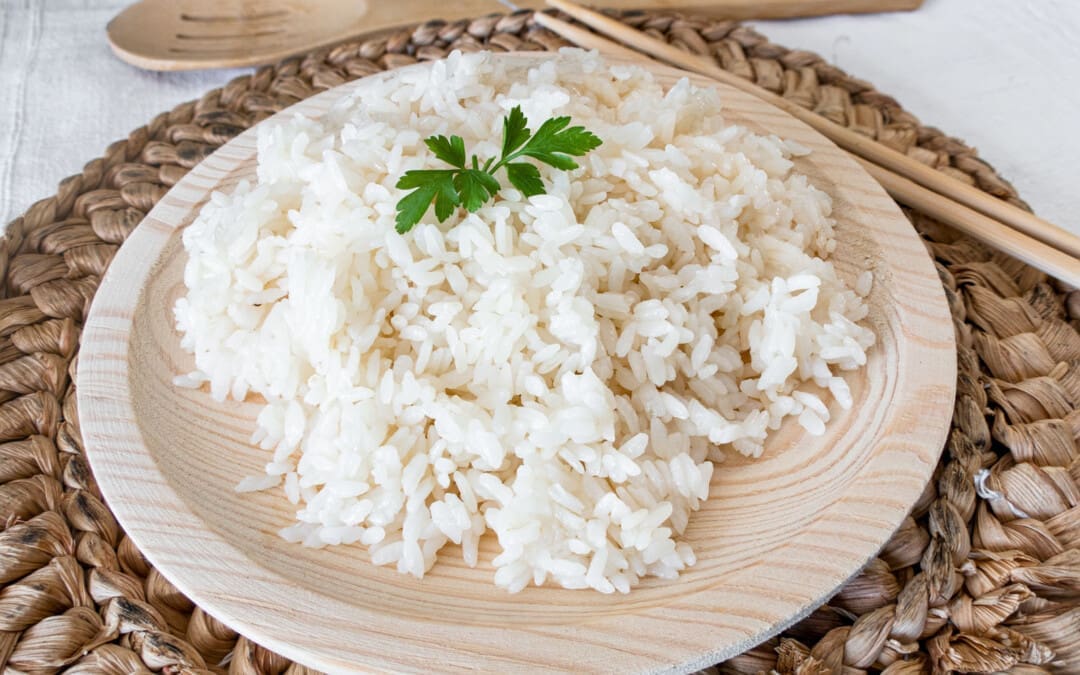
Athletes and bodybuilders often eat white rice to restore mass amounts of glycogen after an intense workout, race, or game. Brown rice is nutritious and recommended for overall health, but athletes and bodybuilders incorporate further nutritional guidelines for added fuel and performance. White rice is a starchy grain used by more than half the world’s population because of its versatility, availability, and ability to adapt to various flavors and seasonings. Its chewiness and soft texture add substance to and complement many meals.
Bodybuilders
Athletes and bodybuilders need macronutrients to fuel extreme training and replenish depleted glycogen stores. Carbohydrate-rich foods like white rice are high on the glycemic index (a score for how foods affect blood sugar and insulin levels) and provide a readily available source of carbohydrates for muscle glycogen synthesis. (Thomas, D. E. et al., 1991) White rice is considered excellent sports nutrition for athletes. (Melin, A. et al., 2016) Although white rice is considered less nutritious than brown rice, athletes and weightlifters consume it as part of their specifically developed nutrition plans. One of the most popular meals is a bowl of white rice combined with grilled chicken breast, providing lean protein. Endurance runners often load up on carbohydrates like white rice before marathons. Strenuous workouts deplete sugar/glycogen in the muscles. Eating the right carbohydrates is important to replenish those stores. Knowing how to improve carbohydrate availability during prolonged exercise is essential for athletes. (Burke, L. M. et al., 2011)
Fuel and Muscle Recovery
The high glycemic value of white rice provides quick fuel for hard workouts and expedites muscle recovery. It does not have the negative effects of potential gastrointestinal issues, allergy symptoms, or blocking the ability to absorb micronutrients. Brown rice contains phytic acid(located in the grain’s bran), an antinutrient that binds to essential minerals like iron, zinc, calcium, and magnesium and prevents the body from absorbing them. The milling process to change brown rice to white removes the phytate. Research is ongoing on degrading phytic acid in brown rice and whole grains, and some studies have found antioxidant benefits in phytate. This could increase the amount of carbohydrates that are safe for athletes. (Liang, J. et al., 2008)
Safe Carbohydrate
Athletes and bodybuilders with food sensitivity may have issues eating whole grains, as brown rice has more fiber. Extreme exercise requires a surplus of carbohydrates. For prolonged exercise lasting more than two hours, athletes should consume 60 grams per hour of carbohydrates. White rice is considered safe to consume before exercise as it is easy on the stomach and has been shown to meet sports nutrition recommendations.
Workouts
Rice contains more carbohydrates than potatoes for the same serving size. Parboiled, converted, and instant white rice can be eaten pre- and post-workout meals, ensuring the body is thoroughly fueled for training, competition, and recovery. However, white rice may not be the best option for sedentary individuals.
Brown Rice
Brown rice is healthier for bodybuilders who train less than four days per week or have a metabolic disease.
Brown rice is a nutrient-dense food recommended for everyday active individuals who can tolerate whole grains and is a rich source of fiber and nutrients essential for a well-balanced healthy diet.
Injury Medical Chiropractic and Functional Medicine Clinic
Injury Medical Chiropractic and Functional Medicine Clinic works with primary healthcare providers and specialists to develop personalized programs. We focus on what works for you to enhance fitness and improve the body through research methods and total wellness programs. These programs strive to achieve improvement goals, and athletes can condition themselves to excel through proper fitness and nutrition. Our providers use Functional Medicine, Acupuncture, Electro-Acupuncture, and Sports Medicine principles. An integrated approach improves flexibility, mobility, and agility. If further training or treatments are needed, Dr. Jimenez has teamed up with top surgeons, clinical specialists, trainers, medical researchers, and rehabilitation providers.
Sports Nutrition and Dietitian
References
Thomas, D. E., Brotherhood, J. R., & Brand, J. C. (1991). Carbohydrate feeding before exercise: effect of glycemic index. International journal of sports medicine, 12(2), 180–186. https://doi.org/10.1055/s-2007-1024664
Melin, A., Tornberg, Å. B., Skouby, S., Møller, S. S., Faber, J., Sundgot-Borgen, J., & Sjödin, A. (2016). Low-energy density and high fiber intake are dietary concerns in female endurance athletes. Scandinavian journal of medicine & science in sports, 26(9), 1060–1071. https://doi.org/10.1111/sms.12516
Burke, L. M., Hawley, J. A., Wong, S. H., & Jeukendrup, A. E. (2011). Carbohydrates for training and competition. Journal of sports sciences, 29 Suppl 1, S17–S27. https://doi.org/10.1080/02640414.2011.585473
Liang, J., Han, B. Z., Nout, M. J., & Hamer, R. J. (2008). Effects of soaking, germination and fermentation on phytic acid, total and in vitro soluble zinc in brown rice. Food chemistry, 110(4), 821–828. https://doi.org/10.1016/j.foodchem.2008.02.064
For individuals dealing with stress, back and neck pain, and wanting to improve overall health, can trying a Hatha yoga class help?
Hatha Yoga Class
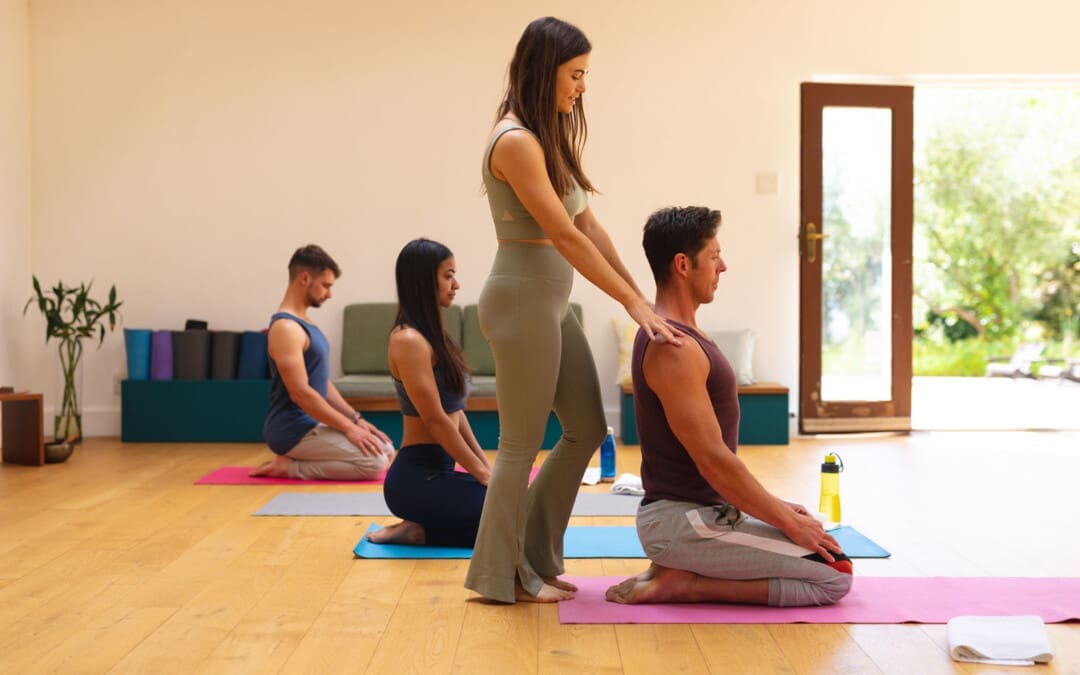
A yoga class is great for moms, athletes, or anyone interested in low-impact exercise. Today, many practice yoga for its mind and body, health and wellness benefits. Research shows that hatha yoga helps to reduce stress, relieve back and arthritis pain, support healthy habits, and improve emotional health. (National Center for Complementary and Integrative Health, 2023) Hatha classes stretch, unwind, and release tension, providing a healthy outlet for hectic lifestyles.
What Is It?
In Sanskrit, Hatha translates to force. Hatha yoga focuses on posture and breathing techniques to channel energy. Classes last 45 to 90 minutes and consist of breathing, poses, and meditation.
Yoga can help relieve everyday anxiety and depressive symptoms.
However, it may not be effective for clinically diagnosed mental health conditions.
The reviews and published studies on yoga did not find conclusive evidence to support its effectiveness in managing anxiety disorder, depression, or PTSD.
Arthritis and Fibromyalgia
According to the NCCIH, there is limited evidence to support yoga’s benefits for osteoarthritis, rheumatoid arthritis, and fibromyalgia.
Back Pain
The American College of Physicians recommends yoga as a non-pharmacological back pain treatment. (Qaseem A. et al., 2017)
A review of studies found that yoga improves low-back pain and function with both short-term and intermediate-term benefits, and its effects are similar to those of other types of exercise. (Skelly A. C. et al., 2020)
Balance
According to 11 out of 15 reviewed studies, yoga helps to improve balance in generally healthy individuals.
Emotional Health
Yoga has a positive impact on mental health. Ten out of 14 studies reviewed showed benefits in improving resilience or general mental well-being.
Menopause
Yoga can relieve physical and psychological symptoms of menopause, including hot flashes, according to the review of 1,300 study participants.
Mindfulness
In a survey of 1,820 young adults, participants attributed increased mindfulness, motivation to participate in other forms of activity, and eating healthier. (Watts A. W. et al., 2018)
Multiple Sclerosis
The NCCIH reports showed that yoga had short-term benefits on mood and fatigue in individuals with multiple sclerosis.
However, it did not affect muscle function, cognitive function, or quality of life.
Neck Pain
A 2019 meta-analysis, including ten studies and a total of 686 subjects, found that yoga can reduce neck pain intensity and disability pain while also improving the range of motion. (Li Y. et al., 2019)
Sleep
Several studies have found yoga can improve sleep quality and duration.
Populations found to experience sleep benefits include cancer patients, older adults, individuals with arthritis, pregnant women, and women experiencing menopause symptoms.
Stress Management
Yoga improved physical or psychological stress-related measures in 12 of 17 studies reviewed.
What to Expect
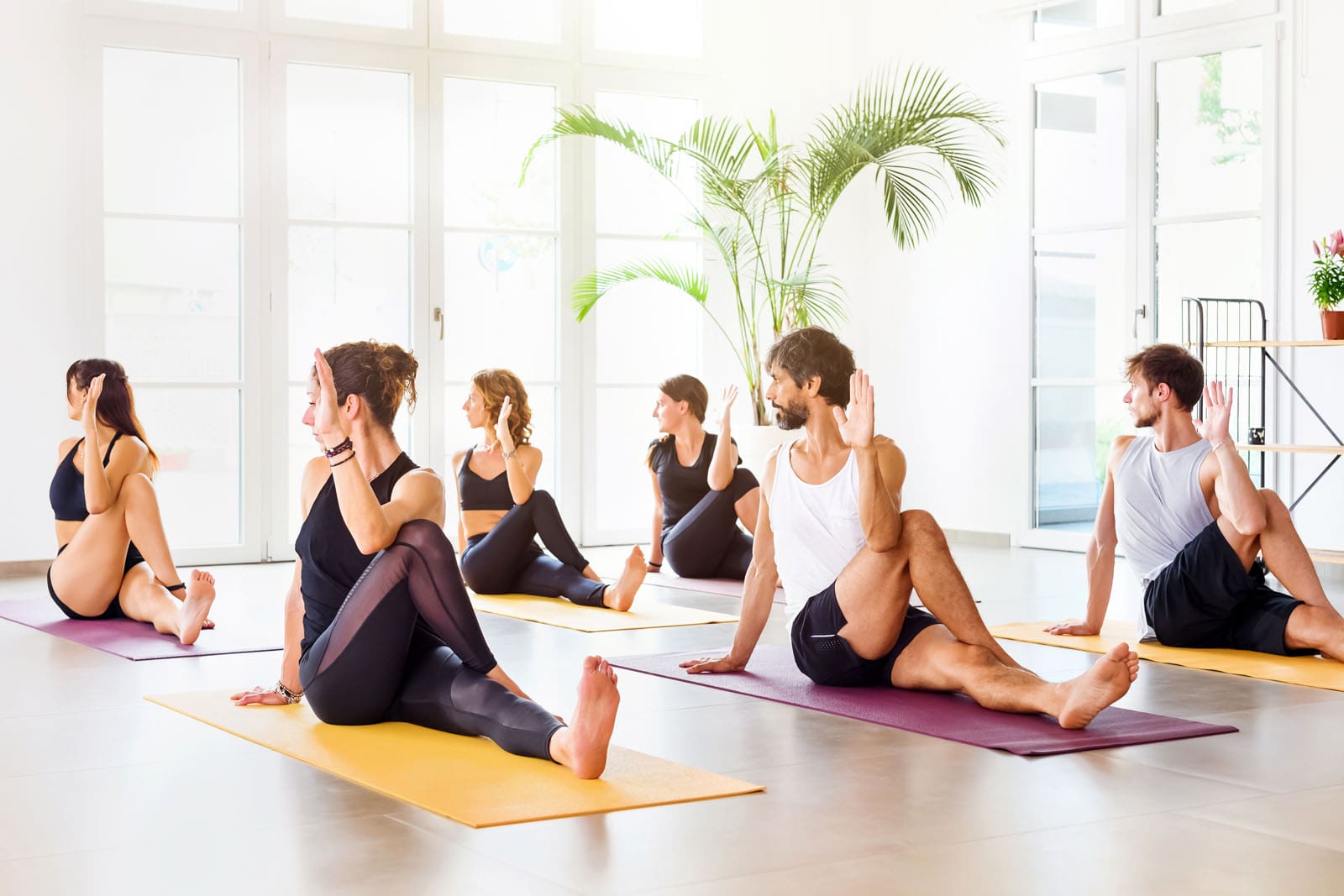
There are several different styles of yoga to choose from. Classes labeled yoga are likely the Hatha variety. Hatha is a gentle style that focuses on static poses and is great for beginners. However, it can still be physically and mentally challenging. Practitioners should wear athletic clothes and sports bras for maximum comfort and ease of movement. Each class varies depending on the instructor, but most last between 45 and 90 minutes.
Class Breakdown
Classes typically start with a gentle warm-up, advance to more physical poses, and end with a short meditation.
Breathing
Most Hatha classes start with a period of focus on breathing.
As you perform the poses, the instructor will continue to remind everyone to focus on breathing and may suggest different breathing exercises.
Poses
Yoga poses, also called postures or asanas, are a series of movements that help improve balance, flexibility, and strength.
Poses range in difficulty from laying flat on the floor to physically challenging positions.
If, during a class, a pose is too difficult, the instructor can provide a modified posture.
Meditation
Most classes end with a short period of meditation.
If you go into a Hatha class and it feels too slow or inactive, there are faster-paced, more athletic yoga classes, including flow, vinyasa, or power yoga classes. See if it’s more your speed.
Injury Medical Chiropractic Clinic
At Injury Medical Chiropractic and Functional Medicine Clinic, we focus on what works for you and strive to create fitness and better the body through research methods and total wellness programs. These programs use the body’s ability to achieve health and fitness goals, and athletes can condition themselves to excel in their sport through proper fitness and nutrition. Our providers use an integrated approach to create personalized programs, often including Functional Medicine, Acupuncture, Electro-Acupuncture, and Sports Medicine principles.
Home Exercises for Pain Relief
References
National Center for Complementary and Integrative Health. (2023). Yoga: What you need to know. Retrieved from https://www.nccih.nih.gov/health/yoga-what-you-need-to-know#hed11
Qaseem, A., Wilt, T. J., McLean, R. M., Forciea, M. A., Clinical Guidelines Committee of the American College of Physicians, Denberg, T. D., Barry, M. J., Boyd, C., Chow, R. D., Fitterman, N., Harris, R. P., Humphrey, L. L., & Vijan, S. (2017). Noninvasive Treatments for Acute, Subacute, and Chronic Low Back Pain: A Clinical Practice Guideline From the American College of Physicians. Annals of internal medicine, 166(7), 514–530. https://doi.org/10.7326/M16-2367
Skelly, A. C., Chou, R., Dettori, J. R., Turner, J. A., Friedly, J. L., Rundell, S. D., Fu, R., Brodt, E. D., Wasson, N., Kantner, S., & Ferguson, A. J. R. (2020). Noninvasive Nonpharmacological Treatment for Chronic Pain: A Systematic Review Update. Agency for Healthcare Research and Quality (US).
Watts, A. W., Rydell, S. A., Eisenberg, M. E., Laska, M. N., & Neumark-Sztainer, D. (2018). Yoga’s potential for promoting healthy eating and physical activity behaviors among young adults: a mixed-methods study. The international journal of behavioral nutrition and physical activity, 15(1), 42. https://doi.org/10.1186/s12966-018-0674-4
Li, Y., Li, S., Jiang, J., & Yuan, S. (2019). Effects of yoga on patients with chronic nonspecific neck pain: A PRISMA systematic review and meta-analysis. Medicine, 98(8), e14649. https://doi.org/10.1097/MD.0000000000014649
For individuals looking to improve their gut health, can learning about the supportive digestive organs help with how digestion works and how it can be affected by inflammatory bowel disease/IBD?
Supportive Digestive Organs
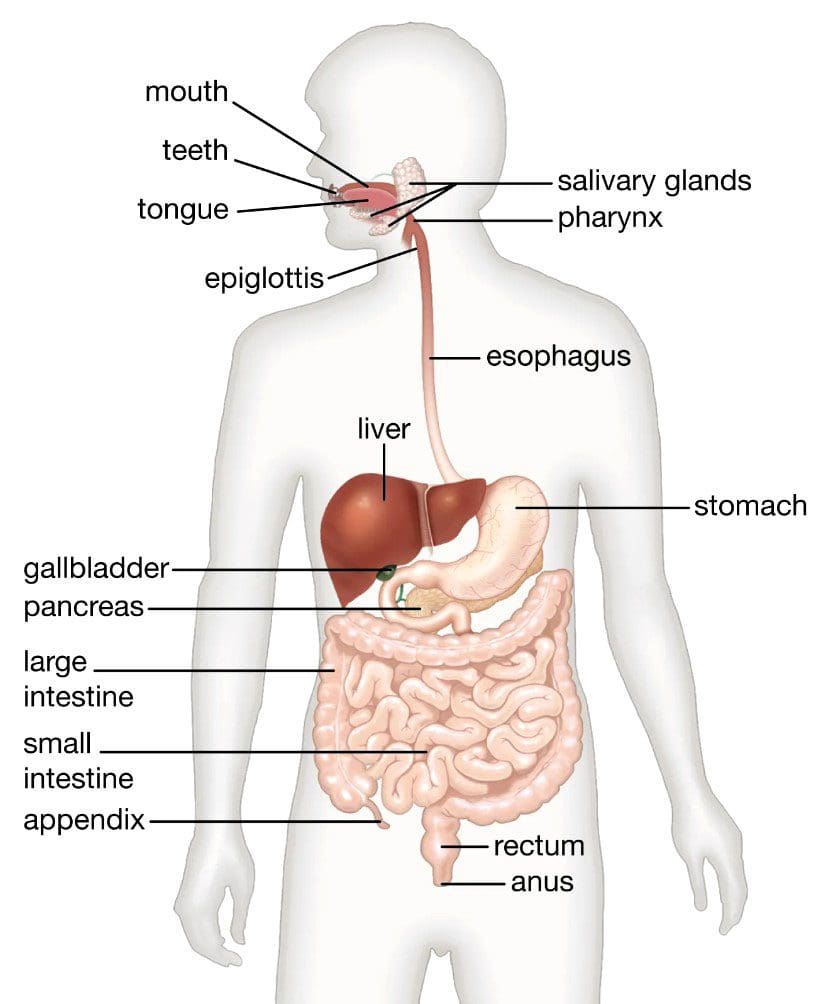
Most people are familiar with food movement from the mouth through the esophagus, stomach, small intestine, and large intestine. However, digestion begins in the mouth with the formation of saliva, and the supportive digestive organs provide the necessary fluids to digest food and used by the body. The digestive tract runs from the mouth to the anus in one long, continuous tube. Several supportive digestive organs assist digestion but are not considered part of the digestive tract, including the salivary glands, pancreas, liver, and gallbladder.
Salivary Glands
The salivary glands produce saliva passed through ducts and into the mouth. Saliva is a clear liquid containing various substances important for digestion and the beginning of the food breakdown process (National Institute of Diabetes and Digestive and Kidney Diseases, 2017). Saliva is important to digestion because it aids chewing, contains antibodies, and helps keep the mouth clean. Infections, mumps, obstructions, Sjogren’s syndrome, and cancer are diseases and conditions that can affect the salivary glands.
Pancreas
Behind the stomach is the pancreas, which is important to digestion because it is where digestive enzymes and hormones are produced. Digestive enzymes help break down food (National Institute of Diabetes and Digestive and Kidney Diseases, 2017). The pancreas also creates Insulin, a hormone that helps balance blood sugar levels. Individuals with Type 1 diabetes are unable to make insulin and need insulin shots to balance sugar levels. Individuals with Type 2 diabetes also need insulin because their body is either resistant to insulin or their pancreas does not respond correctly. (American Diabetes Association, 2024) Glucagon is another hormone produced in the pancreas to raise blood sugar when the levels are very low. For individuals who have diabetes, glucagon can increase blood sugar levels too high. Insulin and glucagon work together to regulate blood sugar. (American Diabetes Association, 2024) Some diseases and conditions affecting the pancreas include pancreatitis, cancer, and cystic fibrosis.
Liver
The liver is one of the largest organs. Its functions include creating bile, storing nutrients and glycogen, converting toxins into harmless substances, and/or enabling their removal. Bile is passed through ducts that run from the liver to the duodenum of the small intestine. Blood circulates through the digestive tract and liver, where vitamins and nutrients are processed and stored (Johns Hopkins Medicine, 2024). The liver is also the body’s detox organ, helping remove byproducts produced by alcohol and medications. The liver also helps break down old or damaged blood cells and produces substances to help with blood clotting. (Johns Hopkins Medicine, 2024) Diseases and conditions of the liver include cirrhosis, hepatitis, hemochromatosis, and cancer.
Gallbladder
The gallbladder is a much smaller organ located just under the liver. This supportive digestive organ stores bile after it is made in the liver. After eating, the small intestine releases a special hormone called cholecystokinin, which prompts the gallbladder to send bile through ducts and into the small intestine. Once in the small intestine, the bile breaks down the fat from the food. Conditions that can affect the gallbladder include gallstones. Surgery to remove the gallbladder, known as a cholecystectomy, is common. Some individuals may initially need to make adjustments to their diet after surgery. (Johns Hopkins Medicine, 2024)
Injury Medical Chiropractic and Functional Medicine Clinic works with primary healthcare providers and specialists to develop highly effective treatment plans through an integrated approach for each patient and restore health and function to the body through nutrition and wellness, functional medicine, acupuncture, Electroacupuncture, and integrated medicine protocols. If the individual needs other treatment, they will be referred to a clinic or physician best suited for them. Dr. Jimenez has teamed up with top surgeons, clinical specialists, medical researchers, nutritionists, and health coaches to provide the most effective clinical treatments.
Healthy Diet and Chiropractic
References
National Institute of Diabetes and Digestive and Kidney Diseases. Dis (2017). Your digestive system & how it works. Retrieved from https://www.niddk.nih.gov/health-information/digestive-diseases/digestive-system-how-it-works
American Diabetes Association. (2024). About diabetes: common terms. https://diabetes.org/about-diabetes/common-terms
Johns Hopkins Medicine. (2024). Liver: anatomy and functions. https://www.hopkinsmedicine.org/health/conditions-and-diseases/liver-anatomy-and-functions
Can understanding the philosophy of intuitive eating help individuals achieve and maintain health goals by breaking free from diets and getting healthy by improving their relationship with food and exercise?
Intuitive Eating
Intuitive eating is a non-diet approach to eating that focuses on listening to the body with internal body cues. Strict food rules are the main reason diets don’t work and negatively impact overall health and well-being. (Linardon, J., & Mitchell, S. 2017) Intuitive eating is characterized by eating in response to physiological hunger and satiety cues rather than emotional cues. The body was born to eat when hungry and stop when full. However, this natural way of eating can get lost in emotions, food rules, and restrictions. Fortunately, getting back to intuitive eating is possible for everyone.
How Does It Work?
Intuitive eating is a non-diet approach that steps away from a diet mentality and applies healthy behaviors around food. It focuses on unlearning external rules, like diet rules and expectations of what and how much to eat, and emphasizes internal cues like hunger, fullness, and how foods make you feel. It is based on principles that help build a healthier relationship with food. Individuals become aware of what to eat, how much to eat, and when to eat naturally, without worry or guilt.
Mindful Eating
Mindful eating is not the same thing as intuitive eating. Individuals can think of mindful eating as a skill or practice, while intuitive eating is a philosophy.
Principles
Understanding the ten core principles and how they work together is important.
Remove The Diet Mentality
Let go of the quick fixes and gimmick diets. These offer false hope that weight loss is easy, quick, and permanent and can make individuals feel like failures for losing and regaining weight.
Honor Hunger
Hunger is a normal, biological process. The body requires adequate amounts of energy and carbohydrates to function properly. Ignoring these cues and hunger can lead to cravings, overeating, and binges. Learning to honor hunger cues sets the stage for rebuilding trust with food. A food scale can help determine proper portions.
Make Friends With Food
Allow yourself unconditional permission to eat what you want. This means including all foods without labeling them as good or bad. Once an individual tells themself they can’t have a certain food, they can feel deprived, and intense cravings can build that often lead to overeating, binges, and extreme food guilt.
Get the Food Police Out Of Your Head
Learn to say no to self-induced thoughts of good or bad based on what is being eaten or how many calories are involved. Diets often say eating too many calories or enjoying a cookie is bad. These rules and restrictions can lower self-esteem and cause feelings of guilt. Removing negative food thoughts, guilt, and other rules is critical to intuitive eating.
Respect The Body’s Fullness
Listen for body cues that say you are full. This means your body is no longer hungry and should stop eating. Enjoy the flavors, stay aware of satiety signals throughout meals, and always be aware of your fullness level.
Satisfaction Factor
Learn to find joy and satisfaction in the eating experience. Eating what they want in an inviting environment promotes happiness and satisfaction, and a positive eating experience has been shown to promote satisfaction with even less food.
Honor Feelings Without Using Food
Don’t fix problems with food. Learn healthy ways to cope with emotions like stress, anxiety, anger, or boredom without turning to food. Feeding emotional hunger only makes feelings worse and adds guilt to the mix.
Respect Your Body
Body size and shape are unique for each person. Acceptance is an important part of self-respect and love. Instead of being critical, embrace individual genetic blueprints.
Being unrealistic and critical about one’s body makes it difficult to reject the diet mentality.
Exercise
Exercise doesn’t have to be intense or extreme to be effective. Individuals should focus on how good it feels to be active and moving their bodies rather than how many calories are burned during the workout sessions. Feeling great and motivated about exercise is easy when there is increased energy, better sleep, and improved quality of life.
Honor Health
Individuals don’t have to be perfect eaters. Infrequently eating a certain snack or meal won’t make you gain weight or cause health problems.
It’s what is eaten consistently over time that matters. Making food choices that taste good and nourish the body is what counts.
Weight Loss Benefits
Intuitive eating is not designed for weight loss. It aims to improve an individual’s relationship with food, including building healthier food behaviors and not focusing on the weight scale. However, learning to be an intuitive eater can help individuals lose weight by allowing the body to break the diet cycle and settle into its natural set point weight range.
Overall Health Benefits
Intuitive eating has been shown to have both physical and emotional health benefits that include:
Higher levels of contentment and satisfaction
Reduced stress
Increased self-esteem
Better body image outlook
Improved cholesterol levels
Improved metabolism
Lower rates of emotional and disordered eating
In a 24-study review that examined the psychosocial effect intuitive eating had on adult women was associated with the following positive results (Bruce, L. J., and Ricciardelli, L. A. 2016)
Decreased eating disorders
Improved positive outlook on body image
Higher emotional functioning
Another study compared restrictive diets and intuitive eating among men and women. The study found that intuitive eating uniquely and consistently presented lower levels of disordered eating and body image concerns. (Linardon, J., & Mitchell, S. 2017) Participants using intuitive eating expressed high levels of body appreciation, and researchers suggested promoting the practice within public health approaches to eating disorder prevention. The study also supported intuitive eating by promoting body acceptance and removing unhealthy thinking about food and eating.
Injury Medical Chiropractic and Functional Medicine Clinic works with primary healthcare providers and specialists to develop a personalized treatment plan through an integrated approach to create personalized care plans for each patient and restore health and function to the body through nutrition and wellness, functional medicine, acupuncture, Electroacupuncture, and sports medicine protocols. If the individual needs other treatment, they will be referred to a clinic or physician best suited for them. Dr. Jimenez has teamed up with top surgeons, clinical specialists, medical researchers, nutritionists, and health coaches to provide the most effective clinical treatments.
Eating Smart To Feel Better
References
Linardon, J., & Mitchell, S. (2017). Rigid dietary control, flexible dietary control, and intuitive eating: Evidence for their differential relationship to disordered eating and body image concerns. Eating behaviors, 26, 16–22. https://doi.org/10.1016/j.eatbeh.2017.01.008
Bruce, L. J., & Ricciardelli, L. A. (2016). A systematic review of the psychosocial correlates of intuitive eating among adult women. Appetite, 96, 454–472. https://doi.org/10.1016/j.appet.2015.10.012
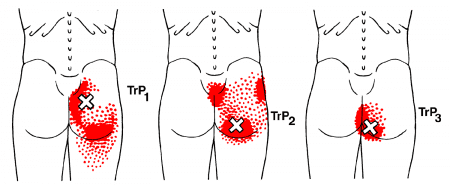
Individuals dealing with pain in the buttocks can make life difficult to sit, walk, or perform simple, everyday tasks. Can understanding the anatomy, location, and function of the gluteus maximus muscle help in muscle rehabilitation and avoid potential injuries?
Gluteus Maximus
The gluteus maximus is the largest human body muscle responsible for hip extension, external rotation, adduction, and abduction, as well as the ability to stand upright. The primary muscle extends laterally and keeps the body upright by supporting the bony pelvis and trunk. (Neto W. K. et al., 2020) When the gluteus maximus is strained, injured, or weak, it can lead to pain and inflammation.
Common symptoms can include:
Stiffness in the buttock
Discomfort while sitting
Difficulty standing up from sitting
Difficulty bending over
Pain when walking, especially upstairs or on a hill
Pain in the lower back and/or tailbone
Anatomy and Structure
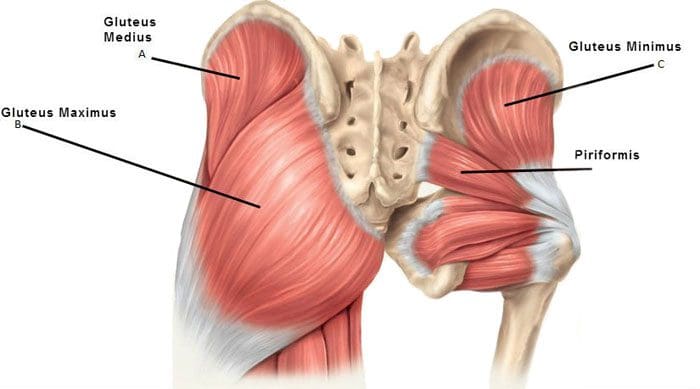
The muscles that comprise the glutes are the gluteus maximus, gluteus medius, and gluteus minimus. The gluteus medius runs underneath the gluteus maximus, and the gluteus minimus is underneath the gluteus medius.
The gluteus maximus is one of the strongest muscles. Fibers from the muscle connect to different body parts, including the femur/thighbone and the iliotibial band, which comprises connective tissue that runs up the thigh. The superior gluteal artery transports blood from the heart to the glutes.
Nerve Supply
The inferior gluteal nerve, part of the sacral plexus branch, innervates the maximus muscle. The sacral plexus nerves support motor and sensory function in the thighs, lower legs, feet, and pelvis. The sciatic nerve runs under the gluteus maximus, from the lower back down to the leg, and is often the cause of nerve pain in and around the area. (Carro L. P. et al., 2016) The main nerve of the perineum is the pudendal nerve, which runs under the gluteus maximus muscle.
Location
The gluteus maximus muscle defines the buttocks. It can be called a superficial muscle, sometimes referred to muscles that help provide shape. The origin of the gluteus maximus connects to the sacrum, the ilium, or the large upper part of the hip bone, the thoracolumbar fascia tissue, and the sacrotuberous ligaments attached to the posterior superior iliac spine. The gluteus maximus has a 45-degree angle from the pelvis to the buttocks and then inserts at the gluteal tuberosity of the femur and the iliotibial tract.
Variations
Sometimes, a duplicate muscle may originate from the gluteus maximus muscle in rare cases. However, it is more common that the gluteus maximus muscle fibers may be inserted into different body parts than where they are typically inserted. (Taylor, V. G., Geoffrey & Reeves, Rustin. 2015) This can cause a condition called greater trochanteric pain syndrome or GTPS. Inflammation of the gluteus medius, minimum tendons, and bursa inflammation can also cause GTPS. Individuals with GTPS will have tenderness or a pulsing feeling on the outer side of the hip and thigh when lying on the side, along with other symptoms.
Function
The gluteus maximus extends and externally rotates the hip joint, stabilizing the body. It is highly engaged during running and hiking activities. Regular walking does not typically target gluteus maximus strength training. However, the gluteus maximus promotes balance when walking and other activities by helping keep the pelvis and posture upright.
Conditions
The most common condition associated with the gluteus maximus is muscle strain, and deep gluteus maximus syndrome is another condition that can cause pain and involves the muscles.
Muscle Strain
A muscle strain can result from stretching and working the muscle too much that it becomes overstretched or tears. (Falótico G. G. et al., 2015) This can happen from not warming up or cooling down properly, repetitive use injury, and over-exercising. Alternatively, not exercising and not utilizing your gluteus maximus can weaken it, leading to lower back pain, hip pain, and stability and posture issues. (Jeong U. C. et al., 2015)
Deep Gluteus Maximus Syndrome
This syndrome causes pain in the buttocks when the sciatic nerve becomes entrapped. (Martin, H. D. et al., 2015) The location of the pain can help healthcare providers determine where the nerve is trapped. Those with deep gluteus maximus syndrome may experience various types of discomfort, including (Martin, H. D. et al., 2015)
Numbness and tingling in the leg
Pain when sitting
Pain when walking
Pain that radiates down the back and hips and into the thigh
To diagnose the condition, a healthcare provider may perform a physical examination and various tests to rule out other conditions that can cause similar symptoms.
Treatment and Rehabilitation
If there is pain in the buttocks and/or lower extremities, it’s important to consult a primary doctor, chiropractor, or physical therapist. They will evaluate the strength of the gluteus muscles to diagnose any strain or weakness. From there, they will develop a personalized treatment plan to help heal the injury, strengthen the muscles, and restore function. Treatment will include stretches once the strain is rested and improves.
Recommendations can include taking a few days off to rest the muscle or, at the very least, stop performing the work or activity that caused the strain.
Ice and over-the-counter medication like ibuprofen can help reduce inflammation.
For weak gluteus maximus, a physical therapist will strengthen and retrain the muscle with a tailored program of exercises. (Jeong U. C. et al., 2015)
Treatment for deep gluteus maximus syndrome may include conservative treatment, such as chiropractic decompression and realignment, physical therapy, medications for pain and inflammation, and injections.
If conservative treatments do not relieve the pain, a primary healthcare provider may recommend surgery. (Martin, H. D. et al., 2015)
Working with a chiropractic physical therapy team can help individuals return to normal function and expedite healing. Injury Medical Chiropractic and Functional Medicine Clinic works with primary healthcare providers and specialists to develop a customized treatment program through an integrated approach to treating injuries and chronic pain syndromes, improving flexibility, mobility, and agility to relieve pain and help individuals return to normal activities. If other treatments are needed, Dr. Jimenez has teamed up with top surgeons, clinical specialists, medical researchers, and rehabilitation providers to provide the most effective treatments.
The Science of Motion and Chiropractic Care
References
Neto, W. K., Soares, E. G., Vieira, T. L., Aguiar, R., Chola, T. A., Sampaio, V. L., & Gama, E. F. (2020). Gluteus Maximus Activation during Common Strength and Hypertrophy Exercises: A Systematic Review. Journal of sports science & medicine, 19(1), 195–203.
Carro, L. P., Hernando, M. F., Cerezal, L., Navarro, I. S., Fernandez, A. A., & Castillo, A. O. (2016). Deep gluteal space problems: piriformis syndrome, ischiofemoral impingement and sciatic nerve release. Muscles, ligaments and tendons journal, 6(3), 384–396. https://doi.org/10.11138/mltj/2016.6.3.384
Taylor, Victor & Guttmann, Geoffrey & Reeves, Rustin. (2015). A variant accessory muscle of the gluteus maximus. International Journal of Anatomical Variations. 8. 10-11.
Falótico, G. G., Torquato, D. F., Roim, T. C., Takata, E. T., de Castro Pochini, A., & Ejnisman, B. (2015). Gluteal pain in athletes: how should it be investigated and treated?. Revista brasileira de ortopedia, 50(4), 462–468. https://doi.org/10.1016/j.rboe.2015.07.002
Jeong, U. C., Sim, J. H., Kim, C. Y., Hwang-Bo, G., & Nam, C. W. (2015). The effects of gluteus muscle strengthening exercise and lumbar stabilization exercise on lumbar muscle strength and balance in chronic low back pain patients. Journal of physical therapy science, 27(12), 3813–3816. https://doi.org/10.1589/jpts.27.3813
Martin, H. D., Reddy, M., & Gómez-Hoyos, J. (2015). Deep gluteal syndrome. Journal of hip preservation surgery, 2(2), 99–107. https://doi.org/10.1093/jhps/hnv029
Can individuals with stiff person syndrome incorporate non-surgical treatments to reduce muscle stiffness and restore muscle mobility?
Introduction
The musculoskeletal system allows the body’s extremities to be mobile, provides stability to the host, and has an outstanding relationship with the other body systems. The musculoskeletal system’s muscles, tissues, and ligaments help protect the body’s vital organs from environmental factors. However, many individuals often deal with repetitive motions in the upper and lower body extremities that can cause pain and discomfort. Additionally, environmental factors, illnesses, and injuries can affect the musculoskeletal system and play a part in co-morbidities in overlapping risk profiles. These issues can cause the musculoskeletal system to develop a condition known as stiff person syndrome. Today’s articles focus on what stiff person syndrome is, the symptoms it is associated with, and how non-surgical treatments can help alleviate the symptoms of stiff person syndrome. We discuss with certified associated medical providers who consolidate our patients’ information to assess stiff person syndrome and its associated symptoms affecting the musculoskeletal system. We also inform and guide patients while asking their associated medical provider intricate questions to integrate non-surgical treatments to reduce the overlapping symptoms correlating with stiff person syndrome. Dr. Jimenez, D.C., includes this information as an academic service. Disclaimer.
What Is Stiff Person Syndrome
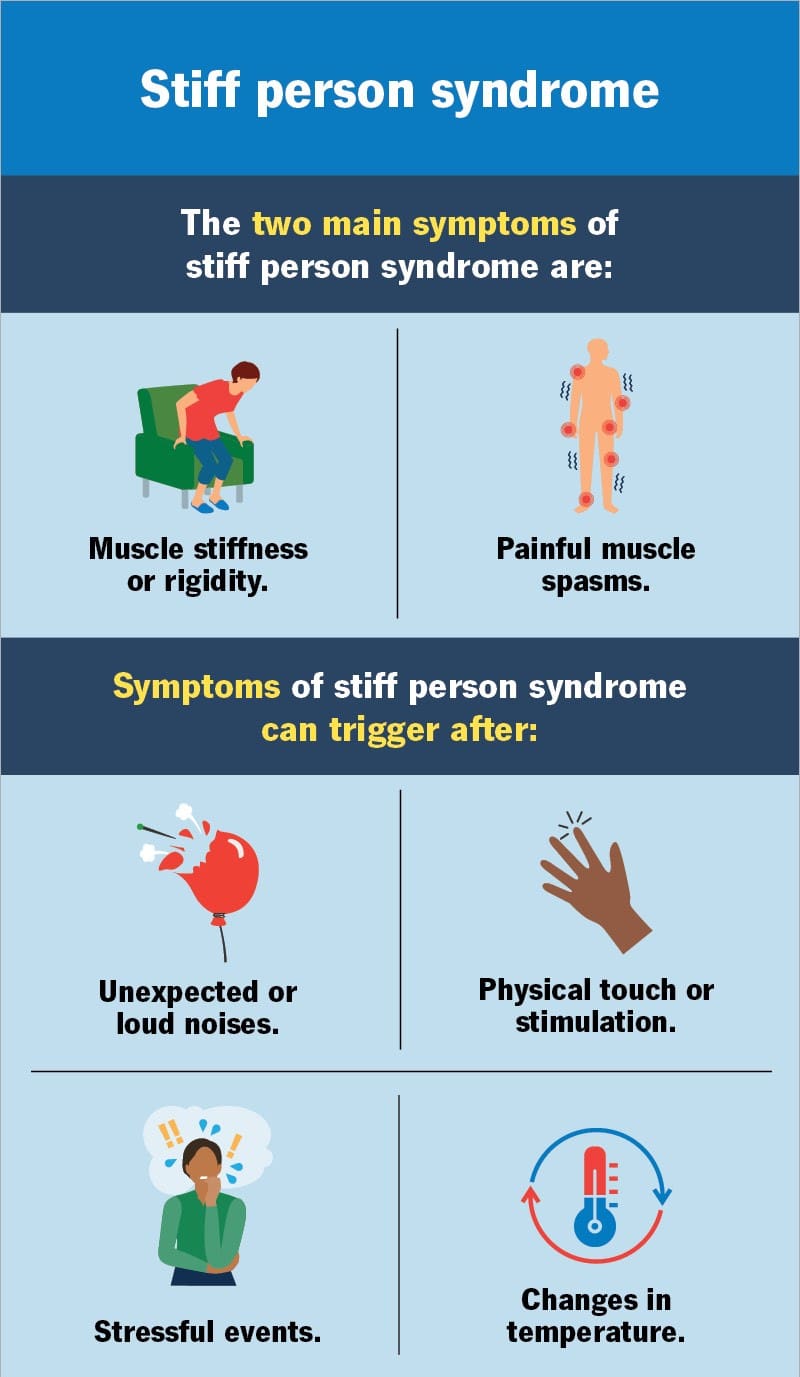
Have you been dealing with muscle stiffness in your lower extremities affecting your mobility? Have you noticed that your posture is rigid due to ongoing muscle spasms in your lower back? Or have you felt tightness in your back muscles? Many pain-like symptoms are associated with back pain, a common musculoskeletal condition; however, they can also correlate with a rare condition known as stiff person syndrome. Stiff person syndrome is a rare autoimmune disorder that is progressive and is characterized by rigidity and stimulus-triggered painful muscle spasms that affect the lower body and extremities. (Muranova & Shanina, 2024) There are three classifications that a person is experiencing with stiff person syndrome, and they are:
Classic Stiff Person Syndrome
Partial Stiff Person Syndrome
Stiff Person Syndrome Plus
Since stiff person syndrome is a rare condition, many individuals may not exhibit any objective findings early on, which then causes a delayed diagnosis that can impact a person’s quality of life (Newsome & Johnson, 2022). At the same time, since stiff person syndrome is a rare autoimmune disease, it can affect the musculoskeletal system with associated pain-like symptoms.
The Symptoms
Some symptoms associated with stiff person syndrome that can develop over time are muscle stiffness and painful muscle spasms. This is because the neuron receptors from the central nervous system can become haywire and cause non-specific somatic symptoms that make the individuals deal with comorbid chronic pain and myofascial tenderness in the muscles. (Chia et al., 2023) This is because stiff person syndrome can spread into different areas of the musculoskeletal system and can gradually develop over time. For muscle stiffness associated with stiff person syndrome, the muscles can become stiff over time, causing pain and discomfort, thus leading to many individuals developing abnormal posture, making it difficult to be mobile. Muscle spasms can affect the entire body itself or in a specific location and cause intense pain that lasts for hours. However, many individuals can incorporate non-surgical treatments to reduce the pain-like symptoms in the musculoskeletal system.
Movement Medicine: Chiropractic Care- Video
Non-Surgical Treatments For Stiff Person Syndrome
When it comes to reducing the musculoskeletal pain symptoms of stiff person syndrome, many individuals can begin to go to their primary doctor for early diagnosis and develop a customized treatment plan to manage the pain-like symptoms and provide a positive impact in creating awareness of this rare condition. (Elsalti et al., 2023) By assessing the pain-like symptoms of stiff person syndrome, many people can incorporate non-surgical treatments to manage the musculoskeletal pain symptoms and improve a person’s quality of life. Non-surgical treatments are cost-effective and can be combined with other therapies to restore mobility. One of the primary goals for managing stiff person syndrome is through pain management, symptom relief, and improved quality of life. (Cirnigliaro et al., 2021)
Chiropractic Care For Stiff Person Syndrome
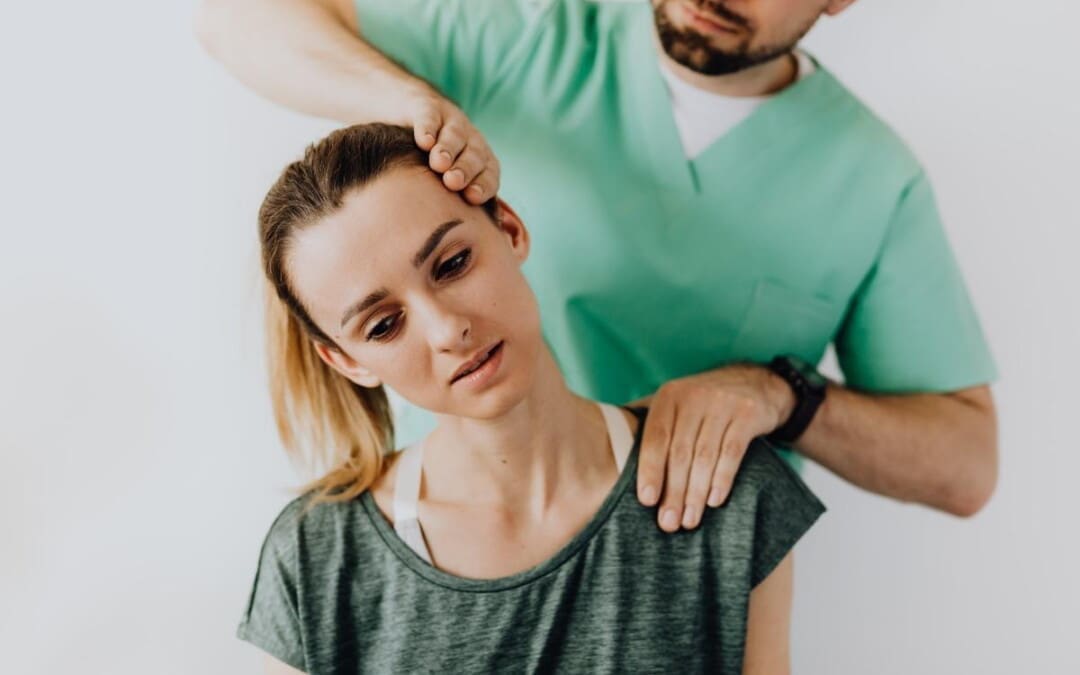
One of the non-surgical treatments that can help reduce symptoms of muscle spasms and muscle stiffness is chiropractic care. Chiropractic care incorporates mechanical and manual manipulation to stretch and mobilize the joint-muscle function while reducing pain and discomfort. (Coulter et al., 2018) For individuals suffering from stiff person syndrome, chiropractic care can help reduce muscle stiffness and muscle spasms in the upper and lower extremities and relieve the pain. Additionally, incorporating non-surgical treatments like chiropractic care and combined therapies can help manage the musculoskeletal pain associated with stiff person syndrome and improve a person’s quality of life.
References
Chia, N. H., McKeon, A., Dalakas, M. C., Flanagan, E. P., Bower, J. H., Klassen, B. T., Dubey, D., Zalewski, N. L., Duffy, D., Pittock, S. J., & Zekeridou, A. (2023). Stiff person spectrum disorder diagnosis, misdiagnosis, and suggested diagnostic criteria. Ann Clin Transl Neurol, 10(7), 1083-1094. https://doi.org/10.1002/acn3.51791
Cirnigliaro, F. A., Gauthier, N., & Rush, M. (2021). Management of refractory pain in Stiff-Person syndrome. BMJ Case Rep, 14(1). https://doi.org/10.1136/bcr-2020-237814
Coulter, I. D., Crawford, C., Hurwitz, E. L., Vernon, H., Khorsan, R., Suttorp Booth, M., & Herman, P. M. (2018). Manipulation and mobilization for treating chronic low back pain: a systematic review and meta-analysis. Spine J, 18(5), 866-879. https://doi.org/10.1016/j.spinee.2018.01.013
Elsalti, A., Darkhabani, M., Alrifaai, M. A., & Mahroum, N. (2023). Celebrities and Medical Awareness-The Case of Celine Dion and Stiff-Person Syndrome. Int J Environ Res Public Health, 20(3). https://doi.org/10.3390/ijerph20031936
Do individuals with muscle pain know the difference between heat stroke and heat exhaustion and can find ways to stay cool?
Introduction
As the temperature rises worldwide, many individuals are enjoying their time outside and getting more sun in their lives. However, rising temperatures also mean the rise of heat-related illnesses. The two most common heat-related illnesses are heat stroke and heat exhaustion, which can impact an individual’s musculoskeletal system and have different symptoms in terms of severity. Today’s article focuses on the differences between these two heat-related illnesses, how they affect the musculoskeletal system and treatments to stay cool while reducing muscle pain. We discuss with certified associated medical providers who consolidate our patients’ information to assess heat-related illnesses associated with muscle pain. We also inform and guide patients while asking their associated medical provider intricate questions to integrate treatments and ways to stay cool when temperatures rise and reduce muscle pain. Dr. Jimenez, D.C., includes this information as an academic service. Disclaimer.
Heat Exhaustion VS Heat Stroke
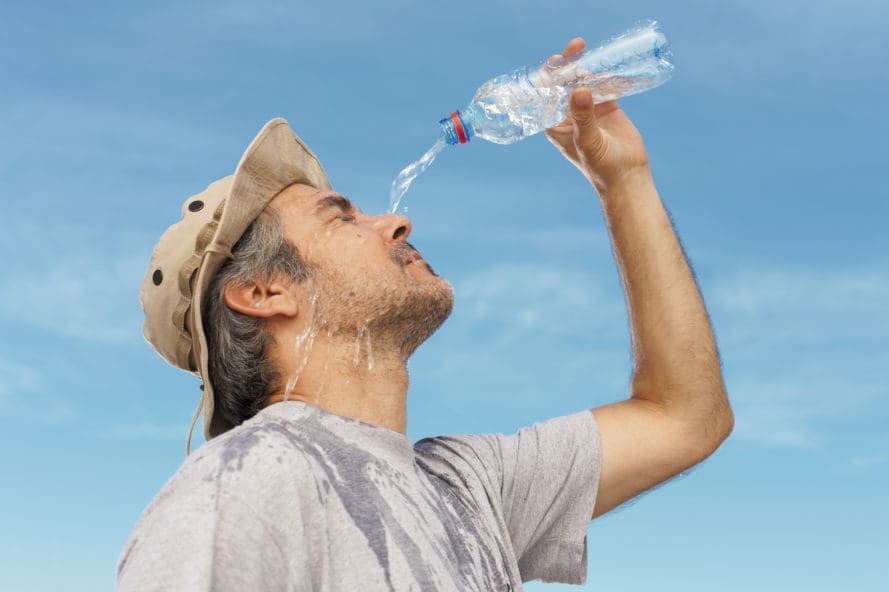
By understanding the differences between heat stroke and heat exhaustion is crucial. Do you often feel overheated after simple activities? Have you experienced muscle pain or cramps? Or do you struggle to cool down? These are all signs of heat-related illnesses. Heat-related illnesses often occur when the body cannot dissipate heat, leading to dysfunctional thermoregulation. (Gauer & Meyers, 2019) The two most common types are heat exhaustion and heat stroke. While they share similar causes, they differ significantly in terms of severity, symptoms, and treatment. (Prevention, 2022)
Heat exhaustion is a mild condition that often occurs when the human body loses excessive water and salt from profusely sweating. This causes the external temperatures to be more moderate when associated with intense physical activity. (Leiva & Church, 2024) Additionally, when a person is dealing with heat exhaustion, some of the symptoms that they will experience include:
Heavy sweating
Fatigue
Headaches
Muscle cramps
Pale, cool, moist skin
Fast, weak pulse
Even though heat exhaustion is a mild heat-related condition, it can develop into severe heat-related conditions like heat stroke if not treated immediately. Heat stroke is a severe heat-related illness that is not only life-threatening buthas two forms that can affect a person’s body temperature: classic and exertional. Classic heat stroke often affects elderly individuals who have chronic medical conditions, while exertional heat stroke affects healthy individuals who are doing strenuous physical activities. (Morris & Patel, 2024) Some of the symptoms associated with heat stroke include:
High body temperature (104°F or higher)
Hot, red, dry skin
Rapid, strong pulse
Confusion
Seizures
Loss of consciousness
How Do Both Conditions Affect The Muscles?
Both heat-related illnesses can have a significant effect on the musculoskeletal system and cause muscle pain to not only the extremities but also the entire body system. The issue affects the musculoskeletal system and can lead to painful muscle cramps, involuntary muscle contractions, and muscle pain. Since muscle pain is a multi-factorial condition, heat-related illnesses like heat stroke and exhaustion can influence a person’s lifestyle and comorbid health factors. (Caneiro et al., 2021) When that happens, many individuals can seek treatments to stay cool from heat exhaustion and heat stroke and reduce muscle pain.
Secrets Of Optimal Wellness-Video
Treatments For Staying Cool & Reduce Muscle Pain
While it is important to understand the difference between heat stroke and heat exhaustion due to the crucial timing and effective interventions, finding various treatments to reduce muscle pain and find ways to stay cool is important. Many individuals can wear technology to monitor the person’s physiological status actively and prevent injuries while providing early detection for heat-related illnesses. (Dolson et al., 2022) This can reduce the chances of muscle pain and help regulate body temperature. For individuals dealing with heat exhaustion, they can:
Move to a cooler environment
Be well-hydrated with water and electrolyte-rich drinks
Rest
Wear cool clothes to lower body temperature
For individuals dealing with heat stroke, they can:
Call emergency services immediately
Apply cool clothes or ice packs to the body
Monitor vital signs
Both treatments can ensure positive results in preventing life-threatening situations that can affect the musculoskeletal system.
Conclusion
Given the significant impact both heat stroke and heat exhaustion can have on the musculoskeletal system, it’s essential to take proactive measures. Proper hydration, cooling, and rest can help manage and alleviate muscle pain associated with these heat-related illnesses. By staying informed, maintaining hydration, and taking proactive steps to protect yourself from excessive heat, you can significantly reduce the chances of these heat-related illnesses affecting your outdoor activities.
References
Caneiro, J. P., Bunzli, S., & O’Sullivan, P. (2021). Beliefs about the body and pain: the critical role in musculoskeletal pain management. Braz J Phys Ther, 25(1), 17-29. https://doi.org/10.1016/j.bjpt.2020.06.003
Dolson, C. M., Harlow, E. R., Phelan, D. M., Gabbett, T. J., Gaal, B., McMellen, C., Geletka, B. J., Calcei, J. G., Voos, J. E., & Seshadri, D. R. (2022). Wearable Sensor Technology to Predict Core Body Temperature: A Systematic Review. Sensors (Basel), 22(19). https://doi.org/10.3390/s22197639
IFM's Find A Practitioner tool is the largest referral network in Functional Medicine, created to help patients locate Functional Medicine practitioners anywhere in the world. IFM Certified Practitioners are listed first in the search results, given their extensive education in Functional Medicine