Find out why cauliflower is a must-have in your kitchen. From recipes to health benefits, learn all about cauliflower.
Introduction
Throughout their path toward health and wellbeing, many people throughout the globe want to include nutrient-dense meals for energy. Eating a lot of fruits and vegetables is one of the greatest methods for many individuals to do this. In addition to having many vitamins and minerals that the body needs, many fruits and vegetables may help lessen the overlapping pain-like sensations that lead to the development of chronic problems. Problems with the intestines, muscles, and essential organs start to play a part when environmental influences start to become a part of a person’s daily routine, which results in pain-like sensations. In order to facilitate the transition to a healthy lifestyle, many people look for non-surgical therapies that include a personalized treatment plan and nutritional component. One of them is consuming cauliflower, a vegetable. The nutritional benefits of cauliflower, its definition, how it supports the body, and simple dishes to include in a tasty, nutritious diet are all covered in today’s post.
What Is Cauliflower?
Known for being a humble vegetable with its pale appearance, the cauliflower is a powerhouse full of nutrients. It can become the most versatile vegetable to be added to any diet. As part of the Brassicaceae family, cauliflower falls in line with cruciferous vegetables like broccoli, Brussels sprouts, kale, and cabbage that contribute a significant amount of dietary intake to human health due to being low in calories while providing a diverse range of macronutrients. (Zhang et al., 2025) Additionally, cauliflower can come in various colors and be filled with multiple nutrients that benefit the body, including white, green, purple, and orange.
Nutritional Value of Cauliflower
Whether people want to improve their health, lose weight, or add more plant-based variety to their meals, cauliflower deserves a prominent place on their plate. One cup of chopped cauliflower, which is about 107 grams, includes:
Calories: 27
Total Carbohydrates: 5 g
Dietary Fiber: 2.1g
Sugar: 2 g
Protein: 2.1 g
Total Fat: 0.3 g
Saturated Fat: 0.1g
Trans Fat Regulation: 0g
Cholesterol: 0g
Sodium: 32mg
Potassium: 320mg
Vitamin C: 85% of the Daily Value (DV)
Iron: 2% of DV
Vitamin B6: 10% of DV
Magnesium: 4% of DV
Calcium: 2% of DV
Additionally, cauliflower is rich in phytonutrients, particularly glucosinolates and sulforaphane, which have neuroprotective and anticancer agents that can reduce neuroinflammation in the body. (Otoo & Allen, 2023)
Eating Right To Feel Better- Video
How Cauliflower Helps The Body
When it comes to the body, cauliflower can provide various nutrients that the body needs to provide energy and help with normal functioning. Incorporating cauliflower into a healthy diet can help reduce overlapping risk profiles like obesity and hypertension, which can cause individuals to experience pain and discomfort. (Madsen et al., 2023)
Supports Immune Function & Digestive Health
Cauliflower has a high vitamin C content that can help boost the immune defense response by being an antioxidant to protect against cell damage within the body. Since cauliflower is a cruciferous vegetable, it has many phytochemicals, including vitamins, carotenoids, fibers, and other nutrient compounds, to protect the body against reactive oxygen species (ROS) damage. (Ahmed & Ali, 2013) Additionally, with its nutrient components, cauliflower can help support gut health by aiding regular bowel movements. As a cruciferous vegetable, it feeds the beneficial gut bacteria to promote a healthy microbiome balance. This is due to cauliflower containing glucosinolates (GLS), a chemical compound in plants in the Brassicaceae family. GLS, when served in various dishes, contains anti-obesity effects and pro-healthy compounds to benefit the body’s gut system. (Sikorska-Zimny & Beneduce, 2021)
Reduces Inflammation & Oxidative Stress
When inflammation and oxidative stress occur in the body, many people don’t often realize that many environmental factors play a part in their development. While inflammation is the body’s natural response, chronic inflammation can correlate with oxidative stress, causing the body to develop musculoskeletal and gut issues. When oxidative stress is associated with chronic inflammation, it can impact the body’s central nervous system, causing the neuron signals to affect the gut system by increasing bad bacteria in the gastrointestinal system. (Shandilya et al., 2022) Consuming cauliflower in various dishes can help reduce the oxidative damage and inflammation correlated with chronic body issues.
Simple & Delicious Cauliflower Recipes
Since cauliflower has a mild flavor and versatile texture, it can be easily incorporated into numerous dishes that are not only delicious but also nutritious. Below are a few simple and easy recipes that many people can try:
Cauliflower Rice
Cauliflower rice is a low-carb, grain-free substitute for rice
How to make:
Start by grating raw cauliflower with a grater or pulse it in the food processor until it resembles rice grains.
Then, for 5 minutes, add olive oil, garlic, salt, and pepper to the cauliflower grains and sauté in a pan.
You can use various sauces and herbs to enhance the cauliflower rice for extra flavor.
Cauliflower Pizza Crust
Individuals with gluten allergies or sensitivity can make this pizza crust with cauliflower.
How to make:
Start by steaming and mashing a head of cauliflower, transferring it to cheesecloth, and squeezing out the excess water.
Then, add one egg, shredded mozzarella, seasoning, and cauliflower to a mixing bowl and mix. This should resemble dough.
Take the cauliflower dough and shape it into a crust.
Bake at 400°F (200°C) for at least 15 minutes, then remove it from the oven.
Then add your favorite toppings on the cauliflower pizza crust, and bake again.
Cauliflower Buffalo Bites
As a healthier alternative to chicken wings, they can be perfect for your next party.
How to make:
Toss cauliflower florets in flour and spices, and bake at 425°F (220°C) for 20 minutes.
Toss in buffalo sauce and bake for another 10 minutes. Serve with celery and light ranch.
Final Thoughts
More than just a simple white vegetable, cauliflower is a superfood full of nutrients and antioxidants that can be used in a variety of recipes and diets. A nutritious diet that includes cauliflower may provide the body with the vital vitamins, antioxidants, and nutrients it needs to function at its best. This cruciferous vegetable gives the body the energy it needs and may be a great way to add veggies to a nutritious meal.
Injury Medical & Functional Medicine Clinic
We associate with certified medical providers who understand the importance of assessing individuals and incorporating cauliflower into their dietary needs. When asking important questions to our associated medical providers, we advise patients to incorporate numerous vegetables like cauliflower into their foods to provide energy and nutrients to their bodies in their customized treatment plan. Dr. Alex Jimenez, D.C., uses this information as an academic service. Disclaimer.
References
Ahmed, F. A., & Ali, R. F. M. (2013). Bioactive Compounds and Antioxidant Activity of Fresh and Processed White Cauliflower. BioMed Research International, 2013, 1-9. https://doi.org/10.1155/2013/367819
Madsen, H., Sen, A., & Aune, D. (2023). Fruit and vegetable consumption and the risk of hypertension: a systematic review and meta-analysis of prospective studies. Eur J Nutr, 62(5), 1941-1955. https://doi.org/10.1007/s00394-023-03145-5
Otoo, R. A., & Allen, A. R. (2023). Sulforaphane’s Multifaceted Potential: From Neuroprotection to Anticancer Action. Molecules, 28(19), 6902. https://doi.org/10.3390/molecules28196902
Shandilya, S., Kumar, S., Kumar Jha, N., Kumar Kesari, K., & Ruokolainen, J. (2022). Interplay of gut microbiota and oxidative stress: Perspective on neurodegeneration and neuroprotection. J Adv Res, 38, 223-244. https://doi.org/10.1016/j.jare.2021.09.005
Sikorska-Zimny, K., & Beneduce, L. (2021). The Metabolism of Glucosinolates by Gut Microbiota. Nutrients, 13(8), 2750. https://doi.org/10.3390/nu13082750
Can individuals dealing with joint pain incorporate turmeric as part of their treatment to reduce inflammation and restore joint health?
Introduction
Many people realize that when the body ages, so do the bones, joints, and spinal discs. This causes musculoskeletal issues to develop and lead to joint pain. Many environmental factors, like improper posture, injuries, accidents, and heavy-loaded objects, are pain-like issues that can affect an individual’s health and well-being. This is because joint pain is associated with these environmental factors, which cause pain and inflammatory effects that can impact their well-being. Additionally, many people will try to find ways to reduce the inflammatory effects caused by joint pain, and one of them is found in their kitchen pantry, which is known as turmeric. Today’s article focuses on the connection between the joints and inflammation, what is turmeric, and its beneficial properties for the joints. We talk with certified associated medical providers who inform our patients about how adding turmeric to their daily routine can reduce the inflammatory effects on the joints. While asking associated medical providers intricate questions, we advise patients to incorporate turmeric in their meals and find therapeutic ways to reduce joint pain in their upper and lower extremities. Dr. Alex Jimenez, D.C., includes this information as an academic service. Disclaimer.
Joint Pain & Inflammation Connection
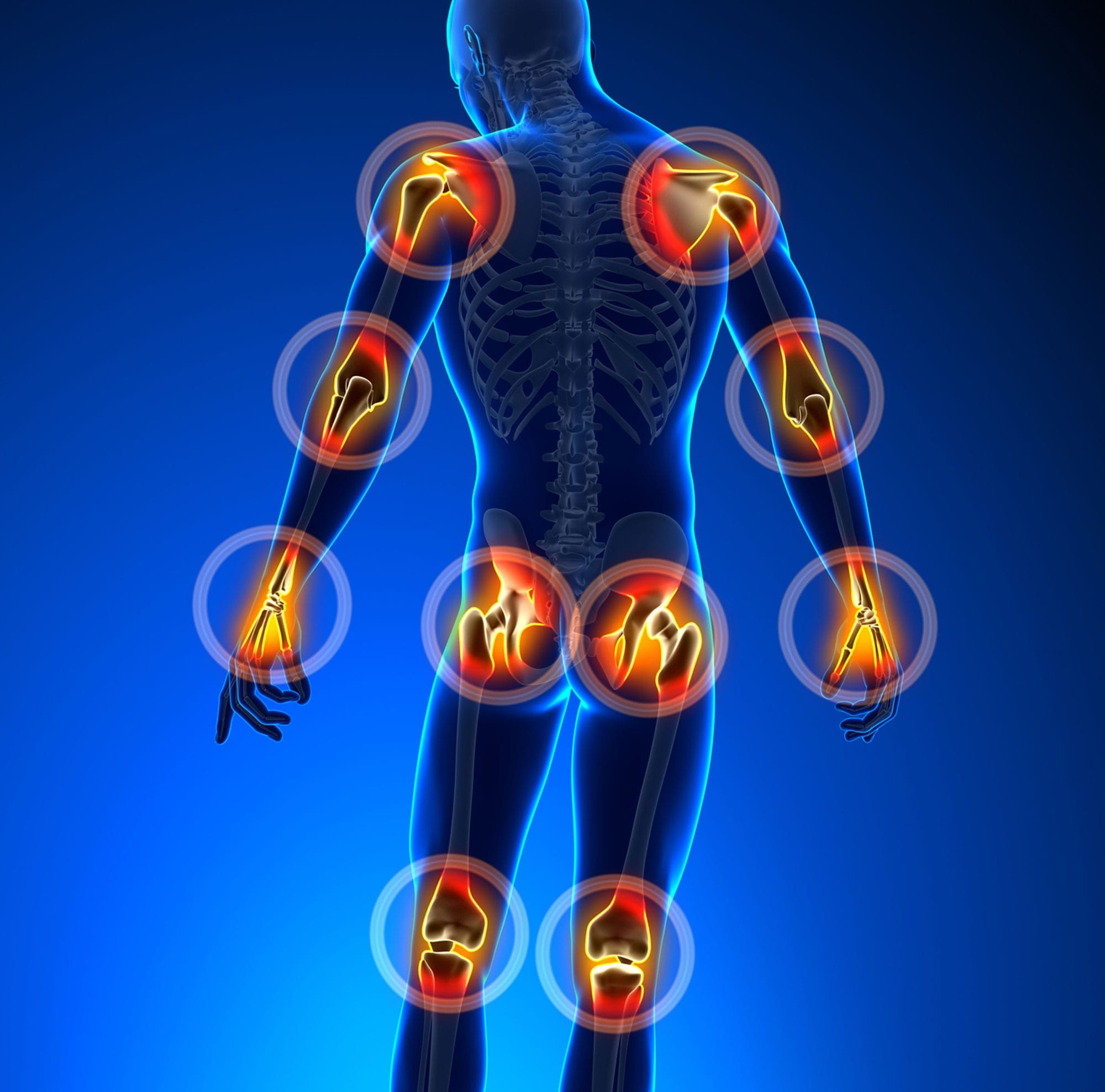
Do you feel localized or referred pain in your joints that causes you to rest for an extended period? Do general morning aches and pains get better throughout the day? Or do you notice that you are losing your grip occasionally? Many of these scenarios are correlated with joint pain. The joints are part of the musculoskeletal system, and their primary job is to provide movement to the upper and lower extremities without pain. However, when the human body ages, the joints also gradually age. When the joints start to lose their cartilage, environmental factors can cause pain-like symptoms like inflammation to affect the joints, thus causing pain, stiffness, and inflammation. Additionally, it can also lead to joint disorders in the body. While inflammation helps heal the affected area in the body, it is beneficial for the natural healing process; however, when inflammation is chronic, it can do more harm than good.
This is because the immune cells are involved in neuroimmune interplay, which plays a key role in generating and maintaining pain in diseases with an inflammatory component. (Vasconcelos et al., 2022) Additionally, when environmental factors start to affect the joints, the inflammatory effects can cause peripheral nerve damage, and that can cause structural damage to the joints, leading to altered gait and abnormal loading patterns through movement. (McDougall & Reid, 2022) When individuals experience inflammatory effects that affect their joints, many will try to find ways to reduce the pain-like effects in their joints.
Fighting Inflammation Naturally-Video
What Is Turmeric?
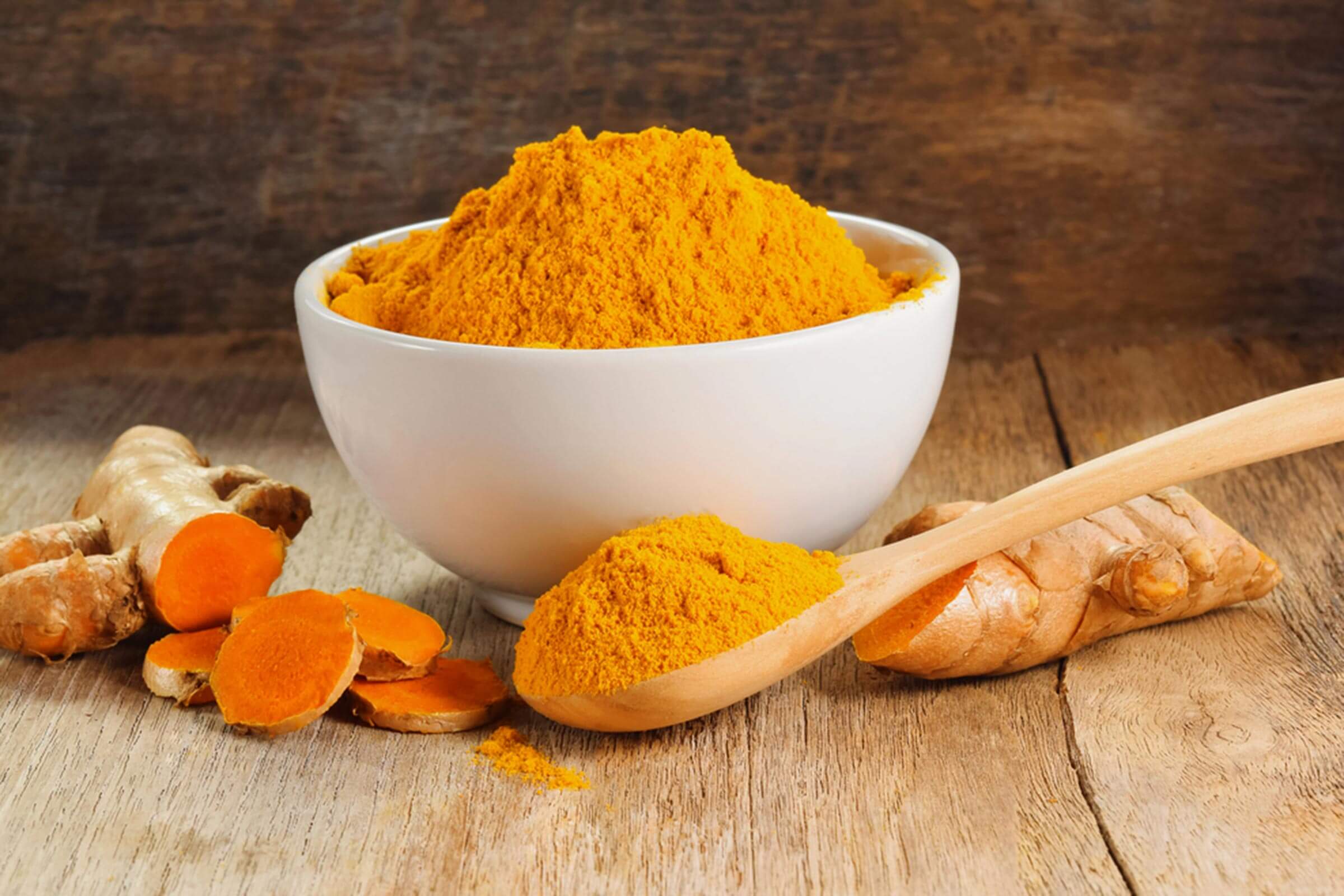
Many individuals dealing with pain and inflammation in their joints will seek out therapeutic options to restore joint health. Many people can incorporate anti-inflammatory supplements and treatments to reduce joint inflammation. Turmeric is one of the anti-inflammatory supplements found in India and Southern Asia; anti-inflammatory components can help treat a wide variety of conditions and general health and wellness. (“Turmeric,” 2012) Turmeric is also a functional food due to its health-promoting properties that can help decrease inflammatory cytokines and reduce joint pain, which can help improve joint mobility. (Kepinska-Pacelik & Biel, 2023)
Turmeric’s Beneficial Properties For The Joints
Now, when it comes to the beneficial properties of turmeric for joint pain, many people can take turmeric in supplement form and, over time, will begin to notice less pain in their joints. This is because the main purpose of incorporating turmeric as part of a therapeutic routine is to relieve pain, delay joint degeneration progression, and restore joint function. (Zeng et al., 2021) Additionally, turmeric can help control inflammation and improve joint health since it can have a positive effect or equivalency of anti-inflammatory medication for individuals wanting to reduce joint pain’s life effects. (Panknin et al., 2023) When people want to think about their well-being and joint health, taking turmeric supplements or incorporating them in dishes can be a stepping stone to improving joint function. At the same time, incorporating strength training exercises into the surrounding muscles can help with joint improvement, and non-surgical treatments like chiropractic care can help reduce the inflammatory effects of degenerating the joints. This, in turn, can help people live pain-free lives, giving them a sense of control over their well-being.
References
Kepinska-Pacelik, J., & Biel, W. (2023). Turmeric and Curcumin-Health-Promoting Properties in Humans versus Dogs. Int J Mol Sci, 24(19). https://doi.org/10.3390/ijms241914561
McDougall, J. J., & Reid, A. R. (2022). Joint Damage and Neuropathic Pain in Rats Treated With Lysophosphatidic Acid. Front Immunol, 13, 811402. https://doi.org/10.3389/fimmu.2022.811402
Panknin, T. M., Howe, C. L., Hauer, M., Bucchireddigari, B., Rossi, A. M., & Funk, J. L. (2023). Curcumin Supplementation and Human Disease: A Scoping Review of Clinical Trials. Int J Mol Sci, 24(5). https://doi.org/10.3390/ijms24054476
Vasconcelos, D. P., Jabangwe, C., Lamghari, M., & Alves, C. J. (2022). The Neuroimmune Interplay in Joint Pain: The Role of Macrophages. Front Immunol, 13, 812962. https://doi.org/10.3389/fimmu.2022.812962
Zeng, L., Yu, G., Hao, W., Yang, K., & Chen, H. (2021). The efficacy and safety of Curcuma longa extract and curcumin supplements on osteoarthritis: a systematic review and meta-analysis. Biosci Rep, 41(6). https://doi.org/10.1042/BSR20210817
For individuals who are having difficulty moving around due to pain, loss of range of motion, and/or decreased strength, can incorporating working with a physical therapist help relieve pain and restore function?
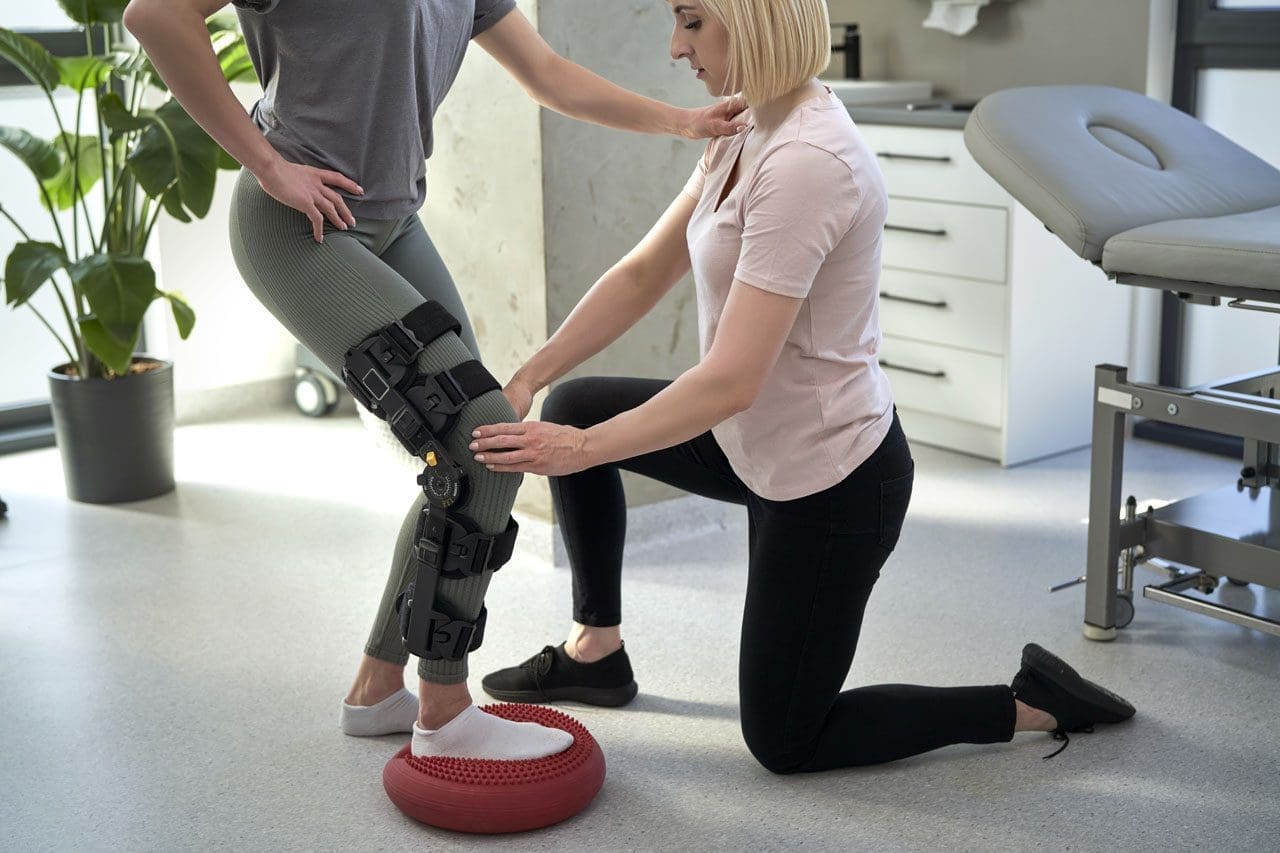
A woman with orthosis working with a physical therapist
Physical Therapy Benefits
Many wonder if they are candidates for physical therapy or if physical therapy can help their injury, ailment, or condition. The answer is yes; most individuals can benefit from physical therapy, whether their condition is a simple ankle sprain or a complex neurological disorder. Physical therapists can help develop pain management treatment strategies and injury prevention. Physical therapy can benefit individuals even if they are not injured; as movement experts, physical therapists can train individuals to help prevent injury and maintain flexibility.
Body Mechanics
Physical therapists work in various settings, including hospitals, nursing homes, sports, and chiropractic clinics. If necessary, they can come to your house after an injury. They work with individuals from all walks of life as a conservative treatment approach to managing, healing, and preventing injuries and disabilities. Physical therapy uses non-invasive tools to help improve total body function. Physical therapy focuses on:
Relieving pain
Promoting healing
Restoring function
Restoring movement
Facilitation and adaptation for a specific injury.
Therapy also focuses on body mechanic training, fitness, and wellness. (Hon, S. et al., 2021)
Regardless of age, individuals who have problems with flexibility and mobility may benefit from working with a physical therapist to help them return to optimal function.
Conditions Physical Therapy Can Help Treat
Muscle sprains and strains.
Work-related injuries.
Repetitive motion injuries.
Sports-related injuries.
Neck pain.
Lower back pain.
Neuro-rehabilitation – post-stroke and spinal cord or head injury.
Shoulder, arm, hand, and wrist injuries and problems.
Fractures.
Slip and fall accidents and other traumas.
Orthopedic conditions.
Chronic fatigue.
Chronic weakness.
Pre and post-surgical conditioning and strengthening.
Wound care like diabetic wounds and non-healing traumatic or post-surgical wounds.
Pre – during pregnancy and post-partum programs.
Fitness and wellness education.
Poor cardiovascular endurance.
Cardiac rehabilitation.
Respiratory problems.
Bowel or bladder incontinence.
Cancer recovery.
Individuals unsure whether they need or would benefit from physical therapy should discuss their options with a primary physician, healthcare provider, or specialist to guide them in the right direction. Injury Medical Chiropractic and Functional Medicine Clinic focuses on what works for you and strives to better the body through researched methods and total wellness programs. Using an integrated approach, we treat patients’ injuries and chronic pain syndromes through personalized care plans that improve ability through flexibility, mobility, and agility programs personalized to the individual to relieve pain. If other treatment is needed, Dr. Jimenez has teamed up with the top surgeons, clinical specialists, medical researchers, and premier rehabilitation providers to provide the most effective treatments.
Unlocking Vitality
References
Hon, S., Ritter, R., & Allen, D. D. (2021). Cost-Effectiveness and Outcomes of Direct Access to Physical Therapy for Musculoskeletal Disorders Compared to Physician-First Access in the United States: Systematic Review and Meta-Analysis. Physical therapy, 101(1), pzaa201. https://doi.org/10.1093/ptj/pzaa201
Yogurt is a dairy product made by the bacterial fermentation of milk. The bacteria used are called yogurt cultures, which ferment lactose, which is the natural sugar found in milk. This process produces lactic acid that causes milk proteins to curdle, giving yogurt its flavor and texture. It can be made from all types of milk. Although research is ongoing, the benefits of adding yogurt to one’s nutrition plan can improve overall health, including improved bone health, circulation, immune system function, and probiotics/healthy bacteria that improve digestion and gut health.
Health Benefits
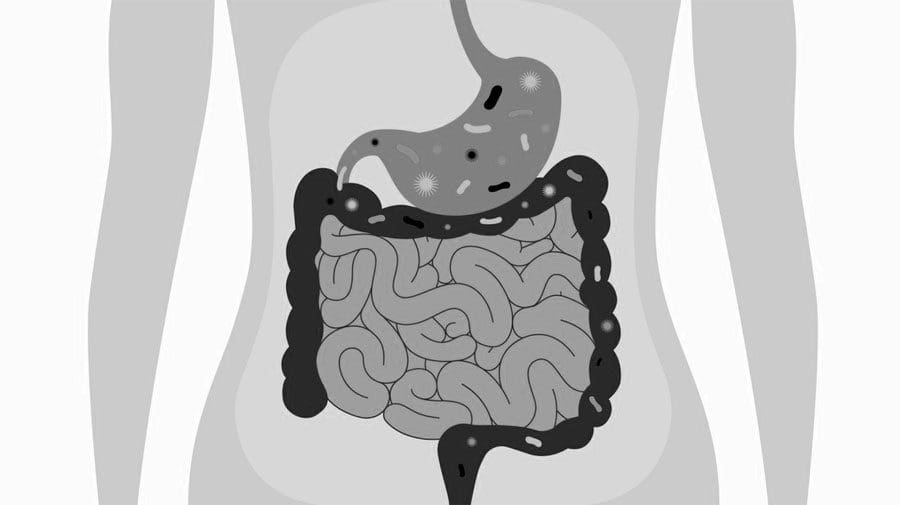
Yogurt comes from milk that varies; some are made from skim and fat-free, whereas whole milk is full-fat. Other nutrients include calcium, vitamin B-2, vitamin B-12, potassium, and magnesium. More research is needed, but there is some evidence that active cultures can help certain gastrointestinal conditions, including:
The faster time food takes to circulate through the bowels.
Immune system improvement.
Feel Fuller
Yogurt is rich in protein and healthy fats, which makes it very filling. Both of these nutrients are key to feeling full for longer. A study found consuming high-protein Greek yogurt in the afternoon resulted in less hunger, increased fullness and delayed the need to eat before dinner.
It can replace the fat, oil, and/or butter in muffin, brownie, or cake recipes.
Speak with a nutritionist and health coach to find out if yogurt would be beneficial. Nutritionists work with individuals to find the best foods for their body type, age, and health condition, explain how different foods impact the body, and what foods to avoid.
Functional Nutrition
References
Andoh, Akira. “Physiological Role of Gut Microbiota for Maintaining Human Health.” Digestion vol. 93,3 (2016): 176-81. doi:10.1159/000444066
Bull, Matthew J, and Nigel T Plummer. “Part 1: The Human Gut Microbiome in Health and Disease.” Integrative medicine (Encinitas, Calif.) vol. 13,6 (2014): 17-22.
Cleveland Clinic: “Which Yogurt is Right For You?” “Why — and When — You Should Include Probiotics in Your Diet.”
Jandhyala, Sai Manasa, et al. “Role of the normal gut microbiota.” World journal of gastroenterology vol. 21,29 (2015): 8787-803. doi:10.3748/wjg.v21.i29.8787
Le Roy, C.I., Kurilshikov, A., Leeming, E.R. et al. Yoghurt consumption is associated with changes in the composition of the human gut microbiome and metabolome. BMC Microbiol 22, 39 (2022). https://doi.org/10.1186/s12866-021-02364-2
Wu, Hsin-Jung, and Eric Wu. “The role of gut microbiota in immune homeostasis and autoimmunity.” Gut microbes vol. 3,1 (2012): 4-14. doi:10.4161/gmic.19320
Trying to fit exercise into a busy day can be a struggle to find a 30–45-minute window. However, research has found that mini workouts and accumulated exercises over the day are as effective as one complete session. Studies show that short workout sessions take the place of one long workout by breaking up the routine into several small ones and are just as effective.
The benefits of short, multiple exercise sessions are that they provide increased flexibility in an individual’s daily schedule, allowing them to focus on their health while navigating family, work, and other obligations. Performing mini-workouts throughout the day makes it easier to stay committed to an exercise program, experience the benefits, and achieve their health goals.
Increase Brain Health and Mood
Shorter duration workouts save time, allow multiple forms of exercise into a single day, and improve neurological, physical, and psychological benefits.
Performing an exercise as short as 3–5 minutes throughout the day can benefit the brain and mood.
Lower Blood Pressure
A study compared the effects of short aerobic exercise sessions and continuous exercise on 24-hour ambulatory blood pressure.
The study found that doing three 10-minute walks during the day morning, midday, and late afternoon lowered blood pressure more than doing one 30-minute walk in prehypertensive individuals.
Easier to Exercise
Performing high-intensity workouts for a long time is not easy, even for seasoned athletes.
This is why mini workout sessions appeal to fitness fans of all levels.
Decreasing the time allows the individual to exercise at higher intensities.
Reduce the Stress of Working Out
Incorporating shorter workouts can reduce the stress or fear that individuals have towards working out.
When looking at fitness from this perspective, shortened workouts naturally become a part of the day that helps relieve stress.
Achieve Fitness Goals
Shorter workouts allow individuals with busy schedules to focus on what they can perform in controlled sessions throughout the day without feeling overwhelmed by committing to an entire workout session.
Mini workouts are easy to schedule, more sustainable to perform, and easier to commit to long-term.
They allow for more focused and intensive exercise, especially when easily distracted.
Plan Ahead and Follow Through
The recommended way to accumulate a balance of strength, cardio, and mobility exercises throughout the day is to set up a plan. Find a routine that is enjoyable and not a chore, then set up the office space, work area, home to accommodate the exercises. For cardiovascular and strengthening benefits, an example of Tabata or HIIT workout.
Five exercises.
Two minutes on each exercise with a work-rest ratio of 30 seconds on, 30 seconds off.
Depending on an individual’s fitness level, the work-rest ratio can be modified.
To improve mobility and strength, use weights or resistance bands.
Focus on proper form.
Try shorter workouts for a quick burst of exercise:
Pick two to three exercises like bicep curls, shoulder presses, bodyweight squats, calf raises, lunges, or planks.
How much physical activity do adults need? (2015, June 4) cdc.gov/physicalactivity/basics/adults/
Mayo Clinic Staff. (2014, October 10). Depression and anxiety: Exercise eases symptoms mayoclinic.org/diseases-conditions/depression/in-depth/depression-and-exercise/art-20046495
Mayo Clinic Staff. (2015, April 16). Exercise and stress: Get moving to manage stress mayoclinic.org/healthy-lifestyle/stress-management/in-depth/exercise-and-stress/art-20044469
Doctors are always saying exercise, get fit, but don�t give us many realistic options. Going to the gym can be difficult, especially if you are short on time.
Exercising at home can be a real pain, as well. You might be limited for space, tripping over kids � and although no one talks about it, do you want your significant other watching you sweat and gasp for air as you struggle through one of those insane workouts?
They say walking is good, but if you are in a neighborhood that doesn�t have sidewalks or it is too hot outside. Just how likely are you to get up and do it? Now suppose you could get all your exercising done in 7 minutes. Would you do it? Is it even possible?
Nowhere are there heavy weights or fancy equipment, just a wall, a chair, and the person�s body weight. Say hello to high-intensity interval training- it�s about to change your world!
This 7-minute workout is the equivalent of a serious weight training session and long run but without the weights or the running. That isn�t to say it is easy though. It requires a great deal of effort.
There�s a lot packed into those 7 minutes. It provides many of the benefits that are achieved by disciplined, long term endurance training; it just skips over the long-term part.
Make no mistake though, short does not mean it is easy � or pleasant. In fact, it may be one of the longer 7 minutes of your life.
The good news is, it�s over in 7 minutes. That�s a little more than 5 but less than 10.
It�s worth it though when you look at the numerous health benefits that exercise provides. Plus, it�s great for people who are super busy and can�t seem to squeeze a workout into their schedules. Say hello to no more excuses!
The Science Behind the 7
These 12 exercises were not chosen at random. The reason it works is rooted in some pretty deep science. When you exercise for even a few minutes and are operating at or near your maximum capacity (that means you are working very hard), it causes your muscles to experience molecular changes that are much like those that occur after several hours of riding a bike or running.
Interval training takes it a step farther. You engage in incredibly intense activity, then you have a brief recovery period, then back to a high-intensity exercise. That is the basis of this workout.
Each exercise should be done for about 30 seconds with a 10 second recovery period – but there�s a twist that ups the effectiveness even more. The exercises are arranged so that they engage the large muscles in the upper body, then in the lower body.
This alternating focus on muscle groups is essential because while the lower body is working like crazy, the upper body can be catching its breath. This makes for a much more efficient workout, but it is also why the order of the exercises is critical.
The exercises are intense but are movements that just about anyone can do. Many can also be adapted for people at different fitness levels. If you are looking for a great workout that will work for you but won�t eat up a lot of your time, you just might have found it.
IFM's Find A Practitioner tool is the largest referral network in Functional Medicine, created to help patients locate Functional Medicine practitioners anywhere in the world. IFM Certified Practitioners are listed first in the search results, given their extensive education in Functional Medicine





 Health Benefits