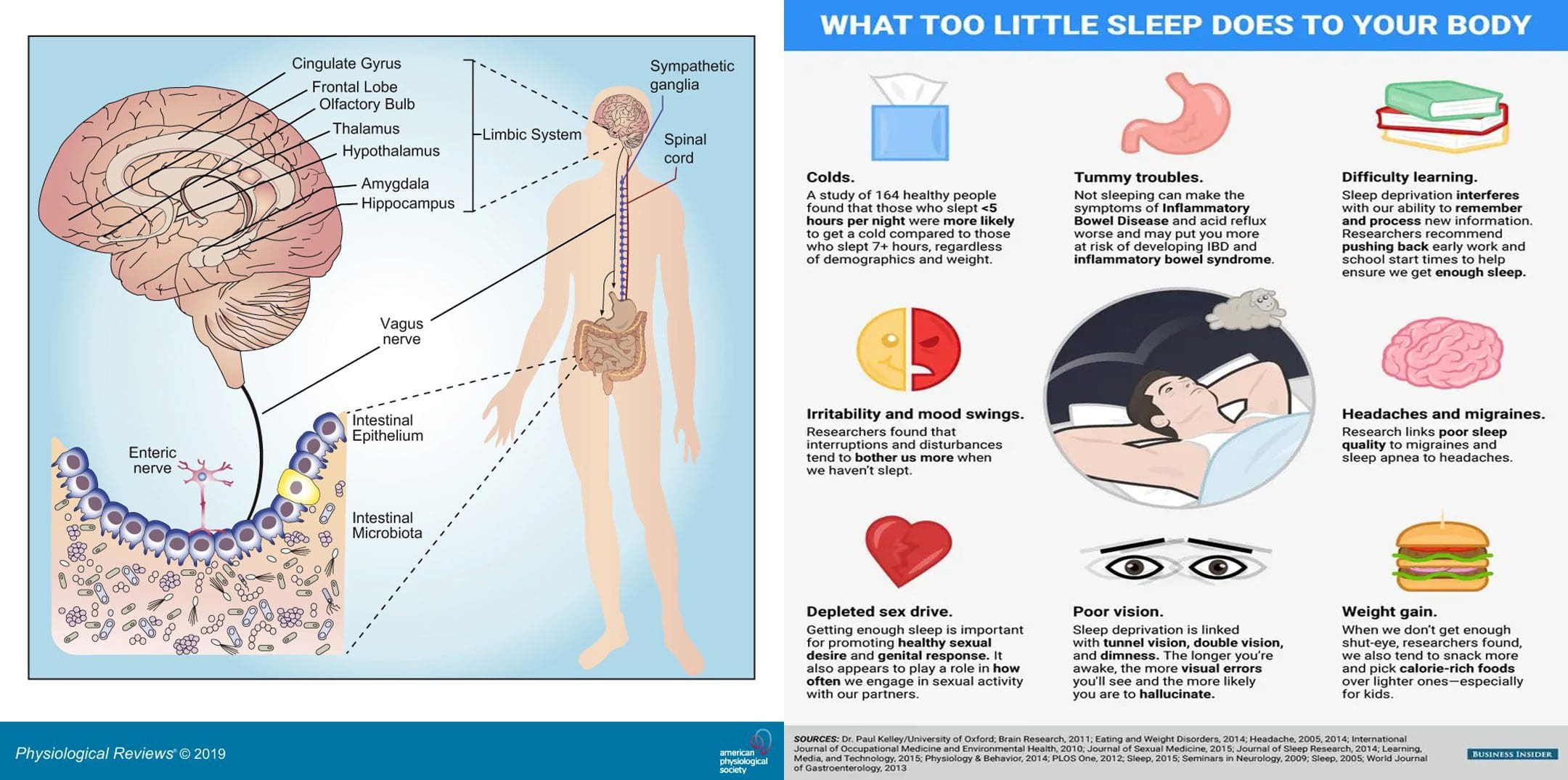
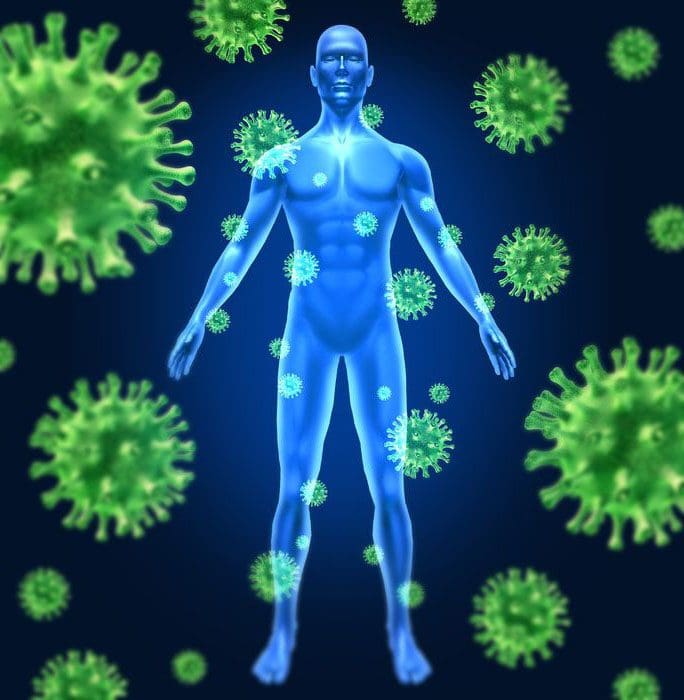
Viruses, bacteria, fungi, and protozoa are the microorganisms that naturally live in the digestive tract. Sleep affects gut health and vice versa. A healthy gut microbiota consists of all kinds of microorganisms that produce thousands of compounds and coexist harmoniously. A healthy diet and lifestyle are the biggest factors influencing bacteria variety, and maintaining a varied diet preserves microbiota diversity. Everybody’s gut microbiome is different; the more diverse the gut microbiome, the healthier sleep will be. The Injury Medical Chiropractic and Functional Medicine Clinic Team can develop a personalized nutritional plan to improve gut health and sleep patterns.
Sleep Affects Gut Health
Not having a diverse gut microbiome has been linked to autoimmune diseases, Parkinson’s disease, and mental health issues like anxiety and depression. Not getting healthy sleep is associated with many diseases and disorders, including:
Gastrointestinal disorders
Infections
Diabetes
Cardiovascular disease
Neurological disorders
Anxiety
Depression
Cancer
Changes in sleep patterns influence the central nervous system and the immune system, which affect different organ systems. For example, studies have shown some gastrointestinal disorders, like irritable bowel syndrome – IBS could be associated with increased REM sleep or the fourth part of the sleep cycle when vivid dreaming occurs. In Crohn’s disease or ulcerative colitis, long-term immune response activation can result in poor sleep, insufficient quality sleep, or other sleep problems. The deepest stages of sleep are when the brain and gut communicate to repair the body, restore nutrients, and remove and release toxins.
Sleep Cycle
During sleep, the immune system produces proteins called cytokines that perform functions during the inflammatory response, either by increasing or blocking inflammation, depending on the body’s needs. Cytokines help promote sleep, fight infection, or stop inflammation in chronic inflammatory diseases like Crohn’s disease or ulcerative colitis.
Insufficient sleep significantly alters cytokine production, and infection-fighting cells decrease in numbers when sleep deprived, making it harder for the body to fight infections and lessening protection. This increases the inflammatory response and keeps the immune system on.
Chronic or long-term immune response activation can result in sleep disturbances or disorders.
Some disorders include small intestinal bacterial overgrowth and inflammation caused by microbiome abnormalities or dysbiosis.
The gut barrier function begins to malfunction, leading to bacteria and pathogens leaking into blood circulation/leaky gut, triggering immune responses.
Ways to Improve Sleep
One of the main ways to improve sleep quality and gut microbiome health is to practice healthy sleep hygiene. According to the National Sleep Foundation, individuals should:
Nap Smart
Naps can be a great way to refresh the mind and body and replenish energy levels during the day.
The bright lights from phones and screens can make it difficult to fall asleep fully.
Use an alarm clock with a soft night light and keep the bedroom tech-free.
Create Sleep Routine
Take a warm shower, read a book, or do light stretches.
Create a wind-down routine to relax before bed to signal the body that it’s time for sleep.
Avoid Caffeine and Alcohol Before Bed
These substances make it harder for the mind and body to fall or stay asleep.
Food As Medicine
References
Chabé, Magali et al. “Gut Protozoa: Friends or Foes of the Human Gut Microbiota?.” Trends in parasitology vol. 33,12 (2017): 925-934. doi:10.1016/j.pt.2017.08.005
Deng, Feilong, et al. “The gut microbiome of healthy long-living people.” Aging vol. 11,2 (2019): 289-290. doi:10.18632/aging.101771
Gut Bacteria Research: Physicians’ Committee for Responsible Medicine. (2019). “Gut Bacteria: Optimize Gut Health With a Plant-Based Diet,”
Ianiro, Gianluca, et al. “How the gut parasitome affects human health.” Therapeutic advances in gastroenterology vol. 15 17562848221091524. 30 Apr. 2022, doi:10.1177/17562848221091524
Lozupone, Catherine A et al. “Diversity, stability and resilience of the human gut microbiota.” Nature vol. 489,7415 (2012): 220-30. doi:10.1038/nature11550
Sleep and Gut Microbiome Study: PLoS One. (2019). “Gut microbiome diversity is associated with sleep physiology in humans.
Sleep Hygiene Information: National Sleep Foundation. (2019). “Sleep Hygiene.”
Vaishnavi, C. “Translocation of gut flora and its role in sepsis.” Indian journal of medical microbiology vol. 31,4 (2013): 334-42. doi:10.4103/0255-0857.118870
Discitis affects around 1 out of every 100,000 people. This means that it is not a common spinal disease. Discitis can occur in adults and children, however, it is more common in children. �
�
Discitis mostly occurs in the low back region of the spine
Followed by the neck region
Finally the middle-back region
It accompanies vertebral osteomyelitis. Both types of infections share many of the same symptoms/characteristics. Although these are uncommon conditions, they can produce severe symptoms affecting an individual's quality of life. This is why early diagnosis and treatment are essential.
�
Discitis Causes
There are two recognized causes of discitis. The rarest form comes from a prior surgical or diagnostic procedure. This usually happens when a needle or other tool/device transfers the infection. The other is the more common, and it is known as spontaneous discitis. Here the infection develops from a bacterial or viral organism that travels to the disc/s via the blood supply from another part of the body.
When an infection starts somewhere else and then travels to the disc, it is called transient bacteremia, which is bacteria in the bloodstream that has a short life. Ear infections along with skin infections are perfect examples of infections that can lead to transient bacteremia and discitis. �
After a disc becomes infected, it can be quite difficult for the body to fight the infection. The disc/s are the largest avascular organs in the body, which means they do not have their own blood supply. The discs get their nutrition and blood supply, which includes the white blood cells for fighting infections, from the vertebral endplates. Because the discs lack the resources to fight infections on their own, there is a struggle when trying to protect against infection.
Because discitis is usually caused by an infection that developed in another area of the body, individuals with medical conditions are at a higher risk for developing discitis. These conditions include:
Diabetes
A.I.D.S
Cancer
Chronic kidney disease
�
Symptoms
Intense back pain that starts gradually is the distinctive characteristic symptom of discitis. The pain is usually localized to the area where the infection is located. This means that the pain doesn't radiate or spread out like other types of back pain conditions. �
�
Diagnosis
A doctor, spine specialist, or chiropractor will review medical history and symptoms with the individual. A fever is normally not present once the infection is inside the disc, along with the white blood cell count being normal.
However, the erythrocyte sedimentation rate increases. This is a blood test that examines how fast red blood cells fall to the bottom of a tube. The faster that they fall to the bottom, the more likely there is inflammation somewhere in the body.
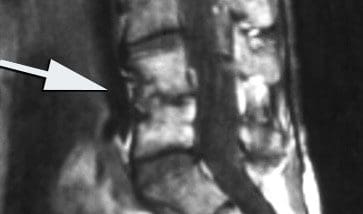
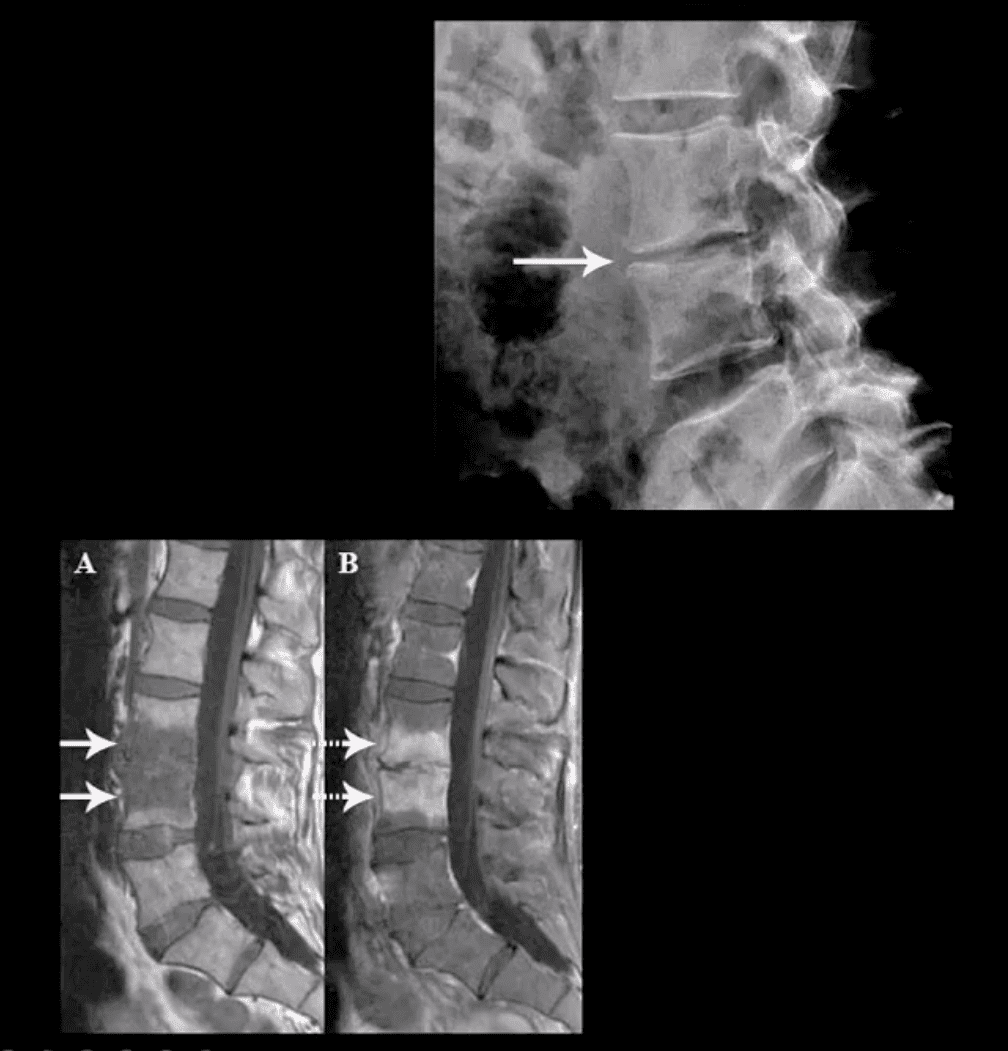
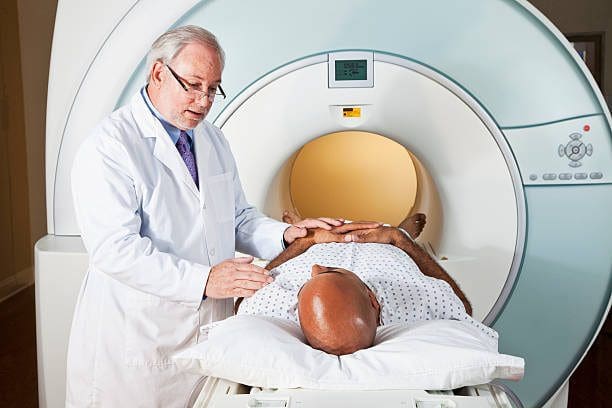
Blood tests can be utilized during diagnosis, however, the most accurate diagnostic tool to confirm discitis is magnetic resonance imaging or MRI that shows if an infection is present. �
�
Treatment
Treatment can be challenging. This is because of the fact that the discs do not have a blood supply, and medications/antibiotics travel through the blood. It is treatable and is usually done within a six to eight-week course of antibiotics intravenously or through an IV.
IV administered antibiotics could require treatment on an outpatient basis. The entire course of antibiotics must be completed in its entirety in order to manage the discitis. A doctor could also prescribe a spinal brace to help stabilize the spine and reduce pain. A brace can limit movement, however, it will help ensure proper healing.
�
Spinal Infections
Spinal infections can present spontaneously or as secondary conditions, e.g. after a surgical procedure. Spinal infections can affect different structures, like the:
Vertebral column or the bones of the spine
Intervertebral disc space, which is the cushion-gel structures between the vertebrae
� Here are some facts about the occurrence and prevalence of different infections of the spine:
Vertebral osteomyelitis is the most common type of infection. It affects an estimated 27,000 to 66,000 people a year.
Epidural abscess is an infection inside the spinal canal that affects up to two cases per 10,000 in hospital admissions around the U.S. It is pretty common in individuals with vertebral osteomyelitis or discitis. Eighteen percent of those individuals can develop this infection. However, it is more common in people fifty and older.
Discitis, as aforementioned is a pretty uncommon condition. Although, treatment has advanced, around twenty percent of individuals with this infection do not survive.
�
Infection Risk Factors
There are certain factors that increase the risk of developing an infection. These factors include:
Symptoms from a spinal infection can vary. However, continuous back pain with no history of trauma or injury. Usually, there is a delay in the diagnosis for an infection of the spine because of the:
Subtle nature of the symptoms
Individual's belief that the pain is not serious
Absence of body-wide symptoms like a fever
Lab results can also complicate the diagnostic process, as they can be misleading. There could be normal white blood cell counts, x-rays that show no abnormalities, and a sensitive diagnostic test like a bone scan might not show that an individual is positive until a week later.
An erythrocyte sedimentation rate is a valuable screening test when it comes to spinal infections. The test can measure inflammation and infection in the body. If a spinal infection is suspected, an MRI could be the most reliable tool to confirm early diagnosis.
Health & Immunity Series
�
Dr. Alex Jimenez�s Blog Post Disclaimer
The scope of our information is limited to chiropractic, musculoskeletal, physical medicines, wellness, and sensitive health issues and/or functional medicine articles, topics, and discussions. We use functional health & wellness protocols to treat and support care for injuries or disorders of the musculoskeletal system. Our posts, topics, subjects, and insights cover clinical matters, issues, and topics that relate and support directly or indirectly our clinical scope of practice.*
Our office has made a reasonable attempt to provide supportive citations and has identified the relevant research study or studies supporting our posts. We also make copies of supporting research studies available to the board and or the public upon request. We understand that we cover matters that require an additional explanation as to how it may assist in a particular care plan or treatment protocol; therefore, to further discuss the subject matter above, please feel free to ask Dr. Alex Jimenez or contact us at�915-850-0900. The provider(s) Licensed in Texas& New Mexico
IFM's Find A Practitioner tool is the largest referral network in Functional Medicine, created to help patients locate Functional Medicine practitioners anywhere in the world. IFM Certified Practitioners are listed first in the search results, given their extensive education in Functional Medicine