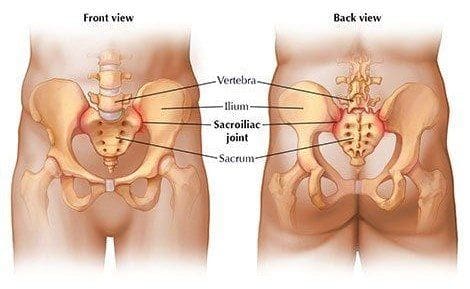
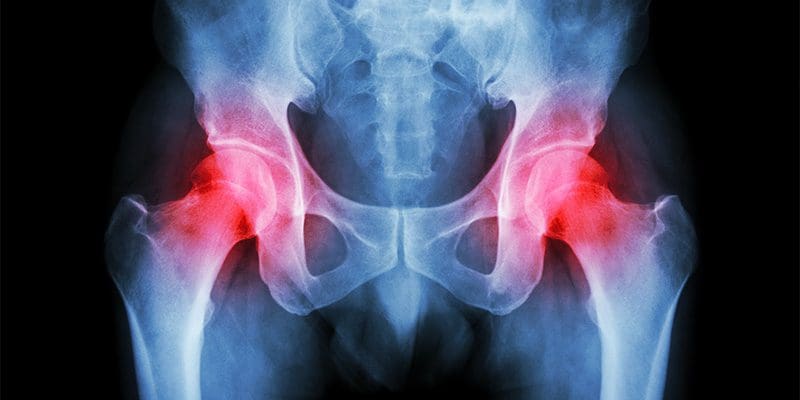
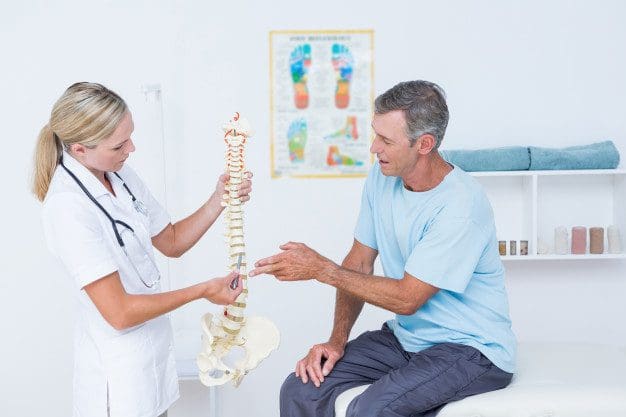
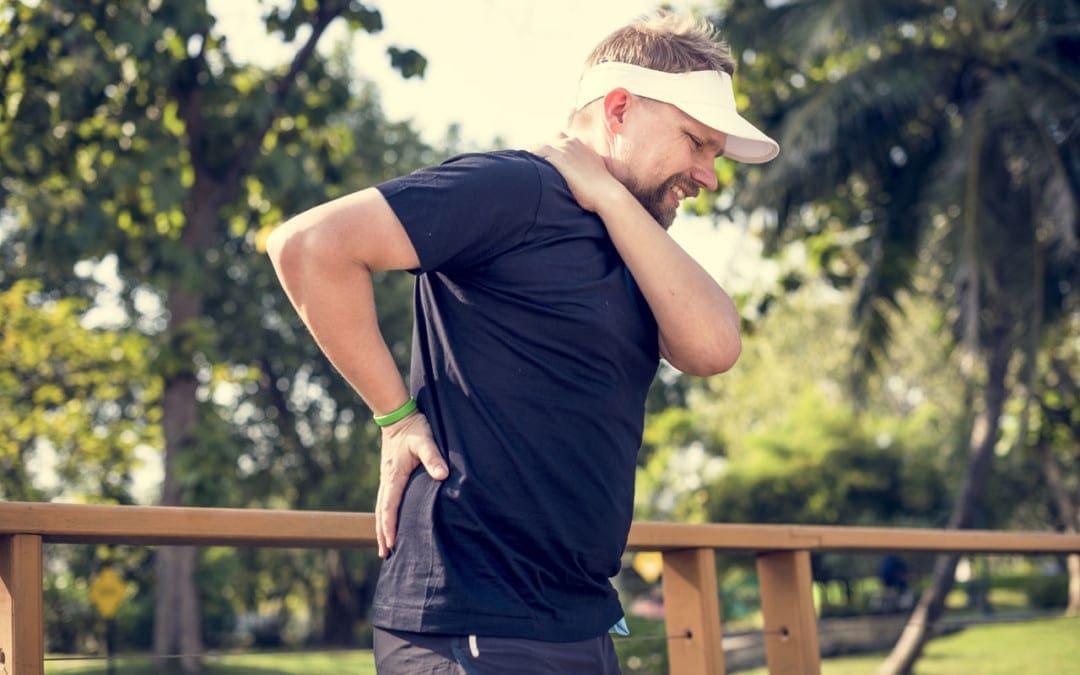
Sacroiliac joint dysfunction is known to cause low back pain, but diagnosing can be hard for some doctors. Especially those that do not have a great deal of experience in sacroiliac joint pain. However, chiropractors specialize in this area as the SI joint is an important part of the musculoskeletal system.
SI joint dysfunction and pain can involve�one or both joints.
�
Other terms associated with SI joint dysfunction are sacroiliitis or degenerative sacroiliitis.
Low back pain may be SI joint-related, so how to start the conversation with your doctor?
Things to Remember Before Appointment
Diagnosing sacroiliac joint-related pain begins before your first appointment with a doctor or chiropractor.
Three things to do before your appointment can help make the visit highly productive.
I. Know your medical history
If you have an existing spinal condition, it can definitely affect SI joint dysfunction
Any recent trauma, like an auto accident or fall?
Pregnant?
Think about these before, because they can help a doctor identify links or cause of Sacroiliac joint dysfunction.
II. Know the symptoms
Make it a point to know the symptoms so you can explain them in full detail.
Dull pain
Achy
Stiff
If you need to, write them down.
Common symptoms:
Low back pain
Pain that travels through:
Hips
Buttocks
Thighs
Groin
Pain when pressing on the Sacroiliac joints�
Stiffness or electrical burning sensations in the pelvis
Know when the symptoms get worse and when they go away. For example:
The pain usually increases when:
Standing
Walking for extended periods
Climbing stairs
Getting/rising up from a seated position
And the pain usually goes away when lying down.
III. Write down questions for your doctor.
Think about what you want your doctor to understand and the pain you are going through.
Write down questions and take them with you.
This questions could be like:
Is this pain caused by a sacroiliac joint problem?
Why rule out sacroiliac joint dysfunction?
How long does it take for the treatment/s to take effect?� �
Is the treatment plan for long sustained relief or short-term relief?
The Appointment
Ask your doctor to examine you for sacroiliac joint dysfunction.
Low back pain research shows the sacroiliac joint, is a definite cause of low back pain.
This problem affects� 30-34% of patients with low back pain.
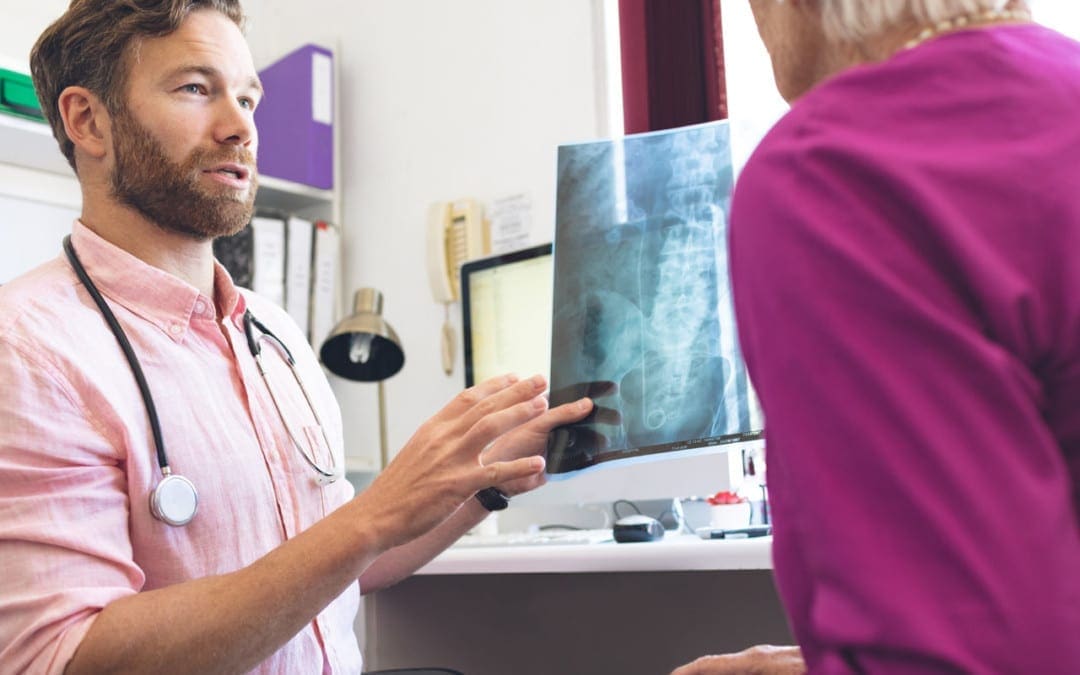
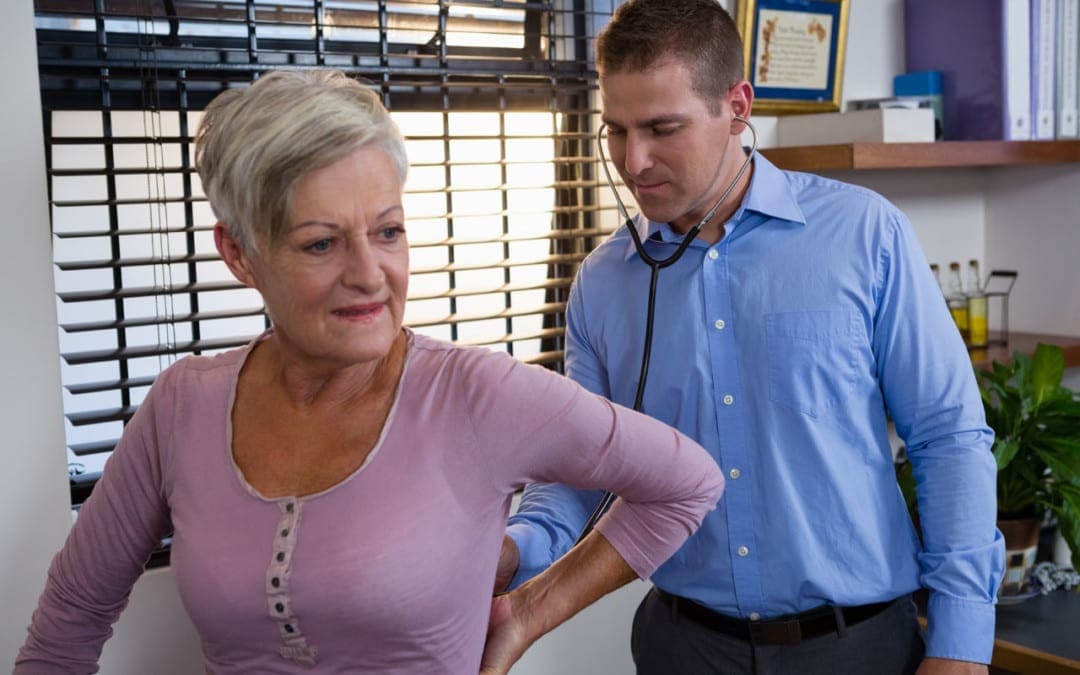
A doctor can diagnose sacroiliac joint dysfunction based on medical history and a physical exam.
The physical exam, which can include performing specific maneuvers/movements to re-create the pain in a controlled manner, to help confirm a diagnosis.
Physical tests can initiate sacroiliac joint pain and help diagnose low back pain that is being caused by sacroiliac joint dysfunction.
Fortin finger test, which means pressing down near the sacroiliac joints
If three out of five tests produce pain, then more than likely you have sacroiliac joint dysfunction.
Dialogue with your doctor/chiropractor
It�s normal to feel overwhelmed during a doctor’s visit, especially if you have a�condition that is hard-to-diagnose.
Talk with your doctor, their voice should not be the only one heard, this is your body and your health that’s at stake.
Your information is essential to help with an accurate diagnosis.
If your doctor doesn’t feel comfortable or feels they don’t have enough experience in diagnosing sacroiliac joint pain, then ask for a referral to a spine specialist/chiropractor that is comfortable and does have the experience in diagnosing sacroiliac joint pain.
There are a number of treatments for sacroiliac joint dysfunction, including pain medication, epidural steroid injection, and surgery. However, chiropractic care is non-invasive and does not have the unpleasant, sometimes harmful side effects of pain meds. It is safe and effective and treats the entire body instead of just the part that hurts.
Low Back Pain Treatment | El Paso, Tx
Low back pain which gradually influenced his quality of life was developed. David Garcia was unable to walk as his symptoms worsened and his back pain became excruciating. He first visited Dr. Alex Jimenez, a chiropractor in El Paso, TX, following a recommendation from his sister. Dr. Jimenez managed to supply David Garcia with all the aid he deserved for his low back pain, restoring his well-being. David Garcia clarifies the wonderful service Dr. Alex Jimenez and his team have given him to offer him relief from his painful symptoms and he highly recommends chiropractic care as the non-surgical pick for low back pain, among other health problems.
NCBI Resources
Patients who experience lower back pain never want to deal with it again, but�it can flare up periodically. According to the�National Institute of Neurological Disorders and Stroke, roughly 20% of those who suffer from low back pain will eventually deal with it chronically. This can cause frustration, primarily when it affects mobility.
Before you run screaming in horror to the medicine cabinet, one of the best reasons to participate in chiropractic treatment is that it helps reduce the chance of a recurrence. By working on the total body and getting it in the best shape possible, the patient is stronger and more balanced to handle their workload and other strenuous activities. Chiropractors also impart advice on how to minimize the chances of re-aggravating the lower back.
Sciatica doesn�t have to prevent you from being able to travel.
Sometimes a journey can create a series of challenges for people with sciatic nerve pain in the low back and leg.
A common issue among individuals is to prevent sciatica from flaring up when on the road or in the air.
A solution for this is to find ways to keep moving. However, easier said than done, but it can be done!
Flying and driving often mean long periods of sitting and sitting in a position typically not friendly with sciatic pain.
“When we drive or fly for an extended trip, it means long sitting times, and sitting in a position that can cause sciatica to flare up at any time,” says Dr. Alexander Jimenez, D.C. in El Paso, Texas, and member of the American Chiropractic Association (ACA).
Dr. Jimenez shares some basic tips for keeping mobility up, all the while pain-free, when flying and driving with sciatica.
He also offers additional advice to keep radiating pain from starting, upon arrival.
Flying with Sciatica
Sciatica pain radiates through the lower body meaning:
The low back
Hips
Buttocks
Legs
So when a flight anchors you to a seat, this can aggravate the area and cause pain.
The first thing to consider is the seat choice.
An aisle seat allows you the easiest access out of the seat, allowing you to move more during the flight.
Also when flying with sciatica, tell the flight crew about your condition.
When the seatbelt off light comes on, get up, stretch your legs and move around anywhere you can find room.
With a good portion of the population suffering from sciatica, most crews have seen people with this condition, and will usually let you do some stretching if they’re not busy.
A good sciatica stretch is to put your hands on something stable and do some deep knee bends.
This will use the upper body weight to stretch the lumbar spine comfortably.
Do a few and make sure you feel and return to your seat stretched and refreshed.
When taking a long flight, do this every hour to feel better when landing.
Sciatica Road Trip
Road trips, on the other hand, are easier to stop and move around. However, it can also create over-concentration on the drive and forgetting how much you are hurting until the pain is unbearable.
Dr. Jimenez advises frequentstops, if possible every hour is best to prevent pain.
On the stops walk two or three laps around the car/Suv/truck.
Rear bumper stretching prop
Place one foot on the bumper, and the other a few feet behind, lean into the bumper and square the hips with the lead foot.
This is like a hurdle stretch.
Stretch both legs on each break.
Regular stretching helps relieve the pressure on the low back so you can drive comfortably.
Arrival
Packing light is a healthy tip because hauling heavy luggage will aggravate sciatic nerve pain.
There are a few things that Dr. Jimenez recommends packing or getting upon arrival.
Gel ice pack you can keep in the refrigerator or freezer in a hotel.
Apply the cold pack to the low back for 20-minute increments will go a long way toward relieving pain.
Topical agent/cream/gel that has menthol or camphor, that you can apply to any area of tenderness or pain before the ice gel pack.
This increases the ice pack’s power by helping relax muscles and decreasing pain.
Supportive shoes or custom foot orthotics
People with sciatica should choose footwear or orthotics that support all three arches of the foot.
Leg length is usually not equal on each side, and proper arch supports can be custom made for you by your chiropractor to compensate for the difference.
Even a 5mm difference can cause chronic back pain.
And if possible, ask your chiropractor or primary physician if they can recommend a chiropractor, physical/massage therapist,� or acupuncturist that you can see in case you need emergency treatment.
This can give you some peace of mind.
Keep Your Exercise/Stretching Routine When Traveling
When we travel especially on vacations it can be easy to let healthy lifestyle habits you practice at home slide.
All are sciatica�s natural enemies make sure to bring these healthy practices with you to your destination.
Use the same good sense when you travel just like at home getting:
Get plenty of rest
Drink plenty of water
Don’t overeat
You will need more rest when you travel and don’t forget when you travel to:
Walk
Stretch
Stay mobile
Difference Foot Orthotics Make to *REDUCE FOOT PAIN* & Correct Posture | El Paso, TX (2019)
Custom made foot orthotics can help control foot motion and posture. Healthcare professionals prescribe custom foot orthotics to help patients focus on their foot posture and mobility control. Research studies have ascertained that using custom foot orthotics for posture and mobility control can help fix excessive foot pronation and supination to prevent a variety of foot health problems. The subsequent video describes how custom foot orthotics will help control foot posture and mobility to improve health and wellness.
NCBI Resources
Sciatica is generally caused by the compression of lumbar or sacral nerves or by compression of the sciatic nerve. When sciatica is caused by compression of a dorsal nerve root, it’s known as lumbar radiculopathy. This can occur because of a spinal disk bulge or spinal disk herniation (a herniated intervertebral disc), or by roughening, enlarging, or misalignment (spondylolisthesis) of the fascia, or as a consequence of degenerated discs which can reduce the diameter of the lateral foramen by which nerve roots exit the spine.
Myofascial syndrome, what is it? You’re probably thinking I don’t have that, but more than likely, you have.
Myo means muscle and fascia refer to the tissue bands that cover and connect the muscles/organs.
Tightness
Twitching areas
Painful knots
In the neck/back, then myofascial pain syndrome could be the cause.
Myofascial syndrome is a very common condition. It affects about 44 million people in the United States.
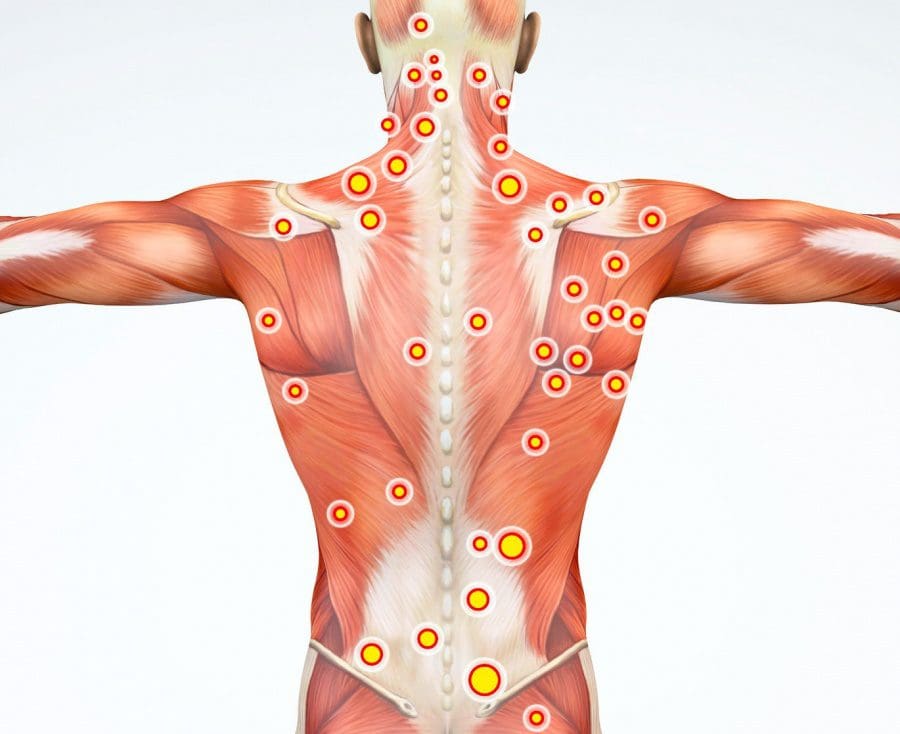
Trigger Points The Areas Where Pain Can Develop
Myofascial pain is associated with trigger points. These are areas that can become tender and stiff inside muscle tissue that reduce the range of motion.
Myofascial pain syndrome can happen when you have several active trigger points.
Trigger points are often referred to as knots because they feel tight and balled up compared to the softer relaxed surrounding muscle/s.
If the muscle becomes tight, it can cut off its blood supply, that can trigger:
Muscle tenderness
Pain
Spasm
Tightness
Trigger points can form all over the body which includes:
Neck
Mid-back
Low back
Common characteristics of trigger points are that they cause pain that travels or spreads to the surrounding area. For example, shoulder pain can radiate across the upper back.
The muscles can also twitch when touched.
Pretty much everyone has trigger points, but not all triggers cause symptoms.
Dormant or latent��trigger points can reduce the range of motion but only cause pain when directly palpated or compressed,
Active trigger points are painful any time, even when at rest.
Lifestyle factors like:
Stress
Poor posture
Can make a dormant trigger point become active.
Trigger Point Causes in the Spine
Spinal injury or trauma can result in myofascial pain syndrome, but lifestyle factors usually have a hand in the condition.
Poor posture over a long period, for example, sleeping in an awkward position can cause physical muscular stress on the spinal muscles.
Mental and emotional stress can present itself through muscle tension that helps the development of trigger points.
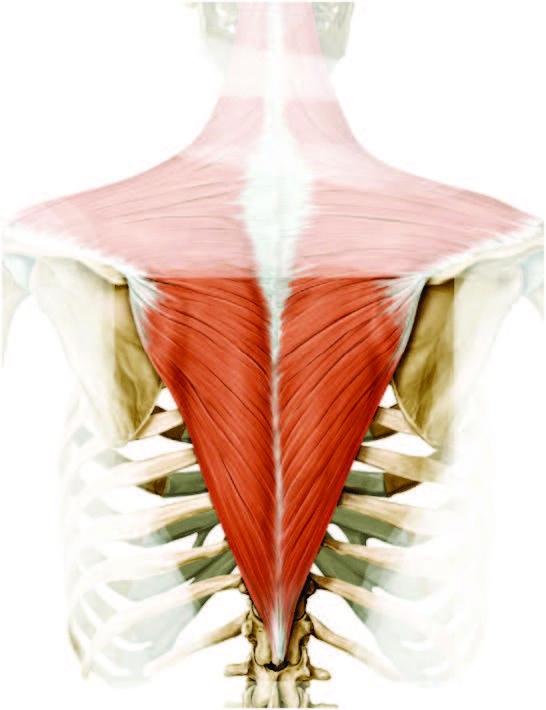
The trapezius muscle, that extends from the back of the neck down the shoulders and upper back, is the most common site of spinal trigger points and myofascial pain because of the significant amount of pressure that the muscle has to bear and its susceptibility to whiplash.
The Difference Myofascial Syndrome and Fibromyalgia
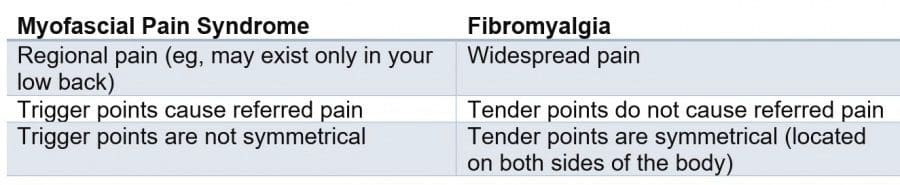
Because myofascial syndrome is linked to triggering points, fibromyalgia and its tender points bring out a comparison of the two.
Myofascial pain syndrome and fibromyalgia are two distinct conditions, and the table below outlines the primary differences.
Because they are unique conditions, there is a possibility to develop both conditions.
Doctor(s) can help craft a treatment approach that addresses the pain of both trigger points and tender points.
Diagnosis can be difficult
Myofascial pain syndrome is common but can be difficult to diagnose.
The challengingreasons behind diagnosing include:
Scientists are not sure how these trigger points cause pain.
The condition is often confused for other spinal disorders and conditions.
An example is having low back pain caused by myofascial syndrome in the lumbar spine. But low back pain brought on by arthritis can cause similar pain. That’s when the cause needs to be carefully and properly assessed.
There is no standard test for myofascial pain syndrome diagnosis yet.
There�s no standard diagnosing protocol but manual palpation or use of the hands to feel for:
Tenderness
Twitching
Tightness around the area
Is the most common way doctors diagnose the condition.
Some doctors might only utilize manual palpation but ultrasound is emerging as a diagnostic tool for myofascial pain syndrome.
Ultrasound produces clean images of the soft tissues and shows the active trigger points.
However, more research is needed to secure its place as a diagnostic method and tool.
A personal or primary care doctor can diagnose myofascial syndrome, but they may refer you to a pain specialist or a spine specialist like:
Doctors and researchers are still learning about myofascial syndrome, therefore, treatment options differ from doctor to doctor.
But most doctors do support a multidisciplinary treatment approach that is, using a variety of therapies and employing lifestyle changes to manage trigger point pain and prevent it from coming back.
Below are common treatments for myofascial pain syndrome.
Release Therapy
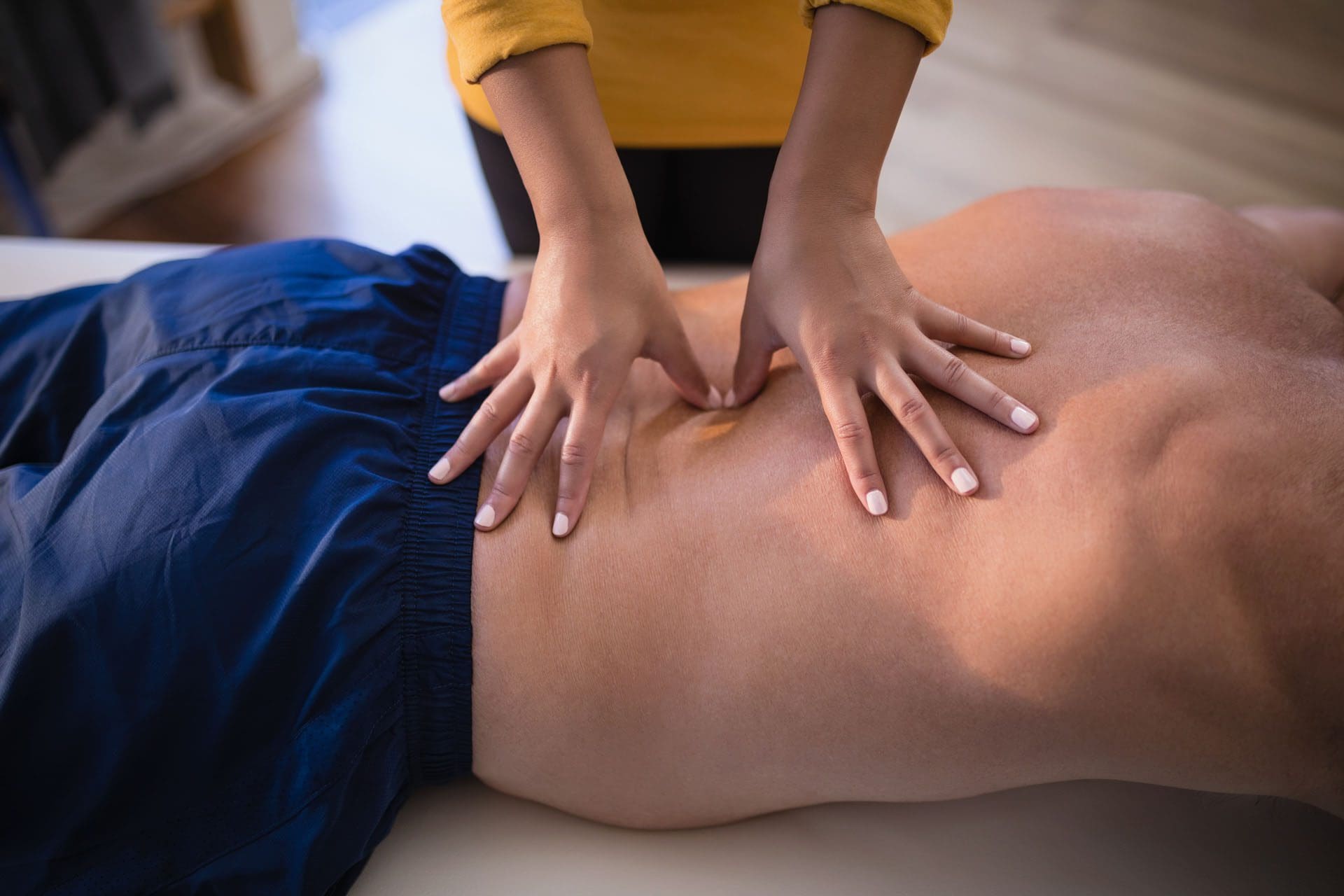
Myofascial release is a broad treatment option that consists of manual or instrument-guided therapydesigned to release the muscles and fascia by use of applying pressure.
Practitioners and clinicians are trained in myofascial release therapy, including:
Massage therapists
Physical therapists
Chiropractors
Physiatrists
The goal is the same:
Put pressure on the trigger point and release it.
Myofascial release technique might sound like a massage, but it is a distinct method compared to massage.
Massage moves muscles up and down,� myofascial release utilizes direct pressure into the stiff fascia and muscle.
Repeated pressure on the tight areas is not soothing, and patients tell of soreness during and after the treatment.
Once the trigger point loosens up, blood flow and nerve function begin to return to the area.
Then the pain is gone, hallelujah!
Additional Care Options
Myofascial release therapy is just one option for trigger point pain.
Other common treatments to manage spine-related pain include:
Home
If you know the location of the trigger points you can treat them at home with simple tools.
Rolling the trigger point over a:
Foam roller
Golf ball
Tennis ball
Can help loosen any of the tight areas.
Over-the-counter medication
If doctor-approved, then taking an over-the-counter pain reliever like acetaminophen (Tylenol) or ibuprofen (Motrin, Advil) can help with spine pain and allow daily activities.
Physical therapy
Physical therapy like:
Massage
Chiropractic
Heat
Electrical stimulation
Ultrasound
There are also stretches/exercises to keep muscles warm and flexible to help any future trigger points from forming.
Massage therapy
Licensed massage therapists practice myofascial release therapy, but also include other forms of massage
Deep tissue massage
Swedish massage
Can also help relieve trigger point pain.
Massage can also help to relax, and this is very important in preventing myofascial pain syndrome.
Also, learn how to keep stress and anxiety in check, and avoid tension that can turn into trigger points.
Dry needling/acupuncture
While both therapies use needles, dry needling and acupuncture are different treatments that can reduce the pain.
There is not a lot of research on dry needling like acupuncture, but it can help increase blood flow to the trigger point area.
Acupuncture means inserting needles into specific points on the body.
These needles help stimulate the body’s energy and help in sending signals to the nervous system to release chemicals into the body to help with the pain, which means less pain.
Trigger point injections
If any of these treatments don’t seem to be working, then you might want to talk to your doctor about trigger point injections.
Many people who have trigger points or myofascial pain syndrome in their spine have knots and tightness throughout their back and neck.
To prevent myofascial pain syndrome one needs to practice a healthy lifestyle that promotes good spine health.
Stretching and exercising regularly can help keep stress under control and prevent tension from building up, which makes it harder for trigger points to activate and cause pain.
El Paso Chiropractic Back Pain Therapy
Andres “Andy” Martinez first came to see Dr. Alex Jimenez in Push Fitness after undergoing back pain and knee issues. Following a period of physical therapy and rehabilitation, Andy became engaged in Crossfit, where he learned everything he needed to know about health and wellness from the coaches at Push. Andres Martinez expresses how grateful he is to receive the amount of care he does against the staff and he clarifies how much his perspective of fitness has shifted from the first time he walked into Push Fitness. Andy has seen a family at Push who led him to a healthy, clean life and both the trainers and staff mean everything to Andres Martinez.
NCBI Resources
The knots you have probably felt in your muscles or had others identify are also known as trigger points. These tight spots are often sensitive to the touch and can be found in any muscle in your body. As they develop, they may produce symptoms like numbness, burning, weakness, pain, and tingling. Trigger points are caused by trauma to the body, such as an accident in a car or during athletics. They can also be caused by more mild, long-term trauma, such as working at a desk without proper ergonomics or making a repetitive motion over a long period of time. Chiropractors are not only good at finding trigger points, but they are also good at treating them.
Sometimes low back pain comes out of nowhere, but that sudden twinge in the lower back does have a cause. With some cases, there�s a trigger, like picking up a heavy object/furniture from an awkward position.� But sometimes it can be a mystery and a challenge to diagnose.
It is important to know the cause of lower back pain to figure out the proper treatment plan. Otherwise, one could receive treatment for the wrong diagnosis and possibly exacerbate the existing injury.
Why do I need to know what triggers my back pain
Knowing what triggers back pain is the first step toward prevention and how to treat it.
Muscle spasms can stop you cold, and so I’m sure you don�t want another one.
Acute Back Pain
Acute low back pain typically comes on suddenly and lasts for a short time.
It often resolves on its own with self-care and a little time.
Back pain that lasts longer than three months, is considered chronic.
Chronic back pain can be more complex and require doctor/spine specialist-directed treatment, like physical therapy.
Lower Back Pain Is Common
Over 90 percent of adults will have some type of low back pain during their life.
It happens to be the number one cause of job disability globally and the leading contributor to missed work.
Lower back pain happens more often, compared to mid or upper back pain because of the location and all of the movement.
The lower back supports the upper body’s weight.
The low back known as the (lumbar spine) absorbs and distributes all of the forces and stress when we move:
Walking
Standing
Rest
Sitting
Sleeping
Spinal and abdominal muscles that are weakened heighten injury risk.
These factors combined make the lower back vulnerable to painful spinal conditions.
Common Triggers
When the lumbar spine:
Muscles
Tendons
Ligaments
And other connective tissues get:
Pulled
Strained
Sprained
Is when lower back pain happens.
Small tears in the disc can also contribute to back pain.
Basically, any number of activity and non-activity can cause damage to the spinal discs depending on the movement.
A study published in Arthritis Care & Research saw 999 people from 300 clinics in Australia, to examine their pain triggers.
The most common triggers include:
Manual tasks performed in an awkward posture
This includes:
Lifting boxes with the back and not bending the knees
Lifting something too heavy
Moderate physical activity
Vigorous physical activity
High intense strength training, long bike rides without proper conditioning, handling people or animals, and picking up children can be triggers and cause injury.
Other triggers include:
Overstretching
Twisting
And Trauma
From:
Falls
Vehicle accidents
Sports
Triggers You Might Not Know About
Although we don’t think about it being Distracted can increase the odds of low back pain.
When we’re not paying attention,� we are more likely to lift and carry something too far from our body or distribute the weight unevenly.
Feeling tired and Fatigued is associated with lower back pain.
Getting the proper amount of sleep is vital to restore our bodies to optimal performance.
When we don’t sleep the right amount of hours we make our bodies more susceptible to injury.
Treatment
Thankfully most cases are not serious and typically resolve within a few days to, four weeks healing on its own.
But if not, then there are these conservative treatments that can help you feel better and speed up healing.
Continue to Move Around
Depending on how much pain your body will allow, keep doing regular activities and exercise, as best as you can.
Activity increases blood flow, that moves oxygen and minerals/nutrients through the body.
Activity and movement help reduce muscle tension and inflammation.
Heat/Ice
This will not cure a strain or sprain, but they do help in pain reduction.
Heat helps loosen tight muscles.
This can be done by making warm compresses by soaking a towel in hot water.
Fold it to the size you need and wrap it around your lower back up to 20 minutes.� Then rest, massage and re-apply.
Massage can bring temporary relief from short-term back pain.
If the pain is intense and interferes with daily activities, a chiropractor/physical therapist can offer exercises and stretches to:
Improve posture
Increase mobility
Correct muscle imbalances
Acute lower back pain can stop you cold with its intensity.
Understanding triggers can take steps to maintain a healthy spine and avoid unpleasant surprises.
Medication
Both acetaminophen (Tylenol) and non-steroidal anti-inflammatory drugs (NSAIDs) can relieve pain.
These need to be taken, specifically as directed by your doctor. We’ve seen the opioid crisis going on and now this type of treatment is now a last resort. Various medical associations are now pushing towards natural and alternative therapies before turning to medication.
Prolonged use of NSAIDs (Aleve, Advil) can be associated with an upset stomach, kidney damage and gastrointestinal conditions and bleeding, among other conditions.
Back Pain Specialist | El Paso, Tx
Back pain is one of the most common health issues frequently diagnosed by healthcare professionals. Approximately 80 percent of the population will experience some type of back pain throughout their lifetimes. Because back pain can occur due to a wide array of health issues, diagnosis is essential to follow-up with the proper treatment approach. Dr. Alex Jimenez, chiropractor or doctor of chiropractic in El Paso, TX, utilizes chiropractic care to help treat back pain. Patients describe how their back pain affected their quality of life, and how Dr. Jimenez helped them improve their overall health and wellness with chiropractic. Patients highly recommend Dr. Jimenez and his staff as the non-surgical choice for back pain, among other common health issues.
NCBI Resources
Throbbing, dull and achy, sharp and excruciating. All of these words can be used to describe lower back pain. Unfortunately, lower back pain is a common occurrence in adults. According to the�American Chiropractic Association, low back pain is the single leading cause of disability worldwide, with millions of reported cases every year. Patients who experience lower back pain never want to deal with it again, but�it can flare up periodically. According to the�National Institute of Neurological Disorders and Stroke,�roughly 20% of those who suffer from low back pain will eventually deal with it chronically. This can cause frustration, primarily when it affects mobility.
Pelvic tilts to gently awaken the transverse abdominals
Side-stretching helps� expand the spine
Stretching the sides of your body allows for space between the ribs.
It alleviates back pain and improves breathing.
As pregnancy advances, the middle area of your body can feel tighter.
This is one reason you may feel out of breath.
My massage therapist shared a stretch that helps to open up this space.
Sit cross-legged and raise both arms toward the ceiling
Put your right hand down and, with the left hand, reach over toward the right side of the room
Repeat on the opposite side
Take deep breaths
The goal is to reach up and over to improve breathing.
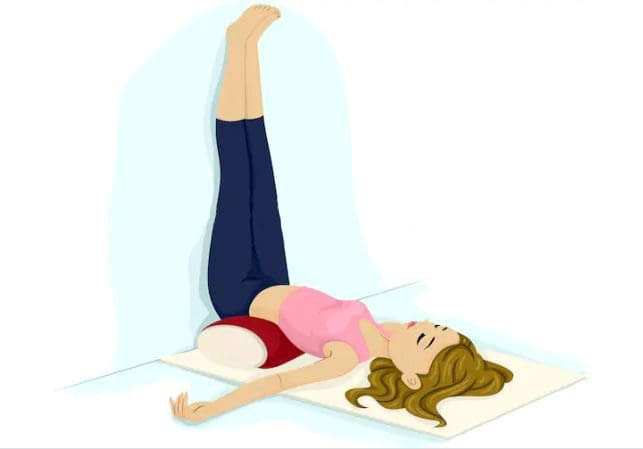
Legs up the wall
Your legs, knees, and feet will begin to feel the effects of added bodyweight and pressure.
A restorative yoga pose that involves placing a yoga mat or blanket as a back cushion next to a wall.
Lie on the floor against the wall
Let your legs climb up the wall
Stretch arms outward and turn your palms up
Take deep breaths
This reverses the blood flow and gives your joints a much-needed break.
Hang out and enjoy.
If the back of your legs feel like it’s too much to stretch all the way up, bring the soles of your feet together and let the knees butterfly out to the sides.
Make it a Daily habit
It can be a struggle to do daily stretches and exercises, especially as things get crazier and busier.
But this is what makes these home exercises/tips work.
Get into the habit to make it more personal and make body-care a top priority.
Children and life will try to take over but your wellness needs to come first before the care of others.
Living with back pain is something I would not recommend trying. Instead, see a chiropractor/doctor and learn these exercises and more tips so you can work out the discomfort/pain whenever it presents and enjoy your pregnancy to the fullest.
Lower Back Pain Pregnancy Chiropractic Treatment El Paso, TX
Truide Torres, office supervisor, first considered chiropractic care with Dr. Alex Jimenez throughout her pregnancy as a consequence of her lower back pain. Mrs. Torres experienced aggravating symptoms throughout different stages of her pregnancy, which led her to seek a pure remedy strategy for her well-being, particularly because of her child in the womb. After Truide Torres began chiropractic therapy with Dr. Alex Jimenez, she recovered her overall well-being and managed to go back to her first state of well-being. As a professional manager, Truide Torres additionally receives regular chiropractic care for any lower back pain that might occur as a result of her occupation. Mrs. Truide expresses how important it is to keep her spinal care and she recommends Dr. Alex Jimenez as the non-surgical pick for several health difficulties.
Low back pain, or LBP, is a normal health problem between the muscles, nerves, and bones of the spine. Pain could differ, often called a dull persistent pain or any sudden sharp sense. Low back pain could be classified by length and severity, including acute (pain lasting less than 6 weeks ), sub-chronic (6 to 12 months ), or chronic (over 12 weeks ). The status could be further categorized together with the inherent causes as both bodily, non-mechanical, or referred pain. The signs of lower back pain may generally improve in a couple of weeks, but a few instances may require further treatment. In virtually all episodes of lower back pain, a certain underlying cause is not identified or properly cared for, and health care professionals might feature it to muscle or joint strain.
What’s Afoot
The human body is an intricate machine, and everything is connected so when something goes wrong in one area, it can cause problems in other areas. The back carries a lot of the stress in the body so when there is a problem with the hips, knees, or a foot dysfunction, the spine can bear at least some of the brunt of the pain and other effects.
NCBI Resources
Chiropractic a preferred treatment for pregnancy low back pain. The chiropractor may perform a spinal subluxation to bring the spine back into alignment and the body back into balance. Regular chiropractic care�and following the doctor�s instructions can help greatly decrease low back pain for the mom to be so that she can better enjoy the excitement and joy of her pregnancy.
Piriformis syndrome will cause dull, mild pain in the low back, buttocks and can radiate down the leg.
Hip pain attributed to avascular necrosis will be severe and constant.
Sacroiliac joint pain could be attributed to the hip and the low back because the sacroiliac joints connect the sacrum in the spine to the hip bones.
Symptoms that the Spine Is the Root
Where groin pain is a sign that the pain is linked to the hip when the pain is above the waistline and travels down the body usually indicates a low back issue.
Among the most common degenerative conditions that affect the lumbar spine are:
Herniated discs
Spinal stenosis
Spondylolisthesis
Pain is caused by irritating the low back nerves, which result in pain shooting down the leg/s and:
Weakness
Numbness
Reduced range of motion
Arthritis of the spine brings on pain usually when first getting out of bed or rising up after sitting.
It usually improves after beginning to move.
Spinal stenosis or nerve pressure compression pain worsens with prolonged standing or walking, while relief comes with sitting.
Getting to the Root
When there is pain in the lower body and are not sure whether it’s the back or hip, the first course of action is to visit your doctor or a chiropractor.
They will review your medical history and perform a series of physical exams, such as various movements to get an idea of what is going on.
Your primary doctor may refer you to a doctor/chiropractor who specializes in hip or spinal conditions to make an accurate diagnosis.
The doctor will ask you to describe the:
Pain
Location
When it worsens
When it’s relieved
What the pain feels like (e.g., sharp, dull).
The doctor may have you perform various movements to observe your biomechanics.
The goal is to determine what movements trigger the pain.
For both spine and hip pain, surgery is rarely necessary and only utilized as the last-resort option.
Labrum Tear Hip Treatment El Paso, TX Chiropractor
Andrew Hutchinson turned into chiropractic care and Crossfit rehab after suffering a high ankle sprain and a hip labrum tear for which he moved through with surgery to repair it. After being bedridden for weeks so as to correctly recuperate, Andrew Hutchinson transitioned to chiropractic care and Crossfit rehab to regain his strength, freedom, and flexibility before returning to perform. Although he has suffered other sports accidents, Andrew Hutchinson continues to trust in chiropractic care and Crossfit rehab to keep his spine properly aligned and maintain overall health and wellbeing.
Labrum tears in athletes may occur from a single event or recurring trauma. Running may lead to labrum tears as a result of labrum being used more for weight-bearing and taking excessive forces while at the end-range motion of the leg. Sporting activities are likely causes, especially the ones that require frequent hip rotation or pivoting to some wealthy femur as in ballet or hockey. Continuous hip rotation places increased pressure on the capsular tissue and injury to the iliofemoral ligament. This then causes hip instability placing increased stress on the labrum and resulting in a cool labrum tear.
What’s Afoot
Muscle imbalances in the hip, such as tight hip flexors, can cause low back pain � or at least contribute to it. When the hip flexor muscles are too tight, it causes what is known as an anterior pelvic tilt. In other words, the muscles cause an anterior pull on the pelvis. This affect posture and throws the entire lower body out of alignment. It can also affect the knees and feet if left untreated.
NCBI Resources
Hip flexors can become too tight if the person sits for extended periods of time or engages in activities like cycling and jogging. A chiropractor can guide you through exercises that will help release the tight muscles and stop the micro spams that occur as a result. They will also assess your knees, feet, and ankles to ensure that the issue has not through them out of alignment as well. Correcting the cause of the problem will often correct the associated issues and resolve the pain allowing you to return to your normal activities.
Before and after spine surgery the surgeon and medical staff prepare you for recovery. The recovery process can take a long time and be extremely challenging.
Pain after spine surgery is normal, but how to tell if it�s beyond the typical pain during recovery?
What indicates that the surgery failed?
Chiropractor Dr. Alex Jimenez has dealt with this issue throughout his career and discusses symptoms associated with failed back surgery syndrome (FBSS, also known as failed back surgery (FBS) or post-laminectomy syndrome).
Back Pain the most common symptom
Chronic back pain is the most common symptom from failed back surgery.
With FBSS, chronic pain in one patient can be very different from pain in another.
People with FBSS can experience a range of different types of pain based on:
Spinal disorder
Spinal procedure
The underlying cause of failed back surgery syndrome
Types of back and neck pain people with failed back surgery may experience. Some may have one or more types.
Chronic pain:
Sustained pain that lasts for more than 12 weeks.
Chronic pain is the opposite of acute pain, which is short-term�severe pain.
Acute pain is expected during spine surgery recovery but should fade during the healing.
Nociceptive pain:
Localized pain that can be dull or sharp.
This is the type of pain patients may experience immediately after surgery
Example: The pain felt around where the incision was made.
When most people think of pain, nociceptive pain is the type.
Neuropathic pain (neuropathy):
Nerve-related pain is caused by damage to the nerves or spinal cord.
Neuropathic pain shoots and moves around, thus affecting large areas of the body.
Examples of this type of pain include:
Numbness
Burning
Tingling
Weakness
Abnormal sensations (called paresthesia)
Radicular pain (radiculopathy):
A branch of nerve pain (neuropathy) is called radiculopathy, or radicular pain.
Radicular pain radiates from one area to another.
Examples include from the:
Low back
Down the buttocks
Legs
Feet
And then starts all over again, or goes in a different order.
Other symptoms:
The original symptoms return:
When the symptoms that put the patient in the surgery room return, then there is a definite possibility of failed back surgery.
New pain presents:
New pain, meaning pain in a different part of the spine or a different type merits a discussion with your doctor.
Mobility Reduced :
It does take time to recover and that process can affect:
Endurance
Flexibility
Movement
However, if mobility or limitation is different from what was talked about with the surgeon or develops after recovery, then it should be discussed with your doctor.
Example: A limited range of motion in the neck or low back.
Headaches begin to present:
If headaches were not an original part of your medical history, this may point to a nerve problem.
Nerve Symptoms & Quality of Life
Neuropathic pain/ neuropathy or nerve-related pain is the most complex, debilitating, and difficult-to-treat.
People who experience this type of pain find it lowers their quality of life.
An online survey of 1,000-2000 patients that underwent low back surgery responded and revealed the following:
94% of respondents reported post-surgery low back pain
A separate study noted that nerve-related pain suffered by people with FBSS is more life-altering than pain caused by joint and nerve disorders.
Patients with FBSS and neuropathic pain go through higher levels of pain and have less quality of life/physical function compared with people with osteoarthritis, rheumatoid arthritis, and fibromyalgia.
FBS Symptoms Emergency Treatment
After surgery, it can be difficult to tell whether the pain is within the bounds of normal recovery pain.
At follow-up appointments ask questions about the progress of your recovery and about any concerns.
Pain after surgery is normal, but there are some signs and symptoms that merit emergency attention.
If you experience any of the red flag symptoms, call your doctor immediately:
Symptoms of Failed Back Surgery Syndrome Are Different for Every Patient
Every patient goes through a unique surgical experience and if it fails, patients may experience unique symptoms.
Because failed back surgery has several possible causes, the symptoms are going to be different for each patient.
Before you are discharged and even before you go under, ask your surgeon questions about what to expect during the recovery process.
Educating yourself with possible expectations during recovery, you�ll be best positioned to know when things aren�t going as they should.
Low Back Pain Management El Paso, TX Chiropractor
Denise suffered an auto accident injury which resulted in back pain. When she realized she could not sit, walk or sleep for lengthy periods of time without having painful symptoms, Denise found chiropractic care with Dr. Alex Jimenez at El Paso, TX. Once she received therapy for her automobile accident injuries, Denise experienced relief from her symptoms and she was able to execute her regular tasks once again. Thanks to the education and maintenance Dr. Alex Jimenez supplied, Denise regained her initial health and health.
Back pain is more most common, with roughly nine out of ten adults undergoing it at some time in their lifetime, and five functioning adults developing it annually. Some quote around 95 percent of Americans will experience back pain at some time in their lifetime. It is undoubtedly the typical cause of chronic pain since it’s also a substantial contributor to missed work and handicap. In the United States alone, acute cases of lower back pain are the fifth most frequent reason for doctor visits and cause 40% of missed days off work. What’s more, it is the leading cause of disability worldwide.
NCBI Resources
Aside from the obvious invasiveness of the procedure as well as recovery time and probable physical therapy that would be required as part of your aftercare. Say you have neck or back pain. How will you treat it? Many people will go to a medical doctor who will look at the symptoms, such as pain, and treat it with a prescription or over the counter medications. In some cases, they may recommend surgery to manage the pain or correct the problem.
IFM's Find A Practitioner tool is the largest referral network in Functional Medicine, created to help patients locate Functional Medicine practitioners anywhere in the world. IFM Certified Practitioners are listed first in the search results, given their extensive education in Functional Medicine