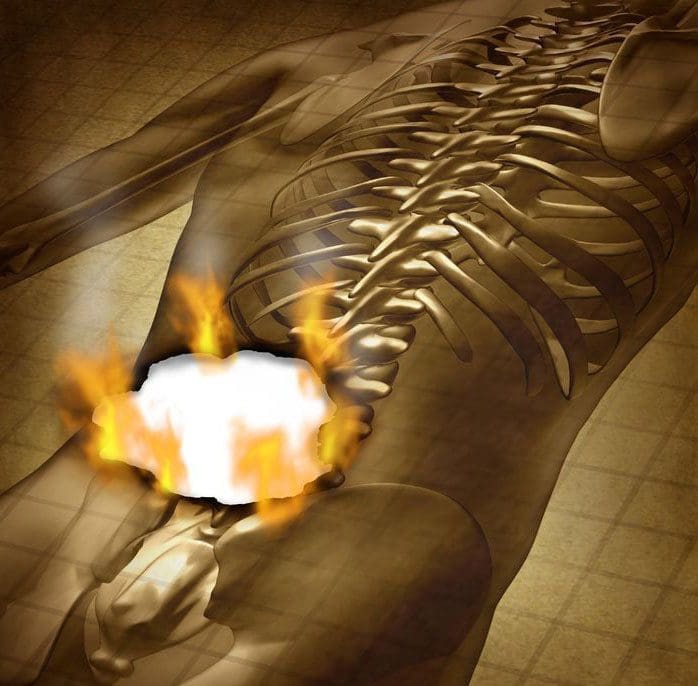
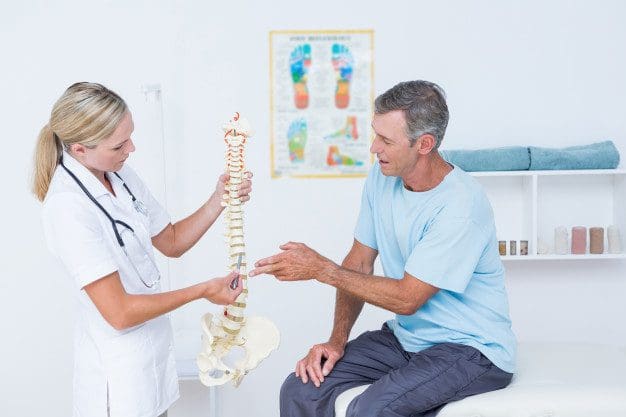
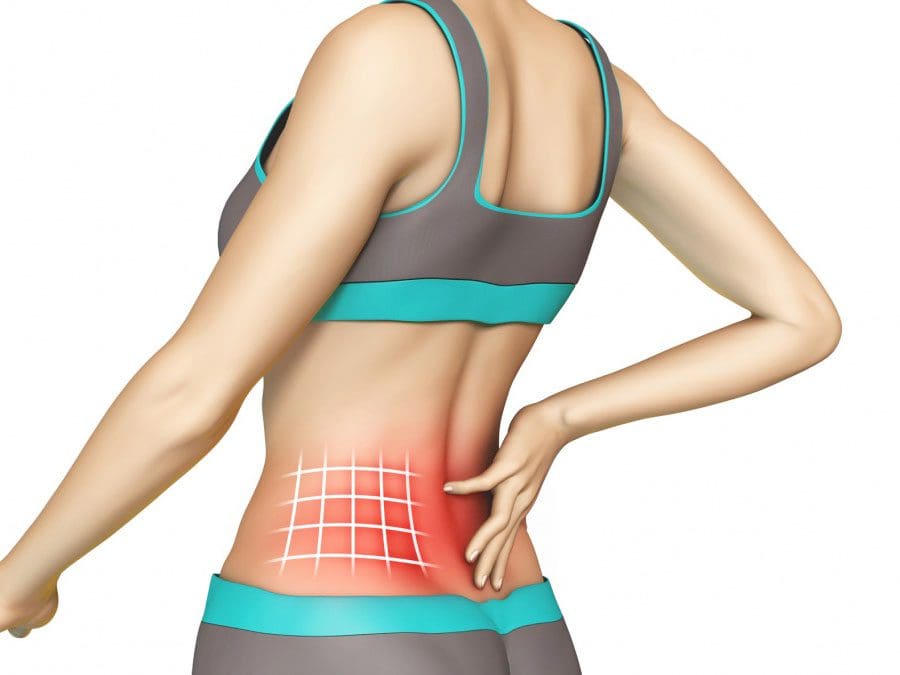
Do you have lower back pain or pain literally in the rear that runs down into one thigh or below the knee into the leg and even the foot? A doctor may diagnose these symptoms as sciatica, which describes compression of the sciatic nerve.
Sensations include:
Numbness
Tingling
Pins and needles
Electric like shock running through the leg
Depending on the nerve that is affected pain could radiate only into the buttock or all the way down to the foot. A common cause is a lumbar disc herniation or bone spur that presses down on the spinal nerve. Sciatic pain radiates along the nerve, usually from the low back, down the buttocks, into the thigh and leg, below the knee and sometimes into the foot and big toe.
Sciatica usually affects one side of the body.
Radicular Pain
A doctor may use the terms radicular pain or radiculopathy when talking about sciatica. Radiculopathy is pain/adverse sensation that travels along a nerve. When a spinal nerve root is compressed, pinched or injured, it becomes inflamed. Low back conditions that can contribute to this type of problem are spinal stenosis, foraminal stenosis or herniated disc.
Proper Diagnosis & Proper Treatment
The doctor will ask about your symptoms:
When did the pain begin?
Where is the pain most intense?
What activities worsen the pain?
What activities reduce pain?
Does the pain go all the way down the leg or stops at the knee?
Do you feel weakness or tingling in your legs or feet?
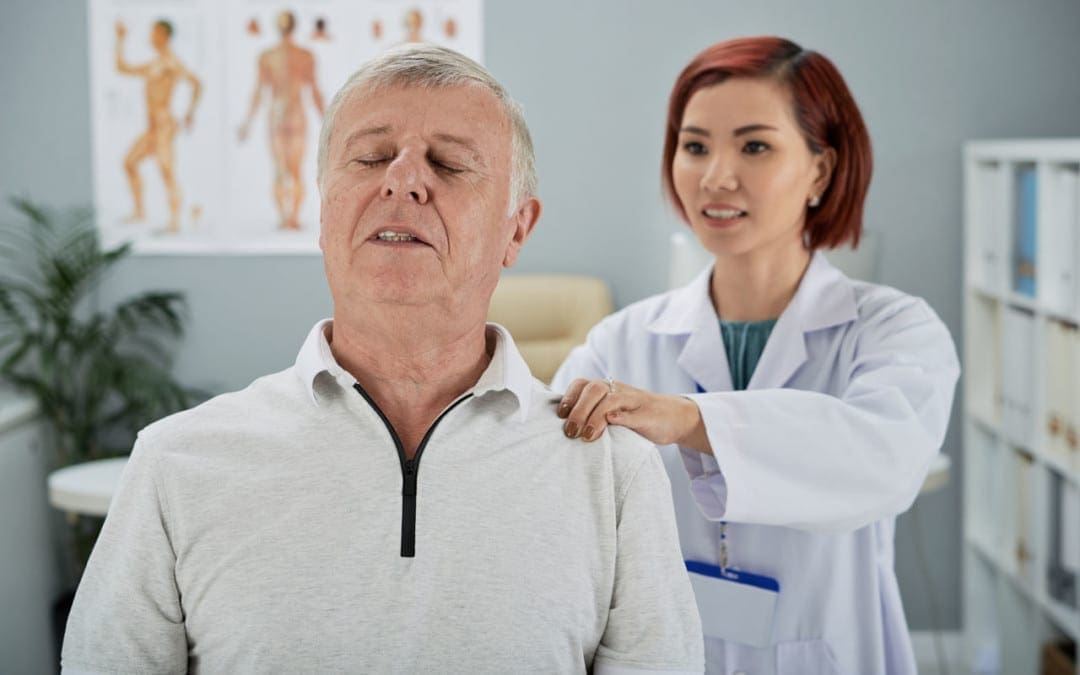
A doctor might perform a straight-leg test to see if there is an inflamed nerve. This is a simple exam where you lie on your back and the doctor lifts each leg. If this causes or produces pain and sensations, it can indicate there is a bulging/slipped or ruptured disc.
The compression of the nerve can also cause muscle weakness in the foot. Another exam may be to walk like you normally do, then on your heels and finally on your toes. This checks your balance and lower-body strength.
A doctor will:
Check your posture
Range of motion
Movements that cause pain
Check the curvature and alignment of your spine
Check for muscle spasms
Note your sensations
Test your reflexes and muscle strength
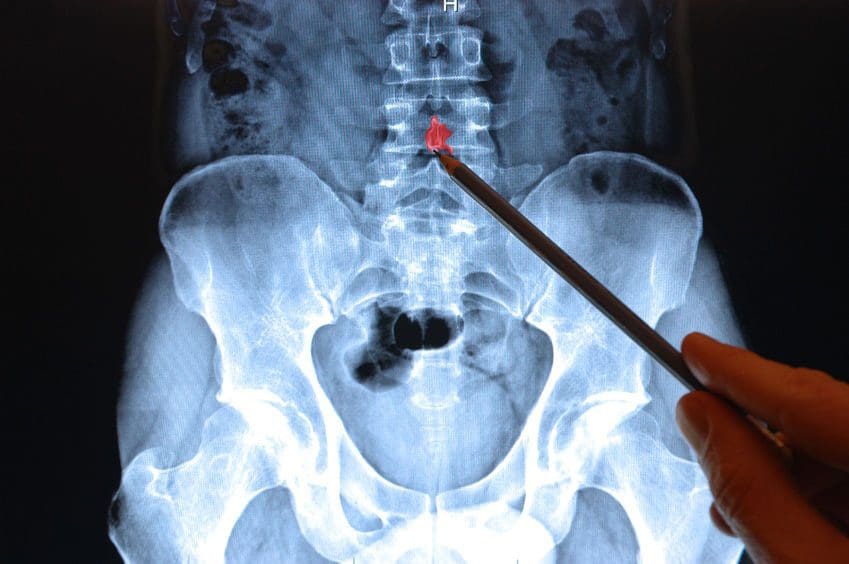
A doctor may order x-rays, CT scan or MRI.
The CT scan or MRI provides doctors with various images of your spine which can help in diagnosing whatever is causing your symptoms. These tests are then compared to what the doctor took note of during your medical history interview and the physical and neurological examinations. An accurate diagnosis is the first step in figuring out the best treatment plan.
Could something else be causing the nerve pain?
Only a doctor can tell if your symptoms are sciatica. There are other structures in the spine that can cause similar types of pain.
The sacroiliac joint between the pelvis and sacrum is the lowest part of the spine can cause sciatic pain.
The facet joint which connects the joints in the back of the spine gets sprained, it can also cause sciatica-like pain.
A tear in a spinal disc can cause pain down into the leg.
The hip joint can also cause pain in the thigh, that can radiate outward.
Sciatica Nerve Treatment
Sciatica can be treated non-surgically with:
Chiropractic care
Physical therapy
24 to 48 hours of bed rest
Over the counter pain relievers like ibuprofen or acetaminophen
Patients with sciatica feel better with time, usually a few weeks. If pain continues, other treatment modalities can be discussed. Muscle spasms can accompany sciatica symptoms and can be treated with heat or ice therapy. A doctor may advise light exercise like short walks and once recovery is established they may give you exercises to strengthen your back and core.
Severe *Sciatica”* Pain Relief | El Paso, Tx (2020)
NCBI Resources
A study cited by the health magazine�Prevention�found that sixty percent of sciatica sufferers who failed to get relief from other treatments found their symptoms improved after chiropractic care. In fact, they got the same level of relief as those who went through surgery � without any of the serious side effects that so often come with surgical procedures.
Chiropractic is effective for treating sciatica because it gets to the source of the problem � relieving pressure on the sciatic nerve.
Low back pain is one of the most common ailments for people visiting a doctor or an urgent care clinic. When the back pain becomes intense, it can get you thinking something is seriously wrong with your back. The doctor might offer an x-ray or MRI scan to put your concerns at ease.
Fortunately, most cases of low back pain, even acute pain, improve within days or a few weeks. Most cases are remedied with chiropractic, physical therapy, heat/ice therapy, and rest. And a lot of these cases do not require any form of spinal imaging. However, those are why X-ray, MRI, and CT scans are necessary to figure out what’s happening.
Strained muscle
Sprained ligament
Poor posture
These typical causes of low back pain can be painful and limit activities.
Back Pain Lasting Longer Than 2/3 Weeks
Subacute pain lasts between 4 and 12 weeks, while chronic back pain lasts three months or longer. These are not indications of a severe lower back spinal condition.
Less than 1% of people with low back pain are diagnosed with the condition that may require spine surgery:
Doctors may recommend an x-ray or MRI if the low back pain is from a traumatic injury, like a:
Slip
Fall
Automobile accident
Other potential causes of low back pain may warrant medical imaging immediately or later.
The diagnostic process starts with the evaluation of the low back symptoms and how they relate to what was found during the:
Physical exam
Neurological exam
Medical history
A doctor utilizes these results to determine whether spinal imaging is necessary, along with the type of imaging test, x-ray, or MRI and the timing to confirm a diagnosis.
A Low Back X-Ray/MRI
X-ray spinal imaging best detects bony structural problems but is not so great with soft tissue injuries. X-ray series may be performed to diagnose vertebral compression fractures.
Anterior
Posterior
Lateral views
MRI is a radiation-free test. MRIs create 3-D anatomical views of the spinal bones and soft tissues. A contrast dye like gadolinium is used to enhance and improve the quality of the images. The contrast is injected through an intravenous line in your hand or arm before or during the test. An MRI can evaluate neurological symptoms, like radiating pain or pain that develops after a cancer diagnosis.
Symptoms, Co-existing Medical Diagnoses, and Conditions that may Require Spine Imaging
Neurological symptoms
Low back pain that radiates, fans out, or downward into the buttocks, legs, and feet
Abnormal reflexes in the lower body can indicate nerve disruption
Radiation to your entire body is measured through the millisievert (mSv), also known as the effective dose. The radiation dose is the same amount every time you experience an x-ray. When undergoing an x-ray, the radiation not absorbed by the body creates the image.
The effective dose helps a doctor measure the risk for possible side effects of radiographic imaging:
CT scans use radiation as well
Specific body tissues and organs in the lower back are sensitive to radiation exposure, like the reproductive organs.
MRI Radiation-Free Why Not Just Use This Test All The Time
MRI cannot be used on all patients because of its powerful magnet technology. Pregnant women or individuals with metal inside their body, like a spinal cord stimulator, heart pacemaker, etc., cannot be scanned with an MRI.
MRI testing is also expensive; doctors do not want to prescribe unnecessary tests that increase costs. Or because of the fine detail that MRIs provide, sometimes a spinal issue can look severe but is not.
Example: An MRI of the lower back reveals a herniated disc in a patient with no back/leg pain or other symptoms.
This is why doctors bring all their findings like the symptoms, physical exam, and medical history to confirm a diagnosis and create a custom treatment plan.
Imaging Test Takeaways
If low back pain takes its toll, listen to what the doctor recommends. They might not order a lumbar x-ray or MRI immediately but remember the issues mentioned above, like neurological symptoms and co-existing medical conditions. But these tests help discover the cause or causes of the pain. Remember this is to help get patients to their optimal health and pain-free.
How to eliminate Back Pain naturally | (2020) Foot Levelers |El Paso, Tx
NCBI Resources
Imaging diagnostics is an essential element in the evaluation of spine trauma. The rapid evolution of imaging technology has tremendously changed the assessment and treatment of spine injuries. Imaging diagnostics utilizing CT and MRI, among others, are helpful in acute and chronic settings. Spinal cord and soft-tissue injuries are best evaluated by magnetic resonance imaging, or MRI, whereas computed tomography scanning or CT scans best evaluate spinal trauma or spine fracture.
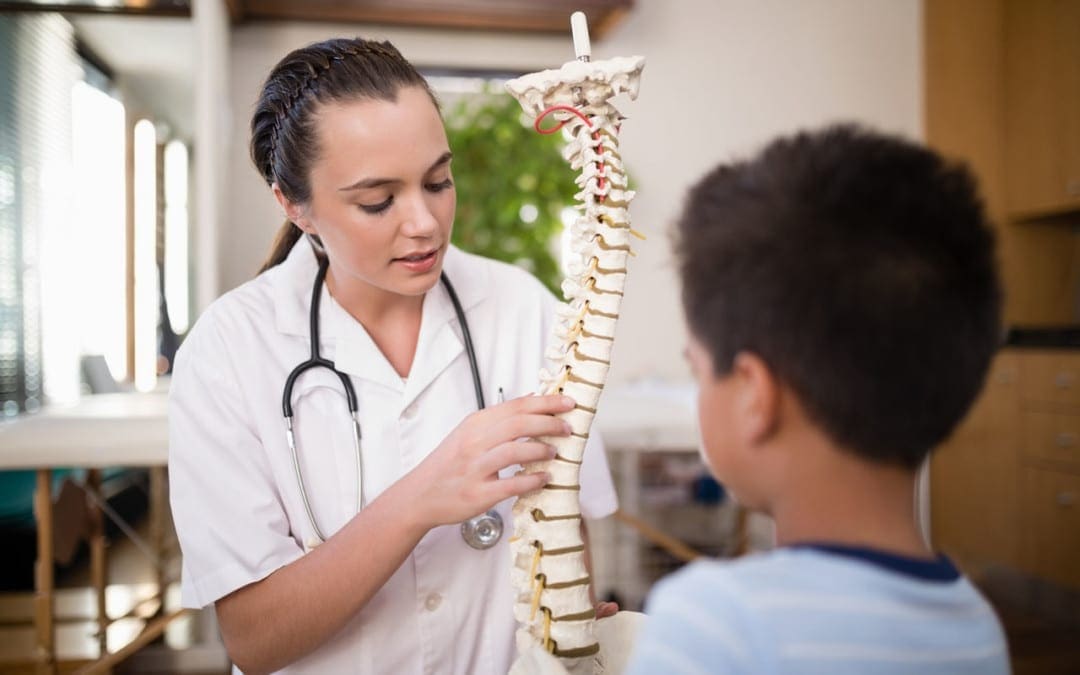
Understanding your spine, the way it works and moves is critical to finding the right back pain treatment when back pain or injury creeps in.
People don’t really think about their spines until back pain rears its ugly head. The spine is not one continuous structure that extends from the neck to the tailbone. It is an intricate, complex group of several structures.
Some understanding of the spine can help individuals make informed decisions before getting involved in activities that can cause a spinal injury.
Anatomy
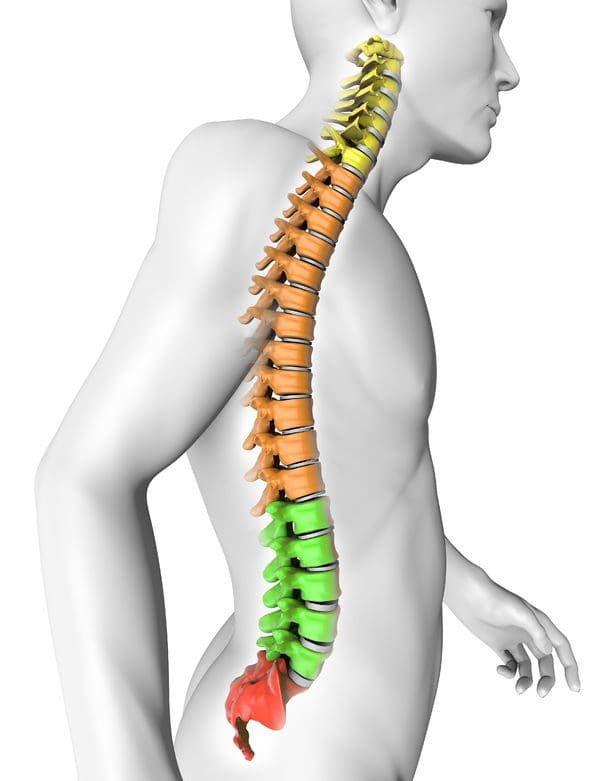
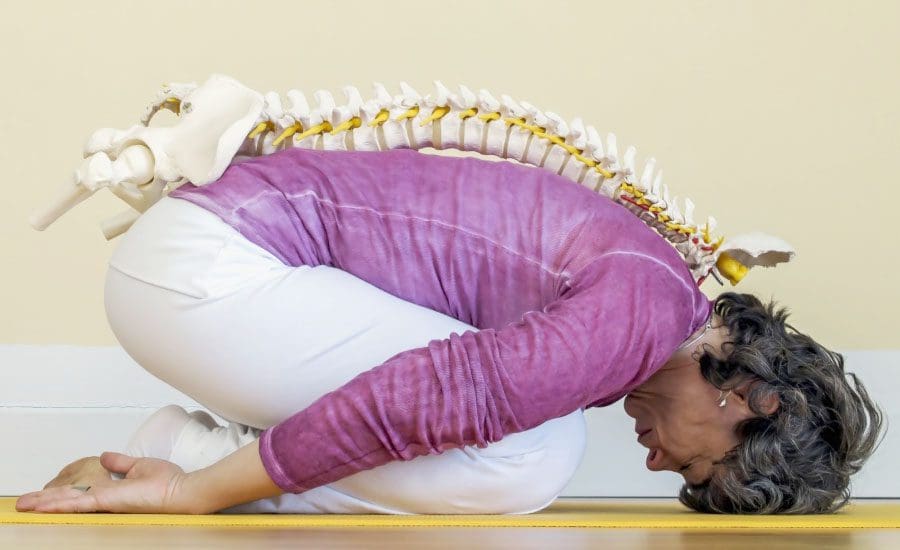
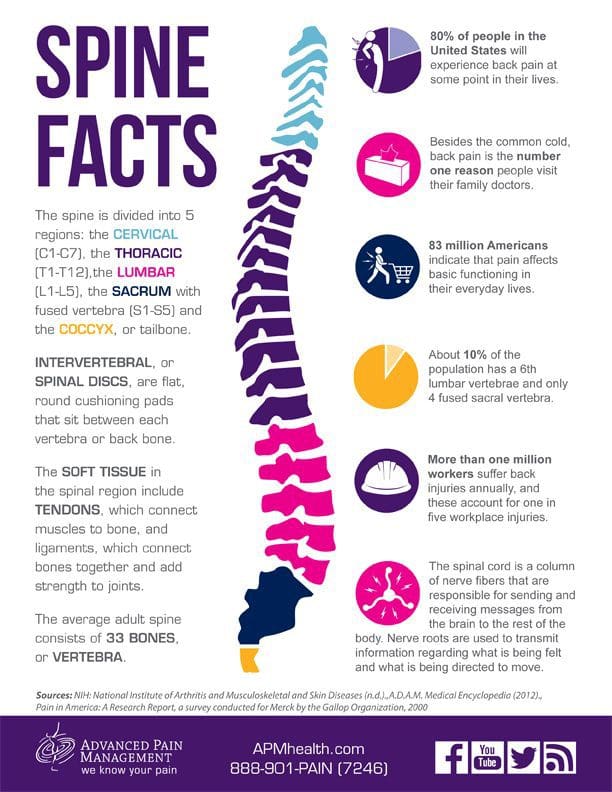
The spine is made up of 24 vertebrae, these are the bones stacked on top of each other and forms the spinal column.
The spinal cord passes through the vertebrae that acts as a protective frame.
The spinal column surrounds the spinal cord like an electrical cord. It protects the nerves that run from the brain, through the spinal column and out to the rest of the body.
The spinal cord is the highway of nerves that carry the brain’s signals to the rest of the body, allowing the ability to move the arms and legs, etc.
The soft, spongy shock absorbers in between the vertebrae are the intervertebral discs.
They keep the vertebrae separated so smooth function and movement is possible.
Because the spine is such a complicated network of bones, discs, muscles, nerves, and ligaments, getting to the bottom of exactly what�s wrong when back pain sets in can be a complicated process. This is where having some knowledge of your spine can help a doctor or chiropractor figure out what’s going on and then developing the best treatment plan possible.
Time
Dealing with time can be a tricky issue when suffering from back pain.
When only soreness, stiffness and muscle stress occur every so often then time can be the best medicine, as rest is all that is needed for the swelling to go down.
But when the pain does not go away with rest and is getting worse, waiting for evaluation is not an option.
Imagine all of those complex structures in the spine as dominos in a row.
If one domino/disc falls or slips pressure is placed on all the other dominos/discs to work harder to support the failing structure. But they can only do this for so long until the other discs or other areas of the body begin to fail.
Left untreated will eventually cause the failure of other structures of the body.
Strong Spine
It was designed to support the entire body combined with the additional weight that we carry.
It deserves care and respect.
Unfortunately, it is not made of titanium and is susceptible to injury.
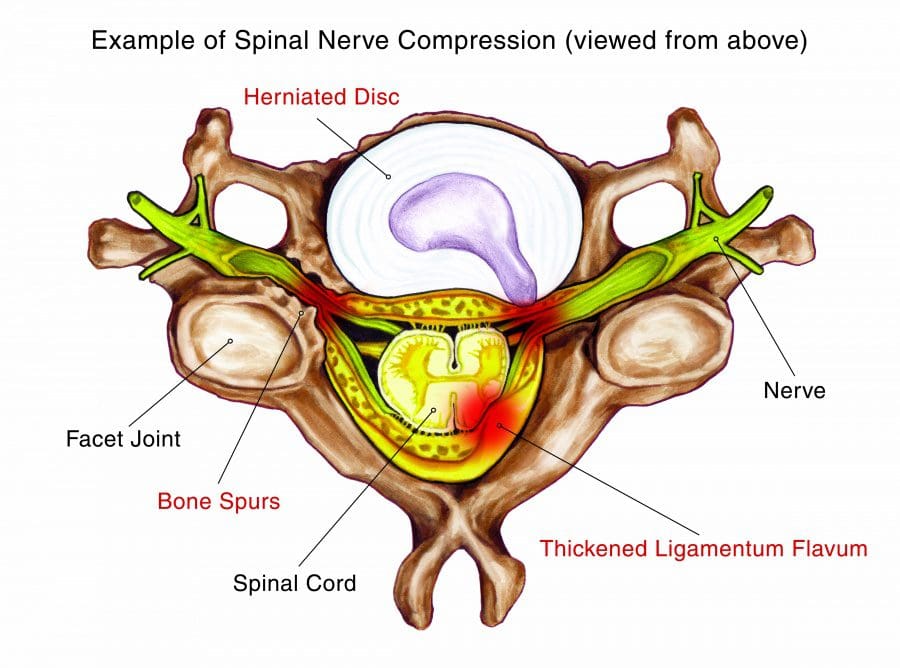
Spinal Nerve Compression
When a spinal nerve gets compressed, entrapped, or pinched it becomes inflamed and pain sets in. In the illustration of a neck spine segment, many different disorders are causing the�nerve�compression in this instance:
Herniated disc
Thickened ligament
Bone spurs called osteophytes
Making sure to pay close attention to your spine will safeguard it. So spend some time to understand how your spine operates.� Looking at some basic yoga for back poses can be a great start to understand how your spine functions.
What is Yoga?
In its purest form,�it is an ascetic and spiritual discipline that comes from Hindu culture. It involves simple meditation, breath control, and performing body postures.
While an ancient practice long used for spiritual and emotional healing as well as physical wellness, yoga has been adopted in western culture and widely accepted as a form of fitness as well as a therapeutic practice used for relaxation and overall good health. It focuses on inward healing with outward results.
Proven Reduced Back Pain with *FOOT ORTHOTICS* | El Paso, Tx
Kent S. Greenawalt, President, and CEO of Foot Levelers discuss how custom foot orthotics can help reduce back pain, low back pain, and sciatica. In a recent research study published by the American Congress of Rehabilitation Medicine (ACRM), researchers demonstrated that Foot Levelers custom foot orthotics help considerably reduce back pain and several of its associated health issues.
The research study also demonstrated that Foot Levelers custom foot orthotics and chiropractic care help tremendously reduce low back pain and sciatica. Foot Levelers custom foot orthotics and chiropractic care helped improve the patient’s overall health and wellness. Dr. Jimenez is a chiropractor in El Paso, TX who can help provide these benefits through the utilization of chiropractic care and Foot Levelers custom foot orthotics, among other treatments.
NCBI Resources
The spine is a complex structure. Understand that the spine is also surrounded by fibrous and muscular supporting structures, intervertebral discs, the spinal cord and nerve roots, and blood vessels. An injury such as a back sprain or strain caused by improperly lifting and twisting simultaneously can often be a cause for back pain. Chiropractic care is a well-known, alternative treatment option utilized to prevent, diagnose and treat a variety of injuries and conditions associated with the spine, primarily subluxations or spinal misalignments.
Lower back pain is a condition that pretty much affects most of us at some point in our lives. Some find:
Sitting
Standing
Walking
can be painfully difficult or helpful, depending on the position or the activity they’re involved in.
Low back pain varies from person to person, yet there remains no consensus on the optimal way to diagnose and treat patients.
Lower back pain can be caused by a multitude of factors and can be difficult to diagnose the exact cause. However, there is an advanced method of diagnosing and treating individuals with musculoskeletal conditions/injuries.
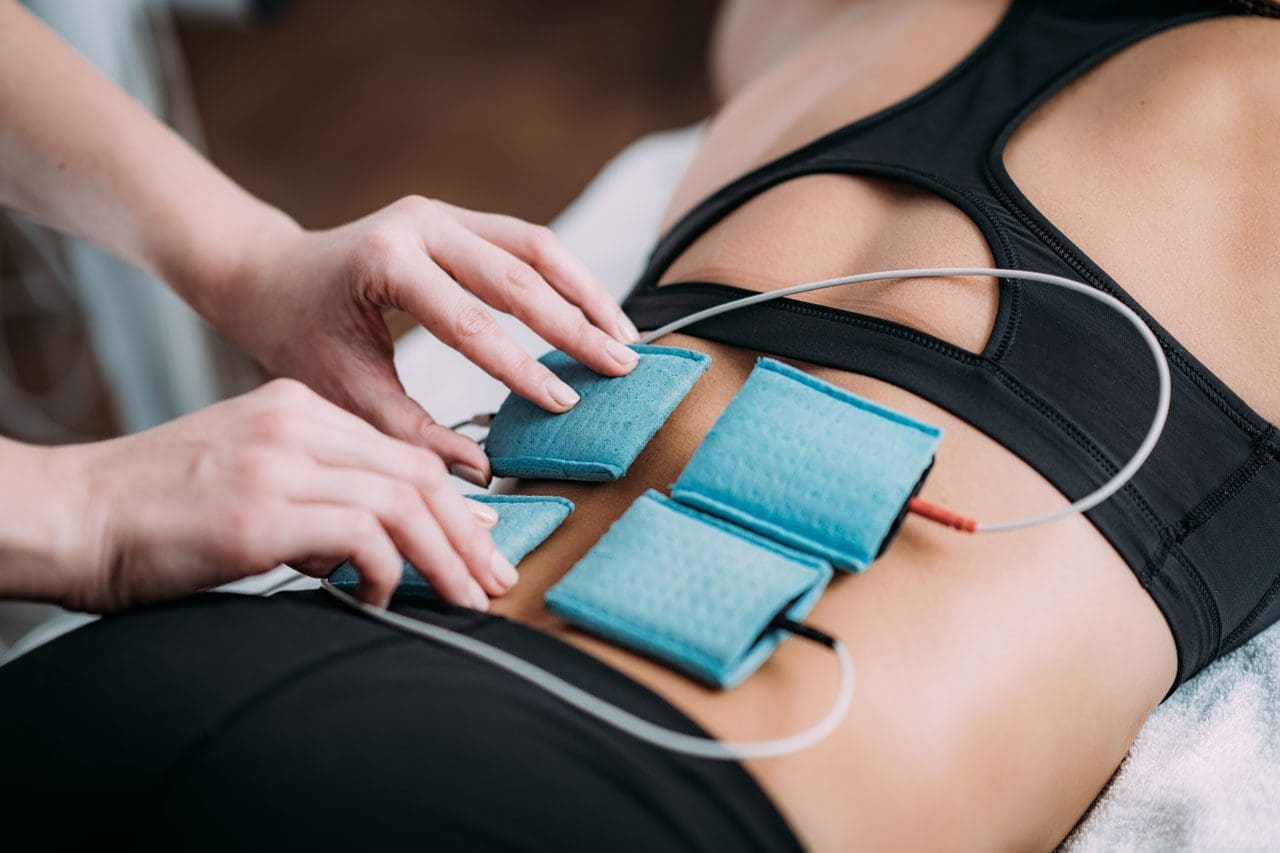
TENS, Transcutaneous Electrical Nerve Stimulation in Physical Therapy. Therapist Positioning Electrodes onto Patient’s Lower Back
Successful treatment
Dividing patients with lower back pain into more similar groups based on the same factors that aggravate and alleviate the pain means that a more custom based treatment plan can be created.
The one size fits all method just doesn’t cut it. A more focused approach for every individual leads to better results.
Patients find that placing their bodies in certain positions and certain physical activities can:
Activate
Aggravate
Deactivate their back pain.
Patients also find the pain being either better or worse.
Understanding why sitting, standing, and walking can change the severity of low back pain can be helpful in diagnosis.
These are important cues that help to diagnose and treat low back pain.
People sit, stand, and walk all day. This is why so much research has been conducted on how these specific positions and activities contribute to low back pain.
Spine Anatomy
The alignment of the spinal column, from the skull to the pelvis, is S-shaped.
The cervical and lumbar spinal segments curve towards the front of the body, and so are lordotic,�while the thoracic spine curves towards the back of the body and is kyphotic.
The amount of curvature does not stay in one place and changes based on body position.
Compared to standing, sitting decreases lumbar lordosis by about 50%.
Changes in lumbar lordosis can relieve pain from certain forms of back pain but can aggravate others.
Picture The Spine Bending
Imagine you are holding a garden hose. Holding it vertically in front of you. The hollow part of the tube represents the spinal canal, the part of the hose facing you is the posterior spinal column, and the part of the hose facing away from you is the anterior spinal column.
Bend the hose in half. The hose on the outward-facing side of the curve will stretch out, while the hose on the inward-facing side of the tube will be compressed.
This exercise helps visualize that an object being bent will experience two forces, either:
Compression
Tension
Increasing lumbar curvature will compress the posterior column�and stretch out the anterior column vertebrae and discs.
Decreasing lumbar curvature will�stretch out�the posterior column and�compress�the anterior column. This is the basis of why certain body positions can relieve back pain symptoms for some people and make it worse for others.
Prolonged sitting, and especially if poor posture is involved, can cause overstretching of spinal muscles.
Arthritis can affect the joints.
The facet joints are posterior based structures and can become compressed with increased curvature. When the facet joints are the primary cause of back pain, patients usually find that sitting improves the pain, while standing and walking make it worse.
When the discs are the pain generator, sitting seems to aggravate the pain as there is more compression in the tissue.
With certain types of disc herniations, sitting can compress the disc to the point that the herniated tissue starts to press against a nerve root causing radicular pain or pain that radiates out to another area of the body like the legs. In this case, walking seems to alleviate the pain.
Spinal Conditions
Various spinal conditions definitely contribute to back pain and have the same presentations and alleviations.
Spinal Stenosis which means the narrowing of the spinal canal. Patients with this type of spine pain improve with leaning forward sitting. This is because the posture increases/opens the size of the canal�and decreases the nerve root compression.
Spondylolisthesis is when one vertebra slips forward over the vertebra right underneath. This is more commonly known as a slipped disc. There are various forms of this condition. But the pain occurs immediately when sitting, bending or walking and is usually relieved when standing still or in a neutral position for short periods.
Sacroiliac Joint Dysfunction comes from the sacroiliac joint becoming inflamed. Pain is usually aggravated when sitting or about to sit. especially when there is added weight on the affected side. This can be difficult to diagnose because of trying to figure out if it’s the hip or low back causing the pain.
Locating the Pain Generator
Sitting, standing, walking low back pain causes are different for everyone. But finding the root cause helps to prescribe the best treatment possible. A chiropractor uses many different techniques to relieve pain. These include:
Applied pressure
Massage
Hands-on manipulation (adjustments)
X-rays
MRI’s
Lab work
Health coaching
Chiropractors don�t prescribe medications, but they do recommend therapeutic, rehabilitative exercises and nutritional lifestyle counseling to help the body heal itself.
Low Back Pain Treatment El Paso, Texas
NCBI Resources
A chiropractor sets up treatment approaches based on the individual. This begins with the natural, non-invasive treatments before moving on to more aggressive techniques. And as an added bonus patient�s who have received chiropractic treatment have experienced improvements to their digestive health and have reported better and deeper sleep after a chiropractic visit.
To get the best treatment for upper or mid-back back pain, you should understand what may be causing it.
A doctor or chiropractor can help you figure out what is contributing to your back pain, then determine the root cause, and set up a treatment outline. Here are some of the more common causes.
Improper posture
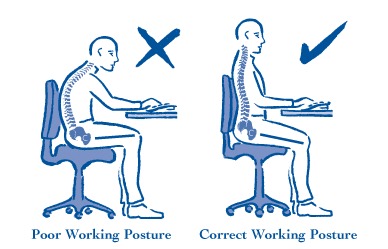
Poor posture is one of the leading causes of upper back pain because so many people spend their workdays sitting at some station for most if not the entire day. Sitting with a:
Rounded back
Shoulders hunched forward
Just these two positional behaviors can put massive stress on the back muscles.
Getting into bad habits and not sitting properly, and sitting for so many hours a day is a sure way to bring out some form of body pain.
Not lifting objects properly
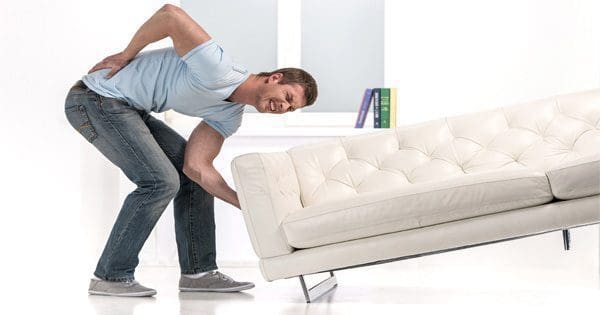
When picking something up, you should use proper lifting body mechanics to protect the spine.
Not using proper lifting form can definitely cause injury/s.
Overloaded backpack/purse
Anyone who uses backpacks and big purses is at risk for upper back injury and consistent pain.
Over-loading backpacks and purses can be dangerous to the spine and shoulders.
Also not wearing the backpack correctly, for example just using one strap causes imbalance, which leads to soreness, and that leads to injury.
Trauma Accident
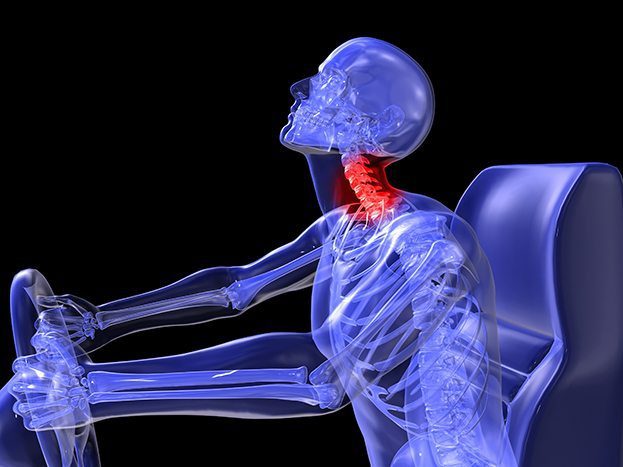
Auto accidents, slips, and falls can cause all kinds of injuries including upper back pain.
Fracturing a vertebra or a spinal bone is possible.� When this happens part of the vertebrae presses on a spinal nerve and can cause pain.
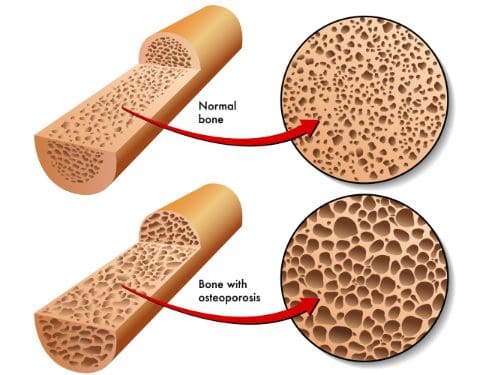
Osteoporosis
This condition affects the bones, and an individual might not know they have osteoporosis until some type of fracture like a vertebral compression fracture.
It weakens the bones, which can affect how the body supports its weight. This opens the door for fractures.
Weakened vertebrae won’t support the body’s weight correctly, so the muscles, ligaments, and tendons have to work harder.
That leads to:
Sprains
Strains
Muscle fatigue
Various injuries
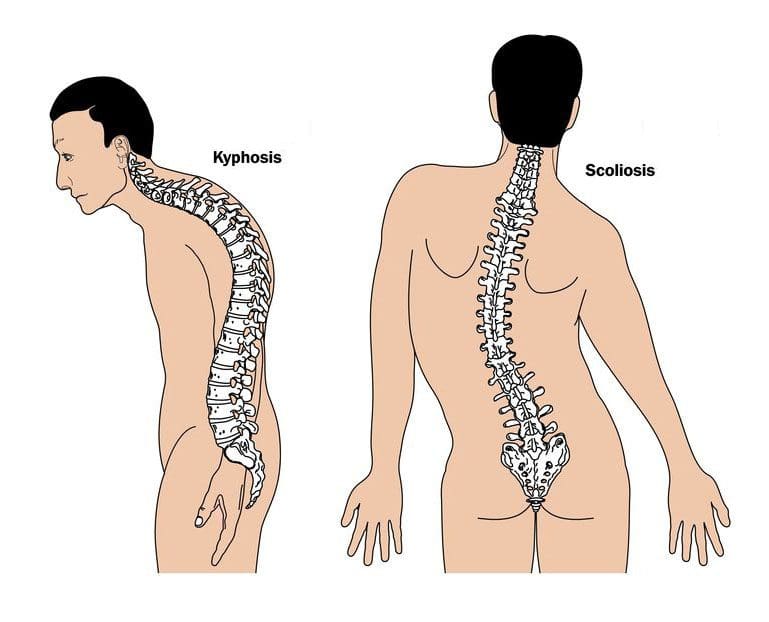
Kyphosis
The spine is supposed to curve outwards in the upper back; the curve is called kyphosis or a kyphotic curve.
With problematic kyphosis, the spine begins to curve outward in an exaggerated fashion that can lead to back pain.
Scoliosis
Scoliosis causes an unusual curve or curves in the spine. It makes the spine look like the letter “S” or “C” when seen from the back.
Non-Spine Conditions
Upper back pain can develop from other medical conditions that are not related to the spine. For example:
These conditions can cause individuals to move or contort into awkward positions, and swelling of muscle tissues that radiate into the upper mid-back.
Upper Back Structure
The upper back is the more stable area of the spine compared to the neck and lower back. It does not move as much because part of its main job is to protect the organs in the chest. This works in conjunction with the ribs, that is attached to the mid-back.
Because it doesn’t move as much, joint and disc problems are not as common. But that does not mean that you can’t get a herniated disc. It’s also less common to have degenerative problems in the upper mid-back.
We want you to live a life that is fulfilled with more energy, a positive attitude, better sleep, less pain, proper body weight and educated on how to maintain this way of life. I have made a life of taking care of every one of my patients.
I assure you, I will only accept the best for you.
Lower Back Pain Specialist El Paso, TX Chiropractor
Mike Melgoza is a very active person who is always engaging in physical activity, as a result, he occasionally suffers from debilitating back pain symptoms. Mr. Melgoza was struggling to sleep properly due to his symptoms of back pain before receiving chiropractic care with Dr. Jimenez.
Back pain is one of the most common reasons people visit the doctor or miss work and it is also a leading cause of disability globally. The majority of people have back pain at least once throughout their lifetimes. Luckily, you can take steps to prevent or relieve back pain.
NCBI Resources
Pain in the upper and/or mid-back is not as common as lower back or neck pain. Movement in the upper back is limited because of the attachments to the rib cage.
Upper back pain is generally caused by soft tissue injuries, like sprains or strains, muscle tension, bad posture, or looking downward for extended periods like texting, over phone use.
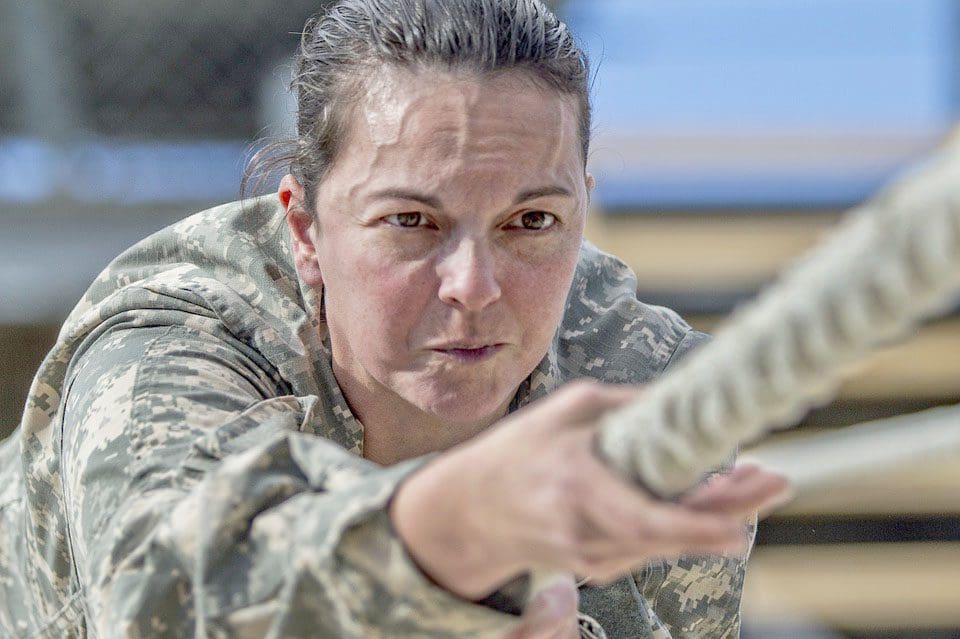
Members of the military perform physically and psychologically demanding jobs every day. Research has found that conservative medical care, like chiropractic treatment, can absolutely help with back pain.
A study has shown that chiropractic treatment brought serious relief to female veterans with back pain.
Causes
The causes of back pain can be viewed as being mechanical, organic or idiopathic. Spinal conditions can be congenital or from birth and can be an acquired disorder that develops later in life.
Mechanical pain is triggered by spinal movement and involves spinal structures, like the facet joints, intervertebral discs, vertebral bodies, ligaments, muscles or soft tissues.
Organic pain is attributed to disease, like spinal cancer.
Idiopathic means the cause is unknown.
Back Pain & Female Veterans
Low back pain is a musculoskeletal condition and for female veterans has become a chronic condition. For these women, the condition seems to stem from repeated and prolonged deployments as contributors/causes to more prolonged injuries.
Female veterans had a higher rate of service-related disability compared to male veterans.
Having to live with a disease or chronic condition can impact the quality of life significantly. It can result in short- or long-term disability, it affects individuals financially from time off work and reroutes those financial resources to health care needs.
Chiropractic Research
Researchers reviewed 70 female veterans that utilized chiropractic treatment for their back pain.
The average patient was:
Around 35-40-years old
Veteran patients were included in the study by:
Visiting a chiropractic clinic over a 7-year period
Between 18 – 70 years old during treatment
Needed at least two treatments
Treatments included:
Flexion-distraction therapy
This is gentle intermittenttraction, along with manual pressure applied to the back.
Myofascial release
Massage therapy to muscles, joints, ligaments.
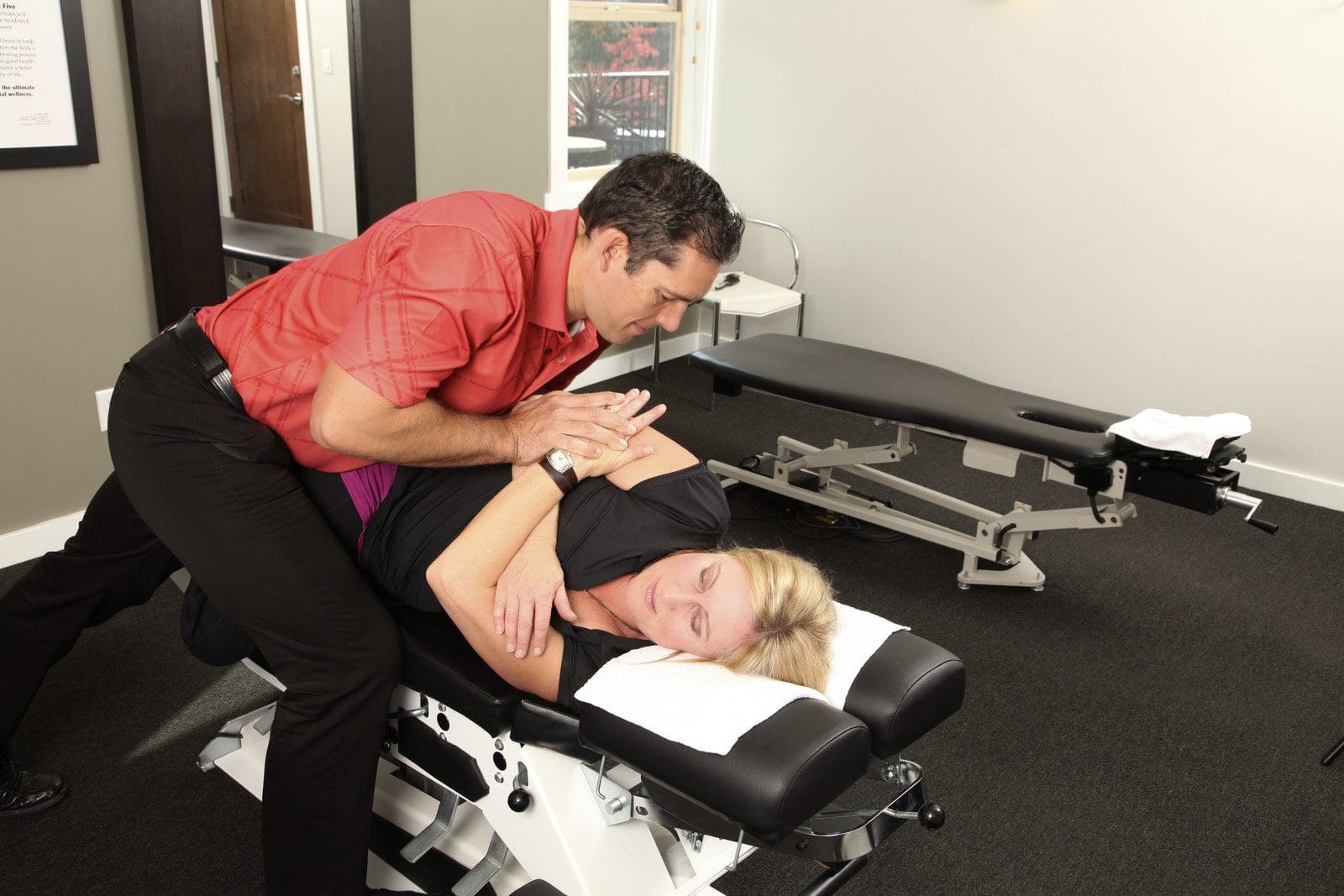
Spinal manipulative therapy
This involves the chiropractor�s hands performing�a high-velocity thrust to regions within the low back.
Spinal mobilization
Similar to spinal manipulative therapy, but with gentler repetitive motions around the affected area.
These treatments were applied alone or in combination, guided by:
The nature of the back pain complaint
Response
Pain severity
Patient’s preference
The patient’s tolerance of the various treatments
To help measure how effective the treatment was, the research team used the Back Bournemouth Questionnaire.
Pain is a complex biological process that involves both physical and mental health factors.
The test is one way to understand the multi-dimensional nature of pain.
Other factors to consider, specifically with military veterans were other health conditions like:
Post-traumatic stress disorder
Military sexual trauma
By comparing the patients Back Bournemouth Questionaire results at the beginning of treatment and then at the end, researchers found that these patients� low back pain improved by 85% with chiropractic treatment.
The American College of Physicians Clinical Practice Guidelines includes and stresses that doctors refer patients first to a chiropractor/physical therapist and undergo spinal manipulation as the recommended non-drug treatment for back pain before recommending medications or surgery.
The guidelines focus on:
Exercise
Stress reduction
Integrative therapies
Chiropractic spinal manipulation�treatment has been shown to effectively treat back pain for everyone.�
We focus on what works for you and strive to create fitness and better the body through researched methods and total wellness programs. These programs are natural and use the body�s own ability to achieve goals of improvement. To all of our veterans, we thank you for your service.
Get Rid of *LOW BACK PAIN* with Custom Foot Orthotics | El Paso, TX.
Approximately 80 percent of the population will experience some type of back pain sometime throughout their lifetime.
Custom-made functional foot orthotics can help support and promote the natural alignment of the spine.
NCBI Resources
It is important to know the cause of back pain to figure out the proper treatment plan. Otherwise, one could receive treatment for the wrong diagnosis and exacerbate the existing injury.
Q: Dr. Jimenez, I read one of your articles about physical therapy and spinal stenosis exercises that focus on stretches for relieving pain. I was wondering if it was also possible to do aerobic exercise with a spinal condition and can you recommend a safe cardiovascular program?
I’m a 65-year-old with spinal stenosis, and I want to stay in shape. I try to ride a stationary bike for 20 minutes at least 2 times a week, but with my low back pain, I don’t always finish the workout.
How else can I stay in shape
A: I do recommend aerobic exercise for everyone, but especially for people with spinal conditions.
Aerobic exercise increases the blood flow to the body’s tissues, and people with high levels of cardiovascular fitness generally do better dealing with spinal problems.
However, before anyone with a spine condition or any medical condition for that matter, starts a wellness and fitness program, they should check with their primary caregiver, to clear the individual as fit to exercise.
Example: Someone with cardiovascular (heart problems) can have restrictions when it comes to certain types of exercise.
A physical exam will make sure your body is ready for exercise.
Physiotherapist assisting a senior woman with exercise ball at a chiropractic rehabilitation clinic
Low-impact aerobic exercise is recommended�
Walking
Swimming
These are excellent examples of low-impact aerobic exercise. They increase heart rate and are easy on the body.
Riding a stationary bike is another recommended form of low-impact aerobic exercise.
It can be tiring, but if recommended by a caregiver/therapist, then realize they did so for a reason/s to get you healthy.
By biking, you are building up endurance, and that is exactly what you want, as it speeds up recovery.
Walking is a great exercise for spinal conditions. It is low-impact, and you can control the pace to fit your needs.��
Daily walks after lunch or after getting home are a great way to exercise.
If exercise does begin to increase back pain or another type of pain, tell your caregiver or physical therapist right away.
The phrase, no pain, no gain does not apply when there are spinal conditions. So do not try to push through the pain or think that the hurt is good.
Also, do not try to do take on too much right away. Even if you feel good, follow the fitness plan.
But if you want to mix it up, discuss with your chiropractor/physical therapist if adding walking and swimming to the plan will be beneficial, as well.
It can be tempting to not exercise with a spinal condition. But remember that if there is no movement at all, you could make the pain worse. Knowing what your body can handle and sticking to a workable schedule, these healthy steps will relieve you and help with your low back pain.
Chiropractic Care Sports Injury Rehabilitation El Paso, TX
Daniel Alvarado, the owner of Push-as-RX Fitness, discusses how he carries out his PUSHasRx Functional Fitness Workouts personal injury rehabilitation and athletic training program as a part of Dr. Alex Jimenez’s chiropractic rehabilitation plan.
Physical therapy (PT), also referred to as physiotherapy, is one of the allied health professions which, by utilizing mechanical force and motions (bio-mechanics or kinesiology), manual therapy, exercise therapy, and electrotherapy, remediates impairments and promotes mobility and purpose.
Physical therapy is used to enhance a patient’s quality of life through:
Examination
Diagnosis
Prognosis
Physical intervention
NCBI Resources
Exercise is an essential part of good health. It can help with weight loss and plays a crucial role in preventing many chronic health conditions like hypertension, diabetes, and heart disease. Regular exercise has also been shown to help with depression and anxiety. It is what nature intended; as humans, we are supposed to be active. The more active you are, the better you will look and feel � and the healthier you will be.
IFM's Find A Practitioner tool is the largest referral network in Functional Medicine, created to help patients locate Functional Medicine practitioners anywhere in the world. IFM Certified Practitioners are listed first in the search results, given their extensive education in Functional Medicine