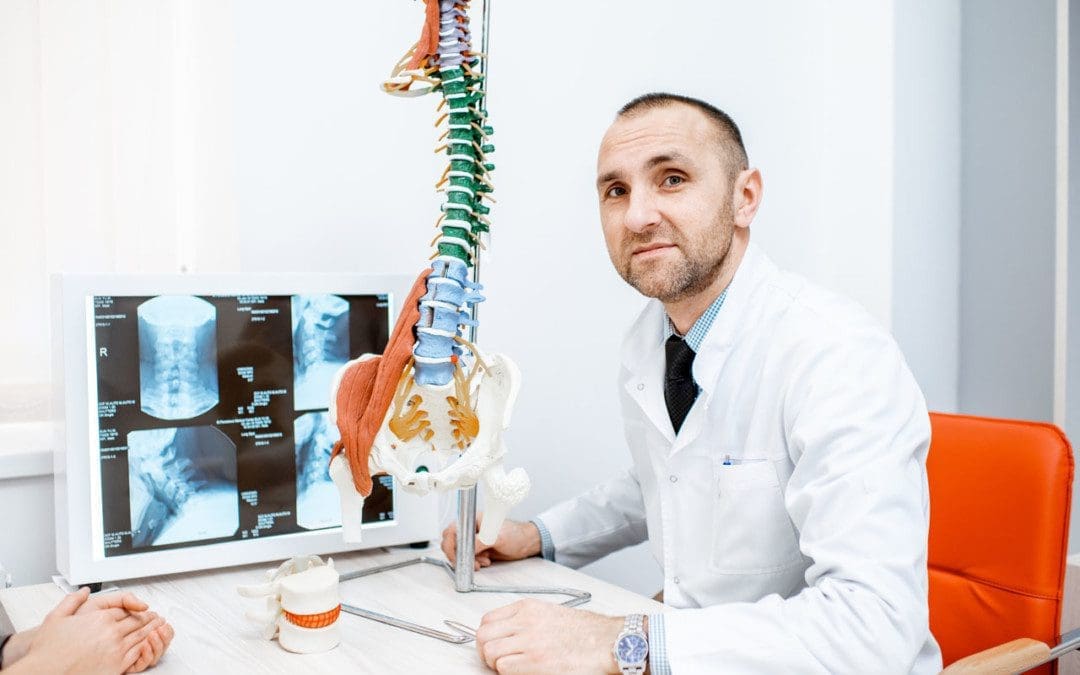
Injury Medical Chiropractic Functional Medicine and Spinal Decompression Institute offer progressive technology to treat neck and back-related injuries, conditions, and disorders. We utilize a non-surgical spinal decompression system combined with chiropractic adjustments and therapeutic massage that combats back and neck pain. These combined techniques relieve nerve compression and separate the vertebrae in the back or neck to allow for optimal healing. Individuals suffering from herniated discs, sciatica, spinal stenosis, or pinched nerves can undergo decompression treatment to slow, stop, and reverse back issues.
Spinal Decompression Institute
The spine/back is a complex structure of joints, bones, ligaments, and muscles. Individuals can sprain ligaments, strain muscles, rupture disks, and irritate joints, leading to back issues and pain. Injuries from work, school, automobile accidents, and sports can lead to health issues that can become chronic and cause permanent damage.
Motorized mechanical decompression separates the vertebrae and discs, allowing them to realign and reset properly while increasing circulation, hydration, and oxygenation into the discs to heal fully.
This removes the compression on pinched nerves.
This is spinal retraining so the spine can remember a new healthy position.
What A Session Consists Of
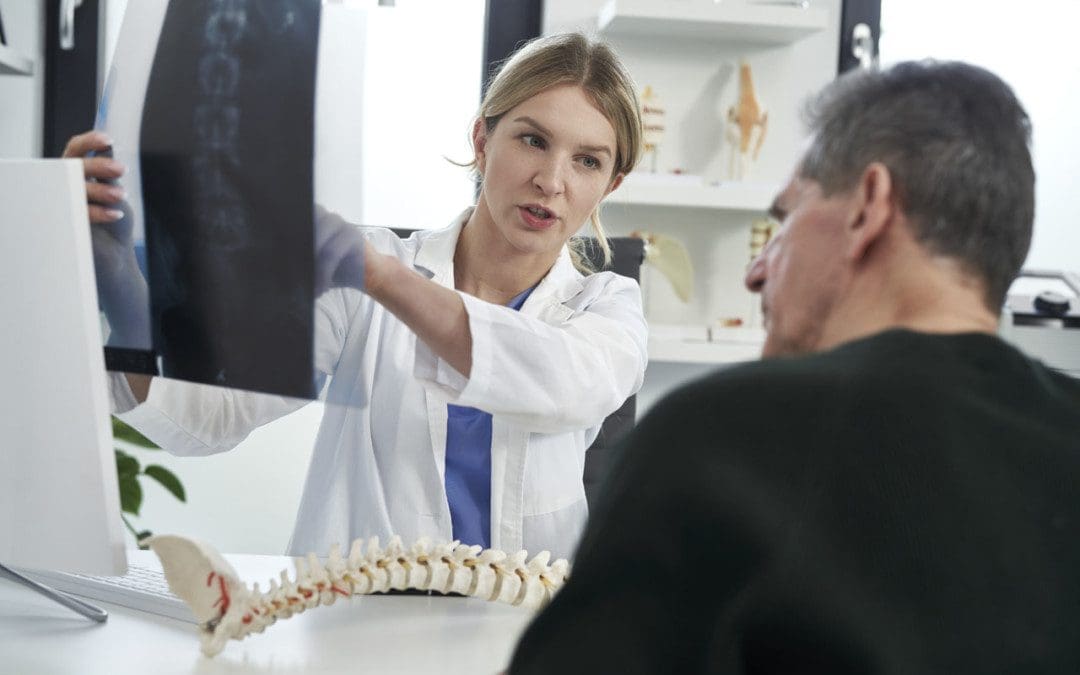
The individual’s doctor, spine specialist, or chiropractor will determine the treatment plan after their in-person physical evaluation and review of imaging scans like X-rays and/or MRI.
Every case is different, but a session typically requires 20-30 minutes.
Treatment plans differ in the number of sessions per week and the number of weeks necessary.
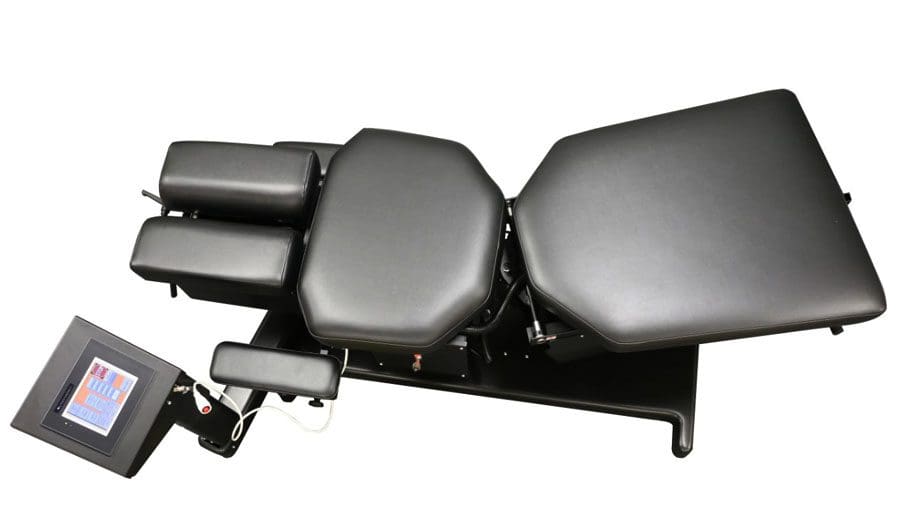
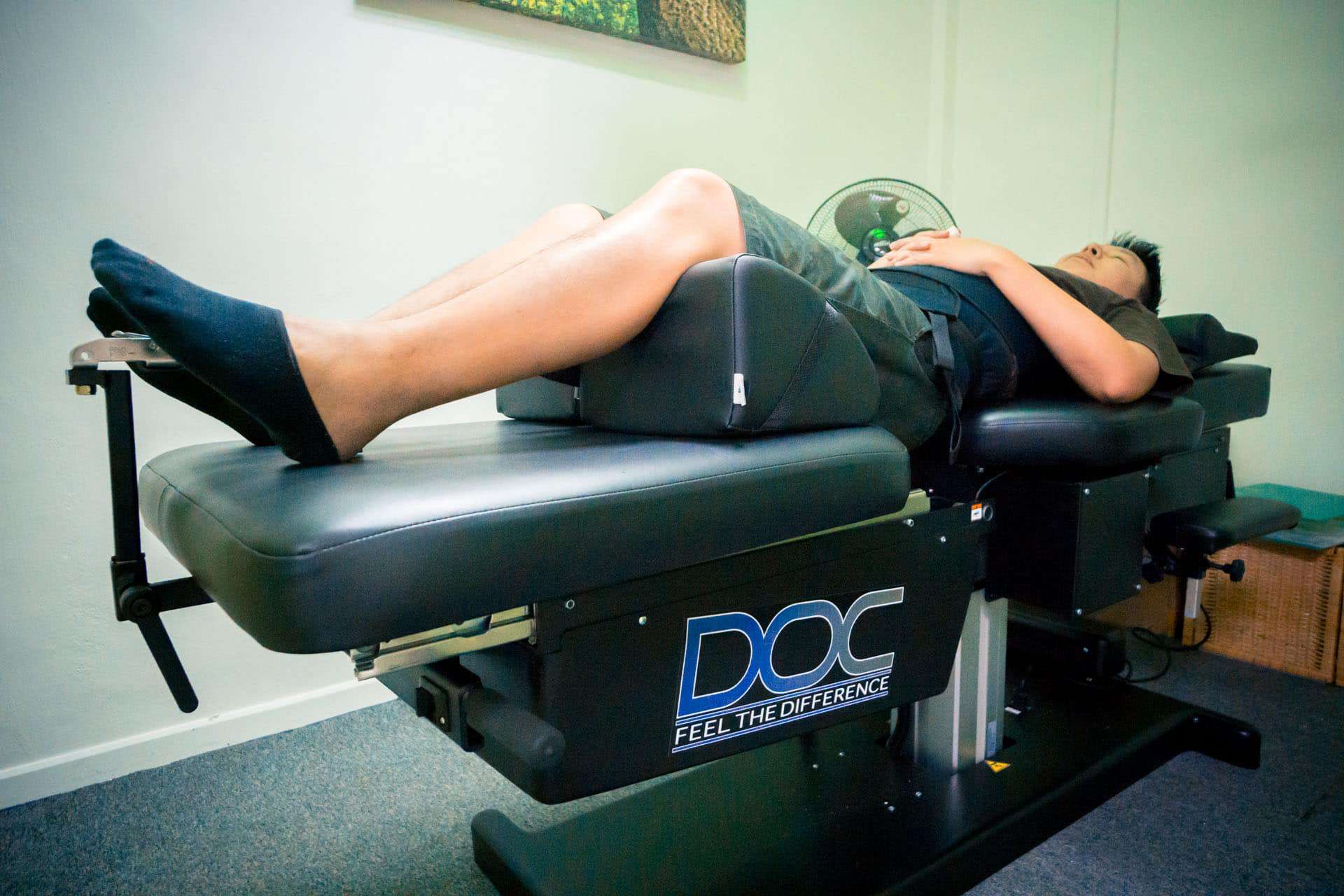
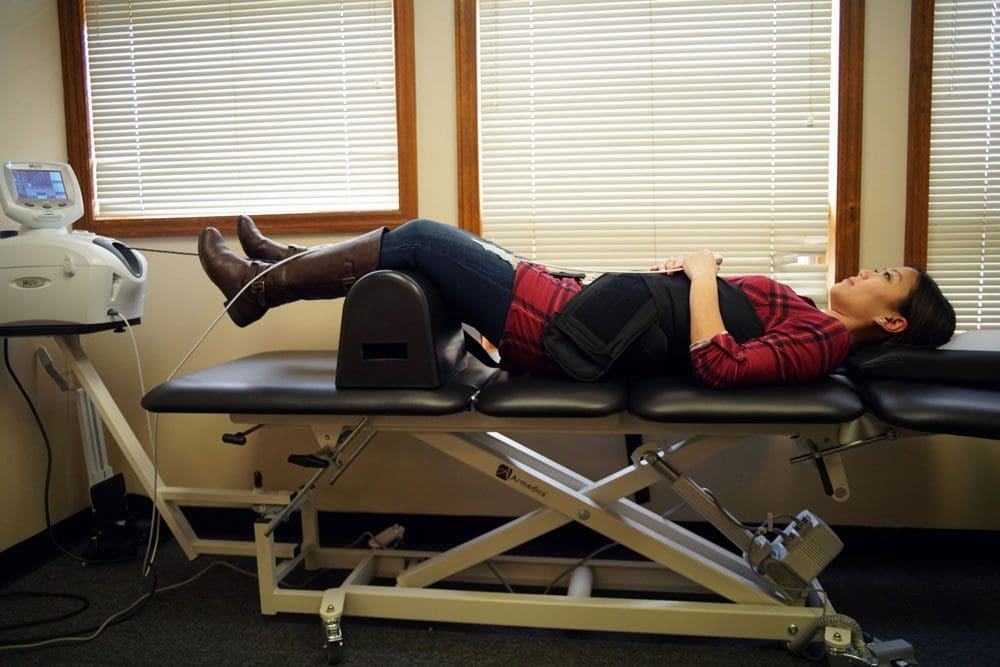
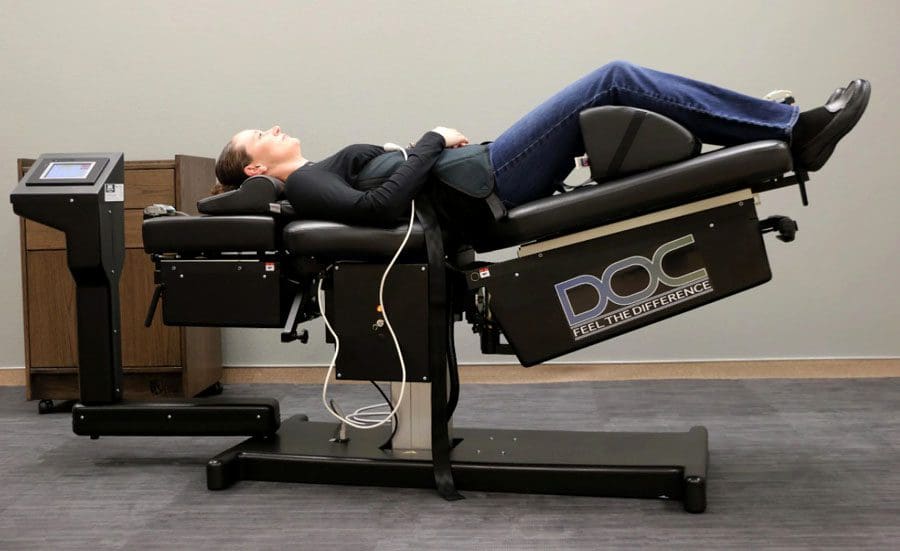
Patients remain clothed during a spinal decompression therapy session and lie on a motorized table.
Depending on the condition or injury, the patient could be in the prone position lying face down or lying supine face up.
A harness is placed around the hips or neck.
The technician/therapist sets up the program.
The table will move slowly back and forth and/or to the sides to provide spinal traction, release the compression, and promote relaxation.
There is no pain during or after the decompression therapy, but the patient will feel their spine stretch.
To avoid any discomfort, the system has emergency stop switches for the patient and the therapist technician.
The switches terminate the treatment immediately if the patient experiences pain or discomfort.
Physiological Well Being
Increases blood circulation and promotes nutrient supply through the spine.
At the Spinal Decompression Institute, we offer total care for complete health and well-being. Our goal is to thoroughly investigate the body’s health and determine the root cause of the pain. A successful spinal decompression program will help identify what led to the problem/s to prevent and avoid a recurrence of symptoms.
DRX9000 Non-Surgical Spinal Decompression System
References
Apfel, Christian C et al. “Restoration of disk height through non-surgical spinal decompression is associated with decreased discogenic low back pain: a retrospective cohort study.” BMC musculoskeletal disorders vol. 11 155. 8 Jul. 2010, doi:10.1186/1471-2474-11-155
Daniel, Dwain M. “Non-surgical spinal decompression therapy: does the scientific literature support efficacy claims made in the advertising media?.” Chiropractic & osteopathy vol. 15 7. 18 May. 2007, doi:10.1186/1746-1340-15-7
Koçak, Fatmanur Aybala et al. “Comparison of the short-term effects of the conventional motorized traction with non-surgical spinal decompression performed with a DRX9000 device on pain, functionality, depression, and quality of life in patients with low back pain associated with lumbar disc herniation: A single-blind randomized controlled trial.” Turkish Journal of physical medicine and rehabilitation vol. 64,1 17-27. 16 Feb. 2017, doi:10.5606/tftrd.2017.154
Macario, Alex, and Joseph V Pergolizzi. “Systematic literature review of spinal decompression via motorized traction for chronic discogenic low back pain.” Pain practice: the official journal of World Institute of Pain vol. 6,3 (2006): 171-8. doi:10.1111/j.1533-2500.2006.00082.x
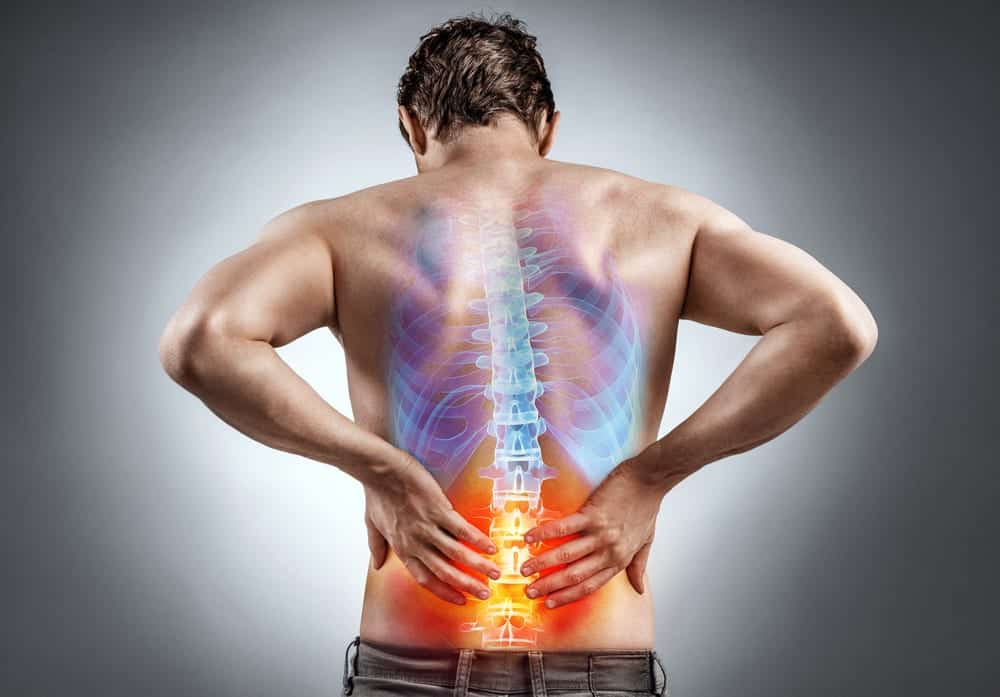
As a support structure connected to the musculoskeletal system, the spine makes sure that the body stays upright, moves, bends, sits, and twists as the body are in motion. The spine is also in an S-shaped curve encompassing the spinal cord, soft tissues, and cartilage and is protected by these components. When an individual gets injured and suffers from a back injury, the spine can become damaged, and the individual will be in pain. There are some ways to lessen the pain, and one of the ways to reduce back pain is through spinal decompression therapy. In this article, we will be looking at what low back pain is, its symptoms, and how to manage low back pain through spinal decompression therapy. By referring patients to qualified and skilled providers specializing in spinal decompression therapy. To that end, and when appropriate, we advise our patients to refer to our associated medical providers based on their examination. We find that education is the key to asking valuable questions to our providers. Dr. Alex Jimenez DC provides this information as an educational service only. Disclaimer
Can my insurance cover it? Yes, it may. If you are uncertain, here is the link to all the insurance providers we cover. If you have any questions, please call Dr. Jimenez at 915-850-0900.
What Is Low Back Pain?
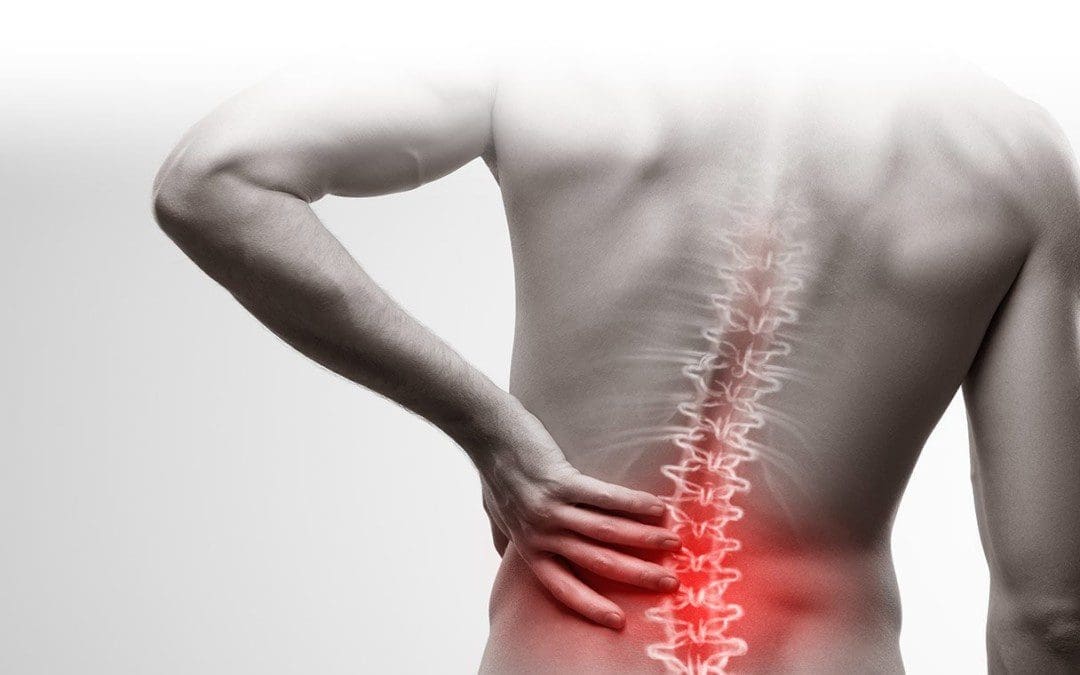
Approximately 25–60% of individuals who experience low-back pain (LBP) will report a recurrence of pain within as little as one year. Research studies have shown that low back pain is widespread in individuals. It can result from a variety of different injuries, conditions, and diseases from muscle or tendon injury in the back. Lower back pain is the most common cause of work disability in the US, as many individuals are on disability for low back pain for six months. Usually, many individuals will not return to work due to low back pain. The pain can range from mild to severe depending on the injury that a person has endured while also making it impossible for individuals to do their daily tasks because of low back pain. Low back pain is one of the most expensive reasons for work disabilities since it has been estimated that about 2% of individuals in the workforce in the US will be compensated for back injuries yearly.
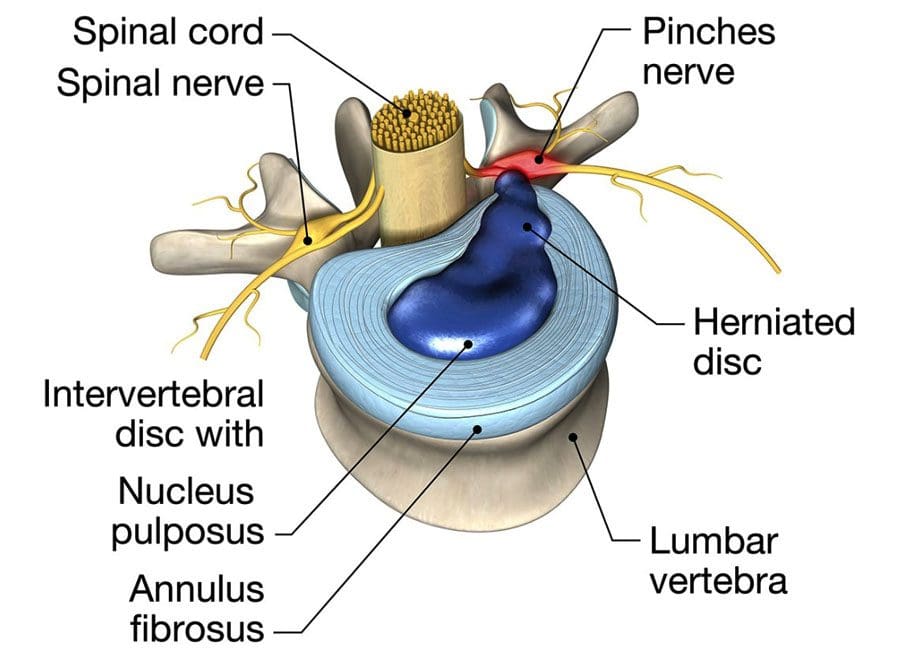
Since low back pain is common in many individuals, other research studies have found that the lower bottom part of the spine has only five vertebrae, and it does all the heavy lifting that a person does. This part of the area will experience lots of movement and stress that a person is doing, which leads to wear and tear on the lower back and, later on, injuries. Structural abnormalities such as disc degeneration or disc herniation and resultant biochemical effects such as inflammation can be the cause of disc-related pain.
The Symptoms
Research studies have found that depending on how mild or severe low back pain causes in a person, the muscles that encompass the lower back will begin to feel a burning or stabbing sensation of pain that can run down from the lower back down to the legs. Some of the factors that can cause lower back pain can be age since low back pain is common as a person gets older, physical inactivity where there are unused muscles that are weak in the back, excess body weight which puts more stress on the back, and improper lifting which is where a person uses their back instead of their legs. Some of the symptoms that can cause low back pain can progress further into chronic issues include:
When a person suffers from low back pain, the pain symptoms can range from mild to severe as the pain travels from the lower back to the legs. The pain causes the individual to develop wear and tear on their lower back and, if it is not treated, can lead to chronic issues over time. One of the therapeutic options that can relieve their lower back pain is spinal decompression therapy. Research studies have stated that spinal decompression is a non-surgical decompression therapy that involves gentle stretching to the spine using a traction table to relieve back pain.
How To Manage Low Back Pain
Research studies have shown many ways to treat and manage low back pain. Some, if not most lower back pains can get better in a month with some home remedies. Since everybody is different and depending on what kind of back pain they have, some of the ways to manage low back pain include:
Some of these treatments can help ease the symptoms of low back pain and provide relief to many individuals suffering from back pain and help lower the inflammation in the lower back. With these low back treatments, the body will be able to recover, and the individual can continue with their wellness journey by managing their lower back pain.
Spinal Decompression Therapy
Since about 80% of adults have experienced lower back pain at some point, research studies have stated that when a person is dealing with lumbar pain due to a degenerative process and light external injuries to the spine can use spinal decompression therapy as a non-surgical treatment for lower back pain. Spinal decompression therapy can help reduce intervertebral disc pressure by supplying nutrients and oxygen through gentle spine stretching. Other research studies have found that individuals who use spinal decompression therapy for about 6-weeks will experience less stress on affected discs, a vertically expand of the intervertebral space, and restoration of disc height, as effective in reducing chronic low back pain.
Conclusion
Many individuals have suffered from lower back pain and experienced mild to severe symptoms that can cause them to stop their everyday activities. Utilizing non-surgical therapeutic options like spinal decompression therapy can help alleviate the painful symptoms of lower back pain by gently stretching the spine using a traction machine. Spinal decompression therapy can help release the intervertebral disc’s compressed pressure and help restore the disc height on the spine. When many individuals use spinal decompression therapy as part of their treatment, they can feel relief from their lower back pain and continue their wellness journey.
References
Apfel, Christian C, et al. “Restoration of Disk Height through Non-Surgical Spinal Decompression Is Associated with Decreased Discogenic Low Back Pain: A Retrospective Cohort Study.” BMC Musculoskeletal Disorders, BioMed Central, 8 July 2010, https://www.ncbi.nlm.nih.gov/pmc/articles/PMC2912793/.
Chhatre, Akhil. “Lower Back Pain: What Could It Be?” Johns Hopkins Medicine, 2022, https://www.hopkinsmedicine.org/health/conditions-and-diseases/back-pain/lower-back-pain-what-could-it-be.
Choi, Jioun, et al. “Influences of Spinal Decompression Therapy and General Traction Therapy on the Pain, Disability, and Straight Leg Raising of Patients with Intervertebral Disc Herniation.” Journal of Physical Therapy Science, The Society of Physical Therapy Science, Feb. 2015, https://www.ncbi.nlm.nih.gov/pmc/articles/PMC4339166/.
Medical Professionals, Cleveland Clinic. “Low Back Pain: Causes, Diagnosis & Treatments.” Cleveland Clinic, 18 Jan. 2021, https://my.clevelandclinic.org/health/diseases/7936-lower-back-pain.
Staff, Mayo Clinic. “Back Pain.” Mayo Clinic, Mayo Foundation for Medical Education and Research, 21 Aug. 2020, https://www.mayoclinic.org/diseases-conditions/back-pain/diagnosis-treatment/drc-20369911.
Staff, Mayo Clinic. “Back Pain.” Mayo Clinic, Mayo Foundation for Medical Education and Research, 21 Aug. 2020, https://www.mayoclinic.org/diseases-conditions/back-pain/symptoms-causes/syc-20369906.
The spine is encompassed by ligaments, the spinal cord, nerves, and discs that ensure that the entire body is upright and allow it to move, bend, twist, and turn. The spine also holds parts of the musculoskeletal system as the muscles make sure that the muscles are doing their job correctly. When a person suffers from an injury or a pulled muscle on the back, it can cause unwanted symptoms that can affect the back and affect the entire body. When the spine gets injured, it can also cause many individuals to be in pain, affecting their daily activities. Many treatments can relieve the painful symptoms of back and spinal injury, including spinal decompression. In this article, we will be looking at sensory nerve dysfunction and how the effects of spinal decompression therapy can alleviate sensory nerve dysfunction. By referring patients to qualified and skilled providers specializing in spinal decompression therapy. To that end, and when appropriate, we advise our patients to refer to our associated medical providers based on their examination. We find that education is the key to asking valuable questions to our providers. Dr. Alex Jimenez DC provides this information as an educational service only. Disclaimer
Can my insurance cover it? Yes, it may. If you are uncertain, here is the link to all the insurance providers we cover. If you have any questions, please call Dr. Jimenez at 915-850-0900.
What Is Sensory Nerve Dysfunction?
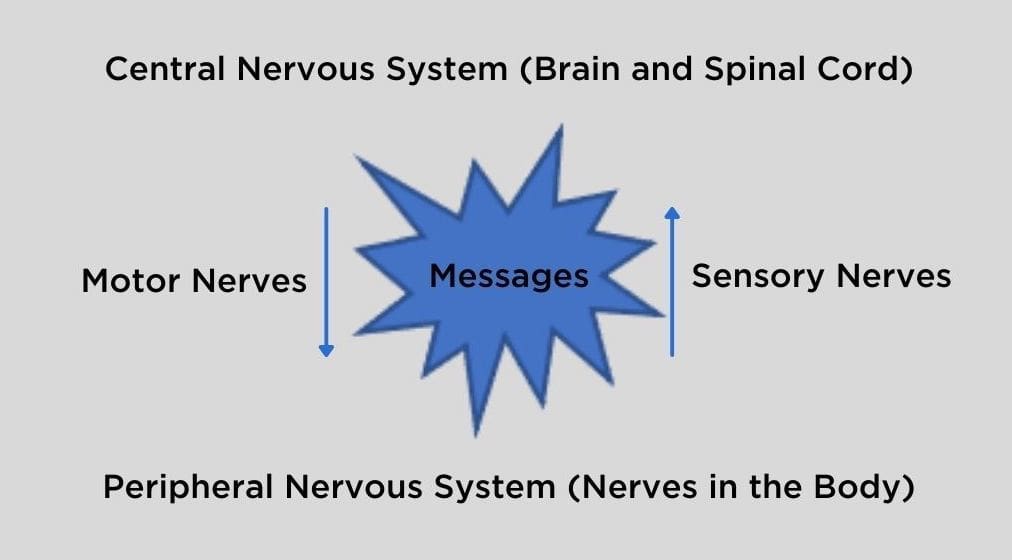
As part of the central nervous system, the sensory nerves send information from the peripheral nervous system to the spinal cord to the brain. These nerves make sure that the body feels something that a person is touching. When there is an injury affecting the peripheral nerves, it is known as peripheral nerve injury. Research studies have shown that peripheral nerve injury is when there is nerve damage to the body, affecting the brain’s ability to communicate with the muscles and organs. When the sensory nerve becomes damaged from an injury, this will cause many individuals to have a tingling sensation on their hands and feet.
Other research studies have also stated that neuropathic pain can damage the sensory nerve receptor that sends the signals from the spinal cord to the brain. It can cause many symptoms that can be altered and disorder the sensory nerves to develop neuropathic pain symptoms. Since the nerves from the central nervous system send the information from the spinal cord to the entire body, nerve pain damage can disrupt the signals and cause the individual to fall, causing injury to the body, especially on the back. Research studies have shown that many individuals suffering from peripheral nerve damage can result from traumatic injury, metabolic problems, exposure to toxins, and inherited causes that cause the nerve signals to be disrupted.
What Is Spinal Decompression Therapy?-Video
Spinal decompression therapy is a non-surgical treatment that gently stretches the spine using a traction table to relieve back and leg pain. Research studies have found that spinal decompression therapy is used on the spine. It creates a negative intradiscal pressure to retract and reposition herniated or bulging disc material back to its original position in the spine. The gentle stretching from the traction machine allows the nutrients and other beneficial substances to go back to the spine and relieve the painful symptoms that cause injury to the spine. If you want to learn more about spinal decompression therapy, this link will explain the benefits of spinal decompression and how it can alleviate low back pain symptoms.
How Spinal Decompression Can Alleviate Sensory Nerve Dysfunction
The spine is encompassed by ligaments, the spinal cord, and discs that protect the spine from injury. When the spinal disc gets injured or naturally wears and tears due to age, it can cause the disc to lose the fluid that makes them sponge-like and compressed. When there is compression on the spinal disc, it can cause pain in the back. There is no pain when there is compression on the peripheral nerves unless the peripheral nerves have been irritated or pinched earlier. There are therapeutic treatments that can help alleviate the painful symptoms caused by the pinched nerves and bring back a person’s quality of life.
Research studies have found that ice treatments, electric treatments, and spinal decompression therapy allow individuals to get back their quality of life to about 90%. Since spinal decompression has a direct mechanical effect and a biochemical effect, the gentle traction will allow the intradiscal pressure from the damaged nerves to be reduced and retract the herniated disc. Spinal decompression therapy can influence sensory nerve dysfunction and restore motor functions in the body. Other research studies have also found that stretching, infrared radiation, and spinal decompression traction can significantly improve the pain and disability levels that are causing the individual pain in their lower back. Spinal decompression therapy will even alter the biomechanics and biochemistry of the spinal disc and nerve root, causing many individuals relief.
Conclusion
Therefore, the spine’s primary function is to make sure that the body can twist, bend, turn, and stay upright. When the back gets injured from a pulled muscle or an accident, it can immobilize the individual and disrupt their quality of life. If there is nerve damage from the injury, it can disrupt the nerve signals in the brain and cause the individual to lose balance and injure themselves even more. Utilizing non-surgical treatments like ice treatments, stretching, and physical therapy with the combination of spinal decompression therapy can help restore the back by gently stretching the spine with a traction table and restoring the lost nutrients of the spinal disc as well as restoring the motor and sensory nerve functions to the body.
References
Alrwaily, Muhammad, et al. “Assessment of Variability in Traction Interventions for Patients with Low Back Pain: A Systematic Review.” Chiropractic & Manual Therapies, BioMed Central, 17 Sept. 2018, https://www.ncbi.nlm.nih.gov/pmc/articles/PMC6139896/.
Colloca, Luana, et al. “Neuropathic Pain.” Nature Reviews. Disease Primers, U.S. National Library of Medicine, 16 Feb. 2017, https://www.ncbi.nlm.nih.gov/pmc/articles/PMC5371025/.
Daniel, Dwain M. “Non-Surgical Spinal Decompression Therapy: Does the Scientific Literature Support Efficacy Claims Made in the Advertising Media?” Chiropractic & Osteopathy, BioMed Central, 18 May 2007, https://www.ncbi.nlm.nih.gov/pmc/articles/PMC1887522/.
Staff, Mayo Clinic. “Peripheral Nerve Injuries.” Mayo Clinic, Mayo Foundation for Medical Education and Research, 17 Apr. 2020, https://www.mayoclinic.org/diseases-conditions/peripheral-nerve-injuries/symptoms-causes/syc-20355631.
Staff, Mayo Clinic. “Peripheral Neuropathy.” Mayo Clinic, Mayo Foundation for Medical Education and Research, 3 July 2021, https://www.mayoclinic.org/diseases-conditions/peripheral-neuropathy/symptoms-causes/syc-20352061.
Whenever stepping out onto a playing field or gym, there is a risk of suffering sports back injuries. Back pulls, strain and sprain injuries are the most common. Low back pain is one of the most prevalent complaints at all levels of competition. 90% of these acute back injuries will heal on their own, usually in about three months. However, sometimes these injuries can be more severe and require professional medical care. Treatment options for different groups of athletes include nonsurgical motorized spinal decompression.
Sports Back Injuries
Injury mechanisms vary from sport to sport, but there are recommendations regarding spinal decompression treatment for these injuries and return to play. Chiropractic healthcare specialists understand the sport-specific injury patterns and treatment guidelines for athletes following a back injury. Spinal decompression treatments are beneficial and result in higher rates of return to play depending on the specific sport of the injured athlete. A chiropractor will create a personalized spinal decompression treatment plan for the sport-specific context to meet the athlete’s short and long-term needs.
An estimated 10–15% of athletes will experience low back pain.
All types of sports place increased stress on the lumbar spine through physically demanding and repetitive movements/motions.
The repetitive shifting, bending, twisting, jumping, flexion, extension, and spinal axial loadingmotions contribute to low back pain even though the athletes are in top shape with increased strength and flexibility.
Injury patterns demonstrate the increased stresses that athletes place on the lumbar spine.
Common Spine Sports Injuries
Cervical Neck Injuries
Stingers are a type of neck injury.
A stinger is also known as a burner is an injury that happens when the head or neck gets hit to one side, causing the shoulder to be pulled in the opposite direction.
These injuries manifest as numbness or tingling in the shoulder from stretching or compressing the cervical nerve roots.
Lumbar Lower Back Sprains and Strains
When trying to lift too much weight or using an improper lifting technique when working out with weights.
Fast running, quick stopping, and shifting can cause the low back and hip muscles to get overly pulled/stretched.
Staying low to the ground and springing/jumping up can cause abnormal stretching or tearing of the muscle fibers.
Fractures and Injuries to the Supporting Spinal Structures
In sports that involve repetitive extension movements, spinal stress fractures are relatively common.
Excessive and repeated strain to the spinal column area leads to low back pain and injury.
Nonsurgical Spinal Decompression
Nonsurgical spinal decompression is motorized traction that is used to relieve compression pressure, restore spinal disc height, and relieve back pain.
Spinal decompression works to gently stretch the spine changing the force and position of the spine.
The gel-like cushions between the vertebrae are pulled to open up the spacing taking pressure off nerves and other structures.
This allows bulging or herniated discs to return to their normal position and promotes optimal circulation of blood, water, oxygen, and nutrient-rich fluids into the discs to heal, as well as, injured or diseased spinal nerve roots.
DRX 9000 Decompression
References
Ball, Jacob R et al. “Lumbar Spine Injuries in Sports: Review of the Literature and Current Treatment Recommendations.” Sports medicine – open vol. 5,1 26. 24 Jun. 2019, doi:10.1186/s40798-019-0199-7
Jonasson, Pall et al. “Prevalence of joint-related pain in the extremities and spine in five groups of top athletes.” Knee surgery, sports traumatology, arthroscopy: official journal of the ESSKA vol. 19,9 (2011): 1540-6. doi:10.1007/s00167-011-1539-4
Lawrence, James P et al. “Back pain in athletes.” The Journal of the American Academy of Orthopaedic Surgeons vol. 14,13 (2006): 726-35. doi:10.5435/00124635-200612000-00004
Petering, Ryan C, and Charles Webb. “Treatment options for low back pain in athletes.” Sports health vol. 3,6 (2011): 550-5. doi:10.1177/1941738111416446
Sanchez, Anthony R 2nd et al. “Field-side and prehospital management of the spine-injured athlete.” Current sports medicine reports vol. 4,1 (2005): 50-5. doi:10.1097/01.csmr.0000306072.44520.22
Individuals with chronic back and/or leg pain are encouraged to try spinal decompression. Non-surgical spinal decompression is a treatment option therapy that has been proven to be safe, gentle, and successful. This therapy is motorized traction that takes the pressure off the spinal discs and stretches out the spine to its correct position. It is highly effective, comfortable, affordable, and a safe alternative to surgery. At Injury Medical Chiropractic and Functional Medicine Clinic, our spinal decompression team/tables effectively treat:
Neck pain
Chronic back pain
Sciatica
Bulging discs
Herniated discs
Degenerated discs
Whiplash
Try Spinal Decompression
The vertebral bones protect the spinal cord. Everyday wear-and-tear, improper posture and injury can cause parts of the vertebrae to compress the spinal cord’s nerves, leading to pain, numbness, or tingling. Non-surgical spinal decompression therapy is also known as NSSD or SDT/Spinal Decompression Therapy. The goal of the treatment is to restore optimal health to the spine. Pain-causing conditions can be reversed or healed, and discs can be normalized through the decompression process as it encourages spinal repositioning to promote optimal healing.
Decompression Table
The spinal decompression table may consist of a manually operated cable and pulley system or a computerized table segmented by the upper and lower body.
The angle and pressure applied depend on the type of injury and the individual’s needs.
Each procedure is carefully calculated to reposition the spinal discs and disc material to alleviate pain.
How It Works
Spinal decompression is a mechanized version of a chiropractic adjustment. By gently stretching and moving the spine, the vertebrae have proper alignment restored, restoring range of motion, decreasing or eliminating pain, and improving mobility and function.
The individual is strapped to the machine with a harness that helps position the back for optimal decompression.
Depending on the condition and severity, the therapist will choose from a list of decompression programs.
Slowly, the spine is stretched and lengthened, relieving pressure.
The spine’s stretching and repositioning are different from standard physical therapy and manual manipulation treatment.
It is a gradual process to prevent the body from muscle guarding as the natural response to avoid injury.
Treatment Benefits
An examination is required to see if an individual meets the criteria. Non-surgical spinal decompression therapy has been shown to:
Reduce or eliminate pain.
Rehydrate spinal discs.
Reduce disc bulging/herniation.
Improve functional abilities.
Decrease the need for surgery.
DRX9000
References
Apfel, Christian C et al. “Restoration of disk height through non-surgical spinal decompression is associated with decreased discogenic low back pain: a retrospective cohort study.” BMC musculoskeletal disorders vol. 11 155. 8 Jul. 2010, doi:10.1186/1471-2474-11-155
Koçak, Fatmanur Aybala et al. “Comparison of the short-term effects of the conventional motorized traction with non-surgical spinal decompression performed with a DRX9000 device on pain, functionality, depression, and quality of life in patients with low back pain associated with lumbar disc herniation: A single-blind randomized controlled trial.” Turkish Journal of physical medicine and rehabilitation vol. 64,1 17-27. 16 Feb. 2017, doi:10.5606/tftrd.2017.154
Macario, Alex, and Joseph V Pergolizzi. “Systematic literature review of spinal decompression via motorized traction for chronic discogenic low back pain.” Pain practice: the Official Journal of World Institute of Pain vol. 6,3 (2006): 171-8. doi:10.1111/j.1533-2500.2006.00082.x
Any vehicle crash, collision, or accident can cause various injuries, with back pain issues as a primary injury or a side effect from other injuries. Usually, injury symptoms begin right after the collision, but in other cases, individuals may not start experiencing symptoms until hours, days, or even weeks later. This is from the adrenaline that rushes throughout the body during the collision/fight or flight response delaying the injury symptoms. There are reports of individuals who walk away from an accident unscathed but require urgent medical treatment a short while later. Chiropractic care can provide manual and spinal motorized decompression benefits.
Decompression Benefits
Head Injuries
Head injuries occur when drivers and/or passengers hit their heads on the steering wheel, windows, dashboard, metal frame, and sometimes each other.
A head injury is considered a severe condition that can cause concussions, skull fractures, comas, hearing loss, cognitive and memory issues, and vision problems.
A significant head injury can cause extensive and costly medical treatment with the possibility of long-term medical care.
Neck Injuries
Neck injuries are common in vehicle collisions.
The most common is whiplash, with the head and neck-snapping from indirect blunt force, like being rear-ended.
Whiplash can cause significant damage to the ligaments and muscles, like swelling and neck pain, and temporary paralysis of the vocal cords.
Injury patterns of whiplash can differ depending on the speed, force, and overall health of the individual involved.
Back Injuries
Back injuries can range in severity from sprains to significant damage involving the nerves and/or the spinal cord.
If the damage is severe, it can lead to loss of sensation in the body, loss of limb control, or permanent paralysis.
Disc herniation/s can lead to disability, muscle weakness, tingling and numbness in the limbs, and radiating body pain.
Chest and Torso Injuries
Vehicle collision forces can result in severe chest injuries that include broken ribs.
Broken ribs might not sound dangerous by themselves; they can puncture the lungs leading to other injuries and internal bleeding.
The legs, feet, arms, and hands are frequently injured, broken, and sometimes dislocated.
Motorcyclists are also at a higher risk for significant injury that includes:
Multiple fractures, internal injury, head injuries, and severe ligament damage.
Pedestrians struck by a vehicle have an increased risk for a combination of all injuries at once.
Non-Surgical Decompression Benefits
Chiropractors are trained to identify and treat injuries from vehicle collisions.
Non-surgical spinal decompression gently stretches the spine using a motorized traction device to help reposition the spine and remove the pressure.
As the pressure is taken off, the spinal discs regain their natural height, relieving the pressure on the nerves and other spinal structures.
Optimal healing is promoted by an improved circulation of nutrients, water, and oxygen to the injury site.
Decompression helps to strengthen the muscles in the affected area.
It provides positive spinal structural changes.
Improves nervous system function.
Non-surgical decompression is a tool for correcting injuries and relieving pain, allowing optimal health for the individual.
DOC Decompression Table
References
Apfel, Christian C et al. “Restoration of disk height through non-surgical spinal decompression is associated with decreased discogenic low back pain: a retrospective cohort study.” BMC musculoskeletal disorders vol. 11 155. 8 Jul. 2010, doi:10.1186/1471-2474-11-155
Koçak, Fatmanur Aybala et al. “Comparison of the short-term effects of the conventional motorized traction with non-surgical spinal decompression performed with a DRX9000 device on pain, functionality, depression, and quality of life in patients with low back pain associated with lumbar disc herniation: A single-blind randomized controlled trial.” Turkish Journal of physical medicine and rehabilitation vol. 64,1 17-27. 16 Feb. 2017, doi:10.5606/tftrd.2017.154
Macario, Alex, and Joseph V Pergolizzi. “Systematic literature review of spinal decompression via motorized traction for chronic discogenic low back pain.” Pain practice: the Official Journal of World Institute of Pain vol. 6,3 (2006): 171-8. doi:10.1111/j.1533-2500.2006.00082.x
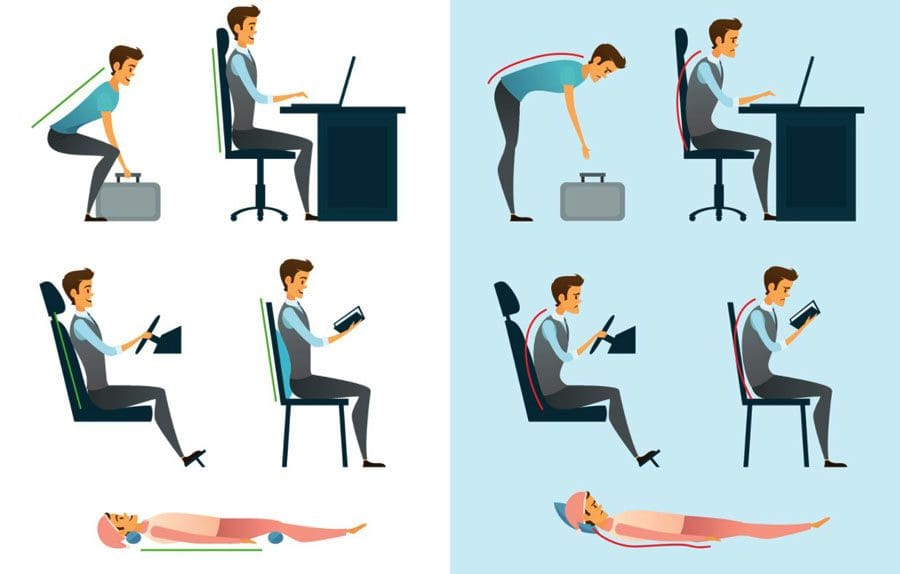
As the body gets older, slouching, little to no physical activity, and regular stretching cause muscle fatigue, weakness, tension, leading to poor posture complications. The complications include:
Posture can be improved along with overall spinal health and a better quality of life through chiropractic treatment. Chiropractic will improve posture through adjustments, postural exercise training and stretching, education on ergonomics, and nutrition to strengthen the body.
Complications Poor Posture
Symptoms
Symptoms vary as they depend on the severity of the case and condition.
Skeletal muscle comprises two types of muscle fiber. They are static or slow-twitch muscles and phasic or fast-twitch muscles. Static muscle fibers are found in the deeper muscle layers. Static fibers burn energy slowly and keep working without tiring. They help the body maintain posture without effort and contribute to balance by sensing the body’s position and transmitting the information to the brain. Phasic muscle fibers are used for movement and activity but can quickly run out of energy. Poor posture causes muscle fatigue because the phasic fibers are used rather than the static fibers to maintain the body’s proper position.
Muscle Strength and Length
Over time, the body constantly needs support from the phasic muscle fibers. This causes the deeper supporting muscles to waste away because they are not being used. Weak, unused muscles begin to tighten, causing a shortening of muscle length that can compact the spine’s bones and cause back complications.
Nervous System Feedback
The deeper layers of muscle sense the body’s position in space and relay this information to the brain. The brain does not receive complete transmission if the phasic muscle fibers take over this function. The brain assumes that the body needs to be propped up/corrected to counteract the poor posture effects, triggering further muscle contraction, adding to the fatigue and pain.
Listening To The Body
The objective is to form a habit of regularly listening to what the body is saying. Make minor adjustments while standing and sitting throughout the day/night. Often what happens is individuals become so immersed in their work, school tasks that they ignore any physical discomfort and push through and forget to change positions/move around to get the muscles moving and the blood pumping. If there is muscle tension or fatigue, don’t just work through the pain; move into another healthy position.
Posture Improvement
Suggestions include:
Try to avoid sitting in soft chairs.
Switch to ergonomic chairs for any activity that requires sitting for long periods.
Use a lumbar roll to support the lower back when sitting in regular chairs or driving.
Remember to reverse the curve; an example could be if leaning over a desk/workstation, stretch the back in the other direction.
As the body ages, it loses muscle mass, known as sarcopenia. Between the ages of 30 and 80, both men and women can lose 30-50 percent of their muscle strength. Decreasing strength can make it a challenge to lead an active lifestyle or have energy levels to complete the daily errands. Individuals can be reluctant to improve fitness levels through resistance workouts believing there is nothing left after years of inactivity. This is not true as anybody can strength train. With the right mindset, and health coaching team, goals can be set to:
Improve body composition
Improve energy levels
Maintain an active lifestyle
References
Creze, Maud et al. “Posture-related stiffness mapping of paraspinal muscles.” Journal of anatomy vol. 234,6 (2019): 787-799. doi:10.1111/joa.12978
Deliagina, Tatiana G et al. “Physiological and circuit mechanisms of postural control.” Current opinion in neurobiology vol. 22,4 (2012): 646-52. doi:10.1016/j.conb.2012.03.002
Korakakis, Vasileios et al. “Physiotherapist perceptions of optimal sitting and standing posture.” Musculoskeletal Science & practice vol. 39 (2019): 24-31. doi:10.1016/j.msksp.2018.11.004
Pollock, A S et al. “What is balance?.” Clinical rehabilitation vol. 14,4 (2000): 402-6. doi:10.1191/0269215500cr342oa
Waters, Thomas R, and Robert B Dick. “Evidence of health risks associated with prolonged standing at work and intervention effectiveness.” Rehabilitation nursing: the official journal of the Association of Rehabilitation Nurses vol. 40,3 (2015): 148-65. doi:10.1002/rnj.166
IFM's Find A Practitioner tool is the largest referral network in Functional Medicine, created to help patients locate Functional Medicine practitioners anywhere in the world. IFM Certified Practitioners are listed first in the search results, given their extensive education in Functional Medicine