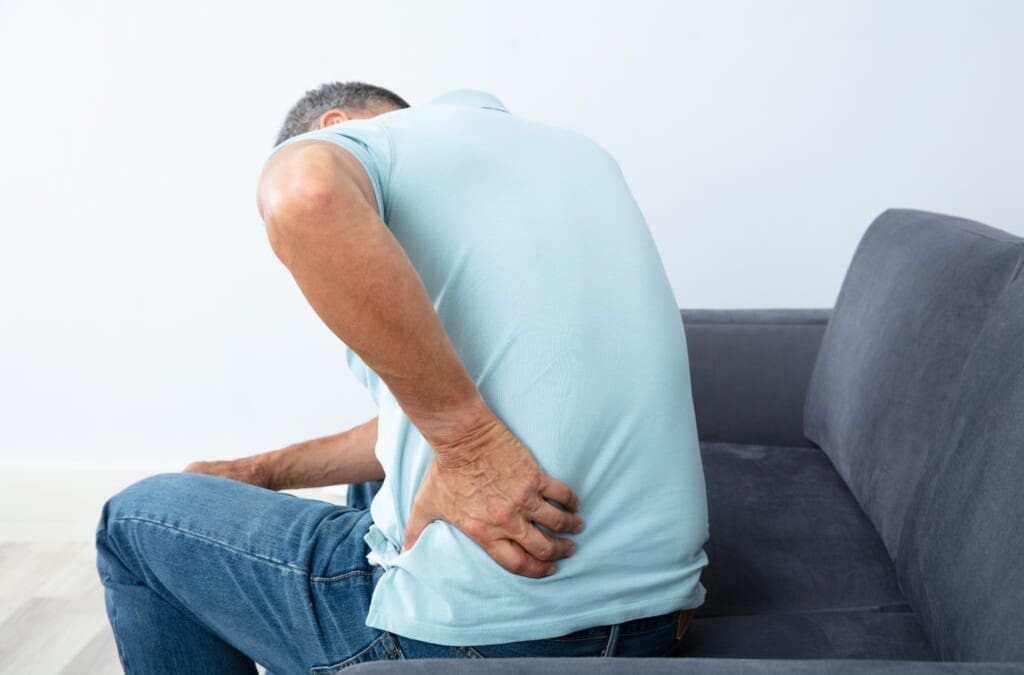
For individuals experiencing or managing low back pain and/or sciatica, can lumbar traction therapy help provide consistent relief?
Lumbar Traction
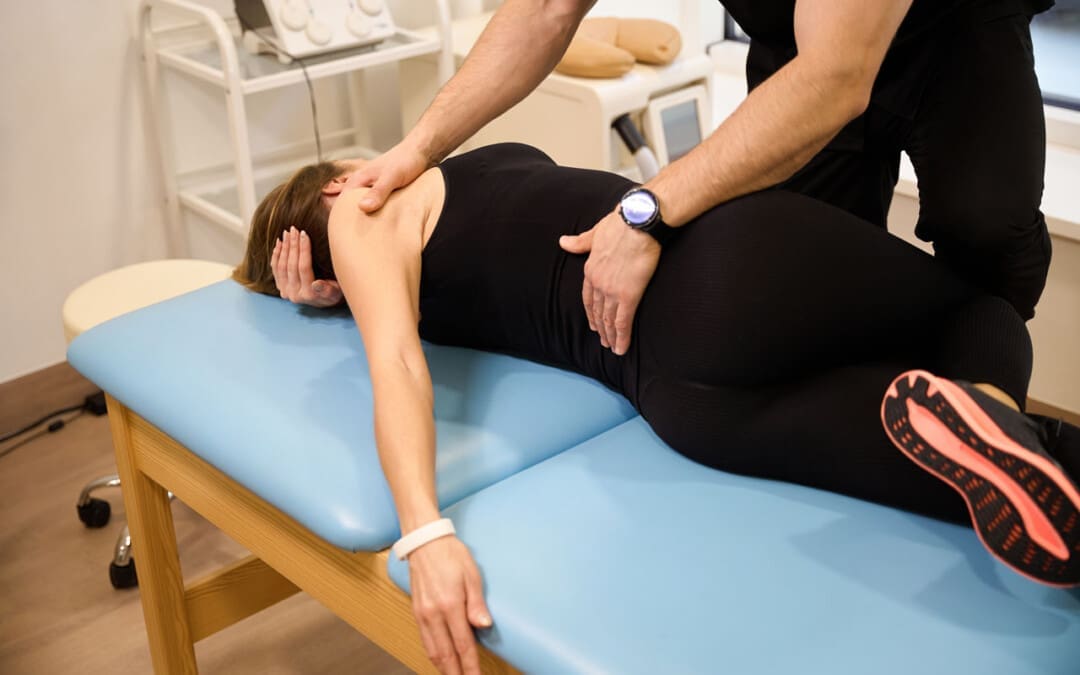
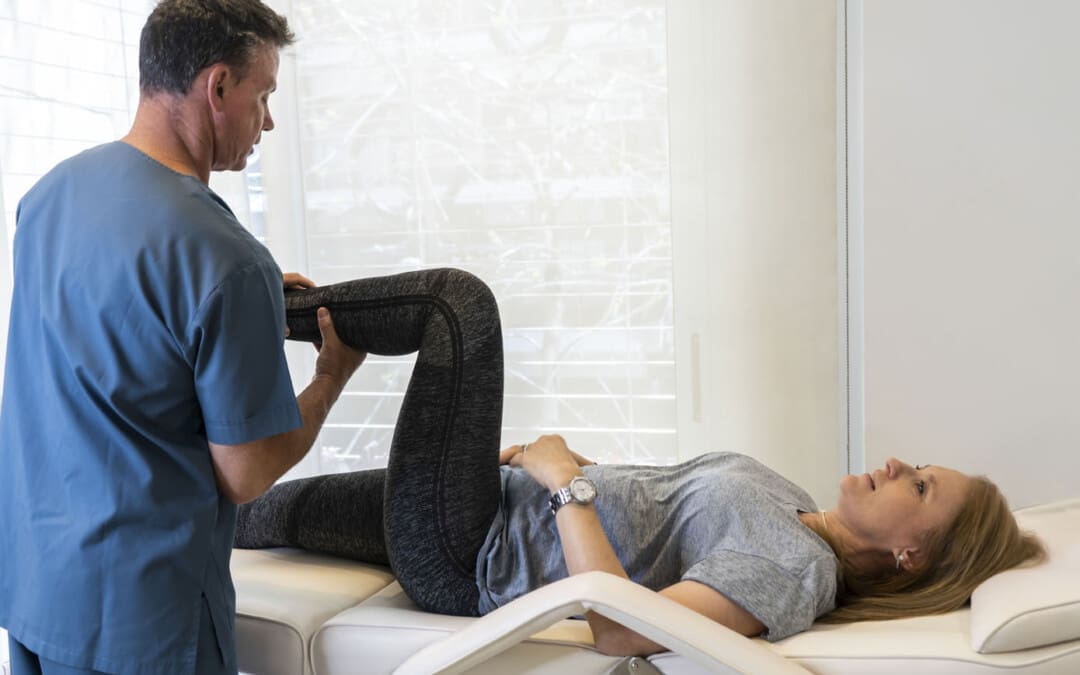
Lumbar traction therapy for lower back pain and sciatica could be a treatment option to help restore mobility and flexibility and safely support an individual’s return to an optimal level of activity. It is often combined with targeted therapeutic exercise. (Yu-Hsuan Cheng, et al., 2020) The technique stretches the space between the vertebrae in the lower spine, relieving lower back pain.
Lumbar or low back traction helps to separate the spaces between the vertebrae.
Separating the bones restores circulation and helps relieve the pressure on pinched nerves like the sciatic nerve, decreasing pain and improving mobility.
Research
Researchers say lumbar traction with exercise did not improve individual outcomes compared to physical therapy exercises on their own (Anne Thackeray et al., 2016). The study examined 120 participants with back pain and nerve root impingement who were randomly selected to undergo lumbar traction with exercises or simple exercises for pain. Extension-based exercises focused on bending the spine backward. This movement is considered effective for individuals with back pain and pinched nerves. The results indicated that adding lumbar traction to physical therapy exercises did not offer significant benefits over extension-based exercise alone for back pain. (Anne Thackeray et al., 2016)
A 2022 study found that lumbar traction is helpful for individuals with lower back pain. The study investigated two different lumbar traction techniques and found that variable-force lumbar traction and high-force lumbar traction helped to relieve lower back pain. High-force lumbar traction was also found to reduce functional disability. (Zahra Masood et al., 2022) Another study found lumbar traction improves the range of motion in the straight leg raise test. The study examined different forces of traction on herniated discs. All the levels improved the individuals’ range of motion, but the one-half body-weight traction setting was associated with the most significant pain relief. (Anita Kumari et al., 2021)
Treatment
For individuals with only low back pain, exercise, and postural correction may be all that is needed to provide relief. Research confirms physical therapy exercises can help decrease pain and improve mobility (Anita Slomski 2020). Another study revealed the importance of centralizing sciatic symptoms during repetitive movements. Centralization is moving the pain back to the spine, which is a positive sign that the nerves and discs are healing and occurs during therapeutic exercise. (Hanne B. Albert et al., 2012) A chiropractor and physical therapy team can educate patients on preventing back pain episodes. Chiropractors and physical therapists are body movement experts who can show which exercises are best for your condition. Starting an exercise program that centralizes symptoms can help individuals return to their normal lifestyle quickly and safely. Consult a healthcare provider before starting any exercise program for back pain.
Movement Medicine: Chiropractic
References
Cheng, Y. H., Hsu, C. Y., & Lin, Y. N. (2020). The effect of mechanical traction on low back pain in patients with herniated intervertebral disks: a systemic review and meta-analysis. Clinical rehabilitation, 34(1), 13–22. https://doi.org/10.1177/0269215519872528
Thackeray, A., Fritz, J. M., Childs, J. D., & Brennan, G. P. (2016). The Effectiveness of Mechanical Traction Among Subgroups of Patients With Low Back Pain and Leg Pain: A Randomized Trial. The Journal of orthopaedic and sports physical therapy, 46(3), 144–154. https://doi.org/10.2519/jospt.2016.6238
Masood, Z., Khan, A. A., Ayyub, A., & Shakeel, R. (2022). Effect of lumbar traction on discogenic low back pain using variable forces. JPMA. The Journal of the Pakistan Medical Association, 72(3), 483–486. https://doi.org/10.47391/JPMA.453
Kumari, A., Quddus, N., Meena, P. R., Alghadir, A. H., & Khan, M. (2021). Effects of One-Fifth, One-Third, and One-Half of the Bodyweight Lumbar Traction on the Straight Leg Raise Test and Pain in Prolapsed Intervertebral Disc Patients: A Randomized Controlled Trial. BioMed research international, 2021, 2561502. https://doi.org/10.1155/2021/2561502
Slomski A. (2020). Early Physical Therapy Relieves Sciatica Disability and Pain. JAMA, 324(24), 2476. https://doi.org/10.1001/jama.2020.24673
Albert, H. B., Hauge, E., & Manniche, C. (2012). Centralization in patients with sciatica: are pain responses to repeated movement and positioning associated with outcome or types of disc lesions?. European spine journal : official publication of the European Spine Society, the European Spinal Deformity Society, and the European Section of the Cervical Spine Research Society, 21(4), 630–636. https://doi.org/10.1007/s00586-011-2018-9
Learning the cause of the problem and how to effectively manage it can help individuals experiencing back spasms to quickly and safely return to previous levels of function and activity.
Back Spasm
Individuals dealing with back pain or sciatica usually describe the symptoms as the back muscles tightening or spasming. A back spasm can feel mild, like a fist pressing into one side of the spine or an intense pain that prevents the individual from sitting, standing, or walking comfortably. Bask spasms can become severe, causing difficulty maintaining normal upright posture.
What Is A Spasm
A back spasm is a sudden onset of back muscle tightness. Sometimes, the tight sensation becomes so intense and severe that it prevents the individual from moving normally. Some individuals have difficulty bending forward because of the pain and tightness.
Symptoms
Most episodes last several hours to several days. Severe cases can last about six to eight weeks, but the spasms and pain subside gradually, allowing the individual to move normally and resume normal activity. Common sensations and symptoms can include:
Difficulty bending.
A tight sensation in the back.
Pulsing pains and sensations.
Pain on one or both sides of the back.
Sometimes, the spasm can cause radiating pain in the buttocks and hips. When severe, it can be accompanied by nerve pain, numbness, and tingling that radiates down one or both legs. (Medline Plus. 2022)
Causes
Back spasms are caused by tight muscle tissue, which often results from some mechanical stress. The stress causes the muscle tissue near the spine to be pulled abnormally. As a result of the pulling, the muscle fibers become taut and painful. Mechanical causes of back spasms may include: (Merck Manual, 2022)
Poor sitting and/or standing posture.
Repetitive overuse injury.
Lumbar strains.
Lumbar disc herniations.
Low back osteoarthritis.
Spondylolisthesis – vertebrae shift out of position, including anterolisthesis and retrolisthesis.
Spinal stenosis
All these can place increased stress on the anatomical structures in the spine. The lower back muscles near these structures may go into a protective spasm that can also cause a tight and painful sensation in the back. Other non-mechanical causes of low back spasms include: (Merck Manual, 2022)
Poor sitting posture or sitting for long periods without back support.
Lack of physical conditioning.
Being overweight or obese.
Psychological conditions – anxiety, depression, and emotional stress.
Family medical history of ankylosing spondylitis.
Smoking
Individuals can stop smoking, start exercising, or engage in positive activities to help manage stress. Individuals dealing with back spasms may need to see a healthcare provider for a proper diagnosis and treatment.
Treatment
Treatment for back spasms can include home remedies or therapies from medical providers. The treatments are designed to relieve the spasms and manage the mechanical stresses that may have caused them. Medical professionals can also show strategies to prevent spasms. Home remedies can include: (Merck Manual, 2022)
If self-care strategies are unable to provide relief, individuals may need to visit a medical professional for treatment. Medical treatments can include: (Merck Manual, 2022)
Most individuals are able to manage symptoms with physical therapy or chiropractic, which includes learning exercises and posture adjustments to relieve tightness.
National Institute of Neurological Disorders and Stroke. (2023). Back pain. Retrieved from https://www.ninds.nih.gov/health-information/disorders/back-pain?
Bhatia, A., Engle, A., & Cohen, S. P. (2020). Current and future pharmacological agents for the treatment of back pain. Expert opinion on pharmacotherapy, 21(8), 857–861. https://doi.org/10.1080/14656566.2020.1735353
Individuals experiencing shooting, aching pain in the lower extremities, and intermittent leg pain could be suffering from neurogenic claudication. Can knowing the symptoms help healthcare providers develop an effective treatment plan?
Neurogenic Claudication
Neurogenic claudication occurs when spinal nerves become compressed in the lumbar or lower spine, causing intermittent leg pain. Compressed nerves in the lumbar spine can cause leg pain and cramps. The pain usually worsens with specific movements or activities like sitting, standing, or bending backward. It is also known as pseudo-claudication when the space within the lumbar spine narrows. A condition known as lumbar spinal stenosis. However, neurogenic claudication is a syndrome or group of symptoms caused by a pinched spinal nerve, while spinal stenosis describes the narrowing of the spinal passages.
Symptoms
Neurogenic claudication symptoms can include:
Leg cramping.
Numbness, tingling, or burning sensations.
Leg fatigue and weakness.
A sensation of heaviness in the leg/s.
Sharp, shooting, or aching pain extending into the lower extremities, often in both legs.
There may also be pain in the lower back or buttocks.
Neurogenic claudication is different from other types of leg pain, as the pain alternates – ceasing and beginning randomly and worsens with specific movements or activities. Standing, walking, descending stairs, or flexing backward can trigger pain, while sitting, climbing stairs, or leaning forward tends to relieve pain. However, every case is different. Over time, neurogenic claudication can affect mobility as individuals try to avoid activities that cause pain, including exercise, lifting objects, and prolonged walking. In severe cases, neurogenic claudication can make sleeping difficult.
Neurogenic claudication and sciatica are not the same. Neurogenic claudication involves nerve compression in the central canal of the lumbar spine, causing pain in both legs. Sciatica involves compression of nerve roots exiting from the sides of the lumbar spine, causing pain in one leg. (Carlo Ammendolia, 2014)
Causes
With neurogenic claudication, compressed spinal nerves are the underlying cause of the leg pain. In many cases, lumber spinal stenosis – LSS is the cause of pinched nerve. There are two types of lumbar spinal stenosis.
Central stenosis is the main cause of neurogenic claudication. With this type, the central canal of the lumbar spine, which houses the spinal cord, narrows, causing pain in both legs.
Lumbar spinal stenosis can be acquired and develop later in life due to spine deterioration.
Congenital means the individual is born with the condition.
Both can lead to neurogenic claudication in different ways.
Foramen stenosis is another type of lumbar spinal stenosis that causes the narrowing of spaces on either side of the lumbar spine where nerve roots branch off the spinal cord. The associated pain is different in that it is either in the right or left leg.
The pain corresponds to the side of the spinal cord where the nerves are being pinched.
Acquired Lumbar Spinal Stenosis
Lumbar spinal stenosis is usually acquired due to the degeneration of the lumbar spine and tends to affect older adults. The causes of the narrowing can include:
Spinal trauma, such as from a vehicle collision, work, or sports injury.
Disc herniation.
Spinal osteoporosis – wear-and-tear arthritis.
Ankylosing spondylitis – a type of inflammatory arthritis that affects the spine.
Osteophytes – bone spurs.
Spinal tumors – non-cancerous and cancerous tumors.
Congenital Lumbar Spinal Stenosis
Congenital lumbar spinal stenosis means an individual is born with abnormalities of the spine that may not be apparent at birth. Because the space within the spinal canal is already narrow, the spinal cord is vulnerable to any changes as the individual ages. Even individuals with mild arthritis can experience symptoms of neurogenic claudication early on and develop symptoms in their 30s and 40s instead of their 60s and 70s.
Diagnosis
Diagnosis of neurogenic claudication is largely based on the individual’s medical history, physical examination, and imaging. The physical examination and review identify where the pain is presenting and when. The healthcare provider may ask:
Is there a history of lower back pain?
Is the pain in one leg or both?
Is the pain constant?
Does the pain come and go?
Does the pain get better or worse when standing or sitting?
Do movements or activities cause pain symptoms and sensations?
Are there any usual sensations while walking?
Treatment
Treatments can consist of physical therapy, spinal steroid injections, and pain meds. Surgery is a last resort when all other therapies are unable to provide effective relief.
Physical Therapy
A treatment plan will involve physical therapy that includes:
Daily stretching
Strengthening
Aerobic exercises
This will help improve and stabilize the lower back muscles and correct posture problems.
Occupational therapy will recommend activity modifications that cause pain symptoms.
This includes proper body mechanics, energy conservation, and recognizing pain signals.
Back braces or belts may also be recommended.
Spinal Steroid Injections
Healthcare providers may recommend epidural steroid injections.
This delivers a cortisone steroid to the outermost section of the spinal column or the epidural space.
Pain medications are used to treat intermittent neurogenic claudication. These include:
Over-the-counter analgesics like acetaminophen.
Nonsteroidal anti-inflammatory drugs or NSAIDs like ibuprofen or naproxen.
Prescription NSAIDs may be prescribed if needed.
NSAIDs are used with chronic neurogenic pain and should only be used when required.
The long-term use of NSAIDs can increase the risk of stomach ulcers, and the overuse of acetaminophen can lead to liver toxicity and liver failure.
Surgery
If conservative treatments are unable to provide effective relief and mobility and/or quality of life are affected, surgery known as a laminectomy may be recommended to decompress the lumbar spine. The procedure may be performed:
Laparoscopically – with small incisions, scopes, and surgical instrumentation.
Open surgery – with a scalpel and sutures.
During the procedure, facets of the vertebra are partially or completely removed.
To provide stability, the bones are sometimes fused with screws, plates, or rods.
Success rates for both are more or less the same.
Between 85% and 90% of individuals undergoing the surgery achieve long-lasting and/or permanent pain relief. (Xin-Long Ma et al., 2017)
Movement Medicine: Chiropractic Care
References
Ammendolia C. (2014). Degenerative lumbar spinal stenosis and its imposters: three case studies. The Journal of the Canadian Chiropractic Association, 58(3), 312–319.
Munakomi S, Foris LA, Varacallo M. (2024). Spinal Stenosis and Neurogenic Claudication. [Updated 2023 Aug 13]. In: StatPearls [Internet]. Treasure Island (FL): StatPearls Publishing; 2024 Jan-. Available from: https://www.ncbi.nlm.nih.gov/books/NBK430872/
Ma, X. L., Zhao, X. W., Ma, J. X., Li, F., Wang, Y., & Lu, B. (2017). Effectiveness of surgery versus conservative treatment for lumbar spinal stenosis: A system review and meta-analysis of randomized controlled trials. International journal of surgery (London, England), 44, 329–338. https://doi.org/10.1016/j.ijsu.2017.07.032
Can individuals dealing with gut inflammation be relieved with electroacupuncture to reduce low back pain symptoms & improve gut function?
Introduction
When it comes to the body, the gut system has a very interesting relationship to the various body groups. The gut system works with the central nervous, immune, and musculoskeletal systems as it helps protect the body from harmful bacteria while regulating inflammation. However, when environmental factors start to affect the body and cause the gut system to go haywire, it can cause numerous issues of pain and discomfort to the body. One of the issues that the gut can affect is the musculoskeletal system, causing back pain issues associated with gut inflammation. However, numerous treatments can help reduce the effects of gut inflammation that is causing back pain. Today’s article looks at the gut-back pain connection, how electroacupuncture can be integrated as a treatment, and how it can reduce inflammation. We talk with certified medical providers who consolidate our patients’ information to assess how gut inflammation impacts their bodies, causing back pain. We also inform and guide patients on how electroacupuncture therapy can help reduce the inflammatory effects causing gut and back issues and restore gut function. We encourage our patients to ask their associated medical providers intricate and important questions about incorporating various non-surgical treatments to reduce gut inflammation correlated with back pain. Dr. Jimenez, D.C., includes this information as an academic service. Disclaimer.
The Gut-Back Pain Connection
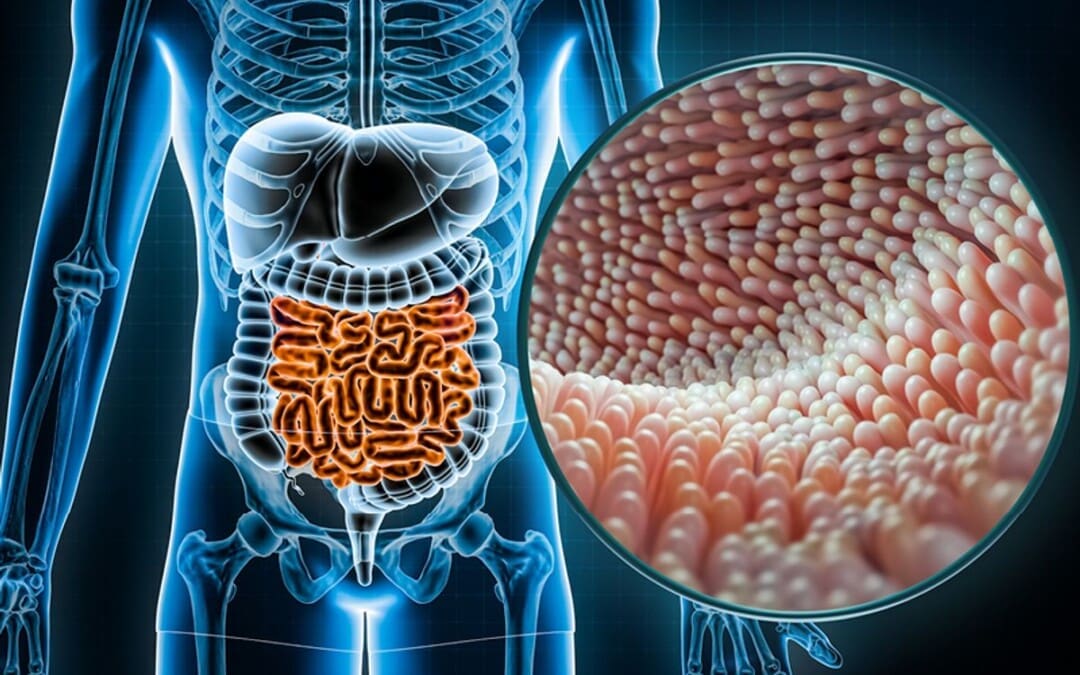
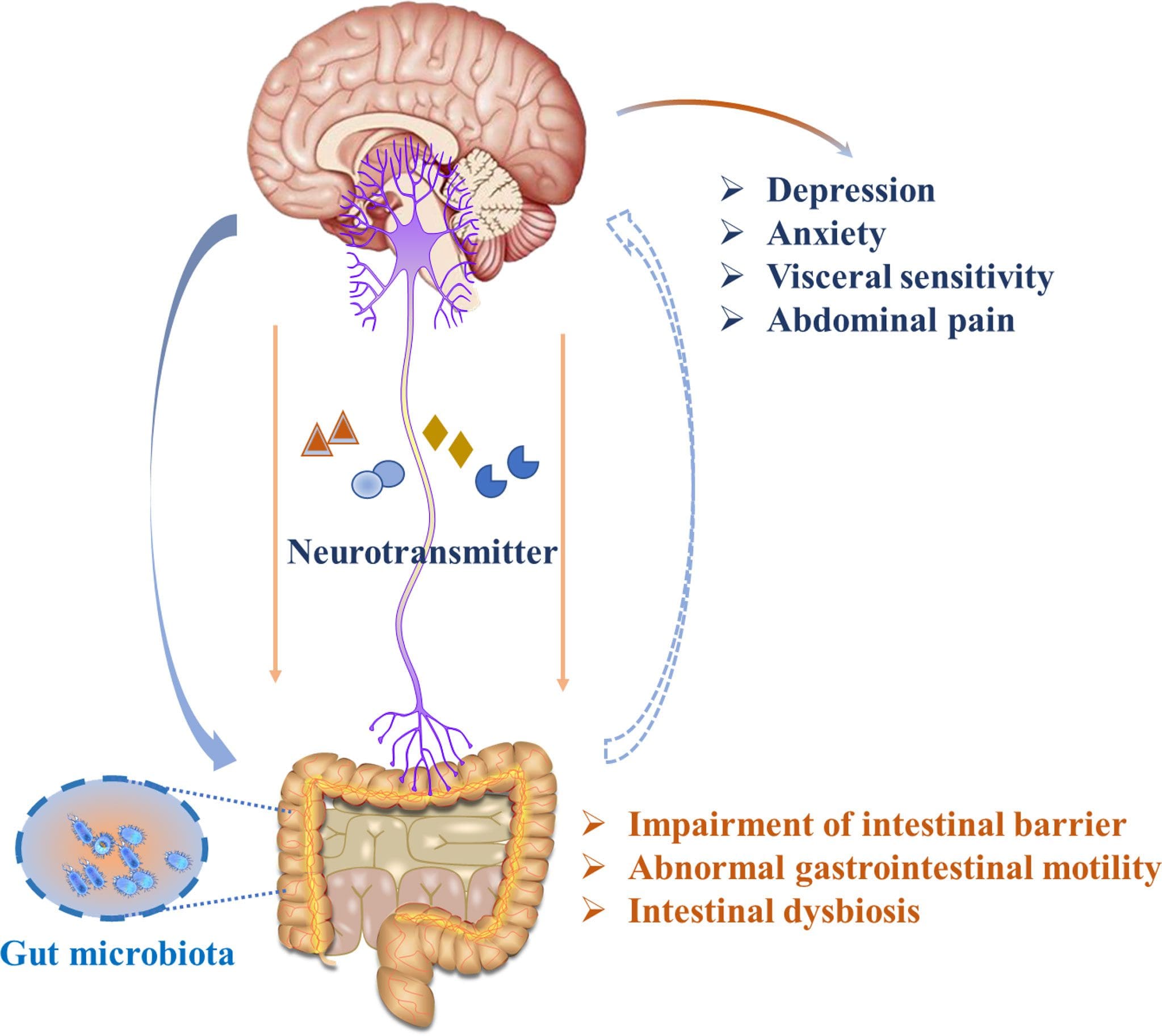
Do you feel muscle aches or pains in your gut or lower back? What about radiating heat in various areas of your body? Or have you experienced any low-energy moments throughout your day? While the gut is known as the second brain since it works with the immune system, one of its crucial roles is regulating the body’s immune system. This is because the gut microbiome houses trillions of bacteria to digest food and protect the body from bad bacteria. When environmental factors start to affect the gut’s delicate ecosystem, it can lead the immune system to be hyperactive, causing the inflammatory cytokines to mass produce, and this effect can ripple throughout the body, thus manifesting into various pain-like symptoms and conditions, including back pain. Since inflammation is the body’s defense response to injuries or infections, it removes the harmful issue in the affected area and helps heal. So when the inflammatory cytokines start to mass produce due to gut inflammation, it can compromise the gut system, allowing toxins and bacteria to enter the bloodstream and travel to different body areas, causing pain. Now, this is due to various environmental factors that lead to back pain development. When the harmful bacteria from inflammation start to cause back pain, they can attach themselves and affect the intervertebral disc homeostasis, causing the immune system to attack the intervertebral disc and cause back pain. (Yao et al., 2023) This is due to the connection of the gut and back through complex nerve pathways that send information from the gut to the back and up to the brain.
So, when inflammation starts to cause issues in the body, it can lead to musculoskeletal problems like back pain. Gut inflammation can cause an imbalance between the composition of the symbiont and pathobiont to decrease the integrity and function of the intestinal gut barriers, induce pain, and increase the inflammatory molecules. (Ratna et al., 2023) The inflammatory molecules can exacerbate pain receptors and muscle tension, leading to discomfort and pain in the lower back. Coincidentally, environmental factors like poor posture, physical inactivity, and poor dietary habits can cause the gut system to induce inflammation of the back muscles. When there is dysbiosis in the gut microbiota, the inflammatory effects can be indirectly associated with visceral pain and central nervous systemic functioning to alter the body and cause it to be in a persistent state of chronic systemic inflammation to induce back pain. (Dekker Nitert et al., 2020). However, there are numerous non-surgical treatments and holistic approaches to reduce gut inflammation and relieve back pain.
Integrating Electroacupuncture As Treatment
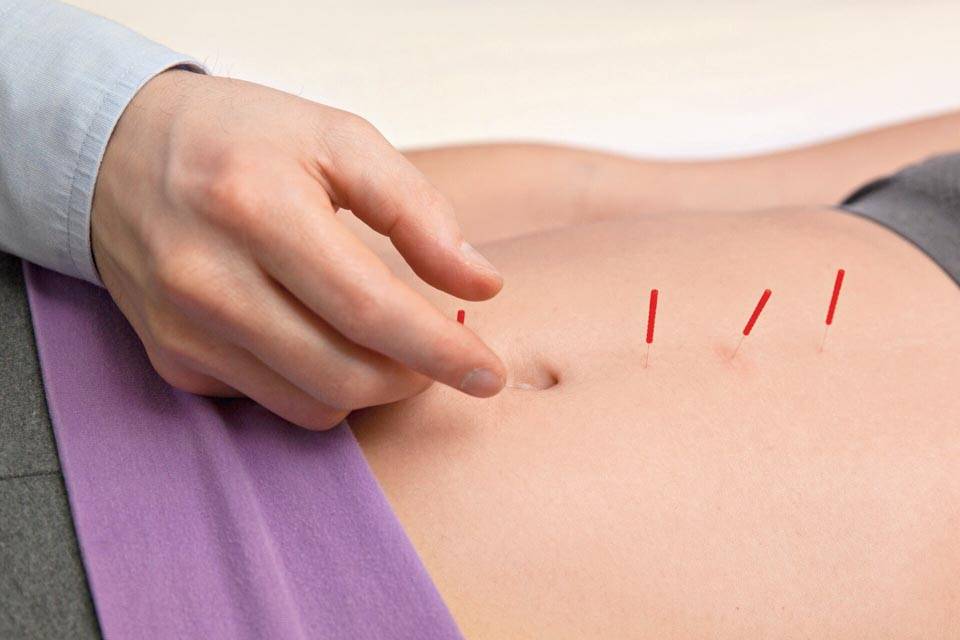
When people are experiencing back pain associated with gut inflammation, they will go to their primary healthcare doctor and explain the situation. Given the connection between gut inflammation and back pain, by addressing the environmental factors that cause these overlapping risk profiles, many doctors can work with pain specialists to reduce both gut inflammation and back pain. Pain specialists like chiropractors, acupuncturists, and massage therapists can help strengthen the affected muscles that are causing back pain and provide holistic approaches like anti-inflammatory vitamins and supplements to reduce gut inflammation. One of the oldest non-surgical treatments that can do both is electroacupuncture. Electroacupuncture combines traditional Chinese therapy and modern technology that uses electric stimulation and thin solid needles to be inserted into the body’s acupoint to obtain qi or energy. What this does is that it provides electric stimulation and anti-inflammatory effects to induce cholinergic reflexes in the gut and HPA axis. (Yang et al., 2024) Electroacupuncture can also be combined with other therapies to reduce the inflammatory effects associated with back pain.
How Does Electroacupuncture Reduce Gut Inflammation
Since electroacupuncture can reduce gut inflammation causing back pain, it can help regulate the intestinal flora by promoting intestinal motility and blocking the pain signals from affecting the back muscles. (An et al., 2022) This is because electroacupuncture can help relax the tense muscles causing back pain. Additionally, when people approach this treatment, it is under the guidance of highly trained acupuncturists who can insert the needles correctly while tailoring electroacupuncture therapy to the person’s specific needs and pain. Since electroacupuncture can be combined with other therapies, it can effectively reduce body weight and restore digestion and absorption to shape the gut microbiota. (Xia et al., 2022) This allows individuals to make small changes to their routine and prevent gut inflammation from affecting the body and causing back pain. They can improve their quality of life by incorporating electroacupuncture as part of their health and wellness treatment.
Unlocking The Secrets Of Inflammation-Video
References
An, J., Wang, L., Song, S., Tian, L., Liu, Q., Mei, M., Li, W., & Liu, S. (2022). Electroacupuncture reduces blood glucose by regulating intestinal flora in type 2 diabetic mice. J Diabetes, 14(10), 695-710. https://doi.org/10.1111/1753-0407.13323
Dekker Nitert, M., Mousa, A., Barrett, H. L., Naderpoor, N., & de Courten, B. (2020). Altered Gut Microbiota Composition Is Associated With Back Pain in Overweight and Obese Individuals. Front Endocrinol (Lausanne), 11, 605. https://doi.org/10.3389/fendo.2020.00605
Ratna, H. V. K., Jeyaraman, M., Yadav, S., Jeyaraman, N., & Nallakumarasamy, A. (2023). Is Dysbiotic Gut the Cause of Low Back Pain? Cureus, 15(7), e42496. https://doi.org/10.7759/cureus.42496
Xia, X., Xie, Y., Gong, Y., Zhan, M., He, Y., Liang, X., Jin, Y., Yang, Y., & Ding, W. (2022). Electroacupuncture promoted intestinal defensins and rescued the dysbiotic cecal microbiota of high-fat diet-induced obese mice. Life Sci, 309, 120961. https://doi.org/10.1016/j.lfs.2022.120961
Yang, Y., Pang, F., Zhou, M., Guo, X., Yang, Y., Qiu, W., Liao, C., Chen, Y., & Tang, C. (2024). Electroacupuncture Reduces Inflammatory Bowel Disease in Obese Mice by Activating the Nrf2/HO-1 Signaling Pathways and Repairing the Intestinal Barrier. Diabetes Metab Syndr Obes, 17, 435-452. https://doi.org/10.2147/DMSO.S449112
Yao, B., Cai, Y., Wang, W., Deng, J., Zhao, L., Han, Z., & Wan, L. (2023). The Effect of Gut Microbiota on the Progression of Intervertebral Disc Degeneration. Orthopaedic Surgery, 15(3), 858-867. https://doi.org/10.1111/os.13626
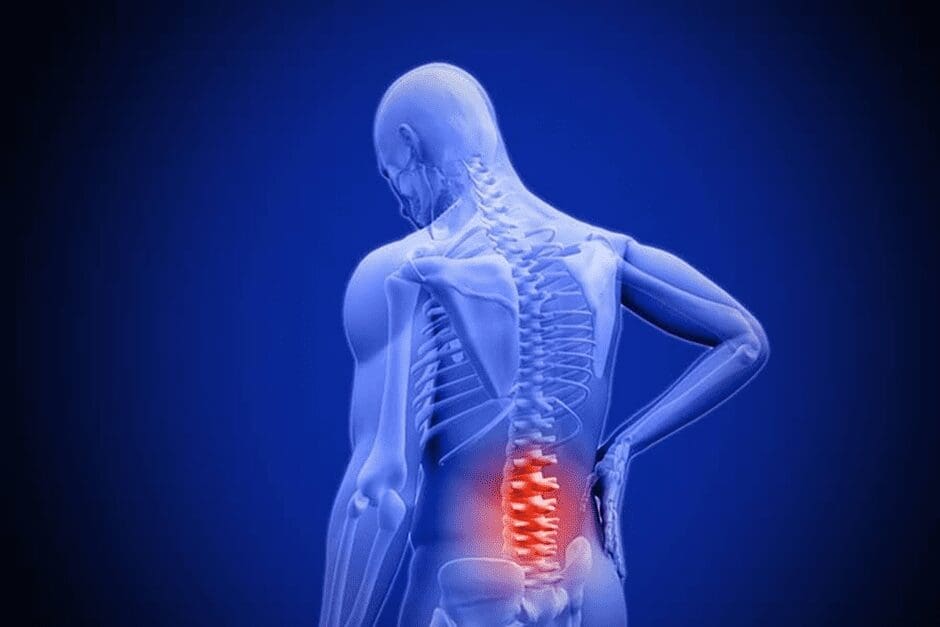
For individuals experiencing lower back pain can understanding the anatomy and function of the multifidus muscle help in injury prevention and in the development of a highly effective treatment plan?
Multifidus Muscle
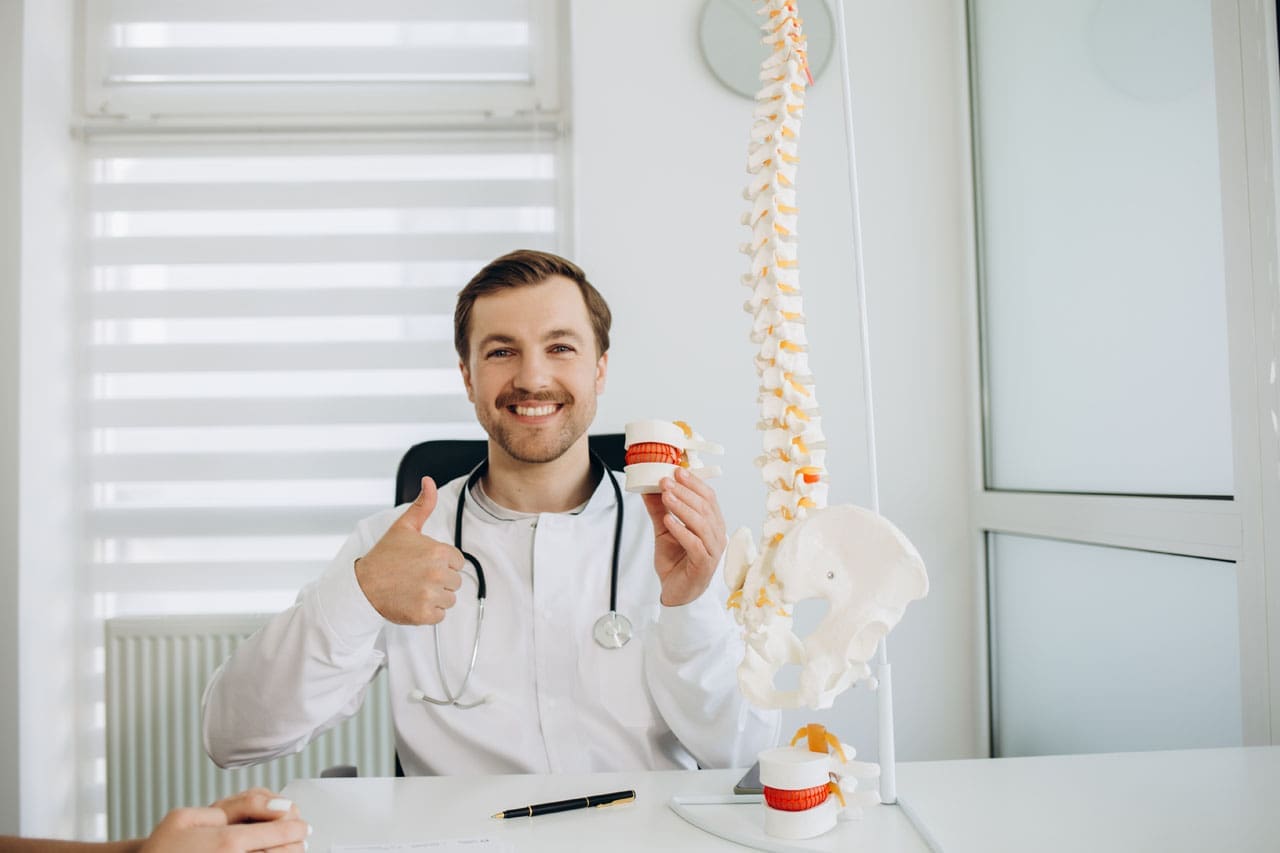
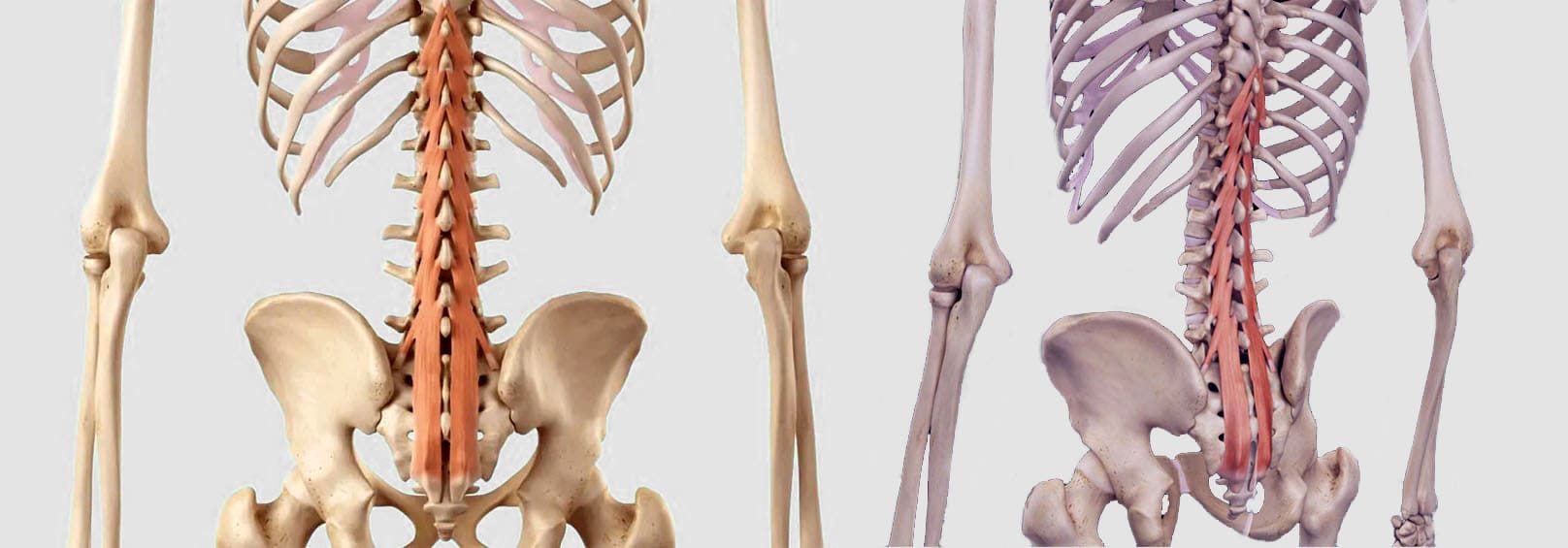
The multifidus muscles are long and narrow on either side of the spinal column, which helps stabilize the lower region of the spine or lumbar spine. (Maryse Fortin, Luciana Gazzi Macedo 2013) Sitting too much, practicing unhealthy postures, and lack of movement can progress to the multifidus muscle weakening or atrophy, which can lead to spinal instability, vertebral compression, and back pain. (Paul W. Hodges, Lieven Danneels 2019)
Anatomy
Known as the deep layer, it is the innermost layer of the three muscle layers of the back and controls the movement of the spine. The other two layers, known as the intrinsic and superficial, are responsible for the thoracic cage/rib cage and shoulder movement. (Anouk Agten et al., 2020) The multifidus has attachment points at:
The thoracic spine of the middle back.
The lumbar spine of the lower back.
The iliac spine – the base of the wing-shaped iliac bone of the pelvis.
Sacrum – series of bones at the base of the spine connected to the tailbone.
When standing or moving, the multifidus muscle works with the transversus abdominus and pelvic floor muscles to stabilize the lumbar spine. (Christine Lynders 2019)
Muscle Function
The main function is to stabilize the lower back, but it also helps extend the lower spine whenever reaching or stretching. (Jennifer Padwal et al., 2020) Because the muscle has numerous attachment points and is serviced by a specific branch of nerves known as the posterior rami, it allows each vertebra to work individually and more efficiently.
The multifidus muscle works with two other deep muscle groups to stabilize and move the spine. (Jeffrey J Hebert et al., 2015)
The rotatores muscle enables unilateral rotation, turning from side to side, and bilateral extension or bending backward and forward.
The semispinalis muscle above the multifidus allows extension and rotation of the head, neck, and upper back.
The multifidus muscle ensures spinal strength because it has more attachment points to the spine than the other layers, which reduces spinal flexibility and rotation but increases strength and stability. (Anouk Agten et al., 2020)
Lower Back Pain
A weak multifidus muscle destabilizes the spine and provides less support to the vertebra. This adds pressure on muscles and connective tissues between and adjacent to the spinal column, increasing the risk of lower back pain symptoms. (Paul W. Hodges, Lieven Danneels 2019) The loss of muscle strength and stability can cause atrophy or wasting away. This can cause compression and other back problems. (Paul W. Hodges et al., 2015) Back problems associated with multifidus muscle deterioration include (Paul W. Hodges, Lieven Danneels 2019)
Herniated discs – also bulging or slipped discs.
Nerve entrapment or compression pinched nerve.
Sciatica
Referred pain – nerve pain originating from the spine felt in other areas.
Osteoarthritis – wear-and-tear arthritis
Spinal osteophytes – bone spurs
Weak abdominal or pelvic floor muscles can compromise the core, increasing the risk of chronic lower back pain and injury.
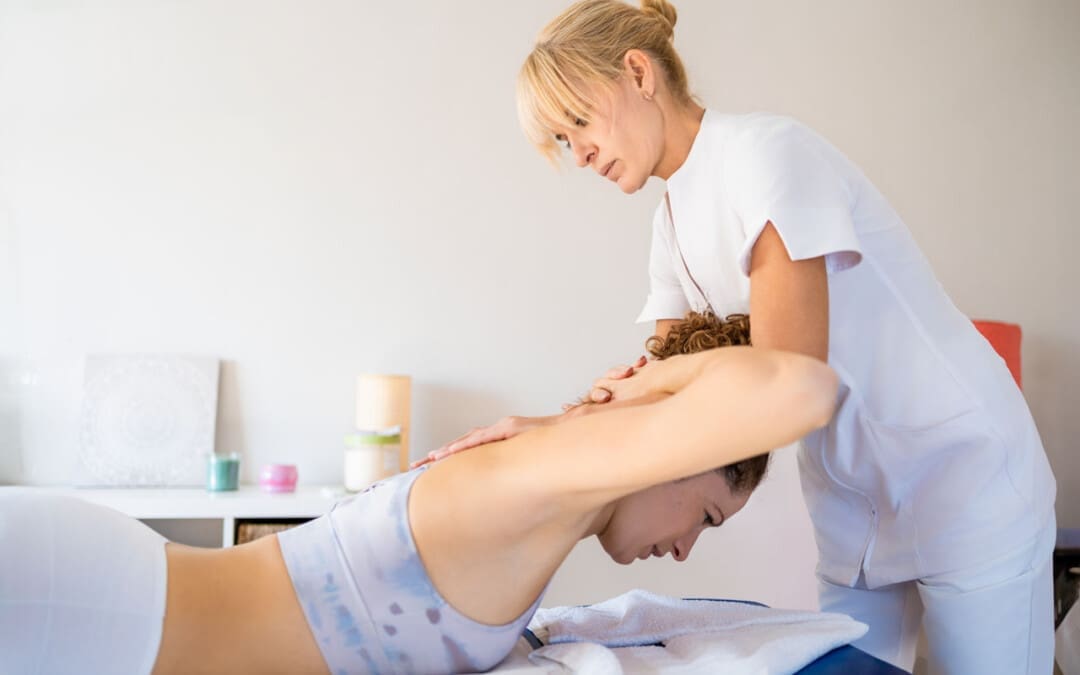
Individuals are recommended to consult a physical therapist and chiropractor who can help develop the appropriate treatment, rehabilitation, and strengthening plan based on age, injury, underlying conditions, and physical abilities.
Can Core Exercises Help with Back Pain?
References
Fortin, M., & Macedo, L. G. (2013). Multifidus and paraspinal muscle group cross-sectional areas of patients with low back pain and control patients: a systematic review with a focus on blinding. Physical therapy, 93(7), 873–888. https://doi.org/10.2522/ptj.20120457
Hodges, P. W., & Danneels, L. (2019). Changes in Structure and Function of the Back Muscles in Low Back Pain: Different Time Points, Observations, and Mechanisms. The Journal of orthopaedic and sports physical therapy, 49(6), 464–476. https://doi.org/10.2519/jospt.2019.8827
Agten, A., Stevens, S., Verbrugghe, J., Eijnde, B. O., Timmermans, A., & Vandenabeele, F. (2020). The lumbar multifidus is characterised by larger type I muscle fibres compared to the erector spinae. Anatomy & cell biology, 53(2), 143–150. https://doi.org/10.5115/acb.20.009
Lynders C. (2019). The Critical Role of Development of the Transversus Abdominis in the Prevention and Treatment of Low Back Pain. HSS journal : the musculoskeletal journal of Hospital for Special Surgery, 15(3), 214–220. https://doi.org/10.1007/s11420-019-09717-8
Padwal, J., Berry, D. B., Hubbard, J. C., Zlomislic, V., Allen, R. T., Garfin, S. R., Ward, S. R., & Shahidi, B. (2020). Regional differences between superficial and deep lumbar multifidus in patients with chronic lumbar spine pathology. BMC musculoskeletal disorders, 21(1), 764. https://doi.org/10.1186/s12891-020-03791-4
Hebert, J. J., Koppenhaver, S. L., Teyhen, D. S., Walker, B. F., & Fritz, J. M. (2015). The evaluation of lumbar multifidus muscle function via palpation: reliability and validity of a new clinical test. The spine journal : official journal of the North American Spine Society, 15(6), 1196–1202. https://doi.org/10.1016/j.spinee.2013.08.056
Hodges, P. W., James, G., Blomster, L., Hall, L., Schmid, A., Shu, C., Little, C., & Melrose, J. (2015). Multifidus Muscle Changes After Back Injury Are Characterized by Structural Remodeling of Muscle, Adipose and Connective Tissue, but Not Muscle Atrophy: Molecular and Morphological Evidence. Spine, 40(14), 1057–1071. https://doi.org/10.1097/BRS.0000000000000972
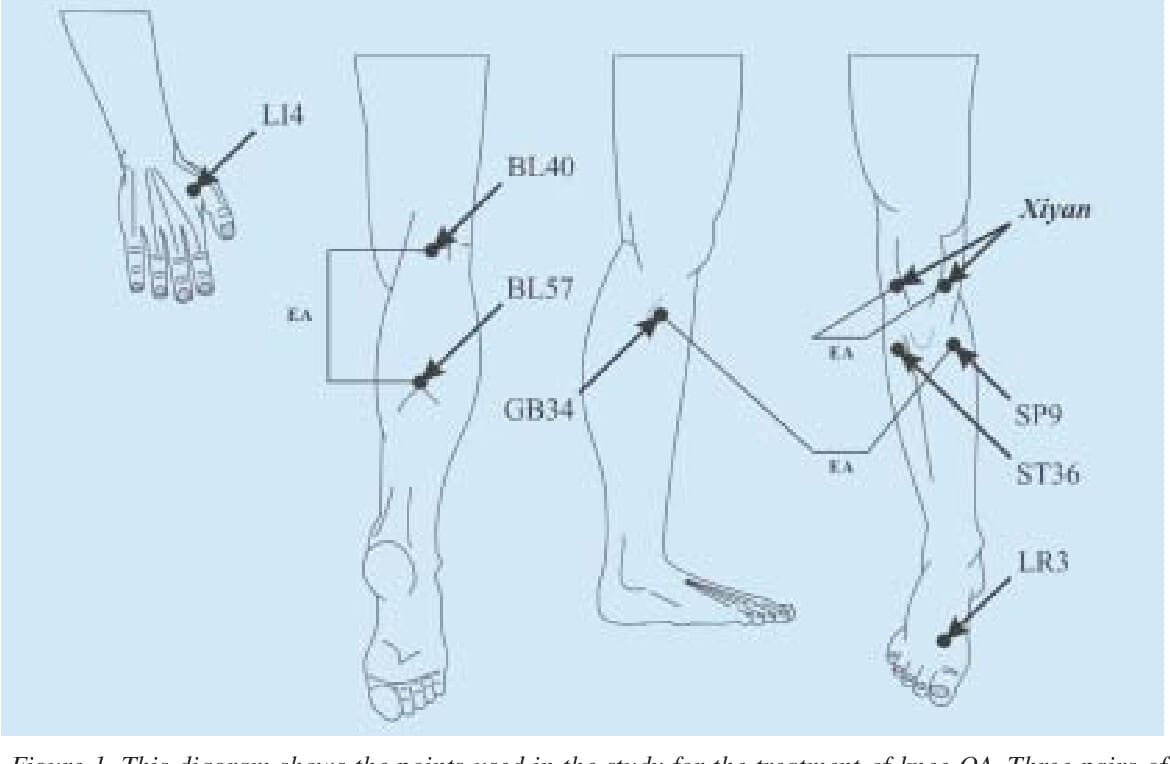
Can individuals with osteoarthritis find the relief they deserve through electroacupuncture to restore knee and hip mobility?
Introduction
The lower extremities provide movement and stability to the body, allowing people to be in motion. The hips, lower back, knees, and feet each have a function to do, and when traumatic issues start to affect the spinal structures, it can cause numerous symptoms to pop up and cause pain-like symptoms. Additionally, degenerative factors are natural to the joints of the lower extremities as many people make repetitive motions to their bodies that lead to the degenerative process. One of the most common degenerative issues that affect the lower extremities is osteoarthritis, which can make many people feel miserable. Today’s article looks at how osteoarthritis affects the lower extremities and how treatments like electroacupuncture reduce inflammation associated with osteoarthritis and restore knee and hip mobility. We talk with certified medical providers who consolidate our patients’ information to understand better how osteoarthritis affects their lower extremities. We also inform and guide patients on how electroacupuncture therapy can help reduce the inflammatory effects of osteoarthritis affecting the hips and knees. We encourage our patients to ask their associated medical providers intricate and important questions about reducing the progression of osteoarthritis through non-surgical treatments. Dr. Jimenez, D.C., includes this information as an academic service. Disclaimer.
Osteoarthritis Affecting The Lower Extremities
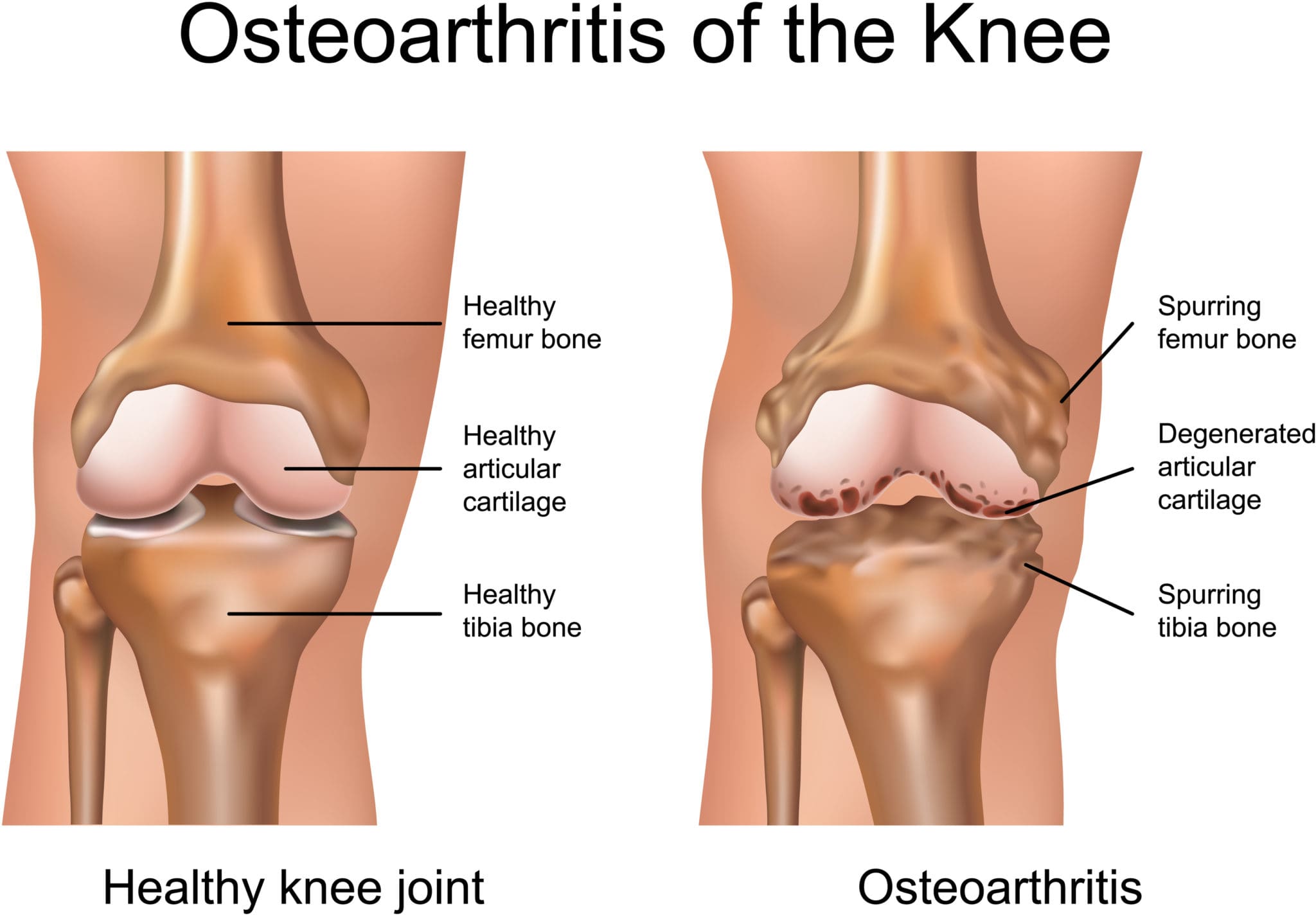
Have you been dealing with stiffness in your knees, hips, and lower back in the mornings? Do you feel like you are wobbling a bit too much when walking? Or do you think radiating heat and swelling in your knees? When people experience these inflammatory pain issues in their joints, it is due to osteoarthritis, a degenerative joint disorder affecting the cartilage between the bones and the tissue components surrounding the joint. Osteoarthritis is multifactorial, meaning it can be idiopathic or secondary while influenced by heredity factors. (Bliddal, 2020) The most common places where people experience osteoarthritis are the lower back, hand, hips, and, most commonly, the knees. Some of the major environmental factors that contribute to the development of osteoarthritis include:
Obesity
Age
Repetitive motions
Family history
Injuries
When people are dealing with osteoarthritis, environmental factors can lead to weight overloading on the joints, which results in compression and inflammation. (Nedunchezhiyan et al., 2022)
When inflammation is associated with osteoarthritis, it can cause the joints and surrounding muscle tissues to swell and feel hot to the touch. At the same time, osteoarthritis is one of the leading causes of disability that can become a socio-economic issue for many people. (Yao et al., 2023) This is because many individuals with osteoarthritis have comorbidities that are associated with the effects of inflammatory cytokines, which can cause them to be physically inactive and miserable. (Katz et al., 2021) However, there are various ways to reduce the progression of osteoarthritis and reduce the inflammatory effects on the joints.
Electroacupuncture Reducing Inflammation Associated With Osteoarthritis
When it comes to inflammation reduction associated with osteoarthritis, many people seek out surgical and non-surgical treatments that can help decrease the progression of this degenerative joint disease. Many people will do aqua therapy to relieve pressure off the joints and improve their mobility. At the same time, others use spinal decompression to create negative pressure on the joint space. However, many people have found that electroacupuncture can help reduce the inflammatory effects of osteoarthritis. Electroacupuncture combines electrical nerve stimulation and acupuncture by highly trained professionals that can help decrease the pain intensity in the joints and provide functionality. (Wu et al., 2020) Additionally, since osteoarthritis is associated with inflammation, electroacupuncture can promote blood circulation and adjustment of muscle tension on the joints, and improve mobility. (Zhang et al., 2023)
Electroacupuncture Restoring Knee & Hip Mobility
Electroacupuncture can help with hip and knee mobility as this non-surgical treatment helps promote pain limitations and muscular atrophy from biomechanical overloading, thus improving cartilage viscoelasticity. (Shi et al., 2020) This allows the joints to retain mobility in the hips, knees, and lower back. When people go through consecutive treatment for osteoporosis, they can recover their muscle strength over time to restore their mobility and reduce the progression of osteoarthritis. (Xu et al., 2020) By doing so, many people can find the relief they are looking for with electroacupuncture, which can enable them to make small changes in their daily routine to ensure they can function throughout the day.
Katz, J. N., Arant, K. R., & Loeser, R. F. (2021). Diagnosis and Treatment of Hip and Knee Osteoarthritis: A Review. JAMA, 325(6), 568-578. https://doi.org/10.1001/jama.2020.22171
Nedunchezhiyan, U., Varughese, I., Sun, A. R., Wu, X., Crawford, R., & Prasadam, I. (2022). Obesity, Inflammation, and Immune System in Osteoarthritis. Front Immunol, 13, 907750. https://doi.org/10.3389/fimmu.2022.907750
Shi, X., Yu, W., Wang, T., Battulga, O., Wang, C., Shu, Q., Yang, X., Liu, C., & Guo, C. (2020). Electroacupuncture alleviates cartilage degradation: Improvement in cartilage biomechanics via pain relief and potentiation of muscle function in a rabbit model of knee osteoarthritis. Biomed Pharmacother, 123, 109724. https://doi.org/10.1016/j.biopha.2019.109724
Wu, S. Y., Lin, C. H., Chang, N. J., Hu, W. L., Hung, Y. C., Tsao, Y., & Kuo, C. A. (2020). Combined effect of laser acupuncture and electroacupuncture in knee osteoarthritis patients: A protocol for a randomized controlled trial. Medicine (Baltimore), 99(12), e19541. https://doi.org/10.1097/MD.0000000000019541
Xu, H., Kang, B., Li, Y., Xie, J., Sun, S., Zhong, S., Gao, C., Xu, X., Zhao, C., Qiu, G., & Xiao, L. (2020). Using electroacupuncture to recover muscle strength in patients with knee osteoarthritis after total knee arthroplasty: a study protocol for a double-blinded, randomized, and placebo-controlled trial. Trials, 21(1), 705. https://doi.org/10.1186/s13063-020-04601-x
Yao, Q., Wu, X., Tao, C., Gong, W., Chen, M., Qu, M., Zhong, Y., He, T., Chen, S., & Xiao, G. (2023). Osteoarthritis: pathogenic signaling pathways and therapeutic targets. Signal Transduct Target Ther, 8(1), 56. https://doi.org/10.1038/s41392-023-01330-w
Zhang, W., Zhang, L., Yang, S., Wen, B., Chen, J., & Chang, J. (2023). Electroacupuncture ameliorates knee osteoarthritis in rats via inhibiting NLRP3 inflammasome and reducing pyroptosis. Mol Pain, 19, 17448069221147792. https://doi.org/10.1177/17448069221147792
Can individuals with low back pain use electroacupuncture therapy to reduce pain and restore mobility back to their bodies?
Introduction
Many people worldwide have dealt with low back pain from numerous factors and traumatic injuries that can cause pain-like symptoms around the spinal discs, muscles, ligaments, and nerve roots. This is because the body goes through repetitive motions that cause the surrounding muscles and ligaments to be overstretched and tight, aggravating the nerve roots and causing referred pain. Or it can be traumatic injuries that affect the spinal discs in the lumbar region that can become herniated or degenerate to aggravate the nerve roots and lead to low extremity pain. Regardless of the outcome, low back pain is a common musculoskeletal problem, and many people will often seek treatment to reduce its pain-like effects and help many people have their mobility restored. Today’s article examines why low back pain is a global issue, how electroacupuncture can help reduce it, and how it can regain mobility. We talk with certified medical providers who consolidate our patients’ information to understand better why low back pain is an issue in their bodies. We also inform and guide patients on how electroacupuncture therapy can help reduce low back pain and even help with restoring body mobility. We encourage our patients to ask their associated medical providers intricate and important questions about reducing the impact of low back pain and find various therapies to incorporate. Dr. Jimenez, D.C., includes this information as an academic service. Disclaimer.
Why Low Back Pain Is A Global Issue?
Do you feel stiffness in your lower back after carrying or lifting a heavy object? Do you feel radiating pain traveling down to your legs? Or do you feel muscle aches in your lower back from being hunched for an extended period? Many of these pain-like issues are correlated with environmental factors that can cause the body to develop low back pain. When it comes to low back pain, it is a socio-economic issue that globally impacts many individuals, especially working individuals. When many people do various motions or perform tasks, these motions can gradually loosen the ligaments in the lower back. This causes the body to sense that something is wrong with the lower back and the vital structures of the spine, thus adopting other methods to maintain the spine’s stability. (Hauser et al., 2022)
Additionally, most low back pain symptoms are nonspecific, and motions of heavy lifting, bending, twisting, and whole-body vibrations are occupational risk factors that lead to the development of low back pain. (Becker & Childress, 2019) This causes many people with low back pain to deal with the burden of missing work or putting a hold on their daily routine. When this happens, many individuals begin to seek treatment to reduce the symptoms caused by low back pain.
Unlocking Pain Relief- Video
Electroacupuncture For Low Back Pain
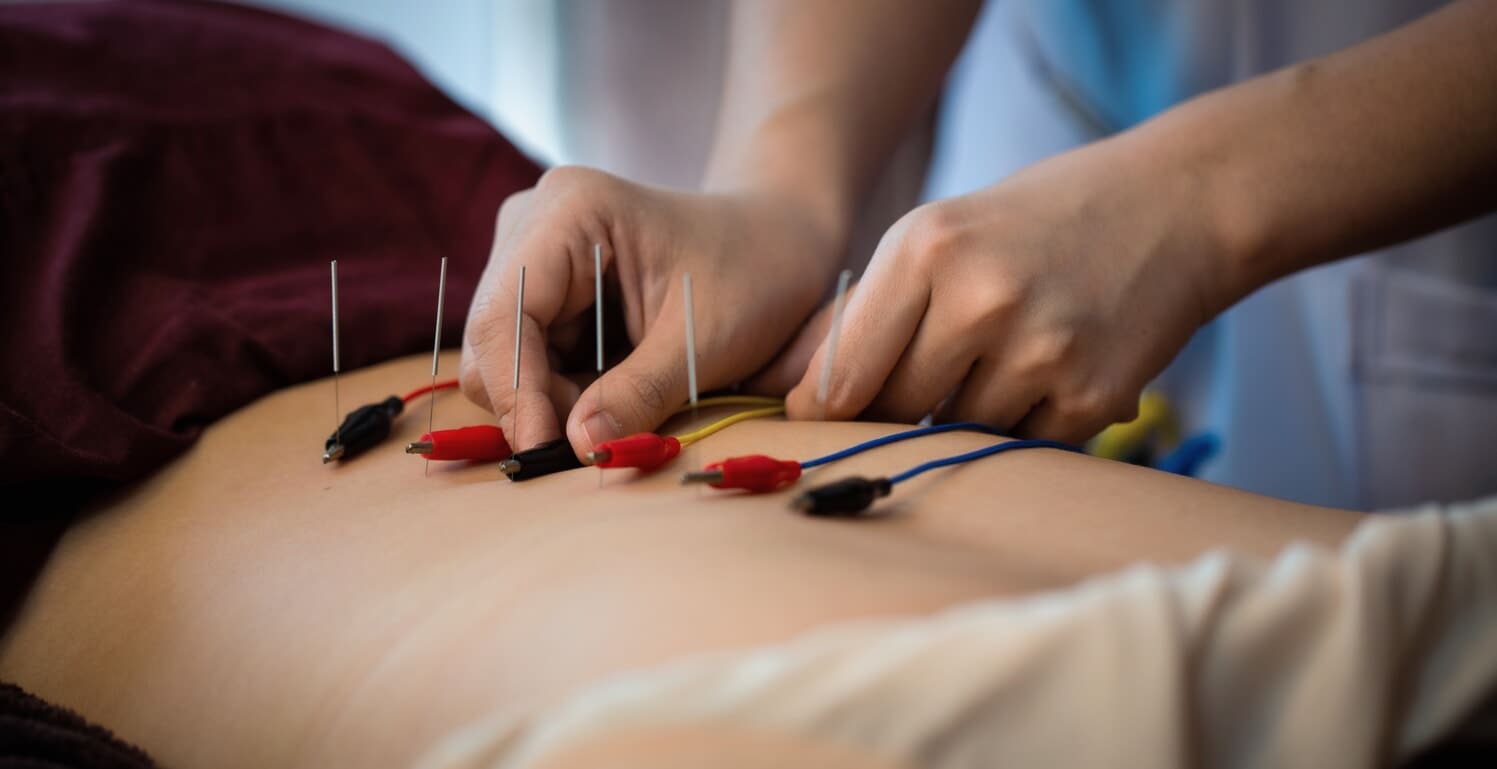
When it comes to reducing low back pain, many individuals will go to various treatments to relieve the pain in their lower back and their associated symptoms. Hence, this is why non-surgical treatments like electroacupuncture can help alleviate lower back pain and help the lower extremities regain mobility. Electroacupuncture is another form of acupuncture that uses electric stimulation on the body’s acupoints to block pain signals. Electroacupuncture has been widely used for musculoskeletal disorders, including low back pain, as they have been used as a therapeutic option to reduce medication usage while being an effective option when combined with other therapies. (Sung et al., 2021)
Additionally, electroacupuncture is performed by highly trained professionals and, when being used to treat low back pain, allows stimulation on large areas of the body that are around the acupoint to allow parameters that include the intensity, duration, and frequency to enable the pain to the location to be identified by health care professionals. (Francescato Torres et al., 2019) Electroacupuncture can help reduce the pain in the lower back and support many individuals through various techniques to restore mobility. (Kong, 2020)
Electroacupuncture Restoring Mobility
When restoring body mobility from low back pain, electroacupuncture can provide therapeutic effects by blocking the pain signals, causing the body to be immobile, and allowing the muscles to relax. (Sheng et al., 2021) Electroacupuncture combined with other therapies like physical therapy can help stretch and strengthen the surrounding back muscles and ligaments to reduce the aggravating pain affecting mobility and make many people more mindful of what motions are causing low back pain. When people start making small or big changes to their health and wellness, they will begin to notice how they carry themselves while preventing the same repetitive motions that are causing their lower back issues and living healthier lives.
References
Becker, B. A., & Childress, M. A. (2019). Nonspecific Low Back Pain and Return To Work. American Family Physician, 100(11), 697-703. https://www.ncbi.nlm.nih.gov/pubmed/31790184
Francescato Torres, S., Brandt de Macedo, A. C., Dias Antunes, M., Merllin Batista de Souza, I., Dimitre Rodrigo Pereira Santos, F., de Sousa do Espirito Santo, A., Ribeiro Jacob, F., Torres Cruz, A., de Oliveira Januario, P., & Pasqual Marques, A. (2019). Effects of electroacupuncture frequencies on chronic low back pain in older adults: triple-blind, 12-months protocol for a randomized controlled trial. Trials, 20(1), 762. https://doi.org/10.1186/s13063-019-3813-6
Hauser, R. A., Matias, D., Woznica, D., Rawlings, B., & Woldin, B. A. (2022). Lumbar instability as an etiology of low back pain and its treatment by prolotherapy: A review. J Back Musculoskelet Rehabil, 35(4), 701-712. https://doi.org/10.3233/BMR-210097
Kong, J. T. (2020). Electroacupuncture for Treating Chronic Low-Back Pain: Preliminary Research Results. Med Acupunct, 32(6), 396-397. https://doi.org/10.1089/acu.2020.1495
Sheng, X., Yue, H., Zhang, Q., Chen, D., Qiu, W., Tang, J., Fan, T., Gu, J., Jiang, B., Qiu, M., & Chen, L. (2021). Efficacy of electroacupuncture in patients with failed back surgery syndrome: study protocol for a randomized controlled trial. Trials, 22(1), 702. https://doi.org/10.1186/s13063-021-05652-4
Sung, W. S., Park, J. R., Park, K., Youn, I., Yeum, H. W., Kim, S., Choi, J., Cho, Y., Hong, Y., Park, Y., Kim, E. J., & Nam, D. (2021). The effectiveness and safety of electroacupuncture for nonspecific chronic low back pain: A protocol for systematic review and/or meta-analysis. Medicine (Baltimore), 100(4), e24281. https://doi.org/10.1097/MD.0000000000024281
IFM's Find A Practitioner tool is the largest referral network in Functional Medicine, created to help patients locate Functional Medicine practitioners anywhere in the world. IFM Certified Practitioners are listed first in the search results, given their extensive education in Functional Medicine