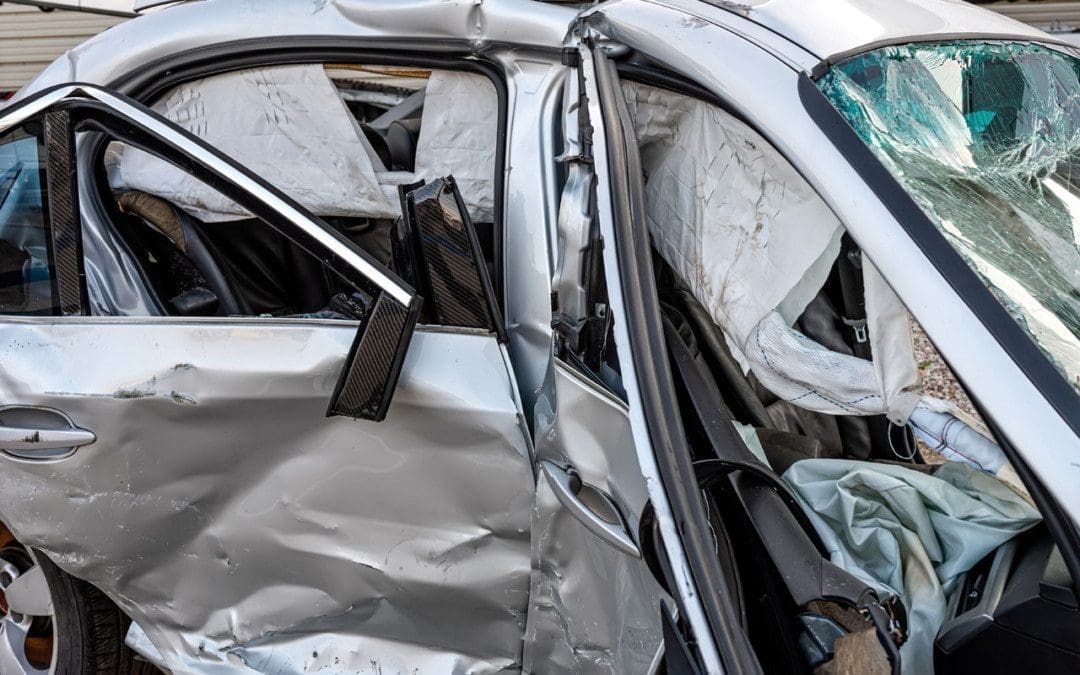
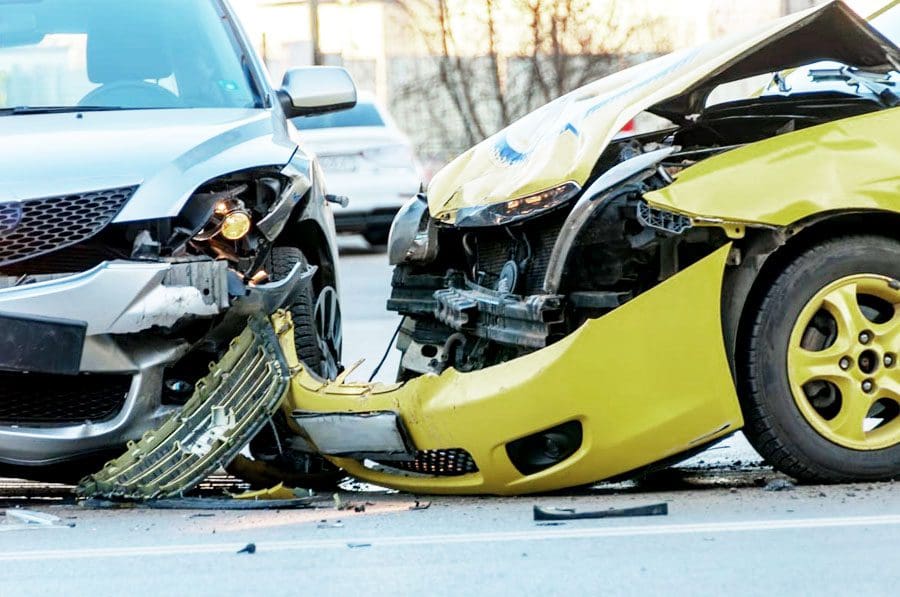
Auto injuries in rotator cuffs can lead to significant discomfort. Discover how to manage and recover from these injuries effectively.
Shoulder Pain and Injuries from Motor Vehicle Accidents: A Comprehensive Guide
Welcome to the grim reality of motor vehicle accidents (MVAs), where the road to recovery can be as bumpy as a poorly paved highway. If you’ve ever found yourself clutching your shoulder after a car crash, you’re not alone. Shoulder injuries are a common souvenir of MVAs, and they come with a side of pain that can make you feel like you’re auditioning for a role in a tragic play. But fear not, dear reader, for we’re about to dissect the clinical reasons behind this misery with a touch of Wednesday Addams’ dark humor—because nothing says “fun” like exploring the mechanics of bodily harm.
In this extensive guide, we’ll unravel why shoulder pain and injuries are so prevalent after MVAs, focusing on the rotator cuff’s starring role in this unfortunate drama. We’ll also spotlight Dr. Alexander Jimenez, a distinguished chiropractor in El Paso, Texas, whose expertise in treating MVA victims and navigating personal injury cases is nothing short of legendary. So, let’s buckle up (safely, of course) and dive into the twisted world of shoulder injuries.
Anatomy of the Shoulder: A Delicate Dance of Bones and Tendons
To understand why your shoulder throws a tantrum after an MVA, let’s first take a peek under the hood. The shoulder is like a gothic ballroom, where bones, muscles, and tendons perform a delicate dance—until a car crash turns it into a mosh pit.
The shoulder is a ball-and-socket joint, where the head of the humerus (upper arm bone) nestles into the glenoid cavity of the scapula (shoulder blade). This design allows for a wide range of motion, letting you wave dramatically or throw a punch in slow motion. However, this flexibility comes at a cost: stability. The shoulder relies heavily on soft tissues for support, particularly the rotator cuff.
The rotator cuff is a quartet of muscles—supraspinatus, infraspinatus, teres minor, and subscapularis—and their tendons, which wrap around the humeral head to keep it snug in the socket. These tendons pass through a tight space called the subacromial space, making them vulnerable to pinching or tearing when subjected to sudden forces. It’s like trying to thread a needle during an earthquake—not exactly a recipe for success.
When an MVA strikes, the rotator cuff can take a beating, leading to pain that feels like a personal vendetta from your own body. Understanding this anatomy sets the stage for why shoulder injuries are so common in car accidents.
References
Frank, C. B., Shrive, N. G., Lo, I. K. Y., & Hart, D. A. (2004). Form and function of tendon and ligament. In J. A. Buckwalter, T. A. Einhorn, & S. R. Simon (Eds.), Orthopaedic Basic Science: Biology and Biomechanics of the Musculoskeletal System (pp. 229-253). American Academy of Orthopaedic Surgeons.
Lo, I. K. Y., Thornton, G., Miniaci, A., Frank, C. B., Rattner, J. B., & Bray, R. C. (2003). Structure and function of diarthrodial joints. In J. B. McGinty (Ed.), Operative Arthroscopy (3rd ed., pp. 41-126). Lippincott Williams & Wilkins.
Mechanisms of Shoulder Injury in MVAs: A Crash Course in Chaos
Picture this: you’re cruising along, minding your own business, when another car decides to play bumper cars with your vehicle. The result? Your shoulder becomes the unwilling star of a physics experiment gone wrong. Let’s break down how MVAs wreak havoc on your shoulder, with a nod to the grim absurdity of it all.
Mechanism
Description
Impact on Shoulder
Impact and Force Transmission
Collisions transfer massive forces through the vehicle to your body, even with seatbelts and airbags.
Shoulders absorb shock, straining muscles and tendons.
Bracing for Impact
Instinctively gripping the steering wheel or dashboard positions shoulders awkwardly.
Rotator cuff tendons are stretched or torn under sudden force.
Whiplash Effect
Rapid back-and-forth head and neck movement is often associated with rear-end collisions.
Strains shoulder muscles and tendons, mimicking neck injury patterns.
Direct Trauma
Shoulder hitting the steering wheel, door, or dashboard during a crash.
Causes fractures, dislocations, or soft tissue damage.
Indirect Forces
Seatbelt pulling on the shoulder or body twisting during impact.
Leads to sprains, tears, or nerve injuries.
Imagine you’re in a rear-end collision. Your hands grip the steering wheel, shoulders tensed, as your body lurches forward and snaps back. The seatbelt digs into your shoulder, and the rotator cuff tendons scream in protest. It’s like your shoulder is caught in a medieval torture device, only with worse music playing in the background.
These mechanisms explain why shoulder injuries are so prevalent in MVAs. The sudden, forceful movements exploit the shoulder’s delicate balance of mobility and stability, often targeting the rotator cuff (Alexander Orthopaedics, 2023).
MVAs can leave your shoulder with a variety of injuries, each with its brand of discomfort. Here’s a rundown of the most common culprits, served with a side of dark humor to keep things grimly entertaining.
Injury Type
Description
Symptoms
Rotator Cuff Tears
Tears in the tendons stabilizing the shoulder, ranging from partial to full-thickness.
Severe pain, weakness, difficulty lifting arm, popping sounds.
Sprains and Strains
Damage to ligaments (sprains) or muscles/tendons (strains).
Damage to nerves supplying the arm, often from side-impact or rollover crashes.
Numbness, weakness, tingling, or paralysis in the arm.
Acromioclavicular (AC) Joint Injuries
Damage to the joint connecting the collarbone and shoulder blade.
Pain at the top of the shoulder, instability, swelling.
Rotator cuff tears are the grim celebrities of MVA injuries, often stealing the spotlight due to their frequency and impact. A 2008 study noted nearly 2 million Americans sought medical attention for rotator cuff issues, many linked to trauma like car accidents (El Paso Chiropractor Blog, 2016). Brachial plexus injuries, meanwhile, are the shadowy villains, causing nerve-related chaos that can leave your arm feeling like it’s auditioning for a zombie flick.
If your shoulder is staging a protest after an MVA, it’s likely sending you some clear signals. Recognizing these symptoms and getting a proper diagnosis is crucial unless you enjoy living in a world of perpetual discomfort.
Common symptoms include:
Pain: Sharp or aching, especially when moving the arm.
Weakness: Difficulty lifting objects or raising the arm.
Limited Range of Motion: Feeling like your shoulder is stuck in a straitjacket.
Swelling or Bruising: Visual cues that your shoulder is not happy.
Popping or Clicking: Sounds that make you wince with every movement.
Numbness or Tingling: Suggesting nerve involvement, like a brachial plexus injury.
Diagnosing these injuries requires a mix of clinical evaluation and advanced imaging. Healthcare providers may use:
X-rays: To detect fractures or dislocations.
MRI: For detailed views of soft tissues like rotator cuff tendons.
CT Scans: To assess complex bone injuries.
Ultrasound: Occasionally used for soft tissue evaluation.
Electromyography (EMG): To check nerve function in suspected brachial plexus injuries.
Dr. Alexander Jimenez, with his expertise in chiropractic care, utilizes advanced imaging and dual-scope procedures to assess the extent of shoulder injuries precisely. His approach ensures accurate diagnoses, which are critical for both treatment and legal documentation in personal injury cases (El Paso Back Clinic, n.d.).
Chiropractic Care After Accidents and Injuries- Video
Treatment Options: Mending the Broken Dance
Treating shoulder injuries from MVAs is like trying to fix a broken music box—delicate work that requires patience and precision. Treatment depends on the injury’s severity, but here are the main approaches:
Treatment
Description
Best For
Conservative Treatment
Rest, ice, compression, elevation (RICE), and over-the-counter pain relievers.
Mild sprains, strains, or minor tears.
Chiropractic Care
Adjustments and manipulations are made to realign the spine and shoulders, thereby reducing pain.
Exercises to restore strength, flexibility, and range of motion.
Most shoulder injuries, post-surgical recovery.
Medications
Prescription pain relievers or anti-inflammatories.
Moderate to severe pain and inflammation.
Injections
Corticosteroids to reduce inflammation.
Persistent pain not responding to conservative measures.
Surgery
Repairing large tears, stabilizing joints, or fixing fractures.
Severe rotator cuff tears, dislocations, fractures.
Dr. Jimenez’s multidisciplinary approach combines chiropractic care with functional medicine, addressing not just the injury but the whole person. His clinic offers tailored rehabilitation programs, including gentle therapies for post-surgical recovery, rooted in evidence-based practices (El Paso Back Clinic, n.d.). It’s like giving your shoulder a new script for a less tragic performance.
Importance of Early Treatment: Avoiding a Lifetime of Gloom
Ignoring shoulder pain after an MVA is like ignoring a creaking floorboard in a haunted house—it’s only going to get worse. Early treatment is critical for several reasons:
Preventing Chronic Pain: Untreated injuries can lead to persistent pain syndromes, turning your shoulder into a lifelong nemesis.
Avoiding Muscle Atrophy: Inactivity due to pain can weaken shoulder muscles, leading to increased instability.
Reducing Re-injury Risk: Proper rehabilitation strengthens the shoulder, making it less prone to future damage.
Supporting Legal Claims: Early documentation of injuries is vital for personal injury cases, ensuring fair compensation.
Dr. Jimenez emphasizes the importance of prompt evaluation, as delays can complicate recovery and impact legal outcomes. His clinic’s focus on early intervention helps patients avoid the grim fate of chronic pain (AICA Orthopedics College Park, 2022).
Personal Injury Cases in El Paso: Dr. Jimenez’s Expertise
El Paso, with its bustling border traffic, sees its fair share of MVAs, making personal injury cases a significant concern. Navigating these cases is like walking through a legal labyrinth, but Dr. Alexander Jimenez serves as a guiding light for victims.
With over 30 years of experience, Dr. Jimenez is a top-rated chiropractor in El Paso, recognized by Three Best Rated® from 2015 to 2024. His clinic specializes in treating complex injuries from MVAs, including shoulder pain, using a blend of chiropractic care, physical therapy, and functional medicine. What sets him apart is his ability to bridge the worlds of medicine and law.
Dr. Jimenez uses advanced imaging (like MRI and CT scans) and dual-scope procedures to provide detailed diagnoses, which are crucial for personal injury claims. His comprehensive medical reports serve as vital evidence, helping victims secure compensation for medical costs, lost wages, and pain and suffering. In El Paso’s unique legal landscape, his expertise is invaluable (El Paso Back Clinic, n.d.; LinkedIn, n.d.).
Shoulder pain and injuries from motor vehicle accidents are a serious matter, driven by the complex interplay of forces on the shoulder’s delicate structure. Rotator cuff tears, sprains, fractures, and nerve injuries can significantly impact your quality of life, but early diagnosis and treatment can make a world of difference. In El Paso, Dr. Alexander Jimenez stands out as a beacon of hope, offering expert care and legal support to MVA victims. His holistic approach and meticulous documentation ensure that patients not only recover but also receive the justice they deserve.
Disclaimer: This blog post is for informational purposes only and should not be taken as medical advice. Always consult a qualified healthcare professional for diagnosis and treatment of shoulder injuries.
Explore the relationship between back pain resulting from a motor vehicle accident and long-term health. Find relief and recovery tips.
Back Pain and Motor Vehicle Accidents: A Comprehensive Guide
Introduction
Picture this: you’re cruising down the highway, maybe chuckling at the thought of Herman Munster trying to parallel park his hearse-like Drag-U-La. Suddenly, a car swerves into your lane, and—crash!—you’re in a motor vehicle accident (MVA). The jolt sends a shockwave through your spine, and while you might walk away feeling okay, back pain can sneak up like Herman’s heavy footsteps. Motor vehicle accidents are a leading cause of back injuries, with research showing that up to 50% of drivers report low back pain, often linked to the trauma of a collision (El Paso Back Clinic).
This blog post delves into the connection between back pain and MVAs, examining the types of injuries, their associated symptoms, and the underlying clinical reasons. We’ll also spotlight Dr. Alexander Jimenez, a renowned chiropractor in El Paso, Texas, whose expertise in personal injury cases helps victims recover both physically and legally. With a touch of humor to keep things light, we’ll guide you through this serious topic, ensuring you understand why back pain after an MVA shouldn’t be ignored.
Understanding Motor Vehicle Accidents
Motor vehicle accidents are a global health concern, with over three million injuries reported annually in the United States alone (Novus Spine & Pain Center, 2025). These accidents range from minor fender-benders to high-impact collisions, each capable of causing significant harm to the spine. The spine, a complex structure of bones, muscles, ligaments, and nerves, is particularly vulnerable to the sudden forces of an MVA.
Common MVA Scenarios Leading to Back Injuries:
Rear-end collisions: Cause rapid forward and backward motion, which can strain the spine.
Side-impact crashes: Twist the spine, leading to damage to ligaments and muscles.
Rollover accidents: Expose the spine to multiple forces, increasing injury risk.
Research suggests that exposure to an MVA significantly increases the likelihood of developing low back pain, with 63% of chronic cases traced back to an accident (ScienceDirect, 2019). Understanding the types of injuries and their symptoms is critical for anyone involved in a crash.
Types of Back Injuries from MVAs
The spine’s complexity makes it susceptible to various injuries during an MVA. Here are the most common types, each with its impact on the body:
Injury Type
Description
Common Cause in MVAs
Sprains and Strains
Stretching or tearing of ligaments (sprains) or muscles (strains) in the back.
Sudden forward-backward motion (e.g., whiplash).
Herniated Discs
Bulging or ruptured discs pressing on nerves, causing pain or numbness.
High-impact collisions compress the spine.
Spinal Fractures
Breaks in the vertebrae range from stable to unstable fractures.
Severe crashes with significant force.
Whiplash-Associated Disorders
Strain on neck and upper back muscles and ligaments from rapid head movement.
Rear-end collisions cause rapid neck motion.
Sprains and Strains: These soft tissue injuries occur when the spine is forced beyond its normal range of motion. For example, a rear-end collision can stretch the ligaments connecting the vertebrae, resulting in pain and inflammation (Alexander Orthopaedics, 2025).
Herniated Discs: The discs between vertebrae act as shock absorbers. A sudden impact can cause them to bulge or rupture, pressing on nerves and causing pain that may radiate to the legs (NJ Pain Care Specialists, 2023).
Spinal Fractures: High-impact crashes can break vertebrae, potentially affecting the spinal cord. These injuries require immediate medical attention to prevent long-term disability (Law Office of Eric Beasley).
Whiplash: While often associated with neck pain, whiplash can also affect the upper back, causing muscle strain and discomfort (Novus Spine & Pain Center, 2025).
Humor Break: Imagine Herman Munster’s spine trying to handle a rear-end collision—those creaky bones would be groaning louder than his laugh! But in all seriousness, these injuries can significantly impact your quality of life if not addressed promptly.
Symptoms of MVA-Related Back Injuries
Back injuries from MVAs don’t always cause immediate pain, which can make them tricky to detect. Symptoms may develop over days or weeks, making early evaluation crucial. Common symptoms include:
Localized Pain: Pain concentrated in the lower or upper back, often worsening with movement.
Radiating Pain (Sciatica): Pain that travels down one or both legs, often due to nerve compression from a herniated disc.
Numbness or Tingling: A “pins and needles” sensation in the legs or feet, indicating nerve involvement.
Weakness: Difficulty standing, walking, or lifting objects, which may suggest spinal cord or nerve damage.
Stiffness: Reduced range of motion, making it hard to bend or twist.
Delayed Onset: It’s not uncommon for pain to appear days after an accident. This delay can occur because the body’s adrenaline response masks initial discomfort or because inflammation builds over time (Healthline, 2023).
Clinical Insight: Dr. Alexander Jimenez emphasizes, “Many patients don’t realize they’re injured until symptoms appear later. That’s why we use advanced diagnostics to catch issues early” (El Paso Back Clinic).
Diagnosing Back Injuries
Accurate diagnosis is the cornerstone of effective treatment for MVA-related back injuries. Dr. Jimenez employs a range of diagnostic tools to assess the extent of damage:
X-rays: To detect fractures or misalignments in the spine.
CT Scans: For detailed images of bone and soft tissue damage.
MRIs: To visualize discs, nerves, and ligaments, identifying issues like herniated discs.
Functional Assessments: To evaluate how the injury affects movement and daily activities.
These tools allow Dr. Jimenez to create a comprehensive picture of the injury, ensuring that treatment targets the root cause. “Advanced imaging is like a roadmap—it shows us exactly where the problem lies,” he explains (El Paso Back Clinic).
Clinical Rationale: Why MVAs Cause Back Pain
The connection between MVAs and back pain lies in the biomechanics of a collision. When a car is involved in an accident, the body experiences rapid forces that can overwhelm the spine’s natural protective mechanisms. Here’s how these forces cause injury:
Compression: The spine is squeezed, potentially damaging discs and vertebrae. This is common in head-on collisions, where the body is thrust forward against the seatbelt.
Shearing: The spine twists, tearing ligaments and muscles. Side-impact crashes often cause this type of force.
Distraction: The spine is pulled apart, which can cause damage to the ligaments. This is less common but can occur in rollover accidents.
These forces can exceed the spine’s tolerance, leading to injuries like sprains, herniated discs, or fractures. Seatbelts, while lifesaving, can also contribute to back injuries by restraining the body and creating additional pressure on the spine (Law Office of Eric Beasley).
Scientific Evidence: A systematic review found that 63% of chronic low back pain cases in MVA victims were directly caused by the accident, highlighting the significant impact of these forces (ScienceDirect, 2019).
Humor Break: Think of your spine as Herman Munster’s creaky old staircase—sturdy but not built for sudden jolts. One wrong step (or crash), and it’s groaning for help!
The Non-Surgical Approach To Wellness With Chiropractic Care- Video
Treatment and Recovery
Treating back pain from MVAs requires a multidisciplinary approach tailored to the specific injury. Dr. Jimenez offers a range of evidence-based treatments at his El Paso clinic:
Treatment
Purpose
Benefits
Chiropractic Adjustments
Realign the spine to reduce pain and improve mobility.
Non-invasive, promotes natural healing.
Physical Therapy
Strengthen muscles and improve flexibility.
Enhances recovery, prevents re-injury.
Acupuncture
Manage pain and promote healing through targeted needle placement.
Reduces inflammation, relieves pain.
Spinal Decompression
Relieve pressure on discs and nerves.
Effective for herniated discs, sciatica.
Nutritional Counseling
Support overall health and recovery through diet.
Boosts healing, reduces inflammation.
Dr. Jimenez’s holistic approach focuses on addressing the root cause of the injury while promoting long-term recovery and overall well-being. “We don’t just treat the pain; we treat the whole person,” he says (El Paso Back Clinic).
Recovery Timeline:
Mild Injuries: Sprains and strains may resolve in a few weeks with conservative care.
Moderate to Severe Injuries: Herniated discs or fractures may require months of treatment and rehabilitation.
Chronic Pain: Ongoing care may be needed to manage long-term symptoms.
Personal Injury Cases in El Paso
In El Paso, personal injury cases involving MVAs are a significant concern, as victims often face medical expenses, lost wages, and pain and suffering. Proper medical documentation is critical for securing compensation, and Dr. Jimenez plays a pivotal role in this process. His expertise in advanced imaging and diagnostic evaluations enables him to provide detailed reports that directly link injuries to the accident, thereby strengthening legal claims (El Paso Back Clinic).
Dr. Jimenez’s Role:
Medical Expertise: Uses X-rays, MRIs, and functional assessments to document injuries.
Legal Liaison: Provides clear, evidence-based reports for attorneys and insurance companies.
Holistic Care: Ensures patients receive comprehensive treatment to support their recovery and achieve optimal legal outcomes.
Why It Matters: In Texas, timely medical evaluation is crucial, as some states have strict deadlines for seeking care to qualify for insurance coverage (Alexander Orthopaedics, 2025). Dr. Jimenez’s work ensures that victims in El Paso receive both the care and compensation they deserve.
Humor Break: Navigating a personal injury case without proper documentation is like Herman Munster trying to dance ballet—awkward and likely to fall flat. Dr. Jimenez helps keep things graceful and effective.
Case Studies and Patient Stories
To illustrate the impact of MVA-related back injuries, consider these hypothetical examples based on common scenarios:
Case 1: Maria’s Herniated Disc
Maria, a 35-year-old teacher, was rear-ended at a stoplight. Initially, she felt only mild discomfort, but a week later, she experienced severe lower back pain and numbness in her leg. Dr. Jimenez used an MRI to diagnose a herniated disc and implemented a treatment plan including spinal decompression and physical therapy. Within three months, Maria was back to teaching without pain.
Case 2: John’s Whiplash
John, a 42-year-old mechanic, suffered whiplash in a side-impact collision. His upper back pain made it difficult for him to work. Dr. Jimenez’s chiropractic adjustments and acupuncture sessions reduced his pain, and a detailed medical report supported his personal injury claim, securing compensation for lost wages.
These stories highlight the importance of early intervention and comprehensive care, as provided by Dr. Jimenez.
Prevention and Safety Tips
While not all MVAs can be avoided, certain measures can reduce the risk of back injuries:
Proper Seatbelt Use: Ensure the seatbelt is snug across the hips and chest to minimize spinal stress.
Correct Seating Position: Adjust the seat to support the lower back and maintain an upright posture.
Vehicle Maintenance: Regularly check brakes and tires to reduce the risk of accidents.
Defensive Driving: Stay alert to avoid sudden stops or collisions.
Dr. Jimenez also recommends regular exercise to strengthen the back muscles, which can provide added protection in the event of an accident (El Paso Back Clinic).
Conclusion
Back pain following a motor vehicle accident is a serious issue that demands prompt attention. The sudden forces of a collision can cause a range of injuries, from sprains to spinal fractures, with symptoms that may not appear immediately. Dr. Alexander Jimenez, a leading chiropractor in El Paso, Texas, offers a holistic approach to treatment, utilizing advanced diagnostics and personalized care plans to help patients achieve optimal recovery. His expertise also supports personal injury cases by providing critical medical documentation for legal proceedings.
If you’ve been in an MVA, don’t wait for pain to appear. Seek professional care to prevent chronic issues and ensure your recovery is on the right track. Your spine deserves better than to be left creaking like Herman Munster’s old staircase.
Disclaimer: This blog post is for informational purposes only and should not be taken as medical advice. Always consult a qualified healthcare professional for diagnosis and treatment of any medical condition.
Understand the key aspects of spinal prevention from auto injuries and protect your spine while you travel.
Buckle Up for Safety: Reducing Auto Injuries with Seatbelts and Expert Care
Imagine cruising down the highway, the wind in your hair (or at least through the air vents), feeling as invincible as Herman Munster behind the wheel of the Munster Koach. But even a big, strong guy like Herman knows that one simple click of a seatbelt can make all the difference when the unexpected happens. Motor vehicle accidents (MVAs) are a leading cause of injuries worldwide, and in the United States, millions of people face the consequences of car crashes each year. From minor bumps to life-changing spinal injuries, the impact of these accidents can be profound. Fortunately, seatbelts and expert medical care, like that provided by Dr. Alexander Jimenez in El Paso, can help reduce the toll of these injuries.
In this blog post, we’ll delve into the clinical reasons why seatbelts are essential for preventing auto injuries, examine how these injuries can lead to cervical pain (that pesky neck ache), and highlight the role of chiropractic care in recovery. We’ll also shine a spotlight on Dr. Jimenez, a local hero for personal injury victims, who combines medical expertise with legal know-how to help patients get back on their feet. So, buckle up—let’s take a ride through the world of auto injury prevention and healing, with a touch of humor to keep things light!
The Impact of Auto Injuries
Car accidents happen every day—over 36,000 daily in the U.S., according to the National Safety Council. While many are minor fender-benders, more than 25% result in injuries serious enough to send someone to the emergency room. That’s nearly 3.5 million ER visits annually! Among the most common and troublesome injuries are those to the spine, which includes the cervical (neck), thoracic (mid-back), and lumbar (lower back) regions.
Spinal injuries can range from annoying to life-altering. Here’s a quick rundown of the main culprits:
Whiplash: Picture your head snapping back and forth like a bobblehead doll in a rear-end crash. That’s whiplash, a soft tissue injury that strains neck muscles and ligaments, causing pain and stiffness.
Herniated Discs: The force of a crash can displace the cushiony discs between your vertebrae, leading to pain, numbness, or weakness.
Fractures: High-impact collisions can cause vertebrae to crack or shatter, sometimes requiring surgical intervention.
Spinal Cord Injuries: The most severe injuries can cause partial or complete paralysis, depending on where and how badly the spinal cord is damaged.
These injuries don’t just hurt—they can disrupt your daily life, from missing work to struggling with simple tasks like turning your head. That’s why preventing them, or at least minimizing their severity, is so important.
Seatbelts: Your First Line of Defense
Seatbelts are like the unsung heroes of car safety, quietly saving lives every day. From 1975 to 2017, they’re estimated to have saved 374,276 lives, according to Injury Facts. In 2017 alone, seatbelts saved nearly 15,000 lives in the U.S. (The Zebra). The NHTSA reports that lap and shoulder belts cut the risk of fatal injury for front-seat passengers by 45% and moderate to critical injuries by 50%. That’s a pretty big deal for a simple strap!
But seatbelts aren’t perfect. A study by Rao et al. (2014) found that while three-point seatbelts (the kind with both lap and shoulder straps) reduce overall injury severity and death rates, they’re linked to a higher chance of thoracic and lumbar spine fractures, particularly burst fractures (Spine Journal). In their analysis of 4,572 crash victims from 1996 to 2011, 35.3% of belted occupants had thoracic or lumbar injuries compared to 11.6% of unbelted ones. However, belted folks had lower injury severity scores (25 vs. 29.7) and fatality rates (9% vs. 16.5%).
So, what’s the deal? Seatbelts work by spreading the crash force across your chest and pelvis—strong parts of your body—keeping you from flying out of the car or smashing into the dashboard. This restraint is a lifesaver, but it can put extra pressure on your spine, especially in high-speed crashes. Even so, the trade-off is clear: a possible fracture is far better than a fatal injury or severe brain trauma.
Table 1: Seatbelt Impact on Thoracic and Lumbar Spine Injuries (Rao et al., 2014)
Group
T&L Injury Incidence
Major Injuries
Minor Injuries
Mean ISS
Fatality Rate
Three-Point Belted
35.3% (365/1033)
18.4% (190/1033)
16.9% (175/1033)
25
9% (33/365)
Unbelted
11.6% (158/1360)
5.6% (76/1360)
6% (82/1360)
29.7
16.5% (26/158)
Despite the fracture risk, seatbelts protect against neurologic injuries, which can leave you paralyzed or worse. They also reduce the chance of being ejected from the vehicle, a major cause of death in crashes. So, even if Herman Munster’s neck is as sturdy as a steel beam, he’d still buckle up to avoid a bumpy ride to the hospital!
Why Seatbelts Matter: The Clinical Rationale
Why do doctors and safety experts keep harping on about seatbelts? Because the science backs them up. Seatbelts are the single most effective way to reduce the risk of death and serious injury in a car crash. Here’s why:
Lives Saved
The numbers don’t lie. Seatbelts have been saving lives for decades, with nearly 15,000 people spared in 2018 alone (The Zebra). They prevent nearly 50% of all automobile deaths, and only 1% of belted passengers are ejected during a crash, compared to 75% of those who die after being thrown from the vehicle.
How They Work
Seatbelts are like a trusty sidekick, holding you in place when chaos strikes. During a crash, they lock tight, distributing the force across your chest and hips, which are built to handle it. This keeps your head and neck from slamming into the steering wheel or windshield. Airbags help, too, but they’re designed to work with seatbelts, not replace them. Belted occupants with airbag deployment had even lower injury severity scores (22.9) and fatality rates (5.3%) in the Rao study.
Reducing Severity
Even when injuries occur, seatbelts make them less severe. A BMC Public Health study found that seatbelt use cuts the risk of spinal injuries by 44% (RR = 0.56, 95% CI = 0.37 to 0.84), along with facial and abdominal injuries. While the study noted no significant difference for neck or thoracic injuries, the overall harm reduction is undeniable.
The Catch
Seatbelts aren’t a magic shield. They can cause injuries like bruises, rib fractures, or sternal fractures, especially in high-speed crashes. The Rao study highlighted that three-point belts are linked to burst fractures in the spine, and older or heavier individuals may face extension injuries. But these risks pale in comparison to the alternative—unbelted crashes often lead to catastrophic outcomes like fracture-dislocations or severe organ damage.
So, the clinical takeaway? Seatbelts are your best bet for staying safe, even if they carry a small risk of specific injuries. It’s like choosing a helmet for a bike ride—sure, it might mess up your hair, but it’s better than a trip to the ER!
Cervical Pain: The Whiplash Woes
Now, let’s zoom in on the neck, or cervical spine, which often bears the brunt of auto injuries. If you’ve ever felt like your neck was auditioning for a horror movie after a fender-bender, you might have experienced whiplash. This injury is the poster child for MVAs, especially rear-end collisions, and it’s a major cause of cervical pain.
What Is Whiplash?
Whiplash happens when your head whips back and forth faster than a Munster family dance party. The sudden motion stretches and tears the muscles, ligaments, and tendons in your neck, leading to pain and stiffness. It’s most common in rear-end crashes, where the seat pushes your body forward, but your head lags, snapping backward before jerking forward again (Johns Hopkins Medicine).
A 2005 study cited by Grigory Goldberg, MD, found that 83% of individuals involved in collisions experience whiplash. That’s a lot of sore necks! Even low-speed crashes, as slow as five mph, can cause it, especially if you have a pre-existing neck issue or poor posture in the car (Thompsons Scotland).
Symptoms of Whiplash
Whiplash symptoms can sneak up on you, sometimes not showing up until hours or days after the crash. Common signs include:
Neck pain and stiffness
Headaches, often at the base of the skull
Dizziness or vertigo
Blurred vision
Fatigue
Trouble concentrating or remembering
Sleep problems
Tinnitus (ringing in the ears)
In severe cases, you might feel weakness in your arms or legs, indicating nerve damage. These symptoms can last a few days or, for some unlucky folks, turn into chronic pain known as whiplash-associated disorders (WAD) (Healthline).
Why Seatbelts Don’t Fully Prevent Whiplash
Here’s the tricky part: seatbelts are great at keeping your body in place, but your head is still free to move. In a rear-end crash, the seatbelt holds your torso, but your neck and head can whip around, causing that classic whiplash motion. Some sources, such as Kaizo Health, suggest that seatbelts can even increase the risk of whiplash in mild to moderate crashes by amplifying the force on the neck and chest.
However, this doesn’t mean you should skip the seatbelt. Without one, you’re far more likely to suffer severe injuries, like head trauma or ejection. The key is to pair seatbelt use with other precautions, such as a properly adjusted headrest, which can help catch your head and reduce the risk of whiplash (Consumer Reports).
Other Cervical Injuries
Whiplash isn’t the only neck injury from MVAs. More severe crashes can cause:
Cervical Fractures: Breaks in the cervical vertebrae, often from high-impact collisions, which can pinch nerves and cause pain or tingling (Spine Diagnostic).
Spinal Stenosis: Trauma can narrow the spinal canal, pressing on nerves and causing radiating pain.
Disc Herniations: The force can push cervical discs out of place, leading to arm pain or numbness.
These injuries can have long-term effects, making early diagnosis and treatment critical.
The Road To Recovery- Video
Preventing Auto Injuries: More Than Just Seatbelts
While seatbelts are the MVP of car safety, they’re not the only player on the team. Here are some practical tips to keep you safer on the road:
Wear Your Seatbelt Right
It’s not enough to just buckle up—you’ve got to do it correctly. Here’s how:
Place the lap belt low across your hips, not your stomach.
Position the shoulder belt across your chest, not under your arm or behind your back.
Make sure the belt is snug and not twisted.
For children, use car seats or booster seats until they’re big enough for adult seatbelts, typically around 8 to 12 years old (NHTSA).
A properly worn seatbelt is like Herman Munster’s favorite tie—secure, stylish, and ready for action!
Adjust Your Headrest
Your headrest isn’t just for napping on long drives—it’s a key whiplash preventer. Set it so the top is level with the top of your head and as close as possible to the back of your head (no more than 4 inches away). Newer cars may have “active” headrests that move forward in a crash to catch your head (Chiropractor at Castlebury).
Drive Smart
Safe driving habits can prevent crashes altogether:
Stick to speed limits and traffic rules.
Keep your eyes on the road—no texting or scrolling!
Maintain a safe distance from other cars.
Adjust for weather or road conditions.
Think of it like navigating the Munster mansion—slow and steady avoids the creaky traps!
Choose a Safe Vehicle
Check crash safety ratings from the Insurance Institute for Highway Safety (IIHS). Cars with well-designed headrests and advanced safety features, such as automatic emergency braking, can help lower your risk of injury.
The Role of Immediate Medical Care
Even if you feel fine after a crash, don’t skip the doctor’s visit. Injuries like whiplash or internal damage can hide for days, only to cause trouble later. A StatPearls article notes that post-crash soreness often appears 24 to 72 hours after the accident, and many patients don’t realize their injury severity until the next day.
Seeing a healthcare provider right away can:
Catch hidden injuries with exams or imaging.
Start treatment early to prevent chronic pain.
Document your injuries for insurance or legal claims.
In El Paso, Dr. Alexander Jimenez is a go-to expert for this kind of care, offering a one-stop shop for diagnosis, treatment, and recovery.
Dr. Alexander Jimenez: El Paso’s Injury Expert
When it comes to auto injuries, Dr. Alexander Jimenez is like the Herman Munster of healing—big on expertise and always ready to help. With over 30 years of experience, he’s a dual-licensed Doctor of Chiropractic (DC) and an Advanced Practice Registered Nurse (APRN), specifically a Family Nurse Practitioner-Board Certified (FNP-BC). His practice at El Paso’s Chiropractic Rehabilitation Clinic focuses on treating complex injuries, including those from MVAs.
Who Is Dr. Jimenez?
Dr. Jimenez isn’t just a chiropractor—he’s a functional medicine pioneer, certified by the Institute for Functional Medicine. His dual licensure lets him approach injuries from both a structural (bones and joints) and systemic (overall health) perspective. He’s also a community leader, working with veterans through the Tri-West Program and bringing neuropathy treatments to El Paso via the El Paso Neuropathy Center.
His accolades include being named a Top Rated El Paso Chiropractor from 2015 to 2024 by Three Best Rated® and memberships in the American and Texas Chiropractic Associations. He’s even a former bodybuilding champ, so he knows a thing or two about physical resilience!
How He Helps Auto Injury Patients
Dr. Jimenez employs a holistic, evidence-based approach to treating auto injuries, tailored to each patient’s specific needs. His methods include:
Chiropractic Adjustments: Realigning the spine to relieve pain and improve mobility.
Spinal Decompression Therapy: Gently stretching the spine to ease disc pressure.
Acupuncture and Electro-Acupuncture: Reducing pain and inflammation with targeted needle or electrical stimulation.
Nutritional Counseling: Supporting healing with diet and supplements.
Mind-Body Techniques: Managing stress to aid recovery.
He also utilizes advanced imaging techniques, such as X-rays or MRIs, and diagnostic evaluations to pinpoint injuries. For example, the Objective Spinal Motion Imaging Assessment (OSMIA) system, which measures spinal motion with low-dose fluoroscopy, can help assess damage with high accuracy (RMS error as low as 0.32° for side-bending).
Table 2: OSMIA Calibration Model 1 RMS Errors (degrees)
Condition
Side-bending Optimal
Side-bending Degraded
Flexion-extension Optimal
Flexion-extension Degraded
RMS Error (°)
0.32
0.40
0.52
1.03
This precision ensures patients get the right treatment, whether it’s for whiplash or a spinal fracture.
Personal Injury Cases in El Paso
El Paso sees its share of MVAs, and personal injury cases are common as victims seek compensation for medical bills, lost wages, and pain. Dr. Jimenez stands out in this regard, acting as a bridge between medical care and legal needs. He meticulously documents injuries using advanced diagnostics, which is crucial for insurance claims or lawsuits. His reports align clinical findings with legal standards, helping patients navigate the complex world of personal injury law.
For example, in a typical case, Dr. Jimenez might use OSMIA to measure spinal instability post-crash, then provide a detailed report linking the injury to the accident. This can make or break a claim, as insurance companies often require clear evidence of causation. His dual expertise as a chiropractor and nurse practitioner gives him a unique edge in this role.
Why El Paso Trusts Dr. Jimenez
Dr. Jimenez’s commitment to patient empowerment sets him apart. He educates his patients through webinars, podcasts, and daily blog posts on his website, covering topics such as injury recovery and chronic pain management. His work with the Health Voice 360 Podcast reaches a wide audience, spreading knowledge about health and wellness.
He’s also a community advocate, supporting veterans and bringing cutting-edge treatments to El Paso. Whether it’s helping a crash victim walk again or guiding a family through a legal battle, Dr. Jimenez is a trusted name in the city.
The Bigger Picture: Safety and Recovery
Auto injuries, especially to the spine, can turn your life upside down faster than a Munster family prank. However, with seatbelts and expert care, you can minimize the damage and return to your normal life. Seatbelts save lives—there’s no debate about that. They cut the risk of death and serious injury by nearly half, even if they come with a small chance of causing fractures. Whiplash and other cervical injuries are common, but proper headrests and safe driving can help keep them at bay.
If you’re in a crash, don’t wait to get checked out. Injuries can hide, and early care can prevent long-term pain. In El Paso, Dr. Alexander Jimenez offers the expertise and compassion you need to recover, from advanced diagnostics to personalized treatment plans. His role in personal injury cases ensures you’re covered medically and legally, giving you peace of mind.
So, next time you hop in the car, channel your inner Herman Munster and buckle up with a grin. It’s a small act that could save your life—and if the worst happens, know that experts like Dr. Jimenez are ready to help you bounce back.
Conclusion: A Serious Note
Motor vehicle accidents are no laughing matter. They cause millions of injuries and thousands of deaths each year, with spinal injuries like whiplash and fractures leading to significant pain and disability. Seatbelts are your best defense, reducing the risk of severe harm and saving countless lives. However, they don’t eliminate all risks, and injuries like whiplash can still occur. Taking preventive steps, such as wearing seatbelts correctly and adjusting headrests, is essential for your safety.
If you’re involved in a crash, seek medical attention immediately, even if you feel okay. Early diagnosis and treatment can make a huge difference in your recovery. In El Paso, Dr. Alexander Jimenez provides expert care for auto injury victims, combining advanced diagnostics with holistic treatments to help you heal. His role in personal injury cases ensures you get the support you need, both medically and legally.
Disclaimer: This blog post is for informational purposes only and should not be taken as medical advice. Always consult a qualified healthcare provider for any health concerns or injuries. Prioritize safety on the road, and don’t hesitate to seek professional help if you’re injured in an accident.
Manage whiplash effectively at work with the right approaches. Gain knowledge on recovery techniques and symptom management.
Whiplash Recovery and Returning to Work After Motor Vehicle Accidents
Introduction to Motor Vehicle Accidents and Whiplash
Motor vehicle accidents (MVAs) are a leading cause of injury, with millions occurring annually in the United States alone. The National Highway Traffic Safety Administration reported over 6 million police-reported crashes in 2019, resulting in approximately 2.7 million injuries (NHTSA, 2020). Among these, whiplash is one of the most common, often resulting from rear-end collisions where the head is suddenly jerked forward and backward. This rapid motion can strain neck muscles, ligaments, and even the spine, leading to a condition known as whiplash-associated disorder (WAD).
Imagine you’re driving, singing along to your favorite song, when—wham!—you’re rear-ended. Your head does a wild bobblehead impression, and suddenly, your neck feels like it’s auditioning for a role in a horror movie. That’s whiplash, and while we can chuckle at the mental image, the reality is far less amusing. Whiplash can cause significant pain and disrupt your ability to work, socialize, or even enjoy a good Netflix binge.
This blog post explores the clinical rationale for returning to work after MVAs, focusing on whiplash injuries, their symptoms, nonsurgical treatments, and the pivotal role of Dr. Alexander Jimenez, a distinguished chiropractor and nurse practitioner in El Paso. We’ll also highlight the importance of personal injury cases in El Paso and how Dr. Jimenez bridges medical and legal needs. With a touch of humor to keep things light, we’ll ensure the information is accessible for a high school reading level, but rest assured, the conclusion will be serious, complete with a disclaimer.
References
National Highway Traffic Safety Administration. (2020). Traffic Safety Facts: 2019 Data. Retrieved from NHTSA Traffic Safety
Understanding Whiplash: Causes, Symptoms, and Impact on Work
Whiplash occurs when the head is forcibly moved beyond its normal range, typically during a rear-end collision, though side-impact crashes or sports injuries can also be culprits. The sudden acceleration-deceleration forces stretch or tear the neck’s soft tissues—muscles, ligaments, and tendons—causing a range of symptoms. A study supports the ligament-injury hypothesis, showing decreased neck ligament strength post-whiplash (failure force: 149.4 N vs. control 186.0 N, P = 0.036) (Sterner & Gerdle, 2004).
Symptoms may appear immediately or develop over days, including:
Neck pain and stiffness: The hallmark of whiplash, ranging from mild to severe.
Headaches: Often at the skull’s base, sometimes radiating.
Dizziness or vertigo: Common in the acute phase.
Shoulder and arm pain: Due to nerve irritation.
Fatigue: Unusual tiredness, even with minimal activity.
Cognitive issues: Memory problems or difficulty concentrating, known as “brain fog.”
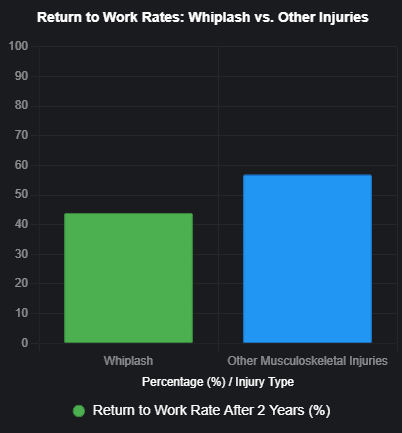
The impact on work can be significant. A Danish study found that 56% of whiplash patients were still on sick leave after two years, compared to 43% with other musculoskeletal injuries (Kasch et al., 2001). Another study reported that 12% of whiplash patients hadn’t returned to normal activities or had modified job functions after one year. Additionally, 5-8% develop chronic symptoms severe enough to diminish work capacity, with societal costs reaching up to $29 billion annually (Sterner & Gerdle, 2004).
Symptom
Description
Impact on Work
Neck Pain
Stiffness and discomfort
Limits head movement, affects desk or physical tasks
Headaches
Pain at skull base or radiating
Reduces focus, increases fatigue
Dizziness
Feeling unsteady
Poses safety risks in active jobs
Cognitive Issues
Memory or concentration problems
Hinders tasks requiring mental clarity
Why do some return to work while others struggle? Let’s explore the clinical rationale.
References
Kasch, H., Bach, F. W., & Jensen, T. S. (2001). Handicap after acute whiplash injury: a 1-year prospective study of risk factors. Neurology, 56(12), 1637-1643. Retrieved from Neurology Study
Sterner, Y., & Gerdle, B. (2004). Acute and chronic whiplash disorders—a review. Journal of Rehabilitation Medicine, 36(5), 193-209. Retrieved from JRM Review
Clinical Rationale for Returning to Work After MVAs
Returning to work after an MVA involves a complex interplay of clinical, personal, and external factors. Healthcare providers assess several key elements to determine readiness:
Injury Severity: Whiplash is graded from 1 (minor symptoms) to 3 (neurological signs). Mild cases often allow quicker returns, while severe cases require extended recovery.
Type of Work: Sedentary jobs (e.g., office work) are easier to resume than physically demanding roles (e.g., construction). Gradual return-to-work programs with modified duties are common.
Recovery Progress: Physical exams, imaging (e.g., MRI), and functional assessments track improvement. Reduced pain and improved mobility signal readiness.
Psychological Benefits: Work can restore normalcy and reduce anxiety, but mental readiness is crucial.
External Pressures: Financial needs or legal requirements (e.g., workers’ compensation) may influence decisions.
A BMC Public Health study found that 44% of whiplash patients returned to work after two years, compared to 57% with other musculoskeletal injuries, as shown in the chart above (El Paso Chiropractor Blog, 2016). This gap highlights whiplash’s unique challenges, with up to 50% failing to return within a year due to persistent symptoms.
Dr. Alexander Jimenez, a dual-licensed practitioner, emphasizes personalized recovery plans. “We don’t just aim for a quick return; we ensure it’s safe and sustainable,” he notes (El Paso Back Clinic). His approach includes monitoring recovery milestones and tailoring work re-entry plans.
References
El Paso Chiropractor Blog. (2016, June 16). Return to Work Rates After Whiplash [Blog post]. Retrieved from Whiplash Blog
El Paso Back Clinic. (n.d.). El Paso’s Chiropractic Rehabilitation Clinic & Integrated Medicine Center. Retrieved from El Paso Back Clinic
The Power of Chiropractic Chiropractic Care In Injury Rehabilitation- Video
Nonsurgical Treatments for Whiplash and Related Injuries
Most whiplash cases are managed conservatively, avoiding surgery. Effective nonsurgical treatments include:
Physical Therapy: Exercises to strengthen neck muscles and improve flexibility, plus modalities like heat, ice, or electrical stimulation.
Chiropractic Care: Spinal adjustments to realign the spine and reduce nerve pressure. Dr. Jimenez is renowned for his expertise here.
Medications: Over-the-counter pain relievers (e.g., ibuprofen) or prescription drugs for severe cases.
Injections: Corticosteroid injections to reduce inflammation in persistent cases.
Acupuncture: Stimulates healing and pain relief through needle insertion.
Massage Therapy: Relaxes tight muscles and improves circulation.
Dr. Jimenez integrates these with functional medicine, addressing nutritional deficiencies or hormonal imbalances that may delay recovery. His clinic uses evidence-based protocols, drawing from research like that at ChiroMed (El Paso Back Clinic).
Treatment
Purpose
Benefits
Physical Therapy
Strengthen neck, improve mobility
Restores function, reduces pain
Chiropractic Care
Realign spine, relieve nerve pressure
Enhances mobility, alleviates discomfort
Medications
Manage pain and inflammation
Provides short-term relief
Acupuncture
Stimulate healing
Reduces pain, promotes relaxation
Humor aside, imagine your neck as a grumpy old car—chiropractic care is like a tune-up, getting everything back in alignment so you can cruise through life again!
References
El Paso Back Clinic. (n.d.). El Paso’s Chiropractic Rehabilitation Clinic & Integrated Medicine Center. Retrieved from El Paso Back Clinic
The Role of Dr. Alexander Jimenez in Personal Injury Cases
Dr. Alexander Jimenez, DC, APRN, FNP-BC, is El Paso’s top injury specialist, with dual licensure as a chiropractor and nurse practitioner. His clinic, El Paso’s Chiropractic Rehabilitation Clinic & Integrated Medicine Center, is a hub for treating MVA-related injuries, including whiplash, soft tissue damage, and chronic pain conditions like fibromyalgia.
His clinical insights are rooted in evidence-based practice, integrating:
Sports Medicine: Tailors rehabilitation for active individuals.
Advanced Diagnostics: Uses genetic testing and imaging for precise diagnoses.
Non-Invasive Techniques: Includes spinal decompression, manual adjustments, and acupuncture.
In personal injury cases, Dr. Jimenez:
Provides accurate diagnoses using MRI, CT scans, and X-rays.
Develops personalized treatment plans, collaborating with orthopedic surgeons and physical therapists.
Offers detailed medical reports for legal proceedings, acting as an expert witness when needed.
His webinars and podcasts cover topics like stress hormones, gut health, and musculoskeletal rehabilitation, showcasing his commitment to holistic care (Dr. Jimenez LinkedIn).
References
El Paso Back Clinic. (n.d.). El Paso’s Chiropractic Rehabilitation Clinic & Integrated Medicine Center. Retrieved from El Paso Back Clinic
El Paso, a border city with heavy traffic, sees numerous MVAs, making personal injury cases critical. These cases help victims cover medical expenses, lost wages, and pain and suffering while holding negligent parties accountable. Dr. Jimenez’s expertise strengthens these claims by linking injuries to advanced diagnostics, ensuring fair compensation.
His role is particularly vital in El Paso, where access to specialized care may be limited. His clinic’s multidisciplinary approach ensures comprehensive treatment, from acute injury care to long-term rehabilitation.
References
El Paso Back Clinic. (n.d.). El Paso’s Chiropractic Rehabilitation Clinic & Integrated Medicine Center. Retrieved from El Paso Back Clinic
Advanced Imaging and Diagnostics in Personal Injury
Accurate diagnosis is paramount in personal injury cases. Advanced imaging techniques like MRI, CT scans, and X-rays reveal soft tissue damage, fractures, or spinal injuries not visible through physical exams. For example, MRI can detect ligament sprains or disc herniations, while CT scans identify bony injuries.
Dr. Jimenez uses these tools to:
Develop precise treatment plans.
Provide compelling evidence for legal claims, documenting injury severity.
This diagnostic precision is crucial for both recovery and securing compensation.
References
El Paso Back Clinic. (n.d.). El Paso’s Chiropractic Rehabilitation Clinic & Integrated Medicine Center. Retrieved from El Paso Back Clinic
Dr. Jimenez as a Liaison Between Legal and Medical Services
Dr. Jimenez’s dual expertise makes him an invaluable liaison between medical and legal realms. He provides detailed medical reports outlining diagnoses, treatments, and prognoses, essential for personal injury claims. These reports link injuries to the MVA, supporting compensation requests.
He can also testify as an expert witness, explaining medical complexities to legal teams and courts. His ability to communicate effectively across disciplines streamlines the process, allowing patients to focus on recovery.
References
El Paso Back Clinic. (n.d.). El Paso’s Chiropractic Rehabilitation Clinic & Integrated Medicine Center. Retrieved from El Paso Back Clinic
Returning to work after an MVA, particularly with whiplash, is a multifaceted journey requiring clinical expertise, effective treatment, and often legal support. Dr. Alexander Jimenez plays a pivotal role in El Paso, offering personalized care and bridging medical and legal needs for personal injury victims.
If you’ve been in an accident, don’t ignore your symptoms—seek professional help. With the right care, you can reclaim your life and return to work stronger than ever.
Disclaimer: This blog post is for informational purposes only and should not be taken as medical advice. Always consult a qualified healthcare professional for diagnosis and treatment of any medical condition.
References
Kasch, H., Bach, F. W., & Jensen, T. S. (2001). Handicap after acute whiplash injury: a 1-year prospective study of risk factors. Neurology, 56(12), 1637-1643. Retrieved from Neurology Study
Sterner, Y., & Gerdle, B. (2004). Acute and chronic whiplash disorders—a review. Journal of Rehabilitation Medicine, 36(5), 193-209. Retrieved from JRM Review
Spitzer, W. O., Skovron, M. L., Salmi, L. R., Cassidy, J. D., Duranceau, J., Suissa, S., & Zeiss, E. (1995). Scientific monograph of the Quebec Task Force on Whiplash-Associated Disorders: redefining “whiplash” and its management. Spine, 20(8 Suppl), 1S-73S.
National Highway Traffic Safety Administration. (2020). Traffic Safety Facts: 2019 Data. Retrieved from NHTSA Traffic Safety
El Paso Chiropractor Blog. (2016, June 16). Return to Work Rates After Whiplash [Blog post]. Retrieved from Whiplash Blog
El Paso Back Clinic. (n.d.). El Paso’s Chiropractic Rehabilitation Clinic & Integrated Medicine Center. Retrieved from El Paso Back Clinic
As one of the most load-bearing joints in the body, the hips nearly affect every movement. If the hip joint is involved in a vehicle crash, the space in the joint/hip capsule can fill with fluid, causing joint effusion or swelling, inflammation, dull-immobilizing pain, and stiffness. Hip pain is a common injury symptom reported after a vehicle crash. This pain can range from mild to severe and may be short-term or last for months. No matter the level of pain being experienced, action must be taken quickly to avoid long-term damage. Individuals need high-quality, patient-focused care from experienced specialists as soon as possible to get on the road to recovery.
Vehicle Crash Hip Injury
The hip joints must be healthy and work as effectively as possible to stay active. Arthritis, hip fractures, bursitis, tendonitis, injuries from falls, and automobile collisions are the most common causes of chronic hip pain. Depending upon the type of injury, individuals may experience pain symptoms in the thigh, groin, inside of the hip joint, or buttocks.
Associated Injuries
The most common injuries that cause pain in the hip after a collision include:
A hip ligament sprain or strain is caused by overstretched or torn ligaments.
These tissues attach bones to other bones and provide stability to the joints.
These injuries may only require rest and ice to heal, depending on the severity.
Chiropractic, decompression, and physical massage therapies may be necessary for realignment and to keep muscles flexible and relaxed.
Bursitis
Bursitis is an inflammation of the bursa, or the fluid-filled sac providing cushioning/material between bones and muscles.
It is one of the main causes of hip pain after an automobile collision and requires immediate medical attention.
Tendonitis
Tendonitis is a type of injury that affects soft tissues like tendons and ligaments, as opposed to bone and muscle.
Tendonitis can result in chronic pain and various discomfort symptoms in and around the hip area if left untreated.
Hip Labral Tear
A hip labral tear is a type of joint damage in which the soft tissue/labrum that covers the hip’s socket gets torn.
The tissue ensures that the thighbone head moves smoothly within the joint.
Damage to the labrum can lead to severe pain symptoms and affect mobility.
Hip Dislocation
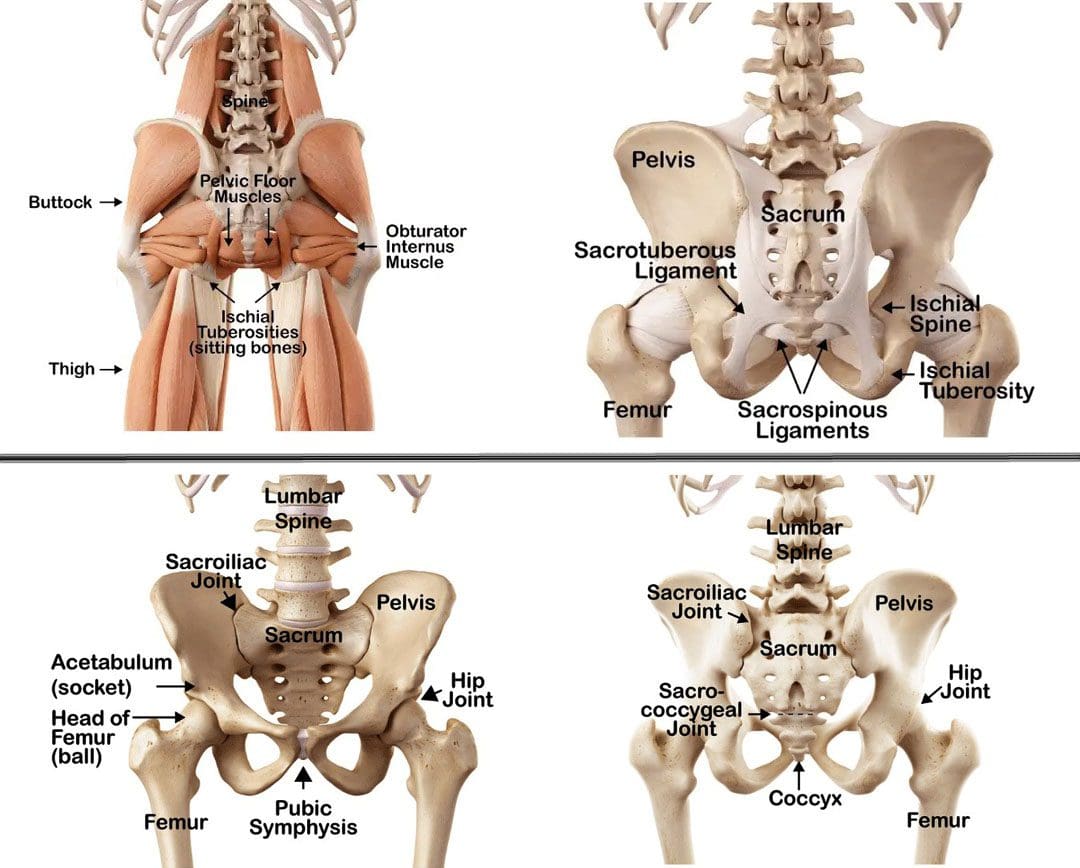
A hip dislocation means the femur ball has popped out of the socket, causing the upper leg bone to slide out of place.
Hip dislocations can cause avascular necrosis, which is the death of bone tissue from a blockage in the blood supply.
Hip Fractures
The hip bones can be broken down into three parts:
Ilium
Pubis
Ischium
A hip fracture, or broken hip, occurs whenever a break, crack, or crush happens to any one of these parts of the hip.
Acetabular Fracture
An acetabular fracture is a break or a crack outside the hip socket that holds the hip and thigh bones together.
A fracture to this body part is not as common because of the location.
Significant force and impact are often necessary to cause this type of fracture.
Symptoms
If any of the following symptoms after a vehicle crash are experienced, it could be a hip injury and should be examined by a medical professional. These include:
Soreness or tenderness at the site of injury.
Bruising.
Swelling.
Difficulty moving the hip/s.
Intense pain when walking.
Limping.
Loss of muscle strength.
Abdominal pain.
Knee pain.
Groin pain.
Treatment and Rehabilitation
A doctor or specialist should always evaluate hip problems and pain symptoms. With the help of a physical examination and diagnostics like X-rays, CT Scans, or an MRI, a physician can diagnose and recommend treatment options. Treatment after a vehicle crash depends on the severity of the damage. For example, hip fractures often require immediate surgery, while other injuries may only necessitate medication, rest, and rehabilitation. Possible treatment plans include:
Rest
Pain, muscle relaxants, and anti-inflammatory medication.
Surgery – after surgery, a physical therapist can help stretch and work on muscles around the hip to gain mobility and flexibility for a complete recovery.
Total hip replacement
Our team collaborates with the necessary specialists to provide the complete care needed to experience full recovery and healing for long-term relief. The team will work together to form a comprehensive treatment plan to strengthen the hip muscles for better support and increased range of motion.
Movement as Medicine
References
Cooper, Joseph, et al. “Hip dislocations and concurrent injuries in motor vehicle collisions.” Injury vol. 49,7 (2018): 1297-1301. doi:10.1016/j.injury.2018.04.023
Fadl, Shaimaa A, and Claire K Sandstrom. “Pattern Recognition: A Mechanism-based Approach to Injury Detection after Motor Vehicle Collisions.” Radiographics: a review publication of the Radiological Society of North America, Inc vol. 39,3 (2019): 857-876. doi:10.1148/rg.2019180063
Frank, C J et al. “Acetabular fractures.” The Nebraska medical journal vol. 80,5 (1995): 118-23.
Masiewicz, Spencer, et al. “Posterior Hip Dislocation.” StatPearls, StatPearls Publishing, 22 April 2023.
Monma, H, and T Sugita. “Is the mechanism of traumatic posterior dislocation of the hip a brake pedal injury rather than a dashboard injury?.” Injury vol. 32,3 (2001): 221-2. doi:10.1016/s0020-1383(00)00183-2
Patel, Vijal, et al. “The association between knee airbag deployment and knee-thigh-hip fracture injury risk in motor vehicle collisions: A matched cohort study.” Accident; Analysis and Prevention vol. 50 (2013): 964-7. doi:10.1016/j.aap.2012.07.023
Many individuals are constantly in their vehicles and driving from one place to another in the quickest amount of time. When auto accidents occur, numerous effects can affect many individuals, especially their bodies and mentality. The emotional impact of an auto accident can change a person’s quality of life and take a toll on the person as they become miserable. Then there is the physical side, where the body lunges forward rapidly, causing excruciating pain in the upper and lower portions. The muscles, ligaments, and tissues become overstretched beyond their capacity causing pain-like symptoms to develop and overlap other risk profiles. Today’s article discusses the effects of an auto accident occurs on the body, the symptoms associated with auto accidents, and how treatment like chiropractic care utilizes techniques like the MET technique to assess the body. We provide information about our patients to certified medical providers that offer available therapy techniques like MET (muscle energy techniques) for individuals dealing with back and neck pain associated with auto accidents. We encourage each patient appropriately by referring them to our associated medical providers based on their diagnosis results. We accept that education is a spectacular way when asking our providers the most crucial questions at the patient’s acknowledgment. Dr. Alex Jimenez, D.C., assesses this information as an educational service. Disclaimer
The Effects Of An Auto Accident On The Body
Have you been dealing with excruciating pain in your neck or back after an automobile collision? Have you noticed any of your muscles feeling stiffed or strained? Or have you been dealing with unwanted pain-like symptoms affecting your daily life? When a person has been through an auto accident, the spine, neck, and back along with their associated muscle groups, are affected by pain. When it comes to the effects of an auto accident on the body, we have to look at how the body reacts when the vehicles collide. Research studies have revealed neck pain is a common complaint to many adults involved in an auto accident. When a person collides with another car, their necks are lunged forward rapidly, causing a whiplash effect on the neck and shoulder muscles. Not only the neck is being affected, but also the back. Additional studies have mentioned that low back pain associated with vehicle collisions can cause the lumbar back muscles to be overstretched and develop non-fatal physical injuries over time, either during or the day after the accident. To that point, it can lead to unwanted symptoms associated with auto accidents and correlate with overlap risk profiles.
Symptoms Associated With Auto Accidents
The symptoms associated with auto accidents affecting neck and back muscles vary depending on the collision’s severity. According to “Clinical Application of Neuromuscular Techniques,” Leon Chaitow, N.D., D.O., and Judith Walker DeLany, L.M.T., stated that when someone suffers from an auto accident, the traumatic forces affect not only the cervical or temporomandibular muscles but also the lumbar muscles. This causes the muscle tissue fibers to be torn and damaged, which causes muscle pain. The book also mentioned that a person injured in a collision could develop nociceptive modulated neck, shoulders, and back muscle dysfunction. To that point, the flexor and extensor muscles are hyperextended, shortened, and strained, which is the result of causing muscle stiffness, pain, and limited range of motion to the neck, shoulder, and back.
Unlocking Pain Relief: How We Assess Motion To Alleviate Pain-Video
Have you been experiencing a limited range of motion to your shoulders, neck, and back? What about feeling muscle stiffness when stretching? Or do you feel muscle tenderness in certain body areas after an auto accident? Many of these pain-like symptoms are associated with auto accidents affecting the neck, shoulders, and back. This causes constant body pain, and many issues develop over time in the various muscle groups. Luckily there are ways to reduce the pain and help restore the body to function. The video above explains how chiropractic care is used to assess the body through spinal manipulation. Chiropractic care uses various techniques to help with spinal subluxation and loosen up stiff, tight muscles to help relax and restore each muscle group while relieving unwanted pain from the muscle tissues and ligaments.
Chiropractic Care & The MET Technique Assessing The Body
Studies reveal that auto accidents are a major cause of spinal and muscle injuries treated by chiropractic care. When a person suffers after an auto accident, they will experience pain all over their bodies and try to find ways to relieve the pain affecting their daily lives through treatment. One of the treatments that can help reduce pain and restore the body is chiropractic care. When chiropractors are treating the body to reduce pain, they use various techniques like the MET technique (muscle energy technique) to stretch and strengthen soft tissue and use manual manipulation to realign the spine, work out the tight muscles, nerves, and ligaments to prevent further damage on the body while getting the affected individuals back to shape. Chiropractic care also has a close relationship with other treatments like physical therapy to help strengthen the muscles in the body and help many people be aware of how their bodies function.
Conclusion
Overall, when a person has experience pain in their back, neck, and shoulder muscles from an auto accident, it can affect their emotional and physical well-being. The effects of an auto accident cause unwanted pain symptoms to develop and correlate with nociceptive modulated dysfunction. To that point, it can cause issues like muscle stiffness and tenderness in the affected areas. Fortunately, treatments like chiropractic care allow the body to be restored through manual manipulation and the MET technique to gently stretch the soft tissues and muscles and realign the body back to functioning. Incorporating chiropractic care with the MET technique, the body will experience relief, and the host can be pain-free.
References
Chaitow, Leon, and Judith Walker DeLany. Clinical Application of Neuromuscular Techniques. Churchill Livingstone, 2002.
Dies, Stephen, and J Walter Strapp. “Chiropractic Treatment of Patients in Motor Vehicle Accidents: A Statistical Analysis.” The Journal of the Canadian Chiropractic Association, U.S. National Library of Medicine, Sept. 1992, https://www.ncbi.nlm.nih.gov/pmc/articles/PMC2484939/.
Fewster, Kayla M, et al. “Low-Velocity Motor Vehicle Collision Characteristics Associated with Claimed Low Back Pain.” Traffic Injury Prevention, U.S. National Library of Medicine, 10 May 2019, https://pubmed.ncbi.nlm.nih.gov/31074647/.
Vos, Cees J, et al. “Impact of Motor Vehicle Accidents on Neck Pain and Disability in General Practice.” The British Journal of General Practice : the Journal of the Royal College of General Practitioners, U.S. National Library of Medicine, Sept. 2008, https://www.ncbi.nlm.nih.gov/pmc/articles/PMC2529200/.
T-bone accidents/collisions, also known as side-impact or broadside collisions where the front end of one car slams into the side of another, can result in severe injuries and tend to have a more devastating effect on the body. Side impact collisions account for 24% of driver or passenger deaths; even at 30 mph, side-impacts regularly cause injuries to the occupants of the struck car. Modern vehicles have many safety features, including safety belt features, airbags, and collision avoidance systems that protect drivers and passengers from front and rear collisions; however, when it comes to side-impact, occupants tend to remain unprotected.
T-Bone Side Collision Causes
T-bone accidents usually happen at intersections. Usual Causes of T-bone accidents involve someone failing to yield the right of way. The most common causes include:
A driver makes a risky left turn at an intersection, believing the other car/s will stop.
A driver decides to run a red light crashing into a vehicle making a left turn.
A driver runs through a stop sign, slams into a vehicle, or gets slammed.
Back injuries can damage the spinal cord causing herniated discs, sciatica, and chronic pain that can radiate to the rest of the body.
Treatment and Recovery
Individuals have different recovery times and depend on the severity of the injury and on any pre-existing conditions. Brain injuries and spinal issues can take months to recover fully. Fractures placed in a hard or soft cast to heal for weeks or months can lead to muscle atrophy. Chiropractic therapeutic massage and decompression strengthens muscle weakness, resets and realigns the spinal column, improves range of motion/movement, strengthens grip, and relieves pain.
Neurosurgeon Explains DRX9000
References
Gierczycka, Donata, and Duane Cronin. “Importance of impact boundary conditions and pre-crash arm position for the prediction of thoracic response to pendulum, side sled, and near side vehicle impacts.” Computer methods in biomechanics and biomedical engineering vol. 24,14 (2021): 1531-1544. doi:10.1080/10255842.2021.1900132
Hu, JunMei, et al. “Chronic widespread pain after motor vehicle collision typically occurs through immediate development and nonrecovery: results of an emergency department-based cohort study.” Pain vol. 157,2 (2016): 438-444. doi:10.1097/j.pain.0000000000000388
Lidbe, Abhay, et al. “Do NHTSA vehicle safety ratings affect side impact crash outcomes?.” Journal of safety research vol. 73 (2020): 1-7. doi:10.1016/j.jsr.2020.02.001
Mikhail, J N. “Side impact motor vehicular crashes: patterns of injury.” International journal of trauma nursing vol. 1,3 (1995): 64-9. doi:10.1016/s1075-4210(05)80041-0
Shaw, Greg et al. “Side impact PMHS thoracic response with a large-volume airbag.” Traffic injury prevention vol. 15,1 (2014): 40-7. doi:10.1080/15389588.2013.792109
IFM's Find A Practitioner tool is the largest referral network in Functional Medicine, created to help patients locate Functional Medicine practitioners anywhere in the world. IFM Certified Practitioners are listed first in the search results, given their extensive education in Functional Medicine