Uncover the connection between TMJ disorders and auto injuries, and explore ways to manage this common issue effectively.
Introduction
Imagine cruising down the road, enjoying a sunny day in El Paso, when—bam!—a car accident throws your world into a spin. Beyond the fender bender, you might start feeling pain in your jaw or neck that wasn’t there before. These could be signs of a Temporomandibular Joint (TMJ) disorder, a condition often linked to neck injuries from motor vehicle accidents (MVAs). In this comprehensive guide, we’ll explore why TMJ disorders and neck pain often go hand-in-hand after MVAs, the symptoms to watch for, nonsurgical treatment options, and the pivotal role of Dr. Alexander Jimenez, a distinguished chiropractor and nurse practitioner in El Paso, Texas. With a touch of humor to keep things light, we’ll also ensure you understand the serious nature of seeking professional care for these conditions.
Section 1: The Clinical Rationale for TMJ Disorders and Neck Pain from MVAs
Why Do TMJ Disorders Occur After MVAs?
The temporomandibular joint connects your lower jaw to your skull, enabling essential functions like chewing and speaking. When you’re involved in a motor vehicle accident, the sudden jolt—especially in rear-end collisions—can cause whiplash, a neck injury that strains muscles, ligaments, and the cervical spine. This trauma can ripple to the TMJ, even if your jaw wasn’t directly hit.
Research suggests that the connection between TMJ disorders and neck pain lies in the body’s neurological wiring. Pain signals from the neck travel to the brainstem, where they can overlap with signals from the jaw. This phenomenon, known as referred pain, means a neck injury can manifest as jaw pain or TMJ dysfunction. A 1998 study in Clinical Oral Investigations highlighted that patients with cervical spine issues often experience TMJ symptoms, reinforcing this link (Caring Medical, 2025).
The Role of Whiplash
Whiplash is a hallmark injury of MVAs, occurring when the head is forcefully thrown forward and back. This motion can damage the cervical spine and surrounding tissues, leading to chronic neck pain. According to a study in PMC (2008), individuals with MVA-related neck pain report higher levels of continuous pain compared to other causes, which can exacerbate TMJ issues. The chronic inflammation and muscle tension from whiplash can overstimulate nerves, causing jaw muscle tightness and pain, further contributing to TMJ disorders.
Neurological and Muscular Connections
The brainstem acts like a busy switchboard, where nerves from the neck and jaw converge before sending pain signals to the brain. This convergence can lead to “crossed signals,” similar to how arm pain can signal a heart attack. As a result, neck injuries from MVAs can trigger or worsen TMJ symptoms. Additionally, chronic neck pain can lead to compensatory behaviors, like jaw clenching, which further stress the TMJ.
Section 2: Symptoms of TMJ Disorders Related to Auto Injuries
Recognizing TMJ Symptoms
TMJ disorders can manifest in various ways, often overlapping with neck pain symptoms. Common signs include:
Jaw Pain and Tenderness: Pain around the jaw or ear, especially when chewing or speaking.
Difficulty Chewing: Discomfort or pain while eating, sometimes making it hard to open the mouth fully.
Jaw Locking or Restricted Movement: The jaw may feel stuck or limited in its range of motion.
Clicking or Popping Sounds: Noises when opening or closing the mouth, which may or may not be painful.
Neck and Shoulder Pain: Stiffness or ascending order or pain radiating from the neck.
Headaches: Often, tension-type headaches are linked to muscle tension.
Dizziness or Tinnitus: Less common but possible symptoms include dizziness or ringing in the ears.
A 2022 study cited in Medical News Today found that nearly 60% of individuals with TMJ disorders also experience neck pain, highlighting the prevalence of this dual issue (Medical News Today, 2023).
Delayed Onset of Symptoms
One tricky aspect of TMJ disorders post-MVA is that symptoms may not appear immediately. According to the El Paso Chiropractor Blog (2016), these issues can develop weeks or even months after the accident, making it critical to monitor for symptoms over time. This delay can complicate diagnosis, as patients may not initially connect their jaw pain to the earlier accident.
Chiropractic Care After Accidents & Injuries- Video
Section 3: Nonsurgical Treatments for TMJ Disorders and Neck Pain
Conservative Approaches to Relief
Most TMJ disorders and associated neck pain from MVAs can be managed without surgery, focusing on reducing pain and restoring function. Here are the primary nonsurgical treatments:
Physical Therapy: Specialized exercises and stretches improve jaw mobility and reduce muscle tension. Soft tissue massages targeting muscles like the pterygoids can relieve trigger points, as noted in Dr. Jimenez’s work on TMJ and anxiety (Dr. Alex Jimenez, 2016).
Chiropractic Care: Spinal adjustments and manual manipulation correct misalignments in the neck and jaw, reducing pain and improving function. Chiropractic care is particularly effective for whiplash-related injuries (El Paso Chiropractor Blog, 2016).
Medications: Over-the-counter pain relievers (e.g., ibuprofen), muscle relaxants, or anti-inflammatory drugs help manage pain and inflammation. In some cases, anxiety medications or antidepressants may address related stress or jaw clenching (Medical News Today, 2023).
Oral Appliances: Custom-fitted mouthguards or splints reposition the jaw to reduce clenching or grinding, which can worsen TMJ symptoms.
Lifestyle Modifications: Avoiding hard foods, practicing stress-reduction techniques (such as meditation), and maintaining good posture can all support recovery.
Acupuncture: This alternative therapy can reduce pain and muscle tension, offering relief for some patients.
Personalized Treatment Plans
Each patient’s condition is unique, so treatments should be tailored to their specific symptoms and severity. Consulting a healthcare professional, like Dr. Jimenez, ensures a comprehensive plan that addresses both TMJ and neck pain effectively.
Section 4: Dr. Alexander Jimenez’s Expertise in El Paso
A Leader in Personal Injury Care
Dr. Alexander Jimenez, DC, APRN, FNP-BC, is a cornerstone of personal injury care in El Paso, Texas, with over 25 years of experience as a chiropractor and nurse practitioner. His dual licensure allows him to bridge chiropractic and medical approaches, offering holistic care for MVA-related injuries, including TMJ disorders and neck pain.
Advanced Diagnostics and Dual-Scope Procedures
Dr. Jimenez stands out for his use of advanced imaging techniques, such as MRI and CT scans, to precisely pinpoint the extent of injuries. His diagnostic evaluations are thorough, identifying both primary injuries (e.g., whiplash) and secondary conditions (e.g., TMJ disorders). His dual-scope procedures combine chiropractic adjustments with medical treatments, addressing biomechanical and physiological aspects of recovery. This integrative approach promotes long-term healing and metabolic resilience (Injury Medical & Chiropractic Clinic, n.d.).
Liaison Between Medical and Legal Services
In personal injury cases, Dr. Jimenez plays a vital role by providing detailed medical reports and expert testimonies. These documents help legal professionals understand the full impact of injuries, ensuring victims receive fair compensation. His clinic, Injury Medical & Chiropractic Clinic, specializes in MVA-related conditions like cervical spine issues, whiplash, and chronic inflammation, making him a trusted resource in El Paso (El Paso Back Clinic, n.d.).
Service
Description
Benefit
Advanced Imaging (MRI/CT)
Accurate diagnosis of MVA-related injuries
Precise treatment planning
Dual-Scope Procedures
Combining chiropractic and medical treatments
Holistic recovery
Legal Documentation
Detailed reports and testimonies for personal injury cases
Supports fair compensation
Specialized MVA Care
Focus on whiplash, cervical spine issues, and related conditions
Let’s take a moment to chuckle with Herman Munster from The Munsters: “Folks, your jaw’s like the creaky hinge on my old coffin—when it starts acting up after a car crash, it’s no laughing matter! That neck of yours gets a shake, and suddenly your jaw’s throwing a tantrum. Don’t stay stiff like me on a bad day; head to Dr. Jimenez in El Paso, and he’ll have you moving smoother than Grandpa Munster dodging a garlic clove!”
Section 6: The Importance of Personal Injury Care in El Paso
Why Seek Care After an MVA?
Motor vehicle accidents can leave lasting effects, from neck pain to TMJ disorders, that impact daily life. In El Paso, where personal injury cases are common due to the high volume of traffic, seeking expert care is crucial. Dr. Jimenez’s clinic is a beacon for victims, offering not only medical treatment but also support for legal claims. His comprehensive approach ensures that injuries are thoroughly documented, aiding in fair settlements while promoting recovery.
Community Impact
Dr. Jimenez’s work extends beyond individual patients, contributing to the El Paso community by raising awareness about motor vehicle accident (MVA)- related injuries. His clinic’s resources, including blog posts and patient testimonials, educate residents on recognizing and treating conditions such as TMJ disorders, thereby fostering a healthier community (Dr. Alexander Jimenez, LinkedIn).
Conclusion
TMJ disorders and neck pain from motor vehicle accidents are interconnected conditions that can significantly affect quality of life. The clinical link stems from shared neurological pathways and the impact of whiplash, with symptoms ranging from jaw pain to headaches and neck stiffness. Nonsurgical treatments, including physical therapy, chiropractic care, and oral appliances, provide effective relief for most patients. In El Paso, Dr. Alexander Jimenez stands out as a leader in personal injury care, using advanced diagnostics and dual-scope procedures to treat these conditions while supporting legal claims with detailed documentation. If you’ve been in an MVA and are experiencing jaw or neck pain, don’t delay—seek professional care to prevent long-term complications and restore your well-being.
Disclaimer: This blog post is for informational purposes only and should not be taken as medical advice. Always consult a qualified healthcare professional for diagnosis and treatment of any medical condition. The information provided is based on general knowledge and should not be used as a substitute for personalized medical care.
Turmeric may help reduce inflammation from an auto accident. Understand its potential benefits for your health.
Introduction
Motor vehicle accidents (MVAs) are a leading cause of injury worldwide, affecting millions of people each year. These accidents often result in musculoskeletal injuries, such as whiplash, back strains, and fractures, which can lead to significant inflammation and pain. Understanding the clinical reasons behind these injuries is essential for effective treatment and recovery. This guide examines the science of inflammation and pain associated with MVAs, the role of natural supplements like turmeric in managing these symptoms, and the expertise of Dr. Alexander Jimenez, a distinguished practitioner in El Paso, Texas, who specializes in treating personal injury cases. Written for a high school reading level, this post includes a touch of dark humor to make it engaging, but concludes with a serious note to emphasize the importance of proper care.
Section 1: The Clinical Rationale for Inflammation and Pain in MVAs
When you’re in a car accident, the sudden jolt can wreak havoc on your body. Imagine your neck snapping back like a rubber band—ouch! This is what happens in whiplash, one of the most common injuries from MVAs. Whiplash occurs when your head is forcefully jerked forward and backward, straining the muscles and ligaments in your neck. This rapid movement can cause tiny tears in these tissues, leading to inflammation and pain.
A study published in the International Journal of Environmental Research and Public Health (2020) explains that whiplash from MVAs causes a traumatic whipping motion of the head and neck, resulting in higher peak acceleration at the head than in the neck or lower spine (McConnell et al., 1993). This motion often leads to musculoligamentous sprain or strain, with injuries to cervical spine ligaments causing joint laxity and instability (Ivancic et al., 2008; Tominaga et al., 2006). The excessive strain on ligaments, particularly the facet capsule, can contribute to chronic neck pain (Siegmund et al., 2009). Ligamentous laxity, identified through videofluoroscopy (VF), is common in patients with chronic post-whiplash pain but rare in uninjured people (Barnsley et al., 1994).
Injury Type
Description
Common Symptoms
Whiplash
Rapid head movement causes neck strain
Pain, stiffness, headaches
Ligamentous Injury
Damage to cervical spine ligaments
Joint instability, chronic pain
These findings indicate that biomechanical forces in MVAs can cause significant damage, leading to inflammation that, if left unmanaged, can become a long-term issue. It’s like your body’s alarm system getting stuck on “high alert,” causing ongoing discomfort.
Ivancic, P. C., Ito, S., Tominaga, Y., Rubin, W., Coe, M. P., Ndu, A., … & Panjabi, M. M. (2008). Whiplash causes increased laxity of cervical capsular ligament. Clinical Biomechanics, 23(2), 159-165. https://doi.org/10.1016/j.clinbiomech.2007.09.003
McConnell, W. E., Howard, R. P., Guzman, H. M., Bomar, J. B., Raddin, J. H., Benedict, J. V., … & Hatsell, C. P. (1993). Analysis of human test subject kinematic responses to low velocity rear end impacts. SAE Technical Paper Series, 930889. https://doi.org/10.4271/930889
Siegmund, G. P., Winkelstein, B. A., Ivancic, P. C., Svensson, M. Y., & Vasavada, A. (2009). The anatomy and biomechanics of acute and chronic whiplash injury. Traffic Injury Prevention, 10(2), 101-112. https://doi.org/10.1080/15389580802593259
Tominaga, Y., Ndu, A. B., Coe, M. P., Valenson, A. J., Ivancic, P. C., Ito, S., … & Panjabi, M. M. (2006). Neck ligament strength is decreased following whiplash trauma. BMC Musculoskeletal Disorders, 7(1), 1-8. https://doi.org/10.1186/1471-2474-7-103
Section 2: Common Musculoskeletal Injuries from MVAs
MVAs can cause a variety of musculoskeletal injuries, which affect the muscles, ligaments, tendons, and bones that help you move. These injuries can range from minor annoyances to serious conditions that require extensive treatment. Here’s a rundown of the most common ones:
Whiplash: As mentioned, this neck injury is like your head playing a high-speed game of ping-pong, leaving you with pain, stiffness, and sometimes headaches that make you feel like your brain’s throwing a tantrum.
Back Injuries: The force of a crash can damage your spine, causing herniated discs, fractures, or soft tissue injuries. It’s like your back saying, “I didn’t sign up for this rollercoaster!”
Fractures: Bones in your arms, legs, ribs, or pelvis can break, causing severe pain and making you feel like a human jigsaw puzzle.
Sprains and Strains: Ligaments (sprains) and muscles (strains) can stretch or tear, leading to swelling and pain. Think of it as your body’s rubber bands snapping under pressure.
Dislocations: Joints can pop out of place, causing deformity and pain that makes you wonder if your shoulder is auditioning for a horror movie.
These injuries often lead to inflammation, which is your body’s way of saying, “We’ve got a problem here!” However, if inflammation persists, it can develop into a chronic issue, making recovery a prolonged and challenging process.
Injury
Affected Area
Potential Complications
Whiplash
Neck
Chronic pain, headaches
Back Injuries
Spine
Herniated discs, mobility issues
Fractures
Bones
Immobility, surgical needs
Sprains/Strains
Ligaments/Muscles
Swelling, limited movement
Dislocations
Joints
Deformity, chronic instability
References
Allen, B., Jr., Ferguson, R., Lehmann, T. R., & O’Brien, R. P. (1982). A mechanistic classification of closed, indirect fractures and dislocations of the lower cervical spine. Spine, 7(1), 1-27. https://doi.org/10.1097/00007632-198200710-00001
Bowley, D. M., & Boffard, K. D. (2002). Patterns of injury in motor vehicle accidents. World Journal of Surgery, 26(7), 801-805. https://doi.org/10.1007/s00268-002-4058-2
Section 3: The Role of Inflammation in Musculoskeletal Injuries
Inflammation is like your body’s fire alarm—it goes off when something’s wrong, like an injury from an MVA. It’s a natural response to protect and heal damaged tissues, but sometimes it overstays its welcome, causing chronic pain and other issues.
When you get injured, your body releases chemicals called cytokines and prostaglandins. These cause blood vessels to dilate, allowing more blood and immune cells to reach the injury site. This leads to the classic signs of inflammation: redness, heat, swelling, pain, and loss of function. It’s like your body’s throwing a party to fix the damage, but sometimes the party gets out of hand.
In MVAs, inflammation varies by injury:
Whiplash: Inflammation in the neck’s ligaments and joints causes pain and stiffness, making it hard to turn your head without feeling like a rusty robot.
Fractures: Inflammation helps heal broken bones but can cause significant swelling and pain, like your body’s overzealous repair crew working overtime.
Soft Tissue Injuries: Sprains and strains lead to localized swelling, making movement feel like wading through molasses.
If inflammation doesn’t calm down, it can lead to chronic conditions like fibromyalgia or chronic fatigue syndrome, which are like unwanted houseguests that refuse to leave. Managing inflammation is crucial to recovery, utilizing methods such as rest, physical therapy, medications, and natural supplements like turmeric.
Section 4: Turmeric and Its Beneficial Properties for Injury Treatment
Turmeric, that bright yellow spice in your curry, is more than just a flavor booster—it’s a powerhouse in traditional medicine. Used for centuries in India and China, turmeric contains curcumin, a compound with anti-inflammatory and antioxidant properties. Think of curcumin as a superhero that fights inflammation and protects your cells from damage.
Curcumin works by blocking enzymes like cyclooxygenase-2 (COX-2), which fuel inflammation. It also neutralizes free radicals, those pesky molecules that can worsen tissue damage. For MVA injuries, curcumin may help reduce swelling and pain, making recovery a bit less miserable. A study in BMJ Open Sport & Exercise Medicine found that curcumin can reduce muscle damage and inflammation after exercise-induced injuries, which are similar to those related to MVA (Davis et al., 2017).
Dr. Alexander Jimenez, a leading chiropractor in El Paso, has praised the benefits of turmeric. In an X post, he highlighted how curcumin supports joint health and reduces inflammation, making it a valuable addition to treatment plans for musculoskeletal injuries (Jimenez, 2023). He also recommends Meriva Curcumin Phytosome, a more bioavailable form of curcumin, to maximize its effects (Jimenez, 2018).
But here’s the catch: turmeric in your food might not pack enough curcumin to make a big difference. Supplements often have higher concentrations, but they can interact with medications, such as blood thinners, or cause side effects like stomach upset. Plus, applying hot turmeric paste, as some do in traditional remedies, can lead to burns—talk about adding insult to injury! Always consult a doctor before incorporating turmeric into your diet.
Turmeric Benefit
Mechanism
Potential Side Effects
Anti-inflammatory
Inhibits COX-2, LOX
Stomach upset, interactions
Antioxidant
Neutralizes free radicals
Possible liver issues
Joint Support
Reduces swelling
Allergic reactions
References
Davis, J. M., Murphy, E. A., Carmichael, M. D., & Davis, B. (2007). Quercetin increases brain and muscle mitochondrial biogenesis and exercise tolerance. American Journal of Physiology-Regulatory, Integrative and Comparative Physiology, 296(4), R1071-R1077. https://doi.org/10.1152/ajpregu.00376.2008
Hewlings, S. J., & Kalman, D. S. (2017). Curcumin: A review of its effects on human health. Foods, 6(10), 92. https://doi.org/10.3390/foods6100092
Section 5: Personal Injury Cases and Dr. Alexander Jimenez’s Expertise
In El Paso, Texas, MVAs are a common cause of personal injury cases, leaving victims with physical pain, emotional stress, and financial burdens. Whether it’s a fender-bender or a major crash, the aftermath can feel like a bad plot twist in your life’s story. Fortunately, experts like Dr. Alexander Jimenez are here to help.
Dr. Jimenez, with over 25 years of experience, is a board-certified chiropractor and functional medicine practitioner in El Paso. He specializes in treating motor vehicle accident (MVA) injuries, utilizing advanced tools such as videofluoroscopy and digital motion X-ray to pinpoint damage. These diagnostics are like giving your injuries a high-definition close-up, revealing issues such as ligament laxity or joint instability that might not be visible on standard X-rays.
His treatment plans incorporate chiropractic adjustments, physical therapy, nutritional counseling, and lifestyle modifications to facilitate patient recovery. Dr. Jimenez also acts as a bridge between medical care and legal documentation, ensuring that injury details are accurately recorded for personal injury claims. This is crucial in El Paso, where personal injury cases often involve complex legal processes.
Patients praise Dr. Jimenez for his holistic approach. One patient noted, “Alex treats you like a friend, providing exceptional care” (Jimenez, 2025). His clinic, Injury Medical Clinic PA, focuses on restoring mobility, health, and quality of life, making him a trusted ally for MVA victims.
Motor vehicle accidents can turn your life upside down, leaving you with injuries that cause inflammation and pain. Understanding the science behind injuries such as whiplash or back strains is crucial for finding effective treatments. Turmeric, with its anti-inflammatory curcumin, offers a natural way to manage symptoms, but it’s not a magic bullet—consult a doctor before trying it. In El Paso, Dr. Alexander Jimenez stands out as a beacon of hope, utilizing advanced diagnostics and holistic care to aid MVA victims in their recovery.
While we’ve sprinkled some humor throughout (because who doesn’t need a chuckle when life feels like a crash course?), this topic is serious. If you’ve been involved in a motor vehicle accident (MVA), seek medical attention immediately and consider consulting a specialist, such as Dr. Jimenez, for personalized care.
Disclaimer
This guide is provided for informational purposes only and should not be considered medical advice. Always consult a qualified healthcare professional before starting any new treatment or supplement regimen.
Get informed about the effects of auto accidents, such as whiplash and Achilles tendinosis, and their implications for recovery.
Introduction
Imagine you’re driving along, singing to your favorite tune, when—bam!—another car rear-ends you. Your head snaps back and forth like a bobblehead on a bumpy road. That’s whiplash, folks, and it’s no laughing matter, despite the cartoonish image. Whiplash is a neck injury caused by sudden, forceful head movement, most often from motor vehicle accidents (MVAs). It affects the muscles, ligaments, and tendons in the neck, leading to pain that can range from a mild nuisance to a life-altering ordeal.
In this in-depth guide, we’ll explore whiplash from every angle: what it is, how it occurs, its symptoms, and the most effective ways to treat it. We’ll delve into why ligament injuries are a significant concern and how they contribute to chronic pain. Plus, we’ll spotlight Dr. Alexander Jimenez, a top chiropractor in El Paso, Texas, whose expertise helps accident victims recover and navigate personal injury claims. With a touch of humor to keep things light, we’ll also delve into the serious legal aspects, illustrating how the medical and legal worlds intersect to support victims. Buckle up—it’s going to be an informative ride!
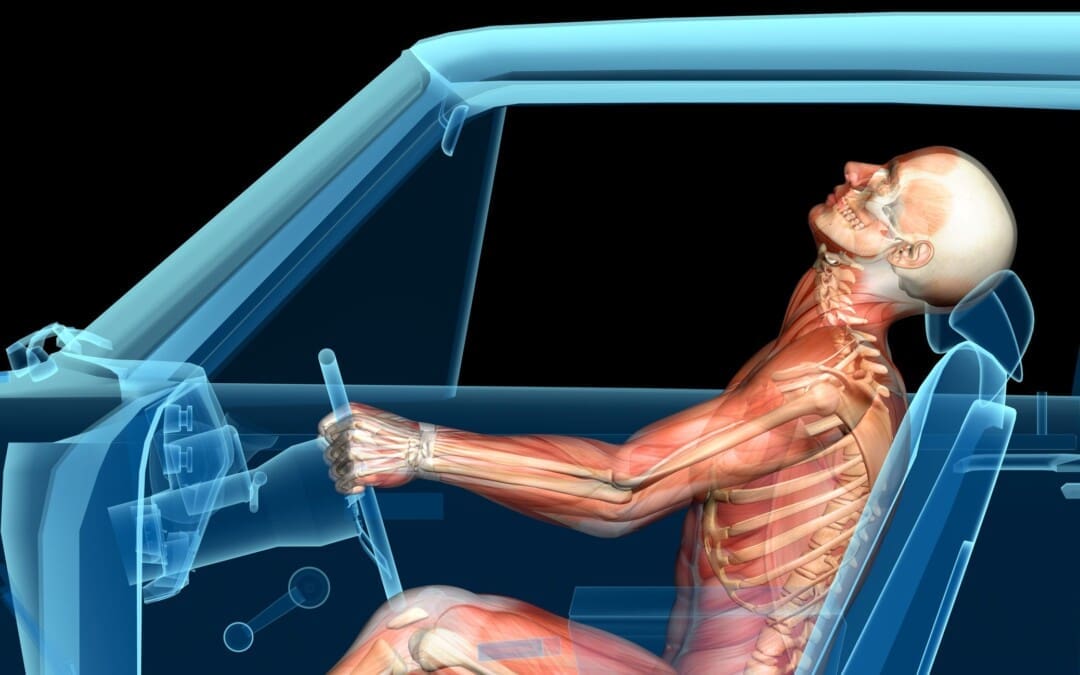
Whiplash is like your neck’s version of a bad rollercoaster ride. It occurs when your head is jerked backward and then forward (or vice versa) with enough force to strain or tear the neck’s soft tissues. This rapid motion, often referred to as a cervical acceleration-deceleration injury, is most commonly triggered by rear-end car collisions. Picture this: your car gets hit from behind, your body lurches forward, but your head lags for a split second before snapping back. Ouch!
Mechanism of Injury
The physics of whiplash is brutal. In a rear-end crash, the sudden force pushes your torso forward, while your head remains momentarily still, causing hyperextension (overstretching backward). Then, as your body stops, your head whips forward into hyperflexion. This S-shaped motion of the cervical spine exceeds its normal limits, causing damage to tissues (Whiplash Associated Disorders). Other causes include sports injuries, falls, or even a particularly wild amusement park ride.
Anatomy of the Neck
Your neck, or cervical spine, is a marvel of engineering. It’s made of seven vertebrae (C1-C7) that support your head’s weight and allow you to nod, shake, and tilt like a pro. Between these vertebrae are intervertebral discs, acting like tiny shock absorbers. Ligaments, such as the anterior longitudinal ligament (ALL) and the posterior longitudinal ligament (PLL), maintain stability. Muscles and tendons provide movement and support. Whiplash disrupts this delicate balance, often targeting ligaments and muscles.
Types of Injuries
Whiplash can cause a variety of injuries, including:
Muscle Strains: Overstretched or torn muscle fibers, leading to soreness.
Ligament Sprains: Stretched or torn ligaments, especially the ALL, causing instability.
Tendon Injuries: Damage to tendons connecting muscles to bones.
Disc Herniation: Protruding discs that press on nerves.
Nerve Damage: Irritation or compression causing numbness or weakness.
Fractures: Rare, but possible in severe cases.
These injuries explain why whiplash can be so painful and persistent if not treated properly (Whiplash Injury).
Whiplash symptoms are like uninvited guests—they might not show up right away, but can linger for an extended period. Some people feel fine after a crash, only to wake up the next day with a neck that feels like it’s been through a wrestling match.
Common Symptoms
Here’s what you might experience:
Neck Pain and Stiffness: The hallmark of whiplash, often worse with movement.
Headaches: Starting at the skull’s base, sometimes spreading forward.
Shoulder and Upper Back Pain: From muscle tension or referred pain.
Dizziness: Feeling woozy or like the room is spinning.
Fatigue: A general sense of being wiped out.
Cognitive Issues: Trouble focusing, memory lapses, or irritability.
Sensory Disturbances: Numbness or tingling in arms or hands.
Visual Problems: Blurred vision or light sensitivity.
Sleep Issues: Pain is making it hard to get a good night’s sleep.
Symptoms can vary in intensity and may take hours or days to appear (Whiplash Symptoms).
Diagnosis
Diagnosing whiplash is like solving a puzzle. Doctors start with:
Patient History: They’ll ask about the accident, when symptoms began, and any past neck issues.
Physical Exam: Checking neck movement, tenderness, and neurological signs like reflexes and strength.
Imaging Tests:
X-rays: To spot fractures or dislocations.
MRI: For soft tissue damage like ligament tears.
CT Scans: Detailed bone images.
Soft tissue injuries often don’t show on X-rays, so normal results don’t rule out whiplash. Early diagnosis is key to preventing chronic pain (Whiplash Diagnosis).
Importance of Early Diagnosis
Think of whiplash like a leaky faucet—ignore it, and you’ll have a bigger mess later. Prompt diagnosis enables timely treatment, thereby reducing the risk of long-term complications.
Treating whiplash is similar to fixing a car after a fender bender—you need the right tools and a skilled mechanic. The goal is to reduce pain, restore function, and prevent chronic issues. Research suggests active treatments work best, and Dr. Alexander Jimenez in El Paso is a master at this.
Standard Treatment Approaches
Pain Management:
Medications: Over-the-counter options like ibuprofen or acetaminophen. Severe cases may require muscle relaxants or stronger pain medications.
Ice and Heat: Apply ice for the first 48 hours to reduce swelling, then use heat to relax muscles (Whiplash Treatments).
Physical Therapy:
Exercises: To boost the range of motion and strengthen neck muscles.
Manual Therapy: Massage or mobilization to ease pain.
Rest and Activity Modification:
Short-Term Rest: Avoid activities that may aggravate the condition initially.
Gradual Activity: Returning to normal tasks to prevent stiffness.
Education: Understanding the injury and recovery process empowers patients.
The Root Causes of Pain- Video
Dr. Jimenez’s Approach
Dr. Jimenez is like the Tony Stark of chiropractic care, utilizing cutting-edge techniques to help patients recover quickly. His clinic offers:
Chiropractic Adjustments: Realigning the spine to reduce pain.
Soft Tissue Therapies: Myofascial release or trigger point therapy for muscle tension.
Massage Therapy: To improve circulation and relaxation.
Exercise Rehabilitation: Tailored programs to strengthen and stabilize the neck (Chiropractic Care).
He’s also vocal about ditching cervical collars, which can weaken muscles and slow recovery. A study he cites found better outcomes with active treatments over collars (Cervical Collars).
Evidence-Based Insights
The Croft Whiplash Treatment Guidelines outline treatment duration based on injury severity:
Interestingly, whiplash shares similarities with Achilles tendonosis, such as abnormal blood vessel growth, suggesting that some treatments may overlap (Tendonosis Similarities).
Ligaments are the unsung heroes of your neck, keeping your spine stable like the ropes on a suspension bridge. When whiplash strikes, these ligaments, especially the anterior longitudinal ligament (ALL), can sustain significant damage, leading to serious consequences.
Why Ligament Injuries Are Critical
The ALL runs along the front of your spine, preventing excessive backward bending. Whiplash’s hyperextension phase can cause stretching or tearing, leading to instability. This can lead to:
Chronic Pain: From abnormal spine movement.
Increased Injury Risk: A wobbly spine is prone to further damage.
Degeneration: Over time, instability may cause arthritis or disc issues (Ligament Injuries).
Ligament injuries can be challenging because they often don’t show up on X-rays, requiring MRI or specialized imaging techniques like digital motion X-ray (DMX) (DMX Study).
Research Insights
Studies confirm ligament damage is common in whiplash. One found that ALL can stretch to 56% of its failure point at just eight mph collisions (ALL Study). The Croft Guidelines note that Grade III and IV whiplash involve ligamentous injury, requiring longer treatment (Croft Guidelines).
Dr. Jimenez’s Expertise
Dr. Jimenez utilizes advanced imaging techniques to detect ligament damage, ensuring an accurate diagnosis. His treatments focus on stabilizing the spine through chiropractic care and exercises, addressing the root cause of pain (El Paso Back Clinic).
Getting whiplash from a car accident is bad enough, but then comes the paperwork jungle of personal injury claims. In El Paso, where MVAs are all too common, experts like Dr. Jimenez bridge the gap between medical care and legal justice.
Understanding Personal Injury Law
Personal injury law helps victims harmed by someone else’s negligence—like a distracted driver—get compensation for medical bills, lost wages, and pain. Whiplash cases often involve claims against the at-fault driver’s insurance or lawsuits if settlements fail (Medical Experts).
The Role of Medical Documentation
Medical records are the backbone of a personal injury case. They prove:
The injury’s nature and extent.
The link to the accident.
The treatment and costs involved.
Without solid documentation, claims can falter (Doctors’ Role).
Dr. Jimenez’s Contribution
Dr. Jimenez is like a superhero with a stethoscope and a law library. He:
Provides Detailed Reports: Using MRI and diagnostic tools to document injuries.
Offers Expert Testimony: Explaining medical details to judges and juries.
Acts as a Liaison: Ensuring medical records reach lawyers and insurers accurately (El Paso Back Clinic).
His work strengthens cases by providing clear evidence of the impact of whiplash.
Importance in El Paso
El Paso’s busy roads see frequent accidents, making skilled practitioners like Dr. Jimenez vital. His reputation as a top chiropractor, recognized by awards from 2015 to 2024, makes him a trusted ally for victims (LinkedIn Profile).
While patient privacy prevents sharing specific cases, Dr. Jimenez has helped countless whiplash victims recover. Imagine a teacher rear-ended at a stoplight, suffering Grade II whiplash. After weeks of chiropractic adjustments, massage, and exercises at his clinic, she’s back in the classroom, pain-free. Such outcomes highlight the power of active treatment and expert care.
Conclusion
Whiplash is more than a sore neck—it’s a complex injury that can disrupt lives if ignored. Ligament injuries, such as those to the anterior longitudinal ligament, are a key reason why prompt, active treatment is crucial. Dr. Alexander Jimenez’s expertise in El Paso, combining advanced diagnostics with chiropractic care, offers hope for recovery and legal support for personal injury claims.
If you’ve been in an MVA, don’t wait for symptoms to worsen. Seek medical care immediately to protect your health and strengthen any potential legal case. The road to recovery starts with the right help.
Disclaimer: This guide is for informational purposes only and is not a substitute for professional medical advice. Always consult a qualified healthcare provider for diagnosis and treatment.
Everybody is always moving in their vehicles as they go from one place to another in less time. Sometimes accidents happen as vehicles collide with each other and cause excruciating pain to the body as it lunges forward, causing back and neck pain to the individual. These are physical effects on the body, but the emotional impact also takes a toll on the individual. It can cause a person to become miserable and affect their quality of life. Today’s article discusses the effects of an auto accident are cause the back and body, as well as how non-surgical decompression therapy can help alleviate the pain in the back from an auto accident. Patients are referred to qualified, skilled providers specializing in spinal decompression and non-surgical treatments. We go hand in hand with our patients by referring them to our associated medical providers based on their examination when it’s appropriate. We find that education is valuable for asking critical questions to our providers. Dr. Jimenez DC provides this information as an educational service only. Disclaimer
Can my insurance cover it? Yes, it may. If you are uncertain, here is the link to all the insurance providers we cover. If you have any questions or concerns, please call Dr. Jimenez at 915-850-0900.
The Effects Of Auto Accidents On The Back
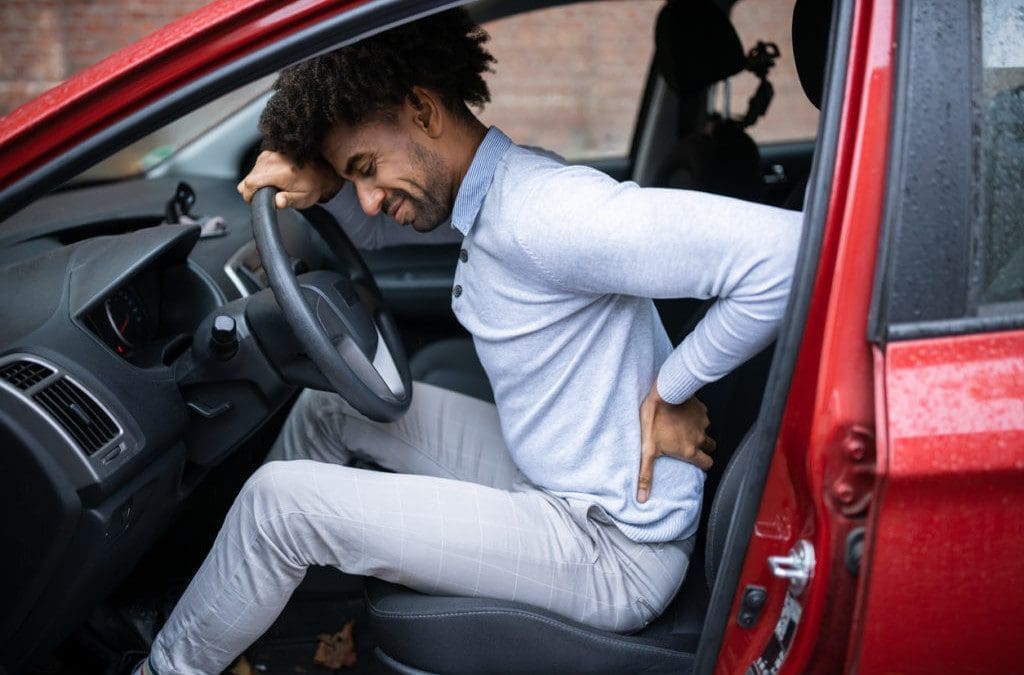
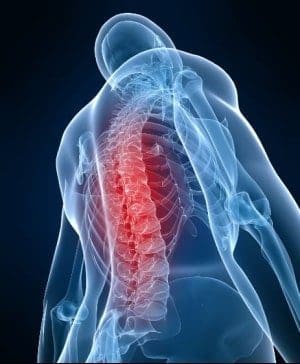
Have you suffered from back pain after a vehicle collision? What about experiencing whiplash or neck pain? Or has your lower back been feeling stiff and aches more? Many of these symptoms are signs that the spine, back, and neck all have suffered from the effects of an auto accident. Research has shown that the impact of a person in an auto accident causes the body to rapidly lunge forward and back after a complete stop, causing damage to the body, especially on the spine. After the auto accident has occurred, many individuals don’t feel the effects of the injuries that are caused by auto accidents sometimes until the day after the accident. This is due to the adrenaline in the body, which is both a neurotransmitter and a hormone and is fully turned on to the max. Additional information has stated that many individuals suffer from low back pain after a motor vehicle collision. Even if the accident was non-lethal, the impact can cause strain on the lower back muscles and compress the spinal nerves, making them irritated.
How The Body Is Affected
Research studies have shown that the impact of an auto accident may cause the body to have non-fatal physical injuries but also cause psychological trauma that can affect a person’s psyche. Many people that have experienced an auto accident will have various emotions that leave them in shock. During that process, emotions like distress, helplessness, anger, shock, and frustration are presented as the individual who was in the accident experience these negative emotions. Additional research also found that many individuals can experience low back pain episodes reoccurring along with the emotional presence that they are feeling. Fortunately, there are ways to alleviate low back pain caused by auto accidents and can help restore the spine to its functionality.
Spinal Decompression Therapy Alleviates Auto Accident Injuries- Video
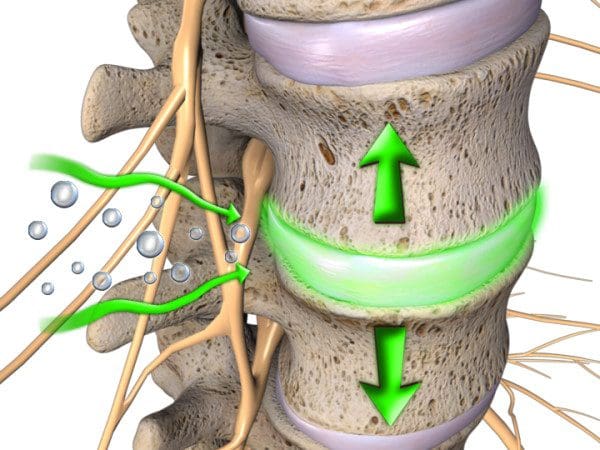
Have you experienced low back pain after a car accident? How about feeling the effects of muscle stiffness on the neck and low back the day after? Do emotions like stress, frustration, and shock affect your quality of life? These are signs and symptoms of what a person is going through after being involved in an auto accident and dealing with neck and back pain. There are ways to treat neck and back pain through decompression, and the video above explains the impressive effects of what decompression does to the individual. Decompression is a non-surgical treatment that allows gentle traction to alleviate the flattened spinal disc and take the pressure off the aggravated nerves surrounding the spine. The gentle traction also pumps the nutrients back to the dehydrated discs while increasing their heights. This link will explain what decompression offers and the impressive results for many individuals who suffer from back or neck pain due to an auto accident.
How Spinal Decompression Helps Relieve The Spine After Auto Accidents
After a person suffers from an auto accident, they experience pain in their spine and back the day before or after. Many individuals who suffer from low back pain, neck pain, and whiplash from auto accidents tend to find ways to alleviate the pain in their spine. One of these treatments is spinal decompression. Spinal decompression allows the individual to sit on a traction table in a supine position and be strapped in. Research studies have mentioned that spinal decompression is a non-surgical treatment for many individuals suffering from low back pain. In contrast, the traction machine slowly but gently pulls the spine to relieve the pain caused by a spinal injury due to an accident. This will provide effective recovery for many individuals suffering from low back pain. Additional information also mentioned that the effectiveness of decompression could reduce the inflammatory markers induced by the aggravated nerve roots through negative pressure, thus causing relief to the back.
Conclusion
Overall, suffering low back pain or neck pain after an auto accident is nerve-wracking for many individuals. The emotional and physical trauma caused by a motor vehicle collision can dampen a person’s mood, and the residual pain afterward can affect their quality of life. Utilizing decompression for non-surgical treatments can provide beneficial results in restoring functionality back in the spine and alleviating the pain the person is in. When people use decompression, they can get back to their activities and become pain-free from their lower back.
References
Daniel, Dwain M. “Non-Surgical Spinal Decompression Therapy: Does the Scientific Literature Support Efficacy Claims Made in the Advertising Media?” Chiropractic & Osteopathy, BioMed Central, 18 May 2007, https://www.ncbi.nlm.nih.gov/pmc/articles/PMC1887522/.
Kang, Jeong-Il, et al. “Effect of Spinal Decompression on the Lumbar Muscle Activity and Disk Height in Patients with Herniated Intervertebral Disk.” Journal of Physical Therapy Science, The Society of Physical Therapy Science, Nov. 2016, https://www.ncbi.nlm.nih.gov/pmc/articles/PMC5140813/.
Nolet, Paul S, et al. “Exposure to a Motor Vehicle Collision and the Risk of Future Back Pain: A Systematic Review and Meta-Analysis.” Accident; Analysis and Prevention, U.S. National Library of Medicine, July 2020, https://pubmed.ncbi.nlm.nih.gov/32438092/.
Nolet, Paul S, et al. “The Association between a Lifetime History of Low Back Injury in a Motor Vehicle Collision and Future Low Back Pain: A Population-Based Cohort Study.” European Spine Journal: Official Publication of the European Spine Society, the European Spinal Deformity Society, and the European Section of the Cervical Spine Research Society, U.S. National Library of Medicine, Jan. 2018, https://pubmed.ncbi.nlm.nih.gov/28391385/.
Salam, Mahmoud M. “Motor Vehicle Accidents: The Physical versus the Psychological Trauma.” Journal of Emergencies, Trauma, and Shock, Medknow Publications & Media Pvt Ltd, 2017, https://www.ncbi.nlm.nih.gov/pmc/articles/PMC5357873/.
Toney-Butler, Tammy J, and Matthew Varacallo. “Motor Vehicle Collisions – Statpearls – NCBI Bookshelf.” In: StatPearls [Internet]. Treasure Island (FL), StatPearls Publishing, 5 Sept. 2021, https://www.ncbi.nlm.nih.gov/books/NBK441955/.
IFM's Find A Practitioner tool is the largest referral network in Functional Medicine, created to help patients locate Functional Medicine practitioners anywhere in the world. IFM Certified Practitioners are listed first in the search results, given their extensive education in Functional Medicine