The body requires the heart in the cardiovascular system to pump oxygen-riched blood to all the muscles, tissues, and organs to keep it functioning. While the heart pumps the blood to the body, the lungs in the pulmonary system help the body by making the host breathe in the fresh air, remove the gases from the body, and helps delivers oxygen to the body cells. When issues begin to affect the lungs and the heart, it can cause the individual to develop cardiovascular disorders and a lung condition known as asthma to disrupt the body and cause pain to the individual. Today’s article looks at what asthma is, how it affects the body, and how somatic issues from asthma can affect the cardiovascular system. We refer patients to certified providers specializing in cardiovascular and pulmonary treatments that help those suffering from asthma attacks. We also guide our patients by referring to our associated medical providers based on their examination when it’s appropriate. We find that education is the solution to asking our providers insightful questions. Dr. Alex Jimenez DC provides this information as an educational service only. Disclaimer
Can my insurance cover it? Yes, it may. If you are uncertain, here is the link to all the insurance providers we cover. If you have any questions or concerns, please call Dr. Jimenez at 915-850-0900.
What Is Asthma?
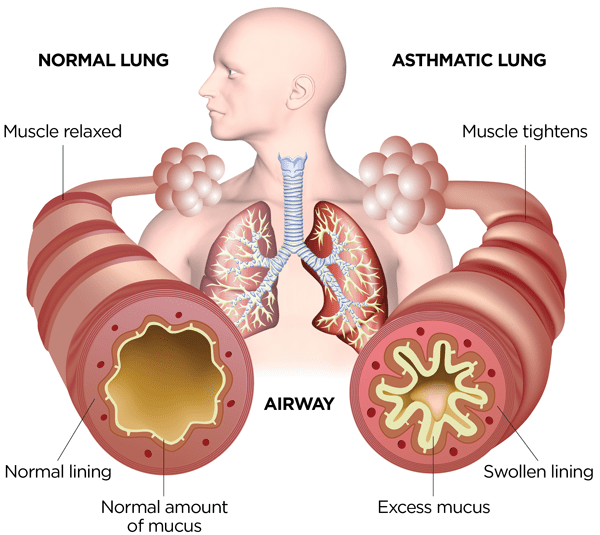
Have you experienced chest pains that are causing issues in your arms? How about the shortness of breath that causes you to have difficulty breathing? Do you have trouble sleeping due to waking up coughing or breathing rapidly? These are the signs and symptoms of you experiencing an asthma attack. Research studies have defined an asthma attack as a chronic disease that causes inflammatory narrowing of the air pathways to the lungs. When a person starts to suffer from an asthma attack, it can cause the lung capacity volume to be weakened and produce an excessive amount of mucus in the airways. Many factors like genetics, allergens, obesity, stress and environmental exposures can trigger a person to have an asthma attack. When these factors begin to affect the lungs, it can cause an overlap of other risk profiles to affect the body.
How Does It Affect The Body?
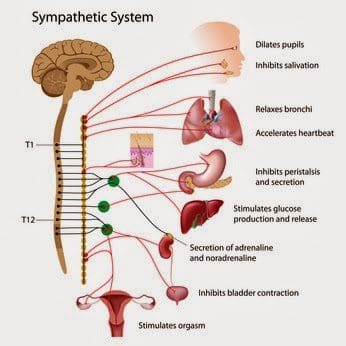
The lungs help the body intake fresh air and exhale the gases. The lungs provide an autonomic innervation that has a typical casual relationship to the autonomic innervation of the heart. This causal relationship also works with the parasympathetic innervation of the vagus nerve and the prominent sympathetic innervation of the spine’s thoracic region. With the lungs providing the functionality of breathing in the body, it is considered a musculoskeletal act in the service of a visceral system requirement that straddles the somatovisceral interface. Regarding individuals with asthma, research studies have shown that it can cause somatic symptoms like chest pains, cold hands and feet, and blurred vision. These somatic symptoms can affect the lungs and increase the risk associated with cardiovascular diseases.
The Difference Between Somatic & Visceral Pain- Video
Have you noticed chest pain frequently occurring and causing muscle stiffness in your arms? Are you gasping constantly that it irritates your throat? How about the shortness of breath that makes it difficult to sleep? You could be experiencing an asthma attack that can trigger somatovisceral issues that affect the body. The video above explains the difference between somatic and visceral pain affecting the body. Somatic pain is when the muscles trigger the organs, while visceral pain is the opposite, where the internal organs affect the muscles. When asthma affects the airway muscles, it can cause the heart muscles to work extra harder, causing chest and upper-mid back pains in the body.
Asthma Causing Somatic Issues To The Cardiovascular System
The heart and lungs have a casual relationship as the lungs help the body to breathe in the fresh air, and the heart takes the oxygen-riched blood to supply the rest of the organs, muscles, and tissues in the body. Through the sympathetic system, the heart communicates with the parasympathetic, sympathetic, and sensory pathways that allow the coordination of the cardiac tone, causing the heart to accelerate its beat in the body. When an asthma attack begins to affect the cardiovascular system, research studies have found that the sudden restriction of the airflow pathways from an asthma attack is a development for upcoming cardiovascular issues. The heart muscles will coincidentally begin to strain as the sensory innervations cause immense pain. The sudden constriction of the airways during an asthma attack can also affect the thoracic spine and reach the heart. One of the ways to reduce cardiovascular issues that affect the thoracic spine is spinal manipulation. Research studies have found that manipulating the thoracic spine can help increase the motion of the thoracic cage and enhance the arterial airflow supply to regulate heartbeat and lung capacity.
Conclusion
Asthma is a chronic disorder that causes inflammation and narrows the air pathways that restrict oxygen from entering the heart. The lungs and the heart have a casual relationship to the body, providing oxygen and blood flow to the organs, muscles, and tissues to function correctly. When exposed to environmental factors, it can cause restriction to the airway pathways to the lungs, causing wheezing and coughing motion that can cause somatic visceral dysfunction in the cardiovascular system and the thoracic spine. When this happens, treatments like chiropractic therapy can manipulate the thoracic spine and restore the air pathways to improve cardio and lung capacity.
References
Hashmi, Muhammad F, et al. “Asthma.” In: StatPearls [Internet]. Treasure Island (FL), StatPearls Publishing, 16 Feb. 2022, https://www.ncbi.nlm.nih.gov/books/NBK430901/.
Kaminskyj, Adrienne, et al. “Chiropractic Care for Patients with Asthma: A Systematic Review of the Literature.” The Journal of the Canadian Chiropractic Association, Canadian Chiropractic Association, Mar. 2010, https://www.ncbi.nlm.nih.gov/pmc/articles/PMC2829683/.
Pollevick, Matias E, et al. “The Relationship between Asthma and Cardiovascular Disease: An Examination of the Framingham Offspring Study.” Chest, American College of Chest Physicians, Apr. 2021, https://www.ncbi.nlm.nih.gov/pmc/articles/PMC8501004/.
Ringsberg, K C, et al. “Psychological Differences between Asthmatics and Patients Suffering from an Asthma-like Condition, Functional Breathing Disorder: A Comparison between the Two Groups Concerning Personality, Psychosocial and Somatic Parameters.” Integrative Physiological and Behavioral Science : the Official Journal of the Pavlovian Society, U.S. National Library of Medicine, 1993, https://pubmed.ncbi.nlm.nih.gov/8117581/.
Asthma, coughing, and heavy breathing can contribute to back muscle strain, soreness, and pain. An asthma attack can cause the body to heave during intense gasping, leaving the back muscles physically exhausted. Chiropractic adjustments and decompression can bring back pain relief, strengthen and stretch the spine and spinal muscles, and prevent it from returning, along with asthma management.
Asthma
The bronchial tubesdivide into smaller passages called bronchi and then into bronchioles. The bronchioles have tiny air sacs called alveoli, where inhaled oxygen is delivered to the blood. After absorbing the oxygen, the blood leaves the lungs and travels to the heart. Asthma is a lung condition that can affect anyone at any age. Asthma narrows the lungs’ airways causing inflammation in response to respiratory triggers, making it harder for air to travel out of the airways when exhaling. Symptoms include:
Wheezing
Difficulty breathing
Gasping to get air
Coughing
Tightness in the chest
Triggers can include:
Hot and/or humid weather
Exercise
Cold air
Pollen
Pets
Viral infections
Respiratory infections
Asthma Coughing and Back Strain
Asthma symptoms can take a toll on the back muscles and spine. Asthma attacks that cause gasping and heavy breathing cause the primary muscle (diaphragm) that supports breathing to weaken and strain. The diaphragm helps the spine but cannot do so effectively when under constant strain.
Constant Coughing and Spinal Health
Coughing is the body’s way of expelling unwanted foreign bodies. Chronic coughing stresses, strains, and overexerts the spinal support muscles and impacts posture. Individuals unconsciously take on a tense, forward-leaning posture/position that can cause:
Neck and shoulder stiffness, upper/lower back tightness, disc herniation, and pain.
Vertebrae subluxations/spinal misalignments can interfere with circulation and nerve function.
For short-term back pain following an asthma attack or coughing episode, it is recommended to rest, apply heat or ice, and take over-the-counter pain medication.
Massage therapy and myofascial release can stretch and relax the muscles.
Chiropractic manipulation relieves the stress on the nerves and muscles and stimulates the spinal cordand nerves to regain proper functioning.
Breathing Exercises and Yoga
Strengthened and conditioned core muscles can help to breathe more efficiently. When breathing normally it is usually a shallow inhale/exhale that does not fill the lungs to the total capacity. Diaphragmatic breathing is a technique to fully engage the diaphragm and abdominal muscles to fill the lungs with air more efficiently. Using the diaphragm correctly will:
Strengthen the diaphragm.
Use less energy to breathe.
Slow down the breathing rate.
Decrease the work of breathing hard.
Decrease the demand for continuous oxygen.
Yoga is another core-strengthening technique that encourages focused breathing that can help improve asthma control.
Decompression Neurosurgeon
References
American Lung Association. Breathing Exercises. (https://www.lung.org/lung-health-diseases/wellness/breathing-exercises) Accessed 3/29/2022.
Lunardi, Adriana Claudia, et al. “Musculoskeletal dysfunction and pain in adults with asthma.” The Journal of asthma: Official Journal of the Association for the Care of Asthma vol. 48,1 (2011): 105-10. doi:10.3109/02770903.2010.520229
Rasmussen-Barr, E. et al. “Are respiratory disorders risk factors for troublesome low-back pain? A study of a general population cohort in Sweden.” The European spine journal: official publication of the European Spine Society, the European Spinal Deformity Society, and the European Section of the Cervical Spine Research Society vol. 28,11 (2019): 2502-2509. doi:10.1007/s00586-019-06071-5
Solakoğlu, Özge, et al. “The effects of forward head posture on expiratory muscle strength in chronic neck pain patients: A cross-sectional study.” Turkish Journal of physical medicine and rehabilitation vol. 66,2 161-168. 18 May. 2020, doi:10.5606/tftrd.2020.3153
Asthma is a chronic lung disease that is marked by narrowing and inflammation in the airways. The condition causes recurring periods of symptoms that include shortness of breath, wheezing, coughing, and tightness in the chest. It often starts in childhood, but it affects people of all ages and adults can suddenly experience an asthma attack. According to the American Academy of Allergy, Asthma, and Immunology (AAAI), approximately one in 12 people in the United States have asthma � and that number is growing each year.
Causes of Asthma
Doctors do not know why some people have asthma while others do not. Research suggests that genetics, environmental factors, or a combination of the two likely play some part in it.
Certain substances and irritants can trigger asthma attacks. These are often the same triggers for allergies since asthma and allergies often go hand in hand. Asthma triggers usually vary from person to person, but some of the more common ones include:
Cold air
Stress and strong emotions.
Airborne substances � Particles of cockroach waste, pollen, mold spores, dust mites, and pet dander.
Certain medications � Naproxen, beta-blockers, ibuprofen, and aspirin.
Physical activity � Exercise or physical labor.
Gastroesophageal reflux disease (GERD)
Respiratory infections � Allergies, cold, and bronchitis.
Air pollutants and irritants -Perfume, smoke, and air fresheners.
Additives in some foods � Preservatives, sulfites, additives added to processed potatoes, shrimp, beer, dried fruit, and wine.
Treatments for Asthma
Prevention of asthma attacks has proven to be the most effective method for managing asthma. It is essential for patients to learn to recognize their triggers so they can avoid them. If known to them they can take steps to minimize the attack. This involves tracking your breathing to ensure that your medication is adequately keeping symptoms at bay. However, most asthmatics carry a quick-relief inhaler for emergencies because sometimes prevention is not enough.
There are two types of asthma control medications: long-term and quick relief. The most common asthma medications for each type include:
Long-term
Combination inhalers
Inhaled corticosteroids
Long-acting beta agonists
Theophylline
Leukotriene modifiers
Quick-relief
Ipratropium
Short-acting beta agonists
Oral and intravenous corticosteroids
Allergy medications are an effective asthma treatment. Immunotherapy, or allergy shots, can lead to a decreased immune response to allergens. It can take a while for this to build up so the patient could be waiting for a long time. Omalizuman, or Xolair, is also an injection that is specifically for people with severe allergies or asthma
Chiropractic for Asthma
Regular chiropractic care can be very effective in treating asthma. Some studies have shown that it is effective in adult asthma as well as children with asthma.
One primary reason is that poor spinal health can contribute to an asthmatic condition. When the body is out of alignment, and it puts pressure on the sensitive nerves along the spinal column it can cause serious health problems throughout the body.
Chiropractic�s approach to whole body wellness, coupled with good spinal health and you have an asthma treatment that works.
The chiropractor may also make recommendations to the patient regarding certain lifestyle changes like advising them to stop smoking. He or she may also recommend certain foods that lower the amount of inflammation in the body and to reduce their contact with things in their environment that may be asthma triggers.
They will work with the patient to create a plan that will strengthen the immune system, minimize allergic responses, and decrease the instances of asthma attacks so that the patient can live a full, quality life.
Asthma is a chronic lung disease that has afflicted more people in the last 20 years than ever. Some doctors attribute the increase to the pollutants in the air, the changes in the modern diet, and lack of adequate ventilation in homes.
According to the Mayo Clinic, asthma symptoms vary by individuals and may be mild, severe, or somewhere in between. Shortness of breath and tightness in the chest, along with a wheezing sound when exhaling are common asthma symptoms. Common treatments include inhalers and other medications.
With the millions of asthma sufferers seeking relief, non-traditional treatments have emerged in addition to the everyday remedies. One of the alternatives that has shown positive results is chiropractic care.
A person who suffers from asthma can enjoy multiple benefits from chiropractic. Four of the top benefits chiropractic care can bring to asthma patients are the following:
Reducing The Frequency Of Attacks
Over time, spinal adjustments can help some asthma sufferers decrease the number of attacks. When a spine is in alignment, energy flows through the nerves to the person’s organs. A nonaligned spine can cause the energy to fail to flow through the nerve endings as effectively, and a host of issues can arise.
The lungs can suffer when the spine is not aligned. Chiropractors are able to treat the spine so that, over time, it aligns. In some cases, this helps lung function and decreases the number of asthma attacks.
Stimulating Air Flow
The lungs are obviously vital for breathing, but the airway and diaphragm also play a part. Both of these can be hindered by a spine that is not aligned.
When a chiropractor works with a patient to align the spine, the airways and diaphragm can move more freely, allowing better airflow. While this is not a cure for asthma, in many cases stimulating a body’s airflow can help decrease the suffering the chronic condition causes.
Boosting The Immune System
A significant number of asthma attacks are brought on and exacerbated by an individual’s low immune system. Chiropractic care helps increase the effectiveness of the immune system.
Think of it this way: The autonomic nervous system is connected to the body’s immune system by way of the endocrine system. When the spine is out of line, it can affect the immune system.
If a person suffers from chronic asthma attacks, this could be the time when he or she has an episode. A chiropractor who can align the spine can create a positive domino effect. The nervous system improves, the immune system improves, and the asthma attacks decrease.
Working In Conjunction With Traditional Asthma Medication
People with asthma commonly use inhalers and steroids to manage their symptoms. Chiropractic care is non-invasive and works with these treatments to lessen the instances and severity of attacks.
A study by Michigan Chiropractic Council showed that asthma sufferers who went through 30 days of chiropractic treatments reported a 70% reduction in medication.
Patients who commit to chiropractic can sometimes manage the symptoms more naturally, and lessen their dependence on medications. (It’s important to note that patients should never go off medications on their own. Always speak to a doctor before changing medications).
Patients fortunately have a variety of treatment options. For those who don’t respond to traditional medication, or who wish to decrease their dosage, non-traditional choices like chiropractic may be the answer.
Tips For Preventing Dehydration
It’s advisable to speak to both your medical doctor and Doctor of Chiropractic about your asthma symptoms. By having both disciplines co-manage your case, you�ll work toward a healthier outcome, possibly even without the use of drugs. Give us a call to learn more.
This article is copyrighted by Blogging Chiros LLC for its Doctor of Chiropractic members and may not be copied or duplicated in any manner including printed or electronic media, regardless of whether for a fee or gratis without the prior written permission of Blogging Chiros, LLC.
7 Reasons Chiropractic is More Than About Back Pain
As Chiropractors we know the benefits of being under chiropractic care extends well beyond just back pain relief. In an article published by ChiroHosting they give 7 reasons why chiropractic is about your overall wellness.
The core concept of chiropractic is to restore the function of your nervous system so that it can do what�s it�s designed to do: keeping your body healthy and active. Chiropractic is truly about prevention. If you keep your nervous system working smoothly and without interference, many health issues become non-issues!
Don�t take our word for it, though. Over the last few years, there�s been a lot of scientific research that shows that chiropractic is good for much more than just aches and pains. Here�s a review of some of this literature.
1 � Chiropractic Boosts Immune Function
A 2010 study found that chiropractic adjustments actually boosted blood serum levels of some important natural antibodies in patients. The authors suggested that chiropractic adjustments might �prime� the immune system, making it easier to ward off infection and illness.
2 � Chiropractic Reduces Inflammation
Researchers in a 2011 study compared back pain patients to people with no pain and gave both groups chiropractic adjustments. The authors found that the back pain patients who received chiropractic care had dramatically lower levels of a key inflammatory cytokine, known as TNF-?. High levels of TNF-? have been linked to inflammatory diseases like rheumatoid arthritis, inflammatory bowel disease, and psoriasis.
3 � Chiropractic Reduces Blood Pressure
Hypertension is a huge public health issue in the US; it�s estimated that about 30% of adults suffer from this serious condition. A 2007 study in the Journal of Human Hypertension looked at a group of patients with high blood pressure. Half received received an adjustment of their atlas, and the other half received a sham adjustment.
The decrease in blood pressure was so dramatic in the patients who received real adjustments that the researchers wrote that it �is similar to that seen by giving two different anti-hypertensive agents simultaneously.� In fact, 85% of the study patients had improvement after just one adjustment!
4 � Chiropractic Reduces Stress
An interesting study by a team of Japanese researchers in 2011 gave chiropractic adjustments to 12 men and examined PET scan images and blood chemistry to examine the effect that chiropractic has on the autonomic nervous system.
After receiving a chiropractic neck adjustment, patients had altered brain activity in the parts of the brain responsible for pain processing and stress reactions. They also had significantly reduced cortisol levels, indicating decreased stress. Participants also reported lower pain scores and a better quality of life after treatment.
5 � Chiropractic Improves Balance
As we age, sometimes we start to lose some of our balance, strength, and flexibility that we had in our youth. Because of this, older folks are vulnerable to serious injuries from trips and falls. Chiropractic helps keep your body active by restoring the normal, healthy functioning of your spine. One of the important roles of your spine is balance, aided by nerves calledproprioceptors. These propriocepters relay information to your brain on the position of your body.
A small study from 2009 found that people who received chiropractic adjustments had reduced dizziness and improved balance. A 2015 review of the literature suggests that chiropractic care might be an effective, natural way to help prevent falls in elderly patients.
6 � Chiropractic Relieves Colic in Babies
In 2012, researchers studied 104 infants who were suffering from colic. One-third of the infants were treated with chiropractic adjustments and the parents were aware of the treatment; one-third were treated and the parents were unaware of the treatment; and one-third were untreated but the parents were unaware.
The authors found that the parents reported a significant decrease in infant crying in the treated babies, compared to the infants who didn�t receive treatment. The knowledge of the parent had no effect on the improvement.
7 � Chiropractic Relieves Asthma Symptoms
A 2013 study reported that chiropractic adjustments were effective at increasing lung functioning, and some recent research9shows that chiropractic care can help reduce the symptoms of asthma in some children.
The Beginner�s Guide to Chiropractic
Narration:
If you�re watching this video, you�re probably curious about chiropractic care and how it can help you and your family, so let�s explore what chiropractic is all about and how it works:
A Chiropractor is a health care professional who specializes in the health and function of the spine and nervous system, Because of this focus on the spine many people think that chiropractors can only help with problems such as back pain, neck pain and headaches and while it is true chiropractors can often help people with pain, there is so much more to chiropractic than just pain.
Chiropractic care is really about total health and well-being, it is about helping people to feel great and get the most out of life by functioning at their optimal potential.
To understand how this works it is important to consider the spines� role in the body. The spine is there to protect the spinal cord, which is part of the central nervous system, the spine is like a set or armour made up of segments so it can bend and move naturally with the body.
A spinal segment consists of two vertebrae and the joints that connect them; there is a disc in between each vertebra that acts as a cushion.
Underneath that armour a whole lot is happening, messages travel from around the body, up the spinal cord and into the brain, the brain processes those messages and sends replies back down the spinal cord to tell the body how to respond.
The central nervous system is one big information highway and it carries vital messages to every part of your body. Sometimes the wear and tear of everyday life can impact the spine and cause spinal segments to move in a way that is different to normal, in a dysfunctional way. That wear and tear can happen gradually, such as from bad posture or it can happen suddenly, which is common with sports injuries, and because of the close relationship between the spine and the nervous system, everyday strains can actually impact the flow of communication and information, between the brain and the body, messages may not be delivered to the brain, or they may be inaccurate.
When that miscommunication occurs due to abnormal movement in the spine, chiropractors call this a vertebral subluxation, you might hear that term again from your chiropractor, so now you�ll know what it means. By making fast and gentle adjustments to the spine chiropractors restore its� natural movement. If the central nervous system is like the engine of your body, a chiropractor acts like a mechanic, tuning the spine and central nervous system, so that your body can run like a race car.
Just keep in mind that as you�re adjusted, you may hear a popping sound that can seem a bit strange. In fact it is completely harmless; it�s just the release of gas from in between spinal segments and is no more significant, than any other release of gas from your body.
Are you ready to supercharge your engine?
Chiropractic Treatment Plan
First Chiropractic Exam Video
Most chiropractors begin treatment during the patient’s first visit, although some may wait until the next appointment at the chiropractic clinic.
Chiropractic treatment goals and recommendations may include some or all of the following:
Adjustments to key joint dysfunctions
Modalities to improve soft tissue healing and pain control, such as ultrasound, electrical stimulation, and traction
Strengthening and/or stretching exercises to improve muscle balance, strength, and coordination
Patient education to improve posture and motor control, as well as possibly reduce anxiety
Other treatments such as massage, heat/cold application, and education on ergonomics and nutrition.
Goals of Chiropractic Care
View Chiropractic Videos
The chiropractor will establish specific goals for a patient’s individual plan for treatment:
Short-term goals typically include reducing pain and restoring normal joint function and muscle balance
Long-term goals include restoring functional independence and tolerance to normal activities of daily living.
To reach these goals, a specific number of chiropractic visits will be recommended.
For most types of lower back pain, a treatment recommendation of 1 to 3 chiropractic visits per week for 2 to 4 weeks will be prescribed, followed by a re-examination by the chiropractor.
At the re-evaluation, the chiropractic doctor will measure the response to treatment and determine whether to:
Continue chiropractic treatment, if appropriate
Release the patient from chiropractic care, if treatment goals have been met
Refer the patient to another health care specialist if treatment goals have not been fulfilled.
Chiropractic adjustment (also referred to as spinal manipulation) is a recognized and popular pain relief treatment for many types of lower back pain, sciatica, and neck pain. Knowing what to expect from the first chiropractic visit can help an individual receive the maximal benefit from chiropractic treatment.
Because this profession has an unusually large variety of practice philosophies and chiropractic techniques, individuals should feel comfortable asking all the questions necessary to understand the chiropractic examination, diagnosis, and treatment program.
The core concept of chiropractic is to restore the function of your nervous system so that it can do what�s it�s designed to do, keep your body healthy and active. Chiropractic is truly about prevention.�For Answers to any questions you may have please call Dr. Jimenez at
IFM's Find A Practitioner tool is the largest referral network in Functional Medicine, created to help patients locate Functional Medicine practitioners anywhere in the world. IFM Certified Practitioners are listed first in the search results, given their extensive education in Functional Medicine







 Boosting The Immune System