For individuals looking to maintain wellness or begin their wellness journey like increasing antioxidants, protection against cancer, immune system support and other health benefits, can adding onions be a nutritious way to improve overall health?
Onions
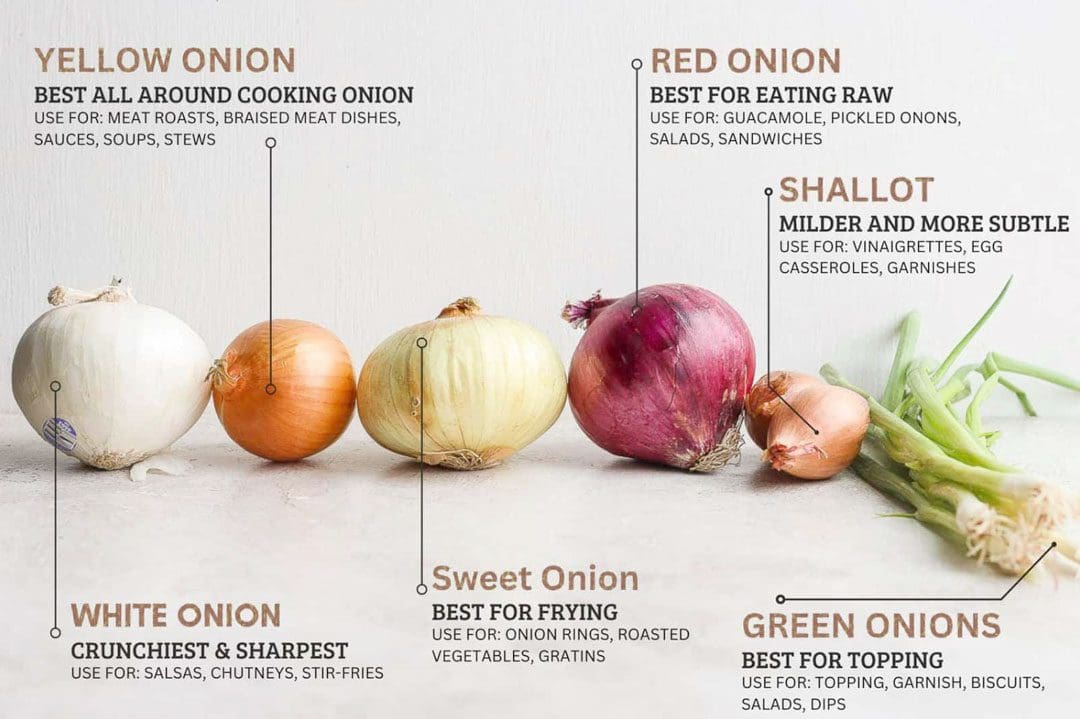
Onions are nutritious vegetables like garlic, chives, leeks, and shallots. The most common types are red, white, yellow, and Spanish onions. They have antifungal, antibacterial, anti-inflammatory, and other healthful properties.
Whichever way they are prepared they do lose some of their nutritional value when cooked.
They contain flavonoids, glutathione, selenium compounds, vitamin E, and vitamin C.
When selecting onions, look for those without blemishes or discoloration, that are firm, and have dry, papery skins.
Benefits
They contain phytochemicals – compounds plants produce to fight off harmful bacteria, viruses, and fungi. These phytochemicals provide health benefits when consumed and provide the following properties: (Xin-Xin Zhao, et al., 2021)
Protect the cardiovascular, digestive, respiratory, reproductive, and neurological systems.
Protect against liver disease.
Support a healthy immune system.
Types and Varieties
They belong to the Allium plant genus which includes plants like garlic, leeks, and chives. (Oregon State University. 2022)
They vary in flavor and can be sweet, tangy, and sour.
Different varieties combined with farming practices contribute to the flavor profile of onions.
There are many varieties of onions.
The most common and widely available are red, white, yellow, and Spanish.
Other types include cipollini, pearl, and Vidalia.
Raw or Cooked
They are beneficial whether eaten raw or cooked, cooking them reduces the number of thiosulfinates – compounds that provide antimicrobial, antifungal, and antibiotic properties.
Boiling and frying onions has been shown to cause the most significant loss in nutritious value.
Other preparation methods that decrease health benefits include sautéing, steaming, and microwaving.
Baking onions is shown to increase flavonoid levels.
Consuming dried, powdered onions can also provide nutritious value to foods, especially if the powder is freeze-dried. (Damini Kothari, et al., 2020)
Nutrition Facts
Onions can contribute to a healthy diet. The flavonoids, glutathione, selenium compounds, vitamin E, and vitamin C, contribute to the antioxidant properties of the vegetable. (Holly L. Nicastro, et al., 2015) The nutrition information for one medium onion: (U.S. Department of Agriculture. N.D.)
Total calories: 44
Total fat: 0 grams
Cholesterol: 0 milligrams
Carbohydrates: 10 grams
Dietary fiber: 2 grams
Total sugars: 5 grams
Protein: 1 grams
Calcium: 2 milligrams
Sodium: 4 milligrams
Iron: 1 milligrams
Vitamin D: 0 micrograms
When Selecting
Onions can contain pesticide residue, heavy metals, microbial contamination, and nitrate accumulation. Knowing where the onions come from can help ensure there was no incorrect use of pesticides or that the soil they were grown in was not enriched with heavy metals. When possible, purchase from reputable sources with transparent farming practices, like the farmers markets. (Xin-Xin Zhao, et al., 2021)
Onions found in environments that have not been effectively sterilized have an increased risk of growing harmful bacteria.
To avoid contamination of Escherichia. coli or E. coli, salmonella, and mold, it’s safest to purchase whole onions and cut them at home rather than purchasing pre-chopped onions. (Xin-Xin Zhao, et al., 2021)
Select those that feel firm, have little to no bruises or discolored spots, and have dry papery skin.
Avoid those that show evidence of mold, like white or black spots on the surface or inside the layers, and those with green shoots, which means the onion is still edible but won’t last that long.
Hypertension Diet
References
Zhao, X. X., Lin, F. J., Li, H., Li, H. B., Wu, D. T., Geng, F., Ma, W., Wang, Y., Miao, B. H., & Gan, R. Y. (2021). Recent Advances in Bioactive Compounds, Health Functions, and Safety Concerns of Onion (Allium cepa L.). Frontiers in nutrition, 8, 669805. https://doi.org/10.3389/fnut.2021.669805
Nicastro, H. L., Ross, S. A., & Milner, J. A. (2015). Garlic and onions: their cancer prevention properties. Cancer prevention research (Philadelphia, Pa.), 8(3), 181–189. https://doi.org/10.1158/1940-6207.CAPR-14-0172
Kothari, D., Lee, W. D., & Kim, S. K. (2020). Allium Flavonols: Health Benefits, Molecular Targets, and Bioavailability. Antioxidants (Basel, Switzerland), 9(9), 888. https://doi.org/10.3390/antiox9090888
Should individuals increase their intake of black pepper to help with various health issues like fighting inflammation, strengthening the immune system, and improving digestion?
Black Pepper
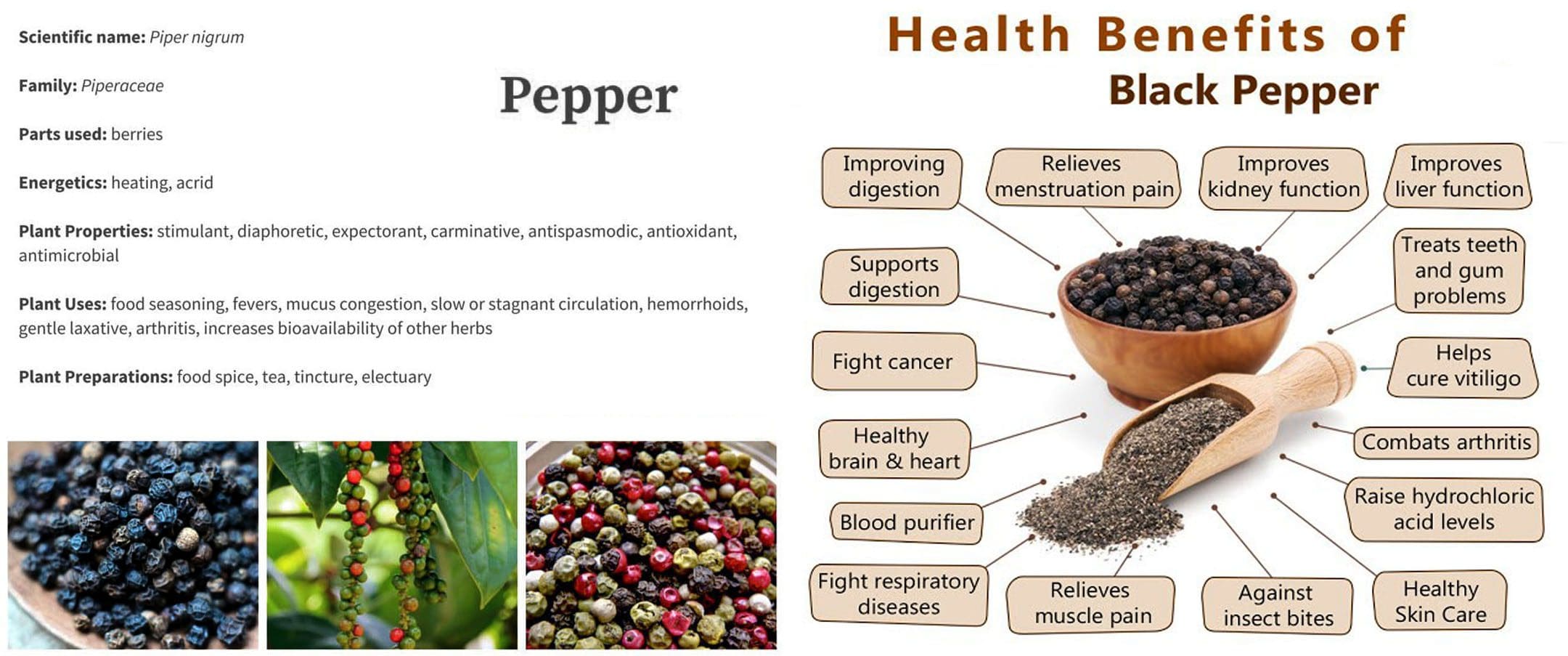
One of the most popular spices, black pepper offers anti-inflammatory and pain-reducing effects. Piperine is the compound that gives black pepper its flavor, helps prevent inflammation, (Gorgani Leila, et al., 2016), and helps to increase the absorption of selenium, vitamin B12, and turmeric. (Dudhatra GB, et al., 2012) Piperine has been found to be almost as effective as prednisolone – a common medication for arthritis – in reducing symptoms.
Black pepper has been used in ancient Ayurvedic medicine for thousands of years because of its concentration of beneficial plant compounds. (Johns Hopkins Medicine, 2023)
Pepper is made by grinding peppercorns, which are dried berries from the vine Piper nigrum.
The plant is a tall woody plant with small flowers that bloom a yellowish-red color.
It has a sharp and mildly spicy flavor that goes with all kinds of dishes.
Inflammation is the immune system’s response to injury, illness, or any mental or physical stressor, that triggers the body’s healing and repair process. However, long-term inflammation can lead to various health problems and, in individuals that begin to develop arthritis, joint degeneration. Damage to the body’s pain processors can exacerbate pain and other uncomfortable symptoms.
Chronic inflammation can be a cause of diabetes, arthritis, asthma, and heart disease.
While the anti-inflammatory effects have not been extensively studied in humans, there are several mouse studies that show promising results.
In one study, treatment for arthritis with piperine resulted in less joint swelling and decreased inflammation markers. (Bang JS, Oh DH, Choi HM, et al., 2009)
Antioxidants
The active compound, piperine is rich in antioxidants, which prevent or delay the free radical damaging effects from exposure to pollution, smoke, and the sun.
In one study, rats with a diet of concentrated black pepper had less free radical damage than a group that did not ingest concentrated black pepper. (Vijayakumar RS, Surya D, Nalini N. 2004)
Brain Function Improvement
Piperine has been shown to decrease symptoms associated with Parkinson’s and Alzheimer’s and improve brain function. (Ramaswamy Kannappan, et al., 2011)
Studies show piperine increased memory as well as the ability to decrease the production of amyloid plaques, which are damaging proteins associated with Alzheimer’s disease.
Blood Sugar Control Improvement
Studies suggest that piperine can improve blood sugar and improve insulin sensitivity.
In one study, individuals with insulin resistance took a piperine supplement for 8 weeks.
After 8 weeks, improvements were seen in the response to the insulin hormone to remove glucose from the blood (Rondanelli M, et al., 2013)
Improved Nutrient Absorption
Black pepper is considered to have the ability to bind and activate with other foods for improved positive health effects.
It increases the absorption of certain nutrients such as calcium, turmeric, selenium, and green tea.
It is often recommended to consume calcium or selenium with a source of black pepper and to ensure any turmeric supplement you take contains black pepper. (Shoba G, et al., 1998)
Storage
Whole peppercorns sealed in a container and stored in a cool, dry place can last up to a year.
Over time ground black pepper loses its flavor, therefore it is recommended to use within 4 to 6 months.
Allergic Reactions
If you believe you are allergic to black pepper, see a healthcare professional who can perform testing to determine the root cause of symptoms.
Allergies can present as tingling or itching in the mouth, hives, abdominal pain, and possible nausea and vomiting.
Symptoms can also include wheezing, congestion, and/or swelling of the lips, tongue, mouth, and throat.
Black pepper can be substituted with spices like chili powder, cayenne pepper, and allspice.
The Healing Diet
References
Gorgani, L., Mohammadi, M., Najafpour, G. D., & Nikzad, M. (2017). Piperine-The Bioactive Compound of Black Pepper: From Isolation to Medicinal Formulations. Comprehensive reviews in food science and food safety, 16(1), 124–140. https://doi.org/10.1111/1541-4337.12246
Dudhatra, G. B., Mody, S. K., Awale, M. M., Patel, H. B., Modi, C. M., Kumar, A., Kamani, D. R., & Chauhan, B. N. (2012). A comprehensive review on pharmacotherapeutics of herbal bio-enhancers. TheScientificWorldJournal, 2012, 637953. https://doi.org/10.1100/2012/637953
Platel, K., & Srinivasan, K. (2016). Bioavailability of Micronutrients from Plant Foods: An Update. Critical reviews in food science and nutrition, 56(10), 1608–1619. https://doi.org/10.1080/10408398.2013.781011
Kunnumakkara, A. B., Sailo, B. L., Banik, K., Harsha, C., Prasad, S., Gupta, S. C., Bharti, A. C., & Aggarwal, B. B. (2018). Chronic diseases, inflammation, and spices: how are they linked? Journal of translational medicine, 16(1), 14. https://doi.org/10.1186/s12967-018-1381-2
Bang, J. S., Oh, D. H., Choi, H. M., Sur, B. J., Lim, S. J., Kim, J. Y., Yang, H. I., Yoo, M. C., Hahm, D. H., & Kim, K. S. (2009). Anti-inflammatory and antiarthritic effects of piperine in human interleukin 1beta-stimulated fibroblast-like synoviocytes and in rat arthritis models. Arthritis research & therapy, 11(2), R49. https://doi.org/10.1186/ar2662
Lobo, V., Patil, A., Phatak, A., & Chandra, N. (2010). Free radicals, antioxidants, and functional foods: Impact on human health. Pharmacognosy reviews, 4(8), 118–126. https://doi.org/10.4103/0973-7847.70902
Vijayakumar, R. S., Surya, D., & Nalini, N. (2004). Antioxidant efficacy of black pepper (Piper nigrum L.) and piperine in rats with high-fat diet-induced oxidative stress. Redox report: communications in free radical research, 9(2), 105–110. https://doi.org/10.1179/135100004225004742
Kannappan, R., Gupta, S. C., Kim, J. H., Reuter, S., & Aggarwal, B. B. (2011). Neuroprotection by spice-derived nutraceuticals: you are what you eat! Molecular neurobiology, 44(2), 142–159. https://doi.org/10.1007/s12035-011-8168-2
Rondanelli, M., Opizzi, A., Perna, S., Faliva, M., Solerte, S. B., Fioravanti, M., Klersy, C., Cava, E., Paolini, M., Scavone, L., Ceccarelli, P., Castellaneta, E., Savina, C., & Donini, L. M. (2013). Improvement in insulin resistance and favorable changes in plasma inflammatory adipokines after weight loss associated with two months’ consumption of a combination of bioactive food ingredients in overweight subjects. Endocrine, 44(2), 391–401. https://doi.org/10.1007/s12020-012-9863-0
Shoba, G., Joy, D., Joseph, T., Majeed, M., Rajendran, R., & Srinivas, P. S. (1998). Influence of piperine on the pharmacokinetics of curcumin in animals and human volunteers. Planta medica, 64(4), 353–356. https://doi.org/10.1055/s-2006-957450
The human body is about 60% to 75% water. Adequate hydration is necessary to flush toxins from the body, is essential for cognition, prevents dehydration, and provides energy. It can reduce headache onset and aid in weight management. With the summer heat kicking in, it is imperative to replenish the body’s systems from lost sources with water, other rehydrating beverages, and fruits and vegetables. It can be difficult for individuals to drink enough water, making it feel like a chore. Drinking lime water by adding a slice of lime or lime juice can add flavor with beneficial properties for everyday health, nutritional properties, and only a trace amount of sugar.
Lime Water
Citrus fruits offer anti-oxidative and anti-inflammatory effects and can help protect the cardiovascular system. Limes can provide a sour boost and a refreshing twist to a cold glass of water.
Lime Nutrition
Limes provide an excellent source of antioxidants that protect the body by preventing or stopping cell damage caused by free radicals or chemicals. Limes contain:
Calcium
Potassium
Magnesium
Vitamins A, B, C, and D
Digestion and Gut Health
Drinking lime water improves digestion.
The acidic nature of limes causes salivation, which is good for breaking down food for better digestion.
Flavonoids in limes stimulate the secretion of digestive juices to regulate different gut physiology in the gastrointestinal tract. They also stimulate the secretion of:
Gut hormones
Digestive juices
Gut microbiota
These play an important role in immune function to fight the growth of certain harmful bacteria that can lead to infection.
The acidity of limes can clear the excretory system and stimulate bowel activity for individuals experiencing constipation.
For individuals with frequent heartburn or acid reflux, drinking a glass of warm water with two teaspoons of lime juice 30 minutes before meals can help prevent reflux symptoms.
Fight Infections
The body’s risk of infection is higher during cold and flu season.
Vitamin C and antioxidants can strengthen the immune system to help the body fight off infections like the cold and flu virus.
Individuals who take vitamin C regularly may see milder symptoms and shorten the duration of a cold.
Improve Cardiovascular Health
Limes are a good source of magnesium and potassium for heart health.
Potassium can naturally lower blood pressure and improve blood circulation, which reduces the risk of a heart attack and stroke.
Research is ongoing on lime compounds called limonins that could help reduce cholesterol levels.
Lower Blood Sugar
Limes can be helpful for individuals with diabetes.
Limes have a low glycemic index.
They help regulate how the body absorbs sugar into the blood.
As a result, individuals may experience fewer spikes.
Reduce Inflammation
Arthritis, gout, and other joint problems are caused by inflammation.
Vitamin C can reduce inflammation to help relieve symptoms of arthritis and similar conditions that cause joint pain and stiffness.
To start the day and increase metabolism, drink a glass of lime water in the morning or have the juice of a lime wedge before meals.
Nutrition Fundamentals
References
Bucher A, White N. Vitamin C in the prevention and treatment of the common cold. Am J Lifestyle Med. 2016;10(3):181-183. doi:10.1177/1559827616629092
Fan, Shunming et al. “Limonin: A Review of Its Pharmacology, Toxicity, and Pharmacokinetics.” Molecules (Basel, Switzerland) vol. 24,20 3679. 12 Oct. 2019, doi:10.3390/molecules24203679
Iorgulescu, Gabriela. “Saliva between normal and pathological. Important factors in determining systemic and oral health.” Journal of Medicine and Life vol. 2,3 (2009): 303-7.
Oteiza PI, Fraga CG, Mills DA, Taft DH. Flavonoids and the gastrointestinal tract: Local and systemic effects. Mol Aspects Med. 2018;61:41-49. doi:10.1016/j.mam.2018.01.001
Panche, A N et al. “Flavonoids: an overview.” Journal of nutritional science vol. 5 e47. 29 Dec. 2016, doi:10.1017/jns.2016.41
Pattison, D J et al. “Vitamin C and the risk of developing inflammatory polyarthritis: a prospective nested case-control study.” Annals of the rheumatic diseases vol. 63,7 (2004): 843-7. doi:10.1136/ard.2003.016097
Peyrot des Gachons, Catherine, and Paul A S Breslin. “Salivary Amylase: Digestion and Metabolic Syndrome.” Current diabetes reports vol. 16,10 (2016): 102. doi:10.1007/s11892-016-0794-7
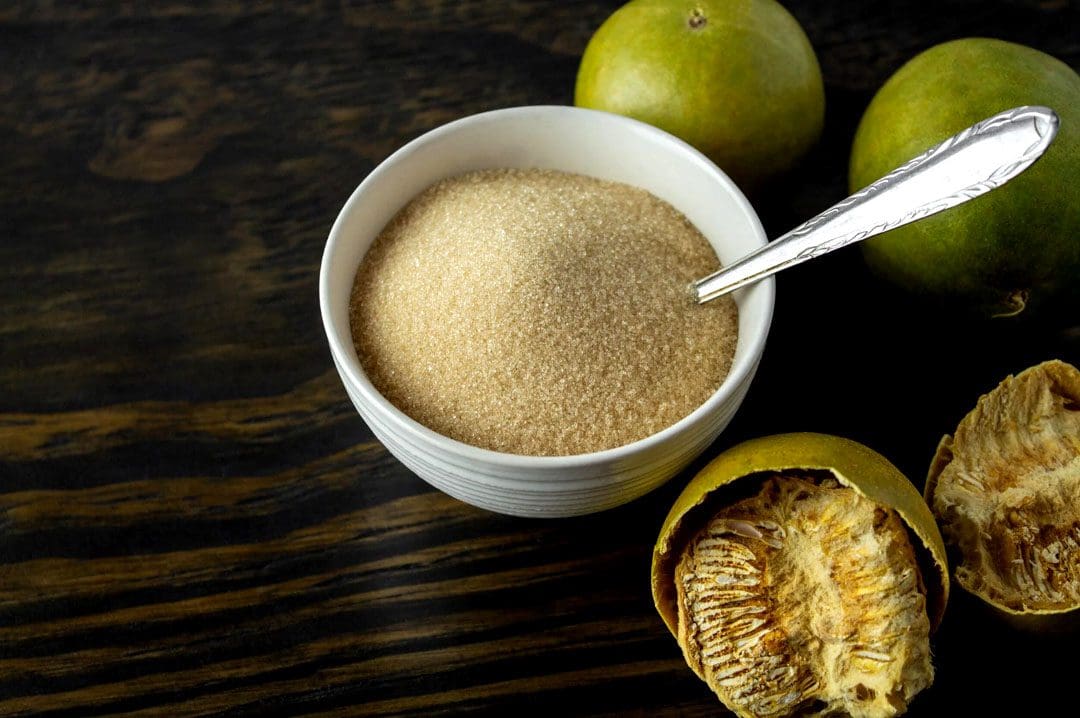
As individuals try to avoid sugar as best as possible, alternative sweeteners are becoming more popular. A new addition is monk fruit sweetener, also called monk fruit extract. Monk fruit is a small, round fruit native to southern China. Unlike some chemically based sugar alternatives, monk fruit extract is considered natural. The sweetener has been around for decades but has become more available in the United States. The zero-calorie extract can be used as a standalone sweetener in foods and drinks and as a flavor enhancer.
Monk Fruit Sugar Alternative
Manufacturers remove the seeds and skin, crush the fruit, and extract the juice, which is then dried into a concentrated powder. Unlike most fruits, the natural sugars in monk fruit are not what gives it its sweetness. Instead, the intense sweetness comes from antioxidants (commonly found in plant foods, antioxidants fight off free radicals that can cause health problems like cancer and heart disease) called mogrosides. The mogroside is the sweetest part of the fruit, with a taste over 100 times sweeter than sugar and no calories.
Safe For Consumption
Monk fruit has the generally recognized as safe -GRAS label from the U.S. Food and Drug Administration with no reported side effects. However, it is advised to read the ingredients label before buying this sweetener. Some of the cheaper products combine other sweeteners with monk fruit extract. Some contain erythritol, a sugar alcohol that can cause stomach bloating or upset stomach.
Use
It has been found to be a healthy option for lowering overall sugar intake. However, consuming monk fruit or any sweetener should be done in moderation and with a healthy nutrition plan. It comes in powder or liquid form. As a natural alternative, it can be used:
As s sugar substitute for favorite baking, cooking, soup, sauce recipes, etc.
For drinks like coffee, tea, lemonade, smoothies, etc.
Added on breakfast dishes like oatmeal or yogurt.
Whipped into frosting or a mousse.
The ultra-sweetness means that little is required as it goes a long way. It is recommended to drink regular water or tea and eat foods without the sweetener because, over time, the taste buds adjust and do not need the sweetener as much. Consult a doctor, dietician, or nutritionist to determine if this sugar alternative is right for you and the benefits.
What Is It?
References
Chen, W J et al. “The antioxidant activities of natural sweeteners, mogrosides, from fruits of Siraitia grosvenori.” International journal of food sciences and nutrition vol. 58,7 (2007): 548-56. doi:10.1080/09637480701336360
EFSA Panel on Food Additives and Flavourings (FAF) et al. “Safety of use of Monk fruit extract as a food additive in different food categories.” EFSA journal. European Food Safety Authority vol. 17,12 e05921. 11 Dec. 2019, doi:10.2903/j.efsa.2019.5921
Lobo, V et al. “Free radicals, antioxidants, and functional foods: Impact on human health.” Pharmacognosy reviews vol. 4,8 (2010): 118-26. doi:10.4103/0973-7847.70902
Pawar, Rahul S et al. “Sweeteners from plants–with emphasis on Stevia rebaudiana (Bertoni) and Siraitia grosvenorii (Swingle).” Analytical and bioanalytical chemistry vol. 405,13 (2013): 4397-407. doi:10.1007/s00216-012-6693-0
Chiropractors understand the need to treat the whole body to reduce and alleviate pain. Many types of pain are caused by inflammation. Inflammation is a natural and healthy response to injury; however, chronic inflammation is not. Low-grade chronic inflammation can lead to health problems like obesity, diabetes, arthritis, dementia, heart disease, stroke, and cancer. If not treated, chronic inflammation can spread throughout the body, causing pain and aggravation. When it comes to nutritional health, the foods can worsen chronic pain. Chiropractors and doctors recommend an anti-inflammation diet for chronic pain.
Anti-Inflammation Diet
When the body gets injured, the nervous system sends signals to the immune system to send chemicals and new red and white blood cells needed for healing. The immune system works correctly when it fights infection by activating when the body recognizes anything foreign entering the system. This could be plant pollen, chemicals, or invading microbes. Studies show that individuals get 50 percent of their calories from sugar, white flour, vegetable oil, and industrial seed oils. These foods are known to increase inflammation in the body. Eating foods that trigger the immune system, like refined white flours or sugar, creates inflammation that does not turn off because the information sent constantly signals an injury exacerbating inflammation and pain.
Foods That Cause Inflammation
The following foods should be avoided or limited as much as possible:
Sugary beverages and soda drinks.
Margarine and lard.
Gluten and white pasta.
Refined carbohydrates in white bread and pastries.
Processed meat like sausages and hot dogs.
Red meat like steaks and burgers.
Fried foods that are high in trans fats, like chips and fries.
Excessive alcohol.
Some of these foods have been associated with chronic diseases that include:
Foods high in natural antioxidants include apples and blueberries. Antioxidants are reactive molecules that can reduce the number of free radicals in the diet. A free radical is a molecule that has the potential to alter and damage the cells in the body. Damaged cells increase the risk of disease development.
Chiropractic Inflammation Relief
Chiropractic physiotherapy strengthens the body by strengthening the immune system removing any blockage. This maintains the natural flow of blood and nutrients throughout the body, increasing the immune system’s defense. Changing to an anti-inflammation diet can help boost the immune system but can be a challenging adjustment. Discuss available options to manage pain relief and inflammation.
Body Composition
Muscle Is Not Just For Athletes
Many individuals think that muscle gain is only necessary for athletes. Not everyone wants to be muscular, but everyone needs to be able to fight off sickness from infection/s. Muscle is made up primarily of water and protein. Protein is an essential macronutrient that the body needs to function correctly. When the body enters a stressed state like becoming sick, the body’s protein demands suddenly increase up to four times the amount usually required. If the body does not get the necessary protein from the food, it will begin to take what it needs from the muscles and start breaking them down. If muscles aren’t sufficiently developed or underdeveloped, the body becomes reduced in its ability and strength to fight off infections and increases the chances for future ones.
References
Haß, Ulrike et al. “Anti-Inflammatory Diets and Fatigue.” Nutrients vol. 11,10 2315. 30 Sep. 2019, doi:10.3390/nu11102315
Owczarek, Danuta et al. “Diet and nutritional factors in inflammatory bowel diseases.” World journal of gastroenterology vol. 22,3 (2016): 895-905. doi:10.3748/wjg.v22.i3.895
Sears, Barry. “Anti-inflammatory Diets.” Journal of the American College of Nutrition vol. 34 Suppl 1 (2015): 14-21. doi:10.1080/07315724.2015.1080105
If you are experiencing any of these situations, then you might want to try astaxanthin.
The body needs specific vitamins, minerals, and supplements from food, in order to function correctly. The variety of these nutrients can be found in healthy foods like fruits, vegetables, lean meats, and whole grains are precisely what the body needs. One of the essential nutrients that the body needs is antioxidants. Antioxidants help the body get rid of free radicals that can cause the body to become overly stressed and leading it to develop chronic illnesses. There is an antioxidant that can help the body and can be found in berries and pomegranates, and it is called astaxanthin.
Astaxanthin
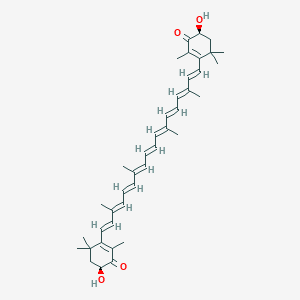
Astaxanthin is a xanthophyll carotenoid that can be found in various microorganisms and marine animals. Astaxanthin is common for humans to apply and consume into the body while also being different. This red, fat-soluble pigment is quite different from the other kinds of food that contain carotenoids. Astaxanthin surprising does not contain vitamin A like all the other food containing carotenoids, and astaxanthin is an impressive antioxidant. Studies have shown that astaxanthin can not only be beneficial for the eyes but can provide nutritional support as well as having potential health-promoting effects in preventing and treating various diseases that can harm the body. Some of the various diseases that can harm the body when there is an excessive amount of free radicals can include:
Various cancers
Chronic inflammatory diseases
Metabolic syndrome
Diabetes
Gastrointestinal diseases
Another study found that astaxanthin was superior to fish oil due to astaxanthin having the ability to enhance the body’s immune response and thus lowering the risk of vascular and infectious diseases that can harm the body, causing it to dysfunction.
A Powerful Antioxidant
There are some fantastic beneficial properties that astaxanthin can provide for the body and help improve the body�s systems as well.
Astaxanthin is a powerful antioxidant since various chronic diseases are rooted in a disproportionate balance of reactive oxygen and nitrogen species to antioxidants. Studies have shown�that astaxanthin has been known to scavenge free radicals more effectively out of the body than beta-carotene. There was another study showing how the body�s DNA was damage due to low plasma 8 -OHdG (8-hydroxy-2′-deoxyguanosine) levels.
Boosts the Immune System
The publication of the immunomodulatory effects of astaxanthin is not getting enough attention as they should be. A test study has reported that dietary astaxanthin was able to stimulate mitogen-induced lymphocyte proliferation. This will help increase the natural killer cell cytotoxicity and even delay the hypersensitivity response in the body while also increasing the numbers of total T and B cells in the peripheral blood in the body. Another study showed how astaxanthin could help significantly enhanced lymphocyte proliferation in vitro and ex vivo. The studies also found that astaxanthin can be consumed in high concentrations without the risk of cytotoxicity.
Controls Glucose and Lipids
Surprisingly there has been new research that has been revealing about another unique but vital role that astaxanthin has. The studies show that it can modulate peroxisome proliferator-activated receptors or PPARs. What this function does is that it may have various applications in human health, including producing glucose and lipid homeostasis. Since PPARs are members of the nuclear hormone receptors in the body, they are a superfamily that plays roles in the expression of many genes that are regulating cellular differentiation and many other functions in the body.
There are at least three subtypes of PPARs that helps the major organs and help the metabolism of glucose and lipids. PPAR? can primarily be expressed in the liver, kidney, heart, and skeletal muscle, where it can be involved in lipid metabolism and insulin sensitivity to the body. Another subtype of PPARs is PPAR?, which plays a role in glucose and lipid homeostasis but also is the site of action in the adipose tissue in the body. When astaxanthin is being involved, astaxanthin is a PPAR? agonist but can act as either an agonist or antagonist to PPAR? receptors. Studies have found that PPAR? agonist and PPAR? antagonist in astaxanthin can decrease cholesterol and triglycerides in loaded HepG2 cells, while changing several enzymes expressions that are being involved in lipid and glucose metabolism pathways, thus resulting in a hypolipidemic effect in the body.
Exercise Enhancement
Surprisingly astaxanthin can be used to prevent exercise-induced free radical production and is a lesser-known application. Astaxanthin can enhance exercise performance and even improve the recovery process. The increase in the reactive oxygen and nitrogen species or RONS are being produced during an exercise regime is deleterious to the health. It is often combated with a matching increase in the endogenous antioxidant enzymes. However, when a person is doing excessive exercises, it can cause RONS to rise above the body’s natural capacity to eliminate them. This will cause an increased risk of oxidative damage in lipids, protein, and DNA molecules. In a review study, it showed the ability of astaxanthin to squelch the RONS generating during exercising. It reported that the antioxidant effects of astaxanthin could provide a variety of benefits to athletes.
Conclusion
Astaxanthin is a powerful immunomodulatory antioxidant that can support numerous biological pathways that are in the body. It can dampen the effects of a variety of chronic diseases and illnesses that can harm the body. Astaxanthin is useful for being a therapeutic and powerful nutraceutical while also being an excellent addition for someone who needs supplements to support their general health and well-being. Some of the products here are beneficial to the body as they help support the immune system while providing more excellent stability.
The scope of our information is limited to chiropractic, musculoskeletal, and nervous health issues or functional medicine articles, topics, and discussions. We use functional health protocols to treat injuries or disorders of the musculoskeletal system. Our office has made a reasonable attempt to provide supportive citations and has identified the relevant research study or studies supporting our posts. We also make copies of supporting research studies available to the board and or the public upon request. To further discuss the subject matter above, please feel free to ask Dr. Alex Jimenez or contact us at 915-850-0900.
References:
Ambati, Ranga Rao, et al. �Astaxanthin: Sources, Extraction, Stability, Biological Activities and Its Commercial Applications–a Review.� Marine Drugs, MDPI, 7 Jan. 2014, www.ncbi.nlm.nih.gov/pmc/articles/PMC3917265/.
Brown, Daniel R, et al. �Astaxanthin in Exercise Metabolism, Performance and Recovery: A Review.� Frontiers in Nutrition, Frontiers Media S.A., 18 Jan. 2018, www.ncbi.nlm.nih.gov/pmc/articles/PMC5778137/.
Brown, Daniel R, et al. �Astaxanthin in Exercise Metabolism, Performance and Recovery: A Review.� Frontiers in Nutrition, Frontiers Media S.A., 18 Jan. 2018, www.ncbi.nlm.nih.gov/pmc/articles/PMC5778137/.
Choi, Chang-Ik. �Astaxanthin as a Peroxisome Proliferator-Activated Receptor (PPAR) Modulator: Its Therapeutic Implications.� Marine Drugs, MDPI, 23 Apr. 2019, www.ncbi.nlm.nih.gov/pmc/articles/PMC6521084/.
Lin, Kuan-Hung, et al. �Astaxanthin, a Carotenoid, Stimulates Immune Responses by Enhancing IFN-? and IL-2 Secretion in Primary Cultured Lymphocytes in Vitro and Ex Vivo.� International Journal of Molecular Sciences, MDPI, 29 Dec. 2015, www.ncbi.nlm.nih.gov/pmc/articles/PMC4730289/.
Park, Jean Soon, et al. �Astaxanthin Decreased Oxidative Stress and Inflammation and Enhanced Immune Response in Humans.� Nutrition & Metabolism, BioMed Central, 5 Mar. 2010, www.ncbi.nlm.nih.gov/pmc/articles/PMC2845588/?report=reader.
Team, DFH. �Applications of the Antioxidant, Astaxanthin.� Designs for Health, 27 June 2019, blog.designsforhealth.com/node/1047.
Yuan, Jian-Ping, et al. �Potential Health-Promoting Effects of Astaxanthin: a High-Value Carotenoid Mostly from Microalgae.� Molecular Nutrition & Food Research, U.S. National Library of Medicine, Jan. 2011, www.ncbi.nlm.nih.gov/pubmed/21207519.
The University offers a wide variety of medical professions for functional and integrative medicine. Their goal is to inform individuals who want to make a difference in the functional medical fields with knowledgeable information that they can provide.
On the left: regular green tea. On the right: microwave boosted. Not that you can tell from the picture.
It�s been a rough news week, and it�s only Wednesday. Fortunately, though, today�s raging controversy is about tea. Is it okay to microwave it? Is it better to microwave it? Australian research says yes, while tea aficionados worldwide recoil in horror.
�The claim, broadcast on ABC Radio Sydney, is that you can extract slightly more antioxidants (specifically catechins) if you pop the tea in the microwave while it�s steeping. Quan Vuong and his team at the University of Newcastle in Australia have been comparing different ways of steeping green tea, and in a 2012 paper they describe a method that gets you more of the good stuff than your typical method, but is still practical to do at home. The news article gets the procedure a little mixed up, but here is what the scientific paper describes:
Boil water, and pour it over your tea bag. Steep at least 30 seconds.
Put the cup (with teabag) into the microwave for one minute at half power, or whatever power setting will get you 500 watts.
When you remove the tea bag, dunk it up and down ten times and then squeeze it out.
The idea is to help people get the health benefits of green tea, without having to guzzle five or more cups a day. Regular brewing can extract 62 percent of the tea leaves� catechins and 76 percent of the caffeine. The microwave boost gets you up to 80 and 92 percent. That�s not a huge difference, but hey, it�s something.
So how does it taste? I brewed two cups of plain green tea, letting one steep for three minutes and doing the microwave protocol, which took about three minutes anyway. I dunked and squeezed both tea bags as I removed them.
They tasted almost identical, although I could detect a little more of a bitter and astringent taste in the one that had been microwaved. Vuong and crew write in their paper that tea brewed this way can be a little stronger, so you may want to use a flavored green tea instead of a plain one, to cover up any tastes you don�t like.
One problem: I don�t love green tea. And a lot of the British outlets reporting on this study are probably with me on that. Black tea is probably what they�re thinking of. So I brewed some more tea for science, this time a mango-chili flavored black tea. Again, they were similar but the microwaved tea was slightly more bitter and astringent. It also had more of the chili flavoring, which was nice.
If you are fussy about how you prepare your black tea, you probably know that steeping it too long can make it bitter. Flavor-wise, this technique is just a quicker way to steep it too long. That said, it�s not bad. If you�re already the kind of person who steeps a teabag for more than five minutes, or who might even use the same teabag more than once (which my favorite fancy caf� actually recommends, so spare me the �how dare you�), you�ll like this just fine.
IFM's Find A Practitioner tool is the largest referral network in Functional Medicine, created to help patients locate Functional Medicine practitioners anywhere in the world. IFM Certified Practitioners are listed first in the search results, given their extensive education in Functional Medicine