Neck injuries are more common than people realize and can lead to mobility issues, affecting the head and shoulders. This is caused by herniated or compressed cervical discs, which can irritate spinal nerve roots. Neck muscles can also be injured, resulting in shoulder pain, stiffness, or headaches. Neck pain is the second most common problem after back pain. Poor posture, phone usage, and computer work can all contribute to neck pain, which can worsen over time if left untreated. Fortunately, therapies are available to gently stretch affected muscles and realign cervical discs, providing relief. Our article discusses how neck pain affects the body, factors related to anterior cervical compression, and how spinal decompression can alleviate neck pain. We work with certified medical providers who use our patients’ valuable information to provide cervical disc treatments for individuals with neck pain affecting their cervical spine and causing mobility issues. We encourage patients to ask essential questions and seek education from our associated medical providers about their condition. Dr. Jimenez, D.C., provides this information as an educational service. Disclaimer
How Does Neck Pain Affect The Body?
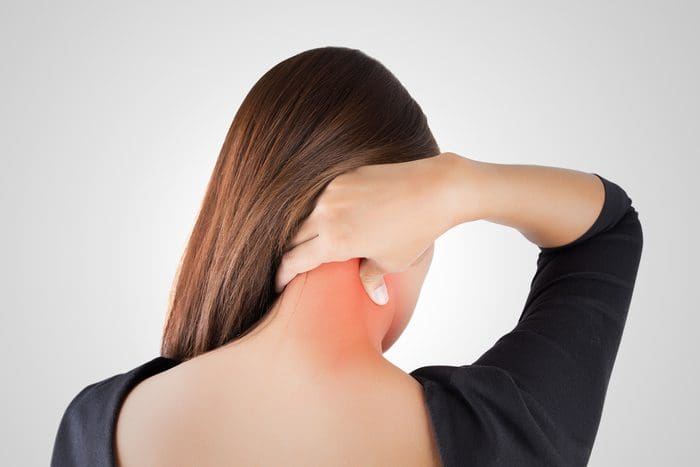
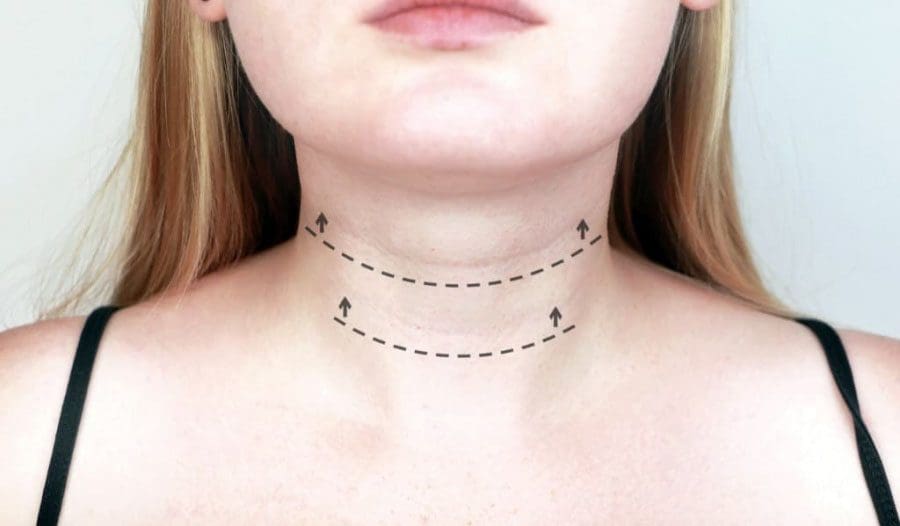
Are you experiencing muscle stiffness between your neck and shoulders? Do you feel discomfort when working for long periods in a hunched position? Or are you suffering from persistent headaches that won’t go away? These symptoms could be caused by neck pain associated with anterior cervical disc compression, a common issue affecting many people. Neck pain is the second most common pain-related problem after low back pain, and it carries corresponding risk profiles that can lead to its development. Research studies revealed that cervical disc herniation associated with neck pain can affect the upper body extremities, ranging from mild to severe symptoms. The spine has three regions: cervical, thoracic, and lumbar, which protect the spinal cord that branches out the nerve roots, allowing mobility and flexibility for the head, neck, and shoulders. When the cervical discs become herniated, they can aggravate the nerve roots, leading to numerous symptoms that can affect the surrounding muscles in the neck and shoulders. Further research studies have revealed that when the cervical intervertebral discs are compressed, they become a common source of neck pain, usually accompanied by neck stiffness and other overlapping risk profiles that can cause referred pain to the upper body extremities. Therefore, neck pain associated with anterior cervical disc compression can become an issue when multiple environmental factors are involved.
Factors Associated With Anterior Cervical Compression To The Neck
Neck pain caused by anterior cervical compression can be due to numerous factors such as poor posture, degenerative disc disease (DDD), spinal stenosis, constantly looking down at a cell phone, being in a hunched or slouched position at work, and repetitive lifting of heavy objects. When individuals engage in repetitive motions that strain the neck, it can result in cervical compression that affects the nerve roots, causing abnormal neuron signals and shoulder or neck pain, according to research studies. This can also lead to overlapping risk profiles, causing referred pain to the upper extremities and somato-visceral pain. Additionally, anterior cervical compression can affect the cardiovascular system, resulting in unwanted symptoms like headaches and neck stiffness, causing significant discomfort.
Chiropractic Recovery Testimony-Video
Are you experiencing frequent headaches or stiffness between your shoulders and neck? Do you feel pain when stretching your neck from side to side? These symptoms may be related to anterior cervical compression in your cervical spine, which can cause herniation of the spinal disc and affect the nerve roots within muscle and tissue fibers. This can lead to referred pain in the neck and shoulder regions. Fortunately, there are various ways to alleviate pain and stiffness in the neck and treat chronic conditions associated with cervical disc herniation. Non-surgical treatments like chiropractic care can relieve neck and shoulder pain caused by cervical disc herniation. Combining non-surgical treatments with other therapies can prevent neck pain from recurring and improve posture. Chiropractic care can also alleviate referred pain caused by neck pain through manual and mechanical manipulation. Check out the video above for more information on non-surgical treatments for cervical disc herniation.
How Spinal Decompression Can Alleviate Neck Pain
Neck pain can be confusing because it can affect the shoulders and chest, leading to referred visceral-somatic pain. Fortunately, many treatments are available to alleviate neck pain and its associated symptoms. According to “The Ultimate Spinal Decompression” by Dr. Eric Kaplan, D.C., FIAMA, and Dr. Perry Bard, D.C., unwanted pressure on the cervical spinal disc can cause damage and ongoing pain by pressing the nerve root. If this happens, some people choose anterior cervical discectomy, which involves a small incision in the neck to remove the damaged disc and relieve pressure on the nerve root. Others opt for spinal decompression if the disc is herniated and aggravates the nerve root in the cervical spine region.
Studies have shown that spinal decompression can help ease neck and shoulder pain by gently stretching the spine through traction. This allows the herniated disc to be pulled back to its original position, relieving pressure on the affected nerve root and muscles. Spinal decompression is a safe and non-invasive treatment option that can be combined with other non-surgical therapies. It is also cost-effective and can benefit individuals who incorporate it into their health and wellness plans.
Conclusion
Neck pain is commonly caused by cervical disc herniation, leading to discomfort in the upper extremities around the neck. Repetitive motions associated with normal activities, such as poor posture, phone usage, and desk work, can also contribute to neck pain. Fortunately, non-surgical treatments like spinal decompression are available. This gentle technique uses traction to stretch the spine and alleviate pain from disc herniation, making it a cost-efficient option. By combining spinal decompression with other therapies, individuals can prevent the recurrence of neck pain and enjoy a pain-free life.
References
Kaplan, E., & Bard, P. (2023). The Ultimate Spinal Decompression. JETLAUNCH.
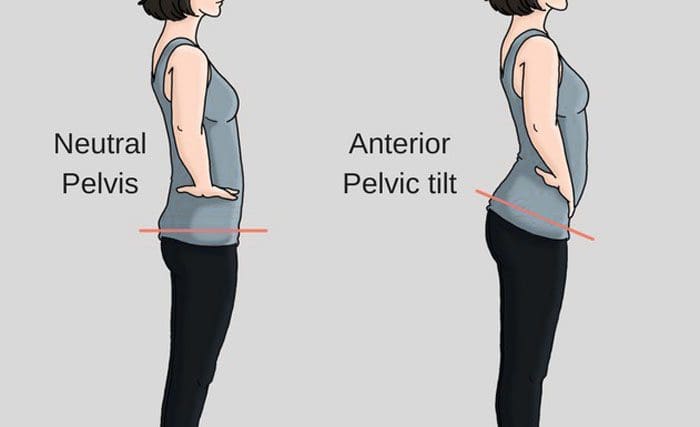
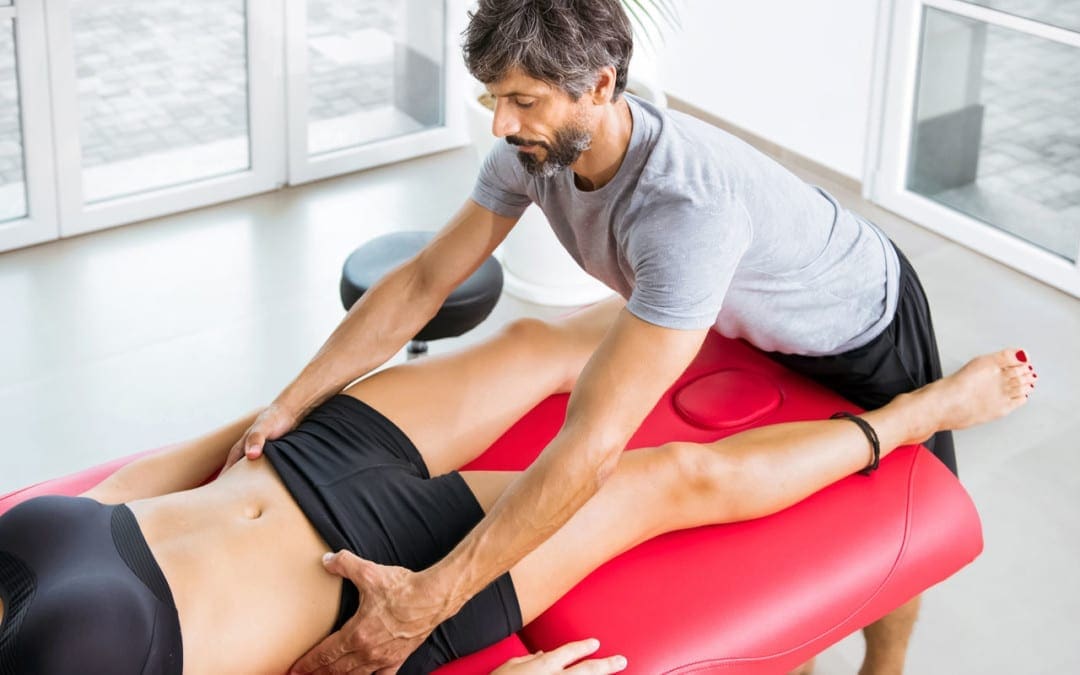
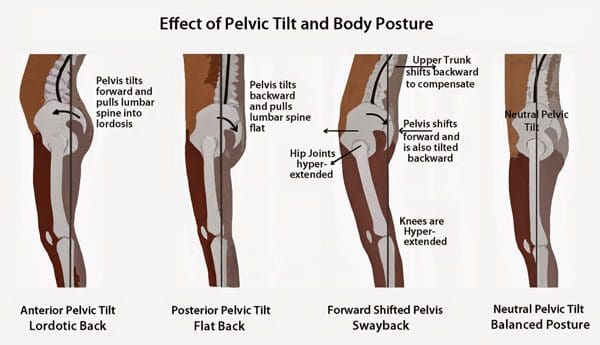
APT is short for anterior pelvic tilt. APT is when the pelvis tilts more down than forward, which can cause strain on the surrounding muscles and the spine to hold the torso up. The body’s own anatomical structure causing the condition and/or part of a bad habit that an individual has grown accustomed to. This can be from injury/s, back, and/or hip pain causing an individual to take on awkward postures to compensate for the discomfort and try and avoid it. However, these unhealthy postures cause their own set of musculoskeletal problems. Addressing this form of poor posture can help reduce and alleviate low back and hip pain and prevent further injuries. Chiropractic can pinpoint an anterior pelvic tilt and fix it.
Anterior Pelvic Tilt
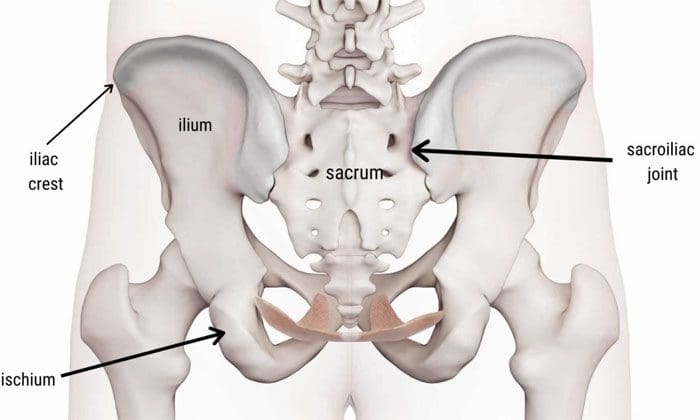
What happens is the pelvis becomes tilted or rotated forward. Place the hands, specifically the fingertips, on the hips. There are bone ridges. These are the iliac crests. If they’re facing more toward the ground than directly forward, this could be an anterior pelvic tilt. It usually happens when the hip flexors become tight and pull the pelvis down. Another contributor is the glute and hamstring muscles have weakened and are not strong enough to counteract the forward pulling. This can be caused by sitting for long periods, poor posture, and for women who wear high heels regularly. These contribute to tightening the hip flexors and the glutes, hamstrings, and core muscles.
An anterior pelvic tilt causes an increase in the curve of the lower back. It can feel like the hip flexors are tightening up. It typically affects the lower back at the lowest two levels, which are L4-5 and L5-S1. There can be long-term issues if an anterior pelvic tilt is left untreated. The spine becomes more vulnerable to disc issues that can include:
An anterior pelvic tilt is a repairable condition. Several exercises can help loosen/relax the hip flexors and strengthen the core and posterior muscle chain. This in addition to walking and reducing wearing high heels regularly. A few exercises for anterior pelvic tilt.
The Tail Tuck
This is literally trying to tilt the tailbone forward, like tucking in an imaginary tail. This can be done for 10-12 reps and up to 3 times.
Plank
Core-strengthening exercises can help with all types of back and hip problems. If possible, do the exercises in front of a mirror to ensure no arching of the back or the butt sticking out. If it is too difficult on the hands, go to the elbows. If there are wrist or shoulder issues, planks can be done on a raised surface, like a table or couch. Hold as long as possible, maintaining proper form. Start with 10-30 seconds and build up to minutes.
Strengthening the Glutes
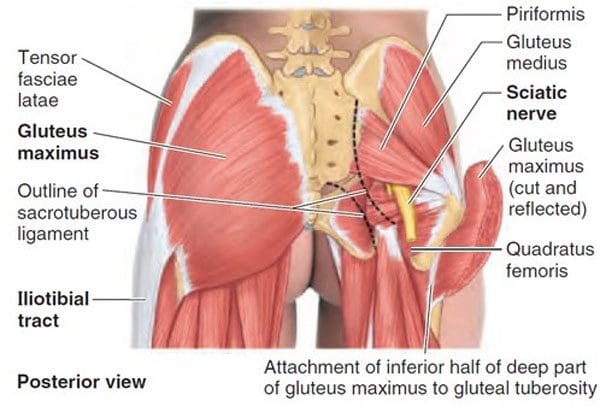
It is recommended to strengthen the glute muscles. This can be done with exercises like clams or side-stepping with resistance bands. For clams, lie on the side and raise each leg up and down 10-12 times, up to 3 sets. For side-stepping, place resistance bands around the ankle/shin area and step to the side for 8-10 steps. Then go the other direction for the same number of steps. Repeat up to 3 sets.
Hip Flexor Stretch
Lunge forward while standing or lunge and kneel with the other leg on the ground. Then move the torso back a little and engage the core to stretch the hip flexors in the front of the thigh/pelvis area. Hold for 30 seconds, then release. Repeat 3-5 times per leg.
Lifestyle
These exercises can help, but if there is no progress around a month, contact a qualified chiropractor or physical therapist for further instruction and supervision. Also, if any neurological symptoms present like:
Sciatica
Shooting pain
Numbness
Tingling
Weakness
See a doctor as soon as possible.
Fixing posture-related problems require individuals to learn to be posture aware along with making some lifestyle adjustments. One way to do these exercises is to tack them onto a workout. Also, set reminders on a calendar to get up, stretch, and move around if sitting most of the day.
Body Composition Health
Difference between Processed sugar and Natural sugar
There are different types of sugar. There are natural sugars that are found in:
Fruits
Vegetables
Nuts
Whole grains
Beans
All sugar is broken down into glucose. However, foods that contain natural sugar are also rich in nutrients, including:
Vitamins
Minerals
Fiber
Protein
All which the body requires for optimal health.
Natural sugar does not lead to excess sugar intake; it happens with processed sugar. Processed sugar is extracted from sugarcane or sugar beet and is normally found as sucrose. This is present in cakes, cookies, cereal, and beverages. Processed sugar is also hidden in foods that are not sweet, like:
Microwave meals
Spaghetti sauce
Low-fat yogurt
Ketchup
Sports drinks
Foods that contain processed sugar are an energy source, but they contain little or no nutrients and can cause blood sugar levels to spike. In addition, consuming too much sugar is linked to an increased risk of:
Diabetes
Accelerated aging
Weight gain
Research has found that added sugar contributes to around 17% of the total calorie intake for adults. The recommended daily amount of calories from added sugar is 10%.
References
Azaïs-Braesco, Véronique et al. “A review of total & added sugar intakes and dietary sources in Europe.” Nutrition journal vol. 16,1 6. 21 Jan. 2017, doi:10.1186/s12937-016-0225-2
Centers for Disease Control and Prevention (CDC). (May 2020) “Acute Low Back Pain” https://www.cdc.gov/acute-pain/low-back-pain/index.html
National Institute of Neurological Disorders and Stroke. (March 2020) “Low Back Pain Fact Sheet” https://www.ninds.nih.gov/Disorders/Patient-Caregiver-Education/Fact-Sheets/Low-Back-Pain-Fact-Sheet
Orlando Health. (2019) “Bad Posture Often to Blame for Chronic Pain and Health Issues, But Survey Finds Too Few Americans Are Concerned” https://www.orlandohealth.com/content-hub/bad-posture-often-to-blame-for-chronic-pain-and-health-issues
Few individuals realize they have problems with their feet. Flat feet can cause anterior or posterior pelvic tilt. This is a condition where the pelvis tilts too far forward or too far backward. Individuals can go through their entire life without realizing they have some type of foot issue. This can cause poor support in the lumbar spine generating back problems and chronic illness. The problem with foot issues is that it can set-up a chain of physiological deficiencies. This can include:
Many accept these health issues as part of their normal physiology. However, flat-feet and other related musculoskeletal issues can be identified and corrected with proper support. Custom FootOrthotics for the foot issue/s and chiropractic alignment for the whole-body. Based on the assessment of the spinal curvature and posture of the individual, a chiropractor will be able to determine to what degree the pelvic tilt and foot problem/s need to be corrected.
Foot Orthotic Support
How orthotics function to promote proper posture and alleviate back pain works like this.
First, immediate support to the feet that are weakened, unbalanced, and lack physiological strength is provided. This generates proper posture and balance all the way up the spine.
Second, the feet are able to remodel themselves over time as they become accustomed to the new support.
Pelvic Tilt Identification
Chiropractors utilize orthotics when correcting anterior or posterior pelvic tilt. This is because the conditions are the direct result of a poor/weakened foundation. When there is little or no natural arch of the foot there is no support for the:
The lower body needs this support from these various muscle groups with many in the lower back. This causes strain on these muscles and causes pelvic and potential spinal misalignment. Depending on the progress of the tilt/misalignment and posture, will aid a chiropractor to determine the best treatment approach.
Rebuilding
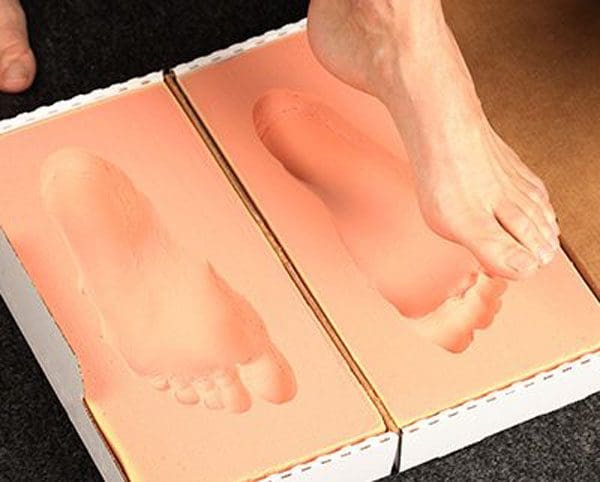
Chiropractic adjustments will be able to restore the lumbar support that was weakened or lost from foot issues. A chiropractor will go to the source or root of the problem. Foot orthotics can be a primary tool for re-training the feet for proper support. These orthotics are custom modeled to an individual�s feet.
This promotes spinal and pelvic wellness combined with the right amount of support required for each foot. Over time, and as the feet remodel themselves the custom orthotics can also be remodeled allowing for continuous improvement. With time it�s possible for many to accomplish the restoration of the body’s musculoskeletal health. These include:
Strengthened foot arches
Stress and muscle tension alleviation
A re-trained proper lower back support
Restoration of proper spinal curvature
Correct and retrain anterior/posterior pelvic tilting habits
Custom Foot Orthotics
Foot orthotics require no effort. An individual just puts them in their footwear and done. The orthotics do the work for the individual when standing, walking, or running. If diagnosed with a pelvic tilt condition or are unsure if there is a tilt, contact a chiropractor about the benefits of foot orthotics.
Benefits of Functional Foot Orthotics
Dr. Alex Jimenez�s Blog Post Disclaimer
The scope of our information is limited to chiropractic, musculoskeletal, physical medicines, wellness, and sensitive health issues and/or functional medicine articles, topics, and discussions. We use functional health & wellness protocols to treat and support care for injuries or disorders of the musculoskeletal system. Our posts, topics, subjects, and insights cover clinical matters, issues, and topics that relate and support directly or indirectly our clinical scope of practice.*
Our office has made a reasonable attempt to provide supportive citations and has identified the relevant research study or studies supporting our posts. We also make copies of supporting research studies available to the board and or the public upon request. We understand that we cover matters that require an additional explanation as to how it may assist in a particular care plan or treatment protocol; therefore, to further discuss the subject matter above, please feel free to ask Dr. Alex Jimenez or contact us at 915-850-0900. The provider(s) Licensed in Texas& New Mexico*
References
Betsch, Marcel, et al. �Influence of foot positions on the spine and pelvis.� Arthritis care & research�vol. 63,12 (2011): 1758-65. doi:10.1002/acr.20601
Anterior cervical discectomy and fusion (ACDF)�is a procedure that treats chronic neck conditions and is the most common spinal surgery performed in the U.S.�30 percent of Americans a year experience neck pain, chronic neck pain and radiculopathy or pain that spreads out and radiates to other parts of the body, in this case down the arms.
It�s a procedure that can work wonders, but as many as two-thirds of patients continue to manage neck pain and dysfunction after ACDF. One of the best ways of managing neck pain and dysfunction is to exercise. Research shows that a prescribed exercise program right after surgery can help lessen the pain and create less dependence on medications. A 2020 study published in SPINE suggests that patients that began therapeutic exercises right away had better results than individuals that started an exercise program after the six-week checkup/examination.
What Anterior Cervical Discectomy Fusion Treats
The procedure is performed on individuals with degenerative disc disease or a bulging or herniated disc. These conditions can cause the spinal disc to place pressure on the spinal cord and nerve roots that branch out, creating:
Numbness
Tingling
Pain
Weakness in one or both arms
Most individuals that are recommended to undergo the surgery experience symptoms that don�t respond to non-surgical therapies or medication/s. A significant symptom is hand/arm weakness and arm pain that�s worse than the neck pain.
ACDF Surgery
The ACDF procedure is broken into two parts: a discectomyand a fusion. Anterior means in front and in this case it’s the front of the neck that the surgeon accesses the damaged discs.�In a discectomy, the surgeon removes a portion/s or all of an intervertebral disc/s to release the pressure on the nerves. The fusion part fuses the two vertebrae together. This eliminates the painful movements. A bone graft is inserted between the vertebrae at the spot where the disc was removed. The bone graft serves as a structural scaffold that the body uses to build new tissue and cause the vertebrae to grow together.
The graft can come from three sources:
Your own bone called an autograft, this is usually a piece of bone from the pelvis just above where the front jean pocket would be.
Bone donation called an allograft that comes from a cadaver from a bone donor bank.
Substitute material/s like man-made plastic, ceramic, or bioresorbable compounds.
Home Exercise Program
There are those that are of the opinion to hold off on physical therapy or exercise until about six weeks post-ACDF when recovery is established. However, the study suggests it is more effective to begin a home exercise program (HEP) as soon as possible. At this time telemedicine is the replacement for in-person physical therapy sessions but works just as well. The study examined 28 individuals’ outcomes over 12-months post-operation.
The participants were divided into two groups:� Standard care and Early HEP. Both groups went through the standard postoperative care, along with medication, a cervical collar or neck brace, and restrictions of certain activities. The standard care group received physical therapy referral six weeks after surgery while the early HEP group was given a home exercise program to perform during the postoperative six-weeks.
This included walking and sleeping instructions and a range of motion/strengthening exercises. A cognitive-behavioral strategy was also given to help relax. The participants would phone-conference with a physical therapist on a weekly basis. Exercises increased in difficulty every two weeks, based on the therapists’ judgment. When compared to the standard care group, the early HEP group reported a reduction in short-term neck pain and were less likely to be using pain meds/opioids twelve months after their surgery.
Recovery Tips
Recovery time after ACDF surgery typically lasts about four to six weeks. If the bone graft was from the pelvis, there could be pain, soreness, and stiffness. To minimize discomfort, try not to sit or lie down for long periods. And remember to change position or take a quick short walk down the hall, to the kitchen, etc. every 20-30 minutes. If you are referred to physical therapy combine it with the home exercise program. The therapist will teach you exercises and proper form. Exercising ten minutes every day is far more effective than doing 45 minutes once a week.
Resuming normal activities gradually is crucial. No pain, no gain does not apply when recovering from ACDF surgery. Recovery exercises can feel great. However, pain and fatigue can sneak up the next day or the following week. Gradually easing back into daily activities can help avoid major setbacks. Work, shopping, house chores, childcare, and lawn care all fall into the activity category.
A recurrence of neck pain after recovery is normal. However,�discomfort can be minimized by taking a few precautions.
Use proper form when lifting
Keep objects close to the body
Keep the back flat as you lift
Maintain neutral neck position
Be aware of your posture when sitting, standing, walking, and sleeping
Gradually increase the exercise program
Don’t overdo it
Address underlying fear/anxiety
Fear of generating pain can cause tension and exacerbate or even create new pain symptoms
Stop smoking, as it has shown to impede the fusion and heighten the risk for complications
ACDF surgery can improve quality of life. Your surgeon is responsible for performing the procedure, it�s up to the individual to follow through with an exercise program and proper ergonomics for optimal results.
IFM's Find A Practitioner tool is the largest referral network in Functional Medicine, created to help patients locate Functional Medicine practitioners anywhere in the world. IFM Certified Practitioners are listed first in the search results, given their extensive education in Functional Medicine