Ankylosing spondylitis is an inflammatory arthritis that causes changes in posture that occur over time. Can exercise and maintaining spinal alignment help improve posture problems?
Ankylosing Spondylitis Posture Improvement
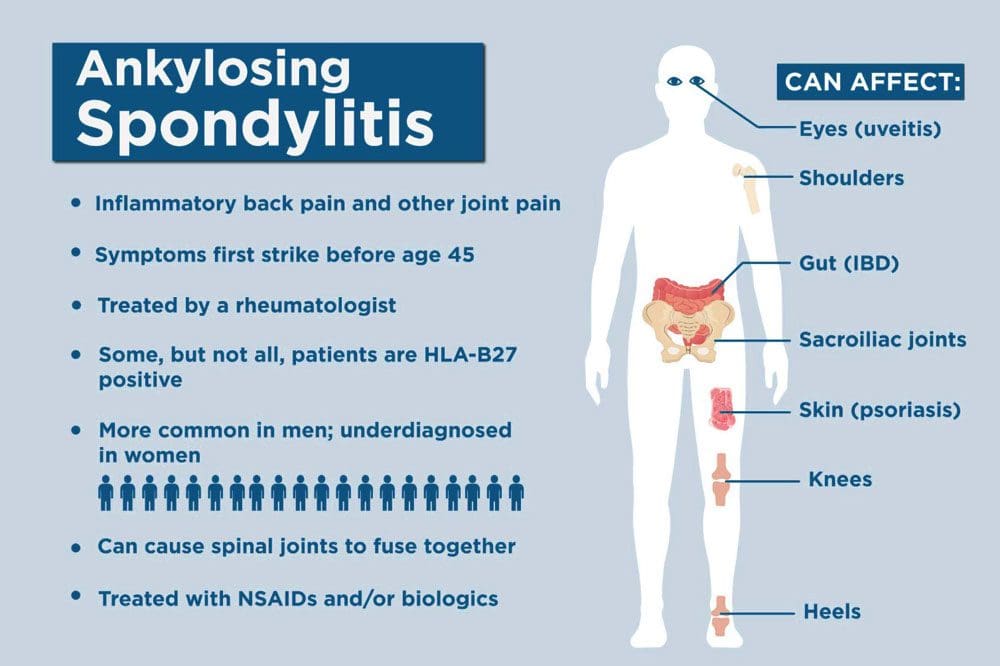
Ankylosing spondylitis/AS is an autoimmune arthritis that primarily affects the spine. It can also spread to other joints of the body and affect the internal organs. Back pain problems are a common side effect of the condition and depending on the severity of damage to the spine, it can have a serious impact on posture.
Affects Posture
The condition usually first affects the sacroiliac joints at the bottom of the spine where they attach to the pelvis. As the condition progresses it works its way to the upper spine. The spine consists of 26 vertebrae/bones stacked on top of each other.
Line up the ears, shoulders, hips, knees, and ankles in a straight line.
Squeeze the shoulder blades together and down toward the back pockets.
Relax the arms at the sides.
Look straight ahead.
Tuck the chin back slightly.
Sitting
The natural curves of the spine need support for proper posture when sitting. Try these tips when at a desk or at a table:
Position the height of the chair so the hips and knees are bent at 90-degree angles.
Place the feet flat on the floor or use a footstool based on chair height.
Place a lumbar support pillow or rolled-up towel behind the lower back.
Position the screen monitor at eye level to keep the upper back straight.
Keep the keyboard and mouse close to the body to prevent overreaching which can increase the rounding of the shoulders and upper back.
Lying Down
Ankylosing spondylitis can make lying down uncomfortable. To support the spine while lying down try to:
Sleep on a semi-firm mattress or type like memory foam to conform to the body.
Place a pillow between the knees to maintain a straight spine when lying on the side.
Use a specialized pillow to prevent placing the upper back in a rounded position.
Posture Exercises
For individuals with ankylosing spondylitis stretching and strengthening exercises can help improve body posture. Individuals are recommended to talk to their healthcare provider before beginning an exercise program.
Chin Tucks
Sit up straight.
Squeeze the shoulder blades together.
Rest the arms at your sides.
Look straight ahead, pull the chin back and in until the stretch is felt along the muscles of the neck.
Hold for three to five seconds and relax.
Repeat 10 times.
Corner Stretch
Stand facing a corner.
Raise the arms to shoulder height.
Place one forearm flat against each wall.
Stagger the feet.
Slowly shift weight over the front leg and lean in toward the corner.
Stop once the stretch is felt across the chest.
Hold for 10 to 20 seconds and relax.
Repeat three times.
Scapular Squeezes
Sit up straight with arms resting at the sides.
Squeeze the shoulder blades together like they are holding an object between them.
Hold for three seconds and relax.
Repeat 10 times.
Maintaining spinal alignment will help decrease back pain that occurs with AS.
Targeted exercises can help stretch tight muscles and strengthen the muscles responsible for maintaining spinal alignment.
Maintaining healthy posture when sitting, standing, and sleeping can help prevent deformities in the spine.
Regular physical activity can help combat stiffness and help maintain overall strength.
For an individualized exercise program, see a physical therapist or chiropractor on incorporating posture exercises to help prevent complications from developing.
Arthritis
References
National Institute of Arthritis and Musculoskeletal and Skin Diseases. Ankylosing spondylitis.
De Nunzio, A. M., Iervolino, S., Zincarelli, C., Di Gioia, L., Rengo, G., Multari, V., Peluso, R., Di Minno, M. N., & Pappone, N. (2015). Ankylosing spondylitis and posture control: the role of visual input. BioMed research international, 2015, 948674. https://doi.org/10.1155/2015/948674
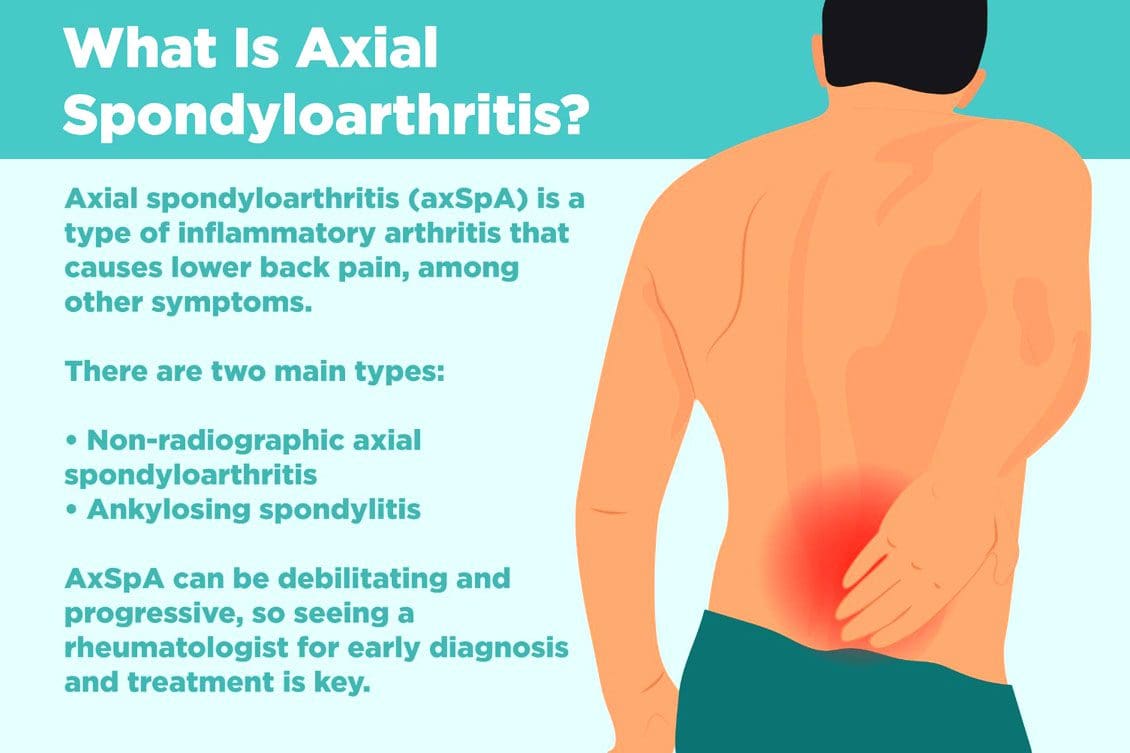
Non-radiographic axial spondyloarthritis or nr-axSpA and non-radiographic ankylosing spondylitis/AS are related. However, non-radiographic axial spondyloarthritis can present AS symptoms with active inflammation of the spine and sacroiliac/SI joints, causing back and hip pain but does not reveal joint damage on X-rays or MRIs. Injury Medical Chiropractic and Functional Medicine Clinic can explain what it means to have non-radiographic axial spondyloarthritis, how it can be managed, and what to do to prevent it from turning into ankylosing spondylitis.
Non-Radiographic Axial Spondyloarthritis
Non-radiographic axial spondyloarthritis means there are early AS symptoms but have not developed enough joint inflammation or damage to show up on an X-ray or other form of imaging. Early evidence of joint inflammation includes blurring of the joint edges and localized regions of joint erosion. It can be difficult for physicians to see these subtle changes on an x-ray.
Ankylosing Spondylitis
Ankylosing spondylitis, or AS, is a form of inflammatory arthritis that affects joints in the spine and elsewhere.
It is a chronic, inflammatory, autoimmune disease.
Medical research is still ongoing to determine the exact cause, but a genetic component is believed to be contributing factor.
Around 85% of individuals with ankylosing spondylitis have inherited the HLA-B27 gene, which is associated with multiple autoimmune conditions.
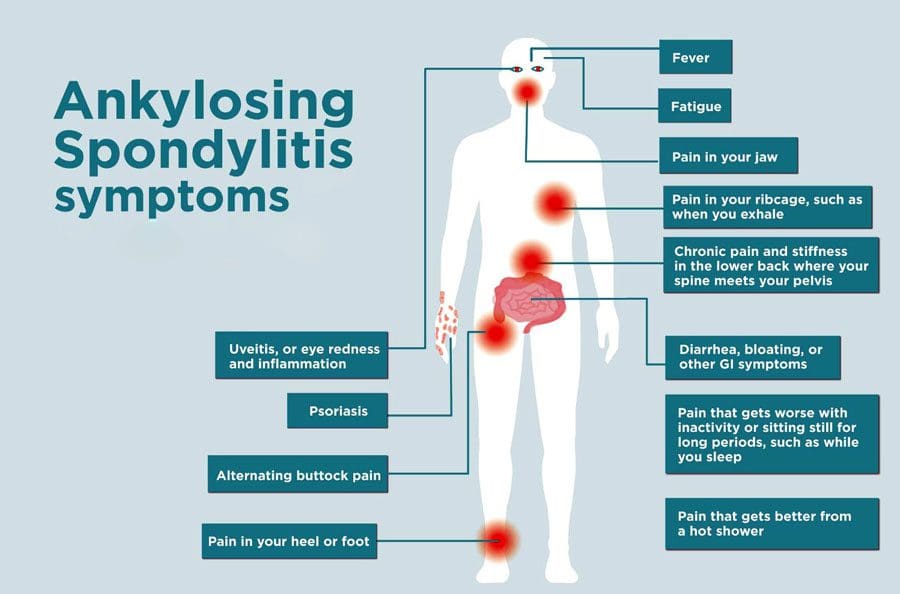
In the early stages, individuals will present lower back pain around the sacroiliac joints or the joints that connect the spine to the pelvis.
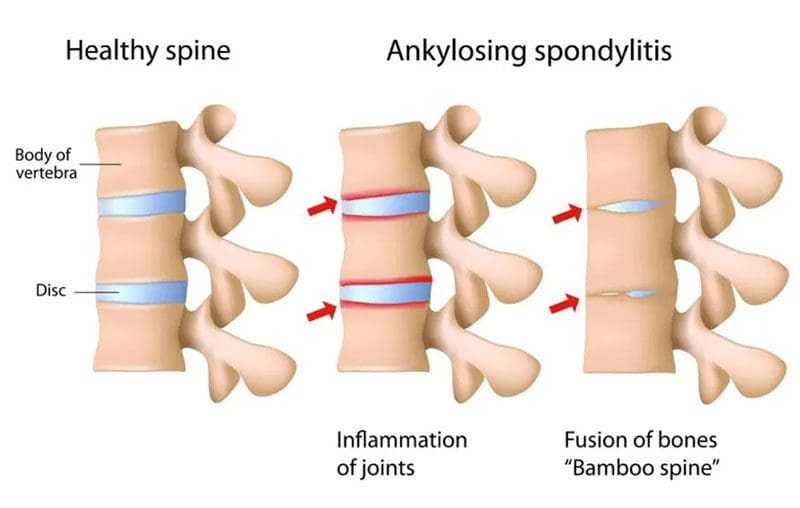
Later stages have more obvious X-ray findings, like the fusing of the sacroiliac joints and the lower spine that takes place over time.
Joint inflammation can progress, causing permanent joint damage and spine rigidity.
Most individuals with the condition can manage their symptoms with NSAIDs, chiropractic care, physical and massage therapy, and range of motion exercises.
Stage 1
There is no evidence of spinal inflammation on x-rays.
MRI provides more detailed images of bones and may reveal bone marrow edema or accumulation of fluid in the structures of the spinal bones and joints.
Individuals with non-radiographic axial spondyloarthritis, you are here.
Stage 2
There is visible inflammation of the spinal joints on the x-ray.
The sacroiliac joints between the spine and the pelvis are the most affected.
Stage 3
Chronic inflammation of the joints has caused bone loss and permanent joint damage, resulting in spine rigidity.
Symptoms of Non-Radiographic Axial Spondyloarthritis
There are differences between back pain associated with muscle strain and arthritis. Back pain symptoms include:
Starts to present before age 40.
It has a gradual onset and can go unnoticed for years.
Improves with movement or activity.
Eases up throughout the day.
Starts up in the evening when resting.
Other symptoms include:
Joint stiffness
Swollen fingers
Heel pain
Bilateral buttock discomfort and pain
Slowing Progression
Progression from non-radiographic axial spondyloarthritis to ankylosing spondylitis occurs in 10% – 20% of individuals over a two-year period. Progression factors include genetics, gender, degree of joint damage, and level of inflammatory markers at the time of diagnosis.
Early diagnosis and treatment can slow the progression before significant joint damage with anti-inflammatory therapy, rheumatological therapy, and targeted exercise.
Work with a specialist like an orthopedic spine specialist and rheumatologist that understands the disorder and is up to date on the most recent treatment modalities.
Individuals with non-radiographic axial spondyloarthritis should expect to have serial X-rays to gauge the progression of the disease.
Staying healthy and active is recommended to slow the progression of nr-AxSpA and AS.
Recent medical advances and lifestyle adjustments can slow the progression in most cases.
axSpA
References
Six tips for living well with ankylosing spondylitis. Available at https://www.mayoclinic.org/diseases-conditions/ankylosing-spondylitis/in-depth/6-tips-for-living-well-with-ankylosing-spondylitis/art-20478753. Accessed 11/07/2022.
Ankylosing spondylitis. Mayo Clinic. Available at https://www.mayoclinic.org/diseases-conditions/ankylosing-spondylitis/symptoms-causes/syc-20354808. Accessed 11/05/2022.
D. J. Pradeep, A. Keat, K. Gaffney, Predicting outcome in ankylosing spondylitis, Rheumatology, Volume 47, Issue 7, July 2008, Pages 942–945, https://doi.org/10.1093/rheumatology/ken195
Kucybała, Iwona, et al. “Radiologic approach to axial spondyloarthritis: where are we now and where are we heading?.” Rheumatology international vol. 38,10 (2018): 1753-1762. doi:10.1007/s00296-018-4130-1
Michelena, Xabier, López-Medina, Clementina, and Helena Marzo-Ortega. “Non-radiographic versus radiographic axSpA: what’s in a name?”.” National Center for Biotechnology Information. October 14, 2020. https://doi.org/10.1093/rheumatology/keaa422
Swift D. Ankylosing spondylitis: disease progression varies widely. Medpage Today. Accessed 11/05/2022.Available at https://www.medpagetoday.com/rheumatology/arthritis/49096
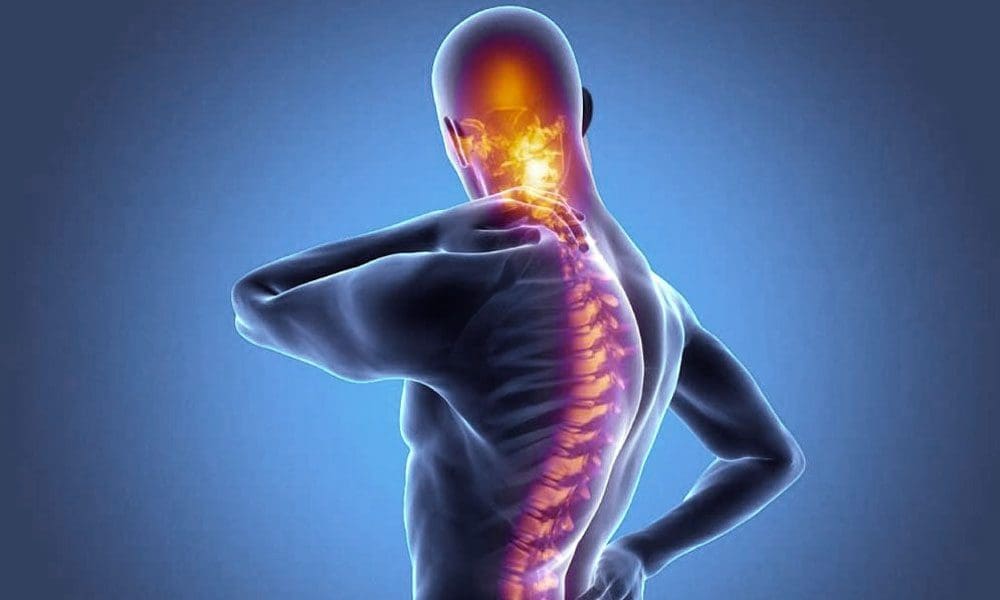
Ankylosing spondylitis, or AS, is a type of inflammatory arthritis that usually impacts the spine, causing back stiffness and pain, pain in the hips, and decreased range of motion. Brain fog can also be a symptom of AS and other chronic inflammatory conditions. Brain fog can affect memory, concentration, decision-making, learning, and problem-solving. Injury Medical Chiropractic and Functional Medicine Clinic can educate on the causes of ankylosing spondylitis brain fog and how to reduce its effects.
Brain Fog
Experts do not fully understand how conditions like AS cause brain fog and how it affects the brain and central nervous system. However, they believe brain fog is linked to chronic inflammation and pain associated with the condition, along with certain factors.
Chronic Inflammation
Inflammation occurs when the body’s immune system attacks healthy cells.
This triggers the release of inflammation-causing cytokines.
Cytokines can interfere with normal brain function.
Ankylosing Spondylitis Chronic Pain
Chronic pain can cause fatigue and unhealthy sleep quality.
Fatigue and poor sleep can worsen chronic pain, leading to intense fatigue and extreme sleep issues, becoming a vicious cycle.
Corticosteroids
Doctors typically treat ankylosing spondylitis with corticosteroids.
Individuals with cardiovascular risk factors have an increased risk of brain fog from the medications.
Depression
Individuals with AS can present symptoms of depression, which has been linked to cognitive impairment.
Depression can contribute to the development of brain fog.
Cornelson, Stacey M et al. “Chiropractic Care in the Management of Inactive Ankylosing Spondylitis: A Case Series.” Journal of chiropractic medicine vol. 16,4 (2017): 300-307. doi:10.1016/j.jcm.2017.10.002
Creaky Joints. (September 17, 2018) “You can ease inflammatory arthritis brain fog with these 12 tips for a sharper mind.” https://creakyjoints.org/living-with-arthritis/arthritis-brain-fog/
Vitturi, Bruno Kusznir et al. “Cognitive Impairment in Patients with Ankylosing Spondylitis.” The Canadian journal of neurological sciences. Le journal canadien des sciences neurologiques vol. 47,2 (2020): 219-225. doi:10.1017/cjn.2020.14
Zhang, Jun-Ming, and Jianxiong An. “Cytokines, inflammation, and pain.” International anesthesiology clinics vol. 45,2 (2007): 27-37. doi:10.1097/AIA.0b013e318034194e
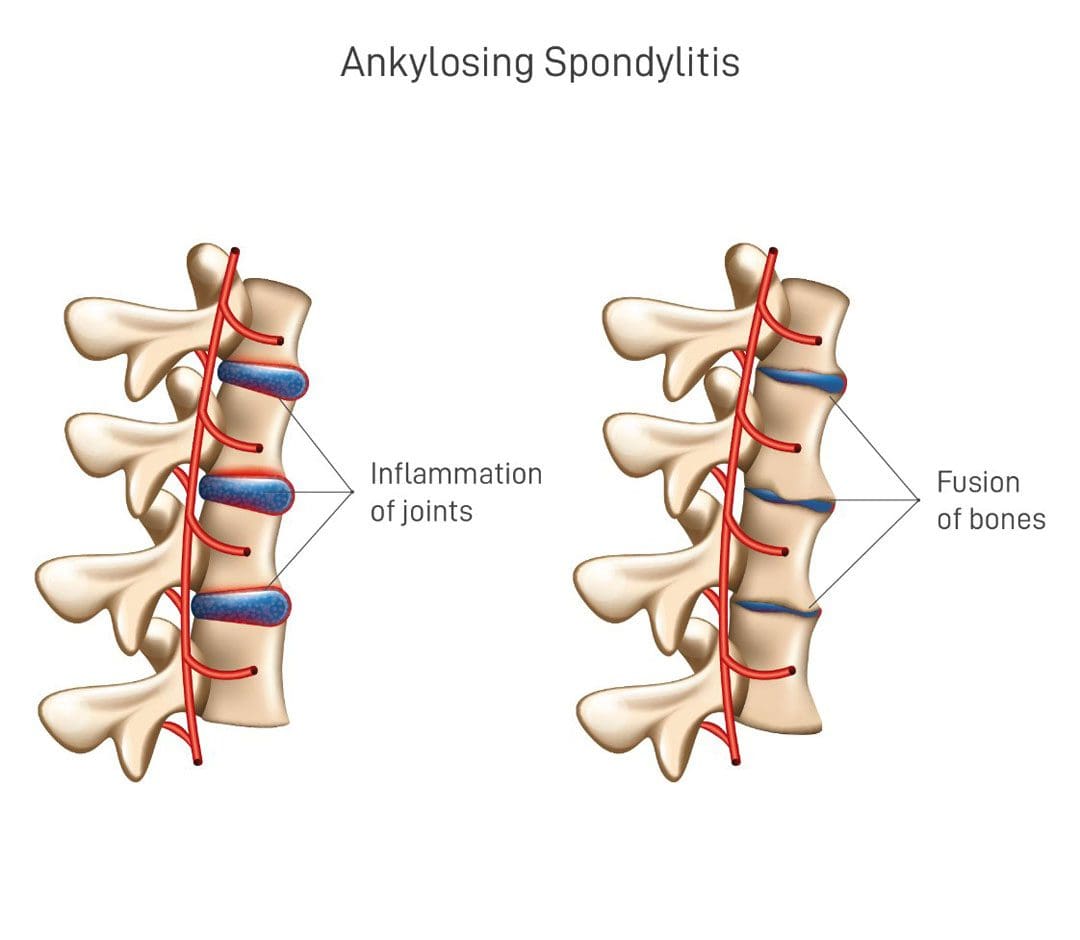
Ankylosing spondylitis is an inflammatory condition that causes pain and stiffness in the spine’s joints. Over time, it can progress to fusing the bones of the spine/vertebrae, limiting the spine’s mobility and leading to discomfort symptoms. The condition is more common in men but also affects women. There is not a known, singular cause, but individuals with a particular gene, HLA-B27, have an increased risk of developing the condition. However, the gene itself does not mean an individual has ankylosing spondylitis; genetics and other outside and environmental factors also play a role. DMARDs, or Disease-Modifying Antirheumatic Drugs, suppress inflammation. An emerging DMARD treatment uses biologics that further target and suppresses specific inflammatory compounds.
Biologics
Unlike regular medications, which are synthesized, biologics are made from and inside living sources.
They are grown in cultures or harvested from blood.
Biologics are complex and expensive.
Biologics provide some of the most powerful treatments for many conditions.
Two biologics commonly used to treat ankylosing spondylitis are:
TNF – tumor necrosis factor, TNF inhibitors are a biological medication that targets and suppresses TNF, which is involved in inflammatory processes throughout the body.
Blocking or suppressing TNF decreases inflammation and can delay the progression of ankylosing spondylitis.
It could be administered through an injection or infusion to provide the medication.
Side Effects
Side effects associated with this medication, along with other conditions, include:
IL – interleukin – IL-17 is a protein involved in inflammatory processes and conditions.
IL-17 inhibitors suppress inflammation which are newer medications that have been shown to benefit those with ankylosing spondylitis.
Doctors often administer IL-17 inhibitors through an injection.
Side Effects
Minor side effects include:
Headaches
Runny nose
Irritation at the injection site.
More serious side effects include:
Certain cancers
Severe infections
High blood pressure
Other Treatments
Treatment goals for ankylosing spondylitis include:
Slowing the disorder’s progression.
Decreasing inflammation.
Reducing pain.
Improving or maintaining joint and spinal range of motion.
Biologics are not the first-line treatment for ankylosing spondylitis.
Providers usually first treat an initial diagnosis with anti-inflammatory medications, like NSAIDs, to decrease inflammation and slow the condition’s progression.
Chiropractic care and physical therapy are recommended to maintain and/or improve posture, muscle strength, and endurance.
Recommended lifestyle and nutritional modifications.
Posture training stretches and exercises.
Optimal movement strategies to safely and confidently complete everyday tasks.
Biologic Medications
Biologics for ankylosing spondylitis may or may not be suitable. These medications are meant to help relieve the inflammation associated with the condition and slow the disorder’s progression. Your healthcare team will work with you to determine the right treatment option/s and explain the benefits, risks, and types of treatment. They will monitor the condition, track progress, and adjust the plan accordingly.
Assessing Hormone Therapy
References
Ankylosing spondylitis. (n.d.) National Institute of Arthritis and Musculoskeletal and Skin Diseases. U.S. Department of Health and Human Services. Available at: https://www.niams.nih.gov/health-topics/ankylosing-spondylitis#:~:text=Ankylosing%20spondylitis%20is%20a%20type,the%20spine%20can%20cause%20stiffness (Accessed: October 12, 2022).
Chen C, Zhang X, Xiao L, Zhang X, Ma X. Comparative Effectiveness of Biologic Therapy Regimens for Ankylosing Spondylitis: A Systematic Review and a Network Meta-Analysis. Medicine (Baltimore). 2016 Mar;95(11):e3060. doi: 10.1097/MD.0000000000003060. PMID: 26986130; PMCID: PMC4839911.
Gerriets V, Goyal A, Khaddour K. Tumor Necrosis Factor Inhibitors. [Updated 2022 July 4]. In: StatPearls [Internet]. Treasure Island (FL): StatPearls Publishing; 2022 Jan-. Available from: https://www.ncbi.nlm.nih.gov/books/NBK482425/
Lindström, U., Olofsson, T., Wedrén, S. et al. Biological treatment of ankylosing spondylitis: a nationwide study of treatment trajectories on a patient level in clinical practice. Arthritis Res Ther 21, 128 (2019). https://doi.org/10.1186/s13075-019-1908-9
Yin, Y., Wang, M., Liu, M. et al. Efficacy and safety of IL-17 inhibitors for the treatment of ankylosing spondylitis: a systematic review and meta-analysis. Arthritis Res Ther 22, 111 (2020). https://doi.org/10.1186/s13075-020-02208-w
Ankylosing spondylitis/AS is a common type of arthritis that can cause damage to spinal structures, body parts, and organs. Ankylosing spondylitis causes inflammation in the spine’s ligaments and joints which can cause affected vertebrae to fuse, but other symptoms/complications are skin disorders. Ankylosing spondylitis flare-ups can present with skin disorders like rashes and the possible development of skin diseases like psoriasis.
Ankylosing Spondylitis
The inflammation causes back stiffness and pain that causes the spine to become inflexible and rigid. The vertebrae can fuse in extreme cases.
It is typically seen in the early adult population as back pain and hip pain.
Symptoms are more common in individuals between 17 and 45.
Men are more likely to be affected than women.
Genetics can play a role in this condition.
Doctors utilize multiple approaches to relieve symptoms and manage the condition through combined exercise, chiropractic, physical therapy, diet, and stress management to help improve quality of life.
Skin Disorders
A flare-up can present as a skin rash but can also affect the skin in other ways that include:
Rashes brought on by medication treatments.
Trouble healing from incisions after surgery.
Psoriasis
Psoriasis presents as red skin patches appearing anywhere on the body.
The most common areas are the scalp, palms, elbows, and knees.
The affected skin can itch, become tender, and can also sting and burn.
Some psoriasis outbreaks result in lesions or blisters.
Ankylosing Spondylitis vs. Psoriatic Arthritis
Ankylosing spondylitis and psoriatic arthritis are related and come under spondyloarthritis/SpA rheumatic disease.
Ankylosing spondylitis is typically localized to the spine, whereas psoriatic arthritis can affect almost any joint in the body and presents with tendinopathy.
Some individuals with AS can begin to develop psoriasis.
Medications can also help but can produce side effects.
Ankylosing spondylitis skin disorders present ongoing challenges. However, increasing treatment options are helping to minimize the condition’s impact on a better quality of life.
AS Causes, Symptoms, Diagnosis, Treatment
References
Meier, Katharina, et al. “Skin manifestations in spondyloarthritis.” Therapeutic advances in musculoskeletal disease vol. 12 1759720X20975915. 8 Dec. 2020, doi:10.1177/1759720X20975915
Myers, Elisha et al. “An Update on Narrowband Ultraviolet B Therapy for the Treatment of Skin Diseases.” Cureus vol. 13,11 e19182. 1 Nov. 2021, doi:10.7759/cureus.19182
National Institutes of Health. (n.d.) “Ankylosing spondylitis.” https://www.niams.nih.gov/health-topics/ankylosing-spondylitis
Ye, Chao, and Wenyuan Li. “Cutaneous vasculitis in a patient with ankylosing spondylitis: A case report.” Medicine vol. 98,3 (2019): e14121. doi:10.1097/MD.0000000000014121
Spondylitis Anti-Inflammation Diet: Individuals who have a chronic back pain condition can be recommended to have two or more vertebrae fused to correct the problem/s and alleviate the pain. However, a form of inflammatory spinal arthritis can cause the vertebrae to fuse by themselves, known as ankylosing spondylitis. One recommended way to bring pain relief is by eating an anti-inflammatory diet. Studies have shown that a low-inflammatory diet can help improve spondylitis symptoms.
Spondylitis Anti-Inflammation Diet
Ankylosing spondylitis is a progressive inflammatory disease that primarily affects the spine; however, individual symptoms vary. Symptoms include stiffness and pain in the neck, hips, low back, and fatigue. There is no definite pattern meaning:
Symptoms can improve.
Symptoms can worsen or flare up.
Symptoms can stop for a period of time.
Women are affected more often than men with no known cause. There is no cure for ankylosing spondylitis, but treatments and self-care can slow down the disease’s progression and help manage symptoms.
Diet and Inflammation
Diet is not the root cause of inflammatory disease, but eating inflammation-causing foods can worsen symptoms. Reducing inflammation can help alleviate pain.
Eliminating foods that cause or increase inflammation is recommended to help the body become stronger and manage symptoms.
Functional medicine practitioners can help guide individuals on maximizing healthy nutrition and using it to reduce pain and symptoms.
If an individual has a genetic predisposition, their diet can be crucial to calm down the symptoms and help turn the autoimmune disease around.
A spondylitis anti-inflammation diet should be rich in vegetables, fruit, whole grains, and omega-3 fatty acids. Evidence shows that a diet low in starches can lead to less ankylosing spondylitis activity. Low-starch can also help limit the presence of Klebsiella pneumoniae, a bacteria that feeds on starch and is a known trigger for the onset and development of ankylosing spondylitis.
Foods To Eat
Leafy greens
These include spinach, kale, Swiss chard, and collard greens containing magnesiumand polyphenols that reduce inflammation.
These can be raw or cooked with garlic and olive oil added to maximize benefits.
Cruciferous vegetables
These contain sulforaphane, anantioxidantthat includes broccoli cauliflower and can be eaten raw or cooked, roasted with olive oil, sauteed, and stir-fried.
Allium Vegetables
These contain sulfuric compounds and quercetin,a flavonoidthat helps reduce inflammation.
These include red and yellow onions, leeks, garlic, and shallots.
They can be eaten raw or cooked in salads, stir-frys, and sandwiches.
Berries
These contain anthocyanin,an antioxidant flavonoid, and other antioxidants and polyphenols that help with inflammation.
These include strawberries, raspberries, blueberries, blackberries and can be eaten raw, in smoothies, in salads, with oatmeal, or mixed in unsweetened yogurt.
Fruits
Certain fruits contain quercetin and polyphenols to help with inflammation.
These include apples, cherries, oranges.
Healthy oils
Contain oleocanthalwhich acts similar to nonsteroidal anti-inflammatory medications and contains various antioxidants.
These include olive oil for low heat cooking and avocado oil for high heat cooking to replace butter and margarine.
It can be served in dressings and drizzled on foods.
Examples include walnuts, almonds, peanuts, pistachios, chia seeds, and ground flaxseeds.
These can be served as snacks, salads, mixed in side dishes, topping, or added to unsweetened yogurt or oatmeal.
Fatty fish
Omega-3 fatty acids help reduce inflammation.
Examples include salmon, cod, rainbow trout, mackerel, and sardines.
These can be baked, sauteed, grilled, mixed into salads, and stir fry.
Avoid These Foods
When making lifestyle adjustments for a spondylitis anti-inflammation diet, focus on reducing or removing processed foods and saturated fats. These include:
Sugars from all sources like soda, sugary drinks, shakes, candy, and desserts.
Trans fats, like those in fried foods like chips and fries.
Individuals may not be symptomatic with certain foods, but that doesn’t mean the foods should be consumed. Gluten, dairy, and eggs can cause potential problems as they compromise the gut and the immune system. These can set back the individual’s healing or remission.
Body Composition
What Happens To The Body When Eating Fruit
Fruit is made up of simple sugar called fructose, providing the body with a carbohydrate energy source. The natural sugar the body gets from a piece of fruit is not the same as processed fructose added to processed products like fructose corn syrup. Processed products are typically filled with empty calories and very little nutrition. When the body has fruit, the liver processes fructose before getting absorbed through the small intestine. Research shows that exposing the gut to more fiber-rich foods like fruit helps the gut achieve an anti-obese condition by increasing the good bacteria and reducing the obese bacteria. Essential nutrients from fruit include:
Folate
Vitamin C
Vitamin B1
The USDA recommends making half of each meal/plate be fruit and vegetables.
References
Harvard Health Publishing. (November 16, 2021) “Foods that Fight Inflammation.” https://www.health.harvard.edu/staying-healthy/foods-that-fight-inflammation
Macfarlane, Tatiana V et al. “Relationship between diet and ankylosing spondylitis: A systematic review.” European journal of rheumatology vol. 5,1 (2018): 45-52. doi:10.5152/eurjrheum.2017.16103
Nielsen, Forrest H. “Magnesium deficiency and increased inflammation: current perspectives.” Journal of inflammation research vol. 11 25-34. January 18 2018, doi:10.2147/JIR.S136742
Rashid T, Wilson C, Ebringer A. The Link between Ankylosing Spondylitis, Crohn’s Disease, Klebsiella, and Starch Consumption. Clin Dev Immunol. 2013;2013:872632. doi: 10.1155/2013/872632.
Sharma, Satya P et al. “Paradoxical Effects of Fruit on Obesity.” Nutrients vol. 8,10 633. 14 Oct. 2016, doi:10.3390/nu8100633
van Buul, Vincent J et al. “Misconceptions about fructose-containing sugars and their role in the obesity epidemic.” Nutrition research reviews vol. 27,1 (2014): 119-30. doi:10.1017/S0954422414000067
Ankylosing Spondylitis is a type of arthritis that typically begins during adolescence or in a person�s early twenties and occurs more often in men than in women. However, once experiences onset, they are affected for the rest of their lives. It is estimated that between 0.2% and 0.5% of individuals in the United States suffers from ankylosing spondylitis. �It can cause significant pain, discomfort, and immobility. While there is no cure for the condition, the symptoms can be treated, bringing some degree of comfort and mobility.
What is Ankylosing Spondylitis?
Ankylosing Spondylitis, or AS, is a type of arthritis that causes inflammation in the spine. While the vertebrae are primarily involved, it can also affect other joints as well, including the hips, shoulders, heels, ribs, and the small joints of the feet and hands.
In some cases, the heart, lungs, and even eyes can be involved. If left untreated, the condition can progress, causing chronic pain that can be severe as the spinal inflammation increases. More advanced cases can cause the spine to grow new bone formations so that it is immobile, or fixed, sometimes resulting in kyphosis, which is a bowed or forward-stooped posture.
What Causes Ankylosing Spondylitis?
While genetics is believed to be a key player in the development of Ankylosing Spondylitis, the exact cause has not yet been determined. The majority of people who have AS also carry a specific gene that has been linked to the condition.
This gene produces HLA-B27, a protein or genetic marker, that more than 95% of Caucasians with ankylosing spondylitis have. However, some people don�t have this protein who develop AS and many people do carry this marker yet never develop the condition.
Researchers theorize that there may be other genes that may be involved, as well as environmental factors that trigger the gene activation, such as a bacterial infection, causing people who are susceptible to AS to activate it. Scientists have identified more than 60 genes that are believed to be associated with AS with only about 30% that are linked to HLA-B27 regarding overall risk. Other genes that have been identified as key to AS include IL-23, IL-17, IL-12, and ERAP.
It is also believed that AS can be triggered when the intestinal defenses break down, allowing certain bacteria into the bloodstream. This can, in turn, cause an immune response.
How is Ankylosing Spondylitis Treated?
AS cannot be cured, but the symptoms can be treated to relieve stiffness and pain as well as delay or prevent spinal deformity and other complications. The damage that it does to the joints is irreversible, so it is best if treatment is started before that occurs. There are several ways that AS is treated:
Medication � Nonsteroidal anti-inflammatory drugs (NSAIDs) like indomethacin (Indocin) and naproxen (Naprosyn) are commonly used to treat the symptoms of AS. They can be useful in relieving pain, inflammation, and stiffness but may cause some side effects, including gastrointestinal bleeding. This makes long-term use impractical and even unsafe. If NSAIDs do not help, other medications may be prescribed, including:
Golimumab (Simponi; Simponi Aria)
Certolizumab pegol (Cimzia)
Adalimumab (Humira)
Etanercept (Enbrel)
Infliximab (Remicade)
Physical therapy – PT is often recommended to help with flexibility, strength, and pain relief. It can help with posture and prevent some of the more debilitating symptoms.
Surgery � Most people with AS do not require surgery, but it may be recommended if there is severe joint damage or pain. In some cases, it can cause significant damage to hip joints, and they will need to be replaced.
Chiropractic � Many patients with AS have with outstanding results with chiropractic treatment. It is non-invasive and does not have the unpleasant side effects that many medications have.
Chiropractic Treatment for Ankylosing Spondylitis
Chiropractors strongly recommend chiropractic treatment for the non-acute inflammatory stage of AS. Once the condition has progressed to acute joint disease, there is a very high risk of injury or damage to the connective tissue. Adjustments and exercise are used to relieve symptoms, but some of the traditional spinal manipulation treatments are not performed.
A chiropractor will also make recommendations to the patient regarding lifestyle changes that can help with symptoms, such as stopping smoking. Tobacco use can increase inflammation and damage connective tissue. They may also advise increasing their intake of omega three fatty acids in their diet. Regular chiropractic care can help patients manage symptoms and prevent disease progression, improving their quality of life.
IFM's Find A Practitioner tool is the largest referral network in Functional Medicine, created to help patients locate Functional Medicine practitioners anywhere in the world. IFM Certified Practitioners are listed first in the search results, given their extensive education in Functional Medicine




 Brain Fog