
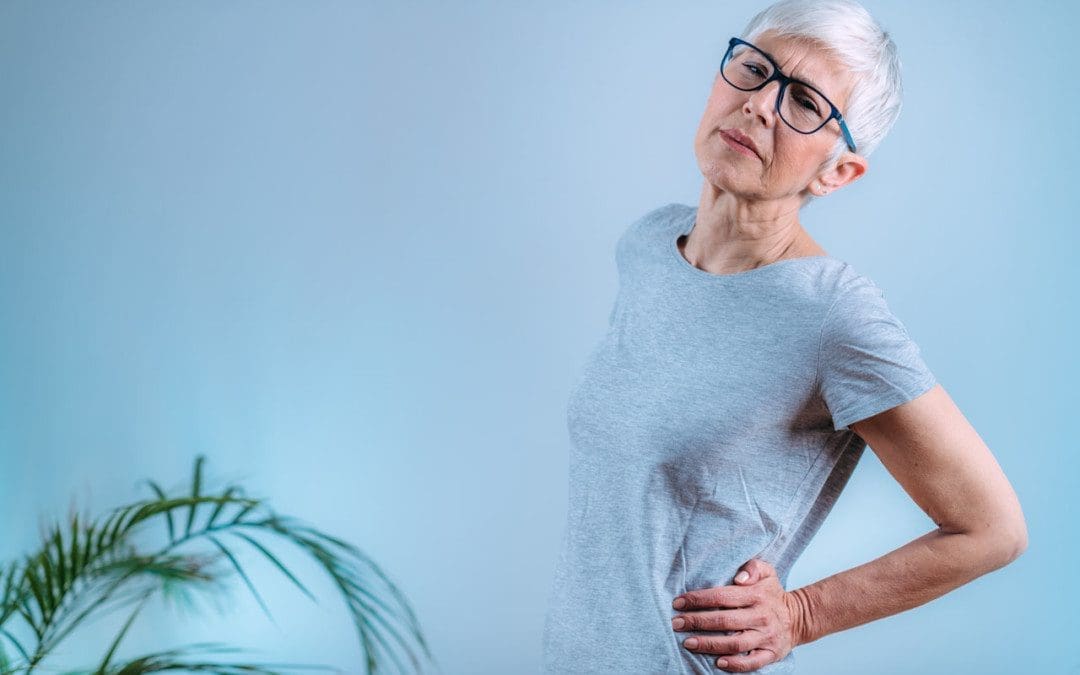
Elderly Sciatica
As individual bodies age, the nerves and muscles begin to degenerate, especially in the lower spinal region. This can cause sciatic pain and muscle weakness. Elderly sciatica is very common as the nerves and muscles have gone through a lot. Bending, lifting, carrying, reaching, twisting, and natural wearing and tearing make the sciatic nerve and surrounding muscles prone to injury. For overweight seniors, the risk of developing sciatica is higher.
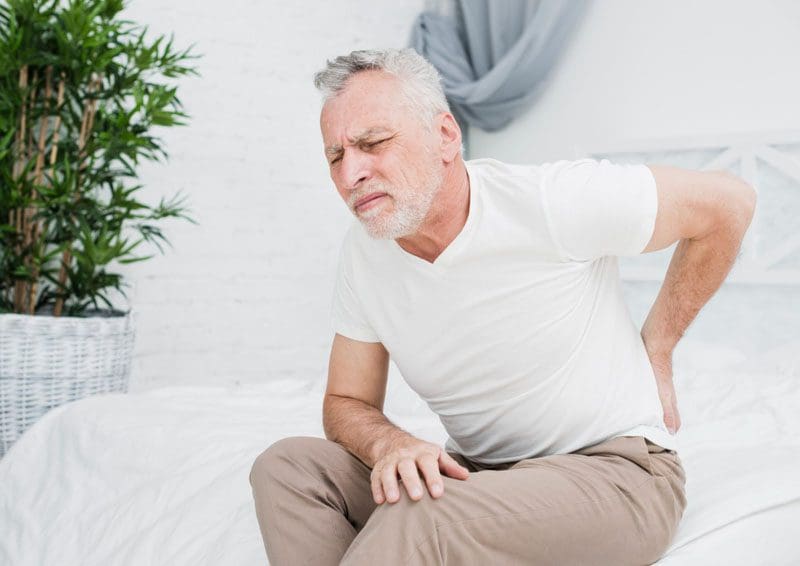
Elderly Sciatica
The main reason for elderly sciatica is that as the body ages, the discs/cartilage between the vertebrae/bones in the spine dry out, losing their cushioning ability, which can lead to the bones shifting out of place more easily, rubbing against each other, and compressing nerves. On average, the body loses about 1 centimeter in height every ten years after 40.
Risk Factors
Diabetes
- Diabetes affects the entire body.
- Not keeping blood sugar in check can cause widespread symptoms that affect the nerves and organs.
- Individuals with diabetes have an increased risk of developing sciatica and other nerve-damaging disorders.
Genetics
- If spinal conditions are part of family medical history, there is an increased risk of developing sciatica.
- Many spinal disorders can cause sciatica, and many spinal diseases are genetic.
- For example, degenerative disc disorder and spinal stenosis are genetic conditions that can cause sciatica.
Controllable Risk Factors
Physical Activity
- Sedentary and highly active lifestyles can cause sciatica.
- Individuals who are highly sedentary have a greater risk of developing elderly sciatica.
- Individuals who are highly active and do heavy lifting are also at risk because the activity increases the risk for a back injury.
Weight
- The more overweight an individual is, the more at risk for developing sciatica.
- The extra weight pushes on the spine and causes it to compress.
- As the spine compresses, it can rub against the nerves causing irritation or pinch the nerves causing numbness, tingling, stinging, and pain.
Menopause
- Menopause can lead to bone loss, causing nerve irritation and nerve damage.
- If going or have gone through menopause, then it is essential to talk to a doctor about bone loss.
- Individuals may need to start taking calcium or vitamin D supplements to keep their bones healthy.
Chiropractic
- With chiropractic, elderly individuals can attain better quality sleep, improved mood, and increased energy levels.
- A chiropractic physical therapy team can develop a specialized/customized treatment plan for preventive and palliative care.
Body Composition
Sarcopenia
Sarcopenia affects the elderly population’s mortality, cognitive function, and quality of life. As the elderly population is living longer, preservation of lean mass becomes an integral part of maintaining an individual’s independence. Loss of muscle in the arms and legs is linked to decreased mobility, increased risk of falls, and prolonged hospital stays. Falls and fractures often result in a cycle of muscle deterioration. InBody can help track body composition changes and help to minimize muscle wasting and risk of impaired mobility.
References
Aggarwal, Sameer, and Nityanand. “Calcium and vitamin D in postmenopausal women.” Indian journal of endocrinology and metabolism vol. 17,Suppl 3 (2013): S618-20. doi:10.4103/2230-8210.123549
Dougherty, Paul E et al. “The role of chiropractic care in older adults.” Chiropractic & manual therapies vol. 20,1 3. 21 Feb. 2012, doi:10.1186/2045-709X-20-3
Ferreira, Manuela L, and Andrew McLachlan. “The Challenges of Treating Sciatica Pain in Older Adults.” Drugs & aging vol. 33,11 (2016): 779-785. doi:10.1007/s40266-016-0404-z
Kherad, Mehrsa et al. “Risk factors for low back pain and sciatica in elderly men-the MrOS Sweden study.” Age and aging vol. 46,1 (2017): 64-71. doi:10.1093/ageing/afw152







