Gut Health for Faster Recovery—El Paso Back Clinic
Why your gut matters when you’re healing
After a back or neck injury—from daily strain, sports, work, or a car crash—pain and limited mobility can dominate your life. But there’s a powerful helper inside you: the gut microbiome. These trillions of microbes influence digestion, inflammation, immunity, energy, and even sleep. When they fall out of balance (called dysbiosis), bloating, irregular stools, fatigue, and higher inflammation can slow your rehab progress. The positive news is that simple daily steps can reset the balance and support your recovery. (Cleveland Clinic, 2023/2022). (Cleveland Clinic)
At El Paso Back Clinic, we often combine spine-focused care—such as chiropractic adjustments when appropriate, therapeutic exercise, soft-tissue work, and, if indicated, imaging—with practical gut-support strategies, helping patients recover more comfortably and steadily. (Dr. Alex Jimenez, El Paso clinic pages). (El Paso, TX Doctor Of Chiropractic)
Dysbiosis in plain language
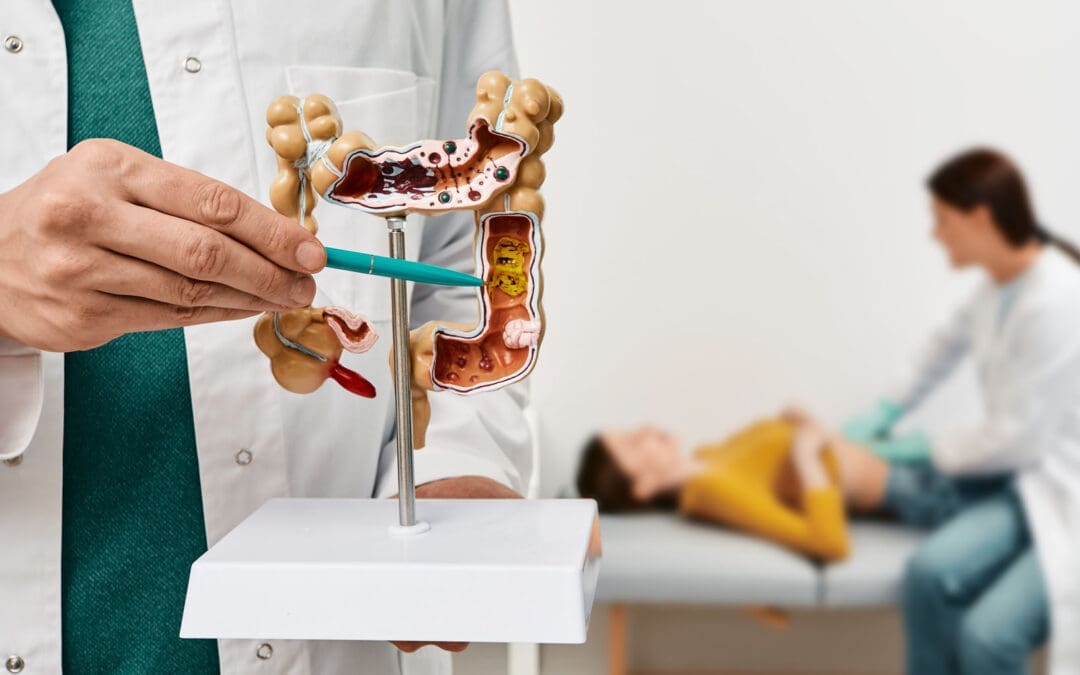
Dysbiosis means your gut community is out of balance—too many “unhelpful” species, not enough beneficial ones, or less diversity overall. Diets high in refined sugars and ultra-processed foods, repeated courses of antibiotics, stress, poor sleep, and alcohol/environmental toxins are common triggers. (Cleveland Clinic, 2024; Better Health Channel, 2023; USDA ARS, 2025). (Cleveland Clinic)
Ultra-processed foods tend to be low in fiber and high in additives; over time, they’re linked with inflammation and a less favorable gut environment—exactly what you don’t want while healing. (Cleveland Clinic Newsroom, 2023). (Cleveland Clinic)
How “unhealthy” bacteria gain ground
Unwanted bacteria flourish when conditions favor them. Three everyday drivers:
Low fiber, high ultra-processed intake. Beneficial microbes feed on plant fibers and resistant starches from beans, whole grains, vegetables, and fruit. Starve them, and opportunistic species take over. (Wilson et al., 2020; Singh et al., 2017). (PMC)
Antibiotics and antimicrobials. Essential when needed, but they can also reduce helpful species; rebuilding with fiber-rich foods (and sometimes probiotics) helps restore balance. (Cleveland Clinic, 2024). (Cleveland Clinic)
Stress and poor sleep. Both alter motility and immune signaling via the brain–gut axis, nudging the microbiome toward dysbiosis. (Better Health Channel, 2023). (Better Health Channel)
SIBO: a special case to know about
Small Intestinal Bacterial Overgrowth (SIBO) happens when excess bacteria build up in the small intestine, which normally has low counts. Symptoms can include bloating, abdominal discomfort, diarrhea, early fullness, weight loss, or malnutrition. (Mayo Clinic, 2024). (Mayo Clinic)
Treatment often pairs targeted antibiotics with nutrition and root-cause fixes (e.g., motility support or addressing structural issues). Without tackling the cause, SIBO can recur. (Mayo Clinic, 2024). (Mayo Clinic)
If you notice persistent bloating, pain, or weight loss, ask your clinician about evaluation and a phased plan that treats the cause, then carefully re-expands fibers and fermented foods.
How better gut habits speed musculoskeletal recovery
Lower, steadier inflammation: A fiber-rich, plant-forward pattern boosts short-chain fatty acids (SCFAs) like butyrate that help protect the gut lining and may dampen systemic inflammation tied to pain. (Singh et al., 2017). (PMC)
Energy and participation: Balanced digestion supports energy, sleep, and mood—key drivers of successful physical therapy and home exercise. (Cleveland Clinic, 2022). (Cleveland Clinic)
Medication tolerance: If you need antibiotics or other meds, a microbiome-friendly plan can reduce GI side effects. (Cleveland Clinic, 2024). (Cleveland Clinic)
The El Paso Back Clinic approach (dual-scope care)
Our team—led by Alexander Jimenez, DC, APRN, FNP-BC—blends chiropractic care with nurse-practitioner medical evaluation. When appropriate, we use X-ray/MRI to clarify the diagnosis, and we coordinate conservative therapies with nutrition and lifestyle coaching. For injury cases, we also provide the documentation insurers and attorneys require. (El Paso, TX Doctor Of Chiropractic)
Common elements of a plan:
Dual-scope assessment: History, neuro/orthopedic testing, and imaging when indicated to pinpoint pain drivers (joint, nerve, soft tissue). (El Paso, TX Doctor Of Chiropractic)
Conservative therapies: Chiropractic adjustments (as indicated), therapeutic exercise, massage/soft-tissue work; acupuncture may be added to modulate pain and stress. (El Paso, TX Doctor Of Chiropractic)
Gut-support basics: Plant variety, fiber targets, and live-culture foods; stress and sleep tools that calm the gut–brain axis. (Cleveland Clinic Magazine; Penn State Health). (Cleveland Clinic)
Medical-legal readiness: Structured notes, imaging reports, and measurable outcomes for personal-injury and MVA cases. (El Paso, TX Doctor Of Chiropractic)
Clinical observation: Patients with back/neck pain who improve sleep and add one fermented food daily—while increasing beans/whole grains and veggies—often report less bloating and steadier energy within weeks, which helps them stay consistent with rehab.
A 4–6 week “gut-reset” that fits rehab
1) Make plants the base (daily)
Aim for colorful vegetables and fruits, beans/lentils 4–5 days/week, and whole grains (oats, barley, brown rice, quinoa). These choices feed beneficial microbes and boost SCFAs. (Wilson et al., 2020). (PMC)
2) Add one fermented food most days
Yogurt or kefir with live active cultures, kimchi, sauerkraut, or kombucha. Not all fermented foods have live microbes after processing—check the label. (Healthline; Cleveland Clinic Magazine). (Healthline)
3) Tame ultra-processed foods
Swap sugary drinks for water/unsweetened tea; favor whole-grain staples; keep packaged snacks as occasional treats. (Cleveland Clinic, 2023). (Cleveland Clinic)
4) Support sleep and stress
Target 7–9 hours with a consistent wind-down; try 5 minutes of slow breathing before bed; walk 20–30 minutes most days, and add two short strength sessions weekly. (Better Health Channel, 2023). (Better Health Channel)
5) Medications—coordinate with your clinician
Don’t stop prescribed meds on your own. If antibiotics are necessary, ask whether a food-first strategy and a short-term probiotic make sense for you. (Cleveland Clinic, 2024). (Cleveland Clinic)
6) Hygiene matters
Wash hands, rinse produce, and avoid kitchen cross-contamination to reduce exposure to harmful bacteria. (Better Health Channel, 2023). (Better Health Channel)
Two-week starter plan (easy, budget-minded)
Breakfast: Oats + kefir or yogurt + berries + nuts.
Dinner: Slow-cooker chili or lentil curry; salad with olive oil; baked potato (cool leftovers for resistant starch).
Snacks: Fruit + nut butter; carrots + hummus; plain popcorn; small kefir smoothie.
Small, steady changes add up; focus on what you can repeat during busy treatment weeks. (Penn State Health, 2018). (Penn State)
When to seek medical care now
Unintended weight loss, blood in stool, fever, severe or night-time symptoms, or a history of GI surgery.
Talk with your clinician about evaluation, including possible SIBO testing when appropriate. (Mayo Clinic, 2024). (Mayo Clinic)
Local help in El Paso
If you’re recovering from a back or neck injury and want a plan that connects spine care, gut health, and documentation for injury cases, our team can help you build a sustainable routine while we treat the root musculoskeletal drivers. (El Paso Back Clinic/Dr. Jimenez). (El Paso, TX Doctor Of Chiropractic)
Recovering from Motor Vehicle Accident Injuries with El Paso Back Clinic’s Expertise and Durable Medical Equipment
Motor vehicle accidents (MVAs) can result in a wide range of musculoskeletal injuries, from minor sprains to severe spinal damage, significantly affecting mobility, independence, and quality of life. Effective recovery requires a comprehensive approach, combining specialized medical devices, known as Durable Medical Equipment (DME), with expert care from professionals at El Paso Back Clinic. This blog post explores MVA-related musculoskeletal injuries, the essential role of DME in rehabilitation, and the clinic’s integrative approach, led by Dr. Alexander Jimenez, blending advanced diagnostics, chiropractic care, and functional medicine. This article aims to inform and empower accident victims.
Understanding Musculoskeletal Injuries from Motor Vehicle Accidents
Motor vehicle accidents are a major cause of musculoskeletal injuries, impacting muscles, bones, joints, ligaments, and tendons. The severity of these injuries depends on the collision’s force, body position during impact, and individual health. Common injuries include:
Whiplash: A neck injury caused by rapid head movement, often in rear-end collisions, leading to pain, stiffness, and headaches.
Back and Spinal Injuries: Including herniated discs, vertebral fractures, or misalignments (subluxations), causing chronic pain and reduced mobility.
Soft Tissue Injuries: Sprains, strains, or tears in muscles, tendons, or ligaments, resulting in swelling and limited movement.
Joint Injuries: Damage to shoulders, knees, or hips, causing pain and restricted range of motion.
Nerve Damage: Nerve compression or irritation, leading to tingling, numbness, or radiating pain, as seen in sciatica.
The sudden forces in MVAs, even at low speeds, can disrupt the body’s alignment and function. Research shows that 40.2% of MVA patients require ongoing treatment for persistent pain, with headaches and low back pain extending treatment duration (Dies & Strapp, 1992). Without timely intervention, these injuries can lead to chronic pain, disability, and reduced quality of life.
The Importance of Early Treatment
Seeking care within 72 hours of an accident is critical to prevent long-term complications. Symptoms like pain or stiffness may appear hours or days later, making early intervention essential. El Paso Back Clinic’s integrative approach, combined with DME, addresses injuries promptly, reducing inflammation, restoring function, and preventing chronic issues.
References
Dies, S., & Strapp, J. W. (1992). Chiropractic treatment of patients in motor vehicle accidents: A statistical analysis. PMC. https://pmc.ncbi.nlm.nih.gov
El Paso Back Clinic. (2025). Injury Medical & Chiropractic Clinic. https://elpasobackclinic.com/
The Role of Durable Medical Equipment (DME) in Recovery
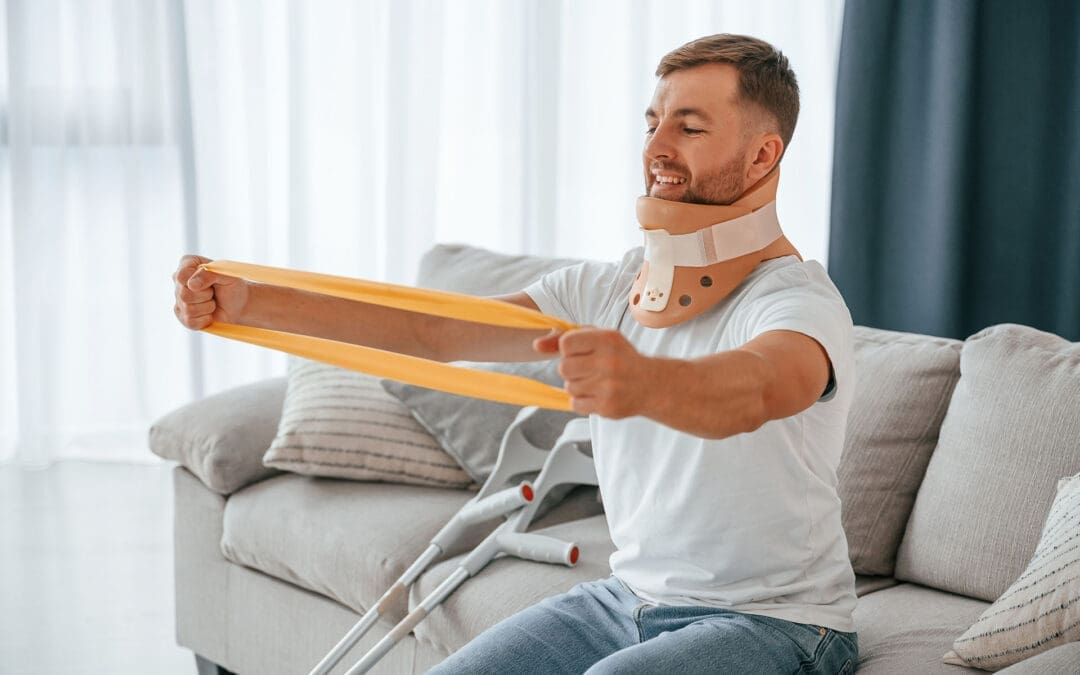
Durable Medical Equipment (DME) refers to reusable devices designed to aid recovery, improve mobility, and enhance quality of life for those with injuries. Prescribed by El Paso Back Clinic’s professionals, DME supports rehabilitation after MVAs, helping patients manage pain, support injured areas, and engage in physical therapy safely.
Types of DME for MVA Recovery
Mobility Aids
Examples: Canes, walkers, crutches, wheelchairs, and four-wheel-drive wheelchairs.
Purpose: These devices assist patients with limited mobility, reducing fall risks and further injury. For example, a walker supports leg or back injury recovery, while a wheelchair aids severe spinal injury patients (Family Health Associates, n.d.).
Impact: Mobility aids restore independence, enabling tasks like navigating the home or bathroom.
Orthotic Devices and Braces
Examples: Cervical collars, back braces, knee braces, and ankle supports.
Purpose: Braces stabilize injured areas, promote alignment, and reduce strain. A back brace supports the spine post-herniated disc, while a cervical collar manages whiplash by limiting neck movement (PhysioRoom, n.d.).
Impact: These devices alleviate pain, prevent further damage, and promote proper healing.
Exercise and Rehabilitation Equipment
Examples: Resistance bands, balance boards, Pilates reformers, and exercise balls.
Purpose: These tools enhance physical therapy by improving strength, flexibility, and coordination. Pilates reformers provide low-impact resistance to strengthen core muscles and support spinal alignment, reducing reinjury risk (Pilates Reformers Plus, n.d.).
Impact: Rehabilitation equipment rebuilds strength and mobility, crucial for returning to daily activities.
Assistive Devices for Daily Living
Examples: Grab bars, shower chairs, elevated toilet seats, and ramps.
Purpose: These devices make daily tasks safer for those with limited mobility. Grab bars prevent bathroom falls, and ramps facilitate wheelchair access (Crossbay Physical Therapy, n.d.).
Examples: Cervical traction units and spinal decompression tables.
Purpose: These devices relieve spinal pressure, reducing pain from herniated discs or nerve compression. They complement chiropractic adjustments at El Paso Back Clinic (El Paso Back Clinic, 2025).
Impact: Traction devices accelerate recovery by reducing inflammation and improving alignment.
Importance of Proper DME Selection
Choosing the right DME is vital for effective recovery. El Paso Back Clinic’s team, led by Dr. Jimenez, assesses injuries, mobility needs, and lifestyle to prescribe appropriate devices. For example, a spinal injury patient may need a custom-fitted back brace and walker, while a whiplash patient might benefit from a cervical collar and resistance bands. Improper equipment can worsen injuries or delay healing, emphasizing the need for expert guidance (Penn Spine and Ortho, n.d.). In personal injury cases, DME documentation supports insurance claims and legal settlements by proving injury extent and treatment necessity (Power Liens, 2024).
Impact on Recovery and Quality of Life
DME enhances recovery by:
Reducing Pain: Braces and traction devices alleviate pressure on injured areas.
Restoring Function: Mobility aids and rehabilitation equipment rebuild strength and movement.
Promoting Independence: Assistive devices enable patients to manage daily tasks.
Improving Quality of Life: DME facilitates safe movement, supporting return to work and hobbies.
For example, a spinal injury patient may progress from a wheelchair to a walker with therapy, eventually regaining mobility using exercise equipment, boosting confidence and well-being.
El Paso Back Clinic, led by Dr. Alexander Jimenez, DC, APRN, FNP-BC, offers over 25 years of experience treating MVA injuries. Dr. Jimenez’s dual licensure as a chiropractor and board-certified family nurse practitioner enables a unique integrative approach, combining chiropractic care, functional medicine, and advanced diagnostics to promote healing and long-term wellness.
Dual-Scope Diagnosis and Treatment
Dr. Jimenez’s dual licensure facilitates a comprehensive approach:
Chiropractic Assessments: Evaluating spinal alignment, joint function, and soft tissue damage through manual exams and movement screens.
Medical Evaluations: Assessing systemic factors like inflammation, hormonal imbalances, or nutritional deficiencies impacting recovery.
Advanced Diagnostics: Using X-rays, MRIs, CT scans, and electromyography (EMG) to identify injuries like disc herniations or nerve compression (El Paso Back Clinic, 2025).
This dual-scope method addresses the root causes of injuries. For example, a patient with back pain may have a spinal misalignment and systemic inflammation, which can be treated with adjustments and functional lab testing to identify nutritional or hormonal issues.
Role of Advanced Imaging
El Paso Back Clinic employs advanced imaging for precise diagnosis:
X-rays: Detect fractures or misalignments.
MRIs/CT Scans: Identify soft tissue injuries or nerve compression.
EMG: Assess nerve function for symptoms like tingling.
Functional Lab Testing: Evaluate metabolic or hormonal factors affecting healing.
These tools provide objective evidence for treatment and legal documentation, ensuring targeted interventions and reducing chronic pain risks (El Paso Back Clinic, 2025).
Chiropractic and Integrative Medicine
The clinic’s integrative approach includes:
Spinal Adjustments: Correcting misalignments to relieve nerve pressure and pain.
Soft Tissue Therapy: Massage or myofascial release to reduce tension and improve circulation.
Rehabilitation Exercises: Utilizing DME, such as resistance bands or Pilates reformers, to strengthen muscles.
Nutritional Guidance: Reducing inflammation through diet and supplements.
Acupuncture: Relieving pain and improving blood flow.
This holistic method treats symptoms and prevents complications. For example, a whiplash patient may receive adjustments, a cervical collar, nutritional advice, and acupuncture to accelerate healing. El Paso Back Clinic is the city’s largest mobility, flexibility, and agility center, integrating chiropractors, nurse practitioners, nutritionists, and physical therapists for measurable outcomes (El Paso Back Clinic, 2025).
Legal Documentation in Personal Injury Cases
Dr. Jimenez’s dual licensure is invaluable in personal injury cases. As a nurse practitioner, he provides detailed medical reports, prescribes DME, and coordinates diagnostics, while his chiropractic expertise ensures accurate musculoskeletal injury documentation. These reports, including imaging results and treatment plans, support insurance claims and legal settlements by proving injury extent and treatment necessity. The clinic’s detailed intake process correlates injuries with the MVA event, strengthening legal cases (Personal Injury Doctor Group, 2017).
El Paso Back Clinic’s integrative care and DME maximize recovery:
Whiplash Example: A patient receives a cervical collar, spinal adjustments, acupuncture, and resistance band exercises to reduce pain and restore neck mobility.
Spinal Injury Example: A back brace and decompression table relieve spinal pressure, while adjustments and Pilates reformer exercises build strength. Nutritional guidance addresses inflammation.
This tailored approach ensures faster recovery, greater independence, and improved quality of life, supported by the clinic’s expertise and advanced diagnostics.
Musculoskeletal injuries from MVAs can disrupt lives, but recovery is achievable with expert care and the right tools. Durable Medical Equipment, such as mobility aids and braces, supports rehabilitation, reduces pain, and enhances independence. El Paso Back Clinic, led by Dr. Alexander Jimenez, offers an integrative approach, combining chiropractic care, functional medicine, and advanced diagnostics to address injury root causes. If you’ve been in an MVA, consult El Paso Back Clinic to explore how DME and integrative care can support your healing journey.
Recovering from Gastrointestinal Injuries After a Car Accident with El Paso Back Clinic
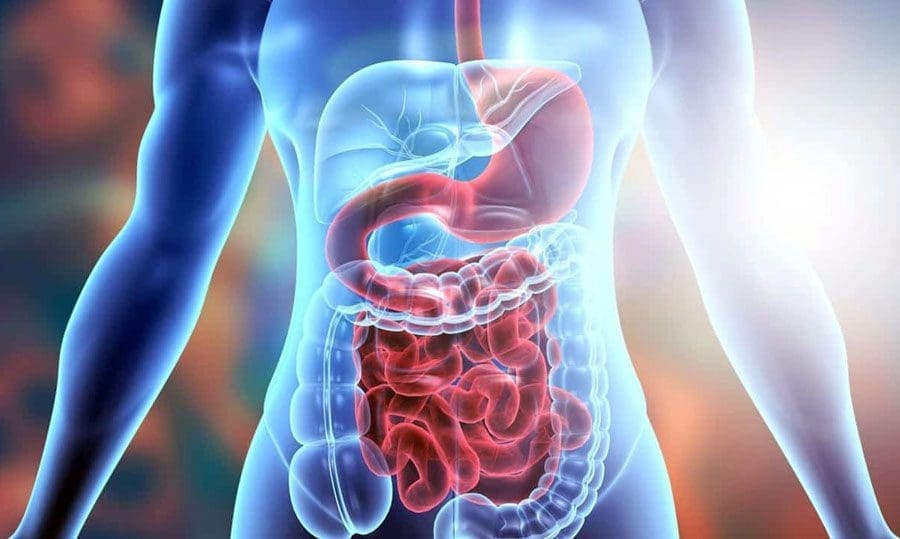
Car accidents, or motor vehicle accidents (MVAs), can cause a range of injuries, from minor bruises to severe internal damage. One often-overlooked area of concern is the gastrointestinal (GI) system, which can be significantly impacted by the forces involved in a crash. At El Paso Back Clinic, led by Dr. Alexander Jimenez, DC, APRN, FNP-BC, we specialize in treating MVA-related GI injuries using a unique blend of chiropractic care, nurse practitioner expertise, acupuncture, and integrative medicine. This 4,000-word blog post explores how MVAs affect the GI system, the specific injuries that can occur, and how our clinic’s holistic approach helps patients in El Paso, Texas, recover and thrive.
How Car Accidents Impact the Gastrointestinal System
The abdominal region is particularly vulnerable in MVAs due to its lack of bony protection. The immense forces generated during a crash, such as blunt force trauma from striking the steering wheel or compression from a seatbelt, can cause serious GI injuries. These injuries may not always be immediately apparent, making early diagnosis and treatment critical to prevent complications.
Common GI Injuries from MVAs
Abdominal Wall Injuries: Contusions, lacerations, or hernias can result from the seatbelt or dashboard impacting the abdomen. These injuries may cause visible bruising or swelling and require prompt attention (Plaxen & Adler, 2024).
Organ Damage: The spleen, liver, pancreas, and intestines are at risk of lacerations, hematomas, or ruptures. Splenic rupture, for instance, is a serious injury that may present with delayed symptoms, posing a life-threatening risk (UpToDate, 2023).
GI Perforation: A hole in the stomach or intestines can lead to peritonitis, a severe infection that requires emergency surgery. This is a rare but critical condition often linked to blunt trauma (The Barnes Firm, n.d.; Lorfing Law, n.d.).
Seatbelt Syndrome: Characterized by bruising or abrasions from the seatbelt, this condition may signal deeper injuries like bowel perforations or mesenteric tears, which can cause complications such as sepsis if untreated (Smith & Hassler, n.d.).
Vascular Injuries: Damage to blood vessels, such as the abdominal aorta, can result in internal bleeding, requiring immediate medical intervention (Banks & Jones, 2022).
Delayed Symptoms: Adrenaline from the accident can mask pain, leading to delayed symptoms like abdominal pain, nausea, diarrhea, or blood in the stool. These signs, which may appear hours or days later, necessitate urgent evaluation (Michigan Auto Law, n.d.; Bryant PSC, n.d.).
Why GI Injuries Require Attention
GI injuries can lead to severe complications, including infections, internal bleeding, or organ failure. For example, a perforated intestine can cause systemic infection, while a ruptured spleen may result in significant blood loss. Emotional stress from the accident can also worsen GI symptoms, contributing to conditions like irritable bowel syndrome (Smith & Hassler, n.d.). At El Paso Back Clinic, we emphasize early intervention to address these risks and support recovery.
Chiropractic care is a cornerstone of our approach at El Paso Back Clinic, helping MVA victims recover by addressing musculoskeletal misalignments and supporting systemic healing. While primarily focused on the spine and joints, chiropractic interventions can indirectly benefit the GI system by improving nerve function and reducing inflammation.
Benefits of Chiropractic Care
Spinal Realignment: Car accidents often cause spinal misalignments that disrupt nerve signals to the GI system. Our precise adjustments restore alignment, enhancing organ function (Jimenez, 2025a).
Inflammation Reduction: Techniques like soft tissue therapy and spinal manipulation reduce systemic inflammation, which can exacerbate GI symptoms and hinder healing (Jimenez, 2025b).
Stress Management: The trauma of an MVA can heighten stress, affecting digestion. Chiropractic care promotes relaxation by balancing the nervous system, potentially alleviating stress-related GI issues (Cedar Park Chiropractic, 2023).
Holistic Support: We provide lifestyle recommendations, including posture correction and stress reduction techniques, to support overall recovery and GI health.
Dr. Alexander Jimenez, with over 30 years of chiropractic experience, leads our team in using evidence-based techniques to address the root causes of MVA injuries. Our clinic’s chiropractic care focuses on restoring balance to the body, creating an optimal environment for GI recovery (Jimenez, 2025a).
References
Cedar Park Chiropractic. (2023). 8 reasons why you need to visit a chiropractor after a car accident. https://cedarparkchiro.com
Jimenez, A. (2025a). Motor vehicle accident recovery and integrative care. https://dralexjimenez.com
Jimenez, A. (2025b). Car accident recovery with chiropractic and sports therapy. https://dralexjimenez.com
Nurse Practitioner Expertise for Comprehensive Care
At El Paso Back Clinic, our nurse practitioner services, led by Dr. Jimenez, provide a medical foundation for treating MVA-related GI injuries. Nurse practitioners (NPs) are trained to assess systemic health issues, coordinate care, and ensure patients receive comprehensive treatment.
How NPs Contribute to Recovery
Systemic Evaluations: Our NPs assess inflammation, metabolic imbalances, and other systemic factors that may worsen GI injuries, ensuring timely intervention for symptoms like abdominal pain or bloating (Jimenez, 2025c).
Care Coordination: We collaborate with imaging centers, specialists, and other healthcare providers to create a multidisciplinary treatment plan tailored to each patient’s needs (Jimenez, 2025c).
Legal Documentation: In personal injury cases, accurate medical records are essential. Dr. Jimenez’s NP expertise allows us to produce detailed documentation that supports legal claims, correlating symptoms with diagnostic findings (Jimenez, 2025d).
Patient Empowerment: We educate patients on managing GI symptoms through diet, stress reduction, and lifestyle changes, helping them take control of their recovery.
Dr. Jimenez’s dual licensure as a chiropractor and NP enables El Paso Back Clinic to offer a seamless integration of medical and chiropractic care, addressing both the mechanical and systemic aspects of GI injuries (Jimenez, 2025c).
References
Jimenez, A. (2025c). Nurse practitioner injury support in MVA cases. https://dralexjimenez.com
Jimenez, A. (2025d). Chiropractic accident recovery care after an injury. https://dralexjimenez.com
Acupuncture for Pain Relief and Healing
Acupuncture is a powerful complementary therapy offered at El Paso Back Clinic to support MVA recovery. By stimulating specific points on the body, acupuncture promotes pain relief, reduces inflammation, and enhances overall well-being.
Acupuncture’s Role in GI Recovery
Pain Reduction: Acupuncture alleviates abdominal pain by triggering endorphin release, providing natural relief for conditions like seatbelt syndrome or organ trauma (Accident Care Chiropractic, 2022).
Inflammation Control: By modulating the body’s inflammatory response, acupuncture helps reduce swelling in the GI tract, supporting tissue repair (Jimenez, 2025e).
Stress Relief: Emotional trauma from MVAs can exacerbate GI symptoms. Acupuncture balances the nervous system, promoting relaxation and improving digestion (Maguire Law Firm, n.d.).
Enhanced Circulation: Improved blood flow from acupuncture supports healing in the abdominal region, aiding recovery from contusions or hematomas.
Our clinic integrates acupuncture with chiropractic care and NP-led interventions to provide a layered approach to GI recovery, addressing both physical and emotional needs (Jimenez, 2025e).
At El Paso Back Clinic, we embrace integrative medicine to treat the whole person, combining conventional and complementary therapies to address MVA-related GI injuries. Our functional medicine approach focuses on restoring balance and promoting long-term health.
Key Integrative Strategies
Nutritional Guidance: We design personalized diet plans rich in anti-inflammatory foods, such as omega-3s and antioxidants, to reduce GI inflammation and support healing (Jimenez, 2025e).
Functional Medicine Testing: Our team uses lab tests to identify underlying issues, such as gut dysbiosis or hormonal imbalances, that may worsen GI symptoms, allowing for targeted treatments (Jimenez, 2025f).
Mind-Body Techniques: Stress management tools like mindfulness and biofeedback help address the emotional impact of MVAs, improving GI function and overall well-being (Alexander Orthopaedics, 2024).
Therapeutic Integration: We combine chiropractic care, acupuncture, NP-led care, and functional medicine in structured phases to ensure comprehensive recovery without setbacks.
Dr. Jimenez’s integrative approach at El Paso Back Clinic addresses both the structural and systemic impacts of GI injuries, helping patients achieve lasting health improvements (Jimenez, 2025f).
Dr. Alexander Jimenez’s Expertise at El Paso Back Clinic
Dr. Alexander Jimenez, DC, APRN, FNP-BC, brings over 30 years of experience to El Paso Back Clinic, offering a unique dual-scope approach as a chiropractor and nurse practitioner. His certifications in functional medicine and extensive training in MVA treatment make him a leader in helping patients recover from GI injuries.
Advanced Diagnostics and Clinical Correlation
At our clinic, we use state-of-the-art diagnostics, including MRI, CT scans, and X-rays, to detect GI injuries like organ lacerations or mesenteric tears. Electromyography (EMG) and functional movement screens assess nerve damage that may contribute to GI dysfunction. Dr. Jimenez correlates these findings with patient symptoms to create personalized treatment plans (Jimenez, 2025g).
Legal-Medical Support
Personal injury cases require precise documentation. Dr. Jimenez’s dual expertise allows us to produce court-ready medical records that detail the biomechanics of the accident, diagnostic results, and treatment outcomes. Our comprehensive intake process captures critical information to support legal claims, helping patients secure fair compensation (Jimenez, 2025d).
Root-Cause Treatment
Our approach at El Paso Back Clinic focuses on addressing the root causes of GI injuries. By integrating spinal adjustments, acupuncture, nutritional counseling, and functional medicine, we reduce inflammation, restore balance, and prevent chronic complications. This holistic model empowers patients to achieve optimal health (Jimenez, 2025g).
Early intervention is key to recovering from MVA-related GI injuries. Seeking care within 72 hours of an accident can improve outcomes and strengthen legal claims. At El Paso Back Clinic, our integrated approach—combining chiropractic care, NP expertise, acupuncture, and functional medicine—addresses injuries holistically, preventing complications like chronic pain or organ dysfunction.
Under Dr. Jimenez’s leadership, our clinic in El Paso, Texas, provides comprehensive care that supports both physical and emotional recovery. Our advanced diagnostics, hands-on therapies, and robust legal documentation help patients reclaim their health and navigate personal injury cases with confidence. Visit https://elpasobackclinic.com/ to learn more about how we can help you recover.
References
Jimenez, A. (2025d). Chiropractic accident recovery care after an injury. https://dralexjimenez.com
Avoid Eating While Driving: Protect Your Safety and Recover with El Paso Back Clinic
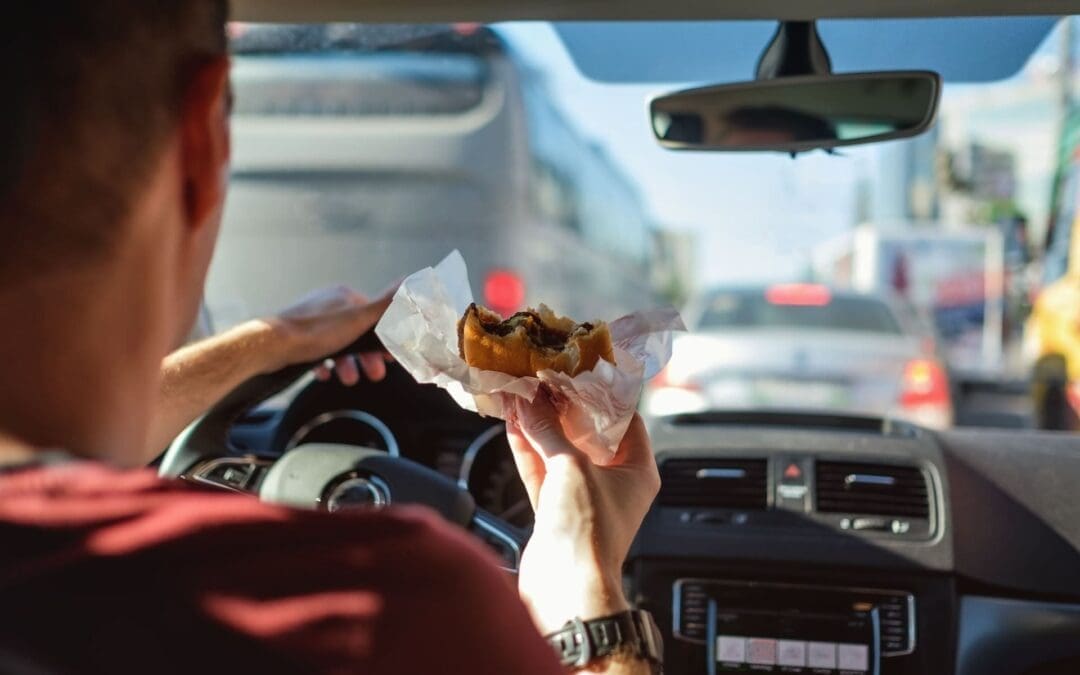
Eating while driving may seem like a time-saver, but it’s a risky habit that can lead to motor vehicle accidents (MVAs). Foods that are messy, greasy, hot, or need two hands—like hot coffee or tacos—cause distractions, increasing crash risks. These accidents can result in musculoskeletal injuries, chronic pain, and costs like fines or legal fees. The safest choice is to eat before or after driving. At El Paso Back Clinic, our dual-licensed chiropractor and nurse practitioner provide integrative care, combining advanced diagnostics, chiropractic adjustments, and holistic therapies to help MVA victims recover while supporting legal claims. This 4,000-word blog post, written at a high school reading level, details the dangers of eating while driving, the riskiest foods, crash consequences, and how El Paso Back Clinic’s expertise promotes healing, optimized for search engines.
Why Eating While Driving Is Hazardous
Eating while driving is a form of distracted driving, contributing to 3,308 fatalities in 2022, according to the National Highway Traffic Safety Administration (NHTSA). It involves three distractions:
Visual: Looking at food, unwrapping it, or cleaning spills can pull eyes away from the road.
Manual: Holding food or napkins takes your hands off the steering wheel.
Cognitive: Focusing on eating reduces mental attention to driving.
These distractions slow reaction times by up to 44%, making it difficult to respond to hazards such as a sudden stop. For example, reaching for a dropped fry or wiping sauce can lead to a crash. The NHTSA reports that eating while driving raises accident risk by 80%, outranking some distractions like texting. A 2020 survey by The Zebra found that 56.7% of Americans eat or drink while driving, highlighting the prevalence of this dangerous behavior. The best way to stay safe is to avoid eating behind the wheel.
References:
National Highway Traffic Safety Administration. (2022). Distracted driving statistics.
Some foods are riskier due to their messiness, heat, or the need for two-handed handling. Here are the top 10 hazardous foods and drinks, based on expert insights:
Hot Coffee: Spills from loose lids or hot sips cause burns, prompting sudden reactions.
Soups: Hot-to-go soups spill easily, requiring cleanup that can distract drivers.
Tacos: Falling fillings need two hands and draw eyes away from the road.
Fried Chicken: Greasy hands and napkins complicate steering and focus.
Barbecue: Messy sauces lead to cleanup attempts while driving.
Hamburgers: Large burgers need two hands, and toppings fall easily.
Chili: Hot and messy, it can burn or spill, demanding attention.
These foods amplify distractions through spills, burns, or complex handling. For example, eating a taco involves holding it, avoiding drips, and cleaning up—all while navigating traffic. Eat at a stop or before driving to stay safe.
MVAs from eating while driving cause physical, financial, and legal issues that can disrupt lives.
Physical Injuries
Crashes often lead to:
Whiplash: Neck strain from sudden jolts, causing pain and stiffness.
Back Pain: Spinal misalignments or soft tissue damage can lead to chronic issues.
Nerve Damage: Pinched nerves or herniated discs, resulting in numbness.
Fractures: Broken bones from impact or seatbelt trauma.
These injuries may not appear immediately, but can become chronic without care. For instance, untreated whiplash can cause long-term neck pain or disc problems.
Financial and Legal Burdens
Other impacts include:
Fines: Reckless driving tickets may apply, especially in hazardous conditions.
Legal Costs: At-fault drivers may face lawsuits, which can result in costly defense. C&B Law Group notes distracted drivers can be liable for negligence, leading to hefty claims.
Long-Term Effects
Chronic pain can affect work and daily life, while emotional trauma, like anxiety, may persist. Early treatment is crucial in preventing long-term issues.
At El Paso Back Clinic, our dual-licensed chiropractor and family nurse practitioner, with over 25 years of experience, specializes in treating MVA injuries. Holding DC, APRN, FNP-BC credentials, as well as certifications in Functional Medicine (IFMCP) and Clinical Chiropractic Sports Therapy (CCST), he offers comprehensive care that addresses both medical and legal needs, ensuring a holistic recovery.
Dual-Scope Approach
Our clinician’s philosophy combines chiropractic and medical expertise to treat both biomechanical and systemic issues. MVAs can cause spinal misalignments and systemic issues, such as inflammation. His approach includes:
Comprehensive Diagnosis: Tools like the Neural Zoomer Plus blood test detect brain inflammation or neuropathy, ensuring no injury is missed.
Tailored Treatments: Plans combine spinal adjustments, acupuncture, physical therapy, and nutrition, including anti-inflammatory diets, to address the root causes.
Advanced Diagnostics
El Paso Back Clinic uses:
MRI/CT Scans: Detect soft tissue damage or fractures.
Electromyography (EMG): Assesses nerve function.
Functional Movement Screens: Guide rehabilitation by evaluating mobility and movement patterns.
Blood Panels: Identify systemic inflammation or hormonal issues.
These tools provide evidence-based treatment plans that support healing and legal claims.
Unique Qualifications
Our clinician’s dual licensure enables:
Integrated Care: Combines holistic and conventional treatments, prescribing medications if needed while prioritizing non-invasive methods.
Legal Documentation: Detailed reports, backed by imaging, strengthen insurance or lawsuit claims.
Holistic Expertise: Functional medicine and sports therapy address complex injuries with nutrition and stress management.
Educational blogs and webinars empower patients, making El Paso Back Clinic a trusted resource for recovery.
Chiropractic care and integrative medicine at El Paso Back Clinic provide non-invasive, holistic recovery for MVA injuries, targeting root causes and promoting long-term health.
Chiropractic Care
Techniques include:
Spinal Adjustments: Realign the spine to relieve nerve pressure and improve mobility.
Soft Tissue Mobilization: Reduces inflammation and speeds healing.
Corrective Exercises: Strengthen muscles to prevent chronic pain.
For whiplash, gentle adjustments can restore neck function without the need for surgery. A 1986 study showed that early chiropractic care improves cervical injury outcomes.
Integrative Therapies
Complementary treatments include:
Acupuncture: Stimulates endorphins to reduce pain and stress.
Massage Therapy: Relieves muscle tension and boosts circulation.
Nutrition: Anti-inflammatory diets rich in omega-3s support tissue repair.
Nurse Practitioner Support: Coordinates diagnostics and medications if needed.
These therapies address both physical and emotional recovery, making them ideal for MVA patients.
Benefits
Holistic care provides:
Non-Invasive Options: Avoids surgical risks.
Comprehensive Healing: Addresses both symptoms and underlying causes.
Legal Support: Detailed reports are essential for personal injury claims.
This approach ensures faster recovery and improved quality of life.
References:
Ameis, A. (1986). Cervical whiplash: Considerations in the rehabilitation of cervical myofascial injury. Canadian Family Physician, 32, 1871–1876.
Eating while driving, especially risky foods like coffee or tacos, increases MVA risk by 80%, leading to injuries, financial burdens, and legal issues. Eating before or after driving is the safest option. At El Paso Back Clinic, our dual-licensed chiropractor and nurse practitioner offer integrative care, using advanced diagnostics, chiropractic adjustments, and holistic therapies to treat MVA injuries and support legal claims. This comprehensive approach ensures physical and systemic recovery. Avoid distracted driving and seek prompt care at El Paso Back Clinic to stay safe and healthy.
References
Ameis, A. (1986). Cervical whiplash: Considerations in the rehabilitation of cervical myofascial injury. Canadian Family Physician, 32, 1871–1876.
Chiropractic Care: A Comprehensive Solution for Motor Vehicle Accident Injuries
Motor vehicle accidents (MVAs) are a leading cause of musculoskeletal injuries, nerve damage, and chronic pain, particularly in the back and neck. These injuries can disrupt daily life, limit mobility, and lead to long-term health complications if not addressed promptly. Chiropractic care, combined with integrative medicine, offers a holistic, non-invasive approach to treating these injuries by restoring function, reducing inflammation, and promoting overall well-being. Dr. Alexander Jimenez, a chiropractor and nurse practitioner based in El Paso, Texas, exemplifies this approach through his evidence-based protocols, advanced diagnostics, and patient-centered care. This blog post examines how chiropractic care accelerates recovery from motor vehicle accident (MVA)-related injuries, delving into Dr. Jimenez’s clinical observations, the role of integrative medicine, and the importance of timely intervention.
The Impact of Motor Vehicle Accidents on the Body
MVAs subject the body to sudden, intense forces that can cause a range of injuries, from soft tissue damage to spinal misalignments and nerve compression. Common injuries include:
Whiplash: A rapid back-and-forth motion of the neck, often leading to muscle strains, ligament sprains, and nerve irritation. Symptoms include neck pain, stiffness, headaches, and dizziness (The Winchester Institute, n.d.).
Back and Neck Pain: Spinal misalignments or disc herniations can result from the impact, causing acute or chronic pain (Miami Chiropractors, n.d.).
Musculoskeletal Injuries: Strains, sprains, and tears in muscles, tendons, and ligaments are prevalent due to the body’s attempt to brace during a collision (Pacific Coast Injury Group, 2025).
Nerve Injuries: Compression or irritation of spinal nerves can lead to radiating pain, numbness, or weakness, as seen in conditions like sciatica (Jimenez, 2025).
These injuries often manifest days or weeks after the accident, making early intervention critical to prevent chronic complications (MVAMVP, n.d.). The 72-hour window following an accident is particularly important, as prompt care can help reduce inflammation and improve recovery outcomes (Cesak Chiropractic, n.d.).
Chiropractic care focuses on restoring the body’s natural alignment and function, addressing the root causes of pain and dysfunction. By combining spinal adjustments, soft tissue therapies, and rehabilitation exercises, chiropractors help patients recover faster and reduce the risk of long-term issues.
Spinal Adjustments
Spinal adjustments are the hallmark of chiropractic care. These precise, manual manipulations correct misalignments (subluxations) in the spine, relieving pressure on nerves and improving joint mobility. For MVA patients, adjustments are particularly effective for:
Reducing Pain: By realigning the spine, adjustments alleviate nerve compression, reducing pain in the neck, back, and extremities (Brookdale Health, n.d.).
Restoring Range of Motion: Adjustments enhance joint flexibility, counteracting stiffness caused by whiplash or muscle spasms (DeBruin Chiropractic, n.d.).
A 2020 study in the Spine Journal found that spinal manipulative therapy significantly reduces pain and disability in patients with chronic low back pain, supporting its efficacy for MVA-related injuries (Rubinstein et al., 2020).
Soft Tissue Therapies
Soft tissue injuries, such as muscle strains and ligament sprains, are common in motor vehicle accidents (MVAs). Chiropractors use various therapies, including massage, myofascial release, and trigger point therapy, to achieve the following goals:
Break Up Scar Tissue: Massage therapy disrupts adhesions, improving muscle flexibility and reducing pain (DeBruin Chiropractic, n.d.).
Relieve Muscle Tension: Targeted techniques relax tight muscles, alleviating spasms and discomfort (Square One Health, n.d.).
Enhance Circulation: Improved blood flow delivers oxygen and nutrients to injured tissues, accelerating healing (Pacific Coast Injury Group, 2025).
Rehabilitation Exercises
Rehabilitation exercises are tailored to each patient’s needs, focusing on strengthening muscles, improving flexibility, and preventing re-injury. These exercises may include:
Stretching Routines: To restore flexibility and reduce stiffness in the neck and back (Apex Orthopedic Spine & Neurology, n.d.).
Core Strengthening: To stabilize the spine and prevent future injuries (Jackson Healing Arts, n.d.).
Proprioceptive Training: To improve balance and coordination, especially for athletes or active individuals (Jimenez, 2025).
Dr. Alexander Jimenez’s Clinical Approach in El Paso
Dr. Alexander Jimenez, a dual-licensed chiropractor and board-certified nurse practitioner, has over 25 years of experience treating MVA victims in El Paso, Texas. His practice, Injury Medical & Chiropractic Clinic, integrates chiropractic care, functional medicine, and advanced diagnostics to address both the symptoms and underlying causes of injuries (Jimenez, 2025).
Advanced Diagnostics and Imaging
Dr. Jimenez emphasizes the importance of accurate diagnosis in creating effective treatment plans. His clinic employs:
X-rays and MRIs: To identify spinal misalignments, disc herniations, and fractures (El Paso Back Clinic, n.d.).
Functional Lab Testing: To assess metabolic, hormonal, and nutritional status, which can influence recovery (Jimenez, 2025).
Dual-Scope Procedures: Combining chiropractic and nurse practitioner expertise, Dr. Jimenez conducts comprehensive evaluations that bridge physical and systemic health (Jimenez, 2025).
Advanced imaging is crucial for correlating patient symptoms with objective findings, particularly in personal injury cases where detailed legal documentation is required. For example, an MRI can reveal a herniated disc causing sciatica, providing evidence for both treatment and insurance claims (Jimenez, 2025).
Legal Documentation
In personal injury cases, thorough documentation is essential for insurance claims and legal proceedings. Dr. Jimenez’s detailed intake process includes:
Multipage Questionnaires: To capture the mechanism of injury, biomechanics, and medical history (El Paso Back Clinic, n.d.).
Diagnostic Reports: Combining imaging results, neurological assessments, and physical evaluations to create a comprehensive treatment plan (Jimenez, 2025).
Collaboration with Specialists: Dr. Jimenez works with radiologists and other professionals to ensure accurate diagnoses and robust legal support (Personal Injury Doctor, n.d.).
This meticulous approach ensures that patients receive appropriate care while meeting the evidentiary needs of their cases.
Integrative medicine combines chiropractic care with nutrition, lifestyle interventions, and other therapies to promote holistic healing. Dr. Jimenez’s protocols include:
Functional Medicine
Functional medicine addresses the root causes of pain and dysfunction, including inflammation, hormonal imbalances, and nutritional deficiencies. Key components include:
Nutritional Counseling: Anti-inflammatory diets rich in omega-3 fatty acids, antioxidants, and whole foods can help reduce swelling and support tissue repair (Jimenez, 2025).
Hormone Optimization: Addressing cortisol dysregulation, which can exacerbate pain, improves healing outcomes (El Paso Back Clinic, n.d.).
Metabolic Assessments: Blood panels identify deficiencies that may delay recovery, allowing for targeted supplementation (Jimenez, 2025).
A 2019 study linked cortisol imbalances to chronic pain syndromes, highlighting the importance of addressing systemic factors (Hannibal et al., 2019).
Health Coaching
Dr. Jimenez’s clinic offers in-person and virtual health coaching to support long-term wellness and overall well-being. Coaching sessions focus on:
Stress Management: Techniques such as mindfulness and breathing exercises can reduce tension and improve mental health (Jackson Healing Arts, n.d.).
Exercise Plans: Customized routines enhance strength and mobility, preventing re-injury (El Paso Back Clinic, n.d.).
Sleep Optimization: Guidance on sleep hygiene improves recovery by supporting tissue repair and reducing pain (Jimenez, 2025).
Other Therapies
Additional therapies complement chiropractic care, including:
Acupuncture: Reduces pain and promotes relaxation by stimulating specific points on the body (Jimenez, 2025).
Electro-Acupuncture: Enhances pain relief by applying mild electrical currents to acupuncture needles (El Paso Back Clinic, n.d.).
Transcutaneous Electrical Nerve Stimulation (TENS): Reduces pain by stimulating nerves with low-voltage currents (1st Health Inc., n.d.).
Hannibal, K. E., et al. (2019). Cortisol and pain: A systematic review. Journal of Clinical Endocrinology & Metabolism, 104(6), 2171–2182. https://doi.org/10.1210/jc.2018-02345
Seeking chiropractic care within 72 hours of a motor vehicle accident (MVA) can significantly improve outcomes. Delayed treatment increases the risk of chronic pain, reduced mobility, and complications like scar tissue formation (MVAMVP, n.d.). Chiropractic care offers several benefits during this critical window:
Reduced Swelling: Early adjustments and therapies minimize inflammation, preventing further tissue damage (Apex Orthopedic Spine & Neurology, n.d.).
Faster Recovery: Prompt intervention accelerates healing, reducing the need for invasive treatments (Miami Chiropractors, n.d.).
Prevention of Chronic Issues: Addressing misalignments early prevents long-term nerve compression and pain (Cesak Chiropractic, n.d.).
Even minor injuries should be evaluated, as hidden issues like soft tissue damage or spinal misalignments can worsen over time (Miami Chiropractors, n.d.).
Dr. Jimenez’s clinic has documented numerous success stories, particularly in personal injury cases in El Paso. Patients with whiplash, sciatica, and chronic back pain have reported significant improvements through his integrative approach (Jimenez, 2025). For example:
Case Study 1: A 35-year-old female involved in a rear-end collision presented with neck pain and headaches. After six weeks of spinal adjustments, massage therapy, and nutritional counseling, she reported a 90% reduction in symptoms and improved range of motion (El Paso Back Clinic, n.d.).
Case Study 2: A 50-year-old male with sciatica post-MVA underwent spinal decompression and functional medicine assessments. Within three months, his pain decreased from 8/10 to 2/10, and he resumed normal activities (Jimenez, 2025).
These outcomes highlight the effectiveness of combining chiropractic care with integrative medicine for comprehensive recovery.
Chiropractic care, combined with integrative medicine, offers a powerful solution for recovering from injuries sustained in motor vehicle accidents. By addressing musculoskeletal injuries, nerve damage, and back and neck pain through spinal adjustments, soft tissue therapies, and rehabilitation exercises, chiropractors like Dr. Alexander Jimenez help patients restore function and prevent chronic complications. His use of advanced imaging, dual-scope procedures, and functional medicine ensures accurate diagnoses and personalized treatment plans, while his meticulous documentation supports legal and insurance needs. Integrative approaches, including nutrition and health coaching, promote long-term wellness, making chiropractic care an essential part of post-MVA recovery. If you’ve been in an accident, consult a chiropractor promptly to start your journey to a pain-free, active life.
Hannibal, K. E., et al. (2019). Cortisol and pain: A systematic review. Journal of Clinical Endocrinology & Metabolism, 104(6), 2171–2182. https://doi.org/10.1210/jc.2018-02345
Healthy Eating to Prevent Drowsy Driving and Support Recovery from Motor Vehicle Accidents
Drowsy driving is a serious issue that contributes to thousands of motor vehicle accidents (MVAs) each year, leading to injuries, fatalities, and significant economic costs. According to the National Highway Traffic Safety Administration, drowsy driving was responsible for an estimated 91,000 crashes in 2017 alone, resulting in 50,000 injuries and nearly 800 deaths (NHTSA, 2019). These accidents often cause musculoskeletal injuries, such as back and neck pain, which can significantly impact a person’s quality of life. Fortunately, adopting healthy eating habits can help drivers stay alert and energized, reducing the risk of drowsy driving. Additionally, chiropractic care and integrative medicine, practiced by experts such as Dr. Alexander Jimenez in El Paso, Texas, provide effective solutions for recovery and long-term wellness for individuals who have experienced motor vehicle accidents (MVAs).
This blog post examines the relationship between nutrition, drowsy driving prevention, and recovery from motor vehicle accident (MVA)- related injuries. We’ll discuss the best foods and snacks to keep drivers awake, the role of chiropractic and integrative medicine in treating musculoskeletal injuries, and how Dr. Jimenez’s unique approach combines advanced diagnostics, nutrition, and health coaching to promote healing and overall well-being. This guide offers practical tips and evidence-based insights to help you stay safe on the road and recover effectively in the event of an accident.
The Dangers of Drowsy Driving
Drowsy driving occurs when a driver operates a vehicle while fatigued, impairing their reaction time, decision-making, and overall alertness. Fatigue can stem from a lack of sleep, long driving hours, or poor dietary choices that lead to energy crashes. The consequences are severe: drowsy driving increases the likelihood of MVAs, which can cause injuries ranging from whiplash to complex spinal issues.
Why Drowsiness Matters
Fatigue affects the brain’s ability to process information, similar to the effects of alcohol impairment. A study by the AAA Foundation for Traffic Safety found that drivers who slept only 4–5 hours in the past 24 hours had a crash risk comparable to those with a blood alcohol concentration above the legal limit (AAA Foundation, 2016). For adult drivers, especially those with demanding schedules, maintaining alertness is critical to preventing accidents.
The Role of Nutrition
Diet plays a significant role in combating fatigue. Foods that cause rapid spikes and drops in blood sugar, such as sugary snacks or refined carbohydrates, can lead to energy crashes that exacerbate drowsiness. Conversely, nutrient-dense foods provide sustained energy, keeping drivers alert for longer periods. By selecting appropriate snacks, drivers can minimize the likelihood of falling asleep while driving, thereby safeguarding both themselves and other road users.
To avoid drowsiness, drivers should prioritize foods that provide steady energy without causing blood sugar spikes. Below, we outline the best snacks for sustained alertness, based on scientific research and expert recommendations.
Fruits for Steady Energy
Fruits like apples and bananas are excellent choices for drivers. Apples contain natural sugars, fiber, and antioxidants, which provide a gradual release of energy. A study published in Nutrients found that apples improve cognitive performance due to their high flavonoid content (Bondonno et al., 2018). Bananas, rich in potassium, vitamin B6, and complex carbohydrates, offer long-lasting energy and help regulate blood sugar levels (Medical News Today, 2018).
How to Pack: Slice apples and pair with a small amount of peanut butter for added protein. Store bananas in a cool, dry place in your vehicle for a convenient on-the-go snack.
Nuts for Sustained Fuel
Nuts, such as almonds and walnuts, are rich in healthy fats, protein, and fiber, making them an ideal choice for maintaining energy levels. Almonds contain magnesium, which supports muscle function and reduces fatigue, while walnuts provide omega-3 fatty acids that enhance brain function (Healthline, 2020). These nutrients help drivers stay focused during long trips.
How to Pack: Portion out 1-ounce servings of mixed nuts in resealable bags to avoid overeating. Combine with dried fruit for a balanced snack.
Protein-Rich Snacks
Protein helps stabilize blood sugar and promotes satiety, preventing energy dips. Yogurt with nuts and berries is a great option, as it combines protein, probiotics, and antioxidants. Greek yogurt, in particular, has been shown to improve mental alertness due to its high protein content (Cleveland Clinic, 2021). Peanut butter on whole wheat crackers provides a mix of protein, healthy fats, and complex carbohydrates, offering sustained energy without the crash (Yuma Truck Driving School, 2023).
How to Pack: Use a small cooler to keep yogurt fresh. Pre-spread peanut butter on whole-wheat crackers and store them in an airtight container for convenience.
Hydration: The Unsung Hero
Staying hydrated is equally important for preventing fatigue. Dehydration can cause drowsiness, reduced concentration, and slower reaction times. Drinking water or unsweetened herbal teas keeps the body and brain functioning optimally (Doug Andrus, 2022).
How to Pack: Carry a reusable water bottle and refill it at rest stops. Avoid sugary drinks or excessive caffeine, as they can lead to energy crashes (Sleep Foundation, 2023).
Foods to Avoid
Avoid high-sugar snacks, such as candy bars, sodas, or pastries, as they can cause rapid blood sugar spikes followed by crashes, which can increase drowsiness. Heavy, greasy meals can also divert blood flow to the digestive system, making you feel sluggish (Logmate, 2022).
The Consequences of MVAs: Musculoskeletal Injuries
When drowsy driving leads to a motor vehicle accident (MVA), the physical toll can be significant. Common injuries include whiplash, back pain, neck pain, and complex spinal issues, which can cause chronic discomfort and limit mobility. These injuries often require specialized care to restore function and prevent long-term complications.
Common MVA Injuries
Whiplash: A sudden jolt in a collision can strain or tear neck muscles and ligaments, leading to pain, stiffness, and headaches. Whiplash is one of the most common MVA injuries, affecting millions annually (Jimenez, 2018).
Back Pain: An accident can compress spinal discs or misalign vertebrae, causing lower back pain or sciatica. These conditions may persist without proper treatment (El Paso Back Clinic, 2023).
Neck Pain: Beyond whiplash, neck pain can result from muscle strains or nerve irritation, impacting daily activities and sleep quality (Jimenez, 2025).
The Long-Term Impact
Untreated musculoskeletal injuries can lead to chronic pain, reduced mobility, and secondary issues like depression or poor posture. For example, a study in Pain Research and Management found that 20–50% of whiplash patients develop chronic symptoms if not treated early (Sterling et al., 2019). Early intervention is crucial in preventing these outcomes.
Chiropractic care is a cornerstone of recovery for MVA-related injuries, offering non-invasive, evidence-based treatments to restore mobility and alleviate pain. Dr. Alexander Jimenez, a chiropractor and board-certified nurse practitioner in El Paso, Texas, is renowned for his expertise in treating MVA victims, combining chiropractic techniques with integrative medicine for optimal outcomes.
How Chiropractic Helps
Chiropractic care focuses on restoring spinal alignment, reducing nerve interference, and promoting natural healing. Common techniques include:
Spinal Adjustments: Realign vertebrae to relieve pressure on nerves and discs, reducing pain and improving function.
Manual Therapies: Target soft tissue injuries to reduce inflammation and enhance mobility.
Spinal Decompression: Relieves pressure on compressed discs, alleviating sciatica and back pain (Jimenez, 2023).
A 2020 study in the Journal of Manipulative and Physiological Therapeutics found that chiropractic adjustments significantly reduced pain and improved range of motion in patients with whiplash-associated disorders (DeVocht et al., 2020).
Dr. Jimenez’s Approach
Dr. Jimenez’s dual licensure as a chiropractor and nurse practitioner allows him to provide comprehensive care that bridges biomechanical and medical perspectives. His practice at Injury Medical & Chiropractic Clinic emphasizes:
Dual-Scope Procedures: Combining chiropractic adjustments with medical assessments to address both musculoskeletal and systemic issues.
Diagnostic assessments, including blood panels and functional medicine tools like the Living Matrix, help identify underlying causes of pain, such as inflammation or hormonal imbalances (El Paso Back Clinic, 2023).
This integrated approach not only treats injuries but also supports legal documentation for personal injury cases, ensuring patients receive appropriate compensation for their medical needs (Jimenez, 2025).
Integrative medicine, as practiced by Dr. Jimenez, goes beyond symptom relief to address the root causes of health issues. Nutrition and health coaching are integral components of this approach, supporting recovery from motor vehicle accident (MVA) injuries and promoting overall well-being.
The Role of Nutrition
Nutrition plays a crucial role in the healing of musculoskeletal injuries. Anti-inflammatory diets, rich in omega-3 fatty acids, antioxidants, and lean proteins, reduce pain and swelling, accelerating recovery. For example:
Omega-3s, found in walnuts and fatty fish, decrease inflammation, supporting joint and tissue repair (Kaushik et al., 2020).
Lean Proteins: Eggs and Greek yogurt provide amino acids for muscle repair and immune function (Cleveland Clinic, 2021).
Dr. Jimenez creates personalized nutrition plans tailored to each patient’s needs, ensuring optimal nutrient intake for recovery (El Paso Back Clinic, 2023).
Health Coaching
Health coaching empowers patients to adopt sustainable lifestyle changes, such as stress management, sleep optimization, and ergonomic adjustments. These practices prevent injury recurrence and enhance long-term health. A 2019 study in the Journal of Clinical Endocrinology & Metabolism linked stress management to reduced cortisol levels, which can exacerbate chronic pain (Hannibal et al., 2019).
Dr. Jimenez’s virtual and in-person coaching sessions guide patients in implementing these changes, ensuring they remain on track with their recovery goals (Jimenez, 2025).
Functional Medicine Assessments
Using tools like the Neural Zoomer Plus, Dr. Jimenez identifies neurological and systemic contributors to pain, including inflammation and nutrient deficiencies. These assessments enable precise interventions, addressing the whole person rather than just symptoms (El Paso Back Clinic, 2019).
Dr. Jimenez’s Expertise in El Paso Personal Injury Cases
Dr. Alexander Jimenez is a leading figure in El Paso’s chiropractic and integrative medicine community, with over 25 years of experience treating MVA victims. His practice, Injury Medical & Chiropractic Clinic, is recognized for its patient-centered approach, which combines advanced diagnostics, chiropractic care, and functional medicine to achieve measurable health outcomes.
Clinical Rationale
Dr. Jimenez’s clinical rationale emphasizes the correlation between patient injuries and advanced diagnostics. For example:
Advanced Imaging: MRI and CT scans reveal hidden injuries, such as herniated discs or soft tissue damage, that may not be evident in initial exams (Jimenez, 2023).
Dual-Scope Procedures: By integrating chiropractic and medical assessments, Dr. Jimenez addresses both biomechanical dysfunctions and systemic issues, ensuring comprehensive care.
Diagnostic Assessments: Tools like blood panels and functional medicine evaluations uncover underlying factors, such as inflammation or hormonal imbalances, that prolong recovery (El Paso Back Clinic, 2023).
This approach not only facilitates physical recovery but also provides detailed documentation for personal injury cases, supporting patients’ legal claims (Jimenez, 2025).
Success Stories
Patient testimonials highlight Dr. Jimenez’s transformative impact. For example, a 2023 case study on elpasobackclinic.com described a patient who recovered from severe whiplash and sciatica through a combination of chiropractic adjustments, nutritional therapy, and health coaching. Such outcomes demonstrate the efficacy of Dr. Jimenez’s holistic approach.
To incorporate these insights into your daily routine, follow these practical tips:
Plan Your Snacks: Pack a cooler with apples, bananas, nuts, yogurt, and whole-wheat crackers with peanut butter for long drives.
Stay Hydrated: Keep a water bottle handy and sip regularly to avoid dehydration-related fatigue.
Take Breaks: Stop every 2 hours to stretch, eat a healthy snack, and refresh your mind (New Cars Online, 2023).
Seek Care After an MVA: If you’re in an accident, consult a specialist like Dr. Jimenez for a comprehensive evaluation and personalized treatment plan.
Adopt a Healthy Lifestyle: Follow an anti-inflammatory diet and engage in regular exercise to support overall health and resilience.
Drowsy driving is a preventable risk that can lead to devastating MVAs and musculoskeletal injuries. By choosing nutrient-dense snacks like apples, bananas, nuts, and protein-rich foods, drivers can maintain alertness and reduce the likelihood of accidents. For those who experience MVAs, chiropractic care and integrative medicine, as exemplified by Dr. Alexander Jimenez in El Paso, offer a path to recovery. Through advanced imaging, dual-scope procedures, and personalized nutrition plans, Dr. Jimenez addresses the root causes of injuries, enabling patients to regain mobility and improve their quality of life. By combining healthy eating habits with proactive medical care, drivers can stay safe on the road and thrive after an accident.
For more information or to schedule a consultation with Dr. Jimenez, visit dralexjimenez.com or call 915-850-0900.
Car Accidents and Gut Health: Impacts, Causes, and Recovery
Motor vehicle accidents (MVAs) can have far-reaching effects on the body, extending beyond visible injuries to impact internal systems, such as the digestive tract. While back and neck pain are commonly associated with car accidents, gut health issues—ranging from immediate abdominal pain to delayed digestive problems—are often overlooked. These issues can stem from direct physical trauma, emotional stress, medication side effects, and disruptions to the gut-brain axis. In El Paso, Texas, Dr. Alexander Jimenez, a renowned chiropractor and nurse practitioner, has extensively documented the connection between motor vehicle accidents (MVAs) and gut health through his clinical observations. This blog post examines the impact of car accidents on gut health, the role of stress and medications, and Dr. Jimenez’s integrative approach to treatment, which emphasizes advanced diagnostics and personalized care for personal injury cases.
Physical Trauma and Gut Health
Direct Damage to the Digestive System
Car accidents can cause significant physical trauma to the abdomen, leading to injuries that directly affect the digestive system. Blunt force trauma from seat belts, airbags, or steering wheel impact can result in internal bruising, organ damage, or intestinal perforations. According to MD Searchlight (2024), intestinal trauma can be penetrating (e.g., from sharp objects) or blunt (e.g., from impact), both of which can disrupt the integrity of the digestive tract, causing immediate or delayed symptoms like abdominal pain, bloating, or diarrhea (MD Searchlight, 2024).
Seat Belt Syndrome: This term refers to injuries resulting from the sudden force of a seat belt against the abdomen during a crash. While seat belts save lives, they can cause bruising, lacerations, or more severe issues like bowel obstructions or internal bleeding (AICA Orthopedics, 2020). For example, the pressure from a seat belt can lead to small bowel perforations, which may not manifest symptoms until days or weeks later.
Internal Bleeding and Organ Damage: The Michigan Auto Law (2025) highlights that stomach pain and diarrhea after an accident can signal internal bleeding or organ rupture, which are life-threatening if untreated (Michigan Auto Law, 2025). Organs like the liver, spleen, or pancreas can sustain damage, leading to complications such as peritonitis (inflammation of the abdominal lining) or sepsis.
Delayed Symptoms: AICA Orthopedics (2024) notes that delayed stomach pain is common due to the adrenaline rush during an accident, which can mask initial symptoms. Injuries such as gastrointestinal perforations or pancreatitis may not become apparent until inflammation worsens, necessitating immediate medical evaluation (AICA Orthopedics, 2024).
Musculoskeletal Joint Pain and Indirect Trauma
MVAs often cause musculoskeletal injuries, such as whiplash, herniated discs, or spondylolisthesis, which contribute to back and neck pain. These injuries can indirectly affect gut health by altering posture, increasing stress, or necessitating medications that disrupt digestion. Dr. Alexander Jimenez explains that spinal misalignments from accidents can compress nerves that regulate digestive functions, leading to symptoms like constipation or irritable bowel syndrome (El Paso Back Clinic, n.d.).
Whiplash and Abdominal Pain: While whiplash primarily affects the neck, the jerking motion can strain abdominal muscles or compress internal organs, causing digestive discomfort (The Barnes Firm, 2020). This connection underscores the systemic impact of MVAs on the body.
Chronic Pain and Gut Health: Chronic back or neck pain from MVAs can elevate stress levels, disrupting the gut-brain axis and exacerbating gastrointestinal issues. Janicek Law (2023) emphasizes that chronic pain can lead to inflammation, which in turn further impairs gut function (Janicek Law, 2023).
The gut-brain axis is a bidirectional communication system between the brain and the gut, mediated by the vagus nerve, neurotransmitters, and gut microbiota. MVAs can induce significant emotional stress, triggering physiological changes that disrupt this axis. Khiron Clinics (2023) explains that trauma elevates cortisol levels, thereby increasing gut permeability and allowing bacteria to enter the bloodstream, which can lead to inflammation and digestive issues (Khiron Clinics, 2023).
Stress-Induced Gut Issues: The fear and anxiety following an accident can inhibit the vagus nerve, reducing its ability to regulate digestion. This can lead to symptoms like nausea, diarrhea, or constipation (LinkedIn, 2019). Animal studies cited in LinkedIn (2019) show that stress can cause gastrointestinal issues and even mimic post-traumatic stress disorder (PTSD) symptoms, highlighting the gut-brain connection (LinkedIn, 2019).
Traumatic Brain Injury (TBI) and Gut Health: MVAs can cause TBIs, ranging from mild concussions to severe brain damage. Heuer Fischer (n.d.) notes that traumatic brain injuries (TBIs) disrupt the gut microbiome, leading to dysbiosis—a gut bacterial imbalance—which impairs digestion and promotes inflammation (Heuer Fischer, n.d.). PMC (2021) notes that dysbiosis caused by TBI increases gut permeability, thereby exacerbating inflammation throughout the body (PMC, 2021).
Clinical Observations by Dr. Jimenez
Dr. Jimenez’s work emphasizes the interplay between emotional stress, traumatic brain injuries (TBIs), and gut health. His clinical observations at Injury Medical & Chiropractic Clinic indicate that patients with MVAs often present with both musculoskeletal pain and gastrointestinal symptoms, such as bloating or irregular bowel movements (Dr. Alex Jimenez, n.d.). He attributes these issues to stress-induced disruptions in the gut-brain axis, compounded by physical injuries.
Dr. Alex Jimenez. (n.d.). Traumatic brain injuries & gut issues. Retrieved from https://dralexjimenez.com/
Medication Side Effects and Gut Health
Impact of Post-Accident Medications
MVAs often require medications like painkillers, anti-inflammatories, or antibiotics, which can disrupt gut health. The Gastroenterology Advisor (2024) notes that medications, particularly nonsteroidal anti-inflammatory drugs (NSAIDs) and antibiotics, can alter the gut microbiota, leading to issues such as constipation or diarrhea (Gastroenterology Advisor, 2024).
NSAIDs: Commonly prescribed for back and neck pain, NSAIDs can irritate the stomach lining, causing gastritis or ulcers. This is particularly problematic for MVA patients with pre-existing gut sensitivities.
Antibiotics: If surgery or infections (e.g., from intestinal perforations) are involved, antibiotics may be prescribed. These can deplete beneficial gut bacteria, leading to dysbiosis and symptoms like bloating or diarrhea (PMC, 2018).
Opioids: Used for severe pain, opioids slow gut motility, causing constipation or even bowel obstructions. Chiropractor Snellville (2023) highlights that prolonged opioid use can exacerbate digestive issues in MVA patients (Chiropractor Snellville, 2023).
Dr. Jimenez’s Approach to Medication Management
Dr. Jimenez advocates for a functional medicine approach, minimizing reliance on medications that harm gut health. He integrates dietary recommendations and probiotics to restore gut microbiota, particularly for patients on long-term pain management (Dr. Alex Jimenez, n.d.). His personalized nutrition plans aim to reduce inflammation and support digestive recovery.
Dr. Alex Jimenez. (n.d.). Post-automobile accident recovery and healing foods. Retrieved from https://dralexjimenez.com/
Dr. Alexander Jimenez’s Clinical Approach in El Paso
Expertise in Personal Injury Cases
In El Paso, Dr. Alexander Jimenez is a leading expert in treating motor vehicle accident (MVA)-related injuries, combining his expertise as a chiropractor and nurse practitioner. With over 20 years of experience, he has treated numerous patients with musculoskeletal and gastrointestinal issues stemming from car accidents (El Paso Back Clinic, n.d.). His integrative approach includes chiropractic adjustments, functional medicine, and nutritional counseling to address both physical and systemic effects of injuries.
Personal Injury Documentation: Dr. Jimenez collaborates with personal injury attorneys to provide detailed medical documentation, ensuring patients receive appropriate legal compensation. His reports link symptoms like back pain, neck pain, and digestive issues to the accident, strengthening legal claims (Dr. Alex Jimenez, n.d.).
Advanced Diagnostics and Dual-Scope Procedures
Dr. Jimenez utilizes advanced imaging techniques (e.g., X-rays, CT scans, and MRIs) and dual-scope procedures (e.g., endoscopy and colonoscopy) to accurately diagnose MVA-related injuries. These tools help identify internal damage, such as intestinal perforations or organ trauma, that may not be evident through physical exams alone (Dr. Alex Jimenez, n.d.).
Clinical Rationale: His use of diagnostics ensures precise identification of injuries, guiding targeted treatments. For example, imaging can reveal herniated discs causing nerve compression, which may contribute to digestive issues. Dual-scope procedures are particularly useful for detecting gastrointestinal trauma, such as tears in the intestinal wall, which can lead to sepsis if untreated.
Holistic Treatment Plans: Dr. Jimenez’s treatment plans combine chiropractic care for musculoskeletal pain, visceral manipulation for gut health, and dietary adjustments to reduce inflammation. His approach addresses the root causes of symptoms, promoting long-term recovery (El Paso Back Clinic, n.d.).
Citations
Dr. Alex Jimenez. (n.d.). Car accident specialist in El Paso, TX. Retrieved from https://dralexjimenez.com/
Seek Medical Attention: Even if symptoms are not immediate, a thorough medical evaluation is crucial to rule out internal injuries. The Barnes Firm (2020) emphasizes that prompt care can prevent complications like organ failure or sepsis (The Barnes Firm, 2020).
Monitor Symptoms: Watch for delayed symptoms, such as stomach pain, diarrhea, or bloating, which may indicate serious issues (AICA Orthopedics, 2024).
Consult a Specialist: Specialists, such as Dr. Jimenez, can provide comprehensive care that addresses both physical and gastrointestinal symptoms.
Long-Term Recovery
Chiropractic Care: Regular adjustments can alleviate back and neck pain, reducing stress on the digestive system.
Dietary Adjustments: Dr. Jimenez recommends anti-inflammatory diets rich in probiotics to restore gut health (Dr. Alex Jimenez, n.d.).
Stress Management: Techniques such as meditation or yoga can help reduce cortisol levels, thereby supporting the gut-brain axis (Khiron Clinics, 2023).
Preventing Future Injuries
Proper Seat Belt Use: Ensure seat belts are worn correctly to minimize abdominal trauma.
Safe Driving Practices: Avoid distractions and follow traffic rules to reduce the risk of accidents.
Vehicle Safety Features: Utilize airbags and advanced safety systems to enhance protection (PMC, n.d.).
Car accidents can profoundly affect gut health through physical trauma, emotional stress, and medication side effects. Direct injuries like seat belt syndrome or internal bleeding can cause immediate or delayed digestive issues, while stress and TBIs disrupt the gut-brain axis, leading to long-term complications. Medications used to manage pain or infections can further impair gut microbiota, exacerbating symptoms. In El Paso, Dr. Alexander Jimenez’s integrative approach—combining chiropractic care, advanced diagnostics, and functional medicine—offers a comprehensive solution for MVA victims. His use of imaging and dual-scope procedures ensures accurate diagnoses, while his collaboration with legal professionals supports patients’ compensation claims. By addressing both physical and systemic effects, Dr. Jimenez helps patients achieve holistic recovery, emphasizing the importance of seeking prompt medical care after a motor vehicle accident (MVA).
IFM's Find A Practitioner tool is the largest referral network in Functional Medicine, created to help patients locate Functional Medicine practitioners anywhere in the world. IFM Certified Practitioners are listed first in the search results, given their extensive education in Functional Medicine