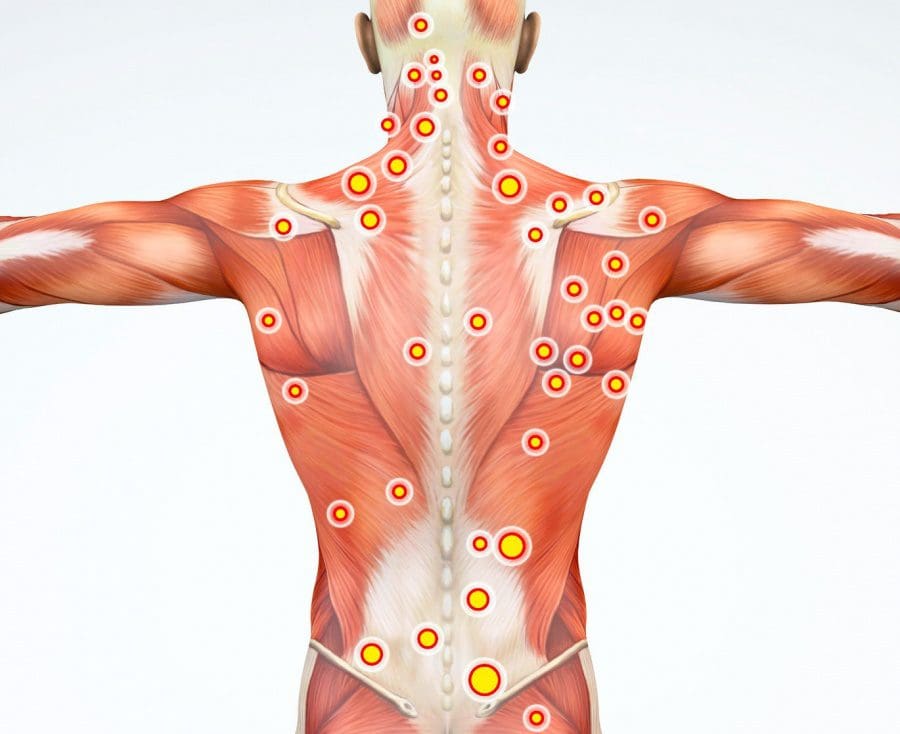
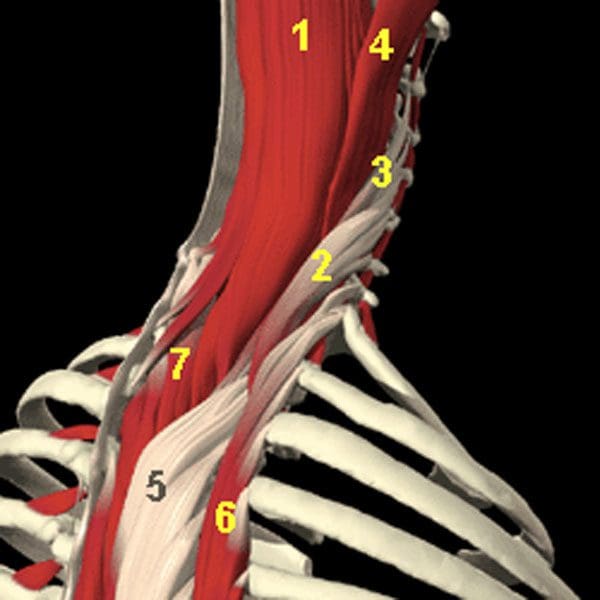
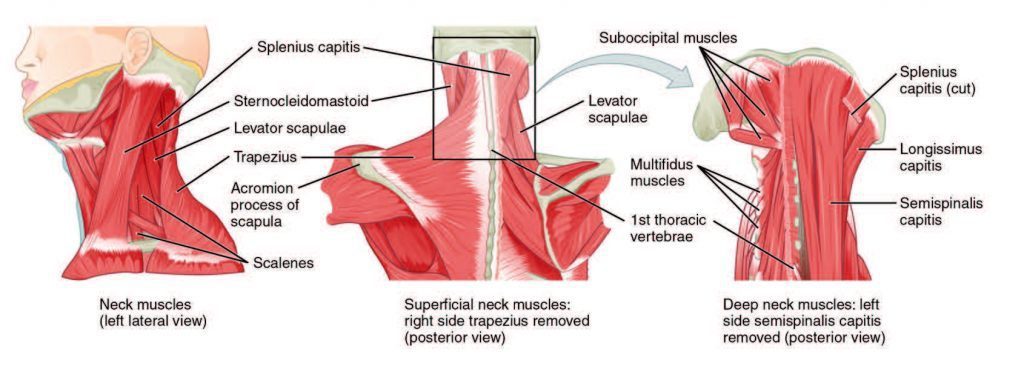
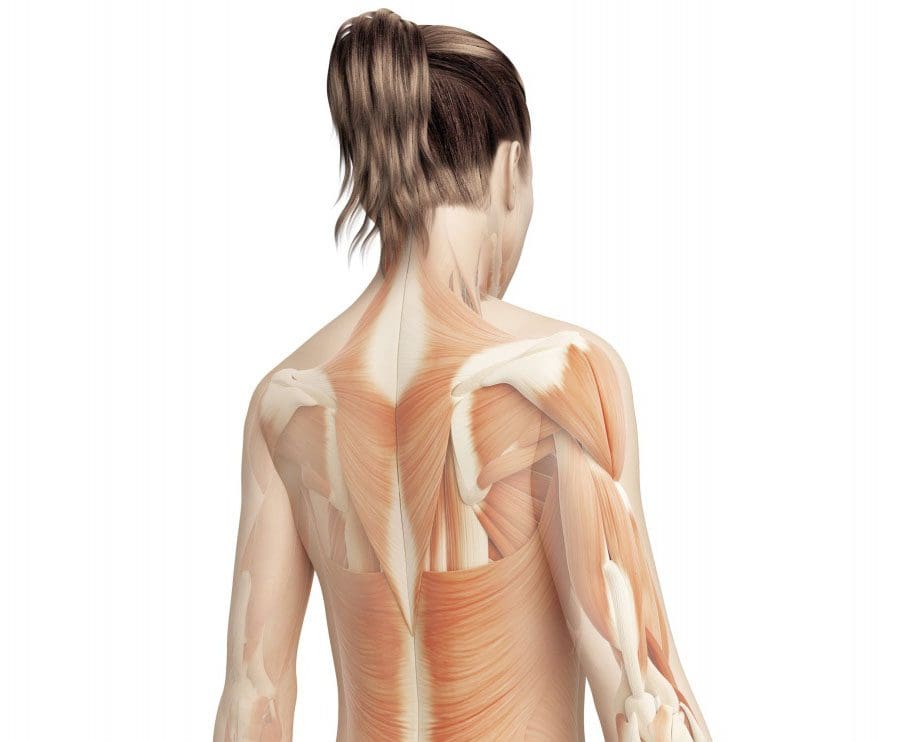
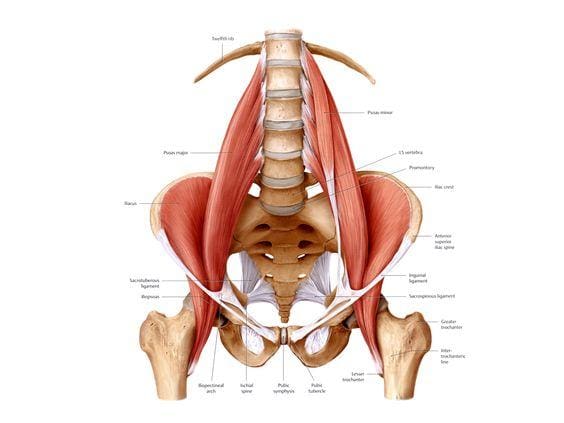
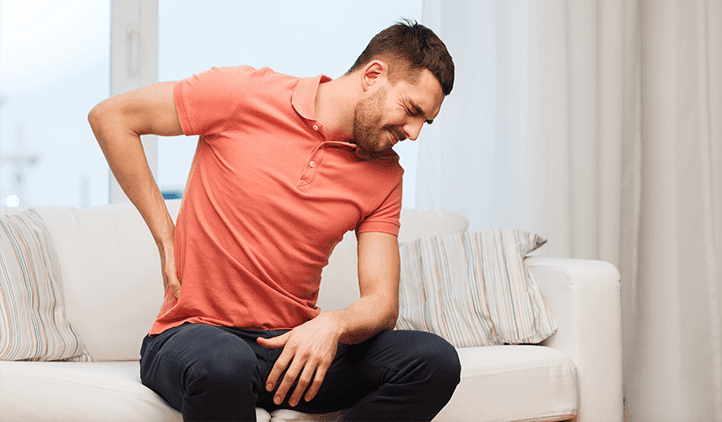
The spinal muscles and ligaments work in conjunction to help support the spine, maintain an upright posture, and control movements during activity and rest. The muscles are named based on shape, location, or a combination. Further categorization factors include muscle functions like flexion, extension, or rotation. Skeletal muscle is a form of striated muscle tissue that is voluntarily controlled by the somatic nervous system. Striated means it is striped in appearance. Most skeletal muscles are attached to bones by collagen fibers known as tendons.
Vertebral Muscle Types
Location
Forward flexors
Anterior
Lateral flexors
Lateral
Rotators
Lateral
Extensors
Posterior
It has the fastest contraction rate of all muscles. Before muscle/s contract, a nerve impulse starts in the brain and runs through the spinal cord to the muscle. For the muscles to contract and work properly they need energy/fuel. Mitochondria produce Adenosine triphosphate chemical cells that are needed for energy. Adenosine triphosphate is made as the mitochondria burn glucose or sugar. The blood vessels deliver the oxygen and nutrients that the mitochondria need to maintain a steady supply of adenosine triphosphate.
The Posterior Cervical and Upper Thoracic Spinal Muscles
Semispinalis Capitus – controls the head rotation and backward pulls
Iliocostalis Cervicis – extends the cervical vertebrae
The Longissimus Cervicus – extends the cervical vertebrae
Longissimus Capitus – controls the head’s rotation and backward pulls
Longissimus Thoracis – controls the extension/lateral flexion of the vertebral column and rib rotation
Iliocostalis Thoracis – controls the extension/lateral flexion of the vertebral column and rib rotation
Semispinalis Thoracis – extends and rotates the vertebral column
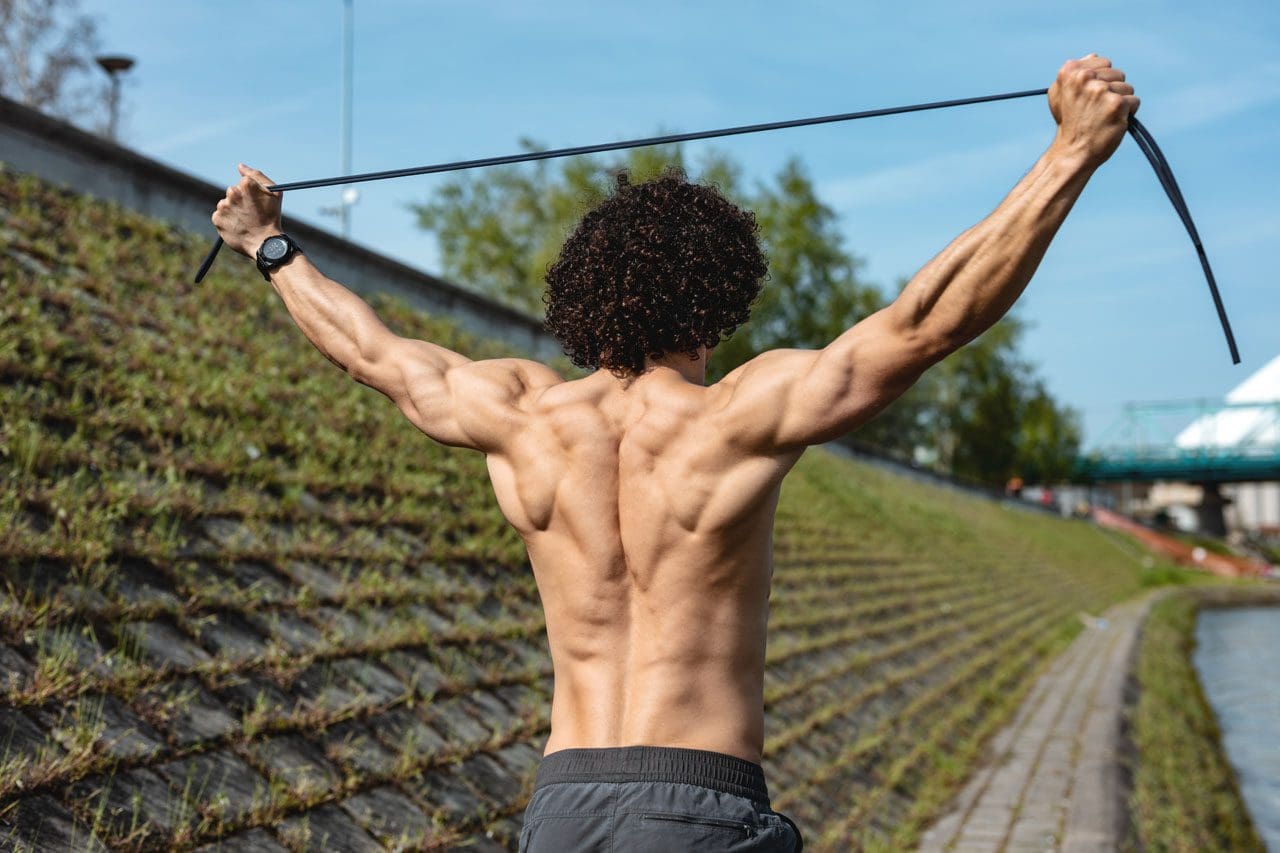
Muscles of the Spinal Column
Cervical muscles
Cervical Muscles
Function
Nerve
Sternocleidomastoid
Extends and rotates the head and flexes the vertebral column
C2, C3
Scalenus
Flexes and rotates the neck
Lower cervical
Spinalis Cervicis
Extends and rotates the head
Middle/lower cervical
Spinalis Capitus
Extends and rotates the head
Middle/lower cervical
Semispinalis Cervicis
Extends and rotates the vertebral column
Middle/lower cervical
Semispinalis Capitus
Rotates the head and pulls backward
C1-C5
Splenius Cervicis
Extends the vertebral column
Middle/lower cervical
Longus Colli Cervicis
Flexes the cervical vertebrae
C2-C7
Longus Capitus
Flexes the head
C1-C3
Rectus Capitus Anterior
Flexes the head
C2, C3
Rectus Capitus Lateralis
Bends the head laterally
C2, C3
Iliocostalis Cervicis
Extends the cervical vertebrae
Middle/lower cervical
Longissimus Cervicis
Extends the cervical vertebrae
Middle/lower cervical
Longissimus Capitus
Rotates the head and pulls backward
Middle/lower cervical
Rectus Capitus Posterior Major
Extends and rotates the head
Suboccipital
Rectus Capitus Posterior Minor
Extends the head
Suboccipital
Obliquus Capitus Inferior
Rotates the atlas
Suboccipital
Obliquus Capitus Superior
Extends and bends the head laterally
Suboccipital
Thoracic Muscles
Thoracic muscles
Function
Nerve
Longissimus Thoracis
Extension, lateral flexion of the vertebral column, and rib rotation
Perimysium is the sheath that groups the muscle fibers into bundles.
Endomysium is another type of connective tissue that sheaths each muscle fiber.
The cause of back pain and spinal muscle spasm/s can be caused by overuse, automobile accident, personal, work, or sports injury. The root cause of muscle spasm/s is usually a consequence of an injury to a structure within the lumbar spine. If there have been one or more episodes of muscle spasm in the low back, chances are it will re-occur. The muscles in the low back work together with the abdominal muscles. The spinal muscles add stability by maintaining an erect spine and maintain balance.
Back Pain Specialist
Dr. Alex Jimenez�s Blog Post Disclaimer
The scope of our information is limited to chiropractic, musculoskeletal, physical medicines, wellness, and sensitive health issues and/or functional medicine articles, topics, and discussions. We use functional health & wellness protocols to treat and support care for injuries or disorders of the musculoskeletal system. Our posts, topics, subjects, and insights cover clinical matters, issues, and topics that relate and support directly or indirectly our clinical scope of practice.*
Our office has made a reasonable attempt to provide supportive citations and has identified the relevant research study or studies supporting our posts. We also make copies of supporting research studies available to the board and or the public upon request. We understand that we cover matters that require an additional explanation as to how it may assist in a particular care plan or treatment protocol; therefore, to further discuss the subject matter above, please feel free to ask Dr. Alex Jimenez or contact us at 915-850-0900. The provider(s) Licensed in Texas& New Mexico*
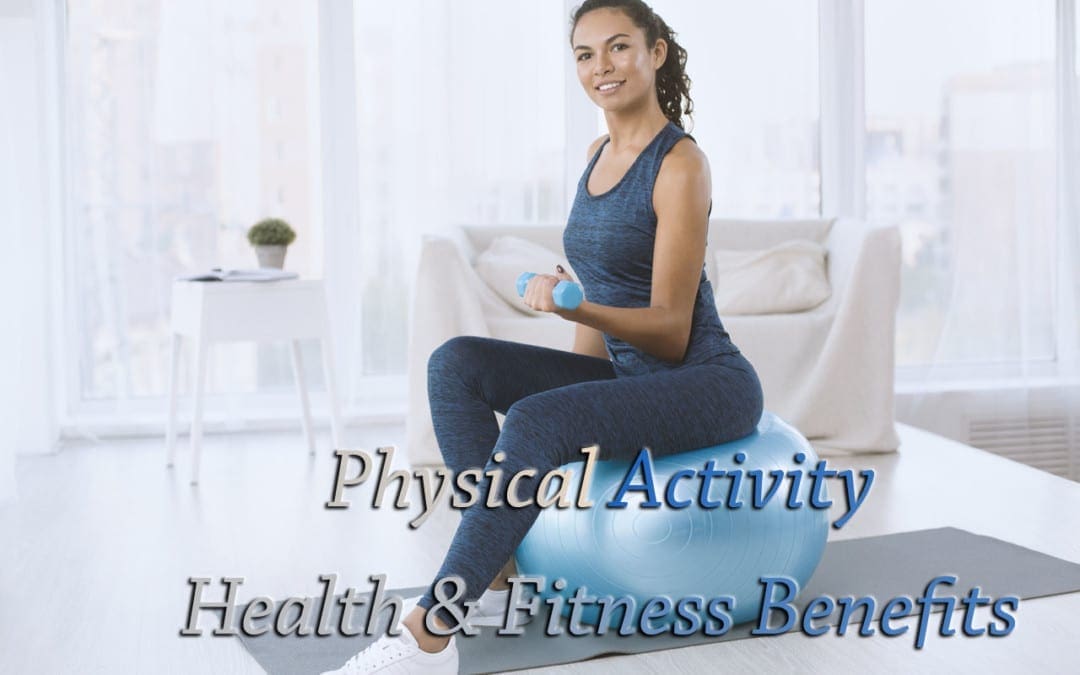
Being physically fit does not mean training for a triathlon. Regular light exercise/activity is all that is needed. Just going for a 30-minute walk around the neighborhood or playing a 20-minute game regularly is highly beneficial to your health. And the more active you are the better for your health.
Skating
Bicycling
Jogging
Swimming
Walking
Playing
Regular Activity
Whatever the activity, so long as you get at least 20 minutes of exercise a day will go along way in the future. Regular activity/exercise can help prevent diseases and injuries, which include osteoporosis.
Nothing crazy, just begin to work some activity little by little into a routine. One way is after some sitting work/schoolwork once the brain has had enough is the perfect time to go outside and move around. Do some chores that require physical movement, like vacuuming, sweeping, hanging laundry, etc and turn it into a workout.� A daily routine of light to moderate physical activity strengthens and maintains the body by helping to:
Build healthy bones, muscles, and joints
Control weight
Build lean muscle
Reduce overall body fat
Prevent the development of high blood pressure hypertension��
Here are a few suggestions on how to get 20-30 minutes of daily exercise/activity.
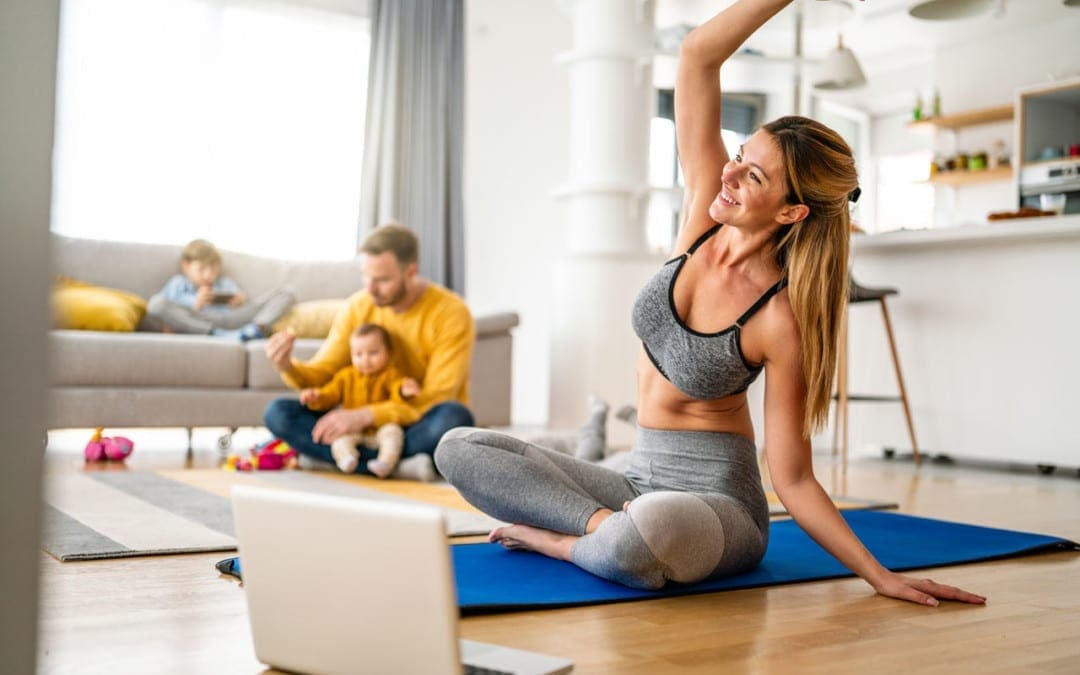
Try an online fitness class.
Check out your local gym for online to see what classes are available.
Family time can become a fun activity/exercise time.
Take a walk with the family, as many are already doing, play basketball, soccer, or other favorite sport together.
Invite friends to be physically active online, maybe playing a workout video game and workout together.
If regular physical activity is difficult or you have a medical condition,�consult your doctor to recommend the appropriate amount of physical activity and exercises that are safe�to perform. But if you are a healthy person, but have not exercised for a while then try for 30 minutes of physical activity a day to keep you healthy and strong.
Core Exercises That Help With Back Pain
Here are some examples of abdominal exercises that can help develop strong abs and help with back pain prevention. These exercises and the number of repetitions are only suggestions. Talk to your doctor before trying these exercises, and remember to listen to your body. If it doesn’t feel right, stop right away.
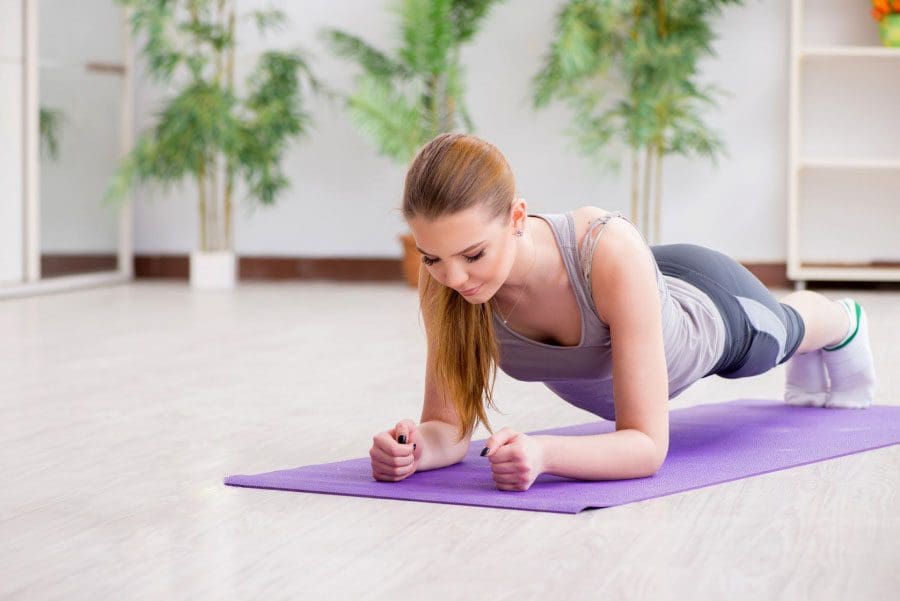
Elbow Planks
Lie down on your stomach with your body straight.
Elbows should be at 90-degrees and close to the body’s sides.
Rest the forearms on the floor and interlace the fingers.
Gently push your body up using the forearms.
Don’t’ let the back fall/drop.
Stay straight.
Engage the core muscles during the entire movement.
Hold this position for 30 seconds, release, and repeat 3 times.
Do this once a day.
Crunches
Lie on your back with the knees bent and the feet flat on the floor, about hip-distance.
Interlace the fingers of your hands behind your head with the elbows out wide.
Inhale and then as you exhale, use the abdominal muscles and not the neck muscles to slowly raise the head, neck, and back off the floor.
Inhale and slowly lower the upper body back to the floor, and repeat.
Try for 3 sets of 10 crunches every day.
Push-ups
Lie down on the stomach so your body is straight.
Place the hands on the floor a little higher/further than the shoulders.
The hands should be wider than the shoulders.
Lift your body so that you’re balanced on the hands and toes.
Maintain a straight back, lower your body to the floor, and slowly bend your elbows until at 90 degrees.
Push back up using arm strength, upper back, and chest muscles, and repeat.
Try for 3 sets of 10 every day.
Once the body becomes stronger, you can go for more reps.
Doing these along with other core exercises you will notice your core strength leading to overall and optimal body strength. Other exercise forms that can help develop core strength while keeping the spine safe are yoga and Pilates. A good idea is to work with a physical therapist/chiropractor that can create a specifically targeted exercise plan that involves core strengthening and flexibility exercises to keep the spine healthy and help maintain proper posture.
Exercise is defined as a physical activity that is structured, planned and done at a�certain intensity level, frequency, and duration�carried out to�maintain or improve health and fitness. Physical activity is defined as any movement of the body produced by skeletal muscles and resulting in the�expenditure of energy. �Physical activity can be doing something fun that involves moving. Exercise is thought of as something people don’t like because it’s good for you. Therefore if you hate exercise, think of physical activity instead.
Exercise, Health, and Fitness
Question: Dr. Jimenez, I’ve heard that we should get 30 minutes of exercise a day, but can it be broken up, and does this have the same effect?
Answer: Absolutely. A recent study found that nine weekly 10-minute exercise sessions offer the same health benefits as three weekly 30-minute sessions. This is great for beginners, who may find it easier to stick to short workouts.
Q: What about for burning fat? 30 minutes of exercise at a quick pace or longer sessions at a slower pace?
A: The higher the intensity the individual can sustain without exhausting themselves burns more fat. The faster you walk, swim, cycle, etc., the more calories you burn per minute.
However, with a sedentary lifestyle, you won’t last long at a higher intensity and might hurt yourself, so you need to start slow and gradually work up to a higher pace.
Q: What about doing only one set of a certain exercise, is it as good as doing two or three?
A: Several studies have shown improvements in strength and muscle size for groups of untrained people performing one set per exercise as compared to doing three sets. For people just starting out, or who want to maintain the strength they’ve achieved, one set of each exercise is enough. For athletes and anyone trying to achieve greater strength, 2-3 sets are better.
Q: Do crunches help lose the fat around the stomach?
A: You can’t reduce fat just in certain spots, except through liposuction. Crunches tone the abdominal muscles, but the same layer of fat on top of these muscles will remain unless a healthy diet reducing calories is incorporated and by burning more calories than are consumed. Don’t look for quick fixes. If it sounds too good to be true, it is.
Weight Gain
Q: I started exercising like walking, stationary bike, etc., to improve my health and lose weight, but I have gained weight instead. What’s going on?
A: It depends on the weight we are talking about. Scales are poor indicators of changes in body composition because muscle is more dense than fat. This means that a pound of muscle takes up less space than a pound of fat. Instead of the changes on the scale, look for changes in how clothing fits. Gaining weight is not bad as long as it’s muscle/s that are being built up. Plus it gets the metabolism going. For every pound of muscle added to the body, at least 35 more calories get burned up per day. Three pounds of muscle will burn plenty of calories in a month to lose a pound a fat.
If there was some weight gain, look for anything that changed that could contribute to the extra pounds like quitting smoking, going on hormone replacement therapy, or stress. Remember aerobic exercise is only one of several factors in weight management. Strength training, a healthy diet along with healthy lifestyle habits also contribute to a healthy weight.
I would suggest investing in a few sessions with a health coach and fitness coach who are knowledgeable in diet and exercise.
A healthy lifestyle combined with�exercise�creates toned muscles that protect the body/spine and improve blood circulation. Chiropractic is designed to bring pain relief, realign the spine, and restore the body to its natural balance through treatment and a strengthening program.
Spinal Blood Supply
The vascular system’s function is to nourish every cell in the body. This includes the:
Vertebral column
Spinal cord
Neural structures
Muscles
Blood
Blood contains:
Plasma – fluid
Red blood cells – erythrocytes
White blood cells
Platelets
Plasma and Cell Nourishment
Plasma, or the liquid part of blood, total’s to about 90% of blood combined with water, salts, hormones, and proteins. It delivers the proteins, fats, minerals, and lipids to each cell in the body. Cells can’t reproduce or repair any damage or injury to the body without nutrient replenishment.
Red Blood Cells/Oxygen
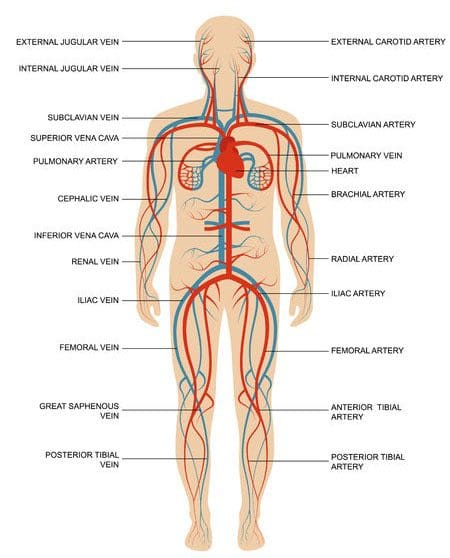
The primary benefit cells derive from blood is oxygen. Oxygen is needed to burn glucose for energy. This oxygen comes from red blood cells. Oxygenated blood pumps from the heart through the arteries while deoxygenated blood returns to the heart through the veins. The pulmonary artery is an exception, as it carries deoxygenated blood from the heart to the lungs and is reoxygenated there. The pulmonary vein then takes the oxygenated blood back to the heart from the lungs.Then the oxygenated blood gets circulated throughout the body.
White Blood Cells/Immunity
White blood cells are the components of the immune system and fight infection/s and bacterial toxins.
There are different types of white blood cells, these include:
Neutrophils
Eosinophils
Lymphocytes
Basophils
Monocytes
Each has a different job. These antibodies are transported through the circulatory system.
Platelets/Clotting
Platelets control bleeding from injury/s by creating a clot, through a series of chemical reactions. The spine is served by the body�s system of arteries and veins.
Strengthening
Exercise instructions for specific conditions are given by a physical therapist or chiropractor. The following exercise tips apply to everyone. Remember injury prevention is key for a healthy body.
Warm-Up
Before starting any exercise, it’s important to warm up. A series of dynamic moves can boost your heart rate and warm up the muscles during your work out. Select whole-body movements like leg lunges combined with arm motion or walk in place while raising and lowering your arms. Once you’ve warmed up, you can stretch without risk of injury.
Appropriate Footwear
When buying tennis shoes, check for stability, flexibility, and comfort. During your test walk, make sure that the shoes feel firm and move through your entire range of motion for a stable gait. Footwear should be flexible enough to give easily at the base of the toe for a smooth gait, and there should be cushioning at all the right places with plenty of room for the toes to move. Shoes that properly fit your feet means that your walk will be more natural and healthy during exercise and in motion.
Keep Posture In Mind
Perhaps the biggest reason that these exercise tips are so important is that strong and flexible muscles will help you have proper posture. Be mindful of the following as you move:
When sitting, the feet should be on the floor, shoulders should be relaxed, and forearms should remain parallel with the ground.
If standing for an extended time, make sure to maintain posture by tucking the stomach muscles in.
When standing for a very long time, shift the weight from one foot to the other and from the heels to the toes and back again.
These simple tips for maintaining proper posture will passively work muscles and result in a healthier spine.
Stretch Muscles
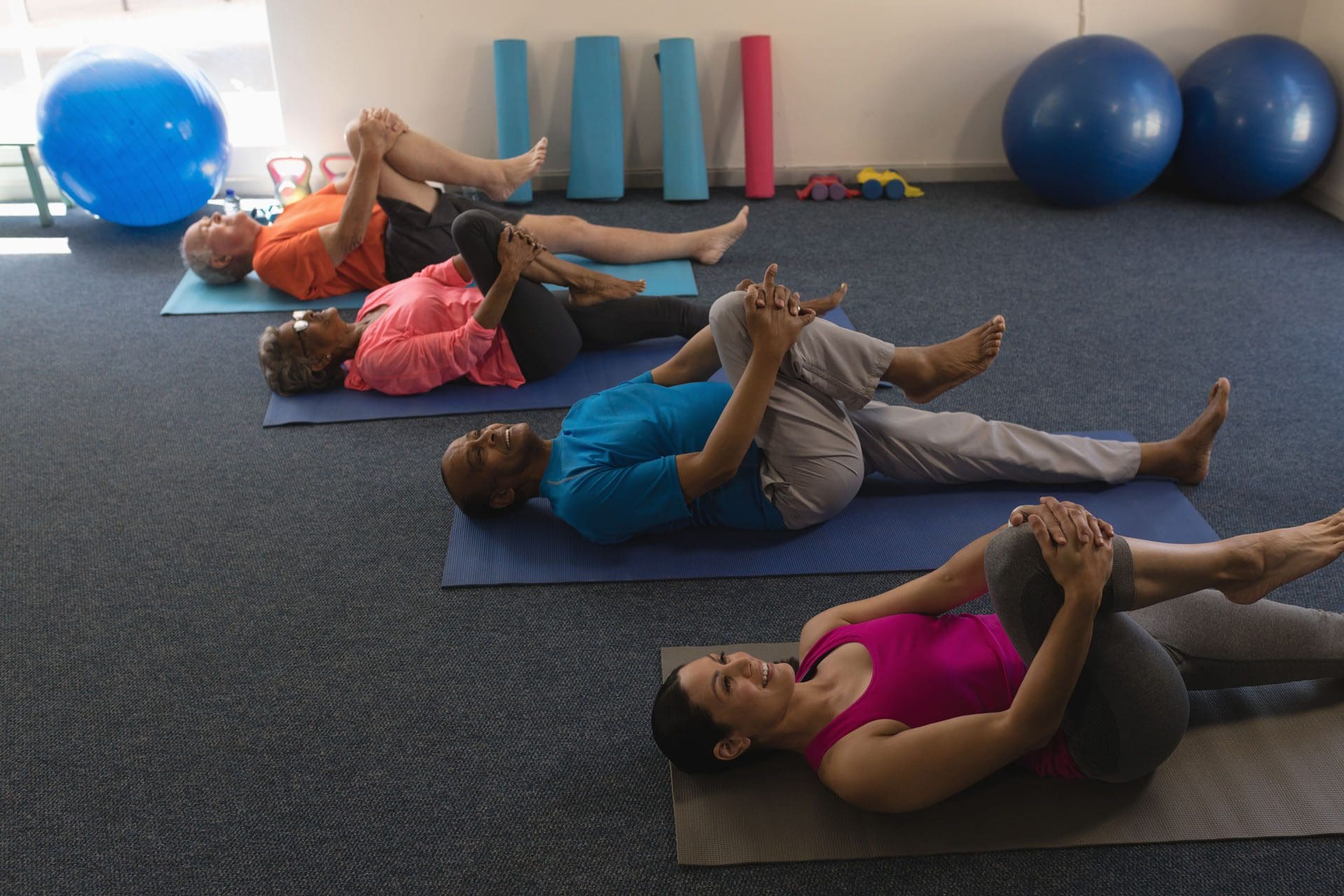
Finally, it is important to target large muscle groups with passive exercises. Use your weight to slowly stretch your hamstrings, piriformis, and entire back. Passive stretching is gentle and relieves stress points that cause back pain. These gentle exercises provide a great deal of relief and are easily adjusted to fit your fitness level.
A chiropractor will work with you to create an exercise program that is optimal for you. Be sure to follow through with the plan and include these tips in your regular work out.
Sit-Ups/Crunches/Planks and the like
We have ligaments that connect bone to bone, and tendons that connect muscles to bones. All of these structures work together to help move and to stay balanced. Strengthening one area of your body, like the spine, should include strengthening the surrounding areas where the spine really takes the weight. And that is the core.
For the back, abdominal strengthening is important because the abs act as a front/forward anchor for the spine. They work as a counterbalance for the back muscles which means that both muscle groups need to be strong to keep the spine properly supported. If the abdominal muscles are weak then the back muscles have to work harder to support the spine.
This can lead to sprains or strains, and back pain. Strengthen, stretch, and stabilize the muscles. These are the keys to keeping the spine healthy. Building up muscle strength, keeping muscles flexible, and working on the core will help stabilize the spine. A physical therapy exercise program includes strengthening, stretching, and stabilization specific to each individual’s condition. Don’t skip the abdominal exercises when dealing with back pain, they will help in the long run!
As parents and grandparents, we first need to think about the activities that we will be doing throughout the day and consider how to protect ourselves and loved ones from falls and falling injury/s.
Around the House
Most accidents indeed happen at the house. Add that to the increasing number of people, both young and elder, that work from home. Consider the following tips.
Home
If possible, hire a professional to clean the gutters or get one of those gutter washers that you can use from the ground. Falls from the roof results in multiple injuries, and some are very serious.
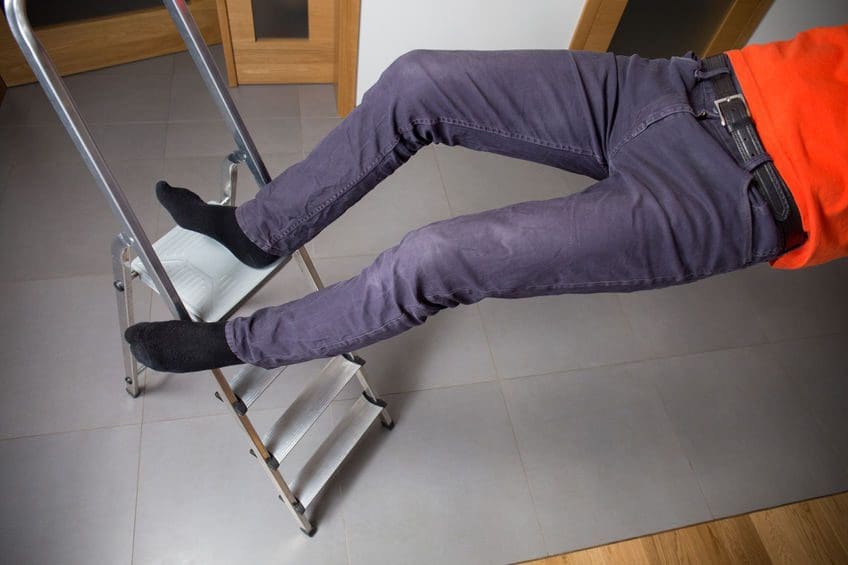
Would you please not stand on a chair to change lights or clean those out-of-reach areas? Always use a reliable heavy-duty step ladder with anti-slip steps and handrails. Doctors from emergency rooms report that falls from chairs are a common case they treat.
Proper Lighting
Having the right lighting throughout the house is the best defense against tripping and falling. The stairways, hallways, and entrances are primary areas that should be adequately lit to see everything around you. The light switches should be easy to find and activate. Inexpensive nightlights should be placed anywhere you go at night, like the kitchen or bathroom. A small flashlight should also be kept nearby, possibly a keychain or next to the bed in case of an emergency or if the power goes out.
Kitchen
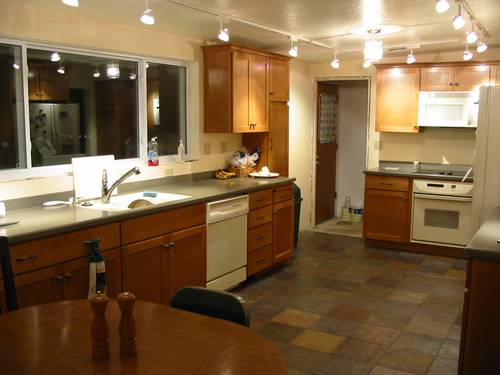
Falling on wood or tile kitchen floors can have a serious impact on the body. A wet slippery floor can be another cause for a fall, so clean up spills or fix a dripping refrigerator immediately. Using a no-slip floor wax rather than conventional floor wax will reduce accident probability. Keep a secondary heavy-duty step ladder with wide anti-slip steps and handrails for the kitchen.
Bathroom
The bathroom has the potential to be one of the most dangerous rooms. The slick hard floor floors from bath/shower water, along with the limited room to move around comfortably and metal towel rods, can make for a dangerous space to fall in. However, bathrooms can be made safe by the following:
Handrails/grabs can be placed along the walls and shower/bath, near the toilet and sink. Make sure that the proper height is measured.
Anti-slip bath/shower mats and anti-slip floormats can go a long way to help prevent falls. They provide traction and stability while standing and moving around.
There are some top assisted bath devices in various drug stores and home centers. They include shower seats and walk-in baths.
Raised toilet seats can be easily installed and shorten the distance needed to sit and, more importantly, get up comfortably from the toilet.
Elderly and physically challenged individuals could still need help. Make sure assistance is readily available. Elderly and physically challenged individuals could benefit by carrying an alarm or emergency contact system in case they fall or need help.
Stairways
The stairway is an area that can be another danger zone. One stairway danger is the use of canes, walkers, and walkers with wheels. These can easily get snagged on a step, or the wheels can slip and quickly travel down the stairs. Safety railing and step mats with traction nibs can help prevent slips and falls. Outdoor stairs should have non-slip tape to prevent falling.
Carpeting/Rugs
Carpeting and rugs are great for warmth, foot care, and decoration, but they can also pose a danger. Here are a few tips:
Throw rugs that are not properly anchored to the floor should be anchored or used in an area that will not pose a potential injury. These rugs can be bought with a rubber backing to prevent slippage. Stores carry non-slip backing that can be cut and used between the floor and the rug.
Carpeting needs to be smooth and not wrinkled, which can snag and cause tripping.
Bent corners should be removed and fixed to prevent unraveling or tacked down with non-slip tape.
Loose fibers need to be cut off.
Furniture
Individuals that don’t use an assisted device like a cane or walker could find navigating through the house difficult. Furniture should be arranged and organized for easy maneuverability. Electrical cords should be safely placed out of the walking path.These cords can be tacked to the floorboard, placed behind/under furniture, or stored in special cord tubes/runners. Small tables, floor lamps, and plants should not be in the walking path as well as this can cause an easy bump to fall scenario.�
Footwear
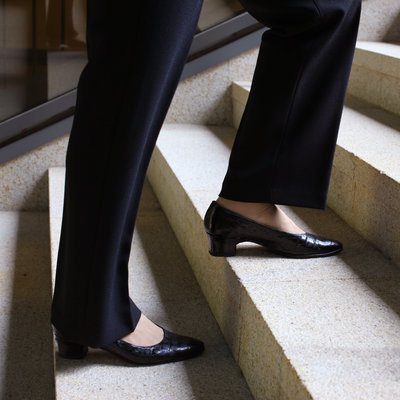
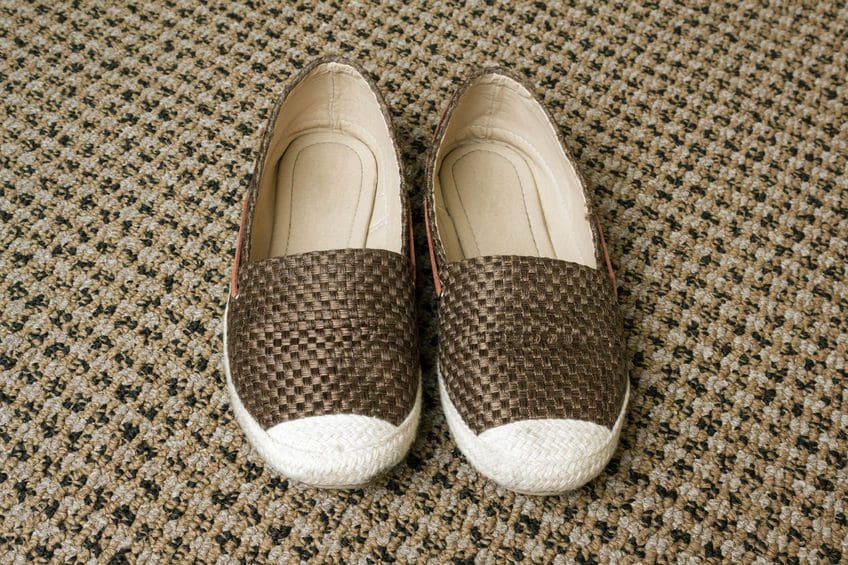
Footwear should be nice but also practical. Flat-soled shoes, high heels, not properly structured, or ill-fitting shoes can lead to slips and falls. Unsupported feet will not provide a solid foundation to help prevent a fall.
If there are foot issues, custom foot orthotics can really help stabilize balance, help the spine stay aligned, and bring relief from pain. Orthotics are designed to fit inside shoes to relieve pain from various foot conditions/issues. Non-slip and anti-slip soled shoes can also help prevent a slip and fall. With these types of shoes, care needs to be taken to avoid sticking to floor surfaces. This can contribute to stumbling and tripping. Don’t wear socks or hosiery on smooth tiled/wood floors; because there is no floor-foot traction, the potential for slipping increases.
When walking outside, if the sidewalk is slippery, walk on the grass or dirt area. Try walking in an area that does not show iciness or wetness. Cat litter or rock/sidewalk salt can provide foot traction.
Assistive Devices for Balance and Stability
If you feel unstable while walking, ask your doctor about an assisted device that includes canes and walkers. If using a cane, make sure the rubber grip tip is not worn down.
Conclusion
Here are a few tips that may help you to take a proactive approach to fall prevention. Depending on specific conditions and needs, you may want to talk to your doctor, chiropractor, physical therapist, or other health care professional. They will create a customized individual plan to help prevent falls and enjoy life.
Our clinical focus and personal goals are to help your body heal naturally, quickly, and effectively. At times, it may seem like a long path; nevertheless, with our commitment to you, it’s sure to be an exciting journey. The commitment to you in health is never to lose our deep connection to each one of our patients on this journey.
Plantar Fasciitis, Reduce Foot Pain with Custom Orthotics
NCBI Resources
Aging is hard on the body. As you move into your senior years, you may expect some discomfort and loss of mobility. But it is important to understand that there are things you can do to feel better. Regular exercise, a healthy diet, and chiropractic care can all make your senior years active and thriving.
Physical Activity to Prevent Back Pain and Weight Gain
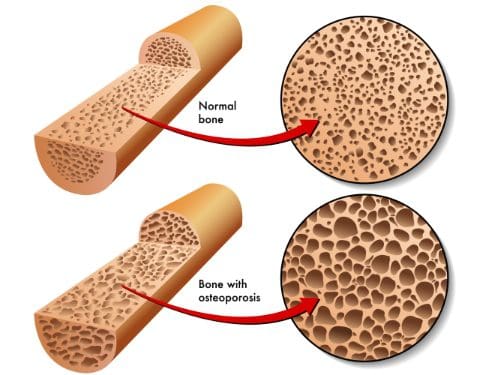
Osteoporosis
Regular physical activity will improve the body’s:
Balance
Reflexes
Coordination
This significantly reduces potential falls and injuries. Injuries from falling can be devastating for someone with osteoporosis.
Consult with your doctor before beginning any exercise program.
To help reverse bone loss, physical activity must fit the individual’s type and intensity. This will determine the appropriate exercises for your level of fitness as well as the risk of fracture.
As a way to begin walking is a great way to start a regular exercise therapy.
Walking improves bone strength because it distributes the body’s weight in a balanced manner over and over again. Bone responds best to the intensity of the walk and not the duration. Bones need to be consistently challenged as they respond by making more osteoblasts or the cellular material that fills the bone cavities. Adding these higher levels of resistance causes healthy stress to bones. This is what increases bone density.
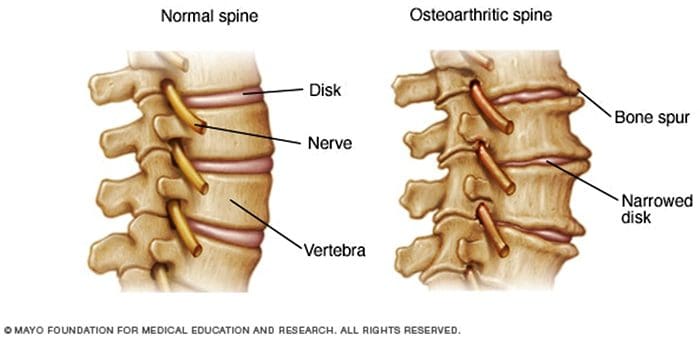
Osteoarthritis and rheumatoid arthritis are conditions that affect the flexibility of the spinal or facet joints. Flexibility, in this case, means the ability of joints to move through their normal range of motion. The amount of an individual’s range of motion is determined by how tight the muscles, tendons, and ligaments are. When muscles can stretch freely, this means the joint has better flexibility.
Low Back Pain & Possible Sciatica
To prevent low back and leg pain, the back, and hip muscles need to be flexible and strong. Individuals with poor flexibility and weak muscles in the back, pelvis, and thighs have a higher risk of increasing the curve of the lower back which can make the pelvis tilt too far forward.
Proper posture combined with flexible and strong muscles can help prevent nerve compression and pain.
Overall Health
Having healthy body composition means there needs to be more lean body mass i.e. muscle mass and less body fat. Strength training/CrossFit helps by raising the metabolic rate while lowering body fat. The increased muscle strength helps maintain correct posture and body mechanics in whatever you do.
Physical activity reduces the chance of injury while increasing physical performance like being able to climb stairs or carry groceries with much-added ease and confidence.
Exercise Suggestions
The benefits a regular exercise program offers are one of the keys to a healthier lifestyle. But take it in steps, see a health coach, physical therapist or chiropractor to help educate and guide you through an exercise treatment plan. Helpful tips:
It can take 6 to 8 weeks to see results so focus on short-term goals.
Work regular exercise into your schedule but keep important activities as a priority.
Friends and relatives can help give you support and join in the exercise.
You don’t have to do an entire workout. Instead, exercise for 10 minutes.
Consistency in physical activity is the goal. It’s not how long or hard the exercise is.
Keep a journal of your workouts and progress.
With the healthy changes made today, including diet choices and regular physical activity/exercise, your life will be one-hundred times better. This does not mean that you have to become an intense workout aficionado. Remember all that is needed is a reduction in weight of only 10%. This is what is needed to reduce the detrimental effects of being overweight.
Our clinical focus and personal goals are to help your body heal itself naturally quickly and effectively.� At times, it may seem like a long path; nevertheless, with our commitment to you, it�s sure to be an�exciting journey. The�commitment to you in health is to, never lose�our deep connection to each one of our patients on this journey.
When your body is truly healthy, you will arrive at your optimal fitness level proper physiological fitness state. �We want to help you live a new and improved lifestyle. Over the last two decades, while researching and testing methods with thousands of patients, we have learned what works effectively at decreasing pain while increasing human vitality.
*AMAZING* Custom Orthotics for Athletes | El Paso, Tx
NCBI Resources
It can be tempting to not exercise with a spinal condition. But remember that if there is no movement at all, you could make the pain worse.�Knowing what your body can handle and sticking to a workable schedule, these healthy steps will relieve you and help with your low back pain.
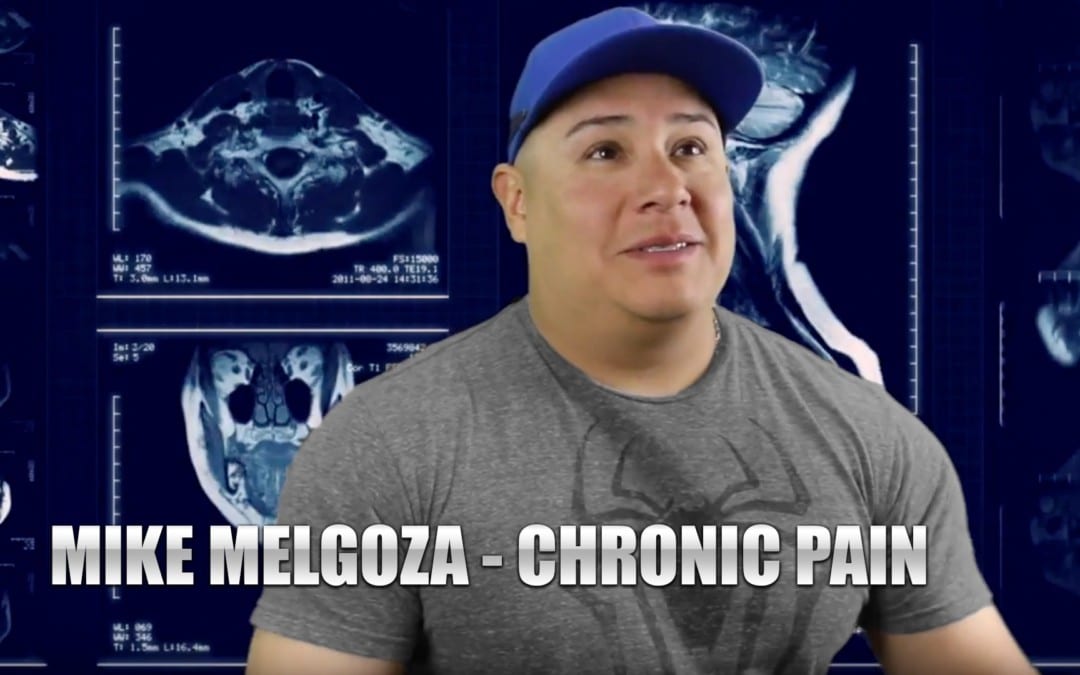
Doctor of Chiropractic Near Me: Mike Melgoza is an active individual who engages in a variety of strenuous physical activities on a regular basis, as a result, however, he began to experience chronic pain symptoms due to improper technique and repetitive movements. Although Mike Melgoza works out of town, he visits Dr. Alex Jimenez every time he begins to experience pain to receive chiropractic care. Mike Melgoza recommends Dr. Alex Jimenez as the non-surgical choice for chronic pain. Mike Melgoza trusts Dr. Jimenez to care for his health.
Doctor Of Chiropractic Near Me
Before you go to a chiropractor to deal with your chronic pain symptoms, it’s important to understand what exactly is causing your pain. Your physician will perform a physical exam as well as some tests to help them diagnose the source of the patient’s pain. As soon as you’re diagnosed with a pain illness, your chiropractor will create a treatment program. Your treatment plan may include spinal manipulation, manual therapies, and therapeutic exercises. Work with your chiropractor to develop a treatment plan. Once your pain is fully addressed, you should be able to slowly resume daily activities.
We are blessed to present to you�El Paso�s Premier Wellness & Injury Care Clinic.
As El Paso�s Chiropractic Rehabilitation Clinic & Integrated Medicine Center,�we passionately are focused treating patients after frustrating injuries and chronic pain syndromes. We focus on improving your ability through flexibility, mobility and agility programs tailored for all age groups and disabilities.
If you have enjoyed this video and/or we have helped you in any way please feel free to subscribe and share us.
IFM's Find A Practitioner tool is the largest referral network in Functional Medicine, created to help patients locate Functional Medicine practitioners anywhere in the world. IFM Certified Practitioners are listed first in the search results, given their extensive education in Functional Medicine