Discover the Healing Benefits of Acupressure
Can incorporating acupressure provide effective relief and benefits for individuals looking to try natural treatments for common health ailments?
Acupressure
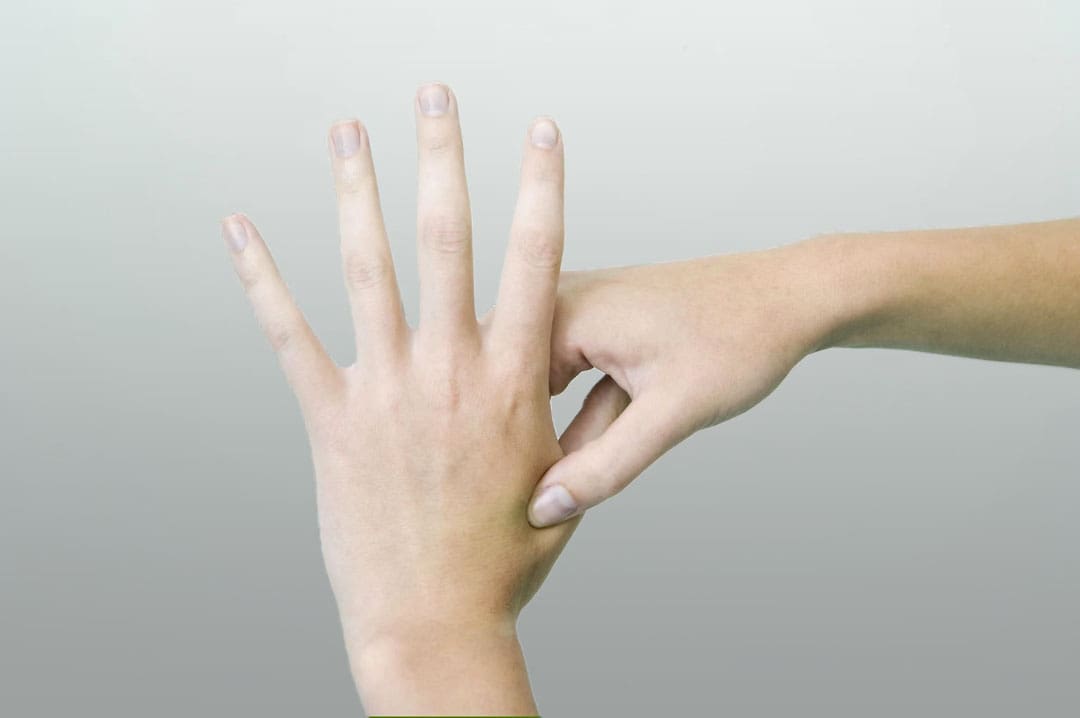
Acupressure is a type of complementary medicine that is rising in popularity due to its simplicity and accessibility. It can assist in treating various diseases and conditions. (Piyush Mehta et al., 2016) Anyone can learn it, and no special equipment is required. It is an effective and safe therapeutic option with no known side effects. (Youngmi Cho et al., 2021) It is a cost-effective intervention similar to acupuncture. (Lukas Israel et al., 2021)
What Is It?
The concept of acupressure activates acupoints or pressure points across meridians or channels connected to various organs to balance energy and promote health. Practitioners believe that the quality or state of a person’s energy determines their health. (Piyush Mehta et al., 2016) Acupressure is the stimulation of acupoints using either the fingers or a tool. Massage techniques like Amma, Shiatsu, Tui Na, and Thai massage incorporate acupressure in their treatments and follow the same energy channels as acupuncture.
The Way It Works
Acupressure works similarly to acupuncture. The Gate Control Theory theorizes that pleasure impulses reach the brain four times faster than pain impulses. Continuous pleasurable impulses close the neural gates and block slower messages, like pain. According to this theory, acupressure improves the pain perception threshold. (Piyush Mehta et al., 2016) Stimulating acupoints activates functional responses, like releasing hormones. These hormones serve various functions, physical, like regulating organ function, and mental, like regulating emotions, and releasing them can help improve health and well-being. (Piyush Mehta et al., 2016)
- Acupressure is a simple and effective intervention that can be self or professionally administered.
- Acupoints are activated in the elbows, fingers, feet, knuckles, palms, or thumbs.
- Though acupressure doesn’t require specialized tools, they are available for convenience.
- Some practitioners used Bian stones to activate acupoints.
- Modern tools can assist with activating acupoints. (Piyush Mehta et al., 2016)
- Pressing the acupoints is adequate, and inaccuracies are unlikely to cause harm or injury. (Youngmi Cho et al., 2021)
Some of the tools available include: (Piyush Mehta et al., 2016)
- Spinal device
- Gloves
- Device for fingers
- Pen
- Ring
- Footwear
- Footboard
- Device for ear
- Clamps
Benefits
Acupressure is often used alongside modern medicine, as it treats common or coexisting symptoms, such as anxiety or stress. Some of the conditions for which acupressure may be effective include.
Stress and Fatigue Reduction
Stress and fatigue are common but often arise alongside other ailments or conditions if persistent or severe, anxiety and fatigue can significantly affect quality of life by reducing an individual’s ability to participate in daily activities. In a study looking at shift work nurses who experience stress and fatigue from the intensity of their work, acupressure significantly reduced their symptoms. (Youngmi Cho et al., 2021) In studies with breast cancer survivors, acupressure was also used to decrease fatigue levels and was shown to be an effective and low-cost option for managing persistent fatigue alongside standard care for breast cancer. (Suzanna Maria Zick et al., 2018) (Suzanna M Zick et al., 2016)
Can Help With Anxiety and Depression
Depression and anxiety can be part of a disorder or exist on their own. Acupressure may help alleviate some of the anxiety and depression that arise as part of a condition or ailment. In the shift work nurses study, acupressure helped decrease anxiety levels. (Youngmi Cho et al., 2021) In other studies, acupressure reduced anxiety scores and improved depressive symptoms in individuals with mild to moderate symptoms. (Elizabeth Monson et al., 2019) (Jingxia Lin et al., 2022) (Suzanna Maria Zick et al., 2018)
Pain Reduction
Individuals experience physical pain for a variety of reasons. Pain can come from temporary sports injuries, work, sudden awkward movements, and/or chronic illness. Acupressure can effectively reduce pain as a complementary therapy. (Elizabeth Monson et al., 2019) In a study, athletes who had a musculoskeletal sports injury reported decreased pain intensity after three minutes of acupressure therapy. (Aleksandra K Mącznik et al., 2017) In another study, breast cancer survivors showed significant improvements with acupressure. (Suzanna Maria Zick et al., 2018)
Nausea Relief
Nausea and vomiting are conditions that are common for those who are pregnant or undergoing chemotherapy. It also can be a medication side effect or arise with migraine or indigestion. There is evidence that acupressure may be effective in alleviating symptoms. Some researchers believe a particular type of acupressure known as auricular acupressure is the most effective for treating chemotherapy-induced nausea and vomiting alongside standard treatment. (Jing-Yu Tan et al., 2022) However, further research is needed to determine whether this is a viable, ongoing option for treating nausea and vomiting. (Heather Greenlee et al., 2017)
Sleep Better
Acupressure can be an effective and low-cost option for managing breast cancer symptoms. One study found relaxing acupressure techniques improved sleep quality and quality of life in breast cancer survivors. Additionally, researchers note that relaxing acupressure is more effective for improving sleep and quality of life than stimulating acupressure. (Suzanna M Zick et al., 2016)
Allergy Reduction
Allergic rhinitis is inflammation caused by an allergic reaction. Previous trials have found that acupressure could improve overall health by reducing seasonal allergic rhinitis symptoms and the need for allergy medication. (Lukas Israel et al., 2021) Researchers also noted that individuals are likely to adhere to self-applied acupressure therapy as a form of self-massage. (Lukas Israel et al., 2021)
Always consult a healthcare provider before starting acupressure treatments, especially if you have any pre-existing health conditions. At Injury Medical Chiropractic and Functional Medicine Clinic, we treat injuries and chronic pain syndromes by developing personalized treatment plans and specialized clinical services focused on injuries and the complete recovery process. Flexibility, mobility, and agility programs are tailored for all age groups and disabilities. If other treatment is needed, individuals will be referred to a clinic or physician best suited to their injury, condition, and/or ailment.
Enhance Performance with Functional Foot Orthotics
References
Mehta, P., Dhapte, V., Kadam, S., & Dhapte, V. (2016). Contemporary acupressure therapy: Adroit cure for painless recovery of therapeutic ailments. Journal of traditional and complementary medicine, 7(2), 251–263. https://doi.org/10.1016/j.jtcme.2016.06.004
Cho, Y., Joo, J. M., Kim, S., & Sok, S. (2021). Effects of Meridian Acupressure on Stress, Fatigue, Anxiety, and Self-Efficacy of Shiftwork Nurses in South Korea. International journal of environmental research and public health, 18(8), 4199. https://doi.org/10.3390/ijerph18084199
Israel, L., Rotter, G., Förster-Ruhrmann, U., Hummelsberger, J., Nögel, R., Michalsen, A., Tissen-Diabaté, T., Binting, S., Reinhold, T., Ortiz, M., & Brinkhaus, B. (2021). Acupressure in patients with seasonal allergic rhinitis: a randomized controlled exploratory trial. Chinese medicine, 16(1), 137. https://doi.org/10.1186/s13020-021-00536-w
Zick, S. M., Sen, A., Hassett, A. L., Schrepf, A., Wyatt, G. K., Murphy, S. L., Arnedt, J. T., & Harris, R. E. (2018). Impact of Self-Acupressure on Co-Occurring Symptoms in Cancer Survivors. JNCI cancer spectrum, 2(4), pky064. https://doi.org/10.1093/jncics/pky064
Zick, S. M., Sen, A., Wyatt, G. K., Murphy, S. L., Arnedt, J. T., & Harris, R. E. (2016). Investigation of 2 Types of Self-administered Acupressure for Persistent Cancer-Related Fatigue in Breast Cancer Survivors: A Randomized Clinical Trial. JAMA oncology, 2(11), 1470–1476. https://doi.org/10.1001/jamaoncol.2016.1867
Monson, E., Arney, D., Benham, B., Bird, R., Elias, E., Linden, K., McCord, K., Miller, C., Miller, T., Ritter, L., & Waggy, D. (2019). Beyond Pills: Acupressure Impact on Self-Rated Pain and Anxiety Scores. Journal of alternative and complementary medicine (New York, N.Y.), 25(5), 517–521. https://doi.org/10.1089/acm.2018.0422
Lin, J., Chen, T., He, J., Chung, R. C., Ma, H., & Tsang, H. (2022). Impacts of acupressure treatment on depression: A systematic review and meta-analysis. World journal of psychiatry, 12(1), 169–186. https://doi.org/10.5498/wjp.v12.i1.169
Mącznik, A. K., Schneiders, A. G., Athens, J., & Sullivan, S. J. (2017). Does Acupressure Hit the Mark? A Three-Arm Randomized Placebo-Controlled Trial of Acupressure for Pain and Anxiety Relief in Athletes With Acute Musculoskeletal Sports Injuries. Clinical journal of sport medicine : official journal of the Canadian Academy of Sport Medicine, 27(4), 338–343. https://doi.org/10.1097/JSM.0000000000000378
Tan, J. Y., Molassiotis, A., Suen, L. K. P., Liu, J., Wang, T., & Huang, H. R. (2022). Effects of auricular acupressure on chemotherapy-induced nausea and vomiting in breast cancer patients: a preliminary randomized controlled trial. BMC complementary medicine and therapies, 22(1), 87. https://doi.org/10.1186/s12906-022-03543-y
Greenlee, H., DuPont-Reyes, M. J., Balneaves, L. G., Carlson, L. E., Cohen, M. R., Deng, G., Johnson, J. A., Mumber, M., Seely, D., Zick, S. M., Boyce, L. M., & Tripathy, D. (2017). Clinical practice guidelines on the evidence-based use of integrative therapies during and after breast cancer treatment. CA: a cancer journal for clinicians, 67(3), 194–232. https://doi.org/10.3322/caac.21397
Ho, K. K., Kwok, A. W., Chau, W. W., Xia, S. M., Wang, Y. L., & Cheng, J. C. (2021). A randomized controlled trial on the effect of focal thermal therapy at acupressure points treating osteoarthritis of the knee. Journal of orthopaedic surgery and research, 16(1), 282. https://doi.org/10.1186/s13018-021-02398-2