Auto injuries in rotator cuffs can lead to significant discomfort. Discover how to manage and recover from these injuries effectively.
Shoulder Pain and Injuries from Motor Vehicle Accidents: A Comprehensive Guide
Welcome to the grim reality of motor vehicle accidents (MVAs), where the road to recovery can be as bumpy as a poorly paved highway. If you’ve ever found yourself clutching your shoulder after a car crash, you’re not alone. Shoulder injuries are a common souvenir of MVAs, and they come with a side of pain that can make you feel like you’re auditioning for a role in a tragic play. But fear not, dear reader, for we’re about to dissect the clinical reasons behind this misery with a touch of Wednesday Addams’ dark humor—because nothing says “fun” like exploring the mechanics of bodily harm.
In this extensive guide, we’ll unravel why shoulder pain and injuries are so prevalent after MVAs, focusing on the rotator cuff’s starring role in this unfortunate drama. We’ll also spotlight Dr. Alexander Jimenez, a distinguished chiropractor in El Paso, Texas, whose expertise in treating MVA victims and navigating personal injury cases is nothing short of legendary. So, let’s buckle up (safely, of course) and dive into the twisted world of shoulder injuries.
Anatomy of the Shoulder: A Delicate Dance of Bones and Tendons
To understand why your shoulder throws a tantrum after an MVA, let’s first take a peek under the hood. The shoulder is like a gothic ballroom, where bones, muscles, and tendons perform a delicate dance—until a car crash turns it into a mosh pit.
The shoulder is a ball-and-socket joint, where the head of the humerus (upper arm bone) nestles into the glenoid cavity of the scapula (shoulder blade). This design allows for a wide range of motion, letting you wave dramatically or throw a punch in slow motion. However, this flexibility comes at a cost: stability. The shoulder relies heavily on soft tissues for support, particularly the rotator cuff.
The rotator cuff is a quartet of muscles—supraspinatus, infraspinatus, teres minor, and subscapularis—and their tendons, which wrap around the humeral head to keep it snug in the socket. These tendons pass through a tight space called the subacromial space, making them vulnerable to pinching or tearing when subjected to sudden forces. It’s like trying to thread a needle during an earthquake—not exactly a recipe for success.
When an MVA strikes, the rotator cuff can take a beating, leading to pain that feels like a personal vendetta from your own body. Understanding this anatomy sets the stage for why shoulder injuries are so common in car accidents.
References
Frank, C. B., Shrive, N. G., Lo, I. K. Y., & Hart, D. A. (2004). Form and function of tendon and ligament. In J. A. Buckwalter, T. A. Einhorn, & S. R. Simon (Eds.), Orthopaedic Basic Science: Biology and Biomechanics of the Musculoskeletal System (pp. 229-253). American Academy of Orthopaedic Surgeons.
Lo, I. K. Y., Thornton, G., Miniaci, A., Frank, C. B., Rattner, J. B., & Bray, R. C. (2003). Structure and function of diarthrodial joints. In J. B. McGinty (Ed.), Operative Arthroscopy (3rd ed., pp. 41-126). Lippincott Williams & Wilkins.
Mechanisms of Shoulder Injury in MVAs: A Crash Course in Chaos
Picture this: you’re cruising along, minding your own business, when another car decides to play bumper cars with your vehicle. The result? Your shoulder becomes the unwilling star of a physics experiment gone wrong. Let’s break down how MVAs wreak havoc on your shoulder, with a nod to the grim absurdity of it all.
Mechanism
Description
Impact on Shoulder
Impact and Force Transmission
Collisions transfer massive forces through the vehicle to your body, even with seatbelts and airbags.
Shoulders absorb shock, straining muscles and tendons.
Bracing for Impact
Instinctively gripping the steering wheel or dashboard positions shoulders awkwardly.
Rotator cuff tendons are stretched or torn under sudden force.
Whiplash Effect
Rapid back-and-forth head and neck movement is often associated with rear-end collisions.
Strains shoulder muscles and tendons, mimicking neck injury patterns.
Direct Trauma
Shoulder hitting the steering wheel, door, or dashboard during a crash.
Causes fractures, dislocations, or soft tissue damage.
Indirect Forces
Seatbelt pulling on the shoulder or body twisting during impact.
Leads to sprains, tears, or nerve injuries.
Imagine you’re in a rear-end collision. Your hands grip the steering wheel, shoulders tensed, as your body lurches forward and snaps back. The seatbelt digs into your shoulder, and the rotator cuff tendons scream in protest. It’s like your shoulder is caught in a medieval torture device, only with worse music playing in the background.
These mechanisms explain why shoulder injuries are so prevalent in MVAs. The sudden, forceful movements exploit the shoulder’s delicate balance of mobility and stability, often targeting the rotator cuff (Alexander Orthopaedics, 2023).
MVAs can leave your shoulder with a variety of injuries, each with its brand of discomfort. Here’s a rundown of the most common culprits, served with a side of dark humor to keep things grimly entertaining.
Injury Type
Description
Symptoms
Rotator Cuff Tears
Tears in the tendons stabilizing the shoulder, ranging from partial to full-thickness.
Severe pain, weakness, difficulty lifting arm, popping sounds.
Sprains and Strains
Damage to ligaments (sprains) or muscles/tendons (strains).
Damage to nerves supplying the arm, often from side-impact or rollover crashes.
Numbness, weakness, tingling, or paralysis in the arm.
Acromioclavicular (AC) Joint Injuries
Damage to the joint connecting the collarbone and shoulder blade.
Pain at the top of the shoulder, instability, swelling.
Rotator cuff tears are the grim celebrities of MVA injuries, often stealing the spotlight due to their frequency and impact. A 2008 study noted nearly 2 million Americans sought medical attention for rotator cuff issues, many linked to trauma like car accidents (El Paso Chiropractor Blog, 2016). Brachial plexus injuries, meanwhile, are the shadowy villains, causing nerve-related chaos that can leave your arm feeling like it’s auditioning for a zombie flick.
If your shoulder is staging a protest after an MVA, it’s likely sending you some clear signals. Recognizing these symptoms and getting a proper diagnosis is crucial unless you enjoy living in a world of perpetual discomfort.
Common symptoms include:
Pain: Sharp or aching, especially when moving the arm.
Weakness: Difficulty lifting objects or raising the arm.
Limited Range of Motion: Feeling like your shoulder is stuck in a straitjacket.
Swelling or Bruising: Visual cues that your shoulder is not happy.
Popping or Clicking: Sounds that make you wince with every movement.
Numbness or Tingling: Suggesting nerve involvement, like a brachial plexus injury.
Diagnosing these injuries requires a mix of clinical evaluation and advanced imaging. Healthcare providers may use:
X-rays: To detect fractures or dislocations.
MRI: For detailed views of soft tissues like rotator cuff tendons.
CT Scans: To assess complex bone injuries.
Ultrasound: Occasionally used for soft tissue evaluation.
Electromyography (EMG): To check nerve function in suspected brachial plexus injuries.
Dr. Alexander Jimenez, with his expertise in chiropractic care, utilizes advanced imaging and dual-scope procedures to assess the extent of shoulder injuries precisely. His approach ensures accurate diagnoses, which are critical for both treatment and legal documentation in personal injury cases (El Paso Back Clinic, n.d.).
Chiropractic Care After Accidents and Injuries- Video
Treatment Options: Mending the Broken Dance
Treating shoulder injuries from MVAs is like trying to fix a broken music box—delicate work that requires patience and precision. Treatment depends on the injury’s severity, but here are the main approaches:
Treatment
Description
Best For
Conservative Treatment
Rest, ice, compression, elevation (RICE), and over-the-counter pain relievers.
Mild sprains, strains, or minor tears.
Chiropractic Care
Adjustments and manipulations are made to realign the spine and shoulders, thereby reducing pain.
Exercises to restore strength, flexibility, and range of motion.
Most shoulder injuries, post-surgical recovery.
Medications
Prescription pain relievers or anti-inflammatories.
Moderate to severe pain and inflammation.
Injections
Corticosteroids to reduce inflammation.
Persistent pain not responding to conservative measures.
Surgery
Repairing large tears, stabilizing joints, or fixing fractures.
Severe rotator cuff tears, dislocations, fractures.
Dr. Jimenez’s multidisciplinary approach combines chiropractic care with functional medicine, addressing not just the injury but the whole person. His clinic offers tailored rehabilitation programs, including gentle therapies for post-surgical recovery, rooted in evidence-based practices (El Paso Back Clinic, n.d.). It’s like giving your shoulder a new script for a less tragic performance.
Importance of Early Treatment: Avoiding a Lifetime of Gloom
Ignoring shoulder pain after an MVA is like ignoring a creaking floorboard in a haunted house—it’s only going to get worse. Early treatment is critical for several reasons:
Preventing Chronic Pain: Untreated injuries can lead to persistent pain syndromes, turning your shoulder into a lifelong nemesis.
Avoiding Muscle Atrophy: Inactivity due to pain can weaken shoulder muscles, leading to increased instability.
Reducing Re-injury Risk: Proper rehabilitation strengthens the shoulder, making it less prone to future damage.
Supporting Legal Claims: Early documentation of injuries is vital for personal injury cases, ensuring fair compensation.
Dr. Jimenez emphasizes the importance of prompt evaluation, as delays can complicate recovery and impact legal outcomes. His clinic’s focus on early intervention helps patients avoid the grim fate of chronic pain (AICA Orthopedics College Park, 2022).
Personal Injury Cases in El Paso: Dr. Jimenez’s Expertise
El Paso, with its bustling border traffic, sees its fair share of MVAs, making personal injury cases a significant concern. Navigating these cases is like walking through a legal labyrinth, but Dr. Alexander Jimenez serves as a guiding light for victims.
With over 30 years of experience, Dr. Jimenez is a top-rated chiropractor in El Paso, recognized by Three Best Rated® from 2015 to 2024. His clinic specializes in treating complex injuries from MVAs, including shoulder pain, using a blend of chiropractic care, physical therapy, and functional medicine. What sets him apart is his ability to bridge the worlds of medicine and law.
Dr. Jimenez uses advanced imaging (like MRI and CT scans) and dual-scope procedures to provide detailed diagnoses, which are crucial for personal injury claims. His comprehensive medical reports serve as vital evidence, helping victims secure compensation for medical costs, lost wages, and pain and suffering. In El Paso’s unique legal landscape, his expertise is invaluable (El Paso Back Clinic, n.d.; LinkedIn, n.d.).
Shoulder pain and injuries from motor vehicle accidents are a serious matter, driven by the complex interplay of forces on the shoulder’s delicate structure. Rotator cuff tears, sprains, fractures, and nerve injuries can significantly impact your quality of life, but early diagnosis and treatment can make a world of difference. In El Paso, Dr. Alexander Jimenez stands out as a beacon of hope, offering expert care and legal support to MVA victims. His holistic approach and meticulous documentation ensure that patients not only recover but also receive the justice they deserve.
Disclaimer: This blog post is for informational purposes only and should not be taken as medical advice. Always consult a qualified healthcare professional for diagnosis and treatment of shoulder injuries.
Explore the relationship between back pain resulting from a motor vehicle accident and long-term health. Find relief and recovery tips.
Back Pain and Motor Vehicle Accidents: A Comprehensive Guide
Introduction
Picture this: you’re cruising down the highway, maybe chuckling at the thought of Herman Munster trying to parallel park his hearse-like Drag-U-La. Suddenly, a car swerves into your lane, and—crash!—you’re in a motor vehicle accident (MVA). The jolt sends a shockwave through your spine, and while you might walk away feeling okay, back pain can sneak up like Herman’s heavy footsteps. Motor vehicle accidents are a leading cause of back injuries, with research showing that up to 50% of drivers report low back pain, often linked to the trauma of a collision (El Paso Back Clinic).
This blog post delves into the connection between back pain and MVAs, examining the types of injuries, their associated symptoms, and the underlying clinical reasons. We’ll also spotlight Dr. Alexander Jimenez, a renowned chiropractor in El Paso, Texas, whose expertise in personal injury cases helps victims recover both physically and legally. With a touch of humor to keep things light, we’ll guide you through this serious topic, ensuring you understand why back pain after an MVA shouldn’t be ignored.
Understanding Motor Vehicle Accidents
Motor vehicle accidents are a global health concern, with over three million injuries reported annually in the United States alone (Novus Spine & Pain Center, 2025). These accidents range from minor fender-benders to high-impact collisions, each capable of causing significant harm to the spine. The spine, a complex structure of bones, muscles, ligaments, and nerves, is particularly vulnerable to the sudden forces of an MVA.
Common MVA Scenarios Leading to Back Injuries:
Rear-end collisions: Cause rapid forward and backward motion, which can strain the spine.
Side-impact crashes: Twist the spine, leading to damage to ligaments and muscles.
Rollover accidents: Expose the spine to multiple forces, increasing injury risk.
Research suggests that exposure to an MVA significantly increases the likelihood of developing low back pain, with 63% of chronic cases traced back to an accident (ScienceDirect, 2019). Understanding the types of injuries and their symptoms is critical for anyone involved in a crash.
Types of Back Injuries from MVAs
The spine’s complexity makes it susceptible to various injuries during an MVA. Here are the most common types, each with its impact on the body:
Injury Type
Description
Common Cause in MVAs
Sprains and Strains
Stretching or tearing of ligaments (sprains) or muscles (strains) in the back.
Sudden forward-backward motion (e.g., whiplash).
Herniated Discs
Bulging or ruptured discs pressing on nerves, causing pain or numbness.
High-impact collisions compress the spine.
Spinal Fractures
Breaks in the vertebrae range from stable to unstable fractures.
Severe crashes with significant force.
Whiplash-Associated Disorders
Strain on neck and upper back muscles and ligaments from rapid head movement.
Rear-end collisions cause rapid neck motion.
Sprains and Strains: These soft tissue injuries occur when the spine is forced beyond its normal range of motion. For example, a rear-end collision can stretch the ligaments connecting the vertebrae, resulting in pain and inflammation (Alexander Orthopaedics, 2025).
Herniated Discs: The discs between vertebrae act as shock absorbers. A sudden impact can cause them to bulge or rupture, pressing on nerves and causing pain that may radiate to the legs (NJ Pain Care Specialists, 2023).
Spinal Fractures: High-impact crashes can break vertebrae, potentially affecting the spinal cord. These injuries require immediate medical attention to prevent long-term disability (Law Office of Eric Beasley).
Whiplash: While often associated with neck pain, whiplash can also affect the upper back, causing muscle strain and discomfort (Novus Spine & Pain Center, 2025).
Humor Break: Imagine Herman Munster’s spine trying to handle a rear-end collision—those creaky bones would be groaning louder than his laugh! But in all seriousness, these injuries can significantly impact your quality of life if not addressed promptly.
Symptoms of MVA-Related Back Injuries
Back injuries from MVAs don’t always cause immediate pain, which can make them tricky to detect. Symptoms may develop over days or weeks, making early evaluation crucial. Common symptoms include:
Localized Pain: Pain concentrated in the lower or upper back, often worsening with movement.
Radiating Pain (Sciatica): Pain that travels down one or both legs, often due to nerve compression from a herniated disc.
Numbness or Tingling: A “pins and needles” sensation in the legs or feet, indicating nerve involvement.
Weakness: Difficulty standing, walking, or lifting objects, which may suggest spinal cord or nerve damage.
Stiffness: Reduced range of motion, making it hard to bend or twist.
Delayed Onset: It’s not uncommon for pain to appear days after an accident. This delay can occur because the body’s adrenaline response masks initial discomfort or because inflammation builds over time (Healthline, 2023).
Clinical Insight: Dr. Alexander Jimenez emphasizes, “Many patients don’t realize they’re injured until symptoms appear later. That’s why we use advanced diagnostics to catch issues early” (El Paso Back Clinic).
Diagnosing Back Injuries
Accurate diagnosis is the cornerstone of effective treatment for MVA-related back injuries. Dr. Jimenez employs a range of diagnostic tools to assess the extent of damage:
X-rays: To detect fractures or misalignments in the spine.
CT Scans: For detailed images of bone and soft tissue damage.
MRIs: To visualize discs, nerves, and ligaments, identifying issues like herniated discs.
Functional Assessments: To evaluate how the injury affects movement and daily activities.
These tools allow Dr. Jimenez to create a comprehensive picture of the injury, ensuring that treatment targets the root cause. “Advanced imaging is like a roadmap—it shows us exactly where the problem lies,” he explains (El Paso Back Clinic).
Clinical Rationale: Why MVAs Cause Back Pain
The connection between MVAs and back pain lies in the biomechanics of a collision. When a car is involved in an accident, the body experiences rapid forces that can overwhelm the spine’s natural protective mechanisms. Here’s how these forces cause injury:
Compression: The spine is squeezed, potentially damaging discs and vertebrae. This is common in head-on collisions, where the body is thrust forward against the seatbelt.
Shearing: The spine twists, tearing ligaments and muscles. Side-impact crashes often cause this type of force.
Distraction: The spine is pulled apart, which can cause damage to the ligaments. This is less common but can occur in rollover accidents.
These forces can exceed the spine’s tolerance, leading to injuries like sprains, herniated discs, or fractures. Seatbelts, while lifesaving, can also contribute to back injuries by restraining the body and creating additional pressure on the spine (Law Office of Eric Beasley).
Scientific Evidence: A systematic review found that 63% of chronic low back pain cases in MVA victims were directly caused by the accident, highlighting the significant impact of these forces (ScienceDirect, 2019).
Humor Break: Think of your spine as Herman Munster’s creaky old staircase—sturdy but not built for sudden jolts. One wrong step (or crash), and it’s groaning for help!
The Non-Surgical Approach To Wellness With Chiropractic Care- Video
Treatment and Recovery
Treating back pain from MVAs requires a multidisciplinary approach tailored to the specific injury. Dr. Jimenez offers a range of evidence-based treatments at his El Paso clinic:
Treatment
Purpose
Benefits
Chiropractic Adjustments
Realign the spine to reduce pain and improve mobility.
Non-invasive, promotes natural healing.
Physical Therapy
Strengthen muscles and improve flexibility.
Enhances recovery, prevents re-injury.
Acupuncture
Manage pain and promote healing through targeted needle placement.
Reduces inflammation, relieves pain.
Spinal Decompression
Relieve pressure on discs and nerves.
Effective for herniated discs, sciatica.
Nutritional Counseling
Support overall health and recovery through diet.
Boosts healing, reduces inflammation.
Dr. Jimenez’s holistic approach focuses on addressing the root cause of the injury while promoting long-term recovery and overall well-being. “We don’t just treat the pain; we treat the whole person,” he says (El Paso Back Clinic).
Recovery Timeline:
Mild Injuries: Sprains and strains may resolve in a few weeks with conservative care.
Moderate to Severe Injuries: Herniated discs or fractures may require months of treatment and rehabilitation.
Chronic Pain: Ongoing care may be needed to manage long-term symptoms.
Personal Injury Cases in El Paso
In El Paso, personal injury cases involving MVAs are a significant concern, as victims often face medical expenses, lost wages, and pain and suffering. Proper medical documentation is critical for securing compensation, and Dr. Jimenez plays a pivotal role in this process. His expertise in advanced imaging and diagnostic evaluations enables him to provide detailed reports that directly link injuries to the accident, thereby strengthening legal claims (El Paso Back Clinic).
Dr. Jimenez’s Role:
Medical Expertise: Uses X-rays, MRIs, and functional assessments to document injuries.
Legal Liaison: Provides clear, evidence-based reports for attorneys and insurance companies.
Holistic Care: Ensures patients receive comprehensive treatment to support their recovery and achieve optimal legal outcomes.
Why It Matters: In Texas, timely medical evaluation is crucial, as some states have strict deadlines for seeking care to qualify for insurance coverage (Alexander Orthopaedics, 2025). Dr. Jimenez’s work ensures that victims in El Paso receive both the care and compensation they deserve.
Humor Break: Navigating a personal injury case without proper documentation is like Herman Munster trying to dance ballet—awkward and likely to fall flat. Dr. Jimenez helps keep things graceful and effective.
Case Studies and Patient Stories
To illustrate the impact of MVA-related back injuries, consider these hypothetical examples based on common scenarios:
Case 1: Maria’s Herniated Disc
Maria, a 35-year-old teacher, was rear-ended at a stoplight. Initially, she felt only mild discomfort, but a week later, she experienced severe lower back pain and numbness in her leg. Dr. Jimenez used an MRI to diagnose a herniated disc and implemented a treatment plan including spinal decompression and physical therapy. Within three months, Maria was back to teaching without pain.
Case 2: John’s Whiplash
John, a 42-year-old mechanic, suffered whiplash in a side-impact collision. His upper back pain made it difficult for him to work. Dr. Jimenez’s chiropractic adjustments and acupuncture sessions reduced his pain, and a detailed medical report supported his personal injury claim, securing compensation for lost wages.
These stories highlight the importance of early intervention and comprehensive care, as provided by Dr. Jimenez.
Prevention and Safety Tips
While not all MVAs can be avoided, certain measures can reduce the risk of back injuries:
Proper Seatbelt Use: Ensure the seatbelt is snug across the hips and chest to minimize spinal stress.
Correct Seating Position: Adjust the seat to support the lower back and maintain an upright posture.
Vehicle Maintenance: Regularly check brakes and tires to reduce the risk of accidents.
Defensive Driving: Stay alert to avoid sudden stops or collisions.
Dr. Jimenez also recommends regular exercise to strengthen the back muscles, which can provide added protection in the event of an accident (El Paso Back Clinic).
Conclusion
Back pain following a motor vehicle accident is a serious issue that demands prompt attention. The sudden forces of a collision can cause a range of injuries, from sprains to spinal fractures, with symptoms that may not appear immediately. Dr. Alexander Jimenez, a leading chiropractor in El Paso, Texas, offers a holistic approach to treatment, utilizing advanced diagnostics and personalized care plans to help patients achieve optimal recovery. His expertise also supports personal injury cases by providing critical medical documentation for legal proceedings.
If you’ve been in an MVA, don’t wait for pain to appear. Seek professional care to prevent chronic issues and ensure your recovery is on the right track. Your spine deserves better than to be left creaking like Herman Munster’s old staircase.
Disclaimer: This blog post is for informational purposes only and should not be taken as medical advice. Always consult a qualified healthcare professional for diagnosis and treatment of any medical condition.
Individuals who have fractured their scaphoid bone may experience pain and swelling in the wrist just below the thumb. Can immobilization with a cast and physical therapy help?
Scaphoid Fracture
A scaphoid fracture is a break in one of the wrist’s small or carpal bones. This type of fracture occurs most often after a fall onto an outstretched hand. Symptoms typically include swelling and pain in the wrist just below the base of the thumb. These fractures can be difficult to diagnose since they don’t always appear on an X-ray. If the X-ray is negative and the healthcare provider suspects a scaphoid fracture, an MRI may be necessary. Surgery may be required in more severe cases or when the injury is not healing correctly. (American Academy of Orthopaedic Surgeons, 2023)
A Break In The – Navicular Bone
The scaphoid is one of eight carpal bones in the wrist. It is located just below the thumb’s base and is shaped like a kidney bean. This bone can be identified by holding a thumbs-up position and feeling for the hollow between the two tendons below your thumb. The scaphoid is located at the base of the hollow. A break in the scaphoid bone most commonly occurs in the middle of the bone but can also happen at either end. A scaphoid fracture can be displaced or non-displaced (American Academy of Orthopaedic Surgeons, 2023)
Displaced Fracture
It is when the bone fragments have moved out of alignment.
Non-displaced Fracture
It is when the fragments are still in their normal location in the hand.
The scaphoid’s blood supply comes from a small vessel that enters the most distant part of the bone and flows back through the bone. Because of this one small blood supply, a fracture in the center can stop the circulation to the proximal portion of the bone. Because of this, scaphoid fractures need immediate diagnosis and treatment.
Symptoms
Pain or deep aching on the thumb-side of the wrist, typically after a fall on an outstretched arm, could be a scaphoid fracture. Other symptoms experienced include: (American Academy of Orthopaedic Surgeons, 2023)
A healthcare provider will evaluate the hand for tenderness and pain in the hollow and/or the bone. If a break is suspected, they will order an X-ray. (Clementson M., Björkman A., & Thomsen N. O. B. 2020) Many patients are diagnosed with a wrist sprain when they have a fracture. Diagnosis can be difficult because the fracture often doesn’t appear on X-rays until weeks after the healing process starts. Physicians commonly treat a wrist injury as a scaphoid fracture initially and then repeat X-rays within two weeks. (American Academy of Orthopaedic Surgeons, 2023) If the injury doesn’t show on an X-ray, the provider may order an MRI, as these fractures can be easier to see on an MRI. An MRI can help ensure appropriate treatment immediately. (Wong S. B. S., & Peh W. C. G. 2019)
Treatment
If a wrist fracture is diagnosed, the wrist will be immobilized in a cast. However, a healthcare provider may also put the wrist in a cast if the X-ray is negative but they suspect a fracture. This will stabilize the injury until an MRI can be performed. With immobilization and follow-up treatment, scaphoid fractures often heal without surgery. Repeat X-rays are taken over several weeks or months so the provider can make sure the injury is healing correctly. If it is not healing correctly, surgery may be recommended. (Clementson M., Björkman A., & Thomsen N. O. B. 2020) If the fracture is displaced, healing correctly may be a challenge. In this case, a physician may recommend initial surgery to reposition the bones. (Clementson M., Björkman A., & Thomsen N. O. B. 2020) This type of surgery involves pinning the bone in place with screws.
Rehabilitation is an important part of healing because immobilization takes a long time. Wrist range-of-motion exercises can be started, followed by strengthening exercises for the wrist flexors and extensors. Supination, pronation, and grip exercises are also part of physical therapy.
This condition causes degeneration of the cartilage in the joint.
Avascular Necrosis
This is when the blood supply to the bone is reduced or cut off, causing the bone to die.
Injury Medical Chiropractic and Functional Medicine Clinic
Injury Medical Chiropractic and Functional Medicine Clinic works with primary healthcare providers and specialists to build optimal health and wellness solutions. We focus on what works for you to relieve pain, restore function, prevent injury, and mitigate issues through adjustments that help the body realign itself. The clinic can also work with other medical professionals to integrate a treatment plan to resolve musculoskeletal problems.
Skateboarding Injury Treatment
References
American Academy of Orthopaedic Surgeons. (2023). Scaphoid fracture of the wrist. https://orthoinfo.aaos.org/en/diseases–conditions/scaphoid-fracture-of-the-wrist
Clementson, M., Björkman, A., & Thomsen, N. O. B. (2020). Acute scaphoid fractures: guidelines for diagnosis and treatment. EFORT open reviews, 5(2), 96–103. https://doi.org/10.1302/2058-5241.5.190025
Wong, S. B. S., & Peh, W. C. G. (2019). The role of magnetic resonance imaging in the evaluation of scaphoid fractures. Journal of Medical Radiation Sciences, 66(1), 3–4. https://doi.org/10.1002/jmrs.316
Almigdad, A., Al-Zoubi, A., Mustafa, A., Al-Qasaimeh, M., Azzam, E., Mestarihi, S., Khair, Y., & Almanasier, G. (2024). A review of scaphoid fracture, treatment outcomes, and consequences. International orthopaedics, 48(2), 529–536. https://doi.org/10.1007/s00264-023-06014-2
Finger sprains and dislocations are common hand injuries that can happen during work, physical/sports activities, or in automobile collisions and accidents. Can recognizing the symptoms help in developing an effective treatment strategy?
Finger Sprains and Dislocations
Finger sprains and dislocations are common injuries of the hand that cause pain and swelling.
A sprain happens when the finger tissue that supports a joint gets stretched beyond its limits in a way that stresses the ligaments and tendons.
The ligament tissue can be partially or completely torn. If the damage is bad enough, the joint comes apart.
This is a dislocation – A dislocation happens when the joint in the finger gets shifted out of its normal position.
Both injuries can cause pain and stiffness in the finger and hand.
Sprains
Finger sprains can happen any time the finger bends in an awkward or unusual way. This can happen from falling on the hand or getting hurt when engaged in physical activities like sports or household chores. Sprains can occur in any of the knuckle joints in the finger. However, most commonly, the joint in the middle of the finger gets sprained. It’s known as the proximal interphalangeal or PIP joint. (John Elfar, Tobias Mann. 2013) Symptoms of a finger sprain can include:
Other treatments to help a sprained finger include:
Elevate the hand if swelling and inflamed.
Gentle finger exercises/movements to prevent stiffness.
Icing the injured finger.
Take an anti-inflammatory medication.
Individuals who have not broken bones or dislocated the joint will probably be able to move their finger in about a week. A doctor will set a timeline for when to start using the finger normally.
Individuals who sprain their finger that feels swollen and stiff for longer than a few weeks are recommended to consult a doctor or specialist.
Thumb sprains and finger sprains in children may need to be splinted or taped for longer periods, as the ligament is not fully developed or as strong, which could lead to a tear.
Dislocations
A finger dislocation is a more severe injury involving the ligament, joint capsule, cartilage, and other tissues that causes misalignment of the finger. The ligaments and the joint capsule get torn when a joint is dislocated. The joint needs to be reset, which can be a simple process, or in severe cases, patients may need to be placed under anesthesia or undergo surgery to reset the joint properly.
In these cases, tendons or other tissues might be preventing the joint from getting into position.
Putting the finger back into the right position is known as”reduction.” Once reduced, the finger needs to be splinted.
Individuals also need an X-ray to ensure the joint is lined up correctly and that any bones were not broken or fractured when they sustained the injury. (James R. Borchers, Thomas M. Best. 2012)
Once reset, caring for a dislocated finger is basically the same as a sprained finger. Using ice on the finger, keeping the hand elevated to reduce swelling.
Elfar, J., & Mann, T. (2013). Fracture-dislocations of the proximal interphalangeal joint. The Journal of the American Academy of Orthopaedic Surgeons, 21(2), 88–98. https://doi.org/10.5435/JAAOS-21-02-88
OrthoInfo from the American Academy of Orthopaedic Surgeons. (2022) Hand fractures.
Hung, C. Y., Varacallo, M., & Chang, K. V. (2023). Gamekeeper’s Thumb. In StatPearls. StatPearls Publishing.
OrthoInfo from the American Academy of Orthopaedic Surgeons. (2022) Finger fractures.
Borchers, J. R., & Best, T. M. (2012). Common finger fractures and dislocations. American family physician, 85(8), 805–810.
For individuals with a broken collarbone, can conservative treatment help in the rehabilitation process?
Broken Collarbone
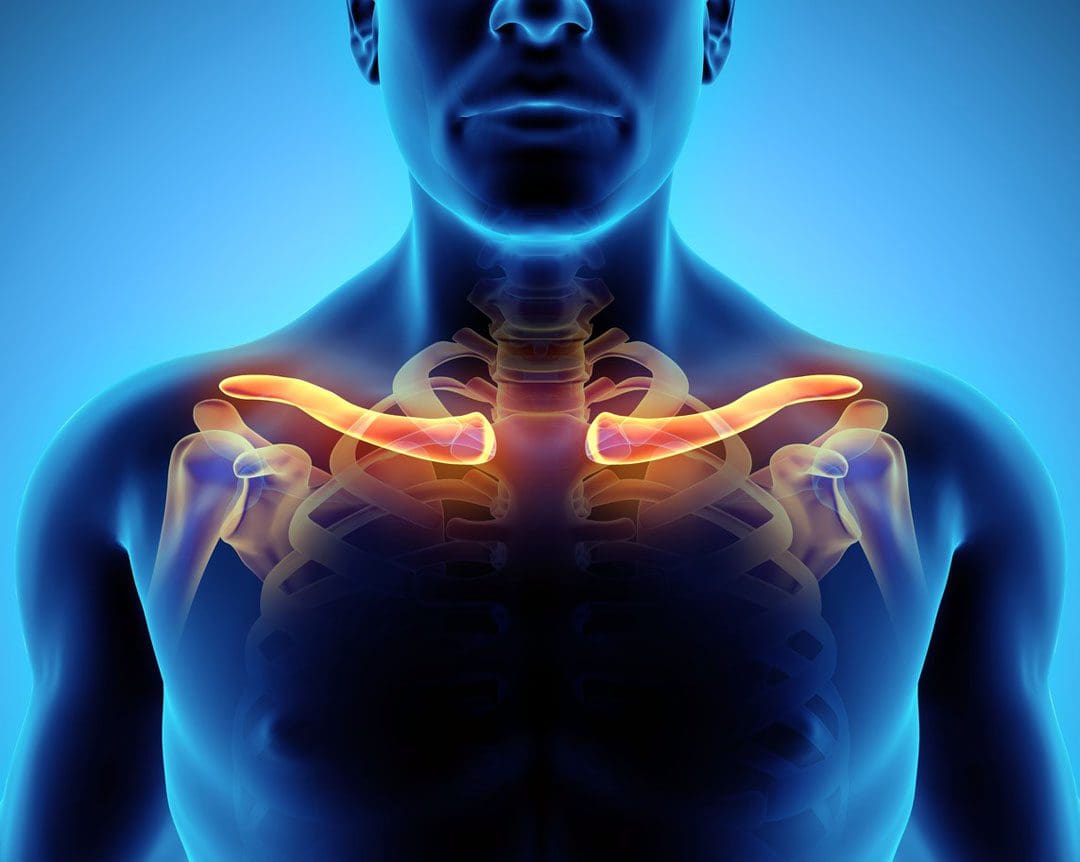
Broken collarbones are very common orthopedic injuries that can occur in any age group. Also known as the clavicle, it is the bone over the top of the chest, between the breastbone/sternum and the shoulder blade/scapula. The clavicle can be easily seen because only skin covers a large part of the bone. Clavicle fractures are extremely common, and account for 2% – 5% of all fractures. (Radiopaedia. 2023) Broken collarbones occur in:
Babies – usually during birth.
Children and adolescents – because the clavicle does not fully develop until the late teens.
Athletes – because of the risks of being hit or falling.
Through various types of accidents and falls.
The majority of broken collarbones can be treated with nonsurgical treatments, usually, with a sling to let the bone heal and physical therapy and rehabilitation.
Sometimes, when clavicle fractures are significantly shifted out of alignment, surgical treatment may be recommended.
There are treatment options that should be discussed with an orthopedic surgeon, physical therapist, and/or a chiropractor.
A broken collarbone is not more serious than other broken bones.
Once the broken bone heals, most individuals have a full range of motion and can return to the activities before the fracture. (Johns Hopkins Medicine. 2023)
Types
Broken clavicle injuries are separated into three types depending on the location of the fracture. (Radiopaedia. 2023)
Mid-Shaft Clavicle Fractures
These occur in the central area which can be a simple crack, separation, and/or fractured into many pieces.
Multiple breaks – segmental fractures.
Significant displacement – separation.
Shortened length of the bone.
Distal Clavicle Fractures
These happen close to the end of the collarbone at the shoulder joint.
This part of the shoulder is called the acromioclavicular/AC joint.
Distal clavicle fractures can have similar treatment options as an AC joint injury.
Medial Clavicle Fractures
These are less common and often related to injury to the sternoclavicular joint.
The sternoclavicular joint supports the shoulder and is the only joint that connects the arm to the body.
Growth plate fractures of the clavicle can be seen into the late teens and early 20s.
The bruising can extend down to the chest and armpit.
Numbness and tingling down the arm.
Deformity of the collarbone.
In addition to swelling, some individuals may have a bump in the place where the fracture occurred.
It can take several months for this bump to fully heal, but this is normal.
If the bump appears inflamed or irritated, inform a healthcare provider.
Clavicular Swelling
When the sternoclavicular joint swells up or gets bigger, it is referred to as clavicular swelling.
It is commonly caused by trauma, disease, or an infection that affects the fluid found in the joints. (John Edwin, et al., 2018)
Diagnosis
At the healthcare clinic or emergency room, an X-ray will be obtained to assess for the specific type of fracture.
They will perform an examination to ensure the nerves and blood vessels surrounding the broken collarbone are unsevered.
The nerves and vessels are rarely injured, but in severe cases, these injuries can occur.
Treatment
Treatment is accomplished either by allowing the bone to heal or by surgical procedures to restore the proper alignment. Some common treatments for broken bones are not used for clavicle fractures.
For example, casting a broken collarbone is not done.
In addition, resetting the bone or a closed reduction is not done because there is no way to hold the broken bone in proper alignment without surgery.
If surgery is an option the healthcare provider looks at the following factors: (UpToDate. 2023)
Location of Fracture and Degree of Displacement
Nondisplaced or minimally displaced fractures are usually managed without surgery.
Age
Younger individuals have an increased ability to recover from fractures without surgery.
Shortening of the Fracture Fragment
Displaced fractures can heal, but when there is a pronounced shortening of the collarbone, surgery is probably necessary.
Other Injuries
Individuals with head injuries or multiple fractures can be treated without surgery.
Patient Expectations
When the injury involves an athlete, heavy job occupation, or the arm is the dominant extremity, there can be more reason for surgery.
Dominant Arm
When fractures occur in the dominant arm, the effects are more likely to be noticeable.
The majority of these fractures can be managed without surgery, but there are situations where surgery can produce better results.
Supports for Non-surgical Treatment
A sling or figure-8 clavicle brace.
The figure-8 brace has not been shown to affect fracture alignment, and many individuals generally find a sling more comfortable. (UpToDate. 2023)
Broken collarbones should heal within 6–12 weeks in adults
3–6 weeks in children
Younger patients are usually back to full activities before 12 weeks.
The pain usually subsides within a few weeks. (UpToDate. 2023)
Immobilization is rarely needed beyond a few weeks, and with a doctor’s clearance light activity and gentle motion rehabilitation usually begins.
Edwin, J., Ahmed, S., Verma, S., Tytherleigh-Strong, G., Karuppaiah, K., & Sinha, J. (2018). Swellings of the sternoclavicular joint: review of traumatic and non-traumatic pathologies. EFORT open reviews, 3(8), 471–484. https://doi.org/10.1302/2058-5241.3.170078
Gymnastics is a demanding and challenging sport. Gymnasts train to be powerful and graceful. Today’s moves have become increasingly technical acrobatic moves with a much higher degree of risk and difficulty. All the stretching, bending, twisting, jumping, flipping, etc., increases the risk of neuromusculoskeletal injuries. Gymnastics injuries are inevitable. Bruises, cuts, and scrapes are common, as are overuse strains and sprains, but severe and traumatic injuries can occur. Injury Medical Chiropractic and Functional Medicine Team can treat and rehabilitate injuries and help to strengthen and prevent injuries. The therapy team will thoroughly evaluate the individual to determine the injury/s severity, identify any weaknesses or limitations, and develop a personalized plan for optimal recovery, stability, and strength.
Gymnastic Injuries
One of the main reasons injuries are more prevalent is because today’s athletes start earlier, spend more time practicing, perform more complex skill sets, and have higher levels of competition. Gymnasts learn to perfect a skill and then train to make their bodies look elegant while executing the routine. These moves require precision, timing, and hours of practice.
Injury Types
Sports injuries are classified as:
Chronic Overuse injuries: These cumulative aches and pains occur over time.
They can be treated with chiropractic and physical therapy and prevented with targeted training and recovery.
Acute Traumatic injuries: These are typically accidents that happen suddenly without warning.
These require immediate first aid.
Most Common Injuries
Gymnasts are taught how to fall and land to lessen the impact on the spine, head, neck, knees, ankles, and wrists.
Back
Common back injuries include muscle strains and spondylolysis.
Bruises and Contusions
Tumbling, twisting, and flipping can result in various bruises and contusions.
Muscle Soreness
This is the sort of muscle soreness experienced 12 to 48 hours after a workout or competition.
Proper rest is necessary for the body to recover fully.
Overtraining Syndrome
Overtraining syndrome happens when individuals train beyond the body’s ability to recover.
Strength and/or flexibility imbalances – one side is stronger.
Chiropractic Care
Our therapists will start with an evaluation and a biomechanical assessment to identify all the factors contributing to the injury. This will consist of a thorough medical history to understand overall health status, training schedule, and the physical demands on the body. The chiropractor will develop a comprehensive program that includes manual and tool-assisted pain relief techniques, mobilization work, MET, core strengthening, targeted exercises, and injury prevention strategies.
Facet Syndrome Chiropractic Treatment
References
Armstrong, Ross, and Nicola Relph. “Screening Tools as a Predictor of Injury in Gymnastics: Systematic Literature Review.” Sports medicine – open vol. 7,1 73. 11 Oct. 2021, doi:10.1186/s40798-021-00361-3
Farì, Giacomo, et al. “Musculoskeletal Pain in Gymnasts: A Retrospective Analysis on a Cohort of Professional Athletes.” International journal of environmental research and public health vol. 18,10 5460. 20 May. 2021, doi:10.3390/ijerph18105460
Kreher, Jeffrey B, and Jennifer B Schwartz. “Overtraining syndrome: a practical guide.” Sports Health vol. 4,2 (2012): 128-38. doi:10.1177/1941738111434406
Meeusen, R, and J Borms. “Gymnastic injuries.” Sports medicine (Auckland, N.Z.) vol. 13,5 (1992): 337-56. doi:10.2165/00007256-199213050-00004
Sweeney, Emily A et al. “Returning to Sport After Gymnastics Injuries.” Current sports medicine reports vol. 17,11 (2018): 376-390. doi:10.1249/JSR.0000000000000533
Westermann, Robert W et al. “Evaluation of Men’s and Women’s Gymnastics Injuries: A 10-Year Observational Study.” Sports Health vol. 7,2 (2015): 161-5. doi:10.1177/1941738114559705
Injuries after a motorcycle crash include contusions, skin abrasions, soft tissue injuries to tendons, ligaments, and muscles, sprains, strains and tears, facial and jaw fractures, traumatic brain injury, broken bones, misalignment, neck and back injuries, and biker’s arm. The Injury Medical Chiropractic and Functional Medicine Team can develop a comprehensive view of the sustained injuries to create a personalized treatment plan to reduce inflammation, increase flexibility, correct misalignments, rehabilitate the body, relax, stretch, and strengthen the musculoskeletal system, and restore mobility and function.
Motorcycle Crash Injuries
Motorcycle crash injuries are not easy to recover from. Acute soft tissue injuries caused by sudden trauma are common, as well as herniated discs, pelvis, and spinal misalignments that can have a cascading effect on the rest of the body.
Pelvic Misalignment
The pelvis comprises the pubic joint in the front and two sacroiliac joints in the back.
The sacroiliac joints work to connect the pelvis to the spine.
The pelvis also connects various muscles, including the pelvic floor and hip.
When the hip sustains a crash/collision impact or the impact causes the individual to fall on their hip, the hip or pelvis can become misaligned. Pelvic misalignment is one of the leading causes of severe back problems and pain. To realign the pelvis, a chiropractor will develop a physical therapy program that will include the following:
Therapeutic massage to relax the muscles and increase blood circulation.
Directed stretching of tight and overactive muscles.
Strengthening or reactivating weak and inhibited muscles.
Exercises to train proper pelvis positioning awareness.
Neck Injuries
In addition to whiplash, spinal misalignment to the vertebrae in the neck can occur. A chiropractor can help restore the range of motion. The treatment team will develop a therapy program in addition to chiropractic. The primary focus is to improve the flexibility and strength of the neck. The common types of physical therapy include:
Massage.
Neck stretches.
Back strengthening.
Core strengthening.
Leg and Foot Injuries
Extremity injuries frequently occur, particularly to the feet and legs, and include:
Sprains.
Strains.
Muscle tears.
Road Rash.
Bone fractures.
The therapy team will build a treatment plan that works through each system up the foot, knee, and hip. This plan will help heal soft tissue injuries by applying techniques like massage therapy and at-home exercises.
Rider’s Arm
Motorcyclists may extend their hands out to protect themselves from the impact when falling. This position can lead to injuries that affect the shoulders, arms, wrists, and hands. The physical therapy team can help heal soft tissue injuries and increase mobility using mobilization. Chiropractic can restrengthen damaged shoulder muscles, support torn ligaments, and treat tissue damage.
This hands-on technique involves easing a joint or muscle through normal movement patterns to release and relax stiffness and increase mobility.
Manual adjustments, deep tissue massage, exercise, and hot/cold therapy help restore health and mobility and expedite recovery.
Injury Rehabilitation
References
Dischinger, Patricia C et al. “Injury patterns and severity among hospitalized motorcyclists: a comparison of younger and older riders.” Annual proceedings. Association for the Advancement of Automotive Medicine vol. 50 (2006): 237-49.
Mirza, M A, and K E Korber. “Isolated rupture of the anterior tibialis tendon associated with a fracture of the tibial shaft: a case report.” Orthopedics vol. 7,8 (1984): 1329-32. doi:10.3928/0147-7447-19840801-16
Petit, Logan, et al. “A review of common motorcycle collision mechanisms of injury.” EFORT open reviews vol. 5,9 544-548. 30 Sep. 2020, doi:10.1302/2058-5241.5.190090
Sander, A L et al. “Mediokarpale Instabilitäten der Handwurzel” [Mediocarpal instability of the wrist]. Der Unfallchirurg vol. 121,5 (2018): 365-372. doi:10.1007/s00113-018-0476-9
Tyler, Timothy F et al. “Rehabilitation of soft tissue injuries of the hip and pelvis.” International journal of sports physical therapy vol. 9,6 (2014): 785-97.
Vera Ching, Claudia, et al. “Traumatic tracheal injury after a motorcycle accident.” BMJ case reports vol. 13,9 e238895. 14 Sep. 2020, doi:10.1136/bcr-2020-238895
IFM's Find A Practitioner tool is the largest referral network in Functional Medicine, created to help patients locate Functional Medicine practitioners anywhere in the world. IFM Certified Practitioners are listed first in the search results, given their extensive education in Functional Medicine