Can understanding antinutrients and the importance of a balanced diet help individuals get the most out of their foods?
Antinutrients
Antinutrients are compounds in some plant foods that can reduce the body’s ability to absorb and use certain nutrients. (Petroski W., & Minich D. M. 2020) The purpose of these compounds is to protect the plants from infections and insects, which benefits the plant. It can also lower the human body’s ability to absorb nutrients properly. They are found in many grains, legumes, seeds, nuts, fruits, and vegetables. Plant-based foods high in antinutrients have beneficial nutrients, such as antioxidants, fiber, and other vitamins and minerals, and have been associated with a lower risk of chronic disease. The antinutrients may prevent the digestion and absorption of some minerals and have other negative effects that include:
Altered gut function
Increased inflammation
Endocrine disruption
Increased risk of calcium kidney stones
Common Types
Some of the main antinutrients of concern include phytates, lectins, oxalates, tannins, and phytoestrogens.
Phytates (phytic acid)
They are found in grains, legumes, nuts, and seeds.
They are found in various plant foods, including fruits, vegetables, nuts, and grains. (Mitchell T. et al., 2019)
Oxalates bind to certain minerals, such as calcium-forming calcium oxalate.
Tannins
They are found in many plant foods, such as legumes, cereal grains, nuts, cacao, leafy and green vegetables, coffee, and tea. (Ojo M. A. 2022)
Tannins are antioxidant-phenolic compounds that can reduce the absorption of some minerals and proteins in the body.
Phytoestrogens
They are found in various plant foods, such as fruits, vegetables, legumes, nuts, and seeds.
These estrogen-like compounds have many health benefits but may also act as endocrine disruptors (interfering with hormones). (Petroski W., & Minich D. M. 2020)
Effects on the Body
Antinutrient compounds typically bind to minerals or other nutrients, which inhibits digestion and absorption. For example,
How these foods containing antinutrient compounds are prepared and consumed can influence their impact on the body and the quantity consumed.
Advantages and Disadvantages
Plant foods have long been associated with improved health and a decreased risk of some chronic diseases, such as heart disease, diabetes, cancer, stroke, and others. (Craig W. J. et al., 2021) For most, the effects of antinutrients are not of major concern after processing and cooking. The benefits and drawbacks of consuming foods high in antinutrients include: (Petroski W., & Minich D. M. 2020)
Benefits
Some antinutrients act as antioxidants.
Some have cancer-fighting abilities.
Some may increase immune system function.
They are often sources of dietary fiber and other beneficial nutrients.
Drawbacks
It may be difficult for some individuals to digest.
Phytoestrogens may behave like endocrine disruptors.
High amounts of oxalates can contribute to kidney stones.
Cooking methods to minimize antinutrient content, like boiling, steaming
Autoclaving – a cooking process that uses high pressure and heat to cook and sterilize food.
Peeling the skins of fruits and nuts is effective for reducing tannins.
Combining foods to enhance nutrient absorption.
For example, pairing high-oxalate foods with high-calcium foods.
Combining different cooking and processing methods can completely degrade and reduce many antinutrient compounds. The exception is phytoestrogens, where boiling, steaming, and fermentation can increase antinutrients. (Petroski W. & Minich D. M., 2020)
Injury Medical Chiropractic & Functional Medicine Clinic
Individuals concerned about antinutrients in their diet and who want individualized advice on how to get the most out of the food they eat should consider consulting with a registered dietitian nutritionist or another healthcare professional. Injury Medical Chiropractic and Functional Medicine Clinic works with primary healthcare providers and specialists to develop an optimal health and wellness solution.
Smart Choices, Better Health
References
Petroski, W., & Minich, D. M. (2020). Is There Such a Thing as “Anti-Nutrients”? A Narrative Review of Perceived Problematic Plant Compounds. Nutrients, 12(10), 2929. https://doi.org/10.3390/nu12102929
Gupta, R. K., Gangoliya, S. S., & Singh, N. K. (2015). Reduction of phytic acid and enhancement of bioavailable micronutrients in food grains. Journal of food science and technology, 52(2), 676–684. https://doi.org/10.1007/s13197-013-0978-y
Adamcová, A., Laursen, K. H., & Ballin, N. Z. (2021). Lectin Activity in Commonly Consumed Plant-Based Foods: Calling for Method Harmonization and Risk Assessment. Foods (Basel, Switzerland), 10(11), 2796. https://doi.org/10.3390/foods10112796
Mitchell, T., Kumar, P., Reddy, T., Wood, K. D., Knight, J., Assimos, D. G., & Holmes, R. P. (2019). Dietary oxalate and kidney stone formation. American journal of physiology. Renal physiology, 316(3), F409–F413. https://doi.org/10.1152/ajprenal.00373.2018
Ojo, M. A. (2022). Tannins in Foods: Nutritional Implications and Processing Effects of Hydrothermal Techniques on Underutilized Hard-to-Cook Legume Seeds-A Review. Preventive nutrition and food science, 27(1), 14–19. https://doi.org/10.3746/pnf.2022.27.1.14
Craig, W. J., Mangels, A. R., Fresán, U., Marsh, K., Miles, F. L., Saunders, A. V., Haddad, E. H., Heskey, C. E., Johnston, P., Larson-Meyer, E., & Orlich, M. (2021). The Safe and Effective Use of Plant-Based Diets with Guidelines for Health Professionals. Nutrients, 13(11), 4144. https://doi.org/10.3390/nu13114144
Harvard T.H. Chan School of Public Health. (2022). Are anti-nutrients harmful? https://nutritionsource.hsph.harvard.edu/anti-nutrients/
U.S. Department of Agriculture. (2020). Dietary Guidelines for Americans, 2020-2025. Retrieved from https://www.dietaryguidelines.gov/sites/default/files/2021-03/Dietary_Guidelines_for_Americans-2020-2025.pdf
National Institutes of Health Office of Dietary Supplements. (2024). Iron. Retrieved from https://ods.od.nih.gov/factsheets/Iron-HealthProfessional/
Athletic individuals must train regularly, eat healthy, and rest properly to recover and perform their best. Is sleep different for athletes?
Athletes and Sleep
Physical activity is an important component of a healthy lifestyle. Regular exercise increases longevity and can also reduce the risk of anxiety and depression and improve sleep (Centers for Disease Control and Prevention, 2024). When one area is lacking for athletes, overall performance can suffer. Evidence shows that more or extended sleep can benefit athletes and their recovery and performance. (Bird, Stephen P. 2013) Recommendations for athletes range between seven and nine hours nightly, and elite athletes are encouraged to get at least nine hours of sleep nightly and to treat sleep as much as athletic training and diet.
Sleep is essential for overall health and well-being for both athletes and non-athletes. Everyone needs sleep to feel restored and function their best daily. (Richard J. Schwab, 2024) Other physical benefits include:
Cardiovascular Recovery
This allows the heart to rest and cells and tissue to be repaired. (MedlinePlus, 2017) This can help the body recover after physical exertion. As an individual progresses through the stages of sleep, the changes in heart rate and breathing throughout the night promote cardiovascular health (National Heart, Lung, and Blood Institute, 2011)
Illness Prevention
The proper amount of sleep helps the body recover from illness. During sleep, the body produces cytokines/hormones that help the immune system fight off infections. These therapeutic effects are important for an athlete’s recovery and performance.
Lack of Sleep Affects Performance
Poor quality and quantity of sleep can lead to several negative effects. Sleep deprivation reduces the ability to react quickly and think clearly. A lack of sleep also increases irritability and risk for anxiety and depression. Sleep-deprived individuals are more likely to make poor decisions and take unnecessary risks. From a physical standpoint, a lack of sleep increases the risk for medical concerns, including type 2 diabetes, high blood pressure, kidney disease, and stroke. When athletes do not receive adequate sleep, it can:
Inhibit Ability
In a study of sleep-deprived male team athletes, average and total sprint times decreased. (Skein, M. et al., 2011)
Decrease Accuracy
In a study, male and female sleep-deprived tennis players had decreased serve accuracy by up to 53% compared to performance after normal sleep. (Reyner L. A. & Horne J. A. 2013)
Cause Quicker Exhaustion
A study of male runners and volleyball players found that both athletes exhausted faster after sleep deprivation. (Azboy O. & Kaygisiz Z. 2009)
Decrease Reaction Time
A study found that lack of sleep adversely affected reaction time in a group of male collegiate athletes. (Taheri M. & Arabameri E. 2012)
Difficulty Learning and Decision Making
A lack of sleep negatively impacts cognitive skills and functions.
Athletes can become distracted, and decisions like passing the ball or going for the smash can be difficult or made too late.
Increases Risk of Injury
Research on middle—and high-school athletes showed that chronic lack of sleep was associated with increased rates of injury. (Milewski M. D. et al., 2014)
Increases The Risk of Illness or Immunosuppression
Poor sleep habits are associated with lower resistance to illness like a cold. (Prather A. A. et al., 2015)
Athletic Sleep Hygiene
Common components to sleep well include:
Avoid alcohol and Caffeine
Before bedtime, these can interrupt sleep or lead to more disturbed sleep.
Have a Wind-Down Routine
Activities such as reading, bathing, or meditating can help the body relax and get ready for sleep.
Reduce Stressors
Not only do mental stressors affect sleep quality, but they also impact performance overall.
Create an Optimal Sleep Environment
A sleeping space should be dark and cool with little to no noise.
The environment should be used only for sleep and sex.
No Electronics Before Bed
This includes TVs, cell phones, and computers.
The blue light that these devices emit can affect circadian rhythm.
Don’t Stay Awake In Bed
If you can’t fall asleep after 20 minutes of trying, get out of bed.
Do a quiet activity in another space until you feel sleepy.
Avoid Overtraining
Keep a consistent training schedule so as not to overexert yourself.
Quick Naps
Keep naps brief. Naps should be longer than an hour and not after 3 p.m.
Injury Medical Chiropractic and Functional Medicine Clinic
The right bed and mattress contribute to overall health and can improve one’s quality of life. Doctor Alexander Jimenez, DC, at Injury Medical Chiropractic and Functional Medicine Clinic, says a healthy mattress can improve sleep, reduce pain, increase energy levels, and elevate mood. Injury Medical Chiropractic and Functional Medicine Clinic works with primary healthcare providers and specialists to develop an optimal health and wellness solution. We focus on what works for you to relieve pain, restore function, prevent injury, and help mitigate the pain through spinal adjustments that help the body realign itself. They can also work with other medical professionals to integrate a treatment plan to resolve musculoskeletal issues.
Lumbar Spine Injuries In Athletes
References
Centers for Disease Control and Prevention. (2024). Benefits of Physical Activity. Retrieved from https://www.cdc.gov/physical-activity-basics/benefits/?CDC_AAref_Val=https://www.cdc.gov/physicalactivity/basics/pa-health/index.htm
Bird, Stephen P. PhD. (2013). Sleep, Recovery, and Athletic Performance: A Brief Review and Recommendations. Strength and Conditioning Journal, 35(5), 43-47. https://doi.org/DOI: 10.1519/SSC.0b013e3182a62e2f
Schwab, R. J. (2024). Overview of Sleep. Merck Manual Consumer Version. https://www.merckmanuals.com/home/brain-spinal-cord-and-nerve-disorders/sleep-disorders/overview-of-sleep
National Library of Medicine. MedlinePlus. (2017). Healthy Sleep Also called: Sleep Hygeine. Retrieved from https://medlineplus.gov/healthysleep.html
National Heart, Lung, and Blood Institute. (2011). Your guide to healthy sleep. Retrieved from https://www.nhlbi.nih.gov/resources/your-guide-healthy-sleep
Skein, M., Duffield, R., Edge, J., Short, M. J., & Mündel, T. (2011). Intermittent-sprint performance and muscle glycogen after 30 h of sleep deprivation. Medicine and science in sports and exercise, 43(7), 1301–1311. https://doi.org/10.1249/MSS.0b013e31820abc5a
Reyner, L. A., & Horne, J. A. (2013). Sleep restriction and serving accuracy in performance tennis players, and effects of caffeine. Physiology & behavior, 120, 93–96. https://doi.org/10.1016/j.physbeh.2013.07.002
Azboy, O., & Kaygisiz, Z. (2009). Effects of sleep deprivation on cardiorespiratory functions of the runners and volleyball players during rest and exercise. Acta physiologica Hungarica, 96(1), 29–36. https://doi.org/10.1556/APhysiol.96.2009.1.3
Taheri, M., & Arabameri, E. (2012). The effect of sleep deprivation on choice reaction time and anaerobic power of college student athletes. Asian journal of sports medicine, 3(1), 15–20. https://doi.org/10.5812/asjsm.34719
Milewski, M. D., Skaggs, D. L., Bishop, G. A., Pace, J. L., Ibrahim, D. A., Wren, T. A., & Barzdukas, A. (2014). Chronic lack of sleep is associated with increased sports injuries in adolescent athletes. Journal of pediatric orthopedics, 34(2), 129–133. https://doi.org/10.1097/BPO.0000000000000151
Prather, A. A., Janicki-Deverts, D., Hall, M. H., & Cohen, S. (2015). Behaviorally Assessed Sleep and Susceptibility to the Common Cold. Sleep, 38(9), 1353–1359. https://doi.org/10.5665/sleep.4968
Rodeo Training: Rodeo has become a sport that is now open to anyone, and there are even programs for weekend warriors. Like all sports, it can offer a rewarding experience but can be dangerous. As the sport grows, individuals and spectators realize the importance of being strong, mobile, and durable. Individuals need to assess their health and ability and be in top shape due to the demands this sport places on the body. Here we look at the muscle groups needed in this sport.
Rodeo Training
Fitness has always had a place in rodeo and all equine sports, but it wasn’t paid much attention. Professional rodeo instructors recommend incorporating a strength, conditioning, and personal training regimen, to keep rodeo athletes, including bull riders, steer wrestlers, and calf ropers, in top form. Even for weekend warriors and hobbyists, increasing strength and mobility will make the hobby much more enjoyable.
Body Strength
The core strength of the abdominals and lower back is very important. The connection between the upper and lower body and groin strength has to be strong for the athletes to stay on the animal and control their bodies as the animal runs, shifts, and jumps. The focus should be on every muscle needed to move with proper form and control and learning how your body moves.
Upper Body
Scapula Stabilizers
These muscles help control the shoulder blade and maintain a healthy posture.
These muscles aid the rotator cuff and deltoid muscles to upwardly or downwardly rotate the shoulder blade/scapula while the shoulder joint/arm is moving overhead, behind the back, or reaching away from the trunk.
Strengthening these muscle groups prevents the rounding of the shoulders and provides strength when dealing with a strong animal.
Roughstock riders use these muscles to maintain pressure when lifting their rigging, reign, or rope while maintaining a square posture.
This muscle group needs strengthening, but it is equally important to ensure they’re flexible throughout the chest.
Many individuals have strong chest muscles, but there may be an imbalance of strength and flexibility, causing unhealthy posture.
The spine and stabilizer muscles cannot work to maintain proper posture or stabilize if the chest muscles are too tight.
The focus is maintaining balance in the chest’s mobility while ensuring they are strong enough to handle the force.
Core
Abdominal Muscles
Four major groups comprise the abdominal muscle group, including the rectus abdominis, internal and external oblique, and transversus abdominis.
These muscles work together with the spine and back muscles to help create core stability.
Core strength is not as important as core stability in rodeo sports.
The core fundamentals of riding require the hips, pelvis, and low back to move with the animal.
These muscles coordinate with each other to produce stability.
Focusing only on strength causes rigid or stiff riding.
Being excessively rigid through the abdominals and back muscles prevents shock absorption and can lead to lower back symptoms.
Lower Body
Hip Adductors
These inner thigh muscles include the gracilis, obturator externus, adductor brevis, longus, and magnus.
These muscles should typically be the strongest because of their natural riding use.
Problems with these muscles happen because the athletes generally don’t ride horses recreationally and don’t know how to strengthen them.
This leads to various injuries throughout the pelvic floor and hips.
Balance is required as the muscles can be too weak or too strong.
Where riders begin to depend/rely too much on them can lead to imbalances with the upper and lower body muscles.
Too much use/gripping with the adductors can lead to over-rotation of the hip, resulting in the toes-out walking gait and musculoskeletal issues.
Hip Abductors
The outer thigh/hip muscles are the gluteus medius, gluteus minimus, and tensor fasciae latae/TFL.
They move the leg away from the body and help rotate at the hip joint.
The abductors are necessary for staying stable when walking or standing on one leg.
They help stabilize the hip and pelvis and maintain proper leg alignment, allowing correct leg movements without excessive shifting in the saddle.
Sitting in the saddle with more pressure on one side or leaning to one side when jumping will cause an imbalance in the hip abductors.
Hip Extensors
These are the posterior/back and hip/thigh muscles and are made up of the gluteus maximus and the hamstrings.
These are the most powerful muscles in the body and are responsible for giving the horse the cues to perform what they need to.
Strong hamstrings and glutes allow the rider to exert appropriate pressure through the legs to move the horse from a walk, trot, lope, run, and direction change.
The gluteus maximus acts as a buffer between the hamstrings and the lower back muscles.
Weakened gluteus maximus muscles can cause tight hamstrings that shift the pelvis and begin pulling on the low back muscles.
Building strength and mobility throughout the hip extensors will prevent injury.
Understanding which muscles are responsible for each part of the movements needed to compete in this sport is essential. However, rodeo sports are learned by doing, and it is recommended to go to a rodeo school or rodeo clinics as there is no substitute for experience. Some schools hold numerous classes around the country. These are usually taught by championship athletes and are a great way to try rodeo in a safe and controlled learning environment.
Rodeo Training: What It Takes
References
Meyers, Michael C, and C Matthew Laurent Jr. “The rodeo athlete: injuries – Part II.” Sports medicine (Auckland, N.Z.) vol. 40,10 (2010): 817-39. doi:10.2165/11535330-000000000-00000
Sinclair Elder, Amanda J, and Rachel Tincknell. “Epidemiology of Hip Injuries in Professional Rodeo: A 4-Year Analysis.” Orthopedic journal of sports medicine vol. 8,10 2325967120959321. 27 Oct. 2020, doi:10.1177/2325967120959321
Sinclair, Amanda J, and Jack W Ransone. “Physical activity and its relationship to rodeo injury and success.” Journal of strength and conditioning research vol. 18,4 (2004): 873-7. doi:10.1519/14623.1
Watts, Melinda, et al. “Characteristics of Injury in Collegiate Rodeo.” Clinical journal of sports medicine: official journal of the Canadian Academy of Sports Medicine vol. 32,2 (2022): e145-e150. doi:10.1097/JSM.0000000000000904
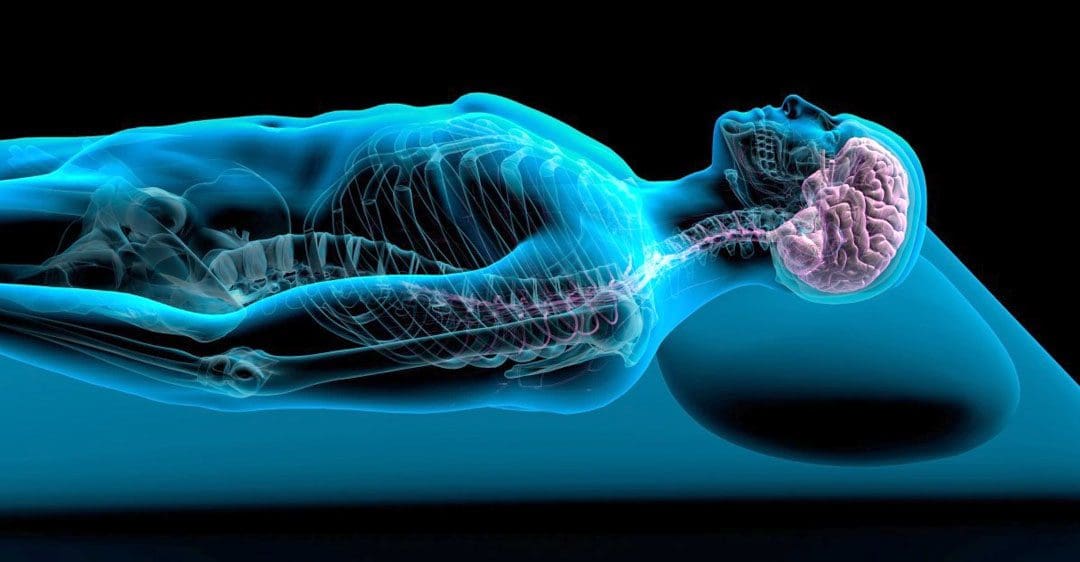
The body’s ability to heal itself is quite remarkable. When injury or illness presents, the body’s systems activate to deal with the problem and restore itself to health. The spine’s bones protect the communication pathways of the spinal cord and nerve roots. If the nervous system suffers injury or is damaged in some way, causing impairment, it can cause malfunctioning of the tissues and organs throughout the body. Chiropractic care combined with functional medicine can restore and enhance the body’s self-healing abilities to optimal levels.
The Body’s Ability To Heal Itself
A healthy body regenerates, fights infection, heals wounds, and repairs damage. The body is in a constant state of removing damage and producing new, healthy tissues.
Cells can heal themselves when they become unhealthy and replicate to replace injured or damaged cells.
The body produces new cells to heal the damage if a bone gets fractured or broken.
When the skin gets cut, the blood clots, stopping the bleeding, white blood cells remove the injured and dead cells, and new healthy cells repair the damaged tissue.
The immune system deals with viruses, bacteria, and toxins.
Natural destroyer cells recognize when the body’s cells have been invaded by a virus and destroy the infected cell.
Inflammation
Inflammation is the body’s reaction to an injury or infection, activating the immune system to restore the injured or infected area to health.
A fever is the body’s raising its temperature to levels that will kill viruses and bacteria.
The elevation in temperature also triggers certain cellular mechanisms which help the body fight the infection.
Stem Cells
The body heals and regenerates itself through stem cells.
Once the body is formed, embryonic stem cells disappear, and adult stem cells take over.
The adult stem cells divide, producing an identical stem cell and a healthy, mature cell of a specific type.
Each type of adult stem cell only can become certain types of tissue.
For example, Mesenchymal Stem Cells can regenerate bone, fat, muscle, and cartilage cells.
Neural Stem Cells help regenerate nerve tissue in the brain and spinal cord.
Epithelial Stem Cells regenerate skin.
Adult stem cells can reproduce for a long time but eventually stop reproducing as efficiently.
Nervous System
The nervous system assists the whole body in maintaining communication, using electrical and chemical impulses to send and receive messages. The system reacts to changes inside and outside the body. Infections, injuries, disorders, and conditions can cause imbalances causing communication problems that can lead to health issues. Common problems of the nervous system include:
Sciatica – Pressure on a nerve/s caused by a slipped, bulging, or herniated disc in the spine or arthritis of the spine and, sometimes, other factors.
Parkinson’s disease – The death of neurons in a part of the brain called the midbrain. Symptoms include shaking and mobility problems.
Epilepsy – Abnormal electrical activity in the brain causing seizures.
Meningitis – Inflammation of the membrane covering the brain.
Multiple sclerosis – The myelin sheaths protecting the nerves of the central nervous system become damaged and deteriorates.
Chiropractic Care
Subluxations are misaligned or damaged joints that are not functioning correctly. These joints can place pressure on a nerve, which interferes with the normal nervous system function. Chiropractic care can realign, restore and maintain neuromusculoskeletal system health to reactivate the body’s natural healing abilities.
Cerebral Palsy Chiropractic Treatment
References
Haavik, Heidi, et al. “Effects of 12 Weeks of Chiropractic Care on Central Integration of Dual Somatosensory Input in Chronic Pain Patients: A Preliminary Study.” Journal of manipulative and physiological therapeutics vol. 40,3 (2017): 127-138. doi:10.1016/j.jmpt.2016.10.002
Lee, Courtney, et al. “Mind-body therapies for the self-management of chronic pain symptoms.” Pain medicine (Malden, Mass.) vol. 15 Suppl 1 (2014): S21-39. doi:10.1111/pme.12383
Maltese PE, Michelini S, Baronio M, Bertelli M. Molecular foundations of chiropractic therapy. Acta Biomed. 2019 Sep 30;90(10-S):93-102. doi: 10.23750/abm.v90i10-S.8768. PMID: 31577263; PMCID: PMC7233649.
McSwan, Joyce, et al. “Self-Healing: A Concept for Musculoskeletal Body Pain Management – Scientific Evidence and Mode of Action.” Journal of pain research vol. 14 2943-2958. 21 Sep. 2021, doi:10.2147/JPR.S321037
Navid, Muhammad Samran et al. “The effects of chiropractic spinal manipulation on central processing of tonic pain – a pilot study using standardized low-resolution brain electromagnetic tomography (sLORETA).” Scientific reports vol. 9,1 6925. 6 May. 2019, doi:10.1038/s41598-019-42984-3
Getting an accurate chronic pain diagnosis is essential to creating the most optimal, highly customized treatment plan for the individual. Depending on the severity and cause of pain, individuals could require various pain specialists/therapists combined with a primary physician. These could include:
Chiropractor
Physical therapist
Neurosurgeon
Pain medicine specialist
Physiatrist
Rheumatologist
Orthopedic spine surgeon
Chronic Pain Diagnosis
�
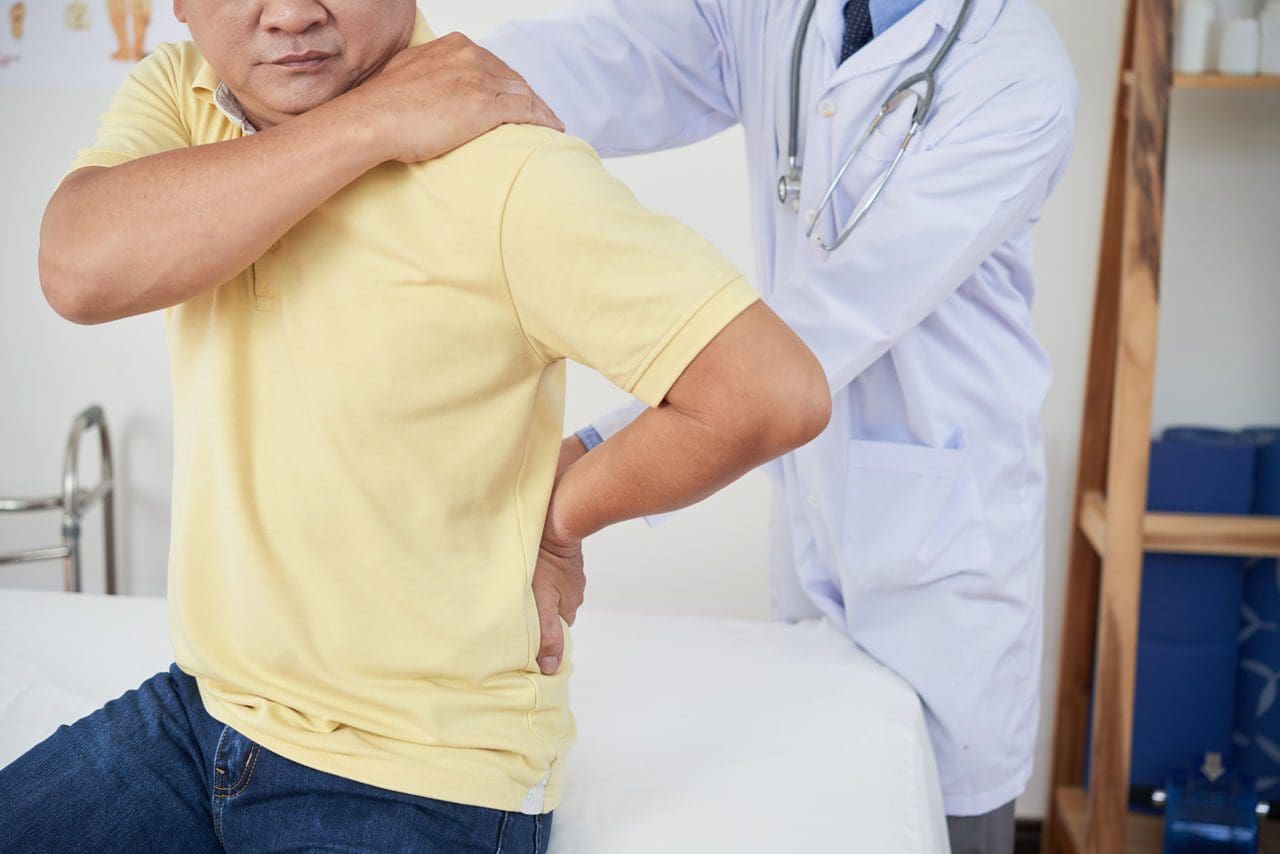
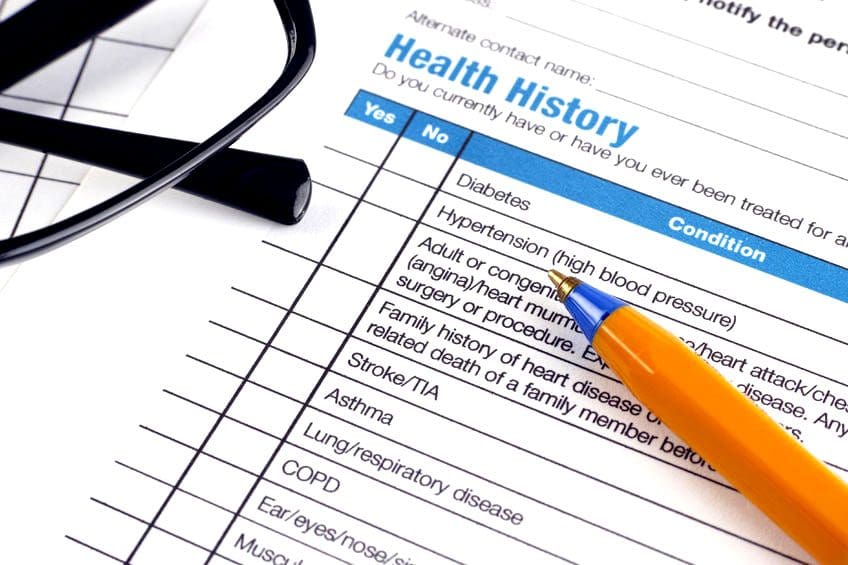
� Over time chronic pain symptoms can change or alter and need reevaluation. This could mean having to adjust treatment and management but that is exactly what it is, an adjustment to the treatment plan flowing with the symptoms as they come and go while keeping to the objective of. Chronic pain diagnosis entails a series of tests, as well as, a full review of symptoms and medical history. A doctor will ask a series of questions concerning symptoms and pain triggers. These questions could include:
When did the pain begin?
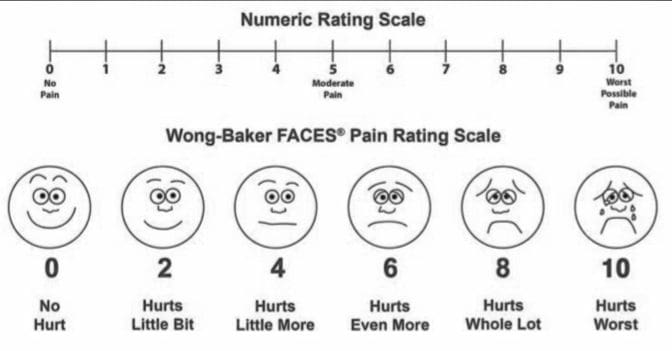
Describe and rate the pain, is it shooting, electrical, burning, throbbing, dull, or sharp?
�
Has there ever been an injury at or around the problem area?
What activities/actions/movements relieve and worsen the pain?
Is there a history of mental illness, like depression or anxiety?
�
Labs
Tests will be ordered to identify physical/non-physical causes that could be the cause or contributor. Possible tests include:
�
Blood
Blood tests are used in the diagnosis of infections and inflammation. Individuals with infection/s or inflammatory disorders have high levels of white blood cells and inflammatory reactive substances like C-reactive protein. Blood tests also help determine the presence of rheumatoid arthritis, gout, or cancer. If rheumatoid arthritis is present, the blood analysis will show positive results for proteins known as rheumatoid factor.
�
Urine
Urinalysis is commonly used to check for gout. This is a type of arthritis that causes high blood levels of uric acid. A doctor may order a urine test for a patient using prescription pain meds.
�
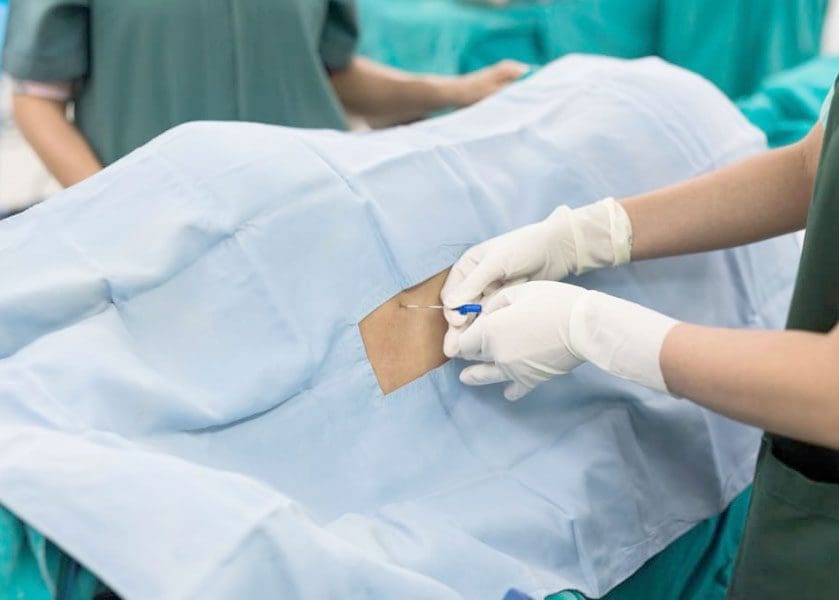
Spinal tap
A doctor inserts a needle into the lower back and a sample of cerebrospinal fluid is collected. Cerebrospinal fluid is clear and protects the brain and spinal cord. A cerebrospinal fluid analysis helps to diagnose disorders of the central nervous system and certain cancers. �
�
Musculoskeletal/Neurological tests
A musculoskeletal exam looks at posture, joint mobility, muscle stiffness, tightness, and swelling in or around the area, as well as the rest of the body. An example is a diagnosis of carpal tunnel syndrome. A detailed spine examination is done to identify deformities and moving/walking posture. A neurological examination is used to check:
Muscle strength
Touch reaction
Balance
Overall sensation
A neurological exam can also be used to test:
Memory
Alertness
Mood
Behavior
�
Imaging
Imaging provides detailed images of the body’s organs and bones. Doctors use these to:
Spot fractures or inflammatory alterations in the bone/s
Focus on details of a bone and surrounding structures
Differentiate between growths, infections, or fractures
Identify nerve/s injury or damage
�
X-Rays
X-rays are standard in the diagnosis of fractures. An arthrogram is an x-ray that uses a contrasting agent to check and identify joint disorders.
�
MRI
Magnetic resonance imaging uses a magnetic field and radio waves to create detailed images. Magnetic resonance imaging helps in diagnosing:
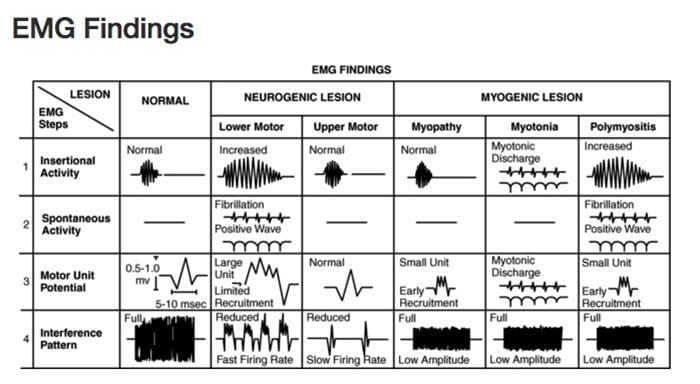
EMG’s are used to diagnose disorders of the muscles and nerves. Electrical activity in the muscles is recorded to see how the impulses/electrical signals are transmitting from the nerves to muscles. �
�
An EMG could be required if an individual has:
Numbness
Muscle weakness
Muscle pain
Tics
Electromyography is also used to identify conditions that can cause chronic pain like:
A nerve conduction study measures the speed of electrical signals passing through a nerve. It can identify:
Carpal tunnel syndrome
Herniated disk disease
Sciatic nerve injury/damage/abnormality
A doctor can order both an EMG and NCS in combination.
�
Back Pain Chiropractic Care
Dr. Alex Jimenez�s Blog Post Disclaimer
The scope of our information is limited to chiropractic, musculoskeletal, physical medicines, wellness, and sensitive health issues and/or functional medicine articles, topics, and discussions. We use functional health & wellness protocols to treat and support care for injuries or disorders of the musculoskeletal system. Our posts, topics, subjects, and insights cover clinical matters, issues, and topics that relate and support directly or indirectly our clinical scope of practice.*
Our office has made a reasonable attempt to provide supportive citations and has identified the relevant research study or studies supporting our posts. We also make copies of supporting research studies available to the board and or the public upon request. We understand that we cover matters that require an additional explanation as to how it may assist in a particular care plan or treatment protocol; therefore, to further discuss the subject matter above, please feel free to ask Dr. Alex Jimenez or contact us at 915-850-0900. The provider(s) Licensed in Texas& New Mexico*
IFM's Find A Practitioner tool is the largest referral network in Functional Medicine, created to help patients locate Functional Medicine practitioners anywhere in the world. IFM Certified Practitioners are listed first in the search results, given their extensive education in Functional Medicine